Morus alba (M. alba) popularly known as white mulberry is a well-known and globally utilized functional food and nutraceutical. The effect of different brewing time (BT) on antioxidant and antihyperglycemic compounds released from M. alba leaves infusion was studied. Major compounds responsible for antioxidant activity were identified and quantified by high-performance thin-layer chromatography (HPTLC). Additionally, thin layer chromatography-mass spectrometry-bioautography (TLC-MS-bioautography) analysis was performed to identify the compounds responsible for antioxidant and antihyperglycemic activity. In vitro α-amylase and α-glucosidase inhibitory activity grew in a linear manner with each BTs. Based on the findings, 7 and 10 minutes of BTs at 98°C were chosen as optimal for infusion preparation. Major phenolic acid i.e. chlorogenic acid at 7 and10 minutes of BT in M. alba infusion was quantified as 89.93 µg/mL and 95.0 µg/mL respectively. However, major flavonoid rutin was calculated as 5.56 µg/mL and 8.79 µg/mL respectively. Deoxynojirimycin (DNJ), which is a potent α-glucosidase inhibitor was identified in M. alba infusion by ultra performance liquid chromatography-mass spectrometry (UPLC-MS) at Rt of 0.88 minutes. TLC-MS-bioautography revealed that chlorogenic acid, rutin, and DNJ are predominant antioxidant and antihyperglycemic compounds in M. alba infusion. UPLC-MS fingerprinting analysis concluded that M. alba infusion at 98°C for 7 and 10 minutes may be a good source of important alkaloids (fagomine), flavonoids (quercetin, morin), and carboxylic acid (fumaric acid), and other metabolites responsible for its antioxidant and antihyperglycemic activity favoring its utilization as a functional drink with therapeutic potential.
Sedentary lifestyles, rapid change in environmental conditions, and increased obesity has led to increase in diabetes mellitus 1. During last few decades, diabetes has become a major health concern in both developed and developing countries. Globally, diabetic population is expected to increase to 366 million by 2030 2). Various studies have reported the antidiabetic properties of mulberry leaves. The plant is well-known for its phytotherapeutics potential throughout the world 3. In Chinese traditional medicine, mulberry has been scripted for treatment of diabetes due to the presence of functional chemical constituents that controls elevated blood sugar levels post-carbohydrate-rich meal 4.
Mulberry is a fast-growing deciduous plant that grows in a broad range of soil, climatic, and topographical environments ranging from temperate to subtropical. Moraceae, also known as the mulberry or fig family, is a flowering plant of more than twenty-four species with one subspecies and at minimum hundred identified varieties. Morus nigra (black mulberry) M. alba (white mulberry), and Morus rubra (red mulberry) are all generally accepted worldwide species of genus Morus as they exhibit maximum medicinal properties. Amongst all, M. alba is a dominant species 5. This multifunctional plant is renowned source of functional constituents and an important ingredient of traditional medicines particularly leaves and fruits 6. In Chinese and Ayurvedic medicine this plant is highly appreciated with significant discoveries regarding its insulin boosting potentials 7. Tea made from M. alba leaves is famous in countries like China, Korea, Japan and Thailand; however in India M. alba tea is still not available at commercial level. It is very important to brew infusions for suitable time and temperature for effective extraction of DNJ which is a well-known potent α-glucosidase inhibitor. Previously one study reported that brewing of 230 mL of M. alba tea extracted at 98°C for 6.6 minutes contained 6 mg of DNJ 8.
Free radicals are thought to play an important role in a variety of diseases, according to some recent research findings. Antioxidants scavenge free radicals and protect the human body from oxidative stress, which is considerd as leading cause of cardiovascular diseases and certain type of cancers. Some synthetic antioxidants, such as butylated hydroxyanisole (BHA) and butylated hydroxytoluene (BHT) have been linked to cause severe adverse effects to human health. Furthermore, due to safety restrictions of synthetic antioxidant compounds, antioxidants obtained from natural sources and edible by-products have raised interest towards their use. Amongst, various natural sources of antioxidants tea is identified as one of functional foods providing pharmaceutical effects on human health, particularly antioxidant potential due to presence of phenolic agents 20. All parts of the M. alba including leaves, roots, bark, fruits and stems are reported to have good antioxidant capacity 4. A wide range of constituents present in M. alba exhibits hypoglycemic activities. Isolated compounds viz moracin, steppogenin-4′-O-β-D-glucosiade, and mulberroside from root bark of M. alba exhibits potential hypoglycemic effects on alloxan-diabetic mice 9. Bioactive compounds like chlorogenic acid and rutin from M. alba leave have been reported to exert antidiabetic potential in vivo 3. Polyhydroxylated alkaloids present in M. alba like, N-methyl-l-deoxynojirirnycin, 1,4-dideoxy-1,4-imino-o-arabinitol, etc have been studied extensively for hypoglycemic effect, among these hypoglycemic constituents, DNJ possesses the most potent α-glucosidase inhibition 10. This nitrogen containing sugars present in M. alba strongly inhibits the intestinal metabolism of disaccharides (especially sucrose), thereby restricting the amount of monosaccharide entering circulation.
For quality control of raw and finished herbal products, separation techniques such as gas chromatography (GC), high-performance liquid chromatography (HPLC), and thin layer chromatography (TLC) are amongst the most common analytical methods of preference. Though, it is complicated to associate this information with biological (antioxidant, antibacterial, and antidiabetic) properties of medicinal plants. To overcome this difficulty, TLC-MS-bioautography has evolved as a novel technique for biological separation of constituents due to the feasibility of separating many samples in parallel and due to presence of an open layer permitting solvent evaporation in herbal products 11. There are many analytical techniques that aid in separation, identification and quantification of bioactive constituents in M. alba, however fewer are reported on HPTLC methods. Tea made from Camellia sinensis, particularly, green tea is one of the most widely consumed beverages worldwide. Green tea is extensively supported by many studies for its antioxidant and antidiabetic properties. Administration of green tea has been reported to increase glucose tolerance significantly. Meanwhile, M. alba is an underutilized plant and commonly used as source for feeding Bombyx mori, with little scientific evidence regarding its antioxidant and antihyperglycemic effects. Hence, it was expected that addition of green tea to M. alba infusion will lead to further enhancement of its bioactive properties.
Taking above discussed facts into consideration, we intended to investigate the effects of different BT of 3, 5, 7 and 10 minutes on in vitro antioxidant and antihyperglycemic activity. Furthermore, we attempted to separate, quantify and identify different metabolite constituents including antioxidant and antihyperglycemic by HPTLC and UPLC-MS, respectively. Chemical constituents responsible for antioxidant and antihyperglycemic activity were identified by novel TLC-MS guided bioautography technique in optimized M. alba infusion. The research will demonstrate that M. alba infusions should be prepared with utmost care, taking into account the effects of brewing conditions on overall physiochemical and metabolic profiles.
Analytical markers (gallic acid, rutin, chlorogenic acid and DNJ), enzymes (α-glucosidase and α-amylase), fast blue, pNPG were obtained from Sigma Aldrich, USA. DPPH from SRL, India. Folin Ciocalteu reagent and sodium carbonate were obtained from Loba Chemie Pvt. Ltd., Mumbai, India. Other analytical grade reagents and chemicals were purchased from Merck Ltd., India.
2.2. Collection and Authentication of Plant MaterialsM. alba leaves were collected and authenticated from Central Sericulture Research and Training Institute, Galander, Pampore, Jammu and Kashmir, India. Lipton and Samavar green tea leaves were purchased from a domestic market (New Delhi and Kashmir, India).
2.3. Preparation of M. alba InfusionsInfusions were prepared according to reported protocol 12. The M. alba tea was made from the shade dried leaves of M. alba variety Zagtul (indigenous Kashmiri mulberry). Three types of infusions were made (A) M. alba leaves infusion, (B) M. alba leaves and green tea 1 infusion (C) M. alba leaves and green tea 2 infusion. Infusion A was prepared by brewing 1 gram of M. alba in 150 mL of distilled water (98 ± 2°C maintained by thermometer). Infusion B and C was prepared by brewing 1 gram of M. alba leaves and green tea in the ratio of 9: 1 in 150 mL of distilled water. The whole mixture was kept for 3, 5, 7, and 10 minutes (BT). After each infusion time period, the tea was immediately cooled at room temperature and filtered using Whatman’s filter paper and kept under refrigerated conditions for further investigation.
2.4. Estimation of Total Phenol and Flavonoid Contents in M. alba InfusionsTotal phenol content (TPC) and total flavonoid contents (TFC) of all M. alba infusions was estimated by Folin Ciocalteu and aluminum chloride method 13. For TPC, 0.5 mL infusion and 2.5 mL Folin-Ciocalteu (10%) and sodium carbonate (7.5% w/v) were mixed, vortexed and incubated at dark place for 45 minutes then absorbance was measured by UV spectrophotometer at 760 nm. TPC was expressed as mg of gallic acid equivalent/150 mL infusion. For TFC, 1.5 mL of infusion and methanol along with 0.1 mL of aluminum chloride and sodium acetate (0.1mM) were mixed and incubated for 30 minutes and absorbance was measured at 415 nm. The TFC of all infusion was expressed as mg rutin equivalent/150 mL infusion.
2.5. Determination of Antioxidant PotentialThe 2,2-diphenyl-1-picrylhydrazyl (DPPH) scavenging potential of all M. alba infusions was calculated by previously reported DPPH assay with slight modifications 13. An aliquot of 25µL of tea infusion was added to 225 µL of DPPH solution in methanol (0.01mM) at different dilutions in 96 well microplate. Furthermore, the microplate was kept aside in dark place for 30 minutes and finally the absorbance of the infusions was recorded at 517 nm by ELISA reader. Vitamin C was used as a reference standard.
 |
The ferric reducing antioxidant power (FRAP) was measured according to previously reported method with some modifications 14. Freshly prepared 290 μL FRAP reagent was added in 10 μL of infusion and the absorbance was measured against a blank sample after 4 minutes. Aqueous solutions of ferrous sulfate ranging from 100−1000 μM were utilized for the calibration of standard curve and the results were mentioned as mMFe /1g/150ml of infusion.
2.6. Determination of in vitro Hypoglycemic Activity by α-amylase and α-glucosidase Inhibition Assay in M. alba InfusionsThe α-amylase and α-glucosidase inhibitory experiment was performed by previously reported method with minor modifications 15. For α-amylase, 50 μL of all infusions of different BT was allowed to mix with amylase solution (4 units/mL) prepared in sodium phosphate buffer with pH maintained at 6.7. This solution was allowed to mix in microplate and incubated at 37°C for 25 minutes then 0.1% of starch solution (50 μL) was added. After time duration of 10 minutes, 20 μL of 1M HCl was mixed to stop reaction and finally 120 μL of iodide solution was added and absorbance was recorded at 580 nm.
For α-glucosidase, 120 µL of infusion was mixed together with 20 µL of α-glucosidase (1 unit/mL), in previously prepared 0.1 M potassium phosphate buffer with pH 6.8. The whole mixture was incubated for 20 minutes at 37°C. Furthermore the reaction was initiated by adding 20 µL of 5 mM pNPG (para-nitrophenyl-α-D-glucopyranoside) and allowed to incubate for 20 minutes. Finally the reaction was stopped by adding 80 µL of sodium carbonate and absorbance was recorded at 405 nm.
The percentage inhibition of α-glucosidase enzyme activity measured as:
 |
Identification and quantification analysis of chlorogenic acid and rutin in optimized infusion B at 7-10 minutes of BT was carried out by HPTLC technique. Standard solutions of chlorogenic acid and rutin (1 mg/mL) were prepared in methanol for validation and linearity of developed method. Both standards and samples were kept at -20°C till further investigation. The samples application volume was (4.0 µL each and band length 6 mm) was applied on pre-coated silica gel 60 F254 plates (20 × 10 cm; E. Merck, 0.20 mm thickness) by means of Linomat V applicator (CAMAG, Switzerland). Plates was developed upto 8.0cmat ambient temperature in TLC development chamber containing presaturated solvent system of ethyl acetate: formic acid: acetic acid: water (8:0.5:0.5:1, v/v/v/v). After completely drying of spots, plates were visualized under short (254) and long (366) UV visible light. Quantification of chlorogenic acid and rutin was performed under two wavelengths of short and long wavelengths of 254 and 366 nm respectively by Camag TLC scanner III with Wincats1.2.3 software. Validation was performed according to the reported methods of ICH guidelines 15.
2.8. TLC-MS-BioautographyTLC-MS-bioautography assay is used to determine the active antioxidant and antihyperglycemic constituent in a mixture of compounds as it is a simple and flexible method with high throughput. It enables rapid identification and characterization of lead compounds in complex raw samples as per their activity profile. Identification of active antioxidant and hypoglycemic compounds in infusions were detected by the following methods.
DPPH assay is one of the most common and widely used antioxidant assays because it is simple, efficient, reasonably inexpensive, and rapid. Screening of DPPH compound through TLC-MS-bioautography assay is advanced method due to numerous advantages like simplicity flexibility, and high throughput screening. After running the infusion B samples on TLC plates, the plate was dipped in a solution of 5.0 mM DPPH prepared in methanol. Only zones where colour changed from violet to dark yellow within the first 30 minutes were taken as positive results and indicating that the bands are active as an antioxidant. The correspondence region to DPPH scavenging activity from underivetized plates were scrapped and eluted with methanol (5% formic acid) for mass identification 16.
TLC-MS-bioautography of α-amylase active compound was identified as per earlier reported protocol 15. Briefly, 10 mg of α-amylase was prepared in fresh 20 mL of sodium acetate buffer solution (HPLC water) with a pH of 7.1 and kept at -20°C. Soon after the development of the plate with a suitable solvent system, the plate was dipped in enzyme solution (α-amylase) and incubated for 1.5 hr in a humid desiccator. Following the proper incubation period, the plate was again dipped in starch solution (1%), and incubated for 25 minutes for adequate enzyme substrate reaction. Lastly, the TLC plate was dipped in iodine solution. After drying of plate, the α-amylase active compound was able to be seen by visualizing the dark violet band on a dark brown color background. The correspondence region to α-amylase active compound from underivetized plates were scrapped and eluted with methanol (5% formic acid) for mass identification.
TLC-MS-bioautography of α-glucosidase active compound in infusion B was identified as per the earlier reported protocol with slight modifications 14. Stock solution of α-glucosidase (100U/mL) was made in sodium acetate buffer solution. Developed plate was dipped in enzyme solution and subsequently incubated for 2 hrs in humid desiccator. Following the proper incubation period, the plate was again dipped in the mixture of 1:1 ratio of pNPG (2 mg/mL) and Fast-Blue B salt solution (2.5 mg/mL) and was incubated for 2.5 hrs. Mixture containing pNPG and Fast-Blue B salt solution works as the substrate for enzyme substrate reaction. The α-glucosidase active compound was seen on the TLC plate by the occurrence of white spot on a light purple/violet background. The correspondence region to α-glucosidase active compound from underivetized plates were scrapped and eluted with methanol (5% formic acid) for MS and identification of compounds.
The part of the plates that showed activity were scraped off and eluted with methanol. The scraped spots along with silica gel were dissolved in LC-MS grade methanol through vortex and centrifuged at 4000 RPM for 10 minutes to separate silica gel particles. The supernatants were separated and filtered through 0.2 μM PTFE membrane filter. Finally the bioactive compounds on TLC plate were isolated and directly subjected to MS analysis which were identified using mass bank 15.
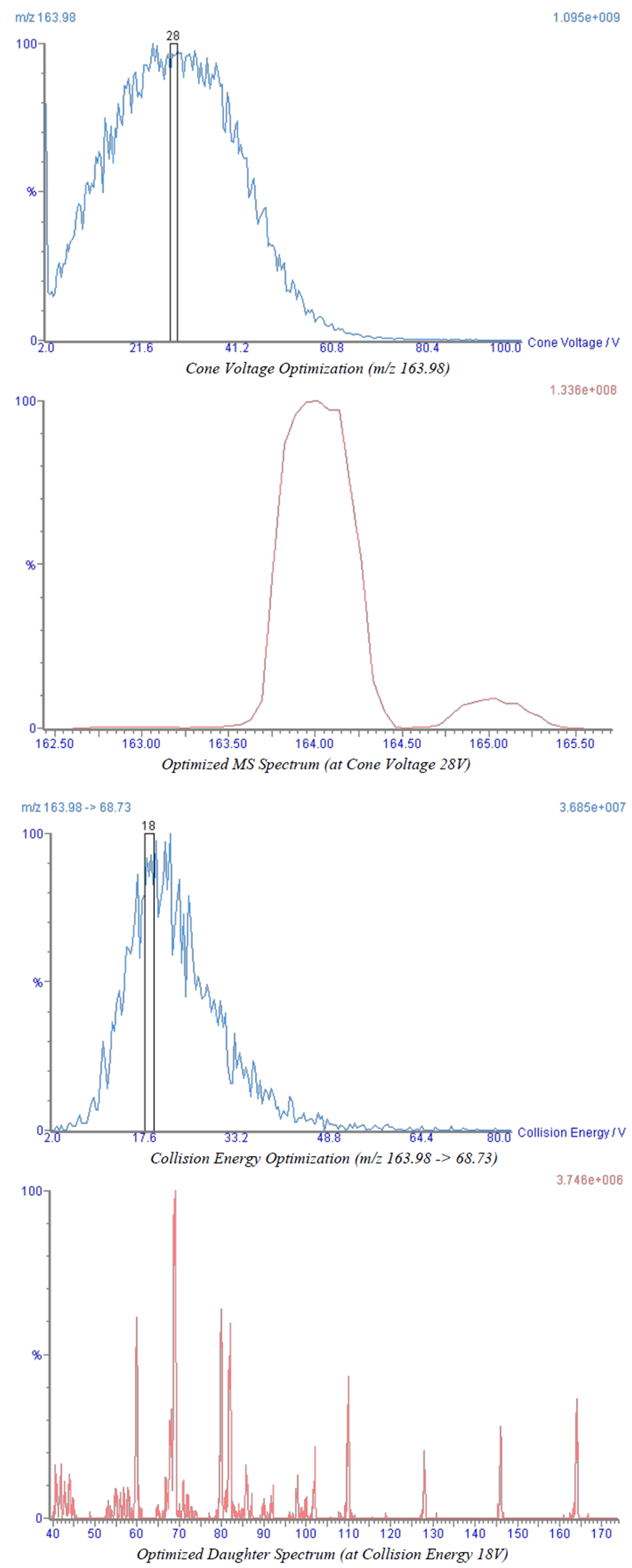
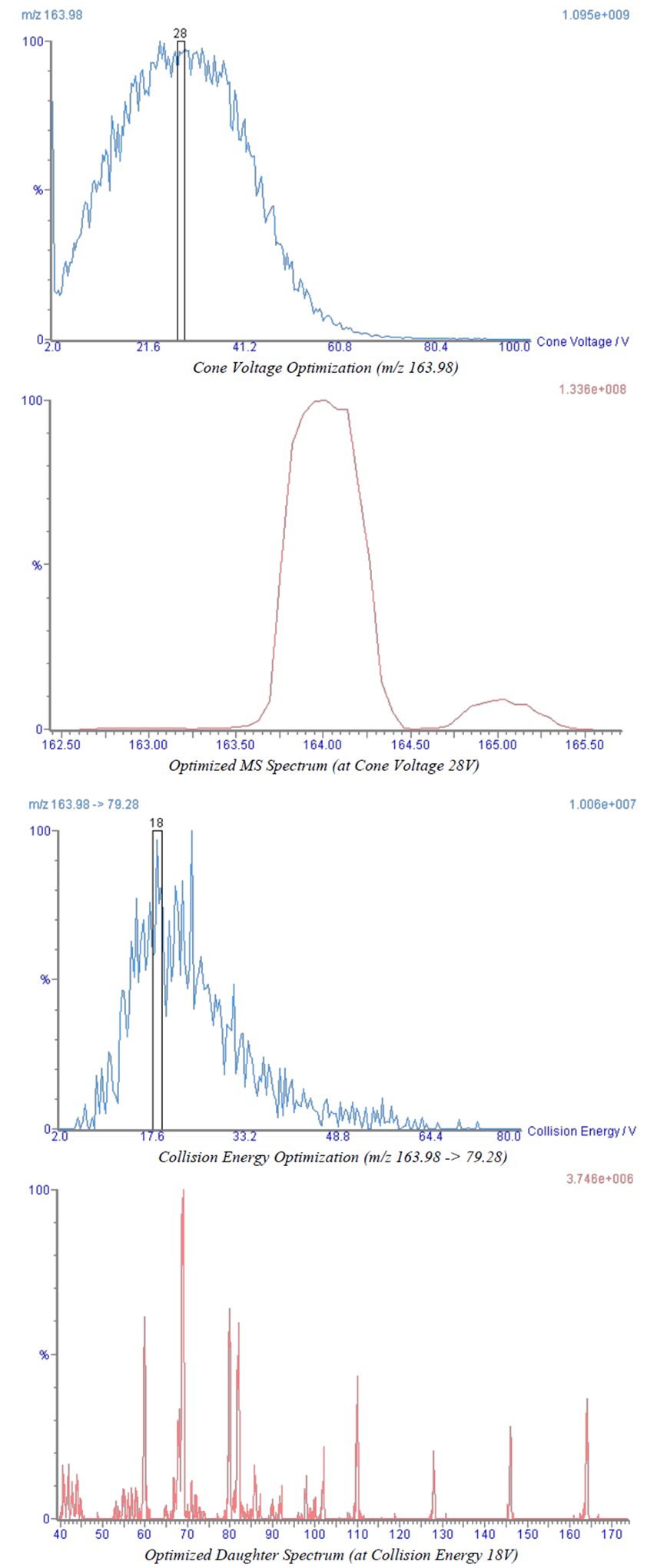
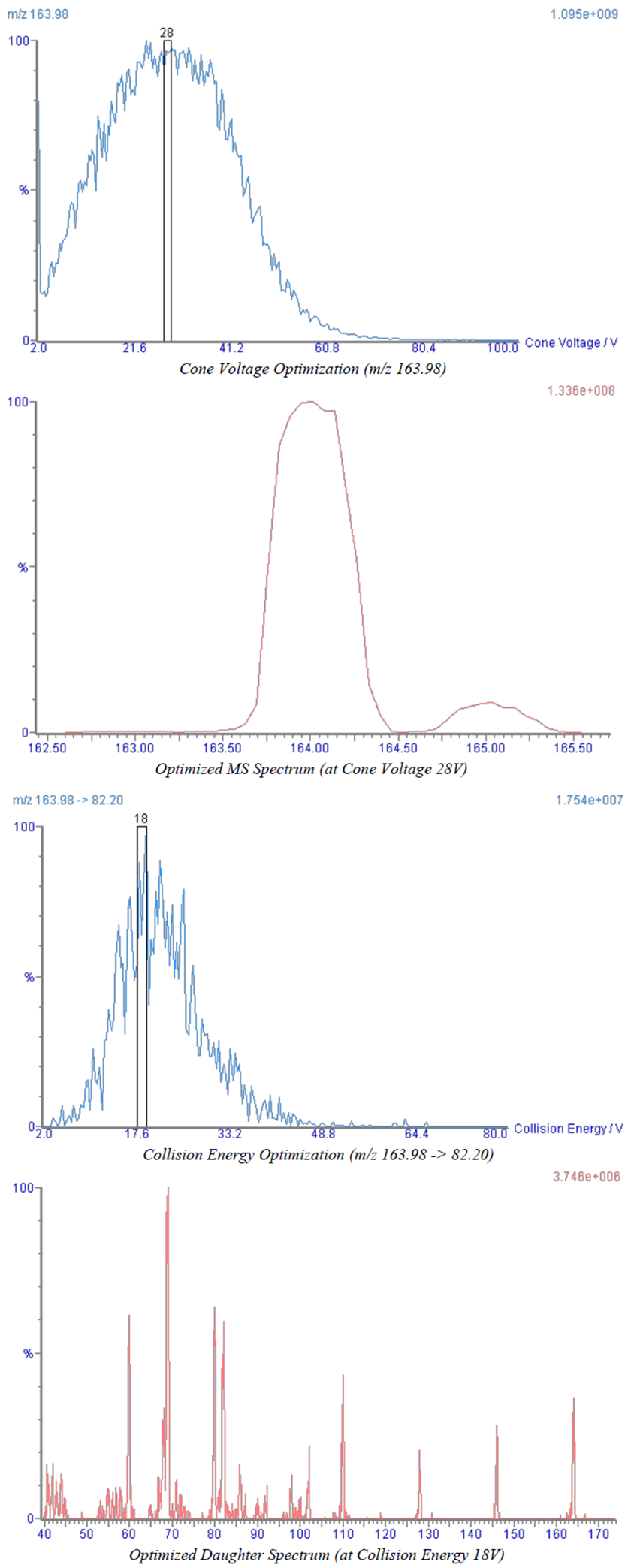
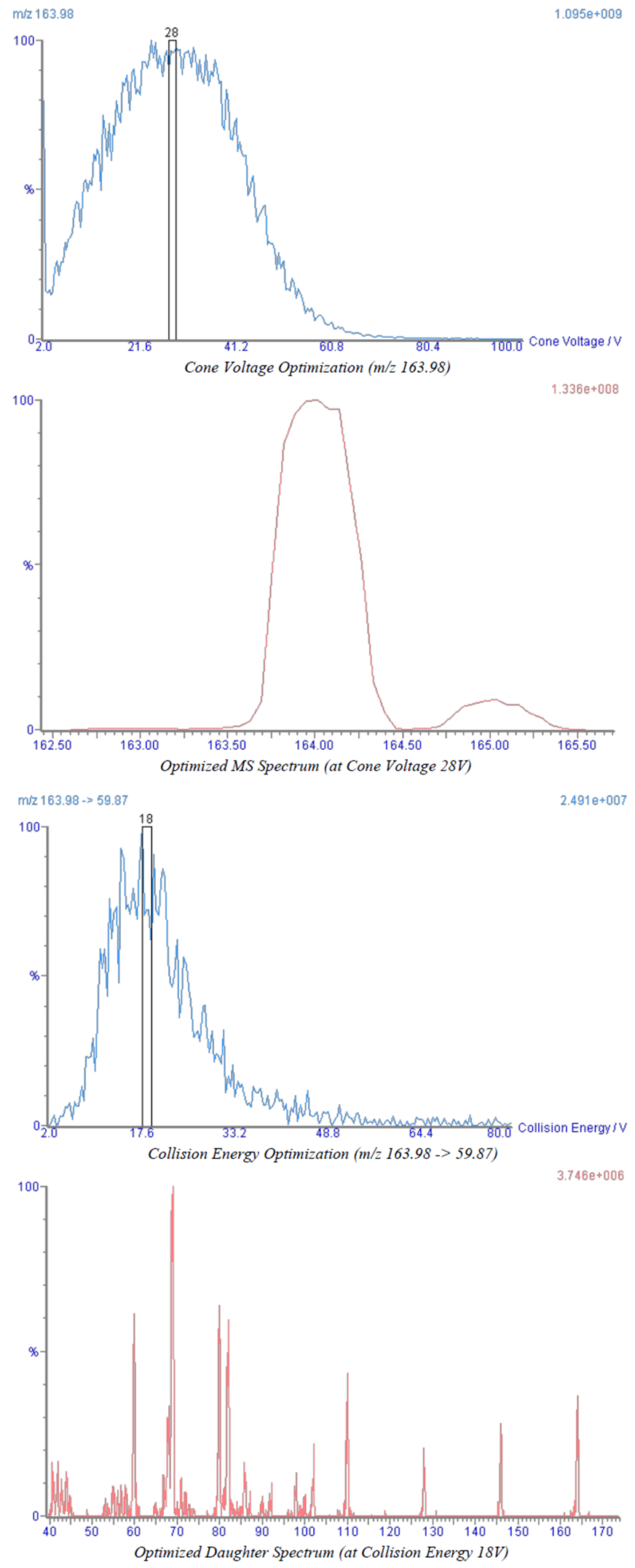
2.9. UPLC-ESI-MS/MS Equipment and Chromatographic Conditions for Separation and Identification of DNJ in Infusion BThe samples were analysed using Waters Acquity UPLC-MS/MS Xevo TQD system (MA, USA) equipped with electrospray ionization operated in the positive ionization mode for separation of DNJ in infusion B. The column used was ACQUITY UPLC BEH HILIC column (2.1 × 100 mm, 1.7 μm particle size) using a isocratic mobile phase consisting of 0.1% v/v formic acid in water and acetonitrile (30:70) at a flow rate of 0.3 mL/min, with injection volume of 10 µL at a room temperature for 2 min. MassLynx 4.1 software was used to operate the mass spectrometer, where IntelliStart tool was utilized to optimize the MS/MS parameters, such as capillary, cone voltage, desolvation temperature, gas flow, collision energy, and dwell time, by directly infusing standard solution of DNJ (0.5µg/mL) into the mass spectrometer to obtain the highest and most stable signal of precursor and fragment ions. The source dependent parameters maintained for the analytes included: desolvation gas flow: 800 L/, cone gas flow: 50 L/h, cone voltage: 28V, collision energy range: 18eV, capillary voltage: 3.00 kV, desolvation temperature: 350°C, and source temperature: 110°C. The mass spectrometer was equipped with Z-spray-electroscopy interface operating in positive ion mode. Two MRM (multiple-reaction monitoring) transitions 163.98→68.73, 163.98→79.28, 163.98→82.20 and 163.98→59.87 were selected and optimized for each compound mode, by monitoring the transition pairs (precursor to product ion). MRM transitions were selected by IntelliStart tool of MassLynx 4.1 shown in Supplementary File 1.
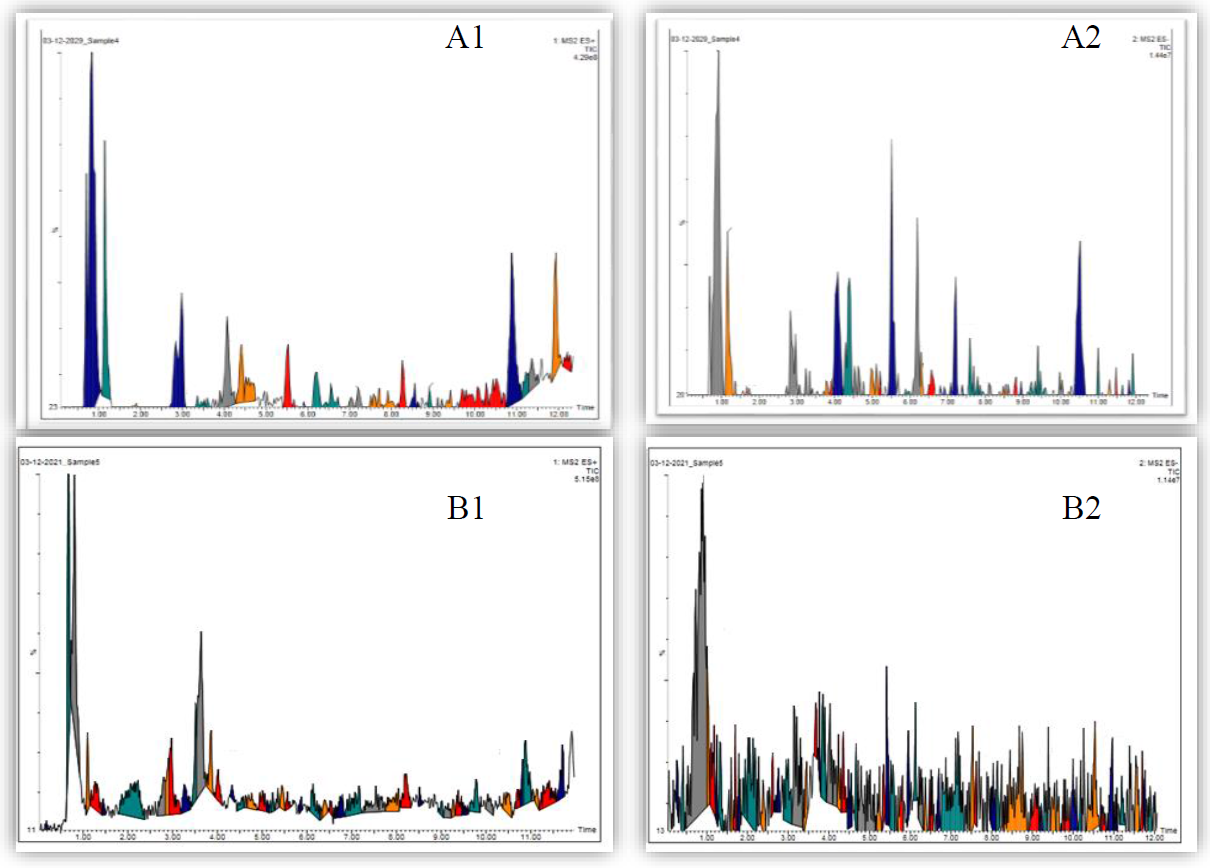
2.10. Identification and Characterization of Metabolites in Infusion B by UPLC-MSWaters Acquity UPLC-MS/MS Xevo TQD system operational with a column manager, an auto sampler, and a tunable MS detector was utilized for fingerprinting and identification of the active metabolite (antioxidant and hypoglycemic) based on their molecular mass as obtained from spectral data of infusion B. The infusion was chromatographically separated in formerly degassed mobile phase comprising of 0.5% formic acid and acetonitrile in gradient elution mode. Water’s ACQUITY UPLC BEH C18 (2.1 mm × 100 mm × 1.7µm particle size) column was used with a flow rate of mobile phase 0.4 mL/min. The sample and column manager temperature was 25 ± 2°C to 35 ± 2°C respectively. Accurately 10 µL filtered infusion was injected with the split mode of 5:1 with the aid of auto injector and the pressure of the system was set to 15000 psi. Source temperature of MS detector was set to 100°C. The cone and capillary voltage were set to 40 V and 3.0kV respectively. At a pressure of 5.3 × 10⁻⁵ Torr, argon was used for collision. The instrument's Mass Lynx V 4.1 software was used to monitor both the UPLC and the mass detector. The separated compounds were identified based on their m/z value by data sources including PubChem, Drug Bank, ChemSpider, Mass Bank, and existing literature 17.
M.alba leaves (Zagtul) were collected from Moriculture Division Pampore, Jammu & Kashmir in August 2018. The plant specimen was authenticated and identified by Pawan Saini, Scientist-B, Moriculture Division CSR & TI, Pampore, and Jammu & Kashmir.
3.1. Effect of BT on Phenolic and Flavonoid Contents in M. alba InfusionsThis study compared the TPC of different M. alba infusions (3-10 minutes) at 98°C and was determined using the calibration curve of gallic acid (R2 = 0.996). TPC of different infusions significantly depended on BT and grew in a linear manner. However presence of TPC was highest in infusion B (87.37 ± 1.81 µg GAE/150 mL) at BT 10 minutes. Previous literature also reported that M. alba leaves are rich in phenolic contents 18. White teas brewed at 98 °C for 7 minutes had highest content of phenols and antioxidant capacity with acceptable sensory properties as reported by Burillo et al., 2018 12.
Flavonoids' antioxidant activity is mediated by their hydroxyl groups, which scavenge free radicals and chelate metal ions 19. TFC in the M. alba infusion was determined from the calibration curve of rutin (R2 = 0.992) and was highest recorded in infusion A (246.99 ± 3.97 µg of RE/150 mL) at BT of 10 minutes. The percentage of TPC and TFC of all three infusion at different BT were determined and shown in Table 1.
The antioxidant activity of M. alba infusions was determined by two different methods (DPPH and FRAP) because both method have different mechanisms of action.
Free radical scavenging activity of M. alba infusion was calculated by DPPH assay. This protocol is extensively utilized for assessment of antioxidant activities in comparatively lesser time as compared to other reported methods. The degree of discoloration indicates the scavenging activity of the compound. Highest DPPH radical scavenging potential was found in infusion B (79.44 ± 1.79 %) at 10 minutes which was almost equal at 7 minutes in infusion B (78.07 ± 1.10 %). Our result showed better free radical scavenging activity than previously reported M. alba infusion 20. The percentage inhibition of the all three infusions at different BT were calculated and shown in Table 2.
The current antioxidant activity of M. alba infusion was measured through FRAP assay. This commonly used assay uses antioxidants as reluctants in a redox-linked colorimetric reaction, wherein ferric ion is reduced to ferrous ion. The FRAP value of infusions at different BT was observed to vary from 258.21 ± 3.21 to 351.78 ± 1.1 mM Fe /1g/150mL infusion with the highest antioxidant potential in infusion B, with slightly variation in values at 7 and 10 minutes of BT. The FRAP activity was found to be linearly proportionate to the free radical scavenging activity of DPPH in all infusions except in infusion A (Table 2).
Inhibition of the α-amylase enzyme before the absorption in intestine delays the degradation of disaccharides and oligosaccharides to monosaccharides. This may reduce the absorption of fasting and postprandial blood glucose at gut level 21. The inhibition of α-amylase activity is a therapeutic strategy of type 2 diabetes and its complications, involves decrease in blood glucose level 20. Therefore, α-amylase screening of herbal based products has received much attention. The inhibition of α-amylase by all three infusions showed no major significant difference at different BTs (Table 3). However among all three infusions at different BT, the infusion B showed maximum percentage of inhibition. The infusion B at 10 minutes showed highest percentage inhibition that was 45.14 ± 1.92, which was comparable at 7 minutes of BT (44.29 ± 2.09).
This study attempted to examine the effect of BT on different infusion of M. alba and it was observed that α-glucosidase inhibition of all infusions increased linearly with increased BT (Table 3). Increasing in BT increased the α-glucosidase inhibition in all three infusions; however percentage inhibition at 7 (70.20 ± 2.09) and 10 minutes (71.34 ± 2.17) was almost similar. It was clear from current investigation that M. alba infusion at BT of 7 and 10 minutes at 98°C can be consumed as a healthy antihyperglycemic functional drink that can probably decline the postprandial glucose level by inhibiting the α-glucosidase activity. Our findings were comparable with the results of Hansawasdi et al., 2006. They reported brewing of 1 gram of mulberry leaves in 100 mL of water for 3-5 minutes at 98°C will lead to effective inhibitory activity against certain enzymes 22.
The correlation between BT and the biological activity of M. alba infusion revealed that the health-beneficial compounds (antioxidant and antihyperglycemic) increased with each BT. The phenolics and flavonoids are well-known phytochemical molecules from plants, having antioxidant properties. In this study, the phenolic and flavonoid content of all the infusions was estimated by Folin-Ciocalteu reagent and aluminum chloride colorimetric method respectively, where, rutin and gallic acid were used as markers. In one of previously reported studies, chlorogenic acid and rutin were main flavonoids responsible for antidiabetic activity in experimental rats 3.
In a study, flavonoids astragalin and isoquercitrin were shown to inhibit α-glucosidase activity which was confirmed by conventional α-glucosidase inhibitory assay 23. The inhibition of α-glucosidase and α-amylase enzymes involved in the digestion of carbohydrates can dramatically reduce the post-prandial increase of blood glucose and therefore, can be an important approach in the management of blood glucose level in T2D patients 24.
The antidiabetic effects of the infusion B at 7 and 10 minutes of BT are probably due to their rich contents of phenolic and flavonoid as antioxidants and inhibitory activity of α- amylase and α-glucosidase enzymes. Flavonoids astragalin and isoquercitrin have shown to inhibit α- glucosidase activity which was confirmed by conventional α-glucosidase inhibitory assay 23.
Hence from current study it can be concluded that the antioxidant effect in infusions was observed due to the inhibition of α- amylase and α-glucosidase enzymes. In addition to that the established antioxidant effect of phenolics and flavonoids of infusions has potential to produce direct antioxidant effect on the pancreas that may contribute to its antihyperglycemic effect.
Based on overall in vitro antioxidant and antihyperglycemic investigation of M. alba, infusion B at 7 and 10 minutes BT was selected as the best infusion amongst all and was selected for further analysis.
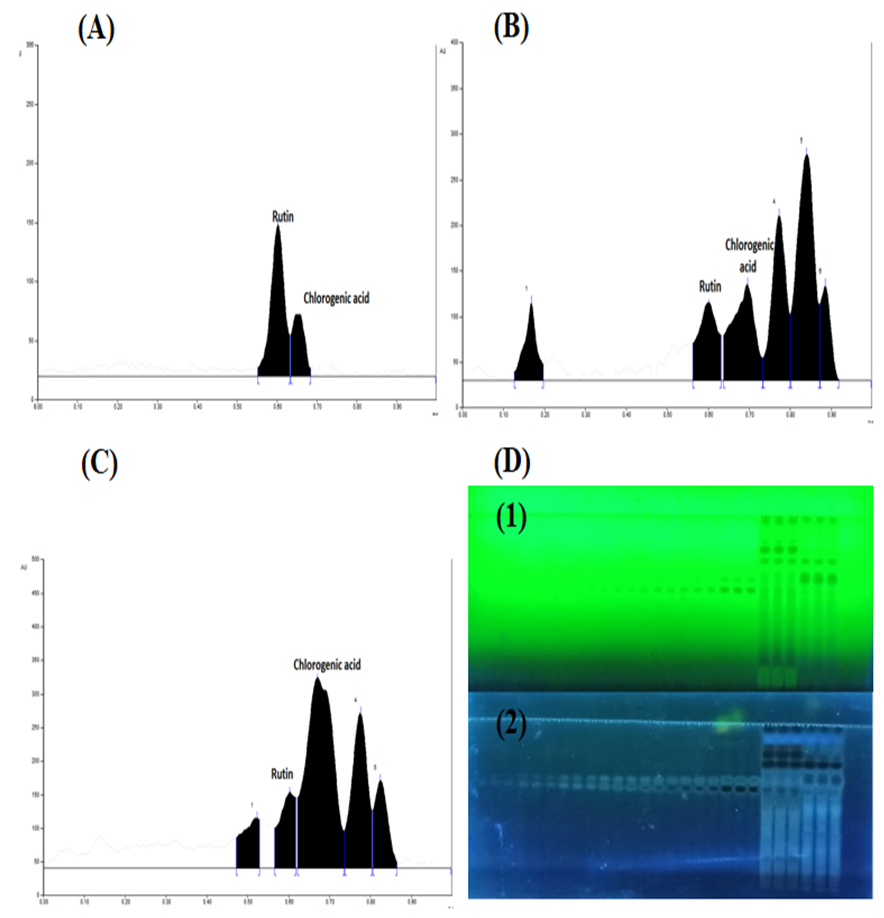
3.4. Quantification of Chlorogenic Acid and Rutin in Infusion BHPTLC is a quick and cost-effective method for qualitative and quantitative evaluation of herbal products. Because of its simplicity and reliability, the fingerprint analysis approach using HPTLC has now become one of the effective methods for quality control of herbal drugs. It is widely used to identify, authenticate, and separate herbal drugs. Two polyphenol standards chlorogenic acid and rutin were employed for quantification 25. Among all polyphenols in M. alba chlorogenic acid and rutin are the major ones 3. For quantitative evaluation of these two polyphenol, sample applied on TLC plate was developed in a twin-trough glass chamber containing ethyl acetate: formic acid: acetic acid: water (5:4:3:1, v/v/v/v) as a solvent system and scanning was performed at two wavelengths of 254 and 320 nm. The developed method for chlorogenic acid (Rf 0.70) and rutin (Rf 0.65) were linear in the range of 100-2000 ng with good regression coefficient (0.997 for both). The regression equation for compounds chlorogenic acid and rutin were obtained Y=3.874x+867.6and Y=6.038x+1901, respectively. The LODs of the developed method for chlorogenic acid and rutin were 01.47 and 00.59 ng/spot, whereas LOQs were 04.90 and 01.96 ng/spot, respectively. The percentage recovery was in the range of 97.78-100.07 for chlorogenic acid, whereas 99.67-100.73 for rutin. Chromatogram profiles of standard (chlorogenic acid and rutin) and infusion B at 7 and 10 minutes BT is mentioned in Figure 1. The content of chlorogenic acid in infusion B at 7 and 10 minutes BT was found 89.93 µg/mL and 95.0µg/mL, whereas, the content of rutin in infusion B at 7 and 10 minutes BT was found 5.56 µg/mL and 8.79 µg/mL respectively. Hence at both BTs chlorogenic acid was found dominant than rutin. A comparable study, conducted by Cestić et al., 2016 observed that after 10 minutes of steeping time of black mulberry tea chlorogenic acid content was 7226.00 µg/g, which was determined by HPLC-MS technique 26.

TLC-MS-bioautography method was developed to evaluate the antioxidant and antihyperglycemic compounds of infusion B at 7 and 10 minutes of BT (best infusion on the basis of in vitro antioxidant and antihyperglycemic activity). Active spots together with silica gel were dissolved in UPLC-MS grade methanol and centrifuged at 4000 RPM for 10 minutes to free silica gel particles. The supernatants were filtered through 0.2 μM PTFE membrane filter and analysed by MS for identification of active metabolites responsible for concerned activity.
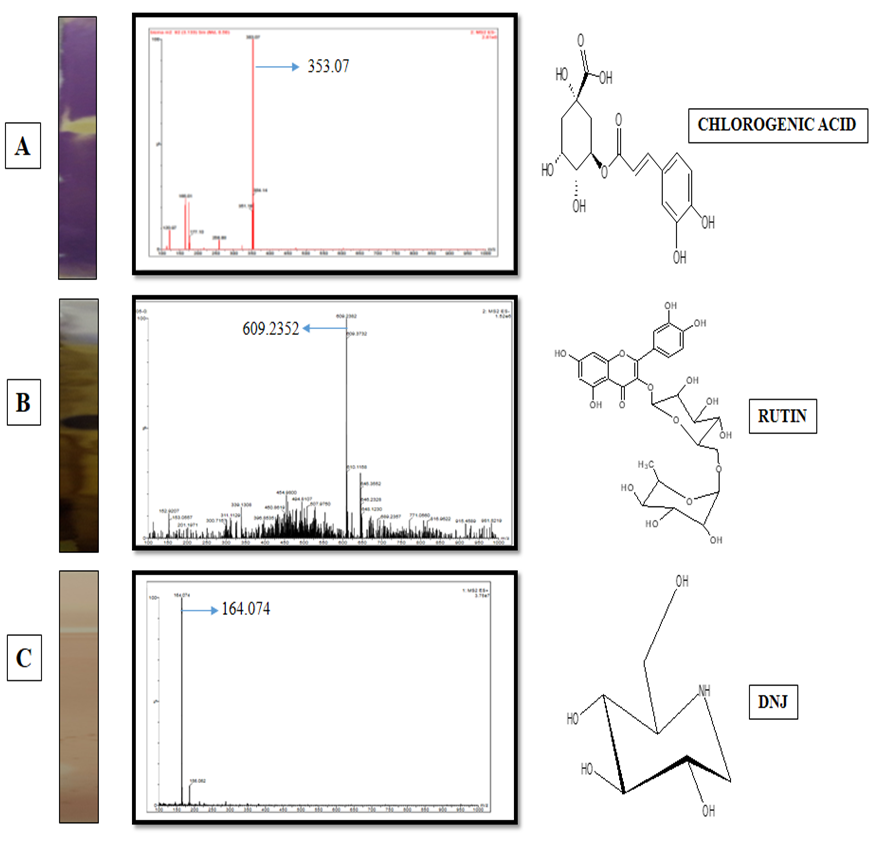
TLC-MS-bioautography method was developed to identify the antioxidant compound of infusion B at 7 and 10 minutes of BT. The derivatized plate was visualized under visible light and the region showing yellowish band on purple background indicated the presence of antioxidant compound which was further confirmed by MS. (Figure 2). Chlorogenic acid was the major antioxidant compound identified in infusion B at 7 and 10 minutes of BTs. Thus, from our study it can be concluded that chlorogenic acid is responsible for antioxidant activity in M. alba infusion. Current result of the investigation was in agreement with the studies of Memon et al. 2010 27. In this study, chlorogenic acid was present in higher quantities than rest of the antioxidants present like gallic acid, rutin, caffeic acid etc. Therefore the present study revealed that TLC-bioautography-MS guided approach is a fast, simple and feasible technique for screening of bioactive compounds in herbal plants with high resolution and selectivity.
TLC-MS-bioautography method was developed to identify the α-amylase inhibitory compound of infusion B at 7 and 10 minute of BT. The derivatized plate was observed in visible light and the band showing dark violet against dark brown background was considered as α-amylase inhibitory compound and is depicted in Figure 2. Rutin was the α-amylase inhibitory compound in infusion B which was confirmed by MS. Present investigation can be correlated with the study conducted by Hunyadi et al., 2012 3 where they concluded that rutin may be responsible for antidiabetic activity of M. alba leave in streptozotocin induced diabetic rats.

TLC-MS-bioautography method was developed to identify the α-glucosidase inhibitory compound of infusion B. The derivatized plate was observed in visible light and the band showing white spot on a purple background was considered as α-glucosidase inhibitor compound and is depicted in Figure 2. DNJ was α-glucosidase inhibitor compound in infusion which was confirmed by MS. DNJ was previously isolated by many studies involving the analytical techniques like HPLC-MS, UPLC-MS and NMR however there is no current study available on HPTLC separation of DNJ. This compound is effective in lowering the level of blood sugar, due its dominant glucosidase inhibitory activity 28. DNJ has been clinically approved for the treatment of diabetics and has been accepted as a safe antidiabetic agent with no harm and is now available in the markets of countries like China, Japan and Thailand.
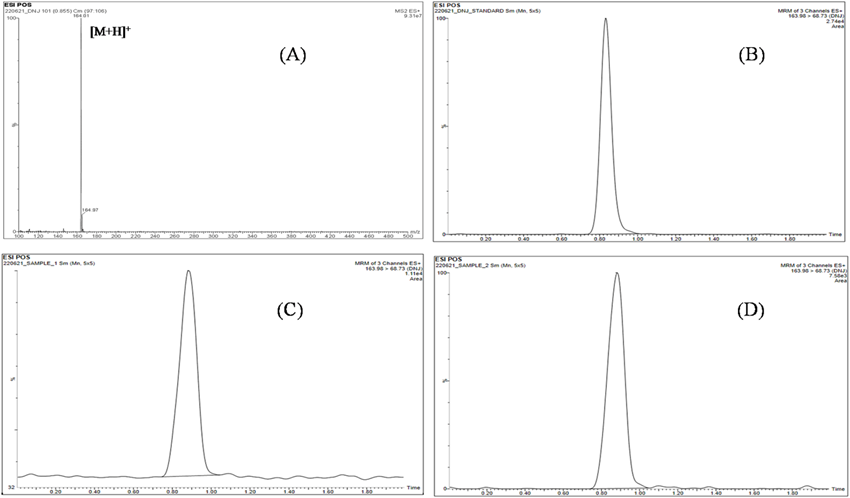
3.6. Separation and Identification of DNJ in Infusion BDNJ in infusion B at 7 and 10 minutes of BT was separated upon use of several spectral detection methods. When DNJ was subjected to LC-MS/MS in MRM mode with column ACQUITY UPLC BEH HILIC, a peak of DNJ was detected at a suitable retention time (0.88 min) in the total ion current-chromatogram with the baseline separated from the other peak components. The identity of DNJ peak was confirmed by the relative retention time with standard DNJ by determining the relative MS. The mass spectrum of the peak at RT 0.88 minute showed the [M+H]+ ion of DNJ at m/z. 163.98. The representative chromatograms of standard and samples and MS/MS of the peak at Rt 0.88 minute are depicted in Figure 3. The DNJ sample peak areas obtained were confronted with a DNJ standard solution containing the exact same concentration as the one declared by the M. alba infusion.

The mass spectrum of each metabolite separated through UPLC-MS were tentatively identified by comparing their m/z values, published literature and available database library and Pub Chem. Major abundant metabolites of infusion are summarized in Table 4 and their mass chromatograms are depicted in Supplementary File 2. Most of the metabolites identified here are previously reported in M. alba infusion and are mainly polyphenolic compounds. Some major and common antidiabetic metabolites are fagomine at Rt 0.834, involved in carbohydrate digestion and absorption and insulin secretion, rutin at Rt 1.362, stimulates the insulin secretion from β-cells as well as protects the islets of Langerhans against degeneration 29. Chlorogenic acid at Rt 2.82, reduces blood glucose level by directly inhibiting G-6-Pase activity 30, quercetin at Rt 5.44, improves GLUT4 translocation by AMPK activation 31, kaempferol-3-O-glucuronoside at Rt 4.09 improves cAMP signaling as well as insulin synthesis and secretion 32. Astragalin at Rt 4.392, is involved in the restoration of pancreatic β-cell and insulin secretion 33. Morin at Rt 5.53, reduces blood glucose by inhibiting G-6-Pase activity 34, kaempferol at Rt 6.20, promotes glucose metabolism in skeletal muscle and inhibits gluconeogenesis in the hepatic cells 35.
The findings of other studies are comparable with the findings of the current analysis. Like compounds including DNJ at Rt 0.81and fagomine reported by Asano et al., 1999 were detected by LC-MS in positive ESI mode 36. Organic acids like succinic acid, benzoic acid and fumaric acids were present in infusion B. These organic acids like succinic acid, and fumaric acid were also reported by Gecer et al., 2016 as detected by HPLC 37. Flavonoids like rutin and astragalin were identified by Kwon et al., 2019 by UPLC-DAD-QTOF/MS 38. Compounds including morin, quercetin, catechol, and kaempferol were reported previously by Mena et al., 2016 in negative mode by UPLC-MS 39.
Hence brewing of M. alba at 98°C for 7-10 minutes may be a source of some abundant phenolic and flavonoid metabolites which are responsible for its antioxidant activity and can be possibly utilized as a functional drink with therapeutic potential. As a result, the UPLC-MS approach appears to be the best method of analysis for low and high abundant metabolites with a wide polarity range.
The current study, attempted to identify and characterize antioxidant and antihyperglycemic compounds employing novel chromatographic technique TLC-bioautography and UPLC-MS in optimized M. alba infusion. Our results showed that among all infusions, infusion B at 7 and 10 minutes of BT was found to have best antioxidant and antihyperglycemic activity in vitro. The antihyperglycemic effects of the infusion B at 7 and 10 minutes of BT are probably due phenolics and flavonoids. The presence of antioxidant and antihyperglycemic compound was evident through TLC-bioautography. Chlorogenic acid, rutin and DNJ which are responsible for antioxidant and antihyperglycemic activity were identified and separated by novel TLC-bioautography for the first time. UPLC-MS analysis revealed that M. alba is a source of abundant phenolics and flavonoids. Hence, the developed infusion can be called as a functional drink with multifunctional properties. Further, in vivo and clinical studies needs to be performed for defining the mechanism behind the antidiabetic activity of the infusion. This will lead to commercialization of developed M. alba infusion in countries where its identity from as a commercial product is still lacking.
Authors would like to acknowledge Indian Council of Medical Research (ICMR), New Delhi, India for providing scholarship to Bisma Jan (Sanction No. 3/1/2/161/2019) to carry out the present research work.
| [1] | Shaw JE, Sicree RA, Zimmet PZ. Global estimates of the prevalence of diabetes for 2010 and 2030. Diabetes Research and Clinical Practice. 2010; 87: 4-14. | ||
| In article | View Article PubMed | ||
| [2] | Organization WH. Global Report on Diabetes. 2016. Current medical research and opinion. 2014; 56: 1051-62. | ||
| In article | |||
| [3] | Hunyadi A, Martins A, Hsieh TJ, Seres A, Zupkó I. Chlorogenic Acid and Rutin Play a Major Role in the In Vivo antidiabetic Activity of Morus alba Leaf Extract on Type II Diabetic Rats. PLoS ONE. 2012; 7(11): e50619. | ||
| In article | View Article PubMed | ||
| [4] | Jan B, Parveen R, Zahiruddin S, Khan MU, Mohapatra S, Ahmad S. Nutritional constituents of mulberry and their potential applications in food and pharmaceuticals: A review. Saudi Journal of Biological Sciences. 2021; 28: 3909-21. | ||
| In article | View Article PubMed | ||
| [5] | Ercisli S, Orhan E. Chemical composition of white (Morus alba), red (Morus rubra) and black (Morus nigra) mulberry fruits. Food Chemistry. 2007; 4: 1380-1384. | ||
| In article | View Article | ||
| [6] | He X, Fang J, Ruan Y, Wang X, Sun Y, Wu N, et al. Structures, bioactivities and future prospective of polysaccharides from Morus alba (white mulberry): A review. Food Chemistry. 2018; 899-910. | ||
| In article | View Article PubMed | ||
| [7] | Kar A, Mukherjee PK, Saha S, Bahadur S, Ahmmed SKM, Pandit S. Possible herb-drug interaction of Morus alba L.- a potential antidiabetic plant from Indian traditional medicine. Indian Journal of Traditional Knowledge. 2015; 4: 626-631. | ||
| In article | |||
| [8] | Vichasilp C, Nakagawa K, Sookwong P, Higuchi O, Luemunkong S, Miyazawa T. Development of high 1-deoxynojirimycin (DNJ) content mulberry tea and use of response surface methodology to optimize tea-making conditions for highest DNJ extraction. LWT - Food Science and Technology. 2012; 2: 226-232. | ||
| In article | View Article | ||
| [9] | Li F, Zhang B, Chen G, Fu X. The novel contributors of antidiabetic potential in mulberry polyphenols revealed by UHPLC-HR-ESI-TOF-MS/MS. Food Research International. 2017; 873-884. | ||
| In article | View Article PubMed | ||
| [10] | Asano N, Oseki K, Tomioka E, Kizu H, Matsui K. N-containing sugars from Morus alba and their glycosidase inhibitory activities. Carbohydrate Research. 1994; 2: 243-255. | ||
| In article | View Article | ||
| [11] | Choma I, Jesionek W. TLC-Direct Bioautography as a High Throughput Method for Detection of Antimicrobials in Plants. Chromatography. 2015; 2: 225-238. | ||
| In article | View Article | ||
| [12] | Pérez-Burillo S, Giménez R, Rufián-Henares JA, Pastoriza S. Effect of brewing time and temperature on antioxidant capacity and phenols of white tea: Relationship with sensory properties. Food Chemistry. 2018; 111-118. | ||
| In article | View Article PubMed | ||
| [13] | Khan W, Parveen R, Chester K, Parveen S, Ahmad S. Hypoglycemic potential of aqueous extract of Moringa oleifera leaf and in vivo GC-MS metabolomics. Frontiers in Pharmacology. 2017; 10.3389/fphar.2017.00577. | ||
| In article | View Article PubMed | ||
| [14] | Fu L, Xu BT, Gan RY, Zhang Y, Xu XR, Xia EQ, et al. Total phenolic contents and antioxidant capacities of herbal and tea infusions. International Journal of Molecular Sciences. 2011; 4: 2112-2124. | ||
| In article | View Article PubMed | ||
| [15] | Gaurav, Zahiruddin S, Parveen B, Ibrahim M, Sharma I, Sharma S, et al. TLC-MS bioautography-based identification of free-radical scavenging, α‑amylase, and α‑glucosidase inhibitor compounds of antidiabetic tablet BGR-34. ACS Omega. 2020; 10.1021/acsomega.0c02995. | ||
| In article | View Article PubMed | ||
| [16] | Parveen R, Khan N, Zahiruddin S, Ibrahim M, Anjum V, Parveen B, et al. TLC-Bioautographic Evaluation for High-Throughput Screening and Identification of Free Radical Scavenging and Antidiabetic Compounds from Traditional Unani Medicinal Plant: Citrullus colocynthis Schrad. Journal of AOAC INTERNATIONAL. 2020; 3, 669-677. | ||
| In article | View Article PubMed | ||
| [17] | Zahiruddin S, Khan W, Nehra R, Alam MJ, Mallick MN, Parveen R, et al. Pharmacokinetics and comparative metabolic profiling of iridoid enriched fraction of Picrorhiza kurroa-An Ayurvedic Herb. Journal of Ethnopharmacology. 2017; 197: 157-64. | ||
| In article | View Article PubMed | ||
| [18] | Polumackanycz M, Sledzinski T, Goyke E, Wesolowski M, Viapiana A. A comparative study on the phenolic composition and biological activities of morus alba L. Commercial samples. Molecules. 2019; 24(17), 3082. | ||
| In article | View Article PubMed | ||
| [19] | Miguel MG, Nunes S, Dandlen SA, Cavaco AM, Antunes MD. Phenols, flavonoids and antioxidant activity of aqueous and methanolic extracts of propolis (Apis mellifera L.) from Algarve, South Portugal. Food Science and Technology. 2014; 1, 16-23. | ||
| In article | View Article | ||
| [20] | Thummajitsakul S, Samaikam S, Tacha S, Silprasit K. Study on FTIR spectroscopy, total phenolic content, antioxidant activity and anti-amylase activity of extracts and different tea forms of Garcinia schomburgkiana leaves. LWT. 2020; 134, 110005. | ||
| In article | View Article | ||
| [21] | Kajaria D, Tiwari S, Tripathi J, Tripathi Y, Ranjana. In-vitro α amylase and glycosidase inhibitory effect of ethanolic extract of antiasthmatic drug-Shirishadi. Journal of Advanced Pharmaceutical Technology & Research. 2013; 4, 206-209. | ||
| In article | View Article PubMed | ||
| [22] | Hansawasdi C, Kawabata J. α-Glucosidase inhibitory effect of mulberry (Morus alba) leaves on Caco-2. Fitoterapia. 2006; 77(7-8), 568-73. | ||
| In article | View Article PubMed | ||
| [23] | Tao Y, Zhang Y, Cheng Y, Wang Y. Rapid screening and identification of α-glucosidase inhibitors from mulberry leaves using enzyme-immobilized magnetic beads coupled with HPLC/MS and NMR. Biomedical Chromatography. 2013; 27: 148-55. | ||
| In article | View Article PubMed | ||
| [24] | Zdunić G, Aradski AA, Gođevac D, Živković J, Laušević SD, Milošević DK, et al. In vitro hypoglycemic, antioxidant and antineurodegenerative activity of chokeberry (Aronia melanocarpa) leaves. Industrial Crops and Products. 2020; 174, 114214. | ||
| In article | View Article | ||
| [25] | Anjum V, Arora P, Ansari SH, Najmi AK, Ahmad S. Antithrombocytopenic and immunomodulatory potential of metabolically characterized aqueous extract of Carica papaya leaves. Pharmaceutical Biology. 2017; 55: 2043-56. | ||
| In article | View Article PubMed | ||
| [26] | Čestić SR, Radojković MM, Cvetanović AD, Mašković PZ, Durović SD. Influence of steeping time on biological activity of black mulberry leaves tea. Acta Periodica Technologica. 2016; 47, 177-191. | ||
| In article | View Article | ||
| [27] | Memon AA, Memon N, Luthria DL, Bhanger MI, Pitafi AA. Phenolic acids profiling and antioxidant potential of mulberry (Morus laevigata W., Morus nigra L., Morus alba L.) Leaves and fruits grown in Pakistan. Polish Journal of Food and Nutrition Sciences. 2010; 1, 25-32. | ||
| In article | |||
| [28] | Yin Z, Zhang W, Feng F, Zhang Y, Kang W. α-Glucosidase inhibitors isolated from medicinal plants. Food Science and Human Wellness. 2014; 3, 136-174. | ||
| In article | View Article | ||
| [29] | Ghorbani A. Mechanisms of antidiabetic effects of flavonoid rutin. Biomedicine and Pharmacotherapy. 2017; 305-311. | ||
| In article | View Article PubMed | ||
| [30] | Ong KW, Hsu A, Tan BKH. Antidiabetic and anti-lipidemic effects of chlorogenic acid are mediated by ampk activation. Biochemical Pharmacology. 2013; 9, 1341-1351. | ||
| In article | View Article PubMed | ||
| [31] | Haddad P, Eid H. The Antidiabetic Potential of Quercetin: Underlying Mechanisms. Current Medicinal Chemistry. 2016; 4, 355-364. | ||
| In article | View Article PubMed | ||
| [32] | Calderón-Montaño JM, Burgos-Morón E, Pérez-Guerrero C, López-Lázaro M. A Review on the Dietary Flavonoid Kaempferol | BenthamScience. Mini reviews in medicinal chemistry. 2011; 4, 298-344. | ||
| In article | View Article PubMed | ||
| [33] | Riaz A, Rasul A, Hussain G, Zahoor MK, Jabeen F, Subhani Z, et al. Astragalin: A Bioactive Phytochemical with Potential Therapeutic Activities. Advances in Pharmacological Sciences. 2018; 9794625, 1-15. | ||
| In article | View Article PubMed | ||
| [34] | Paoli P, Cirri P, Caselli A, Ranaldi F, Bruschi G, Santi A, et al. The insulin-mimetic effect of Morin: A promising molecule in diabetes treatment. Biochimica et Biophysica Acta - General Subjects. 2013; 4, 3102-3111. | ||
| In article | View Article PubMed | ||
| [35] | Chandramohan G, Al-Numair KS, Alsaif MA, Veeramani C. Antidiabetic effect of kaempferol a flavonoid compound, on streptozotocin-induced diabetic rats with special reference to glycoprotein components. Progress in Nutrition. 2015; 1, 50-57. | ||
| In article | |||
| [36] | Asano N, Yamashita T, Yasuda K, Ikeda K, Kizu H, Kameda Y, et al. Polyhydroxylated alkaloids isolated from mulberry trees (Morus alba L.) and silkworms (Bombyx mori L.). Journal of Agricultural and Food Chemistry. 2001; 9, 4208-4213. | ||
| In article | View Article PubMed | ||
| [37] | Gecer MK, Akin M, Gundogdu M, Eyduran SP, Ercisli S, Eyduran E. Organic acids, sugars, phenolic compounds, and some horticultural characteristics of black and white mulberry accessions from Eastern Anatolia. Canadian Journal of Plant Science. 2016; 96: 27-33. | ||
| In article | View Article | ||
| [38] | Kwon OC, Ju WT, Kim HB, Sung GB, Kim YS. UPLC-DAD-QTOF/MS Analysis of Flavonoids from 12 Varieties of Korean Mulberry Fruit. Journal of Food Quality. 2019; 1528917, 1-8. | ||
| In article | View Article | ||
| [39] | Mena P, Sánchez-Salcedo EM, Tassotti M, Martínez JJ, Hernández F, Del Rio D. Phytochemical evaluation of eight white (Morus alba L.) and black (Morus nigra L.) mulberry clones grown in Spain based on UHPLC-ESI-MSn metabolomic profiles. Food Research International. 2016;3; 1116-1122. | ||
| In article | View Article | ||
 |
 |


Published with license by Science and Education Publishing, Copyright © 2021 Bisma Jan, Sultan Zahiruddin, Parakh Basist, Mohammad Umar Khan, Sageer Abass, Rikeshwer Prasad Dewangan and Sayeed Ahmad
 This work is licensed under a Creative Commons Attribution 4.0 International License. To view a copy of this license, visit
http://creativecommons.org/licenses/by/4.0/
This work is licensed under a Creative Commons Attribution 4.0 International License. To view a copy of this license, visit
http://creativecommons.org/licenses/by/4.0/
| [1] | Shaw JE, Sicree RA, Zimmet PZ. Global estimates of the prevalence of diabetes for 2010 and 2030. Diabetes Research and Clinical Practice. 2010; 87: 4-14. | ||
| In article | View Article PubMed | ||
| [2] | Organization WH. Global Report on Diabetes. 2016. Current medical research and opinion. 2014; 56: 1051-62. | ||
| In article | |||
| [3] | Hunyadi A, Martins A, Hsieh TJ, Seres A, Zupkó I. Chlorogenic Acid and Rutin Play a Major Role in the In Vivo antidiabetic Activity of Morus alba Leaf Extract on Type II Diabetic Rats. PLoS ONE. 2012; 7(11): e50619. | ||
| In article | View Article PubMed | ||
| [4] | Jan B, Parveen R, Zahiruddin S, Khan MU, Mohapatra S, Ahmad S. Nutritional constituents of mulberry and their potential applications in food and pharmaceuticals: A review. Saudi Journal of Biological Sciences. 2021; 28: 3909-21. | ||
| In article | View Article PubMed | ||
| [5] | Ercisli S, Orhan E. Chemical composition of white (Morus alba), red (Morus rubra) and black (Morus nigra) mulberry fruits. Food Chemistry. 2007; 4: 1380-1384. | ||
| In article | View Article | ||
| [6] | He X, Fang J, Ruan Y, Wang X, Sun Y, Wu N, et al. Structures, bioactivities and future prospective of polysaccharides from Morus alba (white mulberry): A review. Food Chemistry. 2018; 899-910. | ||
| In article | View Article PubMed | ||
| [7] | Kar A, Mukherjee PK, Saha S, Bahadur S, Ahmmed SKM, Pandit S. Possible herb-drug interaction of Morus alba L.- a potential antidiabetic plant from Indian traditional medicine. Indian Journal of Traditional Knowledge. 2015; 4: 626-631. | ||
| In article | |||
| [8] | Vichasilp C, Nakagawa K, Sookwong P, Higuchi O, Luemunkong S, Miyazawa T. Development of high 1-deoxynojirimycin (DNJ) content mulberry tea and use of response surface methodology to optimize tea-making conditions for highest DNJ extraction. LWT - Food Science and Technology. 2012; 2: 226-232. | ||
| In article | View Article | ||
| [9] | Li F, Zhang B, Chen G, Fu X. The novel contributors of antidiabetic potential in mulberry polyphenols revealed by UHPLC-HR-ESI-TOF-MS/MS. Food Research International. 2017; 873-884. | ||
| In article | View Article PubMed | ||
| [10] | Asano N, Oseki K, Tomioka E, Kizu H, Matsui K. N-containing sugars from Morus alba and their glycosidase inhibitory activities. Carbohydrate Research. 1994; 2: 243-255. | ||
| In article | View Article | ||
| [11] | Choma I, Jesionek W. TLC-Direct Bioautography as a High Throughput Method for Detection of Antimicrobials in Plants. Chromatography. 2015; 2: 225-238. | ||
| In article | View Article | ||
| [12] | Pérez-Burillo S, Giménez R, Rufián-Henares JA, Pastoriza S. Effect of brewing time and temperature on antioxidant capacity and phenols of white tea: Relationship with sensory properties. Food Chemistry. 2018; 111-118. | ||
| In article | View Article PubMed | ||
| [13] | Khan W, Parveen R, Chester K, Parveen S, Ahmad S. Hypoglycemic potential of aqueous extract of Moringa oleifera leaf and in vivo GC-MS metabolomics. Frontiers in Pharmacology. 2017; 10.3389/fphar.2017.00577. | ||
| In article | View Article PubMed | ||
| [14] | Fu L, Xu BT, Gan RY, Zhang Y, Xu XR, Xia EQ, et al. Total phenolic contents and antioxidant capacities of herbal and tea infusions. International Journal of Molecular Sciences. 2011; 4: 2112-2124. | ||
| In article | View Article PubMed | ||
| [15] | Gaurav, Zahiruddin S, Parveen B, Ibrahim M, Sharma I, Sharma S, et al. TLC-MS bioautography-based identification of free-radical scavenging, α‑amylase, and α‑glucosidase inhibitor compounds of antidiabetic tablet BGR-34. ACS Omega. 2020; 10.1021/acsomega.0c02995. | ||
| In article | View Article PubMed | ||
| [16] | Parveen R, Khan N, Zahiruddin S, Ibrahim M, Anjum V, Parveen B, et al. TLC-Bioautographic Evaluation for High-Throughput Screening and Identification of Free Radical Scavenging and Antidiabetic Compounds from Traditional Unani Medicinal Plant: Citrullus colocynthis Schrad. Journal of AOAC INTERNATIONAL. 2020; 3, 669-677. | ||
| In article | View Article PubMed | ||
| [17] | Zahiruddin S, Khan W, Nehra R, Alam MJ, Mallick MN, Parveen R, et al. Pharmacokinetics and comparative metabolic profiling of iridoid enriched fraction of Picrorhiza kurroa-An Ayurvedic Herb. Journal of Ethnopharmacology. 2017; 197: 157-64. | ||
| In article | View Article PubMed | ||
| [18] | Polumackanycz M, Sledzinski T, Goyke E, Wesolowski M, Viapiana A. A comparative study on the phenolic composition and biological activities of morus alba L. Commercial samples. Molecules. 2019; 24(17), 3082. | ||
| In article | View Article PubMed | ||
| [19] | Miguel MG, Nunes S, Dandlen SA, Cavaco AM, Antunes MD. Phenols, flavonoids and antioxidant activity of aqueous and methanolic extracts of propolis (Apis mellifera L.) from Algarve, South Portugal. Food Science and Technology. 2014; 1, 16-23. | ||
| In article | View Article | ||
| [20] | Thummajitsakul S, Samaikam S, Tacha S, Silprasit K. Study on FTIR spectroscopy, total phenolic content, antioxidant activity and anti-amylase activity of extracts and different tea forms of Garcinia schomburgkiana leaves. LWT. 2020; 134, 110005. | ||
| In article | View Article | ||
| [21] | Kajaria D, Tiwari S, Tripathi J, Tripathi Y, Ranjana. In-vitro α amylase and glycosidase inhibitory effect of ethanolic extract of antiasthmatic drug-Shirishadi. Journal of Advanced Pharmaceutical Technology & Research. 2013; 4, 206-209. | ||
| In article | View Article PubMed | ||
| [22] | Hansawasdi C, Kawabata J. α-Glucosidase inhibitory effect of mulberry (Morus alba) leaves on Caco-2. Fitoterapia. 2006; 77(7-8), 568-73. | ||
| In article | View Article PubMed | ||
| [23] | Tao Y, Zhang Y, Cheng Y, Wang Y. Rapid screening and identification of α-glucosidase inhibitors from mulberry leaves using enzyme-immobilized magnetic beads coupled with HPLC/MS and NMR. Biomedical Chromatography. 2013; 27: 148-55. | ||
| In article | View Article PubMed | ||
| [24] | Zdunić G, Aradski AA, Gođevac D, Živković J, Laušević SD, Milošević DK, et al. In vitro hypoglycemic, antioxidant and antineurodegenerative activity of chokeberry (Aronia melanocarpa) leaves. Industrial Crops and Products. 2020; 174, 114214. | ||
| In article | View Article | ||
| [25] | Anjum V, Arora P, Ansari SH, Najmi AK, Ahmad S. Antithrombocytopenic and immunomodulatory potential of metabolically characterized aqueous extract of Carica papaya leaves. Pharmaceutical Biology. 2017; 55: 2043-56. | ||
| In article | View Article PubMed | ||
| [26] | Čestić SR, Radojković MM, Cvetanović AD, Mašković PZ, Durović SD. Influence of steeping time on biological activity of black mulberry leaves tea. Acta Periodica Technologica. 2016; 47, 177-191. | ||
| In article | View Article | ||
| [27] | Memon AA, Memon N, Luthria DL, Bhanger MI, Pitafi AA. Phenolic acids profiling and antioxidant potential of mulberry (Morus laevigata W., Morus nigra L., Morus alba L.) Leaves and fruits grown in Pakistan. Polish Journal of Food and Nutrition Sciences. 2010; 1, 25-32. | ||
| In article | |||
| [28] | Yin Z, Zhang W, Feng F, Zhang Y, Kang W. α-Glucosidase inhibitors isolated from medicinal plants. Food Science and Human Wellness. 2014; 3, 136-174. | ||
| In article | View Article | ||
| [29] | Ghorbani A. Mechanisms of antidiabetic effects of flavonoid rutin. Biomedicine and Pharmacotherapy. 2017; 305-311. | ||
| In article | View Article PubMed | ||
| [30] | Ong KW, Hsu A, Tan BKH. Antidiabetic and anti-lipidemic effects of chlorogenic acid are mediated by ampk activation. Biochemical Pharmacology. 2013; 9, 1341-1351. | ||
| In article | View Article PubMed | ||
| [31] | Haddad P, Eid H. The Antidiabetic Potential of Quercetin: Underlying Mechanisms. Current Medicinal Chemistry. 2016; 4, 355-364. | ||
| In article | View Article PubMed | ||
| [32] | Calderón-Montaño JM, Burgos-Morón E, Pérez-Guerrero C, López-Lázaro M. A Review on the Dietary Flavonoid Kaempferol | BenthamScience. Mini reviews in medicinal chemistry. 2011; 4, 298-344. | ||
| In article | View Article PubMed | ||
| [33] | Riaz A, Rasul A, Hussain G, Zahoor MK, Jabeen F, Subhani Z, et al. Astragalin: A Bioactive Phytochemical with Potential Therapeutic Activities. Advances in Pharmacological Sciences. 2018; 9794625, 1-15. | ||
| In article | View Article PubMed | ||
| [34] | Paoli P, Cirri P, Caselli A, Ranaldi F, Bruschi G, Santi A, et al. The insulin-mimetic effect of Morin: A promising molecule in diabetes treatment. Biochimica et Biophysica Acta - General Subjects. 2013; 4, 3102-3111. | ||
| In article | View Article PubMed | ||
| [35] | Chandramohan G, Al-Numair KS, Alsaif MA, Veeramani C. Antidiabetic effect of kaempferol a flavonoid compound, on streptozotocin-induced diabetic rats with special reference to glycoprotein components. Progress in Nutrition. 2015; 1, 50-57. | ||
| In article | |||
| [36] | Asano N, Yamashita T, Yasuda K, Ikeda K, Kizu H, Kameda Y, et al. Polyhydroxylated alkaloids isolated from mulberry trees (Morus alba L.) and silkworms (Bombyx mori L.). Journal of Agricultural and Food Chemistry. 2001; 9, 4208-4213. | ||
| In article | View Article PubMed | ||
| [37] | Gecer MK, Akin M, Gundogdu M, Eyduran SP, Ercisli S, Eyduran E. Organic acids, sugars, phenolic compounds, and some horticultural characteristics of black and white mulberry accessions from Eastern Anatolia. Canadian Journal of Plant Science. 2016; 96: 27-33. | ||
| In article | View Article | ||
| [38] | Kwon OC, Ju WT, Kim HB, Sung GB, Kim YS. UPLC-DAD-QTOF/MS Analysis of Flavonoids from 12 Varieties of Korean Mulberry Fruit. Journal of Food Quality. 2019; 1528917, 1-8. | ||
| In article | View Article | ||
| [39] | Mena P, Sánchez-Salcedo EM, Tassotti M, Martínez JJ, Hernández F, Del Rio D. Phytochemical evaluation of eight white (Morus alba L.) and black (Morus nigra L.) mulberry clones grown in Spain based on UHPLC-ESI-MSn metabolomic profiles. Food Research International. 2016;3; 1116-1122. | ||
| In article | View Article | ||