This study examined and compared physical activity behaviors and fitness outcomes among college students enrolled in 8‑week and 16‑week fitness courses at a historically Black college and university (HBCU) in the southeastern United States. Using a quasi‑experimental design grounded in Ajzen’s (1991) Theory of Planned Behavior (TPB), physical fitness and behavioral intention outcomes were analyzed across course formats. Participants included 57 students who completed pre‑ and post‑fitness assessments and an early‑semester physical activity behavior survey. Results indicated significant pre‑ to post‑test improvements in both course formats, with broader multidimensional gains observed in the 8‑week course. Students reported positive exercise attitudes and moderate‑to‑high intentions for moderate‑to‑vigorous physical activity. No significant between‑group differences were detected across course length. Findings suggest that both condensed and traditional academic fitness formats can effectively promote physical activity engagement in HBCU populations. Implications for fitness curriculum design, behavioral sustainability, and equitable access to structured physical activity are discussed.
Regular physical activity is essential for promoting physical and mental health and reducing risk for chronic disease across the lifespan 1, 2. Despite these well-established benefits, college students remain an at-risk population for insufficient physical activity. Research suggests that approximately 37% of college students are physically inactive and nearly half fail to meet recommended activity levels 3. Declines in structured physical activity often occur during the transition from high school to college, a developmental period characterized by increased autonomy, academic demands, and competing priorities that may displace health behaviors 4, 5.
At historically Black colleges and universities (HBCUs), required physical activity courses frequently represent one of the few structured opportunities for first-year students to engage in regular exercise. These courses may therefore serve as an important institutional mechanism for establishing physical activity habits and supporting student wellness during early collegiate adjustment 6. Understanding how course characteristics – particularly duration and delivery modality – shape student engagement and fitness outcomes is critical for optimizing curriculum design in this context.
Not only is regular physical activity vital for overall health and well-being, but also for promoting longevity 3. However, evidence suggests that the culture of physical activity on college and university campuses is changing, partly due to the growing presence of non-traditional students within these populations 3. The purpose of this quasi-experimental study was to examine and compare physical activity behaviors and fitness outcomes among students enrolled in 8-week in-person fitness courses and 16-week online fitness courses at an HBCU. Specifically, the study was guided by the following research questions:
1. Are attitudes toward physical activity more positive among students enrolled in the 8-week fitness course compared to the 16-week course?
2. Are there significant differences between pre- and post-test assessments for students enrolled in the 8-week and 16-week sessions?
3. Are there significant differences between the pre- and post-test fitness outcomes when comparing the 8-week session to the 16-week session?
Physical Activity Transitions from Secondary to Postsecondary Education
Previous research indicates that the structure and emphasis of physical education curricula shift substantially as students' progress through the educational system 7. For instance, Woodson-Smith, Dorwart, & Linder 8 found that physical education at the K–8 level emphasizes a broad range of outcomes, including motor skill development, biomechanics, character education, and sports participation, whereas high school physical education curricula increasingly narrow their focus to health-related fitness. This curricular shift may influence students’ attitudes toward physical activity and shape their exercise behaviors as they transition from high school physical activity classes into college-level physical activity courses 9.
The transition from high school to college or university is particularly salient for first-year students at HBCUs, where required physical activity courses, such as Fitness, often serve as one of the primary structured opportunities for engagement in physical activity during the first year of college 6. In fact, upon entering college, students experienced increased autonomy alongside internal and external challenges, including poor dietary habits and declining physical activity levels 10. Research indicates that college students spend approximately eight hours per day engaged in sedentary behaviors 5, a pattern associated with poorer physical health outcomes. In contrast, higher levels of physical activity are consistently associated with reduced health risks and improved overall well-being 3.
Understanding how first-year HBCU students engage with required physical activity courses is critical for promoting long-term physical activity adherence 11. The authors Nelson et al. 4 conducted a study that emphasized how effective interventions to promote active lifestyles must be grounded in an understanding of the factors contributing to low physical activity levels among college students. In addition, prior research identified multiple determinants of physical activity and sedentary behavior, including individual motivation, social and environmental influences, physical infrastructure, and university-specific characteristics 5 Furthermore, maintaining consistent physical activity in required courses such as fitness can be challenging for first-year students, as it depends on self-discipline and their perception of the course’s relevance, especially during the shift from structured high school physical education to the greater independence of college 12.
Researchers recommend that universities address these challenges by improving access to fitness resources, providing affordable and flexible physical activity options, removing financial barriers, and incorporating physical activity more directly into academic programs 13. Despite these recommendations, limited research has examined how required physical activity courses at HBCUs (e.g., Fitness) are implemented in practice or how effectively they support first-year students in maintaining regular physical activity as they transition from high school physical education to college-level coursework. Furthermore, research indicates that collegiate students’ physical activity behaviors (i.e., first-year students) warrant further investigation.
The Covid-19 Pandemic and Online and Accelerated Fitness Instruction
In recent years, we have observed significant changes in physical activity in our society due to the COVID-19 pandemic, which led to restrictive measures that negatively affected physical activity 10. Before COVID, 65% of people were physically active in a month’s time; during COVID, those numbers fell between 2-4% 14. From a higher education perspective, there was a transition to e-learning 10, including fitness courses for some programs. With this transition, teaching mode is imperative to producing positive and effective outcomes related to physical activity 15.
When comparing traditional face-to-face instruction with fully online formats, prior research indicates that blended teaching approaches are more effective in promoting and improving physical activity 15. Specifically, within physical education and fitness courses, blended delivery models have been shown to enhance student engagement and physical activity outcomes compared to single-modality instruction 15. Additionally, McDonough, Helgeson, Liu, & Gao 16 found that a physical activity intervention delivered through YouTube significantly increased overall physical activity levels among young adults. This supports the idea that online delivery of fitness courses could, in fact, be effective. Online delivery has also been shown to improve sedentary behaviors and daily physical activity 15. It should be noted that this data was retrieved during COVID-19, and research found that online teaching mini-lessons were more effective than prolonged instruction 15. This speaks about the notion that overall course length could potentially have a significant effect on overall outcomes. Lastly, a study conducted by Latino et al. 17 supported that COVID-19 significantly altered the way fitness and physical education are taught. This study determined that fitness and physical education courses that are delivered in an online format are powerfully effective 17.
This study is grounded in Ajzen’s Theory of Planned Behavior (TPB), which posits that behavior is predicted by behavioral intention, itself shaped by attitudes toward the behavior, subjective norms, and perceived behavioral control 18. TPB has demonstrated strong utility in predicting physical activity behavior among college populations and in structured exercise contexts 12, 19. Within academic fitness courses, instructional elements such as instructor feedback, peer interaction, skill progression, and assessment may influence TPB constructs. Positive exercise experiences can strengthen attitudes; group participation and instructor expectations can reinforce subjective norms; and skill acquisition and self-monitoring can enhance perceived behavioral control. Course duration may moderate these processes by affecting exposure to intensity and opportunities for reinforcement and habit formation. Applying TPB provides a theoretical lens for interpreting how course length and delivery influence physical activity engagement and outcomes.
The purpose of this quantitative, correlational study is to explore and compare physical activity behaviors among college students enrolled in an 8-week in-person fitness course and a 16-week online fitness course at an HBCU in the southeastern United States. Additionally, researchers would like to determine if the data related to physical activity among college students still holds, along with differing attitudes, intentions, and influences related to physical activity from the perspective of gender, course delivery, course length, or other factors 19.
Study Design
This quasi-experimental study aimed to compare the outcomes of two distinct physical activity instruction modalities: an 8-week in-person program and a 16-week online program. The study was conducted in Fall 2024 within a physical activity class at a 4-year university in North Carolina, USA, focusing on evaluating participants' physical fitness, adherence to physical activity, and self-reported satisfaction. The pre-test and post-test assessment exercises included the following: participants’ weight, push-ups, sit-ups, cardio test and one-mile run, leg raises, planks, participants' BMI (body mass index calculations), resting heart rate calculations, and the sit-and-reach assessment.
Participants
The study included students enrolled in physical activity classes at college. A total of 57 participants were recruited and completed the preliminary online physical activity behavior survey within the third week of the fitness class. A total of 57 students completed the pre-and post-test assessments from both the 8-week and 16-week fitness courses. Moreover, the participants were assigned to one of two groups: an in-person group and an online group. There was a total of 29 8-week in-person fitness sessions, while there were only five 16-week online fitness courses during the fall 2024 semester. To be eligible for the study, participants were required to be at least 18 years old, enrolled at the university, and free from any medical conditions that contraindicated physical activity. Exclusion criteria included being enrolled in structured physical activity programs within the last year and any barriers to participation, such as scheduling conflicts or technical difficulties.
Interventions
The in-person program spanned eight weeks and involved three 60-minute sessions per week conducted on campus by a certified instructor. The sessions included a combination of cardiovascular exercises, strength training, flexibility exercises, and educational content related to fitness. Attendance and participation were monitored during each session.
The online program was delivered over 16 weeks and consisted of two 60-minute virtual sessions per week supplemented with a self-directed activity plan. This program utilized a learning management system (LMS) to deliver pre-recorded instructional videos, live virtual meetings, and interactive fitness tracking tools. The content mirrored that of the in-person program but was modified to accommodate at-home environments. Participants in the online group were required to maintain weekly activity logs, and periodic check-ins with instructors were conducted to ensure engagement.
Outcome Measures
The study assessed both primary and secondary outcomes. Primary outcomes included improvements in physical fitness, as measured by pre- and post-intervention tests. These tests evaluated cardiovascular endurance (via a 1-mile run/walk test), muscular strength (using a push-up test), and flexibility (using a sit-and-reach test). Adherence rates were calculated based on session attendance for the in-person group and completed activity logs for the online group.
Secondary outcomes focused on participants’ self-reported satisfaction with the program and perceived behavioral changes in physical activity levels outside the intervention. A post-intervention survey captured satisfaction levels, perceived program effectiveness, and ease of implementation.
Data Collection
Baseline assessments were conducted at the start of the intervention, and post-intervention assessments were completed at the conclusion of each program. Physical fitness tests were administered in a standardized manner, while adherence was tracked through attendance records for the in-person group and weekly logs for the online group. Also, the pre- and post-test results were collected from the 8-week and 16-week fitness courses. Moreover, the PI administered the Physical Activity Behavior online survey link to fitness instructors to post in their Canvas shells for students interested in participating in the study.
Statistical Analyses
All data for this study were analyzed using SPSS version 29. Descriptive statistics (means, standard deviation, frequencies) were used to summarize demographic characteristics and adherence rates for both groups. Paired t-tests and analysis of variance (ANOVA) were conducted to examine pre- and post-test differences within the 8-week and 16-week fitness course groups. Independent-sample t-tests were used to compare post-test scores and attitudes toward physical activity between the 8-week and 16-week groups. Statistical significance was set at p < .05, and effect sizes were calculated to assess the magnitude of differences.
Ethical Considerations
The study was approved by the Institutional Review Board (IRB) of the university, with the authors who were affiliated. All participants provided informed consent before enrollment. Participant confidentiality was maintained by anonymizing all data, and no identifiable information was disclosed.
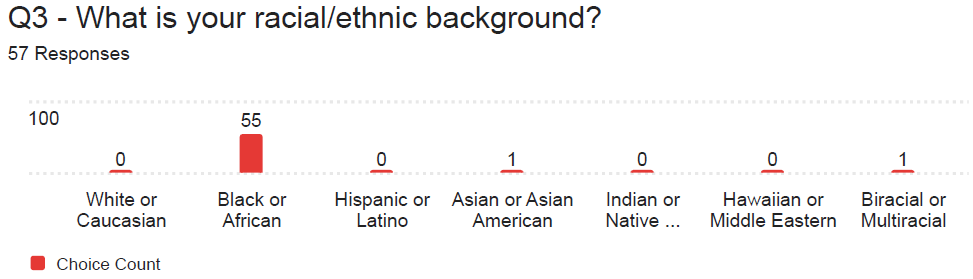
The catalyst for this quantitative, correlational study is to explore and compare physical activity behaviors among college students enrolled in an 8-week in-person fitness course and a 16-week online fitness course at an HBCU (55-Black or African American; 1-Asian or Asian American; 1-Biracial or Multiracial). This study included participants identified as college students enrolled at a southeastern HBCU. A preliminary online physical activity behavior survey was administered during the third week of class for students enrolled in both the 8-week and 16-week fitness courses. Administering the survey at this time allowed researchers to assess students’ typical physical activity behaviors rather than transitional patterns associated with early-semester adjustments. Although a follow-up survey is typically administered at the end of the semester, in this study, the pre- and post-test assessments were used across both fitness course sessions to analyze physical activity behaviors among the sample population. The survey was administered to fitness classes by the course instructors within the first three weeks of the semester through the Learning Management System (LMS), Canvas. Additionally, pre- and post-test assessment results were obtained from the 8-week and 16-week fitness course sections for the Fall 2024 semester.
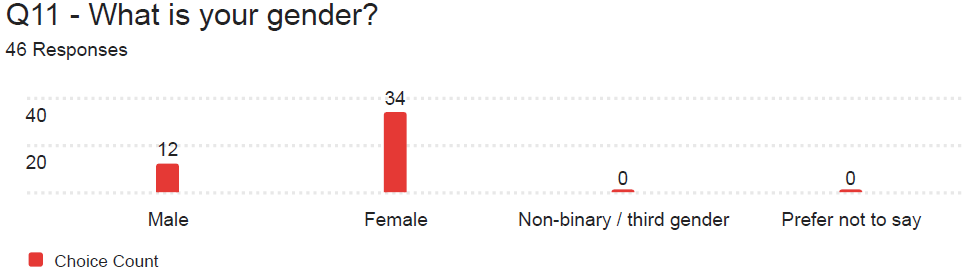
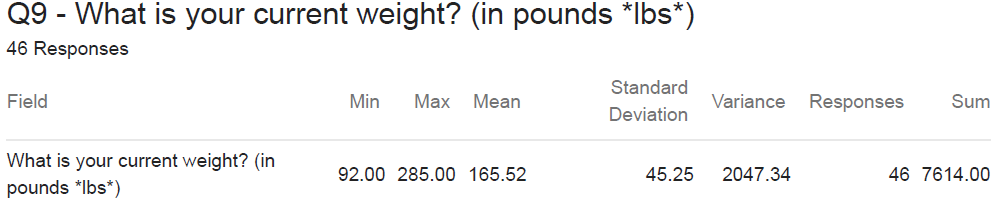
The pie graphs below show the demographics for the initial preliminary online physical activity behavior survey that was administered to the 8-week and 16-week fitness courses at HBCU during the third week of the semester. Figure 3 (Q3) and Figure 4 (Q11) display the demographics by using Qualtrics at the university; 55 participants identified as Black or African American, one as Asian or Asian American, and one as biracial or multiracial. The average age was 18.77 years, with 55 respondents classified as traditional students (ages 18-22). The average weight was 165.52 pounds and is represented in Figure 5 (Q9). In terms of gender, 12 participants identified as male, 34 as female, while others did not disclose their gender (Figure 4 Q11).
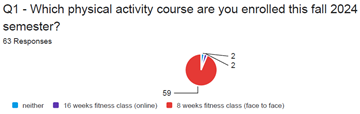
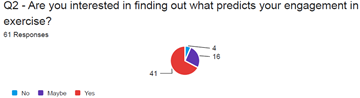
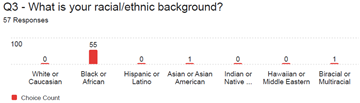
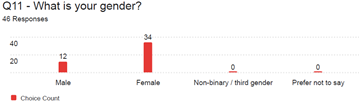
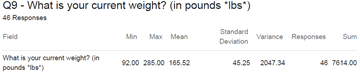
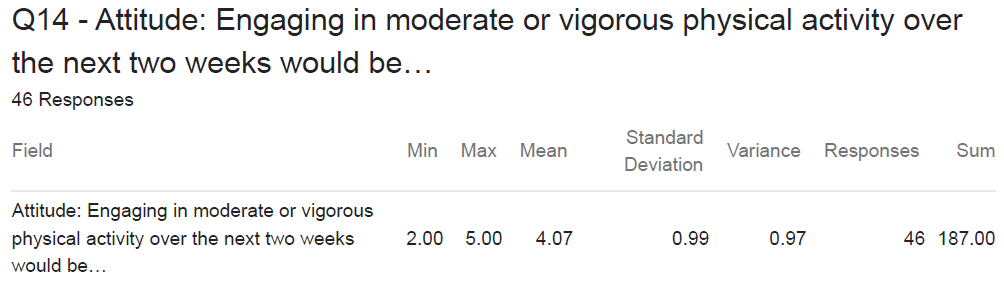
Table 6 (Q14) addressed the question regarding physical activity intentions, participants' likelihood of engaging in moderate or vigorous physical activity over the next two weeks averaged 3.74 on a scale indicating “somewhat likely” to “extremely likely.” The participants' attitudes toward exercise were positive, with an average rating of 4.07, indicating that most found it “somewhat enjoyable” to “enjoyable.”
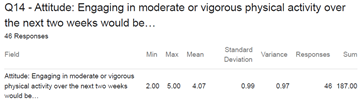
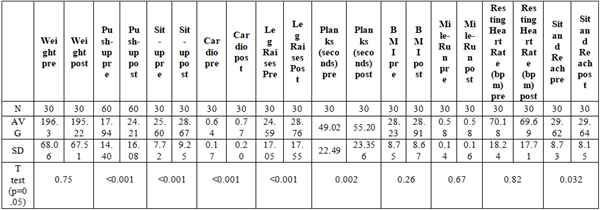
Table 7 addressed the question concerning significant differences between the pre- and post-test assessments with the students enrolled in the 8-week fitness courses. In fact, there were significant differences among several exercises, such as push-ups, that were assessed during the pre-test (p<0.001), sit-ups that were performed during the pre-test and post-test assessment (p<0.001), and cardio (p<0.001). In addition, the leg raises exercise was also performed by the students in the fitness courses and indicated significant differences during the pre-test and post-test assessments (p<0.001). Lastly, the pre-test and post-test assessments for both planks (0.003) and the sit and reach assessments (0.032).
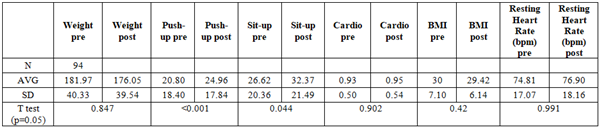
Table 8 addressed the question concerning significant differences between the pre- and post-test assessments with the students enrolled in the 16-week fitness courses. In fact, there were significant differences among several exercises, such as push-ups, that were assessed during the pre-test (p<0.001), sit-ups that were performed during the pre-test and post-test assessment (p=0.044).
Table 9 addressed the question concerning significant differences between the pre- and post-test assessments with the students enrolled in the 8-week courses in comparison to those enrolled in the 16-week fitness courses. There were no significant differences between the pre-test and post-test assessments.
In summary, the preliminary online physical activity behavior survey was administered during the third week of the semester to students enrolled in 8-week and 16-week fitness courses at an HBCU in the southeast region of the United States. Moreover, the demographic characteristics of the participants were illustrated in the pie charts and summarized in Figure 3 (Q3) and Figure 4 (Q11). Of the respondents, the majority identified as Black or African American (n = 55), with one participant identifying as Asian or Asian American and one as biracial or multiracial. The average age of participants was 18.77 years, with 55 respondents classified as traditional college-aged students (18–22 years). Lastly, the participants’ average self-reported weight was 165.52 pounds, as presented in Figure 5 (Q9).
Regarding gender identity, 12 participants identified as male and 34 as female, while several respondents chose not to disclose their gender (Figure 4, Q11). The participants’ physical activity intentions were assessed in Figure 6 (Q14), reporting a mean likelihood score of 3.74 for engaging in moderate or vigorous physical activity over the following two weeks, indicating responses between “somewhat likely” and “extremely likely.” Also, the participants reported generally positive attitudes toward exercise, with an average rating of 4.07, suggesting that most perceived physical activity as “somewhat enjoyable” to “enjoyable.”
The fitness performance outcomes revealed significant improvements among students enrolled in the 8-week fitness courses (Table 7). Moreover, statistically significant differences were observed between pre-test and post-test assessments for push-ups (p<0.001), sit-ups (p<0.001), cardiovascular endurance (p<0.001), leg raises (p<0.001), planks (p = 0.003), and sit-and-reach flexibility (p=0.032). Similarly, students enrolled in the 16-week fitness courses demonstrated significant pre-test to post-test improvements in selected fitness measures (Table 8), including push-ups (p<0.001) and sit-ups (p=0.044). However, when comparing fitness outcomes between students enrolled in the 8-week and 16-week courses, no statistically significant differences were observed between the pre-test and post-test assessments across course lengths (Table 9).
The purpose of this study was to examine and compare physical activity behaviors among college students enrolled in 8-week and 16-week fitness courses at an HBCU and to determine whether program duration influenced engagement, fitness outcomes, and behavioral intention. Grounded in the Theory of Planned Behavior (TPB) developed by Ajzen 18, this investigation extends existing literature by exploring how course length may shape attitudes toward exercise, perceived behavioral control, subjective norms, and ultimately behavioral intentions and participation 20. Consistent with TPB, the engagement patterns observed in this study suggest that structured academic fitness courses can positively influence intention formation and behavioral enactment 19.
The findings indicate that students in both 8‑week and 16‑week formats demonstrated meaningful fitness improvements and positive exercise intentions, supporting prior evidence that structured collegiate fitness interventions enhance exercise behavior and performance 13. However, differences in within‑group change patterns suggest that program duration may moderate the strength and sustainability of TPB relationships 21. The 8‑week model produced broader short‑term physiological gains, which may reflect rapid engagement and behavioral activation driven by increased instructional intensity and concentrated exposure 22. In contrast, the 16‑week format may provide extended opportunities for reinforcement, skill development, and habit consolidation, strengthening perceived behavioral control, and supporting more sustained exercise behaviors 21. Importantly, no significant differences were observed based on course delivery format (in‑person versus online), reinforcing evidence that well‑structured online fitness instruction can be comparable to face‑to‑face delivery when engagement supports are embedded 16, 15.
From a behavioral sustainability perspective, longer program duration may better support habit automaticity by allowing repeated cue–routine–reward cycles to develop across a full academic term 23. Extended exposure may also enhance self‑regulatory skills including goal setting, self‑monitoring, and coping planning that are essential for long‑term adherence 23. Conversely, while shorter courses may generate initial motivation, the compressed timeframe may limit opportunities for behavioral internalization unless accompanied by intentional transition strategies 24. These findings suggest that course duration may differentially influence short‑term performance adaptation versus long‑term behavioral maintenance.
The results also underscore the importance of instructional structure and environmental context in shaping physical activity outcomes 25. Course design elements including instructor feedback, peer interaction, facility accessibility, and assessment structure likely interact with program length to influence engagement and adherence 26. Institutions adopting accelerated formats for scheduling flexibility should therefore ensure sufficient behavioral reinforcement mechanisms to support sustained activity 27.
Based on the findings and TPB framework, the authors offer the following recommendations:
1. Embed TPB‑aligned instructional strategies: Design activities that strengthen exercise attitudes (education on benefits), subjective norms (peer support, group challenges), and perceived behavioral control (progressive skill mastery, self‑monitoring) 19.
2. Maintain behavioral reinforcement across formats: Ensure frequent feedback, accountability tracking, and formative fitness assessment in both 8‑ and 16‑week courses.
3. Integrate habit‑formation and transition supports: Include goal‑setting, reflection, and post‑course activity planning to sustain behavior beyond condensed courses 24, 23.
4. Optimize online instructional design: Incorporate interactive elements and monitoring systems to maintain engagement parity with in‑person instruction 16.
5. Develop continuation pathways: Campus wellness initiatives or follow‑up programming can reinforce behaviors established in required courses 13.
Several limitations should be considered when interpreting the findings. First, the study relied in part on self-reported physical activity data for participants in the online course, which may be subject to recall error and social desirability bias. Second, variability in participants’ home environments – including available space, privacy, and competing responsibilities – as well as differential access to exercise equipment, may have influenced engagement levels and perceived behavioral control within the online intervention. Although these contextual factors reflect real-world conditions of remote physical activity participation, they may have contributed to heterogeneity in outcomes across participants.
Future research should incorporate objective measures of physical activity (e.g., wearable activity trackers) alongside self-report instruments to enhance measurement accuracy and allow for more precise comparisons across delivery modalities. Additionally, studies could more systematically assess environmental and resource-related factors (e.g., equipment availability, space constraints, household distractions) to better understand how home-context variability shapes behavioral engagement in online fitness courses. Expanding samples across multiple institutions and diverse student populations would further strengthen generalizability and enable examination of how demographic and contextual moderators influence physical activity behaviors in virtual versus in-person course formats.
This study contributes to the growing body of literature on structured collegiate fitness interventions by examining how course length and delivery format relate to physical activity engagement among traditional and nontraditional college students. Grounded in the Theory of Planned Behavior, the findings suggest that structured academic fitness courses can support positive exercise attitudes, strengthen perceived behavioral control, and foster behavioral intentions that translate into active participation 19. Notably, both 8‑week and 16‑week formats were associated with meaningful engagement, indicating that academic fitness courses regardless of duration can serve as viable mechanisms for promoting physical activity within higher education settings 28. These findings reinforce the value of embedding wellness-oriented coursework within academic curricula as a strategy for addressing declining physical activity levels among college populations.
At the same time, differences observed between course lengths underscore the importance of considering program duration as a potential moderator of behavioral sustainability 19. Shorter, intensive courses may stimulate rapid engagement and initial motivation, while longer formats appear to provide greater opportunity for reinforcement, skill acquisition, and habit consolidation across a full academic term. From a behavioral perspective, extended exposure allows repeated practice of self‑regulatory processes such as goal setting, self‑monitoring, and coping planning, which are critical for long‑term adherence 12. Thus, rather than viewing course length as merely a scheduling variable, institutions should recognize duration as a pedagogical design factor that can shape the depth and persistence of health behavior change 29.
The absence of significant differences between in‑person and online delivery further highlights the central role of instructional design and environmental support in influencing outcomes 30. When appropriately structured, online fitness courses can provide comparable opportunities for engagement, feedback, and behavioral reinforcement in traditional formats 19. However, the findings also suggest that contextual factors – such as home exercise environments, access to equipment, and social support – may interact with course structure to influence perceived behavioral control and participation 31. These considerations emphasize that effective online physical activity instruction requires intentional design elements that compensate for environmental variability and support students’ autonomy and competence across diverse settings 32.
From an institutional and public health perspective, the results have important implications for promoting lifelong physical activity among college students, particularly within historically Black colleges and universities and other diverse educational contexts 33. Many students enter college with prior athletic or structured activity backgrounds that may not continue in collegiate sport settings. Academic fitness courses can provide an inclusive pathway for maintaining or re‑establishing active lifestyles during this transitional life stage 19. By fostering positive exercise experiences and strengthening self‑efficacy within supportive course environments, such programs may help mitigate declines in physical activity that commonly occur during the college years and beyond 34.
In conclusion, structured fitness courses represent a promising and adaptable approach for enhancing physical activity engagement among diverse college populations 34. The present findings suggest that both short‑ and long‑duration formats can be effective, but that program length and instructional context may influence the sustainability of behavior change processes emphasized in the Theory of Planned Behavior 35. Future research that integrates objective measurement, longitudinal follow‑up, and multi‑institutional samples will further clarify how academic fitness interventions can best support enduring physical activity habits. Collectively, this line of inquiry advances understanding of how higher education environments can intentionally cultivate health‑promoting behaviors that extend beyond the classroom and into lifelong wellness trajectories 36.
| [1] | Office of Disease Prevention and Health Promotion (2023). Physical activity guidelines for Americans. doi: https:// odphp.health.gov/our-work/nutrition-physical-activity/physical-activity-guidelines. | ||
| In article | |||
| [2] | World Health Organization (WHO) (2024). Physical activity key facts. | ||
| In article | |||
| [3] | Linder, A. D., Liu, H., Woodson-Smith, A., & Jung, J. (2018). Physical activity behaviors among non-traditional and traditional college students: An application of Ajzen’s theory of planned behavior. The Negro Educational Review, 69, pp. 33-50. | ||
| In article | |||
| [4] | Nelson, M. C., Story, M., Larson, N. I., Neumark-Sztainer, D., & Lytle, L. A. (2008). Emerging adulthood and college-aged youth: an overlooked age for weight-related behavior change. Obesity, 16(10), 2205-2211. | ||
| In article | View Article PubMed | ||
| [5] | Deliens, T., Deforche, B., De Bourdeaudhuij, I., & Clarys, P. (2015). Determinants of physical activity and sedentary behaviour in university students: A qualitative study using focus group discussions. BMC Public Health, 15(201). | ||
| In article | View Article PubMed | ||
| [6] | Scroggs, J., Battista, R., & Kappus, R. (2025). Bridging the gap: Promoting physical activity in college-aged students. Preventing Chronic Disease, 22. | ||
| In article | View Article PubMed | ||
| [7] | Mata, L. & Marasigan, A. (2024). Physical education curriculum implementation using hyflex learning modality in the new normal. Journal of Interdisciplinary Studies in Education, 13(2). | ||
| In article | View Article | ||
| [8] | Woodson-Smith, A., Dorwart, C. E., & Linder, A. (2015). Attitudes toward physical education of female high school students. The Physical Educator, 72, pp. 460-479. | ||
| In article | |||
| [9] | Zhang, X. & Yun, J. (2025). The relationship between high-quality physical education, physical literacy, and physical activity participation: A retrospective study from US college students. Research Quarterly for Exercise and Sport, 96 (4), 627-636. | ||
| In article | View Article PubMed | ||
| [10] | Bielec, G., & Omelan, A. (2022). Physical activity behaviors and physical work capacity in university students during the COVID-19 pandemic. International Journal of Environmental Research and Public Health, 19. | ||
| In article | View Article PubMed | ||
| [11] | Huang, S. & Jeong, H. (2025). The dynamic impact of physical education teacher support on college students’ adherence to exercise: A cross-lagged study from the perspective of self-determination theory. Behav. Sci. 2025, 15(6), 802. | ||
| In article | View Article PubMed | ||
| [12] | Rhodes, R. E., & de Bruijn, G.-J. (2013). How big is the physical activity intention-behaviour gap? A meta-analysis using the action control framework. British Journal of Health Psychology, 18(2), 296-309. | ||
| In article | View Article PubMed | ||
| [13] | Stevinson, C., Hickson, M., & Stathi, A. (2024). Strategies to enhance physical activity participation among university students: A systematic review. International Journal of Environmental Research and Public Health, 21(2), 173. | ||
| In article | View Article PubMed | ||
| [14] | Matthews, C., Saint-Maurice, P., Fulton, J., Patel, S., Loftfield, E., Sampson, J., Keadle, S., & Berrigan, D. (2022). Changes in physical activity and sedentary time in United States in response to Covid-19. PubMed, 17 (9). | ||
| In article | View Article PubMed | ||
| [15] | Tao, Z., Zhu, E., Sun, X., & Sun, J. (2024). Comparative effects of three different physical education teaching modes on college students’ physical fitness during the COVID-19 pandemic: A longitudinal study. Heliyon, 10(7). | ||
| In article | View Article PubMed | ||
| [16] | McDonough, D. J., Helgeson, M. A., Liu, W., & Gao, Z. (2022). Effects of a remote, YouTube-delivered exercise intervention on young adults’ physical activity, sedentary behavior, and sleep during the COVID-19 pandemic: Randomized controlled trial. Journal of Sport and Health Science, 11(2), pp. 145-156. | ||
| In article | View Article PubMed | ||
| [17] | Latino, F., Fischetti, F., Cataldi, S., Monacis, D., & Colella, D. (2021). The impact of an 8-weeks at-home physical activity plan on academic achievement at the time of COVID-19 lock-down in Italian school. Sustainability, 13(11), 5812. | ||
| In article | View Article | ||
| [18] | Ajzen, I. (1991). The theory of planned behavior. Organizational Behavior and Human Decision Processes, 50(2), 179-211. | ||
| In article | View Article | ||
| [19] | Linder, A., Rotich, J., & Woodson-Smith, A. (2025). Physical activity behaviors among college students enrolled in an online fitness course: An application of Ajzen’s theory of planned behavior. Journal of Physical Activity Research. 2025, 10(1), 1-6. | ||
| In article | View Article | ||
| [20] | Yeh, T., Lu, H., & Pai, F. (2026). Exploring factors influencing regular exercise intention in high school females: An empirical study based on the theory of planned behavior. Sage Open, 16 (1). | ||
| In article | View Article | ||
| [21] | Mowreader, A. (2024). How short courses benefit student success. Inside Higher Ed. | ||
| In article | |||
| [22] | Motevalli, M., Drenowatz, C., Tanous, D., Ruedl, G., Kirschner, W., Schauer, M., Rosemann, T., & Wirnitzer, K. (2025). Guideline-based digital exercise interventions for reducing body weight and fat and promoting physical activity in adults with overweight and obesity: Systematic review and meta-analysis. Interactive Journal of Medical Research, 14. | ||
| In article | View Article PubMed | ||
| [23] | Phipps, D., Hagger, M., Mejia, D., & Hamilton, K. (2024). Testing the effect of cue consistency on the past behavior-habit-physical activity relationship. Journal of Behavior Science, 14 (6), 445. | ||
| In article | View Article | ||
| [24] | Ma, H., Wang, A., Pei, R., & Piao, M. (2023). Effects of habit formation interventions on physical activity habit strength: meta-analysis and meta-regression. International Journal of Behavioral Nutrition and Physical Activity, 20 (109). | ||
| In article | View Article PubMed | ||
| [25] | Bustamante-Mora, A., Dieguez-Rebolledo, M., Zegarra, M., Escobar, F., & Epuyao, G. (2025). Environmental conditions and their impact on student concentration and learning in university environments: A case study of education for sustainability. Journal of Sustainability, 17(3), 1071. | ||
| In article | View Article | ||
| [26] | Pan, F., Zhu, G., Sui, W., & Fu, M. (2024). The effects of peer interaction on learning outcomes of college students in digital environment: the chain-mediated role of attitude and self-efficacy. Studies in Education Evaluation, 83. | ||
| In article | View Article | ||
| [27] | Luo, H., & Li, W. (2025). Impact of microlearning on developing soft skills of university students across disciplines. Frontiers in Psychology, 16. | ||
| In article | View Article PubMed | ||
| [28] | Woodall, R., Ransdell, L., Lencioni, A., Mursolova, S., Martin, E., & Gao, Y. (2024). A scoping review of 20 years of college fitness/wellness courses. Quest, 77 (2), 119-149. | ||
| In article | View Article | ||
| [29] | Aigner, C. (2025). Examining health behavior change in a college health course: improvements in intention and motivation to change. Health Education, 125 (6), 720-732. | ||
| In article | View Article | ||
| [30] | Malta, K., Glickman, C., Hunter, K., McBride, A. (2025). Comparing the impact of online and in-person active learning in preclinical medical education. BMC Medical Education, 25 (329). | ||
| In article | View Article PubMed | ||
| [31] | Zhao, M., Wu, J., Shao, Y., Chen, J., & Ling, L. (2025). Environmental perceptions and social support as predictors of continued participation in nighttime physical activity. BMC Public Health, 25 (4290). | ||
| In article | View Article PubMed | ||
| [32] | Wu, Y. T., Wu, Y. F., Ye, J. H., Nong, W., & Ye, J. N. (2025). An examination of online physical education participation and its effects on health promotion. Frontiers in public health, 13. | ||
| In article | View Article PubMed | ||
| [33] | Delk, D., & Johnson, J. (2024). Higher learning as a conduit to healthy living: A review of physical activity and health education courses offered and required at Historically Black Colleges and Universities. International Journal of Kinesiology in Higher Education 8(3):1-12. | ||
| In article | View Article | ||
| [34] | Gao, W., Chen, J., Tu, Z., & Li, M. (2025). Correlational research on college students’ physical exercise behavior, academic engagement, and self-efficacy. Frontier in Psychology, 16. | ||
| In article | View Article PubMed | ||
| [35] | Yuan, F., Peng, S., Khairani, A., & Liang, J. (2024). A systematic review and meta-analysis of the efficacy of physical activity interventions among university students. Sustainability, 16 (4) 1369. | ||
| In article | View Article | ||
| [36] | Ziegler, H. (2024). The influence of the educational environment on college student physical activity behaviors. Journal of American College Health, 72 (1), 153-165. | ||
| In article | View Article PubMed | ||
Published with license by Science and Education Publishing, Copyright © 2026 Amy D. Linder, Hsin-Yi Liu, Mijon R. Knight, Chermaine Cole, Sonya Reddick-Shaw and Walter Munoz
 This work is licensed under a Creative Commons Attribution 4.0 International License. To view a copy of this license, visit
http://creativecommons.org/licenses/by/4.0/
This work is licensed under a Creative Commons Attribution 4.0 International License. To view a copy of this license, visit
http://creativecommons.org/licenses/by/4.0/
| [1] | Office of Disease Prevention and Health Promotion (2023). Physical activity guidelines for Americans. doi: https:// odphp.health.gov/our-work/nutrition-physical-activity/physical-activity-guidelines. | ||
| In article | |||
| [2] | World Health Organization (WHO) (2024). Physical activity key facts. | ||
| In article | |||
| [3] | Linder, A. D., Liu, H., Woodson-Smith, A., & Jung, J. (2018). Physical activity behaviors among non-traditional and traditional college students: An application of Ajzen’s theory of planned behavior. The Negro Educational Review, 69, pp. 33-50. | ||
| In article | |||
| [4] | Nelson, M. C., Story, M., Larson, N. I., Neumark-Sztainer, D., & Lytle, L. A. (2008). Emerging adulthood and college-aged youth: an overlooked age for weight-related behavior change. Obesity, 16(10), 2205-2211. | ||
| In article | View Article PubMed | ||
| [5] | Deliens, T., Deforche, B., De Bourdeaudhuij, I., & Clarys, P. (2015). Determinants of physical activity and sedentary behaviour in university students: A qualitative study using focus group discussions. BMC Public Health, 15(201). | ||
| In article | View Article PubMed | ||
| [6] | Scroggs, J., Battista, R., & Kappus, R. (2025). Bridging the gap: Promoting physical activity in college-aged students. Preventing Chronic Disease, 22. | ||
| In article | View Article PubMed | ||
| [7] | Mata, L. & Marasigan, A. (2024). Physical education curriculum implementation using hyflex learning modality in the new normal. Journal of Interdisciplinary Studies in Education, 13(2). | ||
| In article | View Article | ||
| [8] | Woodson-Smith, A., Dorwart, C. E., & Linder, A. (2015). Attitudes toward physical education of female high school students. The Physical Educator, 72, pp. 460-479. | ||
| In article | |||
| [9] | Zhang, X. & Yun, J. (2025). The relationship between high-quality physical education, physical literacy, and physical activity participation: A retrospective study from US college students. Research Quarterly for Exercise and Sport, 96 (4), 627-636. | ||
| In article | View Article PubMed | ||
| [10] | Bielec, G., & Omelan, A. (2022). Physical activity behaviors and physical work capacity in university students during the COVID-19 pandemic. International Journal of Environmental Research and Public Health, 19. | ||
| In article | View Article PubMed | ||
| [11] | Huang, S. & Jeong, H. (2025). The dynamic impact of physical education teacher support on college students’ adherence to exercise: A cross-lagged study from the perspective of self-determination theory. Behav. Sci. 2025, 15(6), 802. | ||
| In article | View Article PubMed | ||
| [12] | Rhodes, R. E., & de Bruijn, G.-J. (2013). How big is the physical activity intention-behaviour gap? A meta-analysis using the action control framework. British Journal of Health Psychology, 18(2), 296-309. | ||
| In article | View Article PubMed | ||
| [13] | Stevinson, C., Hickson, M., & Stathi, A. (2024). Strategies to enhance physical activity participation among university students: A systematic review. International Journal of Environmental Research and Public Health, 21(2), 173. | ||
| In article | View Article PubMed | ||
| [14] | Matthews, C., Saint-Maurice, P., Fulton, J., Patel, S., Loftfield, E., Sampson, J., Keadle, S., & Berrigan, D. (2022). Changes in physical activity and sedentary time in United States in response to Covid-19. PubMed, 17 (9). | ||
| In article | View Article PubMed | ||
| [15] | Tao, Z., Zhu, E., Sun, X., & Sun, J. (2024). Comparative effects of three different physical education teaching modes on college students’ physical fitness during the COVID-19 pandemic: A longitudinal study. Heliyon, 10(7). | ||
| In article | View Article PubMed | ||
| [16] | McDonough, D. J., Helgeson, M. A., Liu, W., & Gao, Z. (2022). Effects of a remote, YouTube-delivered exercise intervention on young adults’ physical activity, sedentary behavior, and sleep during the COVID-19 pandemic: Randomized controlled trial. Journal of Sport and Health Science, 11(2), pp. 145-156. | ||
| In article | View Article PubMed | ||
| [17] | Latino, F., Fischetti, F., Cataldi, S., Monacis, D., & Colella, D. (2021). The impact of an 8-weeks at-home physical activity plan on academic achievement at the time of COVID-19 lock-down in Italian school. Sustainability, 13(11), 5812. | ||
| In article | View Article | ||
| [18] | Ajzen, I. (1991). The theory of planned behavior. Organizational Behavior and Human Decision Processes, 50(2), 179-211. | ||
| In article | View Article | ||
| [19] | Linder, A., Rotich, J., & Woodson-Smith, A. (2025). Physical activity behaviors among college students enrolled in an online fitness course: An application of Ajzen’s theory of planned behavior. Journal of Physical Activity Research. 2025, 10(1), 1-6. | ||
| In article | View Article | ||
| [20] | Yeh, T., Lu, H., & Pai, F. (2026). Exploring factors influencing regular exercise intention in high school females: An empirical study based on the theory of planned behavior. Sage Open, 16 (1). | ||
| In article | View Article | ||
| [21] | Mowreader, A. (2024). How short courses benefit student success. Inside Higher Ed. | ||
| In article | |||
| [22] | Motevalli, M., Drenowatz, C., Tanous, D., Ruedl, G., Kirschner, W., Schauer, M., Rosemann, T., & Wirnitzer, K. (2025). Guideline-based digital exercise interventions for reducing body weight and fat and promoting physical activity in adults with overweight and obesity: Systematic review and meta-analysis. Interactive Journal of Medical Research, 14. | ||
| In article | View Article PubMed | ||
| [23] | Phipps, D., Hagger, M., Mejia, D., & Hamilton, K. (2024). Testing the effect of cue consistency on the past behavior-habit-physical activity relationship. Journal of Behavior Science, 14 (6), 445. | ||
| In article | View Article | ||
| [24] | Ma, H., Wang, A., Pei, R., & Piao, M. (2023). Effects of habit formation interventions on physical activity habit strength: meta-analysis and meta-regression. International Journal of Behavioral Nutrition and Physical Activity, 20 (109). | ||
| In article | View Article PubMed | ||
| [25] | Bustamante-Mora, A., Dieguez-Rebolledo, M., Zegarra, M., Escobar, F., & Epuyao, G. (2025). Environmental conditions and their impact on student concentration and learning in university environments: A case study of education for sustainability. Journal of Sustainability, 17(3), 1071. | ||
| In article | View Article | ||
| [26] | Pan, F., Zhu, G., Sui, W., & Fu, M. (2024). The effects of peer interaction on learning outcomes of college students in digital environment: the chain-mediated role of attitude and self-efficacy. Studies in Education Evaluation, 83. | ||
| In article | View Article | ||
| [27] | Luo, H., & Li, W. (2025). Impact of microlearning on developing soft skills of university students across disciplines. Frontiers in Psychology, 16. | ||
| In article | View Article PubMed | ||
| [28] | Woodall, R., Ransdell, L., Lencioni, A., Mursolova, S., Martin, E., & Gao, Y. (2024). A scoping review of 20 years of college fitness/wellness courses. Quest, 77 (2), 119-149. | ||
| In article | View Article | ||
| [29] | Aigner, C. (2025). Examining health behavior change in a college health course: improvements in intention and motivation to change. Health Education, 125 (6), 720-732. | ||
| In article | View Article | ||
| [30] | Malta, K., Glickman, C., Hunter, K., McBride, A. (2025). Comparing the impact of online and in-person active learning in preclinical medical education. BMC Medical Education, 25 (329). | ||
| In article | View Article PubMed | ||
| [31] | Zhao, M., Wu, J., Shao, Y., Chen, J., & Ling, L. (2025). Environmental perceptions and social support as predictors of continued participation in nighttime physical activity. BMC Public Health, 25 (4290). | ||
| In article | View Article PubMed | ||
| [32] | Wu, Y. T., Wu, Y. F., Ye, J. H., Nong, W., & Ye, J. N. (2025). An examination of online physical education participation and its effects on health promotion. Frontiers in public health, 13. | ||
| In article | View Article PubMed | ||
| [33] | Delk, D., & Johnson, J. (2024). Higher learning as a conduit to healthy living: A review of physical activity and health education courses offered and required at Historically Black Colleges and Universities. International Journal of Kinesiology in Higher Education 8(3):1-12. | ||
| In article | View Article | ||
| [34] | Gao, W., Chen, J., Tu, Z., & Li, M. (2025). Correlational research on college students’ physical exercise behavior, academic engagement, and self-efficacy. Frontier in Psychology, 16. | ||
| In article | View Article PubMed | ||
| [35] | Yuan, F., Peng, S., Khairani, A., & Liang, J. (2024). A systematic review and meta-analysis of the efficacy of physical activity interventions among university students. Sustainability, 16 (4) 1369. | ||
| In article | View Article | ||
| [36] | Ziegler, H. (2024). The influence of the educational environment on college student physical activity behaviors. Journal of American College Health, 72 (1), 153-165. | ||
| In article | View Article PubMed | ||