This study aimed to investigate the hygienic conditions surrounding yogurt production and consumption in the city of Abeche, Chad. A total of 150 participants, comprising 100 consumers and 50 sellers and producers, were surveyed to collect comprehensive data on their demographic profiles, production practices, consumption patterns, as well as challenges faced in the sector. Data were processed and analyzed using XL-STAT software (version 6.1.9) to identify significant trends and issues. The producer population was predominantly male, with an average age of approximately 30 years, mostly married and largely uneducated. A notable limitation of the study is the exclusion of female producers due to socio-demographic constraints, which potentially limits the generalizability of findings. It was observed that the majority of the yogurt producers relied primarily on powdered milk as the base raw material. Consumer demographics showed a high proportion (57.46%) of young single individuals, indicative of urban dietary transitions and socio-economic factors influencing yogurt consumption. Production units manufacture varying types of yogurt, differentiated notably by the presence or absence of low rice (couscous) additives. The study revealed alarmingly substandard hygienic conditions across many production sites, emphasizing the urgent need for the implementation of targeted preventive measures aimed at enhancing hygiene and food safety standards. Persistent challenges included unreliable electricity supply, which critically hampers proper cold storage and consequently the quality and safety of yogurt products. Findings also noted broad yogurt consumption across young and adult populations in Abeche, highlighting the public health importance of adherence to stringent hygiene protocols to safeguard consumer health. Future work will involve microbiological analyses to identify pathogenic microbial contaminants and assess the microbiological quality of locally produced yogurts.
In many developing countries, food hygiene remains a major challenge, often hampered by a lack of political will and limited resources 1, 2. Yogurt is a coagulated dairy product resulting from lactic acid fermentation carried out primarily by Lactobacillus bulgaricus and Streptococcus thermophilus. It is produced from fresh or pasteurized milk, sometimes fortified or partially skimmed, with or without the addition of milk powder 3, 4. The viability and abundance of microorganisms in the final product are essential to ensure its nutritional and probiotic properties.
Yogurt, like many foods of animal origin, plays an important role in human nutrition. However, food poisoning and foodborne illnesses represent a health hazard, resulting not only in consumer health risks but also in economic losses due to product spoilage, affecting consumer confidence in the market 5, 6. In Chad, yogurt consumption is influenced by household income, family structure, ethnicity, urbanization, and other factors such as product perception, storage difficulties, and the lack of an organized distribution channel 7, 8. Yogurt is recognized for its effectiveness in treating digestive infections: several recent studies confirm the protective effect of lactic ferments on bacterial infections, particularly against Clostridium difficile in humans and animals 9, 10. The acidity due to lactic acid production plays a major role in inhibiting the growth of pathogenic bacteria.
However, in the city of Abeche, yogurt production suffers from precarious hygienic conditions, endangering public health. The use of recycled containers, often collected in unsanitary conditions, exposes the product to significant microbiological contamination. These poorly controlled artisanal methods highlight the urgency of rigorous evaluation and strengthening of hygienic practices 11. In a context where food hygiene is a major public health issue in developing countries, the artisanal and semi-industrial production of yogurts in Abeche appears particularly exposed to significant health risks. Several factors influence the safety of these products: the use of recycled containers of dubious source for storage, the absence of rigorous sterilization processes, the lack of adequate infrastructure, as well as the socio-economic and cultural constraints of producers and consumers. This situation poses a double challenge: on the one hand, the risks of food poisoning and bacterial contamination can compromise the health of consumers, particularly vulnerable populations; on the other hand, the quality and confidence in this traditional product can suffer, affecting its image and economic development. Hence the research question is How do the current conditions of production and consumption of yogurts in Abeche affect the hygienic and organoleptic quality of the product, and what are the main health risk factors to address to ensure food safety and the health of local populations. To answer this question, the main objective of this study is to evaluate and analyze the hygiene conditions related to the production and consumption of yogurts in the city of Abeche, highlighting manufacturing practices, consumer profile, the diversity of yogurts produced, as well as the organoleptic quality of these products. This study aims to identify the associated health risks and propose recommendations to improve food safety and local public health.
Located in eastern Chad, the city of Abeche is the capital of the Ouaddaï Province. It extends between 13° 48'584'' North latitude and 20° 50'139'' East longitude. The study area is under the influence of the intertropical climate with a dry season of 9 months and a rainy season of 3 months. The regime of these two seasons is defined by the fluctuations between the dry air masses of the North (the Harmattan) and the humid maritime air masses of the Southwest (the monsoon).
The average annual rainfall is about 300 mm. The temperature of the region varies depending on the season. The average annual temperature in Abeche is about 28°C with a variation in the cold season (December to February), between 16 and 35°C and in the dry season (April and May) between 25 and 41°C.
Production units are premises where yogurts are prepared or manufactured, located in several districts of the Abeche city. These different yogurt production units remain rudimentary due to non-adaptable equipment and artisanal methods used for the production of these yogurts.
The city of Abeche has thousands of shops and about twenty food stores where a large quantity of yogurts are sold; it should be noted that only shops with refrigerators sell these products, because of the storage conditions.
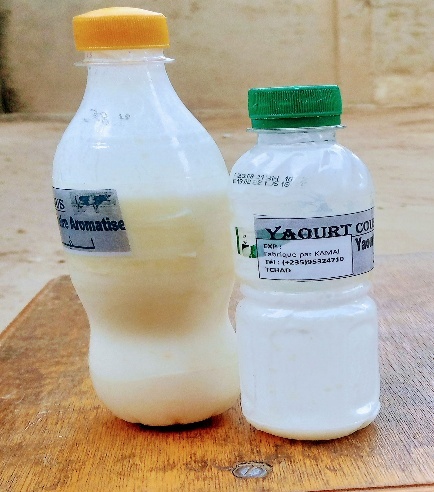
This type of yogurt is made without rice called "couscous" that is to say after adding sugar and some ingredients in the milk powder the product is left to ferment and packaged in bottles, and this is easy to digest by consumers.
Yogurt made from couscous is very popular with consumers, as they say that these yogurts are very nutritious and sometimes calm their hunger.

They are carried out using the survey sheets which are in the Appendices. The information sought mainly focused on: profile (sex, age, level of education, marital status, status in the activity). ISHIKAWA's rule based on the five (5) M (Raw material, Methods, Means, Equipment, and Labor) was always used.
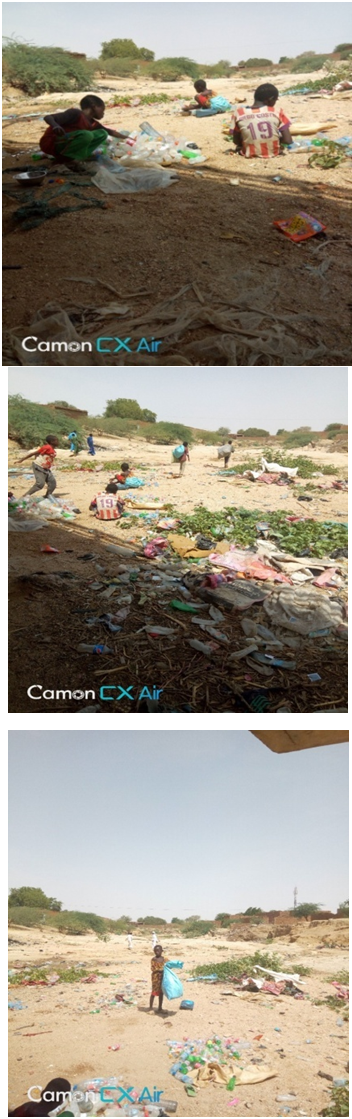
There are risks of contamination of milk due to poor storage and the use of recycled boxes collected from garbage by "Mahadjirine" children, in addition to the excessive use of bleach by some producers for washing these boxes.
2.2. MethodsOur study took place in the city of Abeche, over a period of one month from April 20 to May 23. This is a cross-sectional study aimed at studying the conditions and risk factors of milk contamination during processing, transport to points of sale in the various shops and food stores in the city of Abeche. Our research began with a first phase during which a good part of the literature was described. Then the data were collected on the survey sheets. Finally, the ISHIKAWA rule based on the five (5) M (Materials, Methods, Raw material, Labor and Environment) has built a robust analytical framework to identify gaps in the production chain 12, 13.
Our study focuses on the producers, sellers and consumers of yogurts in the city of Abeche.
The sampling was done using a non-probabilistic method. In other words, the selection was consecutive among all men who met the inclusion criteria (working in yogurt production). 150 people were then surveyed, including 100 consumers and 50 producers including sellers. We note that during our survey, we were unable to survey women for the simple reason that socio-cultural constraints did not allow us to have access to women.
After explaining the purpose of our study to the managers of the units visited, and having obtained their consent, the people meeting the admission criteria were interviewed following the study protocol. Then, advice on good hygiene practices was undertaken with our audience, in order to contribute to behavior, change on food hygiene practices.
This step is optional. 2 to 3% of milk powder (20 to 30g per liter of milk) can be added to increase the consistency and obtain well-fermented yogurts. The more milk powder is added, the more fermented the yogurt becomes. Skimmed milk powder should be chosen, as it is less expensive and just as effective as whole milk powder. Care should be taken to store the milk powder in a cool, dry, and protected place 13, 14.
The pasteurization temperature in a tank with agitator varies between 90°C and 95°C for a few seconds. The “dirtier” the milk, the higher the temperature and pasteurization time will be 14.
After heating, the milk is cooled to 45°C, this temperature is maintained during fermentation 15.
It is the inoculation in milk of the two specific yogurt germs, Streptococcus thermophilus and Lactobacillus bulgaricus at ratios of 1/2 for natural yogurt and up to 10/1 for fruit yogurts 14, 15.
The amount of culture added to milk can be influenced by the activity of the germs, the time and the temperature of incubation 16.
Thus, for incubation temperatures of (40 to 50°C), the seeding rate is between 1 and 3% 15. In addition, the distribution of germs must be good and regular in the milk and the activity of the leaven must reach 85 to 90°C at the end of incubation 16.
Yogurt packaging is carried out in two types of containers, glass or plastic. Thus, in order for the following steaming operation to start in the best conditions, it is necessary to maintain the temperature of the milk in pots at 45°C 15.
During this stage, the acidity of the yogurt develops. This depends on the temperature and the fermentation time of the seeded germs. Therefore, it is preferable to apply a temperature close to the optimal temperature for the development of
Streptococcus thermophilus (42 to 45°C), rather than the near optimum Lactobacillus bulgaricus (47 to 50°C). In general, Streptococci ensure the start of lactic fermentation.
This temperature, close to (42 to 45°C), is considered to be the optimum symbiotic temperature between Streptococcus thermophilus and Lactobacillus bulgaricus 15, 16, 17.
2.3. Fermentation StoppageIt is necessary for fine products to block the acidification of yogurts by applying rapid cooling to the temperature of 4 to 5°C; which inhibits the activity of lactic acid bacteria 17, 18.
This term refers to the operational procedures for controlling the hygiene of processing and production carried out by an establishment in order to ensure that it meets food safety requirements.
The term "HACCP Method" refers to the method for identifying, evaluating and controlling obvious risks to the safety of food products.
A structured questionnaire (appendix) was developed to enable data collection. The questionnaire included several questions. These questions were used to assess knowledge of food hygiene, to identify socio-demographic characteristics, parameters such as: level of education, age, other activities and knowledge of hygiene in yogurt production:
• Hand washing and handling milk;
• On staff hygiene
• Yogurt storage hygiene, HACCP system mastery.
Field surveys conducted over a month on 100 subjects allowed us to collect information relating to the different variables and hygiene practices of yogurt production in the different production units.
This table shows that the study population has a maximum age of 54 years and a minimum of 15 years with an average of 31 years having at least one wife and 8 children.
This table shows that 100% of yogurts produced and consumed in Abeche are made from powdered milk; it must be said that 54% of producers and sellers are not educated, which can be an obstacle to compliance with good hygiene practices. It should also be noted that 75% of the shops surveyed in the city of Abeche sell yogurts.
This table shows that 62% of those who work in yogurt production are engaged in agriculture and 80% of the difficulties are electricity problems that do not allow for proper preservation of yogurts and do not promote good hygiene practices. 56% of those who work in this production are managers and they combine this activity with other activities including agriculture, livestock and many others.
This table shows that 56.57% of consumers are single and 36.36% are those with a higher education level. This explains the nutritional importance of yogurt and the ease of consumption for young single people.
Packaging is the final step before the yogurt reaches the retailers and then the consumer. We have noticed that producers use recycled and unsterilized bottles for packaging yogurts, which could be a source of contamination. The use of this type of packaging collected from trash by talibe children and sometimes washed with detergents followed by hot water or bleach by producers could leave microbes and bleach residues that can have side effects on consumers.


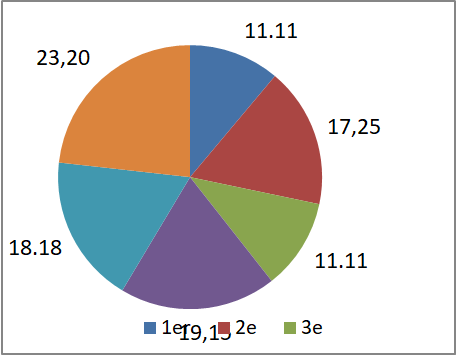
This figure shows the shops and food stores where yogurts are sold, which are booming in the 6th and 4th arrondissements followed by the 5th, 2nd, 1st and 3rd. This is due to the food stores and shops newly established in the town of Abeche.
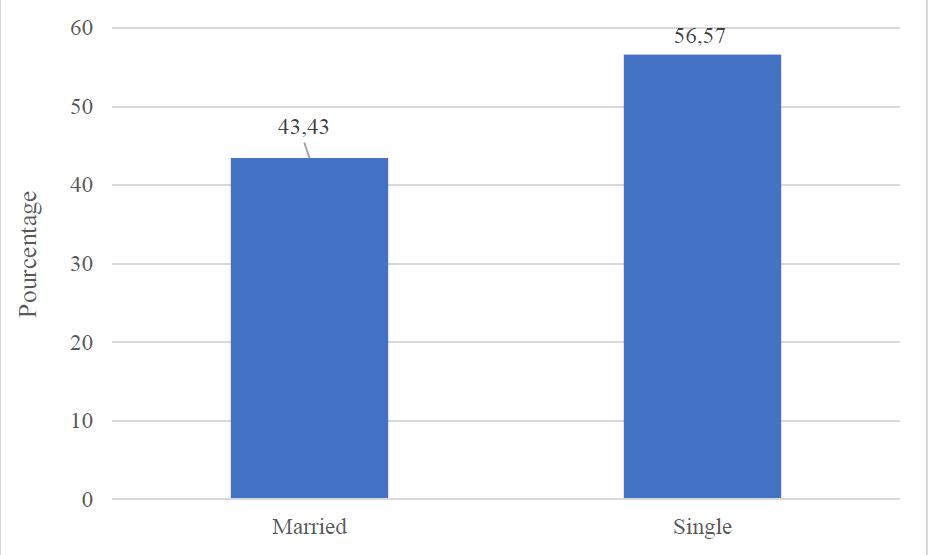
Consumers are young singles and married people who buy their supplies directly from shops and grocery stores in the various districts. It should also be remembered that most consumers are young singles; Figure 3 below shows this consumption rate.

This figure shows that 56.57% of consumers are single compared to 43.43% of married people.

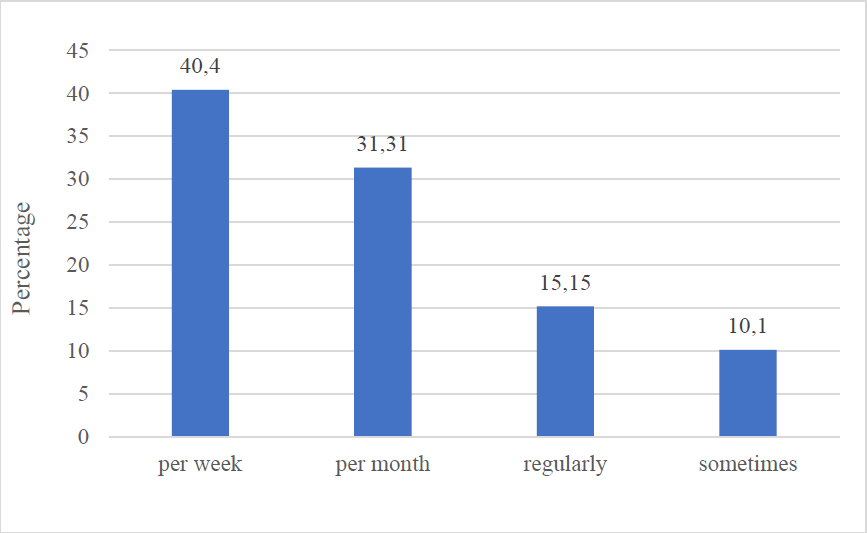
This figure shows that 40.40% of the people surveyed consume yogurt weekly and 10.10% consume it occasionally.
Observations according to ISCHIKAWA's rule
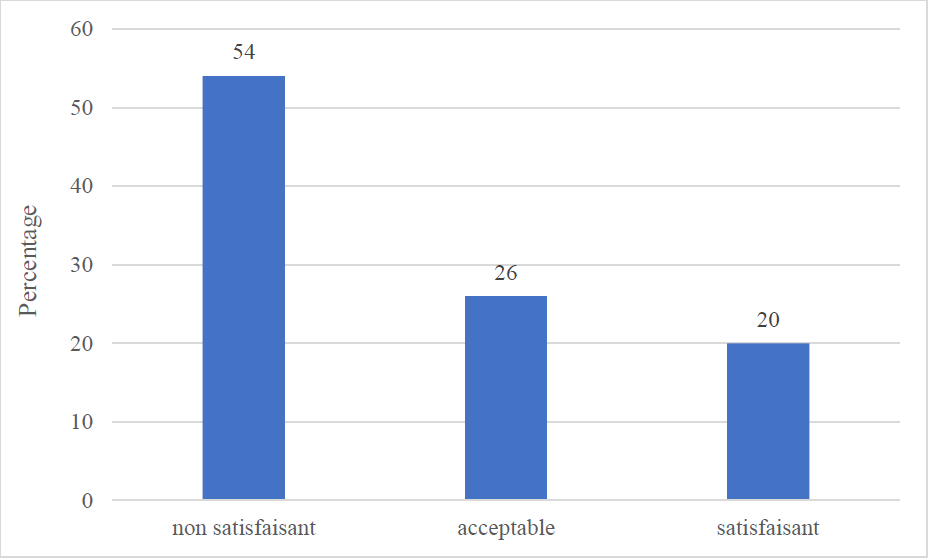
This figure shows that 54% of producers do not respect the 5M rule, while only 20% observe this rule. However, highlighting this 5M rule (Environment, Material, Method, Labor and Means) allowed us to carry out an analysis on all the sites visited.


Analysis of the profile of yogurt producers in Abeche reveals an exclusively male population, aged 15 to 54. This relatively young age group contrasts with previous studies, notably that of Bertin 18, 19, which reported a maximum age of 71 years in the same region. This temporal and demographic difference is likely explained by the rapid sociocultural and demographic evolution in Chad, where the population is very young—with a median age of 14.8 years and strong population growth 19. This youthfulness of the population raises a critical issue: age appears to directly influence food hygiene practices.
Scientifically, the acquisition of knowledge about hygiene and health standards is a cumulative process linked to experience and training. Young producers, often poorly educated, lack mastery of good practices, which compromises local food security 20. This observation is in line with 21 behavioral theory on the formation of intentions and adoption of standards, highlighting the importance of maturity and education to integrate rigorous health practices.
Regarding consumers' marital status, our study shows that 56.57% of yogurt consumers are young singles, compared to 43.43% who are married. This result diverges from those reported in Niger 22, where married consumers dominated (52%). This variation can be analyzed in light of local dynamics, where single urban youth are adopting more flexible eating behaviors, reflecting societal evolution in African urban areas 23.
The observed frequency of consumption—40% of respondents consuming yogurt weekly—illustrates the gradual integration of the product into local eating habits, compared to historical data where consumption was more occasional 24. This increase may be correlated with a relative improvement in purchasing power and increased awareness of the nutritional benefits of this product among the population 25.
Sociodemographic data show a majority of producers with little education, which limits the adoption of good hygiene practices, a finding widely corroborated in recent literature 26. The prevalence of powdered milk use and the use of unsterilized recycled packaging contribute to an increased risk of microbial contamination 27.
More than half of producers do not comply with the 5M rule, illustrating persistent gaps in hygiene process control. According to 28, lack of training and economic constraints explain this situation in several African countries 29. The impact on public health is manifested by a potential increase in cases of food poisoning, mainly among vulnerable groups.
4.2. Observation According to ISCHIKAWA's RuleThe assessment of production practices using the Ishikawa method revealed that 54% of yogurt producers in Abeche do not comply with hygiene principles. This rate, although lower than the 80% non-compliance reported 30 in the production of meat products in the same region, remains worrying. It confirms a widespread trend in the peri-urban areas of Abeche, where 31 had already reported systematic non-compliance with the 5M rule (Environment, Hand, Material, Equipment, Method), which constitutes a fundamental framework for ensuring food safety and quality.
On a more conceptual level, this situation illustrates a recurring problem in developing countries: the difficult transition from a strictly repressive control model, often unsuited to local realities, to an approach based on active prevention and producer accountability 28. In this socio-economic context marked by precariousness and limited access to technical training, producers—often young and poorly qualified—encounter major difficulties in adopting rigorous hygiene standards, despite their recognized importance.
Recent studies 21, 28 confirm that the lack of awareness and technical support hinders the implementation of good practices in small food production units. The adoption of hygiene rules therefore requires a renewal of educational strategies, favoring participatory pedagogy, personalized support, and the promotion of local know-how adapted to technical and cultural constraints.
Philosophically, this observation invites us to reconsider the governance of food safety: it is no longer just a question of sanctioning deviations, but of building a sustainable culture of quality and prevention with stakeholders. This holistic approach is essential to guarantee not only the health of consumers, but also the economic sustainability of small-scale artisanal production and their integration into formal circuits 30, 31.
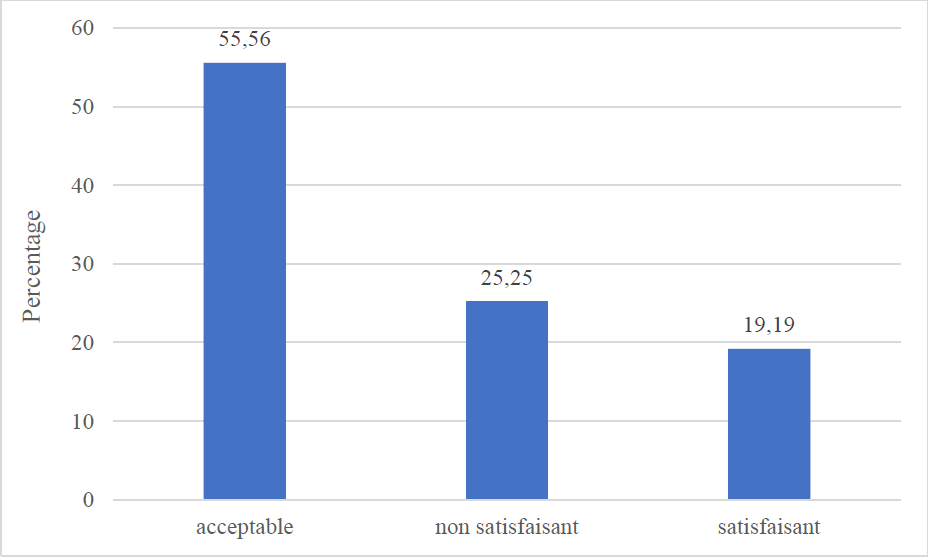
4.3. Assessment of ConsumptionThe organoleptic perception of yogurts by consumers in Abeche shows notable variability, with 55.56% of respondents judging the taste acceptable, while 19.19% expressed dissatisfaction. These results confirm observations made in similar contexts, particularly in Niger where 27, 31 reported that 91% of consumers declared themselves satisfied with the taste of yogurt. These analyses corroborate the idea that sensory acceptability is a key factor in the sustainable adoption of local fermented products 32.
The observed association between the low level of education of producers and the quality of yogurts produced is highly intriguing. Early marriage among boys in the region often leads to premature assumption of responsibility in the management of production units, without adequate training or skills, which leads to significant deficiencies in hygiene and process control 33. This precocity also exposes these young people to exacerbated socioeconomic stress, reducing their capacity to invest in quality.
Recent studies in the field of public health and nutrition 28, 34 emphasize the fundamental role of education and continuing training as levers for transforming artisanal food practices. The integration of adaptive educational programs improves not only technical skills but also attitudes towards food safety, promoting the production of safer and socially accepted foods.
Philosophically, this highlights the importance of a systemic approach that considers cultural, educational, and socioeconomic factors in improving food security. Promoting producer education is a long-term strategy that is essential for reducing health risks and ensuring the sustainable development of local food chains 35.
Yogurt production in Chad is an important source of income for local stakeholders while also playing a crucial role in food security, particularly in urban areas like Abeche. Our survey of 150 producers shed light on existing hygiene practices and contamination risk factors in this sector. The results show that the majority of these producers have an average age of over 31 and that 54% of them are uneducated, illustrating a major deficit in technical training.
The study revealed that yogurt production units, although established to meet growing consumer needs, do not sufficiently comply with good hygiene practices. This negligence exposes consumers to significant health hazards, including microbiological risks linked to the uncontrolled variability of microorganisms in fermented products. Local public health is thus jeopardized, and product quality is seriously compromised. These results are consistent with observations made in other similar contexts in sub-Saharan Africa, where infrastructure and human resource deficits hamper food safety control 31, 34.
From a scientific perspective, the qualitative control of fermented dairy products requires a thorough understanding of microbial dynamics and environmental factors influencing fermentation. Therefore, it is essential to continue microbiological investigations to precisely identify germs that potentially affect consumer health and to design targeted interventions 28.
From a technological and nutritional perspective, the issue deserves to be addressed from an innovative angle, particularly by comparing the nutritional values and microbiological quality of yogurts prepared from powdered milk versus fresh milk. This approach is part of the current dynamic of promoting local sectors while improving food safety 35.
Prospects for improvement
• Strengthening producers' capacities through appropriate training to disseminate good hygiene practices and improve the quality of yogurts.
• Implementation of regular quality and microbiological control to guarantee the health safety of products.
• Development of in-depth nutritional studies to promote local dairy products and encourage their consumption.
• Promoting inclusive governance that integrates local stakeholders, public structures and technical partners to meet the challenges of artisanal production.
The authors gratefully acknowledge the support provided by the Laboratory of Microbiology and Chemistry at the National Higher Institute of Science and Technology of Abeche (INSTA), as well as the laboratories of the Abeche University Hospital Center and the Mongo Provincial Laboratory. Their technical assistance and collaboration were essential to the successful completion of this study.
All authors contributed equally to the conception, drafting, and critical revision of the manuscript. They have read and approved the final version submitted for publication.
The authors declare no conflicts of interest related to this study.
This work did not receive any specific grant from funding agencies in the public, commercial, or not-for-profit sectors.
| [1] | UNICEF. (2024, April 24). Global Report on Food Crises: 59 Countries Affected by Acute Malnutrition in 2023. [Online] Availableat:https:// www.unicef.fr/article/ rapport-mondial-sur-les- crises-alimentaires-59-pays-touches-par-la-malnutrition-aigue-en-2023/. | ||
| In article | |||
| [2] | Smith, J., et al. Challenges of food safety in developing countries. Food Security, 15(1), 33-45. 2023. | ||
| In article | |||
| [3] | Food and Agriculture Organization (FAO) & World HealthOrganization (WHO).General principles of foodhygiene: Codex Alimentarius Code of Practice (CXC 1-1969)Revision. 2023. Codex Alimentarius Commission, Rome. | ||
| In article | |||
| [4] | Moussa, B., et al. Multicriteria assessment of hygienic risks in urban dairy production in West Africa. Journal of Food Protection, 87(5), 1128-1136. 2024. | ||
| In article | |||
| [5] | WHO. (2024, October). Key Facts on Food Safety. [Online] Availableat: https:// www.who.int/fr/news-room/fact-sheets/ detail/food-safety. | ||
| In article | |||
| [6] | Diallo, K., et al. Educational needs of dairy producers for improving hygiene: A case study from Senegal. International Journal of Food Microbiology, 393, 109919. 2024. | ||
| In article | |||
| [7] | Jolivet, Y., Tran, T. H., & Bourgeois, Y. Microbial risks associated with artisanal dairy production in Sub-Saharan Africa: A systematic review. International Journal of Food Microbiology, 398, 110382.2023. | ||
| In article | |||
| [8] | ONG A.I.D.D., (2016). Market study of 100% Nigerien dairy products made from local milk. Activity report. 2016. | ||
| In article | |||
| [9] | FAO.Guidelines for foodsafety in developing countries. Rome: FAO.2024. | ||
| In article | |||
| [10] | Adewumi, A.O., et al. Nutritional quality assessment: powdered vs fresh milk yogurts. Dairy Science & Technology, 103(4), 401-419.2023. | ||
| In article | |||
| [11] | Aly SAVADOGO and Alfred S. TRAORE. Microbial flora and functional properties of yogurts and fermented milks .Int. J. Biol. Chem. Sci. 5(5): 2057-2075. 2011. | ||
| In article | View Article | ||
| [12] | Djemat F. Valorization of sweet whey by its incorporation in the manufacture of L'ben;End of study dissertation, M'homet Bougara Boumerdeb University, Algeria 82 p. 2017. | ||
| In article | |||
| [13] | Mechtoun, A. Trial of manufacturing a natural yogurt flavored with rose mary syrup [End of studies thesis, Abdelhamid Ibn BadisMostaganem University]. Abdelhamid Ibn BadisMostaganem University.2014. Available at: http://e-biblio. univmosta.dz/ bitstream/handle/ 123456789/2237/ M%C3%A9moire_final%20sd%20final% 20final.pdf?sequence=1&isAllowed=y. | ||
| In article | |||
| [14] | Luquet FM. Dairy Products Processing and Technology. 2nd edition: milk and dairy products for cows, sheep, and goats. Tech-doc Apria Lavoisier. P2-85-206. 1990. | ||
| In article | |||
| [15] | Opti, L., Singh, G., & Kumar, A. Effect of cooling temperature on the viability of yogurt cultures and product stability. LWT - Food Science and Technology, 87, 111-118. 2018. | ||
| In article | |||
| [16] | Corvi, A. Event, yogurt, milks ferment. Tech-doc, Sepiac, Paris, pp. 14-17. 1997. | ||
| In article | |||
| [17] | Sah, B. N. P., &Vasiljevic, T. Fermented milk products as functional foods—a review. Critical Reviews in Food Science and Nutrition, 56(9), 1485-1500. 2016. | ||
| In article | |||
| [18] | Tamine, A. Y., & Robinson, R. K. Yogurt: Science and Technology (3rd ed.). Wood headPublishing. A reference work on yogurt technology that details the importance of rapid cooling to stop the active fermentation of lactic acid bacteria 2007. | ||
| In article | |||
| [19] | Guyot P. The yurts. DLG foods. Tec .p 4-8-10-11 , 1992. | ||
| In article | |||
| [20] | Fernandez, M., Evranuz, E. Ö., &Sagdic, O. Impact of cooling rate duringyogurt production on microbiological and sensoryproperties. Food BioprocessTechnology, 6(4), 851-860. 2013. | ||
| In article | |||
| [21] | N’Goran, J. K., Coulibaly, M., &Tano, K. Assessment of hygiene practices in small-scale dairy operations in West Africa: implications for food safety policies. Food Control, 154, 109855.2024. | ||
| In article | |||
| [22] | BenyoubFZ.Contribution to the implementation of a HACCP system at the dairy sarlHalibinnadjahMaghnia. Master’sthesis. 2017. | ||
| In article | |||
| [23] | Mwansa, A., & Banda, T. Influence of packaging and cold chain maintenance on shelf life of fermented milk products in tropical climates. Food Packaging and Shelf Life, 40, 100995.2023. | ||
| In article | |||
| [24] | Doutoum AA, et al. Identification of the lactic microorganism responsible for milk coagulation in Abeche (Chad). Academic Journals, 7(5), 103-106.2013. | ||
| In article | View Article | ||
| [25] | Koné, A., Traoré, H., & Coulibaly, S. Barriers to implementing good hygiene practices in small-scalefood production units in West Africa: A mixed-methodsstudy. Food Control, 146, 109470.2023. | ||
| In article | |||
| [26] | Odhiambo, J., et al. Knowledge, attitudes and practices related to dairy hygiene among small holder dairy farmers in East Africa. Journal of Dairy Science, 106(8), 3767-3779.2023. | ||
| In article | |||
| [27] | WHO. Food Safety Fact Sheet. Available. 2024. at: https:// www.who.int/fr/ news-room/fact-sheets/detail/food-safety. | ||
| In article | |||
| [28] | Khalil, S.M., et al. Sensory acceptability and safety of fermented dairy products in sub-Saharan Africa. Food Research International, 164, 112230. 2023. | ||
| In article | |||
| [29] | Zheng et al. Lactic acid bacteria: beyond fermentation to bio protection against foodborne pathogens. Frontiers in Microbiology. 2025. | ||
| In article | |||
| [30] | Salema et al. Effect of cooling and storage temperature on lactic acid bacteria activity and yogurt quality. Journal of Dairy Science. 2023. | ||
| In article | |||
| [31] | Okonko et al. Microbial contamination and antibioticresistance in selected yogurt brands sold in Nigeria. Covenant Journal of Pure and Applied Sciences. 2024. | ||
| In article | |||
| [32] | Smith, L., et al. Low-cost microbiological monitoring for small dairy producers. Journal of Dairy Science, 106(3), 1805-1815.2023. | ||
| In article | |||
| [33] | Ndungu et al. Exploring the adoption of food safety measures in small holder dairy systems in Ethiopia: implications for food safety and public health. Food Security, 16, 423–435. 2024. | ||
| In article | View Article | ||
| [34] | Ochieng, F., et al. Impacts of packaging materials on dairy product safety in tropical climates. Food Packaging and Shelf Life, 36, 100986.2023. | ||
| In article | |||
| [35] | European Food SafetyAuthority (EFSA) European Guide for Good Hygiene Practices in the Production of Artisanal Cheese and DairyProducts. 2017. | ||
| In article | |||
| [36] | Government of Chad. National dairysector support strategy. Ministry of Agriculture, Food &Livestock. 2024. | ||
| In article | |||
Published with license by Science and Education Publishing, Copyright © 2025 Abdelsalam Adoum DOUTOUM, Alcherif Hamid Mahamat, Denis ERBI, Hamadou ABBA, Bienvenu MADJITOLOUM, Mahamat Seid ALI, Rabha Ganda KADO, Mahamat Abdoulaye BECHIR, Attahir ATTAMAR, Abdoullahi Hissein OUSMAN, Abdelsalam TIDJANI, Abdourahamane BALLA, Malang SEYDI and Bhen Sikina TOGUEBAYE
 This work is licensed under a Creative Commons Attribution 4.0 International License. To view a copy of this license, visit
http://creativecommons.org/licenses/by/4.0/
This work is licensed under a Creative Commons Attribution 4.0 International License. To view a copy of this license, visit
http://creativecommons.org/licenses/by/4.0/
| [1] | UNICEF. (2024, April 24). Global Report on Food Crises: 59 Countries Affected by Acute Malnutrition in 2023. [Online] Availableat:https:// www.unicef.fr/article/ rapport-mondial-sur-les- crises-alimentaires-59-pays-touches-par-la-malnutrition-aigue-en-2023/. | ||
| In article | |||
| [2] | Smith, J., et al. Challenges of food safety in developing countries. Food Security, 15(1), 33-45. 2023. | ||
| In article | |||
| [3] | Food and Agriculture Organization (FAO) & World HealthOrganization (WHO).General principles of foodhygiene: Codex Alimentarius Code of Practice (CXC 1-1969)Revision. 2023. Codex Alimentarius Commission, Rome. | ||
| In article | |||
| [4] | Moussa, B., et al. Multicriteria assessment of hygienic risks in urban dairy production in West Africa. Journal of Food Protection, 87(5), 1128-1136. 2024. | ||
| In article | |||
| [5] | WHO. (2024, October). Key Facts on Food Safety. [Online] Availableat: https:// www.who.int/fr/news-room/fact-sheets/ detail/food-safety. | ||
| In article | |||
| [6] | Diallo, K., et al. Educational needs of dairy producers for improving hygiene: A case study from Senegal. International Journal of Food Microbiology, 393, 109919. 2024. | ||
| In article | |||
| [7] | Jolivet, Y., Tran, T. H., & Bourgeois, Y. Microbial risks associated with artisanal dairy production in Sub-Saharan Africa: A systematic review. International Journal of Food Microbiology, 398, 110382.2023. | ||
| In article | |||
| [8] | ONG A.I.D.D., (2016). Market study of 100% Nigerien dairy products made from local milk. Activity report. 2016. | ||
| In article | |||
| [9] | FAO.Guidelines for foodsafety in developing countries. Rome: FAO.2024. | ||
| In article | |||
| [10] | Adewumi, A.O., et al. Nutritional quality assessment: powdered vs fresh milk yogurts. Dairy Science & Technology, 103(4), 401-419.2023. | ||
| In article | |||
| [11] | Aly SAVADOGO and Alfred S. TRAORE. Microbial flora and functional properties of yogurts and fermented milks .Int. J. Biol. Chem. Sci. 5(5): 2057-2075. 2011. | ||
| In article | View Article | ||
| [12] | Djemat F. Valorization of sweet whey by its incorporation in the manufacture of L'ben;End of study dissertation, M'homet Bougara Boumerdeb University, Algeria 82 p. 2017. | ||
| In article | |||
| [13] | Mechtoun, A. Trial of manufacturing a natural yogurt flavored with rose mary syrup [End of studies thesis, Abdelhamid Ibn BadisMostaganem University]. Abdelhamid Ibn BadisMostaganem University.2014. Available at: http://e-biblio. univmosta.dz/ bitstream/handle/ 123456789/2237/ M%C3%A9moire_final%20sd%20final% 20final.pdf?sequence=1&isAllowed=y. | ||
| In article | |||
| [14] | Luquet FM. Dairy Products Processing and Technology. 2nd edition: milk and dairy products for cows, sheep, and goats. Tech-doc Apria Lavoisier. P2-85-206. 1990. | ||
| In article | |||
| [15] | Opti, L., Singh, G., & Kumar, A. Effect of cooling temperature on the viability of yogurt cultures and product stability. LWT - Food Science and Technology, 87, 111-118. 2018. | ||
| In article | |||
| [16] | Corvi, A. Event, yogurt, milks ferment. Tech-doc, Sepiac, Paris, pp. 14-17. 1997. | ||
| In article | |||
| [17] | Sah, B. N. P., &Vasiljevic, T. Fermented milk products as functional foods—a review. Critical Reviews in Food Science and Nutrition, 56(9), 1485-1500. 2016. | ||
| In article | |||
| [18] | Tamine, A. Y., & Robinson, R. K. Yogurt: Science and Technology (3rd ed.). Wood headPublishing. A reference work on yogurt technology that details the importance of rapid cooling to stop the active fermentation of lactic acid bacteria 2007. | ||
| In article | |||
| [19] | Guyot P. The yurts. DLG foods. Tec .p 4-8-10-11 , 1992. | ||
| In article | |||
| [20] | Fernandez, M., Evranuz, E. Ö., &Sagdic, O. Impact of cooling rate duringyogurt production on microbiological and sensoryproperties. Food BioprocessTechnology, 6(4), 851-860. 2013. | ||
| In article | |||
| [21] | N’Goran, J. K., Coulibaly, M., &Tano, K. Assessment of hygiene practices in small-scale dairy operations in West Africa: implications for food safety policies. Food Control, 154, 109855.2024. | ||
| In article | |||
| [22] | BenyoubFZ.Contribution to the implementation of a HACCP system at the dairy sarlHalibinnadjahMaghnia. Master’sthesis. 2017. | ||
| In article | |||
| [23] | Mwansa, A., & Banda, T. Influence of packaging and cold chain maintenance on shelf life of fermented milk products in tropical climates. Food Packaging and Shelf Life, 40, 100995.2023. | ||
| In article | |||
| [24] | Doutoum AA, et al. Identification of the lactic microorganism responsible for milk coagulation in Abeche (Chad). Academic Journals, 7(5), 103-106.2013. | ||
| In article | View Article | ||
| [25] | Koné, A., Traoré, H., & Coulibaly, S. Barriers to implementing good hygiene practices in small-scalefood production units in West Africa: A mixed-methodsstudy. Food Control, 146, 109470.2023. | ||
| In article | |||
| [26] | Odhiambo, J., et al. Knowledge, attitudes and practices related to dairy hygiene among small holder dairy farmers in East Africa. Journal of Dairy Science, 106(8), 3767-3779.2023. | ||
| In article | |||
| [27] | WHO. Food Safety Fact Sheet. Available. 2024. at: https:// www.who.int/fr/ news-room/fact-sheets/detail/food-safety. | ||
| In article | |||
| [28] | Khalil, S.M., et al. Sensory acceptability and safety of fermented dairy products in sub-Saharan Africa. Food Research International, 164, 112230. 2023. | ||
| In article | |||
| [29] | Zheng et al. Lactic acid bacteria: beyond fermentation to bio protection against foodborne pathogens. Frontiers in Microbiology. 2025. | ||
| In article | |||
| [30] | Salema et al. Effect of cooling and storage temperature on lactic acid bacteria activity and yogurt quality. Journal of Dairy Science. 2023. | ||
| In article | |||
| [31] | Okonko et al. Microbial contamination and antibioticresistance in selected yogurt brands sold in Nigeria. Covenant Journal of Pure and Applied Sciences. 2024. | ||
| In article | |||
| [32] | Smith, L., et al. Low-cost microbiological monitoring for small dairy producers. Journal of Dairy Science, 106(3), 1805-1815.2023. | ||
| In article | |||
| [33] | Ndungu et al. Exploring the adoption of food safety measures in small holder dairy systems in Ethiopia: implications for food safety and public health. Food Security, 16, 423–435. 2024. | ||
| In article | View Article | ||
| [34] | Ochieng, F., et al. Impacts of packaging materials on dairy product safety in tropical climates. Food Packaging and Shelf Life, 36, 100986.2023. | ||
| In article | |||
| [35] | European Food SafetyAuthority (EFSA) European Guide for Good Hygiene Practices in the Production of Artisanal Cheese and DairyProducts. 2017. | ||
| In article | |||
| [36] | Government of Chad. National dairysector support strategy. Ministry of Agriculture, Food &Livestock. 2024. | ||
| In article | |||