Paeonia lactiflora Pall (PL) with Astragalus membranaceus (AM) are herbs widely used in traditional herbal medicine formulations to alleviate female menopausal symptoms. However, there are no reports on the anti-menopausal effects of a mixture of PL and AM. This study aimed to investigate whether a combination of PL with AM exerts a synergistic effect in alleviating menopausal symptoms. The mixture of PL and AM (PLAM) was combined in a ratio of 1:4, and the effect was investigated at dose of 30 and 60 mg/kg body weight (BW) in ovariectomized (OVX) mice. Six OVX groups were administered orally once a day with distilled water (10 mL/kg), estradiol valerate (0.5 mg/ kg), PL (23.5 mg/kg), AM (77 mg/kg), PLAM (30 mg/kg and 60 mg/kg) for 8 weeks, respectively. One group served as a sham-operated control. PLAM significantly decreased the body weight, uterine atrophy, and aortic intima-media thickness, while increased uterine weight, estradiol production and bone formation compared to individual extracts of PL and AM. These effects were more pronounced at a high-dose of PLAM (60 mg/kg) than a low-dose (30 mg/kg). The results demonstrate that a high-dose of PLAM mixtures exerts the best synergistic effect for alleviating menopausal symptoms in mice, suggesting that PLAM can be applied as an effective new agent for treating menopausal symptoms.
Menopause presents a variety of symptoms, such as anxiety, hot flashes, sweating, insomnia, vaginal dryness, metabolic impairment, and reduced bone density, all of which occur due to estrogen deficiency 1. It also increases the risk of cognitive disturbances, osteoporosis, and cardiovascular diseases 2, 3. Menopause usually occurs in the late 40s to early 50s with an average age of 51 years. However, as the life expectancy of women has increased in recent years, the duration of life after menopause is getting longer, and hence the management of women's health during this phase has assumed more significance 4.
Hormone replacement therapy (HRT) is the most widely used treatment of menopause 5. HRT is associated with mild adverse events, such as nausea, dizziness and dry mouth. However, HRT has also been reported to cause serious side effects such as endometrial hyperplasia and carcinogenesis 6. Therefore, alternative approaches using phytoestrogens, compounds derived from plants, are recently gaining attention due to their estrogen-like activity and fewer side effects 7, 8. Among them, traditional herbal medicines, including Chinese and Korean herbs, have been widely studied and clinically used for the relief from the disturbing symptoms of menopause 9, 10.
However, concerns regarding the toxicity of these herbal medicines have been raised for a long time, and interest in this issue has increased recently because regulatory bodies including the World Health Organization (WHO) and the Food and Drug Administration (FDA) prioritize drug safety 11, 12, 13, 14. Nevertheless, most herbal medicine interventions are used as a mixture ranging from 2 to 31 ingredients rather than as a single ingredient to provide enhanced efficacy due to the combined effects of the active constituents 10, 15, 16. Si-Wu Tang (4 herb formula), Kuntai capsules (6 herb formula), and Tiáo Gēng Tāng (10 herb formula), representative herbal medicines used to alleviate menopausal symptoms, are also mixture of more than one component 17, 18, In Vivo, 29(1). 109-115. Jan-Feb 2015." class="coltj"> 19. Some herbs mixed in appropriate ratio exhibit synergistic pharmacological effects compared to single substances 20, 21. Nevertheless, the combinations of herbs have potential side effects due to the complex interplay of their active ingredients and the possibility of interactions with other medications or substances 22. In addition, use of a formulation with several ingredients can lead to cumulative toxicity, meaning the combined effect of the ingredients can be greater than the sum of their individual effects 22, 23, 24. Also, it is possible that a mixture may contain ingredients without efficacy for the said indication due to a lack of scientific understanding of the effects of each ingredient. In some cases, antagonism may also occur, where the effects of active ingredients are masked by other compounds in a complex mixture 25. Therefore, it is necessary to use ingredients whose efficacy and function have been clearly identified.
In a preliminary study, we selected 10 herbs with a potential to alleviate menopausal symptoms based on a literature review and herbal medicines widely prescribed in oriental traditional medicine. The estrogen production of these 10 herbs was evaluated in MCF-7 cells: Rehmannia glutinosa, Paeonia lactiflora Pall (PL), Cnidium officinale Makino, Angelica gigas, Cyperus rotundus L, Astragalus membranaceus (AM), Atractylodes macrocephala Koidzumi, Artemisia argyi Lévl. et Vant, Carthamus tinctorius, and Corydalis yanhusuo (data non shown). And then, it was confirmed that the two herbal extracts, PL and AM were nontoxic and showed the highest osteoblast survival rates among these 10 herbs. And, we reported that individual extracts of PL and AM were effective in improving menopausal symptoms in OVX mice 26.
PL is one of most frequently used herbs in Chinese herbal medicine formulations, such as Kun Bao Wan and He yan Kuntai Capsules for menopausal hot flashes 10. AM has also estrogenic effects, and it improved menopausal symptoms when used in combination with other herbs 27, 28, 29, 30. However, there are no reports on the anti-menopausal effects of a mixture of PL and AM. Therefore, this study aimed to investigate whether a combination of PL with AM exerts a synergistic effect in alleviating menopausal symptoms in mice.
All animal experiments were reviewed and approved by the Institutional Animal Care and Use Committee (IACUC) of Pusan National University Hospital (PNUH-2023-224) and were in accordance with the National Research Council (US) Committee for the Update of the Guide for the Care and Use of Laboratory Animals.
2.1. Preparation of Extracts of PL, AM and a Mixture of PL and AM (PLAM)Extracts of PL, AM, and mixtures of PL and AM (PLAM) were purchased by DaehanCell Pharm INC. (Guri, Republic of Korea). The extraction process was as follows: the company purchased PL and AM roots cultivated in fields in the Gyeongsangbuk-do Province (Republic of Korea) from Omniherb Co. Ltd. (Daegu, Republic of Korea). The plants were first identified by two botanical experts and certified based on sensory evaluation and chromatographic characteristics. The individual extracts of PL and AM were prepared as described previously 26. A mixture of dried PL and AM (1:4) was extracted with 8 volumes of water at 100°C for 6 h. The extracts of PLAM were filtered through filter paper and concentrated under reduced pressure by 50 Brix using a vacuum evaporator at 60°C. The lyophilized extracts were stored at -20°C until use. Before each experiment, the extract of PLAM was freshly dissolved in distilled water and orally administered at each concentration using a 1-ml syringe at a concentration of 23.5 mg/kg for PL, 77 mg/kg for AM, and 30 mg/kg and 60 mg/kg for PLAM
2.2. Ovariectomized Model and Treatment with PL, AM and PLAMInbred C57BL/6 female mice aged 8-weeks (18-20g) were purchased from Koatech Inc. (Pyeongtaek, Republic of Korea) and housed under a 12-hour light/dark cycle with free access to water and food in a specific pathogen-free (SPF) animal facility at a temperature of 21±2°C and relative humidity of 55%±10%.
After adaptation to a regular diet for one week, a total of 63 mice were randomly divided into seven groups (n=9/group). Bilaterally OVX was performed on six groups using the dorsal approach under an intraperitoneal administration of a mixture of Alfaxan (alfaxolone, 60 mg/kg, 0.12 ml/20 g; Jurox Animal Health, Rutherford, Australia) and Rompun (xylazine, 5 mg/kg, 0.01 ml/20 g; Bayer Korea, Ansan, Gyeonggi, Republic of Korea) according to the method described in our previous report 26. One group served as a sham-operated control (Sham group) and underwent the same procedure as the OVX mice but without resection of the ovaries. After a four-week recovery period, PL, AM and PLAM were administered to the OVX mice for 8 weeks as follows: the first and second OVX groups received 23.5 mg/kg/day of PL (OVX-PL group) and 77 mg/kg/day of AM (OVX-AM group), respectively. The other two OVX groups received 30 mg/kg/day of PLAM (OVX-PLAM (30) group) and 60 mg/kg/day (OVX-PLAM (60) group). The remaining two OVX groups served as negative and positive controls and received distilled water (OVX-vehicle group) and estradiol valerate (OVX-E2 group), respectively. Distilled water, estradiol valerate, PL, AM, PLAM (30) and PLAM (60) were administered to OVX mice by oral gavage once a day for 8 weeks at a volume of 10 mL/kg of body weight.
2.3. Collection of Blood and Organ TissuesOn the day after the final administration of each agent, the mice were euthanized with CO2. Blood was collected using a cardiac puncture and allowed to clot at room temperature. The serum was then separated by centrifuging at 1000 ×g for 15 min and stored at -80°C until its use for further assays. The tissues of the liver, heart, spleen, kidneys, uterus, and visceral fat pads were dissected out. The uterus and the aorta were immersed in 4% paraformaldehyde (PFA) solution for histological analysis and stored at room temperature for 24 h and provided for further processing.
2.4. Measurement of Body and Organ WeightsThe individual body weights were recorded on the first day of the experiment and the last day of administration of each agent. The dissected tissues from each organ were weighed after the adhering fats were trimmed away.
2.5. Serum Biochemical AnalysisThe serum levels of alanine aminotransferase (ALT), aspartate aminotransferase (AST), alkaline phosphatase (ALP), total cholesterol (T-C), triglyceride (TG), low-density-lipoprotein cholesterol (LDL-C), and high density lipoprotein cholesterol (HDL-C) were measured using an auto microplate chemiluminescence analyzer (Hitachi Chemical Diagnostics Systems Co., Ltd. Tokyo, Japan). The serum concentrations of osteocalcin and 17-β-estradiol (E2β) were measured using commercial enzyme-linked immunosorbent assay (ELISA) kits (CUSABIO technology LLC, Houston, TX, USA) according to the manufacturer’s protocol.
2.6. Histological StudyAfter dissecting the uterus and aortic tissue, the tissues were dehydrated using an ethanol series, cleared in xylene, embedded in paraffin, and sectioned using a microtome to obtain 5 μm thick paraffin sections. The sectioned tissues were spread on the coated-slides, and placed in an oven at 60C for 1 hour. The slides were then deparaffinized in xylene and dehydrated in a graded series of ethanol before they were stained with hematoxylin and eosin (H&E). Endometrial epithelial thickness and aortic intima-media thickness was measured using an ImageScope (Aperio Technologies Inc., Vista, CA, USA).
2.7. Bone Analysis using Micro-Computed Tomography (micro-CT)The left femurs of the sacrificed mice were dissected and fixed in 4% PFA for 24 hours, washed with phosphate-buffered saline (PBS) and then scanned using micro-CT (Quantum FX, PerkinElmer, Hopkinton, MA, USA) with a source voltage of 90 kV and a source current 180 μA. For the 3-D histomorphometric analysis of the trabecular and cortical bone, cross-sectional images of the distal femur were used. The region of interest (ROI) of the distal femur was 5% of the femoral length starting from 0.05 mm below the growth plate and was used to determine the trabecular and cortical bone mineral density (BMD, mg/cc), bone volume /total volume (BV/TV, %), trabecular number (Tb.N, 1/mm), trabecular thickness (Tb.Th, mm) and trabecular separation (Tb.Sp, mm).
2.8. Data AnalysisThe results were presented as mean ± SD (standard deviation). The statistical analysis involved a normal distribution of data. Data were analyzed using the Student’s t-test in Microsoft Excel. A p-value < 0.05 was considered indicative of a significant difference, while a p-value < 0.01 was considered highly significant.
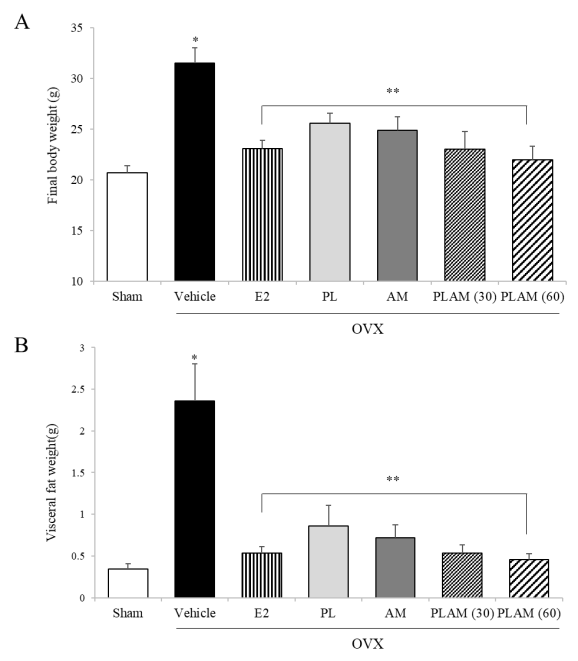
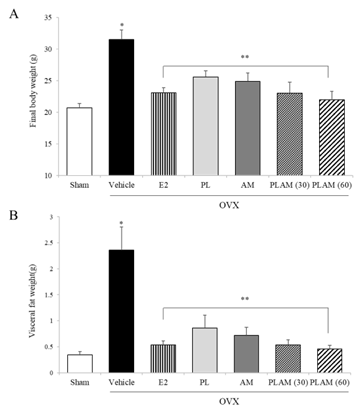
We investigated whether PL, AM, and PLAM affect body weight and visceral fat mass in an OVX mice model. The final body weight and visceral fat mass were significantly increased by 34.4% and 85.6%, respectively, over an 8-week period in the OVX-vehicle group compared to the Sham group, indicating that the menopausal status was successfully established in these OVX mice. Treatment with individual extracts of PL and AM significantly decreased the final body weight and visceral fat mass to the levels of the Sham group, respectively. PLAM treatment (30 or 60 mg/kg) decreased these indices more than PL and AM individual extracts. The effect of PLAM administration on reducing of final body weight and visceral fat mass were similar to those of estradiol valerate (positive control-OVX-E2 group) (Figure 1A and 1B).
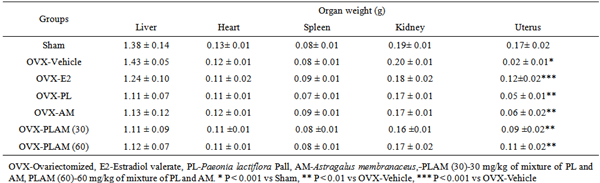
3.2. Effects of PL, AM, and PLAM on Weights of Uterine and Other OrgansChanges in organ weights are important indicators for evaluating the toxicity of experimental agents. The weight changes of the liver, heart, spleen, and kidneys were similar to those of the Sham group, OVX-vehicle and OVX-E2 group even after 8 weeks of treatment with PL, AM, and PLAM, suggesting that these extracts exhibited no toxicity at the concentrations used for treatment (Table 1).
However, the uterine weight was significantly decreased by 88.1% in the OVX-vehicle group compared to the Sham group. The uterine weight was significantly increased in the OVX-E2 group by 478.8% compared to the OVX-vehicle group. Treatment with PL, AM, and both dose of PLAM (30 and 60 mg/kg) also significantly increased the uterine weights by 168.2%, 176.6%, 375.4%, and 435.8%, respectively, compared to the OVX-vehicle group. Among these, the treatment with both low and high dose of PLAM increased the uterine weight to levels similar to the OVX-E2 group (Table 1).
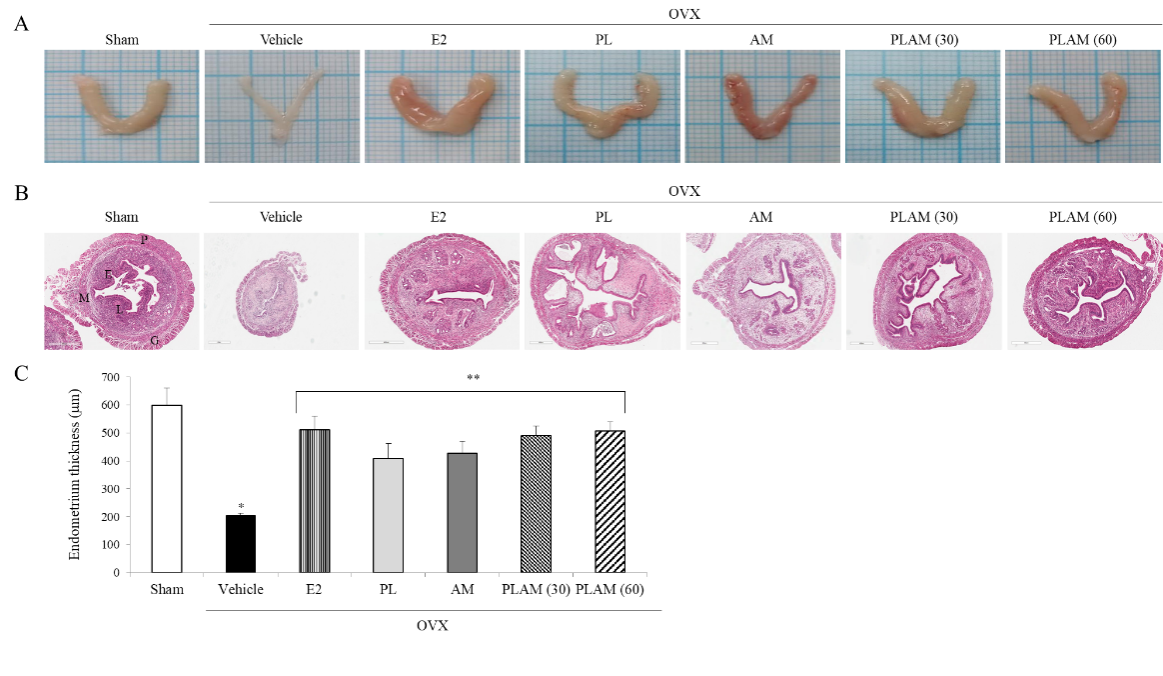
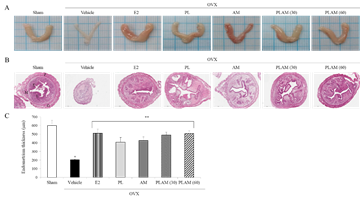
3.3. Changes in Uterine MorphologyThe histological changes in the uterus were investigated using H&E staining. The Sham group showed a normal uterine structure with an intact endometrium and closely arranged epithelium, while the OVX-vehicle group showed severe atrophy of the uterus to about half the size of the Sham group (Figure 2A). In addition, the endometrial gland was not clearly observed in the OVX-vehicle group (Figure 2B). However, the treatment with PL, AM, and PLAM showed a relatively intact and thicker endometrium, almost similar to those of the Sham group. Specifically, treatment with higher dose of PLAM (60 mg/kg) resulted in a beneficial effect to a level similar to that of the estradiol valerate (OVX-E2 group) (Figure 2B and 2C).
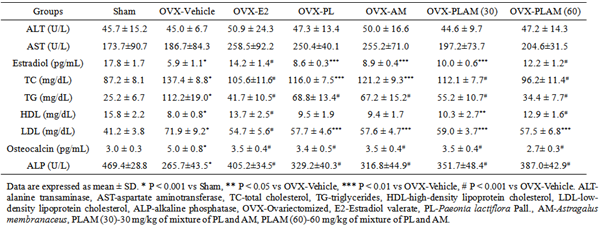
The hepatotoxic effects of PL, AM, and PLAM were estimated by measuring serum ALT and AST levels (Table 2). The levels in serum did not differ significantly between the groups, indicating that PLAM, as well as PL and AM did not cause hepatotoxicity.
The serum estradiol levels significantly decreased in the OVX-vehicle group compared to the Sham group, but recovered to normal levels in the estradiol valerate (OVX-E2 group). Treatment with PL, AM and PLAM significantly increased serum estradiol levels compared to the OVX-vehicle group. Specifically, high-dose PLAM significantly increased serum estradiol to levels comparable to that seen in the positive control-OVX-E2 group (Table 2).
Serum TC, TG, and LDL levels significantly increased in the OVX-vehicle group compared with the Sham group. Treatment with estradiol valerate (positive control-OVX-E2 group) resulted in a significant decrease in these levels compared to the OVX-vehicle group. Treatment with PL, AM and PLAM also resulted in a significant decrease in TC, TG, and LDL levels comparable to estradiol valerate treatment. Specifically, higher dose of PLAM (60 mg/kg) resulted in decreased levels to that observed with the estradiol valerate treatment. By contrast, the serum HDL levels significantly decreased in the OVX-vehicle group compared to the Sham group. The PL and AM treatment did not cause a significant increase in the HDL levels in the OVX mice compared to the OVX-vehicle group, but treatment with estradiol valerate and both doses of PLAM resulted in a significant increase. Specifically, treatment with estradiol valerate and higher dose of PLAM (60 mg/kg) increased the HDL levels similar to those of the Sham group (Table 2). These finding suggest that PLAM, especially at a high-dose, could ameliorate serum lipid levels.
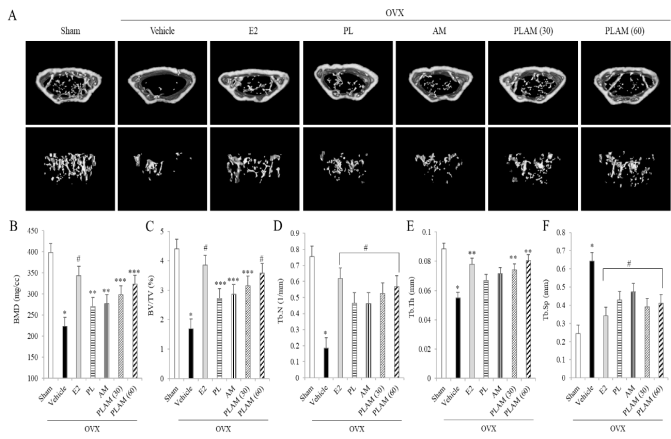
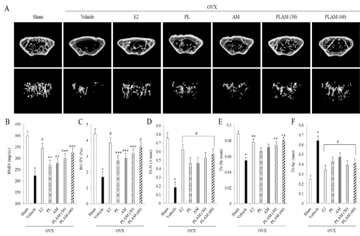
3.5. Effect on the Structural Properties of Bone and Biomarkers of Bone FormationBone quality was evaluated using micro-CT and assessment of biomarkers of bone formation. Figure 3 shows the micro-CT image of the BMD and trabecular bone structure. Spongy (cancellous) bones were observed to be dense in the Sham group, but a decrease in density was observed in the OVX-vehicle group. Treatment with estradiol valerate, PL, AM, and PLAM significantly increased the OVX-induced loss in the spongy bone. These results indicate that treatment with PL, AM, and PLAM may effectively guard against bone loss similar to the effects of estradiol valerate by increasing BMD. In addition, in the OVX-vehicle group, BV/TV, Tb.N, and Tb.Th were significantly lower compared to the Sham group, but Tb.Sp was significantly higher. Treatment with estradiol valerate, PL, AM and PLAM significantly prevented the OVX-induced BMD loss by increasing BV/TV, Tb.N, and Tb.Th, and decreasing Tb.Sp (Figure 3A and 3B). The effect of PLAM was more remarkable than that of PL and AM (Figure 3B). These results suggest that PLAM may be more effective than PL and AM alone in protecting estrogen-deficient bone loss.
Serum levels of osteocalcin and ALP are important markers of bone turnover. In the OVX-vehicle group, osteocalcin was significantly increased compared to the Sham group, but ALP was significantly decreased. Treatment with estradiol valerate, PL, AM and PLAM significantly decreased osteocalcin levels, while increasing ALP levels compared with the OVX-vehicle group. Specifically, the results of higher dose of PLAM (60 mg/kg) treatment showed higher ALP levels than those observed in other groups compared to OVX-vehicle (Table 3). These results suggest that PLAM may be more effective in preventing menopausal osteoporosis.
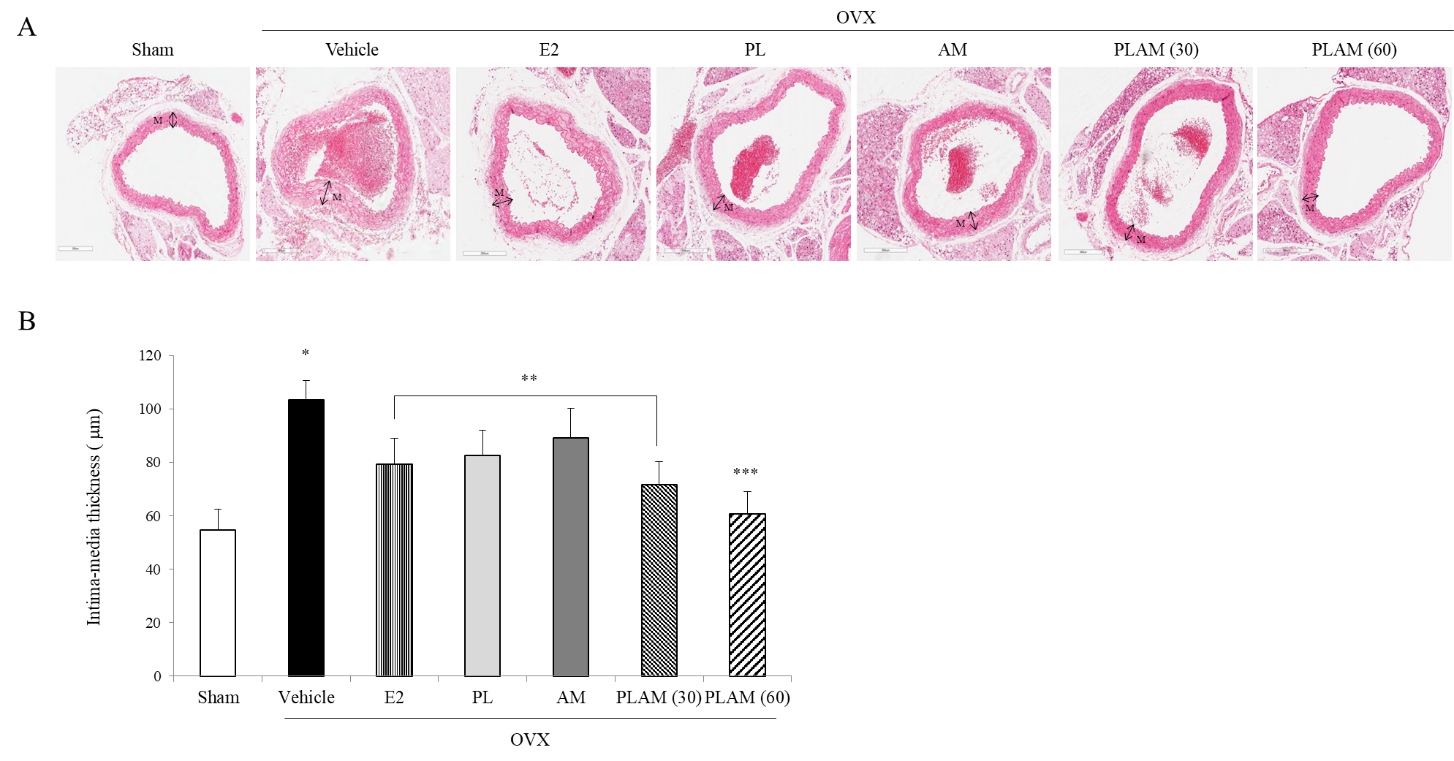
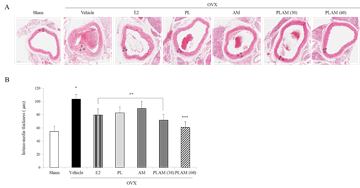
3.6. Effects of Aortic Intima-media ThicknessIn the Sham group, the tunica intima (M) comprised a simple squamous epithelium lining the interior surface of the vessel. However, in the OVX-vehicle group, instances of aortic intima-media thickness showing signs of intimal injury were significantly higher than in the Sham group. Treatment with estradiol valerate, PL, AM, and PLAM significantly reduced aortic intima-media thickness compared with the OVX-vehicle group. Specifically, higher dose of PLAM (60 mg/kg) was more effective compared to that seen in estradiol valerate (OVX-E2) group in preventing the development of menopause-related abdominal aortic aneurysm (AAA) (p<0.05) (Figure 4).
The current study showed that a 1:4 mixture of PLAM exerted synergistic effect in alleviating menopausal symptoms by preventing uterine atrophy, increasing estradiol production, ameliorating the lipid profile, improving bone formation, and reducing aortic intima-media thickness. This effect was more pronounced with high-dose of PLAM than with at low-dose and estradiol valerate. To the best of our knowledge, this is the first study to show that a 1:4 mixture of PLAM optimally improve menopausal symptoms than PL or AM alone.
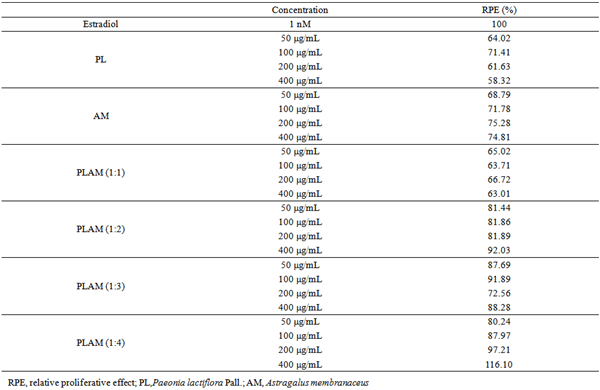
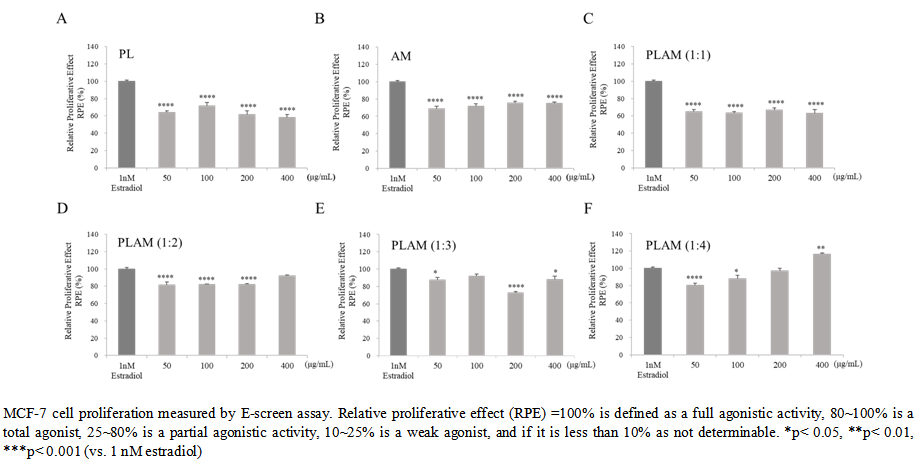
This study investigated the synergistic effect of PLAM mixtures for two reasons. First, when PL and AM were treated alone in OVX mice, the effect was limited in some studies including previous study 26, 29. Secondly, there was no study conducted using a combination of PL and AM. So, our research team developed PLAM in various combinations by setting the PL ratio to 1 and increasing the ratio of PL: AM to 2, 3, and 4, and performed cytotoxicity assay and E-Screen assay using MCF-7 human breast cancer cells (Supplementary Figure 1 and 2). As a result, it was confirmed that 400 μg/mL of PLAM at 1:4 ratio exhibited the highest estrogenic activity without cytotoxicity (Supplementary Table 1). Based on these results, 1:4 mixture of PLAM was used in the present study.
PL is clinically administered at a maximum of 16 g/day for adult women weighting 60 kg for the treatment of gynecological problems 31. This dosage is about 60 mg/kg, considering a 22.7% recovery rate for PL extraction. There is no formal agreement on the most effective AM dosage. However, 9-30 grams per day is the dose at which it has been used to date 32. Considering these points, the present study determined 60 mg/kg and half of that, 30 mg/kg as the appropriate treatment concentrations for PLAM.
Menopause also contributes to the increased incidence of CVD due to changes in the lipid profile, which increases TC, TG and LDL, while decreasing HDL 32, 33. In this respect, most studies evaluate the lipid profile of TC, TG, LDL, and HDL in OVX mice to determine the anti-menopausal effect of test substances 27, 34, 35. In the present study, higher dose of PLAM (60 mg/kg) was effectively restored all the lipids to normal levels.
Atherosclerosis and endothelial dysfunction have been associated with menopausal transition. Aortic dysfunction due to menopause may be associated with the development of AAA. Isoflavones have been recently reported to have a suppressive effect on OVX-induced aortic wall degeneration 36. Estrogen also plays an important role in preventing excessive thickening of the intima-media of aorta 37. In the present study, the treatment of OVX mice with PLAM significantly reduced aortic intima-media thickness, and high-dose PLAM was more effective than estradiol valerate.
Serum osteocalcin levels, ALP activity and BMD are representative markers for evaluating osteoporosis 38, 39, 40. The micro-CT image of the trabecular bone structure shows bone loss and is also routinely used as a method to evaluate the progression of postmenopausal osteoporosis 41. In the present study, PLAM significantly improved all osteoporosis-related evaluation indices, and this effect was more pronounced at high-dose than at low-dose.
Most studies investigating the anti-menopausal effects of traditional herbs tested two (low/high) 42, 43 or three doses (low/intermediate/high) groups 35, 44, 45. The results showed that the anti-menopausal effects were exerted in the intermediate and/or high-dose groups 44, 45 or in a dose-dependent manner 35, 42. The present study showed that PLAM was more effective at high-dose than at low-dose in most assessments, including estradiol production, uterine weight, lipid profile, osteocalcin and ALP levels, bone mass, and aortic intima-media thickness.
The results of this study suggest that a 1:4 mixture of PLAM can be an effective herbal medicine for improving estradiol production, inhibiting body weight gain and uterine atrophy, ameliorating lipid profile, improving bone metabolism and preventing the development of menopause-related AAA. These effects were more pronounced with high-dose PLAM than with the low-dose. These results suggest that high dose of PLAM in a 1:4 mixture could act as a potent new agent for ameliorating menopausal symptoms.
However, the present study has several limitations. Several studies have reported the mechanism of action of herbal products with anti-osteoporotic activity or anti-menopausal activity. Most of them are reported to have estrogen-like effects through the estrogen receptors-estrogen-responsive elements (ER-ER) dependent pathway 12. In the preliminary study, PLAM was confirmed to have estrogenic activity in ER-positive MCF-7 cells, but a better understanding of mechanism of action of PLAM is expected to be more helpful in developing therapeutic agents for improving menopausal symptoms. In addition, various anti-osteoporosis agents cause side effects, such as the increased risk of endometrial and breast cancers when administered over a long term 46. Therefore, additional studies on the safety of PLAM are also considered necessary. Finally, an acute decline in E2 following OVX is distinct from natural menopause in humans 47, 48. Further study experiments with greater similarity to natural menopause are warranted to validate our results clinically.
This research was supported by a grant of the Korea Health Technology R&D Project through the Korea Health Industry Development Institute (KHIDI), funded by the Ministry of Health & Welfare, Republic of Korea (grant number: RS-2021-KH111894). We would like to express our gratitude to all those at DaehanCell Pharm INC. who provided us extracts of PL, AM and PLAM for this study. In addition, we would like to thank the reviewers for taking the necessary time and effort to review the manuscript and providing valuable inputs to improve its quality.
None
OVX: Ovariectomized; PL, Paeonia lactiflora Pall.; AM, Astragalus membranaceus; PLAM: a mixture of PL and AM; E2, Estradiol valerate; ALT, alanine transaminase; AST, aspartate aminotransferase; TC, total cholesterol; TG, triglycerides; HDL, high-density lipoprotein cholesterol; LDL, low-density lipoprotein cholesterol; BMD, bone mineral density; BV/TV, bone volume–to–total volume; Tb.N, trabecular number; Tb.Th, trabecular thickness; Tb.Sp, trabecular separation; AAA, abdominal aortic aneurysm.
Effects of PL, AM, and PLAM on cell viability and estrogenic activity
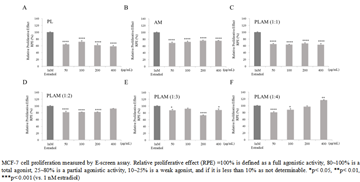
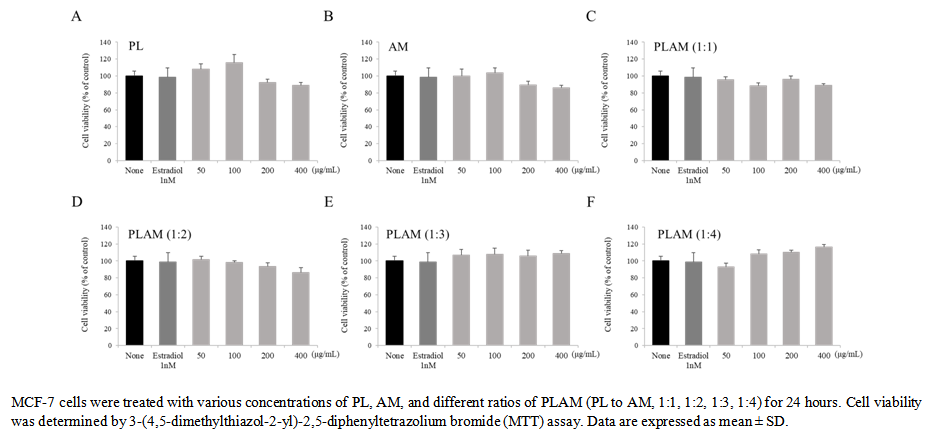
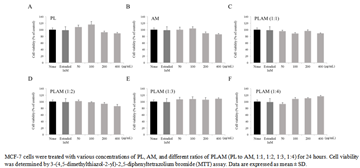
Cell viability was measured using the MTT assay to evaluate the potential cytotoxicity of PL, AM, and PLAM mixtures (in PL to AM ratios of 1:1, 1:2, 1:3, and 1:4) in the MCF-7 cells at 50 to 400 μg/mL concentrations. Cell viability was not affected at any of the treatment concentrations of neither PL, AM, and PLAM, regardless of the PL to AM ratio (supplement Figure S1 A-F).
Subsequently, we performed an E-screen assay to determine the ratio of PL to AM of PLAM at which optimal estrogenic activity was seen. The activity was evaluated using RPE (%) at the tested concentrations compared to the control. As shown supplement Table S1 and Figure S2, estrogenic activity was lower in the groups treated with PL, AM, and PLAM in the ratio of 1:1, 1:2, and 1:3 regardless of the treatment concentrations compared to the control group, except for 200 μg/mL of PLAM at 1:3 ratio. However, PLAM at the ratio of 1:4 exhibited increased estrogenic activity in a concentration-dependent manner. Specifically, treatment with 400 μg/mL of PLAM at the ratio of 1:4 exhibited an increase in estrogenic activity greater than the positive control (1nM estradiol valerate).
Cell culture and reagents
Estrogen receptor (ER)-positive MCF-7 human breast cancer cells were purchased from the American Type Culture Collection (ATCC, Manassas, VA, USA). The cells were maintained and cultured in Dulbecco’s Modified Eagle Medium (DMEM; WelGENE, Daegu, Republic of Korea) supplemented with 10% fetal bovine serum (FBS, Gibco, Brooklyn, NY, USA), 1% antibiotics-antimycotics (A/A; Gibco). All cultured cells were incubated in a humidified atmosphere at 37°C and 5% CO2.
Cytotoxicity assay
Cytotoxicity of PL, AM, and PLAM was assessed by measuring the cell viability in MCF cells using the 3-(4,5-Dimethylthiazol-2-yl)-2,5-diphenyltetrazolium bromide (MTT) reagent (DuchefaBiochemie, Haarlem, Nederland). MCF-7 cells were seeded on 96-well plates at a density of 2 x10⁴ cells/well in phenol red-free DMEM medium supplemented with 5% charcoal-stripped FBS (Gibco) and treated with PL, AM, and PLAM (in four different ratios- 1:1, 1:2, 1:3 and 1:4, PL to AM) at doses ranging 50 μg/mL to 400 μg/mL. After incubation for 24 h, the medium was removed, and the cells were treated with the MTT reagent at 37°C and 5% CO2 for 4 h. The supernatants were removed and dimethyl sulfoxide (DMSO, Sigma-Aldrich, St. Louis, MO, USA) was added. The reactants were measured in terms of optical density (OD) at 570 nm with a microplate reader (BioTek Synergy H1 Hybrid Reader, Agilent, CA, USA). Each sample was assayed in triplicate.
E-Screen assay
The E-screen assay was performed to detect the estrogenic activities of PL, AM and PLAM by evaluating the proliferation of MCF-7 cells as a response to estrogen according to the method described by Körner et al. 28. Briefly, subconfluent MCF- 7 cells were trypsinized and resuspended in phenol red-free DMEM medium supplemented with 5% charcoal-stripped FBS. The cells were seeded onto 96-well plates at a density of 2 x 10⁴ cells/well. After 24 h, the medium wasreplaced with fresh medium and treated with PL, AM, and PLAM (in four different ratios- 1:1, 1:2, 1:3 and 1:4, PL to AM) at doses ranging from 50 μg/mL to 400 μg/mL. The treatment continued for 144 h. After the supernatant was removed, 10% trichloroacetic acid solution (TCA; Sigma-Aldrich) was added to the cells and they were incubated for 1 h at 4°C. Then, the cells were washed with distilled water (DW), treated with 0.4% sulforhodamine B solution (SRB; Sigma-Aldrich) for 30 min and washed with 0.1% acetic acid solution (Sigma-Aldrich). Finally, the cells were treated with 10mM Tris base solution (Bio-Rad, Hercules, CA, USA) and incubated for 1 h under shaking condition. The reactants were measured at 540 nm with a microplate reader (BioTek Synergy H1 Hybrid Reader, Agilent). The relative proliferative effect (RPE) was calculated by multiplying the ratio between the maximum cell yield obtained with the compound and the maximum cell yield obtained with E2 by 100.
| [1] | Lee, D., Park, S., Choi, S., Kim, S.H. and Kang, K.S. “In vitro estrogenic and breast cancer inhibitory activities of chemical constituents isolated from Rheum undulatum L.,” Molecules, 23(5). 1215. May 2018. | ||
| In article | View Article PubMed | ||
| [2] | El Khoudary, S.R. and Thurston, R.C. “Cardiovascular implications of the menopause transition: endogenous sex hormones and vasomotor symptoms,” Obstetrics & Gynecology Clinics, 45(4). 641-661. Dec 2018. | ||
| In article | View Article PubMed | ||
| [3] | El Khoudary, S.R., Greendale, G., Crawford, S.L., Avis, N.E., Brooks, M.M., Thurston, R.C., Karvonen-Gutierrez, C., Waetjen L.E. and Matthews, K. “The menopause transition and women’s health at midlife: A progress report from the Study of Women’s Health Across the Nation (SWAN),” Menopause, 26(10). 1213-1227. Oct. 2019. | ||
| In article | View Article PubMed | ||
| [4] | Peacock, K., Carlson, K. and Ketvertis, K.M. Menopause. In: StatPearls [Internet]. Treasure Island (FL): StatPearls Publishing; 2025 Jan. Last Updated Dec 2023. | ||
| In article | |||
| [5] | Vigneswaran, K. and Hamoda, H. “Hormone replacement therapy - Current recommendations,” Best Practice & Research Clinical Obstetrics & Gynaecology, 81. 8-21. May 2022. | ||
| In article | View Article PubMed | ||
| [6] | Lobo, R.A. “Hormone-replacement therapy: current thinking,” Nature Reviews Endocrinology, 13(4). 220-231. Apr 2017. | ||
| In article | View Article PubMed | ||
| [7] | Geller, S.E. and Kronenberg, F. “Toward optimal health: the experts discuss the use of botanicals by women,” Journal of Women’s Health, 12(9). 847-852. Nov 2003. | ||
| In article | View Article PubMed | ||
| [8] | Desmawati, D. and Sulastri, D. “Phytoestrogens and their health effect,” Open Access Macedonian Journal of Medical Sciences, 7(3). 495-499. Feb 2019 | ||
| In article | View Article PubMed | ||
| [9] | Kargozar, R., Azizi, H. and Salari, R. “A review of effective herbal medicines in controlling menopausal symptoms,” Electron Physician, 9(11). 5826-5833. May 2017 | ||
| In article | View Article PubMed | ||
| [10] | Li, M., Hung, A., Lenon, G.B. and Yang, A.W.H. “Chinese herbal formulae for the treatment of menopausal hot flushes: a systematic review and meta-analysis,” PLoS One, 14(9). e0222383. Sep 2019. | ||
| In article | View Article PubMed | ||
| [11] | Donaldson, L.J., Kelley, E.T., Dhingra-Kumar, N., Kieny, M.P. and Sheikh, A. “Medication without harm: WHO’s third global patient safety challenge,” Lancet, 389(10080). 1680–1681. Apr 2017. | ||
| In article | View Article PubMed | ||
| [12] | Qu, L., Li, X., Xiong, Y., Wang, Z., Zhou, Y., Zou, W., Tang, J. and Wang, M. “Opportunities and hurdles to European market access for multi-herbal traditional Chinese medicine products: an analysis of EU regulations for combination herbal medicinal products,” Pharmacological Research, 186. 106528. Dec 2022. | ||
| In article | View Article PubMed | ||
| [13] | You, L., Liang, K., An, R. and Wang, X. “The path towards FDA approval: a challenging journey for Traditional Chinese Medicine,” Pharmacological Research, 182. 106314. Aug 2022. | ||
| In article | View Article PubMed | ||
| [14] | Zhu, K.X., Wu, M., Bian, Z.L., Han, S.L., Fang, L.M., Ge, F.F., Wang, X.Z. and Xi, S.F. “Growing attention on the toxicity of Chinese herbal medicine: a bibliometric analysis from 2013 to 2022,” Frontier in Pharmacology, 15. 1293468. Feb 2024. | ||
| In article | View Article PubMed | ||
| [15] | Zhou, X., Seto, S.W., Chang, D., Kiat, H., Razmovski-Naumovski, V., Chan, K. and Bensoussan, A. “Synergistic effects of Chinese herbal medicine: a comprehensive review of methodology and current research,” Frontier in Pharmacology, 7. 201. July 2016. | ||
| In article | View Article | ||
| [16] | Li, M., Xiao, Y.B., Wei, L., Liu, Q., Liu, P.Y. and Yao, J.F. “Beneficial effects of traditional chinese medicine in the treatment of premature ovarian failure,” Evidence-Based Complementary and Alternative Medicine, 2022. 5413504. Nov 2022. | ||
| In article | View Article PubMed | ||
| [17] | Huang, G.C., Tsai, Y Z., Lee, C.J., Chang, H.Y. and Wang, C.C. “Elucidation of the effects of Si-Wu Tang on menstrual disorder patterns through activation of aromatase and antioxidation,” Evidence-Based Complementary and Alternative Medicine, 2019. 4761651. Mar 2019. | ||
| In article | View Article PubMed | ||
| [18] | Du, X., Xu, L., Wang, L., Heng, M., Bu, H., Hao, Y. and Tian, J. “Comparison of the effect and safety of Kuntai capsule and hormone replacement therapy in patients with perimenopausal syndrome: a systematic review and Meta-analysis,” Journal of Traditional Chinese Medicine, 37(3). 279-285. Jun 2017. | ||
| In article | View Article | ||
| [19] | Jia, M., Kluwe, L., Liu, H.C., Tang, Q.J., Liu, L., Wang, Z.Z., Tian, L.X., Zhao, L., Chen, Y.C., Friedrich, R.E., Sun, Z.J. and Xu, L.W. “Efficacy and side-effects of a semi-individualized Chinese herb mixture "Tiáo Gēng Tāng" for menopausal syndrome in China,” In Vivo, 29(1). 109-115. Jan-Feb 2015. | ||
| In article | |||
| [20] | Kang, S.J., Choi, B.R., Kim, S.H., Yi, H.Y., Park, H.R., Song, C.H., Ku S.K. and Lee, Y. J. “Selection of the optimal herbal compositions of Red Clover and Pomegranate according to their protective effect against climacteric symptoms in ovariectomized mice,” Nutrients, 8(8). 447. July 2016. | ||
| In article | View Article PubMed | ||
| [21] | Cho, C.S., Jeong, H.S., Kim, I.Y., Jung, G.W., Ku, B.H., Park, D.C, Moon, S.B., Cho, H.R., Bashir, K.M.I., Ku, S.K. and Choi, J.S. “Anti-Osteoporotic effects of mixed compositions of extracellular polymers isolated from Aureobasidium pullulans and Textoria morbifera in ovariectomized mice,” BMC Complementary and Alternative Medicine, 18(1). 295. Nov 2018. | ||
| In article | View Article PubMed | ||
| [22] | Bent, S. “Herbal medicine in the United States: review of efficacy, safety, and regulation: grand rounds at University of California, San Francisco Medical Center,” Journal of General Internal Medicine, 23(6):854-859. Jun 2008. | ||
| In article | View Article PubMed | ||
| [23] | Ekor, M. “The growing use of herbal medicines: issues relating to adverse reactions and challenges in monitoring safety,” Frontiers in Pharmacology, 4. 177. Jan 2014. | ||
| In article | View Article PubMed | ||
| [24] | Liu, S.H., Chuang, W.C., Lam, W., Jiang, Z. and Cheng, Y. C. “Safety surveillance of traditional Chinese medicine: current and future,” Drug Safety, 38(2). 117-218. Feb 2015. | ||
| In article | View Article PubMed | ||
| [25] | Caesar, L. K. and Cech, N. B. “Synergy and antagonism in natural product extracts: when 1 + 1 does not equal 2,” Natural Product Reports, 36(6). 869-888. June 2019. | ||
| In article | View Article PubMed | ||
| [26] | Park, M.J., Kim, S.C., Ha, K.T., Baek, J.H., Cho, H., Lee, Y., Kim, C.W and Joo, B.S. “The effects of Paeonia Lactiflora Pall. and Astragalus Membranaceus single extracts on bone metabolic profile in ovariectomized mice,” Clinical and Experimental Obstetrics & Gynecology, 51(1). 22. Jan 2024. | ||
| In article | View Article | ||
| [27] | Koo, H.J., Sohn, E.H., Kim, Y.J., Jang, S.A., Namkoong, S. and Kang, S.C. “Effect of the combinatory mixture of Rubus Coreanus Miquel and Astragalus Membranaceus Bunge extracts on ovariectomy-induced osteoporosis in mice and anti-RANK signaling effect,” Journal of Ethnopharmacology, 151(2). 951-959. Feb 2014. | ||
| In article | View Article PubMed | ||
| [28] | Park, J.S., Sung, H.K., Kim, S.K., Lee, H.S. and Shin, S.M. “Efficacy of Rubus Coreanus Miq. and Astragalus Membranaceus Bunge extract for postmenopausal syndrome: a randomised, double-blind, placebo comparative clinical trial,” Evidence-Based Complementary and Alternative Medicine, 2022. 4066054. Feb 2022. | ||
| In article | View Article PubMed | ||
| [29] | Kang, S.C., Kim, H.J. and Kim, M.H. “Effects of Astragalus Membranaceus with supplemental calcium on bone mineral density and bone metabolism in calcium-deficient ovariectomized rat,” Biological Trace Element Research, 151(1). 68-74. Jan 2013. | ||
| In article | View Article PubMed | ||
| [30] | Li, H., Nie, D., Wang, C., Fang, J. and Li, D. “Anti-osteoporosis activity of Astragalus Membranaceus Bunge extract in experimental rats,” Tropical Journal of Pharmaceutical Research, 15(9). 1897-1901. Oct 2016. | ||
| In article | View Article | ||
| [31] | Park, M.J., Han, S.E., Kim, H.J., Heo, J.D., Choi, H.J., Ha, K.T., Yang, S.W., Lee, K.S., Kim, S.C., Kim, C.W. and Joo, B.S. “Paeonia Lactiflora improves ovarian function and oocyte quality in aged female mice,” Animal Reproduction, 17(2). e20200013.Jul 2020. | ||
| In article | View Article PubMed | ||
| [32] | Fonseca, M.I.H., da Silva, I.T. and Ferreira, S.R.G. “Impact of menopause and diabetes on atherogenic lipid profile: Is it worth to analyze lipoprotein subfractions to assess cardiovascular risk in women?,” Diabetology & Metabolic Syndrome, 9. 22. Apr 2017. | ||
| In article | View Article PubMed | ||
| [33] | Marlatt, K.L., Pitynski-Miller, D R., Gavin, K M., Moreau, K.L., Melanson, E.L., Santoro, N. and Kohrt, W.M. “Body composition and cardiometabolic health across the menopause transition,” Obesity, 30(1). 14-27. Jan 2022. | ||
| In article | View Article PubMed | ||
| [34] | Park, I.S., Lee, H.W., Ryuk, J A. and Ko, B.S. “Effects of an aqueous extract of Ddangguijagyagsan on serum lipid levels and blood flow improvement in ovariectomized rats,” Evidence-Based Complementary and Alternative Medicine, 2014. 497836. Sep 2014. | ||
| In article | View Article PubMed | ||
| [35] | Kim, M.R., Kim, H.J., Yu, S.H., Lee, B.S., Jeon, S.Y., Lee, J.J. and Lee, Y.C. “Combination of Red Clover and Hops extract improved menopause symptoms in an ovariectomized rat model,” Evidence-Based Complementary and Alternative Medicine, 2020. 7941391. May 2020. | ||
| In article | View Article PubMed | ||
| [36] | Miyamoto, K., Hasuike, S., Kugo, H., Sukketsiri, W., Moriyama, T. and Zaima, N. “Administration of isoflavone attenuates ovariectomy-induced degeneration of aortic wall,” Journal of Oleo Science, 71(6). 889-896. July 2022. | ||
| In article | View Article PubMed | ||
| [37] | Zhang, L., Li, C., Yang, L., Adzika, G. K., Machuki, J. O., Shi, M., Sun, Q. and Sun, H. “Estrogen protects vasomotor functions in rats during catecholamine stress,” Frontiers in Cardiovascular Medicine, 8. 679240. Jun 2021. | ||
| In article | View Article PubMed | ||
| [38] | Caetano-Lopes, J., Canhao H. and Fonseca, J.E. “Osteoblasts and Bone Formation,” Acta Reumatologica Portuguesa, 32(2). 103-10. Apr-Jun 2007. | ||
| In article | |||
| [39] | 40 Lewiecki, E.M. and Lane, N.E. “Common mistakes in the clinical use of bone mineral density testing,” Nature Clinical Practice Rheumatology, 4(12). 667-674. Dec 2008. | ||
| In article | View Article PubMed | ||
| [40] | Wei, J., and Karsenty, G. “An overview of the metabolic functions of osteocalcin,” Current Osteoporosis Reports, 13(3). 180-185. Jun 2015. | ||
| In article | View Article PubMed | ||
| [41] | Yeh, O.C., and Keaveny, T.M. “Biomechanical effects of intraspecimen variations in trabecular architecture: a three-dimensional finite element study,” Bone, 25(2). 223-228. August 1999. | ||
| In article | View Article PubMed | ||
| [42] | Park, E., Kim, J., Yeo, S., Lim, E., Choi, C, W., Choi, S., Li, W.Y., Lee, J.W., Park, J.H., Huh, D., Jeong, S. Y. “Anti-osteoporotic effects of combined extract of LyciiRadicis Cortex and Achyranthes japonica in osteoblast and osteoclast cells and ovariectomized mice,” Nutrients, 11(11). 2716. Nov 2019. | ||
| In article | View Article PubMed | ||
| [43] | Kang, E Y., Kim, H.K., Jung, J.Y., Kim, J.H., Woo, T.K., Choi, J.I., Kim, J.H., Ahn, C., Lee, H.G. and Go, G.W. “Combined extract of Leonurus japonicas Houtt, Ecliptaprostrata L., and Puerarialobata Ohwi improved hot flashes and depression in an ovariectomized rat model of menopause,” Foods, 10(1). 180. Jan 2021. | ||
| In article | View Article PubMed | ||
| [44] | Park, E., Lim, E., Yeo, S., Yong, Y., Yang, J. and Jeong, S.Y. “Anti-menopausal effects of Cornus Officinalis and RibesFasciculatum extract in vitro and in vivo,” Nutrients, 12(2). 369. Jan 2020. | ||
| In article | View Article PubMed | ||
| [45] | Park, D.R., Yeo, C.H., Yoon, J.E., Hong, E.Y., Choi, B.R., Lee, Y.J. and Ha, I.H. “Polygonatum Sibiricum improves menopause symptoms by regulating hormone receptor balance in an ovariectomized mouse model,” Biomedicine & Pharmacotherapy, 153. 113385. Sep 2022. | ||
| In article | View Article PubMed | ||
| [46] | Bonura, F. “Prevention, screening, and management of osteoporosis: an overview of the current strategies,” Postgraduate Medicine, 121(4). 5-17. July 2009. | ||
| In article | View Article PubMed | ||
| [47] | Diaz Brinton, R. “Minireview: translational animal models of human menopause: challenges and emerging opportunities,” Endocrinology, 153(8). 3571-3578. Aug 2012 | ||
| In article | View Article PubMed | ||
| [48] | Zhang, K., Yang, Q., Yang, L., Li, Y.J., Wang, X.S., Li, Y,J., Dang, R.L., Guan, S.Y., Guo, Y.Y., Sun, T., Wu, Y.M., Liu, A. and Zhao, M.G. “CB1 agonism prolongs therapeutic window for hormone replacement in ovariectomized mice,” Journal of Clinical Investigation, 129(6). 2333-2350. May 2019. | ||
| In article | View Article PubMed | ||
Published with license by Science and Education Publishing, Copyright © 2025 Guanqun Wang, Ju-Hwa Baek, Ji Myung Choi, Hyun Seok Choi, Ki Tae Ha, Min Jung Park and Bo Sun Joo
 This work is licensed under a Creative Commons Attribution 4.0 International License. To view a copy of this license, visit
http://creativecommons.org/licenses/by/4.0/
This work is licensed under a Creative Commons Attribution 4.0 International License. To view a copy of this license, visit
http://creativecommons.org/licenses/by/4.0/
| [1] | Lee, D., Park, S., Choi, S., Kim, S.H. and Kang, K.S. “In vitro estrogenic and breast cancer inhibitory activities of chemical constituents isolated from Rheum undulatum L.,” Molecules, 23(5). 1215. May 2018. | ||
| In article | View Article PubMed | ||
| [2] | El Khoudary, S.R. and Thurston, R.C. “Cardiovascular implications of the menopause transition: endogenous sex hormones and vasomotor symptoms,” Obstetrics & Gynecology Clinics, 45(4). 641-661. Dec 2018. | ||
| In article | View Article PubMed | ||
| [3] | El Khoudary, S.R., Greendale, G., Crawford, S.L., Avis, N.E., Brooks, M.M., Thurston, R.C., Karvonen-Gutierrez, C., Waetjen L.E. and Matthews, K. “The menopause transition and women’s health at midlife: A progress report from the Study of Women’s Health Across the Nation (SWAN),” Menopause, 26(10). 1213-1227. Oct. 2019. | ||
| In article | View Article PubMed | ||
| [4] | Peacock, K., Carlson, K. and Ketvertis, K.M. Menopause. In: StatPearls [Internet]. Treasure Island (FL): StatPearls Publishing; 2025 Jan. Last Updated Dec 2023. | ||
| In article | |||
| [5] | Vigneswaran, K. and Hamoda, H. “Hormone replacement therapy - Current recommendations,” Best Practice & Research Clinical Obstetrics & Gynaecology, 81. 8-21. May 2022. | ||
| In article | View Article PubMed | ||
| [6] | Lobo, R.A. “Hormone-replacement therapy: current thinking,” Nature Reviews Endocrinology, 13(4). 220-231. Apr 2017. | ||
| In article | View Article PubMed | ||
| [7] | Geller, S.E. and Kronenberg, F. “Toward optimal health: the experts discuss the use of botanicals by women,” Journal of Women’s Health, 12(9). 847-852. Nov 2003. | ||
| In article | View Article PubMed | ||
| [8] | Desmawati, D. and Sulastri, D. “Phytoestrogens and their health effect,” Open Access Macedonian Journal of Medical Sciences, 7(3). 495-499. Feb 2019 | ||
| In article | View Article PubMed | ||
| [9] | Kargozar, R., Azizi, H. and Salari, R. “A review of effective herbal medicines in controlling menopausal symptoms,” Electron Physician, 9(11). 5826-5833. May 2017 | ||
| In article | View Article PubMed | ||
| [10] | Li, M., Hung, A., Lenon, G.B. and Yang, A.W.H. “Chinese herbal formulae for the treatment of menopausal hot flushes: a systematic review and meta-analysis,” PLoS One, 14(9). e0222383. Sep 2019. | ||
| In article | View Article PubMed | ||
| [11] | Donaldson, L.J., Kelley, E.T., Dhingra-Kumar, N., Kieny, M.P. and Sheikh, A. “Medication without harm: WHO’s third global patient safety challenge,” Lancet, 389(10080). 1680–1681. Apr 2017. | ||
| In article | View Article PubMed | ||
| [12] | Qu, L., Li, X., Xiong, Y., Wang, Z., Zhou, Y., Zou, W., Tang, J. and Wang, M. “Opportunities and hurdles to European market access for multi-herbal traditional Chinese medicine products: an analysis of EU regulations for combination herbal medicinal products,” Pharmacological Research, 186. 106528. Dec 2022. | ||
| In article | View Article PubMed | ||
| [13] | You, L., Liang, K., An, R. and Wang, X. “The path towards FDA approval: a challenging journey for Traditional Chinese Medicine,” Pharmacological Research, 182. 106314. Aug 2022. | ||
| In article | View Article PubMed | ||
| [14] | Zhu, K.X., Wu, M., Bian, Z.L., Han, S.L., Fang, L.M., Ge, F.F., Wang, X.Z. and Xi, S.F. “Growing attention on the toxicity of Chinese herbal medicine: a bibliometric analysis from 2013 to 2022,” Frontier in Pharmacology, 15. 1293468. Feb 2024. | ||
| In article | View Article PubMed | ||
| [15] | Zhou, X., Seto, S.W., Chang, D., Kiat, H., Razmovski-Naumovski, V., Chan, K. and Bensoussan, A. “Synergistic effects of Chinese herbal medicine: a comprehensive review of methodology and current research,” Frontier in Pharmacology, 7. 201. July 2016. | ||
| In article | View Article | ||
| [16] | Li, M., Xiao, Y.B., Wei, L., Liu, Q., Liu, P.Y. and Yao, J.F. “Beneficial effects of traditional chinese medicine in the treatment of premature ovarian failure,” Evidence-Based Complementary and Alternative Medicine, 2022. 5413504. Nov 2022. | ||
| In article | View Article PubMed | ||
| [17] | Huang, G.C., Tsai, Y Z., Lee, C.J., Chang, H.Y. and Wang, C.C. “Elucidation of the effects of Si-Wu Tang on menstrual disorder patterns through activation of aromatase and antioxidation,” Evidence-Based Complementary and Alternative Medicine, 2019. 4761651. Mar 2019. | ||
| In article | View Article PubMed | ||
| [18] | Du, X., Xu, L., Wang, L., Heng, M., Bu, H., Hao, Y. and Tian, J. “Comparison of the effect and safety of Kuntai capsule and hormone replacement therapy in patients with perimenopausal syndrome: a systematic review and Meta-analysis,” Journal of Traditional Chinese Medicine, 37(3). 279-285. Jun 2017. | ||
| In article | View Article | ||
| [19] | Jia, M., Kluwe, L., Liu, H.C., Tang, Q.J., Liu, L., Wang, Z.Z., Tian, L.X., Zhao, L., Chen, Y.C., Friedrich, R.E., Sun, Z.J. and Xu, L.W. “Efficacy and side-effects of a semi-individualized Chinese herb mixture "Tiáo Gēng Tāng" for menopausal syndrome in China,” In Vivo, 29(1). 109-115. Jan-Feb 2015. | ||
| In article | |||
| [20] | Kang, S.J., Choi, B.R., Kim, S.H., Yi, H.Y., Park, H.R., Song, C.H., Ku S.K. and Lee, Y. J. “Selection of the optimal herbal compositions of Red Clover and Pomegranate according to their protective effect against climacteric symptoms in ovariectomized mice,” Nutrients, 8(8). 447. July 2016. | ||
| In article | View Article PubMed | ||
| [21] | Cho, C.S., Jeong, H.S., Kim, I.Y., Jung, G.W., Ku, B.H., Park, D.C, Moon, S.B., Cho, H.R., Bashir, K.M.I., Ku, S.K. and Choi, J.S. “Anti-Osteoporotic effects of mixed compositions of extracellular polymers isolated from Aureobasidium pullulans and Textoria morbifera in ovariectomized mice,” BMC Complementary and Alternative Medicine, 18(1). 295. Nov 2018. | ||
| In article | View Article PubMed | ||
| [22] | Bent, S. “Herbal medicine in the United States: review of efficacy, safety, and regulation: grand rounds at University of California, San Francisco Medical Center,” Journal of General Internal Medicine, 23(6):854-859. Jun 2008. | ||
| In article | View Article PubMed | ||
| [23] | Ekor, M. “The growing use of herbal medicines: issues relating to adverse reactions and challenges in monitoring safety,” Frontiers in Pharmacology, 4. 177. Jan 2014. | ||
| In article | View Article PubMed | ||
| [24] | Liu, S.H., Chuang, W.C., Lam, W., Jiang, Z. and Cheng, Y. C. “Safety surveillance of traditional Chinese medicine: current and future,” Drug Safety, 38(2). 117-218. Feb 2015. | ||
| In article | View Article PubMed | ||
| [25] | Caesar, L. K. and Cech, N. B. “Synergy and antagonism in natural product extracts: when 1 + 1 does not equal 2,” Natural Product Reports, 36(6). 869-888. June 2019. | ||
| In article | View Article PubMed | ||
| [26] | Park, M.J., Kim, S.C., Ha, K.T., Baek, J.H., Cho, H., Lee, Y., Kim, C.W and Joo, B.S. “The effects of Paeonia Lactiflora Pall. and Astragalus Membranaceus single extracts on bone metabolic profile in ovariectomized mice,” Clinical and Experimental Obstetrics & Gynecology, 51(1). 22. Jan 2024. | ||
| In article | View Article | ||
| [27] | Koo, H.J., Sohn, E.H., Kim, Y.J., Jang, S.A., Namkoong, S. and Kang, S.C. “Effect of the combinatory mixture of Rubus Coreanus Miquel and Astragalus Membranaceus Bunge extracts on ovariectomy-induced osteoporosis in mice and anti-RANK signaling effect,” Journal of Ethnopharmacology, 151(2). 951-959. Feb 2014. | ||
| In article | View Article PubMed | ||
| [28] | Park, J.S., Sung, H.K., Kim, S.K., Lee, H.S. and Shin, S.M. “Efficacy of Rubus Coreanus Miq. and Astragalus Membranaceus Bunge extract for postmenopausal syndrome: a randomised, double-blind, placebo comparative clinical trial,” Evidence-Based Complementary and Alternative Medicine, 2022. 4066054. Feb 2022. | ||
| In article | View Article PubMed | ||
| [29] | Kang, S.C., Kim, H.J. and Kim, M.H. “Effects of Astragalus Membranaceus with supplemental calcium on bone mineral density and bone metabolism in calcium-deficient ovariectomized rat,” Biological Trace Element Research, 151(1). 68-74. Jan 2013. | ||
| In article | View Article PubMed | ||
| [30] | Li, H., Nie, D., Wang, C., Fang, J. and Li, D. “Anti-osteoporosis activity of Astragalus Membranaceus Bunge extract in experimental rats,” Tropical Journal of Pharmaceutical Research, 15(9). 1897-1901. Oct 2016. | ||
| In article | View Article | ||
| [31] | Park, M.J., Han, S.E., Kim, H.J., Heo, J.D., Choi, H.J., Ha, K.T., Yang, S.W., Lee, K.S., Kim, S.C., Kim, C.W. and Joo, B.S. “Paeonia Lactiflora improves ovarian function and oocyte quality in aged female mice,” Animal Reproduction, 17(2). e20200013.Jul 2020. | ||
| In article | View Article PubMed | ||
| [32] | Fonseca, M.I.H., da Silva, I.T. and Ferreira, S.R.G. “Impact of menopause and diabetes on atherogenic lipid profile: Is it worth to analyze lipoprotein subfractions to assess cardiovascular risk in women?,” Diabetology & Metabolic Syndrome, 9. 22. Apr 2017. | ||
| In article | View Article PubMed | ||
| [33] | Marlatt, K.L., Pitynski-Miller, D R., Gavin, K M., Moreau, K.L., Melanson, E.L., Santoro, N. and Kohrt, W.M. “Body composition and cardiometabolic health across the menopause transition,” Obesity, 30(1). 14-27. Jan 2022. | ||
| In article | View Article PubMed | ||
| [34] | Park, I.S., Lee, H.W., Ryuk, J A. and Ko, B.S. “Effects of an aqueous extract of Ddangguijagyagsan on serum lipid levels and blood flow improvement in ovariectomized rats,” Evidence-Based Complementary and Alternative Medicine, 2014. 497836. Sep 2014. | ||
| In article | View Article PubMed | ||
| [35] | Kim, M.R., Kim, H.J., Yu, S.H., Lee, B.S., Jeon, S.Y., Lee, J.J. and Lee, Y.C. “Combination of Red Clover and Hops extract improved menopause symptoms in an ovariectomized rat model,” Evidence-Based Complementary and Alternative Medicine, 2020. 7941391. May 2020. | ||
| In article | View Article PubMed | ||
| [36] | Miyamoto, K., Hasuike, S., Kugo, H., Sukketsiri, W., Moriyama, T. and Zaima, N. “Administration of isoflavone attenuates ovariectomy-induced degeneration of aortic wall,” Journal of Oleo Science, 71(6). 889-896. July 2022. | ||
| In article | View Article PubMed | ||
| [37] | Zhang, L., Li, C., Yang, L., Adzika, G. K., Machuki, J. O., Shi, M., Sun, Q. and Sun, H. “Estrogen protects vasomotor functions in rats during catecholamine stress,” Frontiers in Cardiovascular Medicine, 8. 679240. Jun 2021. | ||
| In article | View Article PubMed | ||
| [38] | Caetano-Lopes, J., Canhao H. and Fonseca, J.E. “Osteoblasts and Bone Formation,” Acta Reumatologica Portuguesa, 32(2). 103-10. Apr-Jun 2007. | ||
| In article | |||
| [39] | 40 Lewiecki, E.M. and Lane, N.E. “Common mistakes in the clinical use of bone mineral density testing,” Nature Clinical Practice Rheumatology, 4(12). 667-674. Dec 2008. | ||
| In article | View Article PubMed | ||
| [40] | Wei, J., and Karsenty, G. “An overview of the metabolic functions of osteocalcin,” Current Osteoporosis Reports, 13(3). 180-185. Jun 2015. | ||
| In article | View Article PubMed | ||
| [41] | Yeh, O.C., and Keaveny, T.M. “Biomechanical effects of intraspecimen variations in trabecular architecture: a three-dimensional finite element study,” Bone, 25(2). 223-228. August 1999. | ||
| In article | View Article PubMed | ||
| [42] | Park, E., Kim, J., Yeo, S., Lim, E., Choi, C, W., Choi, S., Li, W.Y., Lee, J.W., Park, J.H., Huh, D., Jeong, S. Y. “Anti-osteoporotic effects of combined extract of LyciiRadicis Cortex and Achyranthes japonica in osteoblast and osteoclast cells and ovariectomized mice,” Nutrients, 11(11). 2716. Nov 2019. | ||
| In article | View Article PubMed | ||
| [43] | Kang, E Y., Kim, H.K., Jung, J.Y., Kim, J.H., Woo, T.K., Choi, J.I., Kim, J.H., Ahn, C., Lee, H.G. and Go, G.W. “Combined extract of Leonurus japonicas Houtt, Ecliptaprostrata L., and Puerarialobata Ohwi improved hot flashes and depression in an ovariectomized rat model of menopause,” Foods, 10(1). 180. Jan 2021. | ||
| In article | View Article PubMed | ||
| [44] | Park, E., Lim, E., Yeo, S., Yong, Y., Yang, J. and Jeong, S.Y. “Anti-menopausal effects of Cornus Officinalis and RibesFasciculatum extract in vitro and in vivo,” Nutrients, 12(2). 369. Jan 2020. | ||
| In article | View Article PubMed | ||
| [45] | Park, D.R., Yeo, C.H., Yoon, J.E., Hong, E.Y., Choi, B.R., Lee, Y.J. and Ha, I.H. “Polygonatum Sibiricum improves menopause symptoms by regulating hormone receptor balance in an ovariectomized mouse model,” Biomedicine & Pharmacotherapy, 153. 113385. Sep 2022. | ||
| In article | View Article PubMed | ||
| [46] | Bonura, F. “Prevention, screening, and management of osteoporosis: an overview of the current strategies,” Postgraduate Medicine, 121(4). 5-17. July 2009. | ||
| In article | View Article PubMed | ||
| [47] | Diaz Brinton, R. “Minireview: translational animal models of human menopause: challenges and emerging opportunities,” Endocrinology, 153(8). 3571-3578. Aug 2012 | ||
| In article | View Article PubMed | ||
| [48] | Zhang, K., Yang, Q., Yang, L., Li, Y.J., Wang, X.S., Li, Y,J., Dang, R.L., Guan, S.Y., Guo, Y.Y., Sun, T., Wu, Y.M., Liu, A. and Zhao, M.G. “CB1 agonism prolongs therapeutic window for hormone replacement in ovariectomized mice,” Journal of Clinical Investigation, 129(6). 2333-2350. May 2019. | ||
| In article | View Article PubMed | ||