The objective of this research was to determine the relationship between food consumption and nutritional status of children aged 1 to 5 years in two rural communities in San Juan Bautista, Loreto. The research was quantitative, non-experimental, descriptive, comparative, cross-sectional and correlational. The sample consisted of 145 children from the communities of Zungarococha and Nina Rumi. A food consumption frequency survey, a 24-hour recall survey and an anthropometric data sheet were used. It was found that the BMI of 5-year-old children had a normal status of 92.41%, overweight of 6.33% and obesity with 1.27%. The T/E of children aged 1 to 5 years was normal with 88.28% and 7.58% with short stature. The P/T in children aged 1 to 4 years was 87.88% within the normal range, 9.09% overweight and 3.03% obese. The hemoglobin level showed that 71.72% had normal levels, 6.21% moderate anemia and 22.07% mild anemia. The consumption of macronutrients showed deficits in energy (36%), proteins (55.17%) and lipids (44.83%), along with an excess of carbohydrates (36.55%). In micronutrients, deficits were recorded in calcium (97.24%), iron (93.79%), vitamin A (84.13%) and vitamin C (53.1%). It was concluded that there is a significant statistical relationship between nutritional status and nutrient intake. Height-for-age showed correlation with carbohydrates, calcium, and vitamin C consumption, whereas BMI-for-age was highly associated with energy, protein, fat, calcium and iron intake.
The most critical years in a person's life are those following birth, during which the foundations for overall growth—both physical and psychological—are established. This development is significantly influenced by the individual’s social and family environment. The physiological condition resulting from the interaction of dietary requirements, intake, absorption, and the biological utilization of nutrients from food is defined as nutritional status.
Third World countries such as Peru face a range of social and public health challenges, including both widespread obesity and chronic hunger. Despite the country's abundance of natural resources and relatively easy access to nutritious food, the economic situation of the population is severely compromised. This has led to an increase in the number of families living in poverty or extreme poverty, both in rural areas (39.7%) and urban settings (22.3%) 1.
Economic conditions have had the greatest impact on rural populations; rural highland (44.3%) and rural jungle regions (35.0%) report the highest poverty rates, which significantly hinder the growth potential of these families. As a result, access to adequate nutrition, education, and healthcare for children, adolescents, and future generations is limited (1). In 2020, 12.1% of children under five years of age in the country suffered from chronic malnutrition, according to the World Health Organization (WHO) standards, as reported by the National Institute of Statistics and Informatics (INEI) 2.
During the critical developmental stage known as childhood, proper nutrition is essential. Childhood malnutrition represents a complex socioeconomic issue that extends beyond the mere scarcity of food. An individual’s nutritional status is closely linked to the quality of the food they consume, which is influenced by food availability and other variables that determine their dietary choices. A significant correlation has been demonstrated between physical activity and being overweight. Dietary habits, physical inactivity, and levels of physical activity are considered the three main contributing factors to the complex issue of childhood obesity 3.
A more accurate identification of dietary problems may be achieved through a detailed understanding of the eating patterns within rural populations, along with the cultural factors that influence food-related behaviors. Therefore, the present study aims to determine the relationship between nutritional status and food intake among children aged 1 to 5 years in two rural communities of San Juan Bautista, Loreto, in order to collect the necessary data to support the diagnosis and design of targeted nutritional interventions for the studied population. The findings of this research will contribute to establishing a connection between the current nutritional status and dietary patterns of children aged 1 to 5 years in rural communities of the Loreto Region and other areas within the Amazon Rainforest.
This knowledge can support the implementation of food security programs by the State or other institutions. Based on these findings, it will be possible to provide training and recommend diets that meet the nutritional requirements of rural communities, taking into account their eating habits and seasonal food availability. Promoting healthy eating habits from early childhood is essential, as they will influence children's future dietary patterns, ensuring optimal physical and nutritional well-being, and enhancing their performance in various activities.
The study employed a non-experimental, cross-sectional design, represented by the following schematic:
M = total sample of children from rural communities in San Juan Bautista, LoretoOx = dietary intake of children from the rural communitiesOy = nutritional status of children from the rural communitiesr = relationship between Ox (dietary intake) and Oy (nutritional status).
The study population consisted of all children aged 1 to 5 years residing in the communities of Zungarococha and Nina Rumi, located in the district of San Juan Bautista. The sample included 100 children aged 1 to 5 years from the community of Zungarococha and 45 children of the same age range from the community of Nina Rumi. A non-probabilistic convenience sampling method was employed. The inclusion criteria followed the exact conditions: Children aged 1 to 5 years from the rural communities of Zungarococha and Nina Rumi whose parents or legal guardians provided informed consent and who had no physical and/or psychological impairments at the time of data collection. In its turn, the exclusion criteria was defined as children aged 1 to 5 years from the communities of Zungarococha and Nina Rumi diagnosed with chronic illnesses or physical disabilities were excluded from the study.
2.2. Techniques and InstrumentsTo evaluate dietary intake, a Quantitative Food Frequency Questionnaire (QFFQ) adapted to the habitual dietary patterns of the study area was used, comprising 119 food items. This instrument was based on the food frequency model 4. The frequency scale was developed to reflect the most representative consumption patterns over time, where higher frequency and duration indicate greater specificity. The QFFQ was validated through expert judgment, using a Likert scale to assess relevance and clarity. The reliability of the questionnaire was determined using Cronbach’s alpha coefficient, with a minimum acceptable value of 0.70; values below this threshold indicate low internal consistency of the instrument.
In addition, a 24-hour dietary recall form (24h) was used. This instrument was adapted from the validated 24h questionnaire developed by the National Center for Food and Nutrition of the National Institute of Health, which is used in the Individual-Level Food Consumption Survey. The 24h served to validate the data collected through the QFFQ by documenting food items consumed by the child on the day prior to the interview.
The instrument includes indices to assess dietary adequacy or excess: intake >110% is considered excessive, 90–110% is adequate, and <90% indicates a deficiency. Validity analysis using Pearson’s correlation coefficient yielded a value of 0.9999571, indicating a statistically significant correlation at the 0.0025 level. The instrument's reliability, assessed using Cronbach’s alpha, was 0.80. The questionnaires were administered on three non-consecutive days to the mothers or primary caregivers of children aged 1 to 5 years in both rural communities.
For the Nutritional Status Assessment, a data collection form was used to record anthropometric and biochemical measurements. It included three main items: full name of the child, age, measurements (height, weight, height-for-age [H/A], weight-for-age [W/A], weight-for-height [W/H], and BMI-for-age [BMI/A]), and hemoglobin level.
2.3. Data Collection ProceduresAuthorization was obtained from the local leaders of the rural communities to carry out the present research. Subsequently, a list of children aged 1 to 5 years from the communities was requested. The parents or legal guardians of these children were then invited to a meeting where the purpose and importance of the study were explained, and their participation was requested. Families who met the inclusion criteria and provided signed informed consent were then visited for data collection.
The Quantitative Food Frequency Questionnaire (QFFQ) and the 24-hour dietary recall (24HR) were administered to the parents or guardians, who completed all the items. Anthropometric data for the children were collected using a standardized data sheet. Height was measured with a wooden stadiometer, weight with a digital scale, and hemoglobin levels were assessed using a portable hemoglobinometer. All data collection procedures were conducted over a period of five months.
2.4. Data Processing and Analysis TechniquesThe data processing and analysis were performed using the statistical software IBM SPSS Statistics, version 23 for Windows. Descriptive analyses were conducted for each variable, including the generation of frequency tables with absolute and relative values, as well as the corresponding graphs. To determine the appropriate correlation measure between variables, the Kolmogorov-Smirnov test was applied, which indicated that the collected data did not follow a normal distribution. Consequently, Spearman’s rank correlation test was used, with a 95% confidence level.
2.5. Ethical ConsiderationsThe research project underwent evaluation and approval by the Institutional Ethics Committee of the National University of the Peruvian Amazon (Universidad Nacional de la Amazonía Peruana). Prior to data collection, informed consent was obtained from the parents or legal guardians, who voluntarily agreed to the participation of their child in the study. The informed consent form provided to the parents or guardians of the children from the rural communities of Zungarococha and Nina Rumi is included in the University’s repository.
The study included children aged 1 to 5 years from rural communities, comprising a total of 45 children from Nina Rumi and 100 children from Zungarococha. Among both rural communities combined, females represented 51.03 % of the total sample, while males accounted for 48.97 %.
3.1. Nutritional conditionIn the rural community of Nina Rumi, 100 % of the 5-year-old children exhibited a normal Body Mass Index (BMI)-for-age status. In contrast, the rural community of Zungarococha showed 89.47 % of children with a normal BMI-for-age, while 8.77 % were classified as overweight and 1.76 % as obese.
The study shows that among one-year-old children in Nina Rumi, 25 % presented low height-for-age (H/A), while all two-year-old children exhibited normal H/A. No children aged 1 or 2 years were included in the Zungarococha sample. Among three-year-old children from both communities, 22.22 % had severely low H/A, 16.67 % low H/A, 55.56 % normal H/A, and 5.55 % high H/A. In children aged four years, 4.76 % presented low H/A, 92.86 % had normal H/A, and 2.38 % showed high H/A across both communities. Regarding five-year-old children from both rural communities, 1.27 % exhibited low H/A, 93.67 % had normal H/A, and 5.06 % presented high H/A.
Data on Weight-for-Age (W/A) in children aged 1 to 4 years from both communities indicate that all children were within the normal range. No data were available for children aged 1 to 2 years in Zungarococha. Regarding Weight-for-Height (W/H), children aged 1 to 2 years in Nina Rumi presented normal W/H values. Among 3-year-old children, 77.78 % showed normal W/H values across both communities; however, cases of overweight and obesity were observed exclusively in Zungarococha, each accounting for 11.11 %. Lastly, among 4-year-old children, 90.48 % had normal W/H, while 9.52 % were classified as overweight.
The study presents hemoglobin values used to assess anemia in children aged 1 to 5 years across both rural communities. In Nina Rumi, 1-year-old children showed moderate anemia in 25 % and mild anemia in 50 % of cases, whereas all 2-year-old children exhibit normal hemoglobin levels. Among 3-year-old children in both communities, mild anemia was observed in 27.78 % of cases, with additional children presenting normal hemoglobin levels. For 4-year-old children, mild anemia was reported in 21.43 % of cases, while the remaining children had normal hemoglobin levels across both communities. Lastly, in 5-year-old children, the rates were 10.13 % for moderate anemia, 20.26 % for mild anemia, and 69.62 % for normal hemoglobin level.
3.2. Food consumption


An analysis of energy intake among children aged 1 to 5 years in the rural communities revealed variable patterns of nutritional status. In Nina Rumi, 1-year-old children exhibited both energy intake deficit (25 %) and excess (75 %). Among 2-year-old children in the same community, energy intake was classified as either deficient or adequate, each accounting for 50 % of the cases.
In the group of 3-year-old children from both communities, 33.33 % presented with an energy intake deficit, 22.22 % with excessive intake, and 44.44 % with adequate intake. For 4-year-old children across both rural communities, identical proportions (33.33 %) were observed for energy intake deficit, excess, and adequacy.
Among 5-year-old children, 39.24 % presented with an energy intake deficit, 26.58 % with excessive intake, and 34.18 % with adequate intake. These findings highlight age-specific variability and potential nutritional imbalances in early childhood across the studied rural settings.
3.4. Protein, Lipid, and Carbohydrate Intake According to 24-hour RecallTable 1, Table 2, Table 3 refers to protein, lipid and carbohydrate intake in children from Nina Rumi and Zungarococha communities. For 1- and 2-years-old children, there is data only from Nina Rumi community.
Table 4 and Table 5 refers to calcium and iron intake in children from Nina Rumi and Zungarococha communities. For 1- and 2-years-old children, there is data only from Nina Rumi community.
Table 6 and Table 7 refers to Vitamin A and Vitamin C intake in children from Nina Rumi and Zungarococha communities. For 1- and 2-years-old children, there is data only from Nina Rumi community.
Table 8 shows a significant positive statistical relationship between nutritional status and T/E with dietary intake of CHO, Ca and vitamin C, followed by P/T with intake of Energy, fat and CHO. BMI/E with intake of Energy, protein, fat, CHO and Fe. BMI/E showed high significance in relation to Ca. Finally, anemia showed positive significance with all nutrients except intake of vitamins A and C.Parte inferior do formulário
The research aimed to evaluate the relationship between dietary intake and the nutritional status of children aged 1 to 5 years in the rural communities of Zungarococha and Nina Rumi, located in the district of San Juan Bautista, Maynas, Loreto. The results revealed that the body mass index-for-age (BMI-for-age) among 5-year-old children showed a normal classification in 92.41 % of cases, overweight in 6.33 %, and obesity in 1.27 %. These findings differ from those reported by Cano 3, a study developed in a school located in Spain, who observed 18.8 % overweight and 6.1 % obesity. In its turn, Flores 5 reported 29.4 % overweight and 26.2 % obesity in a Chilean rural community, and Salazar 6 found 54.3 % normal, 5.6 % undernutrition, 21.3 % overweight, and 18.8 % obesity in a rural school of Argentina. Such discrepancies could be attributed to differences in the characteristics of the studied populations, including geographical, socioeconomic, and cultural factors. For instance, the findings of the present study suggest that the children evaluated may have been exposed to healthier eating habits or higher levels of physical activity compared to those assessed by Cano, Flores, and Salazar. Finally, the low prevalence of obesity and overweight observed in this study could highlight the limited introduction or availability of processed and ultra-processed foods in these rural communities.
Regarding height-for-age (H/A) in children aged 1 to 5 years from both rural communities, the results showed 2.75 % with severe stunting, 4.83 % with stunting, 88.28 % within the normal range, and 4.14 % with tall stature. These findings are similar to those reported by Salazar in 2021 (10), who found 3.9 % with stunting. However, Ramos 7 reported different outcomes, with 25.4 % stunting, 74.2 % normal, and 0.4 % tall stature. The similarity with Salazar’s results may indicate comparable socioeconomic and nutritional conditions among the populations studied, reinforcing the notion of a certain stability in the nutritional status of children in specific rural areas. In contrast, the high prevalence of stunting reported by Ramos may reflect contextual factors such as significant differences in food insecurity, limited access to healthcare services, or socioeconomic disadvantages within the studied population. The proportion of children with tall stature (4.14 %) in the present study also warrants attention, as it is noticeably higher than that reported by Ramos. This may be associated with genetic factors or variations in nutrient-rich dietary patterns and specific lifestyle practices.
For weight-for-height (W/H) among children aged 1 to 4 years in the two rural communities, 87.88 % had normal values, 9.09 % were overweight, and 3.03 % were classified as obese. These findings are similar to those reported by Aguilar in 2016 10, in Ccota, Puno, a rural farming community, where 93.8 % were within the normal range and 6.2 % were overweight. Likewise, López, in a 2019 study conducted in a kindergarten in Tulcán, Ecuador 11, reported 96.8 % normal weight and 3.2 % undernutrition. The proximity to Aguilar’s results may be explained by demographic and socioeconomic similarities between the populations studied, as well as comparable dietary patterns and levels of physical activity. However, the higher proportion of overweight and obesity observed in this study may suggest increased consumption of rice, cookies, oil, and sugar-sweetened beverages in these rural communities. This dietary pattern could contribute to a rise in cases of overnutrition. In comparison with the findings of López, the absence of undernutrition and the presence of overweight and obesity in this study highlight potential differences in socioeconomic conditions or the lack of local nutritional support programs in the Integral Development Centers. In this study, 71.72 % of the children presented normal hemoglobin levels, while 6.21 % had moderate anemia and 22.07 % had mild anemia. These results are similar to those reported by Reyes in 2019 12, who found 51.7 % with normal hemoglobin, 28.3 % with mild anemia, 19.7 % with moderate anemia, and 0.3 % with severe anemia. Guaraca, in a 2019 study conducted in Azuay, southern Ecuador 13, reported normal levels in 72.9 % of children, with 25 % presenting mild anemia and 2.1 % moderate anemia. The similarity with Guaraca’s findings may suggest that the conditions in the communities studied are comparable in terms of access to iron-rich foods, nutritional education, and healthcare services, which could explain the adequate hemoglobin levels in a significant proportion of children. However, the higher prevalence of moderate anemia in Reyes’s study implies that geographic, socioeconomic, or dietary differences may have influenced the quality of the diet and the intake of essential micronutrients in that population. The rural communities studied showed low consumption of iron-rich foods such as liver, beef, lentils, and leafy green vegetables, along with foods rich in vitamin C, which support iron absorption.
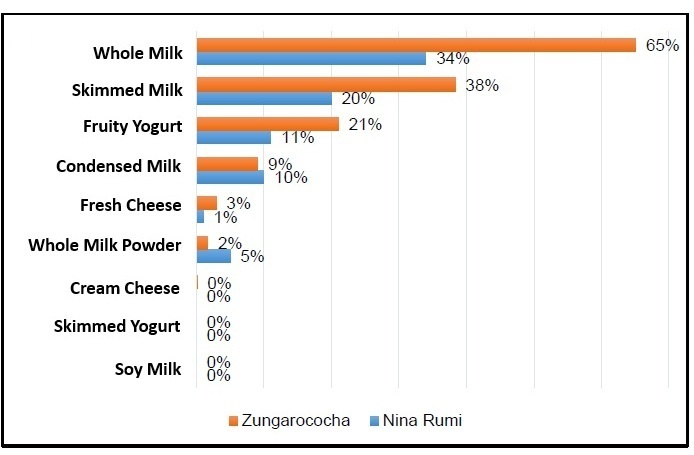
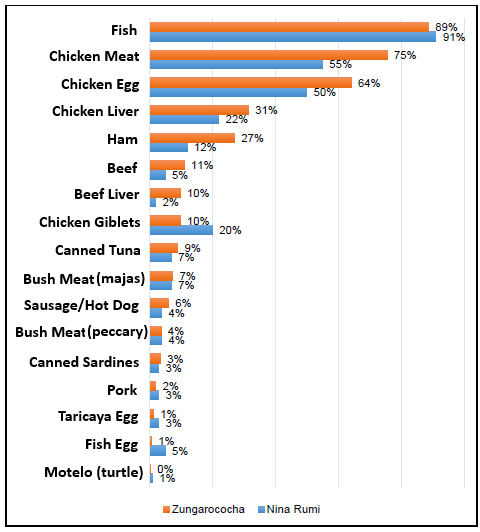
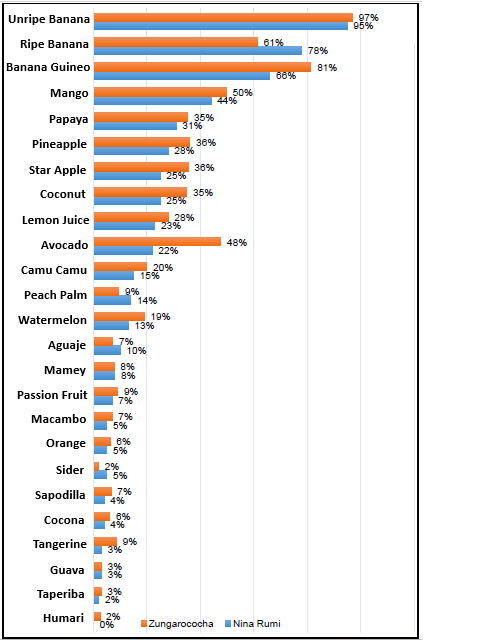
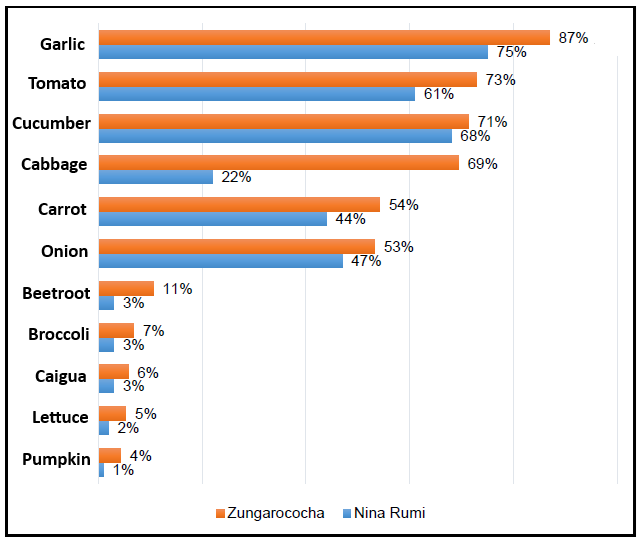
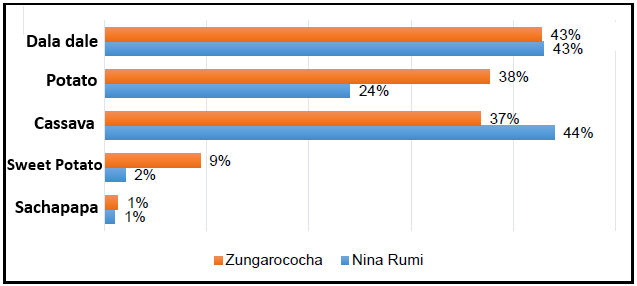
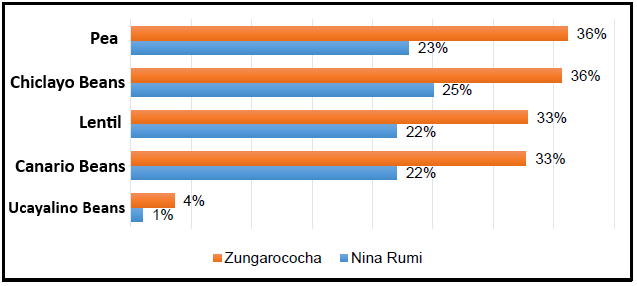
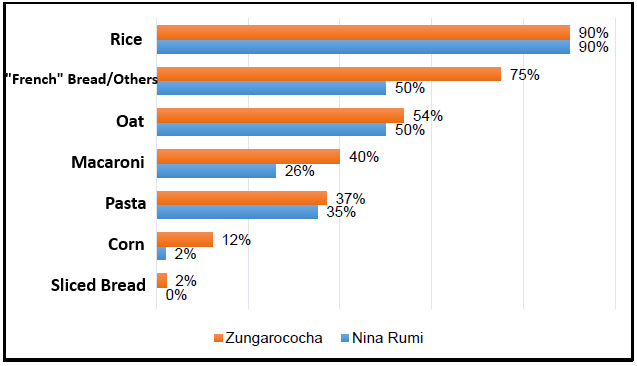
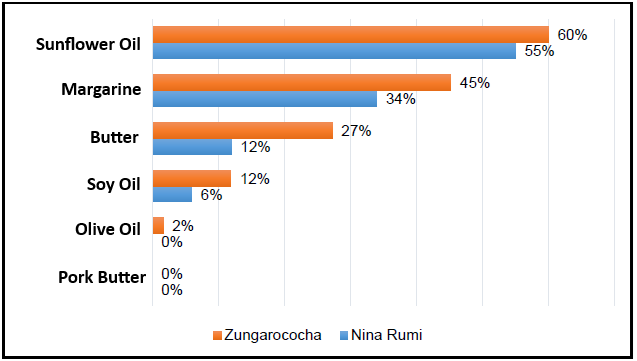
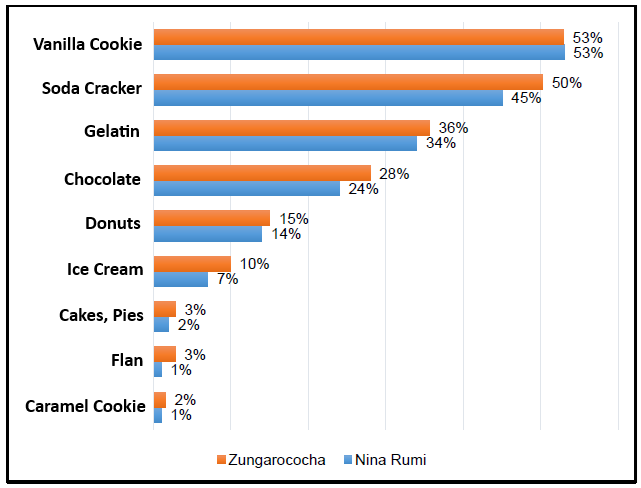
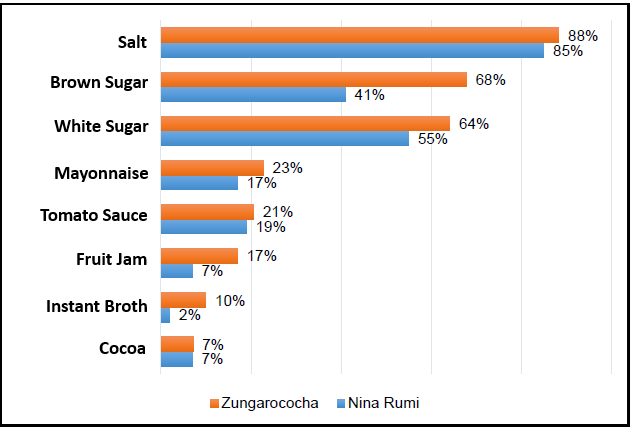
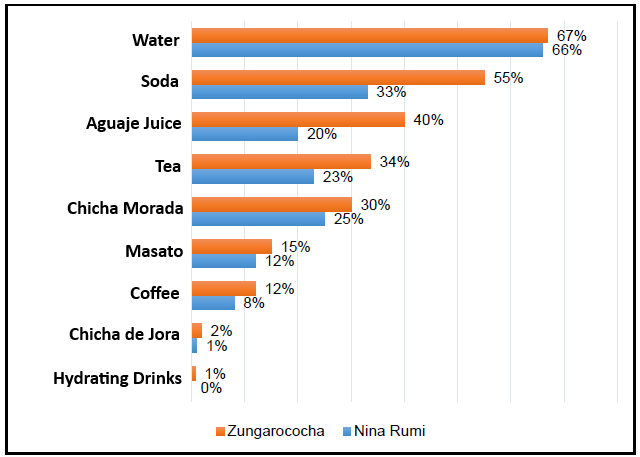
The most consumed foods in the two rural communities were: evaporated whole milk (49.5 %), fish (90 %), green plantain (96 %), garlic (41.5 %), “dale dale” (43 %), beans (30.5 %), rice (90 %), sunflower oil (57.5 %), vanilla cookies (53 %), salt (86.5 %), and water (66.5 %). These results differ from those reported by Guaraca in 2019 13, who documented the consumption of milk and dairy products (57 %), eggs and derivatives (56 %), lemon (6 %), broad beans (2 %), and corn (8 %), with a focus on iron absorption. Similarly, López in 2019 11 indicated the consumption of yogurt (47.6 %), eggs (68.3 %), oranges (50.8 %), onions (48.4 %), potatoes (79.4 %), peas (28.6 %), rice (92.1 %), vegetable oil (42.9 %), and white sugar (77.8 %). The differences in dietary patterns observed may be related to the local availability of foods, cultural traditions, and socioeconomic factors specific to each community. In this study, the high consumption of fish and green plantains may be linked to local accessibility and production, reflecting a dietary pattern more typical of rural areas with limited variety in fresh food options. On the other hand, the low intake of iron- and vitamin C-rich foods, such as eggs, citrus fruits, and leafy green vegetables, may help explain part of the anemia prevalence observed among children, as these foods enhance the bioavailability and absorption of dietary iron. Compared to Guaraca and López, the findings suggest a lower dietary diversity in the evaluated communities, with a notable consumption of processed foods such as cookies. This may indicate a nutritional transition, in which ultra-processed foods are replacing more traditional and nutritious foods, potentially increasing the long-term risk of both undernutrition and overnutrition.
Macronutrient intake based on the 24-hour dietary recall conducted in the rural communities revealed significant deficiencies in energy (36%), protein (55.17%), and lipids (44.83%), along with an excess intake of carbohydrates (36.55 %). Regarding micronutrients, there were notable deficiencies in calcium (97.24%), iron (93.79%), vitamin A (84.13%), and vitamin C (53.1%). These findings contrast sharply with those reported by López in 2019 14, in Guayaquil, where the data indicated an excess intake of kilocalories (100%), proteins (98%), carbohydrates (97%), and fats (73%). In the rural communities studied, the energy and protein deficiencies may be attributed to limited access to nutrient-dense foods and high-quality protein sources such as meat, fish, or eggs. This pattern may be influenced by economic and cultural factors, where diets are primarily based on staple foods such as rice, green plantains, and processed products with low nutritional value. Conversely, López’s findings reflect a trend toward excessive consumption of energy-dense foods and macronutrients, likely due to the greater availability of processed and ultra-processed foods in urban settings, combined with dietary habits associated with more sedentary lifestyles. The observed micronutrient deficiencies in the rural communities, particularly in calcium, iron, vitamin A, and vitamin C, represent a critical public health concern, as these deficits can adversely affect growth, development, and immune function in children. For example, the low intake of iron and vitamin C may contribute to the high prevalence of anemia in these populations, while inadequate calcium intake could have long-term implications for bone health.
Based on the findings obtained in this study on the nutritional status and dietary intake of children in rural communities, a comprehensive nutritional intervention model is proposed, entitled the "Community Model for Food Security and Sustainable Nutritional Education" (MC-SANS). This model integrates community-based, educational, technological, and continuous monitoring strategies to address issues of malnutrition and specific deficiencies in macro- and micronutrients. It takes into account the socioeconomic and cultural characteristics of rural communities and offers an innovative approach based on five key pillars.
The first pillar involves the design of local systems for sustainable production and consumption. This includes the implementation of family and community gardens with crops rich in micronutrients, such as leafy greens, carrots, citrus fruits, and legumes, adapted to local agroecological conditions. Additionally, it promotes the raising of small animals, such as chickens and guinea pigs, to ensure access to high-quality protein and bioavailable iron. Local food marketing networks are also encouraged among communities, prioritizing nutritious products and reducing reliance on ultra-processed foods.
The second pillar emphasizes contextualized nutritional education. This involves the development of nutrition education programs aimed at parents and caregivers, using culturally relevant content and local languages to enhance understanding and acceptance. It also encourages the integration of traditional culinary practices with nutrient-rich local ingredients, such as combining fish with citrus fruits or preparing green plantain salads with tomatoes to increase iron and vitamin C intake. Simple digital tools like mobile applications and messaging platforms can be used to provide personalized dietary recommendations and facilitate monitoring.
The third pillar focuses on the integration of nutrition into the school curriculum. It proposes the creation of school modules centered on nutrition and health, enabling children to learn about the benefits of a balanced diet while participating in practical activities such as maintaining school gardens. It also advocates for the provision of school snacks based on fresh, locally produced foods as healthier alternatives to ultra-processed products.
The fourth pillar relates to monitoring and evaluation through emerging technologies. It recommends the creation of a community database to record children's nutritional status and periodically assess key indicators, such as weight, height, hemoglobin levels, and dietary intake through 24-hour recall surveys. The use of drones or satellite imagery is suggested to identify areas with low agricultural productivity, allowing for targeted policy interventions. Additionally, portable sensors and rapid testing methods can be employed to detect micronutrient deficiencies in real time, ensuring prompt and effective responses.
The fifth and final pillar advocates for the development of contextualized public policies. This includes generating evidence to support policies that promote the fortification of staple foods (such as rice or oil) with iron, vitamin A, and calcium—especially in rural settings. It also encourages partnerships among governmental, private, and community sectors to finance nutrition programs, improve food access, and offer training in sustainable agricultural practices.
This study found that most 5-year-old children had a normal BMI-for-age, with only a small proportion classified as overweight or obese. Height-for-age also showed predominantly normal values and minimal stunting, although undernutrition continues to be a concern. Among children aged 1 to 4 years, weight-for-age was within normal ranges; however, weight-for-height data indicated the presence of overweight and obesity in some cases. Hemoglobin levels were normal in 71.72% of the children, while the rest presented with moderate or mild anemia. Their diets were largely composed of staple foods such as fish, green plantain, rice, and evaporated milk. Nevertheless, the frequent consumption of processed foods like cookies was observed, limiting dietary diversity. Macronutrient intake was characterized by deficiencies in energy, protein, and fats, alongside an excess of carbohydrates. Intake of essential micronutrients—including calcium, iron, vitamin A, and vitamin C—was critically low, pointing to an unbalanced diet. Statistical analysis revealed significant associations between nutritional status and nutrient intake. Specifically, height-for-age correlated with the consumption of carbohydrates, calcium, and vitamin C, while BMI-for-age was strongly associated with calcium, iron, energy, protein, and fat intake.
| [1] | INEI, “En el área rural el 12,1% de la población vive en extrema pobreza,” 2021. Available: https://m.inei.gob.pe/prensa/noticias/ pobreza-afecto-al-259-de-la-poblacion-del-pais-en-el-ano-2021-13572/#:~:text=El INEI informó que%2C en,en 2%2C3 puntos porcentuales. (Accessed May 15, 2025). | ||
| In article | |||
| [2] | INEI. “Pobreza afectó al 25.9% de la población,” 2022. Vol. 2020, Press Release N° 072. Available: https://m.inei.gob.pe/media/ MenuRecursivo/noticias/nota-de-prensa-no-072-2022-inei.pdf. (Accessed May 15, 2025). | ||
| In article | |||
| [3] | Cano Martín, L.M., González González, J., Mohedano Moriano, A., Viñuela, A., Criado-Álvarez, J.J, “Estado nutricional de una población escolar en España y su relación con hábitos de alimentación y actividad física,” Archivos Latinoamericanos de Nutrición, 69(4), 233–241, July 2020. | ||
| In article | View Article | ||
| [4] | Vega, N. L., “Anorexia y bulimia: Una experiencia subjetiva”, Universidad Autonoma Metropolitana, Ciudad de México, México, PhD Thesis, 2012. Available: https:// repositorio.xoc.uam.mx/ jspui/retrieve/fcfd64e7-c3da-4a4b-a7fc-b90b91a72e0b/cdt06122 313 4608 rasq.pdf. | ||
| In article | |||
| [5] | Flores Calderón, C., Entrala Neira, G., Flórez-Méndez, J, “Evaluación de hábitos de alimentación, actividad física y estado nutricional en estudiantes de 4 a 13 años de la comuna de Llanquihue, Chile,” Revista Chilena de Nutrición, 47(4), 612–619, August 2020. | ||
| In article | View Article | ||
| [6] | Salazar Burgos, R.J., Oyhenart, E.E, “Estado nutricional y condiciones de vida de escolares rurales de Tucumán, Argentina: Un estudio observacional transversal,” Revista Española de Nutrición Humana y Dietética, 25(1), 111–120, January 2021. | ||
| In article | View Article | ||
| [7] | Ramos Padilla, P., Carpio Arias, T., Delgado López, V., Villavicencio Barriga, V, “Estado nutricional antropométrico de niños menores de 5 años de la región interandina del Ecuador,” Revista Española de Nutrición Comunitaria, 26(4), 186-191, August 2020. | ||
| In article | |||
| [8] | Pacheco-Zarate, O., Castro-Juárez, C.J., Caballero-Sánchez, M.D., Morales-Pérez, L., Ramírez-García, S.A., Villa-Ruano, N., Siliceo-Murrieta, J.I, “Patrón de consumo alimentario y su relación con el estado de nutrición en lactantes de la región del Istmo de Tehuantepec,” Revista Española de Nutrición Comunitaria, 25(4), 136–144, October 2019. | ||
| In article | |||
| [9] | Ochoa-Díaz-López, H., García Parra, E., Flores Guillén, E, “Evaluación del estado nutricional en menores de 5 años: concordancia entre índices antropométricos en población indígena de Chiapas (México),” Nutrición Hospitalaria, 33(5):832–837, July 2016. | ||
| In article | View Article PubMed | ||
| [10] | Aguilar Leyva, C.A, “Estado nutricional realacionado al nivel de hemoglobina en niños y niñas de 6 - 24 meses de edad, I - 1 Puesto de Salud Ccota – 2016,” Universidad Nacional Del Altiplano, Puno, Peru, Bachelor Thesis, 2016. Available: http://repositorio.unap.edu.pe/bits tream/ handle/ UNAP/ 2984/ Aguilar_Leyva_Cynthia%Astrid.pdf?sequence=1&isAllowed=y. | ||
| In article | |||
| [11] | López Tabango, R.E., Palacios de Jesus, S.M, “Hábitos Alimentarios Y Estado Nutricional En Niños/As Menores De Cinco Años, Del Centro De Desarrollo Integral (Cdi) “Sara Espíndola De Burbano”,” Tulcán, 2018, Universidad Tecnica del Norte, Ibarra, Ecuador, 2019. Available: https:// repositorio.utn.edu.ec/ bitstream/ 123456789/ 9465/ 2/ 06% 20NUT% 20315%20TRABAJO%20GRADO.pdf. | ||
| In article | |||
| [12] | Reyes Narvaez, S.E., Contreras Contreras, A.M., Oyola Canto, M.S, “Anemia Y Desnutrición Infantil En Zonas Rurales: Impacto De Una Intervención Integral a Nivel Comunitario,” Journal of High Andean Researches, 21(3), 205–214, July 2019. | ||
| In article | View Article | ||
| [13] | Guaraca Maldonado, G.P, “Asociación estado nutricional y anemia de niños menores de 5 años en los Centros “Creciendo con Nuestros Hijos” de la Parroquia Sinincay durante el año 2018,” Universidad De Especialidades Espiritu Santo, Samborondón, Ecuador, Master Thesis, 2019. Available: http:// 201.159.223.2/ bitstream/ 123456789/ 3134/ 1/GUARACA % 20MALDONADO % 20GISSELY%20PATRICIA.pdf. | ||
| In article | |||
| [14] | López Morocho, M., Pico Espinoza, G.C, “Valoración del estado nutricional y hábitos alimentarios en niños de 1 a 3 años de edad que acuden a la guardería “Bahía” de la ciudad de Guayaquil en el periodo 2018-2019,” Universidad Catolica De Santiago De Guayaquil, Guayaquil, Ecuador, Bachelor Thesis, 2019. Available: http://repositorio.ucsg.edu.ec/handle/ 3317/12407. | ||
| In article | |||
Published with license by Science and Education Publishing, Copyright © 2025 Bryam David Ramirez-Erazo, Frank Romel León-Vargas, Roger Ruiz-Paredes, Joe Fernando Geronimo-Huete, Jorge Francisco Bardales-Rios and Ricardo Diego Duarte Galhardo de Albuquerque
 This work is licensed under a Creative Commons Attribution 4.0 International License. To view a copy of this license, visit
http://creativecommons.org/licenses/by/4.0/
This work is licensed under a Creative Commons Attribution 4.0 International License. To view a copy of this license, visit
http://creativecommons.org/licenses/by/4.0/
| [1] | INEI, “En el área rural el 12,1% de la población vive en extrema pobreza,” 2021. Available: https://m.inei.gob.pe/prensa/noticias/ pobreza-afecto-al-259-de-la-poblacion-del-pais-en-el-ano-2021-13572/#:~:text=El INEI informó que%2C en,en 2%2C3 puntos porcentuales. (Accessed May 15, 2025). | ||
| In article | |||
| [2] | INEI. “Pobreza afectó al 25.9% de la población,” 2022. Vol. 2020, Press Release N° 072. Available: https://m.inei.gob.pe/media/ MenuRecursivo/noticias/nota-de-prensa-no-072-2022-inei.pdf. (Accessed May 15, 2025). | ||
| In article | |||
| [3] | Cano Martín, L.M., González González, J., Mohedano Moriano, A., Viñuela, A., Criado-Álvarez, J.J, “Estado nutricional de una población escolar en España y su relación con hábitos de alimentación y actividad física,” Archivos Latinoamericanos de Nutrición, 69(4), 233–241, July 2020. | ||
| In article | View Article | ||
| [4] | Vega, N. L., “Anorexia y bulimia: Una experiencia subjetiva”, Universidad Autonoma Metropolitana, Ciudad de México, México, PhD Thesis, 2012. Available: https:// repositorio.xoc.uam.mx/ jspui/retrieve/fcfd64e7-c3da-4a4b-a7fc-b90b91a72e0b/cdt06122 313 4608 rasq.pdf. | ||
| In article | |||
| [5] | Flores Calderón, C., Entrala Neira, G., Flórez-Méndez, J, “Evaluación de hábitos de alimentación, actividad física y estado nutricional en estudiantes de 4 a 13 años de la comuna de Llanquihue, Chile,” Revista Chilena de Nutrición, 47(4), 612–619, August 2020. | ||
| In article | View Article | ||
| [6] | Salazar Burgos, R.J., Oyhenart, E.E, “Estado nutricional y condiciones de vida de escolares rurales de Tucumán, Argentina: Un estudio observacional transversal,” Revista Española de Nutrición Humana y Dietética, 25(1), 111–120, January 2021. | ||
| In article | View Article | ||
| [7] | Ramos Padilla, P., Carpio Arias, T., Delgado López, V., Villavicencio Barriga, V, “Estado nutricional antropométrico de niños menores de 5 años de la región interandina del Ecuador,” Revista Española de Nutrición Comunitaria, 26(4), 186-191, August 2020. | ||
| In article | |||
| [8] | Pacheco-Zarate, O., Castro-Juárez, C.J., Caballero-Sánchez, M.D., Morales-Pérez, L., Ramírez-García, S.A., Villa-Ruano, N., Siliceo-Murrieta, J.I, “Patrón de consumo alimentario y su relación con el estado de nutrición en lactantes de la región del Istmo de Tehuantepec,” Revista Española de Nutrición Comunitaria, 25(4), 136–144, October 2019. | ||
| In article | |||
| [9] | Ochoa-Díaz-López, H., García Parra, E., Flores Guillén, E, “Evaluación del estado nutricional en menores de 5 años: concordancia entre índices antropométricos en población indígena de Chiapas (México),” Nutrición Hospitalaria, 33(5):832–837, July 2016. | ||
| In article | View Article PubMed | ||
| [10] | Aguilar Leyva, C.A, “Estado nutricional realacionado al nivel de hemoglobina en niños y niñas de 6 - 24 meses de edad, I - 1 Puesto de Salud Ccota – 2016,” Universidad Nacional Del Altiplano, Puno, Peru, Bachelor Thesis, 2016. Available: http://repositorio.unap.edu.pe/bits tream/ handle/ UNAP/ 2984/ Aguilar_Leyva_Cynthia%Astrid.pdf?sequence=1&isAllowed=y. | ||
| In article | |||
| [11] | López Tabango, R.E., Palacios de Jesus, S.M, “Hábitos Alimentarios Y Estado Nutricional En Niños/As Menores De Cinco Años, Del Centro De Desarrollo Integral (Cdi) “Sara Espíndola De Burbano”,” Tulcán, 2018, Universidad Tecnica del Norte, Ibarra, Ecuador, 2019. Available: https:// repositorio.utn.edu.ec/ bitstream/ 123456789/ 9465/ 2/ 06% 20NUT% 20315%20TRABAJO%20GRADO.pdf. | ||
| In article | |||
| [12] | Reyes Narvaez, S.E., Contreras Contreras, A.M., Oyola Canto, M.S, “Anemia Y Desnutrición Infantil En Zonas Rurales: Impacto De Una Intervención Integral a Nivel Comunitario,” Journal of High Andean Researches, 21(3), 205–214, July 2019. | ||
| In article | View Article | ||
| [13] | Guaraca Maldonado, G.P, “Asociación estado nutricional y anemia de niños menores de 5 años en los Centros “Creciendo con Nuestros Hijos” de la Parroquia Sinincay durante el año 2018,” Universidad De Especialidades Espiritu Santo, Samborondón, Ecuador, Master Thesis, 2019. Available: http:// 201.159.223.2/ bitstream/ 123456789/ 3134/ 1/GUARACA % 20MALDONADO % 20GISSELY%20PATRICIA.pdf. | ||
| In article | |||
| [14] | López Morocho, M., Pico Espinoza, G.C, “Valoración del estado nutricional y hábitos alimentarios en niños de 1 a 3 años de edad que acuden a la guardería “Bahía” de la ciudad de Guayaquil en el periodo 2018-2019,” Universidad Catolica De Santiago De Guayaquil, Guayaquil, Ecuador, Bachelor Thesis, 2019. Available: http://repositorio.ucsg.edu.ec/handle/ 3317/12407. | ||
| In article | |||