This study aimed to determine the least mastered competencies in Science 7, Quarter 3, under the MATATAG Curriculum as the basis for developing and validating video lessons in teaching science. This study's respondents were junior high school students from Angadanan East District, under the Division of Isabela. Stratified allocation was employed to compute the sample size of the learners, which was 167. At the same time, all science teachers were purposively selected, with a total of nine, who evaluated the developed video lessons using the adopted checklist composed of three factors: content, structure, and usability. The researcher utilized a 4-D Model to develop and validate video lessons. The mean percentage score was used to determine the Not Mastered competencies in Science 7 Quarter 3, and the Wilcoxon Signed-Rank Test was used to understand whether there was a difference between the pre-test and post-test after implementing the teacher-made video lessons. The study's findings revealed that customized video lessons need to consider the video elements in designing and developing to produce a more substantial learning gain. However, the science-teacher respondents who evaluated the four developed video lessons rated them Very Much Useful in content, structure, and usability. Based on this study, a proposed guideline aligned to the three video elements, namely Cognitive Load, Student Engagement, and Active Learning, in developing video lessons for teaching Science 7 under the MATATAG Curriculum. This guideline will serve as a framework for developing supplementary materials to help and support students struggling to learn science concepts.
Various interventions and approaches have been implemented to enhance student learning, particularly in Science education. The Department of Education (DepEd) has prioritized strengthening students' competencies in Science under the K to 12 Basic Education Curriculum; however, the Philippines ranked 77th out of 81 countries in the 2022 Programme for International Student Assessment (PISA), scoring significantly below the Organization for Economic Cooperation and Development (OECD) average 1, 2. Similarly, the Cagayan Valley region recorded a below-average Science mastery level of only 41.5% in the 2022 National Achievement Test (NAT).
Additionally, the disruption of classes due to natural calamities poses significant challenges to students' learning continuity and mastery of competencies. According to the latest data from DepEd, up to 26 school days were lost nationwide between August and October 2024 due to class suspensions caused by typhoons, monsoons, and other environmental factors. Regions such as Calabarzon, Cagayan Valley, Central Luzon, and the Cordillera Administrative Region were among the most affected, with school closures ranging from 23 to 26 days. These prolonged disruptions have widened the existing learning gaps, particularly in Science 7 under the MATATAG Curriculum, a newly implemented curriculum for the school year 2024-2025, where mastery of key competencies is crucial for students' academic progression. To address this disruption of classes, DepEd is set to implement the Dynamic Learning Program (DLP) to support educational continuity in disaster-affected schools 3. The Central Visayan Institute Foundation-Dynamic Learning Program (CVIF-DLP) is recognized as a practical learner-centered pedagogical approach that fosters learner autonomy while strengthening teacher-student rapport, which is vital for a conducive learning environment. However, for the DLP to be fully effective, intensive guidance interventions and a harmonious, supportive, and positive learning environment must also be in place within educational institution 4.
Despite the structured approach of the DLP, relying solely on printed learning materials may not be sufficient, as students often struggle with self-paced learning without interactive or guided instruction. Studies have shown that self-learning modules (SLMs) are often insufficient for grasping complex concepts. Insorio and Macandog 5 found that Grade 7 students struggled with Mathematics using SLMs because the concepts were difficult to understand and not adequately explained. Similarly, reference 6 reported that students faced challenges in self-studying due to unclear instructions in the modules and the lack of academic support from parents, who themselves often struggle to guide their children. Furthermore, they emphasized that students require constant motivation and reinforcement from teachers to sustain independent learning.
Given these challenges, video lessons have emerged as a viable instructional intervention to support and enhance student learning. Video is an accessible and widely used medium that supports asynchronous teaching, addressing students' and educators' technical and logistical bandwidth requirements 7. The integration of video lessons into teaching and learning has been shown to enhance comprehension, engagement, and mastery of competencies across various subjects. Mayer's Cognitive Theory of Multimedia Learning asserts that people learn more effectively when information is presented using words and pictures rather than words alone. This principle supports using customized video lessons, combining visual, auditory, and textual elements, allowing students to process information more efficiently and retain concepts better.
Research has demonstrated the effectiveness of video lessons in supplementing traditional instruction. In a study by reference 8, video lessons were found to be highly effective, leading to a significant increase in students' scores across three different competencies. The respondents positively accepted video lessons, as they found them easier to understand than traditional printed materials. Similarly, reference 9 developed contextualized video lessons for teaching Mathematics, which proved an effective instructional tool for students struggling with the subject. The study revealed that these video lessons could be utilized both online or offline, aiding learners in improving their academic performance, obtaining higher scores on activities and quizzes, and boosting their motivation to understand their lessons better. Moreover, reference 10 emphasized that teachers must integrate video lessons in synchronous teaching, ensuring they are engaging, interactive, and simplified to cater to students' learning needs. He also stressed the importance of teacher training in video creation and editing and professional development in online teaching best practices. Additionally, he noted that modules must be revised to be more self-directed, and learners must have access to simplified video lessons to complement traditional learning materials.
However, Bullo 11 emphasized that there is still a need to conduct a study about the acceptability and applicability of video lessons. Also, Insorio and Macandog 5 recommended another similar study to assess the effectiveness of video lessons. Reference 10 emphasized that video lessons should be developed in another field of science to enrich students' learning and provide additional learning materials in the teaching-learning process anchored to the current science curriculum. The dilemmas reflected above can be seen in the continuous efforts of educators to enhance instructional strategies and address learning gaps in science education. These recommendations highlight the need for further empirical studies to validate the effectiveness, adaptability, and impact of video lessons across various scientific disciplines. Given the evolving nature of the MATATAG Curriculum and the increasing reliance on digital learning tools, exploring the role of customized video lessons in improving student mastery remains a crucial area of investigation. Overall, despite the growing, number of studies on incorporating video-based instructions as supplementary materials in the teaching – learning process in science education, no research has been done in the Angadanan East District to assess the effectiveness of the materials in Science 7 under the MATATAG Curriculum.
Thus, this research focused on developing and validating video lessons in teaching Science to Grade 7 students under the MATATAG Curriculum in all secondary schools of Angadanan East District. This study explores the role of video lessons as an intervention to strengthen mastery of Science 7 learning competencies. By integrating video lessons alongside printed learning materials, this study aims to provide students with a more engaging, accessible, and multimodal learning experience, helping them bridge learning gaps despite class suspensions. The findings of this research will contribute to the development of resilient and adaptive teaching strategies that ensure learning continuity in the face of future disruptions. This research may serve as a baseline for science educators in developing video lessons and provide a new perspective regarding using videos as educational tools by determining its content, structure, and usability. The researcher believes that video lessons alone cannot encompass and cater to the student's learning styles and needs. There should be a thorough investigation into utilizing and incorporating video lessons in a classroom to ensure and achieve quality education for all. In addition, a better understanding of utilizing video lessons in the classroom could be valuable in promoting student-centered instruction and pedagogy.
The research design for this study is a descriptive research design, which is commonly used in social science research to provide a detailed description of a phenomenon. A descriptive research design is appropriate for this study because it allows the researcher to provide a comprehensive and detailed description of the level of acceptability of the video lessons based on the perceptions of the participants. In this case, the phenomenon being studied is the development and validation of video lessons in teaching Science 7 with a focus on Physics, and the researcher utilized a 4-D Model.
Before the development of the supplementary teaching tools, a test was administered to randomly selected students in Grade 7 to determine the least mastered competencies in Science under the MATATAG Curriculum. Afterward, the students utilized these videos lessons, which were then evaluated by all Junior High School Science teachers who had undergone District Training on the Development of Video Lessons in Science 5-10.
To determine the level of acceptability of the customized video lessons, the study utilized an adapted checklist that was administered to all Science Teachers in Junior High School within the Angadanan East District. The checklist was used to measure the level of acceptability of the video lessons based on three factors: content, structure, and usability. Content refers to the quality and relevance of the information presented in the video lessons, while structure pertains to the organization and flow of the lessons. Usability, on the other hand, refers to the ease of use and accessibility of the video lessons.
By utilizing a descriptive research design and a comprehensive checklist, this study aims to provide insights into the level of acceptability of customized video lessons in teaching Science 7 - Physics. The findings of this study can help educators and instructional designers create more effective and engaging video lessons that meet the needs and preferences of students and teachers alike.
I. Define Phase: The Least Mastered Competencies of Grade 7 Science Students Quarter 3 under the MATATAG Curriculum
As emphasized in the new Science curriculum that “teaching-learning process is not limited to face-to-face”, thus teachers may need to change their usual practice of instruction and should be familiar with the pedagogical and technological demands of these new learning approaches. In this study, the researcher developed video lessons based on the least mastered competencies in Science 7 Quarter 3. Before the dissemination and utilization, the researcher conducted a pretest to determine the least mastered competencies, specifically those Mean Percentage Score below 50%, which were embedded in the video-based instructions as supplementary materials for Science 7 Quarter 3 under the MATATAG Curriculum.
Under the first not mastered competency, L8: Explain the difference between heat and temperature; obtained a Mean Percentage Score of 30.25%, which shows Not Mastered. In this competency, Item 35 revealed that only 21 out of 167 students got the correct answer, showing one of the lowest correct response rates. This was an applying question about two objects with different masses heated with the same amount of energy. Most students selected distractors, particularly option (C), indicating a misconception that both objects would reach the same temperature. This suggests that while students may recognize heat and temperature as distinct concepts in theory, they were struggling to apply this understanding in scenario-based questions or real-life situations, specifically on the relationship of mass, heat, and temperature, which stated in the new science curriculum that concepts and skills in the learning domains are not taught in isolation, hence integration across science topics leads to meaningful understanding of concepts and their applications in real-life situations. This revealed in the study of Öztürk and Karakaş 12 that integrating real-world problems into the teaching-learning process, making learning more authentic, can increase academic achievement among learners.
Under the second not mastered competency, L5: Explain the difference between distance and displacement in everyday situations in relation to a reference point, students achieved Mean Percentage Score of 42.23%. For this competency, Item 48 showed the same percentage in Item 35, 21 out of 167 students got the correct answers. This item was an evaluating question that presented a scenario about Helen, who traveled four kilometers for 10 minutes and another two kilometers in the next five minutes, and students would determine the average speed of Helen in the two separate rides. Most students chose option (A), indicating a misconception in calculating or comparing speeds over time intervals. The inconsistency between the correct answer and students' response suggests a more profound confusion in the distance, displacement, and analyzing motion. Thus, this indicates that students struggle to apply these Physics concepts in real-life contexts. Therefore, scientific scenarios must be incorporated in the video-based instruction since it has been shown to have positive effects on students’ learning 13.
In the third not mastered competency, L2: Identify and describe everyday situations that demonstrate: (a.) balanced forces such as a box resting on an inclined plane, a man standing still, or an object moving with constant velocity; (b). unbalanced forces, such as freely falling fruit or an accelerating car, obtained 49.1% Mean Percentage Score. In this competency, Item 17 revealed that only 25 students out of 167 answered correctly. This understanding question reveals a prevalent misunderstanding among students: they associate “pushing” with an unbalanced force, even though the option shows that the other side has the same force being applied. This confusion also suggests a gap in differentiating between static objects involving opposing force (balance) and dynamic positions of objects where motion changes due to a net force (unbalance).
For the fourth not mastered competency, L6: Distinguish between speed and velocity using the concept of vectors; it obtained a Mean Percentage Score of 49.46%. Item 8 had the lowest mean percentage score among the five items, wherein only 65 students out of 167 got the correct answer. This reflects that students struggled to retain or recall basic kinematic equations, particularly in motion-related topics. This low mastery shows gaps in long-term retention, particularly if previous science concepts were not reviewed or revisited for practice or applied in real-life.
II. Design and Develop Phase: Process/Procedure in the Development of Video Lessons in Science 7 Quarter 3 under the MATATAG Curriculum
Under the first not mastered competency, this outcome supports the need for further instructional reinforcement using visual simulations and targeted interventions through teacher-made video lessons that clearly differentiate between the concepts as supported in the study of Taslibeyaz 14, which states that scenario-based interactive videos positively impact the achievement and development of self-regulated learning behaviors. This will also equip learners with 21st Century Skills such as information, media, and technology skills wherein students may enhance their ability to evaluate, use and synthesize information through media and technology as stated in the Science MATATAG Curriculum. Thus, the researcher incorporated scenario-based instruction in one of the developed video lessons by showing a boiling pot of water and a match flame wherein the pot of water has more heat because it contains more energy overall while the flame has a higher temperature because the particles in the flame move faster through visual simulations or animated form. This is supported in the quantitative study of Puspaningtyas and Ulfa 15 that the use of animated videos can improve student learning outcomes.
Under the second not mastered competency, this suggests the need for supplementary video-based instructions, integrating real-world problem-solving activities that can be observed in their surroundings, guided practice with speed-time calculations, and interactive simulations to clarify how distance and displacement relate to motion and reference points. This is emphasized in the MATATAG Curriculum that science is interconnected with other learning areas especially languages and mathematics. Thus, the researcher integrated scenario-based problem about Alex’s speed who walked from his home to school, covering a distance of 25 meters, and he took 600 seconds (or 10 minutes) to reach the school in one of the developed video lessons. As such incorporating scenario-based strategies can make teaching science lessons more engaging and relatable 8.
To address the gap in the third not mastered competency, science teachers must incorporate instructional strategies like visual animation of force diagrams. Hence, the researcher used an animated force diagram of a book on the table to show the two forces acting on it and this would allow learners to visualize and quantify the effects of forces. This is revealed in the study of Delos Santos 4 that video lessons display a valuable technological tool in creating a dynamic learning environment addressing the different learning styles of students and improving the learning outcomes, especially in science education.
Lastly, for the fourth not mastered competency, educators are encouraged to incorporate lower order thinking skills and higher order thinking skills activities as quick formative assessments and to show a quick recap or summary of the lesson, which can be incorporated into making video-based instructions in learning science concepts. Hence, the researcher incorporated LOTS and HOTS activities, such as multiple choice questions, True or False items, and PISA-like Item questions, which cater to the remembering, understanding, applying, analyzing, evaluating and creating skills of students as emphasized in the new Science Curriculum that assessment should be designed progressively in introducing science concepts and skills in order to build a more conceptually complex content. Additionally, these will serve as self-check activities to discover how far they have learned 4 and support retention and comprehension since students can access them anytime on their devices 16. Lastly, aligning questions or activities to PISA-type questions into the video lessons through structured practice where real-life situation applications and problem-solving scenarios could improve students’ critical thinking and problem-solving skills. PISA-type questions also allow learners to develop and demonstrate competencies in scientific literacy and prepare learners for successful participation in PISA 2025 and other international assessments 17.
III. Disseminate Phase: Perceived Usefulness of the Developed Video Lessons in Science 7 Quarter 3 under the MATATAG Curriculum
a. Perceptions on the Usefulness as to the Content
Science teacher-evaluators rated the content of the customized video lessons in Science 7 as "Very Much Useful" (Overall WM = 3.85), reflecting a high degree of acceptability and educational value. The top-rated indicator, “Material has the potential to arouse interest of the students” (WM = 4.00, Rank 1), highlights the lessons’ ability to engage Grade 7 learners effectively. Joshi (2022) supports this finding, emphasizing that engaging and dynamic visuals-such as the motion graphics and demonstrations noted in the study-are essential for capturing student attention, a critical need in science education where topics like energy or matter can appear abstract. Three indicators tied at WM = 3.89 (Rank 3)-“Content is suitable to the learners’ level of development,” “Material contributes to the achievement of specific objectives," and "Material is free of ideological, cultural, religious, racial, and gender biases and prejudice” - further affirm the content’s alignment with developmental appropriateness, curriculum goals, and inclusivity. These strengths resonate with the MATATAG Curriculum’s focus on learner-centered, objective-driven instruction and align with PPST Domain 3 (Diversity of Learners), ensuring relevance across diverse classroom contexts.
The remaining indicators-enhancing creativity and innovation, communication and collaboration, higher cognitive skills, and desirable values and traits-all scored WM = 3.78 (Rank 6.5), indicating a consistent contribution to multiple educational outcomes. Neofotistos et al. 18 note that incorporating interactive quizzes and demonstrations, as mentioned, can influence cognitive load positively, supporting the development of higher-order thinking skills like those assessed in PISA (e.g., analysis, evaluation). This is particularly relevant for Science 7 competencies such as scientific reasoning. Manalili, De Guzman, and Ravana 19 reinforce this, asserting that customized video lessons must align with learning goals and cognitive skills reflected in curriculum standards, a design principle evident in the high ratings for objective achievement (WM = 3.89). The bias-free content (WM = 3.89) ensures equitable access, while creativity and collaboration (WM = 3.78) foster innovative and interactive learning, as supported by Cagas 20, who links valuable materials to increased learning satisfaction. The uniform "Very Much Useful" rating across all indicators suggests that the content is well-crafted to support both cognitive and affective domains, making it a robust tool for Science 7 instruction under MATATAG.
b. Perceptions on the Usefulness as to Structure
The structure of the customized video lessons in Science 7 was perceived as "Very Much Useful" (Overall WM = 3.85) by science teacher-evaluators, indicating its effectiveness in delivering content coherently and engagingly. The highest-rated indicators-"Presentation is engaging, interesting, and understandable," "Presentation allows active learning and uses real-life situations," and "There is logical and smooth flow of ideas, topics, and discussions" (WM = 4.00, Rank 2)-demonstrate the lessons’ structural strengths in maintaining learner interest, encouraging participation, and ensuring clarity. Abulkhair, Hairulla, Icopra, Malayao, and Ellare 21 corroborate this, noting that video lessons help illustrate complex science concepts-such as heredity or physical properties-allowing visualization that enhances understanding over traditional methods. This aligns with PPST Domain 4 (Curriculum and Planning), which prioritizes clear and engaging instructional strategies, and the MATATAG Curriculum’s emphasis on practical, relatable science education.
Indicators rated at WM = 3.78 (Rank 5.5)-engaging critical thinking, varied sentence and paragraph structures, use of mother tongue and/or English, and vocabulary alignment-reflect a structure adaptable to Grade 7 learners’ linguistic and cognitive levels. Joshi 22 emphasizes that varied and interesting presentations keep learners focused, while bilingual delivery supports comprehension in diverse settings, aligning with PPST Domain 2 (Learning Environment). The lowest-rated indicator, "Length of the entire presentation is suited to the comprehension level of the target learner" (WM = 3.67, Rank 8), though still "Very Much Useful," suggests a minor concern about duration. Ou, Joyner, and Goel 23 caution that lengthy videos can overwhelm learners, advocating for a balance to avoid "taxing" presentations-a consideration relevant for Grade 7 students with developing attention spans. Despite this, the high ratings across most indicators affirm the structure’s ability to present Science 7 topics logically and interactively, as Allgaier 24 and Akay 25 note the value of real-life examples in aiding inference. The lessons’ design thus supports effective delivery, making them a strong supplement to classroom teaching.
c. Perceptions on the Usefulness as to Usability
Science teacher-evaluators rated the usability of the customized video lessons in Science 7 as "Very Much Useful" (Overall WM = 3.88), the highest among the three dimensions, underscoring their practical utility in educational settings. The top indicators-"Helps in the management implementation of the subject/program" and "Increases learners’ motivation and allows fun learning" (WM = 4.00, Rank 1.5)-highlight the lessons’ effectiveness as organizational tools and motivational resources. Chavez and Mendeja 7 support this, finding that video lessons improve motivation and engagement compared to traditional methods, reducing anxiety-a key benefit for Science 7 topics like biological systems that students often find challenging. This aligns with PPST Domain 5 (Assessment and Reporting), as the lessons streamline subject delivery under the MATATAG Curriculum.
Indicators at WM = 3.89 (Rank 4.5)-efficient multimodal strategy for skill acquisition, stimulating learners, supporting long-term retention, and reinforcing competitiveness-indicate robust usability in fostering sustained learning outcomes. Neofotistos et al. 18 emphasize that multimodal resources cater to diverse learning styles, enhancing skill acquisition and retention, as seen in Science 7’s focus on inquiry-based learning. Bullo 11 adds that video lessons can enhance comprehension independently, supporting their supplementary role. The slightly lower ratings for "Consider learners’ level of intelligence, skills, and abilities" (WM = 3.78, Rank 7) and "Ensures easiest way and mode of learning" (WM = 3.67, Rank 8) suggest that while the lessons are highly usable, they may not fully address the extremes of learner diversity. Cagas 20 links user-friendly materials to satisfaction, suggesting that the lower "easiest mode" score might reflect occasional complexity for some students. Shoufan 26 reinforces the high usability ratings, noting that interactive elements sustain engagement, making these lessons practical and effective instruction. The strong overall WM (3.88) affirms their value as a versatile tool, enhancing both teacher facilitation and student learning experiences.
d. Post-test Performance of the Learners After the Utilization of the Developed Video Lessons
The results reveal positive learning outcomes after the utilization of the developed video lessons on students' academic performance in Science 7 - Physics, and the studies by Reyes 27, Abulkhair et al. 21, and Manalili, de Guzman, and Ravana 19 support this.
Notably, Learning Competency 8 exhibited a 10% increase in the Mean Percentage Score (MPS), rising to 40.23%, remaining in the Low Mastery level; the upward trend signifies a measurable improvement in learners' comprehension. Specific item analysis further supports this, with Items 10, 26, and 35 showing moderate gains in the number of learners who answered correctly. This indicates the need for modification or enhancement of instructional teaching strategies in making video-based instructions. Delos Santos 4 concluded in her study that science teachers should explore and use dynamic teaching approaches that can improve learners' performance.
A more significant improvement is displayed in Learning Competency 5, which progressed from Low Mastery to Mastery, attaining an MPS of 56.53%. This indicates that the video lessons were particularly effective in facilitating understanding of this competency, which was supported by the correct responses in Items 7 and 48, suggesting improved engagement and conceptual clarity among the learners. This was revealed in the study of Soltura 10, which revealed that the design of video lectures was influenced by various parameters such as language appropriateness, teacher appearance, video quality, lighting, animation, and transitions.
Similarly, Learning Competency 2 demonstrated substantial growth, transitioning from Low Mastery to Mastery with an MPS of 59.37%. The high correct response rate for Item 3 (68.9%) further validates the effectiveness of the intervention. However, Items 17 and 40 reflected only slight improvements but still contributed to the overall positive trend.
Learning Competency 6 achieved Mastery with the highest MPS of 61.94%, highlighting the strong influence of the video lesson content on this particular area. Item 8, with 71.9% correct responses, stands out as a clear indicator of concept mastery, while Item 24 also showed promising results. This supports the study of Murillo and Tan 28 using ADDIE model's five phases, humorous instructional video materials were deemed acceptable in curriculum alignment, instructional design structure, technical design appropriateness, social considerations, and humor appropriateness.
These findings suggest that the developed video lessons significantly bridge learning gaps and improve Mastery of Science competencies among Grade 7 students. The positive mastery levels support the effectiveness of video-based instruction as supplementary materials aligned with the MATATAG Curriculum and underscore the potential of video-based learning as a strategic intervention in science education.
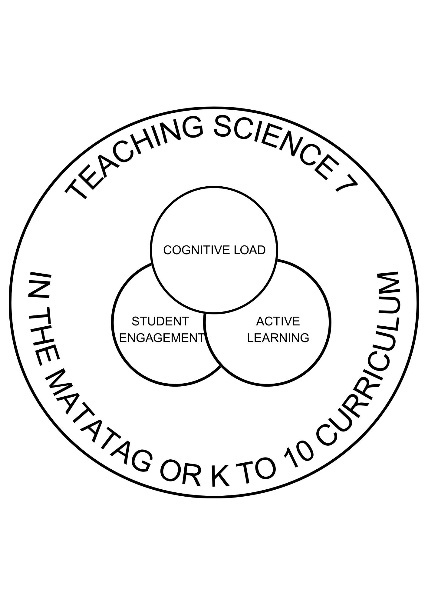
However, the study revealed no significant effect between the pretest and posttest scores after the utilization of the developed video lessons, implying that learners may not always exhibit a positive attitude toward video lessons 29; thus, it is crucial to consider active learning 30. Additionally, to improve student engagement, making video lessons short should also be considered 30, 31. Lastly, in the study of Fan, Bower, and Siemon 32, they concluded that to facilitate more effective and deeper learning, germane cognitive load showed a greater extent while learning through video tutorials. Thus, to further improve and enhance video lessons, the teacher-developer must consider the three video elements aligning with the new Science curriculum, namely (1) Cognitive Load, (2) Student Engagement, and (3) Active Learning.
IV. Proposed Guideline
Given the strong positive perceptions of customized video lessons in terms of content, structure, and usability-as evidenced by high weighted mean scores from teacher-evaluators-there is a need to institutionalize best practices that will sustain and enhance the effectiveness of these materials in promoting these three elements of video lessons namely: cognitive load, student engagement, and active learning 30 under the MATATAG Curriculum.

1). Teaching Science Under the MATATAG or K to 10 Science Curriculum.
The development and implementation of the MATATAG Curriculum sought to address the identified issues and concerns in the Philippine K to 12 Basic Education Program. Thus, this curriculum is an avenue to respond to the evolving learners' needs and demands in the 21st-century. It aims to enhance and develop students' critical thinking, digital literacy, global citizenship, and interdisciplinary learning to prepare them for a rapidly changing world. Also, it reflects a continuous commitment to improvement and responsiveness to the needs of learners and society 33.
In science education, three new features have been presented on the MATATAG or Science K to 10 Curriculum, such as technology and engineering literacy, considering students' prior learning and cognitive and language demands at each key stage, grade level, and developmental sequence. Additionally, global competencies were highlighted and embedded in the newly implemented Science Curriculum, such as:
(1) critical and creative problem solvers
(2) responsible stewards of nature
(3) informed decision makers
(4) effective communicators
(5) innovative thinkers
Hence, it is evident that the learning competencies are responsive to 21st century needs, including those of Industry 4.0 and Industry 5.0. Industry 4.0 (Fourth Industrial Revolution) pertains to innovative technology, where machines or systems can talk to each other, analyze data, and make decisions without human intervention. These include using augmented reality, autonomous robots, big data analytics, and many more. Meanwhile, Industry 5.0 (Fifth Industrial Revolution) pertains to how machines and humans collaborate and work together closely. These machines or tools assist humans in performing their jobs better 34, 35.
In Herrera's study 36, he concluded that the successful implementation of the MATATAG curriculum in the Philippines relies on the experiences of teachers and school heads, effective training programs, and continuous professional development. This underscores the necessity for guidelines support and adaptive strategies to improve resilience and sustain curriculum reforms within a supportive educational environment. Also, it was recommended in Po's study 37 that adequate instructional materials, digital tools, and technology integration must be provided to facilitate effective teaching. In addition, there should be an intervention program for underperforming students to ensure the effective implementation of the curriculum. Thus, proposing a guideline for developing video lessons as supplementary learning material must cater to the current demands, be both locally and globally responsive, and ensure their effectiveness by aligning them with the new features of the science curriculum opportunities set by the Department of Education.
2). Cognitive Load
One of the primary considerations in developing video lessons is cognitive load. Under this element, four effective practices have emerged such as a.) signaling (highlighting important science concepts), b.) segmenting (chunking information in the video lesson), c.) weeding (eliminating extraneous information by removing complex backgrounds), and d.) matching modality (showing an animation of a process, e.g., heat transfer on screen while narrating it) which are being embedded in the video-based instructions 23, 30. This statement supports the perceptions of the usefulness and usability of the video lessons by the science-teacher evaluators that the developed video lessons are “Very Much Useful” when it comes to supporting long-term retention and understanding, ensuring the most straightforward way and mode of learning, considering learners’ level of intelligence, skills, and abilities, and having an efficient multimodal strategy that enhances the acquisition of skills. This is emphasized by Sweller 38 who stated that, cognitive load theory guides instructional procedures by alleviating complex information that overloads working memory. Also, the MATATAG Science Curriculum emphasizes that instruction is most effective when designed according to the limitations of working memory.
3). Student engagement
Another lens used in developing video lessons is student engagement. This element emphasized the length of the video presentation, the use of a conversational style or informal communication, the video narrators' enthusiasm, and the ability to reuse these teacher-made video lessons for other classes or another group of students with the same grade level 30. This statement was validated and supported based on the science teacher-evaluators' perceived usefulness of the structure of video lessons, which was rated as "Very Much Useful." The structure emphasized that the teacher-made video lessons are engaging, interesting, and understandable, allowing active learning through real-life situations, maintaining a logical and smooth flow of ideas, topics, and discussions, and aligning the length of the entire presentation to the level of comprehension of the target learners. Reference 4 supported this by providing comprehensive learning experiences with clear objectives, in-depth discussions, and integrated exercises that can promote flexible, engaging, and personalized instruction. Additionally, Brame 30 emphasized that the first and most important characteristic in developing video lessons is keeping them short to maximize students' attention. Also, video lessons can positively affect student educational outcomes by addressing varying learning styles 18. This supports the goal of the MATATAG Science Curriculum that teaching methods and strategies should cater to the needs, skills, and contexts of diverse learners using innovative teaching tools like video lessons.
4). Active Learning
This element of video lessons highlights the embedding of interactive questions, interactive activities, and homework assignments 30. This statement was validated and supported based on the science teacher-evaluators' perceived usefulness of the content of video lessons, which was rated as "Very Much Useful." It was shown that the developed video lessons have the potential to arouse the interest of the students, contribute to the achievement of specific objectives, be free from gender biases and prejudice, align with the learners' level of development, enhance creative thinking, and develop higher cognitive thinking skills such as providing diverse drills or games to activate their prior knowledge, illustrating moving particles like solid, liquid and gas particles through animation, giving lower- and higher-order thinking skills exercises and assigning or reminding them about the takeaways that were discussed on a specific topic. This suggests that the teacher-made video lesson can facilitate the delivery of the content and improve students' conceptual understanding, which can aid students in obtaining better scores on the activities and quizzes and boost their motivation to understand the lessons better 21.
Grade 7 learners of Angadanan East District struggled to master key Science competencies under the MATATAG Curriculum, particularly on topics such as balanced and unbalanced forces, distance and displacement, speed and velocity, and heat and temperature. The study's findings revealed that customized video lessons might be necessary to consider the video elements in designing and developing to produce a more substantial learning gain.
Utilizing the 4-D Model (Define, Design, Develop, and Disseminate) as a framework for developing and validating the Science 7 video lessons demonstrates the importance of a systematic and structured approach to instructional material creation. Following this model and integrating critical video elements-Cognitive Load, Active Engagement, and Active Learning-ensures that instructional videos are content-rich and pedagogically sound. This framework suggests that future instructional material development, particularly in science education under the MATATAG Curriculum, should adopt a deliberate and theory-based design process to maximize learner comprehension, engagement, and retention.
Moreover, the study highlights that careful planning for cognitive demands, providing opportunities for active participation, and meaningful learning interactions are essential factors in developing adequate supplementary learning resources aligned with the newly implemented MATATAG Science Curriculum.
The four developed video lessons were found to be "very much useful" in terms of content, structure, and usability for teaching Science 7 under the MATATAG Curriculum. Evidence was drawn from the following findings: Science teachers used videos to stimulate learners' interest in learning and to allow students to visualize complex concepts such as heat and temperature through animated graphics rather than imagining them.
The proposed guideline highlights the need to align the three video elements, namely Cognitive Load, Student Engagement, and Active Learning, in developing video lessons for teaching Science 7 under the MATATAG Curriculum. Moreover, it served as a guideline for developing supplementary materials among science teachers to help and support students struggling to learn science concepts.
| [1] | OECD (December 2023), PISA 2022 Results (Volume I and II) - Country Notes: Philippines, PISA, OECD Publishing, Paris, Retrieved from: https:// www.oecd.org/ en/publications/ pisa-2022-results- volume-i-and-ii-country- notes_ed6fbcc5-en/ philippines_ a0882a2d -en.html. | ||
| In article | |||
| [2] | Department of Education. (2023). Adoption of the National Learning Recovery Program (NLRP) in the Department of Education (DepEd Order 013, s. 2023) Retrieved from: https://www.deped.gov.ph/wp-content/ uploads/ DO_ s2023_013.pdf. | ||
| In article | |||
| [3] | Department of Education. (2024). MATATAG K to 10 Curriculum of the K to 12 Program: Science Grades 3-10 Science Shaping Paper. | ||
| In article | |||
| [4] | Delos Santos, R. M. G. (2022). Effectiveness of Instructional Video Lessons on the Performance of Grade 6 Learners in Science in the New Normal Education. In San Carlos College Research Journal, 12, 2704-4599. | ||
| In article | |||
| [5] | Insorio, A. O., & Macandog, D. M. (2022). Video Lessons via YouTube Channel as Mathematics Interventions in Modular Distance Learning. Contemporary Mathematics and Science Education, 3(1), 22001. | ||
| In article | View Article | ||
| [6] | De Oca, P. R. R., Villaceran, L. G., Deoma, M. E. B., Linaugo, J. D., Abao, G. M., & De Oca, M. G. A. (2024). Development and Validation of Micro-Lecture Videos as Learning Support Material for Grade 7 Science Competencies. International Journal of Multidisciplinary: Applied Business and Education Research, 5(2), 594-604. | ||
| In article | View Article | ||
| [7] | Chavez, M. T. C., & Mendeja, J. M. (2024). Effects of Video Lessons on the Attributes and Academic Performance of Grade 7 Learners. Ignatian International Journal for Multidisciplinary Research, 2(5), 2718-2745. | ||
| In article | |||
| [8] | Zulueta, L., & Panoy, J. F. (2022). Scenario-based microlearning strategy for improved basic science process skills in self-directed learning. International Journal of Science, Technology, Engineering and Mathematics, 2(4), 54-73. | ||
| In article | View Article PubMed | ||
| [9] | Timbreza, J. (2022). Teacher-Made Video Lesson: An Intervention for Online Delivery Modality in Mathematics 8. International Journal of Research Publications, 106(1). | ||
| In article | View Article | ||
| [10] | Soltura, R. (2021). Designing Context-Based Video Instruction in Enhancing the Conceptual Understanding of Grade XI Students. Indonesian Journal of Educational Research and Review, 4(2), 409–423. | ||
| In article | View Article | ||
| [11] | Bullo, M. (2021). Integration of video lessons to Grade-9 science learners amidst COVID-19 pandemic. International Journal of Research Studies in Education, 10(9). | ||
| In article | View Article | ||
| [12] | Öztürk, S., & Karakaş, H. (2024). Scenario-based teaching process in the life science course based on socioscientific issues. Turkish Journal of Education, 13(5-Special Issue), 441-464. | ||
| In article | View Article | ||
| [13] | Ören, F. S., Karapinar, A., Sari, K., & Demirer, T. (2023). The Effect of Scenario-Based Learning on Eighth-Grade Students' Perceptions of Scientists. Journal of Educational Research and Practice, 13(1), 99-122. | ||
| In article | View Article | ||
| [14] | Taslibeyaz, E. (2020). The effect of scenario-based interactive videos on English learning. Interactive Learning Environments, 28(7), 808-820. | ||
| In article | View Article | ||
| [15] | Puspaningtyas, N. D., & Ulfa, M. (2020). Improving students learning outcomes in blended learning through the use of animated video. Kalamatika: Jurnal Pendidikan Matematika, 5(2), 133-142. | ||
| In article | View Article | ||
| [16] | Reyes, L. P. D. (2024). Development of Flexible Learning Instruction Through Progressive, Personalized, Engaging and Diversified (FLIPPED) Video Media in Mathematics. International Journal of Multidisciplinary: Applied Business and Education Research, 5(12), 5318-5327. | ||
| In article | View Article | ||
| [17] | Department of Education. (2017). Policy Guidelines on System Assessment in the K to 12 Basic Education Program (DepEd Order No. 29, s. 2017) Retrieved from: https:// www.deped.gov.ph/ wp-content/ uploads/ 2017/ 06/ DO_s2017_029.pdf. | ||
| In article | |||
| [18] | Neofotistos, V., Mavropoulou, E., Stergiou, C., Aslanidou, S., & Oikonomou, A. (2024). Exploring the Role of Educational Videos in Teacher Training: Usability, Satisfaction, and Pedagogical Intentions. Asian Institute of Research. 71-82. | ||
| In article | View Article | ||
| [19] | Manalili, C., De Guzman, M. F., & Ravana, L. (2022). Educational Video: A Multimodal Approach in Teaching Secondary Social Studies. International Journal of Arts, Humanities and Social Studies, 4(2), 25–35. | ||
| In article | |||
| [20] | Cagas, M. C. (2024). Exploring Pupil’s Acceptance and Satisfaction with Video-Based Learning Material. Psychology and Education: A Multidisciplinary Journal, 23(5). | ||
| In article | |||
| [21] | Abulkhair, J., Salic-Hairulla, M., Alcopra, A., Malayao, S., & Ellare, A. (2024). Development and Validation of Video Lessons as Supplementary Materials in Teaching Heredity among Grade 10 Students. Journal of Innovation, Advancement, and Methodology in STEM education, 1(6), 315-322. https://so13.tci-thaijo.org/index.php/J_IAMSTEM/article/download/1101/754. | ||
| In article | |||
| [22] | Joshi, N. (2022). Benefits of Video Based Learning. Retrieved from: https://www.evelynlearning.com/benefits-of-video-based-learning/. | ||
| In article | |||
| [23] | Ou, C., Joyner, D. A., & Goel, A. K. (2019). Designing and Developing Videos for Online Learning: A Seven-Principle Model. Online Learning, 23(2). | ||
| In article | View Article | ||
| [24] | Allgaier, J. (2019). Science and Environmental Communication on YouTube: Strategically Distorted Communications in Online Videos on Climate Change and Climate Engineering. Frontiers in Communication. 4, 2–15. | ||
| In article | View Article | ||
| [25] | Akay, E. (2021). The Use of Audio-Visual Materials in the Education of Students with Hearing Loss. Canadian Center of Science Education. | ||
| In article | View Article | ||
| [26] | Shoufan, A. (2019). What motivates university students to like or dislike an educational online video? A sentimental framework. Computers &Amp; Education, 134, 132–144. | ||
| In article | View Article | ||
| [27] | Reyes, L. P. D. (2024). Development of Flexible Learning Instruction Through Progressive, Personalized, Engaging and Diversified (FLIPPED) Video Media in Mathematics. International Journal of Multidisciplinary: Applied Business and Education Research, 5(12), 5318-5327. | ||
| In article | View Article | ||
| [28] | Murillo, J., & Tan, R. (2022). Design, development, and validation of humorous instructional videos for the least mastered competencies in mathematics. Am. Educ. Res, 10, 654-662. | ||
| In article | View Article | ||
| [29] | Hao, Y., Zeng, X., Yasin, M. A. I., & Boon Sim, N. (2024). Factors Influencing College Students’ Learning Intention to Online Teaching Videos During the Pandemic in China. SAGE Open, 14(3). | ||
| In article | View Article | ||
| [30] | Brame, C. J. (2017). Effective educational videos: Principles and guidelines for maximizing student learning from video content. CBE—Life Sciences Education. | ||
| In article | View Article PubMed | ||
| [31] | Zhu, J., Yuan, H., Zhang, Q., Huang, P., Wang, Y., Duan, S., Lei, M., Lim, E. G., & Song, P. (2022). The impact of short videos on student performance in an online-flipped college engineering course. Humanities and Social Sciences Communications, 9(1). | ||
| In article | View Article PubMed | ||
| [32] | Fan, E., Bower, M., & Siemon, J. (2024). Video tutorials in the traditional classroom: The effects on different types of cognitive load. Technology Knowledge and Learning, 29(4), 2017–2036. | ||
| In article | View Article | ||
| [33] | Kilag, O. K., Sasan, J. M., Maguate, G., Odango, J., Cruz, J. N. D., & Fulgencio, R. (2024). Curriculum Innovation in Philippine Education: The MATATAG Curriculum. International Multidisciplinary Journal of Research for Innovation, Sustainability, and Excellence (IMJRISE), 1(6), 727-732. | ||
| In article | |||
| [34] | Diquito, T. (2024). Basic Education Curriculum under the Newly Implemented K to 10 (MATATAG) Curriculum in the Philippines: The Case of Science Education. American Journal of Education and Technology (AJET), 3(3), 123-132. | ||
| In article | View Article | ||
| [35] | Nahavandi, S. (2019). Industry 5.0—A human-centric solution. Sustainability, 11(16), 4371. | ||
| In article | View Article | ||
| [36] | Herrera, N. J. N. (2025). Challenges and Opportunities in Implementing the MATATAG Curriculum: A Scoping Review. International Journal of Multidisciplinary: Applied Business and Education Research, 6(2), 943-952. | ||
| In article | View Article | ||
| [37] | Po, E. C. (2025). Challenges Faced by School Heads and Teachers in the Implementation of the MATATAG Curriculum and Performance of Students. International Journal of Advanced Multidisciplinary Studies. 5(3) 88-98 Retrieved from: https:// www.ijams-bbp.net/ wp-content/ uploads/ 2025/04/ ENARCISA- C.-PO.pdf. | ||
| In article | View Article | ||
| [38] | Sweller, J. Cognitive load theory and educational technology. Educational Technology Research and Development. 68, 1–16 (2020). | ||
| In article | View Article | ||
Published with license by Science and Education Publishing, Copyright © 2025 Joey L. Derrada, Roderick C. Quintos, Madeilyn B. Estacio and Romiro G. Bautista
 This work is licensed under a Creative Commons Attribution 4.0 International License. To view a copy of this license, visit
http://creativecommons.org/licenses/by/4.0/
This work is licensed under a Creative Commons Attribution 4.0 International License. To view a copy of this license, visit
http://creativecommons.org/licenses/by/4.0/
| [1] | OECD (December 2023), PISA 2022 Results (Volume I and II) - Country Notes: Philippines, PISA, OECD Publishing, Paris, Retrieved from: https:// www.oecd.org/ en/publications/ pisa-2022-results- volume-i-and-ii-country- notes_ed6fbcc5-en/ philippines_ a0882a2d -en.html. | ||
| In article | |||
| [2] | Department of Education. (2023). Adoption of the National Learning Recovery Program (NLRP) in the Department of Education (DepEd Order 013, s. 2023) Retrieved from: https://www.deped.gov.ph/wp-content/ uploads/ DO_ s2023_013.pdf. | ||
| In article | |||
| [3] | Department of Education. (2024). MATATAG K to 10 Curriculum of the K to 12 Program: Science Grades 3-10 Science Shaping Paper. | ||
| In article | |||
| [4] | Delos Santos, R. M. G. (2022). Effectiveness of Instructional Video Lessons on the Performance of Grade 6 Learners in Science in the New Normal Education. In San Carlos College Research Journal, 12, 2704-4599. | ||
| In article | |||
| [5] | Insorio, A. O., & Macandog, D. M. (2022). Video Lessons via YouTube Channel as Mathematics Interventions in Modular Distance Learning. Contemporary Mathematics and Science Education, 3(1), 22001. | ||
| In article | View Article | ||
| [6] | De Oca, P. R. R., Villaceran, L. G., Deoma, M. E. B., Linaugo, J. D., Abao, G. M., & De Oca, M. G. A. (2024). Development and Validation of Micro-Lecture Videos as Learning Support Material for Grade 7 Science Competencies. International Journal of Multidisciplinary: Applied Business and Education Research, 5(2), 594-604. | ||
| In article | View Article | ||
| [7] | Chavez, M. T. C., & Mendeja, J. M. (2024). Effects of Video Lessons on the Attributes and Academic Performance of Grade 7 Learners. Ignatian International Journal for Multidisciplinary Research, 2(5), 2718-2745. | ||
| In article | |||
| [8] | Zulueta, L., & Panoy, J. F. (2022). Scenario-based microlearning strategy for improved basic science process skills in self-directed learning. International Journal of Science, Technology, Engineering and Mathematics, 2(4), 54-73. | ||
| In article | View Article PubMed | ||
| [9] | Timbreza, J. (2022). Teacher-Made Video Lesson: An Intervention for Online Delivery Modality in Mathematics 8. International Journal of Research Publications, 106(1). | ||
| In article | View Article | ||
| [10] | Soltura, R. (2021). Designing Context-Based Video Instruction in Enhancing the Conceptual Understanding of Grade XI Students. Indonesian Journal of Educational Research and Review, 4(2), 409–423. | ||
| In article | View Article | ||
| [11] | Bullo, M. (2021). Integration of video lessons to Grade-9 science learners amidst COVID-19 pandemic. International Journal of Research Studies in Education, 10(9). | ||
| In article | View Article | ||
| [12] | Öztürk, S., & Karakaş, H. (2024). Scenario-based teaching process in the life science course based on socioscientific issues. Turkish Journal of Education, 13(5-Special Issue), 441-464. | ||
| In article | View Article | ||
| [13] | Ören, F. S., Karapinar, A., Sari, K., & Demirer, T. (2023). The Effect of Scenario-Based Learning on Eighth-Grade Students' Perceptions of Scientists. Journal of Educational Research and Practice, 13(1), 99-122. | ||
| In article | View Article | ||
| [14] | Taslibeyaz, E. (2020). The effect of scenario-based interactive videos on English learning. Interactive Learning Environments, 28(7), 808-820. | ||
| In article | View Article | ||
| [15] | Puspaningtyas, N. D., & Ulfa, M. (2020). Improving students learning outcomes in blended learning through the use of animated video. Kalamatika: Jurnal Pendidikan Matematika, 5(2), 133-142. | ||
| In article | View Article | ||
| [16] | Reyes, L. P. D. (2024). Development of Flexible Learning Instruction Through Progressive, Personalized, Engaging and Diversified (FLIPPED) Video Media in Mathematics. International Journal of Multidisciplinary: Applied Business and Education Research, 5(12), 5318-5327. | ||
| In article | View Article | ||
| [17] | Department of Education. (2017). Policy Guidelines on System Assessment in the K to 12 Basic Education Program (DepEd Order No. 29, s. 2017) Retrieved from: https:// www.deped.gov.ph/ wp-content/ uploads/ 2017/ 06/ DO_s2017_029.pdf. | ||
| In article | |||
| [18] | Neofotistos, V., Mavropoulou, E., Stergiou, C., Aslanidou, S., & Oikonomou, A. (2024). Exploring the Role of Educational Videos in Teacher Training: Usability, Satisfaction, and Pedagogical Intentions. Asian Institute of Research. 71-82. | ||
| In article | View Article | ||
| [19] | Manalili, C., De Guzman, M. F., & Ravana, L. (2022). Educational Video: A Multimodal Approach in Teaching Secondary Social Studies. International Journal of Arts, Humanities and Social Studies, 4(2), 25–35. | ||
| In article | |||
| [20] | Cagas, M. C. (2024). Exploring Pupil’s Acceptance and Satisfaction with Video-Based Learning Material. Psychology and Education: A Multidisciplinary Journal, 23(5). | ||
| In article | |||
| [21] | Abulkhair, J., Salic-Hairulla, M., Alcopra, A., Malayao, S., & Ellare, A. (2024). Development and Validation of Video Lessons as Supplementary Materials in Teaching Heredity among Grade 10 Students. Journal of Innovation, Advancement, and Methodology in STEM education, 1(6), 315-322. https://so13.tci-thaijo.org/index.php/J_IAMSTEM/article/download/1101/754. | ||
| In article | |||
| [22] | Joshi, N. (2022). Benefits of Video Based Learning. Retrieved from: https://www.evelynlearning.com/benefits-of-video-based-learning/. | ||
| In article | |||
| [23] | Ou, C., Joyner, D. A., & Goel, A. K. (2019). Designing and Developing Videos for Online Learning: A Seven-Principle Model. Online Learning, 23(2). | ||
| In article | View Article | ||
| [24] | Allgaier, J. (2019). Science and Environmental Communication on YouTube: Strategically Distorted Communications in Online Videos on Climate Change and Climate Engineering. Frontiers in Communication. 4, 2–15. | ||
| In article | View Article | ||
| [25] | Akay, E. (2021). The Use of Audio-Visual Materials in the Education of Students with Hearing Loss. Canadian Center of Science Education. | ||
| In article | View Article | ||
| [26] | Shoufan, A. (2019). What motivates university students to like or dislike an educational online video? A sentimental framework. Computers &Amp; Education, 134, 132–144. | ||
| In article | View Article | ||
| [27] | Reyes, L. P. D. (2024). Development of Flexible Learning Instruction Through Progressive, Personalized, Engaging and Diversified (FLIPPED) Video Media in Mathematics. International Journal of Multidisciplinary: Applied Business and Education Research, 5(12), 5318-5327. | ||
| In article | View Article | ||
| [28] | Murillo, J., & Tan, R. (2022). Design, development, and validation of humorous instructional videos for the least mastered competencies in mathematics. Am. Educ. Res, 10, 654-662. | ||
| In article | View Article | ||
| [29] | Hao, Y., Zeng, X., Yasin, M. A. I., & Boon Sim, N. (2024). Factors Influencing College Students’ Learning Intention to Online Teaching Videos During the Pandemic in China. SAGE Open, 14(3). | ||
| In article | View Article | ||
| [30] | Brame, C. J. (2017). Effective educational videos: Principles and guidelines for maximizing student learning from video content. CBE—Life Sciences Education. | ||
| In article | View Article PubMed | ||
| [31] | Zhu, J., Yuan, H., Zhang, Q., Huang, P., Wang, Y., Duan, S., Lei, M., Lim, E. G., & Song, P. (2022). The impact of short videos on student performance in an online-flipped college engineering course. Humanities and Social Sciences Communications, 9(1). | ||
| In article | View Article PubMed | ||
| [32] | Fan, E., Bower, M., & Siemon, J. (2024). Video tutorials in the traditional classroom: The effects on different types of cognitive load. Technology Knowledge and Learning, 29(4), 2017–2036. | ||
| In article | View Article | ||
| [33] | Kilag, O. K., Sasan, J. M., Maguate, G., Odango, J., Cruz, J. N. D., & Fulgencio, R. (2024). Curriculum Innovation in Philippine Education: The MATATAG Curriculum. International Multidisciplinary Journal of Research for Innovation, Sustainability, and Excellence (IMJRISE), 1(6), 727-732. | ||
| In article | |||
| [34] | Diquito, T. (2024). Basic Education Curriculum under the Newly Implemented K to 10 (MATATAG) Curriculum in the Philippines: The Case of Science Education. American Journal of Education and Technology (AJET), 3(3), 123-132. | ||
| In article | View Article | ||
| [35] | Nahavandi, S. (2019). Industry 5.0—A human-centric solution. Sustainability, 11(16), 4371. | ||
| In article | View Article | ||
| [36] | Herrera, N. J. N. (2025). Challenges and Opportunities in Implementing the MATATAG Curriculum: A Scoping Review. International Journal of Multidisciplinary: Applied Business and Education Research, 6(2), 943-952. | ||
| In article | View Article | ||
| [37] | Po, E. C. (2025). Challenges Faced by School Heads and Teachers in the Implementation of the MATATAG Curriculum and Performance of Students. International Journal of Advanced Multidisciplinary Studies. 5(3) 88-98 Retrieved from: https:// www.ijams-bbp.net/ wp-content/ uploads/ 2025/04/ ENARCISA- C.-PO.pdf. | ||
| In article | View Article | ||
| [38] | Sweller, J. Cognitive load theory and educational technology. Educational Technology Research and Development. 68, 1–16 (2020). | ||
| In article | View Article | ||