Protein is crucial for muscle strength but typically requires weeks to show effects. This study evaluated botanical extracts for enhancing and accelerating muscle development. Twenty-six participants were randomized into five arms: EB-MS-01 (300 mg Microcrystalline cellulose (MCC) without exercise), EB-MS-02 (300 mg MCC with exercise), EB-MS-03 (500 mg Phyllanthus amarus with exercise), EB-MS-04 (250 mg Cinnamomum verum with exercise), and EB-MS-05 (350 mg Ocimum sanctum + Rosmarinus officinalis with exercise). Participants consumed two Investigational Products (IP) capsules before breakfast, and 24 gm whey protein (WP) with breakfast and dinner. IP intake ceased for responders with a ≥10% increase in muscle strength, as assessed by 1-repetition maximum (1-RM) at day 28, while the remaining participants continued the study until day 56. Outcomes included changes in muscle strength, body composition via DEXA, thigh muscle girth, fatigue using VAS-Fatigue scale, and sleep quality by modified Insomnia Severity Index. Safety was monitored for digestive system adverse effects. At end of the study, EB-MS-03 group showed a 13.05% increase in 1-RM, whereas those in the EB-MS-02, EB-MS-04 and EB-MS-05 groups experienced an increase of 9.65%, 12.78%, and 9.39%, respectively. EB-MS-03 group showed a meaningful decrease in body fat, visceral fat, android fat and an increase in lean body mass. No serious adverse events were reported, though some participants experienced mild digestive discomfort unrelated to IP. The proof-of-concept study concluded that EB-MS-03 with WP, increased muscle strength compared to WP alone. Future studies will involve a larger sample size and longer duration for more comprehensive results.
Proteins are macronutrients that play a major role in muscle growth in terms of strength and mass; however, it typically takes several weeks to months to see significant changes. 1 Nutritional supplements containing essential and non-essential amino acids are frequently used by athletes and recreationally active individuals alongside Resistance Exercise Training (RET) to gain muscle mass and strength. 2, 3 Whey protein, when used for longer periods of duration, is known to enhance muscle protein synthesis, leading to muscle hypertrophy. 4 However, the key factor for such an effect remains a “substantially longer duration”, as studies have failed to show a similar effect when the protein is administered for a shorter duration. 5
The 1-RM (1-Repetition Maximum) testing is considered the gold standard for assessing muscle strength as well as the training program's effectiveness. 6 At the same time, body composition remains a determining factor for muscle strength. Morton et al. found that dietary protein supplementation increased 1-RM strength and FFM (fat-free mass) under prolonged RET. 7 A recent study by Park et al. demonstrated that 4 weeks’ administration of 40 g of protein supplement [premix containing 26.4 g of whey protein hydrolysate (WPH) + whey protein concentrate (WPC) along with 5.8 g of branched-chain amino acids and creatine monohydrate] increased 1-RM by 7.70 kg, however, the statistically significant increase was observed only at 12th week of supplementation. 8 Therefore, there is a pressing need for a product that can enhance muscle strength rapidly by potentiating protein supplements. Herbal supplements are gaining popularity among both athletes and non-athletes for enhancing endurance and strength performance. 9 For instance, acute supplementation with Phyllanthus amarus provides antioxidants that can reduce muscle soreness following high-intensity exercise. 10 Additionally, a systematic review highlights that cinnamon supplementation can promote muscle growth. 11 Furthermore, the antioxidant properties of Rosmarinus officinalis leaf extracts support muscle cell hypertrophy. 12 Similarly, Ocimum sanctum possesses antioxidant qualities that help prevent muscle damage after intense training, making it particularly advantageous for athletes during their recovery phase. 13 Overall, these herbs contribute to improved muscle health.
Based on the available evidence, Enovate Biolife screened several biomasses that, when added to the daily protein supplementation, can boost muscle strength as well as mass. The screening study assessed the protein-amplifying effect of the proprietary extracts of Phyllanthus amarus (PA), Cinnamomum verum (CV), and Ocimum Sanctum + Rosmarinus officinalis (OS+RO) by assessing the change in the muscle mass and strength.
The study was a randomized, placebo-controlled study approved by an Independent Ethics Committee (ACEAS, India). This study was funded by Enovate Biolife. It was registered on NIH Clinicaltrials.gov (NCT No: dated July 02, 2021). An informed consent form was signed by each participant. In this pilot study, healthy male participants were randomized into five different groups between June 2021 and November 2021. The participants aged 20-35 years with moderate physical activity levels as per the International Physical Activity Questionnaire (IPAQ) were included in the study. Participants had a Body Mass Index (BMI) between 22 and 29.9 kg/m2. Primary inclusion-exclusion criteria are presented in Table 1.
A summary of the study arms, treatments, and regimen is provided in Table 2. Along with the Investigational Products (IP), each participant was also provided 48 gms of Whey Protein Isolate (WPI) which they consumed daily in two divided doses of 24 gms dissolved in 200 ml of water with their breakfast and dinner.
The one-repetition maximum (1-RM) is considered the gold standard for the assessment of muscle strength. The 1-RM for leg press assesses the maximum strength of the lower body musculature. An increase in lean body mass is a strong predictor of physical fitness. For the current study, all participants were evaluated for change in 1-RM, body composition (which included lean body mass, fat%, fat-free mass, and android mass) using DEXA, thigh muscle girth, and fatigue level using 11-point VAS scale for Fatigue (VAS-F). Quality of sleep was assessed using a validated modified Insomnia Severity Index (ISI) questionnaire. 14 The study also intended to assess the safety of the IP by assessing the adverse effects on the digestive system using a digestive diary.
On the day of assessment, the participants were asked to visit the site after overnight fasting. They started the exercise with a warm-up session consisting of 8 inward hip rotations, 8 outward hip rotations (each side), 10 deep reverse lunges to knee raises, and 10 squats. Further, to determine the 1-RM, the participants started the leg press with an initial weight of 50 kg for 3 repetitions. Subsequently, weight was increased by 5 kg to 60 kg, and from there onwards the weight was increased by 2.5 kg for each 3 completed repetitions till the participant failed to complete. A rest period of 2 ±1 mins was provided between sets. The participants were advised to perform the leg press at the same speed of movement and with the same range of motion throughout the study. Participants were provided water ad-lib during exercise and were asked to breathe deeply. The leg press weight that participants lifted successfully for at least 1 repetition but could not complete 3 repetitions was recorded as 1-RM. The study was terminated for the participants in the EB-MS-01 arm on Day 28, irrespective of improvement in weight in the 1-RM leg press. In rest of the study groups, the study was terminated for participants who achieved ≥10% increase in 1-RM at Day 28; for rest of the participants, the end of study visit was conducted on Day 56.
A total of 26 participants were randomized in the five study arms: 4 in EB-MS-01, 6 each in EB-MS-02 and EB-MS-03, and 5 participants in EB-MS-04 and EB-MS-05. Table 3 shows the randomization of the participants in each study arm.
The mean age (SD) of the population was 24.54 (4.41) years, and the mean BMI of the participants was 25.26 (2.30) kg/m2. The mean 1-RM was 111.25 (29.76), 115.00 (43.90), 98.75 (18.22), 118.00 (49.60), and 116.50 (33.05) kg in the EB-MS-01, EB-MS-02, EB-MS-03, EB-MS-04, and EB-MS-05, respectively. A detailed demographic and baseline details are presented in Table 4.
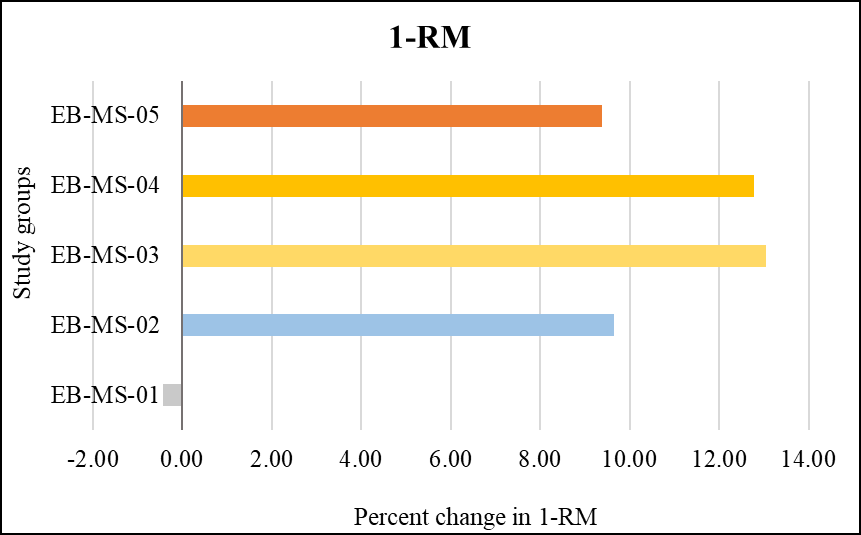
At the end of study, groups EB-MS-02, EB-MS-03, EB-MS-04, and EB-MS-05 all showed improvements in 1-RM, with percentage increases of 9.65%, 13.05%, 12.78%, and 9.39%, respectively. In contrast, group EB-MS-01 experienced a decrease in 1-RM, with a 0.42% change. Notably, EB-MS-03 demonstrated the most substantial improvement, with a 13.05% increase in 1-RM, marking the highest change amongst all groups and significantly outperforming all other groups. (Table 5 and Figure 1)

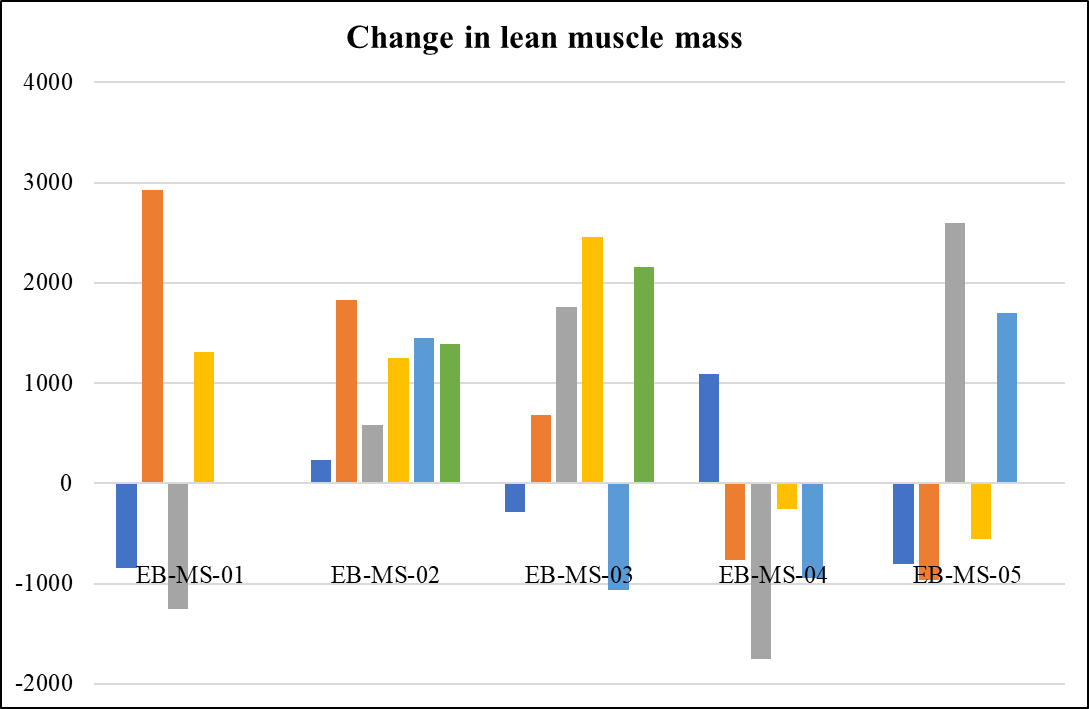
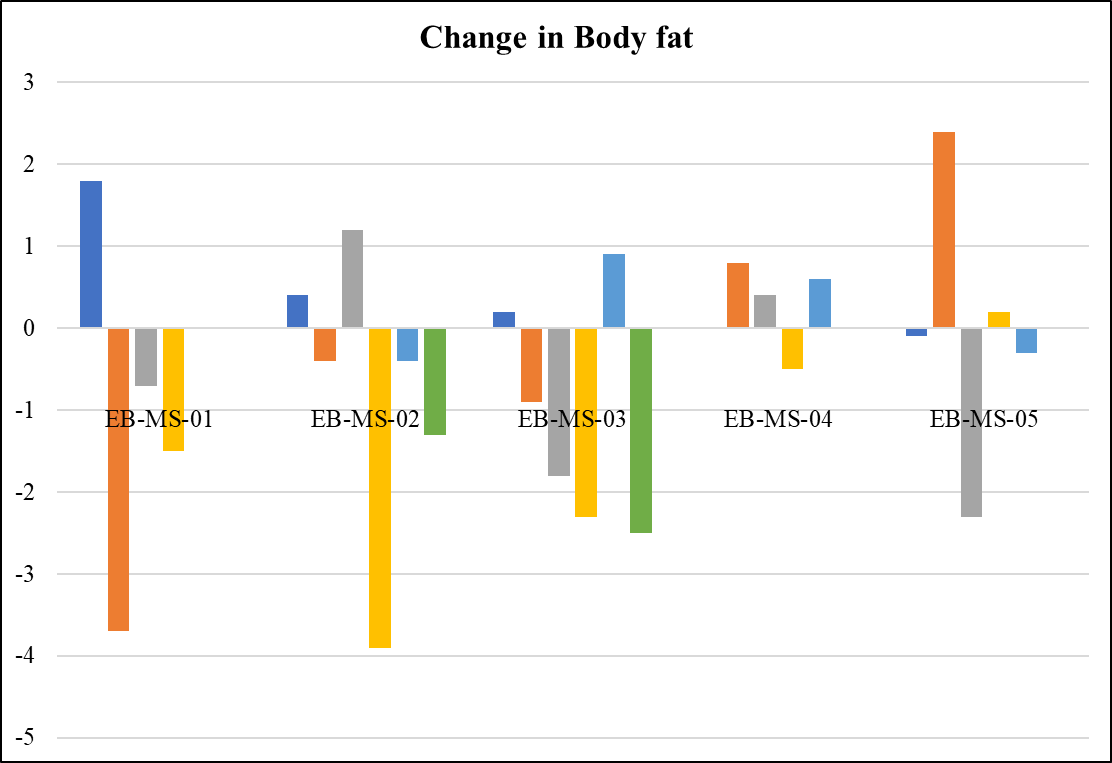
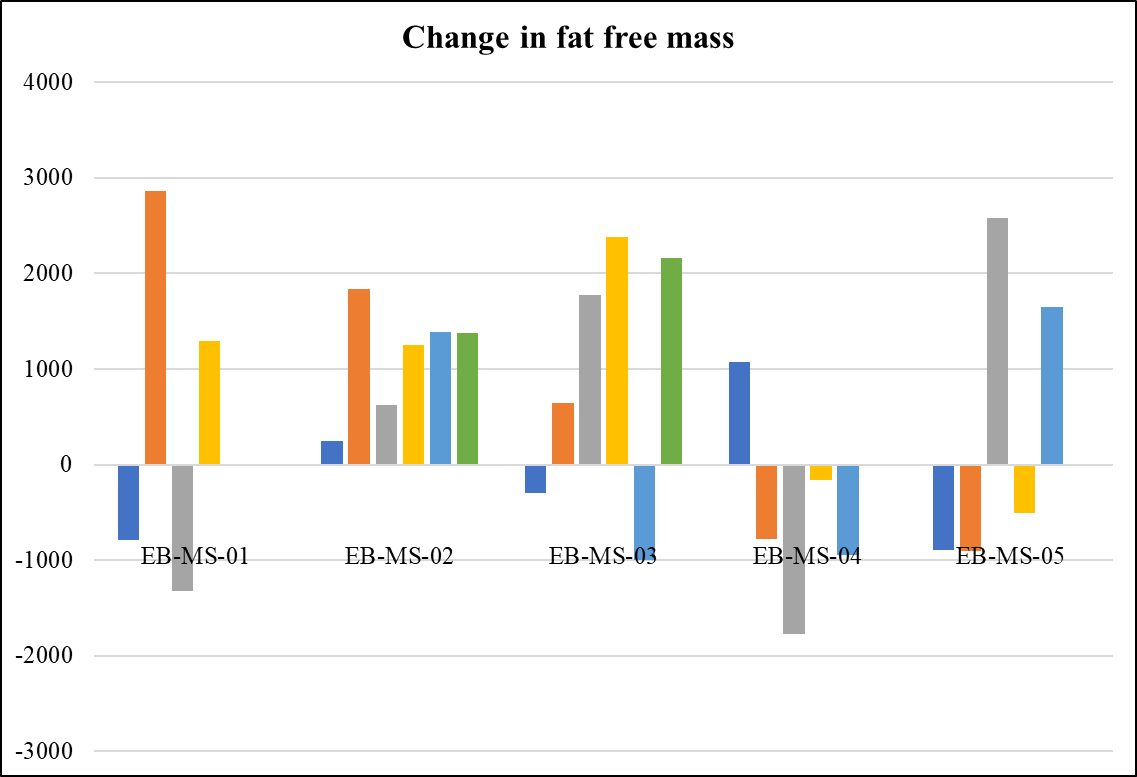
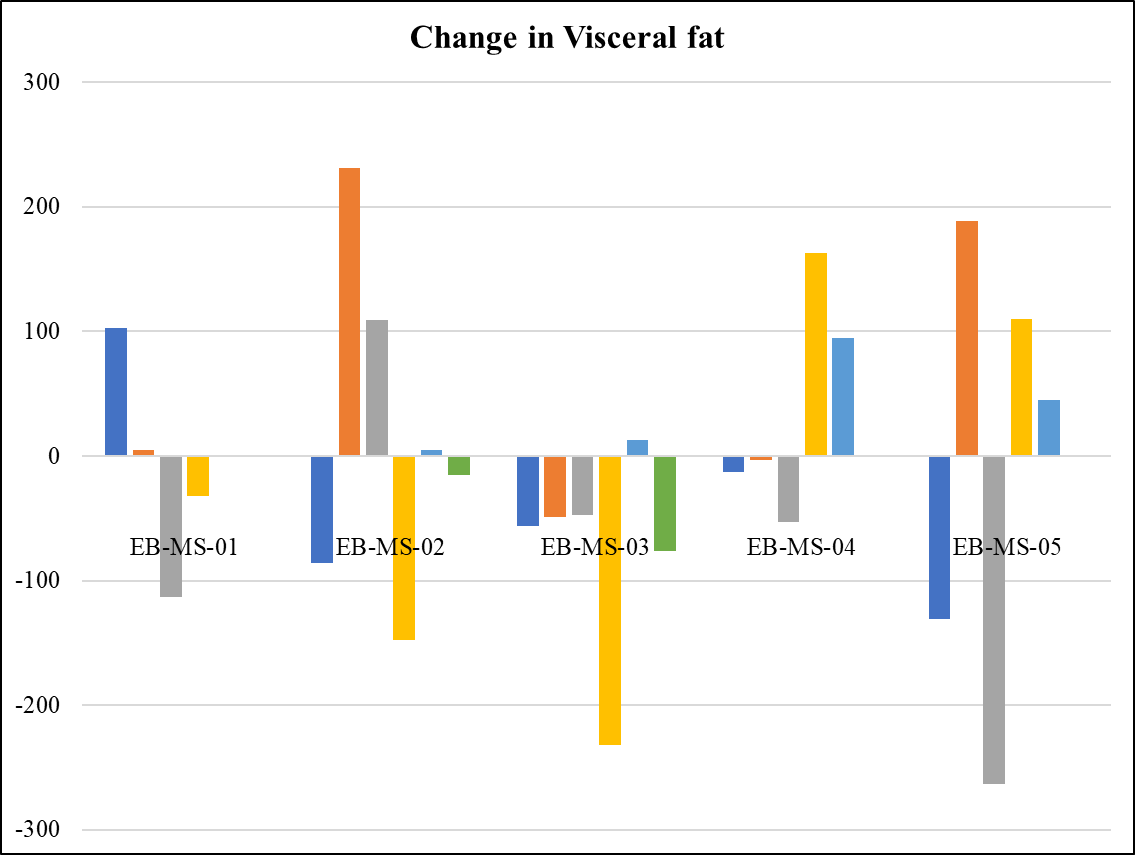
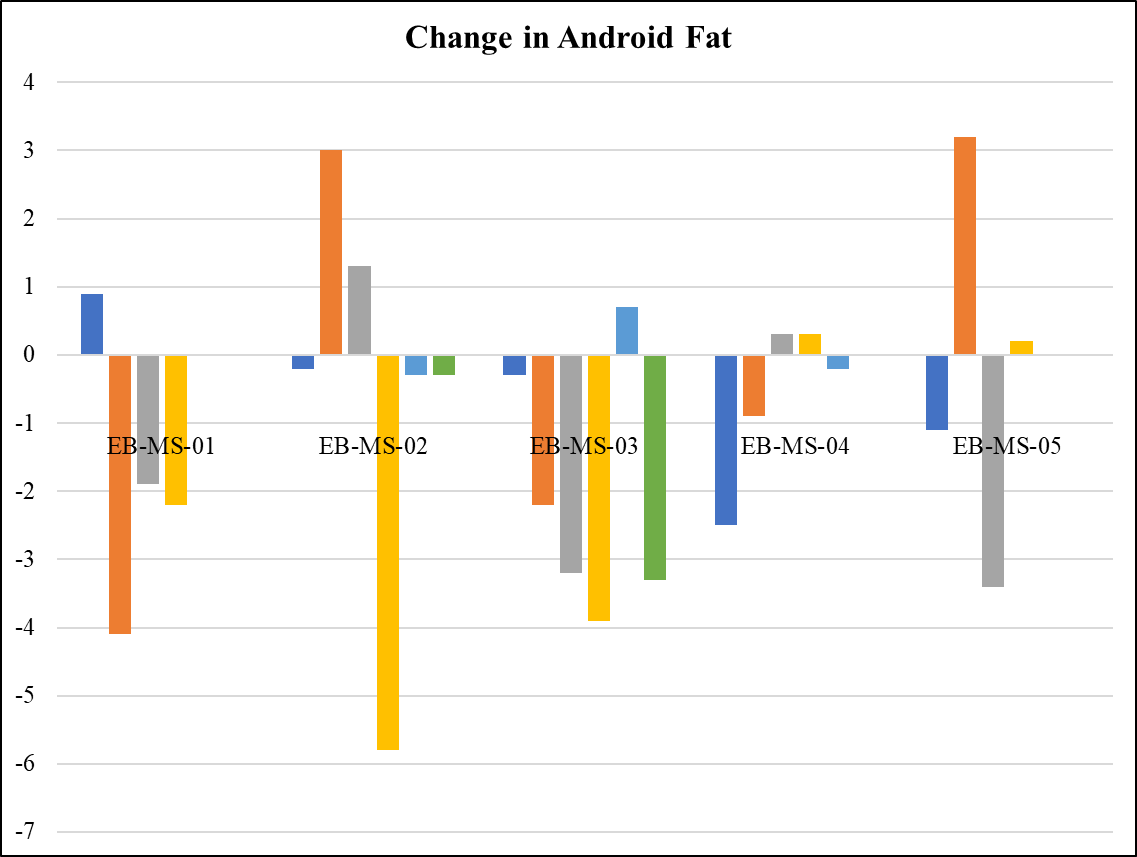
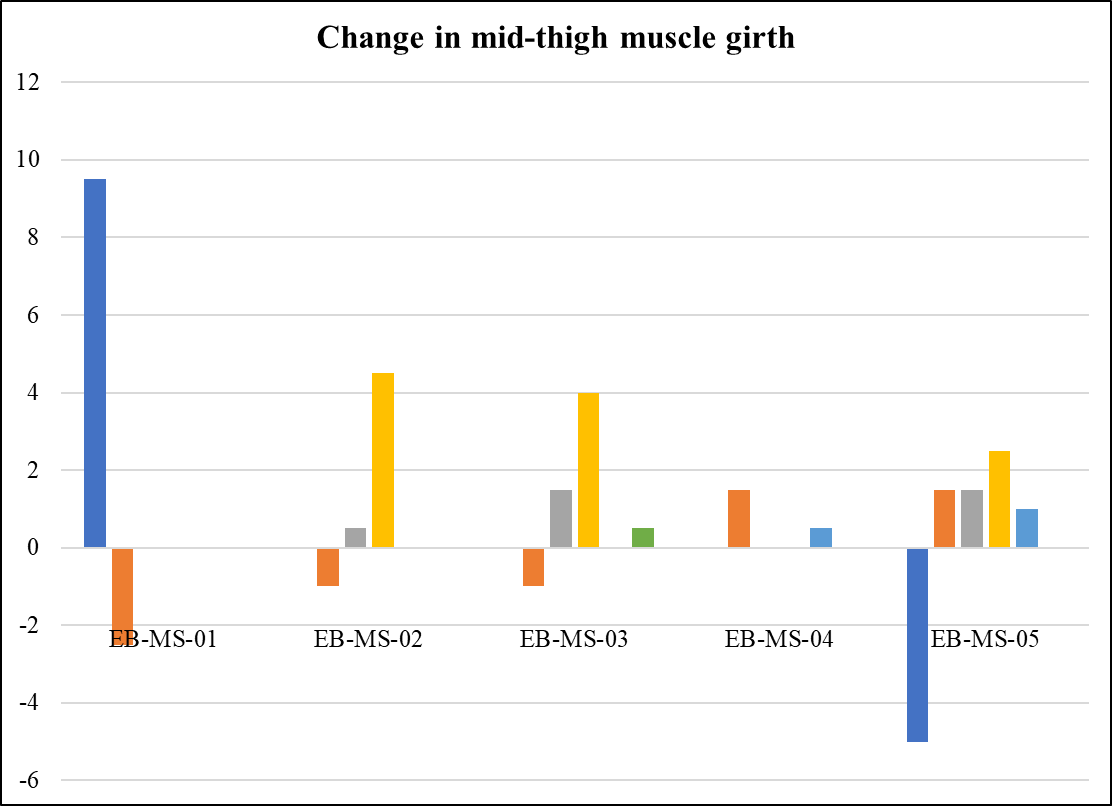
In the EB-MS-01 arm, the lean muscle mass showed varied results, as two out of the four participants showed an increase and two participants reported a decrease in the lean muscle mass at the end of study. Three participants in this group reported a decrease in body fat percentage and one reported an increase in body fat %. In the EB-MS-02 arm, all the participants reported an increase in lean body mass ranging from 236-1832 gm. An increase in fat-free mass ranging from 249-1838 gm was also observed in all the participants. Two participants reported an increase in mid-thigh girth at the end of the study compared to baseline. At the end of the study in the EB-MS-03 arm, an increase in lean body mass was observed in four out of six participants. At the same time, four participants reported from 649 to 2386 gm increase in fat-free mass. Five participants demonstrated a decrease in android fat. Mid-thigh girth increased in the range of 44-53.5 cm at baseline to 47-55 cm at the end of the study in three participants. In the EB-MS-04 arm, DEXA showed that there was an increase of 1087 gm in lean body mass and a concurrent increase of 1071 gm of fat-free mass in one participant at the end of study. Other DEXA parameters like body fat%, visceral, and android fat did not show any linear change in the participants. In the EB-MS-05 arm, two participants reported an increase in lean body mass at the end of study from baseline. Four participants reported an increase in mid-thigh girth ranging from 1-2.5 cm compared to baseline. (Refer to Figure 2, Figure 3, Figure 4, Figure 5, Figure 6, and Figure 7).


At the end of study, all groups showed improvements in Insomnia Severity Index (ISI) scores, indicating a reduction in insomnia severity. EB-MS-05 demonstrated the most significant improvement, with a decrease of 0.8 in ISI scores, from 3.00 to 2.20. EB-MS-01 was followed by a reduction of 0.75, bringing scores down from 3.50 to 2.75. EB-MS-02 and EB-MS-03 also showed reductions of 0.67 and 0.50, respectively, with ISI scores decreasing to 3.17 and 2.83, respectively. EB-MS-04 had the smallest change, with a modest reduction of 0.20, resulting in scores of 3.40 at Day 0 and 3.20 at the end of study. (Table 6)
At the end of study, the changes in Visual Analog Scale (VAS) fatigue scores varied across groups. EB-MS-05 exhibited the most significant improvement, with a decrease of 1.40 in VAS fatigue scores. EB-MS-03 also showed a notable reduction, with scores dropping by 1.17, from 5.67 to 4.50. EB-MS-04 experienced a decrease of 1.20, with scores improving from 5.00 to 3.80. EB-MS-01 had a modest improvement, with a reduction of 0.75, lowering scores from 4.00 to 3.25. In contrast, EB-MS-02 showed an increase in fatigue, with scores rising by 0.67, from 3.83 to 4.50. (Table 7)
No serious adverse event was reported during the study. The digestive diary revealed adverse events related to the gastrointestinal system. In the EB-MS-01 arm, no AEs reported, whereas in the EB-MS-02 arm, one participant reported moderate diarrhea, which lasted for one day and resolved on the following day without any complications. The AE was presumed not to be related to IP by the investigator. In the EB-MS-03 arm, mild nausea, moderate heartburn, and moderate flatulence were reported by 3 participants. One participant reported 2 episodes of moderate diarrhea and vomiting. The reported effects were not related to the study product, according to the investigator. The events were resolved within two days without any pharmaceutical intervention. In the EB-MS-04 arm, nausea was reported by three participants during the study period. The symptoms were mild to moderate and did not require any pharmaceutical intervention. As per the digestive diary of the EB-MS-05 participants, two had mild to moderate nausea, and one had mild constipation. The symptoms resolved within 48 hours without any intervention.
The present randomized, placebo-controlled, pilot study was performed on the hypothesis that the qualifying extract, when added to a whey protein supplement, will have an amplifying anabolic effect in healthy individuals undergoing resistance training. Herbal extracts have been proven to increase muscle mass and strength in previous studies. 15 The addition of a dietary supplement to whey protein improves the muscle anabolic response to acute resistance exercise 16; however, the data on the increase in strength is sparse.
The participants in the EB-MS-03 group who consumed proprietary extract of the herb Phyllanthus amarus showed promising results, demonstrating the greatest improvement with a remarkable 13.05 % increase in 1-RM, surpassing all other groups. In contrast, participants in the EB-MS-02, EB-MS-04 and EB-MS-05 groups showed increases of 9.65%, 12.78%, and 9.39%, respectively. There are contradictory reports related to the effect of whey protein on muscle strength. A pilot study reported that whey protein and resistance exercise can only increase muscle mass and not muscle strength. 17 Another study involving healthy males concluded that, when only whey proteins were taken two to three times a week, they had no significant effect on muscle growth or strength when compared to carbohydrates or a mix of proteins and carbs. 18 A randomized controlled trial by Y Park et al. reported that muscle circumference, strength, and exercise volume of the participants peaked at 12 weeks for participants on whey protein, where 1-RM reported at week 4 was 7.39 kg, which increased to 23.14 kg at week 12. 8 In the current study, five participants out of six in the EB-MS-03 group (PA extract + WPI) showed a >10% increase in 1-RM weight after only 4 weeks of consumption. A similar result was also observed in another clinical study, wherein 8 weeks of amylopectin-chromium complex plus 15 g of whey protein led to 33.33% improvements in relative 1-RM (Squat: 1.32 kg/kg) compared to 15 g (26.31%) or 30 g (22.44%) of whey protein alone. 19 This signifies that the use of a proprietary botanical extract along with a whey protein supplement may amplify the effect of supplemental protein on muscle strength.
As reported in a meta-analysis, protein supplementation is more effective at improving fat-free mass in young or resistance-trained individuals. 7 However, we found diverse results regarding fat-free mass in the present study. The body fat percentage of the participants showed variable results across different groups. A study reported that 12-week resistance training with whey protein may increase abdominal fat loss. 18 A similar finding was observed in the EB-MS-03 group, where four participants showed a decrease in body fat%, and five participants showed a decrease in visceral and android fat at the end of study. A study done to assess the effect of cysteine-rich whey protein on elderly participants reported no significant change in lean body mass after resistance training. 20 This finding is in line with results of the current study about lean body mass, wherein no major change was observed. In the present study, all participants in the placebo + exercise group showed a marginal increase in lean body mass at the end of study visit, which can be attributed to exercise. Four participants in the Phyllanthus group had also reported an increase in lean body mass at the end of study, whereas results in other groups were heterogeneous. The Phyllanthus group showed more prominent results in terms of an increase in muscle strength and a decrease in android and visceral fat.
The participants in all the groups were evaluated for the insomnia severity index and VAS fatigue score. Reductions in insomnia severity were observed in all groups at the end of study compared to baseline. Numerous studies have emphasized the positive impact of sleep extension on pain sensitivity, which could be crucial for muscle recovery. 21 For VAS fatigue, all groups showed a decrease in fatigue scores, except for EB-MS-02, which experienced an increase in fatigue.
Participants were asked to fill out a digestive diary in case of any discomfort during the study period. Few participants reported diarrhea, flatulence, nausea, and abdominal pain. All the reported effects lasted only for a day or two in most cases and were mild to moderate in severity. The temporary effects were resolved without any intervention or complications. There can be several factors that may have caused these effects on the digestive system, one of which can be the diet of the individual participant. The study products were well tolerated by the participants, as the effects lasted only for a day or two.
The proof-of-concept study had limitations that should be noted. The sample size was small, which limited statistical power, potentially reducing the ability to detect statistically significant differences. To address these issues, further research with a longer duration and larger sample size is needed to confirm these results and provide a more comprehensive assessment of the intervention’s effects.
Based on the above observations, it is suggested that EB-MS-03 was able to increase muscle strength when combined with whey protein in half the time required by whey protein alone. Also, 80% of participants responded with more than a 10% increase in 1-RM. At the same time, the proprietary extract was also able to increase the lean muscle mass and decrease the android fat at the end of study.
The study was approved by an independent ethics committee (ACEAS, India)
Detailed participant data for each group across all parameters.
The authors confirm that the data supporting the findings of this study are available within the article and its supplementary materials.
The Enovate Biolife was provided with the study product and research funding for the study.
Rekha Patel is an employee of Enovate Biolife, but not involved in the study conduct, data management, and statistical analysis. Therefore, it shows a non-financial conflict of interest. Archana Gujja is affiliated with Vedic Lifesciences but not involved in the study conduct, data management, and statistical analysis.
The authors are grateful to all the participants who volunteered for the study.
| [1] | Stark M, Lukaszuk J, Prawitz A, Salacinski A. Protein timing and its effects on muscular hypertrophy and strength in individuals engaged in weight-training. J Int Soc Sports Nutr, 9 (1), 54, Dec 2012. | ||
| In article | View Article PubMed | ||
| [2] | Wardenaar F, Van den Dool R, Ceelen I, Witkamp R, Mensink M. Self-reported use and reasons among the general population for using sports nutrition products and dietary supplements. Sports, 4 (2), 33, 2016. | ||
| In article | View Article PubMed | ||
| [3] | Martinez N, Campbell B, Franek M, Buchanan L, Colquhoun R. The effect of acute pre-workout supplementation on power and strength performance. J Int Soc Sports Nutr, 13 (1), 1-7, 2016. | ||
| In article | View Article PubMed | ||
| [4] | Hulmi JJ, Lockwood CM, Stout JR. Effect of protein/essential amino acids and resistance training on skeletal muscle hypertrophy: A case for whey protein. Nutr Metab, 7 (1), 1-11, 2010. | ||
| In article | View Article PubMed | ||
| [5] | Erskine RM, Fletcher G, Hanson B, Folland J. Whey protein does not enhance the adaptations to elbow flexor resistance training. Med Sci Sports Exerc, 44:1791–800, 2012. | ||
| In article | View Article PubMed | ||
| [6] | Braith R.W., Graves J.E., Leggett S.H., Pollock M.L. Effect of training on the relationship between maximal and submaximal strength. Med Sci Sports Exerc, 25, 132-138, 1993. | ||
| In article | View Article PubMed | ||
| [7] | Morton RW, Murphy KT, McKellar SR, Schoenfeld BJ, Henselmans M, Helms E, et al. A systematic review, meta-analysis and meta-regression of the effect of protein supplementation on resistance training-induced gains in muscle mass and strength in healthy adults. Br J Sports Med, 52 (6), 376-84, 2018. | ||
| In article | View Article PubMed | ||
| [8] | Park Y, Park HY, Kim J, Hwang H, Jung Y, Kreider R, et al. Effects of whey protein supplementation before, and following, resistance exercise on body composition and training responses: A randomized double-blind placebo-controlled study. J Exerc Nutrition Biochem, 23 (2), 34-44, 2019. | ||
| In article | View Article PubMed | ||
| [9] | Sellami M, Slimeni O, Pokrywka A, Kuvačić G, D Hayes L, Milic M, et al. Herbal medicine for sports: a review. J Int Soc Sports Nutr, 15 (14), Mar 2018. | ||
| In article | View Article PubMed | ||
| [10] | Roengrit T, Wannanon P, Prasertsri P, Kanpetta Y, Sripanidkulchai BO, Leelayuwat N. Antioxidant and anti-nociceptive effects of Phyllanthus amarus on improving exercise recovery in sedentary men: a randomized crossover (double-blind) design. J Int Soc Sports Nutr, 11(1), Mar 2017. | ||
| In article | View Article PubMed | ||
| [11] | Yazdanpanah Z, Azadi-Yazdi M, Hooshmandi H, Ramezani-Jolfaie N, Salehi-Abargouei A. Effects of cinnamon supplementation on body weight and composition in adults: A systematic review and meta-analysis of controlled clinical trials. Phytother Res, 34 (3), 448-463, Mar 2020. | ||
| In article | View Article PubMed | ||
| [12] | Morel S, Hugon G, Vitou M, Védère M, Fons F, Rapior S, et al. A Bioassay-Guided Fractionation of Rosemary Leaf Extract Identifies Carnosol as a Major Hypertrophy Inducer in Human Skeletal Muscle Cells. Nutrients, 13 (12), 41-90, Nov 2021. | ||
| In article | View Article PubMed | ||
| [13] | Amir, M., Vohra, M., Raj, R. G., Osoro, I., & Sharma, A. Adaptogenic herbs: A natural way to improve athletic performance. Health Sciences Review, 7, 100092. | ||
| In article | View Article | ||
| [14] | Morin CM, Belleville G, Bélanger L, Ivers H. The Insomnia Severity Index: psychometric indicators to detect insomnia cases and evaluate treatment response. Sleep, 34 (5), 601-8, May 2011. | ||
| In article | View Article PubMed | ||
| [15] | Williams M. Dietary supplements and sports performance: herbals. J Int Soc Sports Nutr, 3 (1), 1-6, 2006. | ||
| In article | View Article | ||
| [16] | Ziegenfuss T, Lopez H, Kedia A, Habowski S, Sandrock J, Raub B, et al. Effects of an amylopectin and chromium complex on the anabolic response to a suboptimal dose of whey protein. J Int Soc Sports Nutr, 4 (1), 1-9, 2017. | ||
| In article | View Article PubMed | ||
| [17] | Duarte NM, Cruz AL, Silva DC, Cruz GM. Intake of whey isolate supplement and muscle mass gains in young healthy adults when combined with resistance training: a blinded randomized clinical trial (pilot study). J Sports Med Phys Fitness, 60 (1), 75-84, Jan 2020. | ||
| In article | View Article PubMed | ||
| [18] | Hulmi JJ, Laakso M, Mero AA, Häkkinen K, Ahtiainen JP, Peltonen H. The effects of whey protein with or without carbohydrates on resistance training adaptations. J Int Soc Sports Nutr, 12 (1), 1-13, Dec 2015. | ||
| In article | View Article PubMed | ||
| [19] | Ziegenfuss, Tim & Cesareo, Kyle & Raub, Betsy & Kedia, A. & Sandrock, Jennifer & Kerksick, et al. Effects of an Amylopectin-Chromium Complex Plus Whey Protein on Strength and Power After Eight Weeks of Resistance Training. J Exerc Nutr, 4, 2021. | ||
| In article | View Article | ||
| [20] | Karelis A, Messier V, Suppere C, Briand P, Rabasa-Lhoret R. Effect of cysteine-rich whey protein (immunocal®) supplementation in combination with resistance training on muscle strength and lean body mass in non-frail elderly subjects: a randomized, double-blind controlled study. J Nutr Health Aging, 19 (5), 531-6, May 2015. | ||
| In article | View Article PubMed | ||
| [21] | Chennaoui M, Vanneau T, Trignol A, Arnal P, Gomez-Merino D, Baudot C, et al. How does sleep help recovery from exercise-induced muscle injuries? J Sci Med Sport, 24 (10), 982-987, Oct 2021. | ||
| In article | View Article PubMed | ||
Published with license by Science and Education Publishing, Copyright © 2025 Rekha Patel and Archana Gujja
 This work is licensed under a Creative Commons Attribution 4.0 International License. To view a copy of this license, visit
http://creativecommons.org/licenses/by/4.0/
This work is licensed under a Creative Commons Attribution 4.0 International License. To view a copy of this license, visit
http://creativecommons.org/licenses/by/4.0/
| [1] | Stark M, Lukaszuk J, Prawitz A, Salacinski A. Protein timing and its effects on muscular hypertrophy and strength in individuals engaged in weight-training. J Int Soc Sports Nutr, 9 (1), 54, Dec 2012. | ||
| In article | View Article PubMed | ||
| [2] | Wardenaar F, Van den Dool R, Ceelen I, Witkamp R, Mensink M. Self-reported use and reasons among the general population for using sports nutrition products and dietary supplements. Sports, 4 (2), 33, 2016. | ||
| In article | View Article PubMed | ||
| [3] | Martinez N, Campbell B, Franek M, Buchanan L, Colquhoun R. The effect of acute pre-workout supplementation on power and strength performance. J Int Soc Sports Nutr, 13 (1), 1-7, 2016. | ||
| In article | View Article PubMed | ||
| [4] | Hulmi JJ, Lockwood CM, Stout JR. Effect of protein/essential amino acids and resistance training on skeletal muscle hypertrophy: A case for whey protein. Nutr Metab, 7 (1), 1-11, 2010. | ||
| In article | View Article PubMed | ||
| [5] | Erskine RM, Fletcher G, Hanson B, Folland J. Whey protein does not enhance the adaptations to elbow flexor resistance training. Med Sci Sports Exerc, 44:1791–800, 2012. | ||
| In article | View Article PubMed | ||
| [6] | Braith R.W., Graves J.E., Leggett S.H., Pollock M.L. Effect of training on the relationship between maximal and submaximal strength. Med Sci Sports Exerc, 25, 132-138, 1993. | ||
| In article | View Article PubMed | ||
| [7] | Morton RW, Murphy KT, McKellar SR, Schoenfeld BJ, Henselmans M, Helms E, et al. A systematic review, meta-analysis and meta-regression of the effect of protein supplementation on resistance training-induced gains in muscle mass and strength in healthy adults. Br J Sports Med, 52 (6), 376-84, 2018. | ||
| In article | View Article PubMed | ||
| [8] | Park Y, Park HY, Kim J, Hwang H, Jung Y, Kreider R, et al. Effects of whey protein supplementation before, and following, resistance exercise on body composition and training responses: A randomized double-blind placebo-controlled study. J Exerc Nutrition Biochem, 23 (2), 34-44, 2019. | ||
| In article | View Article PubMed | ||
| [9] | Sellami M, Slimeni O, Pokrywka A, Kuvačić G, D Hayes L, Milic M, et al. Herbal medicine for sports: a review. J Int Soc Sports Nutr, 15 (14), Mar 2018. | ||
| In article | View Article PubMed | ||
| [10] | Roengrit T, Wannanon P, Prasertsri P, Kanpetta Y, Sripanidkulchai BO, Leelayuwat N. Antioxidant and anti-nociceptive effects of Phyllanthus amarus on improving exercise recovery in sedentary men: a randomized crossover (double-blind) design. J Int Soc Sports Nutr, 11(1), Mar 2017. | ||
| In article | View Article PubMed | ||
| [11] | Yazdanpanah Z, Azadi-Yazdi M, Hooshmandi H, Ramezani-Jolfaie N, Salehi-Abargouei A. Effects of cinnamon supplementation on body weight and composition in adults: A systematic review and meta-analysis of controlled clinical trials. Phytother Res, 34 (3), 448-463, Mar 2020. | ||
| In article | View Article PubMed | ||
| [12] | Morel S, Hugon G, Vitou M, Védère M, Fons F, Rapior S, et al. A Bioassay-Guided Fractionation of Rosemary Leaf Extract Identifies Carnosol as a Major Hypertrophy Inducer in Human Skeletal Muscle Cells. Nutrients, 13 (12), 41-90, Nov 2021. | ||
| In article | View Article PubMed | ||
| [13] | Amir, M., Vohra, M., Raj, R. G., Osoro, I., & Sharma, A. Adaptogenic herbs: A natural way to improve athletic performance. Health Sciences Review, 7, 100092. | ||
| In article | View Article | ||
| [14] | Morin CM, Belleville G, Bélanger L, Ivers H. The Insomnia Severity Index: psychometric indicators to detect insomnia cases and evaluate treatment response. Sleep, 34 (5), 601-8, May 2011. | ||
| In article | View Article PubMed | ||
| [15] | Williams M. Dietary supplements and sports performance: herbals. J Int Soc Sports Nutr, 3 (1), 1-6, 2006. | ||
| In article | View Article | ||
| [16] | Ziegenfuss T, Lopez H, Kedia A, Habowski S, Sandrock J, Raub B, et al. Effects of an amylopectin and chromium complex on the anabolic response to a suboptimal dose of whey protein. J Int Soc Sports Nutr, 4 (1), 1-9, 2017. | ||
| In article | View Article PubMed | ||
| [17] | Duarte NM, Cruz AL, Silva DC, Cruz GM. Intake of whey isolate supplement and muscle mass gains in young healthy adults when combined with resistance training: a blinded randomized clinical trial (pilot study). J Sports Med Phys Fitness, 60 (1), 75-84, Jan 2020. | ||
| In article | View Article PubMed | ||
| [18] | Hulmi JJ, Laakso M, Mero AA, Häkkinen K, Ahtiainen JP, Peltonen H. The effects of whey protein with or without carbohydrates on resistance training adaptations. J Int Soc Sports Nutr, 12 (1), 1-13, Dec 2015. | ||
| In article | View Article PubMed | ||
| [19] | Ziegenfuss, Tim & Cesareo, Kyle & Raub, Betsy & Kedia, A. & Sandrock, Jennifer & Kerksick, et al. Effects of an Amylopectin-Chromium Complex Plus Whey Protein on Strength and Power After Eight Weeks of Resistance Training. J Exerc Nutr, 4, 2021. | ||
| In article | View Article | ||
| [20] | Karelis A, Messier V, Suppere C, Briand P, Rabasa-Lhoret R. Effect of cysteine-rich whey protein (immunocal®) supplementation in combination with resistance training on muscle strength and lean body mass in non-frail elderly subjects: a randomized, double-blind controlled study. J Nutr Health Aging, 19 (5), 531-6, May 2015. | ||
| In article | View Article PubMed | ||
| [21] | Chennaoui M, Vanneau T, Trignol A, Arnal P, Gomez-Merino D, Baudot C, et al. How does sleep help recovery from exercise-induced muscle injuries? J Sci Med Sport, 24 (10), 982-987, Oct 2021. | ||
| In article | View Article PubMed | ||