Background: Nowadays, an emerging oocyte freezing technology can offer some protection for women against the loss of fertility with aging and may be advised or recommended as a remedy for infertility issues. Aim: The current study was conducted to evaluate the effect of an educational program on females working at Beni-Suef University regarding knowledge, attitude, and intention regarding oocyte cryopreservation. Subjects and Methods: Design: A quasi-experimental design was used. Sample and Settings: A study from Beni-Suef University on a purposive sample consisted of 334 working females at Beni-Suef University. Tools: Four data collection tools were used to carry out the current study: (I): A Structured Interviewing Questionnaire Sheet; (II): Females' knowledge regarding oocyte cryopreservation; (III): Females' attitudes regarding oocyte cryopreservation; (IV): Females' intention regarding oocyte cryopreservation. Results: It reveals that 72.8% & 51.8% of the studied sample delayed marriage or childbearing to complete their studies or work. After program implementation, knowledge improved from 8.62±3.78 to 9.21±2.24. Females’ attitude toward oocyte preservation after program implementation improved to 48.52±4.66 compared to 36.83±4.87 preprogram. Working females’ intention regarding oocyte preservation after program implementation is 21.89±2.15 as compared to 19.74±2.98 preprogram. Using the chi-square test revealed highly significant statistical differences between females’ overall knowledge, attitude, and intentions pre- and post-program implementation (P=0.000). Conclusion: Based on the findings of the present study, it can be concluded that after program implementation, the studied female workers at Beni-Suef University had marked improvement in knowledge, attitude, and intention regarding oocyte cryopreservation compared to before program implementation. Recommendations: To increase knowledge about fertility preservation and its possible advantages for future quality of life, oocyte cryopreservation should be incorporated into premarital counseling in various maternity and child health (MCH) facilities.
The female fertility window is relatively narrow, owing to progressive loss of ovarian reserve with age as compared to male 1, 2, 3, 4, 5, 6. Thus nowadays, an emerging oocyte freezing technology can offer some protection for women against the loss of fertility with aging and may be advised or recommended as a remedy for infertility issues 7.
Oocyte cryopreservation is the act of gathering a woman’s oocytes, freezing them at extremely low temperatures, and then storing them in liquid nitrogen, just waiting for future usage 7. It is considered a major advancement in reproductive medicine, as it enhances reproductive autonomy by allowing women more time to find a suitable partner, more time to complete education, and more time to develop a career and financial security before embarking on parenthood. However, decisions regarding OC may be impacted by medical, ethical, and cultural challenges 8.
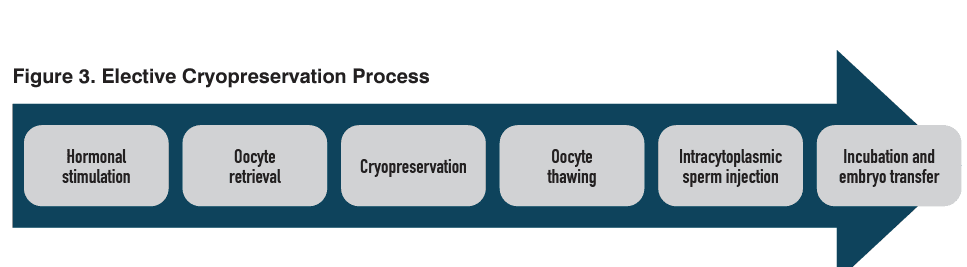
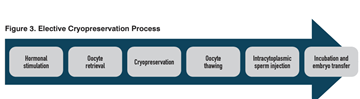
Oocyte Cryopreservation process includes; hormonal stimulation, oocyte retrieval, cryopreservation, oocyte throwing, intracytoplasmic sperm injection, and incubation and embryo transfer as show in (Figure 1). A woman's eggs are stimulated, gathering, frozen, and then stored during the procedure 7.
Nurses play a vital role in education, counseling, coordination of care, support, advocacy, and research in settings in which women seek care for infertility 9, 10, 11, 12 13, 14, 15, 16. It is important for nurses who provide care to women in primary care, oncology, and reproductive health care settings to stay current on issues concerning fertility and fertility preservation, as well as recognize that barriers may go beyond financial concerns and include other factors like medical, ethical, and cultural ones that may influence their reproductive decisions 17, 18, 19, 20, 21 22, 23, 24, 25 26, 27, 28, 29.
The current study was conducted to evaluate the effect of an educational program on females working at Beni-Suef University regarding knowledge, attitude, and intention regarding oocyte cryopreservation.
1. Following the implementation of an educational program, working females at Beni-Suef University will have improved knowledge, about oocyte cryopreservation.
2. Following the implementation of an educational program, working females at Beni-Suef University will have improved attitude, about oocyte cryopreservation.
3. Following the implementation of an educational program, working females at Beni-Suef University will have improved intention about oocyte cryopreservation.
Research design:
Quasi-experimental research design (pre/post-test) was utilized to achieve the aim of the current study.
Subjects and Settings:
A study from Beni-Suef University on a purposive sample consisted of 334 working females at Beni-Suef University.
Tools of data collection:
Four data collection tools were used to carry out the current study.
Tool I: A Structured Interviewing Questionnaire Sheet
It was developed by the researcher based on a review of relevant literature. It consisted of two parts as follows:
Part (A) was concerned with general socio-demographic characteristics of the studied working females.
Part (B): was concerned with the background of oocyte cryopreservation and the source of information about oocyte cryopreservation.
Tool (II): Females' knowledge regarding oocyte cryopreservation
Closed-ended questions regarding oocyte cryopreservation included 23 items about the meaning of OC, types, reasons or indications, suitable age of freezing, number of oocytes to be frozen, steps of OC, longevity of OC, etc.
Scoring system: Participants scored questions on a scale of 0-23, with overall knowledge categorized as good knowledge (>75%), average knowledge (50-75%), and poor knowledge (<50%).
Tool (III): Females' attitudes regarding oocyte cryopreservation
It was adapted from relevant literature 30, 31, 32. It served to evaluate females’ attitudes regarding oocyte cryopreservation and included 21 items; 8 of them are negative, and 13 are positive.
Scoring system: The study used a three-point Likert scale to score responses, dividing them into three categories: positive (75%+), neutral (50%-<75%), and negative (50%-<50%).
Tool (IV): Females' intention regarding oocyte cryopreservation:
It assessed females' intentions regarding oocyte cryopreservation by 7 items as mentioned: (interested in checking the ovarian reserve, the decision to freeze ova is a valid decision, the influence of social acceptance and culture on decision-making regarding OC, fear of future husband refusal impacting woman’s decision, etc.).
Scoring system: The study used a five-point Likert scale to score responses, categorizing intentions into high, moderate, and low, with high intention scores exceeding 75%, moderate intention scores between 50% and 75%, and low intention scores below 50%.
Tools Validity and Reliability:
The study tools underwent content validity assessment by three experts, ensuring comprehensiveness, accuracy, relevance, applicability, and linguistic clarity, with adjustments made based on their feedback. Tool reliability was established using Cronbach’s Alpha test, yielding coefficients of 0.906 for females' knowledge, 0.794 for their attitude, and 0.774 for their intention.
Fieldwork
Preparatory phase:
The researcher reviewed literature and developed data collection tools, which were tested by experts. They designed an educational program schedule with objectives, learning activities, teaching methods, and media. The material was compiled into a guidance handbook, written in simple Arabic, with illustrative images and a QR code for easy access.
Phase (I): Assessment phase:
The researcher interviewed females after obtaining formal approval and consent, ensuring confidentiality and presenting data in statistical form. They were given socio-demographic information and background on oocyte cryopreservation. A pre-test assessment was conducted to assess knowledge and attitude. The data collected was used as a baseline for an educational program, and personal contact information was collected for follow-up sessions.
Phase (II): Planning phase:
The researcher developed educational programs to enhance females' understanding, attitudes, and intentions towards OC based on pre-test data, aiming to improve their knowledge and attitudes.
Phase (III): Implementation phase:
The study, initiated in September 2024 and completed by March 2025, involved a six-month fieldwork phase, including assessment, planning, implementation, and evaluation. The educational program guideline was implemented at Beni-Suef University faculties, consisting of four interactive sessions covering sequential topics. The program was divided into four sessions, each lasting 45 minutes to one hour. The researcher prepared various teaching methods, including PowerPoint presentations, group discussions, and videos, and provided an Arabic booklet for women's reference.
Phase (IV): Evaluation phase:
The post-test evaluated the impact of the educational program sessions on females' knowledge, attitude, and intention one month after intervention. Due to work-related challenges, the data collection tool was shared via Google Form in a WhatsApp group.
Statistical Design:
The data was analyzed using SPSS 22.0 for descriptive statistics, Pearson correlation coefficient, chi-square tests, and paired sample t-tests to measure the correlation between pre- and post-program variables, with a significance level of P<0.05.
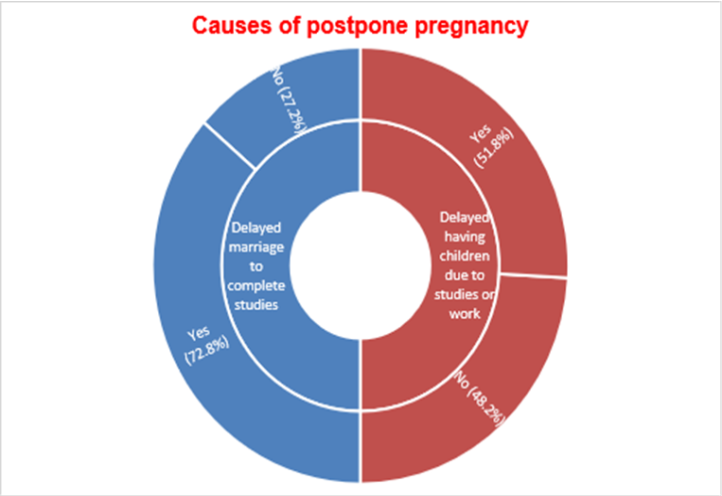
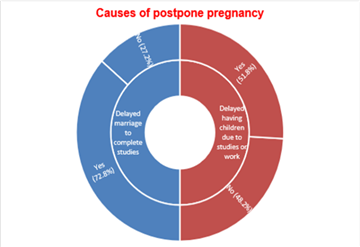
Figure 2 illustrates the distribution of working females who have postponed pregnancy, along with the reasons for their decision. It reveals that 72.8% reported that they delayed marriage to complete their studies, while 51.8% reported that they delayed having children due to studies or work.
Table 1 presents the overall mean score of studied working females’ knowledge regarding oocyte preservation. The overall mean score of studied working females’ knowledge regarding oocyte preservation after program implementation is 19.21±2.24 as compared to 8.62±3.78 pre-program. A highly significant statistical difference between pre- and post-program implementation regarding overall knowledge is revealed (P=0.000).
Table 2 summarizes the overall mean score of studied working females’ attitudes regarding oocyte preservation. It reveals that females’ attitude toward oocyte preservation after program implementation is 48.52±4.66 compared to 36.83±4.87 preprogram. A highly significant statistical difference between pre- and post-program implementation regarding overall attitude is observed (P=0.000).
Table 3 presents the overall mean score of studied working female’s intentions regarding oocyte preservation. It shows that the studied working females’ intention regarding oocyte preservation after program implementation is 21.89±2.15 as compared to 19.74±2.98 preprogram. A highly significant statistical difference between pre- and post-program implementation regarding overall intention was found (P=0.000).
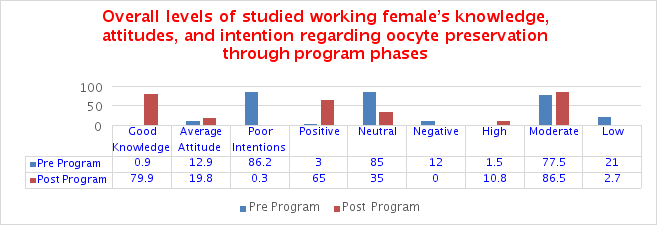
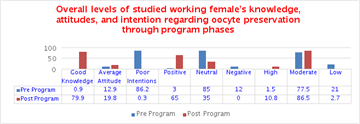
Figure 3 demonstrates the overall levels of studied working female’s knowledge, attitudes, and intention regarding oocyte preservation through program phases. After program implementation, 79.9% had good knowledge compared to 0.9% pre-program. For female attitudes, the same figure reveals that 65% of them had positive attitudes post-program compared to 3% pre-program. Regarding females’ intentions regarding oocytes, the same figure presents that 21% of the studied females had low intention pre-program; that percentage decreased to only 2.7% post-program. Using the chi-square test revealed highly significant statistical differences between females’ overall knowledge, attitude, and intentions pre- and post-program implementation (P=0.000).
According to statistics, oocyte cryopreservation gave hope for many people around the world for having children, about three million babies have been delivered using cryopreservation technique and assisted reproductive technology (ART) in the past 30 years worldwide 33. SO, the current study aims to evaluate the effect of an educational program on the knowledge, attitude, and intention regarding oocyte cryopreservation among working females at Beni-Suef University.
A study found that 35% and over 50% of working females delayed marriage and childbearing due to studies or career reasons, respectively. This aligns with previous studies indicating that most women postpone marriage and pregnancy for social reasons. Additionally, studies by Alzahrani et al., (2025), Esfandiari et al. (2019) and Tan et al. (2014) suggest that over half of respondents delayed family planning for career building 34, 35, 36. The agreement between current study and above mentioned studies might be due to this trend is common among females who want to finish their studies or focus on job or career growth before settling to start a family.
As regard to total knowledge score of the studied working females regarding OC, the study revealed that acceptable and highly statical significant improvement in the mean knowledge score of the studied females post-program. This finding came in agreement study conducted by Rashed et al., (2018), who implemented that “Cryopreservation Counseling and Its Effect on Knowledge and Attitude of young Female cancer Patients”. They reported a statistically significant improvement in their knowledge level after counseling as compared to before as the majority of studied females had poor knowledge level before counseling which improved to more than three-quarters of them had good knowledge level after counseling 37.
Moreover, Females’ total attitude score regarding OC; the findings of the study revealed that acceptable and highly statical significant improvement in the mean attitude score of the studied females post-program. This finding is aligned with a study conducted in Istanbul by Satilmis et al., (2022), entitled “Oocyte Cryopreservation: Knowledge and Attitude among Turkish Midwifery and Nursing Students”, and showed that more than half of the studied females participated in our study looked favorably on OC as it brings freedom to choose the time to become a mother and reduce pressure of motherhood on the career building women 38.
Also, Saadia et al., (2024), who studied “Knowledge, Attitudes, and Perceptions of women of Reproductive Age Regarding Fertility and Elective Oocyte Cryopreservation: A study from the Al-Qassim region”, declared that more than three-fifths of the women agreed with oocyte freezing prolong a woman’s reproductive life. This agreement between current study and above mentioned studies may be due to females in the world want to feel in the safe side to safe chance of maternity time 39.
Concerning working females’ intention regarding OC through program phases, the result of the current study revealed acceptable and highly statical significant improvement in the mean intention score of the studied females post-program. This finding was in aligns with O’Brien et al., (2017), who studied “What women want? A scoping survey on women’s knowledge, attitudes and behaviors towards ovarian reserve’s testing and egg freezing” clarified that the majority of studied females aged between 18-44 years were more interested in checking ovarian reserve 40.
Overall, the study found a significant correlation between working females' knowledge, attitude, and intention towards OC before and after program implementation, consistent with previous research by Araby et al. (2025) and Gabr et al. (2025), suggesting effective educational programs 41, 42.
The results of the current study declare that, after the program sessions were implemented, the working women's knowledge, attitude, and intention toward OC improved, according to the current study's findings, which showed a significant increase in these areas. Thus, following the implementation of program sessions, the females' grading increased for overall good knowledge, positive attitudes, and high intention, while their grading decreased for overall poor knowledge, negative attitudes, and low intention.
This improvement could be attributed to the attending of the implemented educational program and the lecture and positive reinforcement, as well as a wide variety of educational methods used 44, 45, 46, 47. Additionally, the distributed Arabic booklets also played a crucial role in attaining and retaining knowledge. Booklets are best used when they are brief, written in plain language, and full of good pictures and when they are used to back up other forms of education. This is in accordance with Edgar Dale’s or the NTL’s Pyramid of Learning as cited by Masters, as the pyramid illustrated that individuals can retain 10.0% of what they read and 20.0% of what they see and hear (audiovisual). The same author added that one can retain 50.0% of what he learned by a discussion 48, 49, 50, 51.
Based on the findings of the present study, it can be concluded that after program implementation, the studied female workers at Beni-Suef University had marked improvement in knowledge, attitude, and intention regarding oocyte cryopreservation compared to before program implementation.
¢ To increase knowledge about fertility preservation and its possible advantages for future quality of life, oocyte cryopreservation should be incorporated into premarital counseling in various maternity and child health (MCH) facilities.
¢ To guarantee prompt referral and integrated fertility preservation care for cancer patients, collaborative protocols between oncology services and Assisted Reproductive Technology (ART) departments might be established.
| [1] | Hassan H., Abd-ELhakam F., Kasem E. (2025). Effect of Dietary Habit Modification on Ovulatory Features and Symptoms Experienced among Studied Infertile Overweight and Polycystic Ovary Syndrome. Journal of New Medical Innovations and Research, 6(7): 1-8. | ||
| In article | |||
| [2] | Hassan H. (2016). Infertility profile, psychological ramifications and reproductive tract infection among infertile women, in northern Upper Egypt. Journal of Nursing Education and Practice, 6(4): 92-108. | ||
| In article | View Article | ||
| [3] | Abd-Elhakam F., Ali E., Hassan H. (2025). Effect of Lifestyle Modifications on Fertility and Menstrual Regularity among Infertile Obese Women with Polycystic Ovarian Syndrome. Menoufia Nursing Journal, 10(2): 187-205. | ||
| In article | View Article | ||
| [4] | Hassan H., Abd-ELhakam F., Ali E. (2025). Effect of Life Style Modification Implemented Program Among Infertile Women with Poly Cystic Ovary Syndrome on Obesity and Menstrual Regulation. Journal of Clinical and Laboratory Research, 8(2): 1-7. | ||
| In article | View Article | ||
| [5] | Hassan H., Abd-ELhakam F., Ali E. (2025). Poly Cystic Ovary Syndrome: Impact of lifestyle modifications among overweight and obese infertile women. ARC Journal of Nursing and Healthcare, 11(1): 1-13. | ||
| In article | View Article | ||
| [6] | Abd-Elhakam F., Ali E., Hassan H. (2025). Life Style Modification Intervention among Infertile Obese Women with Poly Cystic Ovary Syndrome. Menoufia Nursing Journal, 10(2): 167-186. | ||
| In article | View Article | ||
| [7] | Han, E., & Seifer, D. B. (2023). Oocyte cryopreservation for medical and planned indications: A practical guide and overview. Journal of Clinical Medicine, 12(10): 3542. | ||
| In article | View Article PubMed | ||
| [8] | Nieto, H. C., Siddiqui, S., Mejia-Fernandez, L., Alkon-Meadows, T., Lee, J., Slifkin, R., & Copperman, A. B. (2024). Effect of various contraceptives on oocyte yield and maturation in patients undergoing planned oocyte cryopreservation. Reproductive Bio-Medicine Online, 49(3): 104-105. | ||
| In article | View Article PubMed | ||
| [9] | Eid S., Abou-Shabana K., Hassan A., Hassan H. (2023). Effect of Pre-Gynecological Examination Counseling Sessions on Relieving Women’s Pain, Discomfort and Enhancing their Satisfaction. Journal of Nursing Science - Benha University, 4(1): 751-768. | ||
| In article | View Article | ||
| [10] | Hassan H. (2019). The Impact of Evidence-Based Nursing as the Foundation for Professional Maternity Nursing Practices. Open Access Journal of Reproductive System and Sexual Disorder, 2(2): 195-197. OAJRSD.MS.ID.000135. | ||
| In article | |||
| [11] | Hassan H., Gooda W., Ahmed T., Farag D. (2025). Marital, Sexual Satisfaction and Quality of Life among Post-hysterectomy Women: Impact of Nursing Counseling Guided by BETTER Model. Egyptian Journal of Health Care, 16 (1): 99-116. | ||
| In article | View Article | ||
| [12] | Hassan H. (2020). Evidence-Based Practice in Midwifery and Maternity Nursing for Excellent Quality of Care Outcomes. American Journal of Nursing Research, 8(6): 606-607. | ||
| In article | View Article | ||
| [13] | Hassan H., Gamel W., Sheha E., Sayed M., Arafa A. (2019). Menstrual disorders Necessitating Counseling among Students in Beni-Suef University. Clinical Nursing Studies, 7(2): 29-36 | ||
| In article | View Article | ||
| [14] | Ali M., Elshabory N., Hassan H., Zahra N., Alrefai H. (2018). Perception About Premarital Screening and Genetic Counseling Among Males and Females Nursing Students. IOSR Journal of Nursing and Health Science, 7(1): 51-57. | ||
| In article | |||
| [15] | Hassan H., Eid S., Hassan A., Abou-Shabana K. (2022). Pre-Gynecological Examination: Impact Counseling on Women’s Pain, Discomfort, and Satisfaction. , 10(2): 63-75 | ||
| In article | View Article | ||
| [16] | Abou-Shabana K., Hassan A., Eid S., Hassan H. (2022). Effect of Counseling Sessions on Women’s Satisfaction during Gynecological Examination. Journal of Obstetrics Gynecology and Reproductive Sciences, 6(4): 1-10. | ||
| In article | View Article | ||
| [17] | Gaitanou, K. (2024). The role of training and skills for the clinical team (Fertility Midwives/Nurses) in Medically Assisted Reproduction Units (MARU). Health & Research Journal, 10(3): 136-139. | ||
| In article | View Article | ||
| [18] | Nady F., El-Sherbiny M., Youness E., Hassan H. (2018). Effectiveness of Quality of Life Planned Teaching Program on Women Undergoing Gynecologic Cancer Treatment. American Research Journal of Oncology, 1(1): 1-17. | ||
| In article | |||
| [19] | Mohammed F., Shahin M., Youness E., Hassan H. (2018). Survivorship in Women Undergoing Gynecological and Breast Cancer Treatment in Upper Egypt: The Impact of Quality of Life Improvement Educational Program”. American Research Journal of Gynaecology. 2(1): 1-28. | ||
| In article | |||
| [20] | Nady F., Said M., Youness E., Hassan H. (2018). Effect of Nursing Intervention Program on Quality of Life Improvement for Women Undergoing Gynecological and Breast Cancer Treatment. Assuit Scientific Nursing Journal, 2018; 6(15): 62-77. | ||
| In article | View Article | ||
| [21] | Farag D., Mohamed S., Malk R., Hassan H. (2024). Effectiveness of Educational Intervention Program about Cervical Cancer on Working Women's Knowledge, Attitude, and Practice at Beni-Suef University. Egyptian Journal of Health Care, 15 (1): 1-16. | ||
| In article | View Article | ||
| [22] | Mohamed S., Fatma Saber Nady F., Hassan H. (2025). Breast Cancer Preventive Measures among Female Workers at Beni-Suef University: Educational Program Based on Health Belief Model. Egyptian Journal of Health Care, 16 (1): 117-142. | ||
| In article | View Article | ||
| [23] | Hassan H., Zaki S., Nady F. (2025). Female Workers’ Socio-demographic characteristics and Their Total Knowledge about Breast Cancer: Effect of an Educational program at Beni-Suef University. International Journal of Nursing Science; 15(1): 1-8. | ||
| In article | |||
| [24] | Nady F., Zaki S., Hassan H. (2025). Female workers’ knowledge about breast cancer preventive measures at Beni-Suef University. Nursing & Care Open Access Journal, 11(1): 16‒20. | ||
| In article | View Article | ||
| [25] | Hassan H., Nady F., Zaki S. (2025). Northern Upper Egyptian Female Workers’ Beliefs Regarding Breast Cancer according to Health Belief Model: Effect of an Educational Program. Public Health Open Access, 9(1): 1-12. | ||
| In article | View Article | ||
| [26] | Nady F., Zaki S., Hassan H. (2025). Assess Health Belief Model of Breast Cancer and Its Preventive Measures among Beni-Suef University Female Workers. International Journal of Clinical Research and Reports, 4(2). | ||
| In article | |||
| [27] | Hassan H., Zaki S, Nady F. (2025). Effect of an Educational Program on Enhancing Female Workers’ Health Belief Model of Breast Cancer Preventive Measures. American Journal of Educational Research, 13(4): 163-173. | ||
| In article | View Article | ||
| [28] | Zaki S., Hassan H., Nady F. (2025). Female Workers’ Knowledge about Breast Cancer at Beni-Suef University: Effect Socio-demographic Characteristics. American Journal of Public Health Research, 13(3): 140-144. | ||
| In article | View Article | ||
| [29] | Hassan H., Abd-ELhakam F., Kasem E. (2025). Knowledge about Preventive Measures of Breast Cancer: Educational Program. Journal of New Medical Innovations and Research, 6(5): 1-8. | ||
| In article | View Article | ||
| [30] | Fahmy, S.G & Mohamed, M.H. (2021). Knowledge, Attitude and Barriers of unmarried female bridging program Nurse regarding Egg Frozen at South Valley University. Egyptian Journal of Health Care, 12(3): 1304-1319. | ||
| In article | View Article | ||
| [31] | El-Adham, A. F. M., & Shaban, R. S. E. S. (2023). Effect of Educational Program on Knowledge, Attitudes, and Intention of Unmarried Healthy Females regarding Oocyte Cryopreservation. International Egyptian Journal of Nursing Sciences and Research, 4(1): 65-84. | ||
| In article | View Article | ||
| [32] | Hafezia, M., Zameni, N., Nemati Aghamaleki, S. Z., Omani-Samani, R., &Vesali,S.(2022).Awareness and attitude toward oocyte cryopreservation for non-medical reasons:a study on women candidates for social egg freezing.Journal of psychosomatic Obstetrics &Gynecology,43(4): 532-540. | ||
| In article | View Article PubMed | ||
| [33] | European Society of Human Embryology and Reproduction (ESHER) (2016): Annual Scientific Meeting Lisbon, Portugal 14-17 June. | ||
| In article | |||
| [34] | Alzahrani, F. A., Al-Jaroudi, D., Alsufyan, H. A., Alzahrani, A. A., Alshehri, S. A., Jalwi, S. S., &Miskeen, E. (2025). Experiences and Perspectives of Women Undergoing Oocyte Cryopreservation in Riyadh, Saudi Arabia: A Mixed-Methods Study. International Journal of Women's Health: 879-895. | ||
| In article | View Article PubMed | ||
| [35] | Esfandiari, N., Litzky, J., Sayler, J., Zagadailov, P., George, K., & DeMars, L. (2019). Egg freezing for fertility preservation and family planning: a nationwide survey of US Obstetrics and Gynecology residents. Reproductive Biology and Endocrinology, 17(16): 1-9. | ||
| In article | View Article PubMed | ||
| [36] | Tan, S. Q., Tan, A. W. K., Lau, M. S. K., Tan, H. H., & Nadarajah, S. (2014). Social oocyte freezing: A survey among S ingaporean female medical students. Journal of Obstetrics and Gynaecology Research, 40(5): 1345-1352. | ||
| In article | View Article PubMed | ||
| [37] | Rashed, A., Ismaeel, N., & Kamel, M. (2018). Cryopreservation counseling and its effect on knowledge and attitude of young female cancer patients. Journal of Health, Medicine and Nursing, 54: 747-755. . | ||
| In article | |||
| [38] | Satılmış, İ. G., Küğcümen, G., & Tandoğan, Ö. (2022). Oocyte cryopreservation: knowledge and attitudes among Turkish midwifery and nursing students. Izmir Democracy University Health Sciences Journal, 5(2): 439-455. | ||
| In article | View Article | ||
| [39] | Saadia, Z., Alharbi, R. M., Alanazi, N. K., Alabdulaaly, G. S., Alsaqabi, M. S., Alharbi, W. A., &Alrubaish, Y. (2024). Knowledge, Attitudes, and Perceptions of Women of Reproductive Age Regarding Fertility and Elective Oocyte Cryopreservation: A Study from the Al-Qassim Region. Cureus, 16(9), e69903. | ||
| In article | View Article PubMed | ||
| [40] | O’Brien, Y., Martyn, F., Glover, L. E., & Wingfield, M. B. (2017). What women want? A scoping survey on women’s knowledge, attitudes and behaviours towards ovarian reserve testing and egg freezing. European Journal of Obstetrics & Gynecology and Reproductive Biology, 217(1): 71-76. | ||
| In article | View Article PubMed | ||
| [41] | Araby, A. O, El-said, G.G, Abd-Ewhab, A. R&Elsalous, H. S. (2025). Effect of Nano-Educational Sessions on Awareness, Willingness and Barriers toward Elective Oocyte Cryopreservation among Unmarried Females. Journal of Nursing Science Benha University, 6(1), PP. 100-131. | ||
| In article | View Article | ||
| [42] | Gabr, E. M. M., El-leithy, W. I., Ahmed, H. M. M., Ayed, M. M. A., Elshafiae, E. M. H., Deyab, B. A., & Ragab, A. S. A. (2025). Effectiveness of Social Media Platforms Based Nursing Education Regarding Cryopreservation on Knowledge, Attitude, and Practice Among Women Having Cancer. American Journal of Psychiatric Rehabilitation, 28(2), PP. 68-82. | ||
| In article | View Article | ||
| [43] | Hassan H. (2019): . International Journal of Health and Biological Sciences; 2(1): 17-18. | ||
| In article | |||
| [44] | Nashed N., Hassan H., Gooda W. (2025). Impact of Post Abortion Counseling Based on PLISSIT Model on Women's Life Style. Egyptian Journal of Health Care, 16 (2): 1009-1028. | ||
| In article | View Article | ||
| [45] | Hassan H., Gooda W., Nashed N. (2025). Post Abortion Women's Life Style: Impact of Counseling Based on PLISSIT Model. American Journal of Nursing Research, 13 (4): 89-96. | ||
| In article | View Article | ||
| [46] | Malk R., Hassan E., Mohamed A., Amr E., Hassan H. (2022). Effect of an Educational Program on Nurses Performance Regarding COVID-19 in the Obstetrics and Surgical units. Egyptian Journal of Health Care, 13(4): 251-269. | ||
| In article | View Article | ||
| [47] | Hassan H., Mohamady Sh., & Abd El-Gawad N. (2017): Protocol for improving nursing performance towards placental examination at labor units. Clinical Nursing Studies; 5(2): 1-11. | ||
| In article | View Article | ||
| [48] | Masters K. (2013): Edgar Dale’s Pyramid of Learning in medical education: A literature review, Medical Teacher; 35(11): e1584-e1593. | ||
| In article | View Article PubMed | ||
| [49] | Gamel W., Genedy A., Hassan H. Impact of Puerperal Sepsis Self-Care Nursing Guideline on Women's Knowledge and Practices. American Journal of Nursing Research, 2020; 8(2): 132-141. | ||
| In article | |||
| [50] | Hassan H, Nasr E. (2017): Improving nurses’ knowledge and skills regarding tocolytics for inhibiting preterm labor. Clinical Nursing Studies; 5(1): 1-12. | ||
| In article | View Article | ||
| [51] | Nady F., Said M., Youness E., Hassan H. Impact of Tailored Educational Program of Quality of Life Improvement on Women Undergoing Breast Cancer Treatment at El-Minia Region, Egypt. American Research Journal of Gynaecology. 2017; 1(1): 1-17. | ||
| In article | |||
Published with license by Science and Education Publishing, Copyright © 2025 Hanan Elzeblawy Hassan, Aya Shehata Abd-Elfattah Mohamed and Noha Hassan Abd-Elfattah
 This work is licensed under a Creative Commons Attribution 4.0 International License. To view a copy of this license, visit
http://creativecommons.org/licenses/by/4.0/
This work is licensed under a Creative Commons Attribution 4.0 International License. To view a copy of this license, visit
http://creativecommons.org/licenses/by/4.0/
| [1] | Hassan H., Abd-ELhakam F., Kasem E. (2025). Effect of Dietary Habit Modification on Ovulatory Features and Symptoms Experienced among Studied Infertile Overweight and Polycystic Ovary Syndrome. Journal of New Medical Innovations and Research, 6(7): 1-8. | ||
| In article | |||
| [2] | Hassan H. (2016). Infertility profile, psychological ramifications and reproductive tract infection among infertile women, in northern Upper Egypt. Journal of Nursing Education and Practice, 6(4): 92-108. | ||
| In article | View Article | ||
| [3] | Abd-Elhakam F., Ali E., Hassan H. (2025). Effect of Lifestyle Modifications on Fertility and Menstrual Regularity among Infertile Obese Women with Polycystic Ovarian Syndrome. Menoufia Nursing Journal, 10(2): 187-205. | ||
| In article | View Article | ||
| [4] | Hassan H., Abd-ELhakam F., Ali E. (2025). Effect of Life Style Modification Implemented Program Among Infertile Women with Poly Cystic Ovary Syndrome on Obesity and Menstrual Regulation. Journal of Clinical and Laboratory Research, 8(2): 1-7. | ||
| In article | View Article | ||
| [5] | Hassan H., Abd-ELhakam F., Ali E. (2025). Poly Cystic Ovary Syndrome: Impact of lifestyle modifications among overweight and obese infertile women. ARC Journal of Nursing and Healthcare, 11(1): 1-13. | ||
| In article | View Article | ||
| [6] | Abd-Elhakam F., Ali E., Hassan H. (2025). Life Style Modification Intervention among Infertile Obese Women with Poly Cystic Ovary Syndrome. Menoufia Nursing Journal, 10(2): 167-186. | ||
| In article | View Article | ||
| [7] | Han, E., & Seifer, D. B. (2023). Oocyte cryopreservation for medical and planned indications: A practical guide and overview. Journal of Clinical Medicine, 12(10): 3542. | ||
| In article | View Article PubMed | ||
| [8] | Nieto, H. C., Siddiqui, S., Mejia-Fernandez, L., Alkon-Meadows, T., Lee, J., Slifkin, R., & Copperman, A. B. (2024). Effect of various contraceptives on oocyte yield and maturation in patients undergoing planned oocyte cryopreservation. Reproductive Bio-Medicine Online, 49(3): 104-105. | ||
| In article | View Article PubMed | ||
| [9] | Eid S., Abou-Shabana K., Hassan A., Hassan H. (2023). Effect of Pre-Gynecological Examination Counseling Sessions on Relieving Women’s Pain, Discomfort and Enhancing their Satisfaction. Journal of Nursing Science - Benha University, 4(1): 751-768. | ||
| In article | View Article | ||
| [10] | Hassan H. (2019). The Impact of Evidence-Based Nursing as the Foundation for Professional Maternity Nursing Practices. Open Access Journal of Reproductive System and Sexual Disorder, 2(2): 195-197. OAJRSD.MS.ID.000135. | ||
| In article | |||
| [11] | Hassan H., Gooda W., Ahmed T., Farag D. (2025). Marital, Sexual Satisfaction and Quality of Life among Post-hysterectomy Women: Impact of Nursing Counseling Guided by BETTER Model. Egyptian Journal of Health Care, 16 (1): 99-116. | ||
| In article | View Article | ||
| [12] | Hassan H. (2020). Evidence-Based Practice in Midwifery and Maternity Nursing for Excellent Quality of Care Outcomes. American Journal of Nursing Research, 8(6): 606-607. | ||
| In article | View Article | ||
| [13] | Hassan H., Gamel W., Sheha E., Sayed M., Arafa A. (2019). Menstrual disorders Necessitating Counseling among Students in Beni-Suef University. Clinical Nursing Studies, 7(2): 29-36 | ||
| In article | View Article | ||
| [14] | Ali M., Elshabory N., Hassan H., Zahra N., Alrefai H. (2018). Perception About Premarital Screening and Genetic Counseling Among Males and Females Nursing Students. IOSR Journal of Nursing and Health Science, 7(1): 51-57. | ||
| In article | |||
| [15] | Hassan H., Eid S., Hassan A., Abou-Shabana K. (2022). Pre-Gynecological Examination: Impact Counseling on Women’s Pain, Discomfort, and Satisfaction. , 10(2): 63-75 | ||
| In article | View Article | ||
| [16] | Abou-Shabana K., Hassan A., Eid S., Hassan H. (2022). Effect of Counseling Sessions on Women’s Satisfaction during Gynecological Examination. Journal of Obstetrics Gynecology and Reproductive Sciences, 6(4): 1-10. | ||
| In article | View Article | ||
| [17] | Gaitanou, K. (2024). The role of training and skills for the clinical team (Fertility Midwives/Nurses) in Medically Assisted Reproduction Units (MARU). Health & Research Journal, 10(3): 136-139. | ||
| In article | View Article | ||
| [18] | Nady F., El-Sherbiny M., Youness E., Hassan H. (2018). Effectiveness of Quality of Life Planned Teaching Program on Women Undergoing Gynecologic Cancer Treatment. American Research Journal of Oncology, 1(1): 1-17. | ||
| In article | |||
| [19] | Mohammed F., Shahin M., Youness E., Hassan H. (2018). Survivorship in Women Undergoing Gynecological and Breast Cancer Treatment in Upper Egypt: The Impact of Quality of Life Improvement Educational Program”. American Research Journal of Gynaecology. 2(1): 1-28. | ||
| In article | |||
| [20] | Nady F., Said M., Youness E., Hassan H. (2018). Effect of Nursing Intervention Program on Quality of Life Improvement for Women Undergoing Gynecological and Breast Cancer Treatment. Assuit Scientific Nursing Journal, 2018; 6(15): 62-77. | ||
| In article | View Article | ||
| [21] | Farag D., Mohamed S., Malk R., Hassan H. (2024). Effectiveness of Educational Intervention Program about Cervical Cancer on Working Women's Knowledge, Attitude, and Practice at Beni-Suef University. Egyptian Journal of Health Care, 15 (1): 1-16. | ||
| In article | View Article | ||
| [22] | Mohamed S., Fatma Saber Nady F., Hassan H. (2025). Breast Cancer Preventive Measures among Female Workers at Beni-Suef University: Educational Program Based on Health Belief Model. Egyptian Journal of Health Care, 16 (1): 117-142. | ||
| In article | View Article | ||
| [23] | Hassan H., Zaki S., Nady F. (2025). Female Workers’ Socio-demographic characteristics and Their Total Knowledge about Breast Cancer: Effect of an Educational program at Beni-Suef University. International Journal of Nursing Science; 15(1): 1-8. | ||
| In article | |||
| [24] | Nady F., Zaki S., Hassan H. (2025). Female workers’ knowledge about breast cancer preventive measures at Beni-Suef University. Nursing & Care Open Access Journal, 11(1): 16‒20. | ||
| In article | View Article | ||
| [25] | Hassan H., Nady F., Zaki S. (2025). Northern Upper Egyptian Female Workers’ Beliefs Regarding Breast Cancer according to Health Belief Model: Effect of an Educational Program. Public Health Open Access, 9(1): 1-12. | ||
| In article | View Article | ||
| [26] | Nady F., Zaki S., Hassan H. (2025). Assess Health Belief Model of Breast Cancer and Its Preventive Measures among Beni-Suef University Female Workers. International Journal of Clinical Research and Reports, 4(2). | ||
| In article | |||
| [27] | Hassan H., Zaki S, Nady F. (2025). Effect of an Educational Program on Enhancing Female Workers’ Health Belief Model of Breast Cancer Preventive Measures. American Journal of Educational Research, 13(4): 163-173. | ||
| In article | View Article | ||
| [28] | Zaki S., Hassan H., Nady F. (2025). Female Workers’ Knowledge about Breast Cancer at Beni-Suef University: Effect Socio-demographic Characteristics. American Journal of Public Health Research, 13(3): 140-144. | ||
| In article | View Article | ||
| [29] | Hassan H., Abd-ELhakam F., Kasem E. (2025). Knowledge about Preventive Measures of Breast Cancer: Educational Program. Journal of New Medical Innovations and Research, 6(5): 1-8. | ||
| In article | View Article | ||
| [30] | Fahmy, S.G & Mohamed, M.H. (2021). Knowledge, Attitude and Barriers of unmarried female bridging program Nurse regarding Egg Frozen at South Valley University. Egyptian Journal of Health Care, 12(3): 1304-1319. | ||
| In article | View Article | ||
| [31] | El-Adham, A. F. M., & Shaban, R. S. E. S. (2023). Effect of Educational Program on Knowledge, Attitudes, and Intention of Unmarried Healthy Females regarding Oocyte Cryopreservation. International Egyptian Journal of Nursing Sciences and Research, 4(1): 65-84. | ||
| In article | View Article | ||
| [32] | Hafezia, M., Zameni, N., Nemati Aghamaleki, S. Z., Omani-Samani, R., &Vesali,S.(2022).Awareness and attitude toward oocyte cryopreservation for non-medical reasons:a study on women candidates for social egg freezing.Journal of psychosomatic Obstetrics &Gynecology,43(4): 532-540. | ||
| In article | View Article PubMed | ||
| [33] | European Society of Human Embryology and Reproduction (ESHER) (2016): Annual Scientific Meeting Lisbon, Portugal 14-17 June. | ||
| In article | |||
| [34] | Alzahrani, F. A., Al-Jaroudi, D., Alsufyan, H. A., Alzahrani, A. A., Alshehri, S. A., Jalwi, S. S., &Miskeen, E. (2025). Experiences and Perspectives of Women Undergoing Oocyte Cryopreservation in Riyadh, Saudi Arabia: A Mixed-Methods Study. International Journal of Women's Health: 879-895. | ||
| In article | View Article PubMed | ||
| [35] | Esfandiari, N., Litzky, J., Sayler, J., Zagadailov, P., George, K., & DeMars, L. (2019). Egg freezing for fertility preservation and family planning: a nationwide survey of US Obstetrics and Gynecology residents. Reproductive Biology and Endocrinology, 17(16): 1-9. | ||
| In article | View Article PubMed | ||
| [36] | Tan, S. Q., Tan, A. W. K., Lau, M. S. K., Tan, H. H., & Nadarajah, S. (2014). Social oocyte freezing: A survey among S ingaporean female medical students. Journal of Obstetrics and Gynaecology Research, 40(5): 1345-1352. | ||
| In article | View Article PubMed | ||
| [37] | Rashed, A., Ismaeel, N., & Kamel, M. (2018). Cryopreservation counseling and its effect on knowledge and attitude of young female cancer patients. Journal of Health, Medicine and Nursing, 54: 747-755. . | ||
| In article | |||
| [38] | Satılmış, İ. G., Küğcümen, G., & Tandoğan, Ö. (2022). Oocyte cryopreservation: knowledge and attitudes among Turkish midwifery and nursing students. Izmir Democracy University Health Sciences Journal, 5(2): 439-455. | ||
| In article | View Article | ||
| [39] | Saadia, Z., Alharbi, R. M., Alanazi, N. K., Alabdulaaly, G. S., Alsaqabi, M. S., Alharbi, W. A., &Alrubaish, Y. (2024). Knowledge, Attitudes, and Perceptions of Women of Reproductive Age Regarding Fertility and Elective Oocyte Cryopreservation: A Study from the Al-Qassim Region. Cureus, 16(9), e69903. | ||
| In article | View Article PubMed | ||
| [40] | O’Brien, Y., Martyn, F., Glover, L. E., & Wingfield, M. B. (2017). What women want? A scoping survey on women’s knowledge, attitudes and behaviours towards ovarian reserve testing and egg freezing. European Journal of Obstetrics & Gynecology and Reproductive Biology, 217(1): 71-76. | ||
| In article | View Article PubMed | ||
| [41] | Araby, A. O, El-said, G.G, Abd-Ewhab, A. R&Elsalous, H. S. (2025). Effect of Nano-Educational Sessions on Awareness, Willingness and Barriers toward Elective Oocyte Cryopreservation among Unmarried Females. Journal of Nursing Science Benha University, 6(1), PP. 100-131. | ||
| In article | View Article | ||
| [42] | Gabr, E. M. M., El-leithy, W. I., Ahmed, H. M. M., Ayed, M. M. A., Elshafiae, E. M. H., Deyab, B. A., & Ragab, A. S. A. (2025). Effectiveness of Social Media Platforms Based Nursing Education Regarding Cryopreservation on Knowledge, Attitude, and Practice Among Women Having Cancer. American Journal of Psychiatric Rehabilitation, 28(2), PP. 68-82. | ||
| In article | View Article | ||
| [43] | Hassan H. (2019): . International Journal of Health and Biological Sciences; 2(1): 17-18. | ||
| In article | |||
| [44] | Nashed N., Hassan H., Gooda W. (2025). Impact of Post Abortion Counseling Based on PLISSIT Model on Women's Life Style. Egyptian Journal of Health Care, 16 (2): 1009-1028. | ||
| In article | View Article | ||
| [45] | Hassan H., Gooda W., Nashed N. (2025). Post Abortion Women's Life Style: Impact of Counseling Based on PLISSIT Model. American Journal of Nursing Research, 13 (4): 89-96. | ||
| In article | View Article | ||
| [46] | Malk R., Hassan E., Mohamed A., Amr E., Hassan H. (2022). Effect of an Educational Program on Nurses Performance Regarding COVID-19 in the Obstetrics and Surgical units. Egyptian Journal of Health Care, 13(4): 251-269. | ||
| In article | View Article | ||
| [47] | Hassan H., Mohamady Sh., & Abd El-Gawad N. (2017): Protocol for improving nursing performance towards placental examination at labor units. Clinical Nursing Studies; 5(2): 1-11. | ||
| In article | View Article | ||
| [48] | Masters K. (2013): Edgar Dale’s Pyramid of Learning in medical education: A literature review, Medical Teacher; 35(11): e1584-e1593. | ||
| In article | View Article PubMed | ||
| [49] | Gamel W., Genedy A., Hassan H. Impact of Puerperal Sepsis Self-Care Nursing Guideline on Women's Knowledge and Practices. American Journal of Nursing Research, 2020; 8(2): 132-141. | ||
| In article | |||
| [50] | Hassan H, Nasr E. (2017): Improving nurses’ knowledge and skills regarding tocolytics for inhibiting preterm labor. Clinical Nursing Studies; 5(1): 1-12. | ||
| In article | View Article | ||
| [51] | Nady F., Said M., Youness E., Hassan H. Impact of Tailored Educational Program of Quality of Life Improvement on Women Undergoing Breast Cancer Treatment at El-Minia Region, Egypt. American Research Journal of Gynaecology. 2017; 1(1): 1-17. | ||
| In article | |||