Background: Obesity increases the risk of sub-fecundity and infertility due to dysfunction in the hypothalamic-pituitary-ovarian axis, low oocyte quality, and reduced endometrial receptivity, and increases the risk of normal-gonadotrophic anovulation. Aim: evaluate the impact of lifestyle modifications on women's BMI and infertility among women with polycystic ovary syndrome. Subjects and Methods: A quasi-experimental design at Beni-Suef University Hospital's gynecological and infertility clinics; a purposive sample of 116 women with polycystic ovary syndrome, overweight, and obesity, was selected. Tools: I: The Arabic-structured interview questionnaire contains personal data; II: anthropometric measures contain body mass index and waist circumference; III: lifestyle and habit characteristics contain nutritional habits and block adult physical activity (PA). Results: It revealed that the anthropometric measures get better for the study group after intervention (60.3%; BMI ≥25.0: overweight and 46.5%; waist circumference ≥88) compared to 29.3%; BMI ≥25.0: overweight and 77.6%; waist circumference ≥88) before intervention, respectively. About 95.1% of BMI ≥30: obesity in the study group had irregular menstrual cycles before intervention. Compared to 94.3% of BMI ≥25: overweight and 100% of BMI 18.5-24.9: normal weight, the study group had a regular cycle after the intervention. There is a positive correlation between anthropometric measures and menstrual cycle regularity (p< 0.01). Also, 87.5%, 83%, and 77.7% of the poor nutrition habits of the study group women experienced hypo-menorrhea, irregular cycles, and oligo-amenorrhea before intervention, compared to 78%, 75.6%, and 83.3% of good habits after intervention. Moreover, 87.5%, 93.6%, and 77.7% of mild physical activity have hypomenorrhea, irregular cycles, and oligoamenorrhea before intervention, compared to 68%, 80%, and 83.3% of moderate physical activity after the intervention. Conclusion: The study shows a positive correlation between anthropometric measures and menstrual cycle regularity and suggests that poor lifestyle habits can lead to irregular cycles and hypomenorrhea. Recommendations: Collaboration among gynecologists, nutritionists, and endocrinal specialists is needed to address women's fecundity-decline-related obesity.
Obesity is a global pandemic causing clinical, social, and economic impacts in both developed and developing countries 1. It's a chronic, progressive, relapsing, and treatable neurobehavioral disease 2. Adult body fat is measured using techniques like total body weight, waist circumference, and hip circumference, leading to the development of obesity indicators like BMI, which is the most commonly used measure 3. A rough indicator of intra-abdominal fat mass and overall body fat is waist circumference. Men and women with waist circumferences of 102 cm and 88 cm have higher rates of cardiovascular and metabolic disease, respectively 4.
Obesity increases the risk of sub-fecundity and infertility due to dysfunction in the hypothalamic-pituitary-ovarian axis, low oocyte quality, and reduced endometrial receptivity, and increases the risk of normal-gonadotrophic anovulation 5, 6, 7, 8, 9. In case-control research, 52 women between the ages of 20 and 38 were divided into two groups (fertile-cases and infertile-controls), and it was discovered that obesity has a substantial detrimental impact on women's fertility (p = 0.017). Those who were infertile had a 7.5-fold higher likelihood of being fat than those who were fertile 10.
Obesity and the hypothalamic-pituitary-Ovarian axis
Obesity leads to delayed puberty in women, while excessive leanness causes it to occur earlier. Adipocytokines, particularly leptin, play a role in puberty and fertility, stimulating hormone pulses. Obesity increases leptin levels in ovaries, making them vulnerable to fertility issues. Obesity also increases androgen and estrogen levels, leading to central obesity characterized by "relative functional hyperandrogenism" and potentially infertility. Obesity is a global health concern, with one-fifth of UK women obese. PCOS patients often develop the condition due to obesity, increasing the risk of infertility 11, 12, 13, 14, 15 16, 17, 18, 19, 20.
This study aims to evaluate the impact of lifestyle modifications on women’s BMI, menstrual irregularity and infertility among women with poly cystic ovary syndrome.
Infertile overweight and obese women who will receive lifestyle modification interventions will experience an improvement BMI and menstrual irregularity, thus improve their fertility than those who don’t attend.
This study used a quasi-experimental design at Beni-Suef University Hospital's gynecological and infertility clinics. A purposive sample of 116 women with polycystic ovary syndrome, overweight, and obesity, was selected. The study included participants aged 18-40 with a body mass index over 25 kg/m2. The sample size was calculated using Kadam & Bhalerao's equation, with a power of 80%, confidence level of 95%, and margin of error of 5% 21
 |
Tools of data collection
Tool I: Personal data
The Arabic structured interview questionnaire, adapted from Mostafa et al. (2012), collects basic data like telephone number, age, and marital status, while also addressing women's menstrual cycle data 22.
Tool II: Anthropometric measures
a) Body mass index = weight in kg /height² (in meter)
• Weight was measured on a standing manual scale, with subjects removing heavy clothing, checking the scale, and wearing straight shoes without support 23.
• The study measured height by placing subjects' heads, shoulders, buttocks, and heels on a flat surface, making a straight angle with the wall, and lowering a flat headpiece to contact the crown. The height was then measured using a measuring tape 23.
• The World Health Organization (WHO) recommends measuring weight and height to calculate body mass index (BMI), with normal BMI being 18.5-24.9 kg/M2, overweight BMI 25.0-29.9 kg/M2, obesity BMI 30.0-39.9 kg/M2, and extreme obesity BMI 40.0 kg/M2 24
b) Waist circumference: Waist circumference, measured between the lower rib and iliac crest during expiration, is classified as normal (≤ 88 cm) or increased (> 88 cm) 25.
Tool III Lifestyle and habits characteristics:
Part I nutritional habit: The study measures women's nutrition habits, including food and soft drinks, using a five-point scale. Poor habits are scored below 60% of total scores, while good habits are scored ≥ 60%
Part II the Block Adult Physical Activity (PA) Screener was the predictor for physical activity.
The tool evaluates job-related, daily life, and leisure activities. It measures responses on nine items, with women's responses measured on five points 26. The total score is categorized into mild, moderate, and vigorous physical activity
Validity and Reliability of tools:
Five experts validated tools, assessing content accuracy, internal validity, completeness, clarity, and internal validity. Test-retest reliability showed internal consistency, with Cronbach's α scores ranging from 0.70 to 0.97.
Study Field Work:
The study involved 116 women with polycystic ovary syndrome (PCOS) and involved a six-month process. Data was collected through literature review and interviews. Participants were divided into two groups: the experimental group, who received a lifestyle modification intervention, and the control group, who took routine care. The intervention aimed for 5-10% weight loss or a BMI < 29 kg/m2 within six months. The program consisted of four sessions, each lasting 30 minutes to 1 hour, facilitated by head nurses. An educational booklet was distributed to each participant.
The study involved monthly interviews with women, regular follow-up appointments, and tracking of diet and exercise. After 6 months, the program was evaluated for anthropometry and menstrual cycle changes. Posttests were conducted for both control and study groups, with the control group receiving routine care.
Statistical Analysis: -
The study used IBM's SPSS version 25 for data collection, analysis, and presentation. Descriptive statistics were used for quantitative data, while analytical statistics were used to determine potential associations between study factors and targeted variables. Tests used for significance included Chi-squared and Student t-tests, with a significance level of 0.05 for non-significant data, 0.05 for significant data, and 0.001 for highly significant data.
Table 2 revealed that, the means of all anthropometric measures were decreased in the study control after intervention compared to before one. Statistically signification relationship between overweight and obese infertile women’s anthropometric measures and modified quality of life program after intervention (p< 0.001)
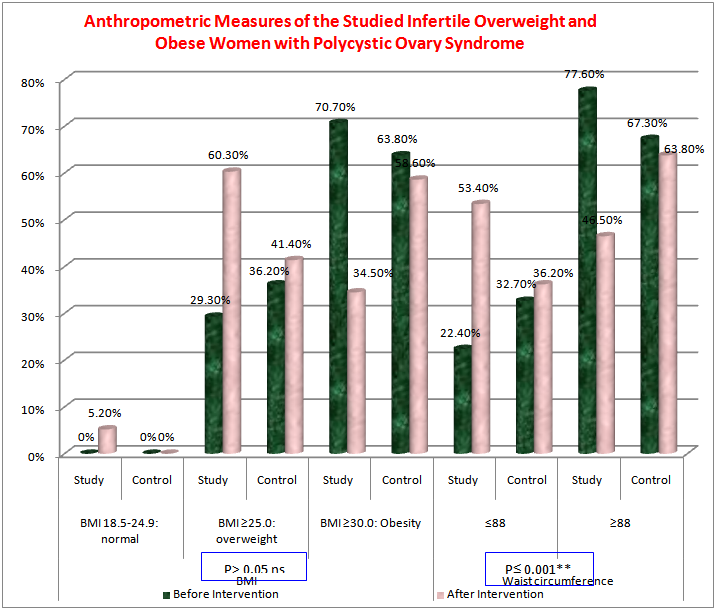
Figure 1 Portrays anthropometric measures of the studied women. It revealed that, the anthropometric measures get better for study group after intervention (60.3%; BMI ≥25.0: overweight and 46.5%; waist circumference ≥88) compared to (29.3%; BMI ≥25.0: overweight and 77.6%; waist circumference ≥88) before intervention, respectively.
Table 3 shows improved lipid profiles in infertile overweight and obese women with polycystic ovary syndrome after intervention, with a statistically significant relationship (p< 0.01).
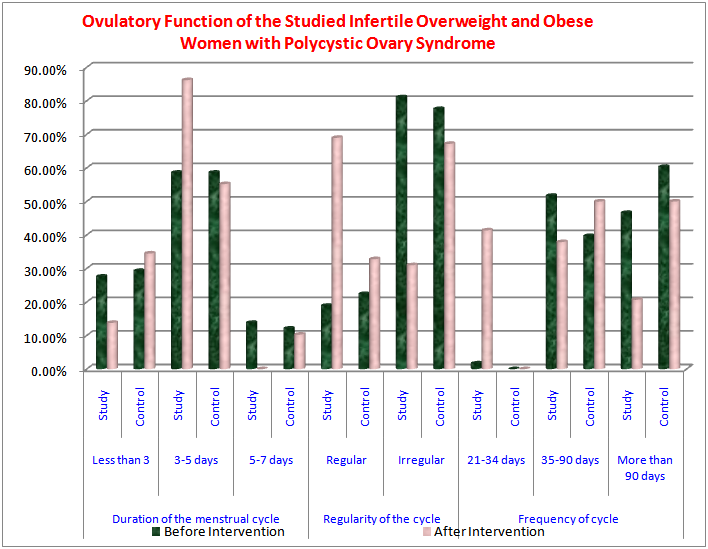
Figure 2 Portrays ovulatory functions of the studied women. It revealed that. It shows that 81.1%, 58.6%, and 51.7% of the study groups had irregular cycles and 3-5-day duration, and average of 35–90 days menstrual cycle before the intervention, compared to 31.0%, 86.2%, and 37.9% after the intervention, respectively.
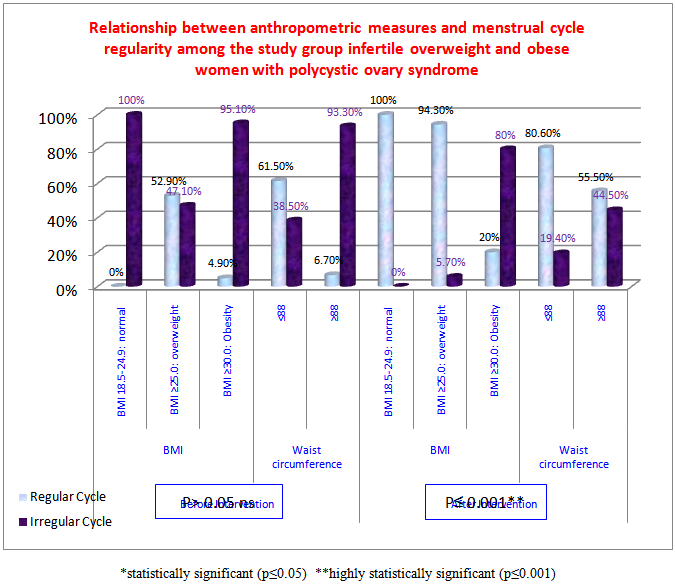
Figure 3 reveals a positive correlation between anthropometric measures and menstrual cycle regularity in infertile overweight and obese women with polycystic ovary syndrome. Approximately 95.1% of those with a BMI ≥30 had irregular menstrual cycles before intervention, while 44.5% had regular cycles after intervention.
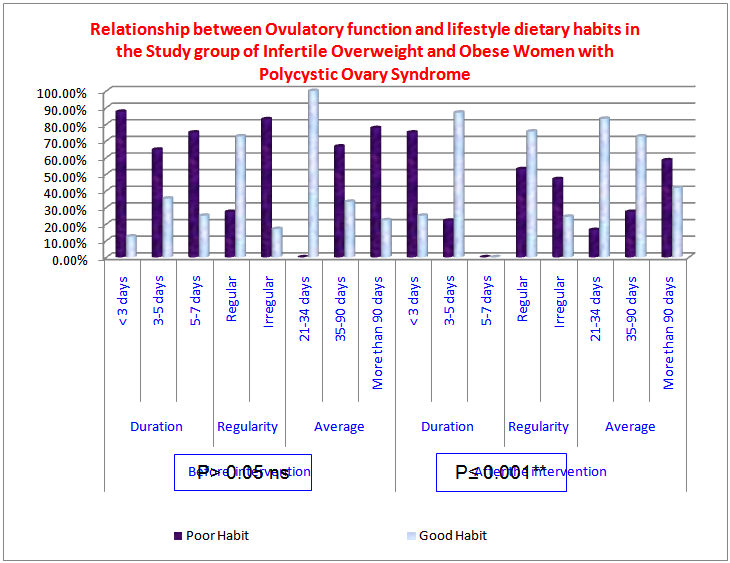
Figure 4 presented that poor nutrition habits in women resulted in irregular cycle, hypomenorrhea, and oligoamenorrhea before intervention, while good habits resulted in regular cycles, duration 3-5 days, and frequency 21-34 days.
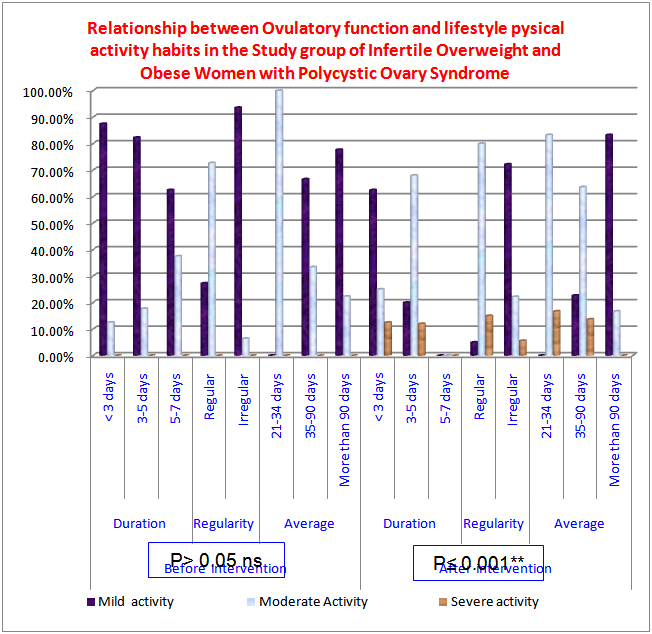
Figure 5 showed that there was about 87.5%, 93.6%, and 77.7% of mild physical activity of the study group women have hypomenorrhea, irregular cycle, and oligoamenorrhea before intervention. Compared to 68%, 80%, and 83.3% of moderate physical activity had a normal duration after the intervention.


Obesity is a complex health issue influenced by genetics, learned behaviors, and unhealthy societal eating habits 27. The relationship between obesity and infertility is complex, with androgen changes and their interaction causing subfertility in obese women 28. So, this study aims to evaluate the impact of lifestyle modifications on women's BMI and infertility among women with polycystic ovary syndrome.
Regarding BMI, the study found that the mean weight and BMI in the study group decreased significantly after the intervention from 32.4±4.21 to 29.5±3.42. This is in line with Lass et al. (2011) who found that lifestyle modification interventions positively reduced weight in patients with obesity and PCO, with a mean BMI of 28.3 ± 3.4 post-intervention, aligning with the current findings 29.
The study found that waist and thigh circumference decreased significantly after an intervention, with the mean values dropping from 86.0±6.37 and 110.7±4.75 to 85.0±6.09 and 107.8±3.71, respectively. This is in accordance with Öberg's 2022 study on overweight women with Polycystic Ovary Syndrome found significant reductions in waist circumference before and after lifestyle intervention 30.
The study found a significant reduction in metabolic measures after lifestyle modification, including total cholesterol, LDL cholesterol, fasting glucose, total triglyceride, and elevated HDL levels, with no significant differences between control groups. This is in line with the study of Niranjani et al. (2022) who found that cinnamon exercise, and counseling effectively reduces hyperandrogenic symptoms and anxiety in young girls with Polycystic Ovarian Syndrome 31. Moreover, study aligns with a meta-analysis of 14 studies involving 617 adult women with PCOS, which found that exercise enhances lipid profiles 32. This may be attributed to weight loss is a crucial treatment for PCOS, as it enhances the biochemical and metabolic parameters of the condition. However, Liu et al.'s (2021) study contradicts our findings; he found that lifestyle interventions, including dieting and exercise, did not significantly impact lipid profiles 33.
Polycystic ovarian syndrome (PCOS) is a prevalent endocrine disorder affecting women, characterized by menstrual irregularities, and obesity, affecting reproductive, endocrine, and metabolic function 34.
Concerning menstrual cycle study; the study found significant improvements in menstrual cycle irregularities, with over half of the study group experiencing a 3-5-day cycle duration after the intervention. This is in accordance with Öberg's 2022 study on lifestyle interventions in overweight women with Polycystic Ovary Syndrome found positive effects on menstrual cycle irregularities 30. Also, Abd Elmenim et al.'s (2016) study found that lifestyle changes can significantly impact symptoms of polycystic ovarian syndrome in obese girls, with menstruation durations ranging from 5-7 days 35.
The study found that over three-quarters of the study and control group had irregular cycles before the intervention, and over two-thirds of the study group had regular cycles after the intervention. These findings came in agreement with Marzouk et al. (2015) 25. They studied the “Effect of dietary weight loss on menstrual regularity in obese young adult women with polycystic ovary syndrome”. They revealed that the dietary weight loss in adolescent women with PCOS resulted in significant improvement in menstrual regularity. From the researcher's point of view, lifestyle interventions have been shown to have positive effects in terms of improved ovulation function.
The study revealed an increase in frequency of menstrual cycles post-intervention, with over half of the study group experiencing a duration of 35-90 days, compared to two-thirds of the control group. This is supported by Turan et al.'s 2015 study who found that structured exercise reduced menstruation periods in normal females with PCOS by 27.3 days after 8 weeks 36.
The study found a positive correlation between anthropometric measures and menstrual cycle regularity in infertile overweight and obese women with polycystic ovary syndrome, with most having irregular cycles before intervention. This is in accordance with Marzouk et al. (2015), who found that weight reduction leads to menstrual regularity in obese young adult women with polycystic ovary syndrome, possibly due to the associated comorbidity 25. Also, Neubronner et al.'s 2021 study found that healthy women aged 21-45 with normal or high BMIs are equally at risk for oligomenorrhea 37.
The study found a significant relationship between menstrual dysfunction and waist circumference, with most participants having irregular cycles of ≥88 waist circumference before intervention, and nearly half after intervention, similar to a 2020 study by Taheri et al. The researcher suggests that menstrual disorders significantly contribute to the increase in subcutaneous fat indicators, such as subscapular skinfold, suprailiac skinfold, and triceps skinfold thicknesses 38.
The study found a significant improvement in menstrual irregularity after an intervention, with most participants experiencing regular cycles, compared to two-thirds of the study group. This is in line with Hassan et al., 2019 who study “Physical Activity and Menstrual Disorders Аmong School Girls in Southern Egypt” and found that physical activity affect positively on menstrual cycle 39. Also, Öberg's study (2022) found that two-thirds of overweight women with Polycystic Ovary Syndrome improved their menstrual cycle after a behavioral modification intervention compared to a control treatment 30. This agreement may be due to no differences in the type, duration, or populations studied. However, a meta-analysis of 12 clinical trials found that lifestyle modification alone for 6 months does not improve reproductive outcomes, menstrual irregularity, or metabolic features, possibly due to differences in populations 40. Researchers believe this discrepancy may be due to variations in studied populations, intervention duration, and type of lifestyle interventions.
Regarding effect of lifestyle and daily habits on the study group; the study found a significant difference in lifestyle and daily dietary habits between pre- and post-intervention data after 6 months of lifestyle modification. This in line with Moran's 2013 study who found that physical activity and sedentary behavior significantly contribute to body mass index in women with and without polycystic ovary syndrome. Moran's 2013 study found that physical activity, rather than watching TV, significantly influenced body mass index in women with and without polycystic ovary syndrome 41.
However, the findings of the current study revealed that in the in the majority of the study and control groups, the doctor told them that they must lose weight before and after the intervention. Additionally, all of the study and control groups wanted to lose weight before and after the intervention. Albezrah et al.'s 2019 study found that two-thirds of Taif city women with polycystic ovary syndrome (PCOS) believe weight reduction is an effective treatment, emphasizing physical activity as the first line of therapy 42. Also, Thomson et al.'s (2011) study on overweight women with polycystic ovary syndrome found increased physical activity in the study group compared to the control group 43. The researcher believes that increased physical activity is driven by a strong desire to lose weight and restore fertility for pregnancy.
A study in Stockholm found that dietary control and exercise, combined or separately, are equally beneficial in improving ovarian function in women with PCOS 44. Obese women with PCOS can benefit from dietary changes and regular exercise, as even small lifestyle adjustments can significantly improve insulin sensitivity and reestablish ovulation in obese anovulatory women 45.
Obesity and infertility are linked, with androgen changes and estrogen interaction causing subfertility in obese women 28. Gaining weight induces insulin resistance, raising insulin levels and decreasing liver function. Obesity may contribute to anovulation in some PCOS women 46. Results of the current study revealed 100% of the study and control had negative pregnancy test rate (HCG) (before/during/after the intervention). Compared to 36.2%, 12% of the study and control had positive pregnancy tests after the intervention. A highly statistically significant difference was observed post-intervention. This reinforces the effect of the international program; thus, the study hypothesis was accepted.
The study reveals a positive correlation between anthropometric measures and menstrual cycle regularity. Moreover, poor lifestyle, including nutrition habits and physical activity, resulted in an irregular cycle, hypomenorrhea, and oligo-amenorrhea. Intervention and modified quality of life program for overweight and obese infertile women with polycystic ovary affected positively on women's anthropometric measures. Moreover, ovulatory function improves with a significant improvement in irregular cycles and average menstrual cycle duration.
1. Collaboration among gynecologists, nutritionists, and endocrinal specialists is needed to address women's fecundity-decline-related obesity.
2. Nurses should provide counseling and lifestyle modification for infertile obese women.
3. Maternity and gynecologic health nurses should be equipped with necessary knowledge and skills to help people adjust to daily challenges.
Conflicts Of Interest Disclosure: The Authors Declare That There Is No Conflict Of Interest.
| [1] | World Health Organization. Noncommunicable diseases. (2022). Available online at: https://www.who.int/news-room/fact-sheets/ detail/ noncommunicable-diseases.3-54. | ||
| In article | |||
| [2] | Fitch, A. K., & Bays, H. E. (2022). Obesity definition, diagnosis, bias, standard operating procedures (SOPs), and telehealth: an Obesity Medicine Association (OMA) Clinical Practice Statement (CPS) 2022. Obesity Pillars, 1(1), 100-004. | ||
| In article | View Article PubMed | ||
| [3] | La Merrill, M. A., Krigbaum, N. Y., Cirillo, P. M., & Cohn, B. A. (2020). Association between maternal exposure to the pesticide dichlorodiphenyltrichloroethane (DDT) and risk of obesity in middle age. International journal of obesity, 44(8), 1723-1732. | ||
| In article | View Article PubMed | ||
| [4] | Caiano, L. M., Costanzo, S., Panzera, T., Di Castelnuovo, A., de Gaetano, G., Donati, M. B., & Moli-sani Study Investigators. (2021). Association between body mass index, waist circumference, and relative fat mass with the risk of first unprovoked venous thromboembolism. Nutrition, Metabolism and Cardiovascular Diseases, 31(11), 3122-3130. | ||
| In article | View Article PubMed | ||
| [5] | Cena, H., Chiovato, L., & Nappi, R. E. (2020). Obesity, polycystic ovary syndrome, and infertility: a new avenue for GLP-1 receptor agonists. The Journal of Clinical Endocrinology & Metabolism, 105(8), e2695-e2709. | ||
| In article | View Article PubMed | ||
| [6] | Phillips, K., Olanrewaju, R. A., & Omole, F. (2023). Infertility: evaluation and management. American Family Physician, 107(6), 623-630. | ||
| In article | |||
| [7] | Mohamed S., Omran A., Ramadan E., Hassan H. (2024). Effect of Body Mass Index on Urinary Incontinence among Menopausal Women. Journal of Women Health Care and Issues, 7(3): 1-6. OI:10.31579/2642-9756/195 | ||
| In article | |||
| [8] | Sheha E., Hassan H., Gamel W. (2018). Association between pre-pregnant overweight and obesity and periodontal disease during pregnancy: a cross sectional study. International Journal of Studies in Nursing, 3(1): 1-21. | ||
| In article | View Article | ||
| [9] | Hassan H. (2016). Infertility profile, psychological ramifications and reproductive tract infection among infertile women, in northern Upper Egypt. Journal of Nursing Education and Practice, 6(4): 92-108. | ||
| In article | View Article | ||
| [10] | Fichman, V., Costa, R. D. S. S. D., Miglioli, T. C., & Marinheiro, L. P. F. (2020). Association of obesity and anovulatory infertility. Einstein (Sao Paulo), 18(2), 1-11 | ||
| In article | View Article PubMed | ||
| [11] | Gambineri, A., Laudisio, D., Marocco, C., Radellini, S., Colao, A., Savastano, S., & Obesity Programs of nutrition, Education, Research and Assessment (OPERA) group. (2019). Female infertility: which role for obesity?. International journal of obesity supplements, 9(1), 65-72. | ||
| In article | View Article PubMed | ||
| [12] | Alessandra, G., Daniela, L., Chiara, M., Stefano, R., Annamaria, C., & Savastano, S. (2019). Female infertility: which role for obesity?. International Journal of Obesity Supplements, 9(1), 65-72. | ||
| In article | View Article PubMed | ||
| [13] | Perakakis, N., Farr, O. M., & Mantzoros, C. S. (2021). Leptin in leanness and obesity: JACC state-of-the-art review. Journal of the American College of Cardiology, 77(6), 745-760. | ||
| In article | View Article PubMed | ||
| [14] | Al-yasiry, R. Z., Jwad, M. A., Hasan, M. F., & Alsayigh, H. A. (2022). How obesity affects female fertility. Medical Journal of Babylon, 19(2), 111-114. | ||
| In article | View Article | ||
| [15] | Kuryłowicz, A. (2023). Estrogens in Adipose Tissue Physiology and Obesity-Related Dysfunction. Biomedicines, 11(3), 690. | ||
| In article | View Article PubMed | ||
| [16] | Volkova, N. I., & Degtyareva, Y. S. (2020). Mechanisms of fertility disorders in obese women. Medical Herald of the South of Russia, 11(3), 15-19. | ||
| In article | View Article | ||
| [17] | Hashan, M. R., Gupta, R. D., Day, B., & Al Kibria, G. M. (2020). Differences in prevalence and associated factors of underweight and overweight/obesity according to rural–urban residence strata among women of reproductive age in Bangladesh: evidence from a cross-sectional national survey. BMJ open, 10(2), e034321. | ||
| In article | View Article PubMed | ||
| [18] | Ajmal, N., Khan, S. Z., & Shaikh, R. (2019). Polycystic ovary syndrome (PCOS) and genetic predisposition: A review article. European journal of obstetrics & gynecology and reproductive biology: X, 3(1), 10-60. | ||
| In article | View Article PubMed | ||
| [19] | Krentowska, A., Łebkowska, A., Jacewicz-Święcka, M., Hryniewicka, J., Leśniewska, M., Adamska, A., & Kowalska, I. (2021). Metabolic syndrome and the risk of cardiovascular complications in young patients with different phenotypes of polycystic ovary syndrome. Endocrine, 72, 400-410. | ||
| In article | View Article PubMed | ||
| [20] | Hassan H & Farag D. (2019). The impact of polycystic ovary syndrome on women’s quality of life: Nursing guidelines for its management. Clinical Nursing Studies, 7(3):42-57. | ||
| In article | View Article | ||
| [21] | Kadam, P., & Bhalerao, S. (2010). Sample size calculation. International journal of Ayurveda research, 1(1), 55–57. | ||
| In article | View Article PubMed | ||
| [22] | Mostafa e, Sayed Ahmed, Mohamed E, Salem, Samir M.) 2012( Effect of Lifestyle Modifications on Polycystic Ovarian Syndrome Symptoms. Journal of American Science 2012; 1( 8)3-7. | ||
| In article | |||
| [23] | Saeedi, V., Nourbakhsh, M., Nourbakhsh, M., Haghighi, L., Kamalzadeh, L., Ezzati Mobasser, S., & Razzaghy‐Azar, M. (2021). Sestrin2 and Beclin1 levels in polycystic ovary syndrome. Journal of Clinical Laboratory Analysis, 35(9), e23957. | ||
| In article | View Article PubMed | ||
| [24] | World Health Organization, & World Health Organization. Global Observatory for eHealth. (2006). Building foundations for eHealth: progress of Member States: report of the WHO Global Observatory for eHealth. World Health Organization.1-100 | ||
| In article | |||
| [25] | Marzouk, T., Nabil, H., & Senna, M. (2015). Impact of a lifestyle modification program on menstrual irregularity among overweight or obese women with polycystic ovarian syndrome. Korean Journal of Women Health Nursing, 21(3), 161-170. | ||
| In article | View Article PubMed | ||
| [26] | Sternfeld, B., Block, C., Quesenberry Jr, C. P., Block, T. J., Husson, G., Norris, J. C., ... & Block, G. (2009). Improving diet and physical activity with ALIVE: a worksite randomized trial. American journal of preventive medicine, 36(6), 475-483. | ||
| In article | View Article PubMed | ||
| [27] | Safaei, M., Sundararajan, E. A., Driss, M., Boulila, W., & Shapi'i, A. (2021). A systematic literature review on obesity: Understanding the causes & consequences of obesity and reviewing various machine learning approaches used to predict obesity. Computers in biology and medicine, 13(6), 1-10. | ||
| In article | View Article PubMed | ||
| [28] | Amiri, M., & Tehrani, F. R. (2020). Potential adverse effects of female and male obesity on fertility: a narrative review. International journal of endocrinology and metabolism, 18(3), 1-17. | ||
| In article | View Article PubMed | ||
| [29] | Lass, N., Kleber, M., Winkel, K., Wunsch, R., & Reinehr, T. (2011). Effect of lifestyle intervention on features of polycystic ovarian syndrome, metabolic syndrome, and intima-media thickness in obese adolescent girls. The Journal of Clinical Endocrinology & Metabolism, 96(11): 3533-3540. | ||
| In article | View Article PubMed | ||
| [30] | Öberg, E. (2022). Effects of Lifestyle Intervention in Overweight Women with Polycystic Ovary Syndrome–Aspects on Reproduction, Metabolism, Psychological Well-Being and Sleep. Karolinska Institutet (Sweden). 22(11):1-18. | ||
| In article | |||
| [31] | Niranjani, S., Bhuvaneswari, G., Hemamalini, M., & Vijayaraghavan, R. (2022). Effectiveness of cinnamon, exercise and counselling on hyper androgenic symptoms and level of anxiety among young girls with Polycystic Ovarian Syndrome. NeuroQuantology, 20(8): 9534. | ||
| In article | |||
| [32] | Benham, J. L., Yamamoto, J. M., Friedenreich, C. M., Rabi, D. M., & Sigal, R. J. (2018). Role of exercise training in polycystic ovary syndrome: a systematic review and meta‐analysis. Clinical obesity, 8(4): 275-284. | ||
| In article | View Article PubMed | ||
| [33] | Liu, C., Zhang, L., Zheng, W., Liang, X., Zhang, L., Tian, Z., & Li, G. (2021). Lifestyle intervention for overweight/obese pregnant women with polycystic ovarian syndrome: lessons and challenges. Obesity Facts, 14(4): 405-414. | ||
| In article | View Article PubMed | ||
| [34] | Gayathri, K. (2015). A study to assess the effectiveness of lifestyle modification package on knowledge and attitude regarding weight reduction among women with pcos at janet nursing home, Trichy (Doctoral dissertation, Our Lady of Health College of Nursing, Thanjavur) Obstetrics and Gynaecology Nursing 40(20), 113 | ||
| In article | |||
| [35] | Abd Elmenim, S. O., & Emam, A. M. M. (2016). Effect of lifestyle changes on symptoms of polycystic ovarian syndrome in obese girls. IOSR JNHS, 5(3): 1-10. | ||
| In article | |||
| [36] | Turan, V., Mutlu, E. K., Solmaz, U., Ekin, A., Tosun, O., Tosun, G., ... & Malkoc, M. (2015). Benefits of short-term structured exercise in non-overweight women with polycystic ovary syndrome: a prospective randomized controlled study. Journal of physical therapy science, 27(7): 2293-2297. | ||
| In article | View Article PubMed | ||
| [37] | Neubronner, S. A., Indran, I. R., Chan, Y. H., Thu, A. W.P., & Yong, E. L. (2021). Effect of body mass index (BMI) on phenotypic features of polycystic ovary syndrome (PCOS) in Singapore women: a prospective cross-sectional study. BMC Women's Health, 21(1): 1-12. | ||
| In article | View Article PubMed | ||
| [38] | Taheri, R., Mesbah Ardekani, F., Raeisi Shahraki, H., Heidarzadeh-Esfahani, N., & Hajiahmadi, S. (2020). Nutritional status and anthropometric indices in relation to menstrual disorders: A cross‐sectional study. Journal of Nutrition and Metabolism, 2020(1), 5980685. | ||
| In article | View Article PubMed | ||
| [39] | Hassan H., Ahmed W., Ahmed Arafa A. (2019). Physical Activity and Menstrual Disorders Аmong School Girls in Southern Egypt. International Journal of Studies in Nursing, 4(3): 54-59. | ||
| In article | View Article | ||
| [40] | Naderpoor N., Shorakae S., de Courten B., Misso ML., Moran LJ., Teede HJ. (2015). Metformin and lifestyle modification in polycystic ovary syndrome: systematic review and meta-analysis. Hum Reprod Update. 2015; 21(5):560–74. | ||
| In article | View Article PubMed | ||
| [41] | Moran, L. J., Ranasinha, S., Zoungas, S., McNaughton, S. A., Brown, W. J., & Teede, H. J. (2013). The contribution of diet, physical activity and sedentary behaviour to body mass index in women with and without polycystic ovary syndrome. Human reproduction, 28(8): 2276-2283. | ||
| In article | View Article PubMed | ||
| [42] | Albezrah, N. K. A., & Arein, F. R. (2019). Knowledge, attitude, and practice toward weight reduction among polycystic ovary syndrome women at Taif city. Saudi Journal for Health Sciences, 8(2): 112-117. | ||
| In article | View Article | ||
| [43] | Thomson, R. L., Buckley, J. D., & Brinkworth, G. D. (2011). Exercise for the treatment and management of overweight women with polycystic ovary syndrome: a review of the literature. Obesity reviews, 12(5): e202-e210. | ||
| In article | View Article PubMed | ||
| [44] | Nybacka, Å., Carlström, K., Ståhle, A., Nyrén, S., Hellström, P. M., & Hirschberg, A. L. (2011). Randomized comparison of the influence of dietary management and/or physical exercise on ovarian function and metabolic parameters in overweight women with polycystic ovary syndrome. Fertility and sterility, 96(6): 1508-1513. | ||
| In article | View Article PubMed | ||
| [45] | Yesiladali, M., Yazici, M. G., Attar, E., & Kelestimur, F. (2022). Differentiating polycystic ovary syndrome from adrenal disorders. Diagnostics, 12(9), 2045. | ||
| In article | View Article PubMed | ||
| [46] | Singh, M., Thirsk, L., Stahlke, S., Venkatesaperumal, R., LoBiondo-Wood, G., & Haber, J. (2021). Nursing research in Canada-E-book: methods, critical appraisal, and utilization. Elsevier Health Sciences,5-22. | ||
| In article | |||
Published with license by Science and Education Publishing, Copyright © 2025 Hanan Elzeblawy Hassan, Fatma Hosny Abd-ELhakam and Enas Kasem Ali
 This work is licensed under a Creative Commons Attribution 4.0 International License. To view a copy of this license, visit
http://creativecommons.org/licenses/by/4.0/
This work is licensed under a Creative Commons Attribution 4.0 International License. To view a copy of this license, visit
http://creativecommons.org/licenses/by/4.0/
| [1] | World Health Organization. Noncommunicable diseases. (2022). Available online at: https://www.who.int/news-room/fact-sheets/ detail/ noncommunicable-diseases.3-54. | ||
| In article | |||
| [2] | Fitch, A. K., & Bays, H. E. (2022). Obesity definition, diagnosis, bias, standard operating procedures (SOPs), and telehealth: an Obesity Medicine Association (OMA) Clinical Practice Statement (CPS) 2022. Obesity Pillars, 1(1), 100-004. | ||
| In article | View Article PubMed | ||
| [3] | La Merrill, M. A., Krigbaum, N. Y., Cirillo, P. M., & Cohn, B. A. (2020). Association between maternal exposure to the pesticide dichlorodiphenyltrichloroethane (DDT) and risk of obesity in middle age. International journal of obesity, 44(8), 1723-1732. | ||
| In article | View Article PubMed | ||
| [4] | Caiano, L. M., Costanzo, S., Panzera, T., Di Castelnuovo, A., de Gaetano, G., Donati, M. B., & Moli-sani Study Investigators. (2021). Association between body mass index, waist circumference, and relative fat mass with the risk of first unprovoked venous thromboembolism. Nutrition, Metabolism and Cardiovascular Diseases, 31(11), 3122-3130. | ||
| In article | View Article PubMed | ||
| [5] | Cena, H., Chiovato, L., & Nappi, R. E. (2020). Obesity, polycystic ovary syndrome, and infertility: a new avenue for GLP-1 receptor agonists. The Journal of Clinical Endocrinology & Metabolism, 105(8), e2695-e2709. | ||
| In article | View Article PubMed | ||
| [6] | Phillips, K., Olanrewaju, R. A., & Omole, F. (2023). Infertility: evaluation and management. American Family Physician, 107(6), 623-630. | ||
| In article | |||
| [7] | Mohamed S., Omran A., Ramadan E., Hassan H. (2024). Effect of Body Mass Index on Urinary Incontinence among Menopausal Women. Journal of Women Health Care and Issues, 7(3): 1-6. OI:10.31579/2642-9756/195 | ||
| In article | |||
| [8] | Sheha E., Hassan H., Gamel W. (2018). Association between pre-pregnant overweight and obesity and periodontal disease during pregnancy: a cross sectional study. International Journal of Studies in Nursing, 3(1): 1-21. | ||
| In article | View Article | ||
| [9] | Hassan H. (2016). Infertility profile, psychological ramifications and reproductive tract infection among infertile women, in northern Upper Egypt. Journal of Nursing Education and Practice, 6(4): 92-108. | ||
| In article | View Article | ||
| [10] | Fichman, V., Costa, R. D. S. S. D., Miglioli, T. C., & Marinheiro, L. P. F. (2020). Association of obesity and anovulatory infertility. Einstein (Sao Paulo), 18(2), 1-11 | ||
| In article | View Article PubMed | ||
| [11] | Gambineri, A., Laudisio, D., Marocco, C., Radellini, S., Colao, A., Savastano, S., & Obesity Programs of nutrition, Education, Research and Assessment (OPERA) group. (2019). Female infertility: which role for obesity?. International journal of obesity supplements, 9(1), 65-72. | ||
| In article | View Article PubMed | ||
| [12] | Alessandra, G., Daniela, L., Chiara, M., Stefano, R., Annamaria, C., & Savastano, S. (2019). Female infertility: which role for obesity?. International Journal of Obesity Supplements, 9(1), 65-72. | ||
| In article | View Article PubMed | ||
| [13] | Perakakis, N., Farr, O. M., & Mantzoros, C. S. (2021). Leptin in leanness and obesity: JACC state-of-the-art review. Journal of the American College of Cardiology, 77(6), 745-760. | ||
| In article | View Article PubMed | ||
| [14] | Al-yasiry, R. Z., Jwad, M. A., Hasan, M. F., & Alsayigh, H. A. (2022). How obesity affects female fertility. Medical Journal of Babylon, 19(2), 111-114. | ||
| In article | View Article | ||
| [15] | Kuryłowicz, A. (2023). Estrogens in Adipose Tissue Physiology and Obesity-Related Dysfunction. Biomedicines, 11(3), 690. | ||
| In article | View Article PubMed | ||
| [16] | Volkova, N. I., & Degtyareva, Y. S. (2020). Mechanisms of fertility disorders in obese women. Medical Herald of the South of Russia, 11(3), 15-19. | ||
| In article | View Article | ||
| [17] | Hashan, M. R., Gupta, R. D., Day, B., & Al Kibria, G. M. (2020). Differences in prevalence and associated factors of underweight and overweight/obesity according to rural–urban residence strata among women of reproductive age in Bangladesh: evidence from a cross-sectional national survey. BMJ open, 10(2), e034321. | ||
| In article | View Article PubMed | ||
| [18] | Ajmal, N., Khan, S. Z., & Shaikh, R. (2019). Polycystic ovary syndrome (PCOS) and genetic predisposition: A review article. European journal of obstetrics & gynecology and reproductive biology: X, 3(1), 10-60. | ||
| In article | View Article PubMed | ||
| [19] | Krentowska, A., Łebkowska, A., Jacewicz-Święcka, M., Hryniewicka, J., Leśniewska, M., Adamska, A., & Kowalska, I. (2021). Metabolic syndrome and the risk of cardiovascular complications in young patients with different phenotypes of polycystic ovary syndrome. Endocrine, 72, 400-410. | ||
| In article | View Article PubMed | ||
| [20] | Hassan H & Farag D. (2019). The impact of polycystic ovary syndrome on women’s quality of life: Nursing guidelines for its management. Clinical Nursing Studies, 7(3):42-57. | ||
| In article | View Article | ||
| [21] | Kadam, P., & Bhalerao, S. (2010). Sample size calculation. International journal of Ayurveda research, 1(1), 55–57. | ||
| In article | View Article PubMed | ||
| [22] | Mostafa e, Sayed Ahmed, Mohamed E, Salem, Samir M.) 2012( Effect of Lifestyle Modifications on Polycystic Ovarian Syndrome Symptoms. Journal of American Science 2012; 1( 8)3-7. | ||
| In article | |||
| [23] | Saeedi, V., Nourbakhsh, M., Nourbakhsh, M., Haghighi, L., Kamalzadeh, L., Ezzati Mobasser, S., & Razzaghy‐Azar, M. (2021). Sestrin2 and Beclin1 levels in polycystic ovary syndrome. Journal of Clinical Laboratory Analysis, 35(9), e23957. | ||
| In article | View Article PubMed | ||
| [24] | World Health Organization, & World Health Organization. Global Observatory for eHealth. (2006). Building foundations for eHealth: progress of Member States: report of the WHO Global Observatory for eHealth. World Health Organization.1-100 | ||
| In article | |||
| [25] | Marzouk, T., Nabil, H., & Senna, M. (2015). Impact of a lifestyle modification program on menstrual irregularity among overweight or obese women with polycystic ovarian syndrome. Korean Journal of Women Health Nursing, 21(3), 161-170. | ||
| In article | View Article PubMed | ||
| [26] | Sternfeld, B., Block, C., Quesenberry Jr, C. P., Block, T. J., Husson, G., Norris, J. C., ... & Block, G. (2009). Improving diet and physical activity with ALIVE: a worksite randomized trial. American journal of preventive medicine, 36(6), 475-483. | ||
| In article | View Article PubMed | ||
| [27] | Safaei, M., Sundararajan, E. A., Driss, M., Boulila, W., & Shapi'i, A. (2021). A systematic literature review on obesity: Understanding the causes & consequences of obesity and reviewing various machine learning approaches used to predict obesity. Computers in biology and medicine, 13(6), 1-10. | ||
| In article | View Article PubMed | ||
| [28] | Amiri, M., & Tehrani, F. R. (2020). Potential adverse effects of female and male obesity on fertility: a narrative review. International journal of endocrinology and metabolism, 18(3), 1-17. | ||
| In article | View Article PubMed | ||
| [29] | Lass, N., Kleber, M., Winkel, K., Wunsch, R., & Reinehr, T. (2011). Effect of lifestyle intervention on features of polycystic ovarian syndrome, metabolic syndrome, and intima-media thickness in obese adolescent girls. The Journal of Clinical Endocrinology & Metabolism, 96(11): 3533-3540. | ||
| In article | View Article PubMed | ||
| [30] | Öberg, E. (2022). Effects of Lifestyle Intervention in Overweight Women with Polycystic Ovary Syndrome–Aspects on Reproduction, Metabolism, Psychological Well-Being and Sleep. Karolinska Institutet (Sweden). 22(11):1-18. | ||
| In article | |||
| [31] | Niranjani, S., Bhuvaneswari, G., Hemamalini, M., & Vijayaraghavan, R. (2022). Effectiveness of cinnamon, exercise and counselling on hyper androgenic symptoms and level of anxiety among young girls with Polycystic Ovarian Syndrome. NeuroQuantology, 20(8): 9534. | ||
| In article | |||
| [32] | Benham, J. L., Yamamoto, J. M., Friedenreich, C. M., Rabi, D. M., & Sigal, R. J. (2018). Role of exercise training in polycystic ovary syndrome: a systematic review and meta‐analysis. Clinical obesity, 8(4): 275-284. | ||
| In article | View Article PubMed | ||
| [33] | Liu, C., Zhang, L., Zheng, W., Liang, X., Zhang, L., Tian, Z., & Li, G. (2021). Lifestyle intervention for overweight/obese pregnant women with polycystic ovarian syndrome: lessons and challenges. Obesity Facts, 14(4): 405-414. | ||
| In article | View Article PubMed | ||
| [34] | Gayathri, K. (2015). A study to assess the effectiveness of lifestyle modification package on knowledge and attitude regarding weight reduction among women with pcos at janet nursing home, Trichy (Doctoral dissertation, Our Lady of Health College of Nursing, Thanjavur) Obstetrics and Gynaecology Nursing 40(20), 113 | ||
| In article | |||
| [35] | Abd Elmenim, S. O., & Emam, A. M. M. (2016). Effect of lifestyle changes on symptoms of polycystic ovarian syndrome in obese girls. IOSR JNHS, 5(3): 1-10. | ||
| In article | |||
| [36] | Turan, V., Mutlu, E. K., Solmaz, U., Ekin, A., Tosun, O., Tosun, G., ... & Malkoc, M. (2015). Benefits of short-term structured exercise in non-overweight women with polycystic ovary syndrome: a prospective randomized controlled study. Journal of physical therapy science, 27(7): 2293-2297. | ||
| In article | View Article PubMed | ||
| [37] | Neubronner, S. A., Indran, I. R., Chan, Y. H., Thu, A. W.P., & Yong, E. L. (2021). Effect of body mass index (BMI) on phenotypic features of polycystic ovary syndrome (PCOS) in Singapore women: a prospective cross-sectional study. BMC Women's Health, 21(1): 1-12. | ||
| In article | View Article PubMed | ||
| [38] | Taheri, R., Mesbah Ardekani, F., Raeisi Shahraki, H., Heidarzadeh-Esfahani, N., & Hajiahmadi, S. (2020). Nutritional status and anthropometric indices in relation to menstrual disorders: A cross‐sectional study. Journal of Nutrition and Metabolism, 2020(1), 5980685. | ||
| In article | View Article PubMed | ||
| [39] | Hassan H., Ahmed W., Ahmed Arafa A. (2019). Physical Activity and Menstrual Disorders Аmong School Girls in Southern Egypt. International Journal of Studies in Nursing, 4(3): 54-59. | ||
| In article | View Article | ||
| [40] | Naderpoor N., Shorakae S., de Courten B., Misso ML., Moran LJ., Teede HJ. (2015). Metformin and lifestyle modification in polycystic ovary syndrome: systematic review and meta-analysis. Hum Reprod Update. 2015; 21(5):560–74. | ||
| In article | View Article PubMed | ||
| [41] | Moran, L. J., Ranasinha, S., Zoungas, S., McNaughton, S. A., Brown, W. J., & Teede, H. J. (2013). The contribution of diet, physical activity and sedentary behaviour to body mass index in women with and without polycystic ovary syndrome. Human reproduction, 28(8): 2276-2283. | ||
| In article | View Article PubMed | ||
| [42] | Albezrah, N. K. A., & Arein, F. R. (2019). Knowledge, attitude, and practice toward weight reduction among polycystic ovary syndrome women at Taif city. Saudi Journal for Health Sciences, 8(2): 112-117. | ||
| In article | View Article | ||
| [43] | Thomson, R. L., Buckley, J. D., & Brinkworth, G. D. (2011). Exercise for the treatment and management of overweight women with polycystic ovary syndrome: a review of the literature. Obesity reviews, 12(5): e202-e210. | ||
| In article | View Article PubMed | ||
| [44] | Nybacka, Å., Carlström, K., Ståhle, A., Nyrén, S., Hellström, P. M., & Hirschberg, A. L. (2011). Randomized comparison of the influence of dietary management and/or physical exercise on ovarian function and metabolic parameters in overweight women with polycystic ovary syndrome. Fertility and sterility, 96(6): 1508-1513. | ||
| In article | View Article PubMed | ||
| [45] | Yesiladali, M., Yazici, M. G., Attar, E., & Kelestimur, F. (2022). Differentiating polycystic ovary syndrome from adrenal disorders. Diagnostics, 12(9), 2045. | ||
| In article | View Article PubMed | ||
| [46] | Singh, M., Thirsk, L., Stahlke, S., Venkatesaperumal, R., LoBiondo-Wood, G., & Haber, J. (2021). Nursing research in Canada-E-book: methods, critical appraisal, and utilization. Elsevier Health Sciences,5-22. | ||
| In article | |||