Obesity is an increasing public health concern in sub-Saharan Africa, especially in urban settings undergoing rapid nutritional and lifestyle transitions. This study aimed to estimate the prevalence of obesity and identify its associated risk factors among adults attending four district hospitals in N’Djamena, Chad. A descriptive and analytical cross-sectional study was conducted over a three-month period, involving 1,270 participants aged 25 to 65 years, recruited through systematic random sampling. Data were collected using a structured questionnaire, standardized anthropometric measurements, and biological tests. The overall prevalence of obesity was 11.2%, and 28.4% of participants were overweight. Obesity was significantly more frequent among women (71.1% of obese cases) and increased with age and monthly income. Bivariate analyses revealed significant associations between obesity and sex (p < 0.001), age (p < 0.001), education level (p = 0.010), and income (p = 0.029). Specific dietary behaviours such as high consumption of added sugars (p = 0.003), high salt intake (p < 0.001), and low fruit consumption (p = 0.023) were also significantly associated with obesity. In contrast, no significant association was found with physical activity, tobacco use, or alcohol consumption. Multivariate logistic regression identified female sex, older age, and higher income as independent risk factors for obesity. These results confirm the emergence of obesity as a major health issue in urban Chad, particularly among women with higher incomes, and underscore the need for context-specific and gender-sensitive preventive interventions.
Obesity represents a major global public health challenge, affecting both industrialized nations and low- and middle-income countries. According to the World Health Organization (WHO), the global prevalence of obesity has nearly tripled since 1975, with more than 650 million adults affected in 2016—approximately 13% of the global adult population 1. This silent epidemic has now firmly taken root in Africa, particularly in sub-Saharan Africa, where nutritional transition and lifestyle changes are contributing to a rapid rise in cases 2.
In Chad, data on the actual burden of obesity remain limited. However, available studies indicate a worrying trend, especially in urban areas where sedentary lifestyles, increased consumption of processed foods, and nutritional imbalances contribute to excessive weight gain. N’Djamena, the capital city, exemplifies this dynamic, with a population facing a double burden of malnutrition—coexisting undernutrition and overweight 3.
Obesity is a well-established risk factor for several non-communicable chronic diseases, including type 2 diabetes, hypertension, dyslipidaemia, and certain cancers 4. Effective management of obesity requires a nuanced understanding of its associated risk factors—whether sociodemographic (such as sex, age, educational level), behavioural (dietary habits, physical activity), or environmental (healthcare access, urbanization) 5.
In this context, the present study aims to determine the prevalence of obesity among patients attending four health facilities in N’Djamena, and to identify the main associated risk factors. This is a prospective study conducted over a three-month period, contributing to the generation of reliable local data to inform prevention strategies and nutrition education policies.
This study was a descriptive and analytical cross-sectional survey conducted in an urban setting across four (04) health facilities in N’Djamena, Chad. Its objective was to estimate the prevalence of obesity and to identify the associated sociodemographic, behavioural, and clinical factors 6. The cross-sectional design involved a single-point data collection over a defined period (three months), without longitudinal follow-up, allowing for the characterization of the population’s health profile at a given time and the analysis of associations between variables 7.
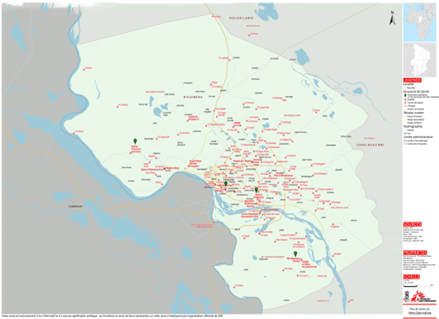
2.2. Study Sites and PeriodThe study was conducted over a three-month period, from September 1 to November 30, 2024, in four district hospitals located in N’Djamena. These hospitals were selected based on their central role in the management of non-communicable chronic diseases and their geographical representativeness across various city districts. The selected facilities were:
• Toukra District Hospital (9th arrondissement)
• Farcha District Hospital (1st arrondissement)
• Sultan Cherif Kasser Hospital (3rd arrondissement)
• Union District Hospital (7th arrondissement)
These public primary healthcare institutions serve populations with diverse sociodemographic profiles (age, sex, socioeconomic status), ensuring a sufficient variability in the data to explore disparities in obesity prevalence across different social and territorial contexts 8.

The target population included adults aged 25 to 60 years residing in the districts served by the selected hospitals. Adults within this age range are particularly exposed to nutritional transitions and urban lifestyles, making them a key group for investigating the double burden of malnutrition 9. The upper age limit of 60 was set to avoid the disproportionate influence of age-related chronic conditions associated with natural aging.
2.4. Inclusion and Exclusion CriteriaParticipants were eligible if they:
• Had resided in N’Djamena for at least one year, ensuring sufficient exposure to local environmental factors.
• Were attending outpatient consultations at one of the four selected district hospitals.
• Could provide free and informed consent.
The following individuals were excluded from the study:
• Hospitalized patients, to avoid bias related to severe pathological conditions.
• Pregnant or breastfeeding women, due to their specific nutritional requirements.
• Patients unable to respond to the questionnaire for medical, cognitive, or language-related reasons.
2.5. Sampling and Sample SizeA systematic random sampling technique was used at each of the selected health facilities to minimize selection bias and ensure balanced recruitment throughout the data collection period 10.
At each centre, eligible outpatients were enrolled at a predefined fixed interval. The first participant of the day was randomly selected using a random digit table and a blind pointing method—randomly choosing a number from 0 to 9 with eyes closed. For instance, if the chosen number was “5”, the fifth registered patient of the day was enrolled first. A sampling interval of 5 was then applied, meaning that every fifth patient was recruited until the end of the consultation period.
This method enabled the construction of a logistically feasible and statistically representative random sample.
A total of 1,270 participants were included in the study, proportionally distributed across the four selected facilities to ensure balanced geographic representation. The breakdown was as follows:
• 334 participants at Toukra District Hospital (TDH),
• 292 at Sultan Cherif Kasser Hospital (SCKH),
• 323 at Farcha District Hospital (FDH),
• 321 at Union District Hospital (UDH).
The allocation also considered each facility’s service capacity and average patient flow.
The minimum required sample size was calculated based on standard epidemiological recommendations. A hypothetical prevalence of 50% was assumed to maximize variance, following conventional practice when actual prevalence is unknown 11. The calculation used the following parameters:
• Margin of error: ±5%
• Confidence level: 95% (Z = 1.96)
• Anticipated non-response rate: 10%, to compensate for invalid questionnaires, refusals, or incomplete data 12
The formula used was as follows:
|
Where n is the sample size, Z is the Z-score (1.96 for a 95% confidence level), p is the assumed prevalence (0.5), and d is the desired precision (0.05).
After adjusting for non-response, the final target sample size was set at 1,270 participants.
2.6. Ethical and Administrative ConsiderationsThe ethical principles of this study were strictly observed to ensure the protection of participants’ rights, dignity, and safety. All procedures were conducted in accordance with international standards for research involving human subjects, particularly the Declaration of Helsinki of the World Medical Association 13.
Prior to the initiation of data collection, the research protocol was submitted to research unit to ensure compliance with both national and international ethical standards and to assess potential risks and benefits for participants 14.
Additionally, official authorization was obtained from the Ministry of Public Health of Chad and the Doctoral School Directorate at the University of N’Djamena.
2.7. Data Collection ProcedureData were collected over a three-month period following a rigorous multi-phase approach: preparation, training, field collection, and quality control.
Questionnaires were translated into Chadian Arabic and Ngambaye, then back translated into French for linguistic validation using Brislin’s method 15. A pre-test was conducted with 20 patients at Union District Hospital to evaluate question comprehension, administration duration, and technical feasibility using the KoboCollect application.
Four trained health workers received standardized instruction on questionnaire administration, use of KoboCollect, and protocols for anthropometric and biological measurements.
Data were collected daily in the four hospitals by the trained enumerators, under the supervision of outpatient service heads and senior hospital staff. Each participant completed a structured questionnaire covering sociodemographic characteristics, dietary habits, physical activity, and medical history 16.
Anthropometric measurements (weight and height) were taken using calibrated equipment. Blood pressure was measured three times at five-minute intervals, following European guidelines 17; the average of the last two readings was used.
Biological analyses included fasting blood glucose, total cholesterol, HDL, LDL, triglycerides, hemoglobin, and creatinine, performed in the hospital laboratories.
A daily supervision system was implemented. Data entered in real-time via KoboCollect were reviewed each evening by the principal investigator to detect inconsistencies, outliers, or missing values. Weekly briefings were held to reinforce team rigor. The use of a digital system minimized entry errors, ensured measurement standardization, and contributed to the overall quality of data collection 18.
2.8. Data CollectedDuring consultations, anthropometric measurements were taken, including height, weight, and Body Mass Index (BMI). Height was measured with a UNICEF stadiometer (accuracy: 0.1 cm) in a standardized posture (standing, feet together, gaze forward).
Weight, a key indicator of nutritional status, was measured using a Seca digital scale, pre-tared and checked with a 1.5 kg test weight.
BMI was calculated using the formula:
BMI = Weight (kg) / Height² (m²)
and classified according to WHO criteria.
Participant age was recorded from official health documents. Biological sex (male or female) was recorded as indicated in these documents.
Educational level was self-reported and classified as: no schooling, primary, junior secondary, senior secondary, bachelor’s, master’s, or doctorate.
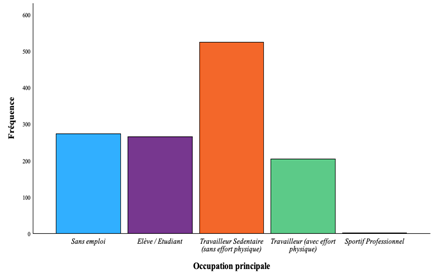
Primary occupation was recorded via an open-ended question, then categorized into the following professional groups: unemployed, student/pupil, sedentary worker, manual laborer, professional athlete.
Monthly income was self-declared and grouped into bands for statistical analysis: no income (or not disclosed), less than 50,000 XAF, 50,000–100,000 XAF, 100,000–150,000 XAF, and more than 150,000 XAF.
Dietary and lifestyle habits were self-reported. Fruit and vegetable consumption was measured using a five-level frequency scale (Never to Daily), with average daily portions noted for fruit.
Consumption of saturated and/or processed fats was estimated using a simplified dietary recall.
Added sugar intake was assessed via a questionnaire using an ordinal scale.
Salt intake was assessed through questions about table salt use and salty foods, classified into four categories.
Processed food consumption was recorded based on weekly frequency.
Alcohol use was categorized as non-drinker, occasional, or regular drinker, with dichotomization (low/high) for selected analyses.
Smoking status was self-reported and classified as current smoker or non-smoker.
Physical activity was defined as moderate-to-intense activity practiced at least three times per week, and classified as active or sedentary.
2.9. Statistical AnalysisStatistical analysis was performed using IBM SPSS Statistics version 30.0, after initial data structuring in Microsoft Excel.
A descriptive analysis estimated obesity prevalence and described participant characteristics (means, standard deviations, frequencies, percentages).
Bivariate analyses were then conducted to explore associations between obesity (BMI ≥ 30 kg/m²) and explanatory variables.
The Pearson’s Chi-squared test was used for categorical variables, while the Student’s t-test and ANOVA were applied for comparing means of continuous variables.
Finally, binary logistic regression was performed to identify independent risk factors for obesity. Odds ratios (ORs) and 95% confidence intervals (95% CI) were calculated.
Statistical significance was set at p < 0.05.
Sex: Table 1 presents the sex distribution of respondents. Of the 1,270 participants included in the study, 727 were female (57.2%), and 543 were male (42.8%). Thus, the sample shows a slight female predominance.
Age:
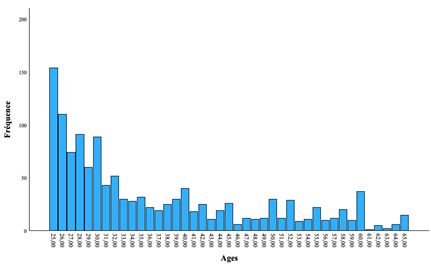
The mean age of participants was 36.3 ± 11.2 years, indicating a predominance of young and middle-aged adults. Figure 2 shows the age distribution among the 1,270 participants. The distribution was right-skewed, with a higher concentration of younger individuals. The most represented age groups were 25 years (12.1%), 26 years (8.7%), 28 years (7.2%), and 30 years (7.0%).
Overall, 60.1% of respondents were aged between 25 and 35 years, suggesting a population largely composed of young adults.
Frequencies declined progressively after age 35, with very low numbers beyond 60 years. The final age group (65 years) represented only 1.2% of the sample.

Educational Level:
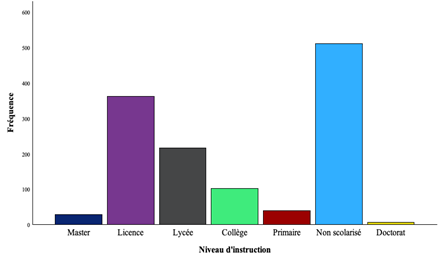
Figure 3 presents the distribution by educational attainment. Among the 1,270 respondents:
- 40.2% had no formal education,
- 28.6% held a bachelor’s degree,
- 17.1% had completed senior secondary school,
- 8.1% had reached junior secondary,
- 3.1% completed primary school,
- Only 2.3% held a master’s degree,
- And 0.6% had a doctoral degree.
Primary Occupation:
Figure 4 shows the occupational distribution. Of the 1,270 participants:
- 524 individuals (41.3%) reported a sedentary occupation without physical effort,
- 273 (21.5%) were unemployed,
- 266 (20.9%) were students or pupils,
- 205 (16.1%) reported manual labor involving physical effort,
- Only 2 participants (0.2%) identified as professional athletes.
Monthly Income:
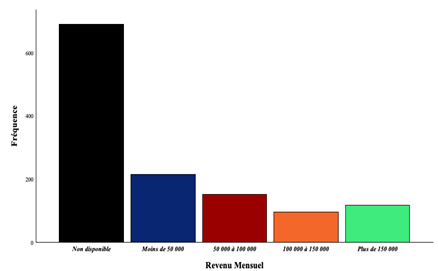
Figure 5 presents the distribution of participants by monthly income. Among the 1,270 individuals:
A majority (54.3%) did not report their income,
- 16.9% declared earning less than 50,000 XAF,
- 12.0% reported income between 50,000 and 100,000 XAF,
- 7.6% between 100,000 and 150,000 XAF,
- And 9.2% earned more than 150,000 XAF per month.


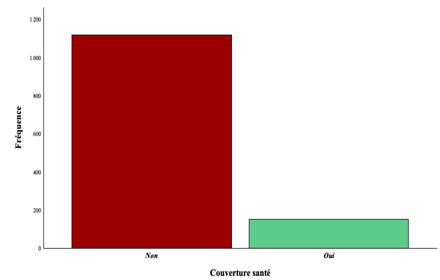
Figure 6 illustrates the distribution of participants by health insurance status. Among the 1,270 individuals:
1,119 (88.1%) reported no health coverage,
Only 151 (11.9%) had some form of health insurance.
This distribution is visually represented by a prominent dominance of the “No” category in the histogram, underscoring the low level of access to health coverage in the study population.
Clinical Characteristics:
The Table 2 presents descriptive statistics of key clinical variables measured among the 1,270 participants. The mean Body Mass Index (BMI) was 24.18 ± 4.42 kg/m², with values ranging from 15.7 to 38.8, indicating heterogeneity in weight status.
Fasting blood glucose had a mean of 0.99 g/L, with a standard deviation of 0.33, and extreme values ranging from 0 to 2.9 g/L.
The mean systolic blood pressure was 12.34 mmHg (± 1.86), while diastolic pressure averaged 8.09 mmHg (± 1.22). The resulting mean arterial pressure was estimated at 9.51 mmHg (± 1.32), with minimum and maximum values of 5.33 and 17 mmHg, respectively.
The mean total cholesterol level was 2.05 g/L, with a standard deviation of 0.32 and a range between 1 and 2.5 g/L.
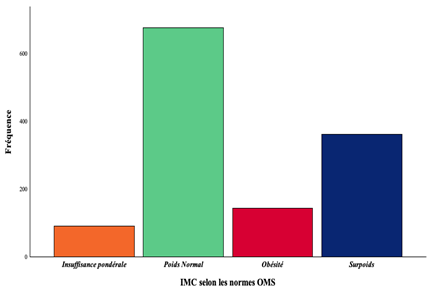
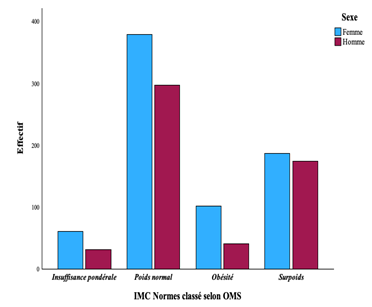
3.3. Prevalence of ObesityThe Table 3 presents the distribution of participants according to Body Mass Index (BMI) categories, as defined by the World Health Organization (WHO).
Among the 1,270 participants:
- 53.2% had a normal weight (n = 676),
- 28.4% were overweight (n = 361),
- 11.2% were obese (BMI ≥ 30 kg/m²; n = 142),
- And 7.2% were underweight (BMI < 18.5 kg/m²; n = 91).
These findings indicate that 39.6% of respondents were above the normal BMI range, highlighting a concerning trend of overweight and obesity in this urban population.
Conversely, 60.4% had a BMI below 25 kg/m², indicating normal or underweight status.
A detailed analysis of BMI categories confirms an obesity prevalence of 11.2% in the study population, with overweight affecting 28.4%, and normal weight status observed in 53.2%.
Obesity by Sex:
Obesity was significantly more prevalent in women (71.1%) than in men (28.9%) (p < 0.001), indicating a strong gender disparity in obesity risk.
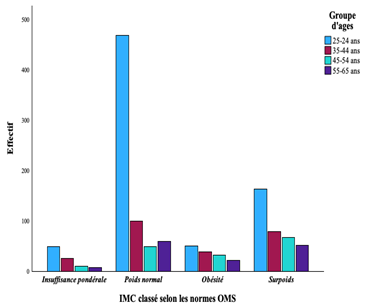
Obesity by Age Group:
Obesity prevalence increased with age:
- 35.2% of obese individuals were aged 25–34,
- 26.8% aged 35–44,
- 22.5% aged 45–54.
Chi-square testing (χ² = 102.6; p < 0.001) confirmed a significant association between age and BMI.


Obesity was more common among those without formal education (51.4%) compared to those with university education (26.0%), a difference that was statistically significant (p < 0.001).
Obesity by Income Group:
A rising trend was observed with income: 16.2% of obese participants earned more than 150,000 XAF, compared to 9.2% in lower income brackets (p < 0.001).
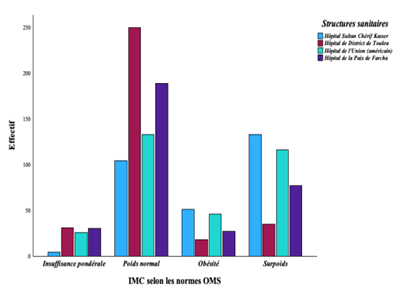
Obesity by Health Facility:
Sultan Cherif Kasser Hospital and Union District Hospital recorded the highest obesity rates, accounting for 35.9% and 32.4% of all obesity cases, respectively.
Chi-square analysis (χ² = 177.2; p < 0.001) confirmed significant variation across facilities.
3.4. Association Between Obesity and Sociodemographic CharacteristicsBivariate analysis revealed several significant associations between obesity and participants’ sociodemographic variables.
Sex: Women were significantly more likely to be obese than men (χ² = 12.59; p < 0.001).
Educational level: Obesity was more prevalent among less-educated individuals (χ² = 16.79; p = 0.010).
Income: Higher income was associated with increased obesity prevalence (χ² = 10.77; p = 0.029).
Age: Obese individuals had a significantly higher mean age (40.9 ± 11.3 years) compared to non-obese individuals (35.8 ± 11.1 years), with a mean difference of 5.1 years (t = –5.10; p < 0.001).
ANOVA also showed a statistically significant age difference across BMI groups (F = 22.82; p < 0.001), with a moderate effect size (η² = 0.067).
3.5. Association Between Obesity and Lifestyle HabitsChi-square tests were used to explore associations between health behaviours and obesity. The results are summarized in Table 5.
Three lifestyle habits were found to be significantly associated with obesity (p < 0.05):
Salt intake showed the strongest association (χ² = 19.364; p < 0.001),
Followed by added sugar consumption (χ² = 15.888; p = 0.003),
And fruit intake (χ² = 11.314; p = 0.023), although this association was slightly more moderate.
Other behaviours—such as regular physical activity (χ² = 0.06; p = 0.806), fresh vegetable consumption (χ² = 8.324; p = 0.08), saturated fat intake (χ² = 4.495; p = 0.343), processed food consumption (χ² = 1.779; p = 0.776), alcohol use (χ² = 3.927; p = 0.14), and smoking (χ² = 3.185; p = 0.203)—were not significantly associated with obesity in this population.
3.6. Factors Independently Associated with ObesityA binary logistic regression was conducted to identify independent predictors of obesity.
The model included 13 explanatory variables (sociodemographic, behavioural, and dietary) with obesity as the dependent variable (coded as 0 = non-obese, 1 = obese [BMI ≥ 30 kg/m²]).
Table 6 presents the results. Among the 1,270 observations, three variables were statistically significant.
Sex: Men were significantly less likely to be obese compared to women (OR = 0.369; 95% CI: 0.237–0.573; p < 0.001), indicating a protective effect.
Age: Each additional year of age increased the risk of obesity (OR = 1.032; 95% CI: 1.015–1.050; p < 0.001), showing a positive correlation.
Monthly income: Higher income was significantly associated with a greater risk of obesity (OR = 1.301; 95% CI: 1.119–1.512; p < 0.001).
Other variablessuch as education level, physical activity, smoking, and the consumption of fruit, saturated fat, added sugar, salt, vegetables, processed foods, or alcohol—were not significantly associated with obesity in the adjusted model (p > 0.05).
The study population was predominantly female, with a relatively young mean age of 36.3 years, and a low level of education (40.2% had no formal schooling). These characteristics reflect the educational and socioeconomic challenges faced by the urban population of N’Djamena. The high proportion of sedentary occupations (41.3%), coupled with the lack of health insurance coverage (88.1%), creates a fertile ground for the development of non-communicable metabolic diseases. Similar profiles have been described in other African urban contexts, where nutritional transition and rapid urbanization promote risk behaviours 19, 20.
The prevalence of obesity (11.2%) and overweight (28.4%) reflects a double nutritional burden in urban settings, in line with WHO estimates for low- and middle-income countries. Obesity was more common among women, middle-aged adults, those with no formal education, and higher-income individuals, suggesting a nutritional polarization by socioeconomic status.
The association between age and obesity likely reflects the cumulative effect of long-term exposure to risk behaviours. The high prevalence among women may be due to biological, sociocultural (e.g., beauty norms, domestic sedentariness), and economic factors. The positive association between high income and obesity, though counterintuitive in high-income countries, is frequently observed in developing countries due to increased access to energy-dense foods 5.
Certain dietary habits were significantly associated with obesity, including low fruit consumption (p = 0.023), high added sugar intake (p = 0.003), and excessive salt consumption (p < 0.001). These findings confirm the influence of dietary behaviours in the development of obesity. Similar results have been reported in sub-Saharan Africa. For example, a South African study found that high consumption of sugary beverages and added sugars was associated with higher BMI among urban adults, while low fruit intake was more frequent among obese individuals 21.
Likewise, a multicentre study in five sub-Saharan African countries identified excessive salt intake as a contributing factor to the prevalence of obesity and hypertension, calling for targeted public health interventions 22.
In contrast, no significant associations were observed between obesity and physical activity, smoking, or alcohol use in our study. This may be due to underreporting or measurement limitations in assessing these behaviours.
The multivariate analysis identified three independent risk factors for obesity: female sex, older age, and higher income. These results are consistent with previous African literature and suggest that the determinants of obesity in urban Sahelian contexts are rooted in socioeconomic, cultural, and biological logics 23.
The lack of significance for other variables (physical activity, smoking, diet) in the adjusted model does not imply the absence of effect but rather may reflect mediated effects or methodological limitations (e.g., recall bias, crude measurement tools).
This study provides valuable insights into the epidemiological profile of obesity in an urban Chadian context. With a prevalence of 11.2%, obesity is emerging as a public health concern among adults in N’Djamena. It disproportionately affects women, middle-aged individuals, and those with higher monthly income.
Bivariate analyses revealed significant associations between obesity and various sociodemographic characteristics and dietary behaviours, particularly sugar and salt consumption.
Multivariate analysis confirmed that female sex, age, and income level were the main independent risk factors. These findings suggest an accelerated nutritional transition in the urban Chadian population, marked by imbalanced diets and sedentary lifestyles.
The study recommends targeted interventions to prevent obesity, including nutrition education and the promotion of physical activity, particularly among women.
Public campaigns to reduce the consumption of added sugar, salt, and processed foods are urgently needed.
At the policy level, integrating obesity prevention into national health strategies, including fiscal measures, is essential.
Furthermore, strengthening health coverage and improving access to preventive care, including routine screening at primary healthcare centres, should be prioritized for early and effective management.
This study opens new research avenues, particularly through longitudinal studies to monitor the evolution of nutritional profiles and to explore causal relationships with obesity.
A qualitative approach would enhance understanding of social representations of the body and food.
Extending the study to rural areas would provide a comparative perspective to assess the impact of urbanization on nutritional health.
ANOVA: Analysis of Variance
CNBT: National Bioethics Committee of Chad
HDF: Farcha District Hospital
HDL: High-Density Lipoprotein
HDSCK: Sultan Cherif Kasser Hospital
HDT: Toukra District Hospital
HDU: Union District Hospital
BMI: Body Mass Index
LDL: Low-Density Lipoprotein
WHO: World Health Organization
OR: Odds Ratio
UNICEF: United Nations International Children’s Emergency Fund
The authors wish to thank the University of N’Djamena authorities, as well as Professors Brahim Boy OTCHOM (FSEA/N’Djamena), Abdelsalam Tidjani, and Bakaranga-Via Issakou (FSSH/N’Djamena) for their scientific support.
We also express our deep gratitude to the staff of the four participating hospitals, whose cooperation greatly facilitated the field data collection process.
This research received no external funding.
The data supporting the findings of this study are available from the corresponding author upon reasonable request.
The authors declare no conflict of interest.
Hal Souakar Ambera: Conceptualization, data management, formal analysis, funding acquisition, investigation, methodology, project administration, original draft writing, review and editing.
Guedeungbe Zoufane, Ngounbe Rilengar Léon and Al-Lamadine Mahamat: Data analysis, review and enhancement of the manuscript.
Brahim Boy Otchom, Bakarnga-Via Issakou and Abdelsalam Tidjani: Formal analysis, methodology, supervision, writing, review, and editing
| [1] | World Health Organization. 2021. Obesity and overweight. https:// www.who.int/ news-room/ fact-sheets/ detail/ obesity-and-overweight. | ||
| In article | |||
| [2] | Agyemang C, Meeks K, Beune E. 2016. Obesity and type 2-diabetes in sub-Saharan Africans – Is the burden in today’s Africa similar to African migrants in Europe? The RODAM study. BMC Med 14, 166. | ||
| In article | View Article PubMed | ||
| [3] | FAO (2019). Double burden of malnutrition in urban Africa: Case studies. Rome: FAO Publications. | ||
| In article | |||
| [4] | Pi-Sunyer FX. 1991. Health implications of obesity. Am. J. Clin. Nutr., 53(6): 1595S–1603S. | ||
| In article | View Article PubMed | ||
| [5] | Monteiro CA, Moura EC, Conde WL, Popkin BM. 2004. Socioeconomic status and obesity in adult populations of developing countries: a review. Bulletin of the World Health Organization, 82(12), 940–946. | ||
| In article | |||
| [6] | Setia MS. 2016. Methodology series module 3: Cross-sectional studies. Indian Journal of Dermatology, 61(3), 261-264. | ||
| In article | View Article PubMed | ||
| [7] | Wang X, Cheng Z. 2020. Cross-Sectional Studies: Strengths, Weaknesses, and Recommendations. Chest, 158(1S), S65–S71. | ||
| In article | View Article PubMed | ||
| [8] | World Health Organization. Regional Office for the Western Pacific. 2013. Measles-Rubella Bulletin - Vol 07 Issue 02. WHO Regional Office for the Western Pacific. | ||
| In article | |||
| [9] | Popkin BM. 2016. Nutritional patterns and transitions. Population and Development Review, 42(Suppl), 47–71. | ||
| In article | |||
| [10] | Etikan I, Bala K. (2017). Sampling and Sampling Methods. Biometrics & Biostatistics International Journal, 5(6), 215–217. | ||
| In article | View Article | ||
| [11] | Lwanga SK, Lemeshow S. 1991. Détermination de la taille d'un échantillon dans les études sanometriques. OMS Genève. | ||
| In article | |||
| [12] | Pourhoseingholi MA, Vahedi M, Rahimzadeh M. Sample size calculation in medical studies. Gastroenterology Hepatol Bed Bench 2013; 6(1), 14–17. | ||
| In article | |||
| [13] | World Medical Association. 2013. World Medical Association Declaration of Helsinki: Ethical Principles for Medical Research Involving Human Subjects. JAMA, 310(20), 2191–2194. | ||
| In article | View Article PubMed | ||
| [14] | Resnik DB. 2018. The Ethics of Research with Human Subjects: Protecting People, Advancing Science, Promoting Trust. Springer. | ||
| In article | View Article | ||
| [15] | Brislin RW. 1970. Back-Translation for Cross-Cultural Research. Journal of Cross-Cultural Psychology, 1(3), 185–216. | ||
| In article | View Article | ||
| [16] | Thompson FE, Subar AF. 2017. Dietary Assessment Methodology. In A. M. Coulston, C. J. Boushey, & M. G. Ferruzzi (Eds.), Nutrition in the Prevention and Treatment of Disease (4th ed., pp. 5–48). Academic Press. | ||
| In article | View Article | ||
| [17] | Williams B, Mancia G, Spiering W, Agabiti RE, Azizi M, Burnier M, .Tsioufis C. 2018. 2018 ESC/ESH Guidelines for the management of arterial hypertension. European Heart Journal, 39(33), 3021–3104. | ||
| In article | View Article PubMed | ||
| [18] | Nampa IW, Mudita IW, Kaho NPLBR. 2020. The KoBoCollect for Research Data Collection and Management (An experience in Researching the Socio-Economic Impact of Blood Disease in Banana). SOCA:Jurnal Sosial Ekonomi Pertanian, 14(3), 546-557. | ||
| In article | View Article | ||
| [19] | Popkin BM. 2006. Global nutrition dynamics: the world is shifting rapidly toward a diet linked with noncommunicable diseases. Am J Clin Nutr. Aug;84(2):289-98. | ||
| In article | View Article PubMed | ||
| [20] | Ofori-Asenso R, Agyeman AA. 2016. Overweight and obesity epidemic in Ghana—a systematic review and meta-analysis. BMC Public Health, 16, 1239. | ||
| In article | View Article PubMed | ||
| [21] | Mchiza, ZJR, Steyn NP, Temple NJ, Abrahams Z, Jacobs P. 2023. Dietary patterns and obesity in South African urban populations: A cross-sectional study. Journal of Nutritional Science, 12, e15. | ||
| In article | |||
| [22] | Simo LP, Boukar F, Oyono JLE, Mbanya JC. 2018. High salt consumption and its association with obesity and hypertension in urban areas of Sub-Saharan Africa: Evidence from a multicenter study. Nutrients, 10(8), 1028. | ||
| In article | View Article PubMed | ||
| [23] | Fezeu L, Minkoulou EM, Balkau B, Kengne AP, Awah P, Unwin N, Alberti KG, Mbanya JC. 2006. Association between socioeconomic status and adiposity in urban Cameroon. International Journal of Epidemiology, 35(1), 105–111. | ||
| In article | View Article PubMed | ||
Published with license by Science and Education Publishing, Copyright © 2025 Hal Souakar Ambera, Geudeungbé Zoufané, Ngounbé Rilengar Léon, Al-Lamadine Mahamat, Bakarnga-Via Issakou, Brahim Boy Otchom and Abdelsalam Tidjani
 This work is licensed under a Creative Commons Attribution 4.0 International License. To view a copy of this license, visit
http://creativecommons.org/licenses/by/4.0/
This work is licensed under a Creative Commons Attribution 4.0 International License. To view a copy of this license, visit
http://creativecommons.org/licenses/by/4.0/
| [1] | World Health Organization. 2021. Obesity and overweight. https:// www.who.int/ news-room/ fact-sheets/ detail/ obesity-and-overweight. | ||
| In article | |||
| [2] | Agyemang C, Meeks K, Beune E. 2016. Obesity and type 2-diabetes in sub-Saharan Africans – Is the burden in today’s Africa similar to African migrants in Europe? The RODAM study. BMC Med 14, 166. | ||
| In article | View Article PubMed | ||
| [3] | FAO (2019). Double burden of malnutrition in urban Africa: Case studies. Rome: FAO Publications. | ||
| In article | |||
| [4] | Pi-Sunyer FX. 1991. Health implications of obesity. Am. J. Clin. Nutr., 53(6): 1595S–1603S. | ||
| In article | View Article PubMed | ||
| [5] | Monteiro CA, Moura EC, Conde WL, Popkin BM. 2004. Socioeconomic status and obesity in adult populations of developing countries: a review. Bulletin of the World Health Organization, 82(12), 940–946. | ||
| In article | |||
| [6] | Setia MS. 2016. Methodology series module 3: Cross-sectional studies. Indian Journal of Dermatology, 61(3), 261-264. | ||
| In article | View Article PubMed | ||
| [7] | Wang X, Cheng Z. 2020. Cross-Sectional Studies: Strengths, Weaknesses, and Recommendations. Chest, 158(1S), S65–S71. | ||
| In article | View Article PubMed | ||
| [8] | World Health Organization. Regional Office for the Western Pacific. 2013. Measles-Rubella Bulletin - Vol 07 Issue 02. WHO Regional Office for the Western Pacific. | ||
| In article | |||
| [9] | Popkin BM. 2016. Nutritional patterns and transitions. Population and Development Review, 42(Suppl), 47–71. | ||
| In article | |||
| [10] | Etikan I, Bala K. (2017). Sampling and Sampling Methods. Biometrics & Biostatistics International Journal, 5(6), 215–217. | ||
| In article | View Article | ||
| [11] | Lwanga SK, Lemeshow S. 1991. Détermination de la taille d'un échantillon dans les études sanometriques. OMS Genève. | ||
| In article | |||
| [12] | Pourhoseingholi MA, Vahedi M, Rahimzadeh M. Sample size calculation in medical studies. Gastroenterology Hepatol Bed Bench 2013; 6(1), 14–17. | ||
| In article | |||
| [13] | World Medical Association. 2013. World Medical Association Declaration of Helsinki: Ethical Principles for Medical Research Involving Human Subjects. JAMA, 310(20), 2191–2194. | ||
| In article | View Article PubMed | ||
| [14] | Resnik DB. 2018. The Ethics of Research with Human Subjects: Protecting People, Advancing Science, Promoting Trust. Springer. | ||
| In article | View Article | ||
| [15] | Brislin RW. 1970. Back-Translation for Cross-Cultural Research. Journal of Cross-Cultural Psychology, 1(3), 185–216. | ||
| In article | View Article | ||
| [16] | Thompson FE, Subar AF. 2017. Dietary Assessment Methodology. In A. M. Coulston, C. J. Boushey, & M. G. Ferruzzi (Eds.), Nutrition in the Prevention and Treatment of Disease (4th ed., pp. 5–48). Academic Press. | ||
| In article | View Article | ||
| [17] | Williams B, Mancia G, Spiering W, Agabiti RE, Azizi M, Burnier M, .Tsioufis C. 2018. 2018 ESC/ESH Guidelines for the management of arterial hypertension. European Heart Journal, 39(33), 3021–3104. | ||
| In article | View Article PubMed | ||
| [18] | Nampa IW, Mudita IW, Kaho NPLBR. 2020. The KoBoCollect for Research Data Collection and Management (An experience in Researching the Socio-Economic Impact of Blood Disease in Banana). SOCA:Jurnal Sosial Ekonomi Pertanian, 14(3), 546-557. | ||
| In article | View Article | ||
| [19] | Popkin BM. 2006. Global nutrition dynamics: the world is shifting rapidly toward a diet linked with noncommunicable diseases. Am J Clin Nutr. Aug;84(2):289-98. | ||
| In article | View Article PubMed | ||
| [20] | Ofori-Asenso R, Agyeman AA. 2016. Overweight and obesity epidemic in Ghana—a systematic review and meta-analysis. BMC Public Health, 16, 1239. | ||
| In article | View Article PubMed | ||
| [21] | Mchiza, ZJR, Steyn NP, Temple NJ, Abrahams Z, Jacobs P. 2023. Dietary patterns and obesity in South African urban populations: A cross-sectional study. Journal of Nutritional Science, 12, e15. | ||
| In article | |||
| [22] | Simo LP, Boukar F, Oyono JLE, Mbanya JC. 2018. High salt consumption and its association with obesity and hypertension in urban areas of Sub-Saharan Africa: Evidence from a multicenter study. Nutrients, 10(8), 1028. | ||
| In article | View Article PubMed | ||
| [23] | Fezeu L, Minkoulou EM, Balkau B, Kengne AP, Awah P, Unwin N, Alberti KG, Mbanya JC. 2006. Association between socioeconomic status and adiposity in urban Cameroon. International Journal of Epidemiology, 35(1), 105–111. | ||
| In article | View Article PubMed | ||