We report the case of a 12-year-old boy with extrahepatic portal vein obstruction (EHPVO) complicated by idiopathic portal hypertension (IPH) who underwent living-donor liver transplantation (LDLT) and second-stage splenectomy. He presented with tarry stools, severe fatigue, and anemia. Computed tomography (CT) revealed EHPVO with cavernous transformation, and endoscopy revealed gastroesophageal varices with red signs. Brain magnetic resonance imaging and spectroscopy revealed portal systemic shunt encephalopathy, and liver biopsy confirmed IPH. LDLT was performed using his father’s right lobe graft, with resection of the cavernous transformation and portal vein reconstruction. His postoperative course was uneventful, and he was discharged on day 54. Pancytopenia and splenomegaly persisted, so a second-stage splenectomy was performed. Five years after transplantation, he remains well without graft complications or recurrent portal hypertension. The Rex shunt is a common surgical strategy for EHPVO, although IPH can limit its effectiveness. LDLT is a practical treatment option for EHPVO complicated by IPH
Extrahepatic portal vein obstruction (EHPVO) causes prehepatic portal hypertension owing to obstruction of the extrahepatic portal vein, including the hepatic hilum 1. Idiopathic portal hypertension (IPH), on the other hand, causes intrahepatic portal hypertension because of unexplained obstruction or stenosis of the intrahepatic portal branches 2. In Japan, the exclusion of EHPVO is required for the diagnosis of IPH. The two conditions have distinct pathophysiologies, although concomitant occurrence of IPH and EHPVO may be possible 2. Living-donor liver transplantation (LDLT) is occasionally performed for these diseases because severe portosystemic shunting can lead to pulmonary hypertension, progressive brain dysfunction, and life-threatening hemorrhage 3. However, no previous records of LDLT performed for EHPVO complicated by IPH with staged splenectomy. In this report, we describe a pediatric case of EHPVO complicated by IPH that was successfully managed with LDLT followed by staged splenectomy, resulting in a favorable long-term outcome.
A 12-year-old boy, born via vaginal delivery and previously healthy presented with several months of intermittent tarry stools followed by progressive exertional fatigue. He had no congenital risk factors for portal vein obstruction, including intrauterine infection. Initial laboratory findings at a local hospital showed pancytopenia with a white blood cell count of 2,030/µL, hemoglobin of 6.2 g/dL, platelet count of 7.1 × 10⁴/µL, and a prothrombin time-international normalized ratio (PT-INR) of 1.33 (Table 1). Contrast-enhanced abdominal computed tomography (CT) demonstrated cavernous transformation of the portal vein which is suggestive of EHPVO and splenomegaly, prompting the referral to our institution.
On admission, his height was 169.8 cm and weight was 52.4 kg. His vital signs were stable. Abdominal examination showed the liver palpable 1 cm below the right costal margin and the spleen 4 cm below the left costal margin. Repeat laboratory evaluation confirmed pancytopenia, with a white blood cell count of 1,130/µL, hemoglobin of 5.0 g/dL, platelet count of 4.5 × 10⁴/µL, and PT-INR of 1.41 (Table 2). Iron deficiency persisted, although there was no jaundice, hyperammonemia, or biochemical evidence of hepatic dysfunction.
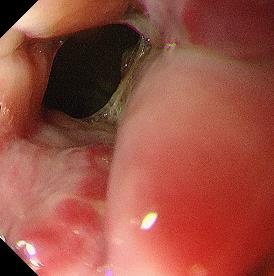
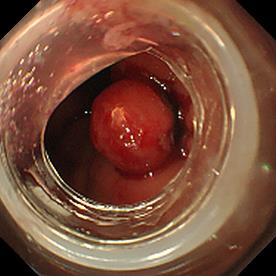
Upper gastrointestinal endoscopy revealed esophageal varices classified as Lm, F2, Cb, and RC2, for which endoscopic injection sclerotherapy was performed (Figure 1a). In addition, gastric varices classified as Lg-c, F2, Cb, and RC1: HCS were detected and endoscopic variceal ligation was performed (Figure 1b).
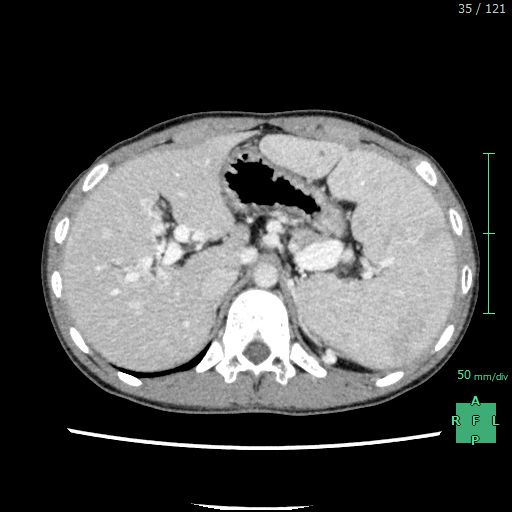
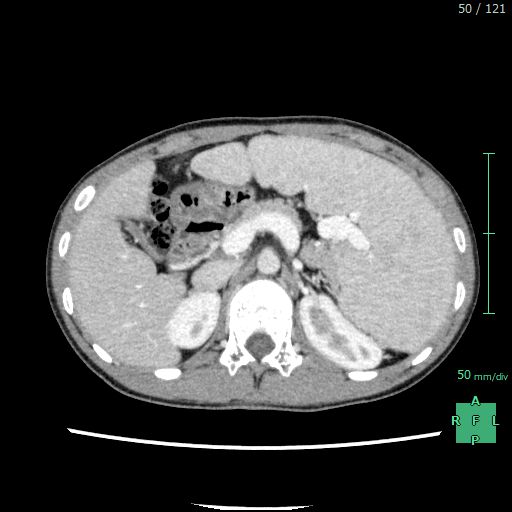
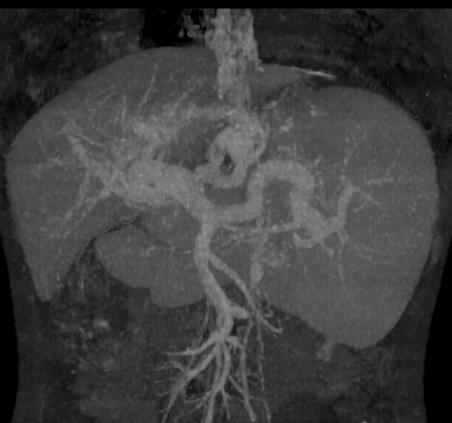
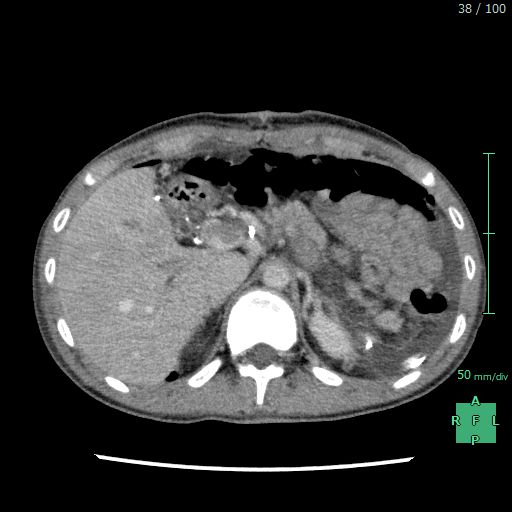
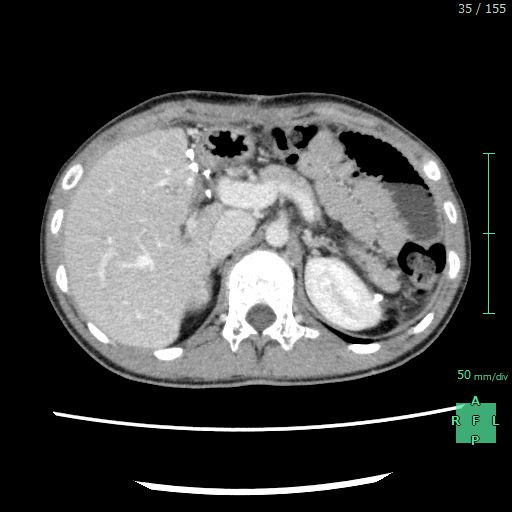
A contrast-enhanced abdominal CT demonstrated interruption of the portal vein at the upper pancreatic margin with collateral flow through cavernous transformation (Figure 2a). The intrahepatic portal vein was narrowed, the umbilical portion was visible, and the intrahepatic branches were not clearly delineated. Marked splenomegaly extending across the midline and extensive collateral vessels from the gastric lesser curvature to the esophagus were observed (Figure 2b, 2c).
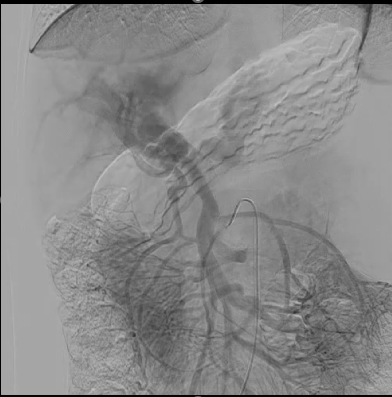
Portography via the superior mesenteric artery demonstrated cavernous transformation and collateral circulation, without evidence of splenorenal shunting (Figure 3). The mean pulmonary artery pressure was 12 mmHg, excluding pulmonary hypertension. Wedged hepatic venous pressure was 7 mmHg; therefore, hepatic venography was not performed.
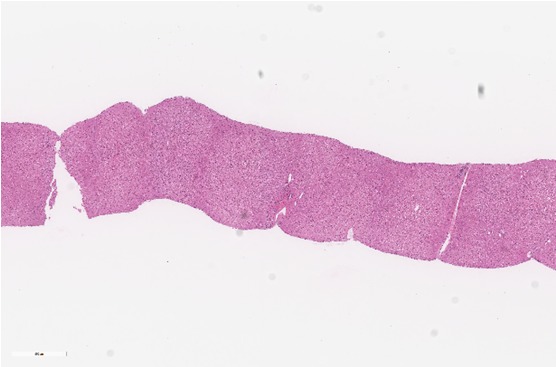
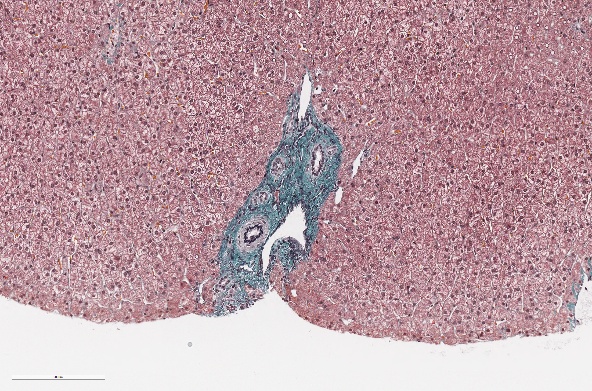
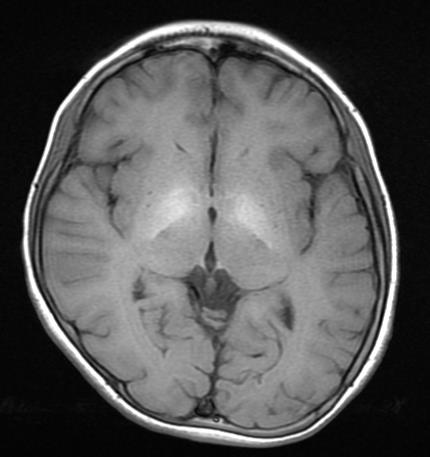
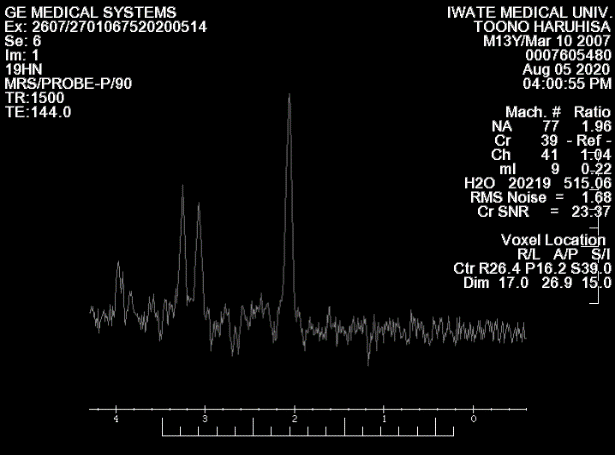
A liver biopsy revealed a noncirrhotic liver on a low-power view (Figure 4a). On a high-power view, irregular contours of portal tracts with the development of the portal vein were observed, leading to a diagnosis of IPH (Figure 4b). Brain magnetic resonance imaging demonstrated bilateral symmetrical hyperintensity in the globus pallidus extending to the cerebral peduncles on T1-weighted imaging (Figure 5a). Magnetic resonance spectroscopy showed an elevated choline peak. No neurological abnormalities were present; however, these findings were consistent with portosystemic encephalopathy (Figure 5b).
Based on these findings, a diagnosis of EHPVO complicated by IPH was made. A Rex shunt was considered but deemed unsuitable due to the risk of insufficient intrahepatic portal flow caused by IPH and evidence of portosystemic shunt encephalopathy. Splenectomy was also considered as a treatment option for IPH, however, LDLT was prioritized for several reasons, including the possibility that portal vein thrombosis after it could complicate portal vein reconstruction if LDLT were performed later. Therefore, LDLT was planned using his father’s right-lobe graft.
Surgery was performed through an inverted T-shaped incision. To secure sufficient portal inflow in the absence of a usable native portal vein, an autologous hepatic vein graft was used to reconstruct the portal vein. The portal vein was identified at the superior pancreatic border, with cavernous transformation extending into the liver. After total hepatectomy, the autologous hepatic vein was harvested and anastomosed to the portal vein at the pancreatic margin. The right and inferior right hepatic veins were anastomosed to the inferior vena cava. The right branch of the portal vein was anastomosed to the autologous hepatic vein. The right lobe graft weighed 681 g (graft-to-standard liver volume ratio: 60.2%; graft-to-recipient weight ratio: 1.30). Cold and warm ischemia times were 94 and 63 min, respectively. The operation time was 13 and 37 min, with 2283 mL of blood loss. The postoperative course was uneventful, and the patient was discharged on day 54.
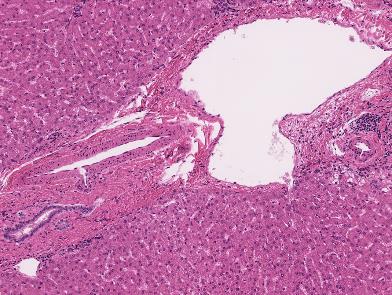
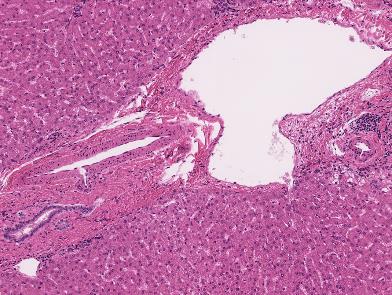
The explanted liver had a smooth surface with no tumors. Pathology showed portal vein branches protruding from the portal tracts, periportal round fibrosis, and narrowed portal veins with adjacent veins, which is consistent with IPH (Figure 6a, 6b). During follow-up, contrast-enhanced abdominal CT showed regression of portosystemic shunts; however, progressive splenomegaly and persistent pancytopenia developed. Endoscopy showed no variceal recurrence. Considering that the immunologic mechanisms of IPH might persist after LDLT and that splenic trauma could be life-threatening, a splenectomy was proposed one year after LDLT, to which the patient consented 4 5. Pneumococcal vaccination was administered two weeks before surgery, and an open splenectomy was performed.
The splenic artery was ligated through an upper midline incision, and dilated splenic vein branches and main trunk were transected using a stapler. The spleen weighed 1,358 g. The operation lasted 2 h 15 min, with 82 mL of blood loss. Pancytopenia improved promptly. A CT on postoperative day 3 showed portal vein thrombosis, which resolved after treatment with antithrombin III, heparin, aspirin, and edoxaban (Figure 7a, 7b). Five years after LDLT, the patient remains well without graft complications, recurrent shunts, or varices.


We report a case of EHPVO complicated by IPH, managed with LDLT and second-stage splenectomy. The treatment timeline is summarized in Table 3 (Table 3). The two conditions have distinct pathophysiologies, although concomitant occurrence of IPH and EHPVO may be possible. EHPVO may result from congenital anomalies of the portal vein, coagulation disorders, or myeloproliferative diseases 1. Secondary causes include neonatal omphalitis, pancreatitis, and biliary infection. Portal vein thrombosis associated with IPH has also been reported. In the present case, the portal vein formed normally to the superior pancreatic margin, and no congenital predisposition was identified. Histopathological findings from the liver biopsy and explanted liver showed circumferential portal tract fibrosis, narrowing of the portal tracts, and periportal venous proliferation, indicating that IPH preceded the development of EHPVO.
The Rex shunt is generally considered the preferred surgical treatment for EHPVO. In this patient, the umbilical portion of the portal vein was identifiable on CT; however, insufficient intrahepatic portal flow related to IPH raised concerns about worsening portosystemic encephalopathy. IPH may also limit the ability of a Rex shunt to achieve adequate intrahepatic portal hypertension 1. Given these factors, LDLT was selected. Selective splenic artery embolization and shunt ligation can control varices, hypersplenism, portal hypertensive gastropathy, and hyperammonemia in patients with EHPVO 6 7. However, these approaches were avoided because of the risk of inadequate portal flow, potential worsening of encephalopathy, development of ectopic varices, and intraperitoneal adhesions from repeated surgeries. Social factors, including concerns about treatment affecting the patient’s future educational and career milestones, were also considered. A multidisciplinary discussion among transplant surgeons, pediatricians, radiologists, and social workers supported LDLT as the optimal treatment strategy.
IPH is an important differential diagnosis in pediatric patients with noncirrhotic portal hypertension. Risk factors for disease progression include early onset and male sex, as well as the presence of esophagogastric varices, ascites, and portal vein thrombosis, many of which were present in this patient 8. Although the etiology of IPH remains unclear, some patients develop liver failure or intractable portal hypertension requiring liver transplantation, which has yielded favorable outcomes. Therefore, LDLT is considered a valid and effective treatment option for patients with advanced IPH 9 10 11.
Splenectomy is often performed for IPH; however, LDLT was prioritized for the following reasons 12. First, improved portal flow after LDLT can reduce portosystemic shunting and splenomegaly. Second, portal vein thrombosis following splenectomy may complicate portal vein reconstruction if LDLT is performed later. Third, as the patient grows, the graft volume from a living donor may become insufficient. Based on these considerations, LDLT was performed before the splenectomy.
The mechanism by which splenectomy improves IPH remains unclear. Favorable long-term outcomes have been reported following splenectomy or partial splenic artery embolization. IPH often coexists with autoimmune diseases such as systemic sclerosis, systemic lupus erythematosus, and mixed connective tissue disease, and has been associated with increased HLA-DR expression 13. Marked expression of vascular cell adhesion molecule-1 in intrahepatic portal endothelial cells suggests that autoimmune processes mediated by the endothelial-to-mesenchymal transition contribute to disease pathogenesis 14. Splenectomy may modulate these autoimmune processes and provide therapeutic benefits 4 15.
Regarding the indications for splenectomy, careful assessment of the underlying disease and pathophysiology, ideally after the age of five when it is possible is required 16. Earlier studies have suggested a high risk of overwhelming post-splenectomy infection, but this risk has decreased with modern infection prophylaxis and routine pneumococcal vaccination 17. Splenic preservation was initially considered in this patient; however, persistent pancytopenia, progressive splenomegaly, and the potential for fatal trauma supported the decision to proceed with a splenectomy one year after LDLT.
While liver transplantation for IPH has been reported, this is the first documented case of LDLT performed for EHPVO complicated by IPH 10 12 18. A similar case reported by Kawachi et al. involved LDLT for IPH with extrahepatic portal vein stenosis and splenic artery aneurysm. When LDLT is combined with therapeutic splenectomy, including in ABO-incompatible transplantation, careful management is required because of the risks of portal vein thrombosis and infectious complications such as postoperative pancreatic fistula 10.
We encountered a pediatric case of IPH complicated by EHPVO, in which LDLT followed by a staged splenectomy resulted in successful long-term management. In patients with EHPVO, concomitant diagnosis via liver biopsy is essential when IPH is a possible underlying factor, because EHPVO and IPH are distinct pathophysiologies that may coexist. Performing LDLT first to secure portal venous inflow, followed by a staged splenectomy, appears to be an effective strategy for the optimal control of portal hemodynamics in this combined pathology.
The heading of the Acknowledgment section and the References section must not be numbered.
Written informed consent was obtained from the patient for publication and any accompanying images. A copy of the written consent form is available for review by the editor-in-chief of this journal upon request.
The requirement for ethical approval was waived by Clinical Research Ethics.
The authors declare that they received no funding for this work.
Akira Umemura
The authors have no competing interests.
Extrahepatic portal vein obstruction (EHPVO)
Idiopathic portal hypertension (IPH)
Living-donor liver transplantation (LDLT)
Prothrombin time-international normalized ratio (PT-INR)
Computed tomography (CT)
| [1] | Khanna, R. and Sarin, S.K., "Idiopathic portal hypertension and extrahepatic portal venous obstruction.", Hepatology International, 12 (Suppl 1), 148-167, Feb 2018. | ||
| In article | View Article PubMed | ||
| [2] | Furuichi, Y., Kage, M., Ohta, M., Ohfuji, S., Sasaki, H., Hidaka, H., Yoshida, H., Kanto, T., Kusano, H., Akahoshi, T., Obara, K., Hashizume, M., Kuniyoshi, Y., Kawaguchi, T., Okubo, H., Ishikawa, T., Hirooka, M., Iwakiri, Y., Nio, M. and Tanaka, A, "Guidelines for the diagnosis and treatment of idiopathic portal hypertension, extrahepatic portal obstruction, and Budd-Chiari syndrome in Japan.", Hepatology Research, 54 (11), 952-969, Nov 2024. | ||
| In article | View Article PubMed | ||
| [3] | Tamura, Y., Tamura, Y., Taniguchi, Y. and Atsukawa, M, "Current clinical understanding and effectiveness of portopulmonary hypertension treatment", Frontiers in Medicine. | ||
| In article | |||
| [4] | Tanaka, T., Sugawara, Y. and Kokudo, N., "The current clinical aspects of idiopathic portal hypertension.", Intractable Rare Disease Research, 2 (3), 94-97, Aug 2013. | ||
| In article | View Article PubMed | ||
| [5] | Jinshan Z. and Li, L., "Rex Shunt for Extra-Hepatic Portal Venous Obstruction in Children", Children, 9 (2), 297, Feb 2022. | ||
| In article | View Article PubMed | ||
| [6] | Satai, M., Vaidya, A., Rathod, K., Singh, A., Harindranath, S., Patra, B.R. and Shukla, A., "Partial Splenic Artery Embolization for the Management of Symptomatic Hypersplenism in Portal Hypertension: Clinical Insights from a Case Series.", Journal of Clinical and Experimental Hepatology, 14 (5), 101435, 2024. | ||
| In article | View Article PubMed | ||
| [7] | Zhang, J. and Li, L., "Surgical ligation of a portosystemic shunt for the treatment of type Ⅱ Abernethy malformation in 12 children", Journal of Vascular Surgery, Venous Lymphatic Disorder, 2021. | ||
| In article | View Article PubMed | ||
| [8] | Murai, Y., Ohfuji, S., Fukushima, W., Tamakoshi, A., Yamaguchi, S., Hashizume, M., Moriyasu, F. and Hirota, Y., "Prognostic factors in patients with idiopathic portal hypertension: Two Japanese nationwide epidemiological surveys in 1999 and 2005.", Hepatology Research, 42 (12), 1211-1220, Dec 2012. | ||
| In article | View Article PubMed | ||
| [9] | Bernard, P.H., Le Bail, B., Cransac, M., Barcina, M.G., Carles, J., Balabaud, C. and Bioulac-Sage, P., "Progression from idiopathic portal hypertension to incomplete septal cirrhosis with liver failure requiring liver transplantation.", Journal of Hepatology, 22 (4), 495-499, Apr 1995. | ||
| In article | View Article PubMed | ||
| [10] | Dumortier, J., Bizollon, T., Scoazec, J.Y., Chevallier, M., Bancel, B., Berger, F., Ducerf, C., Claudel-Bonvoisin, S., Paliard, P., Boillot, O. and Trepo, C, "Orthotopic liver transplantation for idiopathic portal hypertension: indications and outcome.", Scandinavian Journal of Gastroenterology, 36 (4), 417-422, Apr 2001. | ||
| In article | View Article PubMed | ||
| [11] | Krasinskas, A.M., Eghtesad, B., Kamath, P.S., Demetris, A.J. and Abraham, S.C., "Liver transplantation for severe intrahepatic noncirrhotic portal hypertension.", Liver Transplant, 11 (6), 627-34; discussion 610-1, Jun 2005. | ||
| In article | View Article PubMed | ||
| [12] | Ohta, M., Shimada, T., Matsufuji, H., Yukizane, T., Yamada, H. and Sugimachi, K, "Surgical treatment of a patient with idiopathic portal hypertension and hepatic encephalopathy", Hepato-gastroenterology, 48 (41), 1461-3, Sep-Oct 2001. | ||
| In article | |||
| [13] | Terada, T., Nakanuma Y., et al. "Expression of HLA-DR antigen on hepatic vascular endothelial cells in idiopathic portal hypertension", Clinical and Experimental Immunology, 84 (2), 303-7, May 1991. | ||
| In article | View Article | ||
| [14] | Yasunori, S. and Yasuni N., "Role of endothelial mesenchymal transition in idiopathic portal hypertension", Histology and Histopathology, 28 (2), 145-54, Feb 2013. | ||
| In article | |||
| [15] | Nakanuma, Y., Sato, Y. and Kiktao, A., "Pathology and pathogenesis of portal venopathy in idiopathic portal hypertension: Hints from systemic sclerosis.", Hepatology Research, 39 (10), 1023-1031, Oct 2009. | ||
| In article | View Article PubMed | ||
| [16] | Maria, D., Dimitrios, F., et al. "2021 Guidelines: For the Management of Transfusion Dependent Thalassemia (TDT) ", 4th edition, 2023. | ||
| In article | |||
| [17] | Jugenburg, M., Haddock, G., Freedman, M.H., Ford-Jones, L. and Ein, S.H., "The morbidity and mortality of pediatric splenectomy: does prophylaxis make a difference.", Journal of Pediatric Surgery, 34 (7), 1064-1067, Jul 1999. | ||
| In article | View Article PubMed | ||
| [18] | Kawachi, S., Chiba, N., Nakagawa, M., Kobayashi, T., Hikita, K., Sano, T., Tomita, K., Hirano, H., Abe, Y., Obara, H. and Shimazu , M, "Living donor liver transplantation for idiopathic portal hypertension with extrahepatic portal vein stenosis and splenic artery aneurysms: a case report and review of the literature.", BMC Surgery, 20 (1), 257, Oct 2020. | ||
| In article | View Article PubMed | ||
Published with license by Science and Education Publishing, Copyright © 2026 Yusuke Suto, Akira Umemura, Hiroyuki Nitta, Takeshi Shiohata, Seiya Tagane, Naoki Yanagawa, Masao Nishiya, Ayaka Sato and Akira Sasaki
 This work is licensed under a Creative Commons Attribution 4.0 International License. To view a copy of this license, visit
http://creativecommons.org/licenses/by/4.0/
This work is licensed under a Creative Commons Attribution 4.0 International License. To view a copy of this license, visit
http://creativecommons.org/licenses/by/4.0/
| [1] | Khanna, R. and Sarin, S.K., "Idiopathic portal hypertension and extrahepatic portal venous obstruction.", Hepatology International, 12 (Suppl 1), 148-167, Feb 2018. | ||
| In article | View Article PubMed | ||
| [2] | Furuichi, Y., Kage, M., Ohta, M., Ohfuji, S., Sasaki, H., Hidaka, H., Yoshida, H., Kanto, T., Kusano, H., Akahoshi, T., Obara, K., Hashizume, M., Kuniyoshi, Y., Kawaguchi, T., Okubo, H., Ishikawa, T., Hirooka, M., Iwakiri, Y., Nio, M. and Tanaka, A, "Guidelines for the diagnosis and treatment of idiopathic portal hypertension, extrahepatic portal obstruction, and Budd-Chiari syndrome in Japan.", Hepatology Research, 54 (11), 952-969, Nov 2024. | ||
| In article | View Article PubMed | ||
| [3] | Tamura, Y., Tamura, Y., Taniguchi, Y. and Atsukawa, M, "Current clinical understanding and effectiveness of portopulmonary hypertension treatment", Frontiers in Medicine. | ||
| In article | |||
| [4] | Tanaka, T., Sugawara, Y. and Kokudo, N., "The current clinical aspects of idiopathic portal hypertension.", Intractable Rare Disease Research, 2 (3), 94-97, Aug 2013. | ||
| In article | View Article PubMed | ||
| [5] | Jinshan Z. and Li, L., "Rex Shunt for Extra-Hepatic Portal Venous Obstruction in Children", Children, 9 (2), 297, Feb 2022. | ||
| In article | View Article PubMed | ||
| [6] | Satai, M., Vaidya, A., Rathod, K., Singh, A., Harindranath, S., Patra, B.R. and Shukla, A., "Partial Splenic Artery Embolization for the Management of Symptomatic Hypersplenism in Portal Hypertension: Clinical Insights from a Case Series.", Journal of Clinical and Experimental Hepatology, 14 (5), 101435, 2024. | ||
| In article | View Article PubMed | ||
| [7] | Zhang, J. and Li, L., "Surgical ligation of a portosystemic shunt for the treatment of type Ⅱ Abernethy malformation in 12 children", Journal of Vascular Surgery, Venous Lymphatic Disorder, 2021. | ||
| In article | View Article PubMed | ||
| [8] | Murai, Y., Ohfuji, S., Fukushima, W., Tamakoshi, A., Yamaguchi, S., Hashizume, M., Moriyasu, F. and Hirota, Y., "Prognostic factors in patients with idiopathic portal hypertension: Two Japanese nationwide epidemiological surveys in 1999 and 2005.", Hepatology Research, 42 (12), 1211-1220, Dec 2012. | ||
| In article | View Article PubMed | ||
| [9] | Bernard, P.H., Le Bail, B., Cransac, M., Barcina, M.G., Carles, J., Balabaud, C. and Bioulac-Sage, P., "Progression from idiopathic portal hypertension to incomplete septal cirrhosis with liver failure requiring liver transplantation.", Journal of Hepatology, 22 (4), 495-499, Apr 1995. | ||
| In article | View Article PubMed | ||
| [10] | Dumortier, J., Bizollon, T., Scoazec, J.Y., Chevallier, M., Bancel, B., Berger, F., Ducerf, C., Claudel-Bonvoisin, S., Paliard, P., Boillot, O. and Trepo, C, "Orthotopic liver transplantation for idiopathic portal hypertension: indications and outcome.", Scandinavian Journal of Gastroenterology, 36 (4), 417-422, Apr 2001. | ||
| In article | View Article PubMed | ||
| [11] | Krasinskas, A.M., Eghtesad, B., Kamath, P.S., Demetris, A.J. and Abraham, S.C., "Liver transplantation for severe intrahepatic noncirrhotic portal hypertension.", Liver Transplant, 11 (6), 627-34; discussion 610-1, Jun 2005. | ||
| In article | View Article PubMed | ||
| [12] | Ohta, M., Shimada, T., Matsufuji, H., Yukizane, T., Yamada, H. and Sugimachi, K, "Surgical treatment of a patient with idiopathic portal hypertension and hepatic encephalopathy", Hepato-gastroenterology, 48 (41), 1461-3, Sep-Oct 2001. | ||
| In article | |||
| [13] | Terada, T., Nakanuma Y., et al. "Expression of HLA-DR antigen on hepatic vascular endothelial cells in idiopathic portal hypertension", Clinical and Experimental Immunology, 84 (2), 303-7, May 1991. | ||
| In article | View Article | ||
| [14] | Yasunori, S. and Yasuni N., "Role of endothelial mesenchymal transition in idiopathic portal hypertension", Histology and Histopathology, 28 (2), 145-54, Feb 2013. | ||
| In article | |||
| [15] | Nakanuma, Y., Sato, Y. and Kiktao, A., "Pathology and pathogenesis of portal venopathy in idiopathic portal hypertension: Hints from systemic sclerosis.", Hepatology Research, 39 (10), 1023-1031, Oct 2009. | ||
| In article | View Article PubMed | ||
| [16] | Maria, D., Dimitrios, F., et al. "2021 Guidelines: For the Management of Transfusion Dependent Thalassemia (TDT) ", 4th edition, 2023. | ||
| In article | |||
| [17] | Jugenburg, M., Haddock, G., Freedman, M.H., Ford-Jones, L. and Ein, S.H., "The morbidity and mortality of pediatric splenectomy: does prophylaxis make a difference.", Journal of Pediatric Surgery, 34 (7), 1064-1067, Jul 1999. | ||
| In article | View Article PubMed | ||
| [18] | Kawachi, S., Chiba, N., Nakagawa, M., Kobayashi, T., Hikita, K., Sano, T., Tomita, K., Hirano, H., Abe, Y., Obara, H. and Shimazu , M, "Living donor liver transplantation for idiopathic portal hypertension with extrahepatic portal vein stenosis and splenic artery aneurysms: a case report and review of the literature.", BMC Surgery, 20 (1), 257, Oct 2020. | ||
| In article | View Article PubMed | ||