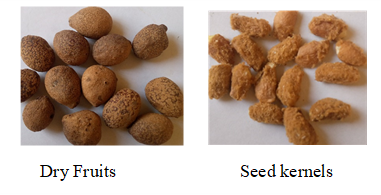
Study was conducted on nutritional value to complete information on chemical and Physico-chemical properties of Parinari curatellifolia, seeds and seed oils to better use. The proximate composition and crude fibers of the seed was determined using AOAC standard methods. Mineral and amino acid compositions were determined respectively by gas chromatography, HPLC, inductively coupled plasma atomic emission spectrometry (ICP-AES) and liquid chromatography coupled to a tandem mass spectrometer (LC-MS/MS). Simple sugars, phytate and plolyphenol were detetermined. The seeds were characterized by high crude oil (38.5%) and protein contents (27.2%). Physico-chemical properties of seed oils showed low acid value (0.33 mg of KOH/g of oil) and oxidative stability index and high iodine and peroxide value due to the high level of unsaturated fatty acids (85,8%). Potassium was the major mineral (629.866 mg/100g) followed by phosphorus (484.784 mg/100 g), magnesium (360.934 mg/100 g) and calcium (221.868 mg/100 g). The essential amino acids content was 705505.04 mg/kg corresponded to 84.04% of total amino acid. The seeds contain all essential amino acids except tryptophan. Cysteine (76.52%) was the major amino acid. α-D-glucose content was the higher one with a concentration of 7815.20 mg/kg followed by α-D-galactose (2893.13 mg/kg) and aldehyde-L-arabinose (2576.47 mg/kg). The phytate and polyphenol content were 20.39±0.02 g/kg and 0.10±0.001%, respectively. The results of the present study showed that P. curatellifolia seed kernel had good nutritional value and could be a good source of nutriments requirements in human nutrition and dietetics.
The world’s production of vegetable oils is currently around 130 million metric tons 1. The global market for Vegetable Oils is forecast to reach 169 million Metric Tons by 2015. Key factors fuelling market growth include recovery from economic recession, increasing global population, and growing demand from emerging markets backed by strong economic growth, and increasing standard of living. About 70% of the production are accounted for four vegetal species: Soya, palm, rape and sunflower.
The recent highlight of the role in human health of polyunsaturated fatty acids (PUFAs) especially omega-6 [linoleic acid (LA), α-linoleneic acid (GLA)] and omega-3 [α-linoleneic acid (ALA), eicosapentanoic acid (EPA), docosahexaenoic acid (DHA)] has led to the increase of the demand of the oils with high omega 3/ omega 6 ration. To date, there are limited numbers of seed oil with high omega 3/ omega 6 ration available in the market. Among those include soybean oil (8%), canola oil (8.8%) and linseed oil (60%) 2. Therefore, the search for new source of oilseed rich in omega 3 and omega 6 gains in importance.
Parinari curatellifolia Planch. ex Benth belong to the family of Chrysobalanaceae. It is a family composed of 17 genera and about 525 species. P. curatellifolia is tree plant common to the savanah forest and open grass lands of west tropical Africa. They are found widely distributed in Africa from Ghana to the Cameroons and Sudan. The species is used traditionally in several African countries as folkore remedies. P. curatellifolia is used in Africa as a remedy for dysentery, epilepsy, malaria, toothache, stomachache, malaria and venereal diseases 3, 4. The roots of P. curatellifolia possess significant antioxidant and hepatoprotective effects 5, in vitro antileishmanial, and antitrypanosomal activities have been reported 6, 7. Fruits of P. curatellifolia are edible and oleaginous 8. Fruits have been reported to be rich in carbohydrates 9. Our last study has reported a variation in lipid composition and high level of polyunsaturated fatty acids of seed oils. The oil content of seed was 38.55%. Oleic acid (36.2%) α-Eleostearic acid (30.5%) and linoleic acids (10.2%) were the major fatty acids of P. curatellifolia 10. α-tocopherol 36.37µg/g, γ-tocopherol 6.61µg/g, δ-tocopherol 6.31µg/g was the tocopherols of oil11. However, there are no or few information available on physicochemical parameters, amino acids and mineral composition of the seed and seed oil. Therefore, the purpose of this work was to investigate the nutritional composition and physico-chemical properties of P. curatellifolia seeds and seed oils to better use.
Ripe fruits of P. curatellifolia were collected in the Cascades region in southern Burkina Faso in October 2024. Tree localities, namely Toumousseni (10°37’60’’N and 4°54’0’’W), Wolonkoto (10°40’35’’N, 4° 58’ 20’’W) and Mondon (10° 51’ 07’’N, 4° 49’ 10’’W) were randomly selected for fruit collection. Approximately 10 kg of fruit were collected from 20 plants per locality. After collection, the fruits were transported to the laboratory, where sorting was conducted to remove damaged fruits. The ripe fruits, free of infection, were then dried at room temperature (between 28 and 30 °C) for three weeks. After drying, 1 kg of seeds per locality was collected and pooled to obtain a representative mixture of the region. Finally, the seeds obtained were shelled, and the almonds were ground for biochemical analyses.

Moisture, protein, ash and lipid contents were determined according Association of Official Analytical Chemists 12. Moisture was determined gravimetrically after drying the sample overnight at 105°C. Ash was quantified after incinerating the sample overnight at 550°C. Total protein content (% total nitrogen x 6.25) was determined by the Kjeldahl method. Total lipids were determined by soxhlet extractor with petroleum ether for 6 h and solvent was removed using a rotary vacuum evaporator. Carbohydrate content was estimated by difference of mean values 13
2.3. Physiochemical Properties of Seed OilSeed oil was extracted using the Soxhlet extraction apparatus with petroleum ether (40–60°C) as solvent for 6 h. The extracted oil was separated from the organic solvent using a rotary vacuum evaporator. Immediately after evaporation of extract solvent, oils were saturated with nitrogen air and stored at -18°C. The physicochemical parameters were determined according to AOCS official methods 14. The determination of saponification value was carried out according to AOCS Cd 3-25 official method. The Oil sample (5 g) was saponified using alcoholic potassium hydroxide (40 g of KOH dissolved in 1000 mL of ethanol). The unreacted KOH was back titrated with HCl (1 M) using phenolphthalein as indicator. Peroxide value was determined according to AOCS Cd 8-53 official method. Briefly (5 g) was placed in 30 ml glacial acetic acid: chloroform (3:2 v/v %) and saturated solution of potassium iodide (0.5 mL) was added to liberate iodine by reacting with the peroxide. The resulting solution was titrated against sodium thiosulphate (0.01 M) using starch solution (1%) as indicator. Acid value of seed oil was determined according to AOCS Ca 3a-63 official method. To a liquid fat sample, neutralized 95% ethanol and phenolphthalein indicator were added and titrated with NaOH. The oxidative stability index. The stability of extract oils was determined using a 743 rancimat instrument (Metrohm, Switzerland). Oil (3 g) was transferred into the reaction tube and oxidation was carried out at 120°C. The OSI was defined as the hour for an oil sample to develop a measurable rancidity. Iodine value (IV). IV was directly determined from fatty acid composition according to AOCS Cd 1c-85 method. Melting point was determined by capillary tube method according to AOCS official method
2.4. Determination of Crude FibersThe crude fiber was determine according to AOAC 978.10 called Weende method with a few modifications 12. The method is based on the solubilization (digestion) of non-cellulose compounds by solutions of sulfuric acid and potassium hydroxide. Crude fiber is the loss on ignition of the dried residue remaining after digestion of the sample and is determined by the difference in weight. First weight the sample about 1.0 g (mL) to 0.0001 g, place it in the filter pan, connect the filter pan equipped with the test to a cold extraction device, add 30 mL petroleum ether, soak for 5 min, vacuum drain, repeat 3 times, and transfer all the filter residue to a beaker. Add 100 mL of hydrochloric acid solution (0.5 mol/L), stir continuously for 5min, carefully transfer the mix to the bottom layer of filter aid (about 1/5 the height of the filter aid) and vacuum drain. Wash the beaker with 100 mL water, transfer it to a filter pan, drain, and wash with water repeatedly. Transfer all the samples and filter aid to the original beaker. Add 150 mL of sulfuric acid solution (0.13±0.005 mol/L), heat and boil as soon as possible and remain boiling for 30 min ± 1min. After boiling begins, turn the beaker every 5 min. Add drops of n-octanol or silicone oil, if necessary. Open the cooling device during boiling, and keep the boiling liquid product constant. Spread a filter pan with a filter aid (about 1/5 of the height of the filter aid thickness) and affix a sieve plate on the filter aid to prevent splashing. After cooking, transfer the cooking solution to a filter pan, vacuum filter, and dry as far as possible. The filter was washed with hot water 5 times, about 10 mL each time, vacuum extraction. After stopping vacuum, add 30mL of acetone to make the coverage residue, stand for 5min and drain. Connect the filter pan containing the sample filter residue to the cold extraction device, add 30 mL petroleum ether, soak for 5min, vacuum drain, and repeat 3 times. 5. Transfer all filter residue to a beaker, add 150mL potassium hydroxide solution (0.23 mol/L ±0.005 mol/L), heat, boil as soon as possible, keep boiling state for 30 min ± 1min. After boiling begins, turn the beaker every 5 min. Add drops of n-octanol or silicone oil, if necessary. Open the cooling device during boiling, and keep the boiling liquid product constant. The sample reducing solution is filtered through the filter pan, with a layer of filter aid (the filter aid thickness is about 1/5 of the height of the filter pan), cover a sieve plate on the filter aid to prevent splashing. After cooking, transfer the cooking solution to a filter pan, vacuum filter, and dry as far as possible. Wash the filter residue with hot water to neutral. Connect the filter pan with sample filter residue to a cold extraction device, add 30 mL of acetone ether, soak for 5 min, vacuum drain, and repeat 3 times. The filter was placed in ash dishes and dried at 130°C±2°C for 2h. Remove, cool in a dryer to room temperature and weigh quickly (m2) to 0.0001 g. Gray the filter pan and ash dishes at 500°C± 25°C for 30 min, remove, initially cool the filter pan and ash dish, place in a dryer, cool for 30 min, weigh (m3) to 0.0001 g. Until the difference between two consecutive weighing times does not exceed 2 mg. The content of crude fiber is calculated using the formula:
 | (1) |
The amino acid composition was determined by liquid chromatography coupled to a tandem mass spectrometer (LC-MS/MS) as described in our previous work 15. The samples were first digested hot (110°C), with a 1‰ phenol/water hydrochloric acid solution in the proportions (V/V). Then the operation was followed by filtration on a 0.22 μm pore membrane. Then the amino acid composition was determined using the Shimadzu 8050 LC-MS/MS instrument. The column was Endeavor-sil C18 type, size 100*2.1 mm 1.8 um and the flow rate was 0.2 mL/min. The column temperature was 40°C and the collection time was 15 min. The mobile phase consisted of 0.1% formic acid and acetonitrile as shown in the table below. The electrospray ionization mass conditions were as follows: interface temperature: 300°C, desolvation temperature: 526°C, DL temperature: 250°C, atomization gas flow rates: 3.00 L/ min, heating air flow: 10.00 L/min, heating block temperature: 400˚C, drying air flow: 10.00 L/min. Quantification was performed using combined MRM and SIM methods for direct quantitative determination of amino acids in various samples on LC/MS/MS.
2.6. Determination of Mineral CompositionThe mineral composition was determined by inductively coupled plasma atomic emission spectrometry (ICP-AES) according to Selmi et al. 16 with slight modifications as described in our exterior works 15. The samples were previously digested with a mixed solution of nitric acid and perchloric acid on an electric hotplate. Mineral analysis was carried out by gas-liquid chromatography (GLC) with the PerkinElmer (PE) AVIO200 model. The parameters were adjusted as follows: Instrumental analysis conditions: argon; Plasma gas flow: 12 L/min; Auxiliary gas flow: 0.2 L/min; Atomization gas flow: 0.6L/min; Output power: 1300W; Pump flow: 1.5 mL/min; Carrier gas (more than 99.996% argon: 0.6-0.8 MPa); Purge gas (more than 99.999% argon or nitrogen: 0.3-0.8 MPa); Air compressor (0.6-0.8 Pa); Cooling water circulator (20˚C).
2.7. Determination of the 11 Types of Simple SugarsA sample of 0.5 g was added to 3 mL of trifluoroacetic acid (4 mol/L), sealed, and subjected to acid digestion in an oven at 105°C for 4 h. After digestion, the ampoule was removed, cooled, and dried at 105°C. Subsequently, 3mL of methanol was added, followed by another drying step. Then, 5 mL of water was introduced, and the mixture was subjected to ultrasonication for 30 min, followed by vortex mixing. The final solution was filtered through a 0.22 μm membrane before analysis. The instrument used for analysis was a Shimadzu LC-16 ELSD, with a Shodex Asahipak NH2P-50 4E chromatographic column (4.6 × 250 mm, 5 μm). The chromatographic conditions included a collection time of 15 min, a flow rate of 1 mL/min, a column temperature of 35°C, and a mobile phase consisting of water and acetonitrile in a ratio of 22:78.
Sample of 0.5 g was placed in an ampoule containing 4mL of trifluoroacetic acid (4 mol/L). The ampoule was sealed and subjected to acid digestion in an oven at 110°C for 4h. After digestion, the ampoule was removed, allowed to cool, and the contents were dried at 105°C. After that, 3mL of methanol was added, and the mixture was dried again before dissolving the residue in 3 mL of ammonia and filtering it through a 0.22 μm membrane for derivatization. During the derivatization procedure, 0.1 mL of the sample was mixed with 0.1mL of a 0.5 mol/L PMP-methanol solution and derivatized at 70°C for 30 min. Following this, the mixture was blown dry using a nitrogen blower, after which 1mL of methanol was added and dried again. Then, 1.0 mL of water was added to dissolve the sample, and excess derivatizing agent was extracted with chloroform until the chloroform layer became colorless. Finally, the supernatant was filtered through a 0.22 μm membrane before analysis on a Shimadzu LC-2030PLUS instrument, utilizing a Diamonsil-plus C18 chromatographic column (4.6×250 mm, 5μm). The analytical conditions included a collection time of 75min, a wavelength of 245 nm, a flow rate of 1mL/min, a column temperature of 35°C and a mobile phase composed of 20mmol/L disodium hydrogen phosphate (pH 6.8) and acetonitrile in a ratio of 84:16.
2.8. Determination of PhytateThe adapted method of Marolt & Kolar 17 was used for the determination of phytate. A 50 mL centrifuge tube was filled with 2 g of the sample and 20 mL of hydrochloric acid. After 2 h of ultrasonic extraction at room temperature, the mixture was centrifuged for 15 min at 5000 rpm. The residue was dissolved in 10mL of water after 10 mL of the supernatant was precisely aspirated into a 50mL distillation flask and evaporated using rotary evaporation at 50°C. About 5 mL of the extract was then pipetted through a solid phase extraction column that had been pre-activated. It was then successively cleaned with 5mL of sodium dihydrogen phosphate solution and 5 mL of water, with all effluent disposed of. Following that, 5 mL of sodium dihydrogen phosphate solution was used to elute the column, with a detection wavelength of 245 nm.
2.9. Determination of PolyphenolsKamtekar et al. (2014) 18 method was used to determine total phenolic content. A conical flask was filled with 2.2 g of the sample. For ultrasonic extraction, a 60% aqueous methanol solution was then added. Following cooling, the mixture was filtered for additional use and the volume was adjusted to 100 mL. To make the gallic acid solution, 1 mL, 2 mL, 3 mL, 4 mL, and 5mL of the gallic acid standard solution (1000 μg/mL) were pipetted into individual 100mL volumetric flasks. The volume was then adjusted with water and thoroughly shaken. About 1mL of each gallic acid working solution, water, and the sample solution were pipetted into a 10 mL colorimeter tube in order to determine the polyphenol concentration. After adding 5 mL of a forintol solution (10%), the mixture was thoroughly agitated and allowed to stand for 3–8 min. 4 mL of a sodium carbonate solution (7.5%) was then added, and the mixture was well agitated once more. After that, the solution was left for 60 min at room temperature. Lastly, a UV spectrophotometer (model: UV6100) was used to measure the absorbance at 765 nm using a 10mm cuvette.
2.10. Data AnalysisData were recorded using Excel 2019 and the percentages of chemical elements were calculated.
Proximate composition of P. curatellifolia seed kernel are reported in Table 1. The moisture contents were 3.2%. These values were lower than those reported for coconut seed (23.13%) and palm kernel seed (14.26% 19. The seeds of P. curatellifolia could be stored for a long period of time without spoilage since higher moisture content could lead to increasing microbial and enzymatic actions. The ash content of 3.1% for P. curatellifolia were in the range of those of reported for tree seeds and nuts (Onyeike and Acheru, 2002). The crude proteins of 27.2% of P. curatellifolia was lower than those of soybean 20 and within the range reported for melon (25.3%), groundnut seeds (26.5%), bean seeds (22.1%) (Onyeike and Acheru, 2002) and local seeds such us Lophira lanceolata (29.89%) and Balanites aegyptiaca (28.28%) 15, 21. The crude oil contents were 38.5% of dry mater which is higher than those of soybean 22. The results showed that the seed can be regarded as a good source proteins and oils. Total carbohydrate contents (by difference) were d 31.2%. The crude fibers was high at 29.2% and within the range reported for Pumpkin (Cucurbita pepo L.) Seed 23. This shows that P. curatellifolia seeds is suitable for incorporation into fiber rich food products. The higher the crude fiber content, the higher the structural value of a feedstuff. A sufficiently high structural value is essential for good rumen function and prevents rumen acidification. P. curatellifolia seeds could be interested in animal feeds.
The physicochemical characteristics of P. curatellifolia seed oils are shown in Table 2. The saponification value (SV) indicates the content of saponifiable units (alkali-reactive groups) per unit of oil. It is used to predict the type of triacylglycerol in a sample. Triacyl-glycerol containing low molecular weight fatty acids have higher SV than those with longer chain fatty acids 24. Saponification values of P. curatellifolia seed oils was 193.29 mg of KOH/g of oil. This value was similar to palm oil (196–205), olive oil (185–196), soy oil (193), cotton seed (193–195) and linseed oil (193–195) (Juss et al., 2007). The iodine value is a measure of the relative unsaturation in the sample. The iodine value of 156.29 for P. curatellifolia were higher than those of soya (105–123), olive (85–90), cotton (100–105), and groundnut oils (75–94) (Djenontin et al., 2012) and similar to that of sunflower oil (136.8) 25. Therefore, the oils is good sources of unsaturated fatty acids. The peroxide value is used to measure the progress of oxidation of oil. The low peroxide value of oil suggests that it can be stored for a long period without deterioration. The peroxide values of P. curatellifolia has been determined immediately after oil extraction. The values of 25.94 meq O2 kg−1 was higher than those of, moringa, palm, canola and soybean oils 26, which shows that these oils are less stable due to their high level of UFA. The acidity of oil provides a good indication on the quality of the collected samples. The value was low at 0.33 mg of KOH/g of oil. Our results (acid value as well as high level of iodine value) despite of high peroxide value, demonstrated that P. curatellifolia seed oils likely possess the desirable qualities of edible oil. The melting points were 4°C and oils remained liquid at room temperature. Oxidative stability index is a measurement of resistance of lipids to oxidation. Longer oxidative stability index duration, the oil is more stable. Oxidative stability index could be used to compare various oils to predict their stability and respective shelf lives 27. Moreover, it might be used to evaluate the effectiveness of antioxidants. Oxidative stability index was 1.03 h for P. Curatellifolia seed oil. The results of oxidative stability index as peroxide value showed that P. curatellifolia seed oils were less stable. This might be due to the high level of unsaturated fatty acids and the lack of natural antioxidants in these oils. A high correlation has been observed between total antioxidant content and the oxidative stability of vegetable oils, as well as a strong negative correlation between linoleic acid content and oil stability 28, 29.
The mineral composition of P. curatellifolia seed kernel is presented in Table 3. The total mineral contents was high at 1726.011 mg/100g. Results showed that the potassium concentration was 629.866 mg/100g which corresponded to 36.49% of total mineral of the seed that was higher than those of Frankova et al. 11. This value exceeds that of various foods recognized as sources of potassium such us green vegetables (Spinach, cabbage, parsley), nuts (Hazelnuts, walnuts, cashew nuts), fruits (Bananas, papayas, dates), and root vegetables (carrots, onions, beetroot). Potassium is an essential nutrient required to maintain total body fluid volume, acid and electrolyte balance, and normal cellular function. Inadequate potassium intake has been associated with hypertension and cardiovascular disease, and adequate intake levels may be protective against these diseases. This suggest that the consumption of the seed could be beneficial against non-communicable diseases 30.
The phosphorus content of seed was 484.784 mg/100 g representing 28.09% of total minerals. This value is similar to those of Frankova et al. 11. Phosphorus is involved in many physiological processes, including the cell’s energy cycle, regulation of the body’s acid–base balance, as a component of the cell structure, in cell regulation and signaling and in the mineralisation of bones and teeth. The adequate intakes of phosphorus are 200 mg/day for infants aged 7–11 months, between 300 and 800 mg/day for children and 700 mg/day for adults 31. Thus, P. curatellifolia seeds could help meet the phosphorus requirements of the body.
The magnesium content was 360.934 mg/100 g which represented 20.91% of total minerals. This value is higher than those of bean, melon 19, B. aegyptiaca 15 and soybeans 20. Magnesium functions as a cofactor for many enzymes involved in energy metabolism, protein synthesis. Of particular importance with regarding the pathological effects of magnesium depletion is this element's role in regulating potassium fluxes and its involvement in calcium metabolism 32. P. curatellifolia seeds are a good source of magnesium and was compare to most green vegetables, legume seeds.
The calcium content of P. curatellifolia seeds was 221.868 mg/100 g which represented 12.85% of the total minerals. This value is higher than those of baobab 33 seed, similar to that of B. aegyptiaca 15 and lower than that of soybeans 22. Calcium salts provide rigidity to the skeleton and calcium ions play a role in many, if not most, metabolic processes 32.
The sodium, iron and zinc contents are 14.437 mg/100 g, 5.520 mg/100 g and 2.488 mg/100 g, respectively. Zinc is an essential component of a large number (>300) of enzymes participating in the synthesis and degradation of carbohydrates, lipids, proteins, and nucleic acids as well as in the metabolism of other micronutrients. Iron has several vital functions in the body. It serves as a carrier of oxygen to the tissues from the lungs by red blood cell haemoglobin, as a transport medium for electrons within cells, and as an integrated part of important enzyme systems in various tissues.
P. curatellifolia seeds exhibited higher mineral and could be a valuable source of of minerals for human nutrition and dietetics.
The amino acids composition of P. curatellifolia is presented in the Table 4. The total amino acids content was 839454.07 mg/kg. The essential amino acids content was 705505.04 mg/kg corresponded to 84.04% of total amino acid and the nonessential amino acids content was 133949.03 mg/kg corresponded to 15.96% of total amino. This composition indicate that the study seeds are good source of essential amino acids. The seeds contain all essential amino acids except tryptophan. Cysteine (76.52%) was the major amino acid followed by glutamic acid (6.49%) and arginine (3.89%). Given the high content of cysteine, this seed could be used to fill foods where sulfur amino acids (methionine or cysteine) where sulfur-containing amino acids (methionine or cysteine) are limiting. Phenylalanine + tyrosine had the highest score followed by phenylalanine + tyrosine, isoleucine, valine, histidine, leucine and threonine. Lysine was identified as a limiting amino acid in cereal. Considering the essential amino acid requirement for adults, P. curatellifolia could be cover all daily needs of much amino acids.
The composition of simple sugars is mentioned in Table 5. α-D-glucose content was the higher one with a concentration of 7815.20 mg/kg followed by α-D-galactose (2893,13 mg/kg) and aldehyde-L-arabinose (2576.47 mg/kg). It should be noted that the presence of α-D-glucose indicates an oil with a good source of energy. But also, the presence of glucuronic acid (149.16 mg/kg) could contribute to the detoxification of the liver. This corroborates the works of Ho et al. 35 where it mentioned that glucuronic acid has detoxifying properties.
The seed had a phytate content of 20.39 g/kg (about 2%) and a total polyphenols content of 0.10% (Table 6).
The content of polyphenol was low while phytate content was high. Some comestible seeds have phytate values close to that of P. curatellifolia or even higher, we have the case of seeds of peanut, almonds and walnut with a value of 0.17-4.47%; 0.35-9.42% and 0.20-6.69% 36, respectively. This result indicates that despite the high phytate content the seed can be valued. The total polyphenol content suggests that the seed may possess antioxidant capacity; however, additional tests are needed to confirm this.
P. curatellifolia oils is good sources of unsaturated fatty acids. The low peroxide value of oil suggests that it can be stored for a long period without deterioration. Saponification value suggest that the oil derived from this seed can be used for soap. The seed regarding simple sugar proprieties can be further investigated and valued. Mineral and essential amino acids found can be used as food supplement. The presence of phytate suggests precautions before using it in food and the presence of total polyphenols would indicate an antioxidant source. In view of all this information, P. curatellifolia seed oil can be valued in food and also in the soap industry.
The authors thank the Lafinat group for their financial support.
| [1] | Gunstone, D. F. Global Marketing Developments within Oils and Fats. Modern developments in food lipids 1997, 51–60. | ||
| In article | |||
| [2] | O’Brien, J. S.; Sampson, E. L. Lipid Composition of the Normal Human Brain: journal of lipid research 1965, 6 (9). | ||
| In article | View Article PubMed | ||
| [3] | Asase, A.; Oteng-Yeboah, A. A; Odamtten, G. T.; Simmonds, M. S. J. Ethnobotanical Study of Some Ghanaian Anti-Malarial Plants. Journal of Ethnopharmacology 2005, 99 (2), 273–279. | ||
| In article | View Article PubMed | ||
| [4] | Vongtau, H. O.; Abbah, J.; Ngazal, I. E.; Kunle, O. F.; Chindo, B. A; Otsapa, P. B.; Gamaniel, K. S. Anti-Nociceptive and Anti-Inflammatory Activities of the Methanolic Extract of Parinari polyandra Stem Bark in Rats and Mice. Journal of Ethnopharmacology 2004, 90 (1), 115–121. | ||
| In article | View Article PubMed | ||
| [5] | Atawodi, S. E.; Bulus, T.; Ibrahim, S.; Ameh, D. A.; Nok, A. J.; Mamman, M.; Galadima, M. In Vitro Trypanocidal Effect of Methanolic Extract of Some Nigerian Savannah Plants. 2003, 2 (September), 317–321. | ||
| In article | View Article | ||
| [6] | Lee, I. S.; Shamon, L. A.; Chai, H. B.; Chagwedera, T. E.; Besterman, J. M.; Farnsworth, N. R.; Cordell, G. A.; Pezzuto, J. M.; Kinghorn, A. D. Cell-Cycle Specific Cytotoxicity Mediated by Rearranged Ent-Kaurene Diterpenoids Isolated from Parinari curatellifolia. Chemico-biological interactions 1996, 99 (1–3), 193–204. | ||
| In article | View Article PubMed | ||
| [7] | Sawadogo, W. R.; Douaron, G. L.; Maciuk, A.; Bories, C.; Loiseau, P. M.; Figadère, B.; Guissou, I. P.; Nacoulma, O. G. In Vitro Antileishmanial and Antitrypanosomal Activities of Five Medicinal Plants from Burkina Faso. Parasitology research 2012, 110 (5), 1779–1783. | ||
| In article | View Article PubMed | ||
| [8] | Ouoba, P.; Boussim, J.; Guinko, S. Le Potentiel Fruitier de La Forêt Classée de Niangoloko Au Burkina Faso. Fruits 2006, 61 (1), 71–81. | ||
| In article | View Article | ||
| [9] | Saka, J. D. K.; Msonthi, D. J. Nutritional Value of Edible Fruits of Indigenous Wild Trees in Malawi. Forest Ecology and Management 1994, 64 (93), 245–248. | ||
| In article | View Article | ||
| [10] | Bazongo, P.; Henri, I.; Bassole, N.; Nielsen, S.; Dicko, M. H.; Shukla, V. K. S. Studies in the Evaluation of Unconventional Oils from Burkina Faso Rich in Linoleic Acid, Oleic Acid or Other Unusual Fatty Acids. Food Processing & Technology 2014, 5 (2), 2–5. | ||
| In article | |||
| [11] | Frankova, A.; Manourova, A.; Kotikova, Z.; Vejvodova, K.; Drabek, O.; Riljakova, B.; Famera, O.; Ngula, M.; Ndiyoi, M.; Polesny, Z.; Verner, V.; Tauchen, J. The Chemical Composition of Oils and Cakes of Ochna serrulata (Ochnaceae) and Other Underutilized Traditional Oil Trees from Western Zambia. Molecules 2021, 26 (17), 5210. | ||
| In article | View Article PubMed | ||
| [12] | AOAC. Official Methods of Analysis of AOAC International, 17th Edn.; AOAC International, Series Ed.; Maryland, 2002. | ||
| In article | |||
| [13] | Barminas, J. T. Chemical Composition of Seeds and Oil of Xylopia aethiopica Grown in Nigeria. Plant Foods for Human Nutrition 1999, 53, 193–198. | ||
| In article | View Article PubMed | ||
| [14] | AOCS. Official Methods of Analyses; Firestone, D., Ed.; Association of Official Analytical Chemist: Champaign, Illinois, 1990. | ||
| In article | |||
| [15] | Bazongo, P.; Ouédraogo, L.; Samadoulougou-Kafando, P. M. J.; Kiendrebeogo, M.; Barro, N. Physicochemical and Biochemical Composition of Balanites aegyptiaca Seed and Seed Oil from Burkina Faso. FNS 2023, 14 (12), 1206–1220. | ||
| In article | View Article | ||
| [16] | Selmi, A.; Khiari, R.; Snoussi, A.; Bouzouita, N. Analysis of Minerals and Heavy Metals Using ICP-OES and FTIR Techniques in Two Red Seaweeds (Gymnogongrus griffithsiae and Asparagopsis taxiformis) from Tunisia. Biological Trace Element Research 2021, 199 (6), 2342–2350. | ||
| In article | View Article PubMed | ||
| [17] | Marolt, G.; Kolar, M. Analytical Methods for Determination of Phytic Acid and Other Inositol Phosphates: A Review. Molecules 2021, 26 (1), 174. | ||
| In article | View Article PubMed | ||
| [18] | Kamtekar, S.; Keer, V.; Patil, V. Estimation of Phenolic Content, Flavonoid Content, Antioxidant and Alpha Amylase Inhibitory Activity of Marketed Polyherbal Formulation. Journal of Applied Pharmaceutical Science 2014, 4 (09), 061–065. | ||
| In article | |||
| [19] | Onyeike, E. N.; Acheru, G. N. Chemical Composition of Selected Nigerian Oil Seeds and Physicochemical Properties of the Oil Extracts. Food Chemistry 2002, 77 (4), 431–437. | ||
| In article | View Article | ||
| [20] | Mateos-Aparicio, I.; Cuenca, A. R.; Villanueva-Suárez, M. J.; Zapata-Revilla, M. A. Soybean, a Promising Health Source. Nutr Hosp. 2008, 23, 305–312. http:// www.redalyc.org/ articulo.oa? id=309226727002. | ||
| In article | |||
| [21] | Lohlum, A. Proximate Composition, Amino Acid Profile and Phytochemical Screening of Lophira lanceolata Seeds. African journal of food agriculture nutrition and development 2012, 10 (1), 2012–2023. | ||
| In article | View Article | ||
| [22] | Tamangwa, M. W.; Djikeng, F. T.; Feumba, R. D.; Sylvia, V. Z. N.; Loungaing, V. D.; Womeni, H. M. Nutritional Composition, Phytochemical, and Functional Properties of Six Soybean Varieties Cultivated in Cameroon. Legume Science 2023, 5 (4), e210. | ||
| In article | View Article | ||
| [23] | Nyam, K.L. ; Lau, M; Tan, CP. Fibre from Pumpkin (Cucurbita Pepo L.) Seeds and Rinds: Physico-Chemical Properties, Antioxidant Capacity and Application as Bakery Product Ingredients. Mal J Nutr 2013, 9 (1), 99–109. | ||
| In article | |||
| [24] | Nehdi, I. A. Characteristics and Composition of Washingtonia Filifera (Linden Ex André) H. Wendl. Seed and Seed Oil. Food Chemistry 2011, 126 (1), 197–202. | ||
| In article | View Article | ||
| [25] | Erkan, N.; Ayranci, G.; Ayranci, E. Lipid Oxidation Inhibiting Capacities of Blackseed Essential Oil and Rosemary Extract. European Journal of Lipid Science and Technology 2012, 114 (2), 175–184. | ||
| In article | View Article | ||
| [26] | Abdulkarim, S. M.; Long, K.; Lai, O. M.; Muhammad, S. K. S.; Ghazali, H. M. Frying Quality and Stability of High-Oleic Moringa Oleifera Seed Oil in Comparison with Other Vegetable Oils. Food Chemistry 2007, 105 (4), 1382–1389. | ||
| In article | View Article | ||
| [27] | Jafari, M.; Goli, S. A. H.; Rahimmalek, M. The Chemical Composition of the Seeds of Iranian Pumpkin Cultivars and Physicochemical Characteristics of the Oil Extract. European Journal of Lipid Science and Technology 2012, 114 (2), 161–167. | ||
| In article | View Article | ||
| [28] | Kamal-eldin, A. Effect of Fatty Acids and Tocopherols on the Oxidative Stability of Vegetable Oils. Eur. J. Lipid Sci. Technol 2006, 58, 1051–1061. | ||
| In article | View Article | ||
| [29] | Salvador, M. D.; Aranda, F.; Fregapane, G. Influence of Fruit Ripening on ` Cornicabra ’ Virgin Olive Oil Quality A Study of Four Successive Crop Seasons. Food Chemistry 2001, 73, 45–53. | ||
| In article | View Article | ||
| [30] | World Health Organization. Guideline: Potassium Intake for Adults and Children; World Health Organization: Geneva, 2012. | ||
| In article | |||
| [31] | EFSA NDA Panel. Draft Scientific Opinion on Dietary Reference Values for Phosphorus. EFSA Journal 2015, 20YY, 51. | ||
| In article | |||
| [32] | Vitamin and Mineral Requirements in Human Nutrition, 2. ed.; FAO/WHO, Ed.; Bangkok, Thailand, 1998. | ||
| In article | |||
| [33] | Nkafamiya, I. I.; Aliyu, B. A.; Manji, A. J.; Modibbo, U. U. Degradation Properties of Wild Adansonia Digitata ( Baobab ) and Prosopsis Africana ( Lughu ) Oils on Storage. 2007, 6 (March), 751–755. | ||
| In article | |||
| [34] | Protein and Amino Acid Requirements in Human Nutrition; WHO/FAO/UNU, FAO, Vereinte Nationen, Eds.; WHO technical report series; WHO: Geneva, 2007. | ||
| In article | |||
| [35] | Ho, A.; Sinick, J.; Esko, T.; Fischer, K.; Menni, C.; Zierer, J.; Matey-Hernandez, M.; Fortney, K.; Morgen, K. E. Circulating Glucuronic Acid Predicts Healthspan and Longevity in Humans and Mice. Aging 2019, 11 (18), 7694–7706. | ||
| In article | View Article PubMed | ||
| [36] | Schlemmer, U.; Frølich, W.; Prieto, R. M.; Grases, F. Phytate in Foods and Significance for Humans: Food Sources, Intake, Processing, Bioavailability, Protective Role and Analysis. Eur J Clin Nutr 2007, 61 (3), 368–374. | ||
| In article | |||
Published with license by Science and Education Publishing, Copyright © 2024 Bazongo Patrice, Ouédraogo Lassané, Sawadogo Salam and Barro Nicolas
 This work is licensed under a Creative Commons Attribution 4.0 International License. To view a copy of this license, visit
http://creativecommons.org/licenses/by/4.0/
This work is licensed under a Creative Commons Attribution 4.0 International License. To view a copy of this license, visit
http://creativecommons.org/licenses/by/4.0/
| [1] | Gunstone, D. F. Global Marketing Developments within Oils and Fats. Modern developments in food lipids 1997, 51–60. | ||
| In article | |||
| [2] | O’Brien, J. S.; Sampson, E. L. Lipid Composition of the Normal Human Brain: journal of lipid research 1965, 6 (9). | ||
| In article | View Article PubMed | ||
| [3] | Asase, A.; Oteng-Yeboah, A. A; Odamtten, G. T.; Simmonds, M. S. J. Ethnobotanical Study of Some Ghanaian Anti-Malarial Plants. Journal of Ethnopharmacology 2005, 99 (2), 273–279. | ||
| In article | View Article PubMed | ||
| [4] | Vongtau, H. O.; Abbah, J.; Ngazal, I. E.; Kunle, O. F.; Chindo, B. A; Otsapa, P. B.; Gamaniel, K. S. Anti-Nociceptive and Anti-Inflammatory Activities of the Methanolic Extract of Parinari polyandra Stem Bark in Rats and Mice. Journal of Ethnopharmacology 2004, 90 (1), 115–121. | ||
| In article | View Article PubMed | ||
| [5] | Atawodi, S. E.; Bulus, T.; Ibrahim, S.; Ameh, D. A.; Nok, A. J.; Mamman, M.; Galadima, M. In Vitro Trypanocidal Effect of Methanolic Extract of Some Nigerian Savannah Plants. 2003, 2 (September), 317–321. | ||
| In article | View Article | ||
| [6] | Lee, I. S.; Shamon, L. A.; Chai, H. B.; Chagwedera, T. E.; Besterman, J. M.; Farnsworth, N. R.; Cordell, G. A.; Pezzuto, J. M.; Kinghorn, A. D. Cell-Cycle Specific Cytotoxicity Mediated by Rearranged Ent-Kaurene Diterpenoids Isolated from Parinari curatellifolia. Chemico-biological interactions 1996, 99 (1–3), 193–204. | ||
| In article | View Article PubMed | ||
| [7] | Sawadogo, W. R.; Douaron, G. L.; Maciuk, A.; Bories, C.; Loiseau, P. M.; Figadère, B.; Guissou, I. P.; Nacoulma, O. G. In Vitro Antileishmanial and Antitrypanosomal Activities of Five Medicinal Plants from Burkina Faso. Parasitology research 2012, 110 (5), 1779–1783. | ||
| In article | View Article PubMed | ||
| [8] | Ouoba, P.; Boussim, J.; Guinko, S. Le Potentiel Fruitier de La Forêt Classée de Niangoloko Au Burkina Faso. Fruits 2006, 61 (1), 71–81. | ||
| In article | View Article | ||
| [9] | Saka, J. D. K.; Msonthi, D. J. Nutritional Value of Edible Fruits of Indigenous Wild Trees in Malawi. Forest Ecology and Management 1994, 64 (93), 245–248. | ||
| In article | View Article | ||
| [10] | Bazongo, P.; Henri, I.; Bassole, N.; Nielsen, S.; Dicko, M. H.; Shukla, V. K. S. Studies in the Evaluation of Unconventional Oils from Burkina Faso Rich in Linoleic Acid, Oleic Acid or Other Unusual Fatty Acids. Food Processing & Technology 2014, 5 (2), 2–5. | ||
| In article | |||
| [11] | Frankova, A.; Manourova, A.; Kotikova, Z.; Vejvodova, K.; Drabek, O.; Riljakova, B.; Famera, O.; Ngula, M.; Ndiyoi, M.; Polesny, Z.; Verner, V.; Tauchen, J. The Chemical Composition of Oils and Cakes of Ochna serrulata (Ochnaceae) and Other Underutilized Traditional Oil Trees from Western Zambia. Molecules 2021, 26 (17), 5210. | ||
| In article | View Article PubMed | ||
| [12] | AOAC. Official Methods of Analysis of AOAC International, 17th Edn.; AOAC International, Series Ed.; Maryland, 2002. | ||
| In article | |||
| [13] | Barminas, J. T. Chemical Composition of Seeds and Oil of Xylopia aethiopica Grown in Nigeria. Plant Foods for Human Nutrition 1999, 53, 193–198. | ||
| In article | View Article PubMed | ||
| [14] | AOCS. Official Methods of Analyses; Firestone, D., Ed.; Association of Official Analytical Chemist: Champaign, Illinois, 1990. | ||
| In article | |||
| [15] | Bazongo, P.; Ouédraogo, L.; Samadoulougou-Kafando, P. M. J.; Kiendrebeogo, M.; Barro, N. Physicochemical and Biochemical Composition of Balanites aegyptiaca Seed and Seed Oil from Burkina Faso. FNS 2023, 14 (12), 1206–1220. | ||
| In article | View Article | ||
| [16] | Selmi, A.; Khiari, R.; Snoussi, A.; Bouzouita, N. Analysis of Minerals and Heavy Metals Using ICP-OES and FTIR Techniques in Two Red Seaweeds (Gymnogongrus griffithsiae and Asparagopsis taxiformis) from Tunisia. Biological Trace Element Research 2021, 199 (6), 2342–2350. | ||
| In article | View Article PubMed | ||
| [17] | Marolt, G.; Kolar, M. Analytical Methods for Determination of Phytic Acid and Other Inositol Phosphates: A Review. Molecules 2021, 26 (1), 174. | ||
| In article | View Article PubMed | ||
| [18] | Kamtekar, S.; Keer, V.; Patil, V. Estimation of Phenolic Content, Flavonoid Content, Antioxidant and Alpha Amylase Inhibitory Activity of Marketed Polyherbal Formulation. Journal of Applied Pharmaceutical Science 2014, 4 (09), 061–065. | ||
| In article | |||
| [19] | Onyeike, E. N.; Acheru, G. N. Chemical Composition of Selected Nigerian Oil Seeds and Physicochemical Properties of the Oil Extracts. Food Chemistry 2002, 77 (4), 431–437. | ||
| In article | View Article | ||
| [20] | Mateos-Aparicio, I.; Cuenca, A. R.; Villanueva-Suárez, M. J.; Zapata-Revilla, M. A. Soybean, a Promising Health Source. Nutr Hosp. 2008, 23, 305–312. http:// www.redalyc.org/ articulo.oa? id=309226727002. | ||
| In article | |||
| [21] | Lohlum, A. Proximate Composition, Amino Acid Profile and Phytochemical Screening of Lophira lanceolata Seeds. African journal of food agriculture nutrition and development 2012, 10 (1), 2012–2023. | ||
| In article | View Article | ||
| [22] | Tamangwa, M. W.; Djikeng, F. T.; Feumba, R. D.; Sylvia, V. Z. N.; Loungaing, V. D.; Womeni, H. M. Nutritional Composition, Phytochemical, and Functional Properties of Six Soybean Varieties Cultivated in Cameroon. Legume Science 2023, 5 (4), e210. | ||
| In article | View Article | ||
| [23] | Nyam, K.L. ; Lau, M; Tan, CP. Fibre from Pumpkin (Cucurbita Pepo L.) Seeds and Rinds: Physico-Chemical Properties, Antioxidant Capacity and Application as Bakery Product Ingredients. Mal J Nutr 2013, 9 (1), 99–109. | ||
| In article | |||
| [24] | Nehdi, I. A. Characteristics and Composition of Washingtonia Filifera (Linden Ex André) H. Wendl. Seed and Seed Oil. Food Chemistry 2011, 126 (1), 197–202. | ||
| In article | View Article | ||
| [25] | Erkan, N.; Ayranci, G.; Ayranci, E. Lipid Oxidation Inhibiting Capacities of Blackseed Essential Oil and Rosemary Extract. European Journal of Lipid Science and Technology 2012, 114 (2), 175–184. | ||
| In article | View Article | ||
| [26] | Abdulkarim, S. M.; Long, K.; Lai, O. M.; Muhammad, S. K. S.; Ghazali, H. M. Frying Quality and Stability of High-Oleic Moringa Oleifera Seed Oil in Comparison with Other Vegetable Oils. Food Chemistry 2007, 105 (4), 1382–1389. | ||
| In article | View Article | ||
| [27] | Jafari, M.; Goli, S. A. H.; Rahimmalek, M. The Chemical Composition of the Seeds of Iranian Pumpkin Cultivars and Physicochemical Characteristics of the Oil Extract. European Journal of Lipid Science and Technology 2012, 114 (2), 161–167. | ||
| In article | View Article | ||
| [28] | Kamal-eldin, A. Effect of Fatty Acids and Tocopherols on the Oxidative Stability of Vegetable Oils. Eur. J. Lipid Sci. Technol 2006, 58, 1051–1061. | ||
| In article | View Article | ||
| [29] | Salvador, M. D.; Aranda, F.; Fregapane, G. Influence of Fruit Ripening on ` Cornicabra ’ Virgin Olive Oil Quality A Study of Four Successive Crop Seasons. Food Chemistry 2001, 73, 45–53. | ||
| In article | View Article | ||
| [30] | World Health Organization. Guideline: Potassium Intake for Adults and Children; World Health Organization: Geneva, 2012. | ||
| In article | |||
| [31] | EFSA NDA Panel. Draft Scientific Opinion on Dietary Reference Values for Phosphorus. EFSA Journal 2015, 20YY, 51. | ||
| In article | |||
| [32] | Vitamin and Mineral Requirements in Human Nutrition, 2. ed.; FAO/WHO, Ed.; Bangkok, Thailand, 1998. | ||
| In article | |||
| [33] | Nkafamiya, I. I.; Aliyu, B. A.; Manji, A. J.; Modibbo, U. U. Degradation Properties of Wild Adansonia Digitata ( Baobab ) and Prosopsis Africana ( Lughu ) Oils on Storage. 2007, 6 (March), 751–755. | ||
| In article | |||
| [34] | Protein and Amino Acid Requirements in Human Nutrition; WHO/FAO/UNU, FAO, Vereinte Nationen, Eds.; WHO technical report series; WHO: Geneva, 2007. | ||
| In article | |||
| [35] | Ho, A.; Sinick, J.; Esko, T.; Fischer, K.; Menni, C.; Zierer, J.; Matey-Hernandez, M.; Fortney, K.; Morgen, K. E. Circulating Glucuronic Acid Predicts Healthspan and Longevity in Humans and Mice. Aging 2019, 11 (18), 7694–7706. | ||
| In article | View Article PubMed | ||
| [36] | Schlemmer, U.; Frølich, W.; Prieto, R. M.; Grases, F. Phytate in Foods and Significance for Humans: Food Sources, Intake, Processing, Bioavailability, Protective Role and Analysis. Eur J Clin Nutr 2007, 61 (3), 368–374. | ||
| In article | |||