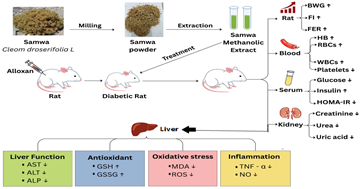
Diabetes mellitus is a chronic metabolic disease that is typified by unremitting hyperglycemia and multisystem developmental complications. The current research assessed the protective activity of Cleome droserifolia ethanolic extract (CDE) on metabolic, oxidative, inflammatory, hepatic, renal and hematological derangements of alloxan-induced diabetic rats. There were significant decreases in the gain of body weight, feed intake, and the rat of feed efficiency in the diabetes induction, severe cases of hyperglycemia (211.83), insulin deficiency, leptin dysregulation, and liver and kidney disfunction. AST, ALT and ALP levels had increased by 46.52% and 40.06 and 35.65, respectively, with creatinine, urea nitrogen and uric acid also increasing by 31.77, 66.22 and 44.35. The evidence of oxidative stress was increased hepatic malondialdehyde and reactive oxygen species by 42.96% and 52.78, and glutathione depletion as well as a decreased GSH/GSSG ratio. The levels of inflammatory markers had significantly increased, and C-reactive protein increased almost five times, and TNF-A was increased 93 times and nitric oxide was increased 79 times. Hemoglobin, red and white blood cells, and platelets were found to have significant hematological depreciations. Four weeks of CDE oral delivery had dose-dependent positive effects regarding all parameters. The dose had a significant effect on reducing blood glucose by 58.86, body weight gain, which increased by 35.66, hepatic and renal biomarkers were normalized, antioxidant defenses were restored, MDA, ROS, CRP, TNF-α and NO had been lowered; hematological indices were corrected. Analysis of the correlation showed that oxidative stress, hyperglycemia, inflammation, and organ dysfunction had strong correlations. Altogether, CDE showed important antidiabetic, antioxidant, anti-inflammatory, hepatoprotective, nephroprotective, and hematoprotective activity, and is likely to be considered a complementary drug in the treatment of diabetes, where experimentally there are no reported toxicity or mortality.
|
Diabetes mellitus (DM) is a chronic metabolic disease that is characterized by persistent hyperglycemia caused by deficit of insulin secretion, insulin action aberration, or the combination of the two. This malregulation impairs the glucose homeostasis of the body and eventually harms various systems of the body, including the nervous system, kidney, and vasculature, especially in cases where glucose control is poor 1. Prolonged elevation of blood glucose levels causes a broad range of both acute and chronic complications that impact negatively on quality of life and result in higher mortality rates. DM can be subdivided into a number of major forms. In type 1 DM, pancreatic 8-cells are destroyed through the autoimmune process leading to absolute insulin deficiency 2. Conversely, type 2 DM is diagnosed by peripheral insulin resistance and gradual reduction in insulin levels and secretion and approximately 90 percent of diabetes worldwide 3. There are other types that include gestational diabetes that arises during pregnancy and less common types, namely monogenic and secondary diabetes. Uncontrolled diabetes exposes the patient to microvascular and macrovascular complications. The most common microvascular complication of diabetes includes nephropathy, retinopathy, and neuropathy, which is caused by microvascular damage of the kidney, retina and peripheral nerves. Macrovascular complications contribute to the risk of having atherosclerotic cardiovascular disease, such as myocardial infarction and stroke 4, 5, 6, 7, 8, 9, 10. Furthermore, persistent hyperglycemia stimulates oxidative stress, inflammation, and endothelial dysfunction, which, in turn, increase the rate of tissue damage and culminate in serious complications, including chronic kidney disease, and amputation of lower limbs 1. DM has taken epidemic proportions in the world. The population size of people with diabete has increased drastically in the last few decades, surpassing 422 million people worldwide now in 2014 and increasing further 1. In 2022, the prevalence rate in adults aged 18 and above was estimated at about 14% and has become a significant health issue in the population, causing an estimated 1.6 million direct deaths annually and many deaths related to cardiovascular and renal complications 1.
Egypt is one of the demonstrations of the increasing national burden of diabetes. The International Diabetes Federation indicates that Egypt is placed as one of the top ten countries in the world with the prevalence of diabetes in adults between the ages of 20 and 79 years. The current estimates show a prevalence more than 20 per cent, as of 2024, about 13.2 million adults got infected 11. Previous epidemiological surveys have documented a prevalence rate of 9.3 per cent among adults aged over 20 years in Egypt and significant regional differences in terms of urbanization, obesity, and sedentary living 11. Local studies also reveal that there has been an unobtrusive trend that is increasing owing to demographic factors, unhealthy lifestyle choices, and poor eating habits. Diabetes management involves life long interventions that involve lifestyle change together with pharmacological therapy. Widely used medications are metformin, sulfonylureas, insulin, and more recently sodium -glucose cotransporter-2 inhibitors and glucagon-like peptide-1 receptor agonists. In low- and middle-income countries, however, in some part of Africa and the Middle East, there are several barriers that can limit the effectiveness of diabetes care. In almost half of places with diabetes, most people do not have good access to necessary drugs and periodic examinations, which leads to inefficient glycemic regulation and increased complications 1. Others are poor healthcare facilities, treatment cost, and untrained healthcare personnel. Diabetes prevention and management interventions based on lifestyle change, concentrating on diet, physical activity, and weight management have proven to be effective, but are not in practice in socio-economically restricted environments. Even though such interventions can postpone the development of type 2 DM and enhance the metabolic control, because of the cultural specificity of programs and the lack of resources to address the issue on a large scale, numerous developing countries fail to implement them 12. Such constraints underscore the necessity to have concerted efforts to harmonize clinical care with population health actions. Acknowledging the growing incidence of diabetes and the limitations of conventional therapy, natural and dietary methods have become the focus of research as complementary prevention and management methods. Dietary antioxidants and plant-derived compounds have been broadly studied regarding their ability to inhibit oxidative stress and improve insulin sensitivity as well as adjusting major metabolic pathways related to the pathogenesis of diabetes 13. Oxidative damage reducing, pancreatic 8-cells preserving, and glucose-lowering effects of nutrients, including vitamins C and E, flavonoids and polyphenols, have been shown to be beneficial in experimental models and a few clinical trials 13. Most of these bioactive compounds have also anti-inflammatory effects which can alleviate the inflammatory mechanisms that contribute to the complications associated with diabetes.
Complementary administration of natural products in combination with modern antidiabetic treatment could be of additional value in glycemic regulation, amelioration of oxidative stress and lipid profile. Nevertheless, systematic reviews highlight the necessity of clinically designed research that will determine optimal dosage schedules, safety in the long run, and any interactions with conventional pharmacological therapy before these therapies can be generally prescribed. There has been a plethora of medicinal plant found as useful in the prevention and management of diabetes and its complications due to their antioxidant, anti-inflammatory, and metabolic regulation effects 9, 14, 15, 16. These plants include Cleome droserifolia (Forssk.). Delile is an evergreen aromatic shrub that is a member of Cleomaceae family and is popularly referred to as Samwa. It is native to arid and semi arid parts of North Africa and the Middle East where it is found naturally in rocky areas and desert wadis. It is usually growing up to 60 cm and long been exploited in Egyptian and Bedouin traditional medicine to treat many several and especially to control high blood glucose levels 17. A phytochemical study has established C. droserifolia has a wide variety and rich chemistry contents. The analysis of LC-ESI-MS/MS revealed a number of flavonoid glycosides, including kaempferol-3-O-alpha-L-rhamanoside, and isorhamnetin, naringenin, and cyanidin-3-glucoside. Moreover, the presence of phenolic acids caffeic acid and quinic acid, which are described as antioxidant and pharmacological agents, has also been identified 17. Previous phytochemical screening also indicated the occurrence of alkaloids, tannins, saponins, coumarins, catechins, sterols, glucosinolates, and terpenoids, which contributes to the already diverse range of biological activities which this plant has been suggested to do including antimicrobial and antioxidant properties 17. The necessary analysis of the essential oil part of C. droserifolia demonstrated that volatile compounds, including (Z)-nerolidol and alpha-cadinol are also its key components. Due to this complicated phytochemical composition, Cleome droserifolia has a number of biological and therapeutic actions. The antioxidant potential of methanolic and other extracts is high since they contain high levels of polyphenols and other secondary metabolites enabling them to provide a good free-radical scavenging effect and a redox effect . Moreover, the findings of experimental research show that Samwa extracts have antimicrobial and immunomodulatory properties, increasing the activation of innate immune response and positive gut microflora and reducing pathogenic microorganisms. These are attributed to such phenolic compounds as rutin, ellagic acid, and naringenin.
More studies have shown anticancer and antibacterial properties of C. droserifolia. Caspase-dependent anticancer activity of organic extracts has been demonstrated, and antibacterial experiments have demonstrated the ability to reduce the formation of the Staphylococcus aureus biofilm, which may be used in the creation of new antimicrobial agents 17. Additionally, it has been reported that methanolic extracts of Samwa can reduce the adrenaline-induced hepatic and renal dysfunction in experimental models, as it restored liver enzymes and kidney biomarkers to normal levels, which shows that it possesses hepatoprotective and renoprotective properties 18. Regularly, a range of Samwa extracts have been characterized as hepatoprotective, hypoglycemic, antihistaminic, relaxant, tranquil, anticarcinogenic, antiparasitic, antioxidant, and antimicrobial agents 19, 20, 21, 22, 23. The use of Samwa in diabetes mellitus is amongst the most widely recognized traditional and experimentally proven uses of Samwa. Experiments with alloxan induced diabetic rats have shown that the C. droserifolia extracts can considerably decrease fasting hyperglycemia and positively influence the oxidative stress indicators. These properties justify its antihyperglycemic activity and are believed to be mediated by the antioxidant effects that preserve the pancreatic 8-cells against oxidative stress, subsequently increasing the insulin secretion and glycemic control 24. There is also historical evidence to suggest that aqueous and ethanolic extracts of Samwa, which are traditionally used by Bedouin populations, have antidiabetic effects, which is also supported by the strong presence of flavonoids, phenolic acids, and terpenoids in C. droserifolia as a potential functional food ingredient 21. Phenolic compounds like rutin and naringenin provide great damage to antioxidant activity by providing defense against oxidative stress related to chronic conditions, including diabetes and cardiovascular diseases, as well as inflammatory diseases 25. Additionally, Samwa extracts have immunomodulatory and antimicrobial effects, which may also benefit gut health when used as an ingredient in functional foods or feed additives as evidenced by the enhanced gut microbial composition and decreased pathogenic bacterial load in animal trial participants 26. Although there is mounting evidence on its therapeutic benefits, there are still limited studies in the literature to explain the exact mechanisms behind the protective action of Samwa in diabetes related complications. This is the reason why the current research was conducted to examine the modulatory properties of Cleome droserifolia (Samwa) aerial extract on oxidative stress, hepatic and renal injury, and inflammatory reactions in experimental diabetes.
The aerial parts of Samwa [Cleome droserifolia (Forssk.) Del.] were harvested in December 2023 from desert regions surrounding Bir al-Abd City, North Sinai Governorate, Egypt. The collected plant material was taxonomically identified and authenticated by specialists from the Faculty of Environmental Agricultural Sciences, El-Arish University, El-Arish City, North Sinai Governorate, Egypt.
Alloxan and thiobarbituric acid (TBA) were obtained from Sigma-Aldrich, St. Louis, MO. Casein was supplied by Morgan Company for Chemicals, Cairo, Egypt. All remaining chemicals (unless otherwise specified), along with vitamin and salt mixtures, buffers, reagents, and solvents, were of analytical grade and were procured from El-Ghomhorya Company for Trading Drug, Chemicals and Medical Instruments, El-Amiryia, Cairo, Egypt. All biochemical analyses were performed using a UV-visible spectrophotometer (UV-160A; Shimadzu Corporation, Kyoto, Japan) and a Microplate Reader (Manualslib, BioTek ELx808, USA). Commercial assay kits for the determination of glucose and malondialdehyde (MDA) were purchased from BIODIAGNOSTIC, Dokki, Giza, Egypt. Kits for alanine aminotransferase (ALT), aspartate aminotransferase (AST), alkaline phosphatase (ALP), creatinine, urea, and uric acid were obtained from El-Nasr Pharmaceutical Chemicals, Cairo, Egypt. Reactive oxygen species (ROS) assay kits were supplied by Elabscience, Houston, TX, USA, while glutathione S-transferase (GST) kits were purchased from Sigma Chemical Co., St. Louis, MO.
2.2. MethodsThe aerial sections of Samwa had been tediously hand-sorted to get rid of any foreign material, and rinsed under running tap water to remove adhesive dust and impurities. Plant materials were dried in a hot air oven (Horizontal Forced Air Drier, Proctor and Schwartz Inc., Philadelphia, PA) at 40 o C and allowed to dry at that temperature (48 h). The samples were dried and then finely ground in high-speed mixers (El Araby Co., Benha, Egypt) and sieved by a 0.25 mm mesh. The powder obtained was kept in polyethylene bags at 4 o C awaiting further application in the biological experiments. To prepare the ethanolic extract (SEE) with the use of the dried Samwa powder, the method was adopted as described by Gharib et al. 27, with few modifications. In brief, the dried powder (50 g) was mixed with the 500 mL of hydro-ethanolic solvent (80% ethanol; 80 mL of ethanol and 20 mL of distilled water) in an orbital shaker (Unimax 1010, Heidolph Instruments GmbH & Co. KG, Germany) at 55 o C in 5 h. Using Buechner funnel, the extract was filtered using Whatman no. 5 filter paper. A rotary evaporation technique at 40 o C was then used to remove the solvent under reduced pressure (Laborata 4000; Heidolph Instruments GmbH & Co. KG, Germany). The concentrated extract was then kept at 4 o C pending their utilization in the biological researches.
All biological experiments conducted in this study were approved by the Scientific Research Ethics Committee (Animal Care and Use), Faculty of Home Economics, Menoufia University, Egypt
Adult male albino rats, weighing 147 ± 6g each, were obtained from Helwan Station, Ministry of Health and Population, Helwan, Cairo, Egypt.
All experimental procedures were carried out using adult male albino (Sprague Dawley) rats with an average body weight of 135 ± 7.67 g, obtained from Helwan Station, Ministry of Health and Population, Helwan, Cairo, Egypt. The animals were housed individually in wire cages under controlled environmental conditions at 25 ± 2.5 °C and maintained under standard healthy laboratory conditions. Rats were fed a basal diet (BD) for one week prior to the initiation of the experiment to allow acclimatization.
The basal diet (BD) was formulated according to Reeves et al. (1993) and consisted of the following components: protein (10%), corn oil (10%), vitamin mixture (1%), mineral mixture (4%), choline chloride (0.2%), methionine (0.3%), cellulose (5%), and corn starch (69.5%). The composition of vitamin and mineral mixtures was prepared according to the same reference.
Type-2 diabetes mellitus was induced in healthy rats by a single subcutaneous injection of freshly prepared alloxan monohydrate dissolved in saline at a dose of 150 mg/kg body weight, as described by Sheriff et al. 28. After 72 h of alloxan administration, fasting blood glucose (FBG) levels were measured using blood samples collected from the tail vein and analyzed with a glucometer (Abbott Glucometer Medicines Products, USA). Rats exhibiting FBG levels greater than 11 mmol/L (198 mg/dL) were considered diabetic and selected for inclusion in the experiment 10.
All the experimental procedures were conducted according to the National Research Council guidelines on the Institute of Laboratory Animal Resources, Commission on Life Sciences (NRC, 1996). There were 36 rats that were separated in two major groups. The other group was the normal control (Group 1, n = 6) and fed on the basal diet. The second major group ( n 30) was induced into T2D and further split into five comparable groups in terms of population; Group 2 (diabetic control) was fed on basal diet alone, whereas Group 3 to 6 received basal diet in combination with Cleome droserifolia ethanolic extract (CDE) 150, 300, 450 and 600 mg/kg body weight/day respectively. CDE was orally administered via intragastric tube over a 28 days period. The doses were chosen according to the past research 10, 16, 29, 30. During the period of conducting the experiment, the groups were kept in different cages.
Body weight gain (BWG, %), food intake (FI), and food efficiency ratio (FER) were evaluated during the experimental period. Daily food consumption and weekly body weight measurements were recorded over the 28-day study. BWG, FI, and FER were calculated according to the equations described by Chapman et al. 31:
BWG (%) = (Final body weight – Initial body weight) / Initial body weight × 100FER = Body weight gain (g/28 days) / Feed intake (g/28 days).
At the expiry of the 28day experimental period, the rats were subjected to fasting overnight followed by decapitation. Blood samples were taken at the abdominal aorta with livers removed immediately and washed with ice-cold saline then dried slightly, blotted and weighed before biochemical analysis was done. Plasma separation was done in EDTA-containing tubes (Final concentration 1 mg/mL) with blood samples that were used to measure glucose, total cholesterol, HDL-cholesterol, LDL-cholesterol, and triglycerides. Further blood was obtained without any anticoagulants to separate the serum to evaluate the insulin and ghrelin concentrations through the enzyme-linked immunosorbent assay procedures. To collect plasma and serum samples, the samples were centrifuged at 3000 g and 4 to obtain 10 min centrifugation and store the samples at temperature of -20 o C. The preparation of liver homogenates was done according to the procedure set by 29. In a nutshell, liver tissue with good weigh homogenization colorless saline was weighed and then homogenized in ice-cold 0.9% saline by use of motor driven Teflon homogenizer until it became a 5% (w/v) suspension. The homogenate was then centrifuged at 5000 rpm/30 minutes at 4 o C to eliminate cell debris. The supernatant has been collected and left to be used in the case of later biochemical analyses.
a. Serum glucose, insulin, and leptin
Serum glucose levels were measured using the colorimetric method described by Tietz 32. Insulin concentrations were determined according to the method reported by Mirsalari and Elhami 33. Leptin levels were assessed using a Human Leptin ELISA Kit (Colorimetric, One-Step Assay; NPP2011ZP220) manufactured by Creative Biolabs neuroS, Shirley, NY, USA.
b. Liver and kidney functions
Serum ALT and AST activities were measured using the modified kinetic method of Tietz 32, while ALP activity was determined following the method of Vassault et al. 34. Serum urea, creatinine, and uric acid levels were estimated according to Barham and Trinder 35, respectively.
c. Oxidant/antioxidant status indicators
Hepatic malondialdehyde (MDA) levels were determined using the colorimetric method described by Buege and Aust 36, based on thiobarbituric acid (TBA) reactivity. Reactive oxygen species (ROS) levels in liver homogenates were measured using fluorescent probe assays as described by Wang and Joseph 37, utilizing DCFH-DA (2′,7′-dichlorodihydrofluorescein diacetate). Fluorescence intensity was measured using a microplate reader. Hepatic reduced and oxidized glutathione (GSH and GSSG) levels were determined by liquid chromatography with fluorimetric detection according to Kand’ár et al. 38.
d. Immunological and inflammatory variables
Hepatic nitric oxide (NO) levels were quantified as the sum of nitrite (NO₂⁻) and nitrate (NO₃⁻) concentrations following the method described Serum tumor necrosis factor-alpha (TNF-α) was determined using a sandwich enzyme-linked immunosorbent assay (ELISA) employing two monoclonal antibodies specific to different antigenic sites of rat TNF-α, in accordance with the manufacturer’s instructions. The assay kits were supplied by Adlitteram Diagnostic Laboratories Inc. (San Diego, CA, USA).
2.3. Statistical AnalysisAll results were expressed as mean ± standard deviation (SD). Data were organized using Microsoft Excel (Version 2016) and statistically analyzed by one-way analysis of variance (ANOVA) followed by Tukey’s post-hoc multiple comparison test to assess differences between control and experimental groups. Statistical analyses were performed using the MINITAB 12 statistical software package (Minitab Inc., State College, PA). Differences were considered statistically significant at P ≤ 0.05 39.
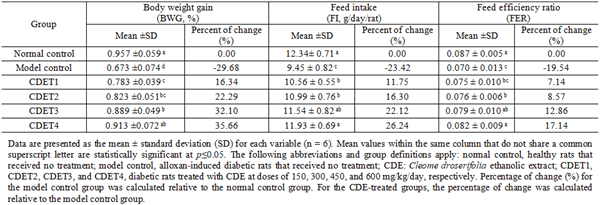
The current study reported significant changes in body weight gain (BWG), feed intake (FI), and feed efficiency ratio (FER) in alloxan-induced diabetic rats and showed the remedial effect of Cleome droserifolia ethanolic extract (CDE) when given at graded doses (Table 1). The untreated diabetic rats showed a lot of reduction in BWG, FI, and FER relative to the healthy controls which indicated the metabolic degradation caused by alloxan toxicity. This is largely caused by selective damage of the pancreatic 8-cells by the production of reactive oxygen species and DNA fragmentation which causes insulin secretion impairment and increased catabolic effects such as lipolysis and proteolysis 40. As a result, there were significant decreases of BWG (−29.68%), FI (−23.42%), and FER (−19.54%), in the diabetic control group. CDE as an administration led to dose-dependent changes in all indices of nutrition measured. Rats with the greatest dose (600 mg/kg/day) exhibited BWG, FI and FER values that were close to those of the control group, which was a sign of reduction in the diabetes-related wasting. The fact that the BWG (35.66) and FI (26.24) have increased compared to the original value of diabetic rats indicates that there is a partial recovery of the metabolic balance and appetite regulation. Similar outcomes have been documented with plant extracts that are high in flavonoids, terpenoids, and phenolics and which improve glucose homeostasis and prevent pancreatic tissue oxidative damage 41, 42. Enhancement of FER in all CDE-treated groups is also an added advantage to the positive metabolic effects of the extract. Improved FER is an indicator of greater efficiency in the use of ingested nutrients to maintain and grow tissues as opposed to metabolic waste, which is often affected in diabetic rodents 43. Slowly rising FER of CDET1 and CDET4 shows the dose responsive correction of the nutrient utilization. This activity could probably be associated with the phytochemical profiles of C. droserifolia that have been reported to have isothiocyanates, flavonoids, and saponins with hypoglycemic and antioxidant effects 21. The positive action of CDE could be mediated by the increased insulin sensitivity and controlled protection or recovery of pancreatic -cells. Past researches revealed that Cleome species extracts alleviate oxidative stress and enhance glucose uptake, as well as, regenerate pancreatic histological appearance in diabetic models 24. Enhanced insulin activity proceeds to stimulate anabolic effects, protein synthesis and inhibit overproduction of gluconeogenesis, and accounts the improvements observed in BWG and FER. Moreover, regained glycemic balance serves to normalize hypothalamic appetite regulation systems, which plays in the slow rise in FI with increased extract dosage 44. These results are in agreement with the previous ones 10, 18 who noted that body weight among diabetic rats decreased substantially and went back to almost normal levels after SEE treatment. On the same note, Hashem and Shehata 26 found that there was an enhancement of body weight among rabbits that were fed diets that had been supplemented with Samwa shoots powder, which has been linked to the improvement of feed consumption. Further, the current findings are consistent with research that used powders or extracts of different parts of plants instead of Samwa whilst containing comparable active secondary metabolites 45, 46, 47, 48, 49, 50 These findings establish that the positive body weight effects, feed intake and feed efficiency after consumption of the plant are tightly associated with their bioactive second metabolites and biological functions. Conversely, liver dysfunction is commonly linked with diabetes and this fact leads to immense loss of body weight and food consumption. In this connection, confirmed the CCl4-induced hepatotoxicity and diabetes resulted in significant body weight reduction in rats. Nonetheless, the intake of plant parts that had bioactive compounds of a similar type to those found in Samwa recovered body weight to normalcy levels. In line with this, diabetes and/or liver disorders are found to be significant causes of malnutrition, since the affected individuals are characterized by poor feed intake, inefficiency in digestion and absorption, metabolic changes, and distorted storage of macro- and micronutrients Elh 2, 46, 51, 52. Taken together, these results reflect the ability of CDE to overcome nutritional and metabolic impairments that are related to diabetes. The hypothesis that the therapeutic effect of C. droserifolia depends on the concentration of its bioactive constituents is confirmed by the observed dose-dependent effects. These findings are consistent with other researchers who show that phytomedicines that possess good antioxidant and antidiabetic effects are highly effective in enhancing growth and nutritional indices of diabetic animals 53.
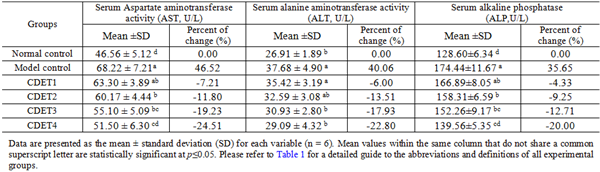
The current statistics indicate that diabetes induced by alloxan had a significant increase in serum hepatic enzyme activities, namely aspartate aminotransferase (AST), alanine aminotransferase (ALT), and alkaline phosphatase (ALP) in comparison to the normal control group (Table 2). In particular, there were improvements (46.52, 40.06, and 35.65) of AST, ALT, and ALP in diabetic model rats. These results are clear signs of hepatic dysfunction among experimental diabetes. Alloxan is an unselective destroyer of the pancreatic 8-cells by overproduction of reactive oxygen species that leads to incessant hyperglycemia and secondary oxidative stress to the peripheral tissues, specifically the liver 54. Since the liver is at the center stage of glucose and lipid metabolism, oxidative damage in diabetic conditions is highly prone to the liver, which causes hepatocellular release of intracellular enzymes into the bloodstream. The presence of a high serum ALT and AST level is established as a highly reliable indicator of hepatocellular damage, with an increase in ALP activity being a common characteristic of cholestasis or biliary dysfunction in experimentally induced diabetes 55, 57. The same increases in enzymes after alloxan have been well-reported, and this confirms the validity of this model to induce hepatic dysfunction 52, 58. Aminotransferases and ALP are usually trapped in cells and their elevated serum levels indicate structural destruction of tissues containing these enzymes especially hepatic tissues. These findings can be congruent with the reports that have been made before indicating that the activities of AST and ALT have been significantly increased in alloxan-induced diabetic rats 56. A dose-effect on the levels of serum AST, ALT, and ALP activities showed a dose-effect on changing the diabetic model control with administration of CDET at the graded doses (CDET1–CDET4). The most significant effect was the greatest dose (CDET4), which decreased the AST by 24.51, ALT by 22.80, and ALP by 20.00, but close to the values of normal control rats. The same findings were mentioned by Ahmed et al. 56 and Abou Haleka et al. 18, who noted that high levels of liver enzymes were significantly normalized after three weeks of Samwa extracts. These effects are evidence of stabilization of hepatocyte membranes and also of the inhibition of enzyme leaking into the bloodstream. Similar hepatoprotective effects have been reported of medicinal plant extracts containing high levels of polyphenols and flavonoids in diabetic models 59, 60. Transaminases are involved in transamination reactions of amino acids that are required in protein synthesis and are used in the diagnosis and subsequent follow-up of liver and cardiac diseases 61, 62. High serum transaminases have always been associated with cellular damage of the liver and pancreas; especially in pathological conditions like diabetes 2, 29, 63, 64. The existing results give evidence that CDE has distinct hepatoprotective properties in diabetic rats induced by alloxan since serum liver enzymes are restored to normalcy. The CDE has been shown to possess a strong potential of the hepatoprotective activity due to the abundant presence of bioactive secondary metabolites, such as phenolics, carotenoids, flavonoids, anthocyanins, polysaccharides, terpenoids, triterpenoids, alkaloids, and glycosides 65, 66, 67, 68 These compounds have strong antioxidant and free radical scavenging abilities that inhibit the oxidation of lipids, promote natural antioxidant activity, and mitigate the oxidative damage of cells due to oxidative stress 69. Moreover, the Cleome droserifolia has been reported to be antihyperglycemic and insulin-sensitizing, indirectly protecting the hepatic tissue by enhancing glucose homeostasis and decreasing glucotoxicity. Moreover, various works have demonstrated that the parts of plants with analogous bioactive compounds have protective effects in the case of chemically induced liver injury 45, 51, 55, 70. Such protective measures can include several processes, such as increasing the antioxidant capacity of the liver, decreasing the concentration of bilirubin, blocking bile acid uptake, modulating immune and inflammatory reactions, controlling phase I and II metabolizing enzymes, the scavenging of reactive oxygen species, the inhibition of lipid oxidation, and the attenuation of apoptosis 71, 72, 73 The dose-related increase in the liver enzyme activity also contributes to the idea that the greater the concentration of the phytochemicals, the better the biological activity, which was constantly observed with plant-based hepatoprotective agents 74. Together, the current evidence indicates that Cleome droserifolia ethanolic extract is a good remedy against hepatic dysfunction in alloxan-treated rats induced by diabetes. The extract is a strong hepatoprotectant as it significantly normalises serum AST, ALT, and ALP in a dose-dependent effect. The obtained results are consistent with the past reports and verify the therapeutic importance of Cleome droserifolia as a natural promoter of liver health in the diseased state of diabetes.
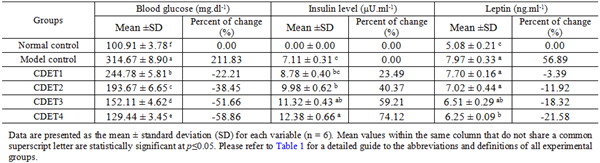
Data in Table 3 indicated that alloxan usage caused a severe diabetic condition, as the level of blood glucose increased significantly (+211.83%). This validates the pathogenesis of successfully inducing diabetes and is consistent with the known action of alloxan toxicity which is the selective destruction of pancreatic 8-cells by excessive production of reactive oxygen species (ROS), resulting in insulin deficiency and irreversible hyperglycemia 43, 54. The resulting diaspora in the pancreatic and hepatic glucose control interferes with glucose homeostasis in the body and facilitates metabolic control. The effect of Cleome droserifolia ethanolic extract (CDE) on hyperglycemia showed that the most potent dose of the extract (CDET4) decreased blood glucose because of hyperglycemic levels by 58.86 percent compared to the diabetic control. This anti-hyperglycemic effect indicates that CDE enhances the use of glucose and metabolism. These effects can be facilitated by increased secretion of insulin, augmented uptake of peripheral glucose and diminished intestinal glucose uptake. Such activities are in line with the biological activity of flavonoids and glucosinolates reported in C. droserifolia 25. Furthermore, plant extracts containing antioxidants have been demonstrated to prevent oxidative damage of pancreatic -cells and stimulate partial regeneration, thus, restoring native insulin secretion 75. Other Cleome species have also been found to have similar glucose-lowering activity and this has supported their contribution in regulating glucose metabolism 76. Even with the exposure to alloxan, diabetic rats had a measurable insulin level (7.11 μU/ml) which showed a partial destruction of the 7-cells. Nevertheless, the levels are still significantly lower in comparison to normoglycemic animals, which reflects the oxidative stress-induced dysfunction of 2 cells 77. There was a strong dose-dependent enhancement of CDE supplementation to insulin levels that peaked at 12.38 μU/ ml in the group that was CDET4 and that is a 74.12 percent improvement over diabetic model. This augmentation indicates that CDE augments 0 -cells viability and secretory capacities. Flavonoids are reported to improve mitochondrial integrity, insulin gene expression, and 2-cell survival and glucosinolates may have insulinotropic effects by modulating calcium signaling and antioxidant pathways 75. Such findings correlate with the earlier reports of the β-cell regeneration and the improved insulin secretion after the use of phenolic-rich plant extracts 10. The metabolic changes such as the decrease in glycogenolysis and the increase in gluconeogenesis known to result in high hepatic glucose production is also attributed to death of 8-cells in the case of alloxan-diabetic rats 78, 79, 80. Such mechanisms are consistent with the existing evidence, in which the CDE treatment reduced serum glucose significantly, but recuperated insulin in diabetic mice. CDE has a hypoglycemic effect, which could be connected to the abundance of bioactive compounds that include phenolics, carotenoids, polysaccharides, terpenoids, alkaloids, and glycosides 65, 66, 67, 68, 81, 82 The compounds are also known to have antioxidant and free radial scavenging properties, the ability to suppress lipid oxidation, enhance insulin sensitivity and address the disturbances in the free fatty acid metabolism linked to diabetes 3, 51, 52 Concurrently, the diabetic model had high leptin levels which is an indicator of metabolic imbalance, adiposity and insulin resistance (increased by +56.89%). Adipocytes are the major secretors of leptin which is also produced by other tissues which include the ovaries, skeletal muscle, stomach, mammary epithelium, bone marrow, pituitary and liver 83. Being a primary regulator of energy balance, leptin suppresses appetite, increases thermogenesis, lowers glucose, and restricts the fat storage 44). Nevertheless, excessive insulin resistance and oxidative stress may interfere with leptin signaling resulting in hyperleptinemia and loss of biological efficacy 44. There was a dose-dependent reduction in leptin levels with CDET4 showing a reduction of 21.58%. Such an enhancement can be an indication of increased leptin sensitivity, decreased inflammatory signalling, and better insulinleptin crosstalk. Insulin is a significant control of leptin production and the normalization of leptin concentration is usually linked to the restoration of insulin secretion 44. Past research has demonstrated that leptin could be used to ameliorate insulin resistance and the metabolism of glucose 84. whereas insulin alone may have effect on leptin production and activity in hyperglycemic conditions 85. On the contrary, it was found that too much leptin inhibits insulin production, decreasing the rate of preproinsulin mRNA expression in 8-cells. The leptin decrease that is evident after taking CDE could thus play a role in the enhancement of insulin dynamics and metabolic homeostasis. The results are coherent with the previous research on Samwa powder and extracts, which had previously recorded some antidiabetic and metabolic regulatory effects in experimental animals 67, 86, 87. The reduction in the leptin levels after treatment can also be explained by the fact that even the various bioactive compounds of CDE influence the hormonal signaling pathways based on insulin, insulin-like growth factor, growth hormone, glucocorticoids, cytokines, and metabolic intermediates 82, 83, 88, 89.
Altogether, the current evidence shows that CDE has extensive antidiabetic effects that may be summarized as the restoration of glucose homeostasis, the increase of the activity of the pancreatic 2-cells, the promotion of insulin secretion, and the normalization of the functioning of leptin. Those coordinated effects point to the therapeutic benefits of Cleome droserifolia in diabetes treatment by co-incidentally regulating endocrine, metabolic and oxidative stress-associated signatures.
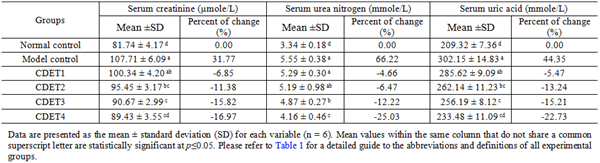
3.4. Kidney Function Biomarkers in Alloxand Rats Treated with Cleome droserifolia Ethanolic Extract (CDE)The effect of diabetes caused by Alloxan led to a sharp increase in the level of renal functioning, which is evidenced by the substantial increases in serum creatinine, urea nitrogen, and uric acid levels ( +31.77%, +66.22%, and +44.35) (Table 4). The changes mentioned prove the emergence of diabetic nephropathy and are in line with the known nephrotoxicity of alloxan that stimulates excessive production of reactive oxygen radicals (ROS) in renal tissues. This oxidative stress interferes with the glomerular filtration, tubular reabsorption, and the renal hemodynamics 43. Continued hyperglycemia also aggravates renal injury by increasing the production of advanced glycation end products that damage glomerular and tubular structures and hasten the deterioration of the functionality 90. Compromised renal blood circulation and hypertrophy of glomeruli typify of diabetic nephropathy, too, are also linked to high creatinine levels. The great increase of serum urea nitrogen in the diabetic rats indicates damaged urinary excretion due to dysfunction of the glomerules and the tubules. Repeated hyperglycemia boosts the protein catabolism, thus, augmenting the rate of hepatic urea production, and tubular harm caused by oxidative stress restricts urea clearance 91. On the same note, the uric acid elevation can be explained by the high level of xanthine oxidase activity and decreased renal urate excretion both of them are caused by diabetic renal impairment. Higher uric acid also increases the secondary harm to the kidney by enhancing inflammation, endothelial dysfunction, and oxidative stress, which leads to a vicious circle of the further development of nephropathy 92. The Cleome droserifolia ethanolic extract (CDE) treatment led to an apparent and dose-dependent effect on all the renal biomarkers. The maximum dose (CDET4) lowered serum creatinine by 16.97, urea nitrogen by 25.03 and uric acid by 22.73 percent relative to the diabetic model. These gains are indicative of significant restoration of renal activity, presumably by increased filtration by the glomeruli, greater tubular excretion, and oxidative stress reduction. These qualities of CDE such as a strong content of flavonoids, saponins, or glucosinolates have potent antioxidant, anti-inflammatory, and membrane-stabilizing properties that can be explained by its nephroprotective effect . Past reports have established that C. droserifolia rejuvenates renal antioxidant defenses, lipid peroxidation, and renal histoarchitecture of diabetic models. Endogenous antioxidant enzymes, such as superoxide dismutase and glutathione peroxidase, have been reported to be activated by this plant and result in mitigating oxidative renal dysfunction 89. The decrease of serum urea can also be the indication of the enhanced insulin sensitivity following the administration of the CDE that diminishes excessive protein synthesis and nitrogen turnover. The decrease in the uric acid level after CDE treatment might also be attributed to the phenomenon of suppressing xanthine oxidase activity and increasing renal urate clearance. Purine catabolism is inhibited and uric acid levels are reduced by flavonoid-rich extracts in diabetic animals. It is possible that the antioxidant properties of C. droserifolia are what help stabilize the renal tissues and lessen the systemic oxidative load, thus enhancing the ability of the tubules to process uric acid and the general homeostasis of the renal system.
All together, to above findings indicate that CDE has important nephroprotective effects in diabetic rats induced with alloxan. Dose-dependent normalization of serum creatinine, urea nitrogen and uric acid highlights the therapeutic potential of Cleome droserifolia in alleviating renal complications associated with diabetes. These effects are also congruent with the already reported antioxidant, anti-inflammatory, and antihyperglycemic effects of the plant and contribute to its potential application as a prospective agent of natural intervention in diabetic nephropathy.
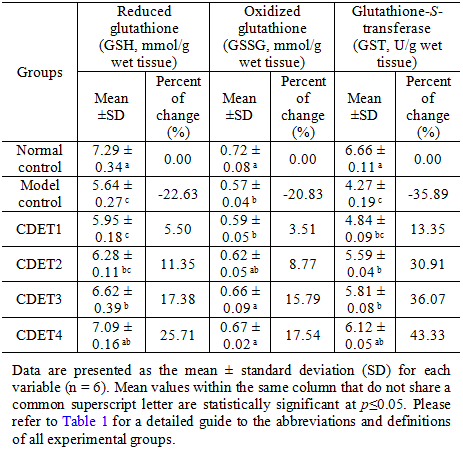
3.5. Effects of Cleome droserifolia Ethanolic Extract (CDE) on Hepatic Glutathione Fractions and Glutathione-S-transferase of Alloxan-diabetic RatsData in Table 5 indicated that the significant decrease in the levels of hepatic reduced glutathione (GSH) and glutathione-S-transferase (GST) activity of diabetic model group proves the existence of extreme oxidative stress caused by alloxan in the model group. Alloxan produces an overgrowth of reactive oxygen species (ROS), especially superoxide and hydroxyl radical, which is rapidly depleting the endogenous antioxidants in hepatocytes 54. Therefore, the 22.63 percent reduction of GSH and 35.89 percent reduction of the GST activity indicate impaired antioxidant defense system of liver and reduced detoxification of liver. Depletion of GSH of similar type has been extensively described in diabetes-related hepatic oxidative injury, which demonstrates the susceptibility of thiol-based antioxidants in hyperglycemic patients 43. Simultaneously, alloxan-diabetic rats experienced a reduction in oxidized glutathione (GSSG) level by 20.83% which showed a universal induction of a perturbation in glutathione homeostasis. The oxidative stress generally causes the transformation of GSH to GSSG; however, the excessive production of ROS can decrease the glutathione pools by suppressing the glutathione reductase activity or increasing the degrading rate of glutathione leading to depletion of both glutathione pools. This reduction in GSH and GSSG experienced in parallel with each other in the current study would be consistent with this interpretation and would indicate that hepatic redox buffering system is collapsing. Glutathione has a key role in antioxidant body defense. GSH is a direct scavenger of reactive species and a necessary cofactor to antioxidant enzymes, such as glutathione peroxidase, glutathione reductase, and peroxiredoxins and a tripeptide that occurs at millimolar concentrations. There are several oxidative injuries that have been linked to depletion of GSH and they include diabetes 93, 94. This depletion is also caused by hyperglycemia, which diverts glucose into the polyol pathway, which uses NADPH to regenerate GSH through glutathione reductase, indirectly decreasing the GSH levels in the cells. Several studies have confirmed this mechanism claiming that hyperglycemia and glutathione depletion are closely related 52, 95. In line with the same findings, the lowered levels of both GSH and GSSG in alloxan-diabetic rats were accompanied by a significant drop in the GSH/GSSG ratio that reduced to 7.81 in diabetic rats as compared to 12.29 in normal animals. This decrease is an indicator of disposal to an oxidized intracellular environment as well as disrupted redox cycling. This imbalance is further promoted by high levels of ROS fluxes and low levels of NADPH which is required to facilitate the effects of glutathione reductase 96. Also, the enzymes like nitric oxide synthase, can also help to generate excess ROS, which is another pathway to the decreased GSH/GSSG ratio in diabetes 97. Analogous changes in the glutathione redox status have been observed in various experimental diabetic models 10, 16, 52. A dose-dependent restoration of the hepatic glutathione status was significantly administered by Cleome droserifolia ethanolic extract (CDE). The GSH levels were continuously growing with the highest increase of 5.50 percent in CDET1 and 25.71 percent in CDET4. These gains are in line with past studies that reveal that C. droserifolia harbors flavonoids, phenolic acids and sulfur-containing compounds, which can boost endogenous antioxidant defenses 75 89. The same dose-dependence improvement was noted in the level of GSSG, which increased by about 3-18 percent within treatment groups. Restoration of both GSH and GSSG at the same time is indicative of a restoration of glutathione turnover to its regular state and reinstatement of the glutathione redox cycle. This recovery is a sign of increased efficacy of redox cycling, as well as hepatic redox balance restoration after CDE treatment 98. In line with this, CDE intervention on a dosage of 200, 400 and 800 mg/kg body weight over the duration of 28 days made significant contributions towards increment of GSH/GSSG ratio to 8.75, 11.24, 12.42, and 12.49 respectively, indicating a shift in the more reduced and physiologically desirable intracellular environment. An increase in the GSH/GSSG ratios has been linked to a decrease in oxidative fluxes by direct radical scavenging and an increase in peroxidase activity 52, 99, 100. Simultaneously, GST activity changed significantly after administration of CDE, with an increase in levels of 13.35% in CDET1 up to 43.33% in CDET4. GST is possibly a phase II detox enzyme that conjugates GSH with electrophilic compounds, lipid peroxidation products, and its activity is directly proportional to hepatic detoxification efficiency 101. The GST induction in the research is in line with the observations of researchers that flavonoid-glucosinolate-rich plant extracts induce the activation of nuclear factor erythroid 2related factor 2 (Nrf2) signaling transduction, which subsequently induces the expression of antioxidant response element-dependent genes 102. It has been established previously that C. droserifolia can be used to activate GST in diabetic liver tissue, potentially via isothiocyanates and phenolic compounds that induce detoxification pathways 76. The combined effects of the recovery of GSH, GSSG, GSH/GSSG ratio and GST activity indicate that CDE has hepatoprotective effects which are comprehensive and multifaceted. They are direct ROS scavenging, stimulating the production of endogenous glutathione, and the triggering of detoxification enzymes. The obvious dose-dependent activity favours a phytochemical-mediated mechanism of action. The capacity of CDE to restore thiol redox homeostasis and detoxification potential identifies the potential to reduce hepatic oxidative damage in diabetes, which is consistent with previous pharmacological research that established the antidiabetic and antioxidant effect of Cleome droserifolia 10, 25.
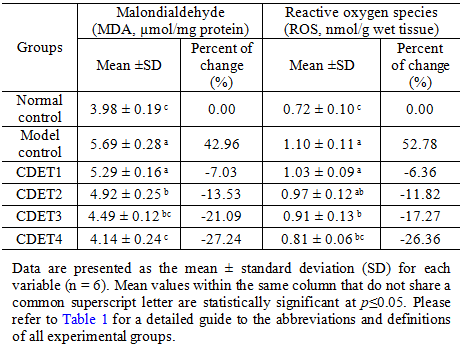
Table 6 shows a high increase in the level of hepatic malondialdehyde (MDA) and reactive oxygen species (ROS) in alloxan-diabetic rats as compared to the normal control group. The level of MDA has increased by 42.96, and the level of ROS by 52.78, which also proves the induction of severe oxidative stress in liver tissue after alloxan administration. A dose-dependent decrease in the parameters of oxidative stress was observed with treatment by Cleome droserifolia ethanolic extract (CDE). The maximum dose (CDET4) reduced the levels of MDA and ROS by 27.24% and 26.36, respectively, which returned the values to near normal levels of rats. Some of the past researches have revealed that alloxan is involved in redox cycling in tissues, which produces superoxide radicals and hydrogen peroxide that stimulate superfluous lipid peroxidation and oxidative stress on cell membranes 43, 54. The high level of MDA, which is the end product of lipid peroxidation, demonstrates the presence of a large amount of membrane lipid damage whereas augmented levels of ROS denote the profound inconsistency between the creation systems and the antioxidant defense mechanisms 103. Diabetes predisposes the liver to oxidative damage in particular because its key functions are glucose and lipid metabolism. Similar changes in hepatic MDA and ROS have been reported by previous studies in alloxan-induced diabetic models, which is associated with mitochondrial dysfunction, increased fatty acid oxidation, and loss of endogenous antioxidant enzymes, including superoxide dismutase and catalase 10, 25. These reports were supported by the current results (a decrease in antioxidant enzyme activity, alongside an increase in hydrogen peroxide and MDA levels, which is common in diabetic oxidative stress 10, 29, 49, 104. Hypoinsulinemia could potentially be the reason behind the increase in MDA that was observed in diabetic rats. Loss of insulin aggravates the activity of fatty acyl–CoA oxidase, which results in the increased speed of 2-oxidation of fatty acids and increased lipid peroxidation 105. Overproduction of lipid peroxidation leads to alterations in membrane fluidity, activity of membrane bound enzymes, receptors, and cellular integrity 106 In addition, lipid peroxidation products like MDA are very toxic and may recombine with the cellular organelles, including the mitochondria, lysosomes, and plasma membranes, which increases cellular damage 45, 50, 51, 71. MDA has also been known to act as a signal transduction pathway modulator, and has been known to disrupt normal cellular functions 107. also reported to have mutagenic and carcinogenic effects 108. Diabetes also enhances the oxidative stress by inducing several biological pathways such as glucose auto-oxidation and protein kinase C signaling which boosts the generation of superoxide, hydroxyl radicals and hydrogen peroxide and consequently the activity of antioxidant enzymes such as superoxide dismutase is lowered 109. In line with such a mechanism, high levels of ROS and MDA have been linked with the decrease in antioxidant capacity in the alloxan-diabetic rats 16, 45, 87, 110. Adding Cleome droserifolia ethanolic extract (CDE) to the treatment of the diabetic rats had a significant dose-dependent reduction in the hepatic MDA levels relative to the diabetic control group. Such a decrease is the evidence of the successful inhibition of lipid peroxidation evoked by oxidative stress on glucose. The same hepatoprotective effect of C. droserifolia extracts has been observed in the experimental diabetic models where the treatment mitigated hepatic peroxidative damage and lipid peroxidation 24, 111. The reduction in MDA levels after CDE use can be explained by the rich level of phenolic and flavonoid compounds in the plant. These are some of the compounds known to stabilize cellular membrane and break free radical chain reactions by donating hydrogen atom or electron to lipid radicals, thus interrupting lipid peroxidation cascades 112. Simultaneously, CDE treatment considerably decreased the liver ROS levels and the biggest effect was observed at higher doses which means that the redox situation of the liver is generally improved. Antioxidants of vegetable origin were proved to decrease intracellular ROS either through the scavenging of free radicals or the stimulation of endogenous antioxidant enzyme activity 10, 103. The fact that ROS levels in CDET3 and CDET4 groups are gradually normalized implies that CDE has the potential to regulate redox-regulated pathways, inhibit the production of mitochondrial and cytosolic ROS, and increase glutathione dependent antioxidant defense. These mechanisms were observed with flavonoid-tinged plant extracts that modulate oxidative stress signal transduction and decrease oxidative load in diabetic tissues 112. C. droserifolia has shown a high level of free radical scavenging and oxidative enzyme inhibitory activities due to flavonol glycosides that have been isolated 112. Also, the extract could promote the expression of hepatic antioxidant enzymes, which can augment the resistance to oxidative damage caused to cells by hyperglycemia 24. CDE can potentially maintain hepatocyte structure and physiological activity, enhance insulin sensitivity, and inhibit the development of metabolic changes in diabetes, indirectly by reducing oxidative stress. Oxidative stress is an important connection among hyperglycemia, tissue damage; consequently, the MDA and ROS decreases observed confirm the mechanistic evidence of the protective effects of C. droserifolia on the liver and liver tissue 10, 43. Protective effects were also found to be similar after diabetic rats were treated with plant extracts, such as Cleome species, which decreased ROS and MDA formation and enhanced metabolic homeostasis 76, 113, 114. In general, the current results indicate that hepatic MDA and ROS levels become considerably higher in case of alloxan-induced diabetes, which shows that an oxidative process is evident in liver tissue. These changes were dose-dependently and significantly reduced by cleome droserifolia ethanolic extract, suggesting the presence of potent antioxidant and hepatoprotective effects. The presence of phenolic and flavonoid compounds that can scavenging of the free radicals, inhibition of lipid peroxidation, and amelioration of redox balance support these effects. The findings, together, substantiate the therapeutic benefit of C. droserifolia in oxidative stress-induced hepatic injury in diabetes.
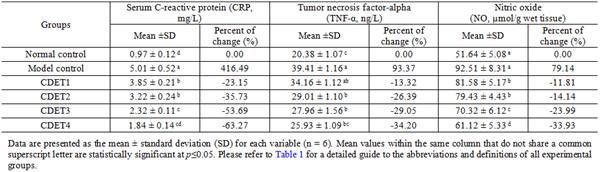
Alloxan-induced diabetes led to a strong increase in the levels of inflammatory and nitrosative stress markers (Table 7). The serum C-reactive protein (CRP) had almost 5-fold, tumor necrosis factor-alpha (TNF-alpha) 93 percent and tissue nitric oxide (NO) 79 percent higher levels as compared to normal controls. These changes mean that there is inflammation of the system and excessive oxidative-nitrosative stress, i.e. the symptoms of hyperglycemia-related diabetic pathology. These results are in line with the established evidence that chronic hyperglycemia triggers the inflammatory cascades and redox homeostasis in diabetic states 115, 116. Higher levels of CRP are an indication of acute-phase inflammation, and it has been broadly linked to diabetic complications, which include vascular, renal, and retinal damage. TNF-a is one of the main pro-inflammatory cytokines which is involved in insulin resistance, endothelial dysfunction, and 0-cell apoptosis. High NO especially under uncontrolled conditions favors nitrosative stress and tissue damage by creating reactive oxidizing species like peroxynitrite. The pathogenic role of TNF-alpha and NO has been shown in clinical studies in diabetic patients, and despite the level of CRP, it is associated with the development of diseases and complications 115, 116. Thus, the significant rise in CRP, TNF- a and NO that was found in the model group subjected to alloxan is consistent with established pathways of inflammation and nitrosative stress brought about by diabetes. These changes were considerably suppressed by Cleome droserifolia ethanolic extract (CDE) in a very evident dose-dependent way. The most effective dose (CDET4) suppressed CRP by about 63, TNF- a by 34 and NO by 34 compared to diabetic rats without treatment. These results are a strong indication that CDE has anti-inflammatory and anti-nitrosative effects in diabetic conditions. The response pattern observed suggests that the higher the extract concentration, the higher is its protective effect against the metabolic disorder related to inflammation.At least, one of the factors which result in the beneficial effect of CDE is its high phytochemical makeup. C. droserifolia has been found to have flavonoids, flavonol glycosides, alkaloids, tannins, and steroidal compounds, most of which have strong antioxidant and anti-inflammatory effect 76. These components have the ability of scavenging reactive oxygen species, inhibiting oxidative stress, and redox-sensitive inflammatory signaling pathways. Earlier researches have shown that C. droserifolia methanolic extracts replenished glutathione, improved the activity of antioxidant enzymes (SOD, CAT, GPx), and decreased lipid peroxidation in pancreatic tissue of alloxan-diabetic rats, which helped to protect 8-cells against the effects of oxidative stress 76. Because oxidative stress is one of the key upstream stimulators of inflammatory signaling, these antioxidant effects are likely to have a direct effect on the decrease of CRP and TNF-a in the current study. Oxidative stress has been reported to activate transcription factors like NF- -B and JNK which control expression of pro-inflammatory cytokines like TNF- a. CDE could inhibit the activation of these pathways by inhibiting oxidative stress and decreasing the production of cytokines. Other medicinal plants have also been reported to have similar anti-inflammatory patterns. To illustrate, the TNF-A in alloxan-diabetic mice was decreased, and the antioxidant enzyme activity was enhanced by Ixeris gracilis extract which confirms the idea that plant-derived antioxidants could be used in the management of inflammation secondary to oxidative stress. This decrease in the levels of NO after the CDE treatment indicates a regulation of the homeostasis of nitric oxide, perhaps by inhibition of the activity of inducible nitric oxide synthase (iNOS). Excessive release of NO especially by iNOS is typical in inflammatory and diabetic conditions and results in nitrosative stress due to the production of peroxynitrite, protein nitrosylation and mitochondrial dysfunction. The same regulatory effect was reported with Ferula gummosa extract that restored the NO balance, increased the antioxidant capacity, and decreased the levels of TNF-a and IL-6 in models of oxidative and inflammatory stress 117. These results are indicative of the possibility that CDE regulates NOs formation and restricts nitrosative harm. CDE could also indirectly prevent pancreatic β-cells and other tissues through the inhibition of apoptosis and impairment by the attenuation of inflammation and nitrosative stress. TNF-a, CRP and NO chronic increase are known to cause impairment of 0 -cell viability and secretion of insulin. Consistent with this interpretation, Nagy and Mohamed 76 have shown that C. droserifolia extract preserved maintained the morphology of the islet, decreased the loss of β-cells, and enhanced endogenous insulin secretion in alloxan-diabetic rats. Hence, the inhibition of inflammatory and nitrosative mediators by CDE can play a role in enhancing glycemic regulation as well as provided defense against tissue damage in diabetes. CDE has also been demonstrated to have anti-inflammatory properties, which are also supported by other flavonoid-containing natural compounds. Rutin led to a substantial decrease in serum CRP and TNF-presence and enhancing oxidative stress indicators of diabetic rats 118. In the same way, chrysin reversed streptozotocin-induced diabetes through the down-regulation of TLR4/NF-E signaling, suppression of inflammatory biomarkers, and recovery of antioxidant defenses 116. These analogies support the explanation that the effect of flavonoid-mediated inhibition of inflammatory pathways is one of the essential processes behind the observed effects of CDE. Pathophysiologically, the CDE-induced decreased CRP, TNF-a and NO is of special significance. The nephropathy, retinopathy, vascular dysfunction, and cardiovascular disease are diabetic complications that are largely dependent on chronic inflammation and nitrosative stress. High levels of TNF-a and NO have been linked to the risk of diabetic retinopathy, despite the lack of high CRP levels 115. Thus, CDE can perhaps provide therapeutic effects other than glycemic control, helping in the prevention or reduction of diabetes-related complications. Finally, diabetes induced by alloxan caused significant inflammation and nitrosative stress, which is confirmed by the increase of CRP, TNF-a and NO. These changes were ameliorated by Cleome droserifolia ethanolic extract treatment and the effect was responded to dose-dependently. Most probably, the observed effects are mediated by the antioxidant and anti-inflammatory phytochemicals of the observed plant, especially flavonoids, that inhibit pro-inflammatory signaling and maintain redox balance. These results endorse the prospect of CDE as an adjunctive curative agent of diabetes and its attendant inflammatory and nitrosative complications.
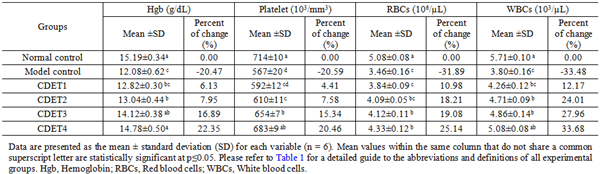
The hematological examination Table 8 showed that the administration of alloxan was followed by significant disruptions in the blood parameters. Diabetic rats had significant losses of hemoglobin (HB), platelets, red blood cells (RBCs) and white blood cells (WBCs) as compared to normal controls. The noted reductions were 20.47 percent in HB, 20.59 percent in platelets, 31.89 percent in RBCs and 33.48 percent in WBCs. These results are in line with the past studies that have reported that alloxan stimulates oxidative stress and inhibits bone marrow activity 54. Redox cycling of Alloxan produces too much reactive oxygen species (ROS) which causes oxidative injury to hematopoietic tissues and circulating blood cells 119. The strong reduction in the number of RBCs and hemoglobin level could be due to oxidative hemolysis, loss of erythropoiesis and non-enzymatic glycation of hemoglobin in conditions of hyperglycemia 120. High levels of ROS destabilize the membranes of erythrocytes, shorten the life cycle of the cells as well as disrupt iron metabolism. These identical mechanisms have been reported in alloxan-induced diabetic models and streptozotocin-induced diabetic models 121. The decline in the count of WBC in the diabetic animals depicts diabetes related leukopenia. Hyperglycemia is also known to prevent the growth of immune cells, induce leukocyte apoptosis, and affect the functioning of bone marrow 122. Oxidative damage to megakaryocytes, augmented platelet ruination or glycation triggered damage to functional capacity, which all are typical hematological results of diabetes mellitus, might clarify platelet depletion 123. Altogether, these findings confirm the idea that alloxan causes systemic hematological toxicity due to oxidative and inflammatory mechanisms. All the disturbed hematological indices were restored with a clear dose-dependent effect on treatment with Cleome droserifolia ethanolic extract (CDE). There was a steady rise in hemoglobin levels in treatment groups with a high of 22.35 percent growth rate at the highest dose relative to the diabetic model. Also, counts of platelets, RBCs, and WBCs improved significantly with the growths of 20.46, 25.14 and 33.68 respectively. These results suggest that CDE has a high hematoprotective effect. The antimicrobial effect of CDE is attributed to the abundance of phytochemicals contained in the plant such as flavonoids, alkaloids, tannins, and triterpenoids 124. Flavonoids and phenolic plants are very effective antioxidants to counter ROS, membrane stabilization, and blood cells against oxidative damage 121. CDE, most likely, reduces erythrocyte hemolysis and maintains leukocyte integrity in diabetic rats through the attenuation of oxidative stress. The increased number of RBCs and the increase in hemoglobin level could also be the results of increased erythropoietic activity. Plant extracts rich in antioxidants were also reported to reverse erythropoiesis in diabetic rodents by guarding against oxidative damage of bone marrow progenitor cells 125. On the same note, post-antioxidant WBC counts normalization has been associated with the presence of improved immune cells survival, as well as mitigated apoptosis 122. The dose-dependent hematological parameter restoration indicates that there are several mechanisms, which cause protection effects of CDE. These encompass direct scavenging of the free radicals by the phenolic compounds, inhibiting lipid peroxidation in the erythrocyte and platelet membranes, and stabilizing cell structures, which combined, extend the blood cell lifespan 120, 121. Moreover, C. droserifolia contains some phytochemicals, which mediate inflammatory responses like NF-kB, and thus lowers inflammatory cytokines, which inhibit hematopoiesis in hyperglycemic disorders 76. Bettering of glycemic control caused by CDE also leads to a decrease in protein glycation and oxidative load, which indirectly safeguards hematologic activity, which was noted previously in diabetic rat models 76. The mechanisms mentioned are in line with the findings that have been reported on other antioxidant medicinal plants, such as Sida cordata, Acioa barteri, and Grewia asiatica, which have shown the same effects of RBCs, WBCs, and platelet count in diabetic animals 125. Recovery of hematologic homeostasis has significant biomedical consequences since anemia, immunosuppression, and platelet disorder is common with inadequately managed diabetes. Normalization of these parameters can benefit CDE in terms of oxygen delivery, immune protection, and coagulation homogenization. On the whole, the current evidence reveals that Cleome droserifolia ethanolic extract is effective to reverse alloxan-induced hematological changes in a dose-dependent fashion. Its anti-oxidant, anti-inflammatory, and cytoprotective are the reasons why it may be used as an adjunct therapeutic agent in the management of hematological disorders related to diabetes. Additional molecular studies are justified to define the types of signaling pathways.
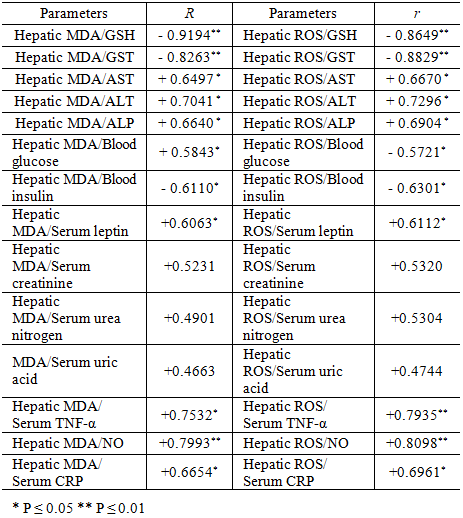
The correlation study that is synthesized in Table 9 gives a significant data concerning the association between oxidative stress factors, antioxidant defenses, metabolic control, inflammatory factors, and hepatic and renal functioning in alloxan-induced diabetic rats that received Cleome droserifolia ethanolic extract (CDE). These correlations indicate the central position of oxidative stress in the diabetes-associated metabolic and inflammatory dysfunctions and reflect the therapeutic importance of CDE. There were strong and significant negative correlations between hepatic malondialdehyde (MDA) and reactive oxygen species (ROS) with less glutathione (GSH) and glutathione-S-transferase (GST). The given pattern suggests that further lipid peroxidation and oxidative load is linked closely to the loss of endogenous antioxidant defenses. These reverse curves are previously discovered in diabetes where the mitochondrial ROS production is stimulated by chronic hyperglycemia, leading to the exhaustion and inhibition of antioxidant enzymes 90, 106. The strong negative values of the correlation coefficients (r = -0.9194 and -0.8649) also indicate that CDE can potentially replenish the antioxidant capacity by increasing the endogenous defence mechanisms, potentially via the activation of nuclear factor erythroid 2-related factor 2 (Nrf2)-dependent signaling, as observed with polyphenol-containing plant extracts 126. There were also strong positive correlations of oxidative stress markers with serum liver enzymes, such as AST, ALT, and ALP. These correlations reveal that oxidative damages have a direct relation to hepatocellular damage. Lipid peroxidation and Mitochondrial dysfunction cause membrane permeability which results in enzyme leakage into circulation 127. The same correlations between hepatic oxidative stress and liver enzyme increase have been found in experimental diabetic studies 128. The association between these two factors after CDE treatment weakens, which is in favor of its hepatoprotective effect, probably by stabilizing the membrane and inhibiting the apoptosis caused by the ROS. These effects are in line with the biological functions of flavonoid and glucosinolates recorded in Cleome species 75. Oxidative stress and glucose homeostasis were also found to be in a clear relationship. The hepatic MDA was positively correlated with the blood glucose and was negatively correlated with the insulin level. These results show the importance of oxidative stress in the disruption of pancreatic 8-cell functioning and the facilitation of insulin resistance. Intrusion of excess ROS interferes with insulin signaling by activating stress-sensitive kinases and by suppressing receptor substrate phosphorylation of insulin 129. The antagonistic relationship between ROS and insulin also contributes to the susceptibility of the 3D to baseless injury caused by oxidation because 3D lacks antioxidant ability (Lenzen, 2008). CDE modulatory effects on the following parameters are possibly attributed to its antioxidant properties, which stimulate insulin sensitivity and cell integrity of the 8 cell in the case of other antidiabetic medicinal plants. The positive relationships were strong (r= +) between MDA and ROS and inflammatory mediators such as tumor necrosis factor-alpha (TNF-α), nitric oxide (NO), and C-reactive protein (CRP). This is an indication of the established two-way communication between inflammation and oxidative stress. ROS triggers the effect of the redox-sensitive transcription factors NF-MB, and results in the enhanced production of pro-inflammatory cytokines, which subsequently enhances oxidative damage. The connection of NO and oxidative stress can also be explained by the fact that in diabetic conditions, a process of inducible nitric oxide synthase (iNOS) is activated, which leads to the formation of peroxynitrite and increased cellular damage 130. The suppression of these inflammatory biomarkers in CDE-treated rats is in line with the prior studies showing the anti-inflammatory properties of Cleome droserifolia by suppressing the expression of pro-inflammatory cytokines 10, 87. There were positive yet statistically insignificant correlations between measurements of oxidative stress and sign of renal functions such as creatinine, urea nitrogen, and uric acid. These trends though small indicate early renal involvement associated with oxidative stress. In diabetic nephropathy, the main role of oxidative damage is evident since it facilitates mesangial growth and glomerular basement membrane thickening 131. The weak correlations are relatively low, and this could suggest the partial protection of the kidneys provided by CDE, which makes it necessary to consider the studies over a long period. There was also a positive correlation shown between oxidative stress markers and serum leptin levels indicating that redox imbalance is related to adipokine dysregulation. The impaired oxidative stress and inflammatory signaling of diabetes were linked to hyperleptinemia 132. Oxidative stress reduction by CDE could thus have a secondary role in normalization of leptin signaling and energy homeostasis. The results are in line with previous research. According to Shalaby 133, high levels of plasma MDA of diabetic rats were coupled with low levels of antioxidant enzyme activity. On the same note, 49. also found that there were significant differences in plasma MDA and antioxidant enzymes after dietary intervention with Catharanthus roseus extracts. Similar correlations were also recorded by Elhassaneen et al. 10 in diabetic rats fed on Ganoderma lucidum extract. It is important to note that, these plant extracts are rich in a number of bioactive secondary metabolites, which are also found in CDE. Oxidative stress, hyperglycemia, liver and kidney dysfunctions, hematological changes, and inflammatory reactions are risk factors that are interrelated in diabetes as depicted in Figure 7. Cleome droserifolia ethanolic extract can regulate such pathological pathways using several intracellular and intercellular procedures. In general, the correlation analysis confirms the main position of oxidative stress in diabetic complications and allows concluding that CDE performs its antidiabetic activity mainly by inhibiting oxidant and anti-inflammatory activities, thus maintaining metabolic equilibrium and organ activity.
The current study provides evidence that alloxan induced diabetes causes significant metabolic, oxidative, inflammatory, hepatic, renal, as well as hematological disruptions in support of the multifactoriality of diabetes associated complications. Oxidative stress, endogenous antioxidant defenses, systemic inflammation and functional impairment of key body organs, especially liver and kidney were closely linked to persistent hyperglycemia. These pathological changes were also manifested in significant hematological changes, which emphasized the system-wide effects of uncontrolled diabetes. Application of Cleome droserifolia ethanolic extract (CDE) had considerable protective effects in an apparent dose-dependent relationship. CDE significantly enhanced the level of glycemic control, insulin restoration and to some degree leptin regulation. Simultaneously, it counteracted diabetes-related weight loss and increased the feed utilization ratio, which means that the metabolic balance was restored. The extract showed strong hepatoprotective and nephroprotective effects, which is manifested in the normalization of liver enzymes and kidney biomarkers of renal functionality. These were closely correlated with a significant decrease in oxidative stress indicators (MDA and ROS), an improvement in glutathione redox status as well as stimulation of detoxification mechanisms, specifically glutathione-S-transferase. In addition, CDE was effective in suppressing systemic inflammation and nitrosative stress crucial for decomposing the cascade of oxidative stress and inflammatory signaling by lowering the levels of CRP, TNF-a, and nitric oxide. Recovery of hematological parameters also supports the existence of the cytoprotective and antioxidant activity of the extract. The correlation analysis supported that oxidative stress is one of the major causes of metabolic dysregulation, inflammation, and organ injury in diabetes, and that redox balance modulation is one of the key mechanisms underlying the therapeutic effects of CDE.In conclusion, under experimental conditions, Cleome droserifolia ethanolic extract has strong antidiabetic, antioxidant, anti-inflammatory, hepatoprotective, nephroprotective and hematoprotective effects. These results justify its possible application as a complementary therapeutic or nutraceutical intervention in diabetes. Further research needs to be done to clarify the exact molecular process and signaling pathways, especially Nrf2 and NF- -B pathways. It is advised that long-term and chronic diabetic models be used to determine the long-term efficacy and safety. Lastly, properly designed clinical trials should be conducted to confirm these findings and identify the best dosage plans that can be used to help human beings.
The authors would like to express their deep appreciation to the staff of the Faculty of Home Economics, El-Arish University, as well as to Bedouin herbal specialists in El-Arish City, North Sinai Governorate, Egypt, for their valuable support in the collection and authentication of the Samwa plant samples.
The authors confirm that this statement is not included in the article to allow for the possibility of publication.
Yousif Elhassaneen contributed to the preparation and review of the study protocol, supervised the implementation of the experimental work, validated the results, prepared the initial manuscript draft, conducted a critical intellectual review to organize the content, and approved the final version for publication. Basma El-Khateeb contributed to monitoring the experimental procedures, retrieving and developing the conceptual framework, validating the results, and assisting in manuscript drafting. Mariem Elgendy carried out the experimental work, collected, analyzed, and tabulated the data, and also contributed to conceptual information retrieval and manuscript preparation.
AA, antioxidant activity, Abs, absorbance, ALP, alkaline phosphatase, ALT, alanine aminotransferase activity, AST, aspartate aminotransferase activity, BWG, body weight gain, CRP, Serum C-reactive protein, DM, diabetes mellitus, FI, feed intake, FER, feed efficiency ratio, GSH, reduced glutathione, GSSG, oxidise glutathione, Hgb, Hemoglobin, MDA, malondialdehyde, NO, nitric oxide, RBCs, Red blood cells; ROS, reactive oxygen species, SD, standard deviation, CDE, Samwa ethanol extract, T2D, type 2 diabetes mellitus, TNF-α, Tumor necrosis factor-alpha, , WBCs, White blood cells.
| [1] | WHO, World Health Organization (2024). Diabetes Fact Sheet. Geneva, Switzerland. | ||
| In article | |||
| [2] | Sayed Ahmed, S., Elhassaneen Y.A., El-Waseef S., Fathy N. (2016). Effect of plant by-products on liver functions and plasma glucose in obese rats. Port Said Specific Education Journal. 19(1):649–659. | ||
| In article | |||
| [3] | Sayed Ahmed, S., Shehata, N., Elhassaneen Y.A. (2020). Protective effects of Ganoderma lucidum against carbon tetrachloride-induced liver disorders. Bull Natl Nutr Inst Egypt. 56(2):99–132. | ||
| In article | View Article | ||
| [4] | Jacob, T. D., Morrell, M. K., Manzi, S., Ochoa, J. B., Verdile, V., Udekwu, A. O., Berceli, S. A., Simmons, R. L., & Peitzman, A. B. (1992). Nitric oxide: Implications for drug research. IBC, South Natick, MA. | ||
| In article | |||
| [5] | ADA, American Diabetes Association (2009). Standards of medical care in diabetes—2009. Diabetes Care, 32(Suppl 1):S13–S61. | ||
| In article | View Article PubMed | ||
| [6] | Takeda Y, Shimomura T, Wakabayashi I. Immunological disorders of diabetes mellitus in experimental rat models. Nihon Eiseigaku Zasshi. 2014; 69: 166–176. | ||
| In article | View Article PubMed | ||
| [7] | Shah, Y., Yousuf, S., Dnyanesh, M. (3019). Serum nitric oxide and HbA1c levels in type 2 diabetes mellitus patients. J Clin Diagn Res. 2019; 13(9): BC04–BC06. | ||
| In article | View Article | ||
| [8] | Elsemelawy, S. A., Gharib, M. A., & Elhassaneen, Y. A. (2021). Reishi mushroom (Ganoderma lucidum) extract ameliorates hyperglycemia and liver/kidney dysfunction in streptozotocin-induced type 2 diabetic rats. Bulletin of the National Nutrition Institute of the Arab Republic of Egypt, 57, 74–107. | ||
| In article | View Article | ||
| [9] | Elhassaneen, Y. A., Hassab El-Nabi, S. E., Mahran, M. Z., Bayomi, A. I., & Badawy, E. Z. (2022). Protective effects of strawberry (Fragaria ananassa) leaves against alloxan-induced type 2 diabetes in rats. Sumerianz Journal of Biotechnology, 5(1), 1–15. | ||
| In article | View Article | ||
| [10] | Elhassaneen, Y. A., ElBassouny, G. M., Emam, O. A., & Ammar, H. E. (2024). Strawberry and cauliflower leaves as rich sources of bioactive compounds and antioxidants: Application in obese rats. American Journal of Public Health Research, 12(4), 64–80. | ||
| In article | View Article | ||
| [11] | IDF (International Diabetes Federation) (2025a). IDF Diabetes Atlas (11th ed.): Facts & figures—Diabetes around the world. International Diabetes Federation. | ||
| In article | |||
| [12] | Rawal, L. B., et al. (2012). Prevention of type 2 diabetes in developing countries. International Journal of Behavioral Medicine, 19(2), 121–133. | ||
| In article | View Article PubMed | ||
| [13] | Dilworth, L., Stennett, D., Facey, A., Omoruyi, F., Mohansingh, S., & Omoruyi, F. O. (2024). Diabetes and the associated complications: The role of antioxidants in diabetes therapy and care. Biomedicine & Pharmacotherapy, 181, 117641. | ||
| In article | View Article PubMed | ||
| [14] | Scartezzini P, Speroni E. Review on some plants of Indian traditional medicine with antioxidant activity. J Ethnopharmacol. 2000;71:23–43. | ||
| In article | View Article PubMed | ||
| [15] | Aboraya, A. O., Elhassaneen, Y. A. and Nassar, O. M. (2022). Reishi Mushroom (Ganoderma lucidum) intervention improves lipids profile and paraoxonase/arylesterase activitiesin serum as well as enhances haemostatic effects in streptozotocin-induced diabetic rats. Alexandria Science Exchange Journal, 43, (4): 593-608. | ||
| In article | View Article | ||
| [16] | Elhassaneen, Y. A., Boraey, R. A., & Nasef, A. Z. (2023). Biological activities of ashwagandha (Withania Elhassaneen and Abd El-Moaty somnifera L.) roots and their effects on neurological complications of obesity in rats. American Journal of Food and Nutrition, 11(3), 71–88. | ||
| In article | |||
| [17] | Alqahtani, J., Negm, W.A., Elekhnawy, E., Hussein, I.A., Hassan, H.S., Alanzi, A.R., Moglad, E., Ahmed, R., Ibrahim, S., El-Sherbeni, S.A. (2024). Potential Surviving Effect of Cleome droserifolia Extract against Systemic Staphylococcus aureus Infection: Investigation of the Chemical Content of the Plant. Antibiotics (Basel). 15; 13(5): 450. | ||
| In article | View Article PubMed | ||
| [18] | Abou Haleka, S. A., Hanan M. Rashwan, Hala M. Ebaid, Heba N. Gad El Hak, Dima Alkadri, Heba M.A. Abdelrazek (2023). The Reno and Hepatoprotective Effects of SAMWA Plant (Cleome droserifolia) Methanolic Extract against Adrenaline-Induced Adverse Effect to Male Rats. Journal of Advanced Veterinary Research 13(10): Special Issue: The Fifth Conference for the Faculty of Veterinary Medicine, Suez Canal University, Egypt (Food Safety and Animal Health). | ||
| In article | |||
| [19] | Mikhail, Y. A. (2000). Studies on the hypoglycemic effects of Cleome droserifolia (MSc thesis). Cairo University, Egypt. | ||
| In article | |||
| [20] | Ezzat, S.M. and Abdel Motaal, A. (2012). Isolation of new cytotoxic metabolites from Cleome droserifolia growing in Egypt. Z Naturforsch C, 67: 266-74. | ||
| In article | View Article PubMed | ||
| [21] | Motaal, A. A., Ezzat, S. M., & Haddad, P. S. (2011). Bioactive markers in Cleome droserifolia. Phytomedicine, 19(1), 38–41. | ||
| In article | View Article PubMed | ||
| [22] | Motaal, A. A., Ezzat, S. M., & El-Askary, H. I. (2014). Antihyperglycemic activity of Cleome droserifolia. Pharmacognosy Journal, 6, 15–21. | ||
| In article | View Article | ||
| [23] | Maksoud, H. A., Zaid, O. A. A., Elharrif, M. G., Omnia, M., & Alaa, E. (2020). Selenium Cleome droserifolia nanoparticles in diabetes. Clinical Nutrition ESPEN, 40, 383–391. | ||
| In article | View Article PubMed | ||
| [24] | Helal, E. G., Abou Aouf, N., Abdallah, I. Z., & Khattab, A. M. (2015). Hypoglycemic and antioxidant effects of Cleome droserifolia in alloxan-induced diabetic rats. Egyptian Journal of Hospital Medicine, 58, 39–47. | ||
| In article | View Article | ||
| [25] | Rahman, M.M., Rahaman, M.S., Islam, M.R., Rahman, F., Mithi F.M., Alqahtani, T., Almikhlafi, M.A., Alghamdi, S.Q., Alruwaili, A.S., Hossain, M.S., Ahmed, M., Das, R., Emran, T.B., Uddin, M.S. (2021). Role of Phenolic Compounds in Human Disease: Current Knowledge and Future Prospects. Molecules. 30; 27(1): 233. | ||
| In article | View Article PubMed | ||
| [26] | Hashem, N. M., & Shehata, M. G. (2021). Antioxidant and antimicrobial activity of Cleome droserifolia and its biological effects. Animals, 11(7), 1929. | ||
| In article | View Article PubMed | ||
| [27] | Gharib, M. A., Radwan, H. A., & Elhassaneen, Y. A. (2022). Nutrient composition, nutraceutical value, and in vitro biological activities of reishi mushroom (Ganoderma lucidum). Alexandria Science Exchange Journal, 43(2), 301–316. | ||
| In article | View Article | ||
| [28] | Sheriff OL et al. A new model for alloxan-induced diabetes mellitus in rats. J Bangladesh Soc Physiol. 2019; 14(2): 56–62. | ||
| In article | View Article | ||
| [29] | El-Khawaga, O. Y., Abou-Seif, M. A., El-Waseef, A., & Negm, A. A. (2010). Hypoglycemic, hypolipidemic, and antioxidant activities of Cleome droserifolia in streptozotocin-diabetic rats. Journal of Stress Physiology & Biochemistry, 6(4), 28–41. | ||
| In article | |||
| [30] | El-Komy, M., & Serag, A. (2017). Ameliorative effect of Cleome droserifolia (Samwa) on myocardial injury associated with diabetes in male rats. Egyptian Journal of Hospital Medicine, 69(4), 2222–2231. | ||
| In article | View Article | ||
| [31] | Chapman, D. G., Castilla, R., & Campbell, J. A. (1959). Evaluation of protein in food: I. A method for the determination of protein efficiency ratio. Canadian Journal of Biochemistry and Physiology, 37(5), 679–686. | ||
| In article | View Article PubMed | ||
| [32] | Tietz NW. Fundamentals of Clinical Chemistry. Philadelphia: W.B. Saunders; 1976. | ||
| In article | |||
| [33] | Mirsalari, M., & Elhami, S. (2020). Colorimetric detection of insulin. Spectrochimica Acta Part A, 240, 118617. | ||
| In article | View Article PubMed | ||
| [34] | Vassault A et al. Quality specifications for validation of methods in clinical biochemistry. Ann Biol Clin. 1999; 57(6): 685–695. | ||
| In article | |||
| [35] | Barham, D., & Trinder, P. (1972). Determination of uric acid. Analyst, 97, 142. | ||
| In article | View Article PubMed | ||
| [36] | Buege, J. A., & Aust, S. D. (1978). Microsomal lipid peroxidation. In L. Packer (Ed.), Methods in Enzymology (Vol. 52, pp. 302–310). Academic Press. | ||
| In article | View Article | ||
| [37] | Wang H, Joseph JA. Quantifying cellular oxidative stress by DCFH assay. Free Radic Biol Med. 1999; 27(5–6): 612–616. | ||
| In article | View Article PubMed | ||
| [38] | Kand’ár, R., Záková, P., Lotková, H., Kučera, O., & Červinková, Z. (2007). Determination of reduced and oxidized glutathione in biological samples using liquid chromatography with fluorimetric detection. Journal of Pharmaceutical and Biomedical Analysis, 43(4), 1382–1387. | ||
| In article | View Article PubMed | ||
| [39] | Duncan, R. C., Knapp, R. G., & Miller, M. C. (1977). Tests of hypotheses in population means. In Introductory biostatistics for the health sciences (pp. 71–96). John Wiley & Sons. | ||
| In article | |||
| [40] | Szkudelski,T. (2001). Mechanism of alloxan and streptozotocin action in β-cells. Biochim Biophys Acta. 1500(3):235–246. | ||
| In article | |||
| [41] | Rizvi, S. I., & Mishra, N. (2013). Traditional Indian medicines for diabetes management. Journal of Diabetes Research, 2013, 712092. | ||
| In article | View Article PubMed | ||
| [42] | Can, A., Akev, N., Ozsoy, N., Bolkent, S., Arda, B. P., Yanardag, R., & Okyar, A. (2004). Effect of Aloe vera leaf gel and pulp extracts on the liver in type II diabetic rat models. Biological & Pharmaceutical Bulletin, 27(5), 694–698. | ||
| In article | View Article PubMed | ||
| [43] | Lenzen, S. (2008). The mechanisms of alloxan- and streptozotocin-induced diabetes. Diabetologia, 51, 216–226. | ||
| In article | View Article PubMed | ||
| [44] | Morton, G. J., & Schwartz, M. W. (2011). Leptin and CNS control of glucose metabolism. Physiological Reviews, 91(2), 389–411. | ||
| In article | View Article PubMed | ||
| [45] | Elhassaneen, Y., Ragab, S., & Saad, M. (2016). Potential effects of reishi mushroom (Ganoderma lucidum) consumption on bone health indices and serum minerals profile disorders induced by CCl₄ in rats. Pyrex Journal of Medicinal Plant Research, 2(1), 1–7. | ||
| In article | |||
| [46] | Younis, M. (2016). The effect of some plant parts extract on hyperglycemia in alloxan-induced Diabetic rats. M.Sc. Thesis in Nutrition and Food Science, Faculty of Specific Education, Port Saied University, Port Saied, Egypt. | ||
| In article | |||
| [47] | Yasin, N. A. H. (2021). Potential effects of psyllium seeds and husk on selected bioactive parameters in diabetic rats (MSc thesis). Minoufiya University, Egypt. | ||
| In article | |||
| [48] | Abd El-Rahman, N. (2021). Potential effect of olive and mango leaves in diabetic rats induced by alloxan (MSc thesis). Faculty of Home Economics, Minoufiya University, Shebin El-Kom, Egypt. | ||
| In article | |||
| [49] | Elhassaneen, Y. A., Nasef, A. Z., & Abdel Rahman, N. (2021). Effects of olive and mango leaves on alloxan-induced diabetic complications in rats. Journal of Home Economics, 31(2), 49–62. | ||
| In article | |||
| [50] | Badawy, E. Z. M. (2022). Study on the effect of strawberry leaves on diabetic rats induced by alloxan (MSc thesis). Faculty of Home Economics, Minoufiya University, Shebin El-Kom, Egypt. | ||
| In article | |||
| [51] | Elhassaneen, Y. A., & Kamal, M. (2014). The effect of functional foods to treat liver disorders: A review study. Journal of Home Economics, 24(2), 39–59. | ||
| In article | |||
| [52] | Aly, A., Elbassyouny, G. and Elhassaneen, Y. (2017). Studies on the antioxidant properties of vegetables processing by-products extract and their roles in the alleviation of health complications caused by diabetes in rats. Proceeding of the 1st International Conference of the Faculty of Specific Education, Kafrelsheikh University, “Specific Sciences, their Developmental Role and Challenges of Labor Market” PP 1-24, 24-27 October, 2017, Sharm ElSheikh, Egypt. | ||
| In article | |||
| [53] | Agbafor, K. N., Onuohah, S. C., Ominyi, M. C., Orinya, O. F., Ezeani, N., & Alum, E. (2015). Antidiabetic, hypolipidemic, and antiatherogenic properties of leaf extracts of Ageratum conyzoides in streptozotocin-induced diabetic rats. International Journal of Current Microbiology and Applied Sciences, 4(11), 816–824. | ||
| In article | |||
| [54] | Szkudelski T. Mechanism of alloxan and streptozotocin action in β-cells. Biochim Biophys Acta. 2001; 1500(3): 235–246. | ||
| In article | |||
| [55] | Ahmed, M.F., Kazim S.M., Ghori S.S., Mehjabeen S.S., Ahmed S.R., Ali S.M., Ibrahim M. (2010). Antidiabetic Activity of Vinca rosea Extracts in Alloxan-Induced Diabetic Rats. Int J Endocrinol. 2010:841090. | ||
| In article | View Article PubMed | ||
| [56] | Ahmed, I., Lakhani, M. S., Gillett, M., John, A., & Raza, H. (2001). Hypotriglyceridemic and hypocholesterolemic effects of Momordica charantia fruit extract in streptozotocin-induced diabetic rats. Diabetes Research and Clinical Practice, 51(3), 155–161. | ||
| In article | View Article PubMed | ||
| [57] | Ramesh, B., & Pugalendi, K. V. (2006). Antihyperglycemic effect of umbelliferone. Journal of Medicinal Food, 9(4), 562–566. | ||
| In article | View Article PubMed | ||
| [58] | Elhassaneen, Y. A., Boraey, R. A., & Nasef, A. Z. (2023). Biological activities of ashwagandha (Withania Elhassaneen and Abd El-Moaty somnifera L.) roots and their effects on neurological complications of obesity in rats. American Journal of Food and Nutrition, 11(3), 71–88. | ||
| In article | |||
| [59] | Pari, L., & Umamaheswari, J. (2000). Antihyperglycaemic activity of Musa sapientum flowers. Phytotherapy Research, 14(2), 136–138. | ||
| In article | View Article | ||
| [60] | Kaleem, M., Asif, M., Ahmed, Q. U., & Bano, B. (2006). Antidiabetic and antioxidant activity of Annona squamosa extract in streptozotocin-induced diabetic rats. Singapore Medical Journal, 47(8), 670–675. | ||
| In article | |||
| [61] | LaDue, J. S., Wroblewski, F., & Karmen, A. (1954). Serum glutamic oxaloacetic transaminase activity in myocardial infarction. Science, 120(3117), 497–499. | ||
| In article | View Article PubMed | ||
| [62] | Karmen, A., Wroblewski, F., & LaDue, J. S. (1955). Transaminase activity in human blood. Journal of Clinical Investigation, 34(1), 126–131. | ||
| In article | View Article PubMed | ||
| [63] | Pagana, K. D., & Pagana, T. J. (1997). Mosby’s diagnostic and laboratory test reference (3rd ed.). Mosby-Year Book. | ||
| In article | |||
| [64] | Elhassaneen, Y. A., Sayed Ahmed, S., Elwasef, S., & Fayez, S. (2022). Effect of brown algae ethanolic extracts consumption on obesity complications induced by high-fat diets in rats. Port Said Specific Research Journal, 15(1). | ||
| In article | |||
| [65] | Abdel-Kader, M. S., Alqasoumi, S. I., & Al-Taweel, A. M. (2009). Hepatoprotective constituents from Cleome droserifolia. Chemical & Pharmaceutical Bulletin, 57(6), 620–624. | ||
| In article | View Article PubMed | ||
| [66] | Aboushoer, M.I., Fathy, H.M., Abdel-Kader, M.S., Goetz, G. & Omar, A.A. (2010). Terpenes and flavonoids from an Egyptian collection of Cleome droserifolia. Natural Product Research., 24 (7): 687-696. | ||
| In article | View Article PubMed | ||
| [67] | Abdel Motaal A., Ezzat S.M. & Haddad P.S. (2011). Determination of bioactive markers in Cleome droserifolia using cell-based bioassays for antidiabetic activity and isolation of two novel active compounds. Phytomedicine, 19, ( 1 ), 15: 38-41 | ||
| In article | View Article PubMed | ||
| [68] | Muhaidat, R., Al-Qudah, M. A., Samir, O., et al. (2015). Antibacterial activity of Cleome droserifolia. South African Journal of Botany, 99, 21–28. | ||
| In article | View Article | ||
| [69] | Valko, M., Leibfritz, D., Moncol, J., Cronin, M.T., Mazur, M., Telser, J. (2007). Free radicals and antioxidants in normal physiological functions and human disease. Int J Biochem Cell Biol. 39(1):44-84. | ||
| In article | View Article PubMed | ||
| [70] | Ibrahim, S., Mostafa, M. S., Elhassaneen, Y. A., & El-Soadany, M. A. (2004). Dietary phytochemicals as chemopreventive agents for liver cancer. Bulletin of Pharmaceutical Sciences, 27(1), 87–94. | ||
| In article | View Article | ||
| [71] | Elhassaneen, Y. A., Hassan, R. A., & Shehab El-Din, F. M. (1996). In vitro cytotoxicity testing and biochemical effects of aquatic pollutants using primary spot (Leiostomus xanthurus) liver cells. In Proceedings of the Conference on Food-Borne Contamination and Egyptian Health (pp. 249–259). Mansoura University, Egypt. | ||
| In article | |||
| [72] | Gao, Y., Zhou, S., Huang, M., & Xu, A. (2003). Antibacterial and antiviral activities of Ganoderma species: A review. International Journal of Medicinal Mushrooms, 5(3), 1–12. | ||
| In article | View Article | ||
| [73] | Beattie, J., Crozier, A., & Duthie, G. (2005). Potential health benefits of berries. Current Nutrition & Food Science, 1, 71–86. | ||
| In article | View Article | ||
| [74] | Bhandarkar, M. R., & Khan, A. (2004). Antihepatotoxic effect of Nymphaea stellata Willd. against carbon tetrachloride-induced hepatic damage in albino rats. Journal of Ethnopharmacology, 91(1), 61–64. | ||
| In article | View Article PubMed | ||
| [75] | Amin, M. A.-A., Hendy, M. H., Alsalamah , S. A., Elsheikh, S. Y. S., Abdel-Mageed, A. M., Elwasefy, S. A., Abdel-Mageed, A. M., Elwasefy, S. A., Elbasiony, A. M., and Shahhat, I. M. A. M. (2025). "Phytochemical characterization of Cleome droserifolia biomass and its application as in vitro antioxidant, anti-inflammatory, anti-diabetic, and anti-yeast agents" BioResources 20(4), 9020–9032. | ||
| In article | View Article | ||
| [76] | Nagy, M. A., & Mohamed, S. A. (2015). Cleome droserifolia (Cleomaceae) methanolic extract alleviates alloxan-induced oxidative stress and β-cell damage in rat pancreas. Biochemistry: An Indian Journal (BCAIJ), 9(1), 001–011. | ||
| In article | |||
| [77] | Donath, M. Y., Gross, D. J., Cerasi, E., & Kaiser, N. (1999). Hyperglycemia-induced beta-cell apoptosis in pancreatic islets of Psammomys obesus during development of diabetes. Diabetes, 48(4), 738–744. | ||
| In article | View Article PubMed | ||
| [78] | Gold, A. H. (1970). The effect of diabetes and insulin on liver glycogen synthetase activation. Journal of Biological Chemistry, 245, 903–905. | ||
| In article | View Article PubMed | ||
| [79] | Geberemeskel, G.A., Debebe, Y.G., Nguse, N.A. (2019). Antidiabetic Effect of Fenugreek Seed Powder Solution (Trigonella foenum-graecum L.) on Hyperlipidemia in Diabetic Patients. J Diabetes Res. 5; 2019: 8507453. | ||
| In article | View Article PubMed | ||
| [80] | Beck-Nielsen, H. (2002). Insulin resistance: Organ manifestations and cellular mechanisms. Ugeskrift for Laeger, 164(16), 2130–2135. | ||
| In article | |||
| [81] | Aparadh, V. (2012). Taxonomy and physiological studies in spider flower (Cleome species): A critical review. Plant Science Feed, 2, 25–46. | ||
| In article | |||
| [82] | Panicker, N. G., Balhamar, S. O., Akhlaq, S., Qureshi, M. M., Rehman, N., Hussain, J., & Mustafa, F. (2020). Organic extracts from Cleome droserifolia exhibit caspase-dependent anticancer activity. BMC Complementary Medicine and Therapies, 20, 74. | ||
| In article | View Article PubMed | ||
| [83] | Margetic, S., Gazzola, C., Pegg, G. G., & Hill, R. A. (2002). Leptin: A review of its peripheral actions. International Journal of Obesity, 26(11), 1407–1433. | ||
| In article | View Article PubMed | ||
| [84] | Toyoshima Y et al. Leptin improves insulin resistance and hyperglycemia in a mouse model of type 2 diabetes. Endocrinology. 2005; 146(9): 4024–4035. | ||
| In article | View Article PubMed | ||
| [85] | Amitani, M., Asakawa, A., Amitani, H. and Inui, A. (2013). The role of leptin in the control of insulin-glucose axis. Front Neurosci. 2013 Apr 8; 7: 51. | ||
| In article | View Article PubMed | ||
| [86] | Abdel Maksoud, H. A., Abou Zaid, O. A., Elharrif, M. G., & Omnia, M. (2020). Selenium Cleome droserifolia nanoparticles and their ameliorative effects in experimentally induced diabetes mellitus. Clinical Nutrition, 40, 383–391. | ||
| In article | View Article PubMed | ||
| [87] | Ismail, S. A. E. (2022). Potential effects of Al-Samwa (Cleome droserifolia) extract on hyperglycemia and oxidative stress in diabetic rats (MSc thesis). Benha University, Egypt. | ||
| In article | |||
| [88] | Korkor, A. M., Mansour, A. M., & Abbass, H. S. (2022). Evaluation of antidiabetic and anti-obesity potential and safety of a polyherbal remedy. Al-Azhar Journal of Pharmaceutical Sciences, 65, 229–245. | ||
| In article | View Article | ||
| [89] | Elhassaneen, Y. A., & Mahran, M. Z. (2024). Protective effects of milk thistle (Silybum marianum L.) seeds against benzo[a]pyrene-induced hepatic and nephritic injuries in rats. Alexandria Science Exchange Journal, 45(1), 131–152. | ||
| In article | View Article | ||
| [90] | Giacco, F., & Brownlee, M. (2010). Pathogenesis of diabetic complications: oxidative stress and reactive intermediates. Circulation Research, 107(9), 1058–1070. | ||
| In article | View Article PubMed | ||
| [91] | Gosmanov, A. R., Gosmanova, E. O., & Kitabchi, A. E. (2014). Hyperglycemic crises: diabetic ketoacidosis and hyperosmolar hyperglycemic state. Endocrinology and Metabolism Clinics of North America, 43(1), 75–106. | ||
| In article | |||
| [92] | Sautin YY, Johnson RJ. Uric acid: the oxidant–antioxidant paradox. Nucleosides Nucleotides Nucleic Acids. 2008; 27(6): 608–619. | ||
| In article | View Article PubMed | ||
| [93] | Halliwell, B. and Gutteridge, J.M. (1985): Free radicals in biology and medicine. Clarendon Press. Oxford. UK. | ||
| In article | View Article | ||
| [94] | Elhassaneen, Y. A., Ragab, S. S., & Badawy, R. M. (2016). Antioxidant activity of methanolic plant extracts and their protective role against benzo(a)pyrene-induced liver disorders. Public Health International, 2(1), 38–50. | ||
| In article | |||
| [95] | Elhassaneen, Y. A., Ragab, S. S., Abd El-Rahman, A., & Arafa, S. G. M. (2021). Catharanthus roseus extracts attenuate alloxan-induced hyperglycemia and oxidative stress in rats. American Journal of Food Science and Technology, 9(4), 161–172. | ||
| In article | |||
| [96] | Champe, C.P. and Harvey, A.R. (1994): Biochemistry. 2nd edition, J.B. Lippincott Company, Philadelphia, USA | ||
| In article | |||
| [97] | Bedard, K. and Krause, K. (2007): The NOX family of ROS-generating NADPH oxidases: physiology and pathophysiology. Physiological Reviews, 1: 245–313. | ||
| In article | View Article PubMed | ||
| [98] | Lawrence, J. B., & Narasimham, L. P. (2020). Measurement of oxidative stress in biological systems. In Biological Magnetic Resonance (Vol. 34). Springer. | ||
| In article | |||
| [99] | Elhassaneen, Y. A. and Abd El-Moaty, A. A. (2003). Blood oxidant and antioxidant status in rats feeding with insect-infested wheat flour. Pakistan J. of Biological Science, 6 (15): 1354 -1360. [ISSN 1028-8880] | ||
| In article | View Article | ||
| [100] | Elhassaneen, Y. (2004). The effect of charcoal broiled meat consumption on antioxidant defence system of erythrocytes and antioxidant vitamins in plasma. Nutrition Research, 24(6), 435–446. | ||
| In article | View Article | ||
| [101] | Hayes, J. D., Flanagan, J. U., & Jowsey, I. R. (2005). Glutathione transferases. Annual Review of Pharmacology and Toxicology, 45, 51–88. | ||
| In article | View Article PubMed | ||
| [102] | Kensler, T. W., Wakabayashi, N., & Biswal, S. (2007). Cell survival responses to environmental stresses via the Keap1–Nrf2–ARE pathway. Annual Review of Pharmacology and Toxicology, 47, 89–116. | ||
| In article | View Article PubMed | ||
| [103] | Birben, E., Sahiner, U. M., Sackesen, C., Erzurum, S., & Kalayci, O. (2012). Oxidative stress and antioxidant defense. World Allergy Organization Journal, 5(1), 9–19. | ||
| In article | View Article PubMed | ||
| [104] | Arafa, S. G. M. (2021). Chemical and biological studies on extracts of periwinkle (Catharanthus roseus L.) (PhD thesis). Faculty of Home Economics, Minoufiya University, Shebin El-Kom, Egypt. | ||
| In article | |||
| [105] | Schlaepfer IR, Joshi M. CPT1A-mediated fat oxidation: mechanisms and therapeutic potential. Endocrinology. 2020; 161(2): bqz046. | ||
| In article | View Article PubMed | ||
| [106] | Baynes, J. W. (1991). Role of oxidative stress in the development of complications in diabetes. Diabetes, 40, 405–412. | ||
| In article | View Article PubMed | ||
| [107] | Grune, T., Siems, W. G., & Petras, T. A. (1997). Identification of metabolic pathways of the lipid peroxidation product, 4-hydroxynonenal, in perfused rat kidney. Journal of Lipid Research, 38(8), 1660–1665. | ||
| In article | View Article PubMed | ||
| [108] | Shamberger RJ, Andreone TL, Willis CE. Antioxidants and cancer: IV. Malonaldehyde as a carcinogenic initiator. J Natl Cancer Inst. 1974; 53: 1771–1773. | ||
| In article | |||
| [109] | Abou-Seif, M. A., & Youssef, A. A. (2004). Evaluation of some biochemical changes in diabetic patients. Clinica Chimica Acta, 346, 161–170. | ||
| In article | View Article PubMed | ||
| [110] | El-Hawary, E. M. M. (2023). Studies on the potential effects of brown algae (Sargassum subrepandum) on hyperglycemia and oxidative stress induced by alloxan in diabetic rats (MSc thesis). Faculty of Specific Education, Benha University, Egypt. | ||
| In article | |||
| [111] | El-Shenawy, N. S., & Abdel-Nabi, I. M. (2004). Comparative analysis of the protective effect of melatonin and Cleome droserifolia extract on antioxidant status of diabetic rats. Egyptian Journal of Hospital Medicine, 14(1), 11–25. | ||
| In article | View Article | ||
| [112] | Abdel Motaal, A., Salem, H. H., Almaghaslah, D., Alsayari, A., Bin Muhsinah, A., Alfaifi, M. Y., Elbehairi, S. E. I., Shati, A. A., & El-Askary, H. (2020). Flavonol glycosides: In vitro inhibition of DPP-IV, aldose reductase, and combating oxidative stress as potential mechanisms mediating the antidiabetic activity of Cleome droserifolia. Molecules, 25(24), 5864. | ||
| In article | View Article PubMed | ||
| [113] | Devi, K., Rabbani, S. I., & Khanam, S. (2010). Role of pioglitazone with metformin or glimepiride on oxidative stress-induced nuclear damage and reproductive toxicity in diabetic rats. Malaysian Journal of Medical Sciences, 17(1), 3–11. | ||
| In article | View Article PubMed | ||
| [114] | Abdallah (2015). Hypoglycemic and Antioxidant Effects of Cleome Droserifolia (Samwah) in Alloxan-Induced Diabetic Rats. The E$gyptian Journal of Hospital Medicine, 58(1), 39-47 | ||
| In article | View Article | ||
| [115] | Khaloo, P., Qahremani, R., Rabizadeh, S., et al. (2020). Nitric oxide and TNF-α are correlates of diabetic retinopathy independent of hs-CRP and HbA1c. Endocrine, 69(3), 536–541. | ||
| In article | View Article PubMed | ||
| [116] | Salama A, Asaad GF, Shaheen A. Chrysin ameliorates STZ-induced diabetes in rats: possible impact of modulation of TLR4/NF-κB pathway. Res Pharm Sci. 2021; 17(1): 1–11. | ||
| In article | View Article PubMed | ||
| [117] | Fawcett, J. K., & Scott, J. E. (1960). Determination of urea. Journal of Clinical Pathology, 13, 156–159. | ||
| In article | View Article PubMed | ||
| [118] | Saklani R, Gupta SK, Mohanty IR, Kumar B, Srivastava S, Mathur R. Cardioprotective effects of rutin via alteration in TNF-α, CRP, and BNP levels coupled with antioxidant effect in STZ-induced diabetic rats. Mol Cell Biochem. 2016; 420(1–2): 65–72. | ||
| In article | View Article PubMed | ||
| [119] | El-Missiry, M. A., & El Gindy, A. M. (2000). Amelioration of alloxan-induced diabetes mellitus and oxidative stress in rats by oil of Eruca sativa seeds. Annals of Nutrition and Metabolism, 44(3), 97–100. | ||
| In article | View Article PubMed | ||
| [120] | Adesokan, A., Akanji, M., & Adewara, G. (2011). Evaluation of Hypoglycaemic Efficacy of Aqueous Seed Extract of Aframomum melegueta in Alloxan-induced Diabetic Rats. Sierra Leone Journal of Biomedical Research, 2(2), 91-94. | ||
| In article | View Article | ||
| [121] | Akinyelu J, Adeoye AO, Chukwuma CI, Fatoki TH, Adewumi OK, Odoh IM, Ekun GR, Adeleke AS. Hepato-renal protection by ferulic acid in a type 2 diabetic rat model: in vivo and in silico insights into carbohydrate metabolism, REDOX balance, and inflammation modulation. BioTechnologia (Pozn). 2025 Sep 7; 106(3): 309-326. | ||
| In article | View Article PubMed | ||
| [122] | Mahmoud, A. M. (2013). Hematological alterations in diabetic rats. EXCLI Journal, 12, 647–657. | ||
| In article | |||
| [123] | Francesca, C., & Garret, A. F. (1996). Oxidative stress and platelet abnormalities in diabetic rats. Diabetes Research and Clinical Practice, 30(Suppl. 1), S13–S18. | ||
| In article | View Article PubMed | ||
| [124] | Boulos, L., & El-Hadidi, M. N. (1989). The Weed Flora of Egypt. Cairo: American University in Cairo Press. | ||
| In article | |||
| [125] | Khattab, H. A., El-Shitany, N. A., Abdallah, I. Z., Yousef, F. M., & Alkreathy, H. M. (2015). Antihyperglycemic potential of Grewia asiatica fruit extract against streptozotocin-induced hyperglycemia in rats. Oxidative Medicine and Cellular Longevity, 2015, 549743. | ||
| In article | View Article PubMed | ||
| [126] | Alam MM, Meerza D, Naseem I. Protective effect of quercetin on hyperglycemia, oxidative stress and DNA damage in alloxan induced type 2 diabetic mice. Life Sci. 2014 Jul 25; 109(1): 8-14. | ||
| In article | View Article PubMed | ||
| [127] | Kaplowitz, N. (2000). Mechanisms of liver cell injury. Journal of Hepatology, 32(Suppl. 1), 39–47. | ||
| In article | View Article | ||
| [128] | El-Beshbishy, H. A., Tork, O. M., El-Bab, M. F., & Autifi, M. A. (2011). Antioxidant and antiapoptotic effects of green tea polyphenols against azathioprine-induced liver injury in rats. Pathophysiology, 18(2), 125–135. | ||
| In article | View Article PubMed | ||
| [129] | Evans, J. L., Goldfine, I. D., Maddux, B. A., and Grodsky, G. M. (2003). Are oxidative stress—activated signaling pathways mediators of insulin resistance and b-cell dysfunction? Diabetes, 52, 1–8. | ||
| In article | View Article PubMed | ||
| [130] | Pacher, P., Beckman, J. S., & Liaudet, L. (2007). Nitric oxide and peroxynitrite in health and disease. Physiological Reviews, 87(1), 315–424. | ||
| In article | View Article PubMed | ||
| [131] | Forbes, J. M., Coughlan, M. T., & Cooper, M. E. (2008). Oxidative stress as a major culprit in kidney disease in diabetes. Diabetes, 57(6), 1446–1454. | ||
| In article | View Article PubMed | ||
| [132] | Pérez-Rubio K.G., González-Ortiz M., Martínez-Abundis E., Robles-Cervantes J.A., Espinel-Bermúdez M.C. (2013). Effect of berberine administration on metabolic syndrome, insulin sensitivity, and insulin secretion. Metab Syndr Relat Disord. 11(5):366-9. | ||
| In article | View Article PubMed | ||
| [133] | Shalaby, H. H. H. (2015). Effect of some food products mixed with plant parts on blood sugar levels of rats. PhD Thesis, Faculty of Home Economics, Minoufia University, Shebin El-Kom, Egypt. | ||
| In article | |||
Published with license by Science and Education Publishing, Copyright © 2026 Yousif A. Elhassaneen, Basma A. El-khateeb and Mariem A. Elgendy
 This work is licensed under a Creative Commons Attribution 4.0 International License. To view a copy of this license, visit
http://creativecommons.org/licenses/by/4.0/
This work is licensed under a Creative Commons Attribution 4.0 International License. To view a copy of this license, visit
http://creativecommons.org/licenses/by/4.0/
| [1] | WHO, World Health Organization (2024). Diabetes Fact Sheet. Geneva, Switzerland. | ||
| In article | |||
| [2] | Sayed Ahmed, S., Elhassaneen Y.A., El-Waseef S., Fathy N. (2016). Effect of plant by-products on liver functions and plasma glucose in obese rats. Port Said Specific Education Journal. 19(1):649–659. | ||
| In article | |||
| [3] | Sayed Ahmed, S., Shehata, N., Elhassaneen Y.A. (2020). Protective effects of Ganoderma lucidum against carbon tetrachloride-induced liver disorders. Bull Natl Nutr Inst Egypt. 56(2):99–132. | ||
| In article | View Article | ||
| [4] | Jacob, T. D., Morrell, M. K., Manzi, S., Ochoa, J. B., Verdile, V., Udekwu, A. O., Berceli, S. A., Simmons, R. L., & Peitzman, A. B. (1992). Nitric oxide: Implications for drug research. IBC, South Natick, MA. | ||
| In article | |||
| [5] | ADA, American Diabetes Association (2009). Standards of medical care in diabetes—2009. Diabetes Care, 32(Suppl 1):S13–S61. | ||
| In article | View Article PubMed | ||
| [6] | Takeda Y, Shimomura T, Wakabayashi I. Immunological disorders of diabetes mellitus in experimental rat models. Nihon Eiseigaku Zasshi. 2014; 69: 166–176. | ||
| In article | View Article PubMed | ||
| [7] | Shah, Y., Yousuf, S., Dnyanesh, M. (3019). Serum nitric oxide and HbA1c levels in type 2 diabetes mellitus patients. J Clin Diagn Res. 2019; 13(9): BC04–BC06. | ||
| In article | View Article | ||
| [8] | Elsemelawy, S. A., Gharib, M. A., & Elhassaneen, Y. A. (2021). Reishi mushroom (Ganoderma lucidum) extract ameliorates hyperglycemia and liver/kidney dysfunction in streptozotocin-induced type 2 diabetic rats. Bulletin of the National Nutrition Institute of the Arab Republic of Egypt, 57, 74–107. | ||
| In article | View Article | ||
| [9] | Elhassaneen, Y. A., Hassab El-Nabi, S. E., Mahran, M. Z., Bayomi, A. I., & Badawy, E. Z. (2022). Protective effects of strawberry (Fragaria ananassa) leaves against alloxan-induced type 2 diabetes in rats. Sumerianz Journal of Biotechnology, 5(1), 1–15. | ||
| In article | View Article | ||
| [10] | Elhassaneen, Y. A., ElBassouny, G. M., Emam, O. A., & Ammar, H. E. (2024). Strawberry and cauliflower leaves as rich sources of bioactive compounds and antioxidants: Application in obese rats. American Journal of Public Health Research, 12(4), 64–80. | ||
| In article | View Article | ||
| [11] | IDF (International Diabetes Federation) (2025a). IDF Diabetes Atlas (11th ed.): Facts & figures—Diabetes around the world. International Diabetes Federation. | ||
| In article | |||
| [12] | Rawal, L. B., et al. (2012). Prevention of type 2 diabetes in developing countries. International Journal of Behavioral Medicine, 19(2), 121–133. | ||
| In article | View Article PubMed | ||
| [13] | Dilworth, L., Stennett, D., Facey, A., Omoruyi, F., Mohansingh, S., & Omoruyi, F. O. (2024). Diabetes and the associated complications: The role of antioxidants in diabetes therapy and care. Biomedicine & Pharmacotherapy, 181, 117641. | ||
| In article | View Article PubMed | ||
| [14] | Scartezzini P, Speroni E. Review on some plants of Indian traditional medicine with antioxidant activity. J Ethnopharmacol. 2000;71:23–43. | ||
| In article | View Article PubMed | ||
| [15] | Aboraya, A. O., Elhassaneen, Y. A. and Nassar, O. M. (2022). Reishi Mushroom (Ganoderma lucidum) intervention improves lipids profile and paraoxonase/arylesterase activitiesin serum as well as enhances haemostatic effects in streptozotocin-induced diabetic rats. Alexandria Science Exchange Journal, 43, (4): 593-608. | ||
| In article | View Article | ||
| [16] | Elhassaneen, Y. A., Boraey, R. A., & Nasef, A. Z. (2023). Biological activities of ashwagandha (Withania Elhassaneen and Abd El-Moaty somnifera L.) roots and their effects on neurological complications of obesity in rats. American Journal of Food and Nutrition, 11(3), 71–88. | ||
| In article | |||
| [17] | Alqahtani, J., Negm, W.A., Elekhnawy, E., Hussein, I.A., Hassan, H.S., Alanzi, A.R., Moglad, E., Ahmed, R., Ibrahim, S., El-Sherbeni, S.A. (2024). Potential Surviving Effect of Cleome droserifolia Extract against Systemic Staphylococcus aureus Infection: Investigation of the Chemical Content of the Plant. Antibiotics (Basel). 15; 13(5): 450. | ||
| In article | View Article PubMed | ||
| [18] | Abou Haleka, S. A., Hanan M. Rashwan, Hala M. Ebaid, Heba N. Gad El Hak, Dima Alkadri, Heba M.A. Abdelrazek (2023). The Reno and Hepatoprotective Effects of SAMWA Plant (Cleome droserifolia) Methanolic Extract against Adrenaline-Induced Adverse Effect to Male Rats. Journal of Advanced Veterinary Research 13(10): Special Issue: The Fifth Conference for the Faculty of Veterinary Medicine, Suez Canal University, Egypt (Food Safety and Animal Health). | ||
| In article | |||
| [19] | Mikhail, Y. A. (2000). Studies on the hypoglycemic effects of Cleome droserifolia (MSc thesis). Cairo University, Egypt. | ||
| In article | |||
| [20] | Ezzat, S.M. and Abdel Motaal, A. (2012). Isolation of new cytotoxic metabolites from Cleome droserifolia growing in Egypt. Z Naturforsch C, 67: 266-74. | ||
| In article | View Article PubMed | ||
| [21] | Motaal, A. A., Ezzat, S. M., & Haddad, P. S. (2011). Bioactive markers in Cleome droserifolia. Phytomedicine, 19(1), 38–41. | ||
| In article | View Article PubMed | ||
| [22] | Motaal, A. A., Ezzat, S. M., & El-Askary, H. I. (2014). Antihyperglycemic activity of Cleome droserifolia. Pharmacognosy Journal, 6, 15–21. | ||
| In article | View Article | ||
| [23] | Maksoud, H. A., Zaid, O. A. A., Elharrif, M. G., Omnia, M., & Alaa, E. (2020). Selenium Cleome droserifolia nanoparticles in diabetes. Clinical Nutrition ESPEN, 40, 383–391. | ||
| In article | View Article PubMed | ||
| [24] | Helal, E. G., Abou Aouf, N., Abdallah, I. Z., & Khattab, A. M. (2015). Hypoglycemic and antioxidant effects of Cleome droserifolia in alloxan-induced diabetic rats. Egyptian Journal of Hospital Medicine, 58, 39–47. | ||
| In article | View Article | ||
| [25] | Rahman, M.M., Rahaman, M.S., Islam, M.R., Rahman, F., Mithi F.M., Alqahtani, T., Almikhlafi, M.A., Alghamdi, S.Q., Alruwaili, A.S., Hossain, M.S., Ahmed, M., Das, R., Emran, T.B., Uddin, M.S. (2021). Role of Phenolic Compounds in Human Disease: Current Knowledge and Future Prospects. Molecules. 30; 27(1): 233. | ||
| In article | View Article PubMed | ||
| [26] | Hashem, N. M., & Shehata, M. G. (2021). Antioxidant and antimicrobial activity of Cleome droserifolia and its biological effects. Animals, 11(7), 1929. | ||
| In article | View Article PubMed | ||
| [27] | Gharib, M. A., Radwan, H. A., & Elhassaneen, Y. A. (2022). Nutrient composition, nutraceutical value, and in vitro biological activities of reishi mushroom (Ganoderma lucidum). Alexandria Science Exchange Journal, 43(2), 301–316. | ||
| In article | View Article | ||
| [28] | Sheriff OL et al. A new model for alloxan-induced diabetes mellitus in rats. J Bangladesh Soc Physiol. 2019; 14(2): 56–62. | ||
| In article | View Article | ||
| [29] | El-Khawaga, O. Y., Abou-Seif, M. A., El-Waseef, A., & Negm, A. A. (2010). Hypoglycemic, hypolipidemic, and antioxidant activities of Cleome droserifolia in streptozotocin-diabetic rats. Journal of Stress Physiology & Biochemistry, 6(4), 28–41. | ||
| In article | |||
| [30] | El-Komy, M., & Serag, A. (2017). Ameliorative effect of Cleome droserifolia (Samwa) on myocardial injury associated with diabetes in male rats. Egyptian Journal of Hospital Medicine, 69(4), 2222–2231. | ||
| In article | View Article | ||
| [31] | Chapman, D. G., Castilla, R., & Campbell, J. A. (1959). Evaluation of protein in food: I. A method for the determination of protein efficiency ratio. Canadian Journal of Biochemistry and Physiology, 37(5), 679–686. | ||
| In article | View Article PubMed | ||
| [32] | Tietz NW. Fundamentals of Clinical Chemistry. Philadelphia: W.B. Saunders; 1976. | ||
| In article | |||
| [33] | Mirsalari, M., & Elhami, S. (2020). Colorimetric detection of insulin. Spectrochimica Acta Part A, 240, 118617. | ||
| In article | View Article PubMed | ||
| [34] | Vassault A et al. Quality specifications for validation of methods in clinical biochemistry. Ann Biol Clin. 1999; 57(6): 685–695. | ||
| In article | |||
| [35] | Barham, D., & Trinder, P. (1972). Determination of uric acid. Analyst, 97, 142. | ||
| In article | View Article PubMed | ||
| [36] | Buege, J. A., & Aust, S. D. (1978). Microsomal lipid peroxidation. In L. Packer (Ed.), Methods in Enzymology (Vol. 52, pp. 302–310). Academic Press. | ||
| In article | View Article | ||
| [37] | Wang H, Joseph JA. Quantifying cellular oxidative stress by DCFH assay. Free Radic Biol Med. 1999; 27(5–6): 612–616. | ||
| In article | View Article PubMed | ||
| [38] | Kand’ár, R., Záková, P., Lotková, H., Kučera, O., & Červinková, Z. (2007). Determination of reduced and oxidized glutathione in biological samples using liquid chromatography with fluorimetric detection. Journal of Pharmaceutical and Biomedical Analysis, 43(4), 1382–1387. | ||
| In article | View Article PubMed | ||
| [39] | Duncan, R. C., Knapp, R. G., & Miller, M. C. (1977). Tests of hypotheses in population means. In Introductory biostatistics for the health sciences (pp. 71–96). John Wiley & Sons. | ||
| In article | |||
| [40] | Szkudelski,T. (2001). Mechanism of alloxan and streptozotocin action in β-cells. Biochim Biophys Acta. 1500(3):235–246. | ||
| In article | |||
| [41] | Rizvi, S. I., & Mishra, N. (2013). Traditional Indian medicines for diabetes management. Journal of Diabetes Research, 2013, 712092. | ||
| In article | View Article PubMed | ||
| [42] | Can, A., Akev, N., Ozsoy, N., Bolkent, S., Arda, B. P., Yanardag, R., & Okyar, A. (2004). Effect of Aloe vera leaf gel and pulp extracts on the liver in type II diabetic rat models. Biological & Pharmaceutical Bulletin, 27(5), 694–698. | ||
| In article | View Article PubMed | ||
| [43] | Lenzen, S. (2008). The mechanisms of alloxan- and streptozotocin-induced diabetes. Diabetologia, 51, 216–226. | ||
| In article | View Article PubMed | ||
| [44] | Morton, G. J., & Schwartz, M. W. (2011). Leptin and CNS control of glucose metabolism. Physiological Reviews, 91(2), 389–411. | ||
| In article | View Article PubMed | ||
| [45] | Elhassaneen, Y., Ragab, S., & Saad, M. (2016). Potential effects of reishi mushroom (Ganoderma lucidum) consumption on bone health indices and serum minerals profile disorders induced by CCl₄ in rats. Pyrex Journal of Medicinal Plant Research, 2(1), 1–7. | ||
| In article | |||
| [46] | Younis, M. (2016). The effect of some plant parts extract on hyperglycemia in alloxan-induced Diabetic rats. M.Sc. Thesis in Nutrition and Food Science, Faculty of Specific Education, Port Saied University, Port Saied, Egypt. | ||
| In article | |||
| [47] | Yasin, N. A. H. (2021). Potential effects of psyllium seeds and husk on selected bioactive parameters in diabetic rats (MSc thesis). Minoufiya University, Egypt. | ||
| In article | |||
| [48] | Abd El-Rahman, N. (2021). Potential effect of olive and mango leaves in diabetic rats induced by alloxan (MSc thesis). Faculty of Home Economics, Minoufiya University, Shebin El-Kom, Egypt. | ||
| In article | |||
| [49] | Elhassaneen, Y. A., Nasef, A. Z., & Abdel Rahman, N. (2021). Effects of olive and mango leaves on alloxan-induced diabetic complications in rats. Journal of Home Economics, 31(2), 49–62. | ||
| In article | |||
| [50] | Badawy, E. Z. M. (2022). Study on the effect of strawberry leaves on diabetic rats induced by alloxan (MSc thesis). Faculty of Home Economics, Minoufiya University, Shebin El-Kom, Egypt. | ||
| In article | |||
| [51] | Elhassaneen, Y. A., & Kamal, M. (2014). The effect of functional foods to treat liver disorders: A review study. Journal of Home Economics, 24(2), 39–59. | ||
| In article | |||
| [52] | Aly, A., Elbassyouny, G. and Elhassaneen, Y. (2017). Studies on the antioxidant properties of vegetables processing by-products extract and their roles in the alleviation of health complications caused by diabetes in rats. Proceeding of the 1st International Conference of the Faculty of Specific Education, Kafrelsheikh University, “Specific Sciences, their Developmental Role and Challenges of Labor Market” PP 1-24, 24-27 October, 2017, Sharm ElSheikh, Egypt. | ||
| In article | |||
| [53] | Agbafor, K. N., Onuohah, S. C., Ominyi, M. C., Orinya, O. F., Ezeani, N., & Alum, E. (2015). Antidiabetic, hypolipidemic, and antiatherogenic properties of leaf extracts of Ageratum conyzoides in streptozotocin-induced diabetic rats. International Journal of Current Microbiology and Applied Sciences, 4(11), 816–824. | ||
| In article | |||
| [54] | Szkudelski T. Mechanism of alloxan and streptozotocin action in β-cells. Biochim Biophys Acta. 2001; 1500(3): 235–246. | ||
| In article | |||
| [55] | Ahmed, M.F., Kazim S.M., Ghori S.S., Mehjabeen S.S., Ahmed S.R., Ali S.M., Ibrahim M. (2010). Antidiabetic Activity of Vinca rosea Extracts in Alloxan-Induced Diabetic Rats. Int J Endocrinol. 2010:841090. | ||
| In article | View Article PubMed | ||
| [56] | Ahmed, I., Lakhani, M. S., Gillett, M., John, A., & Raza, H. (2001). Hypotriglyceridemic and hypocholesterolemic effects of Momordica charantia fruit extract in streptozotocin-induced diabetic rats. Diabetes Research and Clinical Practice, 51(3), 155–161. | ||
| In article | View Article PubMed | ||
| [57] | Ramesh, B., & Pugalendi, K. V. (2006). Antihyperglycemic effect of umbelliferone. Journal of Medicinal Food, 9(4), 562–566. | ||
| In article | View Article PubMed | ||
| [58] | Elhassaneen, Y. A., Boraey, R. A., & Nasef, A. Z. (2023). Biological activities of ashwagandha (Withania Elhassaneen and Abd El-Moaty somnifera L.) roots and their effects on neurological complications of obesity in rats. American Journal of Food and Nutrition, 11(3), 71–88. | ||
| In article | |||
| [59] | Pari, L., & Umamaheswari, J. (2000). Antihyperglycaemic activity of Musa sapientum flowers. Phytotherapy Research, 14(2), 136–138. | ||
| In article | View Article | ||
| [60] | Kaleem, M., Asif, M., Ahmed, Q. U., & Bano, B. (2006). Antidiabetic and antioxidant activity of Annona squamosa extract in streptozotocin-induced diabetic rats. Singapore Medical Journal, 47(8), 670–675. | ||
| In article | |||
| [61] | LaDue, J. S., Wroblewski, F., & Karmen, A. (1954). Serum glutamic oxaloacetic transaminase activity in myocardial infarction. Science, 120(3117), 497–499. | ||
| In article | View Article PubMed | ||
| [62] | Karmen, A., Wroblewski, F., & LaDue, J. S. (1955). Transaminase activity in human blood. Journal of Clinical Investigation, 34(1), 126–131. | ||
| In article | View Article PubMed | ||
| [63] | Pagana, K. D., & Pagana, T. J. (1997). Mosby’s diagnostic and laboratory test reference (3rd ed.). Mosby-Year Book. | ||
| In article | |||
| [64] | Elhassaneen, Y. A., Sayed Ahmed, S., Elwasef, S., & Fayez, S. (2022). Effect of brown algae ethanolic extracts consumption on obesity complications induced by high-fat diets in rats. Port Said Specific Research Journal, 15(1). | ||
| In article | |||
| [65] | Abdel-Kader, M. S., Alqasoumi, S. I., & Al-Taweel, A. M. (2009). Hepatoprotective constituents from Cleome droserifolia. Chemical & Pharmaceutical Bulletin, 57(6), 620–624. | ||
| In article | View Article PubMed | ||
| [66] | Aboushoer, M.I., Fathy, H.M., Abdel-Kader, M.S., Goetz, G. & Omar, A.A. (2010). Terpenes and flavonoids from an Egyptian collection of Cleome droserifolia. Natural Product Research., 24 (7): 687-696. | ||
| In article | View Article PubMed | ||
| [67] | Abdel Motaal A., Ezzat S.M. & Haddad P.S. (2011). Determination of bioactive markers in Cleome droserifolia using cell-based bioassays for antidiabetic activity and isolation of two novel active compounds. Phytomedicine, 19, ( 1 ), 15: 38-41 | ||
| In article | View Article PubMed | ||
| [68] | Muhaidat, R., Al-Qudah, M. A., Samir, O., et al. (2015). Antibacterial activity of Cleome droserifolia. South African Journal of Botany, 99, 21–28. | ||
| In article | View Article | ||
| [69] | Valko, M., Leibfritz, D., Moncol, J., Cronin, M.T., Mazur, M., Telser, J. (2007). Free radicals and antioxidants in normal physiological functions and human disease. Int J Biochem Cell Biol. 39(1):44-84. | ||
| In article | View Article PubMed | ||
| [70] | Ibrahim, S., Mostafa, M. S., Elhassaneen, Y. A., & El-Soadany, M. A. (2004). Dietary phytochemicals as chemopreventive agents for liver cancer. Bulletin of Pharmaceutical Sciences, 27(1), 87–94. | ||
| In article | View Article | ||
| [71] | Elhassaneen, Y. A., Hassan, R. A., & Shehab El-Din, F. M. (1996). In vitro cytotoxicity testing and biochemical effects of aquatic pollutants using primary spot (Leiostomus xanthurus) liver cells. In Proceedings of the Conference on Food-Borne Contamination and Egyptian Health (pp. 249–259). Mansoura University, Egypt. | ||
| In article | |||
| [72] | Gao, Y., Zhou, S., Huang, M., & Xu, A. (2003). Antibacterial and antiviral activities of Ganoderma species: A review. International Journal of Medicinal Mushrooms, 5(3), 1–12. | ||
| In article | View Article | ||
| [73] | Beattie, J., Crozier, A., & Duthie, G. (2005). Potential health benefits of berries. Current Nutrition & Food Science, 1, 71–86. | ||
| In article | View Article | ||
| [74] | Bhandarkar, M. R., & Khan, A. (2004). Antihepatotoxic effect of Nymphaea stellata Willd. against carbon tetrachloride-induced hepatic damage in albino rats. Journal of Ethnopharmacology, 91(1), 61–64. | ||
| In article | View Article PubMed | ||
| [75] | Amin, M. A.-A., Hendy, M. H., Alsalamah , S. A., Elsheikh, S. Y. S., Abdel-Mageed, A. M., Elwasefy, S. A., Abdel-Mageed, A. M., Elwasefy, S. A., Elbasiony, A. M., and Shahhat, I. M. A. M. (2025). "Phytochemical characterization of Cleome droserifolia biomass and its application as in vitro antioxidant, anti-inflammatory, anti-diabetic, and anti-yeast agents" BioResources 20(4), 9020–9032. | ||
| In article | View Article | ||
| [76] | Nagy, M. A., & Mohamed, S. A. (2015). Cleome droserifolia (Cleomaceae) methanolic extract alleviates alloxan-induced oxidative stress and β-cell damage in rat pancreas. Biochemistry: An Indian Journal (BCAIJ), 9(1), 001–011. | ||
| In article | |||
| [77] | Donath, M. Y., Gross, D. J., Cerasi, E., & Kaiser, N. (1999). Hyperglycemia-induced beta-cell apoptosis in pancreatic islets of Psammomys obesus during development of diabetes. Diabetes, 48(4), 738–744. | ||
| In article | View Article PubMed | ||
| [78] | Gold, A. H. (1970). The effect of diabetes and insulin on liver glycogen synthetase activation. Journal of Biological Chemistry, 245, 903–905. | ||
| In article | View Article PubMed | ||
| [79] | Geberemeskel, G.A., Debebe, Y.G., Nguse, N.A. (2019). Antidiabetic Effect of Fenugreek Seed Powder Solution (Trigonella foenum-graecum L.) on Hyperlipidemia in Diabetic Patients. J Diabetes Res. 5; 2019: 8507453. | ||
| In article | View Article PubMed | ||
| [80] | Beck-Nielsen, H. (2002). Insulin resistance: Organ manifestations and cellular mechanisms. Ugeskrift for Laeger, 164(16), 2130–2135. | ||
| In article | |||
| [81] | Aparadh, V. (2012). Taxonomy and physiological studies in spider flower (Cleome species): A critical review. Plant Science Feed, 2, 25–46. | ||
| In article | |||
| [82] | Panicker, N. G., Balhamar, S. O., Akhlaq, S., Qureshi, M. M., Rehman, N., Hussain, J., & Mustafa, F. (2020). Organic extracts from Cleome droserifolia exhibit caspase-dependent anticancer activity. BMC Complementary Medicine and Therapies, 20, 74. | ||
| In article | View Article PubMed | ||
| [83] | Margetic, S., Gazzola, C., Pegg, G. G., & Hill, R. A. (2002). Leptin: A review of its peripheral actions. International Journal of Obesity, 26(11), 1407–1433. | ||
| In article | View Article PubMed | ||
| [84] | Toyoshima Y et al. Leptin improves insulin resistance and hyperglycemia in a mouse model of type 2 diabetes. Endocrinology. 2005; 146(9): 4024–4035. | ||
| In article | View Article PubMed | ||
| [85] | Amitani, M., Asakawa, A., Amitani, H. and Inui, A. (2013). The role of leptin in the control of insulin-glucose axis. Front Neurosci. 2013 Apr 8; 7: 51. | ||
| In article | View Article PubMed | ||
| [86] | Abdel Maksoud, H. A., Abou Zaid, O. A., Elharrif, M. G., & Omnia, M. (2020). Selenium Cleome droserifolia nanoparticles and their ameliorative effects in experimentally induced diabetes mellitus. Clinical Nutrition, 40, 383–391. | ||
| In article | View Article PubMed | ||
| [87] | Ismail, S. A. E. (2022). Potential effects of Al-Samwa (Cleome droserifolia) extract on hyperglycemia and oxidative stress in diabetic rats (MSc thesis). Benha University, Egypt. | ||
| In article | |||
| [88] | Korkor, A. M., Mansour, A. M., & Abbass, H. S. (2022). Evaluation of antidiabetic and anti-obesity potential and safety of a polyherbal remedy. Al-Azhar Journal of Pharmaceutical Sciences, 65, 229–245. | ||
| In article | View Article | ||
| [89] | Elhassaneen, Y. A., & Mahran, M. Z. (2024). Protective effects of milk thistle (Silybum marianum L.) seeds against benzo[a]pyrene-induced hepatic and nephritic injuries in rats. Alexandria Science Exchange Journal, 45(1), 131–152. | ||
| In article | View Article | ||
| [90] | Giacco, F., & Brownlee, M. (2010). Pathogenesis of diabetic complications: oxidative stress and reactive intermediates. Circulation Research, 107(9), 1058–1070. | ||
| In article | View Article PubMed | ||
| [91] | Gosmanov, A. R., Gosmanova, E. O., & Kitabchi, A. E. (2014). Hyperglycemic crises: diabetic ketoacidosis and hyperosmolar hyperglycemic state. Endocrinology and Metabolism Clinics of North America, 43(1), 75–106. | ||
| In article | |||
| [92] | Sautin YY, Johnson RJ. Uric acid: the oxidant–antioxidant paradox. Nucleosides Nucleotides Nucleic Acids. 2008; 27(6): 608–619. | ||
| In article | View Article PubMed | ||
| [93] | Halliwell, B. and Gutteridge, J.M. (1985): Free radicals in biology and medicine. Clarendon Press. Oxford. UK. | ||
| In article | View Article | ||
| [94] | Elhassaneen, Y. A., Ragab, S. S., & Badawy, R. M. (2016). Antioxidant activity of methanolic plant extracts and their protective role against benzo(a)pyrene-induced liver disorders. Public Health International, 2(1), 38–50. | ||
| In article | |||
| [95] | Elhassaneen, Y. A., Ragab, S. S., Abd El-Rahman, A., & Arafa, S. G. M. (2021). Catharanthus roseus extracts attenuate alloxan-induced hyperglycemia and oxidative stress in rats. American Journal of Food Science and Technology, 9(4), 161–172. | ||
| In article | |||
| [96] | Champe, C.P. and Harvey, A.R. (1994): Biochemistry. 2nd edition, J.B. Lippincott Company, Philadelphia, USA | ||
| In article | |||
| [97] | Bedard, K. and Krause, K. (2007): The NOX family of ROS-generating NADPH oxidases: physiology and pathophysiology. Physiological Reviews, 1: 245–313. | ||
| In article | View Article PubMed | ||
| [98] | Lawrence, J. B., & Narasimham, L. P. (2020). Measurement of oxidative stress in biological systems. In Biological Magnetic Resonance (Vol. 34). Springer. | ||
| In article | |||
| [99] | Elhassaneen, Y. A. and Abd El-Moaty, A. A. (2003). Blood oxidant and antioxidant status in rats feeding with insect-infested wheat flour. Pakistan J. of Biological Science, 6 (15): 1354 -1360. [ISSN 1028-8880] | ||
| In article | View Article | ||
| [100] | Elhassaneen, Y. (2004). The effect of charcoal broiled meat consumption on antioxidant defence system of erythrocytes and antioxidant vitamins in plasma. Nutrition Research, 24(6), 435–446. | ||
| In article | View Article | ||
| [101] | Hayes, J. D., Flanagan, J. U., & Jowsey, I. R. (2005). Glutathione transferases. Annual Review of Pharmacology and Toxicology, 45, 51–88. | ||
| In article | View Article PubMed | ||
| [102] | Kensler, T. W., Wakabayashi, N., & Biswal, S. (2007). Cell survival responses to environmental stresses via the Keap1–Nrf2–ARE pathway. Annual Review of Pharmacology and Toxicology, 47, 89–116. | ||
| In article | View Article PubMed | ||
| [103] | Birben, E., Sahiner, U. M., Sackesen, C., Erzurum, S., & Kalayci, O. (2012). Oxidative stress and antioxidant defense. World Allergy Organization Journal, 5(1), 9–19. | ||
| In article | View Article PubMed | ||
| [104] | Arafa, S. G. M. (2021). Chemical and biological studies on extracts of periwinkle (Catharanthus roseus L.) (PhD thesis). Faculty of Home Economics, Minoufiya University, Shebin El-Kom, Egypt. | ||
| In article | |||
| [105] | Schlaepfer IR, Joshi M. CPT1A-mediated fat oxidation: mechanisms and therapeutic potential. Endocrinology. 2020; 161(2): bqz046. | ||
| In article | View Article PubMed | ||
| [106] | Baynes, J. W. (1991). Role of oxidative stress in the development of complications in diabetes. Diabetes, 40, 405–412. | ||
| In article | View Article PubMed | ||
| [107] | Grune, T., Siems, W. G., & Petras, T. A. (1997). Identification of metabolic pathways of the lipid peroxidation product, 4-hydroxynonenal, in perfused rat kidney. Journal of Lipid Research, 38(8), 1660–1665. | ||
| In article | View Article PubMed | ||
| [108] | Shamberger RJ, Andreone TL, Willis CE. Antioxidants and cancer: IV. Malonaldehyde as a carcinogenic initiator. J Natl Cancer Inst. 1974; 53: 1771–1773. | ||
| In article | |||
| [109] | Abou-Seif, M. A., & Youssef, A. A. (2004). Evaluation of some biochemical changes in diabetic patients. Clinica Chimica Acta, 346, 161–170. | ||
| In article | View Article PubMed | ||
| [110] | El-Hawary, E. M. M. (2023). Studies on the potential effects of brown algae (Sargassum subrepandum) on hyperglycemia and oxidative stress induced by alloxan in diabetic rats (MSc thesis). Faculty of Specific Education, Benha University, Egypt. | ||
| In article | |||
| [111] | El-Shenawy, N. S., & Abdel-Nabi, I. M. (2004). Comparative analysis of the protective effect of melatonin and Cleome droserifolia extract on antioxidant status of diabetic rats. Egyptian Journal of Hospital Medicine, 14(1), 11–25. | ||
| In article | View Article | ||
| [112] | Abdel Motaal, A., Salem, H. H., Almaghaslah, D., Alsayari, A., Bin Muhsinah, A., Alfaifi, M. Y., Elbehairi, S. E. I., Shati, A. A., & El-Askary, H. (2020). Flavonol glycosides: In vitro inhibition of DPP-IV, aldose reductase, and combating oxidative stress as potential mechanisms mediating the antidiabetic activity of Cleome droserifolia. Molecules, 25(24), 5864. | ||
| In article | View Article PubMed | ||
| [113] | Devi, K., Rabbani, S. I., & Khanam, S. (2010). Role of pioglitazone with metformin or glimepiride on oxidative stress-induced nuclear damage and reproductive toxicity in diabetic rats. Malaysian Journal of Medical Sciences, 17(1), 3–11. | ||
| In article | View Article PubMed | ||
| [114] | Abdallah (2015). Hypoglycemic and Antioxidant Effects of Cleome Droserifolia (Samwah) in Alloxan-Induced Diabetic Rats. The E$gyptian Journal of Hospital Medicine, 58(1), 39-47 | ||
| In article | View Article | ||
| [115] | Khaloo, P., Qahremani, R., Rabizadeh, S., et al. (2020). Nitric oxide and TNF-α are correlates of diabetic retinopathy independent of hs-CRP and HbA1c. Endocrine, 69(3), 536–541. | ||
| In article | View Article PubMed | ||
| [116] | Salama A, Asaad GF, Shaheen A. Chrysin ameliorates STZ-induced diabetes in rats: possible impact of modulation of TLR4/NF-κB pathway. Res Pharm Sci. 2021; 17(1): 1–11. | ||
| In article | View Article PubMed | ||
| [117] | Fawcett, J. K., & Scott, J. E. (1960). Determination of urea. Journal of Clinical Pathology, 13, 156–159. | ||
| In article | View Article PubMed | ||
| [118] | Saklani R, Gupta SK, Mohanty IR, Kumar B, Srivastava S, Mathur R. Cardioprotective effects of rutin via alteration in TNF-α, CRP, and BNP levels coupled with antioxidant effect in STZ-induced diabetic rats. Mol Cell Biochem. 2016; 420(1–2): 65–72. | ||
| In article | View Article PubMed | ||
| [119] | El-Missiry, M. A., & El Gindy, A. M. (2000). Amelioration of alloxan-induced diabetes mellitus and oxidative stress in rats by oil of Eruca sativa seeds. Annals of Nutrition and Metabolism, 44(3), 97–100. | ||
| In article | View Article PubMed | ||
| [120] | Adesokan, A., Akanji, M., & Adewara, G. (2011). Evaluation of Hypoglycaemic Efficacy of Aqueous Seed Extract of Aframomum melegueta in Alloxan-induced Diabetic Rats. Sierra Leone Journal of Biomedical Research, 2(2), 91-94. | ||
| In article | View Article | ||
| [121] | Akinyelu J, Adeoye AO, Chukwuma CI, Fatoki TH, Adewumi OK, Odoh IM, Ekun GR, Adeleke AS. Hepato-renal protection by ferulic acid in a type 2 diabetic rat model: in vivo and in silico insights into carbohydrate metabolism, REDOX balance, and inflammation modulation. BioTechnologia (Pozn). 2025 Sep 7; 106(3): 309-326. | ||
| In article | View Article PubMed | ||
| [122] | Mahmoud, A. M. (2013). Hematological alterations in diabetic rats. EXCLI Journal, 12, 647–657. | ||
| In article | |||
| [123] | Francesca, C., & Garret, A. F. (1996). Oxidative stress and platelet abnormalities in diabetic rats. Diabetes Research and Clinical Practice, 30(Suppl. 1), S13–S18. | ||
| In article | View Article PubMed | ||
| [124] | Boulos, L., & El-Hadidi, M. N. (1989). The Weed Flora of Egypt. Cairo: American University in Cairo Press. | ||
| In article | |||
| [125] | Khattab, H. A., El-Shitany, N. A., Abdallah, I. Z., Yousef, F. M., & Alkreathy, H. M. (2015). Antihyperglycemic potential of Grewia asiatica fruit extract against streptozotocin-induced hyperglycemia in rats. Oxidative Medicine and Cellular Longevity, 2015, 549743. | ||
| In article | View Article PubMed | ||
| [126] | Alam MM, Meerza D, Naseem I. Protective effect of quercetin on hyperglycemia, oxidative stress and DNA damage in alloxan induced type 2 diabetic mice. Life Sci. 2014 Jul 25; 109(1): 8-14. | ||
| In article | View Article PubMed | ||
| [127] | Kaplowitz, N. (2000). Mechanisms of liver cell injury. Journal of Hepatology, 32(Suppl. 1), 39–47. | ||
| In article | View Article | ||
| [128] | El-Beshbishy, H. A., Tork, O. M., El-Bab, M. F., & Autifi, M. A. (2011). Antioxidant and antiapoptotic effects of green tea polyphenols against azathioprine-induced liver injury in rats. Pathophysiology, 18(2), 125–135. | ||
| In article | View Article PubMed | ||
| [129] | Evans, J. L., Goldfine, I. D., Maddux, B. A., and Grodsky, G. M. (2003). Are oxidative stress—activated signaling pathways mediators of insulin resistance and b-cell dysfunction? Diabetes, 52, 1–8. | ||
| In article | View Article PubMed | ||
| [130] | Pacher, P., Beckman, J. S., & Liaudet, L. (2007). Nitric oxide and peroxynitrite in health and disease. Physiological Reviews, 87(1), 315–424. | ||
| In article | View Article PubMed | ||
| [131] | Forbes, J. M., Coughlan, M. T., & Cooper, M. E. (2008). Oxidative stress as a major culprit in kidney disease in diabetes. Diabetes, 57(6), 1446–1454. | ||
| In article | View Article PubMed | ||
| [132] | Pérez-Rubio K.G., González-Ortiz M., Martínez-Abundis E., Robles-Cervantes J.A., Espinel-Bermúdez M.C. (2013). Effect of berberine administration on metabolic syndrome, insulin sensitivity, and insulin secretion. Metab Syndr Relat Disord. 11(5):366-9. | ||
| In article | View Article PubMed | ||
| [133] | Shalaby, H. H. H. (2015). Effect of some food products mixed with plant parts on blood sugar levels of rats. PhD Thesis, Faculty of Home Economics, Minoufia University, Shebin El-Kom, Egypt. | ||
| In article | |||