Bamboo is now more in demand as a sustainable building material because of its many economic and environmental advantages. This study looks at bamboo's adaptability as a sustainable building material and how it might help with the environmental problems that the building industry is now facing. The study begins by looking at the characteristics that bamboo naturally has that make it the greatest material for green building. Its quick pace of development, high strength-to-weight ratio, and innate renewability are a few of these qualities. The paper also examines how bamboo planting enhances biodiversity, sustainable land use practices, and soil erosion prevention. Bamboo is adaptable and compatible with a variety of architectural concepts, as evidenced by its structural durability and performance in various building applications. The paper underlines bamboo's durability and long-term worth as a building material by highlighting its resilience to fire, pests, and humidity. The socio-economic effects of using bamboo as a sustainable building material are also looked at. The project looks at bamboo's potential to boost regional economies, empower people, and create job opportunities, especially in underdeveloped nations where bamboo resources are plentiful. The paper discusses the difficulties and possibilities associated with the adoption of bamboo in order to ensure that bamboo is successfully incorporated into traditional construction methods. These include the requirement for standardization, the creation of laws and permits, the discovery of cutting-edge bamboo construction methods, and the communication of information between architects, engineers, and other construction industry experts. This research highlights bamboo's immense potential as a green building material. Making use of bamboo's unique properties and considering its structural, social, and environmental benefits could significantly help in the development of a built environment that is more resilient and sustainable. It is possible to lower carbon emissions, enhance resource sustainability, and establish a greener, more sustainable future for the construction industry and beyond by using bamboo in building practices.
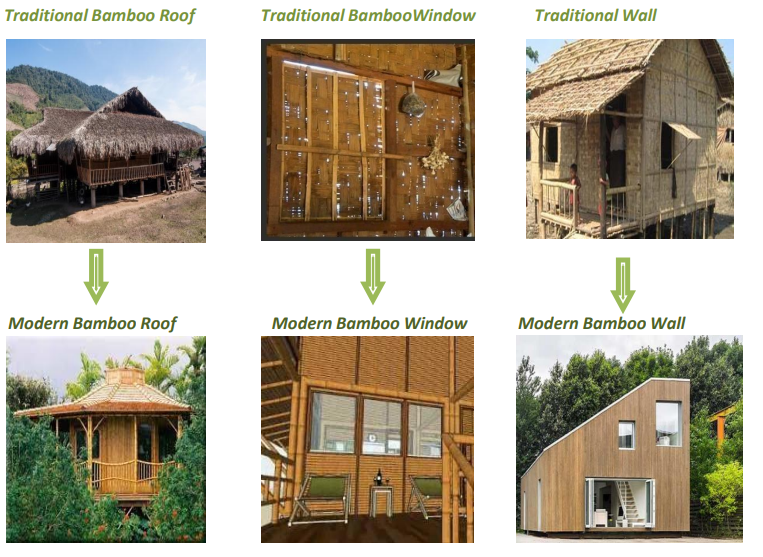
It has been become imperative in recent years to look for environmentally friendly materials that can mitigate the effects of traditional resource-intensive industries. As a result, bamboo, a flexible and quick-regenerating plant, has received a lot of interest as a potential sustainable material. Due to its remarkable rate of growth and advantageous effects on the environment, bamboo has the potential to be a sustainable material. Bamboo may be harvested without harming the plant and matures three to five years earlier than normal trees. Bamboo can regrow, which encourages conservation efforts and has a much smaller negative influence on natural forests. Additionally, compared to other crops that are often grown for the manufacture of commodities, bamboo farming uses less water and pesticides 1. Bamboo has been utilized in construction for a very long time. In Asia and Indonesia, bamboo is employed for both structural and non-structural purposes in the majority of traditional dwellings. Due to its extraordinary growth in tropical rain forests, bamboo is frequently used in traditional housing (Figure 1). However, when the industrial revolution got underway, bamboo became obsolete for construction. Bamboo is regarded as being inexpensive and transient 2.
In order to identify sustainable construction materials, this study provides a framework for categorising sustainability-related materials and conducts an initial desk review of domestic and foreign books and articles, as well as texts and interviews that are available in the literature and magazines. After this stage was through, people began to become aware of bamboo as a sustainable building material. By highlighting similarities and exposing differences among implicit beliefs of diverse construction materials, sustainability is portrayed through the case studies in this work in order to serve as a launch pad for future sustainability research in terms of bamboo.
The world economy is significantly impacted by the use of resources, the production of waste, and the use of energy. As a response to the environmental problems caused by conventional building materials, more individuals are focusing on implementing sustainable building materials. The features, advantages, and uses of sustainable construction materials are highlighted in this article's overview. This overview attempts to demonstrate the importance of sustainable building materials in supporting environmentally friendly construction practises by looking at recent studies and industry figures 3.
"Green" building materials are those that have been created, installed, and maintained with the least possible harm to the environment. For the mud, adobe, wood, cork, bamboo, straw, and sawdust, only natural materials may be utilised 4. Sustainable building materials include adobe blocks, bamboo and lumber, compressed earth blocks, interlocking recycled-materials blocks and improved concrete panels.
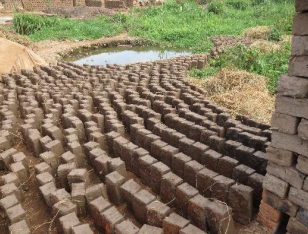
3.1. Adobe BlocksWater, clay-based soil, and occasionally straw are the major ingredients required to make adobe blocks. Bricks are formed from wet adobe and left to dry for a few days in the sun. The main issue with adobe is how readily it can be harmed by rain and water. The idea that Adobe is typically "the material of the poor" may limit its adoption in some contexts 5. The mortar for walls is made from wet adobe, which is also used to construct building blocks. Different construction techniques are employed according to the climate (Figure 2). Adobe is typically used to cover the exterior of houses, providing a level surface for painting. Adobe is less frequently used in urbanising areas with higher population densities, notwithstanding its significance in rural settings 6.
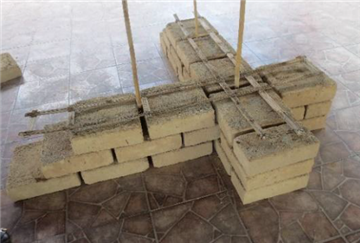
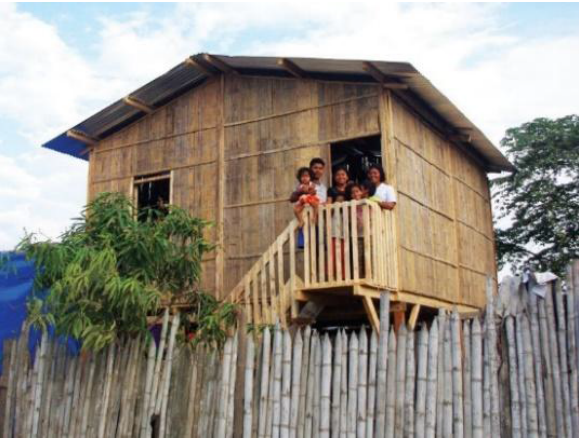
As a building material for low-cost houses, bamboo has a lot of potential. Based on local manufacture and processing of raw materials, bamboo dwellings are frequently a rural phenomenon in many Latin American and Asian countries (Figure 3). Large bamboo farms would need to be built in order to provide the urban housing markets with the bamboo needed for construction if bamboo homes were to become popular among city people. In nations where it naturally grows, bamboo can be used. The proper bamboo species must be chosen. For instance, South American native Guadua Angustifolia has the highest qualities for building.
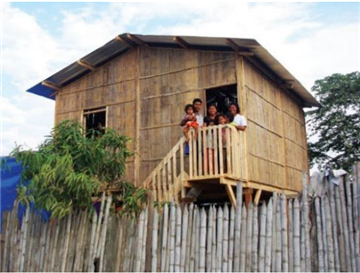
However, research on bamboo housing in Guayaquil, Ecuador, showed that squatters' bamboo huts eventually change into concrete homes as an area is upgraded, such as by the provision of paved roads. This is due to the fact that brick-built residences eventually draw in more visitors due to the elevated status of bricks. Similar steps were used by the Guatemalan NGO IDESAC to assist people in rural areas to build bamboo homes.
Nevertheless, they found that the impacted households are reluctant to employ bamboo for their homes because they consider it as "the poor man's construction material" (according to Arch. Luis Estrada of IDESAC, who was interviewed by the author in August 2016). 7 When used appropriately, bamboo is a sustainable building material that can endure earthquakes, but its utilisation in urban development is now far too insufficient. Building whole bamboo houses with a supporting framework requires technical competence. If it was self-built, specialised carpenters should offer technical support. In order to prevent termites, bamboo must be treated with preservatives, typically chemical substances. Bamboo needs to be replaced every five to ten years if it is not treated. If properly maintained and covered, the material can endure 30 to 35 years 8. It is recommended to plaster the outer walls of bamboo homes to protect them from the impacts of the weather and insects. If the exterior walls of the house are entirely plastered, they may appear to be "ordinary" residences. There have been some amazing technology developments for bamboo homes in recent years. Prefabricated wall panels and reinforced corner connections are common components of exterior walls. It makes sense to assume that bamboo homes would continue to develop similarly. Bamboo partition walls and woven bamboo mats can be used in urban dwellings, even though bamboo is rarely employed as a main building material in highly populated areas 6.
Although bamboo cookware and furniture have recently gained popularity, it has been used in buildings for hundreds of years and is one of the most environmentally friendly building materials. Bamboo is an excellent substitute for pricey imported materials in areas where it is locally abundant, as well as an alternative to rebar and concrete construction, due to its light weight, tensile strength, and renewability 4.
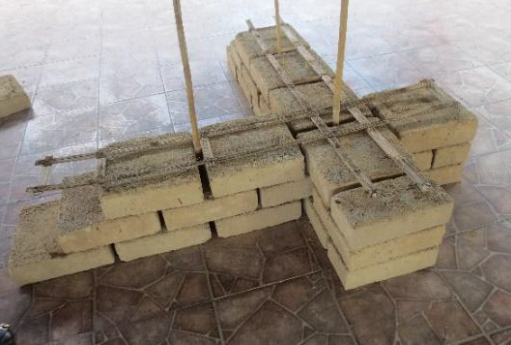
3.3. Compressed Earth BlocksCommon building materials like clay, loam and sand can be creatively used with the help of homogenous, rectangular compressed earth blocks (CEB) and (interlocking) stabilised soil (earth) blocks (SSB or ISSB). In both methods, cement is either not utilised at all or used extremely rarely. In SSB, very little soil may be mixed with cement or lime. Due to the necessity of a professional-grade mix preparation, a field lab and personnel training are essential. Use CEB and SSB blocks to construct homes, baths, schools, community centres, and other buildings. These earth technologies are utilised by a number of countries in Latin America, Asia, and Africa (Figure 4). The cost for heating and cooling are reduced by the improved thermal efficiency and bulk of CEB walls. If constructed appropriately, structures made of CEB can be long-lasting and sustainable.
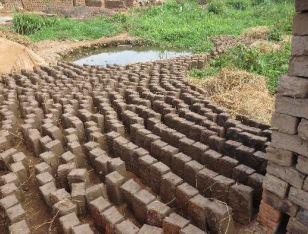
This exemplifies how regionally focused, small-scale applications of technological developments may promote regional economic growth. UN-Habitat advocated for an early recovery of stabilised soil blocks in Darfur in order to promote sustainable urban growth 9. Lime stabiliser, at least 5% cement (less than needed to manufacture standard bricks), a very tiny amount of water, and, if desired, chemical waterproofing agents are all added to stabilised soil to create blocks. The blocks are crushed using steel hand crushers or machine presses to produce blocks of excellent quality. This method is less expensive, uses less firewood, and uses less energy than burning bricks. Other advantageous characteristics include the ability to produce locally, size flexibility, labor-intensiveness that can create jobs, and exceptional stability and resilience 6.
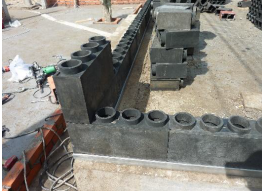
3.4. Interlocking Blocks of Recycled MaterialWalls can be constructed using interlocking bricks or construction blocks. These bricks can be bought or readily made in a variety of shapes and sizes, such as by assembling them like the well-known Lego components. If the diameters of each brick can be properly predicted, a set of bricks can be put together fast with a little cement or mortar. The blocks might even be put to use in another structure, if that is possible. These construction materials also have the benefit of being easy to put together by a dedicated group of volunteers, unskilled labour, or even potential tenants. It can also be used to build emergency or transitional housing. The insulation value of the building blocks is acceptable and comparable to that of traditional hollow concrete blocks. Interlocking bricks, which are much more environmentally friendly, can be used in place of fired bricks (Figure 5). In addition to solid earth cement blocks, hollow concrete blocks, and recycled brick, plastic concrete, and recycled polymers combined with organic resources like rice husks can all be used as building materials in the construction industry 6.

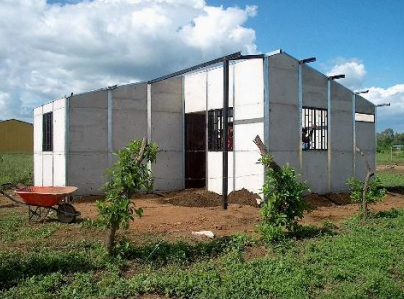
It is feasible to construct a framework, hollow concrete blocks, and beautiful, reasonably priced homes. Hollow concrete blocks can be utilised to build earthquake-resistant homes that are insulated and conventionally built. This sturdy construction material is commonly used. The material can be viewed as moderately sustainable if the blocks are made locally using local raw materials, like sand and stones. To build simple homes more quickly, concrete panels can be piled between concrete piles and columns. The horizontal 'crown' or bars that cover the piles must be properly fastened to the ground in order to complete the building's construction. The frames of wooden homes can be manufactured from any of the following materials: bamboo, concrete, steel, aluminium, and wood. These houses are earthquake-resistant if built properly. A range of building materials that do not support the structural integrity of the home can be used to fill the spaces inside the frameworks between the posts, columns and beams (Figure 6). Masonry, compressed earth bricks, wood, or bamboo can all be used to build the walls that are constructed in between the posts and beams. Plasterwork can be used to complete the walls, but it is not required for the building.
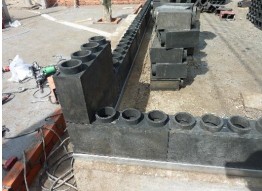
Walls with high ratings for thermal and acoustic insulation are preferred by inhabitants of tropical regions. The NGO FUNDASAL in El Salvador is a collaborator in the TAISHIN research project 10, which promotes earthquake-resistant technology employing prefabricated columns, panel blocks, and elements. These are necessary for building safer homes in El Salvador, which could raise the level of living for individuals who are frequently affected by disasters and at greatest danger. In order to advance construction technology and the distribution system, the national government started distributing social housing that is seismically resistant in 2009 11.
Bamboo is anticipated to be a practical substitute for more conventional building materials including concrete, steel, and wood due to its quick growth and straightforward manufacturing procedure 12. All structural and non-structural building components are produced by the construction industry using bamboo. In the past, bamboo culms were used to build footbridges, scaffolding, and dwellings in rural areas (Figure 7). When constructing walls, ceilings, doors, windows, roofs, manhole covers, and other structures, it was used in a number of methods 13.
Bamboo culms or bamboo frames covered in cement or clay were the main building materials in the past, but prefabricated bamboo dwellings are now more frequently built. Prefabricated bamboo homes are made of engineered bamboo, which is made of bamboo veneers, panels, and laminated boards.

The technology that has evolved can be effectively used to build affordable (single-story dwellings) for between Rs. 300 and 500 per square foot, depending on the shape of the home, the type of interior finish, and the local environment. Bamboo may now be converted into a material suitable for construction thanks to substantial advancements in technology and methods. Bamboo is being used in building more and more as jointing methods and protection and preservation technologies advance. These advancements are enhancing bamboo's resilience as a building material. The invention of composite bamboo materials and advancements in structural engineering have made it possible to design new buildings that are sturdy, lightweight, and visually pleasing for a variety of functions 13.
Because of its strength and adaptability, bamboo is a desirable material for a range of uses. The following list of fundamental characteristics and features of bamboo is supported by the citations below:
5.1. Rapid Growth and Renewable NatureOne of the plants with the fastest global growth rates is bamboo. Unlike conventional timber species, which take decades or millennia to reach maturity, it can do so in three to five years 14. This rapid expansion, which also guarantees a steady supply of vital elements, makes regular harvesting possible.
5.2. High Strength and FlexibilityBamboo's best mechanical qualities include flexibility and a high strength-to-weight ratio. When compared to a number of commonly used building materials, including steel, it has been found to have higher tensile strength, bending resistance, and compression resistance 15. Due of these qualities, bamboo is frequently used in place of more conventional building materials.
5.3. Natural Durability and StabilityDue to its biochemical makeup, which guards against rot, insects, and fungi, bamboo is naturally resilient 16. These bio-chemicals contain bamboo-specific phenolic compounds. Due to its great dimensional stability, bamboo is less likely to stretch or contract in response to variations in moisture content 14.
5.4. Carbon SequestrationIn the process of carbon sequestration, bamboo provides a significant help. It can absorb a significant amount of carbon dioxide (CO2) from the environment during its rapid growth. Carbon dioxide absorption capacity of bamboo is estimated to be 4-5 times more than that of conventional timber species 17. As a result, cultivating bamboo is an effective method for limiting climate change.
5.5. Regenerative Harvesting and Low Environmental ImpactSince bamboo regenerates from the base after being cut, cutting it won't hurt the plant. This cyclical harvesting produces a continual supply of bamboo without the need to replant. Because it uses fewer pesticides and water than typical crop development, bamboo cultivation also has a lower environmental impact 18.
5.6. Versatile Applications of BambooBamboo is used in the construction of buildings, furniture, flooring, textiles, paper, and even the manufacture of renewable energy. It may be utilised to make laminates, fibres, composites, and solid bamboo panels thanks to its unique properties and processing flexibility 19.
Bamboo as a building material has both advantages and disadvantages. They are listed below:
6.1. Advantages of BambooThe various advantages of bamboo as a building material are as follows:
Bamboo is an extremely sustainable building material due to its rapid growth and renewable status. It may be harvested in a few short years, as opposed to the decades or centuries required for normal timber species 15. By doing this, deforestation is avoided and a consistent supply of raw materials is ensured.
Bamboo has a remarkable strength-to-weight ratio, making it more durable than many common building materials. It has been discovered to have stronger compressive strength than concrete and higher tensile strength than steel 15. Building strong, long-lasting structures is made possible by this strength.
Bamboo is an excellent material for places that are prone to earthquakes because of its adaptability and durability. Due to its elasticity, it can bear sizable lateral loads during earthquakes 16. The building's safety and structural integrity are improved by this feature.
Bamboo has a small carbon footprint because it can store a lot of carbon dioxide (CO2) as it grows 17. In comparison to ordinary timber species, it may sequester around 4-5 times more CO2. Utilising bamboo in construction aids in reducing greenhouse gas emissions and battling climate change.
Because of its versatile structure, bamboo may be used in a wide range of architectural contexts and styles. Raw or processed, it can be used to make a variety of products, including laminates, fibres, composites, and solid bamboo panels 19. Because of its aesthetic appeal and capacity to produce distinctive textures and patterns, designers adore it.
6.2. Disadvantages of BambooThere are numerous disadvantages of bamboo as a building material, they are as follows:
Bamboo is naturally porous, which makes it susceptible to absorbing moisture. If this moisture is not removed, decay and the growth of mould can occur 16. It is also more prone to pest infestations if it is not properly protected. Specific pre-treatment and preventative procedures are needed to boost its durability.
Bamboo's effectiveness and quality as a building material can differ significantly depending on factors including species, age, treatment, and harvesting techniques. Providing consistent and reliable product quality may be challenging in the bamboo business due to a lack of standardisation and quality control 15.
Despite having an inherent resistance to fire, bamboo is not fireproof. Thicker bamboo pieces often have greater fire resistance than thinner ones. However, it is advised to take precautions against fire, such as using fire-resistant coatings or treatments 19.
The construction of a strong supply chain and the accessibility of high-quality bamboo products may be restricted in some areas. This could make it challenging to locate and acquire bamboo materials for construction projects, especially in areas where bamboo isn't often cultivated or processed.
One of the key peculiarities of bamboo as a building materials can easily be understood with its comparison to other materials. It is listed as follows:
7.1. Comparison of Bamboo with WoodThe comparison is carried on the following factors:
Tensile testing shows that bamboo is stronger than the majority of wood species 20.
In terms of durability and intrinsic resistance to rot, insects, and fungi, bamboo exceeds several varieties of wood 19.
Bamboo is more sustainable than wood because of its quick regeneration, high yield, and rapid growth 21.
7.2. Comparison of Bamboo with SteelThe comparison is carried on the following factors:
The strength-to-weight ratio of bamboo is astounding, occasionally outperforming that of steel 22.
Bamboo's natural flexibility and strength make it a useful material for seismic-resistant constructions 23.
Bamboo production generates far fewer greenhouse gases than steel production 24.
7.3. Comparison of Bamboo and ConcreteThe comparison is carried on the following factors:
Even though bamboo has a lower compressive strength than concrete, there are some situations when it makes more sense to use it 25.
Bamboo can be cut down and replanted in a few years, but making concrete requires non-renewable resources. As a result, bamboo is a more environmentally friendly choice than concrete 26.
7.4. Comparison of Bamboo with Synthetic Materials (Plastics, Composite etc.)The comparison is carried on the following factors:
Bamboo is organic and biodegradable; it has a smaller environmental impact than synthetic materials 27.
Bamboo is a sustainable resource, in contrast to many synthetic materials that are made from non-renewable fossil fuels 28.
Unlike synthetic materials, bamboo has a distinctive appearance and a natural charm 29.
Bamboo is the most important alternative to wood. The most efficient technique to cut back on wood consumption is through this. There are many uses for the plant bamboo. There are more than 1662 species of bamboo in 121 genera, which can be found in a range of habitats. It is a hardy plant that expands quickly. Each species has its own potential. Two notable species include Guadua angustifolia, which is used in construction, and moso bamboo, the most useful variety of all bamboos. Bamboo is now fairly prevalent as a result of the extensive use of several species as the first choice for clothing, medicine, architecture, and other applications 30.
Of the 136 species, only a small number are important commercially. The few notable bamboo species that are utilised in construction are listed below 31.
9.1. Bambusa BalcooaThe maximum height for the Bambusa balcooa is 600 metres. It prefers soil with a lot of texture. This type of bamboo is deep - green, 30-meter-tall culm may be seen. The largest use of bambusa balcooa is in the residential construction sector.
9.2. Bambusa Nutans500 to 1500 metres above sea level is the growing range for the Bambusa nutans. It grows on the moist hills' slopes. It prefers a loamy, well-drained soil. It is also referred to by the names Mallo, Malla, Mukia, and Badia bansa. This bamboo's smooth, loosely clumped culm can grow as high as 20 metres. Often used in construction and crafts like basket weaving, bambusa nutans is a tree.
9.3. Bambusa PolymorphaThe terms Jama betwa, Narangi bans, and Bari are also used to describe Bambusa Polymorpha. The deep, fertile, and well-drained riverine alluvial soil is preferred by the Bambusa polymorpha. The culm may be pale green or greyish green in colour. Some even have a greyish white hue. The culm rises 25 metres. There are numerous uses for bambusa polymorpha. It is employed in the manufacture of crafts, home building, and pulping.
Bamboo is well known for being a highly renewable resource and an affordable building material. Additionally, even though it is renewable, using it for construction is not always inexpensive. The raw material is free in subtropical regions where bamboo is widespread. The bamboo will regrow more quickly than you can construct a home. Furthermore, straightforward, low-cost structures that are resistant to earthquakes and flooding can be constructed. The majority of bamboo home builders strive to produce structures with small carbon footprints. As a result, they prefer bamboo to traditional lumber. They will wish to incorporate passive solar, rainwater collection, and other eco-friendly elements in accordance with this ideology. You may incur higher initial costs as a result of these factors, but in the long term, you will end up spending less on energy and utilities 31.
The following case studies have incorporated the use of bamboo as a sustainable building material:
11.1. Case Study 1: The Green School at Bali, Indonesia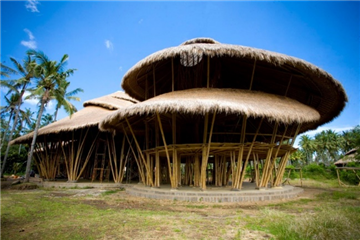
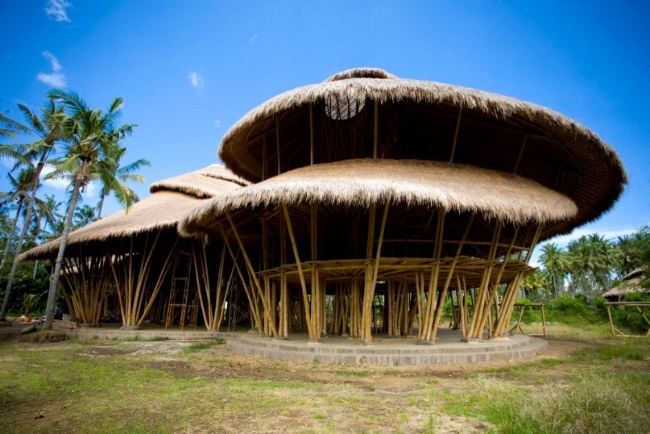
John and Cynthia Hardy, who are both designers and environmentalists, wanted to inspire communities to live sustainably. This includes demonstrating to people how to construct out of bamboo and other eco-friendly materials (Figure 8). To stop the further devastation of rainforests, they founded the Green School and its affiliates, the Meranggi Foundation, which gives bamboo seedlings to nearby rice farmers to develop plantations of the plant, and PT Bambu, a for-profit design and construction firm that encourages the use of bamboo as a primary building material 32.
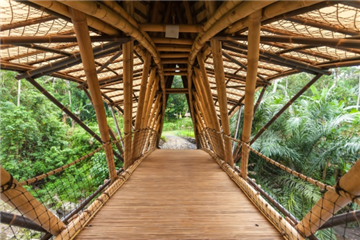
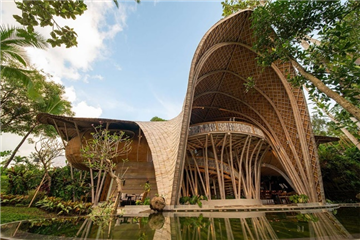
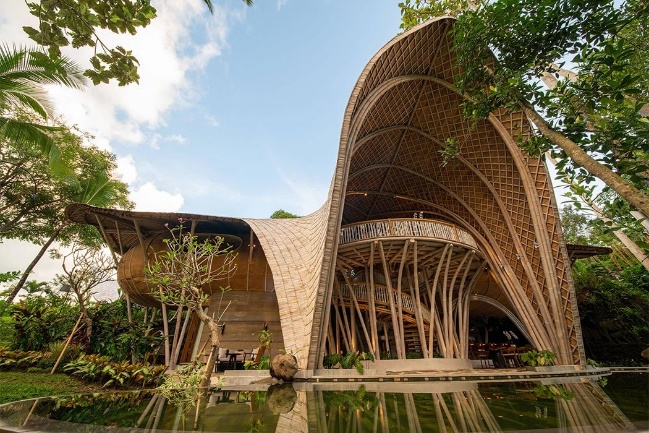
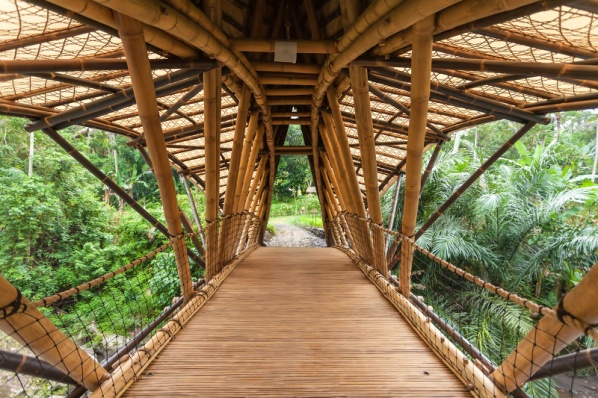
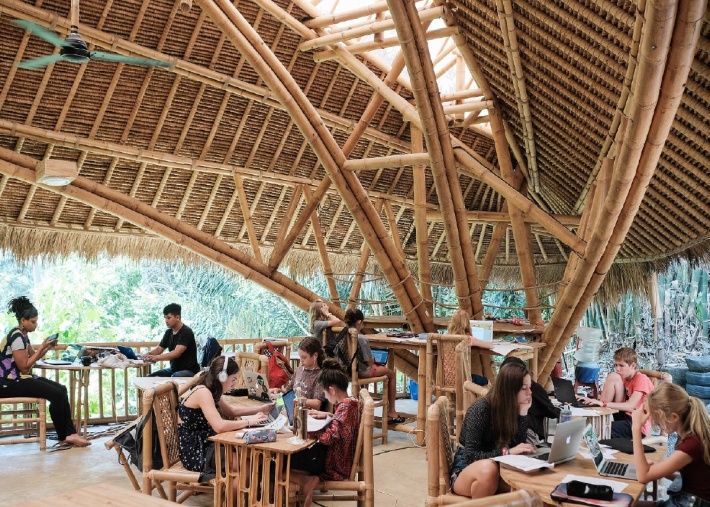
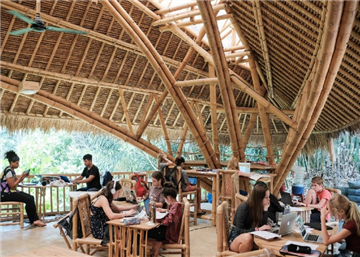
The Green School, a huge laboratory constructed by PT Bambu, is situated in a lush rainforest with natural flora and trees blooming amid organic gardens on a sustainable campus that covers both sides of the Ayung River in Sibang Kaja, Bali (Figure 9). Solar panels, a hydro-driven vortex generator, a bamboo sawdust hot water and cooking system, as well as other sustainable energy sources, all power the school. Classrooms, a gym, conference rooms, faculty housing, offices, cafes, and restrooms are just a few of the amenities available in campus buildings. The campus is home to a wide range of aesthetically significant buildings, from enormous multi-story social gathering spaces to much smaller classrooms (Figure 10). To highlight its architectural possibilities, locally grown bamboo is used in creative and innovative ways. A complete green community has been developed as a result, with a heavy emphasis on education that tries to inspire children to become more curious, interested, and passionate about the environment 32.
The house it is built on and the family who reside there are the primary subjects of this project. Due to its location in a region with a variety of species, the property was preserved for many years as a vacation house and a place to enjoy the outdoors (Figure 11). The old home was demolished and a more contemporary residence was constructed next to the original location when the family that owned the land chose to construct something more durable 33.
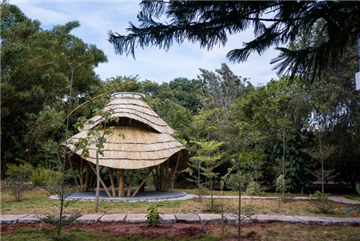
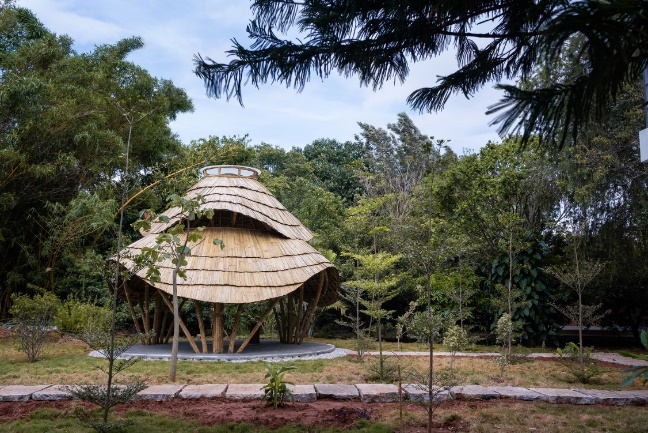
The location of the old house was left empty even though the new house was stunning and met all of the family's needs. Thus, even without intending to, the bamboo gazebo was constructed in a way that honoured the traditional home and all that it stood for. Because the new house was built in a modern minimalist style, the gazebo was created to contrast the new house's simplicity by being substantially more elaborate and sculptural 33.
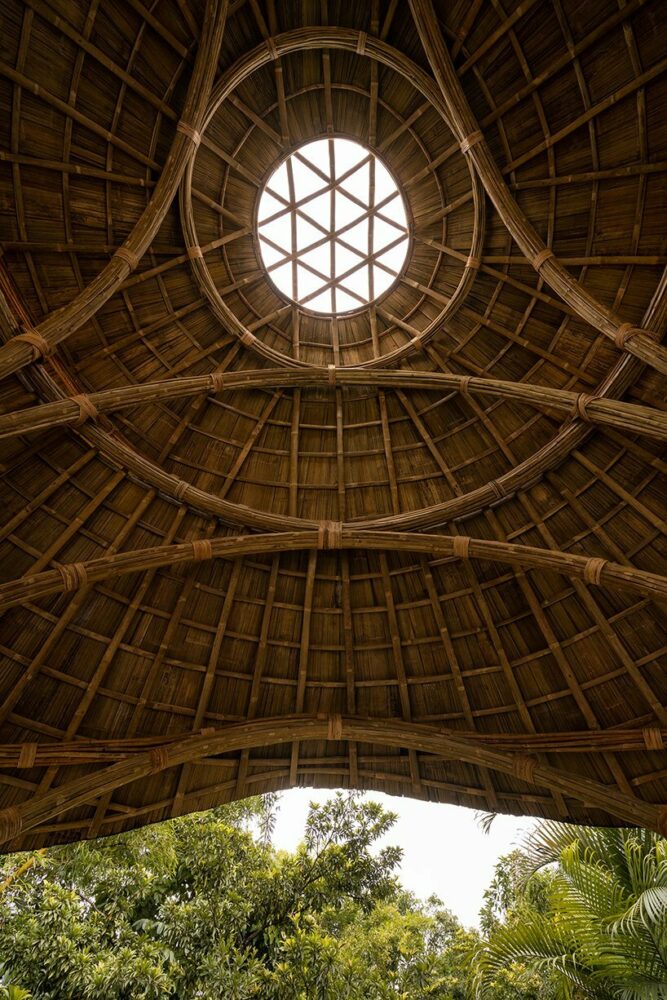
Multiple arches and ring beams made up the gazebo's framework, which was made of various bamboo and cane species. Split bambusa balcooa was used to create the arches, while bambusa tulda was used to create the main roof structure and roof matting. Cane was mixed for polishing and all of the finer components. A temporary skylight was inserted to provide light while the delicate latticework's geometry was being constructed, and three additional light and air openings were added to the upper side (Figure 12). Bamboo is a versatile building material with several advantages, including a beautifully natural appearance. Furthermore, modern bamboo structures have a unique elevated aspect that is difficult to achieve with conventional materials. The most alluring qualities of a contemporary bamboo structure are its complexity and ability to astound everyone who sees it. The meditation gazebo is a spectacular display of the benefits, allure, and versatility of bamboo 33.

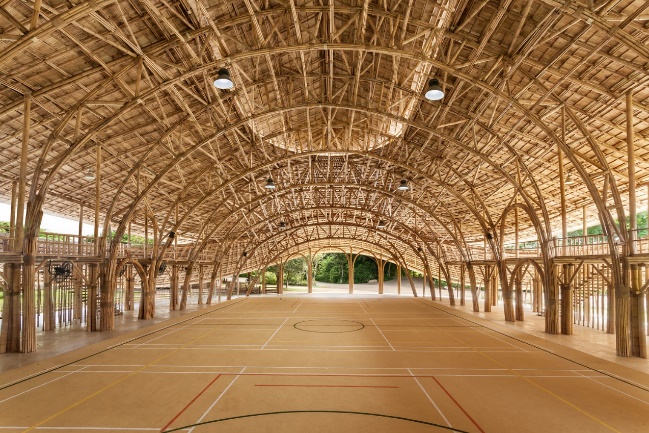
The Bamboo Sports Hall at Panyaden International School was built by Chiangmai Life Architect using cutting-edge technical components and environmentally friendly bamboo (Figure 13). The lotus blossom served as the inspiration for the design of the Panyaden International School in Thailand, which used Buddhist teachings to infuse values into its academic curriculum and explain the workings of the human mind 34. The aim was to build a hall big enough to hold 300 students while still blending with the old clay and bamboo buildings of the school and the natural mountainous surroundings. It shall have sports facilities and uses only bamboo to maintain Panyaden's low carbon footprint and "Green School" goal 34.
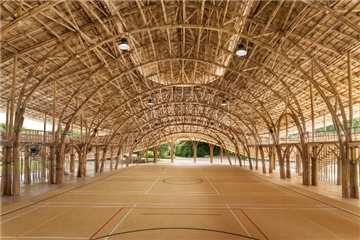
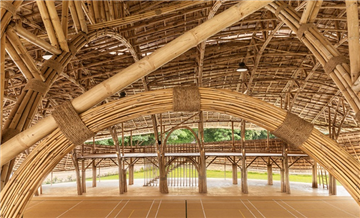
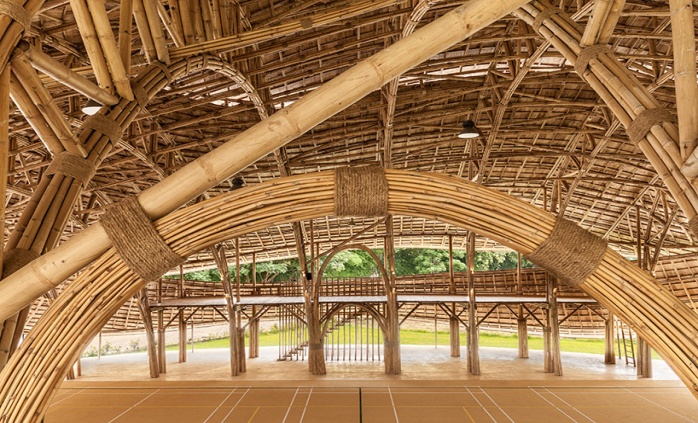
The 782 square metre stadium has courts for badminton, basketball, volleyball and futsal in addition to an automatic stage lift. The front wall of a room where athletic and theatrical equipment is stored serves as the stage's backdrop. From balconies on each of the long sides, parents and other visitors may view sporting events or entertainment 34. Through natural ventilation and insulation, the design and material maintain a pleasant and comfortable temperature all year round. Both the exposed bamboo structure and its superb craftsmanship are stunning (Figure 14). The hall was built with the assistance of two independent engineers to meet today's safety requirements for loads, shear forces, etc. to endure the strong winds, earthquakes, and other natural disasters that may occur in the area. Newly created prefabricated bamboo trusses with a span of over 17 metres and no steel connections or reinforcements are the foundation of the creative structural design. These trusses were prefabricated on-site and then hoisted into place using a crane 32. The carbon footprint of Panyaden's Sports Hall is nil. The carbon that was absorbed by the bamboo was significantly greater than the carbon that was released during treatment, transport, and building 34.
Based on a thorough investigation of bamboo as a sustainable building material, the following suggestions are given for successfully integrating bamboo into traditional building techniques. To ensure quality control, security, and dependability while using bamboo as a building material, it is critical to develop industry standards, recommendations, and legal requirements 35 36. The creation of certification programs and labeling systems that validate the sustainability claims made by bamboo building materials would increase consumer confidence and transparency. For the purpose of examining cutting-edge bamboo construction methods and technology, funding for research and development is necessary. The range of applications can be increased by investigating engineered bamboo products as well as innovative treatments, finishes, and joinery techniques. Dissemination of knowledge is also essential. By planning seminars, educational events, and training sessions, it will be ensured that architects, engineers, builders, and other stakeholders have the knowledge and abilities required to operate effectively with bamboo. Bamboo building will be promoted and more people will become aware of it through the exchange of best practices and case studies. Researchers, architects, engineers, and builders should collaborate to promote knowledge sharing, idea sharing, and cooperative projects using bamboo. Improvements in bamboo construction education and innovation can be made by creating a receptive network and community 37 38. If bamboo is to be adopted and accepted by the general public, the government must provide monetary incentives, grants, and subsidies for bamboo production, processing facilities, and bamboo-using construction projects. It is crucial to underline the value of ethical bamboo harvesting, growing, and management practices. For the bamboo industry to thrive, it is crucial to encourage social responsibility, biodiversity preservation, and sustainable forest management. It is important to emphasize the advantages of bamboo as a sustainable building material through media relations, business ventures, and public awareness initiatives. Interest and demand will rise by emphasizing its socioeconomic, structural, and environmental benefits.
To learn from countries where bamboo has been effectively employed in construction projects, it is essential to promote international collaboration and knowledge exchange. The knowledge and experiences of experts and groups from regions with a lot of bamboo can be used in collaborative projects. Furthermore, it's critical to set up long-term monitoring and evaluation programmes to assess the performance and robustness of bamboo-based structures. In addition to enhancing our design and building techniques, this will teach us more about the long-term behaviour of bamboo. By following these suggestions, bamboo might significantly aid in the development of a successful, environmentally responsible, and green construction industry 39. Its adoption could have a good effect on both the built environment and society at large by lowering carbon emissions and supporting sustainable resource management, among other things 40, 41. We can build a more sustainable future if we use bamboo as a building material.
This study assessed bamboo as a sustainable building material from a number of perspectives to show its huge potential to meet current environmental concerns in the construction sector. It is obvious why bamboo is the best material for sustainable structures when we take into account its intrinsic qualities, environmental advantages, structural performance, and socioeconomic ramifications. Bamboo is a widely sought-after building material for sustainable structures because of its exceptional strength-to-weight ratio, quick growth rate, and intrinsic renewability. Its widespread availability, affordable production, and simplicity of expansion strengthen its appeal as a strong replacement for conventional building materials. Due to its ability to store carbon, lower greenhouse gas emissions, and have a minor impact on the environment over its lifetime, bamboo is advantageous to the environment. The study discovered that bamboo is the best material for a variety of architectural ideas due to its excellent structural strength and longevity. Its durability and long-term viability as a building material are guaranteed by its resistance to fire, pests, and humidity. The production of bamboo also encourages biodiversity, the reduction of soil erosion, and sustainable land use techniques, underscoring its comprehensive environmental advantages.
If we want to learn from countries where bamboo has been effectively employed in construction projects, promoting international collaboration and knowledge exchange is essential. Collaboration projects may profit from the knowledge and experience of people and organisations from regions with a lot of bamboo. Furthermore, it's critical to set up long-term monitoring and evaluation programmes to assess the efficiency and resilience of bamboo buildings. This will hone our design and building abilities while educating us on the long-term behaviour of bamboo. In order to ensure quality control and widespread use, standards, regulations, and certifications are required. New bamboo construction methods must be developed together with a professional knowledge exchange if bamboo is to increase in popularity. Because of this, bamboo has a lot of potential as a sustainable building material. It offers a means of reducing carbon emissions, promoting sustainable resource management, and creating eco-systems that are more resilient and environmentally friendly. Utilising bamboo in construction can significantly help achieve sustainability goals and encourage a more sustainable future. Architects, engineers, and builders have the chance to make a positive, long-lasting impact on society, the environment, and the building industry by taking into account the special qualities of the construction sector and the wide range of benefits.
| [1] | Smith, J. and Brown, A. Bamboo as a Sustainable Material: A Comprehensive Review. Journal of Sustainable Materials, 10(3), 123-145, 2002. | ||
| In article | |||
| [2] | Esti, A., N. The Potential of Bamboo as Building Material in Organic Shaped Building. Urban Planning and Architecture Design for Sustainable Development, UPADSD 14- 16 October 2015. | ||
| In article | |||
| [3] | Rezaei, F., and Tavakolan, M. A Review on Sustainable Construction Materials: A Green Supply Chain Perspective. Journal of Cleaner Production, 314, 127896, 2021. | ||
| In article | |||
| [4] | Sarah, B. Sustainable Construction and Building Materials. Architecture and Design, 2020 [Online]. Accessed on: 20th April 2023. Available: https:// www.architectureanddesign.com.au/ features/list/ sustainable-construction-building-materials. | ||
| In article | |||
| [5] | Hashemi A, Cruickshank H, Cheshmehzangi A. Environmental Impacts and Embodied Energy of Construction Methods and Materials in Low-Income Tropical Housing. In Sustainability 7: 7866-7883, 2015. | ||
| In article | View Article | ||
| [6] | Jan B. Sustainable Building Materials for Low-cost Housing and the Challenges Facing their Technological Developments: Examples and Lessons Regarding Bamboo, Earth-Block Technologies, Building Blocks of Recycled Materials, and Improved Concrete Panels. International Urban Planner/Housing Researcher, Amerikaring 26, 3823 HT Amersfoort, The Netherlands. | ||
| In article | |||
| [7] | Livingston, M. Bamboo housing and the Mangrove of Guayaquil. Tennessee Institute of tropical architecture, University of Tennessee, 2009. | ||
| In article | |||
| [8] | UN-Habitat. Going Green a handbook of Sustainable Housing Practices in developing countries. Nairobi: UN-Habitat, 2012. | ||
| In article | |||
| [9] | UN-Habitat. Economic Benefits of Stabilized Soil Block Technology in Sudan. Nairobi: UN-Habitat, 2012. | ||
| In article | |||
| [10] | Taishin and Viceministerio de Vivienda y Desarrollo Urbano-VMVDU. Manual Popular de Construcción de una vivienda con Mampostería de Ladrillo de suelo cemento confinado. San Salvador: VMVDU, and its partner organizations, 2011. | ||
| In article | |||
| [11] | Viceministerio de Vivienda y Desarrollo urbano-VMVDU. Manual Técnico Sistema Constructivo Bloque Panel. San Salvador: VMVDU, and its partner organizations, 2011. | ||
| In article | |||
| [12] | P. van der Lugt, A.A.J.F. van den Dobbelsteen, J.J.A. Janssen. An environmental, economic and practical assessment of bamboo as a building material for supporting structures Construction and Building Materials. 20(9), 648-656, November 2006. | ||
| In article | View Article | ||
| [13] | Bamboo: Green Construction Material, Asia-Pacific Network for Global Change Research. | ||
| In article | |||
| [14] | Mishra, R., Dwivedi, U., Mishra, A., and Kumar, S. Bamboo as a construction material. International Journal of Civil Engineering and Technology, 7(2), 369-378, 2016. | ||
| In article | |||
| [15] | Li, Y., Zhang, Y., and Fei, B. Bamboo: A necessary material for sustainable development of construction. Renewable and Sustainable Energy Reviews, 50, 1071-1080. 2015. | ||
| In article | |||
| [16] | Chen, Y., Wu, Y., Huang, J., Zhang, L., Chen, Y., and Wu, Z. Durability of bamboo: A review. Construction and Building Materials, 169, 156-168, 2018. | ||
| In article | |||
| [17] | Zhu, X., Chen, X., and Li, Y. Carbon sequestration potential of moso bamboo forests in subtropical China. Forest Ecology and Management, 433, 516-524, 2019. | ||
| In article | |||
| [18] | Janssen, J. J., Trømborg, E., Larsen, H. Ø., and Madsen, B. Ø. Life cycle assessment of bamboo-based products for construction. Sustainable Materials and Technologies, 28, e00284, 2021. | ||
| In article | |||
| [19] | Pandey, K. K., Vu, V. H., and Hadi, Y. S. A review on bamboo as an alternative building material. Journal of Cleaner Production, 280, 124234, 2021. | ||
| In article | |||
| [20] | Ding, Y., Yang, W., Zhang, J., Wang, S., and Xu, Q. Bamboo as a promising alternative to timber in sustainable energy production: A review of current research and development. Renewable and Sustainable Energy Reviews, 49, 365-376, 2015. | ||
| In article | |||
| [21] | Sharma, B., Gerard, F. G. and Bansal, N. K. Bamboo as a substitute for wood in building construction: A review. Renewable and Sustainable Energy Reviews, 102, 67-79, 2019. | ||
| In article | |||
| [22] | Gupta, A., Kumar, P. and Srivastava, R. K. Comparative evaluation of bamboo as a building material. Journal of Materials Research and Technology, 8(6), 6264-6277, 2019. | ||
| In article | |||
| [23] | Haque, N., Alam, M. A. and Hossain, M. U. Bamboo as construction material: A review. European Journal of Engineering Research and Science, 3(1), 37-43, 2018. | ||
| In article | |||
| [24] | Dhote, P., Kumar, S. and Raut, S. Comparative assessment of environmental impact of bamboo and steel reinforced concrete (SRC) materials. International Journal of Civil Engineering and Technology, 8(12), 1486-1498, 2017. | ||
| In article | |||
| [25] | Singh, S., Rana, S., and Singh, Y. P. Mechanical and dynamic behavior of bamboo-reinforced concrete beams. Journal of Materials in Civil Engineering, 28(8), 04016039, 2016. | ||
| In article | |||
| [26] | Paul, P. J., Rajeev, A. V. and Tom, V. S. Comparative study on mechanical properties of bamboo-reinforced concrete with conventional reinforced concrete. Journal of Building Engineering, 36, 102297, 2021. | ||
| In article | |||
| [27] | Liu, C., Zhou, J. and Luo, S. An overview on the production of bamboo fiber-reinforced composites. Materials, 10(11), 1277, 2017. | ||
| In article | |||
| [28] | Ghavami, K., Mosavi, A. and Johnson, C. Sustainable bio-based composites made from bamboo fibers: A review. Sustainability, 11(8), 2225, 2019. | ||
| In article | |||
| [29] | Haque, N., Alam, M. A., and Hossain, M. U. Bamboo as construction material: A review. European Journal of Engineering Research and Science, 3(1), 37-43, 2018. | ||
| In article | |||
| [30] | Karmuki. Bamboo: Types and Uses. 27th February 2022, Retrieved from www.bamzoo.in https:// www.bamzoo.in/blogs/ informative/bamboo-types-and-uses. | ||
| In article | |||
| [31] | Important Bamboo Species in India” chhajedgarden April 27, 2021 [Online] Accessed on: 05th July 2023. Available: Important Bamboo Species In India — ChhajedGarden.com. | ||
| In article | |||
| [32] | “The Green School / IBUKU” ArchDaily, 13 Oct 2010 [Online]. Accessed on: 28th April 2023. Available: https:// www.archdaily.com/ 81585/the-green-school-pt-bambu. | ||
| In article | |||
| [33] | Meditation Gazebo/STUDIOARO” ArchDaily, 07 Mar 2023 [Online]. Accessed on: 05th May 2023. Available: https:// www.archdaily.com/997460/ meditation-gazebo-studioaro. | ||
| In article | |||
| [34] | Bamboo Sports Hall for Panyaden International School / Chiangmai Life Construction” ArchDaily, 05 Sep 2021 [Online]. Accessed on: 01st May 2023. Available: https:// www.archdaily.com/877165/ bamboo-sports-hall-for-panyaden-international-school-chiangmai-life-construction. | ||
| In article | |||
| [35] | Kamal Arif M. and Husain A., Energy Efficient Sustainable Building Materials: An Overview, Sustainable Building Materials and Materials for Energy Efficiency, Key Engineering Materials, 650, 38-50, Trans Tech Publication, Switzerland, 2015. | ||
| In article | View Article | ||
| [36] | Kamal Arif M., Analysis of Autoclaved Aerated Concrete (AAC) Blocks with Reference to its Potential and Sustainability, Journal of Building Material and Structures. 7, 76-86, 2020. | ||
| In article | View Article | ||
| [37] | Kamal Arif M., Potential of Stabilized Mud Blocks as a Sustainable Material for Building Construction, Journal of Construction and Built Environment, 2(1), 1-15, 2022. | ||
| In article | |||
| [38] | Kamal Arif M., Analyzing the Potential of Compressed Earth Blocks as a Feasible and Sustainable Building Material. Architecture Engineering and Science, 4(2), 62-71, 2023. | ||
| In article | |||
| [39] | Kamal Arif M., Exploring the Viability of Fly Ash Bricks as an Alternative Material for Building Construction, Green Buildings and Materials, 2(1), Sanderman Publishing, USA., 2023. | ||
| In article | |||
| [40] | Alotaibi, Badr S., Khan S. A., Abuhussain M. A., Al-Tamimi N., Elnaklah R. and Kamal Arif M., Life Cycle Assessment of Embodied Carbon and Strategies for Decarbonization of a High-Rise Residential Building, Buildings, 12(8), 1203, MDPI Publications, 2022. | ||
| In article | View Article | ||
| [41] | Khan S. A., Alam T., Khan M. S., Blecich P., Kamal M. A., Gupta N. K and Yadav, A. S., Life Cycle Assessment of Embodied Carbon in Buildings: Background, Approaches and Advancements. Buildings, 12, 1944, MDPI Publications, 2022. | ||
| In article | View Article | ||
Published with license by Science and Education Publishing, Copyright © 2024 Mohammad Arif Kamal, Osama Nasir, Mohd. Faiz Iqbal and Waqas Akhtar
 This work is licensed under a Creative Commons Attribution 4.0 International License. To view a copy of this license, visit
http://creativecommons.org/licenses/by/4.0/
This work is licensed under a Creative Commons Attribution 4.0 International License. To view a copy of this license, visit
http://creativecommons.org/licenses/by/4.0/
| [1] | Smith, J. and Brown, A. Bamboo as a Sustainable Material: A Comprehensive Review. Journal of Sustainable Materials, 10(3), 123-145, 2002. | ||
| In article | |||
| [2] | Esti, A., N. The Potential of Bamboo as Building Material in Organic Shaped Building. Urban Planning and Architecture Design for Sustainable Development, UPADSD 14- 16 October 2015. | ||
| In article | |||
| [3] | Rezaei, F., and Tavakolan, M. A Review on Sustainable Construction Materials: A Green Supply Chain Perspective. Journal of Cleaner Production, 314, 127896, 2021. | ||
| In article | |||
| [4] | Sarah, B. Sustainable Construction and Building Materials. Architecture and Design, 2020 [Online]. Accessed on: 20th April 2023. Available: https:// www.architectureanddesign.com.au/ features/list/ sustainable-construction-building-materials. | ||
| In article | |||
| [5] | Hashemi A, Cruickshank H, Cheshmehzangi A. Environmental Impacts and Embodied Energy of Construction Methods and Materials in Low-Income Tropical Housing. In Sustainability 7: 7866-7883, 2015. | ||
| In article | View Article | ||
| [6] | Jan B. Sustainable Building Materials for Low-cost Housing and the Challenges Facing their Technological Developments: Examples and Lessons Regarding Bamboo, Earth-Block Technologies, Building Blocks of Recycled Materials, and Improved Concrete Panels. International Urban Planner/Housing Researcher, Amerikaring 26, 3823 HT Amersfoort, The Netherlands. | ||
| In article | |||
| [7] | Livingston, M. Bamboo housing and the Mangrove of Guayaquil. Tennessee Institute of tropical architecture, University of Tennessee, 2009. | ||
| In article | |||
| [8] | UN-Habitat. Going Green a handbook of Sustainable Housing Practices in developing countries. Nairobi: UN-Habitat, 2012. | ||
| In article | |||
| [9] | UN-Habitat. Economic Benefits of Stabilized Soil Block Technology in Sudan. Nairobi: UN-Habitat, 2012. | ||
| In article | |||
| [10] | Taishin and Viceministerio de Vivienda y Desarrollo Urbano-VMVDU. Manual Popular de Construcción de una vivienda con Mampostería de Ladrillo de suelo cemento confinado. San Salvador: VMVDU, and its partner organizations, 2011. | ||
| In article | |||
| [11] | Viceministerio de Vivienda y Desarrollo urbano-VMVDU. Manual Técnico Sistema Constructivo Bloque Panel. San Salvador: VMVDU, and its partner organizations, 2011. | ||
| In article | |||
| [12] | P. van der Lugt, A.A.J.F. van den Dobbelsteen, J.J.A. Janssen. An environmental, economic and practical assessment of bamboo as a building material for supporting structures Construction and Building Materials. 20(9), 648-656, November 2006. | ||
| In article | View Article | ||
| [13] | Bamboo: Green Construction Material, Asia-Pacific Network for Global Change Research. | ||
| In article | |||
| [14] | Mishra, R., Dwivedi, U., Mishra, A., and Kumar, S. Bamboo as a construction material. International Journal of Civil Engineering and Technology, 7(2), 369-378, 2016. | ||
| In article | |||
| [15] | Li, Y., Zhang, Y., and Fei, B. Bamboo: A necessary material for sustainable development of construction. Renewable and Sustainable Energy Reviews, 50, 1071-1080. 2015. | ||
| In article | |||
| [16] | Chen, Y., Wu, Y., Huang, J., Zhang, L., Chen, Y., and Wu, Z. Durability of bamboo: A review. Construction and Building Materials, 169, 156-168, 2018. | ||
| In article | |||
| [17] | Zhu, X., Chen, X., and Li, Y. Carbon sequestration potential of moso bamboo forests in subtropical China. Forest Ecology and Management, 433, 516-524, 2019. | ||
| In article | |||
| [18] | Janssen, J. J., Trømborg, E., Larsen, H. Ø., and Madsen, B. Ø. Life cycle assessment of bamboo-based products for construction. Sustainable Materials and Technologies, 28, e00284, 2021. | ||
| In article | |||
| [19] | Pandey, K. K., Vu, V. H., and Hadi, Y. S. A review on bamboo as an alternative building material. Journal of Cleaner Production, 280, 124234, 2021. | ||
| In article | |||
| [20] | Ding, Y., Yang, W., Zhang, J., Wang, S., and Xu, Q. Bamboo as a promising alternative to timber in sustainable energy production: A review of current research and development. Renewable and Sustainable Energy Reviews, 49, 365-376, 2015. | ||
| In article | |||
| [21] | Sharma, B., Gerard, F. G. and Bansal, N. K. Bamboo as a substitute for wood in building construction: A review. Renewable and Sustainable Energy Reviews, 102, 67-79, 2019. | ||
| In article | |||
| [22] | Gupta, A., Kumar, P. and Srivastava, R. K. Comparative evaluation of bamboo as a building material. Journal of Materials Research and Technology, 8(6), 6264-6277, 2019. | ||
| In article | |||
| [23] | Haque, N., Alam, M. A. and Hossain, M. U. Bamboo as construction material: A review. European Journal of Engineering Research and Science, 3(1), 37-43, 2018. | ||
| In article | |||
| [24] | Dhote, P., Kumar, S. and Raut, S. Comparative assessment of environmental impact of bamboo and steel reinforced concrete (SRC) materials. International Journal of Civil Engineering and Technology, 8(12), 1486-1498, 2017. | ||
| In article | |||
| [25] | Singh, S., Rana, S., and Singh, Y. P. Mechanical and dynamic behavior of bamboo-reinforced concrete beams. Journal of Materials in Civil Engineering, 28(8), 04016039, 2016. | ||
| In article | |||
| [26] | Paul, P. J., Rajeev, A. V. and Tom, V. S. Comparative study on mechanical properties of bamboo-reinforced concrete with conventional reinforced concrete. Journal of Building Engineering, 36, 102297, 2021. | ||
| In article | |||
| [27] | Liu, C., Zhou, J. and Luo, S. An overview on the production of bamboo fiber-reinforced composites. Materials, 10(11), 1277, 2017. | ||
| In article | |||
| [28] | Ghavami, K., Mosavi, A. and Johnson, C. Sustainable bio-based composites made from bamboo fibers: A review. Sustainability, 11(8), 2225, 2019. | ||
| In article | |||
| [29] | Haque, N., Alam, M. A., and Hossain, M. U. Bamboo as construction material: A review. European Journal of Engineering Research and Science, 3(1), 37-43, 2018. | ||
| In article | |||
| [30] | Karmuki. Bamboo: Types and Uses. 27th February 2022, Retrieved from www.bamzoo.in https:// www.bamzoo.in/blogs/ informative/bamboo-types-and-uses. | ||
| In article | |||
| [31] | Important Bamboo Species in India” chhajedgarden April 27, 2021 [Online] Accessed on: 05th July 2023. Available: Important Bamboo Species In India — ChhajedGarden.com. | ||
| In article | |||
| [32] | “The Green School / IBUKU” ArchDaily, 13 Oct 2010 [Online]. Accessed on: 28th April 2023. Available: https:// www.archdaily.com/ 81585/the-green-school-pt-bambu. | ||
| In article | |||
| [33] | Meditation Gazebo/STUDIOARO” ArchDaily, 07 Mar 2023 [Online]. Accessed on: 05th May 2023. Available: https:// www.archdaily.com/997460/ meditation-gazebo-studioaro. | ||
| In article | |||
| [34] | Bamboo Sports Hall for Panyaden International School / Chiangmai Life Construction” ArchDaily, 05 Sep 2021 [Online]. Accessed on: 01st May 2023. Available: https:// www.archdaily.com/877165/ bamboo-sports-hall-for-panyaden-international-school-chiangmai-life-construction. | ||
| In article | |||
| [35] | Kamal Arif M. and Husain A., Energy Efficient Sustainable Building Materials: An Overview, Sustainable Building Materials and Materials for Energy Efficiency, Key Engineering Materials, 650, 38-50, Trans Tech Publication, Switzerland, 2015. | ||
| In article | View Article | ||
| [36] | Kamal Arif M., Analysis of Autoclaved Aerated Concrete (AAC) Blocks with Reference to its Potential and Sustainability, Journal of Building Material and Structures. 7, 76-86, 2020. | ||
| In article | View Article | ||
| [37] | Kamal Arif M., Potential of Stabilized Mud Blocks as a Sustainable Material for Building Construction, Journal of Construction and Built Environment, 2(1), 1-15, 2022. | ||
| In article | |||
| [38] | Kamal Arif M., Analyzing the Potential of Compressed Earth Blocks as a Feasible and Sustainable Building Material. Architecture Engineering and Science, 4(2), 62-71, 2023. | ||
| In article | |||
| [39] | Kamal Arif M., Exploring the Viability of Fly Ash Bricks as an Alternative Material for Building Construction, Green Buildings and Materials, 2(1), Sanderman Publishing, USA., 2023. | ||
| In article | |||
| [40] | Alotaibi, Badr S., Khan S. A., Abuhussain M. A., Al-Tamimi N., Elnaklah R. and Kamal Arif M., Life Cycle Assessment of Embodied Carbon and Strategies for Decarbonization of a High-Rise Residential Building, Buildings, 12(8), 1203, MDPI Publications, 2022. | ||
| In article | View Article | ||
| [41] | Khan S. A., Alam T., Khan M. S., Blecich P., Kamal M. A., Gupta N. K and Yadav, A. S., Life Cycle Assessment of Embodied Carbon in Buildings: Background, Approaches and Advancements. Buildings, 12, 1944, MDPI Publications, 2022. | ||
| In article | View Article | ||