Aim: Black Lycium barbarum rice wine is a kind of rice wine produced by the co-fermentation of black Chinese wolfberry and glutinous rice. In this study was to evaluate and compared the antioxidant activity and flavor substances of this type of rice wine with others. Methods: Through headspace gas chromatography-ion mobility spectroscopy (HS-GC-IMS), compared the flavor substances of black wolfberry rice wine, black rice wine, and common rice wine. Many components such as anthocyanins, total sugar, total acid, amino acid nitrogen, etc. in black Chinese wolfberry wine was observed. Results: It was found that the content of anthocyanins in black Chinese wolfberry rice wine increased continuously, approached the maximum value at 24 h, and decreased gradually after 24 h. The scavenging rates of •OH, DPPH, and ABTS in black wolfberry rice wine increased continuously after 24 h. The contents of total sugar, total acid, and amino acid nitrogen showed an increasing trend within 24 h and were close to the maximum. the flavor substances of black wolfberry rice wine and black rice wine were similar, but those of black wolfberry rice wine and common rice wine were different. Conclusion: From the perspective of more than 20 flavor substances, except for the fact that individual components such as butyl acetate, ethyl propionate, ethyl 3-methyl butyrate, and hexanol are much higher in black wolfberry rice wine than in black rice wine, the types and concentrations of other flavor substances are relatively similar, while some esters are absent or very low in common rice wine.
Black wolfberry is a kind of traditional Chinese medicine that can be used as both food and medicine. Compared with common wolfberry, black wolfberry has a higher nutritional value. It is rich in carotenoids, vitamins B1, B2, C, and E 1, and also Fe, Zn, Se, and other inorganic elements 2, 3. Moreover, black wolfberry is also rich in pigments. Black wolfberry pigment is a flavoniod whose main component is anthocyanin. It has the ability to scavenge superoxide anion (O2•), hydroxyl radical (•OH), and 1,1-diphenyl-2-trinitrophenyl hydrazine (DPPH) radicals 4. Black wolfberry pigment is easily soluble in water and ethanol, and its content is higher than that of fruit juice pigment. For example, the pigment content of blueberry, black currant, and mulberry has strong acid resistance, reduction resistance, and heat resistance 5. Sucrose and preservative sodium benzoate have no effect on the stability of the pigment, and there is no significant effect of the reductant on the pigment 6. Anthocyanin is extracted by microbial fermentation, which can be destroyed the cell wall, cell membrane, and other structures of the plant tissue. At the same time, it can be decomposed organic acids, polysaccharides, and other impurities in plants, and accelerate the dissolution of anthocyanin 7, 8, 9, 10.
In recent years, people have started paying more and more attention to their health. Many experiments showed that oxidative stress could be induced a variety of chronic diseases (cancer, inflammation, cardiovascular disease, etc.) 11, 12. However, anthocyanins can be prevented oxidative stress 13. Epidemiological studies have confirmed that regular intake of foods rich in antioxidants can be effectively reduced the risk of chronic diseases 14. Rich anthocyanins in Lycium barbarum can be reduced the blood lipid level of mice to a certain extent, significantly inhibited the hemolysis of mice red blood cells, enhanced the antioxidant capacity of mice serum 15, 16, effectively inhibited the damage of oxidized LDL on vascular endothelial cells, and played a protective role 17.
Headspace gas chromatography-ion mobility spectroscopy (HS-GC-IMS) has emerged as a new separation and detection technology in recent years 18, 19. It has the advantages of high separation performance of GC and quick response and high sensitivity of IMS, especially suitable for trace detection of some volatile organic compounds. It has been widely used in food safety, disease detection, environmental protection, and other safety fields 20, especially in food flavor analysis 21, 22, 23, 24.
The aim of this study was to understand the nutritional components, flavor compounds and antioxidant activity of black wolfberry rice wine, and to provide theoretical guidance for the further development and utilization of black wolfberry rice wine.
Glutinous rice (purchased from Baiyi supermarket), Sweet Wine Koji (purchased from Putian, Fujian), common rice wine (purchased from Baiyi supermarket), black rice wine and black Lycium barbarum rice wine (brewed in Kongfujia distillery), phenanthrene, DPPH, ABTS.
2.2. Instruments and EquipmentHeadspace gas chromatography-ion mobility spectroscopy (HS-GC-IMS) for performing flavorspec was used.
2.3. MethodsSweet wine was prepared according to Yan Huawen's method 25 and the national standard for yellow rice wine of China 6.2.1(GB/T 13662-2008) 26. Samples were taken at 24, 48, 72, 96, and 120 h and refrigerated at <20°C for sealing and storage.
For the component analysis of black wolfberry rice wine, we determined the anthocyanin content according to the method of Yan Yamei et al. 27 (pH Chromatic aberration method). The total sugar content was refered to the national standard for yellow rice wine of China 6.2.1 (GB/T 13662-2008) 26. For determining the total acid content, used to the national standard for yellow rice wine of China 6.6(GB/T 13662-2008) 27. For analyzing and comparing flavor components of black wolfberry rice wine with those of market rice wine, used the HS-GC-IMS. A sample of 1 ml was put in a 20 ml Headspace bottle, incubated at 45°C for 10 min, and then injected. The analysis time was 30 min. The column type was FS-SE-54-CB-1, and 15 m ID was 0.53 mm. The column temperature was 60°C and the carrier gas/drift gas was N2 at 45°C. The injection volume was 100 µl, incubation time was 10 min, incubation temperature was 45°C, injection needle temperature was 50°C and incubation speed was 500 rpm. Table 1 showed for gas chromatography conditions.
For determining the antioxidant capacity, firstly performed the DPPH radical scavenging according to Liu Chao's method 28 for dissolving and diluting DPPH free radical with 95% ethanol to 0.1 mmol/l. We took 1 mL of rice wine for 24, 48, 72, 96, and 120 h, respectively. DPPH solution of the equal volume was added and mixed evenly. It was then kept away from light for 30 min at room temperature. We measured the absorbance A1 at 517 nm, took 95% ethanol as the blank control, and measured the absorbance A0. At the same time, BTH was used as a positive control, and the experiment was carried out under the same conditions.
Secondly, the ABTS - radical scavenging was used according to Liu Chao's method 28, a mixed solution of 7 mmol/l ABTS and 2.45 mmol/l potassium persulfate was prepared with ultrapure water as the solvent. The mixture was kept away from light for 12-16 h at room temperature and then diluted with ultrapure water. The absorbance of 734 nm was 0.7 ± 0.005 as the working solution. Mixed 0.1 ml 24, 48, 72, 96, and 120 h rice wine with 3.9 ml of the above working solution evenly, then left it at room temperature for 6 min. Ultrapure water was taken as the blank control, and the absorbance at 734 nm was measured. At the same time, BTH was used as a positive control, and the experiment was carried out under the same conditions.
Thirdly, the OH radical scavenging was used according to Smirnoff et al. method 29 with some changes. Before the experiment, 4 mmol/l salicylic acid ethanol solution, 4 mmol/l ferrous sulfate solution, and 4 mmol/l hydrogen peroxide solution were prepared as a standby. 1 ml of black fruit Lycium anthocyanin solution of different concentrations was taken, then added 2 ml of salicylic acid ethanol solution, 2 ml of ferrous sulfate solution, and 2 ml of hydrogen peroxide solution, in turn, keeping it away from light, mixed it well and let it stand for 30 min. The absorbance at 510 nm was then measured. At the same time, we took BTH as the positive control and carried out the experiment under the same conditions.
2.4 CalculationThe anthocyanin concentration was calculated as follows:
 | (1) |
△A = (A510nm-A700nm) pH 0.8-(A510nm-A700nm) pH 4.5, where A510 are the absorbance values measured before and after bleaching with sodium sulfite, Mw = 449.38 g/mol (cyanidin-3-O-glucoside), DF = dilution multiple, ε = molar extinction coefficient at 26900 l mol-1 cm-1 (cyanidin-3-O-glucoside), and I = cuvette optical path of 1 cm.
Then, the total sugar concentration was calculated as the reference 28.
Then, the total organic acid concentration was calculated as
 | (2) |
where X1 is the content of amino acid nitrogen in the sample (in g/l), V1 is the volume of 0.1 mol/l sodium hydroxide standard titration solution consumed in the determination of the sample (in ml), V3 is the volume of 0.1 mol/l sodium hydroxide standard titration solution consumed in the blank experiment (in ml), C is the concentration of sodium hydroxide standard titration solution (in mol/l), 0.090 is the value of the molar mass of lactic acid (in g/mol), and V is the volume of the absorption sample (in ml).
Then, the amino acid nitrogen concentration was calculated as
 | (3) |
where X2 is the content of amino acid nitrogen in the sample (in g/l), V2 is the volume of 0.1 mol/l sodium hydroxide standard titration solution consumed in the determination of the sample after adding formaldehyde (in ml), V4 is the volume of 0.1 mol/l sodium hydroxide standard titration solution consumed in the blank experiment (in ml), C is the volume of sodium hydroxide standard titration solution consumed in mL concentration (in mol/l), 0.014 is the value of the molar mass of nitrogen (in g/mol), and V is the volume of the absorption sample (in ml).
Then, the DPPH free radical scavenging was calculated as
 |
where A0 is the absorbance of the blank group, and A1 is the absorbance of the experimental group.
The ABTS free radical scavenging was calculated as follows:
 |
where A0 is the absorbance of the blank group, and A1 is the absorbance of the experimental group.
Under the OH radical scavenging was calculated as follows:
 |
where A1 is the absorbance measured by adding black wolfberry rice wine, A2 is the absorbance measured by using pure water instead of salicylic acid, and A3 is the absorbance measured by using pure water instead of black wolfberry rice wine.
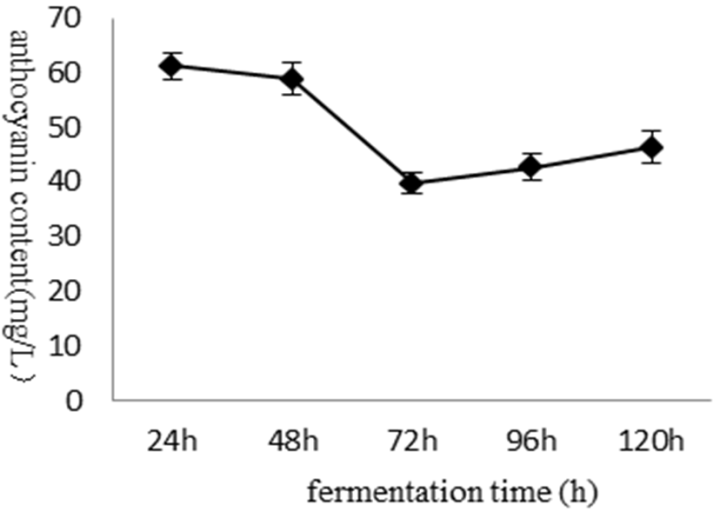
Figure 1 showed that with the increase in fermentation time, the content of anthocyanin (mg/l) in black wolfberry rice wine decreased at first (72 h) and then increased, reaching 61.258 in 24 h and 39.91 in 72 h. The content of anthocyanin is the most at 24 h, which is mainly caused by the dissolution of anthocyanin in black wolfberry rice wine. As the fermentation progressed, some anthocyanins decomposed, resulting in a decrease of anthocyanin content. Due to longer immersion, more anthocyanins in wolfberry dissolved in rice wine, resulting in a slight increase of anthocyanin content detected later.

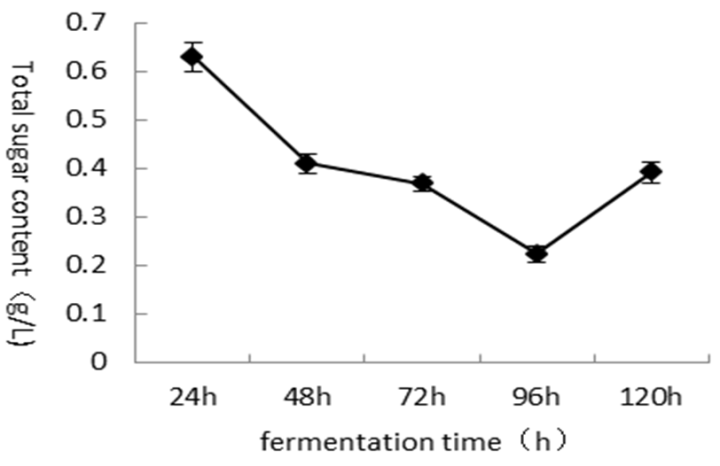
Figure 2 showed that the total sugar content as a whole had a decreasing trend first and then increasing. The total sugar content is maximum in 24 h, reaching 0.63 g/l, which gradually decreased with the progress of fermentation, the minimum in 96 h at 0.223 g/l, and then increased. This process is mainly due to the fact that during the fermentation of rice wine, a large number of maltose and other sugars are produced by the starch saccharification of rice. The total sugar content in rice wine rised to a certain height, and then these sugars are mellowed into ethanol, so the total sugar content decreased.

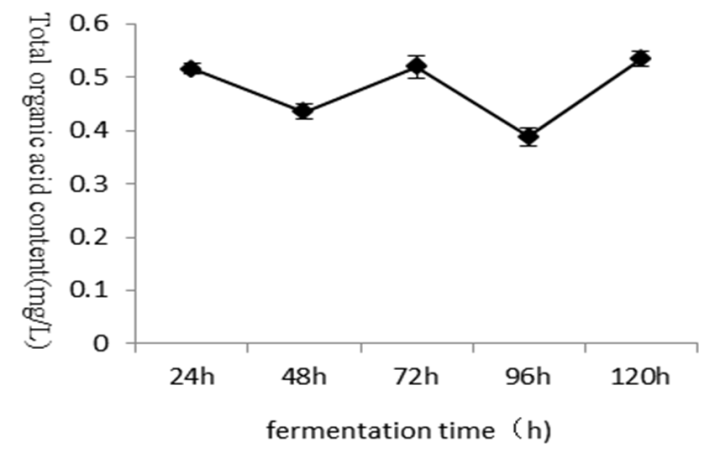
Figure 3 showed that the total organic acid content fluctuated around 0.5 g/l all the fermentation time. When the lowest point is 96 h, it is as low as 0.3891 g/l; when the highest point is 120 h, it is 0.5337 g/l. There are 2 main sources of acid. Firstly, some of the black wolfberry's own acids are dissolved in rice wine, whereas secondly, some acids are produced in the fermentation process. This fluctuating process is the dynamic balance process of the decomposition of original organic acids in wolfberry and the production of new acids by fermentation.

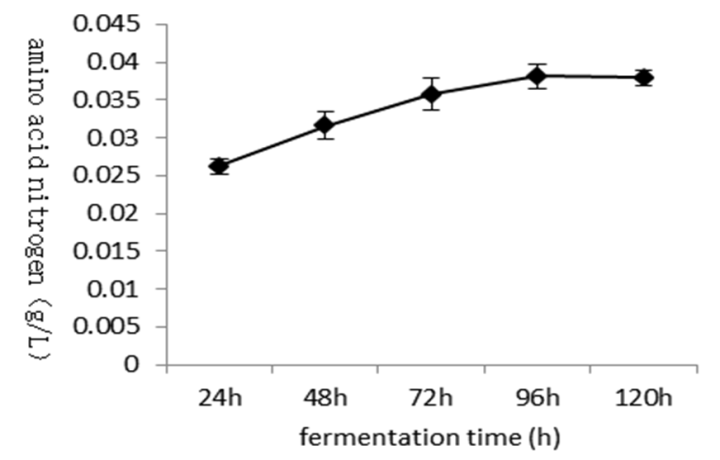
Figure 4 showed an upward trend in the content of amino acid nitrogen in general. The lowest value is near 24 h, reaching 0.0263 g/l. The highest is 0.0385 g/l, near 96 h. Amino acid nitrogen has been on the rise, which is due to the continuous dissolution of amino acids in Lycium barbarum and the decomposition of proteins into amino acids in the fermentation process.

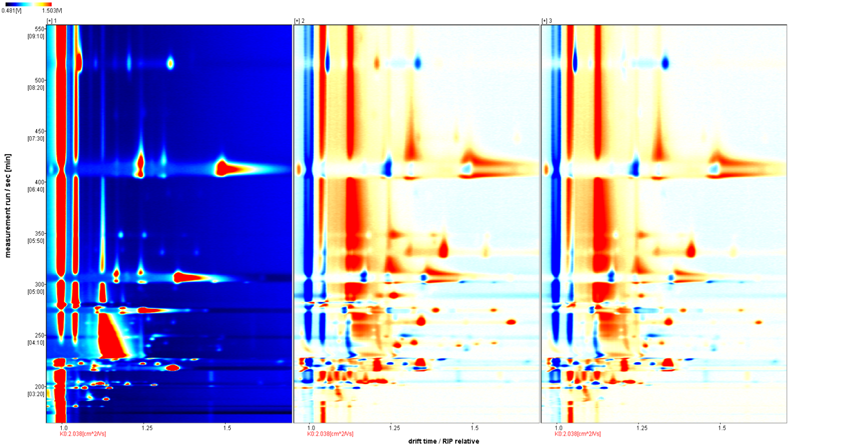
To further understand the differences of flavor substances between black wolfberry rice wine and other rice wine, 3 different components of rice wine were compared and analyzed: (1) ordinary rice wine (as control), (2) black medlar rice wine, and (3) black rice wine. It can be seen from Figure 5 that flavor profile in different samples are different. The components with high volatile substances in the control group are low in black wolfberry rice wine and black rice wine, whereas the components in black wolfberry rice wine are low in ordinary rice wine.
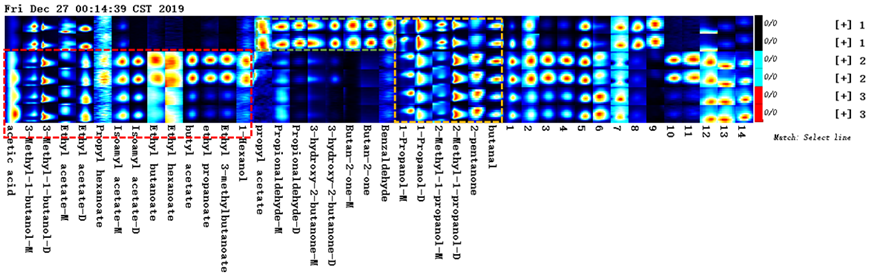
Figure 6 showed that from the accurate qualitative analysis of more than 20 flavor substances, black wolfberry rice wine and black rice wine are relatively similar, except that individual components such as butyl acetate, ethyl propionate, ethyl 3-methyl butyrate, and hexanol are far higher in black wolfberry rice wine. The rest of the flavor substance types and concentrations are relatively close, while the difference between the flavor substance of ordinary wine and the 2 is greater in some. As shown in the box around the yellow line, the flavor substances are common in the 3 groups of samples, and the concentration difference is relatively small. However, the substances shown in the box around the green line are primarily found in ordinary brewing, which are absent or very low in the other 2 rice wines, mainly some aldehydes and ketones such as propionaldehyde, 2-butanone, benzaldehyde, and 3-hydroxy-2-butanone. However, the substances in the box around the red line are mainly found in black wolfberry rice wine and black rice wine, which are absent or in very low concentration in ordinary wine brewing, mainly some esters such as ethyl propionate, ethyl hexanoate, isoamyl acetate, ethyl butyrate, etc. For example, the concentration of ethyl acetate and isoamyl acetate is higher in black rice wine.


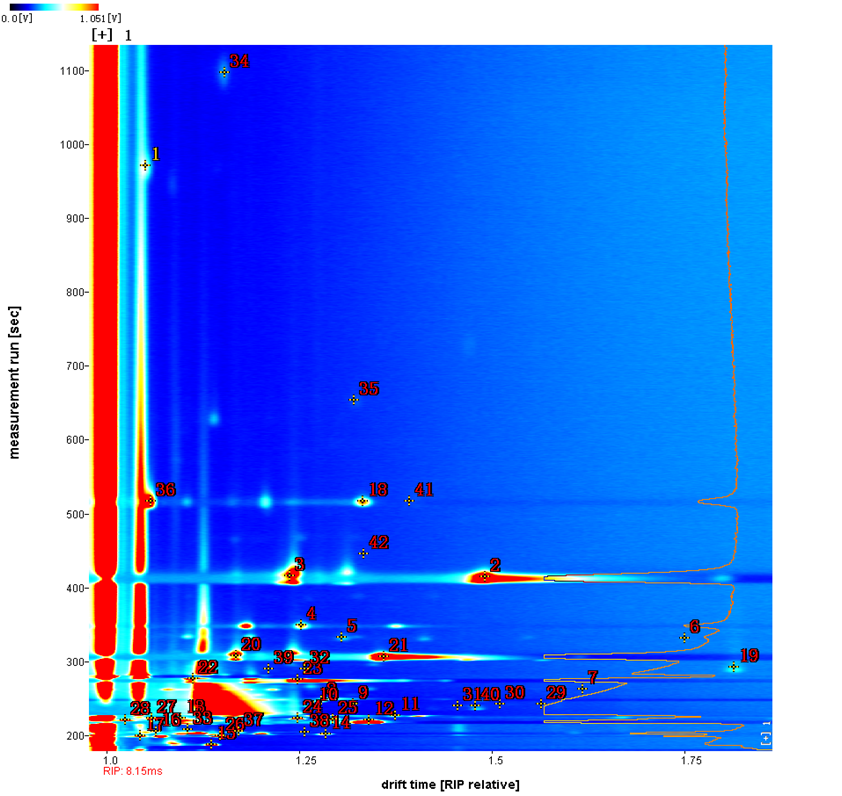
To further understand the components of volatile substances in the sample, mark the characteristic peak, as shown in Figure 7, and analyzed some compounds corresponding to the characteristic peak. The results are shown in Table 2. From the peak volume in Table 2, it can be seen that there are more esters in the black wolfberry rice wine, which gave it a unique flavor.
3.5. Oxidation Resistance

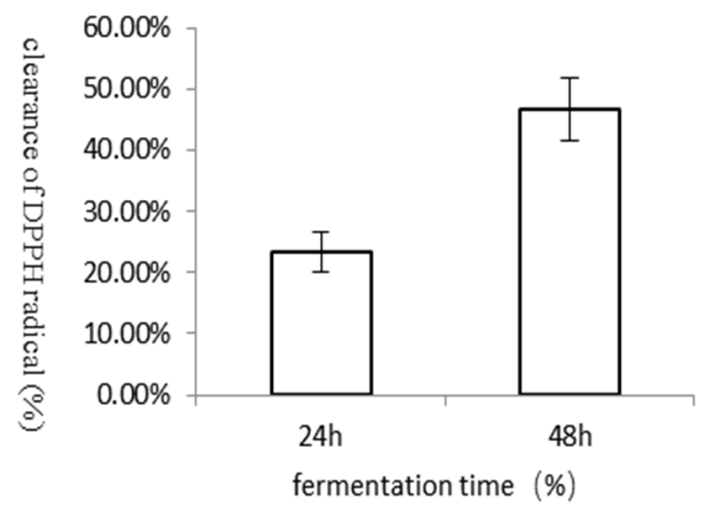
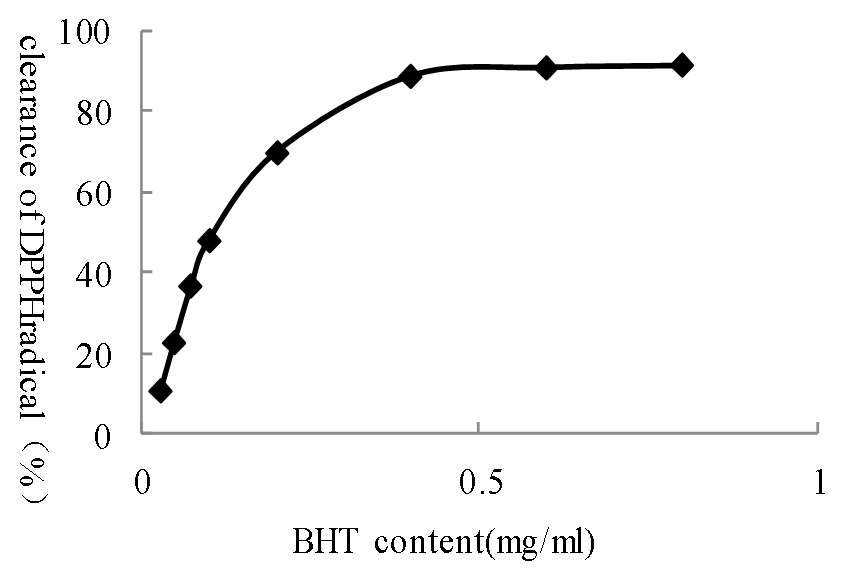
Figure 8 and Figure 9 showed that the scavenging rate of the DPPH free radical of black wolfberry rice wine during 24 h fermentation is about 23%, which is equivalent to the scavenging rate of 0.05 mg/ml BTH to DPPH free radical; the scavenging rate of rice wine after 48 h fermentation is about 46%, which is equivalent to the scavenging rate of 0.1 mg/mL BTH. In 24-48 h, the best drinking time, the scavenging rate of the DPPH free radical of black wolfberry rice wine significantly improved, which indicated that black wolfberry rice wine had a strong antioxidant capacity in this period. With the progress of fermentation, the antioxidant capacity increased.


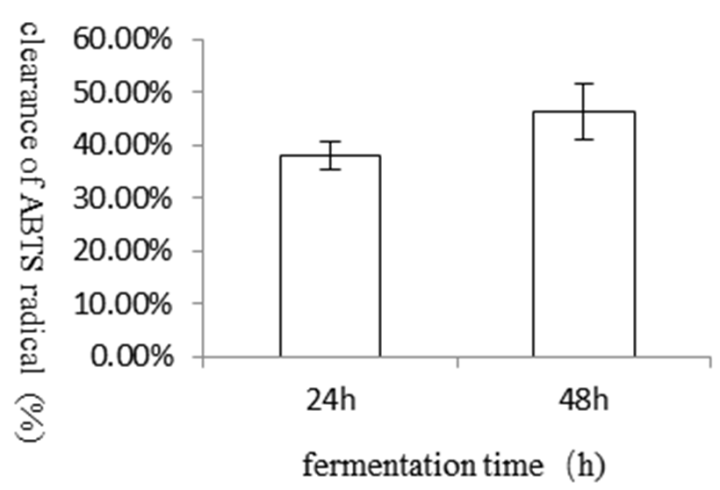
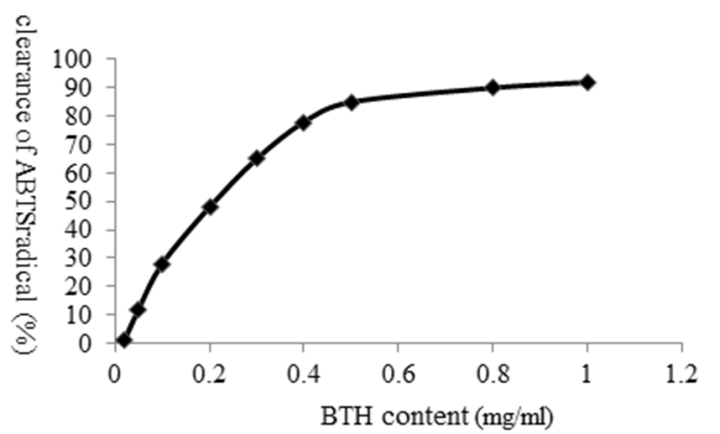
Figure 10 and Figure 11 showed that the ABTS free radical scavenging rate of black wolfberry rice wine during 24 h fermentation is about 38%, which is equivalent to that of 0.15 mg/ml BTH; the ABTS free radical scavenging rate of rice wine after 48 h fermentation is about 46%, which is equivalent to that of 0.2 mg/ml BTH. From 24 to 48 h, the scavenging rate of the ABTS free radical of black wolfberry rice wine significantly increased, which indicated that the antioxidant activity of black wolfberry rice wine was strong and had been enhanced in this period. It is similar to the change in the DPPH radical scavenging rate.


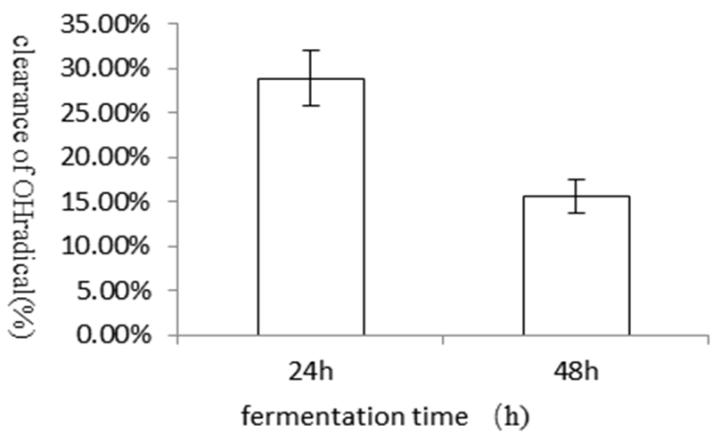
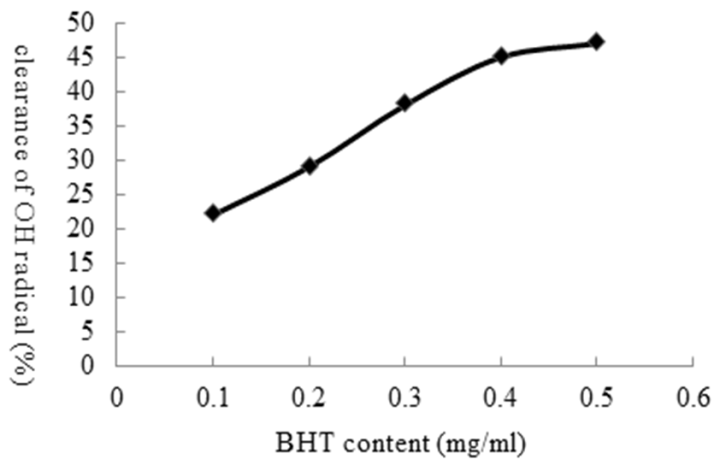
Figure 12 and Figure 13 show that the ABTS free radical scavenging rate of black wolfberry rice wine is about 28% at 24 h of fermentation, which is close to the scavenging rate of 0.2 mg/mL BTH to the OH free radical. The scavenging rate of rice wine at 48 h of fermentation is about 15.6%. From 24 to 48 h, the scavenging rate of black wolfberry rice wine to the OH radical decreased, which may be caused by fermentation and degradation of related antioxidant substances. However, in the 24-48 h, the scavenging rate of OH radicals in black Lycium rice wine was still very high.
From the above results showed that anthocyanin, the antioxidant substance in black wolfberry rice wine, has a certain effect of scavenging free radicals, and rice wine fermented within 24-48 h had a better function of scavenging free radicals. Rice wine also contained sugar, amino acid nitrogen, organic acid, and a large number of esters. Therefore, black wolfberry rice wine is a kind of nutrition and health drink. We found that The the scavenging ability of DPPH and ABTS increased gradually, and that of OH decreased with the time of fermentation. The flavor substances in rice wine, the contents of butyl acetate, ethyl propionate, ethyl 3-methyl butyrate, hexanol, ethyl propionate, ethyl hexanoate, isoamyl acetate, and ethyl butyrate in black wolfberry rice wine were higher than those in common rice wine, while some aldehyde and ketone substances, such as propionaldehyde, 2-butanone, benzaldehyde, and 3-hydroxy-2-butanone, were found in lower or not in black wolfberry rice wine. it has a different flavor from that of common rice wine, which provides theoretical support for further development and utilization. Thus, further research will be done on the nutritional value of black wolfberry rice wine, the change of substance, and the microbial group during storage.
The authors would like to thank all the reviewers who participated in the review and MJEditor (www.mjeditor.com) for its linguistic assistance during the preparation of this manuscript.
| [1] | Yan, Y.M., Luo, Q.R., Lin, W., Li, X.Y., Li, Y.K., Qin, K, et.al. “Research progress and industrial development prospect of black fruit wolfberry,” Ningxia Agroforestry Science and Technology, 56(1): 21-24 + 57, 2015. | ||
| In article | |||
| [2] | Dhar, P., Tayade, A., Ballabh, B., Chaurasia O.P., Srivastava R.B., et al. “Lycium ruthenicum Murray: a less-explored but high-value medicinal plant from trans-himalayan cold deserts of Ldakh, India,” Plant Archives, 11: 583-586, 2011. | ||
| In article | |||
| [3] | Lin, D.Y., Li, W., Gan, Q.M., “Preliminary study on the pigment of wolfberry fruit,” Chinese Food Additive, 5-9, 1995. | ||
| In article | |||
| [4] | Li, J., Qu, W.J., Zhang, S.J., “Study on antioxidant activity of pigment of Lycium ruthenicum,” Chinese Journal of Traditional Chinese Medicine, 14: 1179-1183. July.2006. | ||
| In article | |||
| [5] | Chen, H.J., Chen, X.P., “Study on extraction technology and properties of pigment from Lycium barbarum,” Chinese Wild Plant Resources, 19(6): 44-46, 2000. | ||
| In article | |||
| [6] | Li, J., Zhao, H.Y., Yuan, H., “Study on the properties of pigment from Lycium nigrum,” Food Science, 27(10): 146-151, 2006. | ||
| In article | |||
| [7] | Liang, M., min, Bao, Y.H., “Optimization of fermentation process and effect of fermentation process on anthocyanins,” Food Science, 39(10): 1-157, 2018. | ||
| In article | |||
| [8] | Maran, J.P., Sivakumar, V., Thirugnanasambandham, K., Sridhar, R., “Extraction of natural anthocyanin and colors from pulp of jamunfruit,” Journal of Food Science & Technology, 52(1): 17-3626, 2015. | ||
| In article | View Article | ||
| [9] | Chandrasekhar, J., Madhusudhan, M. C., Raghavarao, K. S. M.S., Extraction of anthocyanins from red cabbage and purification using adsorption, Food & Bioproducts Processing, 90(4): 5-623, 2012. | ||
| In article | View Article | ||
| [10] | Anuar, N., Adnan, A. F. M., Saat, N., Aziz, N., Taha, R.M., “Optimization of extraction parameters by using response surface methodology, purification, and identification of anthocyanin pigments in Melastoma malabathricum fruit,” The Scientific World Journal, 2013, Article ID 810547, 10 pages. | ||
| In article | View Article PubMed | ||
| [11] | Ji, B.P., Zhou, F., Wu, W., “Study on evaluation method of in vitro antioxidant capacity of food,” Journal of Beijing University of Technology and Industry, 30(1): 20-25, 2012. | ||
| In article | |||
| [12] | Bagchi, D., Bagchi, M., Stohs, S. J., Das, D.K., Ray, S.D., Kuszynski, C.A., “Free radicals and grape seed proanthocyanidin extract: Importance in human health and disease prevention ,”Toxicology, 148(2-3): 187-97, 2000. | ||
| In article | View Article | ||
| [13] | Fabio, G., Luca, L., “Cyanidins metabolism and biologica properties,” J Nutr Biochem, PMID: 14711454. | ||
| In article | |||
| [14] | Steinmetz, K. A., Potter, J. D., Vegetables, fruit, and cancer prevention: a review[J]. Journal of the American Dietetic Association, 96 (10): 1027-1039. 1996. | ||
| In article | View Article | ||
| [15] | Wang, L., Ye, W.J., Wu, H.J., Liu, J., Pang, X.T., Lin, Z.Y., “Study on the protection of black fruit Lycium barbarum polysaccharide against liver injury in rats,” Food industry technology, Http://kns.cnki.net/kcms/detail/11.1759.ts.20200115. 0943.008.html | ||
| In article | |||
| [16] | Lin, L., Li, J., Lv, H.Y.,Ma, Y.T., Qian, Y.P., “Effect of Lycium barbarum anthocyanin on atherosclerosis in mice,” Chinese Journal of traditional Chinese medicine, 37 (10): 1460-1466. 2012. | ||
| In article | View Article | ||
| [17] | Lin, L., Li, J., Li, Y.J., Feng, Y., “Protective effect of Lycium barbarum anthocyanin on vascular endothelial cells injured by oxidized LDL,” Chinese Journal of Pharmacy, (08): 606-611. 2013. | ||
| In article | |||
| [18] | Tao, D.Y., Chen, J.J., Chen, Y., Bai, H.J., “Study on the anti-aging effect of black fruit Lycium pigment on mice,” Chinese Journal of Veterinary Medicine, 27 (1): 1l-13,2008. | ||
| In article | |||
| [19] | Yokoz, T., Dong, E., Nakagawa, T., Kashiwagi, H., Nakagawa, H., Takeuchi, S., et al., “In Vitro and in Vivo studies on the radical-scavenging activity of Tea,” Journal of Agricultural & Food Chemistry, 46(6): 2143-2150,1998. | ||
| In article | View Article | ||
| [20] | Karpas, Z., Guamán, A. V., Calvo, D., “The potential of ion mobility spectrometry (IMS) for detection of 2,4,6-trichloroanisole (2,4,6-TCA) in wine,” Talanta, 93(2): 200-205, 2012. | ||
| In article | View Article PubMed | ||
| [21] | Gerhardt, N., Birkenmeier, M., Schwolow, S., Rohn, S., Weller, P., “Volatile compound fingerprinting by headspace-gas-chromatography ion mobility spectrometry (HS-GC-IMS) as a benchtop alternative to 1H NMR profiling for assessment of the authenticity of honey,” Analytical Chemistry, 90(3): 1777-1785. 2018. | ||
| In article | View Article PubMed | ||
| [22] | Wang, S.Q., Chen, H.T., Sun, B.G., “Recent progress in food flavor analysis using gas chromatography-ion mobility spectrometry (GC-IMS),” Food Chemistry, 315(15): 126-158, 2020. | ||
| In article | View Article PubMed | ||
| [23] | Ding, X.L., Wang, G.Y., Zou, Y.L., zhao, Y.Y., Ge, C.R., Liao, G.j., “Analysis of the effect of KCl partial substitution for NaCl on volatile flavor compounds of Xuanwei ham based on gas-ion transfer spectroscopy and multivariate statistics,” Food Science, 30(3): 1-3, 2020. | ||
| In article | |||
| [24] | Liedtke, S., Seifert, L., Ahlmann, N., Hariharan, C., Franzke, J., Vautz, W., “Coupling laser desorption with gas chromatography and ion mobility spectrometry for improved olive oil characterisation , ”Food Chemistry, 255(30): 323-331,2018. | ||
| In article | View Article PubMed | ||
| [25] | Yan, H.W., “Study on the diversity of fungi in Sweet Wine Koji and analysis of nutritional components in sweet wine brewing,” Qufu Normal University, ShanDong Province,China,2015 | ||
| In article | |||
| [26] | GB / T13662-2008, rice wine [S]. Beijing: China Standard Press, 2008. | ||
| In article | |||
| [27] | Yan, Y.M., Ran, L.W., Cao, Y.L., Qin, K., An, W., Zeng, X.X., “Study on the determination method of anthocyanin in Lycium barbarum ,” Food industry, 33 (06): 145-147, 2012. | ||
| In article | |||
| [28] | Liu, C., “Study on the extraction, stability and antioxidant activity of black wolfberry anthocyanin,” Chongqing University, Si Chuan province ,China ,2018 | ||
| In article | |||
| [29] | Smirnoff, N., Cumbes, Q.J., “Hydroxyl radical scavenging activity of compatible solutes,” Phytochemistry,28(4):1057-1060, 1989. | ||
| In article | View Article | ||
Published with license by Science and Education Publishing, Copyright © 2021 Yao Shumin, Wu Shaomin, Zhou Yongsheng, Liu Zhongmin and Tang Meizhen
 This work is licensed under a Creative Commons Attribution 4.0 International License. To view a copy of this license, visit
http://creativecommons.org/licenses/by/4.0/
This work is licensed under a Creative Commons Attribution 4.0 International License. To view a copy of this license, visit
http://creativecommons.org/licenses/by/4.0/
| [1] | Yan, Y.M., Luo, Q.R., Lin, W., Li, X.Y., Li, Y.K., Qin, K, et.al. “Research progress and industrial development prospect of black fruit wolfberry,” Ningxia Agroforestry Science and Technology, 56(1): 21-24 + 57, 2015. | ||
| In article | |||
| [2] | Dhar, P., Tayade, A., Ballabh, B., Chaurasia O.P., Srivastava R.B., et al. “Lycium ruthenicum Murray: a less-explored but high-value medicinal plant from trans-himalayan cold deserts of Ldakh, India,” Plant Archives, 11: 583-586, 2011. | ||
| In article | |||
| [3] | Lin, D.Y., Li, W., Gan, Q.M., “Preliminary study on the pigment of wolfberry fruit,” Chinese Food Additive, 5-9, 1995. | ||
| In article | |||
| [4] | Li, J., Qu, W.J., Zhang, S.J., “Study on antioxidant activity of pigment of Lycium ruthenicum,” Chinese Journal of Traditional Chinese Medicine, 14: 1179-1183. July.2006. | ||
| In article | |||
| [5] | Chen, H.J., Chen, X.P., “Study on extraction technology and properties of pigment from Lycium barbarum,” Chinese Wild Plant Resources, 19(6): 44-46, 2000. | ||
| In article | |||
| [6] | Li, J., Zhao, H.Y., Yuan, H., “Study on the properties of pigment from Lycium nigrum,” Food Science, 27(10): 146-151, 2006. | ||
| In article | |||
| [7] | Liang, M., min, Bao, Y.H., “Optimization of fermentation process and effect of fermentation process on anthocyanins,” Food Science, 39(10): 1-157, 2018. | ||
| In article | |||
| [8] | Maran, J.P., Sivakumar, V., Thirugnanasambandham, K., Sridhar, R., “Extraction of natural anthocyanin and colors from pulp of jamunfruit,” Journal of Food Science & Technology, 52(1): 17-3626, 2015. | ||
| In article | View Article | ||
| [9] | Chandrasekhar, J., Madhusudhan, M. C., Raghavarao, K. S. M.S., Extraction of anthocyanins from red cabbage and purification using adsorption, Food & Bioproducts Processing, 90(4): 5-623, 2012. | ||
| In article | View Article | ||
| [10] | Anuar, N., Adnan, A. F. M., Saat, N., Aziz, N., Taha, R.M., “Optimization of extraction parameters by using response surface methodology, purification, and identification of anthocyanin pigments in Melastoma malabathricum fruit,” The Scientific World Journal, 2013, Article ID 810547, 10 pages. | ||
| In article | View Article PubMed | ||
| [11] | Ji, B.P., Zhou, F., Wu, W., “Study on evaluation method of in vitro antioxidant capacity of food,” Journal of Beijing University of Technology and Industry, 30(1): 20-25, 2012. | ||
| In article | |||
| [12] | Bagchi, D., Bagchi, M., Stohs, S. J., Das, D.K., Ray, S.D., Kuszynski, C.A., “Free radicals and grape seed proanthocyanidin extract: Importance in human health and disease prevention ,”Toxicology, 148(2-3): 187-97, 2000. | ||
| In article | View Article | ||
| [13] | Fabio, G., Luca, L., “Cyanidins metabolism and biologica properties,” J Nutr Biochem, PMID: 14711454. | ||
| In article | |||
| [14] | Steinmetz, K. A., Potter, J. D., Vegetables, fruit, and cancer prevention: a review[J]. Journal of the American Dietetic Association, 96 (10): 1027-1039. 1996. | ||
| In article | View Article | ||
| [15] | Wang, L., Ye, W.J., Wu, H.J., Liu, J., Pang, X.T., Lin, Z.Y., “Study on the protection of black fruit Lycium barbarum polysaccharide against liver injury in rats,” Food industry technology, Http://kns.cnki.net/kcms/detail/11.1759.ts.20200115. 0943.008.html | ||
| In article | |||
| [16] | Lin, L., Li, J., Lv, H.Y.,Ma, Y.T., Qian, Y.P., “Effect of Lycium barbarum anthocyanin on atherosclerosis in mice,” Chinese Journal of traditional Chinese medicine, 37 (10): 1460-1466. 2012. | ||
| In article | View Article | ||
| [17] | Lin, L., Li, J., Li, Y.J., Feng, Y., “Protective effect of Lycium barbarum anthocyanin on vascular endothelial cells injured by oxidized LDL,” Chinese Journal of Pharmacy, (08): 606-611. 2013. | ||
| In article | |||
| [18] | Tao, D.Y., Chen, J.J., Chen, Y., Bai, H.J., “Study on the anti-aging effect of black fruit Lycium pigment on mice,” Chinese Journal of Veterinary Medicine, 27 (1): 1l-13,2008. | ||
| In article | |||
| [19] | Yokoz, T., Dong, E., Nakagawa, T., Kashiwagi, H., Nakagawa, H., Takeuchi, S., et al., “In Vitro and in Vivo studies on the radical-scavenging activity of Tea,” Journal of Agricultural & Food Chemistry, 46(6): 2143-2150,1998. | ||
| In article | View Article | ||
| [20] | Karpas, Z., Guamán, A. V., Calvo, D., “The potential of ion mobility spectrometry (IMS) for detection of 2,4,6-trichloroanisole (2,4,6-TCA) in wine,” Talanta, 93(2): 200-205, 2012. | ||
| In article | View Article PubMed | ||
| [21] | Gerhardt, N., Birkenmeier, M., Schwolow, S., Rohn, S., Weller, P., “Volatile compound fingerprinting by headspace-gas-chromatography ion mobility spectrometry (HS-GC-IMS) as a benchtop alternative to 1H NMR profiling for assessment of the authenticity of honey,” Analytical Chemistry, 90(3): 1777-1785. 2018. | ||
| In article | View Article PubMed | ||
| [22] | Wang, S.Q., Chen, H.T., Sun, B.G., “Recent progress in food flavor analysis using gas chromatography-ion mobility spectrometry (GC-IMS),” Food Chemistry, 315(15): 126-158, 2020. | ||
| In article | View Article PubMed | ||
| [23] | Ding, X.L., Wang, G.Y., Zou, Y.L., zhao, Y.Y., Ge, C.R., Liao, G.j., “Analysis of the effect of KCl partial substitution for NaCl on volatile flavor compounds of Xuanwei ham based on gas-ion transfer spectroscopy and multivariate statistics,” Food Science, 30(3): 1-3, 2020. | ||
| In article | |||
| [24] | Liedtke, S., Seifert, L., Ahlmann, N., Hariharan, C., Franzke, J., Vautz, W., “Coupling laser desorption with gas chromatography and ion mobility spectrometry for improved olive oil characterisation , ”Food Chemistry, 255(30): 323-331,2018. | ||
| In article | View Article PubMed | ||
| [25] | Yan, H.W., “Study on the diversity of fungi in Sweet Wine Koji and analysis of nutritional components in sweet wine brewing,” Qufu Normal University, ShanDong Province,China,2015 | ||
| In article | |||
| [26] | GB / T13662-2008, rice wine [S]. Beijing: China Standard Press, 2008. | ||
| In article | |||
| [27] | Yan, Y.M., Ran, L.W., Cao, Y.L., Qin, K., An, W., Zeng, X.X., “Study on the determination method of anthocyanin in Lycium barbarum ,” Food industry, 33 (06): 145-147, 2012. | ||
| In article | |||
| [28] | Liu, C., “Study on the extraction, stability and antioxidant activity of black wolfberry anthocyanin,” Chongqing University, Si Chuan province ,China ,2018 | ||
| In article | |||
| [29] | Smirnoff, N., Cumbes, Q.J., “Hydroxyl radical scavenging activity of compatible solutes,” Phytochemistry,28(4):1057-1060, 1989. | ||
| In article | View Article | ||