Celiac disease (CD) is associated with activation of the immune response toward specific protein commonly known as gluten, Which causes damage to the small finger-like projections called villi. Samuel was the first person who describes the disease in the year 1887. The given review article describes various factors which are associated with CD such as genetic factors, environmental factors and proteins. Chronic diarrhea, Hypochromic anemia, Short stature, Bone loss, Recurrent abortions, Hashimoto’s disease, etc are some common clinical manifestation. Along with clinical manifestations, we will also discuss the diet for the patients and treatment approaches.
Celiac disease (CD) is categorized as a disorder in which a protein known as gluten activate the immune response in the human body. It causes damage and swelling to the small intestine. In the united state, nearly 1% of the total population suffers from CD and one in a hundred people worldwide. The celiac disease comes under the category of autoimmune disorder. The person who has CD eat gluten, it generates the immune response which starts attacking the small intestine. This attack may lead to damage of villi, which is a small finger-like projection found in small intestine responsible for nutrient absorption due to its large surface area. CD can evolve at any age after people start eating gluten-containing medicine and food. If left untreated, it can lead to other additional health issues including reduced bone density, cancer, infertility and other autoimmune diseases. Sometimes CD is also known as gluten-sensitive enteropathy or celiac sprue. It affects men and women of all ages and races. Curative medication is not available for CD, however, most people follow the inflexible gluten-free diet which helps in the management of symptoms and it also promotes healing of small intestine. The most common symptom irritability mainly occur in children. The protein is responsible for the CD found in rye, barley and wheat. Other products which contain gluten are vitamins and their supplements, hair and skin products, lip bam and toothpaste. Awareness and celiac diagnosis program provide good results. From last few years, the sale of gluten-free products reached more than $5 billion. The first condition resembling CD was reported by Aretaeus and Cappadocia in the 2nd century AD 1. McDonald et al. In 1965 demonstrate the genetic association of CD 2. The description of the mucosal transformation characteristic of CD reveals by Benecke in the year 1910 3. In CD, there is a selective deficiency of IgA reported by Mawhinney and Tomkin in 1975 4. There is a close association between HLA-D and CD demonstrate by Howell et al. in the year 1986 5. The cytokine release in CD triggered by gliadin express by Ferguson et al. in the year 1975 6.
Samuel gee was the first person who describes the CD in the year 1887, he described some of the clinical symptoms of a disease like poor growth, fatigue and diarrhoea. Gee stated that the treatment of CD is based on a gluten-free diet. The extensive flattening of villi and chronic inflammation of the small intestine are found in biopsy samples of the patient suffering from CD demonstrate by Paulley 7, 8.
The study reported that a high prevalence of CD was found in western Sahara people. India, Scandinavia, middle east and north Africa are some countries which show high prevalence. 1% population of Europe and the United state suffers from CD. The Mucosal Biology Research Center established in the USA for CD. Women are slightly more likely to be affected by the CD as compared to males.
The Gluten sources and their derivatives include; oats (oat flour, oat bran, oat gums, oat fibre and oat groats), wheat (sauces, gravies, wheat flour, wheat starch, soups, processed meats and fish, wieners, graham flour, wheat germ,etc.), barley and malt (beer, malt, malt syrup, malt extract, cereal), Rey(cereals), semolina (pasta), farina (pasta).
The gluten-free foods are fruits, vegetables, unprocessed meat, almonds, peanuts, cashews, pistachios.
CD is categories into five different types on the bases of positive serological markers and bowel villous atrophy. These five types are;
1. Classic celiac disease
2. Non-classic celiac disease
3. Silent celiac disease
4. Potential celiac disease
5. Refractory sprue celiac disease
The symptoms of the classic CD include malabsorption and mainly occur in the age groups 6-24 months 9. Iron deficiency anemia is one of the symptoms of the non-classic CD which occurs due to iron and folate malabsorption in the jejunum. This CD is more common than classic CD 10. Silent CD doesn’t show any symptom. Positive serum markers and normal bowel biopsy are the identification measures of potential CD. The refractory CD is divided into two main groups; the first one is primary refractory CD (no good response to a gluten-free diet) and the second one is secondary refractory CD (good response to a gluten-free diet).
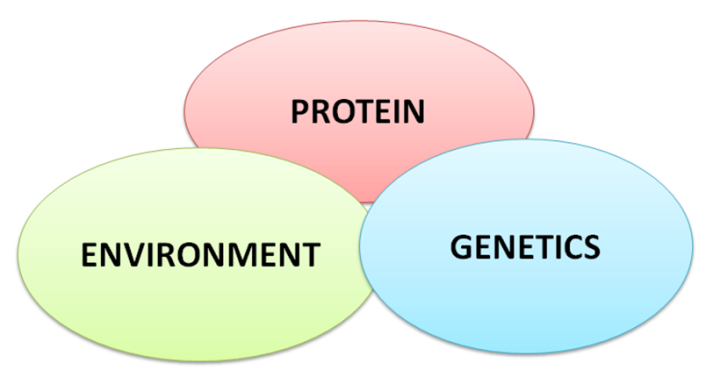
There are three main factors involved in the development of CD (Figure 1).

The gluten is the main reason behind the CD. It contains proline and glutamine. Due to its viscoelastic and adhesive property, it is widely used in the food industry and for non-food products. In few people, gluten triggers autoimmune, inflammatory and immunological reactions. It can also rise various gluten-related disorders like a CD which affect 1-2% of the general population, non-coeliac gluten sensitivity in 6-10% of the general population, gluten ataxia (indigestion of gluten), dermatitis herpetiformis and other neurological disorders 11, 12, 13, 14. wheat, barley, rye and oats are the main source of gluten. The undigested fraction of gluten is gliadin which shows resistance toward degradation by pancreatic, gastric and intestinal brush border membrane proteases in the intestine due to which it stays in the lumen for a long time after gluten ingestion 15. They start the interaction with antigens present in lamina propria when they travel through the epithelial barrier of intestine mainly when a person suffers from intestinal infection or may have increased intestinal permeability.
7.2. Genetic FactorsThe CD mainly triggered by intolerance to protein (gluten) in genetic susceptible human being carrying the HLA-DR3-DQ2 and DR4-DQ8 risk haplotypes 16. The HLA complex involves in CD consists of 47 Mb on chromosome 6p21. Studies suggest that the contribution of the genetic factor in CD is less than 50% 17. There are some non-HAL genes which influence the susceptibility of disease, but this is not confirmed yet.
7.3. Environmental FactorsEpidemiological studies suggested that there are certain environmental factors which play an important role in the development of the celiac disease. The risk of development of celiac disease increase with the administration of gluten before four months of age 18. The introduction of gluten after seven months is associated with marginal risk. The rotavirus infection in infants increases the risk of CD 19. There is the number of diseases which increase the risk of CD some of them are Type 1 diabetes mellitus, Down syndrome, Selective IgA deficiency, William syndrome, Turner syndrome, First-degree relative and Thyroiditis 20.
CD is trigger by gliadin and some related cereal proteins. Some patients show clinical and histological improvement when gliadin and related cereal proteins are eliminated from the diet. The active disorder is in the course of mucosal (especially human gamma globulin [Ig] A) autoantibodies to reticulin, a standard constituent of the animate thing matrix. Antireticulin autoantibodies area unit similar to anti endomysial, antijejunal or anti-umbilical twine antibodies 21, 22, 23 immunoglobulin A anti endomysial autoantibodies (EMA) allow screening for biopsy-proven disorder with AN almost 100 per cent sensitivity and specificity 24. For classical autoimmune disease diagnosis, antibody tests are of little predictive value. The study in around 17000 North Indian schools used EMA as the main screening tool followed by intestinal biopsy. Ventura et.al. showed that the long term undiagnosed and untreated celiac disease make it likely to cause autoimmunity to other organs. This can cause Type-I diabetes, autoimmune thyroiditis, autoimmune alopecia, dermatitis herpetiformis, collagen diseases, and autoimmune Hepatitis.
The manifestation of CD characterized into two categories one is typical symptoms and the other one is atypical symptoms. Typical symptoms include chronic diarrhoea, Failure to thrive. While atypical symptoms include Secondary to malabsorption, Hypochromic anemia, Short stature(height below the average height of peers), Bone loss, Recurrent abortions, Accumulation of fat in the liver, Recurrent abdominal pain, Independent of malabsorption, Dermatitis herpetiformis, Dental enamel hypoplasia, lack of voluntary coordination of muscle movements, Alopecia, Primary biliary cirrhosis, Isolated hypertransaminasemia, Recurrent aphthous stomatitis, Myasthenia gravis, recurrence of acute pericarditis symptoms, Psoriasis, Polyneuropathy, Epilepsy (with or without intracranial calcifications), Vasculitis, Dilatative cardiomyopathy, Hypo/hyperthyroidism and associated conditions includes Possibly gluten dependent, IDDM, Hashimoto’s disease, Autoimmune hepatitis, Sjogren's syndrome, Addison disease, Autoimmune atrophic gastritis, Autoimmune emocytopenic diseases, Gluten independent, Down syndrome, Gonadal dysgenesis, Williams syndrome, Congenital heart defects, deficiency of IgA.
9.1. Chronic DiarrheaIn diarrhoea patients have increased stool frequency, loose stool or urgency of bowel movement these are key symptoms. In the case of chronic diarrhoea, symptoms last more than four weeks 25. Patient with chronic diarrhoea is categorized into two different categories one is functional etiology and another one is organic etiology. When abdominal pain associated with diarrhoea it comes under functional etiology while the absence of abdominal pain comes under organic etiology 26.
9.2. Hypochromic AnemiaHypochromic anemia is the condition in which red blood cells look paler than normal. Redness of cell decrease due to the reduction of hemoglobin content of RBC. Diagnosis of anemia can be done by measuring the concentration of Hemoglobin and hematocrit in a patient 27, 28, 29, 30.
9.3. Short StatureVarious etiological conditions are responsible for Short stature and give rise to primary and secondary growth disorder 31. The primary growth disorder includes clinically defined syndromes and they are intrinsic to the growth plate, these factors result in osteochondrodysplasias and they born small for gestational age. While secondary growth disorder relates to GH deficiency. The reported range is 1.3-19.8% among children’s 32.
9.4. Bone LossBones are highly metabolically energetic tissue. It undergoes remodelling throughout the life which includes bone formation and resorption processes. The imbalance between these two activity leads to bone loss 33.
9.5. Recurrent AbortionsIt is also referred to pregnancy loss or miscarriage and defined as the loss of pregnancy or loss of fetus/embryo before 20 weeks and less than 400g of fetus weight 34.
9.6. Dental Enamel HypoplasiaIn dental enamel hypoplasia demarcating line surrounds the crown of the injured teeth occur due to extensive enamel distribution this is visible both radiographically and clinically. Mostly occurs in children’s in the age of two years 35.
9.7. AlopeciaIt refers to the loss of hair from part of the head and leads to psychological distress 36. Half of the male after 50 years of age and a quarter of females are affected. The hair loss occurs due to male hormone or genetic factors or some time both are involved. Treatment involves either hair transplant surgery or minoxidil medication 37, 38.
9.8. Recurrent Aphthous StomatitisThe most common painful oral mucosal condition associated with mouth ulceration seen among the number of patients. It is characterised by recurring several bouts of solitary or shallow ulcers, at an interim of few days to few months 39.
9.9. Hashimoto’s DiseaseIt is an autoimmune disorder and also known as Hashimoto’s thyroiditis and Chronic lymphocytic thyroiditis involve gradual distortion of the thyroid gland. There are no early symptoms but after some time thyroid gland may large and form painless goitre.
9.10. Sjogren's SyndromeIt characterized as an autoimmune disorder which affects the moisture-producing gland of the body. Primary symptoms include dryness of eye and mouth.
9.11. Gonadal DysgenesisDisorder of the male and female reproductive system. It is characterized as replacement of reproductive tissues with less functional or fibrous tissue and defective development of embryo and gonads.
A patient suffering from CD must follow strict dietary instructions to prevent further complications of the disease (Table 1).
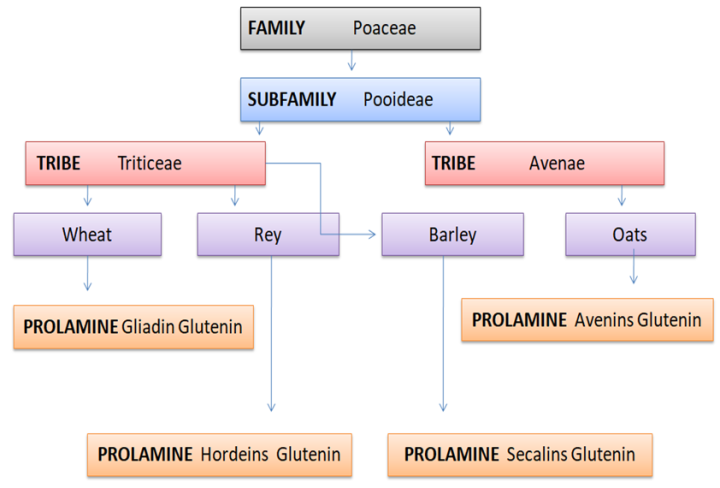
The wheat, rye, and barley all belong to a tribe called Triticeae, but oats belonging to the tribe Aveneae (Figure 2). Although gluten is considered as a trigger of CD, mainly found in wheat. The gliadins and glutenins are the two main proteins found in gluten mainly involve in trigger 40, 41, 42. The peptides hordeins and secalins are present in rye and barley respectively are also capable of activating disease. The gliadins, glutenins, secalins, and hordein have high contents of glutamines and pralines. Due to the presence of high content of pralines and glutamines, they show resistance toward the degradation by gastric acid, pancreatic, and brush-border enzymes because these are lacking in prolyl endopeptidase activity 44, 45. The peptide fragments transport across the small intestine and affects the permeability. This follows the transcellular pathway. However, it is unclear till now that either intestinal inflammation or altered permeability which one is the primary cause. The transcellular transport of gliadin, which involves the abnormal retro-transport of immunoglobulin A (IgA)-gliadin by the CD71 receptor (Cluster of Differentiation 71) 46. The activation of CD71 receptor, escape the degradation of gliadin and translocation to the lamina propria.

The microbiota is the micro-organism of a particular environment. A wide variety of complex micro-organism is found in the human intestine. The intestinal microbes are influenced by diet. The interaction between microbes and diet content affect metabolic functions. It will contribute to the number of phenotypic conditions like inflammatory bowel disease, obesity and CD 47. In 2004, a study was performed on CD patients which revel that a rod shape bacteria was found in the intestine of CD patients 48. There is a significant difference between gut microbiome samples of CD patients, first degree relatives and the non CD person 49. Additional studies found that there is a difference in composition of faecal and mucosal content (Bacteroides, Clostridium, Bifidobacterium, Lactobacillus, Escherichia coli, and Staphylococcus) of CD and non CD patients 50. The animal studies have suggested that the microbiome in CD may alter the intestinal permeability, therefore contribute to the pathogenesis of the disease 51.
The enzyme-linked immunosorbent assay technique is used to detect IgA anti-tissue transglutaminase antibodies (tTGA) in the blood of CD patients 52, 53. While IgA anti-endomysial (IgA EMA) antibodies are employed as a confirmatory test in tTGA positive cases. This test shows greater sensitivity and accuracy in diagnosis.
12.2. Anti-gliadin AntibodiesThis diagnostic procedure is no longer recommended due to its low specificity and selectivity, except in young children.
12.3. De-amidated Gliadin PeptidesThis test is a replacement of Anti-gliadin antibodies, and involve immunoassay to deamidated gliadin peptides, IgA and IgG 54. It provides more accurate and specific results.
12.4. HistologyIt is considered as a gold standard for diagnosis of CD in adulthood, involves assessment of different entities: decreased enterocyte height, villous atrophy, inflammatory infiltrates in small-bowel mucosal biopsies. The endoscopy studies are performed to analyze intestinal biopsy samples of the patient 55.
12.5. In Vitro Gluten Challenge TestThe in vitro gluten challenge test was performed on duodenal mucosa using culture cells 56, 57. This provides information regarding gluten-sensitive immunological activation in celiac disease.
Small interfering RNA (siRNA) technology or selective wheat breeding strategies must be developed for modified grains production.
13.2. Life-long Gluten-free DietThe lifelong gluten-free diet is advised to the CD patient. It provides recovery of mucosal damage and improvement of symptoms within a few weeks.
13.3. Gluten-degrading EnzymesThe bacterial prolyendopeptidase therapy accelerates the gluten digestion in the gastrointestinal tract and also helps in the distortion of T cell epitopes 58.
13.4. Rho/Rho Kinase InhibitionThe permeability of intestine depends on Rho kinase (ROCK) activity 59. The inhibition of ROCK reverse the gluten-dependent and increase the permeability of the intestine.
As there is no cure of CD, preventive measures and diet need for the patients. There are numbers of diagnostic methods available which includes; Anti-tissue transglutaminase antibodies, Anti-gliadin antibodies, In vitro gluten challenge test, De-amidated gliadin peptides and Histology for the early diagnosis. All the diagnostic and treatment approaches including gluten-free diet plans are some measures which improve the quality of life.
| [1] | Thomas C. “On the coeliac affection. In: Major Classic descriptions of disease”. Springfield, IL: Charles C. Thomas 1945, 600-601. | ||
| In article | |||
| [2] | McDonald WC, Dobbins WO III, Rubin CE. “Studies of the familial nature of celiac sprue using biopsy of the small intestine”. N Engl J Med. 1965, 272: 448-456. | ||
| In article | View Article PubMed | ||
| [3] | Benecke R. Ueber die Spruekrankheit (Aphthae tropicae). Verh Dtsch Ges Pathol, 1910; 14: 132. | ||
| In article | |||
| [4] | Mawhinney H, Tomkin GH. “Gluten enteropathy associated with selective IgA deficiency”. Lancet, 1971, 2: 121-124. | ||
| In article | View Article | ||
| [5] | Howell MD, Austin RK, Kelleher D, Nepom GT, Kagnoff MF. “An HLA-D region restriction length polymorphism associated with celiac disease”. J Exp Med, 1986, 164: 333-339. | ||
| In article | View Article PubMed | ||
| [6] | Ferguson A, MacDonald TT, McClure JP, Holden RJ. “Cell-mediated immunity to gliadin within the small-intestinal mucosa in celiac disease”. Lancet, 1975, 1: 895-897. | ||
| In article | View Article | ||
| [7] | Cataldo F, Montalto G. “Celiac disease in the developing countries: a new and challenging public health problem”. World J Gastroe, nterol. 2007, 13: 2153-2159. | ||
| In article | View Article PubMed | ||
| [8] | Paulley JW, Fairweather FA, Leeming A. “Post-gastrectomy steatorrhoea and patchy jejunal atrophy”. Lancet, 1957, 272: 406-407. | ||
| In article | View Article | ||
| [9] | Taylor AK, Lebwohl B, Snyder CL, Green PHR. Celiac disease. In: Pagon RA, Adam MP, Ardinger HH. “Gene Reviews”. Seattle, WA: University of Washington; 2015. | ||
| In article | |||
| [10] | Allué IP, Pediátrica N. Enfermedad celíaca presente y futuro. Madrid, España:Ergon; 2013 | ||
| In article | |||
| [11] | Lundin KE, Wijmenga C. “Coeliac disease and autoimmune disease-genetic overlap and screening”. Nat Rev Gastroenterol Hepatol, 2015, 12 (9): 507-1 | ||
| In article | View Article PubMed | ||
| [12] | Molina-Infante J, Santolaria S, Montoro M, Esteve M, Fernández-Bañares F. “Non-celiac gluten sensitivity: a critical review of current evidence”. Gastroenterol Hepatol, 2014, 37 (6): 362-71. | ||
| In article | View Article PubMed | ||
| [13] | Ludvigsson JF, Leffler DA, Bai JC, Biagi F, Fasano A, Green PH, Hadjivassiliou M, Kaukinen K, Kelly CP, Leonard JN, Lundin KE, Murray JA, Sanders DS, Walker MM, Zingone F, Ciacci C. “The Oslo definitions for coeliac disease and related terms”. Gut (Review). 2013, 62 (1): 43-52. | ||
| In article | View Article PubMed | ||
| [14] | Zis P, Hadjivassiliou M. “Treatment of Neurological Manifestations of Gluten Sensitivity and Coeliac Disease”. Curr Treat Options Neurol (Review). 2019, 21 (3):10. | ||
| In article | View Article PubMed | ||
| [15] | Lu Shan, Øyvind Molberg, Isabelle Parrot, Felix Hausch, Ferda Filiz, Gary M. Gray, Ludvig M. Sollid, Chaitan Khosla. “Structural basis for gluten intolerance in celiac”. sprue. Science, 2002, 297: 2275-9. | ||
| In article | View Article PubMed | ||
| [16] | Heel DA, West J. “Recent advances in coeliac disease”. Gut, 2006; 55(7): 1037-46. | ||
| In article | View Article PubMed | ||
| [17] | Greco L, Romino R, Coto I, Di Cosmo N, Percopo S, Maglio M, Paparo F, Gasperi V, Limongelli MG, Cotichini R, D'Agate C, Tinto N, Sacchetti L, Tosi R, Stazi MA. “The first large population based twin study of coeliac disease”. Gut, 2002, 50: 624-8. | ||
| In article | View Article PubMed | ||
| [18] | Norris JM, Barriga K, Hoffenberg EJ, Taki I, Miao D, Haas JE, Emery LM, Sokol RJ, Erlich HA, Eisenbarth GS, Rewers M. “Risk of celiac disease autoimmunity and timing of gluten introduction in the diet of infants at increased risk of disease”. JAMA, 2005, 293:2343-51. | ||
| In article | View Article PubMed | ||
| [19] | Stene LC, Honeyman MC, Hoffenberg EJ, Haas JE, Sokol RJ, Emery L, Taki I, Norris JM, Erlich HA, Eisenbarth GS, Rewers M. “Rotavirus infection frequency and risk of celiac disease autoimmunity inearly childhood: a longitudinal study”. Am J Gastroenterol, 2006, 101:2333-40. | ||
| In article | View Article PubMed | ||
| [20] | Carolina Salazar, Jennyfer M García-Cárdenas and César Paz-y-Miño. “Understanding Celiac Disease From Genetics to the Future Diagnostic Strategies”. Clinical Medicine Insights: Gastroenterology, 2017, Volume 10: 1-13. | ||
| In article | View Article | ||
| [21] | Seah PP, Fry LL, Rossiter MA, Hoffbrand AV, Holborow EJ. “Anti-reticulin antibodies in childhood celiac disease”. Lancet, 1971, 2: 681-682. | ||
| In article | View Article | ||
| [22] | Chorzelski TP, Sulej J, Tchorzewska H, Jablonska S, Beutner EH, Kumar V. “IgA class endomysium antibodies in dermatitis herpetiformis and coeliac disease”. Ann N Y Acad Sci, 1983, 420: 325-334. | ||
| In article | View Article PubMed | ||
| [23] | Ladinser B, Rossipal E, Pittschieler K. “Endomysium antibodies in coeliac disease: an improved method”. Gut, 1994, 35:776-778. | ||
| In article | View Article PubMed | ||
| [24] | Corrao G, Corazza GR, Andreani ML, Torchio P, Valentini RA, Galatola G, Quaglino D, Gasbarrin G, di Orio F. “CELIAC DISEASE PATHOGENESIS 241 screening of coeliac disease: choosing the optimal procedure according to various prevalence values”. Gut, 1994, 35: 771-775. | ||
| In article | View Article PubMed | ||
| [25] | Lawrence R. Schiller, Darrell S. Pardi and Joseph H. Sellin, Chronic Diarrhea: Diagnosis and Management, Clinical Gastroenterology and Hepatology 2016. | ||
| In article | |||
| [26] | Lacy BE, Mearin F, Chang L. “Bowel disorders. Gastroenterology”. 2016, 150:1393-1407. | ||
| In article | View Article PubMed | ||
| [27] | Gebreweld A, Bekele D, Tsegaye A. “Hematological profile of pregnant women at St. Paul's Hospital Millennium Medical College”. Hematol, 2018, 18:15. | ||
| In article | View Article PubMed | ||
| [28] | Needs T, Lynch DT. StatPearls [Internet]. StatPearls Publishing; Treasure Island (FL): Nov 23, 2018. Beta Thalassemia. | ||
| In article | |||
| [29] | Farashi S, Harteveld CL. “Molecular basis of α-thalassemia. Blood Cells Mol”. 2018, 70:43-53. | ||
| In article | View Article PubMed | ||
| [30] | Warner MJ, Kamran MT. StatPearls [Internet]. StatPearls Publishing; Treasure Island (FL): Nov 14, 2018. Anemia, Iron Deficiency. | ||
| In article | |||
| [31] | Oostdijk W, Grote FK, de Muinck Keizer-Schrama SM, Wit JM. “Diagnostic approach in children with short stature”. Horm Res, 2009; 72:206-17. | ||
| In article | View Article PubMed | ||
| [32] | Savage M.O, Backeljauw P.F, Calzada R, Cianfarani S, Dunkel L, Koledova E, Wit J.M, Yoo H.-W. “Early Detection, Referral, Investigation, and Diagnosis of Children with Growth Disorders”. Horm Res Paediatr 2016, 85:325-332. | ||
| In article | View Article PubMed | ||
| [33] | David J Hunter and Philip N Sambrook, Bone loss: Epidemiology of bone loss, Arthritis Res. 2000; 2(6): 441-445. | ||
| In article | View Article PubMed | ||
| [34] | Zegers-Hochschild F, Adamson GD, de Mouzon J. “International Committee for Monitoring Assisted Reproductive Technology; World Health Organization. International Committee for Monitoring Assisted Reproductive Technology (ICMART) and the World Health Organization (WHO) revised glossary of ART terminology”. Fertil Steril, 2009, 92(5):1520-1524. | ||
| In article | View Article PubMed | ||
| [35] | Meera Sandhu, Shweta Gulia, Mehak Nagpal and Vinod Sachdev, Circular Enamel Hypoplasia: A Rare Enamel Developmental Disturbance in Permanent Teeth, J Clin Diagn Res. 2014 Aug; 8(8): ZD39-ZD40 | ||
| In article | |||
| [36] | Nalluri, R; Harries, M. “Alopecia in general medicine”. Clinical Medicine. 2016, 16 (1): 74-8. | ||
| In article | View Article PubMed | ||
| [37] | McElwee, K. J.; Shapiro, J. S. "Promising therapies for treating and/or preventing androgenic alopecia". Skin Therapy Letter, 2012, 17 (6): 1-4. | ||
| In article | |||
| [38] | Leavitt, M. “Understanding and Management of Female Pattern Alopecia". Facial Plastic Surgery. 2008, 24 (4): 414-427. | ||
| In article | View Article PubMed | ||
| [39] | Scully C, Porter S. Oral mucosal disease: Recurrent aphthous stomatitis. Br J Oral Maxillofac Surg. 2008; 46: 198-206. | ||
| In article | View Article PubMed | ||
| [40] | Van de Wal Y, Kooy YM, van Veelen P. “Glutenin is involved in the glutendriven mucosal T cell response”. Eur J Immunol, 1999, 29: 3133-9. | ||
| In article | View Article | ||
| [41] | Molberg O, Solheim Flaete N, Jensen T. “Intestinal T-cell responses to highmolecular-weight glutenins in celiac disease”. Gastroenterology, 2003, 125:337-44. | ||
| In article | View Article | ||
| [42] | Dewar DH, Amato M, Ellis HJ. “The toxicity of high molecular weight glutenin subunits of wheat to patients with coeliac disease”. Eur J Gastroenterol Hepatol, 2006, 18:483-91. | ||
| In article | View Article PubMed | ||
| [43] | Vader LW, Stepniak DT, Bunnik EM. “Characterization of cereal toxicity for celiac disease patients based on protein homology in grains”. Gastroenterology, 2003, 125:1105-13. | ||
| In article | View Article | ||
| [44] | Shan L, Molberg O, Parrot I. “Structural basis for gluten intolerance in celiac sprue”. Science, 2002, 297:2275-9. | ||
| In article | View Article PubMed | ||
| [45] | Hausch F, Shan L, Santiago NA. “Intestinal digestive resistance of immunodominant gliadin peptides”. Am J Physiol Gastrointest Liver Physiol, 2002, 283: G996-1003 | ||
| In article | View Article PubMed | ||
| [46] | Matysiak-Budnik T, Moura IC, Arcos-Fajardo M. “Secretory IgA mediates retrotranscytosis of intact gliadin peptides via the transferrin receptor in celiac disease”. J Exp Med, 2008, 205: 143-54. | ||
| In article | View Article PubMed | ||
| [47] | Muegge BD, Kuczynski J, Knights D. “Diet drives convergence in gut microbiome functions across mammalian phylogeny and within humans”. Science, 2011, 332:970-4. | ||
| In article | View Article PubMed | ||
| [48] | Forsberg G, Fahlgren A, Horstedt P. “Presence of bacteria and innate immunity of intestinal epithelium in childhood celiac disease”. Am J Gastroenterol, 2004, 99:894-904. | ||
| In article | View Article PubMed | ||
| [49] | Tjellstrom B, Stenhammar L, Hogberg L. “Gut microflora associated characteristics in first-degree relatives of children with celiac disease”. Scand J Gastroenterol, 2007, 42: 1204-8. | ||
| In article | View Article PubMed | ||
| [50] | Sanchez E, Donat E, Ribes-Koninckx C. “Intestinal Bacteroides species associated with coeliac disease”. J Clin Pathol, 2010, 63:1105-11. | ||
| In article | View Article PubMed | ||
| [51] | Cinova J, De Palma G, Stepankova R. “Role of intestinal bacteria in gliadininduced changes in intestinal mucosa”: study in germ-free rats. PLoS One 2011; 6:e16169. | ||
| In article | View Article PubMed | ||
| [52] | Losowsky MS. “A history of coeliac disease”. Dig Dis, 2008, 26: 112-120. | ||
| In article | View Article PubMed | ||
| [53] | Dicke WK, Weijers HA, Van de kamer JH. “Celiac disease. II. The presence in wheat of a factor having a deleterious effect in cases of coeliac disease”. Acta Paediatr, 1953, 42: 34-42. | ||
| In article | View Article PubMed | ||
| [54] | Fasano A, Catassi C. “Current approaches to diagnosis and treatment of celiac disease: an evolving spectrum”. Gastroenterology, 2001, 120: 636-651. | ||
| In article | View Article PubMed | ||
| [55] | Assimakopoulos SF, Papageorgiou I, Charonis A. “Enterocytes’ tight junctions: From molecules to diseases”. World J Gastrointest Pathophysiol, 2011, 2: 123-137 | ||
| In article | View Article PubMed | ||
| [56] | Cataldo F, Montalto G. “Celiac disease in the developing countries: a new and challenging public health problem”. World J Gastroenterol, 2007, 13: 2153-2159. | ||
| In article | View Article PubMed | ||
| [57] | Catassi C, Doloretta Macis M, Rätsch IM, De Virgiliis S, Cucca F. “The distribution of DQ genes in the Saharawi population provides only a partial explanation for the high celiac disease prevalence”. Tissue Antigens, 2001, 58: 402-406. | ||
| In article | View Article PubMed | ||
| [58] | Trynka G, Wijmenga C, van Heel DA. “A genetic perspective on coeliac disease”. Trends Mol Med, 2010, 16: 537-550. | ||
| In article | View Article PubMed | ||
| [59] | Romanos J, van Diemen CC, Nolte IM, Trynka G, Zhernakova A, Fu J, Bardella MT, Barisani D, McManus R, van Heel DA, Wijmenga C. “Analysis of HLA and non-HLA alleles can identify individuals at high risk for celiac disease”. Gastroenterology, 2009; 137: 834-840, 840.e1-3. | ||
| In article | View Article PubMed | ||
Published with license by Science and Education Publishing, Copyright © 2020 Poornima Sharma, Shaik Khasimbi and Sharad Wakode
 This work is licensed under a Creative Commons Attribution 4.0 International License. To view a copy of this license, visit
http://creativecommons.org/licenses/by/4.0/
This work is licensed under a Creative Commons Attribution 4.0 International License. To view a copy of this license, visit
http://creativecommons.org/licenses/by/4.0/
| [1] | Thomas C. “On the coeliac affection. In: Major Classic descriptions of disease”. Springfield, IL: Charles C. Thomas 1945, 600-601. | ||
| In article | |||
| [2] | McDonald WC, Dobbins WO III, Rubin CE. “Studies of the familial nature of celiac sprue using biopsy of the small intestine”. N Engl J Med. 1965, 272: 448-456. | ||
| In article | View Article PubMed | ||
| [3] | Benecke R. Ueber die Spruekrankheit (Aphthae tropicae). Verh Dtsch Ges Pathol, 1910; 14: 132. | ||
| In article | |||
| [4] | Mawhinney H, Tomkin GH. “Gluten enteropathy associated with selective IgA deficiency”. Lancet, 1971, 2: 121-124. | ||
| In article | View Article | ||
| [5] | Howell MD, Austin RK, Kelleher D, Nepom GT, Kagnoff MF. “An HLA-D region restriction length polymorphism associated with celiac disease”. J Exp Med, 1986, 164: 333-339. | ||
| In article | View Article PubMed | ||
| [6] | Ferguson A, MacDonald TT, McClure JP, Holden RJ. “Cell-mediated immunity to gliadin within the small-intestinal mucosa in celiac disease”. Lancet, 1975, 1: 895-897. | ||
| In article | View Article | ||
| [7] | Cataldo F, Montalto G. “Celiac disease in the developing countries: a new and challenging public health problem”. World J Gastroe, nterol. 2007, 13: 2153-2159. | ||
| In article | View Article PubMed | ||
| [8] | Paulley JW, Fairweather FA, Leeming A. “Post-gastrectomy steatorrhoea and patchy jejunal atrophy”. Lancet, 1957, 272: 406-407. | ||
| In article | View Article | ||
| [9] | Taylor AK, Lebwohl B, Snyder CL, Green PHR. Celiac disease. In: Pagon RA, Adam MP, Ardinger HH. “Gene Reviews”. Seattle, WA: University of Washington; 2015. | ||
| In article | |||
| [10] | Allué IP, Pediátrica N. Enfermedad celíaca presente y futuro. Madrid, España:Ergon; 2013 | ||
| In article | |||
| [11] | Lundin KE, Wijmenga C. “Coeliac disease and autoimmune disease-genetic overlap and screening”. Nat Rev Gastroenterol Hepatol, 2015, 12 (9): 507-1 | ||
| In article | View Article PubMed | ||
| [12] | Molina-Infante J, Santolaria S, Montoro M, Esteve M, Fernández-Bañares F. “Non-celiac gluten sensitivity: a critical review of current evidence”. Gastroenterol Hepatol, 2014, 37 (6): 362-71. | ||
| In article | View Article PubMed | ||
| [13] | Ludvigsson JF, Leffler DA, Bai JC, Biagi F, Fasano A, Green PH, Hadjivassiliou M, Kaukinen K, Kelly CP, Leonard JN, Lundin KE, Murray JA, Sanders DS, Walker MM, Zingone F, Ciacci C. “The Oslo definitions for coeliac disease and related terms”. Gut (Review). 2013, 62 (1): 43-52. | ||
| In article | View Article PubMed | ||
| [14] | Zis P, Hadjivassiliou M. “Treatment of Neurological Manifestations of Gluten Sensitivity and Coeliac Disease”. Curr Treat Options Neurol (Review). 2019, 21 (3):10. | ||
| In article | View Article PubMed | ||
| [15] | Lu Shan, Øyvind Molberg, Isabelle Parrot, Felix Hausch, Ferda Filiz, Gary M. Gray, Ludvig M. Sollid, Chaitan Khosla. “Structural basis for gluten intolerance in celiac”. sprue. Science, 2002, 297: 2275-9. | ||
| In article | View Article PubMed | ||
| [16] | Heel DA, West J. “Recent advances in coeliac disease”. Gut, 2006; 55(7): 1037-46. | ||
| In article | View Article PubMed | ||
| [17] | Greco L, Romino R, Coto I, Di Cosmo N, Percopo S, Maglio M, Paparo F, Gasperi V, Limongelli MG, Cotichini R, D'Agate C, Tinto N, Sacchetti L, Tosi R, Stazi MA. “The first large population based twin study of coeliac disease”. Gut, 2002, 50: 624-8. | ||
| In article | View Article PubMed | ||
| [18] | Norris JM, Barriga K, Hoffenberg EJ, Taki I, Miao D, Haas JE, Emery LM, Sokol RJ, Erlich HA, Eisenbarth GS, Rewers M. “Risk of celiac disease autoimmunity and timing of gluten introduction in the diet of infants at increased risk of disease”. JAMA, 2005, 293:2343-51. | ||
| In article | View Article PubMed | ||
| [19] | Stene LC, Honeyman MC, Hoffenberg EJ, Haas JE, Sokol RJ, Emery L, Taki I, Norris JM, Erlich HA, Eisenbarth GS, Rewers M. “Rotavirus infection frequency and risk of celiac disease autoimmunity inearly childhood: a longitudinal study”. Am J Gastroenterol, 2006, 101:2333-40. | ||
| In article | View Article PubMed | ||
| [20] | Carolina Salazar, Jennyfer M García-Cárdenas and César Paz-y-Miño. “Understanding Celiac Disease From Genetics to the Future Diagnostic Strategies”. Clinical Medicine Insights: Gastroenterology, 2017, Volume 10: 1-13. | ||
| In article | View Article | ||
| [21] | Seah PP, Fry LL, Rossiter MA, Hoffbrand AV, Holborow EJ. “Anti-reticulin antibodies in childhood celiac disease”. Lancet, 1971, 2: 681-682. | ||
| In article | View Article | ||
| [22] | Chorzelski TP, Sulej J, Tchorzewska H, Jablonska S, Beutner EH, Kumar V. “IgA class endomysium antibodies in dermatitis herpetiformis and coeliac disease”. Ann N Y Acad Sci, 1983, 420: 325-334. | ||
| In article | View Article PubMed | ||
| [23] | Ladinser B, Rossipal E, Pittschieler K. “Endomysium antibodies in coeliac disease: an improved method”. Gut, 1994, 35:776-778. | ||
| In article | View Article PubMed | ||
| [24] | Corrao G, Corazza GR, Andreani ML, Torchio P, Valentini RA, Galatola G, Quaglino D, Gasbarrin G, di Orio F. “CELIAC DISEASE PATHOGENESIS 241 screening of coeliac disease: choosing the optimal procedure according to various prevalence values”. Gut, 1994, 35: 771-775. | ||
| In article | View Article PubMed | ||
| [25] | Lawrence R. Schiller, Darrell S. Pardi and Joseph H. Sellin, Chronic Diarrhea: Diagnosis and Management, Clinical Gastroenterology and Hepatology 2016. | ||
| In article | |||
| [26] | Lacy BE, Mearin F, Chang L. “Bowel disorders. Gastroenterology”. 2016, 150:1393-1407. | ||
| In article | View Article PubMed | ||
| [27] | Gebreweld A, Bekele D, Tsegaye A. “Hematological profile of pregnant women at St. Paul's Hospital Millennium Medical College”. Hematol, 2018, 18:15. | ||
| In article | View Article PubMed | ||
| [28] | Needs T, Lynch DT. StatPearls [Internet]. StatPearls Publishing; Treasure Island (FL): Nov 23, 2018. Beta Thalassemia. | ||
| In article | |||
| [29] | Farashi S, Harteveld CL. “Molecular basis of α-thalassemia. Blood Cells Mol”. 2018, 70:43-53. | ||
| In article | View Article PubMed | ||
| [30] | Warner MJ, Kamran MT. StatPearls [Internet]. StatPearls Publishing; Treasure Island (FL): Nov 14, 2018. Anemia, Iron Deficiency. | ||
| In article | |||
| [31] | Oostdijk W, Grote FK, de Muinck Keizer-Schrama SM, Wit JM. “Diagnostic approach in children with short stature”. Horm Res, 2009; 72:206-17. | ||
| In article | View Article PubMed | ||
| [32] | Savage M.O, Backeljauw P.F, Calzada R, Cianfarani S, Dunkel L, Koledova E, Wit J.M, Yoo H.-W. “Early Detection, Referral, Investigation, and Diagnosis of Children with Growth Disorders”. Horm Res Paediatr 2016, 85:325-332. | ||
| In article | View Article PubMed | ||
| [33] | David J Hunter and Philip N Sambrook, Bone loss: Epidemiology of bone loss, Arthritis Res. 2000; 2(6): 441-445. | ||
| In article | View Article PubMed | ||
| [34] | Zegers-Hochschild F, Adamson GD, de Mouzon J. “International Committee for Monitoring Assisted Reproductive Technology; World Health Organization. International Committee for Monitoring Assisted Reproductive Technology (ICMART) and the World Health Organization (WHO) revised glossary of ART terminology”. Fertil Steril, 2009, 92(5):1520-1524. | ||
| In article | View Article PubMed | ||
| [35] | Meera Sandhu, Shweta Gulia, Mehak Nagpal and Vinod Sachdev, Circular Enamel Hypoplasia: A Rare Enamel Developmental Disturbance in Permanent Teeth, J Clin Diagn Res. 2014 Aug; 8(8): ZD39-ZD40 | ||
| In article | |||
| [36] | Nalluri, R; Harries, M. “Alopecia in general medicine”. Clinical Medicine. 2016, 16 (1): 74-8. | ||
| In article | View Article PubMed | ||
| [37] | McElwee, K. J.; Shapiro, J. S. "Promising therapies for treating and/or preventing androgenic alopecia". Skin Therapy Letter, 2012, 17 (6): 1-4. | ||
| In article | |||
| [38] | Leavitt, M. “Understanding and Management of Female Pattern Alopecia". Facial Plastic Surgery. 2008, 24 (4): 414-427. | ||
| In article | View Article PubMed | ||
| [39] | Scully C, Porter S. Oral mucosal disease: Recurrent aphthous stomatitis. Br J Oral Maxillofac Surg. 2008; 46: 198-206. | ||
| In article | View Article PubMed | ||
| [40] | Van de Wal Y, Kooy YM, van Veelen P. “Glutenin is involved in the glutendriven mucosal T cell response”. Eur J Immunol, 1999, 29: 3133-9. | ||
| In article | View Article | ||
| [41] | Molberg O, Solheim Flaete N, Jensen T. “Intestinal T-cell responses to highmolecular-weight glutenins in celiac disease”. Gastroenterology, 2003, 125:337-44. | ||
| In article | View Article | ||
| [42] | Dewar DH, Amato M, Ellis HJ. “The toxicity of high molecular weight glutenin subunits of wheat to patients with coeliac disease”. Eur J Gastroenterol Hepatol, 2006, 18:483-91. | ||
| In article | View Article PubMed | ||
| [43] | Vader LW, Stepniak DT, Bunnik EM. “Characterization of cereal toxicity for celiac disease patients based on protein homology in grains”. Gastroenterology, 2003, 125:1105-13. | ||
| In article | View Article | ||
| [44] | Shan L, Molberg O, Parrot I. “Structural basis for gluten intolerance in celiac sprue”. Science, 2002, 297:2275-9. | ||
| In article | View Article PubMed | ||
| [45] | Hausch F, Shan L, Santiago NA. “Intestinal digestive resistance of immunodominant gliadin peptides”. Am J Physiol Gastrointest Liver Physiol, 2002, 283: G996-1003 | ||
| In article | View Article PubMed | ||
| [46] | Matysiak-Budnik T, Moura IC, Arcos-Fajardo M. “Secretory IgA mediates retrotranscytosis of intact gliadin peptides via the transferrin receptor in celiac disease”. J Exp Med, 2008, 205: 143-54. | ||
| In article | View Article PubMed | ||
| [47] | Muegge BD, Kuczynski J, Knights D. “Diet drives convergence in gut microbiome functions across mammalian phylogeny and within humans”. Science, 2011, 332:970-4. | ||
| In article | View Article PubMed | ||
| [48] | Forsberg G, Fahlgren A, Horstedt P. “Presence of bacteria and innate immunity of intestinal epithelium in childhood celiac disease”. Am J Gastroenterol, 2004, 99:894-904. | ||
| In article | View Article PubMed | ||
| [49] | Tjellstrom B, Stenhammar L, Hogberg L. “Gut microflora associated characteristics in first-degree relatives of children with celiac disease”. Scand J Gastroenterol, 2007, 42: 1204-8. | ||
| In article | View Article PubMed | ||
| [50] | Sanchez E, Donat E, Ribes-Koninckx C. “Intestinal Bacteroides species associated with coeliac disease”. J Clin Pathol, 2010, 63:1105-11. | ||
| In article | View Article PubMed | ||
| [51] | Cinova J, De Palma G, Stepankova R. “Role of intestinal bacteria in gliadininduced changes in intestinal mucosa”: study in germ-free rats. PLoS One 2011; 6:e16169. | ||
| In article | View Article PubMed | ||
| [52] | Losowsky MS. “A history of coeliac disease”. Dig Dis, 2008, 26: 112-120. | ||
| In article | View Article PubMed | ||
| [53] | Dicke WK, Weijers HA, Van de kamer JH. “Celiac disease. II. The presence in wheat of a factor having a deleterious effect in cases of coeliac disease”. Acta Paediatr, 1953, 42: 34-42. | ||
| In article | View Article PubMed | ||
| [54] | Fasano A, Catassi C. “Current approaches to diagnosis and treatment of celiac disease: an evolving spectrum”. Gastroenterology, 2001, 120: 636-651. | ||
| In article | View Article PubMed | ||
| [55] | Assimakopoulos SF, Papageorgiou I, Charonis A. “Enterocytes’ tight junctions: From molecules to diseases”. World J Gastrointest Pathophysiol, 2011, 2: 123-137 | ||
| In article | View Article PubMed | ||
| [56] | Cataldo F, Montalto G. “Celiac disease in the developing countries: a new and challenging public health problem”. World J Gastroenterol, 2007, 13: 2153-2159. | ||
| In article | View Article PubMed | ||
| [57] | Catassi C, Doloretta Macis M, Rätsch IM, De Virgiliis S, Cucca F. “The distribution of DQ genes in the Saharawi population provides only a partial explanation for the high celiac disease prevalence”. Tissue Antigens, 2001, 58: 402-406. | ||
| In article | View Article PubMed | ||
| [58] | Trynka G, Wijmenga C, van Heel DA. “A genetic perspective on coeliac disease”. Trends Mol Med, 2010, 16: 537-550. | ||
| In article | View Article PubMed | ||
| [59] | Romanos J, van Diemen CC, Nolte IM, Trynka G, Zhernakova A, Fu J, Bardella MT, Barisani D, McManus R, van Heel DA, Wijmenga C. “Analysis of HLA and non-HLA alleles can identify individuals at high risk for celiac disease”. Gastroenterology, 2009; 137: 834-840, 840.e1-3. | ||
| In article | View Article PubMed | ||