Background: Climate change in the Nile Basin region has caused complex ecological imbalances, i.e., increased diseases burdens, widened social inequalities, exacerbated environmental degradation, fostered competition on resources, and threatened to slash progress in population health. In addition, human rights violations (HRV) in Oromia resulted in further environmental degradation. In this paper, the term healthy social relations and respect for human rights are used interchangeably. Oromia is the primary water source for the Nile River; hence, any social problem and ecological imbalances in this region easily spill over an extended area. Objectives: This paper examines the relationships between climate change, HRV, and public health. It traces the mechanisms in which the interactions may multiply public health problems, raise awareness of the issues, advance cooperation between states to undertake applied research, foster environmental stewardship culture, and provide impactful policy directions. Methods: Using the systemic thinking framework, we captured tacit and scientific knowledge at the upstream level in Oromia, analyzed the complex relationships between climate change, HRV, and public health problems. Furthermore, we depicted the risks it poses in Oromia and Nile Basin's downstream countries. Findings: Climate change and HRV exacerbated environmental degradation, widened social problems, and inculpated drawbacks in public health status. The impacts of ecological disturbances in the Oromia region easily spill over to other Nile Basin countries. Environmental and social imbalances contribute to environmental degradation through increased soil erosion, deforestation, increased water evaporation, which may also cause decreased water flow to the tributary rivers of the Nile. Climate change could also alter the biochemistry and microbiology of the water and soil, creating favorable conditions for certain microorganisms and pathogens that may lower soil fertility, food production, aggravate water scarcity, and ultimately cause food insecurity and other scarcities. Conclusions: Climate change and HRV in Oromia aggravated environmental degradations and have implications for public health problems. Moreover, the social and ecological disturbances in Oromia easily spill over to other Nile Basin countries. Until we identify what is going on in Oromia and take appropriate actions to prevent, mitigate and manage the impacts of climate change, and advance human rights, public health problems will further multiply and threaten the security of people in Oromia and other regions within the Nile Basin.
Our world was formed in a delicate ecological equilibrium. Plants and animals exchange carbon dioxide (CO2) and make the carbon cycle possible. Atmospheric nitrogen found in N2 gas form is fixed into ammonia by nitrogen-fixing bacteria and made usable by plants. When animals ingest plants, they acquire nitrogen compounds and release N2 back to the atmosphere when microorganisms decompose their waste products and decay dead bodies. The carbon and nitrogen cycles have kept the global ecology in equilibrium for millions of years. However, human activities have changed those cyclic processes and the ecological balance, causing climate change. Compelling evidence in the last 100 years has shown that Africa's temperature has increased by 0.5°C. By 2080, it is expected to rise by two °C further. The increase in temperature has a tremendous impact on the Nile Basin region 1. Those effects include environmental degradation, increased competition for natural resources, political instability, and multiplying public health problems. Counterbalancing those challenges necessitates developing sustainable leadership and institutions, flourishing systemic intelligence, and environmental stewardship culture 2. This includes comprehensive planning and keeping long-term sustainable development goals in mind, transforming social and ecological relationships.
Population health status is, directly and indirectly, dependent on natural resources and ecological components. The quality of the air we breathe, the water we drink, the foods we eat, the places we work at, live in, and play are dependent on our ecosystem 3. For example, nitrogen is essential for plants and certain microorganisms, a vital element for protein buildup and vitamin B groups, and indispensable for all living organisms 4. Nitrogen is widely used in fertilizer manufacturing, food preservation, pharmaceuticals, manufacturing, construction materials, electronics, and stainless industries. Human beings learned how to capture nitrogen from the atmosphere and release nitrogenous compounds, contributing to climate change. The major challenge of the time is using our natural resources without compromising the needs of future generations and our ecosystem.
In Oromia, widespread human rights violations aggravated environmental degradation, hindered the culture of environmental stewardship, and caused unsustainable lifestyles 2. Environmental degradation leads to imbalances in the ecosystem and contributes to climate change. Those unprecedented changes directly or indirectly influence population health. The most common effects noted are extreme weather, increased temperatures, humidity, heatwaves, altered microbiology of soil and wetland, decreased soil productivity, worsening air pollution, and reduced shelf life of foods. Food insecurity means malnutrition and underdevelopment of the mental and physical capacity of children. Malnutrition also suppresses the immune system and increases vulnerability to infectious and degenerative diseases 5. Extreme weather conditions spread insect-borne and food-water-borne diseases, further aggravating food insecurity and increasing competition for resources. In addition, the lack of access to clean water could result in food and waterborne diseases, conditioning people to live in poor hygienic conditions.
Public health promotes the classic idea of a public good 6. Contrary to clinical medicine that focuses on unique individual needs and care, public health serves the whole population inclusively. Public health progress is shared gains resulting from protracted and collective efforts. It encompasses disease prevention, health education, and health promotion. Public health objectives include controlling infectious diseases, guaranteeing food security, clean water, a healthy environment, preventing chronic diseases and injuries, and promoting health, i.e., creating and enabling social environments. Thus, public health status represents protracted collective efforts and accumulated progress. Building structural, social, economic, cultural, and political capacity enhances population health. Besides, sustainable public health progress is part of sustainable development and protracted projects that result from sustainable culture. In the Nile Basin region, public health conditions are not well developed, and hence, people are highly vulnerable to climate change. Therefore, promoting discussions on climate change, sustainable development, fostering a sustainable culture, collaboration, and creating impactful changes are necessary.
The Nile Basin covers vast lands of twelve different countries{1}, with about 2,870,000 km2 7 land area. The basin rises from the highland regions and descends to the arid areas of the Sub-Saharan region in which abundant and diversified lives exist. The basin has created a complex ecosystem favorable for human and wildlife inhabitants. It supplies fresh water, electricity, and fishing for over 270 million people. Its abundant tropical forests and wetlands form a rich ecosystem for farming, livestock, hunting, gathering, and fishing to flourish, deeply connecting people's lives to the Nile River 8. People's in-depth connection to the Nile River makes it sacred. For example, the authors of this paper grew among the Oromo people in the culture that designated the Nile as "Mormor Mooti Lagaa" (meaning, Mormor the King of Rivers or the Sacred King). The dwellers of the Nile Basin region would give primary attention to mitigation, the restoration process, biodiversity protection, beauty maintenance, and the sustainability of the basin resources.
The Nile Basin swamp represents about 5 percent of the basin's ecosystem. With its rich and complex ecosystem, the basin has immense capacity to sustain itself, feed, water, and shelter the surrounding natural and social world. This warmer climate, tropical forest, and wetlands have created favorable conditions for birds, fish species, diverse wild animals, plants, and microorganisms to flourish. However, climate change, the destruction of wetlands, and deforestation, for shifting cultivations, housing, energy production, and overall environmental degradation have affected the region's biodiversity and eroded its capacity for sustainability. Thinking is meaning-making. Understanding the complexities of the problems and finding workable solutions require critical thinking, researching, educational extension, raising awareness, and providing directives to policymakers to develop sustainable solutions.
Human security involves freedom from fear, wants, and the freedom to live in dignity. The commonly identified human insecurities are economical, food, health, personal, community, and political 9. Directly and implicitly, public health encompasses social and economic wellbeing, environmental health, social justice, the empowerment of people, and political stability, which are instrumental in guaranteeing human security. For those reasons, the public health endeavor is a bridge between scientific knowledge and social theories and practices. For example, in Oromia, accumulated tacit knowledge and scientific data prove that the impacts of climate change are noticeable. Instead of seasonal rain, it now rains irregularly without distinct patterns. This region frequently experiences extreme weather 2. It goes through either severe flooding or prolonged drought. Malaria-free zones are becoming malaria-prone zones. Lakes, rivers, and ponds sometimes overflow, and other times recede. Forest fires are becoming more prevalent and intense. The highland region of Oromia is quickly losing its biodiversity. These problems are exacerbating food insecurity, water scarcity, and increasing the cases of water-food-borne diseases. Climate change causes the transmission of anthropogenic and zoonosis diseases and aggravates heat-related disorders, such as respiratory and seasonal allergies. These conditions are mounting challenges to the ecosystem and population health. Unless those complex and intertwined issues are deeply understood and practical solutions are found, public health problems will continue to deteriorate, and insecurity will widen.
Mounting challenges to the ecosystem further erode the region's water scarcity and food insecurity. For example, Ethiopia, Egypt, and Sudan are on the verge of war over Nile Basin water resources, suggesting that water scarcity is imminent. The causes of water insecurity go beyond what each country can prevent or aggravate. Understanding the problem requires gathering data and developing evidence-based and impactful responses. Systemic ignorance of planetary health{2} and creating instability will not solve those underlying problems. Climate change broadens water scarcity, food insecurity, and other public health problems. Therefore, fostering behavioral change, learning climate change mitigation methods, and adaptations such as minimizing water evaporation and water conservation are necessary to resolve water scarcities.
Public health records show that war, instability, and diseases go hand in hand in affecting public security. Conflict necessitates acquiring weapons at the cost of other social services. Instead of using resources and addressing population needs, limited resources in the region are used to purchase weapons. Military conflicts lead to devastating human carnage, destruction of structures such as roads, sewage, water pipes, electric generators, schools, health care centers, farming, food processing plants, and others. Also, war causes the displacement of people. This further aggravates the poverty level, water scarcity, food insecurity and shatters public health structures. Those factors increase the risks factors for the reemergence of old infectious diseases or new diseases. In addition, displaced populations can carry the infections acquired from the broken infrastructure or displacement places and spread them to other parts of the world 10.
Public health problems are not restricted to national borders. During wars, endemic diseases could become epidemic and even pandemic. The spread of epidemic diseases and other social problems are intensified during wartime and postwar circumstances 10. For example, through smuggling, weapons easily bypass national borders and may pull people into war, even those who have never been part of any conflict. Weapon smuggling was clearly noted in the Horn of Africa. From 1975 to 1991, the Ethiopian government acquired weapons from the U.S.S.R to suppress its local and national movements. When the war ended, guns flooded into Sudan and Somalia. Those weapons were transferred into Kenya and used in deadly competitions for resources such as grazing lands, water, and herds. Those experiences show that once war starts, no one is secure. Thus, instead of advancing war rhetoric, the people in the Nile Basin region need to appreciate the vital ecosystem that provides them with food, water, shelter, electricity, means of transportation as their shared home and collectively inspire caring for it. In this paper, using the public health and ecological sciences findings, we present the complex problems climate change and HRV are causing.
To understand the impacts and stress that climate change has on the Nile Basin's ecosystem and its influences in Oromia "upstream" (the outflow) and into Sudan and Egypt’s "downstream" (the inflow) area, we need to identify the primary tributaries of the Nile River. The Nile River has two major tributaries –the White and the Blue Nile. The White Nile starts from the Kagera River in Tanzania and the Ruvyronza river in Burundi. The Blue Nile begins at Tana Lake in Ethiopia, and it provides only about 7 percent of the water. However, about 65 percent of the Blue Nile water comes from the highlands of Oromia region, with Amarti, Bashilo, Beles, Dabus, Dinder, Dhidhesaa, Finchahaa, Gudar, Gulla, Hanger, Jamma, Muger, Nashe, and Nugulo rivers as major and primary tributaries. Only the Abaya, Beles, Dinder and Gulla, and Rashad rivers flow from the Amhara region 11.
One of the most important tributaries of the White Nile is the Sobat River. The Sobat meets the Nile near the city of Malake in South Sudan and discharges white sediment- from which the name White Nile comes. However, the major tributaries of the Sobat River are Baroo, Alwero, Giloo, and Akobo 12. The primary sources of the Baroo river are Birbiri and Geba, which exclusively flow from the highland regions of Oromia. Giloo and Akobo are in Gambella region. Other small tributaries also supply water from Oromia. The Sobat river is fifty percent of the White Nile. Ninety percent of the Sobat river starts from the highland regions of Oromia and Gambella. In other words, in addition to supplying more than sixty-five percent of Blue Nile water, about forty-five percent of White Nile water comes from Oromia. In a nutshell, the highland areas of Oromia are the primary water suppliers to the Nile River (White and Blue Nile).
Devoting enough attention to what is going on in the Oromia region will provide essential data to understanding the impacts of climate change on the Nile Basin. Understanding the situation in the highland areas of Oromia is necessary to predict, protect, prevent the effects of climate change at the “upstream” level and mitigate, adapt and foster impactful changes to the “downstream” level. The Blue and White Nile rivers merge in Khartoum, Sudan. From June to September, the Blue Nile river contributes 80 to 90% of the water. In those months, the intense force of the flow from the Blue Nile impedes the flow of the White Nile and creates a lake, and when it overflows causes flooding. Conversely, when the Blue Nile recedes from April to May, the White Nile contributes 70 to 80% of the water. By this mechanism, the river watered, nurtured, and sustained the continuity of human and natural environments for centuries. Unfortunately, climate change is threatening those delicate balances.
In the Nile Basin countries, climate change is becoming one of the major challenges of the century. It exerts enormous ecological and social challenges, poses unprecedented stress to the ecosystem and population health. Understanding those mounting challenges is overwhelming, and addressing them requires a unique vision and modalities. Fundamental to this vision is changing a paradigm shift in conceptualizing the problem. Studying the impacts of climate change on the environment and public health in this vast land requires enormous resources; to make it manageable, we focus on the highland areas of Oromia. If we closely examine what is happening at the upstream level in Oromia, we can better understand and predict what is going on downstream.
Human activities have caused climate change. The primary sources of the problem are our beliefs and values that define our relations with the environment. Culture informs and guides members of a society strictly to follow the ecological worldview and codes of conduct. Some cultural groups have contributed more to environmental degradation than others. However, some cultural groups have developed moral, social, and spiritual ecological worldviews that protect and promote sustainable development and adhere to ecological stewardship. For example, the Oromo people have developed moral and ethical duties for sustainable development 13. On the other hand, the Ethiopian government's environmental policies derived from the Abyssinian culture that sees the Oromo ecological worldviews as backwardness, hence dwell on deforestation and other land degradation practices. Hence, the Ethiopian government policies do not adhere to sustainable development. Not only that, the Ethiopian government has been imposing such ecological views upon the Oromo people. The imposition of unsustainable ecological worldviews upon other Oromo people violated "their right to live in healthy environments." In Oromia, we have empirical evidence that substantiates that social and environmental justice are closely interrelated.
In Oromia, the Ethiopian government's social policies widen structural inequality 14. Those policies intended to control the Oromo people and exploit their human and natural resources. Successive Ethiopian regimes have been preoccupied with controlling the Oromo people and denying them leadership 15. For example, without making environmental impact analyses, in the 1980s, the Ethiopian government developed several big state farms in all parts of Oromia. In order to expand those state farms, the government has clear-cut thousands of hectares of forestlands. In addition, the government adopted a resettlement program through which over half a million people were brought from the Abyssinian homeland to settle in the Nile Basin region and all parts of Oromia. The regime also developed a villagization program where millions of people were forced to dismantle their houses and build bigger villages. Those projects were developed without consultation with the Oromo people. Those projects have played a significant role in the deforestation of Oromia 16.
Oromo people identify themselves as the people of Gadaa, Siiqqee, and Qaalluu. When Oromos say they are the people of Gadaa, they mean a society where democratic governance is guaranteed; when they say they are the people of Siiqqee, they mean they are a society where gender equity is fostered. When they say they are the people of Qaalluu, they imply that ethics and morality of social and environmental justice are guaranteed. For the Oromo people, peace and health are intricately intertwined. For them, personal, family, community peace, health, and harmony with the divine power are interwoven with environmental health (13). Accepting those connections, earnestly maintaining those balances, and harmonizing requires deep and sacred views. As such, the Oromo people have developed sustainable culture and cultural sustainability. However, successive Ethiopian regimes viewed those far-reaching, progressive, sustainable, and splendid cultures as threatening to their power. For those reasons, the Ethiopian governments targeted Oromo institutions and invalidated that episteme. Thus, the Oromo people's aspirations to empower themselves and develop a democratic, equitable, and sustainable society is seen as contrary to Ethiopian government policies. This led to widespread human rights violations in Oromia, which in turn, contributed to environmental degradation.
Most Oromo people are subsistence farmers; their farming practices were sustainable. However, government interferences, cultural impositions, human rights violations, and population growth conditioned the Oromo people to adopt unsustainable practices. For example, the expansion of state farms attracted millions of settlers from other areas and increased competition for resources in Oromia. The growing population subsequently expanded the need for food, water, shelter, and energy and contributed to deforestation. Furthermore, arising from climate change, the increase in temperature intensified the rate of forest burn in the highland regions of Oromia. These all exerted enormous pressure on natural resources and have been contributing to environmental degradation.
Culturally the Oromo people have long developed the principle of environmental stewardship. However, the denial of the rights of Oromo people to freely decide their affairs led to political marginalization, high levels of poverty, forced migration, unplanned population growth, and cultural impositions that have conditioned them to destroy forest lands. For them, the idea of environmental stewardship is deep-rooted into their episteme 13, and fostering sustainable development can quickly flourish. Hence, advancing the right of the Oromo people is promoting environmental stewardship, sustainable development, and facilitating the growth of the building blocks of public health.
In addition to reducing population densities of trees and thereby hindering carbon sequestration, deforestation increases soil erosion, for there are no more tree roots to prevent water run-off. The loss of fertile soil from top layers of soil surfaces and depletion of humidity means altering the microbiology, biochemistry, and biodiversity- and ultimate reduction of crop and pastureland productivities. With deforestation linked to soil erosion, the vegetation that protects the soil from direct sunlight disappears, and soil moisture loss exacerbates and changes the microbiology of the soil 17. The microorganisms that usually maintain soil biochemistry significantly change. On the one hand, those changes reduce the flow of water to rivers, soil pH and erode soil fertility 18. Ultimately, these contribute to regional food insecurity and water scarcity.
The authors of this paper were born and grew up in Oromia and noticed that many small springs that flow to the Finchaha/Chomen, Amarti, Nuguloo, Gudar, Nashee, and other rivers, the tributaries to the Blue Nile- have dried out or declined in volumes in the last thirty years. Others only flow during rainy seasons. Many of the year-round flowing rivers are have receded.
Climate change exacerbated through deforestation affects the bee population. However, evidence shows, crop production dependency on insect pollinators is well recognized. The plants most dependent on insect pollinators are stimulus crops such as coffee, nuts, fruits, edible oil crops like negro seeds, sunflower, and vegetables 19. Traditionally natural forests of highland regions of Oromia provided adequate flower nectar to the bee population. As a result, until recently, honey has been widely available in the wild forest, and bee-hiving is part of the culture. Moreover, honey is an additional source of food and income for the Oromo farmers. Fermented honey wine drinks are widely commercialized.
Bees are essential in pollinating vegetation, enhancing crop productivity, and guaranteeing food security. All flowering crops are somewhat vulnerable to pollinator loss. All crops, except the non-flowering ones, exclusively need or benefit from pollinators. Their dependency varies on the variety of the crops. Self-incompatible crops are more vulnerable to pollinator loss than self-compatible crops. For example, alfalfa has both male and female in its flower, and hence it is capable of self-pollination, creating inbreeding syndrome and reduced seed yield and following crop hay 20. Increasing the bee population reduces the risks of the inbreeding syndrome of certain plants and improves their productivity 21. In the highland regions of Oromia, bee and cross-pollination made cultivating coffee, edible oil crops, fruits, and vegetables possible. Also, Nyjer (Niger seed) which the Oromo people call nugi, is an edible oil crop heavily dependent on pollinators and is widely cultivated in the area. However, in recent years the productivity of Nugi has been declining.
Bees pollinate wild vegetables and maintain biodiversity. Bees carry pollen from place to place, and they are necessary for the continued flourishing of wildlife. They contribute to planting wild plants in hard-to-reach areas. As climate change compounded with deforestation is significantly slashing the bee population, it increases food insecurity loss in biodiversity and has implications for public health problems. Coffee production is strongly dependent on pollinators. The decline in the bee population is significantly affecting coffee production. As a result, coffee productivity is declining in Oromia. Evidence shows that coffee Arabica, a widely grown coffee type is more sensitive to climate change 22. The sensitivity of this species has been noted in the highland regions of Oromia. Oromia is where coffee drinking started, and it is the primary source of income for Oromo farmers. For example, Berecha and colleagues 23 reconfirmed that the productivity of coffee is dependent on bees and other animal pollinators. Therefore, they recommended that coffee agroforestry management practices integrate pollinators as conservation and production measures. Declining coffee production is mounting challenges to the people and the ecology of Oromia.
5.1. Climate Change, Microorganisms and DiseasesThrough the evolutionary process, all microorganisms adapted to specific weather conditions. In other words, the growth and development of microorganisms and their enzymatic activities are dependent on weather conditions. For most of them, moderate temperature increases enhance their growth and development and enzymatic activities. However, those activities are significantly diminished when the temperature exceeds the optimum, too high, or too low 24. The relationships between the environment and microorganisms are more complex than the temperature factor. The survival and growth of microorganisms are dependent on the host and the components of environmental conditions such as humidity, UV radiation, pH level, and salinity. Evidence shows that climate change is altering all those conditions. For example, researchers noted that climate change alters the pH level and salinity of the soil 18. One controlled study shows that a temperature between 33°C to 41°C and relative humidity between 55% and 78% are favorable for Staphylococcus aureus, a bacterium that causes skin infections 25.
Different microorganisms also function in their unique ecology. Various microorganisms have their unique optimum temperature, and they are categorized into four groups: Psychrophilic, Mesophilic, Thermophilic, and Thermoduric. Among them, psychrophilic microorganisms grow in colder temperatures from -20 to 20°C. The most common pathogenic psychrophilic is listeria. However, given that listeria requires cold and mild weather in Oromia and the surrounding region, it is not a significant public health problem.
The mesophilic organisms best reproduce between 20 to 45°C. Good examples of mesophilic microorganisms are Escherichia coli (also known as E. coli), salmonella, and lactobacillus. Those microorganisms are significant to public health problems in Oromia and elsewhere. Thus, the mesophilic microorganism represents a potential environmental factor aggravating existing food and water-borne diseases. The identified pathways in which climate change impacts food, and water-borne diseases include a) shift in the geographic ranges of hosts and vectors; b) effect on reproduction development and mortality rates of microorganisms; c) stress on the hosts, vectors, and pathogens. For example, researchers in Iran noted significant correlations between environmental variables and cholera infections. They found that low precipitation and warmer months provide favorable conditions for bacterial replication 26. Researchers in Korea closely monitored the incidence of shigellosis and weather patterns. They predicted that with a temperature increase of one degree Celsius and a 1mm increase in precipitation, there would be an increase of Shigella infection by 13.6% and 2.9%. Evidence suggests that the incidence of shigellosis will increase with global climate change 27.
In the last two decades in Oromia, food and water-borne diseases have increased dramatically. Outbreaks of food and water-borne diseases frequently occurred in food cafeterias of military camps, police training camps, and universities. There were times when the outbreaks of those diseases were seen as deliberate acts or neglect of officials and led to political protests. Those emerging public health problems are not unique to Oromia. Well researched records show that climate change has increased the burden of diseases from zoonotic{3} and vector-borne diseases. As stated above, climate change causes a loss of biodiversity. Such losses bring a difference in the ecosystem and create uncertainties for environmental health. However, our understanding of certain zoonotic and vector-borne diseases is limited to the ecology in which we studied them. The ecology we know changes will alter the host's physiology or zoonotic pathogens and parasites and, unfortunately, increase human disease burdens. This further creates challenges for public health.
Thermophiles and thermoduric microorganisms require higher temperatures for their growth and development. These microorganisms propagate better in the range of 50 to 80°C. They are mostly found in geothermal water. Some thermoduric microorganisms best reproduce, grow and develop even in higher temperatures- from 70 to 75°C. There are several geothermal ponds of water in Oromia. However, our knowledge about the impacts of climate change on thermophilic and thermoduric microorganisms is limited.
5.2. Climate Change, Soil Health, and Food InsecuritySoil is the home of a vast array of microorganisms ranging from molds to microbes 13. One of the identified mechanisms through which climate change exerts public health challenges is altering soil health 28. Soil health, also referred to as soil quality, is the state or the capacity of a soil to meet its vital ecological functions to the microorganisms, plants, and animals. It is the foundation of the agro-food sector 29. As climate change causes an increase in temperature and humidity, it creates favorable conditions for certain microorganisms and gives a competitive advantage to some of them. Those changes favor microbes that are responsible for the decomposition of plants and animal waste. Warmer weather and higher humidity increase microbial activities such as respiration, producing more carbon dioxide as waste products. This speeds up decomposition and increases the release of carbon dioxide, nitrogen dioxide (N2O), and methane (NH4) 30, which escape into the atmosphere and cause greenhouse gas (GHG) effects. Controlled laboratory experiments have shown that soil respiration and CO2 release can double with every 5-10°C increase in temperature.
Certain bacteria live in the root nodules of certain plants, converting N2 gas into a form that plants can effectively use. Those bacteria enrich the soil with nitrogen compounds, fertilize the earth, and improve food production and forestation. As such, the nitrogen fixers contribute to mitigating climate change by sequestering carbon dioxide or turning over nitrogen-rich tissue. However, it is not clear if climate change creates favorable conditions for nitrogen-fixing bacteria or not.
Climate change poses significant challenges to sustainable agricultural production. It causes loss of biodiversity and hinders productivity. The losses in biodiversity and productivity are partly explained by the depletion of soil health and substantial changes in the complex soil ecosystem. Soil has five primary life-sustaining functions. These include- a) regulating water, b) sustaining animals, plants, and a microorganism’s life; c) filtering and buffering potential pollutants; d) cycling nutrients; e) physical stability. This means soil health is inextricably linked to its productivity, i.e., food security and population health. Soil health is essential to ensure an adequate food supply and guarantee food security 31. Hence, the public health problems we face from the deterioration of soil health are daunting.
5.3. Crops, Pests and the Desert LocustOne of the ways climate change impacts biodiversity and crop production is through the proliferation of crop pests and pest management difficulties. Climate change creates favorable conditions for some known pests (insects, nematodes, weeds, vertebrate pests, and others) and inhibits beneficial organisms that may aid biological control methods or pollinators. Under such conditions, high pest thresholds and outbreaks can occur now and then, broadening the distribution of certain insects and increasing crop damage. The most devastating insect pest in Oromia is the desert locust and armyworm, highly voracious and migratory pests that have been a significant threat to food security since biblical times. While the desert locust is most problematic in lowland and arid regions rather than highlands, the climate change in the Nile basin and increased temperatures and high rainfall has brought unprecedented outbreaks of locusts and armyworms. Increased temperatures and moisture in the soil create favorable conditions for locust growth and development; they shorten the incubation and maturation period. The optimum soil temperature for the growth and development of locusts is 25 to 30°C. Climate change induces crises from desert locusts by creating favorable conditions for their habitation, breeding, and migration. Evidence shows warmer tropical weather resulting from climate change has increased the frequency of locusts. If climate change increases the speed of the wind, it can quickly spread the locust and cause widespread crop damages and total loss of yield. This also widens food insecurity in the Nile Basin Region 33. As climate change creates favorable conditions for certain crop pests, it further widens a growing threat to increased pest control cost, food insecurity, and ecosystem management 32.
5.4. Veterinary Pathogens and Climate ChangeClimate change affects animal husbandry in multiple ways. One of the significant ways is that it creates favorable conditions for certain pathogenic microorganisms and parasites. Evidence shows that warmer weather and increased humidity create optimum conditions for mesophilic organisms such as viruses, bacteria, protozoa, helminthiases, and trematodes growth and reproduction and enzymatic activities. Those organisms best grow and reproduce at temperatures between 20 to 45°C, and they are known to negatively affect animal health, productivity, and cost of production. Creating favorable conditions for some microorganisms means increased pathogenicity, resistance to exiting therapy, and preventive strategies. In turn, this means grossly hindering animal health, productivity, quality of food harvested, food safety, food shelf life, thereby further contributing to food insecurity. Increased food insecurity means poverty and malnutrition, which grossly contribute to children's mental and physical underdevelopment, multiply risks and vulnerabilities to infectious and degenerative diseases, and premature mortality and morbidity 5, 33. Those unhealthy social realities further erode the poorly developed public health conditions. On the other, the ecological footprint in animal products such as beef and mutton is very high. Indeed, beef and mutton production are one of the major contributors to methane production and climate change{4} 34. In other words, as climate change is a threat to animal husbandry, animal husbandry contributes to climate change.
Why are we interested in the impacts of climate change on public health? Climate change is a multiplier of public health problems 34. In Oromia, climate change and its adverse health effects are visible. We noted that climate change impacts public health by hindering agricultural production, storage, access to clean water, distribution of infectious diseases, imbalance in the ecosystem, increasing poverty levels, and social instability. Public health has a unique technique to identify risks, vulnerabilities, prevent and reduce them and at the same time determine community capacities and promote healthy social conditions. Also, public health is in a unique position to inform, educate and promote healthy social policies and effectively engage people. Deeply understanding the impacts of climate change on public health helps us explicitly plan to prevent, mitigate, and manage the effects.
The USA Center for Disease Control 35 explained that public health has three major and ten essential components. The three components include assessment, policy development, and assurance. Assessment is monitoring population health, investigating and identifying the root causes of diseases and health hazards. Policy development is about informing, educating about the emerging problem, strengthening and supporting, mobilizing communities and partnerships, creating championships, and implementing policies. Assurance includes enabling equitable access, building skilled workforces, improving and innovation through evaluation and research and quality improvements, building and maintaining solid organizational infrastructure. Advancing respect for human rights, empowerment of people, structural equality, and environmental injustice foster public health development. Indeed, public health represents the principle of the public good. The classic understanding of public good is non-excludable goods and non-rivalries, where no one is excluded from its use. It also encompasses the idea that one does not diminish the availability of the good to others. For example, when we monitor the public health impacts of climate change on the Nile Basin, we assess the population's health needs and propose action plans. If policymakers implement and evaluate strategies through interdisciplinary actions, it squarely fits into the core public health components.
Accumulated evidence shows that climate change is altering the nature of the infectious diseases. Those alterations impact reservoir host, vector, vulnerability, exposure, lethality, illness, transmission rate, duration of transmissions, and infection prevalence over time as the hosts and parasites evolve. Literature in the evolution of disease shows that when an imbalance in nature arises, old pathogens alter their pathogenicity and adapt to the new reality. Those changes create conditions for the emergence of unknown diseases. The record shows there are over 220 virus species known to infect humans. Since 1970 alone, we have discovered over 40 different types of deadly infections. This shows there are substantial pools of undiscovered pathogens are out there in nature. As we intensify exploiting the natural world, we reach those reserves of microorganisms that have freely existed in out of reach areas. Plus, climate change creates a competitive advantage for some microorganisms and makes the problem more complex. Unfortunately, modern health sciences are not prepared to understand those microorganisms. In the Nile Basin regions, public health institutions are not well developed to manage those emerging challenges.
As noted above one of the significant pathways in which climate change affects public health is in altering the growth and development of microorganisms and creating a competitive advantage for some pathogens 24. For example, climate change affects malaria epidemics in several pathways. Increased weather variability, such as floods, droughts, and weather temperature, can affect malaria incidence. Malaria transmitting mosquitoes prefer water bodies to breed. Therefore, an increase in temperature is an essential determinant of malaria transmission. The optimum temperatures for parasite development are between 40°C and 18°C. Below 18°C, the life cycle of P. falciparum in the mosquito body is limited. The life cycle of the parasites in vectors can be shorter or longer depending on temperature. For the parasite to complete its life cycle in the mosquito's gut, it takes 10 to 19 days. The life cycle decreases as the temperature increases from 21°C to 27°C. Flooding increases malaria transmission. A mosquito's survival is also greatly influenced by relative humidity. They survive better when humidity is greater than 60%. If humidity is below 60%, the life cycle of a mosquito is short, or the risk of malaria transmission is entirely averted 36. Hence, increased rainfall, temperature, and relative humidity are the major factors through which climate change increases malaria infection. As a result of climate change, the highland and usually malaria-free regions of Oromia are fast becoming malaria-prone zones.
There is well-established evidence that climate change affects microorganisms and public health 37, 47. For example, Cisse 37 has reviewed the literature on the impacts of climate change on food and water-borne diseases and estimated the global burden of food-borne diseases for 31 selected hazards to be about 33 million disability-adjusted life years in 2010. Among them, 40% of this burden is among children under five. The prevalence of food-borne diseases is higher in Africa than any other continents. Food and water-related infectious diseases are the primary causes of mortality and morbidity, and climate change affects and exacerbates those challenges. The author concluded the impacts of climate change further aggravate water-food borne and other infectious diseases.
Warmer weather and higher humidity create favorable conditions for some microorganisms and pests known to hinder the shelf-life of foods and contribute to food wastage and increase food-water-borne disease. This includes fungi such as aflatoxins that grow on grains, vegetables which can be toxic for humans and animals. In the highland lands of Oromia, aflatoxin is widely affecting corn farming, storage, and contaminating other crops causing considerable economic losses, aggravating food insecurity, and seriously threatening human and animal health. Indeed, aflatoxin is redefining the food storage safety protocols 38.
If climate change creates favorite conditions for some microorganisms it might also cause the emergence of unknown pathogens. However, we do not know much about whether climate change affects friendly microorganisms. There are several friendly microorganisms that human beings have used for thousands of years. Fermentation is one of the oldest methods of using microorganisms in food processing. The most popular and durable usage is making bread, budena-injera, yogurt, and curd. Fermenting bread and milk makes the nutrients of those foods easily digestible, absorbable and reduces the risks of food allergies. In making yogurt and kefir, lactose milk sugar gets fermented and significantly reduced. Reduced lactose levels mean lowered risks to lactose intolerances and widen people’s choices.
The second popular area where friendly microorganisms are used widely is alcohol production, including fermenting foods for preservation. For centuries, as a food processing method, people have been using living organisms such as bacteria, yeast, mold, and fungi for conservation. From the perspective of public health, preserving and improving the shelf-life of foods means reducing food wastage and improving food security.
Third, microorganisms are widely used in recycling, cleaning, and healing the environment. For example, microbes decompose organic wastes and convert them into carbon dioxide and water. The byproducts of decomposition are water, essential to maintaining life, and carbon dioxide and methane, which- if accumulated in the atmosphere- contribute to climate change.
Fourth, microorganisms are used in medicine to produce antibiotics, penicillin, streptomycin, tetracycline, and vaccines. We selectively use microorganisms to counteract pathogenic organisms, protect humans, animals, and plants, and maintain planetary health. In agriculture, microorganisms are used to enhance the fertility of the soil and improve productivity and harvests. Nitrogen-fixing bacteria are attached to the root noodles of legume plants, and skilled farmers use this knowledge to enrich the soil. Furthermore, microorganisms are used to mulch, increase microbial biomass, and convert organic substances into compounds that plants safely use.
Caused by climate change, increased flooding means more soil erosion, altered biochemistry, changed microbiology in the water of the Nile and increased acidity of the water, and diminished water quality. In addition, an increase in the pH level intensifies soil salination. Soil salinity means loss of biodiversity, productivity, and increased water scarcity and food insecurity. This means malnutrition, increased water scarcity, affecting personal hygiene, sanitation at home and workplaces, and irrigation. In many ways, those significant changes limit people's choices in life and aggravate the population's health.
Increased weather conditions disrupt planetary health, cause drought, aggravate water scarcity, food insecurity, and lead to malnutrition and even famine. Drought reduces air quality, increases fungal infestations, and affects mental health. Food insecurity and scarcity of water mean compromised immunity, sub-standardized hygienic conditions, and unhealthy social relations. Plus, climate change increases competition for natural resources. These all add up, leading to increased disease transmission and disease severity 39. In other words, human rights violations contributed to environmental degradation in the highland regions of Oromia. Also, climate change increases competition on resources and leads to human rights violations. For those reasons, the principle of environmental justice, the right of people to self-determination, and freely deciding on their social, economic, political, cultural, and environmental affairs are essential. Moreover, regard for human rights is instrumental in guaranteeing people freedom from fear, wants, and freedom to live in dignity – they all have public health significance 40. This denotes some of the mechanisms in which climate change causes public health problems: increased human rights violations and the displacement of people.
The impacts of climate change on public health are cumulative, and the ways it impacts are not fully understood. Bayar and Aral 39 closely looked at the impacts of climate change and human security and migration in Africa for 2011-2017. Human security involves economic, public health, environmental and other aspects of people's wellbeing. Testing various hypotheses, they found out that civil and interstate conflicts, lack of democracy, and poverty are the most important causes of mass population displacements. They found out that the primary reason is climate change, and it indirectly affects other dependent variables.
Being the most significant challenge of the century, climate change poses unprecedented challenges to the ecosystem and threatens to slash progress in population health, food production capacities, and human security. As discussed above, climate change has brought vast and complex effects, spanning from extreme weather events to changes in the patterns and distribution of pests and infectious diseases in the Nile basin. Limited rainfall or over-flooding compounded with higher temperatures directly influence water cycles and agricultural productivity. Accordingly, available evidence suggests that the Nile river flow is failing to meet the growing public demands for water. It is estimated that 20 to 40% of the population of this region will face water scarcity by 2030 7. Although the Nile Basin area climate change is projected to cause an increase in rain by 20%, the higher temperatures are expected to increase the evapotranspiration rate and limit water availability. Food, water, and public health insecurity intensify competition for resources, lead to conflicts, erode the sustainability culture, and contribute to climate change 1. Those complex problems and mounting challenges stress the need to find complex solutions. Coming up with an impactful response requires well-researched and well-rounded thinking.
The Nile Basin is endowed with abundant natural resources, creating ideal conditions for the growth and development of various plants, animals, and microorganisms. However, climate change, widespread deforestation, and the destruction of wetland for shifting cultivation, housing, and energy production have contributed to environmental degradation, aggravated poverty levels, and hindered the development of public health. It has also affected the biodiversity of the region. Moreover, changes in biodiversity and the ecosystem have brought undesired changes in weather patterns. As a result, the highland areas of Oromia are facing increased temperatures and have experienced either drought or flooding in recent years. With this understanding, this paper explores the complex relationships between climate change, HRV, and public health problems and attempts to raise awareness of the mounting challenges and foster a culture of environmental stewardship and cooperation.
The secondary objective is to track down the pathways in which those interactions occur, identify the best intervention strategies, and foster the use of scientific methods in promoting preparedness for climate change, resiliency, and mitigation. This includes proposing policy directions framed in systemic thinking, promoting a spirit of cooperation and a culture of environmental stewardship.
Thinking is essentially processing information and making meaning. The primary sources of the problem of climate change are values that define our relationship with the environment. Linear thinking and organizing our theories and practices focused solely on a cause and effect rationale will not offer long-lasting solutions. Changing the ways of processing information, and meaning-making is necessary to bring a paradigm shift from the current practices. Using Systemic Thinking frameworks, we plan to organize inquiries, i.e., research questions, data collections, analyses, and interpret the gathered information upon which we may propose policy directions for the future. We have conducted scientific literature reviews obtained from public libraries and Google sources. For example, in our recent Googled search on “climate change and microorganisms,” we generated over 2.9 million sources in less than 0.40 seconds. We utilized the OVID Medline Database, limiting the search to a) climate change, bacteria, and temperature; b) climate change agriculture and bacteria; c) climate change and Africa; d) climate change, agriculture, and parasites/disease, etc.; e) climate change and Ethiopia. We generated hundreds of scientific articles. A systemic thinking framework informed our work and guided us on collecting literature, reviewing, interviewing experts in the field, and integrating them. In doing that, we focused on exploring the ways climate change is multiplying public health problems.
8.1. Framework of ThinkingTheories and practices are informative and complementary to each other. Our thinking is focused on the underlying causes of climate change, many public health problems, and solutions. Social and environmental stewardship is squarely dependent on our thinking, knowledge, morality, and ethics. Knowledge is socially constructed and distributed 41, 42. Social realities are continuously built or created by social actors 42, 43. This makes our understanding of phenomena dependent on our interests, socio-cultural values, knowledge and skills, and visions. Hence, to make the objective of the research clear, it requires giving the research framework. A theoretical framework provides the structure and the theoretical underpinning of the study. The theoretical underpinning of research offers the assumptions on which the research questions are asked, data is collected, analyzed, and interpreted. Theoretical assumptions help address why the research problem under study is relevant.
We can see the world around us through our cultural lenses. Smaller objects we can see through the lens of a microscope. If things are distant, we see through the lens of the telescope. All lenses could help us to see and capture information. However, our world is complex, crowded, and interactive, and no single lens that can capture those multifaceted interactions. Capturing the whole system necessitates developing systematic thinking lenses 44. To widen our scope and enhance our understanding of parts, see interconnections, and foster system design, we adopted the systemic thinking (ST) and theoretical framework. In this paper, we use ST to frame research questions, explain, predict, and understand the complex interactions between humans, the natural world, microorganisms, i.e., climate change and public health issues in the Nile Basin Regions.
Why is the ST framework appropriate for this work? The ST framework was initially developed to move away from the reductionist sciences, better understand the complexities of our world, the multifaceted interactions between different agents, and find comprehensive solutions. ST approaches problems more thoroughly and is designed to capture and reveal complex interactions. It moves away from observing events and data in reductionist sciences to identify patterns, behaviors and reveal underlying conditions that drive concerning events. ST captures underlying conditions, including our mental model and perceptions, and broadens our scope. It widens our curiosity, clarity, compassion, choice, and courage to understand the complex interactions between climate change, human rights violations, and public health. It helps us understand the situation more fully and comprehend the complex interactions and interrelation between them. Our complex world requires multifaceted solutions. ST better understands the complex interactions in/between our social and natural world and is instrumental in finding workable solutions in causal loops. The choices our ancestors made in the past have enormous impacts today. The choices we make today in one place will affect others because we all are part of the system. ST gives us a reliable framework to study these chronic problems that many have tried to solve and failed. ST provides an immense capacity to understand those complex problems and find workable solutions.
Let us explain why ST is preferable by presenting a well- established ecological scenario. Climate change causes extreme weather – prolonged and severe droughts and/or flooding. Flooding and warmer weather create a competitive advantage for certain microorganisms, increase the risk of infectious diseases and reduce the shelf-life of foods. Prolonged drought kills microorganisms and vegetation and increases the risk of soil erosion. Flooding washes off the fertile soil and reduces productivity. The more topsoil eroded, the fewer plants would grow. The increased loss of plants that shade the ground means the loss of microorganisms. The fewer roots there are to hold the soil, the more fertile soil is eroded. This means increased food insecurity, poverty, instability, and diseases. In its turn, this fosters unsustainable development and further aggravates climate change. All of those separate events influence each other by the multifaceted feedback loop. Addressing one particular issue does not necessarily lead to positive outcomes. However, revealing the inter-connections and clarifying the complex feedback loops can foster behavioral change and offer comprehensive solutions.
To substantiate why we prefer ST, let us look at what the global community has learned from the 1950s in Borneo. In the 1950s, people in Borneo island of Indonesia suffered from a malaria outbreak, and they asked the WHO for support. Without understanding the complexity of the problem, the WHO sprayed DDT and killed mosquitoes. The action of the WHO resulted in several unexpected turns. As expected, when the mosquitoes died, malaria significantly declined. However, unexpectedly the chemical also killed parasitic wasps. The significant reduction in parasitic wasps created favorable conditions for caterpillars to grow with no predators. Caterpillars reproduced quickly and consumed the straw and wood of houses, and led roofs to collapse. The other unexpected turn was that gecko lizards that consumed the insects accumulated the chemical in their bodies, and the cats that ate those lizards died from the poison. When the cats died, rats with no natural enemies flourished. Rats consumed crops in the fields and widened food insecurity. Also, the increase in the number of rats further increased the spread of the typhus plague 44. As the Borneo people had encountered complex problems, they again invited the WHO for intervention. Those unexpected turns informed the WHO to apply ST and parachuted thousands of cats to the island 45.
The relationships between climate change, human rights violations, and public health problems in Nile Basin countries are as complex as Borneo’s case. Offering one solution for those multifaceted problems is impossible. As stated above, Sudan, Egypt, and Ethiopia are on the verge of military confrontation over Nile water resources. A military conflict would not solve these complex problems--instead, it would exacerbate them. Instead, they need to use ST and applied scientific methods to advance sustainable development, healthy social relationships, and promote healthy social policy.
Given that the significant sources of water for the Blue (65%) and White Nile (45%) rivers come from the highland regions of Oromia, devoting enough attention to the state of climate change and HRV affairs in the Oromia region could provide essential data to understand the public health impacts of climate change on the Nile River. Profoundly understanding what is going in the highland areas of Oromia is necessary to predict, protect, prevent the effects of climate change at the upstream level and mitigate, adapt and foster impactful changes to the downstream level.
The traditional methods of assessing environmental impacts mainly capture acute disruptions, and those approaches miss the accumulated effects. Neglecting the accumulated consequences of climate change generate solutions that are either ineffective or counterproductive. The authors of this paper were born and raised in Nile Basin Regions of Oromia, near the Finchaha, Chomen, Amarti, Nashee wetlands areas, which are tributaries to the Blue Nile. In their lifetimes, these authors have noticed the impacts of climate changes in those areas. They also have access to a vast array of evidence or tacit knowledge learned through time from the local oral stories. In this paper, the authors connect their lived experiences, evidence from oral stories and enrich them with the scientific literature to capture the chronic and acute effects of climate change, present their findings, and propose impactful policy directions. For these reasons, as the authors explore the public health impacts of climate change and human rights violations in the Nile Basin regions, they bring examples of the highland area of Oromia and the wetlands areas in the region.
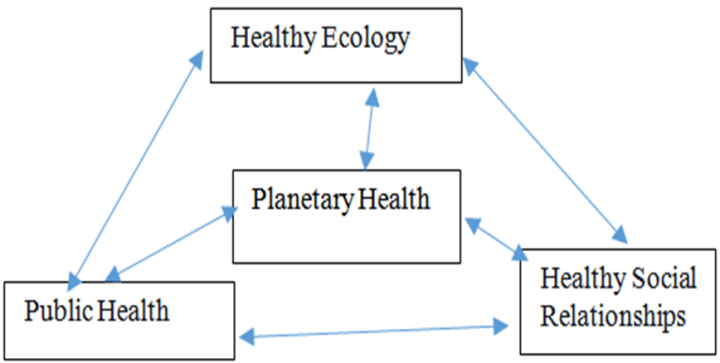
This paper explored the relationships between climate change, human rights violations, environmental degradation, and public health conditions. In other words, we closely looked at the relationships between planetary health, healthy social relations, and public health conditions of Oromia and the Nile basin regions. Indisputably, the foods we eat, the water we drink, the air we breathe, and the homes we live in, and the places we play and work come from our natural resources. Imbalances in nearby or afar ecosystems could disrupt the quality and quantity of the essential goods. If planetary health is compromised due to climate change, poverty and public health problems will kick in.

Increased poverty levels and deterioration of population health conditions lead to competition for resources. Poverty, disease, and competition for resources further erode planetary health and population health. As presented in Figure 1, the relationships between healthy ecology, planetary health, healthy social relations, and public health are complex and intertwined. Healthy social relations foster cooperation and guarantee sustainable development. However, unhealthy social relationships lead to conflict and instability – destroying the built infrastructures and damaging and eroding the environment. In turn, the destruction of built and natural resources further erodes the economy, aggravates poverty, and spreads quickly preventable diseases. In Oromia, human rights violations have grossly contributed to environmental degradation. We cannot achieve sustainable public health progress without healthy ecology, planetary health and healthy social relationships, and vice-versa. Therefore, advancing healthy and equitable social relationships is essential to enhancing planetary health, sustainable development, and better public health conditions.
The problems climate change and HRV pose to population health in the Oromia, and Nile basin regions are complex. Therefore, a single study or policy direction would not effectively address those multifaceted social and ecological problems. Hence, we recommend further studies to understand the problems better, synthesize and construct knowledge, and develop impactful policy directions. Furthermore, the region is a home for over a quarter billion people, and we recommend researchers and policymakers to advance the importance of collective efforts in promoting planetary health, i.e., social and environmental justice and environmental stewardship.
1). Nile Basin countries include Burundi, Central African Republic, Congo, Egypt, Eritrea, Ethiopia, Kenya, Rwanda, South Sudan, Sudan, Tanzania, and Uganda.
2). Planetary health means understanding both the human health impacts of climate change and human-caused ecosystem disruptions. Such an understanding reveals those complex relationships and the ways it elevates risks to food safety and food insecurity.
3). Zoonotic diseases are pathogens, and parasites usually maintained in animals and regularly spilled over, causing diseases in humans.
4). According to FAO 34, the livestock sector plays a vital role in climate change. Beef and cattle milk production account for most emissions, respectively contributing 41 and 20 percent of the sector’s emissions. In comparison, pig meat and poultry meat, and eggs contribute 9 percent and 8 percent to the sector’s emissions.
| [1] | Di Nunzio, Jack. (2013). Conflict on the Nile: The future of transboundary water disputes over the world’s longest river, Future Directions International, https://www.futuredirections.org.au/publication/conflict-on-the-nile-the-future-of-transboundary-water-disputes-over-the-world-s-longest-river/. | ||
| In article | |||
| [2] | Dugassa, Begna. (2021). “Climate Change and Public Health Challenges in the Horn of Africa: The Need for Sustainable Leadership and Institutions.” American Journal of Public Health Research, vol. 9, no. 1 (2021): 5-17. | ||
| In article | |||
| [3] | Dugassa, Begna. (1995). The effect of soluble compared to insoluble fiber on plasma tricyceride responses to a fatty test meal, M.Sc thesis, at the Department of Nutritional Sciences, Faculty of Medicine, University of Toronto. | ||
| In article | |||
| [4] | Martin D.W; Mayes A.P. and Rodwell, V.W. (1983). Harper’s Review of Biochemistry, Lange Medical Publications. | ||
| In article | |||
| [5] | Dugassa, Begna. (2019). _Public_Health_Impacts_of_Famine_in_the_Horn_of_Africa American Journal of Public Health Research, 2019, Vol. 7, No. 5, 171-181. | ||
| In article | |||
| [6] | Scutchfield, Douglas and Keck, William. (1997). Principles of Public Health Practice, Delmar Publishers, Albany USA. | ||
| In article | |||
| [7] | UNEP, Climate Change Adaptation Capacities in the Nile River Basin, https://www.unep.org/resources/report/nile-river-basin-climate-change-adaptation-capacities-nile-river-basin (Retrieved September 24, 2021). | ||
| In article | |||
| [8] | Schlanger, Zoe. (2019). 250 million people rely on the Nile for water that may not exist by 2080, Quartz, https://qz.com/1709757/climate-change-threatens-the-niles-critical-water-supply/ Retrieved September 24, 2021. | ||
| In article | |||
| [9] | UN, Human Security Unit. (2016). Human Security Handbook An integrated approach for the realization of the Sustainable Development Goals and the priority areas of the international community and the United Nations system. | ||
| In article | |||
| [10] | Taipale, Ilkka; Makela, Helena; Juva Kati; Taipale, Vappu; Kolesnikov, Sergei; Mutalik Raj and Christ Michael. (2002). War or Health? A Reader, University Press, Dhaka. | ||
| In article | |||
| [11] | Conwa, Declan. (2000). The Climate and Hydrology of the Upper Blue Nile River DECLAN CONWA, The GeographicalJournal, Vol. 166, No. 1, pp. 49-62. | ||
| In article | View Article | ||
| [12] | Salman M.A. Salman. (2011). The new state of South Sudan and the hydropolitics of the Nile Basin, Water International, 36: 2, 154-166. | ||
| In article | View Article | ||
| [13] | Dugassa, Begna. (2021A). The Public Health Significance of Religious Imposition: The Experience of Oromo People in Ethiopia. J Relig Health. 60, 974-998 (2021). | ||
| In article | View Article PubMed | ||
| [14] | Dugassa Begna. (2021B). Structural inequality (SI) and underdevelopment of public health conditions: the experiences of Oromo people in Ethiopia. HPHR.; 30. | ||
| In article | |||
| [15] | Dugassa, Begna. (2012). Denial of leadership development and the underdevelopment of public health: the experience of the Oromo people in Ethiopia, The Journal of Oromo Studies, Vol. 19, Issue 1-2, p139-174. | ||
| In article | |||
| [16] | Dugassa, B. (2008). Indigenous Knowledge, Colonialism and Epistemological Violence. The Experience of the Oromo People Under Abyssinian Colonial Rule, A thesis submitted in conformity with the requirement for the degree of Doctor of Philosophy, Department of Theory and Policy Studies in Education, Ontario Institute for Studies in Education of the University of Toronto. | ||
| In article | |||
| [17] | Kremer, Robert. (2012). Soil Microbiology Under Drought Stress. ACRES. 42. 18-21. | ||
| In article | |||
| [18] | Cavicchioli, R., Ripple, W.J., Timmis, K.N. et al (2019). Scientists’ warning to humanity: microorganisms and climate change. Nat Rev Microbiol. 17, 569-586. | ||
| In article | View Article PubMed | ||
| [19] | Kjøhl, Mariken; Nielsen Anders and Christian, Nils. (2011). Potential effects of climate change on crop pollination. | ||
| In article | |||
| [20] | Riday, H., Brunet, J., Bachie, O.G., Wenger, J., Walsh, D.B. 2019. Self-pollination rates in Western U.S. alfalfa seed production fields. EGF-EUCARPIA Joint Symposium, Zurich Switzerland 24 to 27 June. | ||
| In article | |||
| [21] | Bachie, O. 2018 – Alfalfa selfing and pollinator management. UCCE workshop presentation. Holtville, CA. April 18, 2018. | ||
| In article | |||
| [22] | Davis, A. P., Gole, T. W., Baena, S., & Moat, J. (2012). The impact of climate change on indigenous Arabica coffee (Coffea arabica): predicting future trends and identifying priorities. PloS one, 7(11), e47981. | ||
| In article | View Article PubMed | ||
| [23] | Berecha, G., Aerts, R., Muys, B., & Honnay, O. (2015). Fragmentation and management of Ethiopian moist evergreen forest drive compositional shifts of insect communities visiting wild Arabica coffee flowers. Environmental management, 55(2), 373-382. | ||
| In article | View Article PubMed | ||
| [24] | Kaye, Jonathan & Authors (Twenty-Six). (2016). Microbes and Climate Change, Conference: Microbes and Climate Change Report on an American Academy of Microbiology and American Geophysical Union Colloquium: Washington, D.C. | ||
| In article | |||
| [25] | Sahoo, Krushna; Sahoo, Soumyakanta; Marrone Gaetano, Pathak Ashish, Lundborg, Cecilia and Tamhankar Ashok. (2014). Climatic Factors and Community — Associated Methicillin-Resistant Staphylococcus aureus Skin and Soft-Tissue Infections — A Time-Series Analysis Study, Int. J. Environ. Res. Public Health 2014, 11, 8996-9007. | ||
| In article | View Article PubMed | ||
| [26] | Asadgol Z, Mohammadi H, Kermani M, Badirzadeh A, Gholami M. (2019). The effect of climate change on cholera disease: The road ahead using artificial neural network. PLoS ONE 14(11): e0224813. | ||
| In article | View Article PubMed | ||
| [27] | Yeong-Jun Song, Hae-Kwan Cheong , Myung Ki, Ji-Yeon Shin , Seung-sik Hwang, Mira Park, Moran Ki and Jiseun Lim, 2018). Int. J. Environ. Res. Public Health 2018, 15, 2209. | ||
| In article | View Article PubMed | ||
| [28] | Evans, S.E., Wallenstein, M.D. (2012). Soil microbial community response to drying and rewetting stress: does historical precipitation regime matter? Biogeochemistry. 109, 101-116. | ||
| In article | View Article | ||
| [29] | Kremer, Robert. (2016). Soil Health, Quality & Microbial Diversity. Acres U.S.A. 46. 38-43. | ||
| In article | |||
| [30] | Birgander, J., Olsson, P. A., & Rousk, J. (2018). The responses of microbial temperature relationships to seasonal change and winter warming in a temperate grassland. Global change biology, 24(8), 3357-3367. | ||
| In article | View Article PubMed | ||
| [31] | USDA, Healthy Soil for Life. https://www.nrcs.usda.gov/wps/portal/nrcs/main/soils/health/. | ||
| In article | |||
| [32] | WMO and FAO, (2016)) World Meteorological Organization and Food and Agriculture Organization of the United Nations, (2016) Weather and Desert Locusts, WMO-No.1175. | ||
| In article | |||
| [33] | Von Braum, Joachim, Teklu, Tesfaye and Webb, Patrick (1999) Famine in Africa: Caeses, Responses and Prevention, The John Hopkins University Press, Baltimore. | ||
| In article | |||
| [34] | FAO (2013). Tackling Climate Change Through Livestock A global assessment of emissions and mitigation opportunities, Food and Agriculture Organization of United Nations, Rome. | ||
| In article | |||
| [35] | CDC 10 Essential Public Health Serviceshttps://www.cdc.gov/publichealthgateway/publichealthservices/essentialhealthservices.html (Retrieved on September 5, 2021). | ||
| In article | |||
| [36] | Pavan Kumar and N.N.R. Redd. (2014). Factors Affecting Malaria Disease Transmission And Incidence: A Special Focus On Visakhapatnam District S.T.P.R.C. International Journal of Recent Scientific Research Vol. 5, Issue, 1, pp.312-317. | ||
| In article | |||
| [37] | Cisse.G (2019). Food-borne and water-borne diseases under climate change in low- and middle-income countries: Further efforts needed for reducing environmental health exposure risks. Acta tropica, 194, 181-188. | ||
| In article | View Article PubMed | ||
| [38] | Yilma, Solomon, Sadessa, Kassahun and Kebede Denberu (2019) Fungal Infections and Aflatoxin Contamination in Maize Grains collected from Western Showa & East Wallage Zones, Ethiopia, Int. J. Cur.Res. Rev, Vol.11, Issue 21, November. | ||
| In article | View Article | ||
| [39] | Bayar, M., & Aral, M. M. (2019). An Analysis of Large-Scale Forced Migration in Africa. International journal of environmental research and public health, 16(21). | ||
| In article | View Article PubMed | ||
| [40] | Dugassa, Begna. (2018). The Significance of Collective Rights to Public Health Development: The Case of Oromia Regional State in Ethiopia, American Journal of Public Health Research. 6(5), 203-214. | ||
| In article | |||
| [41] | Berger, Peter and Luckmann, Thomas. (1966). The Social Construction of Reality. A Treatise in the Sociology of Knowledge, Anchor Books, New York. | ||
| In article | |||
| [42] | Dugassa, B. (2012). Knowledge Construction: Untapped Perspective in Pursuit for Health Equity. Sociology Mind, 2, 362-372. | ||
| In article | View Article | ||
| [43] | Esterberg, Kristin. (2002). Qualitative Methods in Social Research, McGraw Hill. | ||
| In article | |||
| [44] | O’Shaughnessy, Patrick. (2008). Public Health then and now. Parachuting Cats and Crushed Eggs The Controversy Over the Use of DDT to Control Malaria, American Journal of Public Health, Vol. 98, No.11. pp1940-48. | ||
| In article | View Article PubMed | ||
| [45] | Meadows, Donella. (2008). Thinking in Systems, Chelsea Green Publishing, White River Junction, Vermont | ||
| In article | |||
| [46] | Lemessa, Dechassa and Perault, Matthew. (2002). Forest Fires in Ethiopia: Reflections on Socio-Economic and Environmental Effects of the Fires in 2000-An Assessment Study June-September 2001. The Journal of Oromo Studies Volume 9, Numbers 1 and 2, pp95-130. | ||
| In article | |||
| [47] | WHO. (2019). Food Safety and Climate Change and the Role of WHO, Department of Food Safety and Zoonoses https://www.who.int/foodsafety/publications/all/Climate_Change_ Document.pdf?ua=1. | ||
| In article | |||
Published with license by Science and Education Publishing, Copyright © 2021 Begna Dugassa, Fantahun Diba and Oli Bachie
 This work is licensed under a Creative Commons Attribution 4.0 International License. To view a copy of this license, visit
http://creativecommons.org/licenses/by/4.0/
This work is licensed under a Creative Commons Attribution 4.0 International License. To view a copy of this license, visit
http://creativecommons.org/licenses/by/4.0/
| [1] | Di Nunzio, Jack. (2013). Conflict on the Nile: The future of transboundary water disputes over the world’s longest river, Future Directions International, https://www.futuredirections.org.au/publication/conflict-on-the-nile-the-future-of-transboundary-water-disputes-over-the-world-s-longest-river/. | ||
| In article | |||
| [2] | Dugassa, Begna. (2021). “Climate Change and Public Health Challenges in the Horn of Africa: The Need for Sustainable Leadership and Institutions.” American Journal of Public Health Research, vol. 9, no. 1 (2021): 5-17. | ||
| In article | |||
| [3] | Dugassa, Begna. (1995). The effect of soluble compared to insoluble fiber on plasma tricyceride responses to a fatty test meal, M.Sc thesis, at the Department of Nutritional Sciences, Faculty of Medicine, University of Toronto. | ||
| In article | |||
| [4] | Martin D.W; Mayes A.P. and Rodwell, V.W. (1983). Harper’s Review of Biochemistry, Lange Medical Publications. | ||
| In article | |||
| [5] | Dugassa, Begna. (2019). _Public_Health_Impacts_of_Famine_in_the_Horn_of_Africa American Journal of Public Health Research, 2019, Vol. 7, No. 5, 171-181. | ||
| In article | |||
| [6] | Scutchfield, Douglas and Keck, William. (1997). Principles of Public Health Practice, Delmar Publishers, Albany USA. | ||
| In article | |||
| [7] | UNEP, Climate Change Adaptation Capacities in the Nile River Basin, https://www.unep.org/resources/report/nile-river-basin-climate-change-adaptation-capacities-nile-river-basin (Retrieved September 24, 2021). | ||
| In article | |||
| [8] | Schlanger, Zoe. (2019). 250 million people rely on the Nile for water that may not exist by 2080, Quartz, https://qz.com/1709757/climate-change-threatens-the-niles-critical-water-supply/ Retrieved September 24, 2021. | ||
| In article | |||
| [9] | UN, Human Security Unit. (2016). Human Security Handbook An integrated approach for the realization of the Sustainable Development Goals and the priority areas of the international community and the United Nations system. | ||
| In article | |||
| [10] | Taipale, Ilkka; Makela, Helena; Juva Kati; Taipale, Vappu; Kolesnikov, Sergei; Mutalik Raj and Christ Michael. (2002). War or Health? A Reader, University Press, Dhaka. | ||
| In article | |||
| [11] | Conwa, Declan. (2000). The Climate and Hydrology of the Upper Blue Nile River DECLAN CONWA, The GeographicalJournal, Vol. 166, No. 1, pp. 49-62. | ||
| In article | View Article | ||
| [12] | Salman M.A. Salman. (2011). The new state of South Sudan and the hydropolitics of the Nile Basin, Water International, 36: 2, 154-166. | ||
| In article | View Article | ||
| [13] | Dugassa, Begna. (2021A). The Public Health Significance of Religious Imposition: The Experience of Oromo People in Ethiopia. J Relig Health. 60, 974-998 (2021). | ||
| In article | View Article PubMed | ||
| [14] | Dugassa Begna. (2021B). Structural inequality (SI) and underdevelopment of public health conditions: the experiences of Oromo people in Ethiopia. HPHR.; 30. | ||
| In article | |||
| [15] | Dugassa, Begna. (2012). Denial of leadership development and the underdevelopment of public health: the experience of the Oromo people in Ethiopia, The Journal of Oromo Studies, Vol. 19, Issue 1-2, p139-174. | ||
| In article | |||
| [16] | Dugassa, B. (2008). Indigenous Knowledge, Colonialism and Epistemological Violence. The Experience of the Oromo People Under Abyssinian Colonial Rule, A thesis submitted in conformity with the requirement for the degree of Doctor of Philosophy, Department of Theory and Policy Studies in Education, Ontario Institute for Studies in Education of the University of Toronto. | ||
| In article | |||
| [17] | Kremer, Robert. (2012). Soil Microbiology Under Drought Stress. ACRES. 42. 18-21. | ||
| In article | |||
| [18] | Cavicchioli, R., Ripple, W.J., Timmis, K.N. et al (2019). Scientists’ warning to humanity: microorganisms and climate change. Nat Rev Microbiol. 17, 569-586. | ||
| In article | View Article PubMed | ||
| [19] | Kjøhl, Mariken; Nielsen Anders and Christian, Nils. (2011). Potential effects of climate change on crop pollination. | ||
| In article | |||
| [20] | Riday, H., Brunet, J., Bachie, O.G., Wenger, J., Walsh, D.B. 2019. Self-pollination rates in Western U.S. alfalfa seed production fields. EGF-EUCARPIA Joint Symposium, Zurich Switzerland 24 to 27 June. | ||
| In article | |||
| [21] | Bachie, O. 2018 – Alfalfa selfing and pollinator management. UCCE workshop presentation. Holtville, CA. April 18, 2018. | ||
| In article | |||
| [22] | Davis, A. P., Gole, T. W., Baena, S., & Moat, J. (2012). The impact of climate change on indigenous Arabica coffee (Coffea arabica): predicting future trends and identifying priorities. PloS one, 7(11), e47981. | ||
| In article | View Article PubMed | ||
| [23] | Berecha, G., Aerts, R., Muys, B., & Honnay, O. (2015). Fragmentation and management of Ethiopian moist evergreen forest drive compositional shifts of insect communities visiting wild Arabica coffee flowers. Environmental management, 55(2), 373-382. | ||
| In article | View Article PubMed | ||
| [24] | Kaye, Jonathan & Authors (Twenty-Six). (2016). Microbes and Climate Change, Conference: Microbes and Climate Change Report on an American Academy of Microbiology and American Geophysical Union Colloquium: Washington, D.C. | ||
| In article | |||
| [25] | Sahoo, Krushna; Sahoo, Soumyakanta; Marrone Gaetano, Pathak Ashish, Lundborg, Cecilia and Tamhankar Ashok. (2014). Climatic Factors and Community — Associated Methicillin-Resistant Staphylococcus aureus Skin and Soft-Tissue Infections — A Time-Series Analysis Study, Int. J. Environ. Res. Public Health 2014, 11, 8996-9007. | ||
| In article | View Article PubMed | ||
| [26] | Asadgol Z, Mohammadi H, Kermani M, Badirzadeh A, Gholami M. (2019). The effect of climate change on cholera disease: The road ahead using artificial neural network. PLoS ONE 14(11): e0224813. | ||
| In article | View Article PubMed | ||
| [27] | Yeong-Jun Song, Hae-Kwan Cheong , Myung Ki, Ji-Yeon Shin , Seung-sik Hwang, Mira Park, Moran Ki and Jiseun Lim, 2018). Int. J. Environ. Res. Public Health 2018, 15, 2209. | ||
| In article | View Article PubMed | ||
| [28] | Evans, S.E., Wallenstein, M.D. (2012). Soil microbial community response to drying and rewetting stress: does historical precipitation regime matter? Biogeochemistry. 109, 101-116. | ||
| In article | View Article | ||
| [29] | Kremer, Robert. (2016). Soil Health, Quality & Microbial Diversity. Acres U.S.A. 46. 38-43. | ||
| In article | |||
| [30] | Birgander, J., Olsson, P. A., & Rousk, J. (2018). The responses of microbial temperature relationships to seasonal change and winter warming in a temperate grassland. Global change biology, 24(8), 3357-3367. | ||
| In article | View Article PubMed | ||
| [31] | USDA, Healthy Soil for Life. https://www.nrcs.usda.gov/wps/portal/nrcs/main/soils/health/. | ||
| In article | |||
| [32] | WMO and FAO, (2016)) World Meteorological Organization and Food and Agriculture Organization of the United Nations, (2016) Weather and Desert Locusts, WMO-No.1175. | ||
| In article | |||
| [33] | Von Braum, Joachim, Teklu, Tesfaye and Webb, Patrick (1999) Famine in Africa: Caeses, Responses and Prevention, The John Hopkins University Press, Baltimore. | ||
| In article | |||
| [34] | FAO (2013). Tackling Climate Change Through Livestock A global assessment of emissions and mitigation opportunities, Food and Agriculture Organization of United Nations, Rome. | ||
| In article | |||
| [35] | CDC 10 Essential Public Health Serviceshttps://www.cdc.gov/publichealthgateway/publichealthservices/essentialhealthservices.html (Retrieved on September 5, 2021). | ||
| In article | |||
| [36] | Pavan Kumar and N.N.R. Redd. (2014). Factors Affecting Malaria Disease Transmission And Incidence: A Special Focus On Visakhapatnam District S.T.P.R.C. International Journal of Recent Scientific Research Vol. 5, Issue, 1, pp.312-317. | ||
| In article | |||
| [37] | Cisse.G (2019). Food-borne and water-borne diseases under climate change in low- and middle-income countries: Further efforts needed for reducing environmental health exposure risks. Acta tropica, 194, 181-188. | ||
| In article | View Article PubMed | ||
| [38] | Yilma, Solomon, Sadessa, Kassahun and Kebede Denberu (2019) Fungal Infections and Aflatoxin Contamination in Maize Grains collected from Western Showa & East Wallage Zones, Ethiopia, Int. J. Cur.Res. Rev, Vol.11, Issue 21, November. | ||
| In article | View Article | ||
| [39] | Bayar, M., & Aral, M. M. (2019). An Analysis of Large-Scale Forced Migration in Africa. International journal of environmental research and public health, 16(21). | ||
| In article | View Article PubMed | ||
| [40] | Dugassa, Begna. (2018). The Significance of Collective Rights to Public Health Development: The Case of Oromia Regional State in Ethiopia, American Journal of Public Health Research. 6(5), 203-214. | ||
| In article | |||
| [41] | Berger, Peter and Luckmann, Thomas. (1966). The Social Construction of Reality. A Treatise in the Sociology of Knowledge, Anchor Books, New York. | ||
| In article | |||
| [42] | Dugassa, B. (2012). Knowledge Construction: Untapped Perspective in Pursuit for Health Equity. Sociology Mind, 2, 362-372. | ||
| In article | View Article | ||
| [43] | Esterberg, Kristin. (2002). Qualitative Methods in Social Research, McGraw Hill. | ||
| In article | |||
| [44] | O’Shaughnessy, Patrick. (2008). Public Health then and now. Parachuting Cats and Crushed Eggs The Controversy Over the Use of DDT to Control Malaria, American Journal of Public Health, Vol. 98, No.11. pp1940-48. | ||
| In article | View Article PubMed | ||
| [45] | Meadows, Donella. (2008). Thinking in Systems, Chelsea Green Publishing, White River Junction, Vermont | ||
| In article | |||
| [46] | Lemessa, Dechassa and Perault, Matthew. (2002). Forest Fires in Ethiopia: Reflections on Socio-Economic and Environmental Effects of the Fires in 2000-An Assessment Study June-September 2001. The Journal of Oromo Studies Volume 9, Numbers 1 and 2, pp95-130. | ||
| In article | |||
| [47] | WHO. (2019). Food Safety and Climate Change and the Role of WHO, Department of Food Safety and Zoonoses https://www.who.int/foodsafety/publications/all/Climate_Change_ Document.pdf?ua=1. | ||
| In article | |||