Background: A group of disorders known as cancer are characterized by unchecked cell growth and division. Despite the growing prevalence of breast cancer in Ethiopia, studies on the knowledge and associated factors of the backbone of preventative measures, breast self-examination, are scarce. Breast cancer is a type of cancer that arises from breast cells. Objectives: This study aimed to assess knowledge and related factor of female patients towards breast self-examination at Semit health center. Methodology: A community-based cross-sectional study were conducted on women living in Addis Ababa the data were collected using a self-administered written questionnaire. The sampling technique was convenient sampling, Data analysis was made using descriptive statistical methods. Findings were presented with simple frequency, Percentage, graph, and table. Result: The survey included 200 respondents in total. Only 72 (36.0%) of them had good knowledge of this. It was discovered that occupational position and thorough awareness of BSE were factors influencing breast self-examination. The vast majority of study participants—156 out of 78.0—stated that there was no family history of breast cancer. Three (1.5) of the individuals claimed that their aunts had breast cancer, whereas three (1.5) claimed that their moms had the disease. Only 44 (22.0) of the individuals had previously disclosed having breast cancer. Conclusion: In our survey, more than half of participants made a significant case for women's inadequate understanding, negative attitudes, and poor practices about BSE. Along with a breast cancer awareness campaign, it was advised that emphasis be placed on improving women's attitudes and practices about breast self-examination and enhancing the implementation of comprehensive, systematic, and ongoing BSE educational programs. Recommendation: As results show the practice of BSE and knowledge among these reproductive age group women was inadequate. Efforts should be made to strengthen community-based health education to increase knowledge related to breast cancer as well as the practice of breast self-examination. So, the Federal Ministry of Health and Ethiopian cancer association were responsible bodies to promote awareness creation at the community level on breast cancer and breast self-examination. Finally, additional community-based research should be needed for the future to improve.
Cancer is a group of diseases characterized by uncontrolled growth and the spread of abnormal cells. Breast cancer is a kind of cancer that develops from breast cells and it is one of the non-communicable diseases and most common cancer in women worldwide. Breast self-examination is a process by which women examine their breasts regularly to detect any abnormal swelling in the breast. 1 Breast cancer is the common cause of cancer-related death among women with 522,000 deaths in 2012 alone and it is the most frequently diagnosed cancer among women in 140 of 184 countries globally. Between 2008 and 2013, breast cancer incidence has increased by more than 20%, while mortality has increased by 14%. The incidence rate of breast cancer remains highest in more developed regions, but mortality is relatively much higher in less developed countries due to a lack of early detection and access to treatment facilities 1. The growth and aging of the population of the countries of low or middle-income countries, together with the westernization of lifestyle and the rapid growth of tobacco smoking, change in lifestyle habits (more sedentary lifestyle, weight gain, and obesity) and societal changes (increasing age at first birth and decreasing parity in women) are leading to large increases in breast and colorectal cancer 2. In the United States, an estimated 246,660 new cases of invasive breast cancer are expected to be diagnosed in women in 2016, and about 40,450 of these women are expected to die 3.
Many low and middle-income countries now face a double burden of breast cancer and cervical cancer which together represent the highest deaths in women over the age of 30 years.
In Africa, breast cancer was also the most commonly diagnosed cancer and the second leading cause of death among women in 2008. There are 92,600 cases and 50,000 deaths were reported that year. Cancer is a growing burden and continues to receive relatively low public health priority in Africa, because of limited resource and more attention given to communicable disease 4, 5.
In Ethiopia, cancer cases are rising and the disease is becoming a public health burden. Currently, about 60,000 new cases of cancer are diagnosed each year and each day around ten to fifteen new patient is seen. 6 The study conducted by Addis Ababa city cancer registry from mentioned breast self- examination or clinical breast self- examination are methods of breast 2011 -2014 found out that there were 5,701 cancer cases. Breast cancer is the leading type among females and accounts for 33% of all cases of cancer 7.
According to the Addis Ababa city cancer registry, breast cancer is the most commonly leading cancer among females accounting for 33% of the cases followed by cervix uteri which accounts for 17% 7.
The frequent age affected by breast cancer in Ethiopia is the age group between 30 - 39 accounting for 32% followed by the age group between 40 - 49 accounting for 29% and 20-29 aged only 10% (8). Each year, on average, 216 cases of breast cancer are reported according to Tikur Anbessa Specialized Hospital 8.
Mammography is the best screening method to prevent breast cancer morbidity and mortality but in countries like Ethiopia, where resources are scarce, BSE should be encouraged for early detection of breast cancer 9.
An across-sectional study was conducted in Nigeria, in 2006 on knowledge, attitude, and practice of breast cancer screening from a total of 393 female health workers showed that 55% had poor knowledge about risk factors and low level of breast cancer screening. Many participants (80.7%) were aware of mammography as a breast cancer diagnostic and 45.8% was cancer screening 10, 11, 12
And yet another study done among female health science students at Adama science and technology university showed knowledge and practice of breast self- examination was low. The knowledge of the student regarding breast self -examination was assessed and only 5.5% of the respondents practiced breast self- examination. This survey showed that only 8.7% of the respondent had good knowledge and the rest 91.3% have satisfactory to poor knowledge regarding breast self-examination screening 13. Few studies were done in Ethiopia regarding knowledge, attitude, and practice of breast self- examination. Women don’t have adequate knowledge about risk factors, early detection measures, and warning signs of breast cancer. The case is also similar in most African countries [5, 12, 13] 5, 12, 13.
According to studies carried out in Ethiopia, there are several factors often cited by study participants as reasons for them not performing BSE. The prominent ones constitute a lack of adequate awareness about the disease, not knowing the techniques, not seeing problems such as lumps on their breasts, and having little or no information about BSE and its importance [9, 12, 13] 9, 12, 13.
1.2. statement of problemBreast Ca is one of the most commonly diagnosed cancer globally which accounts for 1.7 million cases in 2012 and there were 6.3 million women diagnosed with breast cancer in the previous five years 1.
Early diagnosis remains an important early detection strategy, particularly in low and middle-income countries where breast cancer is diagnosed in late-stage and resources are scarce. 4
Currently, cancer accounts for four percent of all deaths in Ethiopia. Many of these deaths can be avoided if cancer can be detected and treated early 6.
In Ethiopia, breast cancer is fatal because of women’s inadequate knowledge and awareness of breast cancer signs. Moreover, women reach health care facilities late after the disease has spread 14.
Advanced breast cancer has the lowest survival rate and requires a huge resource to make treatment available. 15.
Regarding early detection of breast cancer, mammography, CBE and self-breast examination are the main screening methods usually employed. Mammography cannot be applied always in countries with limited health service resources like Ethiopia. Clinical breast examination also needs professional skills and women should visit health facilities. Breast self-examination is still recommended and easy to apply, inexpensive method for early detection of breast cancer in events of a limited resource.
In Ethiopia, around 60,000 new cases of cancer are diagnosed annually. Because of this disease burden raised our country planned strong initiatives designed by the government whose objective is to expand oncology departments in five regional university hospitals including Jimma, Gondar, Hawassa, Mekelle, and Haromaya Study conducted in Adama, health science and technology university showed that knowledge and practice of breast self -examination was low which accounts (8.7% and 39.4%) respectively 6, 13. The gaps are women in a community lack awareness and knowledge about breast cancer screening methods, breast cancer warning signs, breast cancer risk factors, and perception towards breast cancer. So, this study might fill the gap based on these findings.
The study significantly contributes to educating women at the Summit Health Center who are between the ages of 15 and 45 about relevant factors. It is crucial to raise women's knowledge and awareness in order for the government and other responsible bodies to adopt policies for the prevention and control of breast cancer through enhanced awareness. The study could also help future researchers and policymakers build on this research by acting as a fundamental study for anyone desiring to conduct similar community studies.
This study will determine the present level of public awareness on self-breast examination knowledge and awareness for early diagnosis. Additionally, it will identify the informational gap that must be closed to raise community knowledge. Finally, since it helps public and commercial health facilities create health education programs and awareness-raising seminars, it can be a valuable benefit. The government created a national non-communicable illness strategic action plan in 2014 to address issues connected to cancer and other non-communicable diseases as the incidence of breast cancer rises today. Therefore, this study may have a positive impact by increasing public knowledge of early breast cancer signs and symptoms and early diagnosis or identification of the disease.
The incidence rate of cancer is rising in many parts of the world. The international agency of cancer research estimated that for the year 2008 there were 12.4 million new cases of cancer, 7.6 million deaths from cancer 1. Breast, lung, and colorectal cancers represent 42.5% of the total deaths in women in developed countries. Cancer of the uterine cervix ranks first in less developed countries, with an estimated 275,000 cancer deaths (13.9% of the total) followed by breast cancer with 252,000 deaths for accounting for 12.7% 2.
Breast cancer is the most frequent cancer of women (23% of all cancers), with an estimated 1.15 million cases in 2002, ranking the second overall. More than half of the cases are in industrialized countries about 361,000 in Europe 27.3% of cancers in women and 230,000 in North America 31.3% 17.
Cancer is an emerging public health problem in Africa. About 715,000 new cancer cases and 542,000 cancer deaths occurred in 2008 on the African continent. The number of cases expected to double in the coming 20 years because of the aging and growth of the population 5. In several sub-Saharan Africa, Cervical cancer was commonly diagnosed in the past years and now breast cancer has become the most commonly diagnosed cancer in women 5.
In Ethiopia, around 60,000 new cases of cancer are diagnosed annually. Currently, cancer accounts for 4% of all deaths 6.
Hong Kong: Sophia and her cliques have done an astounding job in improving breast cancer awareness among women in Hong Kong by using a community-based outreach program. Seven hundred and seventy-seven (n=777) women with a wide range of age (20 to >60) years old have participated in this study which investigates the level of awareness of Hong Kong women before and after the breast health education program. The content of the program conducted was designed to be easily understandable, culturally appropriate with simple and clear instructions on how to conduct BSE correctly 13. The understanding of the participants on breast carcinoma was compared by answering the questionnaire before and after the program. As expected, almost every participant was able to give correct answers after the educational outreach program and correctly narrate the exact time and proper technique in conducting BSE. Most participants knew they had to use fingertips while performing BSE (n=698; 93.7%) and they knew 2-3 days post-menstruation is the best day to practice BSE (n=559; 77.7%). They also stated correctly that bathing is the most appropriate time to practice BSE (n=619; 84.3%). The majority of participants also state their willingness to share the breast health knowledge from the program with family and friends (n=691; 92.0%), ready to practice BSE routinely (n=697; 93.3%), and ready to seek medical advice upon discovery of abnormal symptoms (n=734; 97.5%) 13. This study was good in terms of the two-in-one approach as the understanding of the public is promoted along with a research purpose. Sill we cannot rule out the gap in comparing the pre-test and post-test results as this may create bias due to the survey being taken at a highly motivated state of the respondents. There is a strong possibility that participants view BSE as burdensome within few months or few years resulting in neglecting their breast health. However, we do acknowledge the efforts of the researchers in the study 13.
Australia: Based on the study done to examine eighty-three Australian women’s estimation of getting breast cancer by Humpel and Jones (2004), most of the women were highly overestimated their risk of getting breast cancer. While the risk of breast cancer occurring among Australian women at that time was 8%, 43% of the respondents greatly overestimate they were having a 50% or higher chance of getting breast cancer 17.
More than one quarter (30%) were reasonably accurate in their estimation (5 to 15% chance) while 22% were overestimating their risk (20-45% chance). Four women on the other hand decided they had no risk of getting breast cancer without any evident reason given. The main reasons for overestimation and high overestimation were due to family history of breast cancer and mere guessing followed by age-related apprehensions (19%) and coming on a decision from the questions in the survey (9%) 17. From the study, the similarity in the reported reason for all three categories of estimation was mere guessing/don’t know/uncertainty. This study may be misleading as no number of participants being stated (n) for each percentage given. The results from the study marked lacking knowledge of the subjects in the incidence and mortality rate from breast cancer and their misperceptions regarding risk factors of breast cancer failing to make an accurate estimation 17.
Qatar: A study published in Qatar in 2009, explored knowledge, attitude, and practice about breast cancer. Besides, it aimed to identify potential barriers to screening procedures among Qatari women 15. The results revealed that there is no relation between the education levels with the general knowledge, symptoms, and risk factors of breast cancer among Qatari women. Both lower education (below secondary) (n=351; 66.4%) and higher education (above secondary) women (n=353; 74.6%) had successfully identified breast cancer as the most common cancer among females. Also, both were able to recognize painless mass (n=424; 80.2%, n=391; 82.7%), nipple retraction (n=434; 82.0%, n=380; 80.3%) and multiple masses (n=459; 86.8%, n=421; 89.0%) as the symptoms of breast carcinoma. Positive family history (n=432; 81.7%, n=414; 87.5%) and prolonged lactation (n=393; 74.3%, n=364; 77.0%) were identified as common risk factors that contribute to the growth of breast cancer. Yet, there is a profound
distinction between the level of educations and marital status in performing BSE and CBE. Married women (n=242; 97.2%) and younger women (n=115; 46.2%) with higher education (n=147; 59.0%) were more likely to execute breast cancer screening procedure rather than unmarried women (n=7; 2.8%) and women with lower education (n=102; 41%) 18. Of three options of breast cancer screening, there is no significant difference shown where 24.9% subjects (n=249) preferred to conduct BSE, 23.3% preferred to perform CBE (n=233; 23.3%) and 22.5% preferred for mammography (n=225; 22.5%). This study also successfully acknowledged several potential barriers that contribute to a low percentage of breast cancer screening performance. Those barriers are inadequate knowledge to perform BSE (n=685; 68.4%), an embarrassment to have breast examined by a healthcare professional during CBE (n=534; 53.3%), and last but not least to avoid anxious feeling in waiting for the mammography result (n=550; 54.9%). 18 Therefore, this study can be concluded on the basis that general knowledge of breast cancer among Qatari women is satisfactory; since they can distinguish major symptoms and risk factors of breast cancer. However, the awareness level of practicing breast screening procedure still needs to be enhanced since it is stated that Qatar is recorded to have a high incidence rate of breast cancer (30.1 in 100,000 population) compared to other Middle Eastern countries 18.
A study had been conducted by Kandiah and Parsa in 2005 to explore breast cancer knowledge, perception, and breast self-examination practices involving 261 women from Hamadan, Iran 19. Most of the women selected are married and had primary and secondary education levels. Based on the results, nearly 70% of the subjects had a misconception of having big breasts as the risk factor of developing breast cancer (n=175; 67%). Meanwhile, the majority of the subjects did recognize abnormalities in the nipple (color changes and abnormal discharge) (n=214; 82%) and presentation of painful lumps (n=154; 59%) could be a sign of breast cancer. Yet, more than two-thirds of Iranian women were not well informed of the high intake of fats and low intake of fruits and vegetables may increase the likelihood of getting breast cancer (n=159; 61%). Also, this cross-sectional study revealed that a large number of Iranian women (n=170; 65.1%) never practiced BSE due to inadequate knowledge of conducting BSE. Still, BSE practice is high among women with a history of gynecological problems (58%) 19. other explicit reasons for not conducting BSE were forgetfulness (20%), fear of finding a lump (17%), not necessary (9%), and lack of time (4%). On the other hand, 55% (n=144) believed that the chance of survival in breast cancer is low despite its early detection. It can be concluded that the findings signify inadequate awareness among the women in combating breast cancer. As more than half of the respondents believed that early detection does not improve the chances of survival, educational interventions and community outreach programs on the importance of BSE and detection of any abnormalities need to be enhanced among Iranian women. There is a need to create awareness about the consequences of late presentation of breast cancer as later stage presentation may not only increase the cost of treatment but there are fair chances that the patient might not respond successfully to the oncologic regimen 19.
A similar sort of study was conducted in 2008 by Ali and associates in Iran in a different setting 20. 1402 women in Tehran had been chosen as subjects to look into the women’s view on breast cancer and their self-reported practice of BSE. The findings indicated that 64% (n=894) women have heard about breast cancer and a nearly equal proportion (n=851; 61%) expressed breast cancer as a common disease among Iranian women. One-third of women (n=626; 39%) knew nothing about breast cancer screening method and a very little number had frequent (monthly) BSE (n=238; 17%) while 63% (n=882) who had never done BSE claimed that ‘they do not know how to do it. 20
The findings also concluded that age, marital status, education, and knowledge about breast cancer and breast cancer screening programs were the factors related to BSE practice 20. Painful lumps (n=154; 59%) could be a sign of breast cancer. Yet, more than two-thirds of Iranian women were not well informed of the high intake of fats and low intake of fruits and vegetables may increase the likelihood of getting breast cancer (n=159; 61%). Also, this cross-sectional study revealed that a large number of Iranian women (n=170; 65.1%) never practiced BSE due to inadequate knowledge of conducting BSE. Still, BSE practice is high among women with a history of gynecological problems (58%) 19. other explicit reasons for not conducting BSE were forgetfulness (20%), fear of finding a lump (17%), not necessary (9%), and lack of time (4%). On the other hand, 55% (n=144) believed that the chance of survival in breast cancer is low despite its early detection. It can be concluded that the findings signify inadequate awareness among the women in combating breast cancer. As more than half of the respondents believed that early detection does not improve the chances of survival, educational interventions and community outreach programs on the importance of BSE and detection of any abnormalities need to be enhanced among Iranian women. There is a need to create awareness about the consequences of late presentation of breast cancer as later stage presentation may not only increase the cost of treatment but there are fair chances that the patient might not respond successfully to the oncologic regimen 19.
A similar sort of study was conducted in 2008 by Ali and associates in Iran in a different setting 20. 1402 women in Tehran had been chosen as subjects to look into the women’s view on breast cancer and their self-reported practice of BSE. The findings indicated that 64% (n=894) women have heard about breast cancer and a nearly equal proportion (n=851; 61%) expressed breast cancer as a common disease among Iranian women. One-third of women (n=626; 39%) knew nothing about breast cancer screening method and a very little number had frequent (monthly) BSE (n=238; 17%) while 63% (n=882) who had never done BSE claimed that ‘they do not know how to do it. (20)
The findings also concluded that age, marital status, education, and knowledge about breast cancer and breast cancer screening programs were the factors related to BSE practice 20. Nigeria In a 2012 study involving 1600 rural women of 20-40 years aged conducted by Omotara and associates in the north-eastern part of Nigeria, only 931 (58.2%) had heard of breast cancer 21. Out of the 931 respondents, most agreed medical conditions as the perceived cause of breast cancer (n=263; 28.2%). Other prevailing causes were spiritual (n=199; 21.4%), inherited (n=194; 20.7%), and the use of brassieres (n=143; 15.4%). Despite increasing age and excessive breastfeeding were the most common risk factors of malignancy, only 4.9% (n=45) acknowledged both as threats to breast cancer. As for the attitude assessment, most disagreed with the statement of isolating breast cancer patients (n=632; 67.9%) and viewing breast cancer as the punishment from God (n=624; 67.0%). Nevertheless, it is still worrisome as 22.9% (n=214) and 20.3% (n=189) subjects agreed to both statements respectively 21. The assumption that can be made is that a quarter of respondents still have a perception that breast cancer is a contagious disease, thus isolation of breast cancer patients is needed. Meanwhile, more than three-quarters of subjects, agree that breast cancer patients should live freely in the community (n=673; 72.3%), and be supported (n=856; 91.9%). Also, it seems good to know that 780 respondents (77.6%) realized that women should be afraid of breast cancer as this will ultimately enhance the participation of the respondents towards breast cancer screening. For the awareness and practice of BSE, merely less than half out of those who are aware of BSE had ever performed it (n=176; 48.9%). Besides being taken as a routine medical examination (n=32; 18.2%) advice from a health worker (n=60; 34.1%) was the main reason for conducting BSE. The main barriers to performing BSE were ‘I do not know about it’ (n=133; 72.3%) and ‘I am not interested’ (n=33; 17.9%). Respondents were willing to go for breast cancer screening provided the results of the examinations are benefited (n=463; 49.7%) and they get their husbands’ permissions (n=192; 20.6%). As Islam is the dominant religion in the northeastern part of Nigeria, the reason and decision-making of most respondents were closely related to laws and regulations of Islam. However, as Islam loves to see its viewers prioritize their hygiene and health, the respondents should put more effort into taking initial steps of breast cancer prevention 21.
Another study targeting the young aged women population in Nigeria had been executed by Irurhe in 2012 22. This study however recruited 200 female secondary school students as subjects. The results showed some hope when almost all the respondents (n=194; 97%) had heard of breast cancer before unlike the previous study done by Omotara in 2012. This may be due to different education levels among women. Regardless of the early results, the hope diminished as nearly one-quarter of the students were unable to distinguish the causes of breast cancer. The respondents gave negative answers to questions like hugging breast cancer patients can cause breast cancer (n=43; 21.5%), an excessive mosquito bite is a cause of breast cancer (n=72; 36%), and anybody contact and sharing food with cancer patients can cause breast cancer (n=65; 32.5%). Slightly less than half of the respondents agreed that a family history of breast malignancy (n=97; 48.5%) is one of the susceptibilities to have cancer 22. In contrast to the results of ‘had heard of breast cancer before’, only 58.5% (n=117) had heard about BSE and slightly less than that could perform BSE (n=93; 46.5%). The percentage response of no/do not know were exceeding positive percentage response for all 3 statements regarding when and how to conduct BSE; perform BSE after monthly menstruations (n=94; 47%, n=96; 50.5%), the use of fingertips for palpation (n=93; 46.5%, n=107; 53.5%) and examination of the armpit (n=90; 45%, n=110; 55%) 22. the study concluded to have good knowledge of breast self-examination in only half of the respondents and therefore there is a need to conduct an awareness campaign right from the stage of secondary schooling
United Kingdom (UK): A study done by Linsell and associates in 2009 investigate breast cancer awareness among older women aged 67-73 years 23. 712 British women were surveyed regarding the knowledge of symptoms, knowledge of risks, and the level of confidence to detect a breast change. The results showed that over 70% were aware that nipple discharge (n=512; 71.9%), lump under armpit (n=613; 86.1%) and lump in breast (n= 664; 93.3%) are signs of breast malignancy. 53% to 67% of women were aware of any physical changes in the breast as symptoms of breast cancer. However, less than 50% of the subjects were unable to recognize non-lump symptoms. Concerning knowledge of the risk of developing breast cancer, exactly half of the respondents (n=343, 50%) were optimistic that they have less than 1 in 100 chance of developing breast cancer. While the chance of European women to have breast cancer is 1 in every 9 women, only 36.7% (n=252) were well informed on this fact and most correct responses were given by educated women 23. For the confidence of breast changes detection, only 15.1% (n=107) were confident. Conversely, 31.1% (n=220) have no confidence at all while the rest (n=381, 53.8%) were quite confident. Meanwhile, 19.4% (n=137) claimed they rarely or never checked their breast 23.
A two-year intervention was performed in 2011 to observe any increase or decline in the awareness of 867 British women who were attending their final routine program. This was performed by giving them Promoting Early Presentation (PEP) intervention (n=286; 33%), booklet alone (n=294; 34%) or usual care (n=287; 33%) 24. PEP intervention included equipping the women with knowledge, confidence, motivation, and skills on primary care to early detection of breast cancer symptoms with 2 years follow up to maintain enthusiasm. 24 In contrast, usual care is a standard practice in the National Health Service Breast Screening Program whereby each woman does not have to come for screening every 3 years but can do so upon request. Upon 2 years follow up, Forbes and associates found that the knowledge of non-lump symptoms, knowledge of age-related breast cancer risk, and reported breast checking at least a month increased in PEP intervention and booklet arms. However, in the usual care approach, only knowledge of age-related breast cancer does not mark any increment 24.
Malaysia: Hadi and associates evaluated breast cancer awareness among 200 female students in University Sains Malaysia (USM) 25. The samples recruited in the study involved female undergraduates and postgraduate students. More than three-quarters of the respondents (90%; n=181) were wrongly believed that breast cancer is the leading cause of death in Malaysia and 87% (n=174) of respondent students wrongly estimate the lifetime risk of 1 in 19 women in developing breast cancer in Malaysia. Common risk factors such as age, family history, and smoking were well-recognized by students; yet most of the students failed to acknowledge complex risk factors like having a first child after the age of 30 years, early menarche, late menopause, and the use of oral contraceptive pills (OCP). 25 More than 72% of the respondents contributed to a high percentage of correct responses indicating that their knowledge of breast cancer symptoms was at a satisfactory level. Despite lacking in leading cause of death in Malaysia and estimated lifetime risk, the student respondents exhibited good knowledge in BSE and CBE whereby 72.5% (n=145) and 72% (144) respectively give a correct response in a time of conducting breast health screening. 25 By relating the demographics and the survey results, Indian showed significantly less knowledge compared to the Malays and Chinese. The results also revealed that more than half of the students (n=124, 68.9%) had positive thoughts on the outcomes of breast cancer treatment; although some (n=77, 38.5%) were agreed that breast cancer treatment caused the loss of physical beauty 25.
Following a previous study done on female students of USM, another research article was found to be
Conducted on the same type of population sample; yet in a different university of Malaysia 26. Mehrnoosh and her team had run a cross-sectional study at University Putra Malaysia (UPM) involving 237 female undergraduate students. The results were classified into performing BSE group (n=87, 36.7%) and not performing BSE group (n=150, 63.3%). Out of 87 students performing BSE, most were practicing BSE occasionally. Significant differences can be seen between these 2 groups whereby a higher percentage of correct responses were shown by performing the BSE group in comparison to the risk factors and symptoms of breast cancer and correct screening methods, including appropriate age and optimal time for conducting CBE and BSE 26.
A recent study conducted by Sami and associates (2012) among 222 Malaysian women in Shah Alam, Selangor assessed the practice of BSE, its correlated factors, and barriers towards performing BSE 27. It seems good to observe that more than 80% had heard about breast cancer (n=180; 81.1%) and BSE (n=202; 91.0%). On the contrary, only 55.4% (n=123) have done BSE before and the number is high between the age of 18-29 years (n=77, 49.7%) whereas ironically only 46.4% of respondents (n=103) know how BSE is performed. This indicates that 20 women conducted BSE without appropriate procedure 27. Among Malaysian women who conducted BSE were mostly Malays (n=89, 58.9%), married (n=64, 69.6%), and educated (n=81, 61.8%). The difference between the study conducted by Sami and associates and other researchers was that they investigated how the respondents conducted BSE either by palpating breast with one finger, with palm and three fingers, or any other way. 101 women (82.1%) answered correctly which is to palpate with palm and three fingers and 22 women (17.9%) responded incorrectly 21. This result is in parallel with the above results whereby 20 women conducted BSE without the appropriate procedure. There are only two respondents who assumed they had conducted the correct procedure of BSE. The four main barriers to performing BSE were recognized as more than 50% of respondents reported ‘I do not know how to do it’ n=79; 79.8%), whereas ‘I do not have any symptoms’ were reported by 62.6% (n=62). Slightly more than half of the respondents reported ‘I am scared of being diagnosed with breast cancer’ (n=60; 60.6%) whereas more than half of the respondents stated ‘Doing BSE will make me worry about breast cancer’ (n=59, 59.6%). This is reflective of the neglecting behavior of Malaysian women which in turn will affect the performance of BSE and, therefore, increases the late presentation of breast cancer in Malaysia.
Knowledge of Risk Factors of Breast Cancer: In the reference to the guidelines of the American Cancer Society (2005) 28 Kelsey and McPherson reported [29, 30] 29, 30 Risk factors that contribute to breast cancer. Elderly age, family history of breast cancer, personal history of breast cancer, previous personal breast biopsy, early menarche (age < 13), menopause at a later age (> 50), using hormone replacement therapy after menopause, having no children (null parity), having a first child at a later age (> 35) and the use of oral contraceptive pills were some of the reported risk factors contributory to breast cancer. Strangely enough, smoking, alcohol, and diet were reported not to have any direct association with breast cancer incidence [30, 31] 30, 31. However, those listed risk factors cannot be the main reference in estimating breast cancer occurrences due to several variations such as inter-individual variations, geographical region, ethnicity, and state of pre and postmenopausal which give inconclusive breast cancer risk factors. According to Ambrosone (1996) 31 and Band (2002) 32, inconsistent findings for cigarette smoking as a breast cancer risk factor were due to heterogeneity in response to carcinogenic exposure as smoking increases breast cancer incidence in postmenopausal women due to slow acetylators of antioxidants. Meanwhile, diet associated with large fat intake shows no true relation and this statement is parallel to Holmes 33 whereby decreasing breast cancer incidence by lowering the intake of total fat or specific types of fat were found no strong evidence.
Regarding the hormonal factors, the use of long-term monophasic estrogen or combined estrogen/progesterone OCP, early menarche, and late age menopause may increase the likelihood of breast cancer 29. As breast cancer is estrogen-dependent, the malignancy can be encountered by the progesterone as this hormone is a cancer inhibitor. However, further studies need to be done on a molecular level to fully understand the mechanism 34. Based on the findings of the literature review of the selected articles, most women have adequate knowledge in recognizing common breast cancer risk factors mainly older age and family history; regardless of their demographics like age and education level. The adequate knowledge shown may be due to the contribution of personal experience and information from friends and relatives. Yet, contradict outcomes can be seen regarding complex risk factors such as prolonged use of OCP, early menarche, and having a first child at a later age whereby the majority of positive responses were given by the younger ladies with higher education. This is in line with a study done by Mah and Bryant in which knowledge of breast cancer risk factors decreased among older Canadian women. [35] Besides, younger women are generally more health-conscious due to better education and, therefore, they are more likely to accept health education and awareness messages. 16.

✓ To Asses Knowledge of breast self-examination and related factors among women aged between 15-45 at Semit health center.
3.2. Specific Objectives:✓ To determine the knowledge level of a woman towards BSE among female in summit health center Addiss ababa Ethiopia.
✓ To identify factors associated with knowledge of patients towards BSE among patients of summit health center.
The study was conducted from April-August 2020 among women aged between 15-45 at, Addiss ababa Ethiopia in summit health center this facility serves 25,000 peoples it found in summit condominium.
In which Addis Ababa, also spelled Addis Abeba, capital and largest city of thiopia It is located on a well-watered plateau surrounded by hills and mountains in the geographic centre of the country. Only since the late 19th century has Addis Ababa been the capital of the Ethiopian state. Its immediate predecessor, Entoto, was situated on a high tableland.
4.2. Study designA community-based cross-sectional study was conducted from April-August 2020 Gc
4.3. PopulationAll adult female patients aged between 15-45 at Semit health center during the data collection period were consideredas the study population.
All women who were 15–45 age group visssting to semit health center and Those who are volunteer were Included.
In this study women who are excluded:
✓ Women with physical and mental impairments who might cause problems during the interview.
✓ Women who choose not to volunteer for study participation.
✓ Women aged below 15 and above 45
4.4. Sample size determination and calculationThe actual sample size for the study was determined using single population proportion formula. with the assumption of 87.3% knowledgeable of BSE
The sample size of this project will be determined by using a single population formula.
 |
Where, N=maximum sample size to represent large population;
 |
 |
 |
 |
Where Zα/2 (critical value) =1.96 for 95%;
 |
By adding 10% contingency will be calculated for non- response rate the total sample size required for the study will be 420(38 +382)
4.5. Sampling technique and procedureThe sample size of this project were determined by using a single population formula.
4.6. data collection procedureData was collected by using structured questionnaires for A community-based cross-sectional study all study participants was interview by data collectors from the prepared structured questionnaires.
4.7. Study Variable✓ Knowledge status of female patients
Socio-demographic characteristics
✓ Age
✓ Marital status
✓ Educational level
✓ Occupational status
✓ Ethnicity
Breast cancer history
✓ Family history of breast cancer
✓ Personal history of breast cancer
✓ Knowledge of breast self-examination
4.8. Operational definitionBSE is the term used to describe a woman's examination of her breasts to look for lumps or other alterations. Or BSE is defined as the practice of local women palpating and inspecting their breasts and the area around them with their hands to check for any anomalies.a question with a 70% or higher response rate indicates solid expertise. Lack of knowledge: The question's response was less than 70%.
Adequate knowledge: It refers to participants who scored mean and above values 8 from the provided 12 close-ended questions about the knowledge of BSE. Inadequate knowledge: It refers to participants who scored below mean values 8 from the provided 12 close-ended questions about the knowledge of BSE .Favorable attitude: It refers to participants who scored mean and above values 6 for attitude-related questionstowards BSE, which was measured by the provided 12 questions.Unfavorable attitude: It refers to participants who cored below mean values 6 for attitude-related questionstowards BSE, which was measured by the provided 12 questions.Good practice: It refers to those who checked or per- form BSE at least once per month just a week after each menses .Poor practice: It refers to those who practice BSE other than the correct time in the cycle.
4.9. Data entry and analysisData were entered using Epi data version 4.6 software and analyzed using SPSS version 25. Data cleaning and cross-checking were done before analysis. Descriptive statistics were summarized using the mean, and stand- ard deviation. Frequencies and percentages were used in the presented table, figures and text. Multivariate logistic regression analysis were used to identify factors where p-value < 0.87 was declared as significantly asso- ciated with knowledge of breast self-examination.
4.10. Data quality assurance and managementAfter the study started, we regularly reviewed the questionnaire to ensure its accuracy, completeness, and clarity. The questionnaires are created using interviewing techniques that are both Amharic and English while maintaining the confidentiality of the data and other fundamental data gathering principles. At the end of each day, the adviser verified the questionnaires' accuracy, and the researcher double-verified the results.
4.11. Dissemination resultThe study's results are presented to the Keamed Medical College, and at the end of the academic year, college students' G.C.s deliver their report in front of an advisor and, if feasible, an evaluator. A copy of the project's results is then distributed to the stakeholders.
The Kea Med Medical College of Health Science's ethical review committee granted its approval after assuring that the study's goal was both explicit and conveyed to its participants. Each respondent was asked to give their written consent after reading and signing the consent form before the data gathering procedure could begin.
A total of 200 participants were included. The mean age of respondents was 30.3 years old with a [SD ±8.4]. Regarding their marital status, half of the study participants 112(56.0%) were married followed by singles which accounts for 67(33.5%) and 17(8.5%) divorced also 4(2.8% 4(2%) widowed. The educational status achieving secondary education and above 141(70.5%), 26(13.3%) of the participant is illiterate. The occupational status of participants 33(16.5%) the less of the represented group was merchants accounts only 12(6%) of participants, 37(18.5%) is a private employee, and 22 (11.0%) students.
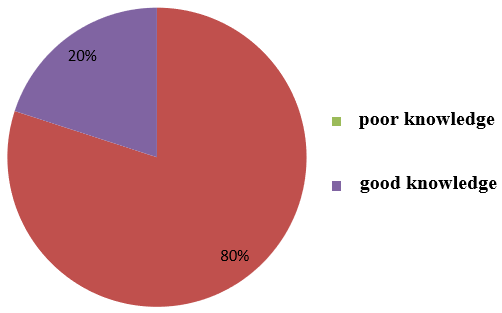
6.2. knowledge of respondent towards breast cancer and breast self-examinationAmong the study participants majority of 128(64.0%) of them had poor knowledge of BSE for breast cancer but only a few 72(36.0%) had good knowledge. Majority 156(78.0%) of respondents yes when asked if early detection of breast cancer would increase the chance of survival. The study of participants was asked which sex group breast cancer affect more frequently 167(83.5%) of respondent said female from the study respondents 74(37.0%) answer to question the recommended age to begin BSE was age greater than 20 years and 102(51.0%) of the respondent did not know when to start BSE among the study subjects 95(47.5%) of respondent says that breast cancer is not inherited and 179(89.5%) said that BCA present as a painless lump. An assented study participants' knowledge regarding screening method showed that 40(20.0%) know BCA screening method 116(58.0%) ever heard about BSE. The major source of information was a health professional 32(16.0%) from mass media 21(10.5%), from friends 16(8%).

Majority of study participants 156(78.0) have reported that they did not have history of breast cancer in their families. 3(1.5) of the participants said it is their aunts who had breast cancer while 3(1.5) their mothers had breast cancer. Regarding their personal history, only 44(22.0) had reported having breast cancer.
Among the study, participant majority 120(60.0%) ever used family planning method from study participant 165(82.5%) had started penetrative sexual intercourse.69 (34.5%) of participants did not ever breastfeed their child.
This study tried to assess knowledge of breast self - examination and related factors among women aged 15-45 in Semit health center, Ethiopia.72 (36.0%) of the respondents have good knowledge of breast self -examination. A cross-sectional study done among female medical students in Adama health science and technology university, Ethiopia showed that only (8.7%) of the study participants had good knowledge of breast self- examination 13. This significant difference may be attributed to the difference in the number of participants. Another study carried on by nurses at Addis Ababa University hospital found out that 202(74.8%) knew about breast cancer and breast cancer screening. This is significantly different from the result found in this study. One reason for this gap could be the difference in the careers of participants. Nurses are likely to know about breast cancer and screening more than just ordinary residents of Addis Ababa 17. This study also found out the participants with good knowledge (36.0%) are less than the figures found for a study conducted in a rural area of turkey 76.6 % 15.
A study conducted on women household heads in Mekele city, Ethiopia showed that 34.7% knew about breast cancer and its prevention and this study found out that only 36.0% had good knowledge which is a bit higher. On the assessment of participants’ knowledge on symptoms of breast cancer, this study found out that 179(89.5) replied correctly by saying breast cancer is presented as a painless lump which is high than the study in Nigeria which was at 21.4% 34
The finding of the study among Female University students in Presbyterian University College, Ghana showed that 95% of the respondents had good knowledge about breast cancer and BSE 18 which was higher compared to this study. This might be explained by the fact that the study participants were female nursing students who had better clinical knowledge about BSE.
The study was done at Haromaya University also showed that among the study participants 85.7% of students knew all the three methods of breast cancer screening which are mammography, CBE, and BSE 34. The difference in this study may be since study participants were health science students who are expected to be knowledgeable about breast cancer self-examination than women in the summit health center.
According to this study, 84(42%) of the study participants had heard about breast self -examination previously. In this study, the major source of information about BSE was the health profession which accounted for 16%.
This study revealed that 74 (37.0) of the study participants noted that the recommended age to begin BSE was beyond the age of 20 years, and 102(51.0%) did not know when to start BSE. Another study was done in Ethiopia, Mekele city showed that study participants know that BSE should be started after the age of 20, which accounts for 67% and 19.4% did not know at what age BSE should begin 26.
In our survey, more than half of participants made a significant case for women's inadequate understanding, negative attitudes, and poor practices about BSE.
Along with a breast cancer awareness campaign, it was advised that emphasis be placed on improving women's attitudes and practices about breast self-examination and enhancing the implementation of comprehensive, systematic, and ongoing BSE educational programs.
As results show the practice of BSE and knowledge among these reproductive age group women was inadequate. Efforts should be made to strengthen community-based health education to increase knowledge related to breast cancer as well as the practice of breast self-examination. So, the Federal Ministry of Health and Ethiopian cancer association were responsible bodies to promote awareness creation at the community level on breast cancer and breast self-examination. Finally, additional community-based research should be needed for the future to improve.
Strength
Limitation
Ca –cancer
BSE-breast self- examination
BCa- breast cancer
WHO-world health organization
Org-organization
CBE-clinical breast self-examination
| [1] | IARC WHO (2013) latest world cancer statistics 2. WHO (IARC) World Cancer Report 2008 | ||
| In article | |||
| [2] | Breast cancer. Org. U.S. Breast Cancer Statistics. U.S. Breast Cancer Statistics _Breastcancer.org.html (accessed 16 October 2016). | ||
| In article | |||
| [3] | WHO.Breast cancer: prevention and control. http://www.who.int/cancer/detection/breastcancer/en/ (accessed 17 October 2016). | ||
| In article | |||
| [4] | Jamal A, DVM, PhD1; Bray F, PhD2; Forman D, PhD2; Brien M, PhD3; Ferlay J, BS2; Melissa Center, MPH1; and Parkin M.D, MD4,5. Cancer Burden in Africa and Opportunities for Prevention. Wiley Online Library (wileyonlinelibrary.com) 17 January 2012; 118(18): 4372-4384. | ||
| In article | View Article PubMed | ||
| [5] | World health organization. Cancer – a Growing Public Health Concern for Ethiopia. http://www.afro.who.int/en/ethiopia/press-materials/item/7062-cancer-a-growing-publichealth-concern-for-ethiopia.html (accessed14November2016). | ||
| In article | |||
| [6] | AFCRN. Addis Ababa City Cancer Registry. http://afcrn.org/membership/members/100Addisababa (accessed 29 October 2016). | ||
| In article | |||
| [7] | Abate SM, Yilma Z, Assefa M, Tigeneh W (2016) Trends of Breast Cancer in Ethiopia. Int J Cancer Res Mol Mech 2(1): do I http://dx.doi. org/10.16966/2381-3318.121 | ||
| In article | View Article | ||
| [8] | Azage M., Abeje G., and Mekonnen M. Assessment of Factors Associated with Breast Self-Examination among Health Extension Workers in West Gojjam Zone, Northwest Ethiopia. International Journal of Breast Cancer 2013; | ||
| In article | View Article PubMed | ||
| [9] | Akhigbe O.A*1 and Omuemu O.V2. Knowledge, attitudes, and practice of breast cancer screening among female health workers in a Nigerian urban city. Bio-Med Central 25 June 2009; Biological 1471-2407(9/203): 1-9. | ||
| In article | View Article PubMed | ||
| [10] | Makanjuola O.J., Amoo .P. O., Ajibade B.L., Makinde .O.Y.. Breast Cancer: Knowledge And Practice Of Breast Self -Examination Among Women In Rural Community Of Ondo State, Nigeria. IOSR Journal of Pharmacy and | ||
| In article | |||
| [11] | Hailu T., Berhe H., Hailu D, *, Berhe H. Knowledge of breast cancer and its early detection measures among female students, in Mekelle University, Tigray region, Ethiopia. Science Journal of Clinical Medicine 2014; 3((4) :): 57-64. | ||
| In article | View Article | ||
| [12] | Segni T.M*, Tadesse M.D, Amdemichae.R, and Demissie F.H. Breast Self-examination: Knowledge, Attitude, and Practice among Female Health Science Students at Adama Science and Technology University, Ethiopia. Gynecology Obstetrics 2016; 6(4): | ||
| In article | |||
| [13] | Dye TD, Bogale S, Hobden C, Tilahun Y, Deressa T, Reeler A. Experience of Initial Symptoms of Breast Cancer and Triggers for Action in Ethiopia. International J breast cancer. 2011; 2012:1–5. | ||
| In article | View Article PubMed | ||
| [14] | Anderson BO, Shyyan R, Eniu A, Smith R a, Yip C-H, Bese NS, et al. Breast cancer in limited-resource countries: an overview of the Breast Health Global Initiative 2005 guidelines. Breast J .2006;12 Suppl 1:S3–15. | ||
| In article | View Article PubMed | ||
| [15] | Chan, S.S.C., Chow, D.M.K., Loh, E.K.Y., Wong, D.C.N., Cheng, K.K.F., Fung, W.Y.C., Cheung, P.S., 2007. Using a community-based outreach program to improve breast health awareness among women in Hong Kong. Public Health Nursing. 24, 265273. | ||
| In article | View Article PubMed | ||
| [16] | Humpel, N., Jones, S.C., 2004. “I Don’t Know, So It’s a Guess”: Women’s Reasons for Breast Cancer Risk Estimation. Asian Pacific Journal of Cancer Prevention 5, 428-432. | ||
| In article | |||
| [17] | Bener, A., Ayoubi, H.R.E., Moore, M.A., Basha, B., Joseph, S., Chouchane, L., 2009. Do we need to maximize breast cancer screening awareness? Experience with an endogamous society with high fertility. Asian Pacific Journal of Cancer Prevention. 10, 599-604. | ||
| In article | |||
| [18] | Parsa, P., Kandiah, M.. 2005. Breast Cancer Knowledge, Perception, and Breast Self-Examination Practices among Iranian Women International Medical Journal. 4, 17-24. | ||
| In article | |||
| [19] | Montazeri, A., Vahdaninia, M., Harirchi, I., Harirchi, A., Sajadian, A., Khaleghi, F., Mandana, E., Shahpar, H., Soghra, J., 2008. Breast cancer in Iran: need for greater women awareness of warning signs and effective screening methods.Asia Pacific Family Medicine. 7, 6. | ||
| In article | View Article PubMed | ||
| [20] | Omotara, B., Yahya, S., Amodu, M., Bimba, J., 2012. Awareness, attitude, and practice of rural women regarding breast cancer in Northeast Nigeria. Journal of Community Medicine and Health Education. 2. | ||
| In article | View Article | ||
| [21] | Irurhe, N.K., Raji, S.B., Olowoyeye, O.A., Adeyomoye, A.O., Arogundade, R.A., Soyebi, K.O., Ibitoye, A.Z., Abonyi, L.C., Eniyandunni, F.J., 2012.2(2013) 64-75 Female Secondary School Students in Nigeria. Academic Journal of Cancer Research. 5,1-5. | ||
| In article | |||
| [22] | Linsell, L., Forbes, L.J.L., Kapari, M., Burgess, C., Omar, L., Tucker, L., Ramirez, A.J., 2009. A randomized controlled trial of an intervention to promote the early presentation of breast cancer in | ||
| In article | View Article | ||
| [23] | Older women: effect on breast cancer awareness. British Journal of Cancer. 101, S40-S8. | ||
| In article | |||
| [24] | Forbes, L.J.L., Linsell, L., Atkins, L., Burgess, C., Tucker, L., Omar, L., Ramirez, A.J., 2011. A promoting early presentation intervention increases breast cancer awareness in older women after 2 years: a randomized controlled trial. British Journal of Cancer. 105, 18-21. | ||
| In article | View Article PubMed | ||
| [25] | Hadi, M.A., Hassali, M.A., Shafie, A.A., Awaisu, A., 2010. Evaluation of breast cancer awareness among female university students in Malaysia. Pharmacy Practice. 8, 29-34. | ||
| In article | View Article PubMed | ||
| [26] | Akhtari-Zavare, M., Juni, M.H., Manaf, R.A., Ismail, I.Z., Said, S.M.., 2011. Knowledge on the breast cancer and practice of breast self-examination among selected female university students in Malaysia. Medical Health Sciences Journal. 7, 49-56. | ||
| In article | View Article | ||
| [27] | Al-Dubai, S.A.R., Ganasegeran, K., Alabsi, A.M., Manaf, M.R.A., Ijaz, S., Kassim, S., 2012. Exploration of Barriers to Breast Self-Examination among Urban Women in Shah Alam, Malaysia: A Cross Sectional Study.Asian Pacific Journal of Cancer Prevention. 13, 1627-1632. | ||
| In article | View Article PubMed | ||
| [28] | American Cancer Society. 2005. Breast Cancer. http://www.cancer.org/cancer/breastcancer/detail edguide/breast-cancer-risk-factors Retreived on 15 April, 2013. | ||
| In article | |||
| [29] | Kelsey, J.L., Gammon, M.D., John, E.M., 1993. Reproductive factors and breast cancer. Epidemiological Review. 15, 36-47. | ||
| In article | View Article PubMed | ||
| [30] | McPherson, K., Steel, C.M., Dixon, J.M., 2000. Breast cancer epidemiology, risk factors, and genetics. British Medical Journal. 321, 624-628. | ||
| In article | View Article PubMed | ||
| [31] | Ambrosone CB, Freudenheim JL, Graham S. Cigarette smoking, n-acetyltransferase 2 genetic polymorphisms, and breast cancer risk. Journal of American Medical Association. 1996;276(18):1494501. 32. Band, P.R., Le, N.D., Fang, R., Deschamps, M.l., 2002. Carcinogenic and endocrine-disrupting effects of cigarette smoke and the risk of breast cancer. The Lancet 360, 1044-1049. | ||
| In article | View Article PubMed | ||
| [32] | Holmes, M.D., Hunter, D.J., Colditz, G.A., Stampfer, M.J., Hankinson, S.E., Speizer, F.E., Rosner, B., Willett, W.C., 1999. Association of dietary intake of fat and fatty acids with risk of breast cancer. Journal of American Medical Association. 281, 914-920. | ||
| In article | View Article PubMed | ||
| [33] | Pike, M.C., Spicer, D.V., Dahmoush, L., Press, M.F., 1993. Estrogens, Progestogens, Normal Breast Cell Proliferation, and Breast Cancer Risk. Epidemiological Review. 15, 17-35. | ||
| In article | View Article PubMed | ||
| [34] | Mah, Z., Bryant. H., 1992. Age is a factor in breast cancer knowledge, attitudes, and screening behavior. Canadian Medical Association Journal. 146, 21672174. | ||
| In article | |||
Published with license by Science and Education Publishing, Copyright © 2023 Rediet Abebe Mekonnen, Tewodros Kassahun Tarekegn, Yonas Tigabu Fetle, Helen Assefa Berhe, Rediet Habtu Lebelo, Erdachew Gallo Beyene, Yeabsera Abebe Gebrehiwot, Tereza Mulatu Tafesse, Teame Kiflom Gaim, Salem Sium Mesfin, Yeabsira Yitbarek Haile, Michael Million Minase, Solomon Endale Dagnachew, Eyerusalem Teshome Darka and Haileyesus Teshome Yitafer
 This work is licensed under a Creative Commons Attribution 4.0 International License. To view a copy of this license, visit
http://creativecommons.org/licenses/by/4.0/
This work is licensed under a Creative Commons Attribution 4.0 International License. To view a copy of this license, visit
http://creativecommons.org/licenses/by/4.0/
| [1] | IARC WHO (2013) latest world cancer statistics 2. WHO (IARC) World Cancer Report 2008 | ||
| In article | |||
| [2] | Breast cancer. Org. U.S. Breast Cancer Statistics. U.S. Breast Cancer Statistics _Breastcancer.org.html (accessed 16 October 2016). | ||
| In article | |||
| [3] | WHO.Breast cancer: prevention and control. http://www.who.int/cancer/detection/breastcancer/en/ (accessed 17 October 2016). | ||
| In article | |||
| [4] | Jamal A, DVM, PhD1; Bray F, PhD2; Forman D, PhD2; Brien M, PhD3; Ferlay J, BS2; Melissa Center, MPH1; and Parkin M.D, MD4,5. Cancer Burden in Africa and Opportunities for Prevention. Wiley Online Library (wileyonlinelibrary.com) 17 January 2012; 118(18): 4372-4384. | ||
| In article | View Article PubMed | ||
| [5] | World health organization. Cancer – a Growing Public Health Concern for Ethiopia. http://www.afro.who.int/en/ethiopia/press-materials/item/7062-cancer-a-growing-publichealth-concern-for-ethiopia.html (accessed14November2016). | ||
| In article | |||
| [6] | AFCRN. Addis Ababa City Cancer Registry. http://afcrn.org/membership/members/100Addisababa (accessed 29 October 2016). | ||
| In article | |||
| [7] | Abate SM, Yilma Z, Assefa M, Tigeneh W (2016) Trends of Breast Cancer in Ethiopia. Int J Cancer Res Mol Mech 2(1): do I http://dx.doi. org/10.16966/2381-3318.121 | ||
| In article | View Article | ||
| [8] | Azage M., Abeje G., and Mekonnen M. Assessment of Factors Associated with Breast Self-Examination among Health Extension Workers in West Gojjam Zone, Northwest Ethiopia. International Journal of Breast Cancer 2013; | ||
| In article | View Article PubMed | ||
| [9] | Akhigbe O.A*1 and Omuemu O.V2. Knowledge, attitudes, and practice of breast cancer screening among female health workers in a Nigerian urban city. Bio-Med Central 25 June 2009; Biological 1471-2407(9/203): 1-9. | ||
| In article | View Article PubMed | ||
| [10] | Makanjuola O.J., Amoo .P. O., Ajibade B.L., Makinde .O.Y.. Breast Cancer: Knowledge And Practice Of Breast Self -Examination Among Women In Rural Community Of Ondo State, Nigeria. IOSR Journal of Pharmacy and | ||
| In article | |||
| [11] | Hailu T., Berhe H., Hailu D, *, Berhe H. Knowledge of breast cancer and its early detection measures among female students, in Mekelle University, Tigray region, Ethiopia. Science Journal of Clinical Medicine 2014; 3((4) :): 57-64. | ||
| In article | View Article | ||
| [12] | Segni T.M*, Tadesse M.D, Amdemichae.R, and Demissie F.H. Breast Self-examination: Knowledge, Attitude, and Practice among Female Health Science Students at Adama Science and Technology University, Ethiopia. Gynecology Obstetrics 2016; 6(4): | ||
| In article | |||
| [13] | Dye TD, Bogale S, Hobden C, Tilahun Y, Deressa T, Reeler A. Experience of Initial Symptoms of Breast Cancer and Triggers for Action in Ethiopia. International J breast cancer. 2011; 2012:1–5. | ||
| In article | View Article PubMed | ||
| [14] | Anderson BO, Shyyan R, Eniu A, Smith R a, Yip C-H, Bese NS, et al. Breast cancer in limited-resource countries: an overview of the Breast Health Global Initiative 2005 guidelines. Breast J .2006;12 Suppl 1:S3–15. | ||
| In article | View Article PubMed | ||
| [15] | Chan, S.S.C., Chow, D.M.K., Loh, E.K.Y., Wong, D.C.N., Cheng, K.K.F., Fung, W.Y.C., Cheung, P.S., 2007. Using a community-based outreach program to improve breast health awareness among women in Hong Kong. Public Health Nursing. 24, 265273. | ||
| In article | View Article PubMed | ||
| [16] | Humpel, N., Jones, S.C., 2004. “I Don’t Know, So It’s a Guess”: Women’s Reasons for Breast Cancer Risk Estimation. Asian Pacific Journal of Cancer Prevention 5, 428-432. | ||
| In article | |||
| [17] | Bener, A., Ayoubi, H.R.E., Moore, M.A., Basha, B., Joseph, S., Chouchane, L., 2009. Do we need to maximize breast cancer screening awareness? Experience with an endogamous society with high fertility. Asian Pacific Journal of Cancer Prevention. 10, 599-604. | ||
| In article | |||
| [18] | Parsa, P., Kandiah, M.. 2005. Breast Cancer Knowledge, Perception, and Breast Self-Examination Practices among Iranian Women International Medical Journal. 4, 17-24. | ||
| In article | |||
| [19] | Montazeri, A., Vahdaninia, M., Harirchi, I., Harirchi, A., Sajadian, A., Khaleghi, F., Mandana, E., Shahpar, H., Soghra, J., 2008. Breast cancer in Iran: need for greater women awareness of warning signs and effective screening methods.Asia Pacific Family Medicine. 7, 6. | ||
| In article | View Article PubMed | ||
| [20] | Omotara, B., Yahya, S., Amodu, M., Bimba, J., 2012. Awareness, attitude, and practice of rural women regarding breast cancer in Northeast Nigeria. Journal of Community Medicine and Health Education. 2. | ||
| In article | View Article | ||
| [21] | Irurhe, N.K., Raji, S.B., Olowoyeye, O.A., Adeyomoye, A.O., Arogundade, R.A., Soyebi, K.O., Ibitoye, A.Z., Abonyi, L.C., Eniyandunni, F.J., 2012.2(2013) 64-75 Female Secondary School Students in Nigeria. Academic Journal of Cancer Research. 5,1-5. | ||
| In article | |||
| [22] | Linsell, L., Forbes, L.J.L., Kapari, M., Burgess, C., Omar, L., Tucker, L., Ramirez, A.J., 2009. A randomized controlled trial of an intervention to promote the early presentation of breast cancer in | ||
| In article | View Article | ||
| [23] | Older women: effect on breast cancer awareness. British Journal of Cancer. 101, S40-S8. | ||
| In article | |||
| [24] | Forbes, L.J.L., Linsell, L., Atkins, L., Burgess, C., Tucker, L., Omar, L., Ramirez, A.J., 2011. A promoting early presentation intervention increases breast cancer awareness in older women after 2 years: a randomized controlled trial. British Journal of Cancer. 105, 18-21. | ||
| In article | View Article PubMed | ||
| [25] | Hadi, M.A., Hassali, M.A., Shafie, A.A., Awaisu, A., 2010. Evaluation of breast cancer awareness among female university students in Malaysia. Pharmacy Practice. 8, 29-34. | ||
| In article | View Article PubMed | ||
| [26] | Akhtari-Zavare, M., Juni, M.H., Manaf, R.A., Ismail, I.Z., Said, S.M.., 2011. Knowledge on the breast cancer and practice of breast self-examination among selected female university students in Malaysia. Medical Health Sciences Journal. 7, 49-56. | ||
| In article | View Article | ||
| [27] | Al-Dubai, S.A.R., Ganasegeran, K., Alabsi, A.M., Manaf, M.R.A., Ijaz, S., Kassim, S., 2012. Exploration of Barriers to Breast Self-Examination among Urban Women in Shah Alam, Malaysia: A Cross Sectional Study.Asian Pacific Journal of Cancer Prevention. 13, 1627-1632. | ||
| In article | View Article PubMed | ||
| [28] | American Cancer Society. 2005. Breast Cancer. http://www.cancer.org/cancer/breastcancer/detail edguide/breast-cancer-risk-factors Retreived on 15 April, 2013. | ||
| In article | |||
| [29] | Kelsey, J.L., Gammon, M.D., John, E.M., 1993. Reproductive factors and breast cancer. Epidemiological Review. 15, 36-47. | ||
| In article | View Article PubMed | ||
| [30] | McPherson, K., Steel, C.M., Dixon, J.M., 2000. Breast cancer epidemiology, risk factors, and genetics. British Medical Journal. 321, 624-628. | ||
| In article | View Article PubMed | ||
| [31] | Ambrosone CB, Freudenheim JL, Graham S. Cigarette smoking, n-acetyltransferase 2 genetic polymorphisms, and breast cancer risk. Journal of American Medical Association. 1996;276(18):1494501. 32. Band, P.R., Le, N.D., Fang, R., Deschamps, M.l., 2002. Carcinogenic and endocrine-disrupting effects of cigarette smoke and the risk of breast cancer. The Lancet 360, 1044-1049. | ||
| In article | View Article PubMed | ||
| [32] | Holmes, M.D., Hunter, D.J., Colditz, G.A., Stampfer, M.J., Hankinson, S.E., Speizer, F.E., Rosner, B., Willett, W.C., 1999. Association of dietary intake of fat and fatty acids with risk of breast cancer. Journal of American Medical Association. 281, 914-920. | ||
| In article | View Article PubMed | ||
| [33] | Pike, M.C., Spicer, D.V., Dahmoush, L., Press, M.F., 1993. Estrogens, Progestogens, Normal Breast Cell Proliferation, and Breast Cancer Risk. Epidemiological Review. 15, 17-35. | ||
| In article | View Article PubMed | ||
| [34] | Mah, Z., Bryant. H., 1992. Age is a factor in breast cancer knowledge, attitudes, and screening behavior. Canadian Medical Association Journal. 146, 21672174. | ||
| In article | |||