Despite its importance in the diet of populations in southwestern Côte d’Ivoire (Bas-Sassandra), Kroumen chili remains a traditional condiment that has received little scientific study. This research aims to evaluate the biochemical and nutritional characteristics of four Kroumen chili formulations. Two standard formulations (PF-N and PFM-N) and two modified formulations (PF-M and PMF-M) were developed by varying the contents of soumbala (fermented Parkia biglobosa), shrimp (Palaemon serratus), fish (Sardinella maderensis), chili pepper (Capsicum frutescens), sesame (Sesamum indicum L), and seasoning broth, according to a mixing design using MINITAB 20 software. Biochemical analyses focused on proximate composition, mineral profile, amino acids, and fatty acids. The results showed high levels of protein (36.33–38.80%), fat (34.09–35.94%), and fiber (13.61–16.11%), with an energy value of 508–523 kcal/100 g. The PMF-M formulation (38.80 ± 0.09%) has the highest protein content, while the PF-N formulation (522.50 ± 0.89 kcal/g) has the highest energy value. The amino acid profile shows that the formulations are rich in essential amino acids (tryptophan, lysine, valine, and methionine) and nonessential amino acids (glutamic acid, aspartic acid, and arginine). The modified formulations, which include soumbala and shrimp meal, have a mineral profile richer in calcium, iron, and phosphorus, as well as oleic, linoleic, and stearic acids, whereas the standard formulations contain higher levels of palmitic, linolenic, and arachidonic acids. In conclusion, the various Kroumen chili pepper formulations demonstrate good nutritional quality, with essential amino acids that meet FAO/WHO recommendations. Specifically, the modified formulations have a favorable fatty acid and mineral profile and could therefore serve as substitutes for industrial seasonings and as dietary supplements.
For thousands of years, traditional spices and condiments have been essential components of human diets around the world. Used to enhance the organoleptic qualities of culinary preparations, they are recognized for their remarkable nutritional and therapeutic properties, which stem from their high content of bioactive compounds such as phenols, terpenoids, alkaloids, and antioxidants 1, 2. Regular consumption of these foods is associated with a reduced risk of chronic diseases, including cardiovascular disease, diabetes, and certain infections 1, 3. In developing countries, they play a strategic role in improving the nutritional quality of starchy-based diets by providing essential proteins, minerals, and vitamins to populations with limited access to animal-based foods 4, 5.
In sub-Saharan Africa, these traditional condiments and spice blends play a central role in local food systems. Rooted in ancestral knowledge that combines local plant and animal resources, they serve as true markers of identity, and their preparation involves culinary practices specific to each ethnic community. However, the growing penetration of industrial seasoning products into African markets is gradually threatening their survival. In West Africa, more than 100 million seasoning cubes are sold every day 6, 7, despite the health risks associated with their high sodium content, a recognized risk factor for cardiovascular disease 8. Studies conducted on several traditional condiments such as soumbala in Côte d'Ivoire and Mali, kantong in Ghana, bikalga in Burkina Faso, and dikouanyouri in Benin have highlighted their nutritional value and functional properties, demonstrating that scientific documentation of these condiments is an essential prerequisite for their sustainable development 9, 10. In Côte d’Ivoire, the pioneering work of 11 on conôro a traditional condiment from the northeast made from baobab, kapok, and okra seeds has illustrated the value and feasibility of this approach, while revealing the extent of the scientific gap that remains regarding other local Ivorian products. It is precisely within this context that the present study is situated, focusing on Kroumen chili, a traditional condiment made from a blend of local ingredients originating from the San Pedro region in southwestern Côte d’Ivoire. The overall objective of this study is to evaluate the biochemical and nutritional characteristics of four formulations of Kroumen chili sauce made from local ingredients, with a view to contributing to its development and the promotion of Ivorian food products.
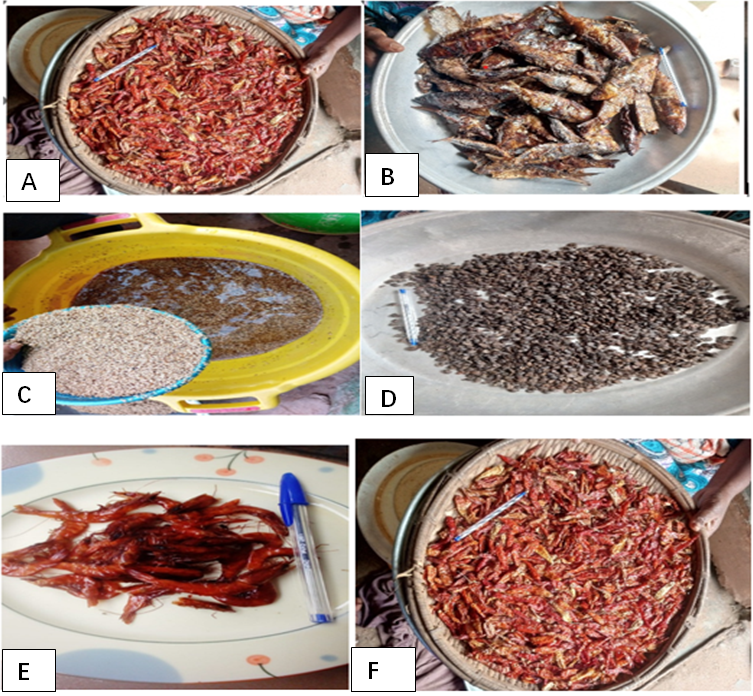
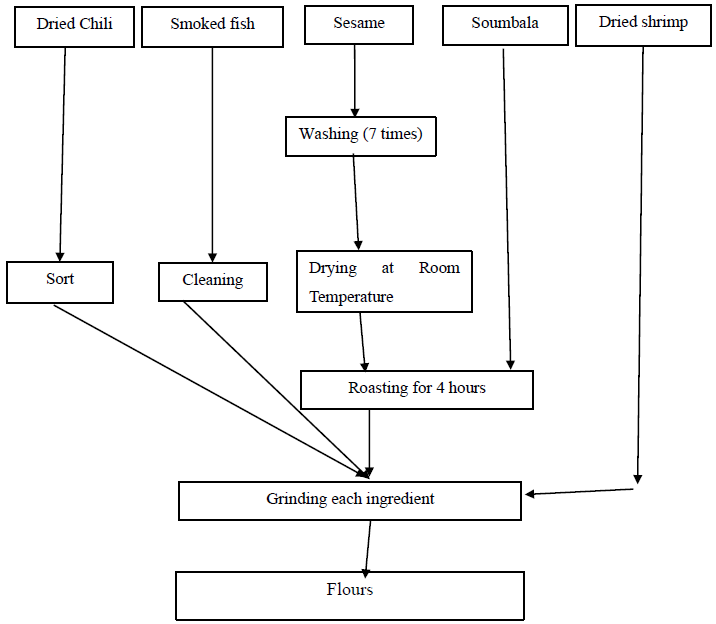
The biological materials used in the various formulations of Kroumen chili consisted of ingredients commonly used in the traditional preparation of this condiment in Côte d’Ivoire. These were primarily dried chili peppers (Capsicum spp.), smoked-dried fish (Sardinella maderensis), and sesame seeds (Sesamum indicum L), which constituted the main ingredients of the product. Several other ingredients were combined with these main components, notably dried pink shrimp (Palaemon serratus), soumbala (Parkia biglobosa), salt, and Maggi tablet seasoning cubes used as flavor enhancers. Finally, Aya brand vegetable oil was used to improve the product’s texture and shelf life. All of these ingredients were purchased at the San Pedro market in southwestern Côte d’Ivoire (Bas-Sassandra region).


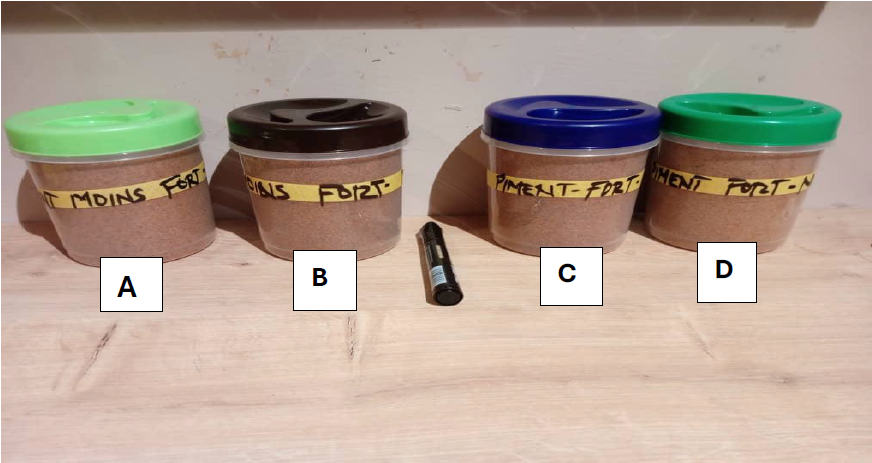
Table 1 below presents the different Kroumen chili formulations developed as part of this study, categorized by heat intensity and formulation type (normal or modified). The PF-N (normal hot chili) and PMF-N (normal milder chili) formulations use commercial broths, while the PF-M (modified hot chili) and PMF-M (modified milder chili) formulations use natural local ingredients such as soumbala and shrimp for seasoning.

Moisture, ash, crude protein, crude fat, crude fiber and total sugars were determined respectively by following the standard method 12, 13, while carbohydrate contents were calculated by equation [100- (protein + crude fat + ash + crude fiber)] 14. In addition, the energy value (EV) was calculated by applying the heat coefficients of 15 according to the following equation: [EV (Kcal/100g) = (4 x Protein %) + (4 x Carbohydrate %) + (9 x Fat %)]. Values were means of three determinations.
Minerals were analyzed by the method reported by 16. The ash obtained from 1g of sample was dissolved in 10% HCl, filtered with filter paper and made up to standard volume with dionised water. Flame photometry method reported by 17 was used to determine sodium and potassium contents of the sample. Ca, Fe, Mg, Zn and Cu were determined using Atomic Absorption Spectrophotometer (AAS). Phosphorus was estimated colorimetrically (UV-visible spectrophotometer, Model DR 2800/United States).
Amino acid contents of samples were determined using Automatic Amino Acid Analyzer (BIOCHROM 30, serial 103274), according to the method outlined in A.O.A.C. 18. Chemical score (CS) of essential amino acids (EAA) was calculated using the following equation according to FAO/WHO scoring pattern 19 following Equation:
|
v Préparation des esters méthyliques d'acides gras
The fatty acid methyl esters were prepared by acid transesterification using the boron trifluoride/methanol (BF₃/MeOH) method, in accordance with 20. Three drops of the extracted oil were placed in a 10-mL screw-cap tube, then dissolved in 1.5 mL of pure hexane. To this mixture, 1.5 mL of an 8% BF₃/MeOH solution was added. The tube was hermetically sealed under a nitrogen atmosphere to prevent oxidation of the unsaturated fatty acids, then shaken vigorously to homogenize the reaction mixture. The mixture was then placed in a water bath at 50°C for 30 seconds to promote the methylation reaction. During this step, BF₃ acts as a Lewis acid catalyst by activating the carboxyl groups of the fatty acids, allowing them to be esterified with methanol to form the corresponding methyl esters. After cooling to room temperature, 1 mL of hexane and 2 mL of distilled water were added to induce phase separation. The tube was shaken vigorously and then allowed to stand until complete separation into two distinct phases. The upper organic phase, containing the methyl esters, was collected and transferred to a new tube maintained under nitrogen. The mixture was then placed in a water bath at 50°C for 30 seconds to promote the methylation reaction. During this step, BF₃ acts as a Lewis acid catalyst by activating the carboxyl groups of the fatty acids, allowing them to be esterified by methanol to form the corresponding methyl esters. After cooling to room temperature, 1 mL of hexane and 2 mL of distilled water were added to induce phase separation. The tube was shaken vigorously and then allowed to stand until complete separation into two distinct phases. The upper organic phase, containing the methyl esters, was collected and transferred to a new tube under nitrogen. The lower aqueous phase was subjected to two successive extractions with 1 mL of hexane each to ensure optimal extraction yield. All of the collected organic phases were washed with 2 mL of distilled water to remove BF₃ residues and water-soluble impurities, then dried over anhydrous sodium sulfate (Na₂SO₄) to eliminate any traces of water that might interfere with the chromatographic analysis. The solvent was evaporated under a stream of nitrogen at room temperature. The resulting methyl esters were dissolved in 5 mL of hexane to achieve a concentration suitable for injection into gas chromatography.
v Gas-phase chromatography (GPC)
The analysis of fatty acid methyl esters was performed on a Hewlett-Packard HP 5890 Series II gas chromatograph equipped with a flame ionization detector (FID). Separation was performed on a CP-Select CB capillary column of the WCOT Fused Silica type (length: 50 m; internal diameter: 0.25 mm; stationary phase thickness: 0.25 µm). Helium was used as the carrier gas at a constant flow rate of 1.2 mL/min. The oven temperature program was set according to the following gradient: an initial temperature of 100 °C maintained for 5 minutes, then increased to 230 °C at a rate of 10 °C/min. The injector temperature was set to 250 °C. The sample volume injected was 1 µL in split mode. Chromatographic peaks were identified by comparing the retention times obtained with those of the reference fatty acid methyl ester standards PUFA-1 (marine polyunsaturated fatty acids) and PUFA-2 (plant polyunsaturated fatty acids), which were analyzed under the same conditions. The results were expressed as the relative percentage of each fatty acid relative to the total content of identified fatty acids.
All physicochemical, nutritional, and sensory data were subjected to a one-way analysis of variance (ANOVA) performed using XLSTAT software (version 2022, Addinsoft). The significance level was set at 5% (p < 0.05). For each parameter analyzed crude composition, mineral profile, amino acid profile, fatty acid profile and standard deviations were calculated based on three replicates. When ANOVA revealed a significant difference between formulations, Tukey’s multiple comparison test (HSD) was applied to identify homogeneous groups. The results were presented in tables (means ± standard deviations) and figures. The graphs were generated using Microsoft Excel (Microsoft Office 365).
Table 2 shows the results of the biochemical parameters for four Kroumen chili pepper formulations (PF-N, PF-M, PMF-N, and PFM-M). There were no significant differences (P > 0.05) in ash, fat, and carbohydrate content among the formulations. Ash content ranged from 8.28 ± 0.12% to 9.15 ± 0.36%; The fat content ranged from 34.09 ± 0.26% to 35.94 ± 0.16%, and the carbohydrate content ranged from 12.30 ± 0.16% to 13.42 ± 0.35%. The highest ash, fat, and carbohydrate contents were observed, respectively, in the PF-M formulation (9.15 ± 0.36a); the PF-N formulation (35.94 ± 0.16%); and finally in the PF-N formulation (13.42 ± 0.35%). The moisture, fiber, and protein content, as well as the energy value, showed a significant difference (P < 0.05) regardless of the formulation. The moisture content ranges from 5.28 ± 0.12% to 6.48 ± 0.05%; the fiber content ranges from 13.61 ± 0.11% to 16.11 ± 0.06%; the protein content ranges from 36.33 ± 0.28% to 38.80 ± 0.09%, and the energy value ranges from 508.42 ± 5.98 kcal to 522.50 ± 0.89 kcal/g. The PF-M formulation (6.48 ± 0.05%) has the highest moisture content; the PMF-N formulation (16.11 ± 0.06%) has the highest fiber content; the PMF-M formulation (38.80 ± 0.09%) has the highest protein content; and finally, the PF-N formulation (522.50 ± 0.89 kcal/g) has the highest energy value.
The mineral analysis of the different formulations (PF-N, PF-M, PMF-N, and PFM-M) of Kroumen chili peppers is shown in (Table 3). There was no significant difference (P > 0.05) in potassium content among the four formulations, whereas the iron, zinc, manganese, magnesium, and calcium contents showed significant differences (P < 0.05). The most abundant minerals in the various formulations are potassium, phosphorus, and calcium. The average potassium content ranges from 8.460 ± 0.001 to 9.005 ± 0.003 ppm of DM in the normal formulations (PF-N and PMF-N) and from 6.157 ± 4.24 to 8.728 ± 0.001 ppm in the modified formulations. Phosphorus contents range from 0.850 ± 0.000 to 1.712 ± 0.003 ppm of DM in the standard formulations (PF-N and PMF-N) and from 1. 325 ± 0.003 to 1.827 ± 0.002 ppm of DM in the modified formulations (PF-M and PMF-M). Calcium also has relatively high concentrations, ranging from 1.384 ± 0.003 to 1.537 ± 0.003 ppm of dry matter in the standard formulations (PF-N and PMF-N) and from 1.769 ± 0.001 to 1.819 ± 0.006 ppm of DM in the modified formulations (PF-M and PMF-M). It is concluded that the Modified PMF formulation is richer in minerals (calcium and phosphorus) compared to the other formulations.
Analysis of the amino acid profile of different Kroumen chili formulations revealed the presence of eight essential amino acids (Table 4) and eight non-essential amino acids (Table 5). The levels of essential and non-essential amino acids in the different chili pepper formulations show a significant difference at the (P < 0.05) threshold. The most abundant essential amino acids in the chili pepper formulations are lysine, leucine, and valine. Lysine content ranges from 7.15 ± 0.02 to 7.36 ± 0.03 mg/100 g in the standard formulations (PF-N and PMF-N) and from 6.45 ± 0.01 to 6.54 ± 0.02 mg/100 g of dry matter in the modified formulations. Leucine content ranges from 6.52 ± 0.02 to 6.66 ± 0.02 mg/100 g in the standard formulations and from 6.12 ± 0.03 to 6.24 ± 0.02 mg/100 g of DM in the modified formulations. Valine content ranges from 4.66 ± 0.02 to 4.74 ± 0.02 mg/100 g in standard formulations and from 3.63 ± 0.01 to 3.67 ± 0.01 mg/100 g of dry matter in modified formulations. Glutamic acid, aspartic acid, and arginine are the predominant nonessential amino acids in all formulations. Glutamic acid levels range from 7.77 ± 0.02 to 7.63 ± 0.03 mg/100 g in the standard formulations (PF-N and PMF-N) and from 5.54 ± 0.02 to 5.63 ± 0.02 mg/100 g of DM in the modified formulations (PF-M and PMF-M). Aspartic acid content ranges from 12.48 ± 0.02 to 12.56 ± 0.02 mg/100 g DM in the standard formulations and from 9.41 ± 0.01 to 9.77 ± 0.04 mg/100 g DM in the modified formulations. Arginine content ranges from 4.32 ± 0.02 to 4.34 ± 0.02 mg/100 g in the standard formulations and from 3.55 ± 0.03 to 3.65 ± 0.02 mg/100 g DM in the modified formulations.
Analysis of the fatty acid profiles of the various Kroumen chili formulations revealed the presence of six major fatty acids, whose levels varied significantly (P < 0.05) from one formulation to another (Table 6). The predominant fatty acids present in the Kroumen chili pepper formulations are palmitic and oleic acids. Palmitic acid levels range from 22.13 ± 0.02 to 23.36 ± 0.03 mg/100 g DM in the standard formulations (PF-N and PMF-N) and from 27.14 ± 0.01 to 28.40 ± 0.01 mg/100 g DM in the modified formulations (PF-M and PMF-M). Oleic acid contents range from 15.763 ± 0.03 to 16.533 ± 0.02 mg/100 g of DM in the standard formulations and from 18.667 ± 0.16 to 19.250 ± 0.01 mg/100 g of DM in the modified formulations. With the exception of palmitic acid and oleic acid, which are the predominant fatty acids in the various formulations, it is noted that the standard formulations are rich in stearic acid, while the modified formulations are characterized by higher levels of stearic, oleic, and linoleic acids.
Proximate analysis of the various Piment Kroumen formulations revealed nutritional variations primarily related to the nature of the ingredients included in the standard and modified formulations. The differences observed relate in particular to the moisture content, protein, fat, ash, and energy value of the resulting products. The moisture contents obtained in this study range from 5.28% to 6.48%. These low values indicate good potential stability of the formulations and favorable shelf life. The modified formulations (PF-M and PMF-M) have slightly higher moisture contents than the standard formulations. This increase may be due to the inclusion of soumbala (fermented Parkia biglobosa) and shrimp meal, which have a higher water-holding capacity than commercial broths. Similar observations were reported by 9 in a study of African fermented condiments made from nere seeds (Parkia biglobosa), in which the fermented products generally exhibit relatively high moisture contents after processing. Furthermore, the values obtained are comparable to those reported for several traditional dried African condiments, whose moisture contents are generally below 10% 21. The observed ash contents range from 8.50% to 9.15%, indicating a significant mineral content in the various formulations. The modified formulations have slightly higher values than the standard formulations. This increase could be explained by the addition of soumbala and shrimp flour, two ingredients known for their high mineral content. According to 10, traditional African fermented condiments are important sources of essential minerals such as calcium, phosphorus, potassium, and magnesium. Similarly, the work of 23 on fermented néré seeds has shown that fermentation improves the bioavailability of certain minerals in food products. The relatively high ash content could also be linked to the presence of sesame flour in the formulations. Indeed, sesame is known to be rich in calcium, iron, zinc, and phosphorus 24. The fiber contents of the different formulations range from 13.61% to 16.11%. The formulations containing the less spicy chili pepper have slightly higher fiber contents. These differences could be attributed to the intrinsic composition of the chili pepper varieties used as well as to the proportion of plant-based ingredients present in the formulations. Dietary fiber plays an important physiological role in the prevention of cardiovascular disease, obesity, and digestive disorders 25. The relatively high fiber content found in this study suggests that Kroumen chili peppers could help increase dietary fiber intake in consumers’ diets. The formulations studied had high fat content, ranging from 34.04 % to 35.94 %. These high fat levels are due to the significant proportion of sesame flour incorporated into the formulations. According to 26, sesame seeds generally contain between 45 and 55 % fat, consisting mainly of unsaturated fatty acids that are beneficial to health.
The modified formulations, however, have slightly lower fat contents. This decrease may be related to the reduction in the proportion of sesame flour in the modified formulations in favor of soumbala and shrimp flour. The high fat contents observed contribute significantly to the energy density of the formulations studied. These results are comparable to those reported by 27 on smoked-dried fish products used in West African food systems. The protein contents obtained range from 36.33% to 38.80%, reflecting the remarkable protein richness of the formulations studied. The modified formulations exhibit the highest values, particularly PMF-M. This increase could be attributed to the incorporation of soumbala and shrimp meal, two ingredients known for their high protein content. According to 22, fermented néré seeds used in the production of soumbala are an important source of plant protein in West Africa. The fermentation of néré seeds results in partial hydrolysis of the proteins by bacteria of the genus Bacillus, thereby improving protein digestibility and increasing the availability of free amino acids 21. The high protein contents observed in this study indicate that Kroumen chili could significantly contribute to improving protein intake among populations, particularly in low-income households where access to animal protein remains limited. Carbohydrate contents remain relatively low and show little variation across the formulations. This is consistent with the high proportion of protein- and fat-rich ingredients such as sesame, fish, soumbala, and shrimp. According to 28, fermentation processes often result in a decrease in carbohydrate content because microorganisms use carbohydrates as energy substrates during fermentation. This observation could explain the low carbohydrate levels found in the modified formulations. The energy values obtained range from 508.42 to 522.50 kcal/100 g. These relatively high values are mainly due to the high fat and protein contents of the formulations studied. The standard formulations have slightly higher energy values, likely due to their higher fat contents. Fat is the primary energy source in foods due to its high caloric density, with a coefficient of 9 kcal/g compared to 4 kcal/g for protein and carbohydrates 29. These results thus show that Kroumen chili could serve as an energy-dense condiment capable of contributing to consumers’ daily energy intake.
The significant differences (P < 0.0001) observed for phosphorus, calcium, iron, zinc, sodium, and magnesium among the different formulations can be explained by the nature of the seasoning ingredients used. The modified formulations (PF-M and PMF-M), which incorporate soumbala and shrimp meal, have high levels of phosphorus, calcium, iron, zinc, sodium, and magnesium. This could be explained by the recognized mineral richness of the two aforementioned natural ingredients. 30 reported significant levels of iron (79.60–135.00 mg/kg), zinc (37.75–91.77 mg/kg), and calcium (0.73–1.61%) in samples of dawadawa produced in Ghana. Shrimp meal also contributes to the mineral enrichment of formulations, particularly with phosphorus, calcium, and magnesium 31. Zinc, however, is an exception: the PF Normal formulation, flavored with industrial broth, has the highest zinc content, a result that can be explained by the presence of added mineral salts, some of which are glutamate-based flavor enhancers containing trace amounts of zinc 32. These results show that the use of natural local ingredients is an effective mineral fortification strategy for enhancing the nutritional value of Kroumen chili peppers.
Analysis of the amino acid profile confirms the decisive influence of the formulation on the nutritional quality of the condiment. The standard formulations (PF-N and PMF-N), which are richer in sesame flour, have the highest levels of nearly all amino acids, particularly lysine (7.557 mg/100 g), valine (4.737 mg/100 g), methionine (2.623 mg/100 g), and glutamic acid (12.480 mg/100 g). This finding can be explained by the complete amino acid profile of sesame flour, whose total essential amino acid content meets the FAO/WHO recommendations for adults 33. The predominance of glutamic acid in all formulations is consistent with the composite nature of the condiment: released during the alkaline fermentation of soumbala and the breakdown of fish proteins, it is the primary source of the umami flavor characteristic of traditional West African condiments 34. When comparing the measured levels to the 35. the Kroumen chili formulations could meet the recommended intakes for leucine, lysine, valine, and phenylalanine, which attests to their genuine nutritional value as a protein source.
The analysis of the fatty acid profile revealed significant differences (P < 0.0001) among the four formulations for the six identified fatty acids (palmitic acid, stearic acid, oleic acid, linoleic acid, linoleic acid, and arachidonic acid), reflecting the direct impact of variations in the proportion of sesame flour on the lipid composition. The Modified PF formulation stands out for having the highest levels of oleic acid (19,250 mg/100 g) and linoleic acid (6,400 mg/100 g), two fatty acids of major nutritional importance: linoleic acid (omega-6), an essential fatty acid that serves as a precursor to molecules involved in regulating inflammation, helps reduce LDL cholesterol, while oleic acid (omega-9) contributes to the prevention of cardiovascular diseases 36. The high content of these unsaturated fatty acids in the modified formulations is due to the inclusion of soumbala, who’s fermented Parkia biglobosa seeds are naturally rich in unsaturated fatty acids 10. In contrast, the standard formulations (PF-N and PMF-N) have the highest levels of palmitic acid, the predominant saturated fatty acid (28.40 and 27.14 mg/100 g, respectively) and arachidic acid (3.20 and 2.88 mg/100 g, respectively) two saturated fatty acids whose excessive consumption is associated with an increased risk of atherosclerosis and coronary heart disease. These results show that the modified formulations offer an overall more nutritionally favorable balance of saturated and unsaturated fatty acids.
The objective of this study is to evaluate the biochemical and nutritional compositions of four Kroumen chili pepper formulations. The results of the various analyses showed that all formulations possess significant nutritional potential, characterized by high levels of protein, fat, dietary fiber, minerals, and essential and non-essential amino acids. The modified formulations, specifically PMF-M, stood out for their high nutritional potential in terms of calcium and phosphorus, protein, and dietary fiber, as well as oleic and linoleic acids. In light of these results, the PMF-M and PMF-N formulations appear to be the most promising for the value-added processing of Kroumen chili peppers. The PMF-M formulation can be recommended for human consumption due to its nutritional qualities. These results highlight the potential of Kroumen chili peppers as a high-value-added condiment that can contribute to food security and the promotion of Ivorian local products.
| [1] | Embuscado, M. E. Bioactives from culinary spices and herbs: A review. Journal of Food Bioactives, 6, 68–99. | ||
| In article | View Article | ||
| [2] | Mojica, L., Luzardo-Ocampo, I., Fonseca Hernandez, D., Fu, L., & Zhang, Q. Culinary herbs and spices: Uses across the world, nutritional and health benefits. Annual Review of Food Science and Technology, 17, 155–179. | ||
| In article | View Article PubMed | ||
| [3] | Mandal, D., Sarkar, T., & Chakraborty, R. Critical review on nutritional, bioactive, and medicinal potential of spices and herbs and their application in food fortification and nanotechnology. Applied Biochemistry and Biotechnology, 195(2), 1319–1513. | ||
| In article | View Article PubMed | ||
| [4] | Achi, O. K. Traditional fermented protein condiments in Nigeria. African Journal of Biotechnology, 4(13), 1612–1621, 2005. | ||
| In article | |||
| [5] | Durst, P. B., Johnson, D. V., Leslie, R. N., & Shono, K. Forest insects as food: Humans bite back. Food and Agriculture Organization of the United Nations, 2010. | ||
| In article | |||
| [6] | Pivot, A. Les bouillons cubes en Afrique de l’Ouest: histoire et enjeux. CIRAD, 2002. | ||
| In article | |||
| [7] | Dossou-Yovo, P., Tossou, L. T., Sezan, A., & Yelouassi, R. AEvaluation de la qualité nutritionnelle des bouillons « cube » les plus consommés au Sud-Bénin. International Journal of Innovation and Applied Studies, 17(1), 94–116, 2016. | ||
| In article | |||
| [8] | Meneton, P. Le sel et la santé: un lien de causalité solidement établi. Médecine des Maladies Métaboliques, 6(1), 14–19, 2012. | ||
| In article | |||
| [9] | Azokpota, P., Hounhouigan, D. J., & Nago, M. C. Microbiological and chemical changes during the fermentation of African locust bean (Parkia biglobosa) to produce afitin, iru, and sonru. International Journal of Food Microbiology, 107(3), 304–309. | ||
| In article | View Article PubMed | ||
| [10] | Parkouda, C., Nielsen, D. S., Azokpota, P., Ouoba, L. I. I., Amoa-Awua, W. K., Thorsen, L., Hounhouigan, J. D., Jensen, J. S., Tano-Debrah, K., Diawara, B., & Jakobsen, M. The microbiology of alkaline-fermentation of indigenous seeds used as food condiments in Africa and Asia. Critical Reviews in Microbiology, 35(2), 139–156. | ||
| In article | View Article PubMed | ||
| [11] | Yao Kouakou Adayé. Valorisation du conôro, condiment traditionnel du Nord-Est de la Côte d'Ivoire [Thèse unique de doctorat en Sciences et Technologies des Aliments]. Université Nangui Abrogoua, Côte d'Ivoire, 2019. | ||
| In article | |||
| [12] | AOAC. Official methods of analysis of the Association of Official Analytical Chemists, 15th ed, Washington DC, 1230p, 1990. | ||
| In article | |||
| [13] | Bernfeld. Amylase β and α, In: method in enzymology 1, Colowick S.P. and Kaplan N.O., Academic Press, pp149-154, 1955. | ||
| In article | |||
| [14] | FAO/INFOODS. FAO/INFOODS, Guidelines for verifying food composition data before publication of a user table/database-Version 1.0. FAO, Rome, 2015. | ||
| In article | |||
| [15] | Atwater and Rosa. A new respiratory colorimeter and the conservation of energy in human body. Physiol. Rev., 9: 214-251, 1899. | ||
| In article | View Article | ||
| [16] | Analysis Association of Official Analytical Chemists. Official Method of Analysis Association of Official Analytical Chemists. 19th Edition, Analysis Association of Official Analytical Chemists, Washington DC, 2012. | ||
| In article | |||
| [17] | Food and Agriculture Organization of the United Nations, Dietary Protein Quality Evaluation in Human Nutrition. Report of FAO Expert Consultation, Auckland, 31 March-2 April 2011, 27, 2011. | ||
| In article | |||
| [18] | Oshodi A.A. Proximate composition, nutritionally valuable minerals and functional properties of Adenopus breviflorus benth seed flour and protein concentrate. Food Chem, 45: 79-83, 1992. | ||
| In article | View Article | ||
| [19] | AOAC. Official Methods of Analysis. Washington, DC: Association of Official Analytical Chemists15th edn, 1990. | ||
| In article | |||
| [20] | [ISO 5508. Animal and vegetable fats and oils — Analysis by gas chromatography of methyl esters of fatty acids. International Organization for Standardization, 1990. | ||
| In article | |||
| [21] | Ouoba, L. I. I., Diawara, B., Amoa-Awua, W. K., Traoré, A. S., & Møller, P. L. Genotyping of starter cultures of Bacillus subtilis and Bacillus pumilus for fermentation of African locust bean. International Journal of Food Microbiology, 100(1–3), 197–205. | ||
| In article | View Article PubMed | ||
| [22] | Ouoba, L. I. I., Rechinger, K. B., Barkholt, V., Diawara, B., Traore, A. S., & Jakobsen, M. Degradation of proteins during the fermentation of African locust bean by Bacillus subtilis and Bacillus pumilus. Journal of Applied Microbiology, 94(3), 396–402. | ||
| In article | View Article PubMed | ||
| [23] | Omafuvbe, B. O., Falade, O. S., Osuntogun, B. A., & Adewusi, S. R. A. Chemical and biochemical changes in African locust bean (Parkia biglobosa) during fermentation. Pakistan Journal of Nutrition, 3(3), 140–145. | ||
| In article | View Article | ||
| [24] | Elleuch, M., Besbes, S., Roiseux, O., Blecker, C., & Attia, H. Quality characteristics of sesame seeds and by-products. Food Chemistry, 103(2), 641–650. | ||
| In article | View Article | ||
| [25] | Slavin, J. L. Dietary fiber and body weight. Nutrition, 21(3), 411–418. | ||
| In article | View Article PubMed | ||
| [26] | Namiki, M. Nutraceutical functions of sesame: A review. Critical Reviews in Food Science and Nutrition, 47(7), 651–673. | ||
| In article | View Article PubMed | ||
| [27] | Diop, M., Thiaw, O. T., Diop, A., & Fall, N. G. Polycyclic aromatic hydrocarbons in smoked and dried fish consumed in West Africa. Food Control, 145, 109477. | ||
| In article | |||
| [28] | Steinkraus, K. H). Industrialization of Indigenous Fermented Foods (2nd ed.). CRC Press. ISBN: 978-0824747336, 2004. | ||
| In article | View Article PubMed | ||
| [29] | Merrill, A. L., & Watt, B. K. Energy value of foods: Basis and derivation. Agriculture Handbook No. 74. United States Department of Agriculture (USDA), 1973. | ||
| In article | |||
| [30] | Golly, M. K., Titriku, R., Douti, H., & Amu-Darko, J. N. O. Microbial diversity, nutritional composition, and health implications of fermented locust bean seed (Dawadawa) from Ghana. International Journal of Food Science, 2025, 8444101. | ||
| In article | View Article PubMed | ||
| [31] | Akonor, P. T., Ofori, H., Dziedzoave, N. T., & Kortei, N. K. Drying characteristics and physical and nutritional properties of shrimp meat as affected by different traditional drying techniques. International Journal of Food Science, 2016, 7879097. | ||
| In article | View Article PubMed | ||
| [32] | Jinap, S., & Hajeb, P. Glutamate its applications in food and contribution to health. Appetite, 55(1), 1–10. | ||
| In article | View Article PubMed | ||
| [33] | Idowu, A. O., Famuwagun, A. A., Fagbemi, T. N., & Aluko, R. E. Antioxidant and enzyme-inhibitory properties of sesame seed protein fractions and their isolate and hydrolyzate. International Journal of Food Properties, 24(1), 780–795. | ||
| In article | View Article | ||
| [34] | Masters, E., Kassin, V., Berthelsen, B. O., & Boua, B. Protein quality of African locust bean. International Journal of Food Science, 2024, 1596212. | ||
| In article | View Article PubMed | ||
| [35] | Food and Agriculture Organization of the United Nations & World Health Organization (FAO/OMS). Protein and amino acid requirements in human nutrition: Report of a joint WHO/FAO/UNU expert consultation. WHO Technical Report Series No. 935. WHO, 2007. | ||
| In article | |||
| [36] | Yousefi, M., Eshaghian, N., Heidarzadeh-Esfahani, N., Askari, G., Rasekhi, H., & Sadeghi, O. Dietary linoleic acid and risk of coronary heart disease: A systematic review and meta-analysis. Critical Reviews in Food Science and Nutrition, 64(24), 8553–8569. | ||
| In article | View Article PubMed | ||
Published with license by Science and Education Publishing, Copyright © 2026 Tchumou Messou, YAPI Yapi Éric and Dembele Syndoux
 This work is licensed under a Creative Commons Attribution 4.0 International License. To view a copy of this license, visit
http://creativecommons.org/licenses/by/4.0/
This work is licensed under a Creative Commons Attribution 4.0 International License. To view a copy of this license, visit
http://creativecommons.org/licenses/by/4.0/
| [1] | Embuscado, M. E. Bioactives from culinary spices and herbs: A review. Journal of Food Bioactives, 6, 68–99. | ||
| In article | View Article | ||
| [2] | Mojica, L., Luzardo-Ocampo, I., Fonseca Hernandez, D., Fu, L., & Zhang, Q. Culinary herbs and spices: Uses across the world, nutritional and health benefits. Annual Review of Food Science and Technology, 17, 155–179. | ||
| In article | View Article PubMed | ||
| [3] | Mandal, D., Sarkar, T., & Chakraborty, R. Critical review on nutritional, bioactive, and medicinal potential of spices and herbs and their application in food fortification and nanotechnology. Applied Biochemistry and Biotechnology, 195(2), 1319–1513. | ||
| In article | View Article PubMed | ||
| [4] | Achi, O. K. Traditional fermented protein condiments in Nigeria. African Journal of Biotechnology, 4(13), 1612–1621, 2005. | ||
| In article | |||
| [5] | Durst, P. B., Johnson, D. V., Leslie, R. N., & Shono, K. Forest insects as food: Humans bite back. Food and Agriculture Organization of the United Nations, 2010. | ||
| In article | |||
| [6] | Pivot, A. Les bouillons cubes en Afrique de l’Ouest: histoire et enjeux. CIRAD, 2002. | ||
| In article | |||
| [7] | Dossou-Yovo, P., Tossou, L. T., Sezan, A., & Yelouassi, R. AEvaluation de la qualité nutritionnelle des bouillons « cube » les plus consommés au Sud-Bénin. International Journal of Innovation and Applied Studies, 17(1), 94–116, 2016. | ||
| In article | |||
| [8] | Meneton, P. Le sel et la santé: un lien de causalité solidement établi. Médecine des Maladies Métaboliques, 6(1), 14–19, 2012. | ||
| In article | |||
| [9] | Azokpota, P., Hounhouigan, D. J., & Nago, M. C. Microbiological and chemical changes during the fermentation of African locust bean (Parkia biglobosa) to produce afitin, iru, and sonru. International Journal of Food Microbiology, 107(3), 304–309. | ||
| In article | View Article PubMed | ||
| [10] | Parkouda, C., Nielsen, D. S., Azokpota, P., Ouoba, L. I. I., Amoa-Awua, W. K., Thorsen, L., Hounhouigan, J. D., Jensen, J. S., Tano-Debrah, K., Diawara, B., & Jakobsen, M. The microbiology of alkaline-fermentation of indigenous seeds used as food condiments in Africa and Asia. Critical Reviews in Microbiology, 35(2), 139–156. | ||
| In article | View Article PubMed | ||
| [11] | Yao Kouakou Adayé. Valorisation du conôro, condiment traditionnel du Nord-Est de la Côte d'Ivoire [Thèse unique de doctorat en Sciences et Technologies des Aliments]. Université Nangui Abrogoua, Côte d'Ivoire, 2019. | ||
| In article | |||
| [12] | AOAC. Official methods of analysis of the Association of Official Analytical Chemists, 15th ed, Washington DC, 1230p, 1990. | ||
| In article | |||
| [13] | Bernfeld. Amylase β and α, In: method in enzymology 1, Colowick S.P. and Kaplan N.O., Academic Press, pp149-154, 1955. | ||
| In article | |||
| [14] | FAO/INFOODS. FAO/INFOODS, Guidelines for verifying food composition data before publication of a user table/database-Version 1.0. FAO, Rome, 2015. | ||
| In article | |||
| [15] | Atwater and Rosa. A new respiratory colorimeter and the conservation of energy in human body. Physiol. Rev., 9: 214-251, 1899. | ||
| In article | View Article | ||
| [16] | Analysis Association of Official Analytical Chemists. Official Method of Analysis Association of Official Analytical Chemists. 19th Edition, Analysis Association of Official Analytical Chemists, Washington DC, 2012. | ||
| In article | |||
| [17] | Food and Agriculture Organization of the United Nations, Dietary Protein Quality Evaluation in Human Nutrition. Report of FAO Expert Consultation, Auckland, 31 March-2 April 2011, 27, 2011. | ||
| In article | |||
| [18] | Oshodi A.A. Proximate composition, nutritionally valuable minerals and functional properties of Adenopus breviflorus benth seed flour and protein concentrate. Food Chem, 45: 79-83, 1992. | ||
| In article | View Article | ||
| [19] | AOAC. Official Methods of Analysis. Washington, DC: Association of Official Analytical Chemists15th edn, 1990. | ||
| In article | |||
| [20] | [ISO 5508. Animal and vegetable fats and oils — Analysis by gas chromatography of methyl esters of fatty acids. International Organization for Standardization, 1990. | ||
| In article | |||
| [21] | Ouoba, L. I. I., Diawara, B., Amoa-Awua, W. K., Traoré, A. S., & Møller, P. L. Genotyping of starter cultures of Bacillus subtilis and Bacillus pumilus for fermentation of African locust bean. International Journal of Food Microbiology, 100(1–3), 197–205. | ||
| In article | View Article PubMed | ||
| [22] | Ouoba, L. I. I., Rechinger, K. B., Barkholt, V., Diawara, B., Traore, A. S., & Jakobsen, M. Degradation of proteins during the fermentation of African locust bean by Bacillus subtilis and Bacillus pumilus. Journal of Applied Microbiology, 94(3), 396–402. | ||
| In article | View Article PubMed | ||
| [23] | Omafuvbe, B. O., Falade, O. S., Osuntogun, B. A., & Adewusi, S. R. A. Chemical and biochemical changes in African locust bean (Parkia biglobosa) during fermentation. Pakistan Journal of Nutrition, 3(3), 140–145. | ||
| In article | View Article | ||
| [24] | Elleuch, M., Besbes, S., Roiseux, O., Blecker, C., & Attia, H. Quality characteristics of sesame seeds and by-products. Food Chemistry, 103(2), 641–650. | ||
| In article | View Article | ||
| [25] | Slavin, J. L. Dietary fiber and body weight. Nutrition, 21(3), 411–418. | ||
| In article | View Article PubMed | ||
| [26] | Namiki, M. Nutraceutical functions of sesame: A review. Critical Reviews in Food Science and Nutrition, 47(7), 651–673. | ||
| In article | View Article PubMed | ||
| [27] | Diop, M., Thiaw, O. T., Diop, A., & Fall, N. G. Polycyclic aromatic hydrocarbons in smoked and dried fish consumed in West Africa. Food Control, 145, 109477. | ||
| In article | |||
| [28] | Steinkraus, K. H). Industrialization of Indigenous Fermented Foods (2nd ed.). CRC Press. ISBN: 978-0824747336, 2004. | ||
| In article | View Article PubMed | ||
| [29] | Merrill, A. L., & Watt, B. K. Energy value of foods: Basis and derivation. Agriculture Handbook No. 74. United States Department of Agriculture (USDA), 1973. | ||
| In article | |||
| [30] | Golly, M. K., Titriku, R., Douti, H., & Amu-Darko, J. N. O. Microbial diversity, nutritional composition, and health implications of fermented locust bean seed (Dawadawa) from Ghana. International Journal of Food Science, 2025, 8444101. | ||
| In article | View Article PubMed | ||
| [31] | Akonor, P. T., Ofori, H., Dziedzoave, N. T., & Kortei, N. K. Drying characteristics and physical and nutritional properties of shrimp meat as affected by different traditional drying techniques. International Journal of Food Science, 2016, 7879097. | ||
| In article | View Article PubMed | ||
| [32] | Jinap, S., & Hajeb, P. Glutamate its applications in food and contribution to health. Appetite, 55(1), 1–10. | ||
| In article | View Article PubMed | ||
| [33] | Idowu, A. O., Famuwagun, A. A., Fagbemi, T. N., & Aluko, R. E. Antioxidant and enzyme-inhibitory properties of sesame seed protein fractions and their isolate and hydrolyzate. International Journal of Food Properties, 24(1), 780–795. | ||
| In article | View Article | ||
| [34] | Masters, E., Kassin, V., Berthelsen, B. O., & Boua, B. Protein quality of African locust bean. International Journal of Food Science, 2024, 1596212. | ||
| In article | View Article PubMed | ||
| [35] | Food and Agriculture Organization of the United Nations & World Health Organization (FAO/OMS). Protein and amino acid requirements in human nutrition: Report of a joint WHO/FAO/UNU expert consultation. WHO Technical Report Series No. 935. WHO, 2007. | ||
| In article | |||
| [36] | Yousefi, M., Eshaghian, N., Heidarzadeh-Esfahani, N., Askari, G., Rasekhi, H., & Sadeghi, O. Dietary linoleic acid and risk of coronary heart disease: A systematic review and meta-analysis. Critical Reviews in Food Science and Nutrition, 64(24), 8553–8569. | ||
| In article | View Article PubMed | ||