INTRODUCTION: Diphtheria is a significant child health problem in countries with low immunization coverage. Reports of diphtheria in the adult population are also increasing. Here we describe case series of diphtheria in western India for 6 months. OBJECTIVE: To identify and isolate Corynebacterium species, demonstrate the isolates for toxigenicity and examine the immune status of the patients by estimating antibody titers in sera (anti-diphtheria toxoid IgG). METHODS: Twelve patients admitted with clinical suspicion of oropharyngeal diphtheria for six months. In each case, two throat swabs were collected and primary identification of Corynebacterium diphtheriae was done by direct microscopy (Gram's and Albert's stains), bacteriological culture and biochemical tests as per the standard procedure. Culture isolates were tested for toxigenicity by Elek's gel precipitation and were sent to a reference laboratory for tox A gene detection by polymerase chain reaction. Anti-diphtheria toxoid IgG antibody levels were determined in patient’s sera using a commercial Anti-Diphtheria Toxoid IgG Enzyme-Linked Immunosorbent Assay (EUROIMMUN, Germany) at a reference laboratory. RESULTS: All 12 patients presented with oropharyngeal diphtheria with the formation of pseudomembrane in the oropharynx. Eleven patients were of the pediatric age group and one was an adult. The microbiological diagnosis was achieved for 11 patients and one was diagnosed clinically. Based on vaccination history, microbiological findings and distribution of anti-diphtheria toxoid IgG antibodies titers, the results showed persistence of toxigenic strain of Corynebacterium diphtheriae circulating in our region. CONCLUSIONS: The present study demonstrated that toxigenic strains of C. diphtheriae are circulating in this geographical location which indicates the need for constant epidemiological surveillance ensuring early detection of diphtheria and review the efficacy of the immunization programme.
Diphtheria, caused by toxin-producing strains of Corynebacterium diphtheriae, uncommonly Corynebacterium ulcerans and Corynebacterium pseudotuberculosis, is a severe disease with a fatality of 5 to 10%. In developing countries like India, diphtheria remains a significant child health problem with an increase in notified cases of diphtheria in the adult population as well 1.
Humoral immunity protects by forming neutralizing IgG antibodies to diphtheria toxin, which may be induced by either natural infection, passive or active immunization 2. Following the success of the Universal Immunization Programme, diphtheria cases in India fell from nearly 40,000 in 1980 to 2,300 in 2015 3. However, due to reduced opportunities for booster immunization through subclinical infections, the levels of antibodies decreased with time leading to re-emergence of cases, also making adults susceptible to diphtheria and impacting the overall immunity of the population 4.
To illustrate the phenomenon of waning immunity to diphtheria in our population, we present a case series of diphtheria from a tertiary care center in Western India along with vaccination history and antibody titers (anti-diphtheria toxoid IgG) of the patients.
To identify and isolate Corynebacterium species, demonstrate the isolates for toxigenicity and examine the immune status of the patients by estimating antibody titers in sera (anti-diphtheria toxoid IgG).
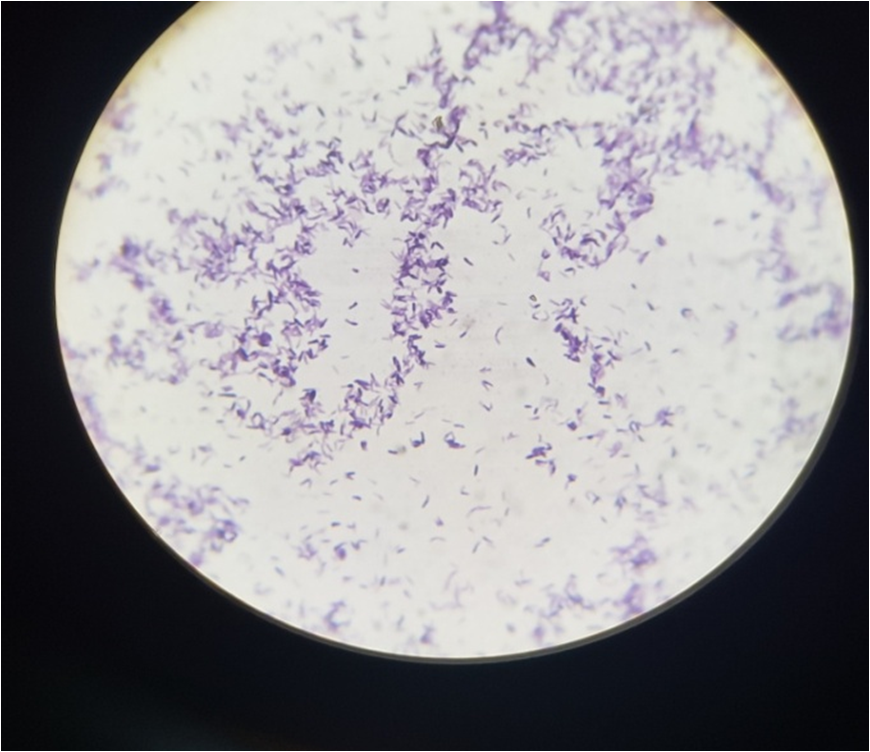
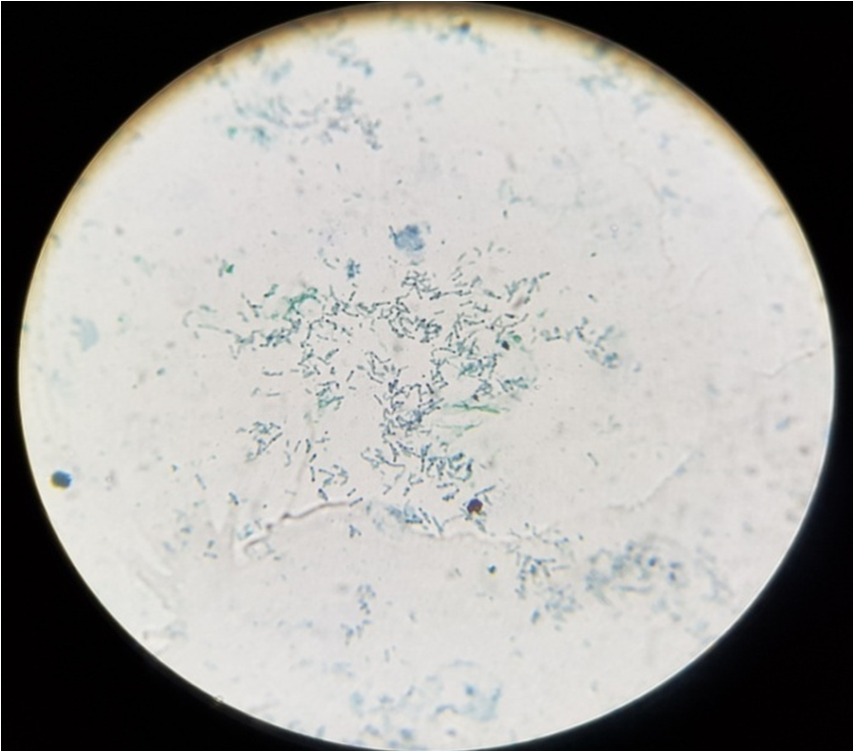
This case series examined 12 patients admitted to our tertiary care center in South Maharashtra, India with clinical suspicion of oropharyngeal diphtheria for six months. This study was approved by the Institutional Ethics Committee (Dr. Vaishampayan Government Medical College, Solapur. Ref no: Pharma Dept/IEC/Approval letter/121/21) and an informed written consent was obtained from all patients enrolled in this study. Care has been taken to ensure that participant’s identifiers are removed and identities are not revealed. In each case, two throat swabs were collected and primary identification of Corynebacterium diphtheriae was done by direct microscopy (Gram’s and Albert’s stains, Figure 2 and Figure 3), bacteriological culture, and biochemical tests as per the standard procedure 5. Culture isolates were tested for toxigenicity by Elek’s gel precipitation test and were sent to a reference laboratory for tox A gene detection by polymerase chain reaction.
Patient sera were collected (before administration of anti-diphtheritic serum) and anti-diphtheria toxoid IgG antibody titers were determined at a reference laboratory using a commercial Anti-Diphtheria Toxoid IgG Enzyme-Linked Immunosorbent Assay (EUROIMMUN, Germany) 6. Titers were interpreted as follows:
<0.01 IU/ml = No protection.
0.01 – 0.099 IU/ml = Uncertain protection.
≥0.1 IU/ml = Immunization protection present.
1.0 IU/ml = Long-term immunization protection.


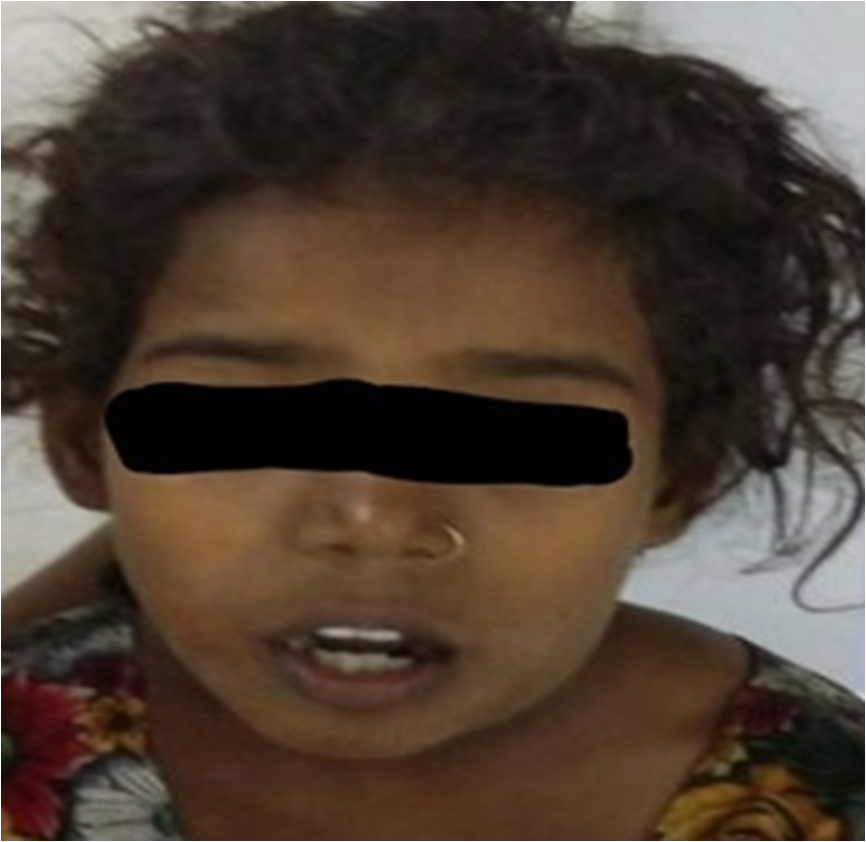
All 12 patients presented with oropharyngeal diphtheria with the formation of pseudomembrane in the oropharynx. Eleven patients were of the pediatric age group and one was an adult. Of the 12 patients, eight (66.66%) recovered, three (25%) succumbed and one (8.33%) was lost to follow up (discharged against medical advice). Their vaccination histories, microbiological findings, distribution of anti-diphtheria toxoid IgG antibodies and outcomes are presented in Table 1. The microbiological diagnosis was achieved for 11 patients and one was diagnosed clinically. Six patients (50%) had levels of anti-diphtheria toxoid IgG antibodies below 0.01 IU/ml. Two patients (17%) showed uncertain protection (0.01 - 0.099 IU/ml), and the remaining four patients were not tested for antibody titers as they were administered with diphtheria antitoxin immediately on admission before blood samples could be collected due to their severe presentation. There was no significant difference in diphtheria antibody levels between males and females.
Diphtheria is a fatal but vaccine-preventable disease, the incidence of which had declined worldwide following global immunization programme. With the inclusion of the diphtheria vaccine in the national immunization schedule, India saw a decline in the number of annual cases from 100,000 in 1980 to 2,500 in 2015. However, India accounted for a substantial proportion of the global burden of diphtheria cases 1. In recent years, a resurgence was noted primarily due to low vaccine coverage and waning adult immunity to the disease. In our series, all cases except one were of the pediatric age group; either unimmunized (no DPT dose) or partially immunized (1 dose of DPT). None of the patients of the pediatric age group completed primary immunization. One adult case notified with complete primary immunization history but no booster immunization. Nath B et al 7 and Saikia L et al 8 also showed maximum cases in the adult age group. The World Health Organization recommends 3 primary doses (by six months of age) followed by 3 booster doses (by adolescence) of the diphtheria vaccine before adolescence. Diphtheria is a resurgent problem and a significant age shift towards adults has been notified in some regions 9, 10. However, the information about booster doses is limited and is expected to be low as the data is not routinely collected through surveys 1.
As demonstrated by the last major diphtheria epidemic in the former Soviet Union, when more than 50,000 cases were recorded, waning immunity due to vaccination and reduced natural infection leads to a large pool of susceptible persons, creating an epidemic potential. During this epidemic adolescents and adults were mainly affected, with a history of previous vaccination in most individuals 11. Over the last 20 years (i.e. 1996-2016), hospital-based sentinel surveillance and outbreaks that were published in the past showed that diphtheria cases were most commonly reported in school going children and adolescents 1.
A survey from India found that 29% of 8,309 children aged 5-17 years were immune, 59.8% partially immune, and 10.5% non-immune, with variations between genders, regions and urban and rural settings. The same study also reported vaccine coverage (of the three primary doses) of 78.4% 12.
India reported a diphtheria-tetanus and pertussis (DTP3) vaccine coverage of nearly 90% among 1-year olds in 2019 versus a global coverage of 85%. Studies conducted worldwide and in India have documented the determinants of vaccination coverage and have catalogued the strategies that have proven effective in improving immunization coverage 13, 14, 15. However, the diphtheria vaccine prevents disease but not carriage or transmission 16. Our study showed, six patients (50%) had levels of anti-diphtheria toxoid IgG antibody titers below 0.01 IU/ml and two patients (17%) showed uncertain protection (0.01- 0.099 IU/ml), thus measuring antibody titers against diphtheria toxin in individuals is the only way to survey the level of protection in a community and would also help to know immunization status. The limitation of the present study was four patients out of 12 were not tested for serum antibody titers as they were given Anti-Diphtheria serum (ADS) before blood sample collection.
Our series highlights the need to:
1. Improve primary vaccine coverage.
2. The immunity of school-going children could be improved by administering all the children with adult type of tetanus and diphtheria (Td) vaccine at school entry and replacing the tetanus toxoid vaccine used in school health program with Td vaccine; since the full potency diphtheria toxoid (25 Lf per dose) used in the Universal Immunization Program is associated with high reaction rates among older children and adults 1.
3. The use of Td instead of TT is to be recommended during pregnancy not only to protect against maternal and neonatal tetanus but also protect against diphtheria during prenatal care. Though implemented in some places, there is a need to spread awareness among people with low educational status.
4. Good surveillance is needed to document the impact of vaccination.
5. National level surveys need to include information about diphtheria boosters, besides the information about primary vaccination.
6. Conduct serosurveys in all the states covering different age groups to estimate the population immunity guide the immunization program.
The present study demonstrated that toxigenic strains of C. diphtheriae are circulating in this geographical location which indicates the need for constant epidemiological surveillance ensuring early detection of diphtheria and review the efficacy of the immunization programme. Detection of Diphtheria cases in adults – is an eye-opener for Physicians and epidemiologists, studies should be carried out with larger sample size. Due to the low levels of anti-diphtheria antibodies in adolescent and increased travel to diphtheria endemic regions, it seems reasonable to carry out a publicity campaign regarding recommendations for diphtheria booster vaccination in adults. Full protection in the highest possible proportion of the population should help to avoid the re-emergence of this serious, potentially fatal infectious disease.
| [1] | Manoj Murhekar, Epidemiology of Diphtheria in India, 1996-2016: Implications for Prevention and Control, Am J Trop Med Hyg. 2017 Aug 2, 97(2): 313-318. Published online 2017 Jun 26. | ||
| In article | View Article PubMed | ||
| [2] | Bhagat S, Grover SS, Gupta N, Roy RD, Khare S. Persistence of Corynebacterium diphtheriae in Delhi and National Capital Region (NCR). Indian J Med Res 2015; 142: 459-61. | ||
| In article | View Article PubMed | ||
| [3] | WHO vaccine preventable diseases: monitoring system. 2020 Global summary: Incidence time series for India | ||
| In article | |||
| [4] | Galazka A. The changing epidemiology of diphtheria in the vaccine era. J Infect Dis, 2000, 181: S2-S9. | ||
| In article | View Article PubMed | ||
| [5] | Winn, W.C. & Allen, S.D. & Janda, W.M. & Koneman, E.W. & Procop, Gary & Schreckenberger, Paul & Woods, G.L. Color Atlas an Textbook of Diagnostic Microbiology, 2005. | ||
| In article | |||
| [6] | Zasada AA, Rastawicki W, Śmietańska K, Rokosz N, Jagielski M: Comparison of seven commercial enzyme-linked immunosorbent assays for the detection of anti-diphtheria toxin antibodies. Eur J Clin Microbiol Infect Dis. 2013, 32: 891-897. | ||
| In article | View Article PubMed | ||
| [7] | Nath B, Mahanta TG. Investigation of an outbreak of diphtheria in Borborooah block of Dibrugarh district, Assam. Indian J Community Med 2010; 35: 436-8. | ||
| In article | View Article PubMed | ||
| [8] | Saikia L, Nath R, Saikia NJ, Choudhury G, Sarkar M. A diphtheria outbreak in Assam, India. Southeast Asian J Trop Med Public Health 2010; 41: 647-52. | ||
| In article | |||
| [9] | Das PP, Patgiri SJ, Saikia L, Paul D. Recent Outbreaks of Diphtheria in Dibrugarh District, Assam, India. J Clin Diagn Res. 2016;10(7): DR01-DR3. | ||
| In article | View Article PubMed | ||
| [10] | Parande MV, Roy S, Mantur BG, Parande AM, Shinde RS. Resurgence of diphtheria in rural areas of North Karnataka, India. Indian J Med Microbiol. 2017 Apr-Jun; 35(2): 247-251. | ||
| In article | View Article PubMed | ||
| [11] | Zasada, A.A., Rastawicki, W., Rokosz, N. et al. Seroprevalence of diphtheria toxoid IgG antibodies in children, adolescents and adults in Poland. BMC Infect Dis 13, 551 (2013). | ||
| In article | View Article PubMed | ||
| [12] | Murhekar, Manoj VKarunakaran, T et al. Immunity against diphtheria among children aged 5-17 years in India, 2017-18: a cross-sectional, population-based serosurvey.The Lancet Infectious Diseases, Volume 0, Issue 0. | ||
| In article | |||
| [13] | M. Johri, M.C. Pérez, C. Arsenault, J.K. Sharma, N.P. Pai, S. Pahwa, et al. Strategies to increase the demand for childhood vaccination in low-and middle-income countries: a systematic review and meta-analysis. Bull World Health Organ, 93 (2015), pp. 339-346. | ||
| In article | View Article PubMed | ||
| [14] | Sabarwal S, Bhatia R, Dhody B, Perumal S, White H, Puri J. Breaking through stagnation: testing innovative approaches to engaging communities in increasing immunisation coverage: A scoping study; 2015. | ||
| In article | View Article | ||
| [15] | Cochrane review: interventions for improving coverage of child immunization in low-and middle-income countries. Evid - Based Child Health: A Cochr Rev J, 7 (2012), pp. 959-1012. | ||
| In article | View Article | ||
| [16] | Recommendations of the advisory committee on immunization practices (ACIP). Diphtheria, tetanus and pertussis: recommendations for vaccine use and other preventive measures. MMWR 1991; 40 (RR-10): 1-28. | ||
| In article | |||
Published with license by Science and Education Publishing, Copyright © 2021 Bhakti R. Chiluvery, Sujata Dharmshale, Snehal Patil, Suwarna Pawar and Kishor Ingole
 This work is licensed under a Creative Commons Attribution 4.0 International License. To view a copy of this license, visit
http://creativecommons.org/licenses/by/4.0/
This work is licensed under a Creative Commons Attribution 4.0 International License. To view a copy of this license, visit
http://creativecommons.org/licenses/by/4.0/
| [1] | Manoj Murhekar, Epidemiology of Diphtheria in India, 1996-2016: Implications for Prevention and Control, Am J Trop Med Hyg. 2017 Aug 2, 97(2): 313-318. Published online 2017 Jun 26. | ||
| In article | View Article PubMed | ||
| [2] | Bhagat S, Grover SS, Gupta N, Roy RD, Khare S. Persistence of Corynebacterium diphtheriae in Delhi and National Capital Region (NCR). Indian J Med Res 2015; 142: 459-61. | ||
| In article | View Article PubMed | ||
| [3] | WHO vaccine preventable diseases: monitoring system. 2020 Global summary: Incidence time series for India | ||
| In article | |||
| [4] | Galazka A. The changing epidemiology of diphtheria in the vaccine era. J Infect Dis, 2000, 181: S2-S9. | ||
| In article | View Article PubMed | ||
| [5] | Winn, W.C. & Allen, S.D. & Janda, W.M. & Koneman, E.W. & Procop, Gary & Schreckenberger, Paul & Woods, G.L. Color Atlas an Textbook of Diagnostic Microbiology, 2005. | ||
| In article | |||
| [6] | Zasada AA, Rastawicki W, Śmietańska K, Rokosz N, Jagielski M: Comparison of seven commercial enzyme-linked immunosorbent assays for the detection of anti-diphtheria toxin antibodies. Eur J Clin Microbiol Infect Dis. 2013, 32: 891-897. | ||
| In article | View Article PubMed | ||
| [7] | Nath B, Mahanta TG. Investigation of an outbreak of diphtheria in Borborooah block of Dibrugarh district, Assam. Indian J Community Med 2010; 35: 436-8. | ||
| In article | View Article PubMed | ||
| [8] | Saikia L, Nath R, Saikia NJ, Choudhury G, Sarkar M. A diphtheria outbreak in Assam, India. Southeast Asian J Trop Med Public Health 2010; 41: 647-52. | ||
| In article | |||
| [9] | Das PP, Patgiri SJ, Saikia L, Paul D. Recent Outbreaks of Diphtheria in Dibrugarh District, Assam, India. J Clin Diagn Res. 2016;10(7): DR01-DR3. | ||
| In article | View Article PubMed | ||
| [10] | Parande MV, Roy S, Mantur BG, Parande AM, Shinde RS. Resurgence of diphtheria in rural areas of North Karnataka, India. Indian J Med Microbiol. 2017 Apr-Jun; 35(2): 247-251. | ||
| In article | View Article PubMed | ||
| [11] | Zasada, A.A., Rastawicki, W., Rokosz, N. et al. Seroprevalence of diphtheria toxoid IgG antibodies in children, adolescents and adults in Poland. BMC Infect Dis 13, 551 (2013). | ||
| In article | View Article PubMed | ||
| [12] | Murhekar, Manoj VKarunakaran, T et al. Immunity against diphtheria among children aged 5-17 years in India, 2017-18: a cross-sectional, population-based serosurvey.The Lancet Infectious Diseases, Volume 0, Issue 0. | ||
| In article | |||
| [13] | M. Johri, M.C. Pérez, C. Arsenault, J.K. Sharma, N.P. Pai, S. Pahwa, et al. Strategies to increase the demand for childhood vaccination in low-and middle-income countries: a systematic review and meta-analysis. Bull World Health Organ, 93 (2015), pp. 339-346. | ||
| In article | View Article PubMed | ||
| [14] | Sabarwal S, Bhatia R, Dhody B, Perumal S, White H, Puri J. Breaking through stagnation: testing innovative approaches to engaging communities in increasing immunisation coverage: A scoping study; 2015. | ||
| In article | View Article | ||
| [15] | Cochrane review: interventions for improving coverage of child immunization in low-and middle-income countries. Evid - Based Child Health: A Cochr Rev J, 7 (2012), pp. 959-1012. | ||
| In article | View Article | ||
| [16] | Recommendations of the advisory committee on immunization practices (ACIP). Diphtheria, tetanus and pertussis: recommendations for vaccine use and other preventive measures. MMWR 1991; 40 (RR-10): 1-28. | ||
| In article | |||