The Person-Centered Care approach improves the facility design and revolves around user preferences with the added value of superior services, respect with dignity and teamwork, infrastructure, and innovation. This study based on healthcare professionals practicing person-centered care dimensions investigates conceptualization and the process of creating high quality to examine improve healthcare systems efficiency and effectiveness. To enhance the healthcare environment, ensuring a comprehensive assessment of patient journey throughout the care process and ensure safety, timeliness, effectiveness, efficiency, and patient-centered care approach have been considered. The consideration for home-like acknowledged built environment, aesthetically delighted, space for family and friends, noise-free, rooms exposed to nature, provision to access healing gardens and promote healthcare outcomes as well as better culture and better care consequence increase patient experience and thus have positive impact on patient satisfaction. In this paper the Person-Centered Care Design facility with reference to the healthcare outcomes in Saudi Arabia has been studied.
The designing of healthcare facilities are very complex with respect to core functions, allied services and associate supportive units. When we track the physical environment matrices such as Patient satisfaction, Infection control, Optimized circulation and Patient falls, there shall be necessity to develop better facility that enrich better Patient outcomes with respect to traditional designed hospital. With the vision and policy frameworks By WHO for people centered care, all people have equal access to quality healthcare services, that meets needs, respect with social preferences such a way that shall be comprehensive, safe, effective, timely efficient and acceptable, in addition most important cares are motivated, skilled and operate in supportive environment for achieving possible outcomes 1. Saudi Arabia proposed transformation goals for the vision 2030 to improve healthcare with value: Increase the length, wellbeing and quality of life of Saudi citizen, by improving the quality and consistency of services and accountability of healthcare organization and staff to deliver care that is safe, effective, patient centered, timely and equitable. Also MOH launched various program to boost patient experience for quality improvement by measuring patient satisfaction 2. Focus on the whole person philosophy. Each patient is a unique person, with diverse need. Each staff member is a caregiver, whose role is to meet the needs of each patient. Active engagement of patient’s family and friends are important attribute and having therapeutic relationship with care providers 3. When healthcare users participate in healthcare program, obviously they become more informed and engaged in their medical care, also focus to improve the patient experience such as respect for patient preference, coordination and integration of care, information and education, physical comfort, involvement of family and friends, continuity and transition and access to care 4.
There are many evidences that show the emergence of person centered care and design trend globally, if we see the example of Saudi Arabia, then there is need of an increase in the number of hospitals in the Ministry of Health (MOH) by 40.51%; Other Governmental Sector by 12.82%; whereas in the Private Sector by 44.76%. Overall in total there is an increase in the total number of hospitals in all the healthcare sectors by 38.64% in the year 2016 as compared to the year 2002. On the other hand, there is an increase in the number of hospital beds in the Ministry of Health (MOH) by 46.68%; other governmental sector by 20.59%; whereas in the Private Sector by 94.64%. Overall in total there is an increase in the total number of hospital beds in all the healthcare sectors by 50.48% in the year 2016 as compared to the year 2002 5. Various researches have demonstrated that Person centered Patient care experience are interacting with healthcare system and create public values for services, when healthcare Organization provides patient and families work together, the quality of healthcare rise, cost decrease and provider satisfaction increases and patient care experiences improving that may affect positively on quality, safety, satisfaction and effective treatment 6.
In this paper qualitative research method has been used. The systematic literature review has been explored through internet and secondary data from relevant published academic literature from journals articles and research papers. The data collection in the qualitative research are the data that comes from a number of case study examples that are described descriptively and are supported by illustrations and photographs to reinforce the arguments put forward. The basic concepts and backgrounds are investigated through literature and on-line media, observations to work for qualitative analysis conducted for person-centered care based emerging design trend for built healthcare environments.
The emerging healthcare design trend, favorable for patient outcomes are important factors for safety and quality of care has led stakeholders, policy makers and health care provider organizations adopt standardized processes for measuring health care systems. The patient satisfaction has become a key criterion by which the quality of health care services is evaluated. As this study outcomes can be used as bridge knowledge to fix the gap of existing healthcare services delivery system and person centered care in Saudi Arabia private healthcare system. There are various organizational initiatives and approaches already in practice globally which may assist planners, designers and decision makers. The most important is Plantree model approach, which attempted to change radically how healthcare shall delivered to patients and their families based on philosophy of patient education and participation with respect to increase access to health and medical information. Furthermore encourage holistic approach to healthcare promoting mental, emotional, spiritual, social and physical healing 7.
A care planned, delivered, managed, and continuously improved in active partnership with patients and their families (or care partners as defined by the patient) to ensure integration of their health and healthcare goals, preferences, and values. It includes explicit and partnered determination of goals and care options, and it requires ongoing assessment of the care match with patient goals 8. Also Picker institute approach measures on patient's experience of care across eight areas in order to determine where improvements can be made within healthcare organization 9. The respect for patients, coordination of care, mutual communication, physical comfort, and emotional support, involvement of family helps in making the transition from hospital to home and easily access to person-centered healthcare 10.
4.1. Respect for Patient PreferencesThe need and preferences of individual patient’s is often key to their satisfaction. So provision of such physical environment so that patient has ability to control their care experience as well as having opportunity to be part of the decision making of their health .
4.2. Coordination and Integration of CareThe provision of two important factors like clinical outcomes and patient experience involve effective communication between patient's, family, staff and management that make sure about appropriate care at every level of checkup.
4.3. Involvement of Family and FriendThe most important attribute is active participation and involvement of family and friend and plan for care.
4.4. Physical ComfortIt focuses on patient’s physical comfort to effectively manage their pain, anxiety, discomforts and other difficulties. The room control and infrastructural design are accountable for physical comfort and needs of the patient.
4.5. Patient EmpowermentTo empower patient, sharing the health information to patient is core activity that may beneficial to avoid error. It is important to share information with transparency as in case of medication education from Pharmacists, patient may take delivery of prescription with most accurate medication plans.
4.6. Emotional SupportBeing ill is very unpleasant situation that habitually associated with amplified pain, stress, fear and anxiety. So design of home/hotel like environment feel the emotional support aspect like art work, community theme painting may create sense of familiarity to support emotional wellbeing.
4.7. Access to CareIt focuses on how easily available appointment and accessibility of specialist and care when patient is in need to avoid unnecessary travel to multiple locations for inpatient and outpatient provision.
4.8. Transition and Continuity of CareIt focuses the patient journey from entry to post discharge care. Also shared interest of both provider and patient to ensure a smooth recovery and better health outcome post treatment, ensures flourishing transition and continuity of care in terms of education, post discharge care and coordination of follow-up appointments. Generally aspect of Patient's experiences including choice of provider, access and waiting times, confidence and trust in health professionals, Informationand communication, Involvement in treatment decisions, availability of staff when needed, hygiene, cleanliness and hand-washing, Food and physical environment, Access to records and medical communications, being treated with dignity-respect and overall satisfaction 11.
The patient satisfaction reflects the personal preferences of the patient, the patient’s expectations, Response tendencies due to personal characteristics and the quality of care received. Sometime patient priorities influence design strategy that enhance Confidence and trust in doctors and nurses treating patient, Clear explanations of consumer condition or treatment, Staff knowing enough about patient condition and treatment, Cleanliness of hospital Getting clear answers to consumer questions, being treated with dignity and respect, Pain relief, Operations or procedures being performed on time, Opportunity to talk to a doctor, staff being open with me, sometime Privacy when being examined or treated, Prompt help from hospital staff when patient need it, Enough notice of operation or treatment cancellation 12.
Being involved in decisions about own care, Information about medication, Not waiting too long on a trolley or a chair before getting to ward, Short time on the waiting list before admission, Staff who understand patient anxieties and fears, Information about patient recovery at home, Being given an explanation about why user have to wait, Good quality food, Information about what to expect before admission to hospital, Not having to share a ward or room with patients of opposite sex, Not being moved around from ward to ward within the hospital, Low noise levels, Knowing the names of the staff in charge of patient care, Having access to medical records, Clear information about ward routines, Invitation to visit the hospital and meet staff before admission 13.
The main objective to create person centered care environment that may be more home like instead of institutional. Built environment balance the need for patient/staff safety with importance of comfort, privacy and modesty that facilitate process of healing. It must consider the preferences of the mind, body and spirit of patients, families and working staff in its planning and designing facility 14. The design criteria which are needed for consideration while planning and designing Person Centered Care facility are summarized as below:
1. Evidence based principles shall incorporate while designing Built environment for consistently updated to enhance the safety and security of patients, visitors, working staff and management.
2. End users, patients have choices or control over their personal environment including, personalization, access to day -light, noises and sounds, odors, electrical lighting, thermal comfort and visual privacy Provision..
3. The navigation plan for patients, visitors, and staff to their destination provision shall provide with clear and understandable pathways. The navigation plan Components may include way findings and progressive disclosures that is reasonable to a variety of end users regardless of language of origin or physical ability, destination markers, clear sightlines with visual way findings makers such as architectural details, pattern or artwork, kiosks and handheld maps/digital directory.
4. Physical access to the building shall barrier free and convenient. There should be provision of additional accessible parking adjacent to entrances, offering wallet services and or shuttles to transport visitors to and from the building, and ensuring that wheelchairs are conveniently located at entrances sufficient to meet the need of patients/residents.
5. To accommodate privacy needs a culturally appropriate way that provides for patient/staff dignity and modesty, particularly in common areas, check-in registration, check-out/billing, patient/resident rooms.
6. Provision of Patient/staff have Access to nature, example include an indoor, outdoor or roof garden.
7. Lighting shall be provided aesthetically conducive to creating a healing environment and that enhances staff, patient and family safety and security throughout premises.
Considering the safety and quality of patient’s care as well as designing facility may help to reduce preventable accidents such as patient falls, hospital acquired infection 14. The main challenge for patient, family experiences and perception by designing hindering effective communication between consumers and service providers by shaping the attitudes and behavior of working staff, for example several design consideration mainly home like aesthetic, Noise reduction, family space, decentralized nursing station, rooms exposed to sunlight, healing gardens and Noise reduction promote healing environment that are more promising to positive outcomes for healthcare facility mainly 15.
6.1. Welcoming EnvironmentFirst impressions for patient and family to Parking spaces, main entrance lobby, reception area, waiting area and Information desk, entrance to specific units and OPD clinics and entrance to Emergency Department. These spaces shall be well defined with proper signage for interactive Physical space shall treated with easily accessible, aesthetic and more inviting.
6.2. Physical and Visual Access to NatureProviding Day lighting with visual connectivity serves natural healing and reduces pain and distress, hence importance of nature for patients, families and staff is increasingly incorporated into facility design.
6.3. Size Setup and Decor of Patient RoomDesign of appropriate patient room size as well as need for future grows, area for support and family space in addition to this core functional space.
6.4. Technology and Life Support SystemEmerging technologies affect majority of units, like in patient room infotainment system and mounted boom using instead of traditional head wall unit while designing of patient room.
6.5. Segregated CirculationNursing staff, Doctor's and Patient circulation must be according to specific purpose and shall be well defined to optimize function.
6.6. Movement of ServicesWhen Nurse Station decentralized, movement of services to reduce patient movements and required utility shall satellite setup to serve the purpose. Other support spaces serve as patient recreation activity that is generally transformed from actual space.
6.7. Variable Unit GeometryAs per site configuration, the design unit geometry are linear, semicircular, circular, horse shoe, box and sometime combination of different configurations.
6.8. Administrative and Supportive SpaceFor staff information and teaching hospital, provision of administrative and education space within unit must be considered.
6.9. Proximity to Diagnostic and TreatmentThe incorporation of diagnostic and treatment modalities in design should be preferable shared services with entire facility.
6.10. Information and Communication TechnologyWith visualization of easy access, intelligent and smart healthcare facility, integration of different services for Patient rooms, lighting control to automate and manage patient room’s lights from central integrated building management system. Some highlighted systems must be there like Infotainment system, Nurse call system, IPTV, IP Camera, white board system, Digital name board system, Digital signage, RFID/RLTS, Access control system, Public address system, Master clock synchronization system, Integrated BMS, Kiosk. Consideration of Data center, IDF room, dedicated shafts, horizontal, vertical pathways, cable selection, and type of walls and finishes are very important for IT civil and infrastructure planning.
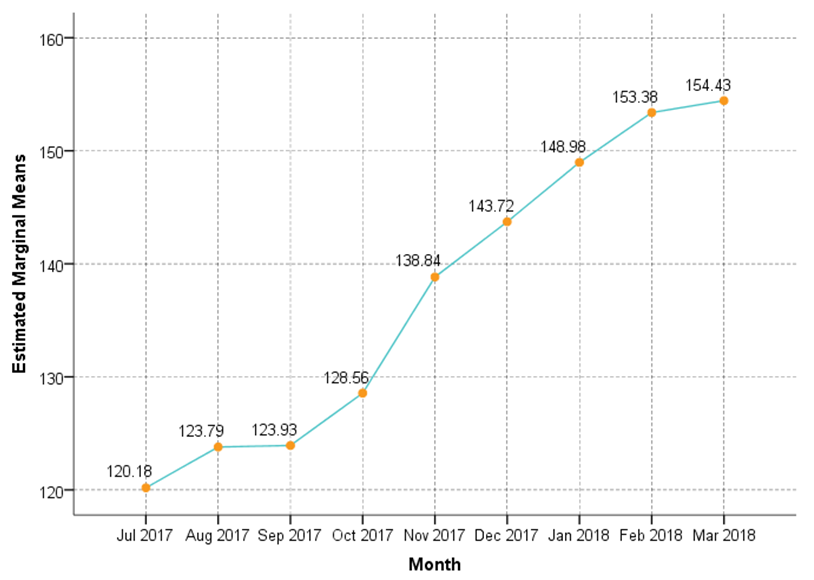
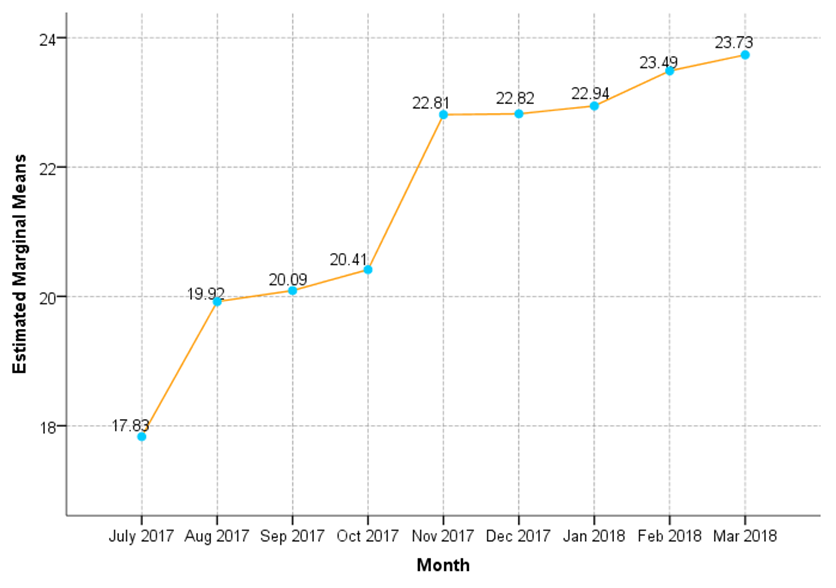
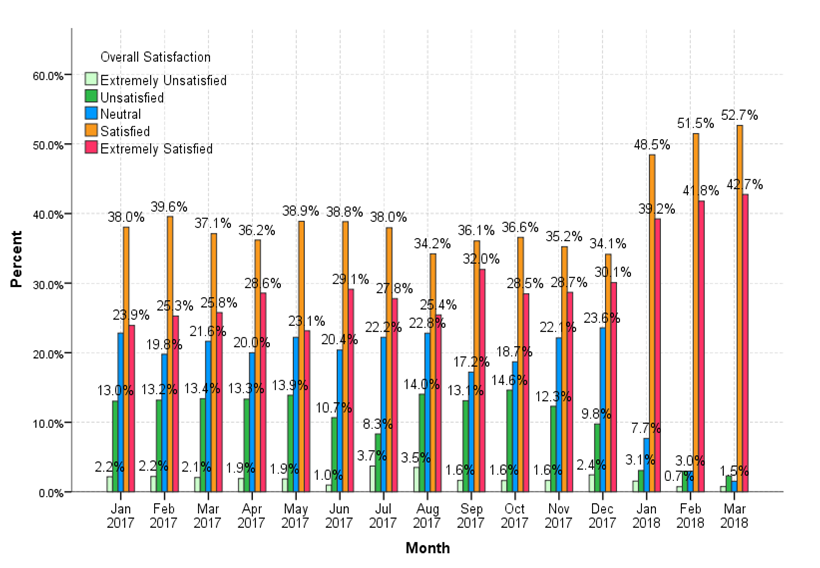
There shall be standardized process for selection, implementation and monitoring of hospital wise and department wise quality indicators and performance improvement project as required by national laws, regulations, and national and international Healthcare standard 15. Moreover, healthcare organization ensure performance measurement and improvements are consistent with the hospital Strategic, Operational, Quality Improvement, Patient Safety, and risk Management Plans, below given examples are outcome indicators at As Suwaidi 315 Bedded Hospital Riyadh, Saudi Arabia 16. Understanding of patient experience is a significant step in providing patient centered care. In this process, it also assess physical environment , quality of care and services by asking and taking valuable feedback from our patients about their Experiences 17.


Concern to the quality of care, several factors i.e. Improvements of the staff experience, staff retention improvement, Job stress reduction, Job satisfaction and more interactions with patients, compassion enhancement, patient satisfaction and perception of their care, paybacks related to patient centered care, include improving patients’ self-perceptions, reducing stress and increasing empowerment, and have also been reported in diabetes mellitus management 18. The patient experience encompasses the range of interactions with the health care system, from health plans, and from doctors, nurses, and staff in hospitals. To maximize patient’s opportunities for choices and to respect those choices, the provision for patient’s well-being can be enhanced by an optimal healing environment, including access to music and the arts, satisfying food, and complementary therapies. To effectively care for patients, designer must also care for working staff members by supporting them in achieving their personal goals. Hence Patient-Centered Care is the core of a high quality health care system and a necessary foundation for safe, effective, efficient, timely and equitable care.
When people are better informed, they may assess and choose different care effectively. Person centered care design need more research for better culture , better care (patient care plan match organization goals, improve system management, improve safety, improve transition, decrease unnecessary admission) , better health (patient health outcomes, self-management, reduced illness burden, improve quality of life, reduce disparities) and lower cost (improve efficiency, utilization on length of stay, appropriate healthcare spending). Access to care and timely access is very important factor to promote improved healthcare outcomes, also it reduce hospital admissions, decrease utilization of resources 21.
This study showed that emerging design trend with patient preferences, empowerment and coordination of care with physical environment dimensions that are considered ultimate important factor for quality improvement. The recognition of patient experience and respect their need while designing healthcare facility lead to a significant step in providing better environment, also not only ensuring patient satisfaction during the care but ensuring comprehensive assessment of patient journey through the care process and ensuring safe, timely, effective, efficient efficacy and patient centered care are met. The healthcare facility design shall encourage the patients and family to have interaction with healthcare system through effective, open and clear communication. There shall be always flexibility to improve the quality and safety outcomes and the experience of care by encouraging and supporting patients and families to be actively involved in their treatment and care.
There is further need to strengthen the person centered care framework with respect to clinical outcomes further, that may supported by evidence and it should be universally accepted to patient perspectives to ensure that the concepts reflect what really matter to patients. There is a need to generalize that how facility designer assess systematic outcomes measurement. The use of person centric indicators that monitor and evaluate quality improvement within organization are accountable through public reporting 22.
The Authors are deeply indebted and thankful to HMG Engineering design and Hospital affairs team of Dr. Sulaiman Al Habib Medical Group Riyadh Saudi Arabia for their constant help, support and encouragement.
| [1] | Framework on integrated, people-centered health services. Report by 69th World Health Assembly, Geneva, 23-28 May 2016 [Online]. Available: http://apps.who.int/gb/ebwha/pdf_files/WHA69/A69_39-en.pdf. [Accessed April 30, 2018]. | ||
| In article | |||
| [2] | Ministry of Health. Patient Experience Measurement Program. 2018. [Online]. Available: https://www.moh.gov.sa/en/Ministry/pxmp/Pages/default.aspx. [Accessed November 14, 2018]. | ||
| In article | |||
| [3] | Barbosa, A., Sousa, L., Nolan, M., and Figueiredo, D. Effects of person-centered care approaches to dementia care on staff: A systematic review. American Journal of Alzheimer’s disease and Dementias, 2015. Vol. 30, 713-722. | ||
| In article | View Article PubMed | ||
| [4] | Bechtel C. If you build it, Will they come? Designing truly patient-centered health care. Health Aff (Millwood) 2010. 914-920. | ||
| In article | View Article PubMed | ||
| [5] | A comparative study on the number of Hospitals and Hospital Beds in the Kingdom of Saudi Arabia. [Online.] https://www.researchgate.net/publication/326235429. | ||
| In article | |||
| [6] | Greenfield S, Kaplan S, Ware JE Jr. Expanding patient involvement in care: effects on patient outcomes. Ann Intern Med. 1985; 102(4): 520-8. | ||
| In article | View Article PubMed | ||
| [7] | Planetree P. Person-Centered Care Designation Criteria. 2017. [Online] https://planetree.org/wpcontent/uploads/2017/04/Planetree_Designation-4-5-17.pdf. | ||
| In article | |||
| [8] | Berghout M, Van Excel J, Leensvaart L, Cramm JM. Healthcare professionals' views on patient-centered care in hospitals. BMC Health Service Res. 2015; 15: 385. | ||
| In article | View Article PubMed | ||
| [9] | Sheller, D., Darby, C. Profiles of High-Performing Patient- and Family-Centered Academic Medical Centers: University of Pittsburgh Medical Ce. 2009. [Online] Available: http://www.pickerinstitute.org/ [Accessed January 18, 2010] | ||
| In article | |||
| [10] | Frampton S, Guastello S, Brady C, Hale M, Horowitz S, et al. The Patient Centered Care Improvement Guide. Derby, USA: The Planetree Association and the Picker Institute, 2008. | ||
| In article | |||
| [11] | Goodrich J. Exploring the wide range of terminology used to describe care that is patient centered. Nursing Times. 2009. 105(20): 14-7. | ||
| In article | |||
| [12] | The World Health Report. Health Systems: Improving Performance. World Health Organization, Geneva. 2000. 1-215. | ||
| In article | |||
| [13] | Mitchell S. E., Gardiner P. M.., Sadikova E, Martin J. M., Jack B. W., Hibbard J. H., Paasche M. K. Patient Activation and 30-Day Post-Discharge Hospital Utililize.. Journal of General Internal Medicine, 29. 349-355, 2014.9. | ||
| In article | View Article PubMed | ||
| [14] | Planetree International Designation Criteria and Implementation. Guidance. [Online]. Available: https://planetree.org/wp-content/uploads/2016/02/Planetree-International-Designation Criteria-and-Implementation-Guidance. pdf. [Accessed November 14, 2019]. | ||
| In article | |||
| [15] | Giles S. J., Lawton R. J., Din I, Mc Eachan R.R. Developing a patient measure of safety (PMOS). BMJ Qual Saf 2013. Vol. 22, No. 7, 554-562. | ||
| In article | View Article PubMed | ||
| [16] | Zuber M. S. (2018). The Impact of Planetree Certification on a Nationally and Internationally Accredited Healthcare Facility and its Services. International Journal of Multidisciplinary. [Online] Available https://zenodo.org/record/1344078#.XkXCLjLXLIU. | ||
| In article | |||
| [17] | Epstein EG, Miles A, Rovnyak V, Baernholdt M. Parents’ perceptions of continuity of care in the neonatal intensive care unit: pilot testing an instrument and implications for the nurse-parent relationship. J Perinat Neonatal Nurs. 2013; 27(2): 168-175. | ||
| In article | View Article PubMed | ||
| [18] | Muntlin A, Gunningberg L, Carlsson M. Patients’ perceptions of quality of care at an emergency department and identification of areas for quality improvement. Journal of Clinical Nursery. 2006. Vol.15. No. 8. 1045-1056 | ||
| In article | View Article PubMed | ||
| [19] | Zuber M. S. (2018). The Impact of Planetree Certification on a Nationally and Internationally Accredited Healthcare Facility and its Services. International Journal of Multidisciplinary. [Online] https://zenodo.org/record/1344078#.XkXCLjLXLIU. | ||
| In article | |||
| [20] | Zuber M. S. The Impact of Hospital Accreditation on the Patients Satisfaction of Laboratory Department Services. International Journal of Business, Management and Allied Sciences. Vol. 4 No. 2, 2017, 4277-4289. | ||
| In article | |||
| [21] | Uwamahoro T. Bringing primary health care to remote populations through private public partnerships: the SHOPS Mister Sister experience. Washington DC: United States Agency for International Development; [Online] Available: http://www.shopsplusproject.org/sites/default/files/resources/Mist er%20Sister%20Overview.pdf. [Accessed April 4, 2018]. | ||
| In article | |||
| [22] | Review of Evidence for Consumer Engagement. Picker Institute Europe. [Online] Available http://www.investinengagement.info. [Accessed May 15, 2018]. | ||
| In article | |||
Published with license by Science and Education Publishing, Copyright © 2020 Safeer Ahmad, Jitendra Singh, Mohammad Arif Kamal and Zubair Mujeeb Shaikh
 This work is licensed under a Creative Commons Attribution 4.0 International License. To view a copy of this license, visit
http://creativecommons.org/licenses/by/4.0/
This work is licensed under a Creative Commons Attribution 4.0 International License. To view a copy of this license, visit
http://creativecommons.org/licenses/by/4.0/
| [1] | Framework on integrated, people-centered health services. Report by 69th World Health Assembly, Geneva, 23-28 May 2016 [Online]. Available: http://apps.who.int/gb/ebwha/pdf_files/WHA69/A69_39-en.pdf. [Accessed April 30, 2018]. | ||
| In article | |||
| [2] | Ministry of Health. Patient Experience Measurement Program. 2018. [Online]. Available: https://www.moh.gov.sa/en/Ministry/pxmp/Pages/default.aspx. [Accessed November 14, 2018]. | ||
| In article | |||
| [3] | Barbosa, A., Sousa, L., Nolan, M., and Figueiredo, D. Effects of person-centered care approaches to dementia care on staff: A systematic review. American Journal of Alzheimer’s disease and Dementias, 2015. Vol. 30, 713-722. | ||
| In article | View Article PubMed | ||
| [4] | Bechtel C. If you build it, Will they come? Designing truly patient-centered health care. Health Aff (Millwood) 2010. 914-920. | ||
| In article | View Article PubMed | ||
| [5] | A comparative study on the number of Hospitals and Hospital Beds in the Kingdom of Saudi Arabia. [Online.] https://www.researchgate.net/publication/326235429. | ||
| In article | |||
| [6] | Greenfield S, Kaplan S, Ware JE Jr. Expanding patient involvement in care: effects on patient outcomes. Ann Intern Med. 1985; 102(4): 520-8. | ||
| In article | View Article PubMed | ||
| [7] | Planetree P. Person-Centered Care Designation Criteria. 2017. [Online] https://planetree.org/wpcontent/uploads/2017/04/Planetree_Designation-4-5-17.pdf. | ||
| In article | |||
| [8] | Berghout M, Van Excel J, Leensvaart L, Cramm JM. Healthcare professionals' views on patient-centered care in hospitals. BMC Health Service Res. 2015; 15: 385. | ||
| In article | View Article PubMed | ||
| [9] | Sheller, D., Darby, C. Profiles of High-Performing Patient- and Family-Centered Academic Medical Centers: University of Pittsburgh Medical Ce. 2009. [Online] Available: http://www.pickerinstitute.org/ [Accessed January 18, 2010] | ||
| In article | |||
| [10] | Frampton S, Guastello S, Brady C, Hale M, Horowitz S, et al. The Patient Centered Care Improvement Guide. Derby, USA: The Planetree Association and the Picker Institute, 2008. | ||
| In article | |||
| [11] | Goodrich J. Exploring the wide range of terminology used to describe care that is patient centered. Nursing Times. 2009. 105(20): 14-7. | ||
| In article | |||
| [12] | The World Health Report. Health Systems: Improving Performance. World Health Organization, Geneva. 2000. 1-215. | ||
| In article | |||
| [13] | Mitchell S. E., Gardiner P. M.., Sadikova E, Martin J. M., Jack B. W., Hibbard J. H., Paasche M. K. Patient Activation and 30-Day Post-Discharge Hospital Utililize.. Journal of General Internal Medicine, 29. 349-355, 2014.9. | ||
| In article | View Article PubMed | ||
| [14] | Planetree International Designation Criteria and Implementation. Guidance. [Online]. Available: https://planetree.org/wp-content/uploads/2016/02/Planetree-International-Designation Criteria-and-Implementation-Guidance. pdf. [Accessed November 14, 2019]. | ||
| In article | |||
| [15] | Giles S. J., Lawton R. J., Din I, Mc Eachan R.R. Developing a patient measure of safety (PMOS). BMJ Qual Saf 2013. Vol. 22, No. 7, 554-562. | ||
| In article | View Article PubMed | ||
| [16] | Zuber M. S. (2018). The Impact of Planetree Certification on a Nationally and Internationally Accredited Healthcare Facility and its Services. International Journal of Multidisciplinary. [Online] Available https://zenodo.org/record/1344078#.XkXCLjLXLIU. | ||
| In article | |||
| [17] | Epstein EG, Miles A, Rovnyak V, Baernholdt M. Parents’ perceptions of continuity of care in the neonatal intensive care unit: pilot testing an instrument and implications for the nurse-parent relationship. J Perinat Neonatal Nurs. 2013; 27(2): 168-175. | ||
| In article | View Article PubMed | ||
| [18] | Muntlin A, Gunningberg L, Carlsson M. Patients’ perceptions of quality of care at an emergency department and identification of areas for quality improvement. Journal of Clinical Nursery. 2006. Vol.15. No. 8. 1045-1056 | ||
| In article | View Article PubMed | ||
| [19] | Zuber M. S. (2018). The Impact of Planetree Certification on a Nationally and Internationally Accredited Healthcare Facility and its Services. International Journal of Multidisciplinary. [Online] https://zenodo.org/record/1344078#.XkXCLjLXLIU. | ||
| In article | |||
| [20] | Zuber M. S. The Impact of Hospital Accreditation on the Patients Satisfaction of Laboratory Department Services. International Journal of Business, Management and Allied Sciences. Vol. 4 No. 2, 2017, 4277-4289. | ||
| In article | |||
| [21] | Uwamahoro T. Bringing primary health care to remote populations through private public partnerships: the SHOPS Mister Sister experience. Washington DC: United States Agency for International Development; [Online] Available: http://www.shopsplusproject.org/sites/default/files/resources/Mist er%20Sister%20Overview.pdf. [Accessed April 4, 2018]. | ||
| In article | |||
| [22] | Review of Evidence for Consumer Engagement. Picker Institute Europe. [Online] Available http://www.investinengagement.info. [Accessed May 15, 2018]. | ||
| In article | |||