Regular strikes by the Academic Staff Union of Universities (ASUU) is a problem in Nigeria. Therefore, it became very necessary to conduct a research work with the aim of overviewing the previous cases of ASUU strike, in order to generate guidelines that can guarantee quality architectural and other education in Nigeria. The research focused on desktop study as the instrument for data collection. Hence, the data were analyzed and checked with the use of contents analysis technique, so as to validate the results. The result of the analysis was accepted via normality test. Among the findings are: insufficient drawing boards in the architecture studios and failure of the government to implement its agreements with ASUU. Among the recommended guidelines are: there should be a provision for sufficient drawing boards with respected to the number of admitted architecture students in each class, in order to ensure the possibility of all the students to work at the same time in the studios during the free lectures time as an avenue by which students can learn from one another; a bill to force a particular government to honour agreements it entered with ASUU before the expiration of the time of ruling of such government must be enacted by the National Assembly in Nigeria, in order to prohibit the transfer of agreements from one administration to another; ASUU should be bound by the same bill in such a way to also prohibit ASUU from bringing the agreements it entered with the past government to any new government.
Strike is an impermanent stoppage of work by a group of employees, so as to enforce demands or express grievances 1, 2. Strike is not a new thing; it has been existing over the years in different nations of the world 3. For example, the first known strike was embarked by the Artisans of the Royal Necropolis at Deir el-Medina in ancient Egypt on November 14, 1152 BC under the rule of Pharaoh Ramses III. Also, at England in United Kingdom, strike was first recorded in 1768, when sailors in support of demonstrations in London, struck the topgallant sails of merchants ship at the Port, thereby incapacitating or crippling the ship. 3 further pointed out another example that in Nigeria, the first strike was recorded on June 21, 1945, after failure of protracted presentations to the government for salary increase to meet the very high increase in cost of living; since then, the incidence of strike in Nigeria has been on the increase and unabated.
According to 4, the classification of strikes is of different bases such as reason, coverage and the method employed. In this context, the coverage of this strike is limited to the strike actions of the Academic Staff Union of Universities (ASUU) in Nigeria. ASUU is an affiliate of Nigeria Labor Congress with the principles of transparency, accountability, integrity, objectivity, professionalism, hard work, sacrifice, courage, internal democracy, total commitment, group solidarity, team work, patriotism, working class solidarity and anti-imperialism, and its objectives are organization of academic staff employed by the government universities who have the qualification for ASUU membership; regulation of the relationship between ASUU members and also between employers and ASUU members; establishment and maintenance of proper conditions of service for ASUU members 5.

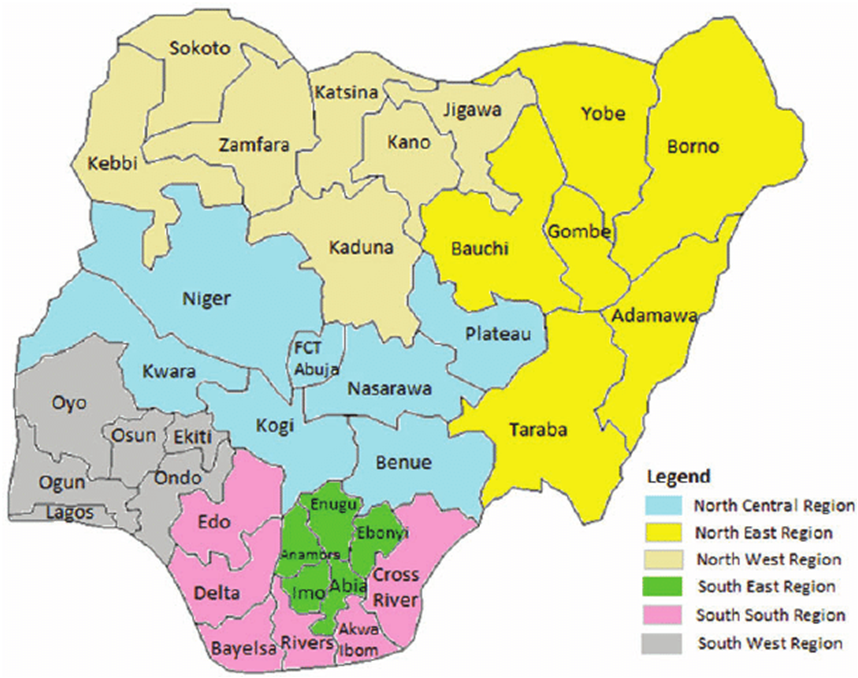
Over the years, Nigeria has been facing the problem of regular ASUU strikes 5. This has resulted to the disruption of academic calendars and making Nigerian students to spend more years in the universities. Thus, it has negatively affected architectural and other education in the universities. According to 6, architectural education is how the training of architecture students is conducted. This is made up of different factors such as the administration of architecture department, curriculum and approach; teaching and learning in all classes and the design studio inclusive. The consideration of regular interruptions of these factors as a result of ASUU strikes has led to this research with the aim of overviewing the previous cases of strike of the Academic Staff Union of Universities, in order to generate guidelines that can guarantee quality architectural and other education in Nigeria. Objectives of the research are to check the causes of previous ASUU strikes via media; to check the causes of previous ASUU strikes via the official website of ASUU and to check how issues related to the reasons for previous ASUU strikes have been studied via published research papers. The study area is the entire Nigeria because all the research data were obtained within the country with the exception of the researches that were conducted in Nigeria but published in abroad journals. Figure 1 shows Nigeria revealing its 36 states and the Federal Capital Territory, Abuja.
This study generated qualitative data by the employment of descriptive survey method. The 7 and 8 opined that Nigeria is made up of 36 states and the Federal Capital Territory (FCT). The research considered the issues of government universities with regards to ASUU strikes in all the 36 states and the FCT of Nigeria. Desktop study was used as the instrument for data collection; reviewed different literature and information from journals, media and ASUU website with respect to the cases of strike of the Academic Staff Union of Universities (ASUU). The research data were analyzed and checked with the use of contents analysis technique by comparing the extracted data with the raw desktop (secondary) data, in order to validate the results. The result of the analysis was accepted via visual method of normality test and it was used to draw vital conclusion for the research guidelines.
9 revealed that there was ASUU strike in Nigeria in 1988, 1992, 1994, 1996, 1999, 2001, 2002, 2003, 2005, 2006, 2007, 2008, 2009, 2010, 2011/2012, 2013, 2017, 2018/2019, 2020 and 2022. It was further revealed that the strikes were attributed to obtaining fair wages, university autonomy, reinstatement of 49 lecturers sacked at University of Ilorin, replacement of Integrated Payroll and Personnel Information System (IPPIS) with University Transparency and Accountability Solution (UTAS) as the payment platform for university lecturers; failure of the government to implement its agreements with ASUU and revitalization fund for the universities. Observation from the information provided by 9 shows that failure of the government to implement the agreements it entered with ASUU is significantly rated high and the issues of agreement failure have been inherited from previous administrations by different administrations.
3.2. Issues of Architectural Education in Nigerian UniversitiesOver the years, the issue of revitalization fund is one of the reasons for ASUU strikes 10, 11. On 13th September, 2022, Academic Staff Union of Universities (ASUU) described that the 1.1 trillion Naira outstanding revitalization fund for Nigerian universities is no longer applicable because of the present economic issues in Nigeria 12. From the research conducted on the design studio of Departments of Architecture of the Federal University of Technology, Akure and Covenant University, Ota in Nigeria by 13, it was asserted that the quality of human environment is the paramount concern in architecture. However, the research conducted by 14 on the determination of the state of architecture studios in the university in Nigeria shows that there is serious need for the revitalization of Nigerian universities by considering the findings of research. The research findings show that: “non-workable electrical appliances such as fans and light bulbs in the studios are significantly rated high and these negatively affect the effectiveness of the studios especially during the heat seasons and at night when the students will be working on their own without the presence of lecturers. This agreed with the result of study conducted by 15 that revealed that physiologically and psychologically, the environment has a powerful effect on the way people learn and also alters the nature of activities that are housed within it.
Other research findings are poor quality of the studio equipment; inadequate stools for the students; poor illumination in some studios; lack of section in the studios for computer training but a specific inadequate section that are common to both undergraduate and postgraduate levels exists; window blinds are not provided in the studios to control the inlet of sun rays; there is no constant electric power supply to the studios especially at night; the equipment in the studios are not properly maintained; intrusion of the students from other departments to charge their telephones, laptops and other chargeable electrical equipment affect the activities in studios in negative ways; the intruders make the studios to be noisy”.
Demands for the payment of earn academic allowances is also among the reasons for ASUU strikes 16, 17. Earn academic allowances such as excess workload is because of over population of the students in relation to inadequate number lecturers as a result of over admission of students by universities and this in turns resulted to inadequate learning facilities in the universities. From the research conducted on the design studio of the Departments of Architecture of the Federal University of Technology, Akure and Covenant University, Ota in Nigeria by 13, it was also asserted that the design studio is principal to the practice of architecture and architectural programme. Also, the research conducted on the studio experience of architecture academic staff in selected tertiary institutions in southwest Nigeria by 18 asserted that the studio as a space of functionality plays a very crucial roles in the education of students of architecture. However, the research conducted by 14 on the determination of the state of architecture studios in the university in Nigeria also shows that inadequate facilities in the studios is significantly rated high.
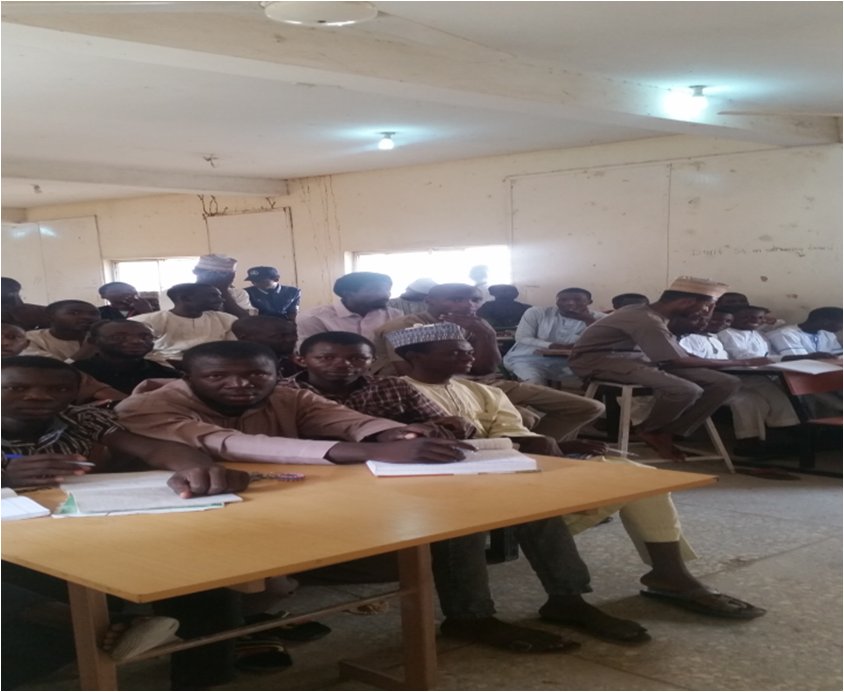
The research findings show that: “inadequate facilities in the studios such as the drawing boards have led to the impossibility of all the students working in the studios at the same time when there are no lectures, and these have negatively affected the avenue for the students to learn from each other in the studios; inadequate drawing boards in the studios have also led to the congestion in the studios as more than one students are attached to a drawing board during lectures. These are in line with the result of the study made by 19 that showed that many schools find their classroom environments inadequate to address certain teaching and learning conditions due to space limitation, storage issues or the classroom lacking specificity to programme. The findings further showed that the number of the students that are not satisfied with the spaces in studios in relations to their population are significantly rated high due to congestions”. The research conducted by 14 on the determination of the state of architecture studios in the university in Nigeria further revealed that: “Plate I shows the congested nature of 100 level studio during the lecture time.
The research overviewed previous strikes of the Academic Staff Union of Universities (ASUU) as an avenue to generate guidelines that can guarantee quality architectural and other education in Nigeria. The research findings from the issues of architectural education in Nigerian universities are: the quality of human environment is the paramount concern in architecture and studio as a space of functionality plays a very crucial roles in the education of students of architecture; electrical appliances that are not in good conditions such as studio light bulbs and fans are significantly rated high; poor quality of the equipment in the studios; insufficient studio stools; poor studio illuminations; unavailability of computer training section in the studios; lack of window blinds in the studios; presence of epileptics nature of electricity in studios mostly at night; improper maintenance of studio equipment; intrusion of non-architecture students to the studios, in order to charge their electrical equipment such as telephones and laptops negatively affect studio activities as a result of noise generation in the studios.
Other research findings from the issues of architectural education in Nigerian universities are: earn academic allowances such as excess workload is because of over population of the students in relation to inadequate number lecturers as a result of over admission of students by universities and this in turns resulted to inadequate learning facilities in the universities; inadequate facilities in the studios is significantly rated high in the sense that insufficient drawing boards have resulted to the impossibility of all the students to work at the same time in the studios during the free lectures time, and these have negatively affected the means by which students can learn from one another in the studios; insufficient drawing boards in the studios have also resulted to studio congestion as more than one students are allocated to one drawing board during the lecture time; as a result of studio congestions, the number of the students that are unsatisfied with the studio spaces in relation to the population of students are significantly rated high.
Findings from the general issues regarding university education in Nigeria are as follows: availability of very regular cases of ASUU strikes in Nigeria were attributed to obtaining fair wages, university autonomy, reinstatement of sacked lecturers, serious need for the revitalization fund, replacement of IPPIS with UTAS as the payment platform for university lecturers and failure of the government to implement its agreements with ASUU and the issues of agreement failures have been inherited from previous administrations by different administrations. Having considered the findings of this research, the following guidelines are therefore recommended to guarantee quality architectural and other education in Nigeria:
4.1. Guidelines to Guarantee Quality Architectural Education in Nigerian Universitiesi. All the electrical appliances such as studio light bulbs and fans in the studios must be in good conditions to improve the effectiveness of the studios especially during the heat seasons and at night when the students will be working on their own without the presence of lecturers.
ii. Equipment in the studios must be of good quality to enhance learning.
iii. There should be a provision for sufficient stools in the studios with respected to the number of admitted students in each class.
iv. There should be a provision for sufficient drawing boards with respected to the number of admitted architecture students in each class, in order to ensure the possibility of all the students to work at the same time in the studios during the free lectures time as an avenue by which students can learn from one another in the studios and to stop the congestion of students in the studio and thereby guarantee the satisfaction of students with spaces in the studios.
v. Studios must be well illuminated via adequate window or alternative openings to enhance learning.
vi. There must be availability of computer training section in the studios to ensure proper learning of computer aided designs.
vii. Studios should have window blinds to control sun rays, so as to enhance learning.
viii. There must be stable electric power supply in the studios to ensure continuous works at night.
ix. All the studio equipment must be properly maintained to enhance learning.
x. All the wall sockets in the classes of all the departments in the universities must be properly maintained in good condition to stop the intrusion of non-architecture students to the studios for the purpose of charging their electrical equipment such as telephones and laptops, in order to stop the noise generations in the studios by the intruders.
4.2. Guidelines to Guarantee Quality General Education in Nigerian Universitiesi. Universities must stop over admission of students in a way that students must be admitted with respect to the number of available lecturers in each department by strictly sticking to lecturer-students ratio of 1:15 as recommended by the National Universities Commission in Nigeria, in order to stop the payment of allowances for excess workload by the government which has been one of the causes of strikes of the Academic Staff Union of Universities (ASUU).
ii. Government should build more universities to meet up with the population of people that want to school in Nigeria, so as to discourage over admission of students in a particular university which has been one of the reasons for the payment of allowances for excess workload by the government and which has also been one of the causes of ASUU strikes.
iii. Increment of wages of lecturers must be taken very importantly by the government whenever they are demanded, in order to reduce very regular cases of ASUU strikes.
iv. Revitalization fund for the universities must be taken very importantly by the government whenever they are demanded by ASUU, in order to reduce very regular cases of ASUU strikes.
v. The issue of replacement of Integrated Payroll and Personnel Information System (IPPIS) with University Transparency and Accountability Solution (UTAS) as the payment platform for university lecturers must be treated with all urgency by the government, so as to avoid future ASUU strikes.
vi. A bill to force a particular government to honor agreements it entered with ASUU before the expiration of the time of ruling of such government must be enacted by the National Assembly in Nigeria, in order to prohibit the transfer of agreements from one administration to another.
vii. ASUU should be bound by the same bill in (vi) above in such a way to also prohibit ASUU from bringing the agreements it entered with the past government to any new government.
viii. Government must never make agreements with ASUU when it is well known that such agreements can never be implemented, in order to reduce very regular cases of ASUU strikes.
ix. Government must do everything possible to ensure it implement all the agreements it entered with ASUU when such agreements arise in a particular administration, so as to also reduce very regular cases of ASUU strikes.
This research relied absolutely on the secondary data without a direct visit to the universities and government agents, in order to obtain primary or physical data that may not have been captured in the secondary research sources, and this is a gap in knowledge. Therefore, in subsequent research of this kind, this gap should be filled.
| [1] | Bokolo, P.S.G., Ufuoma V.A & omerionwan, k.e, an overview of the right to strike in nigeria and some selected jurisdictions. Beijing law review, 11(2), 464-488, 2020. | ||
| In article | View Article | ||
| [2] | Onabanjo, I. & Chidi, O.C, Strike deadlines: of what use are they? Archives of business research, 5 (11), 171-176, 2017. | ||
| In article | View Article | ||
| [3] | Bokolo, P.S.G, Ufuoma, V.A & Omerionwan K.E. An Overview of the Right to Strike in Nigeria and Some Selected Jurisdictions. Beijing Law Review, 11(2), 2020. | ||
| In article | View Article | ||
| [4] | Chigozie, B.U, Strike action: the only weapon available to public sector employees in Nigeria in their agitation for better working conditions. ZIK journal of multidisciplinary research, 4(1), 1-19, 2021. | ||
| In article | |||
| [5] | Academic staff union of universities, Our key issues and focus. The official website of academic staff union of universities in Nigeria, 2022. Available: https://asuu.org.ng/. | ||
| In article | |||
| [6] | Lueth, P.L.O, The architectural design studio as a learning environment: a qualitative exploration of architecture design student learning experiences in design studios from first- through fourth-year. Retrospective theses and dissertations. Paper 15788. Iowa state university, Ames, United States of America, 2008. | ||
| In article | |||
| [7] | National population commission, Brief history. A blog at the official website of the national population commission of Nigeria, 2022. Available: https://nationalpopulation.gov.ng/brief-history/. | ||
| In article | |||
| [8] | Nigeria high commission, Key data. A blog from the official website of Nigeria high commission, London, United Kingdom, 2022. Available: https://www.nigeriahc.org.uk/about-nigeria. | ||
| In article | |||
| [9] | Flashlearner, ASUU strike history from 1988 till date. Information blogs at flashlearner, 2022. Available: https://flashlearners.com/when-asuu-strike-started/. | ||
| In article | |||
| [10] | Academic staff union of universities, Press releases; communiques. The 2nd official website of academic staff union of universities in Nigeria, 2013. Available: https://asuunigeria.org/. | ||
| In article | |||
| [11] | Punch Nigeria limited, Strike: FG owes varsities N880bn revitalisation fund, says ASUU. An online punch newspaper, 8th February, 2022. Available: https://punchng.com/strike-fg-owes-varsities-n880bn-revitalisation-fund-says-asuu/. | ||
| In article | |||
| [12] | Vanguard media limited, N1.1tn revitalisation fund no longer applicable to economic reality – ASUU. An online vanguard newspaper, 13th September, 2022. Available: https://www.vanguardngr.com/2022/09/n1-1tn-revitalisation-fund-no-longer-applicable-to-economic-reality-asuu/. | ||
| In article | |||
| [13] | Olotuah, A.O; Taiwo, A.A. &. Ijatuyi, O.O, Pedagogy in architectural design studio and sustainable architecture in Nigeria. Journal of educational and social research, 6(2), 157-163, 2016. | ||
| In article | View Article | ||
| [14] | Odaudu, U.S. & Abdul, C.I, Determination of the state of architecture studios: A solution for the challenges of architectural education in Kano State of Nigeria. The Nigerian academic forum: a multidisciplinary journal, 27 (1), 59-66, 2019. | ||
| In article | |||
| [15] | Megan, F, Variable learning environments. Master degree thesis, department of architecture, Georgia institute of technology, United States of America, 2011. | ||
| In article | |||
| [16] | Thisday newspapers limited, Averting future ASUU strikes. Thisday live online newspapers, 11th November, 2022. Available: https://www.thisdaylive.com/index.php/2022/10/19/averting-future-asuu-strikes/. | ||
| In article | |||
| [17] | Punch Nigeria limited, ASUU threatens fresh strike, says agreed N22bn allowance unpaid. An Online Punch News Paper, 16th November, 2021. Available: https://punchng.com/asuu-threatens-fresh-strike-says-agreed-n22bn-allowance-unpaid/. | ||
| In article | |||
| [18] | Opoko, A.P., Daramola, A.A., Akande Q.O., Chen, J.S., Chilaka, D.A. & Ukaegbu, C. O, Impact of Landmark on Route Direction. Environmental technology and science journal, 10(2), 64-73, 2019. | ||
| In article | |||
| [19] | Chaney, B., & Lewis, L, Public school principals report on their school facilities: fall 2005. Retrieved from U.S. Department of education, national centre for education statistics, 2007. Available: http://nces.ed.gov/pubsearch/pubsinfo.asp?pubid=2007007. | ||
| In article | |||
Published with license by Science and Education Publishing, Copyright © 2023 Odaudu Ugbede Sunday and Abdullahi Aminu Lawan
 This work is licensed under a Creative Commons Attribution 4.0 International License. To view a copy of this license, visit
http://creativecommons.org/licenses/by/4.0/
This work is licensed under a Creative Commons Attribution 4.0 International License. To view a copy of this license, visit
http://creativecommons.org/licenses/by/4.0/
| [1] | Bokolo, P.S.G., Ufuoma V.A & omerionwan, k.e, an overview of the right to strike in nigeria and some selected jurisdictions. Beijing law review, 11(2), 464-488, 2020. | ||
| In article | View Article | ||
| [2] | Onabanjo, I. & Chidi, O.C, Strike deadlines: of what use are they? Archives of business research, 5 (11), 171-176, 2017. | ||
| In article | View Article | ||
| [3] | Bokolo, P.S.G, Ufuoma, V.A & Omerionwan K.E. An Overview of the Right to Strike in Nigeria and Some Selected Jurisdictions. Beijing Law Review, 11(2), 2020. | ||
| In article | View Article | ||
| [4] | Chigozie, B.U, Strike action: the only weapon available to public sector employees in Nigeria in their agitation for better working conditions. ZIK journal of multidisciplinary research, 4(1), 1-19, 2021. | ||
| In article | |||
| [5] | Academic staff union of universities, Our key issues and focus. The official website of academic staff union of universities in Nigeria, 2022. Available: https://asuu.org.ng/. | ||
| In article | |||
| [6] | Lueth, P.L.O, The architectural design studio as a learning environment: a qualitative exploration of architecture design student learning experiences in design studios from first- through fourth-year. Retrospective theses and dissertations. Paper 15788. Iowa state university, Ames, United States of America, 2008. | ||
| In article | |||
| [7] | National population commission, Brief history. A blog at the official website of the national population commission of Nigeria, 2022. Available: https://nationalpopulation.gov.ng/brief-history/. | ||
| In article | |||
| [8] | Nigeria high commission, Key data. A blog from the official website of Nigeria high commission, London, United Kingdom, 2022. Available: https://www.nigeriahc.org.uk/about-nigeria. | ||
| In article | |||
| [9] | Flashlearner, ASUU strike history from 1988 till date. Information blogs at flashlearner, 2022. Available: https://flashlearners.com/when-asuu-strike-started/. | ||
| In article | |||
| [10] | Academic staff union of universities, Press releases; communiques. The 2nd official website of academic staff union of universities in Nigeria, 2013. Available: https://asuunigeria.org/. | ||
| In article | |||
| [11] | Punch Nigeria limited, Strike: FG owes varsities N880bn revitalisation fund, says ASUU. An online punch newspaper, 8th February, 2022. Available: https://punchng.com/strike-fg-owes-varsities-n880bn-revitalisation-fund-says-asuu/. | ||
| In article | |||
| [12] | Vanguard media limited, N1.1tn revitalisation fund no longer applicable to economic reality – ASUU. An online vanguard newspaper, 13th September, 2022. Available: https://www.vanguardngr.com/2022/09/n1-1tn-revitalisation-fund-no-longer-applicable-to-economic-reality-asuu/. | ||
| In article | |||
| [13] | Olotuah, A.O; Taiwo, A.A. &. Ijatuyi, O.O, Pedagogy in architectural design studio and sustainable architecture in Nigeria. Journal of educational and social research, 6(2), 157-163, 2016. | ||
| In article | View Article | ||
| [14] | Odaudu, U.S. & Abdul, C.I, Determination of the state of architecture studios: A solution for the challenges of architectural education in Kano State of Nigeria. The Nigerian academic forum: a multidisciplinary journal, 27 (1), 59-66, 2019. | ||
| In article | |||
| [15] | Megan, F, Variable learning environments. Master degree thesis, department of architecture, Georgia institute of technology, United States of America, 2011. | ||
| In article | |||
| [16] | Thisday newspapers limited, Averting future ASUU strikes. Thisday live online newspapers, 11th November, 2022. Available: https://www.thisdaylive.com/index.php/2022/10/19/averting-future-asuu-strikes/. | ||
| In article | |||
| [17] | Punch Nigeria limited, ASUU threatens fresh strike, says agreed N22bn allowance unpaid. An Online Punch News Paper, 16th November, 2021. Available: https://punchng.com/asuu-threatens-fresh-strike-says-agreed-n22bn-allowance-unpaid/. | ||
| In article | |||
| [18] | Opoko, A.P., Daramola, A.A., Akande Q.O., Chen, J.S., Chilaka, D.A. & Ukaegbu, C. O, Impact of Landmark on Route Direction. Environmental technology and science journal, 10(2), 64-73, 2019. | ||
| In article | |||
| [19] | Chaney, B., & Lewis, L, Public school principals report on their school facilities: fall 2005. Retrieved from U.S. Department of education, national centre for education statistics, 2007. Available: http://nces.ed.gov/pubsearch/pubsinfo.asp?pubid=2007007. | ||
| In article | |||