Biological Copper oxide nanoparticles (CuO-NPs) were produced utilizing biomass extract of two endophytic actinomycetes isolates, Streptomyces noursei (A-1) and Streptomyces fradiae (A-2). The molecular identification of these two actinomycetes species was accomplished using 16S RNA sequence analysis. UV-Visible spectroscopy, X-ray diffraction (XRD), Fourier transform infrared (FTIR) spectroscopy, and transmission electron microscopy (TEM) were utilized to characterize these biological CuO-NPs. The surface Plasmon resonance (SPR) absorption band of biologically synthesized CuO-NPs was in the spectrum of 410 to 450 nm. These NPs were spherical and crystalline in morphology, with a mean range of 50 to 100 nm. XRD analysis was employed to investigate the crystallinity of these NPs. Different bonds, such as C-O and N-H bonds, were identified in these NPs, as revealed by FTIR spectra. When it came to medicinal applications, the biosynthesized CuO-NPs were remarkably efficacious. The biologically synthesized CuO Nanoparticles (A-1 and A-2) shows the good Scavenging activity which indicated that biologically synthesized CuO Nanoparticles (A-1 and A-2) has an antioxidant property. Prepared biosynthesized Cu oxide nanoparticles are biologically active and will becomes a foundation in the different field of biotechnological applications including environmental, industrial, medical etc.
Concerning the current Corona virus Disease 2019 (COVID 19) pandemic situation, multidisciplinary research has become a necessity of the present scenario. The synthesis of nanoparticles (NPs) has piqued the interest of scientists due to its promising applications in biotechnology and nanotechnology. The development of low-cost, low-energy, efficient, and eco-friendly techniques for synthesizing NPs is critical. Gold, silver, copper, magnesium, and other metals have been used to synthesize bio-generated NPs. NPs and their oxides are referred to as precious as well as prospective metals in several ways on account of their high surface-to-volume ratio 1. CuO-NPs have a broad array of uses, therefore making biological NPs using copper metal oxides is critical. CuO-NPs have demonstrated considerable applicability in a number of activities, including antibacterial 2, 3, antioxidant 4, anticancer 5, antifungal 6, and larvicidal 7 activities. The bio-produced CuO-NPs exhibit more potent antibacterial activity than chemically generated NPs 2.
CuO-NPs synthesized using the microbe are more stable, less hazardous, do not produce hazardous metabolites, are environmentally friendly, and have no negative effects; the procedure is also less expensive than previous synthesis methods 8. CuO-NPs can be synthesized exploiting variety of ways, consisting of an alkoxide-supported technique 9, sol-gel technique 10, electrochemical technique 11, microwave irradiation technique 12, and thermal decomposition technique 13. Chemical-based NPs have a significant impurity content, which is their significant drawback 14, which causes adverse effects throughout their uses. Green NPs synthesis is a word that is favorable and has an advantage over pure chemical NPs. Microorganisms such as bacteria, actinomycetes, fungus, algae, and plant species, as well as unicellular and multicellular cells, can be used to synthesize CuO-NPs sustainably 15. CuO-NPs produced in this manner are generally ideal for application. These green NPs have been used in medicinal applications due to their product safety 16.
Actinomycetes are gram-positive bacteria found primarily in soil, air, and water. Soil is an excellent source of these bacteria. The majority of actinomycetes are utilized to make NPs. Actinomycetes can produce various bioactive compounds, including enzymes and proteins, which could be exploited for ion reduction and metal capping at the nanometer scale. Triticum vulgare is an economically important plant species that is extensively widespread around the world, especially in India. It is employed to treat decubitus ulcers, sores, burns, scarring delays, dystrophic illnesses, and tissue regeneration concerns, among other things. T. vulgare's leaves, roots, stems, and seeds are valued for medicinal and nutritional properties.
In the mid-season of winter, endophytic actinomycetes were isolated from T. vulgare, which were taken from an agriculture field in the Sangli region of Maharashtra (India). The current study focuses on the isolation of endophytic actinomycetes from T. vulgare and the application of endophytic actinomycetes extract for CuO-NPs biosynthesis. The metabolites like protein and enzyme present in extract produced by endophytic actinomycetes play the role of a capping and stabilizing agent throughout the production of CuO-NPs 17. The biosynthesized CuO-NPs were physically characterized using X-ray diffraction (XRD), UV-Vis spectroscopy, Transmission electron microscopy (TEM), and Scanning electron microscopy (SEM) analyses.
The biosynthesized CuO nanoparticles were analyzed for their antioxidant activity for their antioxidant property. These studies have great importance for the anticancer, therapeutic application of biosynthesized CuO nanoparticles.
The healthy, the newly emerging stem of T. vulgare, a common wheat plant was selected, farmed in a zone of black soil along the edge of the Krishna River in Maharashtra, India. Maxima's Hot Start PCR Master Mix (Thermo K1051, Sigma) was utilized to amplify 16S rRNA genes. Purification was done with the Gene Jet Kit (Thermo K0702), and the phylogenetic analysis was performed with MEGA 6.0 software. CuSO4.5H2O (Hi Media) was used as a substrate for synthesis of CuO-NPs. Perkin Elmer, Lambda 35, accomplished UV-VIS spectrophotometry, Varian 670 FTIR spectrometer was employed to perform the Fourier Transform Infrared (FTIR) Spectroscopy analysis, XRD was accomplished using a PW3710 X-ray diffractometer (Cu-Kα radiation at 1.5418 nm). For the TEM examination, a transmission electron microscope (JEOL, JEM series JED-2300T) was utilized.
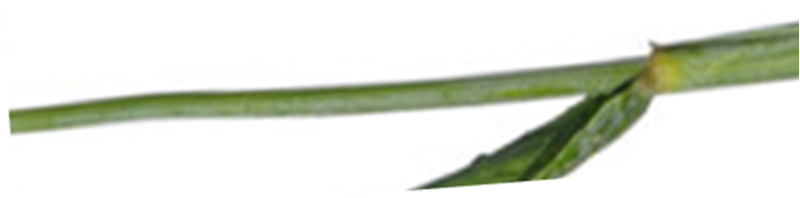
2.1. Plant Sampling and Study AreaT. vulgare is a common plant grown by farmers in India, especially in the Maharashtra province. The isolation of endophytic actinomycetes from such a T. vulgare was carried out. In the mid-season of winter, T. vulgare was harvested from an agricultural area in the Sangli district (16.853˚N. 74.583˚E) of Maharashtra (India). For this investigation, the mature stem was utilized. The stem in Figure 1 was chopped into small pieces ranging from 1 to 2 cm in length, kept in a sterile conical flask, and transferred to the Departmental Microbiology laboratory. The conical flask carrying T. vulgare stems was then kept at 4°C for storage. The identification of the plants was achieved using botanical nomenclature and classification. Species identification was made using the classification system up to the genus and species level.
2.2. Endophytic Actinomycetes IsolationThe stem of T. vulgare was washed with sterilized and cooled tap water, which helped to remove the surface contaminants present on the stem. Surface sterilization was accomplished with a 1.5 to 3 % hydrogen peroxide solution, which efficiently eliminated the remaining contaminants on the stem's surface. The stems were then immersed in a 70 % ethanol solution for 15 seconds and then immediately cleaned with the sterilized water for 5 min. The last cleansing deionized water was spread on nutrient agar to ensure surface sterilization. The lack of any growth of bacteria, fungus, or actinomycetes on the plate after 4 days at room temperature confirmed proper surface sterilization. The stems were then crushed on glycerol asparagine agar media supplemented with Griseofulvin 10 µg/ml (an antifungal medicine) using a sterile needle and plates were then kept at room temperature for one to two weeks. One of the characteristics of an actinomycetal colony is the colony's powdery morphology when submerged in media. These colonies were used for further study and were transferred on a slant for preservation. The purified endophytic actinomycetes were further used for biosynthesis CuO-NPs.
2.3. Molecular Characterization of Endophytic ActinomycetesThe purified endophytic actinomycetes were individually merged in 0.08 % normal saline. The Marmur extraction method was utilized precisely for obtaining genetic material from endophytic actinomycetes. The 16S rRNA genes were exploited in the subsequent study to identify the specific species of actinomycetal isolates. The 16S rRNA genes were amplified in PCR using Maxima's Hot Start PCR Master Mix (Thermo K1051, Sigma). In the PCR techniques, universal primers 27f (5′-AGAGTTTGATCCTGGCTCAG-3′) and 1492r (5′-TACGGCTACCTTGTTACGACT-3′) were utilized 18. The Gene Jet Kit was used to purify the PCR-generated products before they were sequenced with DNA sequencers. The collected sequences after DNA sequencing were then compared with the standard database, and the resulting sequences were matched to closely related gene bank sequences.
2.4. Biosynthesis of CuO-NPsCuSO4.5H2O was used to produce CuO-NPs because it is a precursor and a suitable, easily available source to produce CuO-NPs biologically. The reaction mixture, which is being treated with the metabolite of isolated actinomycetes, specifically biomass filtrate of actinomycetes, was employed to produce CuO-NPs. The reducing agent in the reaction is actinomycetes biomass filtrate. To generate actinomycetal biomass, isolated actinomycetes were inoculated individually in starch nitrate broth and cultured at normal temperature for 48 hours on a mechanical shaker rotated at 100 rpm. When the required incubation time was completed, the broth was filtered using filter paper to collect the filtrate from the biomass. The actinomycetal biomass was utilized in the next step of the procedure. About 5 to 10 gm of actinomycetal biomass was washed with sterile water, which aids in releasing external media components from the actinomycetal biomass.
The washed biomass was then immersed in sterilized deionized water and stored at normal temperature for 48 hours. The filtrate containing actinomycetal metabolites was separated from the mixture using Whatman® Grade 1 filter paper. The filtrate is recovered since it will be employed as a reductant in the reduction process to produce CuO-NPs biologically. In the procedure, 100 ml of separated actinomycetal filtrate was mixed with 25 mM CuSO4.5H2O. This reaction mixture was held at room temperature in the dark until it changed colour to dark.
2.5. Characterization of Biosynthesized CuO-NPsA change in color in the dark appearance, which is the major sign of biologically created CuO-NPs, validated the existence of biologically synthesized CuO-NPs. Further confirmation of biologically produced CuO-NPs was accomplished by employing a UV-Vis spectrophotometer. The wavelength should be kept between 100 and 600 nm. Fourier Transmission infrared (FTIR) spectroscopy was utilized to evaluate different functional groups in biologically produced CuO-NPs 17. The morphology and size of biomass filtrate-mediated biosynthesized CuO-NPs were investigated using a JEOL JEM-200CX transmission electron microscope (TEM) was set to 200 kV. Pw3710 X-Ray Diffractometer was utilized for diffraction analysis setting Cu-Kg radiation with a wavelength of 1.5418, and also TG/DTA thermal analyzer (SDT Q600 V 20.9 Build 20). This analysis was employed to assess microbially produced NPs, which aids in understanding the various characteristics of NPs produced in this method. Along with the generated biological NPs, a scanning electron microscope (JEOL JED 2300) was utilized to analyze the morphological features. All methods were helpful in determining the distinction in their characterization of all types of NPs 19.
2.6. Antioxidant Activity of Biosynthesized CuO NanoparticlesThree different methods were used for the detection of antioxidant activity of biosynthesized CuO nanoparticles as scavenging method (scavenging activity), total antioxidant assay (total antioxidant ability / capacity) and reducing power method.
For this study scavenging method 20 (scavenging activity) was preferably used for antioxidant activity of biosynthesized CuO nanoparticles
2.7. Scavenging Method (Scavenging Activity)In this method checked the H2O2 scavenger ability of biologically synthesized CuO Nanoparticles (A-1 and A-2).
A. Hydrogen peroxide solution (10 mM)
According to 20 hydrogen peroxide assay technique was used for the scavenging activity method, in which hydrogen peroxide solution in 10 mM was prepared using 0.1 M phosphate buffer of pH 7.4.
B. Mixing
One ml of biosynthesized CuO nanoparticles were taken in the concentration of 5.0 mM, 10.0 mM, 15.0 mM, 20.0 mM and 25.0 mM, each concentration was mixed with two ml of prepared hydrogen peroxide solution (of 10 mM). Instead of hydrogen peroxide solution, blank was prepared by using the 2.0 ml of distilled water for each concentration. Control reaction carried out, containing all reagents except the test sample.
 |
 |
The same experimental procedure followed for ascorbic acid used as a standard.
C. Incubation
The overall mixture was incubated at 37°C for 10 min., while overall reaction should be happen at the particular concentration of biosynthesized CuO nanoparticles.
D. Absorbance
Once incubation was over then absorbance was measured for different concentrations using the blank of each at 250 nm in UV visible spectrophotometer.
Scavenging activity was calculated by the formula as:
 |
Where,
Ao = absorbance of control reaction.
A1 = absorbance of sample.
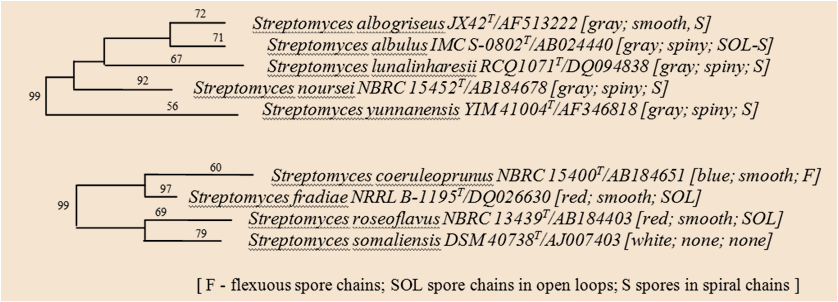
The two strains of endophytic actinomycetes, viz. A-1 and A-2 were isolated and identified from the stems of T. vulgare located in the region mentioned in section 2.1. The identification of these strains A-1 and A-2 was accomplished using 16S rRNA sequencing. These strains were found to be grouped within the Streptomyces genus. In regards to A-1 and A-2 species, the clustered actinomycetal Streptomyces resembled with S. noursei and S. fradiae by 92 % and 97 %, respectively. Isolated A-1 and A-2 were subsequently recognized to the genus and species level, with A-1 being named S. noursei and A-2 being named S. fradiae. The ribosomal RNA sequences of S. noursei and S. fradiae were deposited in Gene Bank 21, together with their association numbers (see Figure 2). V.V. Chougule and A.M. Deshmukh 22 performed amino acid, sugar pattern, and several biochemical assays in conjunction with Bergey's handbook to identify actinomycetes.


CuO-NPs were biosynthesized by means of CuSO4.5H2O, which is a precursor and a good, readily available source for biosynthesis of CuO nanoparticle. Inspection of the isolated and identified strains A-1 and A-2's biomass filtrate protein and enzyme was carried out, which act as the catalyst for the CuO-NPs’ green synthesis. The yielding capability of CuO-NPs’ synthesis was scrutinized by the change in colour of biomass filtrate from faint blue to the dark greenish-brown shade in which Cu2+ ions undergo reduction to generate CuO-NPs 1.
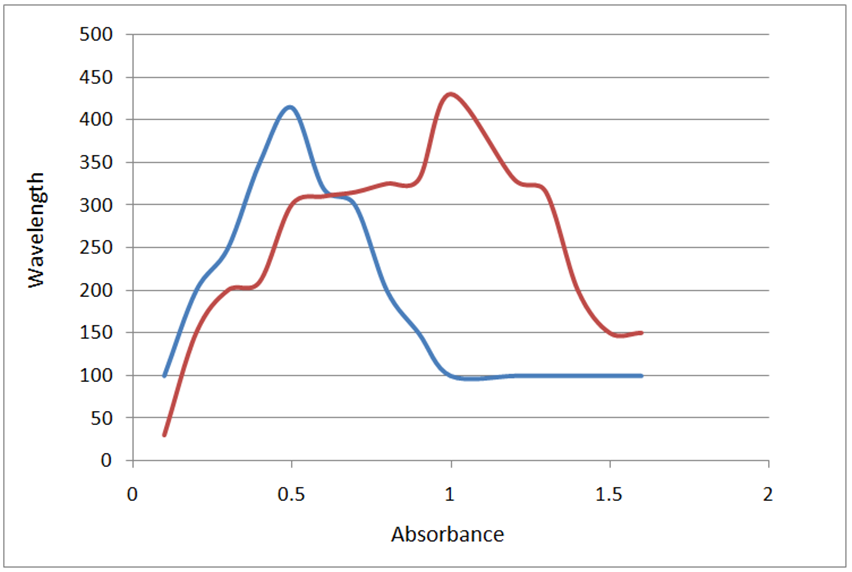
The CuO-NPs’ synthesis was also validated employing UV-vis spectrophotometer examination. The highest absorption band for A-1 and A-2 in the CuO-NPs’ synthesis was observed at 415 nm and 430 nm, respectively, as depicted in Figure 3. It was previously reported that the colour change indicated the reduction of metal ions in the reaction mixture throughout the reaction, indicating the development of CuO-NPs 23. As reported by Krithiga and co-authors, the change in colour in the reaction mixture during the CuO-NPs’ synthesis was caused by the Surface Plasma Resonance (SPR) phenomenon induced by biomass filtrate comprising metabolites 24. Naila and Kannabiran investigated the maximal absorption peak of biosynthesized CuO-NPs by actinomycetes, which was found to be between 380 and 450 nm 25. Sathiyavimal and his co-authors employed UV-vis spectroscopy to validate the CuO-NPs’ synthesis at a wavelength of 337 nm in their investigation 26. The emergence of a single peak in UV–vis spectroscopy revealed the shape of the biosynthesized CuO-NPs; the presence of spherical-shaped NPs was identified by the appearance of a single peak 27.

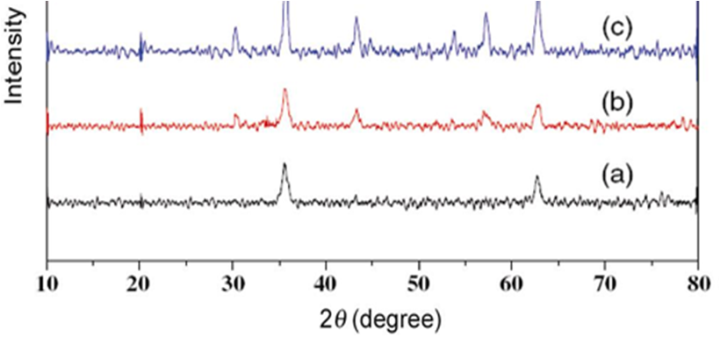
Figure 4 19 demonstrates the XRD patterns of biosynthesized actinomycetal CuO-NPs that have been calcined. The CuO-NPs’ synthesis is indexed in the standard data for all key peaks (JCPD No: 88-1935). The average crystallite sizes of biosynthesized actinomycetal CuO-NPs samples were calculated using Scherrer's equation (i.e., D = 0.89k/β cosθ), where D is the crystal size, k denotes the wavelength of the X-ray radiation, θ is the Braggs angle in radians, and β is the full width at half maximum of the peak in radians 28, 29, 30, 31 from X-ray line broadening of the reflections of (222), (313), (401), (509), and (437) and were 16 ± 4, 18 ± 1, 25 ± 2, and 26 ± 3 nm for the samples of biosynthesized actinomycetal CuO-NPs calcined at 500, 600, and 700°C, correspondingly. The XRD results of biologically synthesized actinomycetal CuO-NPs from A-1 and A-2 were identical. Both A-1 and A-2 biosynthesized actinomycetal CuO-NPs were found to be crystalline in nature, according to XRD examination. Similar results were obtained for endophytic actinomycetal-mediated biosynthesis of CuO-NPs, where XRD examination demonstrated and confirmed the NPs' crystalline nature 17.

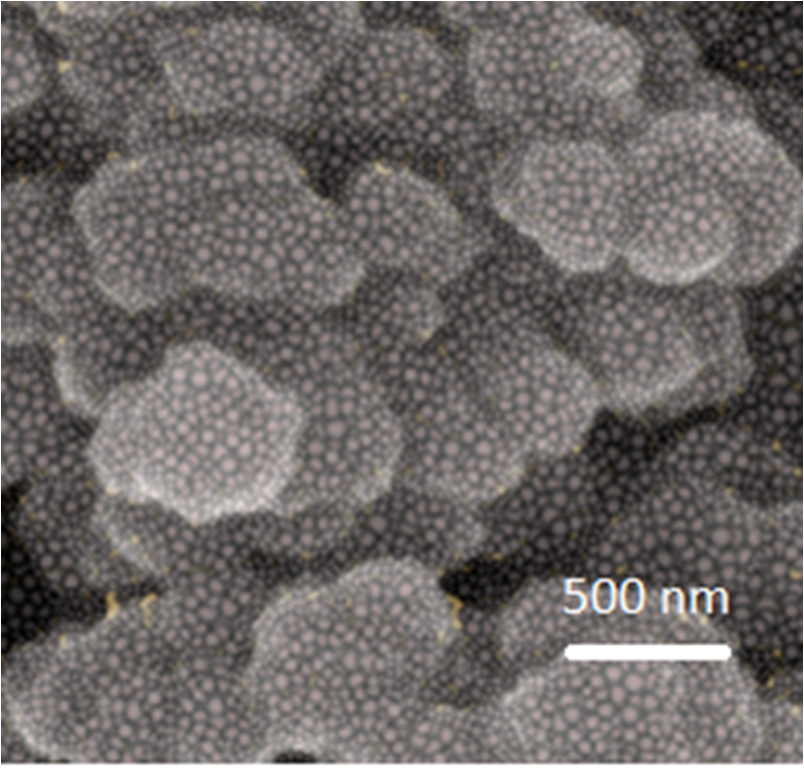
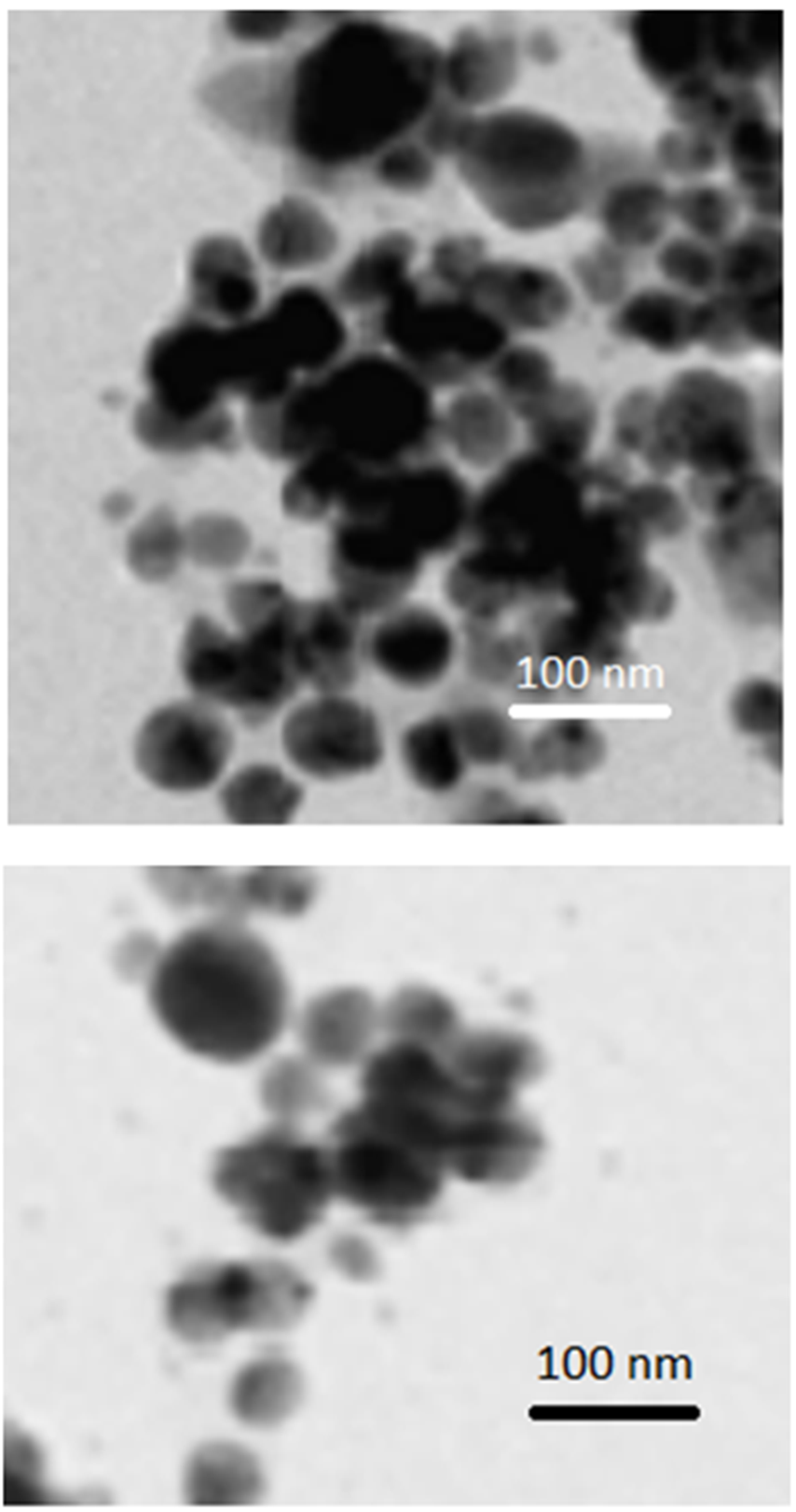
TEM and SEM measurements were utilized to ascertain the size, shape, comprehensive morphology, and crystalline structure of two biosynthesized actinomycetal CuO-NPs calcined at 600°C for 4h. In the TEM bright-field images, it was clear that these two samples consisting of biosynthesized actinomycetal CuO-NPs were observed to be crystallite particles having a diameter of approximately 75 and 80 nm for the A-1 and A-2 samples and that the two samples with biosynthesized actinomycetal CuO-NPs were seen as being uniform, as well as spherical in shape arranged in groups shown in Figure 5 and Figure 6. The results obtained are consistent with the other studies where biologically generated CuO-NPs were found to be around 61.7 nm in diameter that were synthesized using soil actinomycetes 32. The average size of the biological CuO-NPs from another study was close to 78 nm and 80 nm for the two biological CuO-NPs generated from various endophytic actinomycetes, including Streptomyces species 17.


Functional groups implicated in biosynthesized actinomycetal CuO-NPs were detected by means of FT-IR analysis, and these functional groups were accountable for mechanisms of reduction, capping with the stabilization of synthesized biological CuO-NPs 17. FT-IR research revealed that the actinomycetal metabolites employed in synthesizing biological CuO-NPs contain numerous functional groups in the form of chemical bonds, as demonstrated by the FT-IR spectrum. FT-IR analysis was carried out for both the actinomycetal filtrate and actinomycetal CuO-NPs and the results obtained are described below.
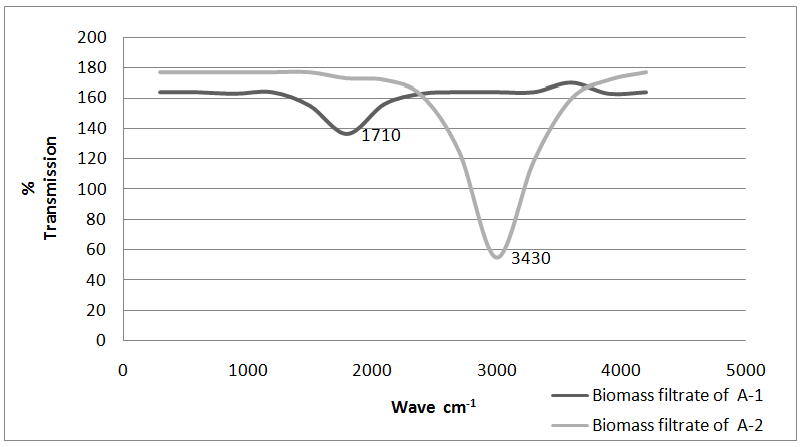
The maximum peak for S. noursei (A-1) filtrate was observed at 1710 cm-1, attributed to the presence of C-O bond, and the maximum peak for S. fradiae (A-2) filtrate was detected at 3430 cm-1, associated to the emergence of N-H bond, as shown in Figure 7.
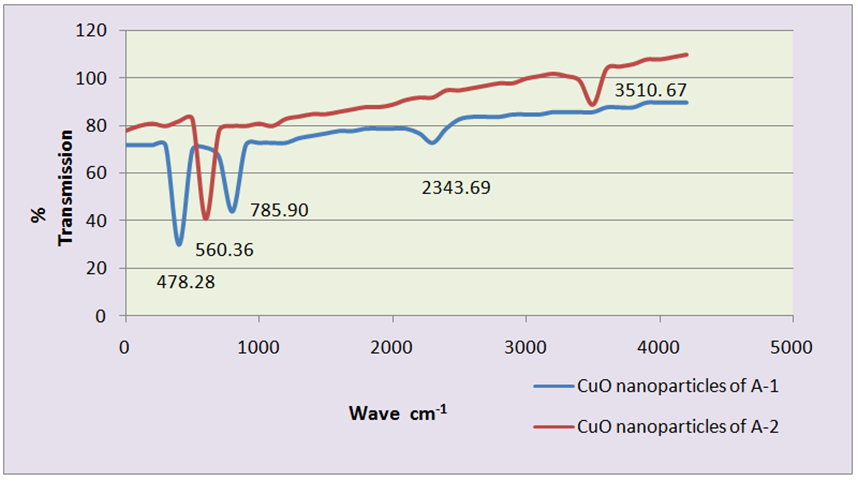
FT-IR analysis was conducted for S. noursei (A-1), and S. fradiae (A-2) generated actinomycetal CuO-NPs in a range from 300 to 5000 cm-1 which displayed that the CuO-NPs of A-1 demonstrated peaks of 785.90 cm-1 to be associated to C=C (alkene) bonds, while the strong and wide peak at 3510.67 cm-1 corresponds to the alcoholic O-H bond of CuO-NPs of A-2 33, 34, 35, 36. The weak peak of sample CuO-NPs of A-1 observed at 2343.69 cm-1 may reveal vibrations of atmospheric CO2 37. The formation of the highly pure CuO-NPs in the study has been confirmed by the presence of different dominant peaks of CuO vibrations at 478.28 cm-1 for A-1 and 560.36 cm-1 for A-2 as shown in Figure 8 37.


Biosynthesized CuO nanoparticles were tested for antioxidant property. The scavenging method (scavenging activity), total antioxidant assay (total antioxidant ability/capacity) and reducing power methods were used for detection of antioxidant activity of biosynthesized CuO nanoparticles.
The fact is, oxidation (making of O2) process is used for the production of energy in each biological process. In some cases, random production of oxygen affects on DNA result to damage, also damage to cellular components as proteins, carbohydrates and lipids. These species are reactive oxygen species (ROS) 38. The reactive oxygen species (ROS) might be responsible for different disorders or diseases like as cancer, inflammatory, cardiovascular diseases, also causes renal failure and aging is one common problem related with ROS 39 to reduce the effect, needs of antioxidant molecules minimizes the harmful effect of oxidation process with the help of scavenging which helps for increasing the immune system of body and minimizes the risk of diseases. 40
Being with the fact, it needs to prepare the antioxidants where nanoparticles are mostly helps to use as antioxidants, among microbially synthesized nanoparticles should be effective and act as strong antioxidants.
As an antioxidants microbially synthesized nanoparticles helps to resist the effect of ROS and minimizes the risk of different disorders or diseases caused by ROS in biological life.
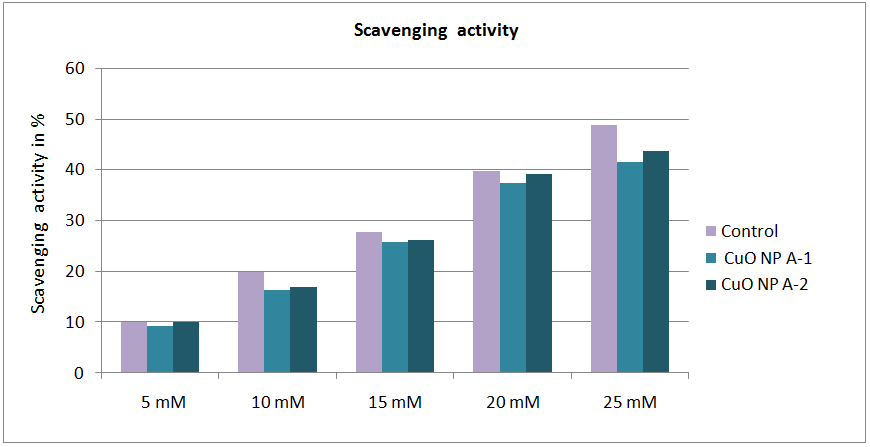
In Scavenging method (Scavenging activity) Hydrogen peroxide solution was used in the concentration of 10 mM. Hydrogen peroxide is weak oxidizing agent, it causes the oxidation of –SH group of enzymes and inactivate the enzymes when it goes across the cell membrane leads to form hydroxyl radicals by reaction with Fe2+. These formed hydroxyl group showing the toxic consequences 42 Scavenging activity was carried out for biologically synthesized CuO Nanoparticles (A-1 and A-2) using Hydrogen peroxide where ascorbic acid used as a standard.
It was reported that, biologically synthesized CuO Nanoparticles (A-1 and A-2) were showing H2O2 scavenger ability, the Hydrogen peroxide scavenging activity of biologically synthesized CuO Nanoparticles (A-1 and A-2) were increases by increasing their concentration. As a standard scavenging activity of ascorbic acid was 48.7 % and scavenging activity of biologically synthesized CuO Nanoparticles (A-1 and A-2) were noted that 41.6 % and 43.7 % respectively at 25 mM shown in Figure 9.
The work is unique because, this is novel work as far concern with endophytic actinomycetes isolated from therapeutic Triticum vulgare. The endophytic actinomycetal mediated production of CuO nanoparticles using Streptomyces noursei and Streptomyces fradiae, the work reported first.
Biosynthesized of CuO Nanoparticles using Streptomyces noursei (A-1) and Streptomyces fradiae (A-2) were confirmed by changed the color from faint blue to dark greenish brown shade and got the absorption band at 415 nm and 430 nm for A-1 and A-2 respectively.
Crystalline structure on firmed by XRD. TEM studies showed, particle size within ~ 75 and 80 nm diameter and they were uniform and spherical. Numbers of functional groups were present in both Biosynthesized of CuO (A-1) and (A-2), which was analyzed by FT-IR.
The biologically synthesized CuO Nanoparticles (A-1 and A-2) shows the good Scavenging activity which indicated that biologically synthesized CuO Nanoparticles (A-1 and A-2) has an antioxidant property. Considering the fact, the biologically synthesized CuO Nanoparticles (A-1 and A-2) might be used for different therapeutic and biotechnological applications.
The author is thankful to UG and PG Department of Chemistry, G.M.Vedak Colloge of Science, Tala-Raigad, Maharashtra, India and its laboratory for their cooperation and laboratory facility during the work of analysis of this research and made available the results within the time.
No one financial support made by any funding agency.
| [1] | Nagar N, & Derva V. (2018). Green synthesis and characterization of copper nanoparticles using Azadirachtaindica leaves. Materials Chemistry and Physics, 213: 44-51. | ||
| In article | View Article | ||
| [2] | Almasi H, Jafarzadeh P, & Mehryar L. (2018). Fabrication of novel nanohybrids by impregnation of CuO nanoparticles into bacterial cellulose and chitosan nano fibers: characterization, antimicrobial and release properties. Carbohydrate Polymers, 186: 273-281. | ||
| In article | View Article PubMed | ||
| [3] | Rajesh KM, Ajitha B, Kumar YA, Suneetha Y, & Reddy PS. (2018). Assisted green synthesis of copper nanoparticles using Syzygium aromaticum bud extract: physical, optical and antimicrobial properties. International Journal for Light and Electron Optics, 154: 593-600. | ||
| In article | View Article | ||
| [4] | Rehana D, Mahendiran D, Senthil Kumar R, & Kalilur Rahiman A. (2017). Evaluation of antioxidant and anticancer activity of copper oxide nanoparticles synthesized using medicinally important plant extracts. Biomedicine & Pharmacotherapy, 89: 1067-1077. | ||
| In article | View Article PubMed | ||
| [5] | Gnanavel V, Palanichamy V, & Roopan SM. (2017). Biosynthesis and characterization of copper oxide nanoparticles and its anticancer activity on human colon cancer cell lines (HCT-116). Journal of Photochemistry and Photobiology B: Biology, 171: 133-138. | ||
| In article | View Article PubMed | ||
| [6] | Hassan SELD, Salem SS, Fouda A, Awad MA, El-Gamal MS, & Abdo AM. (2018). New approach for antimicrobial activity and bio-control of various pathogens by biosynthesized copper nanoparticles using endophytic actinomycetes. Journal of Radiation Research and Applied Sciences, 11: 262-270. | ||
| In article | View Article | ||
| [7] | Angajala G, Pavan P, & Subashini R. (2014). One-step biofabrication of copper nanoparticles from Aegle marmeloscorrea aqueous leaf extract and evaluation of its anti-inflammatory and mosquito larvicidal efficacy. RSC Advances (Royal Society of Chemistry), 4(93): 51459-51470. | ||
| In article | View Article | ||
| [8] | Tejaswi Thunugunta, Anand C. Reddy, & Lakshmana Reddy D.C. (2015). Green synthesis of nanoparticles: current prospectus, Nanotechnology Reviews, 4(4): 303-323. | ||
| In article | View Article | ||
| [9] | Carnes CL, Stipp J, & Klabunde KJ. (2002). Synthesis, characterization and adsorption studies of nanocrystalline copper oxide and nickel oxide. Langmuir (ACS Publication American Chemical Society), 18(4): 1352-1359. | ||
| In article | View Article | ||
| [10] | Zhang Q, Li Y, Xu D, & Gu Z. (2001). Preparation of silver nanowire arrays in anodic aluminum oxide templates. Journal of Materials Science Letters, 20(10): 925-927. | ||
| In article | View Article | ||
| [11] | Yin AJ, Li J, Jian W, Bennett J, & Xu JH. (2001). Fabrication of highly ordered metallic nanowire arrays by electrodeposition. Applied Physics Letters, 79(7): 1039-1041. | ||
| In article | View Article | ||
| [12] | Wang H, Zu JZ, Zhu JJ, & Chen HY. (2002). Preparation of copper oxide nanoparticles by microwave irradiation. Journal of crystal growth, 244(1): 88-94. | ||
| In article | View Article | ||
| [13] | Xu CK, Liu YK, Xu GD, & Wang GH. (2002). Preparation and characterization of copper oxide nanorods by thermal decomposition of CuC2O4 precursor. Materials Research Bulletin, 37(14): 2365-2372. | ||
| In article | View Article | ||
| [14] | Ghidan AY, Al-Antary TM, & Awaad AM. (2016). Green synthesis of copper oxide nanoparticles using Punicagranatum peels extract: effect on green peach Aphid. Environmental Nanotechnology, Monitoring and Management, 6: 95-98. | ||
| In article | View Article | ||
| [15] | Gu H, Chen X, Chen F, Zhou X, & Parsaee Z. (2018). Ultrasound assisted biosynthesis of CuO-NPs using brown alga Cystoseiratrinodis: characterization, photocatalytic AOP, DPPH scavenging and antibacterial investigations. Ultrasonics Sonochemistry, 41:109-119. | ||
| In article | View Article PubMed | ||
| [16] | Acharyulu NPS, Dubey RS, Swaminadham V, Kalyani RL, Pratap K, & Pammi SVN. (2014). Green synthesis of copper oxide nanoparticles using Phyllanthusamarus leaf extract and their antibacterial activity against multidrug resistance bacteria. International Journal of Engineering Research & Technology, 3(4): 639-641. | ||
| In article | |||
| [17] | Saad ElDin Hassan, Amr Fouda, Ahmed A Radwan, Salem S. Salem, Mohammed G. Barghoth, Mohamed A. Awad, Abdullah M. Abdo and Mamdouh S. ElGamal. (2019). Endophytic actinomycetes Streptomyces spp mediated biosynthesis of copper oxide nanoparticles as a promising tool for biotechnological applications. JBIC Journal of Biological Inorganic Chemistry. | ||
| In article | View Article PubMed | ||
| [18] | Lane D.J. (1991). 16S/23S rRNA Sequencing. In: Stackebrandt, E. and Goodfellow, M., Eds., Nucleic Acid Techniques in Bacterial Systematic, John Wiley and Sons, New York, 115-175. | ||
| In article | |||
| [19] | Chaugule V.V, & Bangale S.V. (2011). Microbial Gas Sensing Property of Bacillus Subtilis with Mixed Metal Catalyst MgFe2O4, International Journal of Microbiology Research, 3 (3): 157-163. | ||
| In article | View Article | ||
| [20] | Gulcin I, Kufervioglu OI, Oktay M, & Buyukokuroglu ME. (2004). Antioxidant, antimicrobial, antiulcer and analgesic activities of nettle (Urtica dioica L). Journal of Ethnopharmacology, 90: 205-215. | ||
| In article | View Article PubMed | ||
| [21] | Labeda D. P, Goodfellow M, Brown R, Ward A. C, Lanao B, Vanncanneyt M, Swings J, Kim S.-B, Liu Z, Chun J, Tamura T, Oguchi A, Kikuchi T, Kikuchi H, Nishii T, Tsuji K, Yamaguchi Y, Tase A, Takahashi M, Sakane T, Suzuki K. I, & Hatano K. (2011). Phylogenetic study of the species within the family Streptomycetaceae, Antonie van Leeuwenhoek, Springer Science+Business Media, 101(1):73-104. | ||
| In article | View Article PubMed | ||
| [22] | Chougule V.V, & Deshmukh A.M. (2007). Biodiversity of actinomycetes in deep and partial saline soils of Sangli District, Maharashtra, India, Ecology, Environment and Conservation, 13(4): 887-890. | ||
| In article | |||
| [23] | Hassan SELD, Salem SS, Fouda A, Awad MA, El-Gamal MS, & Abdo AM. (2018). New approach for antimicrobial activity and bio-control of various pathogens by biosynthesized copper nanoparticles using endophytic actinomycetes. Journal of Radiation Research and Applied Sciences, 11: 262-270. | ||
| In article | View Article | ||
| [24] | Krithiga N, Jayachitra A, & Rajalakshmi A. (2013). Synthesis, characterization and analysis of the effect of copper oxide nanoparticles in biological systems. Indian Journal of Nano Science, 1(1): 6-15. | ||
| In article | |||
| [25] | Nabila MI, & Kannabiran K. (2018). Biosynthesis, characterization and antibacterial activity of copper oxide nanoparticles (CuO NPs) from actinomycetes. Biocatalysis and Agricultural Biotechnology, 15: 56-62. | ||
| In article | View Article | ||
| [26] | Sathiyavimal S, Vasantharaj S, Bharathi D, Mythili S, Manikandan E, Kumar SS, & Pugazhendhi A. (2018). Biogenesis of copper oxide nanoparticles (CuONPs) using Sidaacuta and their incorporation over cotton fabrics to prevent the pathogenicity of Gram negative and Gram positive bacteria. Journal of Photochemistry and Photobiology B: Biology, 188:126-134. | ||
| In article | View Article PubMed | ||
| [27] | Jayakumarai G, Gokulpriya C, Sudhapriya R, Sharmila G, & Muthukumaran C. (2015). Phytofabrication and characterization of monodisperse copper oxide nanoparticles using Albizialebbeck leaf extract. Applied Nanoscience, 5: 1017-1022. | ||
| In article | View Article | ||
| [28] | Verma S, Joy P. A, Khollam Y. B, Potdar H. S, & Deshpande S. B. (2004). Synthesis of nanosized MgFe2O4 powders by microwave hydrothermal method. Materials Letters, 58, 1092. | ||
| In article | View Article | ||
| [29] | Bangale S. V, Khetre, S. M, & Bamane, S. R. (2011). Synthesis, characterization and hydrophilic properties of nanocrystalline ZnCo2O4 oxide by combustion route. Der Chemica Sinica, 2, 303-311. | ||
| In article | |||
| [30] | Cullity, B. D. & Stock, S. R. (2001). Elements of X-ray Diffraction, Prentice Hall NJ, 3rd end. | ||
| In article | |||
| [31] | Hongshui Wang, XueliangQiao, Jianguo Chen, Xiaojian Wanga, & Shiyuan Ding. (2005). Mechanisms of PVP in the preparation of silver nanoparticles. Materials Chemistry and Physics, 94, 449-453. | ||
| In article | View Article | ||
| [32] | Nabila MI, & Kannabiran K. (2018). Biosynthesis, characterization and antibacterial activity of copper oxide nanoparticles (CuO NPs) from actinomycetes. Biocatalysis and Agricultural Biotechnology, 15: 56-62. | ||
| In article | View Article | ||
| [33] | Sankar R, Manikandan P, Malarvizhi V, Fathima T, Shivashangari KS, & Ravikumar V. (2014). Green synthesis of colloidal copper oxide nanoparticles using Carica papaya and its application in photocatalytic dye degradation. Spectrochimica Acta, Part A: Molecular and Biomolecular, 121: 746-750. | ||
| In article | View Article PubMed | ||
| [34] | Jagminas A, Kuzmarskyt J, & Niaura G. (2002). Electrochemical formation and characterization of copper oxygenous compounds in alumina template from ethanolamine solutions. Applied Surface Science, 201(1-4): 129-137. | ||
| In article | View Article | ||
| [35] | Jagminas A, Niaura G, Kuzmarskyt J, & Butkiene R. (2004). Surface-enhanced Raman scattering effect for copper oxygenous compounds array within the alumina template pores synthesized by ac deposition from Cu (II) acetate solution. Applied Surface Science, 225(1-4): 302-308. | ||
| In article | View Article | ||
| [36] | Zhang YC, Tang JY, Wang GL, Zhang M, & Hu XY. (2006). Facile synthesis of submicron Cu2O and CuO crystallites from a solid metallorganic molecular precursor. Journal of crystal growth, 294(2): 278-282. | ||
| In article | View Article | ||
| [37] | Azam A., Ahmed A.S, Oves M, Khan M.S, Memic A. (2012). Int. J. Nanomedicine Size-dependent antimicrobial properties of CuO nanoparticles against Gram-positive and -negative bacterial strains. International Journal of Nanotechnology, 7: 3527-3535. | ||
| In article | View Article PubMed | ||
| [38] | Wu C, & Cederbaum AI. (2003). Alcohol, oxidative stress, and free radical damage. APA PsycNET. Alcohol Research and Health, 27(4): 277-284. | ||
| In article | |||
| [39] | Sen S, Chakraborty R, Sridhar C, Reddy Y, & De B. (2010). Free radicals, antioxidant, diseases and phytomedicines: current status and future prospect nitrogen species. International Journal of Pharmaceutical Sciences Review and Research, 3(1): 91-100. | ||
| In article | |||
| [40] | Pham-Huy LA, He H, & Pham-Huy C. (2008). Free radicals, antioxidants in disease and health. International Journal of Biomedical Science, 4(2): 89-96. | ||
| In article | |||
| [41] | Chougule V.V, & Deshmukh A.M. (2007). Biodiversity of actinomycetes in deep and partial saline soils of Sangli District, Maharashtra, India, Ecology, Environment and Conservation, EM International, 13(4): 887-890. | ||
| In article | |||
| [42] | Miller MJ, Sadowska-Krowicka H, Chotinaruemol S, Kakkis JL, & Clark DA. (1993). Amelioration of chronic ileitis by nitric oxide synthase inhibition. Journal of Pharmacology and Experimental Therapeutics, 264(1): 11-16. | ||
| In article | |||
Published with license by Science and Education Publishing, Copyright © 2021 Vinay V. Chaugule
 This work is licensed under a Creative Commons Attribution 4.0 International License. To view a copy of this license, visit
http://creativecommons.org/licenses/by/4.0/
This work is licensed under a Creative Commons Attribution 4.0 International License. To view a copy of this license, visit
http://creativecommons.org/licenses/by/4.0/
| [1] | Nagar N, & Derva V. (2018). Green synthesis and characterization of copper nanoparticles using Azadirachtaindica leaves. Materials Chemistry and Physics, 213: 44-51. | ||
| In article | View Article | ||
| [2] | Almasi H, Jafarzadeh P, & Mehryar L. (2018). Fabrication of novel nanohybrids by impregnation of CuO nanoparticles into bacterial cellulose and chitosan nano fibers: characterization, antimicrobial and release properties. Carbohydrate Polymers, 186: 273-281. | ||
| In article | View Article PubMed | ||
| [3] | Rajesh KM, Ajitha B, Kumar YA, Suneetha Y, & Reddy PS. (2018). Assisted green synthesis of copper nanoparticles using Syzygium aromaticum bud extract: physical, optical and antimicrobial properties. International Journal for Light and Electron Optics, 154: 593-600. | ||
| In article | View Article | ||
| [4] | Rehana D, Mahendiran D, Senthil Kumar R, & Kalilur Rahiman A. (2017). Evaluation of antioxidant and anticancer activity of copper oxide nanoparticles synthesized using medicinally important plant extracts. Biomedicine & Pharmacotherapy, 89: 1067-1077. | ||
| In article | View Article PubMed | ||
| [5] | Gnanavel V, Palanichamy V, & Roopan SM. (2017). Biosynthesis and characterization of copper oxide nanoparticles and its anticancer activity on human colon cancer cell lines (HCT-116). Journal of Photochemistry and Photobiology B: Biology, 171: 133-138. | ||
| In article | View Article PubMed | ||
| [6] | Hassan SELD, Salem SS, Fouda A, Awad MA, El-Gamal MS, & Abdo AM. (2018). New approach for antimicrobial activity and bio-control of various pathogens by biosynthesized copper nanoparticles using endophytic actinomycetes. Journal of Radiation Research and Applied Sciences, 11: 262-270. | ||
| In article | View Article | ||
| [7] | Angajala G, Pavan P, & Subashini R. (2014). One-step biofabrication of copper nanoparticles from Aegle marmeloscorrea aqueous leaf extract and evaluation of its anti-inflammatory and mosquito larvicidal efficacy. RSC Advances (Royal Society of Chemistry), 4(93): 51459-51470. | ||
| In article | View Article | ||
| [8] | Tejaswi Thunugunta, Anand C. Reddy, & Lakshmana Reddy D.C. (2015). Green synthesis of nanoparticles: current prospectus, Nanotechnology Reviews, 4(4): 303-323. | ||
| In article | View Article | ||
| [9] | Carnes CL, Stipp J, & Klabunde KJ. (2002). Synthesis, characterization and adsorption studies of nanocrystalline copper oxide and nickel oxide. Langmuir (ACS Publication American Chemical Society), 18(4): 1352-1359. | ||
| In article | View Article | ||
| [10] | Zhang Q, Li Y, Xu D, & Gu Z. (2001). Preparation of silver nanowire arrays in anodic aluminum oxide templates. Journal of Materials Science Letters, 20(10): 925-927. | ||
| In article | View Article | ||
| [11] | Yin AJ, Li J, Jian W, Bennett J, & Xu JH. (2001). Fabrication of highly ordered metallic nanowire arrays by electrodeposition. Applied Physics Letters, 79(7): 1039-1041. | ||
| In article | View Article | ||
| [12] | Wang H, Zu JZ, Zhu JJ, & Chen HY. (2002). Preparation of copper oxide nanoparticles by microwave irradiation. Journal of crystal growth, 244(1): 88-94. | ||
| In article | View Article | ||
| [13] | Xu CK, Liu YK, Xu GD, & Wang GH. (2002). Preparation and characterization of copper oxide nanorods by thermal decomposition of CuC2O4 precursor. Materials Research Bulletin, 37(14): 2365-2372. | ||
| In article | View Article | ||
| [14] | Ghidan AY, Al-Antary TM, & Awaad AM. (2016). Green synthesis of copper oxide nanoparticles using Punicagranatum peels extract: effect on green peach Aphid. Environmental Nanotechnology, Monitoring and Management, 6: 95-98. | ||
| In article | View Article | ||
| [15] | Gu H, Chen X, Chen F, Zhou X, & Parsaee Z. (2018). Ultrasound assisted biosynthesis of CuO-NPs using brown alga Cystoseiratrinodis: characterization, photocatalytic AOP, DPPH scavenging and antibacterial investigations. Ultrasonics Sonochemistry, 41:109-119. | ||
| In article | View Article PubMed | ||
| [16] | Acharyulu NPS, Dubey RS, Swaminadham V, Kalyani RL, Pratap K, & Pammi SVN. (2014). Green synthesis of copper oxide nanoparticles using Phyllanthusamarus leaf extract and their antibacterial activity against multidrug resistance bacteria. International Journal of Engineering Research & Technology, 3(4): 639-641. | ||
| In article | |||
| [17] | Saad ElDin Hassan, Amr Fouda, Ahmed A Radwan, Salem S. Salem, Mohammed G. Barghoth, Mohamed A. Awad, Abdullah M. Abdo and Mamdouh S. ElGamal. (2019). Endophytic actinomycetes Streptomyces spp mediated biosynthesis of copper oxide nanoparticles as a promising tool for biotechnological applications. JBIC Journal of Biological Inorganic Chemistry. | ||
| In article | View Article PubMed | ||
| [18] | Lane D.J. (1991). 16S/23S rRNA Sequencing. In: Stackebrandt, E. and Goodfellow, M., Eds., Nucleic Acid Techniques in Bacterial Systematic, John Wiley and Sons, New York, 115-175. | ||
| In article | |||
| [19] | Chaugule V.V, & Bangale S.V. (2011). Microbial Gas Sensing Property of Bacillus Subtilis with Mixed Metal Catalyst MgFe2O4, International Journal of Microbiology Research, 3 (3): 157-163. | ||
| In article | View Article | ||
| [20] | Gulcin I, Kufervioglu OI, Oktay M, & Buyukokuroglu ME. (2004). Antioxidant, antimicrobial, antiulcer and analgesic activities of nettle (Urtica dioica L). Journal of Ethnopharmacology, 90: 205-215. | ||
| In article | View Article PubMed | ||
| [21] | Labeda D. P, Goodfellow M, Brown R, Ward A. C, Lanao B, Vanncanneyt M, Swings J, Kim S.-B, Liu Z, Chun J, Tamura T, Oguchi A, Kikuchi T, Kikuchi H, Nishii T, Tsuji K, Yamaguchi Y, Tase A, Takahashi M, Sakane T, Suzuki K. I, & Hatano K. (2011). Phylogenetic study of the species within the family Streptomycetaceae, Antonie van Leeuwenhoek, Springer Science+Business Media, 101(1):73-104. | ||
| In article | View Article PubMed | ||
| [22] | Chougule V.V, & Deshmukh A.M. (2007). Biodiversity of actinomycetes in deep and partial saline soils of Sangli District, Maharashtra, India, Ecology, Environment and Conservation, 13(4): 887-890. | ||
| In article | |||
| [23] | Hassan SELD, Salem SS, Fouda A, Awad MA, El-Gamal MS, & Abdo AM. (2018). New approach for antimicrobial activity and bio-control of various pathogens by biosynthesized copper nanoparticles using endophytic actinomycetes. Journal of Radiation Research and Applied Sciences, 11: 262-270. | ||
| In article | View Article | ||
| [24] | Krithiga N, Jayachitra A, & Rajalakshmi A. (2013). Synthesis, characterization and analysis of the effect of copper oxide nanoparticles in biological systems. Indian Journal of Nano Science, 1(1): 6-15. | ||
| In article | |||
| [25] | Nabila MI, & Kannabiran K. (2018). Biosynthesis, characterization and antibacterial activity of copper oxide nanoparticles (CuO NPs) from actinomycetes. Biocatalysis and Agricultural Biotechnology, 15: 56-62. | ||
| In article | View Article | ||
| [26] | Sathiyavimal S, Vasantharaj S, Bharathi D, Mythili S, Manikandan E, Kumar SS, & Pugazhendhi A. (2018). Biogenesis of copper oxide nanoparticles (CuONPs) using Sidaacuta and their incorporation over cotton fabrics to prevent the pathogenicity of Gram negative and Gram positive bacteria. Journal of Photochemistry and Photobiology B: Biology, 188:126-134. | ||
| In article | View Article PubMed | ||
| [27] | Jayakumarai G, Gokulpriya C, Sudhapriya R, Sharmila G, & Muthukumaran C. (2015). Phytofabrication and characterization of monodisperse copper oxide nanoparticles using Albizialebbeck leaf extract. Applied Nanoscience, 5: 1017-1022. | ||
| In article | View Article | ||
| [28] | Verma S, Joy P. A, Khollam Y. B, Potdar H. S, & Deshpande S. B. (2004). Synthesis of nanosized MgFe2O4 powders by microwave hydrothermal method. Materials Letters, 58, 1092. | ||
| In article | View Article | ||
| [29] | Bangale S. V, Khetre, S. M, & Bamane, S. R. (2011). Synthesis, characterization and hydrophilic properties of nanocrystalline ZnCo2O4 oxide by combustion route. Der Chemica Sinica, 2, 303-311. | ||
| In article | |||
| [30] | Cullity, B. D. & Stock, S. R. (2001). Elements of X-ray Diffraction, Prentice Hall NJ, 3rd end. | ||
| In article | |||
| [31] | Hongshui Wang, XueliangQiao, Jianguo Chen, Xiaojian Wanga, & Shiyuan Ding. (2005). Mechanisms of PVP in the preparation of silver nanoparticles. Materials Chemistry and Physics, 94, 449-453. | ||
| In article | View Article | ||
| [32] | Nabila MI, & Kannabiran K. (2018). Biosynthesis, characterization and antibacterial activity of copper oxide nanoparticles (CuO NPs) from actinomycetes. Biocatalysis and Agricultural Biotechnology, 15: 56-62. | ||
| In article | View Article | ||
| [33] | Sankar R, Manikandan P, Malarvizhi V, Fathima T, Shivashangari KS, & Ravikumar V. (2014). Green synthesis of colloidal copper oxide nanoparticles using Carica papaya and its application in photocatalytic dye degradation. Spectrochimica Acta, Part A: Molecular and Biomolecular, 121: 746-750. | ||
| In article | View Article PubMed | ||
| [34] | Jagminas A, Kuzmarskyt J, & Niaura G. (2002). Electrochemical formation and characterization of copper oxygenous compounds in alumina template from ethanolamine solutions. Applied Surface Science, 201(1-4): 129-137. | ||
| In article | View Article | ||
| [35] | Jagminas A, Niaura G, Kuzmarskyt J, & Butkiene R. (2004). Surface-enhanced Raman scattering effect for copper oxygenous compounds array within the alumina template pores synthesized by ac deposition from Cu (II) acetate solution. Applied Surface Science, 225(1-4): 302-308. | ||
| In article | View Article | ||
| [36] | Zhang YC, Tang JY, Wang GL, Zhang M, & Hu XY. (2006). Facile synthesis of submicron Cu2O and CuO crystallites from a solid metallorganic molecular precursor. Journal of crystal growth, 294(2): 278-282. | ||
| In article | View Article | ||
| [37] | Azam A., Ahmed A.S, Oves M, Khan M.S, Memic A. (2012). Int. J. Nanomedicine Size-dependent antimicrobial properties of CuO nanoparticles against Gram-positive and -negative bacterial strains. International Journal of Nanotechnology, 7: 3527-3535. | ||
| In article | View Article PubMed | ||
| [38] | Wu C, & Cederbaum AI. (2003). Alcohol, oxidative stress, and free radical damage. APA PsycNET. Alcohol Research and Health, 27(4): 277-284. | ||
| In article | |||
| [39] | Sen S, Chakraborty R, Sridhar C, Reddy Y, & De B. (2010). Free radicals, antioxidant, diseases and phytomedicines: current status and future prospect nitrogen species. International Journal of Pharmaceutical Sciences Review and Research, 3(1): 91-100. | ||
| In article | |||
| [40] | Pham-Huy LA, He H, & Pham-Huy C. (2008). Free radicals, antioxidants in disease and health. International Journal of Biomedical Science, 4(2): 89-96. | ||
| In article | |||
| [41] | Chougule V.V, & Deshmukh A.M. (2007). Biodiversity of actinomycetes in deep and partial saline soils of Sangli District, Maharashtra, India, Ecology, Environment and Conservation, EM International, 13(4): 887-890. | ||
| In article | |||
| [42] | Miller MJ, Sadowska-Krowicka H, Chotinaruemol S, Kakkis JL, & Clark DA. (1993). Amelioration of chronic ileitis by nitric oxide synthase inhibition. Journal of Pharmacology and Experimental Therapeutics, 264(1): 11-16. | ||
| In article | |||