Asiatic lion (Panthera leo persica) once occupying large extent areas in India now at peril, remains in the smaller pocket at Gir National Park, Gujarat, India. This paper summarizes the effectiveness and applied care of the hand-rearing process for Kailash, the Asiatic lion's cub at the Machia Biological Park of Jodhpur and studies the growth pattern of this neonate. Hand-rearing is only an emergency procedure when the mother is not capable or for the left alone cubs, where mother shows no attention. It is a delicate process to grow a neonate. Initial days are of utmost importance for neonates as they are blind with partial control over motor-sensory systems and excretory process, and here comes the importance of hand-rearing in the absence of the mother. Only a few papers are available on hand-rearing of big cat species thus this paper explain the hand-rearing process including housing, diet and nursing, veterinary care and behavioral management of Asiatic lion.
The erstwhile range of the Asiatic lion (Panthera leo persica) extended from Syria across the Middle East to Eastern India 1 and 2. Earlier, the Lions were inhabited wide-ranging areas in north states (Punjab, Haryana, Uttar Pradesh) and central state (Rajasthan, Madhya Pradesh, Gujarat, western Bihar) of India 3 and 4. Indiscriminate poaching and land-use change had disappeared lions from the rest of India 5 leaving only a single living wild population to exist in the Gir forest of Gujrat state of India 6. According to 7 about 153 Asiatic lions occur at different Zoological parks in Asia. Hand-rearing of wild fauna is very challenging but is a vital process in the lacking of maternal care. Hand-rearing has a very low success rate and needs extensive information about cat species 8. The protocols for the hand-rearing of wild animals are different from species to species 9. Hand-rearing is also an important aspect in managing endangered wild population maintained in captivity, especially to those which gives birth to single offspring per year or in the species that bring forth offspring after long durations 10. This paper portrays effective hand-raising alongside veterinary consideration of an Asiatic lion's cub at Machia Biological Park of Jodhpur, Rajasthan. An Asiatic lioness delivered three cubs in late midnight hours of October 22, 2016 at Machia Biological Park, but showed no attention to their cubs and walked away from them to another side of the enclosure. She even killed one of cubs then Zookeepers and park authority took an action of removing cubs from the enclosure and decided to hand-rear of these lion's cubs. Asiatic lion (Panthera leo persica) is an endangered species as per IUCN 2000, appendix I as per CITES and Schedule I endangered species under Wildlife Protection Act (1972) of India.
The Asiatic lion's cub (named Kailash) was growing in Machia Biological Park of Jodhpur. To ensure it's survival proper hygienic surrounding was maintained. As Kailash was deprived of colostrum by birth, PetLac was provided to ensure its proper growth. Information about housing, diet, and nursing was noted down. Data collection was first hand. Few secondary data were taken up from records of wildlife rescue and rehabilitation center. An important prerequisite for the hand-rearing of the cub is sterile environs and adequate amenities. Ambient temperature and moisture were maintained using the Air Conditioning system. Appropriate clothing is another requirement to handle wild cub. The cub was handled wearing disposable talcum free gloves, shoe covers and mask. In case of any complication arises a person was directed to look after the cub 24x7. The veterinary doctor of the park is well acquainted with the necessary Cardiopulmonary Resuscitation (CPR) technique. A veterinary staff was employed for monitoring of the health condition in the cub regularly.
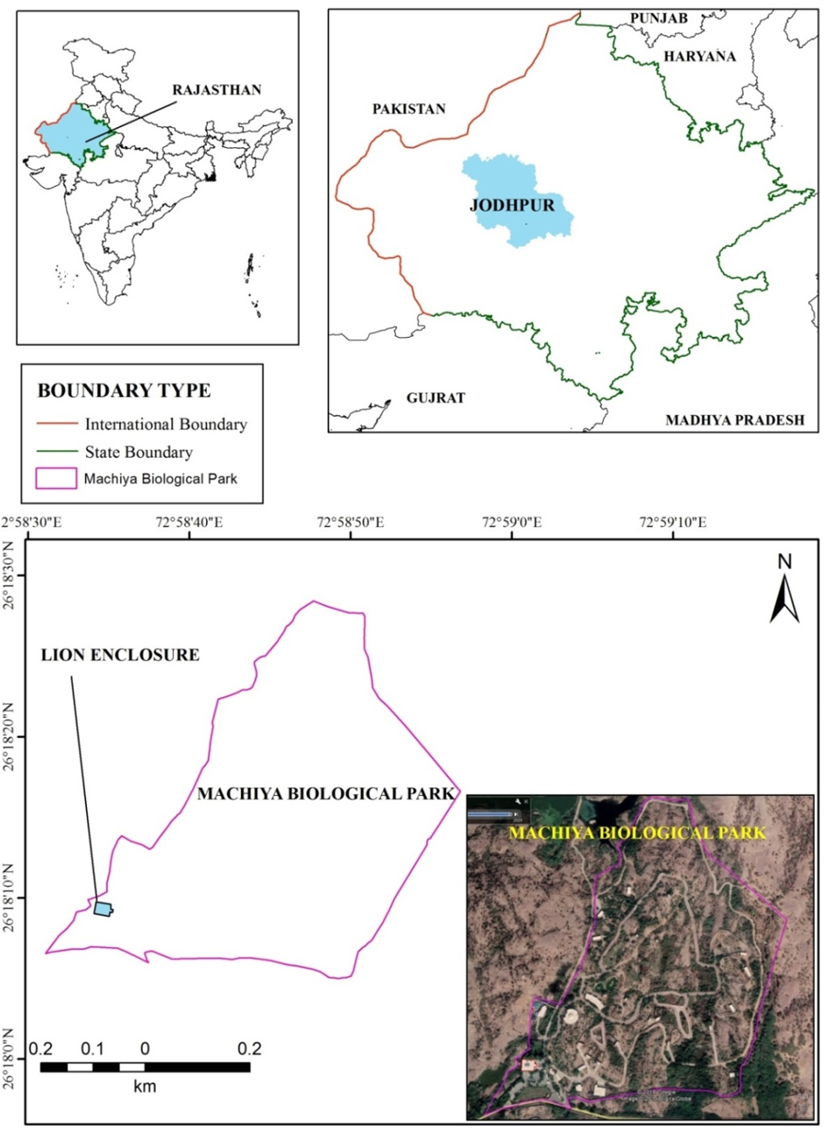
2.1. Study AreaThe Machia Biological Park is located at the bank of Kaylana Lake (26° 18' 07.2' N and 72° 58' 40.4'' E), 8 km away from Jodhpur railway station on the westward side of the city (Figure 1). The park was founded by Mr. Ashok Gehlot, Chief Minister of Rajasthan state on 13 February, 2011 and later on the old heritage zoo of Jodhpur was shifted in it. The park encloses an area of 41 hectors of Machia Forest Block, Jodhpur forest division. With the enactment of the Rajasthan Forest Act in 1953, Machia forest block is protected as Forest, notified vide notification number II 9 (6) forest/90, dated 01/07/1990. The undulating substratum of the study area is Rhyolite. The vegetation inside this park is dry scrub forest consisting scanty tree cover of species like Acacia senegal, Prosopis cineraria, Prosopis juliflora, Capparis decidua, Zizyphus nimmularia, Commiphora wightii. When this park has got its current status as an in-situ conservation area, the forest authority had taken further commitment and planted several native tree species to increase its tree cover and are surviving till date. The park has 20 enclosures for wild animals. Out of 20 enclosures, three enclosures are for big cat species namely lion, tiger, and leopard, three are dedicated towards ungulates namely Cheetal, Indian Gazelle, and Blackbuck. The remaining enclosures are for the conservation of small mammal species found in the nearby habitats namely Jackal, Indian Fox, Hyena, Desert Fox, Jungle Cat, Sloth Bear, and Indian Wolf. The park not only conserves mammal species but reptiles and avian species too. The park has few species of reptiles like Gharial, Spiny-tailed Lizard, monitor lizard, and crocodiles. Along with the conservation, the park is famous for the treatment and rescue operation of wildlife species under the wild animal rehabilitation program.
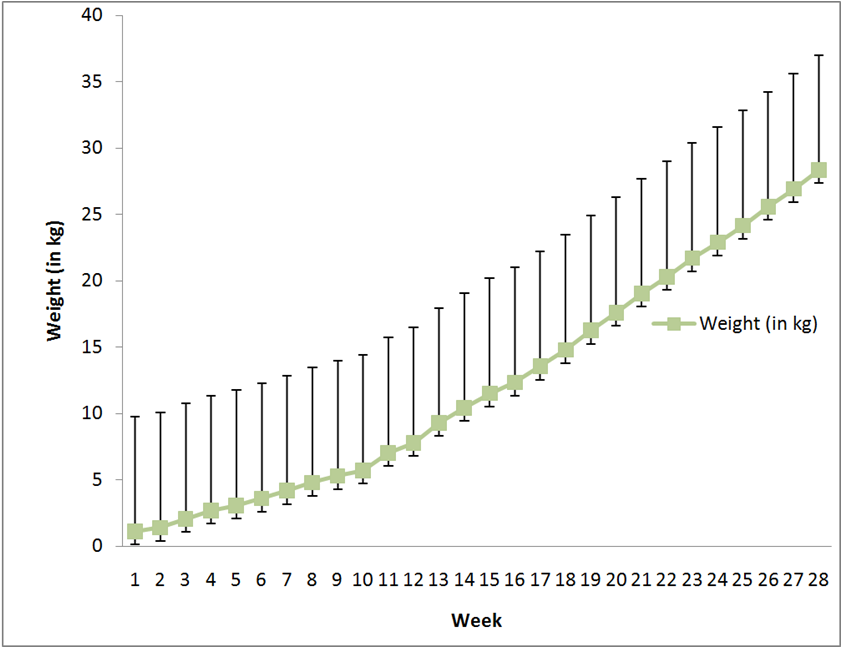
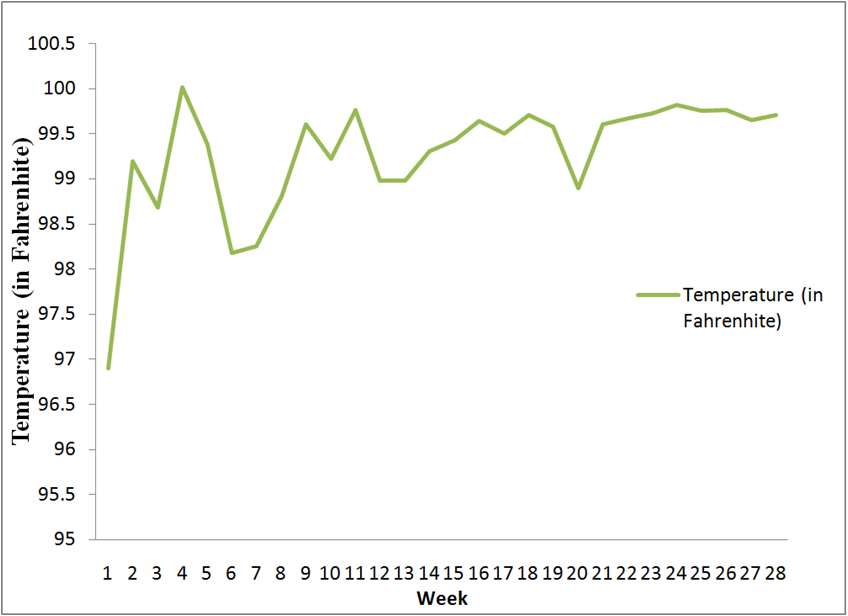
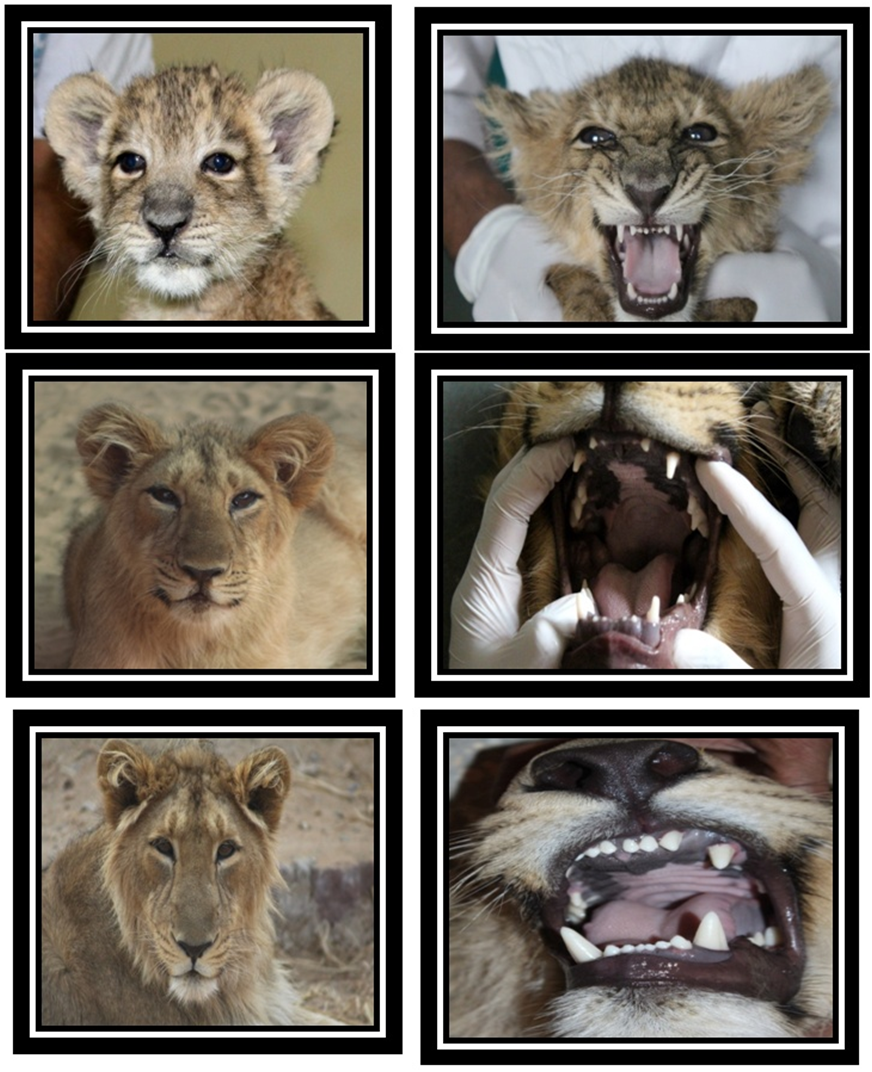
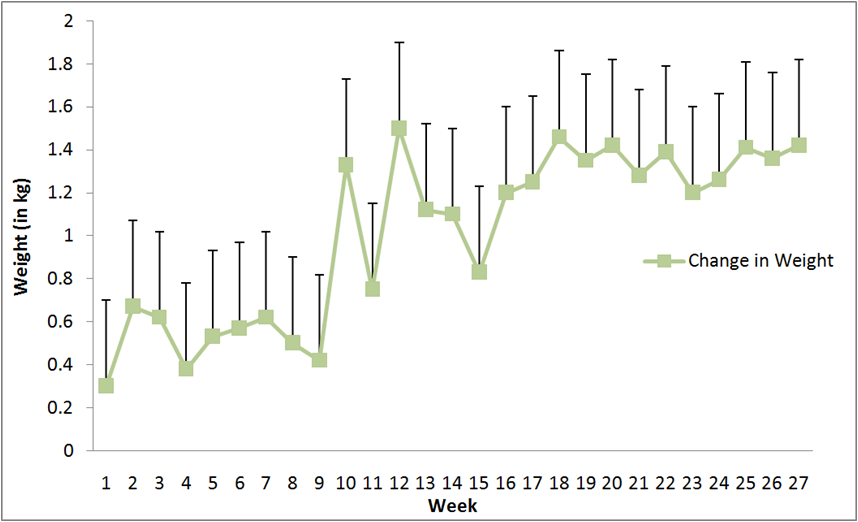
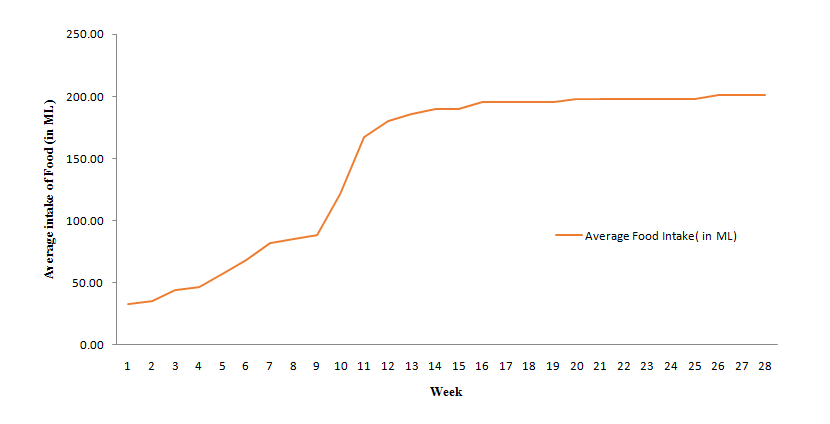
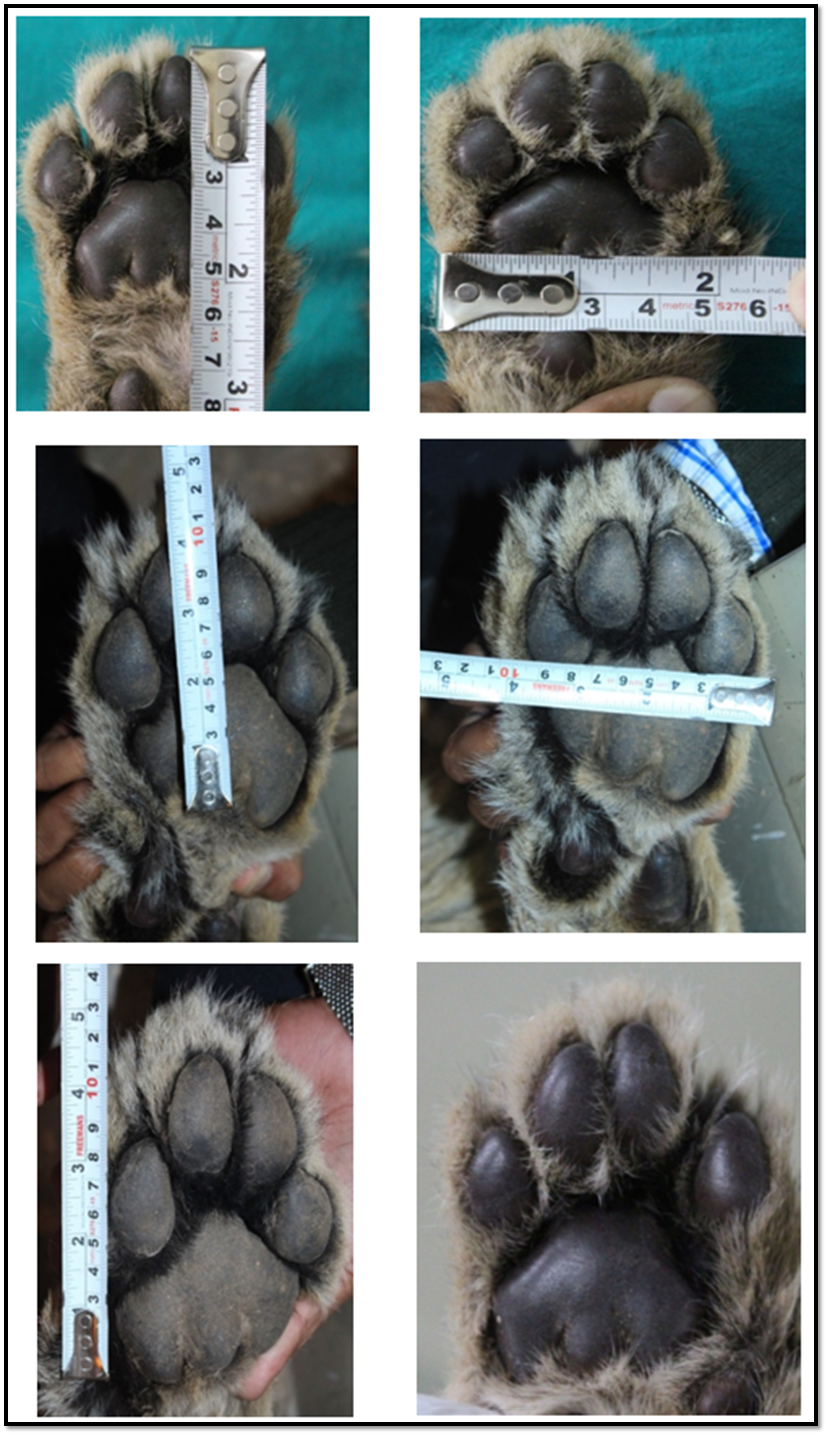
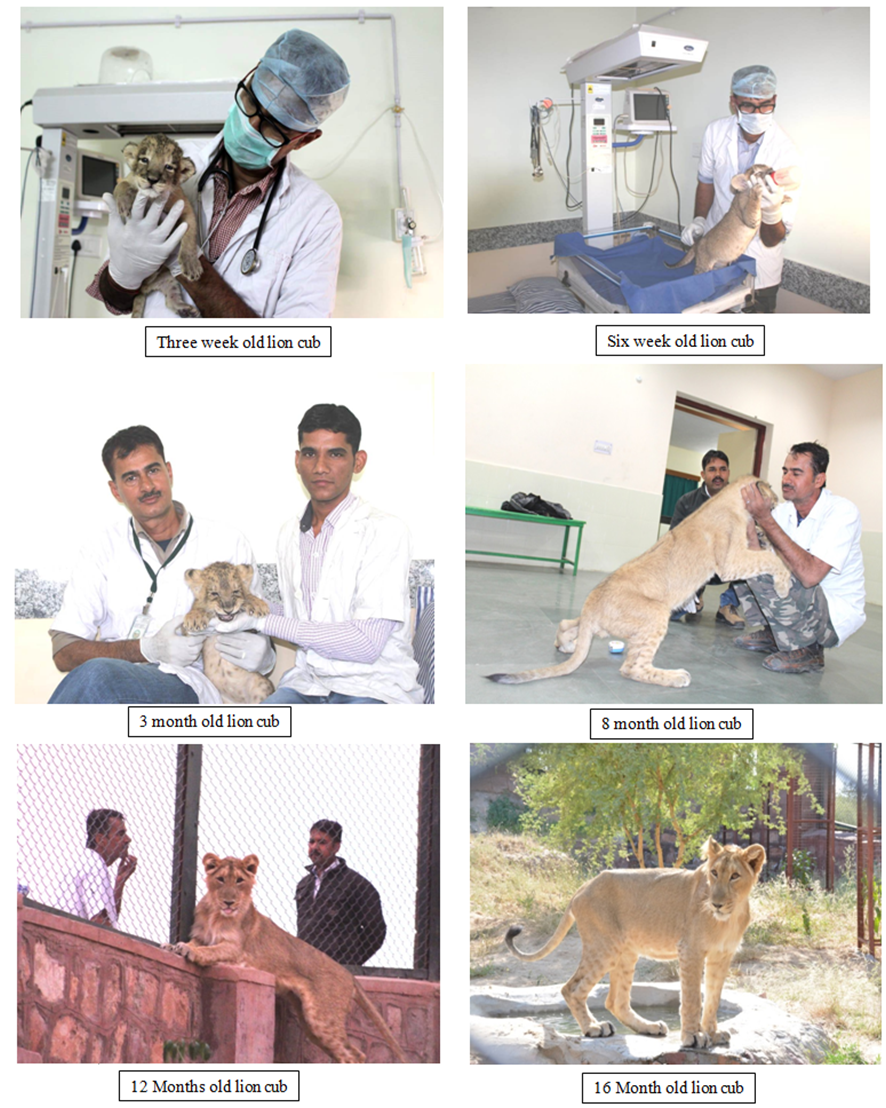
During a fine day of February 2016, under the animal exchange program between Central Zoo Authority of India, a couple of Asiatic lions were relocated from Gujrat Sakkerbagh zoo to Machia Biological Park of Jodhpur, Rajasthan. The male lion is GS and lioness is RT as named by the Central Park Authority. On the morning hours of July 17th, a caretaker from the Machia Biological Park had observed that the RT was pregnant. The pregnant lioness (RT) delivered three cubs at Machia Biological Park of Jodhpur on October 22, 2016, on post-midnight hours. Out of three, one cub (948 gms) died due to miss handling by his mother on the very next day at 7 PM. During the physical examination of the lioness in its cage, the author noticed that the RT was not showing any affection to the neonates and was walking vigorously. The RT was put down on the customized enclosure for neonates to feed but unable to do so due to her empty udder. Devoid of milk, the remaining cubs were in the danger of dehydration. Then, it was decided by the park authority to withdraw both neonates from the maternal cage and cubs were sent to the incubator baby care unit of Kailash medical hospital of Jodhpur on October 24, 2016, at 11:00 PM. But, due to the respiratory failure on at 4:00 AM, October 25th, 2016 one more cub weighing 942 gms died again in Kailash Medical hospital. Now only a remaining male cub (Kailash) weighing 954 gms was surviving under intensive veterinary care condition in the hospital. The cub was kept in the ambient room temperature rising between 26°C to 29°C. Kailash was measured for its body length, height, head length and round face with the values recorded were 48 cm, 18 cm, 6 cm, and 24 cm respectively. Similarly, the recorded body weight was 1.110 kg and weekly change of body weight of Kailash is recorded in Figure 2. The cub was kept in a cartoon or wooden box at the isolation ward of the hospital for two weeks. Kailash was availed with Immuno PRP spray four times a day for boosting the immunity of his body. Made in Hampshire, USA, half spoon PetLac kitten milk replacement powder was dissolved in 20 ml mineral water was given to Kailash as food for stress-free growth after every 2 hours (10-12 times a day). With the goal that the neonate ought to have better immunity 0.2 ml vimeral fluid and 0.5 ml gripe water was given. Vitamin supplement, 1/8 sporlac, and 1/8 avil tablets were made available to the cub. We had noted down temperature and week temperature was shown in Figure 3 and bodyweight of neonate every day for the first two weeks and growth parameters likewise body length and height were recorded at weekly intervals. The morphological developments of kailash are shown in Table 1 and Figure 4. We were simultaneously observing his behavioral modifications. He was growing with noticeable changes in body weight and gaining weight up to 1.76 kilograms. The weekly weight gain of Kailash is shown in Figure 5. His Limbs were balanced and can open his eyes. During the second week, we had to increase the amount of PetLac powder to one spoon and further increased by half from 3rd week till 6th week. During a bright Monday of the 4th week, the author felt incisor teeth in Kailash’s mouth and availed Zifi (Cefixime) 50mg tablet, 2ml of syrup Augmentin 3.3 gm (Amoxycillin and Potassium Clavulanate) and 3 drops of vimeral liquid (Vitamin A, D3, E, and B12) once a day for next three weeks. Both upper and lower canines were growing amid of the sixth week, in the jaws of Kailash. After the canine growth, there started the provision of semi-solid food. The egg yolk of 05ml, 10ml, and 15ml was served twice a day during the 7th, 8th and 9th weeks respectively. The daily average food intake by the Kailash was shown using Figure 6. The cub was discharged from the hospital at the end of the 9th week and reached Machia Park at 5 PM, December 23, 2016. Body measurements were taken and noted with length 80cm, height 32cm, round face 36cm, body weight 5.300 kg, and body temperature of 99.5°F. Along with other morphological parameters, Kailash was also measured for pugmarks during the 3rd, 6th and 12th months from the birth and measurements were noted down 6x6 cm, 10x10 cm and 12x12 cm respectively which is shown in Figure 7. At Machia Park, the zookeeper and authors were regularly monitoring the activity of the cub and recorded different growth parameters along with diet and treatments provided. At the age of 3 months, Kailash was vaccinated using Fel-o-vax (Feline Rhinotracheitis Calici-Panleukopenia). Very less information is available on hand-rearing Asiatic lion cub along with the change in physiological traits and behavior. Typically, the gestation period of Lioness is around 95 days to 110 days 11. The major drawback of hand-rearing a neonate is that they become hypodermic during initial days and should need careful treatment. According to 12 to defecate the feline cub stimulate the perineal region of the cub in a circular motion with warm and wet cotton gauge. Asiatic lions are facing threats in the initial days of life due to weaning, wounds, insufficient food, sickness and sometimes getting killed even by own mother. 13 reported that the infanticide was high during the first year of birth and responsible for 27% of overall cub mortality and other factors such as weaning milk, nutrition, disease, and accidents were responsible for 16% overall mortality. According to 14 the reasons for weaning could be insufficient lactation of the mother, an inability of the cub to suck mother's milk, sickness or death of the mother, and lack of maternal instinct. As suggested by 15 and 16 Kailash was kept in a wooden box or carton box inside the hospital ward. The ward is maintained in the ambient temperature of 26oC to 29oC. 17 advised for keeping neonates in a place with a temperature gradient so that they can move freely from the hottest area to the coldest area of the compartment. PetLac Kitten milk replacement powder and used for removing the stress in cub with support from literature relating to wild felines 12, 15, 17, 18. From the literature of 15 and 17; A solution of PetLac powder and mineral water was given to cub after every 2 hours (10 - 12 times in 24 hours) for the first week. When he grows up to the second half spoon quantity has been increased for him. After the third week, the quantity had increased to more half spoon. From 18, 15 and 16 the daily amount of food cub requires should be between 10% and 20% of its body weight. The study of 15 and ours yielded the same result, showing an average of 500 gm to 700 gm increase in the weight of the neonate per week. 15 Also mentioned that the average preferred weight gain for lions is between 100 and 200 g/day. For the prevention of external parasites, we used ivermectin (Ivomec®) hypodermically at a dose of 200 μg per kg. The vaccination protocol in exotic felids recommends using killed or inactivated vaccines by 14, 19, 20, 21, 22, 23, 24 had described successful hand-rearing stories of wild animals. After the age of 16 months (5 March, 2018), the Kailash was shifted in a case of Machia Park where visitors can see his activities. Thus, it is a good example of the successful hand-rearing of Asiatic lion cub (Kailash) at Machia Biological Park, Jodhpur shown in Figure 8. Those success stories proved to be of vital importance during the hand-rearing of the same animals in some other biological parks.


| [1] | Kinnear, N. B., The past and present distribution of the lion in south eastern Asia. Journal of Bombay Natural History Society, 1920, 27, 33-39. | ||
| In article | |||
| [2] | Joslin, P., The Asiatic Lion: A study of Ecology and Behaviour, Ph.D dissertation, University of Edinburg, 1973 pp 248. | ||
| In article | |||
| [3] | Fenton L.L., The Kathiawar Lion, journal of Bombay Natural History society, 1908, 19, 4-15. | ||
| In article | |||
| [4] | Dalvi, M. K., Gir lion census, 1968. Indian Forester, 1969, 95(11), 741-752. | ||
| In article | |||
| [5] | Pocock, R. I., The foxes of British India, Journal of the Bombay Natural History Society, 1936, 39, 36-57. | ||
| In article | |||
| [6] | Chellam, R., The management of Asiatic lions in the Gir forest, India. In Symposia of the Zoological Society, 1993 Vol. 65, 409-424. | ||
| In article | |||
| [7] | Srivastav A, Nigam P, Tyagi P C, and Nilofer Begum, National Studbook for the Asiatic Lion (Panthera leo persica) Published as part of Central Zoo Authority sponsored project to Wildlife Institute of India, Dehradun, 2014, pp 349. | ||
| In article | |||
| [8] | Robbins, C. T., Wildlife feeding and nutrition. San Diego, CA: Academic Press. 1993. | ||
| In article | |||
| [9] | Senthilkumar, K and Thirumurugan, R., Hand rearing of two striped hyena cubs (Hyaena hyeana) at Arignar Anna Zoological Park, Chennai Indian Zoo Year Book IV, 2006, 74-86. | ||
| In article | |||
| [10] | Kirkwood, J. K., Williams, P., Moxey, T., Wallbank, H., Stadler, S. G., Howlett, J., & Eva, J., Management and formula intake of young hand reared Chinese water deer Hydropotes inermis and their growth compared with mother reared fawns. International Zoo Yearbook, 1988, 27(1), 308-316. | ||
| In article | View Article | ||
| [11] | Rudnai, J. Reproductive biology of lions (Panthera leo massaica Neumann) in Nairobi National Park. African Journal of Ecology, 1973, 11(3-4), 241-253. | ||
| In article | View Article | ||
| [12] | Rivas, A., F. Martínez, I. Sánchez, J. M. Aguilar, M. A. Quevedo, J. Bergara, E. M. Vázquez, M. Cuadrado, and A. Vargas., Hand-rearing of Iberian lynx cubs. In: Iberian lynx ex situ Conservation: An interdisciplinary approach. Fundación Biodiversidad, Madrid, Spain, 2009. | ||
| In article | |||
| [13] | Meena, V., Reproductive strategy and behaviour of male Asiatic lions, PhD dissertation, Forest Research Institute, Dehra Dun, 2008. | ||
| In article | |||
| [14] | Saha, G.R., B K Majumdar and B D Biswas, Successful hand rearing of an African Lion cub (Panthera leo ) in Alipur Zoo, Calcutta. Zoo's Print Journal 1992, 7 (12), 22-23. | ||
| In article | |||
| [15] | Hedberg, G. E., Exotic felids, In: Hand-rearing wild and domestic mammals, First Edition, L. J. Gaje (ed.). Blackwell Publishing, Iowa State University Press. 2002, pp. 207-220. | ||
| In article | View Article | ||
| [16] | Aceituno Arnold, N., Breeding, husbandry and management of Iberian wolf (Canis lupus signatus) cubs (No. 619 636.089). e-libro, Corp., 2008, 2(2), 32-36. | ||
| In article | |||
| [17] | Grupo Asesor de Aspectos Sanitarios (GAAS) (Translation: Health aspects advisory group of the Iberian lynx.) Artificial breeding manual of the Iberian lynx 2004. | ||
| In article | |||
| [18] | Meier, J. E., Neonatology and hand-rearing of carnivores, Zoo & Wild Animal Medicine, 2nd ed. Fowler M. (Ed.). WB Saunders Co., Philadelphia, PA, 1986 pp 842-852. | ||
| In article | |||
| [19] | Read, W. R., and J. E. Meier., Neonatal care protocols. In: Wild mammals in captivity: Principles and techniques, D. G. Kleiman, M. E. Allen, K. V. Thompson, and S. Lumpkin (eds.). The University of Chicago Press, Chicago, Illinois USA, 1996 | ||
| In article | |||
| [20] | Wack, R., Felidae M. E. Fowler (Ed.). Zoo & Wild Animal Medicine, Philadelphia: W.B. Saunders Co., 2003, pp 491-501. | ||
| In article | |||
| [21] | Mahodaya, A. K. Diary of hand rearing of leopard cub at Indore Zoo, Zoo's Print Journal 1990, 5 (11), 13. | ||
| In article | |||
| [22] | Suklikar, S.B., D.B. Sarode and S.V. Gorde, Care and management of Tiger cubs in Zoo. Zoo's Print Journal 1991, 6 (11), 27. | ||
| In article | |||
| [23] | Gage, L. J., Hand-rearing wild and domestic mammals. John Wiley & Sons 2008. | ||
| In article | |||
| [24] | Dhoot, V. M., Upadhye, S. V., & Pande, M. R., Successful hand rearing of a leopard cub at Maharajbag zoo. Zoos'print journal, 2000, 15(8), 314-316. | ||
| In article | View Article | ||
Published with license by Science and Education Publishing, Copyright © 2020 H. S. Gehlot, S. S. Rathore, M Mahendra, Tapan Adhikari and Vipul Kachhwaha
 This work is licensed under a Creative Commons Attribution 4.0 International License. To view a copy of this license, visit
http://creativecommons.org/licenses/by/4.0/
This work is licensed under a Creative Commons Attribution 4.0 International License. To view a copy of this license, visit
http://creativecommons.org/licenses/by/4.0/
| [1] | Kinnear, N. B., The past and present distribution of the lion in south eastern Asia. Journal of Bombay Natural History Society, 1920, 27, 33-39. | ||
| In article | |||
| [2] | Joslin, P., The Asiatic Lion: A study of Ecology and Behaviour, Ph.D dissertation, University of Edinburg, 1973 pp 248. | ||
| In article | |||
| [3] | Fenton L.L., The Kathiawar Lion, journal of Bombay Natural History society, 1908, 19, 4-15. | ||
| In article | |||
| [4] | Dalvi, M. K., Gir lion census, 1968. Indian Forester, 1969, 95(11), 741-752. | ||
| In article | |||
| [5] | Pocock, R. I., The foxes of British India, Journal of the Bombay Natural History Society, 1936, 39, 36-57. | ||
| In article | |||
| [6] | Chellam, R., The management of Asiatic lions in the Gir forest, India. In Symposia of the Zoological Society, 1993 Vol. 65, 409-424. | ||
| In article | |||
| [7] | Srivastav A, Nigam P, Tyagi P C, and Nilofer Begum, National Studbook for the Asiatic Lion (Panthera leo persica) Published as part of Central Zoo Authority sponsored project to Wildlife Institute of India, Dehradun, 2014, pp 349. | ||
| In article | |||
| [8] | Robbins, C. T., Wildlife feeding and nutrition. San Diego, CA: Academic Press. 1993. | ||
| In article | |||
| [9] | Senthilkumar, K and Thirumurugan, R., Hand rearing of two striped hyena cubs (Hyaena hyeana) at Arignar Anna Zoological Park, Chennai Indian Zoo Year Book IV, 2006, 74-86. | ||
| In article | |||
| [10] | Kirkwood, J. K., Williams, P., Moxey, T., Wallbank, H., Stadler, S. G., Howlett, J., & Eva, J., Management and formula intake of young hand reared Chinese water deer Hydropotes inermis and their growth compared with mother reared fawns. International Zoo Yearbook, 1988, 27(1), 308-316. | ||
| In article | View Article | ||
| [11] | Rudnai, J. Reproductive biology of lions (Panthera leo massaica Neumann) in Nairobi National Park. African Journal of Ecology, 1973, 11(3-4), 241-253. | ||
| In article | View Article | ||
| [12] | Rivas, A., F. Martínez, I. Sánchez, J. M. Aguilar, M. A. Quevedo, J. Bergara, E. M. Vázquez, M. Cuadrado, and A. Vargas., Hand-rearing of Iberian lynx cubs. In: Iberian lynx ex situ Conservation: An interdisciplinary approach. Fundación Biodiversidad, Madrid, Spain, 2009. | ||
| In article | |||
| [13] | Meena, V., Reproductive strategy and behaviour of male Asiatic lions, PhD dissertation, Forest Research Institute, Dehra Dun, 2008. | ||
| In article | |||
| [14] | Saha, G.R., B K Majumdar and B D Biswas, Successful hand rearing of an African Lion cub (Panthera leo ) in Alipur Zoo, Calcutta. Zoo's Print Journal 1992, 7 (12), 22-23. | ||
| In article | |||
| [15] | Hedberg, G. E., Exotic felids, In: Hand-rearing wild and domestic mammals, First Edition, L. J. Gaje (ed.). Blackwell Publishing, Iowa State University Press. 2002, pp. 207-220. | ||
| In article | View Article | ||
| [16] | Aceituno Arnold, N., Breeding, husbandry and management of Iberian wolf (Canis lupus signatus) cubs (No. 619 636.089). e-libro, Corp., 2008, 2(2), 32-36. | ||
| In article | |||
| [17] | Grupo Asesor de Aspectos Sanitarios (GAAS) (Translation: Health aspects advisory group of the Iberian lynx.) Artificial breeding manual of the Iberian lynx 2004. | ||
| In article | |||
| [18] | Meier, J. E., Neonatology and hand-rearing of carnivores, Zoo & Wild Animal Medicine, 2nd ed. Fowler M. (Ed.). WB Saunders Co., Philadelphia, PA, 1986 pp 842-852. | ||
| In article | |||
| [19] | Read, W. R., and J. E. Meier., Neonatal care protocols. In: Wild mammals in captivity: Principles and techniques, D. G. Kleiman, M. E. Allen, K. V. Thompson, and S. Lumpkin (eds.). The University of Chicago Press, Chicago, Illinois USA, 1996 | ||
| In article | |||
| [20] | Wack, R., Felidae M. E. Fowler (Ed.). Zoo & Wild Animal Medicine, Philadelphia: W.B. Saunders Co., 2003, pp 491-501. | ||
| In article | |||
| [21] | Mahodaya, A. K. Diary of hand rearing of leopard cub at Indore Zoo, Zoo's Print Journal 1990, 5 (11), 13. | ||
| In article | |||
| [22] | Suklikar, S.B., D.B. Sarode and S.V. Gorde, Care and management of Tiger cubs in Zoo. Zoo's Print Journal 1991, 6 (11), 27. | ||
| In article | |||
| [23] | Gage, L. J., Hand-rearing wild and domestic mammals. John Wiley & Sons 2008. | ||
| In article | |||
| [24] | Dhoot, V. M., Upadhye, S. V., & Pande, M. R., Successful hand rearing of a leopard cub at Maharajbag zoo. Zoos'print journal, 2000, 15(8), 314-316. | ||
| In article | View Article | ||