Probiotics are live microorganisms that may have health benefits when consumed in adequate amounts. Many athletes suffered from fatigue, gastrointestinal distress, mood disturbances, and underperformance due to overtraining or highly intensive competition. The use of probiotics in sports has been growing in recent years due to various beneficial effects including improvement of muscle endurance and intestinal health, amelioration of symptoms of metabolic disorder, as well as reduction of oxidative stress. Moreover, approximately 70% of the immune system is located in the gut and probiotic supplementation has been shown to promote a healthy immune system and inhibit the growth of harmful gut bacteria. Recent studies showed that probiotics can do more than improve gut health. They also may indirectly help with the depression and mental stress of athletes. Here, we present a comprehensive review of the key beneficial effects of probiotics on athletes and discuss the potential mechanisms.
Regular exercise has numerous health benefits, for example, it reduces the risk of cardiovascular disease and cancer. It has also been shown that the risk of type 2 diabetes can be halved in high-risk groups through nonpharmacological lifestyle interventions involving exercise and diet. Nevertheless, uncontrolled excessive exercise may cause many adverse effects. Recent reports have indicated that extreme exercise may induce musculoskeletal injuries, cardiac arrhythmias, and biochemical and histological changes in the liver and pancreas of rats. Overtraining is a condition precipitated by an imbalance between physiological performance, training demand, and current functional capacity. When this delicate balance is disrupted, excessive training (known as overtraining) can exacerbate the drop in performance based on the association between heavy training and skeletal muscle injury. Thus, in an overtrained individual, performance does not increase after adequate rest following training fatigue. Overtraining can put the athlete at risk of developing asthma 1, infection such as upper respiratory illness 2, 3, gastrointestinal complaints 4 as well as depression and anxiety 5. Various other symptoms such as immune suppression and chronic fatigue have also frequently been reported 6. Various studies have explored the positive relationship between athletes and probiotics, and how they can be used to ease or prevent symptoms associated with overtraining 7.
Probiotics are defined as viable microorganisms that, when ingested in an appropriate concentration, exert various beneficial effects on the host 8. The word “probiotic” comes from Greek and means “for life.” In 1954, Ferdinand Vergin conceived the term “probiotic” in an article entitled “Anti-und Probiotika,” in which several microorganisms were studied to make a list of useful bacteria and to determine the detrimental effects of antibacterial agents and antibiotics on the intestinal microbiota 9. As per the current state of knowledge, probiotics encompass species of lactic acid bacteria (LAB) (e.g., Lactococcus, Lactobacillus, Streptococcus, and Enterococcus), Bifidobacterium and yeast genera have a long history of safe use 10. Probiotics have been utilized as a starter culture to produce fermented foods for centuries. They can be taken directly as a food additive and colonized in the human oral cavity. In the digestive tract, while competing with pathogenic bacteria to use limited nutrients, it can also produce antibacterial substances to inhibit the growth of pathogens, thereby achieving the effects of improving the balance of human intestinal flora and improving human health. Many traditional fermented foods or regional specialty foods, such as kimchi, yogurt, cheese, milk wine, etc., have probiotics.
Particular probiotic strains produce certain vitamins and could benefit the human host, whereas lactase-positive probiotic strains can offer relief from symptoms of lactose intolerance. Recent studies revealed that probiotics also modulate host immunity, restrict the harmful substances that may exist in the gut, and prevent allergies and cardio-vascular or urogenital disorders. They, also, reduce blood cholesterol and prevent from heart diseases. Moreover, it has been identified that probiotics decrease symptoms related to antibiotic consumption. They are reported to reduce important gastrointestinal symptoms at athletes.
Studies have shown that probiotics can improve endurance sports performance by regulating the biological activity of the musculoskeletal of the athletes, and have a positive effect on the metabolism of the musculoskeletal and the repair of injuries. Probiotics can promote the athletes’ energy metabolism, and improve gastrointestinal disorders, oxidative stress, muscle fatigue, and other symptoms, thereby indirectly improving physical performance. At the same time, probiotics can also regulate the neuroendocrine system by affecting the brain-gut axis, which can relieve fatigue, depression, anxiety, and other emotional disorders to a certain extent. This review will summarize the current status of probiotics on athletes and put a special focus on the molecular mechanisms involved. Here, we present a comprehensive review of the application status of probiotics on athletes with a special focus on the molecular mechanisms involved. Finally, future perspectives on this area will be discussed.
In order to increase athletic performance, the training must be challenging enough to make adaptations to resistance training stimuli. The mechanism of exercise-induced muscle damage includes mechanical and metabolic pathways and the magnitude of damage depends on the type, intensity, and duration of the exercise, as well as the nutritional status.
A large number of human experiments have also confirmed the positive effects of probiotics on skeletal muscle metabolism and damage repair of the exercise body. Bacillus coagulans produce digestive enzymes that are active under gut conditions (alkaline proteases, etc.) and these proteases have been shown to digest proteins more efficiently than the endogenous human proteases alone. Bacillus coagulans GBI-30, 6086 enhances the health of the cells of the gut lining improving nutrient absorption including minerals, peptides and amino acids by decreasing inflammation and encouraging optimum development of the absorptive area of the villi. The study found that the muscle-damaging exercise resulted in significantly reduced perceived recovery and increased muscle soreness, increased muscle damage and reduced performance (Wingate peak power) in the protein supplemented group. The co-administration of Bacillus coagulans GBI-30, 6086 and protein significantly increasing recovery 24 and 72 h, and muscle soreness 72 h after exercise. The addition of the probiotic to the protein tended to reduce muscle damage and prevented the decline in peak power. Strength or vertical jump power did not significantly decline in both groups, indicating that the exercise protocol was not challenging enough to negatively influence those measures.
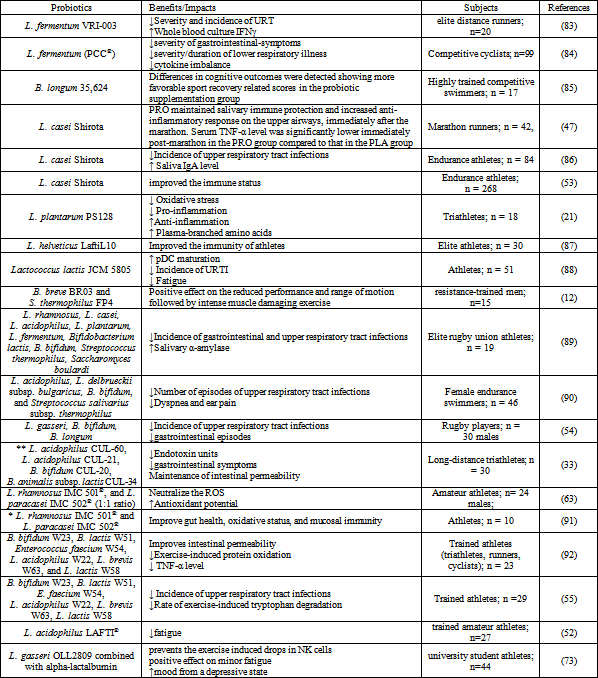
A study found that L. plantarum TWK10 supplementation could enhance glucose utilization to increase endurance exercise time by increasing the number of gastrocnemius type I muscle fibers. Researchers provide evidence that L. plantarum TWK10 affects biochemical features with long-term aerobic swimming. For future investigations, L. plantarum TWK10 could be used in humans who focus on aerobic endurance training for protective and health purposes 11. Combinations of probiotic cultures have proven to be more effective than the use of single cultures for improving muscle endurance caused by over-training. Twenty-one days of probiotic supplementation with probiotics containing 5 bn live cells (AFU) B. breve BR03 and 5 bn live cells (AFU) S. thermophilus FP4 in healthy, resistance-trained men attenuates performance and the range of motion decrements following a bout of muscle-damaging eccentric exercise. Further, 21 days of probiotic supplementation lowered resting IL-6 concentrations, which were sustained to 48 h post-exercise. These data suggest that the specific probiotic cocktail may assist in the recovery of performance following unaccustomed heavy eccentric exercise 12.
It has been recognized that high to extreme amounts of exercise training have been associated with negative effects on cardiac health and metabolic balance 13. Over-exercising can lead to metabolic changes that can cause symptoms such as bloating, abdominal cramping, diarrhea, nausea, and vomiting are very commonly seen in endurance runners. The body’s metabolism is responsible for converting the nutritional substrates from the dietary intake into fuel for muscle contractions, and into new cells used to repair tissue damaged during exercise. During rest and low-intensity exercise, energy in the form of Adenosine Triphosphate (ATP) is provided through aerobic metabolism. However, the energy for high-intensity exercise is produced by the Phosphagen and Glycolysis energy pathways, which place a significant demand on the involved muscle tissue to rapidly deliver the necessary ATP to fuel muscle activity. Typical metabolic damage caused by over-exercising includes elevated blood lactate and acidity, increased levels of human growth hormone, and increased glycogen storage in muscle tissue.
The intestinal flora has been shown to play an important role in regulating the availability of energy-producing substances for muscles during over-exercising. Nay et al. (2019) investigated the effects of gut microbiota on muscle function and found that, in gut microbiota-depleted mice, running endurance and the extensor digitorum longus muscle fatigue were decreased. After 10 days of natural reseeding, several pertinent glucose metabolism markers including glucose transporters G protein-coupled receptor 41, sodium-glucose cotransporter 1, and muscle glycogen level increased. This study implies that modulating the muscle availability of glycogen via gut microbiota represents one potential mechanism that can contribute to the gut microbiota-skeletal muscle axis 14. Moreover, gut microbiota-derived phenolic metabolite isovanillic acid 3-O-sulfate affects muscle cells to take up and metabolize glucose by up-regulating GLUT1, GLUT4, and PI3K p85α expression and increasing phosphorylation of Akt 15. Reduced carbohydrate absorption due to gastro-intestinal distress poses a particular problem for endurance athletes, as carbohydrates availability during endurance exercise lasting > 60 min may be a limiting factor for performance. In a randomized trial of twenty-four recreational runners, researchers showed that supplementation with a multi-strain probiotic for 28 days prior to a Marathon race reduces the incidence and severity of gastrointestinal symptoms when compared with placebo control. Moreover, probiotic supplementation also attenuates the substantial change in the metabolome induced by running a Marathon 16.
The Gut microbiota can also improve the bioavailability of amino acids and alter the decomposition, absorption and metabolism of proteins. By using gene expression data and tissue-specific genome-scale metabolic models (GEMs), researchers found that the distribution of free amino acids in the gastrointestinal tract germ-free mice has significantly changed 17. By using comparative genomic analysis, Li et al (2018) found that L. plantarum ZJ316 had 34 genes encoding intracellular peptidases, 23 genes encoding proteases with different specificities, and large amounts of genes involved in the biosynthetic pathway of most amino acids. This result suggested that probiotics have the potential to regulate amino acid biosynthesis and protein metabolism 18. Data collected from resistance-trained males showed that probiotic supplementation probiotic BC30 (Ganeden Biotech Inc., Maryfield Heights, OH) in combination with a slow digesting protein might increase athletic performance by increasing protein absorption 19. Ammonia is a continuously produced metabolic toxic waste product. Increased ammonia levels have been recorded following physical exertion. A pilot study with male football players showed that L. casei probiotic supplement could naturally generate phenylacetate contributing to ammonia removal through glutamine sequestration as phenylacetyl glutamine via the kidneys 20. Huang et al. (2019) investigate the effects of L. plantarum PS128 supplementation on triathletes. Their results showed that L. plantarum PS128 supplementation caused a 6–13% decrease of indicated pro-inflammation (TNF-α, IL-6, and IL-8) cytokines (p < 0.05) and a 55% increase of anti-inflammation (IL-10) cytokines (p < 0.05) after intensive exercise stimulation. In addition, L. plantarum PS128 can also substantially increase 24–69% of plasma-branched amino acids and elevate exercise performance, as compared to the placebo group 21. Moreover, Probiotics have been shown to improve the nutritional value of food through the production of enzymes and metabolites to increase free amino acids, bioactive peptides, γ-aminobutyric acid and the concentrations of other nutrients, which play a role in host energy metabolism 22.
Maintaining a high level of athletic performance and staying healthy have related common factors. The B-vitamins (thiamin, riboflavin, vitamin B-6) are necessary in the energy-producing pathways of the body. Supplementation of probiotics can improve the metabolism of B-vitamins to fortify the body and prevent some of the pitfalls of overtraining including illness and burnout. Magnúsdóttir et al. (2015) systematically assessed the genomes of 256 common human gut bacteria for the presence of biosynthesis pathways for eight B-vitamins. Their results revealed that the distribution of synthesis pathways was diverse and some genomes had all eight biosynthesis pathways 23. A probiotic strain L. fermentum CECT 5716 isolated from human milk was able to produce riboflavin and folates 24.
Collectively, the body’s metabolism is accelerated during high-intensity exercise. The reduced glycogen storage and insufficient energy supply lead to muscle fatigue and restricts exercise capacity. Probiotics can improve the composition of gut microbiota and modulate the availability of amino acids and vitamins to promote the host's energy metabolism and improve energy supply. These alterations are critical in improving muscle health, relieving body fatigue, and enhancing training performance.
Gastrointestinal (GI) complaints are common among athletes with rates in the range of 30% to 70% 25. Exercise-induced gastrointestinal syndrome (EIGS) is a common characteristic of exercise. It has being used to describe a complex response to exercise that disturbs and compromises gastrointestinal function. The onset of EIGS, and associated lower-gastrointestinal symptoms (GIS), varies across different forms of exercise: from reported GIS incidence of ≤10% in strength and power sports, team sports, and endurance exercise <4 h in duration, to ≥60% in ultraendurance running and triathlon events 26. It is estimated that 45% of recreational endurance runners reported at least one gastrointestinal complaint and 11% severe gastrointestinal complaint during running events ranging from 10 km to marathon distance (4). In marathon running, 27% of recreational runners report moderate or more severe GI symptoms during a race 27. Additionally, female runners and those runners who were not accustom to feeding during running reported higher incidence of symptoms.
The mechanisms by which exercise causes gastrointestinal symptoms are not well known. It is generally accepted that the EIGS was associated with splanchnic blood flow redistribution, cytokine responses, sympathetic activation, gastrointestinal motility, and malabsorption 28, 29. Exercise perturbs gastrointestinal integrity by the redistribution of blood flow to working muscle and peripheral circulation, which aids skeletal muscle metabolism and thermoregulation, subsequently reduces total splanchnic perfusion and causes intestinal ischemia. The exercise-induced reduction in splanchnic blood flow is well characterised and results in dysregulation of the intestinal barrier 30. Moreover, exercise may increase sympathetic hyper activation to reduce overall gastrointestinal functionality. The effects of acute exercise on gastrointestinal motility have been hypothesised to explain gastrointestinal symptoms such as heartburn (gastro-oesophageal reflux), vomiting, gastrointestinal cramps, urge to defecate, and diarrhoea. High intensity exercise may also decrease gastric motility and emptying. This cascade of physiological events can increase the potential for nutrient malabsorption further aggravated by extreme environmental conditions 31, 32. Collectively, these causes can lead to outcomes that include increased intestinal epithelial injury and gastrointestinal hyperpermeability. The gut becomes more leaky, allowing pathogenic endotoxins normally present and isolated to the intestine to pass into the bloodstream.

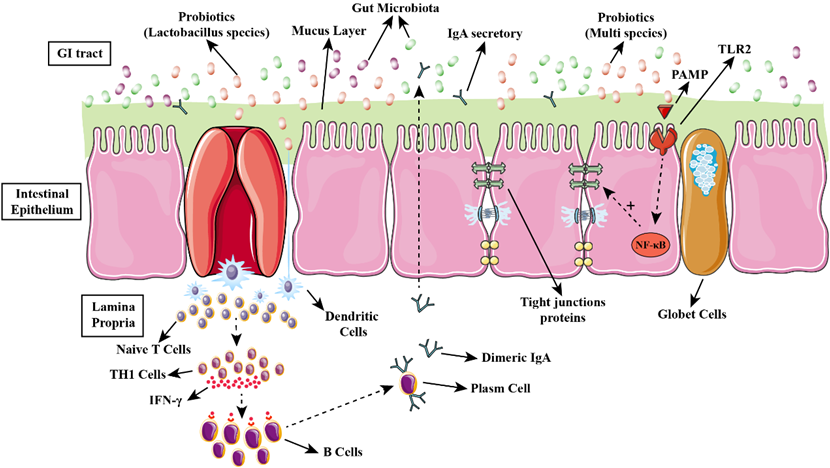
With the aim of improving gastrointestinal health and preventing gastrointestinal related issues, there is significant interest and belief amongst the general public for the administration of probiotic supplementation. It has been widely recognized that the intestinal barrier function is affected by microbiota’s metabolism. More and more evidence showed that appropriate probiotic supplementation could have potential to counteract exercise-associated gastrointestinal perturbation 33. Many probiotic bacteria have demonstrated favorable effects in vitro and in vivo on epithelial integrity through direct or indirect mechanisms 34. As shown in Figure 1, probiotics may provide protective effects to the secondary outcomes of EIGS through various ways including enhancing enterocyte stability and functional capabilities, stimulating immune cells activity (regulating the-pro-/antiinflammatory pathways and immunoglobulins production), increasing short-chain fatty acids (SCFA) production, lowering intestinal pH, and stimulating mucus production 35. The consumption of live L. rhamnosus GG protects the integrity of the gastric mucosal barrier, but had no effect at the intestinal level, highlighting the differences in physiology of the epithelial barrier in different locations of the gastrointestinal tract 36. Several studies have reported the positive outcomes of probiotics supplement on gut permeability and endotoxemia. Specifically, a significant reduction of fecal zonulin concentrations and plasmaendotoxin concentrations. Interestingly, these studies used a multistrain probiotics supplement containing the species L. acidophilus, B. bifidum, and B. animalis ssp.lactis for at least 1 month.
There are few studies that report the positive influence of probiotics on the GI system in athletes. Brennan et al. found that highly trained endurance athletes supplemented with L. salivarius (UCC118) reported less intestinal hypermeability induced by exercise 37. Probiotic strains including Lactobacillus and Bifidobacterium are known to improve gastrointestinal health by increasing the relative abundance of certain short chain fatty acid. A more recent study observed that oral ingestion of a commercial probiotic beverage containing L. casei (volume equivalent for 1011 CFU/day) for seven consecutive days, before 2 h running at 60% VO2max in Tamb 34°C, resulted in a substantially greater endotoxemia (i.e. Δ pre-to post-exercise: 15 pg/ml and 1 h post-exercise: 46 pg/ml) in all participants, compared with matched placebo 38.
It is generally considered that exercise and training activity also compromises immune function, with most changes on balance suggesting an overall decrease in immune system function, particularly when training loads are high. A marked fall in the number of circulating leukocytes is often indicative of a chronic viral infection and low blood leukocyte counts are commonly found in athletes engaged in heavy training 39. Some study found that intense exercise causes a significant release of proinflammatory cytokines and free radicals, and leads to muscle damage and tissue injury 40. After high-intensity prolonged exercise, the concentration and activity NK cell, as well as serum concentration of IgG1, IgG2, and IgE are changed. Lymphocyte and neutrophil counts and B cell function are also influenced 41.
The gut microbiota interacts with the host, participates in the development and dynamic balance of the host's immune system, and protects the host from infection by pathogens. It has been proved that probiotics can combine some required characteristics to enhance the immune function of the host by modifying non-specific and humoral immunity. Probiotic strain can modulate the gut microbiota to produce several metabolites from digested food. Amongst these molecules short-chain fatty acids (SCFAs) are the most widely investigated in the regulation of inflammation and immune system. It has been demonstrated that SCFAs have anti-inflammatory effects on intestinal mucosa, thus protecting the bowel from the development of inflammatory bowel disease 42. The signal between gut mcirobiota and immune system is fundamental to regulate the homeostasis and to maintain the balance between immune tolerance to commensals bacteria and immunity to pathogens 43. Beyond SCFAs, GM produces other metabolites from digested food that have important immunomodulatory function as indole derivatives and polyamines, these metabolites derive from dietary tryptophan and arginine respectively and have an indirect immune function. Indoles derivatives favor the integrity of the enteral mucosa and the barrier defense towards pathogens by stimulating the production of anti-microbial peptides, mucins, and proliferation of intestinal goblet cells. Polyamines as putrescine, spermidine, and spermine fulfill important roles in gene expression and proliferation; enhance the development and maintenance of the intestinal mucosa and resident immune cells 42.
Probiotics can enhance nonspecific cellular immune response characterized by activation of macrophages, NK cells, antigen-specific cytotoxic T-lymphocytes, and the release of various cytokines in strain-specific and dose-dependent manner 44. Several probiotics have been reported to augment NK cell activity. Studies have shown that L. plantarum 299v is capable of inducing mucin, MUC2 and MUC3, which is important in hindering pathogen colonization 45. A randomized controlled study was held of 96 male stress-burdened office workers who were allocated to two groups and given milk as control drink or a fermented milk drink containing 100 billion L. casei Shirota daily for 12 weeks. The URTI-free rate was 0.78 in the probiotic group but 0.47 in the control group. NK cell activity was significantly higher at week 6 in the probiotic group than in the control group. In contrast to the change in NK cell activity, saliva cortisol-a stress marker-was significantly lower at week 6 in the probiotic group than in the control group 46. In the study published by Vaisberg et al. in 2019, it can be observed how L.casei Shirota (LcS), administered for a period of time equal to 30 days, showed benefits related to the modulation of the immune response, inflammatory and mucosal upper respiratory tract, presenting protective effects 47. Probiotic supplementation has been demonstrated to beneficially modify and support the gut microbiota composition such as Akkermansia and Prevotella. Various studies have elucidated immune modulation induced by Akkermansia. It has been reported that A. muciniphilia is capable of up regulating genes involved in antigen presentation, as well as aiding in B and T cell maturation 48. A. muciniphilia and its immune modulation activity, and concluded that Akkermansia could activate Toll like receptor 2 (TLR) and TLR4 and induce IL8 and IL10 49.
The immune disturbances caused by intense exercise have been associated with the development of infection especially during winter months. Overtraining-induced muscle damage is associated with an inflammatory response characterized by increased susceptibility to infections attributable to changes in the functional status of immune cells 50. Upper respiratory tract (URT) infection and gastroenteritis are the most common infections seen in athletes but pharyngitis, infectious mononucleosis, sinusitis, otitis media and externa, acute bronchitis, pneumonia, conjunctivitis, skin infections, and blood-borne infectious diseases also occur. Infectious illnesses contribute to tissue wasting, muscle catabolism, and negative nitrogen balance. Pain, discomfort, or other symptoms of infection can be disturbing during training and competition and have a negative effect on performance. Reducing the incidence or severity of illness has positive impacts on performance during training and competition. Probiotic consumption might promote the innate and adaptive immune systems due to its modulatory effects on the immunity parameters and thus indirectly enhance physical performance. Moreover, probiotics may also provide positive effects on time to exhaustion, and muscle recovery 51.
Several studies have reported the beneficial effects of probiotics in increasing immune functions of athletes. An early research found the fatigued athletes had clinical character-istics consistent with reactivation of epstein barr virus infection and significantly less secretion of interferon (IFN) γ from blood CD4 positive T cells. After one month of daily capsules containing 2 × 10¹⁰ CFU L acidophilus, secretion of IFNγ from T cells had increased significantly to levels found in healthy control athletes 52. This study showed that probiotic therapy may reverse a T-cell defect in fatigued athletes, and enhance mucosal IFN concentrations in healthy athletes.
Athletes presenting with fatigue and impaired performance had an immune defect relevant to defective containment of epstein barr virus infection. Regular ingestion of probiotics reduced plasma epstein barr virus antibody titres, an effect that can be interpreted as a benefit to overall immune status 53. The administration of a two-strain probiotic supplement (Lactobacillus acidophilus NCFM and Bifidobacterium animalis subsp. lactis Bi-07) delayed the occurrence of URT illness and significantly increased the training load during a 5-month intervention period compared with placebo 54. Strasser et al examined the effect of a probiotic supplement on the incidence of upper respiratory tract infections (URTI) after exhaustive aerobic exercise in trained athletes during three months of winter training. Their results showed that the ratio of subjects taking the placebo who experienced one or more URTI symptoms was increased 2.2-fold compared to those on probiotics 55. In a study involving young adult female endurance swimmers, subjects were randomly assigned into two groups, receiving either 400 ml probiotic yogurt (intervention group) or ordinary yogurt (control group) daily for 8weeks. The results revealed that the average number of episodes of respiratory infection in the intervention group was 0.9 day, which was statistically fewer than that in the control group (1.4 days) 53. The mechanism of antiinfection effects of probiotic may attribute to the immune enhancement activity and/or antagonistic activities against pathogens. Probiotic strains can produce several types of antimicrobials including bacteriocins, hydrogen peroxide, lactic acid, acetic acid. The production of antimicrobials allows for longer survival of the producer in the intestine, as well as having the potential to outcompete pathogenic bacteria maintaining a healthy bacterial balance in the gut. Athletes tend to be prone to gastroenteritis and other infections, and the antimicrobial compounds produced by the probiotics can help in easing or preventing the symptoms.
Overtraining induces a significant rise in inflammatory and apoptotic markers. Muscle microtrauma induces reductions in strength 56 and range of motion 57 due to swelling in the injured area as well as a local inflammatory response with activated circulating monocytes and systemic inflammation and possibly immunosuppression 58. Intense physical exercise has been reported to cause oxidative stress, which is the imbalance between oxidant and antioxidant levels in the body and results in the creation of reactive oxygen species (ROS) 56. ROS have been linked to mechanisms related to postexercise inflammatory response and possibly with propagation of muscle damage 59. Exercise of progressively increased and decreased training volume may induce oxidative damage to lipids and proteins as evidenced by changes in indirect blood markers of oxidative stress 60. Moreover, the generation of ROS by over-training causes a decrease in the release of endothelial NO, whose action is the key in the control of platelet aggregation and blood hemostasis, and it also participates in the inflammatory and immune response.
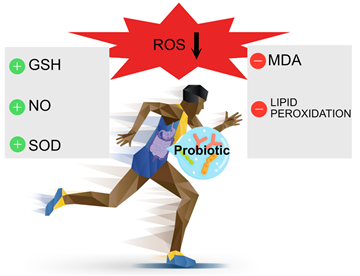
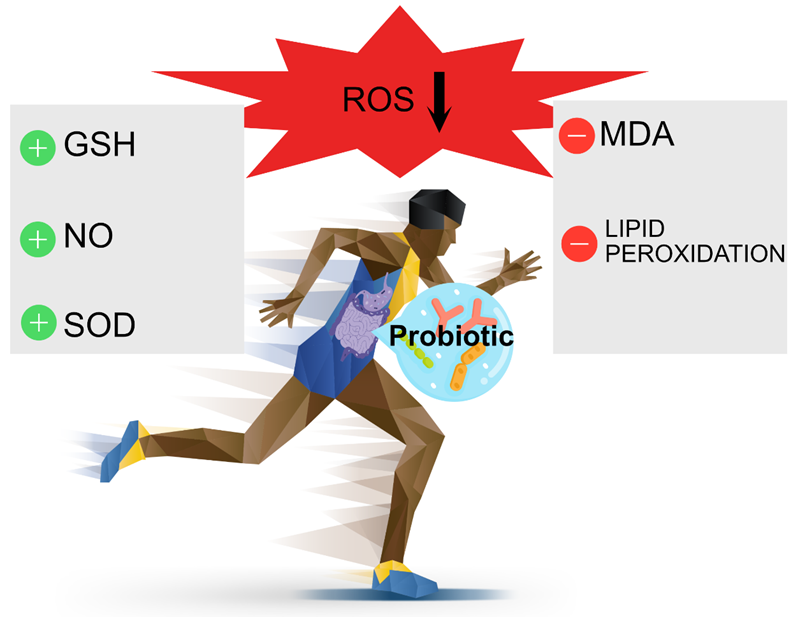
Normally, ROS are generated by aerobic cells and are readily removed by endogenous free radical scavenging mechanisms including glutathione (GSH) and superoxide dismutase (SOD). However, antioxidant defense systems of the cells can be overwhelmed by large quantities of ROS. Heshmati et al. performed a comprehensive study on the literatures and database reporting the effect of probiotics supplementation on biomarkers of oxidative stress. Their results revealed that oxidative stress parameters levels, including total antioxidant capacity (TAC), GSH, SOD and nitric oxide (NO) were higher in probiotics group compared to controls. Moreover, malondialdehyde (MDA) level was lower than controls 61.
Various probiotic species have been reported to have antioxidant activities. It has been shown that survival time of L. rhamnosus GG was significantly longer in the presence of H2O2 and hydroxyl radical as compared to non-antioxidative strains, L. paracasei Fn032 and L. plantarum Fn001, respectively. In addition, L. paracasei Fn032 and L. plantarum Fn001 were specific for free radical scavenging activities of their intracellular free extracts (ICFE) 62. Grompone et al. developed an in vitro method for the screening of antioxidative potential of new probiotic strains and examined a total of 78 strains of lactic acid bacteria (LAB) (Lactobacillus and Bifidobacterium). Their results showed that a L. rhamnosus strain (CNCM I-3690) demonstrated a high antioxidant capacity. Martarelli et al has investigated the effects of two probiotic strains, Lb. rhamnosus IMC 501 and Lb. paracasei IMC 502, on the oxidative stress of athletes during a four-week time frame of intense training. The results showed the probiotic course successfully lowered the oxidative stress caused by the intense exercise 63. Studies have also demonstrated the antioxidant activity of B. animalis, which was found to absorb hydroxyl radicals and superoxidase anions in vivo, as well as, increasing the general antioxidase activity. Lb. fermentum E3 and E18 have been found to produce glutathionine (GSH) that enables the strain with antioxidant abilities 64. In addition, the results of Mishra et al. showed that probiotics enhance the antioxidant system by increasing the production of antioxidant peptides and repairing the intestinal microbial flora 65.
There appear to be a number of hormonal abnormalities in athletes engaged in very heavy training and it has been suggested that a neuroendocrine imbalance in overtraining syndrome. For instance, finding a reduced increase in corticotrophin, growth hormone (GH) and cortisol (COR) in response to an insulin-induced hypoglycemia 66.
Researchers found an impaired pituitary hormonal response to exhaustive exercise in over trained endurance athletes. During heavy endurance training or over-reaching periods, there is evidence of reduced adrenal responsiveness to Adreno Cortico Trophic Hormone (ACTH), which is compensated by an increased pituitary ACTH release. During the early stages of overtraining syndrome, despite increased pituitary ACTH release, the decreased adrenal responsiveness is no longer compensated and the cortisol response decreases. During the advanced stage of overtraining syndrome, the pituitary ACTH release also decreases 67. Many probiotics reduced HPA axis activity by decreasing CORT and/or ACTH levels, including most of the Lactobacillus strains tested: L. plantarum, L. helveticus, L. fermentum, L. rhamnosus, and L. casei 68. Probiotics may also directly affect levels of BDNF, γ-aminobutyric acid (GABA), serotonin, and dopamine (DA).
Optimized physical conditions accompanied by a good mental conditions, are part of a continuum that enables the optimal training and performance of competitive athletes. In order to reach the goal of improved performance, the athlete has to reach his/her limits of physical capacity (or even slightly beyond). The balance between desirable and excessive training is quite tenuous and excessive training (or insufficient rest) is very common in elite athletes. Accumulating shreds of evidence have shown that excessive exercise and overtraining syndrome can be associated with impaired mental health. Among professional athletes, data shows that up to 35% of elite athletes suffer from a mental health crisis that may manifest as stress, eating disorders, burnout, and even depression 69. The gut microbiota has emerged as one of the key regulators of mental illness. The gut microbiota and the brain communicate with each other via numerous pathways. Data indicate that gut-brain communication is bidirectional and mediated by neural and humoral mechanisms. Probiotics may direct activate the neuronal system or mediate host physiology by their metabolites.
Cognitive stress and anxiety are common emotional states experienced by athletes at high-performance levels. Stress and anxiety are characterized by a range of physiological, behavioral, and/or cognitive signs and symptoms. Numerous studies have demonstrated activation of gastrointestinal tract vagal afferents by gut hormones, cytokines, microbial signals, and mechanical stimuli, and vagal afferents have been implicated in probiotic-induced neurobehavioral changes 70. Probiotic L. rhamnosus can directly increase the single-unit and multiunit firing rate of the mesenteric nerve bundle and can decrease stress-induced corticosterone and anxiety and depression 71. Moreover, these behavioral effects of L. rhamnosus are abolished by vagotomy 72. L. gasseri OLL2809 combined with alpha-lactalbumin decreases symptoms of depression in college athletes 73. The combination of Lactobacillus helveticus and Bifidobacterium longum reduced anxiety behavior in Wistar rats and probiotics reduced hypothalamus-pituitary-adrenal axes (HPA) and autonomic nervous system (ANS) activity 74. The use of Bifidobacterium longum R0175 for 30 days reduced the anxiety and stress levels in individuals and caused a significant improvement in anxiety and depression 75. Thus, gut microbiota and probiotics play an important role in the central nervous system function.
Probiotics can influence host physiology with products of their own metabolism, including the neuroactive molecules 5-hydroxytryptamine (serotonin) and gamma-aminobutyric acid (GABA). Specific examples include generation of gamma-aminobutyric acid by members of the Lactobacillaceae and Bifidobacteriaceae families, dopamine and norepinephrine by members of the Bacillaceae family, and noradrenaline and 5-hydroxytryptamine by the Enterobacteriaceae family 76. Male germ-free mice have increased hippocampal 5-hydroxytryptamine, increased plasma tryptophan, decreased hippocampal brain-derived neurotrophic factor, and altered anxiety, suggesting that microbiota alter the development of central nervous system neurotransmitter systems 77. GABA is an amino acid with a non-protein structure that is mainly produced by plants, animals and microorganisms. It is considered an inhibitory neurotransmitter that has aroused increasing interest over the years due to its essential role in the nervous system. The inhibitory effect of GABA occurs as a result of binding to the GABAergic receptor system composed of three specific receptors: GABAA, GABAB and GABAC. Through these receptors, GABA can modulate mood (e.g. relaxation), sleep disorders and temporal and spatial memory 78. Both Bifidobacterium and Lactobacillus have received considerable attention due to their large number of GABA-producing strains 79. Strasser et al. investigated the effect of a multi-species probiotic formulation (B. bifidum W23, B. lactis W51, E. faecium W54, Lb. acidophilus W22, Lb. brevis W63, L. lactis W58) and its possible effect on tryptophan levels, often implicated in the etiology of depression 55.
Short-chain fatty acids (SCFAs), including butyrate, propionate, and acetate, are produced by microbial metabolism of otherwise indigestible dietary fibers and also significantly impact host physiology. SCFAs directly stimulate the sympathetic and autonomic nervous system via activation of G protein-coupled receptors. While SCFAs can permeate the blood-brain barrier, the degree to which endogenous SCFAs cross into the brain to affect neurological function remains unclear, although they have been shown to maintain the integrity of the blood-brain barrier. Lactobacilli can produce end products, such as pyruvate, by the fermentation of carbohydrates during the glycolytic metabolic pathway, while Bifidobacteria can produce mainly acetate and formate by using the fermentation pathway 80. It has been reported that Bifidobacterium longum R0175 taken for 30days mitigated anxiety-like behaviors and stress levels measured by urinary free cortisol concentration, and significant improvements in anxiety and depression were reported by the patients 75. Moreover, the study also demonstrated that the chronic use of a Lactobacillus helveticus and B. longum R0175 formulation could also contribute to the mental well-being of subjects with low levels of stress 81.
Collectively, it can be concluded that probiotic supplements can be considered an appropriate medication without side effects for improving the mental status of athelets. Probiotic studies that focus on the mental health of athletes represent an emerging area in the field of sports nutrition and exercise performance. However, the number of probiotic studies remains very low, with studies often including a low number of subjects, and a wide variety of questionnaires have been used to assess cognitive outcomes. Despite limited evidence, cognitive health remains an intriguing area of sports nutrition research 82.
Literature data indicate that supplementing a human diet with proper probiotic bacteria enables a digestive tract to sustain its homeostasis, increasing the tolerance of an organism to unfavorable external stimuli 93. Most studies have shown that intake of probiotics positively affects the gut microbiota population in terms of influencing immune function as well as intestinal epithelial cell proliferation. Recent investigations have shed light on the potential roles of probiotics in sports nutrition 94. However, research investing in the potential of probiotics to aid nutrient metabolism in relation to exercise remains limited. The number of publications on the use of probiotics in endurance athletes is small and has limitations or possible biases.
High physiological demands endured by elite athletes who undergo intensive and prolonged training and competitions lead to numerous health-related side effects, including gastrointestinal (GI) discomfort and symptoms 95. For these symptoms, food and nutrition can be protective, and the use of therapeutic dietary measures is increasing, especially during competition seasons. The relationship between probiotic supplementation and exercise-induced disorders should be actively discussed with specifics regarding the most appropriate bacterial strains 94. Moreover, gut microflora and food consumption should be analyzed and compared to better understand the effects of probiotic supplementation on symptoms, well-being and performance in athletes.
In conclusion, studies investigating the effects of probiotics in athletic populations and on sports performance are limited and it is still premature to issue definitive practical guidelines. Nonetheless, it is becoming clear that regular consumption of specific probiotic strains may assist with immune function and may reduce the number of sick days an athlete experiences when training or during competition. It should be pointed out that pro-biotics may not directly influence the performance of athletes, but they are hugely important for supporting indirectly. Taking probiotics to help prevent illness and protect against the symptoms of overtraining or digestive complaints can be hugely influential on an athlete’s career. Probiotic benefits are strain-specific and dose-dependent and include improved gut-barrier function, nutrient absorption, recovery and performance in athletes. Athletes are encouraged to use clinically researched strains with validated benefits, matching the athletes' desired health benefits 96.
The author(s) declare(s) no potential conflicts of interests.
| [1] | Helenius IJ, Tikkanen HO, Sarna S, Haahtela T. Asthma and increased bronchial responsiveness in elite athletes: atopy and sport event as risk factors. Journal of allergy and clinical immunology 1998, 101, 646-52. | ||
| In article | View Article | ||
| [2] | Nieman DC, Johanssen LM, Lee JW, Arabatzis K. Infectious episodes in runners before and after the Los Angeles Marathon. J Sports Med Phys Fitness 1990, 30, 316-28. | ||
| In article | |||
| [3] | Spence L, Brown WJ, Pyne DB, Nissen MD, Sloots TP, McCormack JG, et al. Incidence, etiology, and symptomatology of upper respiratory illness in elite athletes. Medicine & Science in Sports & Exercise 2007, 39, 577-86. | ||
| In article | View Article PubMed | ||
| [4] | Ter Steege RW, Van Der Palen J, Kolkman JJ. Prevalence of gastrointestinal complaints in runners competing in a long-distance run: an internet-based observational study in 1281 subjects. Scandinavian journal of gastroenterology 2008, 43, 1477-82. | ||
| In article | View Article PubMed | ||
| [5] | Gouttebarge V, Frings-Dresen M, Sluiter JK. Mental and psychosocial health among current and former professional footballers. Occupational medicine 2015, 65, 190-6. | ||
| In article | View Article PubMed | ||
| [6] | Walsh NP, Gleeson M, Shephard RJ, Gleeson M, Woods JA, Bishop N, et al. Position statement part one: immune function and exercise. 2011. | ||
| In article | |||
| [7] | Wosinska L, Cotter PD, O’Sullivan O, Guinane C. The potential impact of probiotics on the gut microbiome of athletes. Nutrients 2019, 11, 2270. | ||
| In article | View Article PubMed | ||
| [8] | de Melo Pereira GV, de Oliveira Coelho B, Júnior AIM, Thomaz-Soccol V, Soccol CR. How to select a probiotic? A review and update of methods and criteria. Biotechnology advances 2018, 36, 2060-76. | ||
| In article | View Article PubMed | ||
| [9] | Azad M, Kalam A, Sarker M, Li T, Yin J. Probiotic species in the modulation of gut microbiota: an overview. BioMed research international 2018. | ||
| In article | View Article PubMed | ||
| [10] | Ku S, Yang S, Lee HH, Choe D, Johnston TV, Ji GE, et al. Biosafety assessment of Bifidobacterium animalis subsp. lactis AD011 used for human consumption as a probiotic microorganism. Food Control 2020, 117, 106985. | ||
| In article | View Article | ||
| [11] | Chen YM, Wei L, Chiu YS, Hsu YJ, Tsai TY, Wang MF, et al. Lactobacillus plantarum TWK10 supplementation improves exercise performance and increases muscle mass in mice. Nutrients 2016, 8, 205. | ||
| In article | View Article PubMed | ||
| [12] | Jäger R, Purpura M, Stone JD, Turner SM, Anzalone AJ, Eimerbrink MJ, et al. Probiotic Streptococcus thermophilus FP4 and Bifidobacterium breve BR03 supplementation attenuates performance and range-of-motion decrements following muscle damaging exercise. Nutrients 2016, 8, 642. | ||
| In article | View Article PubMed | ||
| [13] | Franklin BA, Thompson PD, Al-Zaiti SS, Albert CM, Hivert MF, Levine BD, et al. Exercise-related acute cardiovascular events and potential deleterious adaptations following long-term exercise training: placing the risks into perspective–an update: a scientific statement from the American Heart Association. Circulation 2020, 141, e705-e36. | ||
| In article | View Article PubMed | ||
| [14] | Nay K, Jollet M, Goustard B, Baati N, Vernus B, Pontones M, et al. Gut bacteria are critical for optimal muscle function: a potential link with glucose homeostasis. American Journal of Physiology-Endocrinology and Metabolism 2019, 317, E158-E71. | ||
| In article | View Article PubMed | ||
| [15] | Houghton MJ, Kerimi A, Mouly V, Tumova S, Williamson G. Gut microbiome catabolites as novel modulators of muscle cell glucose metabolism. The FASEB Journal 2019, 33, 1887-98. | ||
| In article | View Article PubMed | ||
| [16] | Pugh JN, Phelan MM, Caamaño-Gutiérrez E, Sparks SA, Morton JP, Close GL, et al. Four Weeks of Probiotic Supplementation Alters the Metabolic Perturbations Induced by Marathon Running: Insight from Metabolomics. Metabolites 2021, 11, 535. | ||
| In article | View Article PubMed | ||
| [17] | Mardinoglu A, Shoaie S, Bergentall M, Ghaffari P, Zhang C, Larsson E, et al. The gut microbiota modulates host amino acid and glutathione metabolism in mice. Molecular systems biology 2015, 11, 834. | ||
| In article | View Article PubMed | ||
| [18] | Li P, Li X, Gu Q, Lou XY, Zhang XM, Song DF, et al. Comparative genomic analysis of Lactobacillus plantarum ZJ316 reveals its genetic adaptation and potential probiotic profiles. Journal of Zhejiang University-Science B 2016, 17, 569-79. | ||
| In article | View Article PubMed | ||
| [19] | Georges J, Lowery RP, Yaman G, Kerio C, Ormes J, McCleary SA, et al. The effects of probiotic supplementation on lean body mass, strength, and power, and health indicators in resistance trained males: a pilot study. Journal of the International Society of Sports Nutrition 2014, 11, 1-2. | ||
| In article | View Article PubMed | ||
| [20] | Fuskevfig OM, Broster A, Davies N, Cudmore T, Hodges T, Griffin M. Lactobacillus casei Shirota modulation of ammonia metabolism in physical exercise. International Journal of Probiotics & Prebiotics. 2012;7(1). | ||
| In article | |||
| [21] | Huang WC, Wei CC, Huang CC, Chen WL, Huang HY. The beneficial effects of Lactobacillus plantarum PS128 on high-intensity, exercise-induced oxidative stress, inflammation, and performance in triathletes. Nutrients 2019, 11, 353. | ||
| In article | View Article PubMed | ||
| [22] | Zendeboodi F, Khorshidian N, Mortazavian AM, da Cruz AG. Probiotic: conceptualization from a new approach. Current Opinion in Food Science 2020, 32, 103-23. | ||
| In article | View Article | ||
| [23] | Magnúsdóttir S, Ravcheev D, de Crécy-Lagard V, Thiele I. Systematic genome assessment of B-vitamin biosynthesis suggests co-operation among gut microbes. Frontiers in genetics 2015, 6, 148. | ||
| In article | View Article PubMed | ||
| [24] | Cárdenas N, Laiño JE, Delgado S, Jiménez E, Del Valle MJ, De Giori GS, et al. Relationships between the genome and some phenotypical properties of Lactobacillus fermentum CECT 5716, a probiotic strain isolated from human milk. Applied microbiology and biotechnology 2015, 99, 4343-53. | ||
| In article | View Article PubMed | ||
| [25] | Waterman JJ, Kapur R. Upper gastrointestinal issues in athletes. Current sports medicine reports 2012, 11, 99-104. | ||
| In article | View Article PubMed | ||
| [26] | Costa RJ, Gaskell SK, McCubbin AJ, Snipe RM. Exertional-heat stress-associated gastrointestinal perturbations during Olympic sports: Management strategies for athletes preparing and competing in the 2020 Tokyo Olympic Games. Temperature 2020, 7, 58-88. | ||
| In article | View Article PubMed | ||
| [27] | Pugh JN, Kirk B, Fearn R, Morton JP, Close GL. Prevalence, severity and potential nutritional causes of gastrointestinal symptoms during a marathon in recreational runners. Nutrients 2018, 10, 811. | ||
| In article | View Article PubMed | ||
| [28] | Costa RJ, Snipe R, Camões-Costa V, Scheer V, Murray A. The impact of gastrointestinal symptoms and dermatological injuries on nutritional intake and hydration status during ultramarathon events. Sports medicine-open 2016, 2, 1-14. | ||
| In article | View Article PubMed | ||
| [29] | Leiper JB. Fate of ingested fluids: factors affecting gastric emptying and intestinal absorption of beverages in humans. Nutrition reviews 2015, 73, 57-72. | ||
| In article | View Article PubMed | ||
| [30] | Otte JA, Oostveen E, Geelkerken RH, Groeneveld AJ, Kolkman JJ. Exercise induces gastric ischemia in healthy volunteers: a tonometry study. Journal of Applied Physiology 2001, 91, 866-71. | ||
| In article | View Article PubMed | ||
| [31] | Costa RJ, Hoffman MD, Stellingwerff T. Considerations for ultra-endurance activities: part 1-nutrition. Research in Sports Medicine 2019, 27, 166-81. | ||
| In article | View Article PubMed | ||
| [32] | Parnell JA, Wagner-Jones K, Madden RF, Erdman KA. Dietary restrictions in endurance runners to mitigate exercise-induced gastrointestinal symptoms. Journal of the International Society of Sports Nutrition 2020, 17, 1-10. | ||
| In article | View Article PubMed | ||
| [33] | Roberts JD, Suckling CA, Peedle GY, Murphy JA, Dawkins TG, Roberts MG. An exploratory investigation of endotoxin levels in novice long distance triathletes, and the effects of a multi-strain probiotic/prebiotic, antioxidant intervention. Nutrients 2016, 8, 733. | ||
| In article | View Article PubMed | ||
| [34] | Bron PA, Kleerebezem M, Brummer R-J, Cani PD, Mercenier A, MacDonald TT, et al. Can probiotics modulate human disease by impacting intestinal barrier function? British Journal of Nutrition 2017, 117, 93-107. | ||
| In article | View Article PubMed | ||
| [35] | Pyne DB, West NP, Cox AJ, Cripps AW. Probiotics supplementation for athletes–clinical and physiological effects. European journal of sport science 2015, 15, 63-72. | ||
| In article | View Article PubMed | ||
| [36] | Gotteland M, Cruchet S, Verbeke S. Effect of Lactobacillus ingestion on the gastrointestinal mucosal barrier alterations induced by indometacin in humans. Alimentary pharmacology & therapeutics 2001, 15, 11-7. | ||
| In article | View Article PubMed | ||
| [37] | Brennan CJ, Axelrod C, Paul D, Hull M, Kirwan JP. Effects of a novel probiotic on exercise-induced gut permeability and microbiota in endurance athletes. proceedings of American College of Sports Medicine, Minneapolis, MN. 2018. | ||
| In article | View Article | ||
| [38] | Gill SK, Teixeira AM, Rosado F, Cox M, Costa RJS. High-dose probiotic supplementation containing Lactobacillus casei for 7 days does not enhance salivary antimicrobial protein responses to exertional heat stress compared with placebo. International journal of sport nutrition and exercise metabolism 2016, 26, 150-60. | ||
| In article | View Article PubMed | ||
| [39] | Gleeson M. Biochemical and immunological markers of over-training. Journal of sports science & medicine 2002, 1, 31. | ||
| In article | |||
| [40] | Suzuki K, Tominaga T, Ruhee RT, Ma S. Characterization and modulation of systemic inflammatory response to exhaustive exercise in relation to oxidative stress. Antioxidants 2020, 9, 401. | ||
| In article | View Article PubMed | ||
| [41] | Hejazi K, Hosseini S-RA. Influence of selected exercise on serum immunoglobulin, testosterone and cortisol in semi-endurance elite runners. Asian journal of sports medicine 2012, 3, 185. | ||
| In article | View Article | ||
| [42] | D’Amelio P, Sassi F. Gut microbiota, immune system, and bone. Calcified tissue international 2018, 102, 415-25. | ||
| In article | View Article PubMed | ||
| [43] | Thangaraju M, Cresci GA, Liu K, Ananth S, Gnanaprakasam JP, Browning DD, et al. GPR109A is a G-protein–coupled receptor for the bacterial fermentation product butyrate and functions as a tumor suppressor in colon. Cancer research 2009, 69, 2826-32. | ||
| In article | View Article PubMed | ||
| [44] | Ashraf R, Shah NP. Immune system stimulation by probiotic microorganisms. Critical reviews in food science and nutrition 2014, 54, 938-56. | ||
| In article | View Article PubMed | ||
| [45] | Mack DR, Ahrné S, Hyde L, Wei S, Hollingsworth MA. Extracellular MUC3 mucin secretion follows adherence of Lactobacillus strains to intestinal epithelial cells in vitro. Gut 2003, 52, 827-33. | ||
| In article | View Article PubMed | ||
| [46] | Shida K, Sato T, Iizuka R, Hoshi R, Watanabe O, Igarashi T, et al. Daily intake of fermented milk with Lactobacillus casei strain Shirota reduces the incidence and duration of upper respiratory tract infections in healthy middle-aged office workers. European journal of nutrition 2017, 56, 45-53. | ||
| In article | View Article PubMed | ||
| [47] | Vaisberg M, Paixão V, Almeida EB, Santos J, Foster R, Rossi M, et al. Daily intake of fermented milk containing Lactobacillus casei Shirota (LcS) modulates systemic and upper airways immune/inflammatory responses in marathon runners. Nutrients 2019, 11, 1678. | ||
| In article | View Article PubMed | ||
| [48] | Derrien M, Van Baarlen P, Hooiveld G, Norin E, Muller M, de Vos W. Modulation of mucosal immune response, tolerance, and proliferation in mice colonized by the mucin-degrader Akkermansia muciniphila. Frontiers in microbiology 2011, 2, 166. | ||
| In article | View Article | ||
| [49] | Ottman N, Reunanen J, Meijerink M, Pietilä TE, Kainulainen V, Klievink J, et al. Pili-like proteins of Akkermansia muciniphila modulate host immune responses and gut barrier function. PloS one 2017, 12, e0173004. | ||
| In article | View Article PubMed | ||
| [50] | Smith LL. Overtraining, excessive exercise, and altered immunity. Sports medicine 2003, 33, 347-64. | ||
| In article | View Article PubMed | ||
| [51] | Wehkamp J, Harder Jr, Wehkamp K, Meissner BW-v, Schlee M, Enders C, et al. NF-κB-and AP-1-mediated induction of human beta defensin-2 in intestinal epithelial cells by Escherichia coli Nissle 1917: a novel effect of a probiotic bacterium. Infection and immunity 2004, 72, 5750-8. | ||
| In article | View Article PubMed | ||
| [52] | Clancy R, Gleeson M, Cox A, Callister R, Dorrington M, D’este C, et al. Reversal in fatigued athletes of a defect in interferon γ secretion after administration of Lactobacillus acidophilus. British journal of sports medicine 2006, 40, 351-4. | ||
| In article | View Article PubMed | ||
| [53] | Gleeson M, Bishop NC, Struszczak L. Effects of Lactobacillus casei Shirota ingestion on common cold infection and herpes virus antibodies in endurance athletes: a placebo-controlled, randomized trial. European journal of applied physiology 2016, 116, 1555-63. | ||
| In article | View Article PubMed | ||
| [54] | Haywood BA, Black KE, Baker D, McGarvey J, Healey P, Brown RC. Probiotic supplementation reduces the duration and incidence of infections but not severity in elite rugby union players. Journal of science and medicine in sport 2014, 17, 356-60. | ||
| In article | View Article PubMed | ||
| [55] | Strasser B, Geiger D, Schauer M, Gostner JM, Gatterer H, Burtscher M, et al. Probiotic supplements beneficially affect tryptophan–kynurenine metabolism and reduce the incidence of upper respiratory tract infections in trained athletes: A randomized, double-blinded, placebo-controlled trial. Nutrients 2016, 8, 752. | ||
| In article | View Article PubMed | ||
| [56] | Fatouros IG, Destouni A, Margonis K, Jamurtas AZ, Vrettou C, Kouretas D, et al. Cell-free plasma DNA as a novel marker of aseptic inflammation severity related to exercise overtraining. Clinical chemistry 2006, 52, 1820-4. | ||
| In article | View Article PubMed | ||
| [57] | Clarkson PM, Tremblay I. Exercise-induced muscle damage, repair, and adaptation in humans. Journal of applied physiology 1988, 65, 1-6. | ||
| In article | View Article PubMed | ||
| [58] | Smith LL. Tissue trauma: the underlying cause of overtraining syndrome? The Journal of Strength & Conditioning Research 2004, 18, 185-93. | ||
| In article | View Article PubMed | ||
| [59] | Jaeschke H. Mechanisms of oxidant stress-induced acute tissue injury. Proceedings of the Society for Experimental Biology and Medicine 1995, 209, 104-11. | ||
| In article | View Article PubMed | ||
| [60] | Margonis K, Fatouros IG, Jamurtas AZ, Nikolaidis MG, Douroudos I, Chatzinikolaou A, et al. Oxidative stress biomarkers responses to physical overtraining: implications for diagnosis. Free Radical Biology and Medicine 2007, 43, 901-10. | ||
| In article | View Article PubMed | ||
| [61] | Heshmati J, Farsi F, Shokri F, Rezaeinejad M, Almasi-Hashiani A, Vesali S, et al. A systematic review and meta-analysis of the probiotics and synbiotics effects on oxidative stress. Journal of Functional Foods 2018, 46, 66-84. | ||
| In article | View Article | ||
| [62] | Sun J, Hu XL, Le GW, Shi YH. Inhibition of Fe-induced colon oxidative stress by lactobacilli in mice. World Journal of Microbiology and Biotechnology 2013, 29, 209-16. | ||
| In article | View Article PubMed | ||
| [63] | Martarelli D, Verdenelli MC, Scuri S, Cocchioni M, Silvi S, Cecchini C, et al. Effect of a probiotic intake on oxidant and antioxidant parameters in plasma of athletes during intense exercise training. Current microbiology 2011, 62, 1689-96. | ||
| In article | View Article PubMed | ||
| [64] | Wang Y, Wu Y, Wang Y, Xu H, Mei X, Yu D, et al. Antioxidant properties of probiotic bacteria. Nutrients. 2017;9(5):521. | ||
| In article | View Article PubMed | ||
| [65] | Mishra V, Shah C, Mokashe N, Chavan R, Yadav H, Prajapati J. Probiotics as potential antioxidants: a systematic review. Journal of agricultural and food chemistry 2015, 63, 3615-26. | ||
| In article | View Article PubMed | ||
| [66] | Meeusen R, Piacentini MF, Busschaert B, Buyse L, De Schutter G, Stray-Gundersen J. Hormonal responses in athletes: the use of a two bout exercise protocol to detect subtle differences in (over) training status. European journal of applied physiology 2004, 91, 140-6. | ||
| In article | View Article PubMed | ||
| [67] | Brooks KA, Carter J. Overtraining, exercise, and adrenal insufficiency. Journal of novel physiotherapies 2013, 3, 125. | ||
| In article | |||
| [68] | Wang H, Lee I-S, Braun C, Enck P. Effect of probiotics on central nervous system functions in animals and humans: a systematic review. Journal of neurogastroenterology and motility 2016, 22, 589. | ||
| In article | View Article PubMed | ||
| [69] | Peluso MAM, Andrade LHSGd. Physical activity and mental health: the association between exercise and mood. Clinics 2005, 60, 61-70. | ||
| In article | View Article PubMed | ||
| [70] | Bruce-Keller AJ, Salbaum JM, Berthoud HR. Harnessing gut microbes for mental health: getting from here to there. Biological psychiatry 2018, 83, 214-23. | ||
| In article | View Article PubMed | ||
| [71] | Bravo JA, Forsythe P, Chew MV, Escaravage E, Savignac HM, Dinan TG, et al. Ingestion of Lactobacillus strain regulates emotional behavior and central GABA receptor expression in a mouse via the vagus nerve. Proceedings of the National Academy of Sciences 2011, 108, 16050-5. | ||
| In article | View Article PubMed | ||
| [72] | Perez-Burgos A, Wang B, Mao YK, Mistry B, Neufeld KAM, Bienenstock J, et al. Psychoactive bacteria Lactobacillus rhamnosus (JB-1) elicits rapid frequency facilitation in vagal afferents. American Journal of Physiology-Gastrointestinal and Liver Physiology 2013, 304, G211-G20. | ||
| In article | View Article PubMed | ||
| [73] | Sashihara T, Nagata M, Mori T, Ikegami S, Gotoh M, Okubo K, et al. Effects of Lactobacillus gasseri OLL2809 and α-lactalbumin on university-student athletes: a randomized, double-blind, placebo-controlled clinical trial. Applied Physiology, Nutrition, and Metabolism 2013, 38, 1228-35. | ||
| In article | View Article PubMed | ||
| [74] | Arseneault-Bréard J, Rondeau I, Gilbert K, Girard S-A, Tompkins TA, Godbout R, et al. Combination of Lactobacillus helveticus R0052 and Bifidobacterium longum R0175 reduces post-myocardial infarction depression symptoms and restores intestinal permeability in a rat model. British Journal of Nutrition 2012, 107, 1793-9. | ||
| In article | View Article PubMed | ||
| [75] | Messaoudi M, Violle N, Bisson JF, Desor D, Javelot H, Rougeot C. Beneficial psychological effects of a probiotic formulation (Lactobacillus helveticus R0052 and Bifidobacterium longum R0175) in healthy human volunteers. Gut microbes 2011, 2, 256-61. | ||
| In article | View Article PubMed | ||
| [76] | Lyte M. Probiotics function mechanistically as delivery vehicles for neuroactive compounds: microbial endocrinology in the design and use of probiotics. Bioessays 2011, 33, 574-81. | ||
| In article | View Article PubMed | ||
| [77] | Clarke G, Grenham S, Scully P, Fitzgerald P, Moloney R, Shanahan F, et al. The microbiome-gut-brain axis during early life regulates the hippocampal serotonergic system in a sex-dependent manner. Molecular psychiatry 2013, 18, 666-73. | ||
| In article | View Article PubMed | ||
| [78] | Sigel E, Steinmann ME. Structure, function, and modulation of GABAA receptors. Journal of Biological Chemistry 2012, 287, 40224-31. | ||
| In article | View Article PubMed | ||
| [79] | Diez-Gutiérrez L, San Vicente L, Barron LJR, del Carmen Villaran M, Chávarri M. Gamma-aminobutyric acid and probiotics: Multiple health benefits and their future in the global functional food and nutraceuticals market. Journal of Functional Foods 2020, 64, 103669. | ||
| In article | View Article | ||
| [80] | Zoumpopoulou G, Ioannou M, Anastasiou R, Antoniou A, Alexandraki V, Papadimitriou K, et al. Kaimaki ice cream as a vehicle for Limosilactobacillus fermentum ACA-DC 179 to exert potential probiotic effects: Overview of strain stability and final product quality. International Dairy Journal 2021, 123, 105177. | ||
| In article | View Article | ||
| [81] | Schmidt C. Thinking from the Gut. Nature 2015, 518, S12-S4. | ||
| In article | View Article PubMed | ||
| [82] | Marttinen M, Ala-Jaakkola R, Laitila A, Lehtinen MJ. Gut microbiota, probiotics and physical performance in athletes and physically active individuals. Nutrients 2020, 12, 2936. | ||
| In article | View Article PubMed | ||
| [83] | Cox AJ, Pyne DB, Saunders PU, Fricker PA. Oral administration of the probiotic Lactobacillus fermentum VRI-003 and mucosal immunity in endurance athletes. British Journal of Sports Medicine 2010, 44, 222-6. | ||
| In article | View Article PubMed | ||
| [84] | West NP, Pyne DB, Cripps AW, Hopkins WG, Eskesen DC, Jairath A, et al. Lactobacillus fermentum (PCC®) supplementation and gastrointestinal and respiratory-tract illness symptoms: a randomised control trial in athletes. Nutrition Journal 2011, 10, 1-11. | ||
| In article | View Article PubMed | ||
| [85] | Carbuhn AF, Reynolds SM, Campbell CW, Bradford LA, Deckert JA, Kreutzer A, et al. Effects of probiotic (Bifidobacterium longum 35624) supplementation on exercise performance, immune modulation, and cognitive outlook in Division I female swimmers. Sports 2018, 6, 116. | ||
| In article | View Article PubMed | ||
| [86] | Gleeson M, Bishop NC, Oliveira M, Tauler P. Daily probiotic’s (Lactobacillus casei Shirota) reduction of infection incidence in athletes. International journal of sport nutrition and exercise metabolism 2011, 21, 55-64. | ||
| In article | View Article PubMed | ||
| [87] | Michalickova D, Minic R, Dikic N, Andjelkovic M, Kostic-Vucicevic M, Stojmenovic T, et al. Lactobacillus helveticus Lafti L10 supplementation reduces respiratory infection duration in a cohort of elite athletes: a randomized, double-blind, placebo-controlled trial. Applied Physiology, Nutrition, and Metabolism 2016, 41, 782-9. | ||
| In article | View Article PubMed | ||
| [88] | Komano Y, Shimada K, Naito H, Fukao K, Ishihara Y, Fujii T, et al. Efficacy of heat-killed Lactococcus lactis JCM 5805 on immunity and fatigue during consecutive high intensity exercise in male athletes: a randomized, placebo-controlled, double-blinded trial. Journal of the International Society of Sports Nutrition 2018, 15, 1-9. | ||
| In article | View Article PubMed | ||
| [89] | Pumpa KL, McKune AJ, Harnett J. A novel role of probiotics in improving host defence of elite rugby union athlete: A double blind randomised controlled trial. Journal of science and medicine in sport 2019, 22, 876-81. | ||
| In article | View Article PubMed | ||
| [90] | Salarkia N, Ghadamli L, Zaeri F, Rad LS. Effects of probiotic yogurt on performance, respiratory and digestive systems of young adult female endurance swimmers: a randomized controlled trial. Medical journal of the Islamic Republic of Iran 2013, 27, 141. | ||
| In article | |||
| [91] | Coman M, Verdenelli M, Silvi S, Cecchini C, Gabbianelli R, Amadio E, et al. Knowledge and acceptance of functional foods: a preliminary study on influence of a symbiotic fermented milk on athlete health. International Journal of Probiotics & Prebiotics 2017, 12. | ||
| In article | |||
| [92] | Lamprecht M, Bogner S, Schippinger G, Steinbauer K, Fankhauser F, Hallstroem S, et al. Probiotic supplementation affects markers of intestinal barrier, oxidation, and inflammation in trained men; a randomized, double-blinded, placebo-controlled trial. Journal of the International Society of Sports Nutrition 2012, 9, 1-13. | ||
| In article | View Article PubMed | ||
| [93] | Sharifi-Rad J, Rodrigues CF, Stojanović-Radić Z, Dimitrijević M, Aleksić A, Neffe-Skocińska K, et al. Probiotics: Versatile bioactive components in promoting human health. Medicina 2020, 56, 433. | ||
| In article | View Article PubMed | ||
| [94] | Nishihira J. The role of probiotics in sports: Application of probiotics to endurance exercise. Nutrition and Enhanced Sports Performance 2019, 423-8. | ||
| In article | View Article | ||
| [95] | Schreiber C, Tamir S, Golan R, Weinstein A, Weinstein Y. The effect of probiotic supplementation on performance, inflammatory markers and gastro-intestinal symptoms in elite road cyclists. Journal of the International Society of Sports Nutrition 2021, 18, 36. | ||
| In article | View Article PubMed | ||
| [96] | Jäger R, Mohr AE, Carpenter KC, Kerksick CM, Purpura M, Moussa A, et al. International society of sports nutrition position stand: probiotics. Journal of the International Society of Sports Nutrition 2019, 16, 62. | ||
| In article | View Article PubMed | ||
Published with license by Science and Education Publishing, Copyright © 2022 Yaji Zhang, Rong Diao and Long Zhang
 This work is licensed under a Creative Commons Attribution 4.0 International License. To view a copy of this license, visit
http://creativecommons.org/licenses/by/4.0/
This work is licensed under a Creative Commons Attribution 4.0 International License. To view a copy of this license, visit
http://creativecommons.org/licenses/by/4.0/
| [1] | Helenius IJ, Tikkanen HO, Sarna S, Haahtela T. Asthma and increased bronchial responsiveness in elite athletes: atopy and sport event as risk factors. Journal of allergy and clinical immunology 1998, 101, 646-52. | ||
| In article | View Article | ||
| [2] | Nieman DC, Johanssen LM, Lee JW, Arabatzis K. Infectious episodes in runners before and after the Los Angeles Marathon. J Sports Med Phys Fitness 1990, 30, 316-28. | ||
| In article | |||
| [3] | Spence L, Brown WJ, Pyne DB, Nissen MD, Sloots TP, McCormack JG, et al. Incidence, etiology, and symptomatology of upper respiratory illness in elite athletes. Medicine & Science in Sports & Exercise 2007, 39, 577-86. | ||
| In article | View Article PubMed | ||
| [4] | Ter Steege RW, Van Der Palen J, Kolkman JJ. Prevalence of gastrointestinal complaints in runners competing in a long-distance run: an internet-based observational study in 1281 subjects. Scandinavian journal of gastroenterology 2008, 43, 1477-82. | ||
| In article | View Article PubMed | ||
| [5] | Gouttebarge V, Frings-Dresen M, Sluiter JK. Mental and psychosocial health among current and former professional footballers. Occupational medicine 2015, 65, 190-6. | ||
| In article | View Article PubMed | ||
| [6] | Walsh NP, Gleeson M, Shephard RJ, Gleeson M, Woods JA, Bishop N, et al. Position statement part one: immune function and exercise. 2011. | ||
| In article | |||
| [7] | Wosinska L, Cotter PD, O’Sullivan O, Guinane C. The potential impact of probiotics on the gut microbiome of athletes. Nutrients 2019, 11, 2270. | ||
| In article | View Article PubMed | ||
| [8] | de Melo Pereira GV, de Oliveira Coelho B, Júnior AIM, Thomaz-Soccol V, Soccol CR. How to select a probiotic? A review and update of methods and criteria. Biotechnology advances 2018, 36, 2060-76. | ||
| In article | View Article PubMed | ||
| [9] | Azad M, Kalam A, Sarker M, Li T, Yin J. Probiotic species in the modulation of gut microbiota: an overview. BioMed research international 2018. | ||
| In article | View Article PubMed | ||
| [10] | Ku S, Yang S, Lee HH, Choe D, Johnston TV, Ji GE, et al. Biosafety assessment of Bifidobacterium animalis subsp. lactis AD011 used for human consumption as a probiotic microorganism. Food Control 2020, 117, 106985. | ||
| In article | View Article | ||
| [11] | Chen YM, Wei L, Chiu YS, Hsu YJ, Tsai TY, Wang MF, et al. Lactobacillus plantarum TWK10 supplementation improves exercise performance and increases muscle mass in mice. Nutrients 2016, 8, 205. | ||
| In article | View Article PubMed | ||
| [12] | Jäger R, Purpura M, Stone JD, Turner SM, Anzalone AJ, Eimerbrink MJ, et al. Probiotic Streptococcus thermophilus FP4 and Bifidobacterium breve BR03 supplementation attenuates performance and range-of-motion decrements following muscle damaging exercise. Nutrients 2016, 8, 642. | ||
| In article | View Article PubMed | ||
| [13] | Franklin BA, Thompson PD, Al-Zaiti SS, Albert CM, Hivert MF, Levine BD, et al. Exercise-related acute cardiovascular events and potential deleterious adaptations following long-term exercise training: placing the risks into perspective–an update: a scientific statement from the American Heart Association. Circulation 2020, 141, e705-e36. | ||
| In article | View Article PubMed | ||
| [14] | Nay K, Jollet M, Goustard B, Baati N, Vernus B, Pontones M, et al. Gut bacteria are critical for optimal muscle function: a potential link with glucose homeostasis. American Journal of Physiology-Endocrinology and Metabolism 2019, 317, E158-E71. | ||
| In article | View Article PubMed | ||
| [15] | Houghton MJ, Kerimi A, Mouly V, Tumova S, Williamson G. Gut microbiome catabolites as novel modulators of muscle cell glucose metabolism. The FASEB Journal 2019, 33, 1887-98. | ||
| In article | View Article PubMed | ||
| [16] | Pugh JN, Phelan MM, Caamaño-Gutiérrez E, Sparks SA, Morton JP, Close GL, et al. Four Weeks of Probiotic Supplementation Alters the Metabolic Perturbations Induced by Marathon Running: Insight from Metabolomics. Metabolites 2021, 11, 535. | ||
| In article | View Article PubMed | ||
| [17] | Mardinoglu A, Shoaie S, Bergentall M, Ghaffari P, Zhang C, Larsson E, et al. The gut microbiota modulates host amino acid and glutathione metabolism in mice. Molecular systems biology 2015, 11, 834. | ||
| In article | View Article PubMed | ||
| [18] | Li P, Li X, Gu Q, Lou XY, Zhang XM, Song DF, et al. Comparative genomic analysis of Lactobacillus plantarum ZJ316 reveals its genetic adaptation and potential probiotic profiles. Journal of Zhejiang University-Science B 2016, 17, 569-79. | ||
| In article | View Article PubMed | ||
| [19] | Georges J, Lowery RP, Yaman G, Kerio C, Ormes J, McCleary SA, et al. The effects of probiotic supplementation on lean body mass, strength, and power, and health indicators in resistance trained males: a pilot study. Journal of the International Society of Sports Nutrition 2014, 11, 1-2. | ||
| In article | View Article PubMed | ||
| [20] | Fuskevfig OM, Broster A, Davies N, Cudmore T, Hodges T, Griffin M. Lactobacillus casei Shirota modulation of ammonia metabolism in physical exercise. International Journal of Probiotics & Prebiotics. 2012;7(1). | ||
| In article | |||
| [21] | Huang WC, Wei CC, Huang CC, Chen WL, Huang HY. The beneficial effects of Lactobacillus plantarum PS128 on high-intensity, exercise-induced oxidative stress, inflammation, and performance in triathletes. Nutrients 2019, 11, 353. | ||
| In article | View Article PubMed | ||
| [22] | Zendeboodi F, Khorshidian N, Mortazavian AM, da Cruz AG. Probiotic: conceptualization from a new approach. Current Opinion in Food Science 2020, 32, 103-23. | ||
| In article | View Article | ||
| [23] | Magnúsdóttir S, Ravcheev D, de Crécy-Lagard V, Thiele I. Systematic genome assessment of B-vitamin biosynthesis suggests co-operation among gut microbes. Frontiers in genetics 2015, 6, 148. | ||
| In article | View Article PubMed | ||
| [24] | Cárdenas N, Laiño JE, Delgado S, Jiménez E, Del Valle MJ, De Giori GS, et al. Relationships between the genome and some phenotypical properties of Lactobacillus fermentum CECT 5716, a probiotic strain isolated from human milk. Applied microbiology and biotechnology 2015, 99, 4343-53. | ||
| In article | View Article PubMed | ||
| [25] | Waterman JJ, Kapur R. Upper gastrointestinal issues in athletes. Current sports medicine reports 2012, 11, 99-104. | ||
| In article | View Article PubMed | ||
| [26] | Costa RJ, Gaskell SK, McCubbin AJ, Snipe RM. Exertional-heat stress-associated gastrointestinal perturbations during Olympic sports: Management strategies for athletes preparing and competing in the 2020 Tokyo Olympic Games. Temperature 2020, 7, 58-88. | ||
| In article | View Article PubMed | ||
| [27] | Pugh JN, Kirk B, Fearn R, Morton JP, Close GL. Prevalence, severity and potential nutritional causes of gastrointestinal symptoms during a marathon in recreational runners. Nutrients 2018, 10, 811. | ||
| In article | View Article PubMed | ||
| [28] | Costa RJ, Snipe R, Camões-Costa V, Scheer V, Murray A. The impact of gastrointestinal symptoms and dermatological injuries on nutritional intake and hydration status during ultramarathon events. Sports medicine-open 2016, 2, 1-14. | ||
| In article | View Article PubMed | ||
| [29] | Leiper JB. Fate of ingested fluids: factors affecting gastric emptying and intestinal absorption of beverages in humans. Nutrition reviews 2015, 73, 57-72. | ||
| In article | View Article PubMed | ||
| [30] | Otte JA, Oostveen E, Geelkerken RH, Groeneveld AJ, Kolkman JJ. Exercise induces gastric ischemia in healthy volunteers: a tonometry study. Journal of Applied Physiology 2001, 91, 866-71. | ||
| In article | View Article PubMed | ||
| [31] | Costa RJ, Hoffman MD, Stellingwerff T. Considerations for ultra-endurance activities: part 1-nutrition. Research in Sports Medicine 2019, 27, 166-81. | ||
| In article | View Article PubMed | ||
| [32] | Parnell JA, Wagner-Jones K, Madden RF, Erdman KA. Dietary restrictions in endurance runners to mitigate exercise-induced gastrointestinal symptoms. Journal of the International Society of Sports Nutrition 2020, 17, 1-10. | ||
| In article | View Article PubMed | ||
| [33] | Roberts JD, Suckling CA, Peedle GY, Murphy JA, Dawkins TG, Roberts MG. An exploratory investigation of endotoxin levels in novice long distance triathletes, and the effects of a multi-strain probiotic/prebiotic, antioxidant intervention. Nutrients 2016, 8, 733. | ||
| In article | View Article PubMed | ||
| [34] | Bron PA, Kleerebezem M, Brummer R-J, Cani PD, Mercenier A, MacDonald TT, et al. Can probiotics modulate human disease by impacting intestinal barrier function? British Journal of Nutrition 2017, 117, 93-107. | ||
| In article | View Article PubMed | ||
| [35] | Pyne DB, West NP, Cox AJ, Cripps AW. Probiotics supplementation for athletes–clinical and physiological effects. European journal of sport science 2015, 15, 63-72. | ||
| In article | View Article PubMed | ||
| [36] | Gotteland M, Cruchet S, Verbeke S. Effect of Lactobacillus ingestion on the gastrointestinal mucosal barrier alterations induced by indometacin in humans. Alimentary pharmacology & therapeutics 2001, 15, 11-7. | ||
| In article | View Article PubMed | ||
| [37] | Brennan CJ, Axelrod C, Paul D, Hull M, Kirwan JP. Effects of a novel probiotic on exercise-induced gut permeability and microbiota in endurance athletes. proceedings of American College of Sports Medicine, Minneapolis, MN. 2018. | ||
| In article | View Article | ||
| [38] | Gill SK, Teixeira AM, Rosado F, Cox M, Costa RJS. High-dose probiotic supplementation containing Lactobacillus casei for 7 days does not enhance salivary antimicrobial protein responses to exertional heat stress compared with placebo. International journal of sport nutrition and exercise metabolism 2016, 26, 150-60. | ||
| In article | View Article PubMed | ||
| [39] | Gleeson M. Biochemical and immunological markers of over-training. Journal of sports science & medicine 2002, 1, 31. | ||
| In article | |||
| [40] | Suzuki K, Tominaga T, Ruhee RT, Ma S. Characterization and modulation of systemic inflammatory response to exhaustive exercise in relation to oxidative stress. Antioxidants 2020, 9, 401. | ||
| In article | View Article PubMed | ||
| [41] | Hejazi K, Hosseini S-RA. Influence of selected exercise on serum immunoglobulin, testosterone and cortisol in semi-endurance elite runners. Asian journal of sports medicine 2012, 3, 185. | ||
| In article | View Article | ||
| [42] | D’Amelio P, Sassi F. Gut microbiota, immune system, and bone. Calcified tissue international 2018, 102, 415-25. | ||
| In article | View Article PubMed | ||
| [43] | Thangaraju M, Cresci GA, Liu K, Ananth S, Gnanaprakasam JP, Browning DD, et al. GPR109A is a G-protein–coupled receptor for the bacterial fermentation product butyrate and functions as a tumor suppressor in colon. Cancer research 2009, 69, 2826-32. | ||
| In article | View Article PubMed | ||
| [44] | Ashraf R, Shah NP. Immune system stimulation by probiotic microorganisms. Critical reviews in food science and nutrition 2014, 54, 938-56. | ||
| In article | View Article PubMed | ||
| [45] | Mack DR, Ahrné S, Hyde L, Wei S, Hollingsworth MA. Extracellular MUC3 mucin secretion follows adherence of Lactobacillus strains to intestinal epithelial cells in vitro. Gut 2003, 52, 827-33. | ||
| In article | View Article PubMed | ||
| [46] | Shida K, Sato T, Iizuka R, Hoshi R, Watanabe O, Igarashi T, et al. Daily intake of fermented milk with Lactobacillus casei strain Shirota reduces the incidence and duration of upper respiratory tract infections in healthy middle-aged office workers. European journal of nutrition 2017, 56, 45-53. | ||
| In article | View Article PubMed | ||
| [47] | Vaisberg M, Paixão V, Almeida EB, Santos J, Foster R, Rossi M, et al. Daily intake of fermented milk containing Lactobacillus casei Shirota (LcS) modulates systemic and upper airways immune/inflammatory responses in marathon runners. Nutrients 2019, 11, 1678. | ||
| In article | View Article PubMed | ||
| [48] | Derrien M, Van Baarlen P, Hooiveld G, Norin E, Muller M, de Vos W. Modulation of mucosal immune response, tolerance, and proliferation in mice colonized by the mucin-degrader Akkermansia muciniphila. Frontiers in microbiology 2011, 2, 166. | ||
| In article | View Article | ||
| [49] | Ottman N, Reunanen J, Meijerink M, Pietilä TE, Kainulainen V, Klievink J, et al. Pili-like proteins of Akkermansia muciniphila modulate host immune responses and gut barrier function. PloS one 2017, 12, e0173004. | ||
| In article | View Article PubMed | ||
| [50] | Smith LL. Overtraining, excessive exercise, and altered immunity. Sports medicine 2003, 33, 347-64. | ||
| In article | View Article PubMed | ||
| [51] | Wehkamp J, Harder Jr, Wehkamp K, Meissner BW-v, Schlee M, Enders C, et al. NF-κB-and AP-1-mediated induction of human beta defensin-2 in intestinal epithelial cells by Escherichia coli Nissle 1917: a novel effect of a probiotic bacterium. Infection and immunity 2004, 72, 5750-8. | ||
| In article | View Article PubMed | ||
| [52] | Clancy R, Gleeson M, Cox A, Callister R, Dorrington M, D’este C, et al. Reversal in fatigued athletes of a defect in interferon γ secretion after administration of Lactobacillus acidophilus. British journal of sports medicine 2006, 40, 351-4. | ||
| In article | View Article PubMed | ||
| [53] | Gleeson M, Bishop NC, Struszczak L. Effects of Lactobacillus casei Shirota ingestion on common cold infection and herpes virus antibodies in endurance athletes: a placebo-controlled, randomized trial. European journal of applied physiology 2016, 116, 1555-63. | ||
| In article | View Article PubMed | ||
| [54] | Haywood BA, Black KE, Baker D, McGarvey J, Healey P, Brown RC. Probiotic supplementation reduces the duration and incidence of infections but not severity in elite rugby union players. Journal of science and medicine in sport 2014, 17, 356-60. | ||
| In article | View Article PubMed | ||
| [55] | Strasser B, Geiger D, Schauer M, Gostner JM, Gatterer H, Burtscher M, et al. Probiotic supplements beneficially affect tryptophan–kynurenine metabolism and reduce the incidence of upper respiratory tract infections in trained athletes: A randomized, double-blinded, placebo-controlled trial. Nutrients 2016, 8, 752. | ||
| In article | View Article PubMed | ||
| [56] | Fatouros IG, Destouni A, Margonis K, Jamurtas AZ, Vrettou C, Kouretas D, et al. Cell-free plasma DNA as a novel marker of aseptic inflammation severity related to exercise overtraining. Clinical chemistry 2006, 52, 1820-4. | ||
| In article | View Article PubMed | ||
| [57] | Clarkson PM, Tremblay I. Exercise-induced muscle damage, repair, and adaptation in humans. Journal of applied physiology 1988, 65, 1-6. | ||
| In article | View Article PubMed | ||
| [58] | Smith LL. Tissue trauma: the underlying cause of overtraining syndrome? The Journal of Strength & Conditioning Research 2004, 18, 185-93. | ||
| In article | View Article PubMed | ||
| [59] | Jaeschke H. Mechanisms of oxidant stress-induced acute tissue injury. Proceedings of the Society for Experimental Biology and Medicine 1995, 209, 104-11. | ||
| In article | View Article PubMed | ||
| [60] | Margonis K, Fatouros IG, Jamurtas AZ, Nikolaidis MG, Douroudos I, Chatzinikolaou A, et al. Oxidative stress biomarkers responses to physical overtraining: implications for diagnosis. Free Radical Biology and Medicine 2007, 43, 901-10. | ||
| In article | View Article PubMed | ||
| [61] | Heshmati J, Farsi F, Shokri F, Rezaeinejad M, Almasi-Hashiani A, Vesali S, et al. A systematic review and meta-analysis of the probiotics and synbiotics effects on oxidative stress. Journal of Functional Foods 2018, 46, 66-84. | ||
| In article | View Article | ||
| [62] | Sun J, Hu XL, Le GW, Shi YH. Inhibition of Fe-induced colon oxidative stress by lactobacilli in mice. World Journal of Microbiology and Biotechnology 2013, 29, 209-16. | ||
| In article | View Article PubMed | ||
| [63] | Martarelli D, Verdenelli MC, Scuri S, Cocchioni M, Silvi S, Cecchini C, et al. Effect of a probiotic intake on oxidant and antioxidant parameters in plasma of athletes during intense exercise training. Current microbiology 2011, 62, 1689-96. | ||
| In article | View Article PubMed | ||
| [64] | Wang Y, Wu Y, Wang Y, Xu H, Mei X, Yu D, et al. Antioxidant properties of probiotic bacteria. Nutrients. 2017;9(5):521. | ||
| In article | View Article PubMed | ||
| [65] | Mishra V, Shah C, Mokashe N, Chavan R, Yadav H, Prajapati J. Probiotics as potential antioxidants: a systematic review. Journal of agricultural and food chemistry 2015, 63, 3615-26. | ||
| In article | View Article PubMed | ||
| [66] | Meeusen R, Piacentini MF, Busschaert B, Buyse L, De Schutter G, Stray-Gundersen J. Hormonal responses in athletes: the use of a two bout exercise protocol to detect subtle differences in (over) training status. European journal of applied physiology 2004, 91, 140-6. | ||
| In article | View Article PubMed | ||
| [67] | Brooks KA, Carter J. Overtraining, exercise, and adrenal insufficiency. Journal of novel physiotherapies 2013, 3, 125. | ||
| In article | |||
| [68] | Wang H, Lee I-S, Braun C, Enck P. Effect of probiotics on central nervous system functions in animals and humans: a systematic review. Journal of neurogastroenterology and motility 2016, 22, 589. | ||
| In article | View Article PubMed | ||
| [69] | Peluso MAM, Andrade LHSGd. Physical activity and mental health: the association between exercise and mood. Clinics 2005, 60, 61-70. | ||
| In article | View Article PubMed | ||
| [70] | Bruce-Keller AJ, Salbaum JM, Berthoud HR. Harnessing gut microbes for mental health: getting from here to there. Biological psychiatry 2018, 83, 214-23. | ||
| In article | View Article PubMed | ||
| [71] | Bravo JA, Forsythe P, Chew MV, Escaravage E, Savignac HM, Dinan TG, et al. Ingestion of Lactobacillus strain regulates emotional behavior and central GABA receptor expression in a mouse via the vagus nerve. Proceedings of the National Academy of Sciences 2011, 108, 16050-5. | ||
| In article | View Article PubMed | ||
| [72] | Perez-Burgos A, Wang B, Mao YK, Mistry B, Neufeld KAM, Bienenstock J, et al. Psychoactive bacteria Lactobacillus rhamnosus (JB-1) elicits rapid frequency facilitation in vagal afferents. American Journal of Physiology-Gastrointestinal and Liver Physiology 2013, 304, G211-G20. | ||
| In article | View Article PubMed | ||
| [73] | Sashihara T, Nagata M, Mori T, Ikegami S, Gotoh M, Okubo K, et al. Effects of Lactobacillus gasseri OLL2809 and α-lactalbumin on university-student athletes: a randomized, double-blind, placebo-controlled clinical trial. Applied Physiology, Nutrition, and Metabolism 2013, 38, 1228-35. | ||
| In article | View Article PubMed | ||
| [74] | Arseneault-Bréard J, Rondeau I, Gilbert K, Girard S-A, Tompkins TA, Godbout R, et al. Combination of Lactobacillus helveticus R0052 and Bifidobacterium longum R0175 reduces post-myocardial infarction depression symptoms and restores intestinal permeability in a rat model. British Journal of Nutrition 2012, 107, 1793-9. | ||
| In article | View Article PubMed | ||
| [75] | Messaoudi M, Violle N, Bisson JF, Desor D, Javelot H, Rougeot C. Beneficial psychological effects of a probiotic formulation (Lactobacillus helveticus R0052 and Bifidobacterium longum R0175) in healthy human volunteers. Gut microbes 2011, 2, 256-61. | ||
| In article | View Article PubMed | ||
| [76] | Lyte M. Probiotics function mechanistically as delivery vehicles for neuroactive compounds: microbial endocrinology in the design and use of probiotics. Bioessays 2011, 33, 574-81. | ||
| In article | View Article PubMed | ||
| [77] | Clarke G, Grenham S, Scully P, Fitzgerald P, Moloney R, Shanahan F, et al. The microbiome-gut-brain axis during early life regulates the hippocampal serotonergic system in a sex-dependent manner. Molecular psychiatry 2013, 18, 666-73. | ||
| In article | View Article PubMed | ||
| [78] | Sigel E, Steinmann ME. Structure, function, and modulation of GABAA receptors. Journal of Biological Chemistry 2012, 287, 40224-31. | ||
| In article | View Article PubMed | ||
| [79] | Diez-Gutiérrez L, San Vicente L, Barron LJR, del Carmen Villaran M, Chávarri M. Gamma-aminobutyric acid and probiotics: Multiple health benefits and their future in the global functional food and nutraceuticals market. Journal of Functional Foods 2020, 64, 103669. | ||
| In article | View Article | ||
| [80] | Zoumpopoulou G, Ioannou M, Anastasiou R, Antoniou A, Alexandraki V, Papadimitriou K, et al. Kaimaki ice cream as a vehicle for Limosilactobacillus fermentum ACA-DC 179 to exert potential probiotic effects: Overview of strain stability and final product quality. International Dairy Journal 2021, 123, 105177. | ||
| In article | View Article | ||
| [81] | Schmidt C. Thinking from the Gut. Nature 2015, 518, S12-S4. | ||
| In article | View Article PubMed | ||
| [82] | Marttinen M, Ala-Jaakkola R, Laitila A, Lehtinen MJ. Gut microbiota, probiotics and physical performance in athletes and physically active individuals. Nutrients 2020, 12, 2936. | ||
| In article | View Article PubMed | ||
| [83] | Cox AJ, Pyne DB, Saunders PU, Fricker PA. Oral administration of the probiotic Lactobacillus fermentum VRI-003 and mucosal immunity in endurance athletes. British Journal of Sports Medicine 2010, 44, 222-6. | ||
| In article | View Article PubMed | ||
| [84] | West NP, Pyne DB, Cripps AW, Hopkins WG, Eskesen DC, Jairath A, et al. Lactobacillus fermentum (PCC®) supplementation and gastrointestinal and respiratory-tract illness symptoms: a randomised control trial in athletes. Nutrition Journal 2011, 10, 1-11. | ||
| In article | View Article PubMed | ||
| [85] | Carbuhn AF, Reynolds SM, Campbell CW, Bradford LA, Deckert JA, Kreutzer A, et al. Effects of probiotic (Bifidobacterium longum 35624) supplementation on exercise performance, immune modulation, and cognitive outlook in Division I female swimmers. Sports 2018, 6, 116. | ||
| In article | View Article PubMed | ||
| [86] | Gleeson M, Bishop NC, Oliveira M, Tauler P. Daily probiotic’s (Lactobacillus casei Shirota) reduction of infection incidence in athletes. International journal of sport nutrition and exercise metabolism 2011, 21, 55-64. | ||
| In article | View Article PubMed | ||
| [87] | Michalickova D, Minic R, Dikic N, Andjelkovic M, Kostic-Vucicevic M, Stojmenovic T, et al. Lactobacillus helveticus Lafti L10 supplementation reduces respiratory infection duration in a cohort of elite athletes: a randomized, double-blind, placebo-controlled trial. Applied Physiology, Nutrition, and Metabolism 2016, 41, 782-9. | ||
| In article | View Article PubMed | ||
| [88] | Komano Y, Shimada K, Naito H, Fukao K, Ishihara Y, Fujii T, et al. Efficacy of heat-killed Lactococcus lactis JCM 5805 on immunity and fatigue during consecutive high intensity exercise in male athletes: a randomized, placebo-controlled, double-blinded trial. Journal of the International Society of Sports Nutrition 2018, 15, 1-9. | ||
| In article | View Article PubMed | ||
| [89] | Pumpa KL, McKune AJ, Harnett J. A novel role of probiotics in improving host defence of elite rugby union athlete: A double blind randomised controlled trial. Journal of science and medicine in sport 2019, 22, 876-81. | ||
| In article | View Article PubMed | ||
| [90] | Salarkia N, Ghadamli L, Zaeri F, Rad LS. Effects of probiotic yogurt on performance, respiratory and digestive systems of young adult female endurance swimmers: a randomized controlled trial. Medical journal of the Islamic Republic of Iran 2013, 27, 141. | ||
| In article | |||
| [91] | Coman M, Verdenelli M, Silvi S, Cecchini C, Gabbianelli R, Amadio E, et al. Knowledge and acceptance of functional foods: a preliminary study on influence of a symbiotic fermented milk on athlete health. International Journal of Probiotics & Prebiotics 2017, 12. | ||
| In article | |||
| [92] | Lamprecht M, Bogner S, Schippinger G, Steinbauer K, Fankhauser F, Hallstroem S, et al. Probiotic supplementation affects markers of intestinal barrier, oxidation, and inflammation in trained men; a randomized, double-blinded, placebo-controlled trial. Journal of the International Society of Sports Nutrition 2012, 9, 1-13. | ||
| In article | View Article PubMed | ||
| [93] | Sharifi-Rad J, Rodrigues CF, Stojanović-Radić Z, Dimitrijević M, Aleksić A, Neffe-Skocińska K, et al. Probiotics: Versatile bioactive components in promoting human health. Medicina 2020, 56, 433. | ||
| In article | View Article PubMed | ||
| [94] | Nishihira J. The role of probiotics in sports: Application of probiotics to endurance exercise. Nutrition and Enhanced Sports Performance 2019, 423-8. | ||
| In article | View Article | ||
| [95] | Schreiber C, Tamir S, Golan R, Weinstein A, Weinstein Y. The effect of probiotic supplementation on performance, inflammatory markers and gastro-intestinal symptoms in elite road cyclists. Journal of the International Society of Sports Nutrition 2021, 18, 36. | ||
| In article | View Article PubMed | ||
| [96] | Jäger R, Mohr AE, Carpenter KC, Kerksick CM, Purpura M, Moussa A, et al. International society of sports nutrition position stand: probiotics. Journal of the International Society of Sports Nutrition 2019, 16, 62. | ||
| In article | View Article PubMed | ||