Background: Epilepsy is one of the most common chronic neurological diseases in childhood terms. Mothers that care for children with epilepsy are usually at a high risk of psychological distress, such as depression and anxiety than norms. Parental coping is an important area to focus on to enhance child condition. Aim of the study: The aim of the study was to assess depression and coping patterns in mothers caring for children with epilepsy. Research Design: A descriptive research design was used. Setting: The present study was fulfilled at Neurology outpatient clinic at El-Ahrar General Hospital at Zagazig City in Sharkia Governorate. Subjects: The sample comprised 140 mothers of children with epilepsy. Tools of Data Collection: Three tools were utilized including: Socio-demographic/medical data sheet, Beck's Depression Inventory and Coping Health Inventory for Parents. Results: Thirty percent of mothers suffered from depression. Majority of mothers were unable to have family integration coping, social support coping, medical situation coping and total coping. Moreover, depression was negatively and highly significantly correlated with total coping, family integration coping, medical situation coping, and social support coping. Conclusion: Nearly one third of mothers suffered from depression and majority of them were unable to cope with child disease. Depression in mothers was negatively and highly significantly correlated with their coping ability with child disease. Recommendations: It is recommended to provide mothers of epileptic children with nursing intervention programs about different coping strategies and how to manage psychological problems.
Epilepsy is a chronic neurological disorder characterized by an episodic nature. Seizures alone often produce only a brief disruption of consciousness and function 1. It is the most often seen chronic neurological disease in childhood terms and affects both the child himself and the family because of its social and psychological consequences 2.
According to American statistics, the prevalence of epilepsy/seizure disorder from birth to 17 years of age is 10.2 in 1000 individuals 3. In Egypt, the prevalence of epilepsy is about 9/1000 children per year conversely, male are slightly more likely to have epilepsy 10.5/1000 than female children (7.4/1000) 4.
Early-life epilepsy is often associated with repeated epileptic seizures as well as high frequency of developmental and epileptic encephalopathy 5. Additional neurobehavioral conditions include cognitive, motor, behavioral, sensory processing, and sleep disorders that often have a greater impact on the health-related quality of life (HRQOL) of children than the epileptic seizures, but are often unknown or handled 6.
While children bear much of the burden of epilepsy, the negative consequences of caring for a child with epilepsy are also endured by parents. Parents face difficulty in making decisions about their child's care and future 7. The burden of a new epilepsy diagnosis will play an important role in the day-to-day lives of families with epileptic children. Most parents are extremely upset when their child is diagnosed with epilepsy, mainly because of the disease-related stigma 8. Shock, grief, anger, disappointment, sorrow and depression are common parental reactions 9.
Usually, mothers caring for children with epilepsy are at a high risk of psychological distress, such as depression and anxiety relative to standards. The more depressed the mother is, the greater its negative impact on the child's HRQOL, particularly in the first two years after diagnosis 7. Therefore, parental adjustment is an important area to focus on to improve HRQOL in child with epilepsy (CWE). Parents can improve the psychological, social and emotional development of their children by reinforcing or strengthening functional coping 10.
It is essential to cope with permanent stress and its effects. Some parents are good at managing the tension, while others have health and adaptation problems 11. Bearing in minds that psyche of parents influences the functioning of the child; it can be assumed that such interrelationships have a point to analyze. Research has shown that parents are using a variety of strategies to cope with a stressor. Although the reactions and coping methods were individual, some similarities have been identified 12.
McCubbin and Patterson 13 described three parental coping patterns utilized when a child has a chronic disease to manage family life. These include (a) maintaining family integration, cooperation, and an optimistic situational definition; (b) maintaining social support, self-esteem, and psychological stability; and (c) understanding the medical situation by communicating with other parents and consulting with medical personnel.
Therefore, parents who cope well with the disability of their child have adopted healthy family coping patterns such as family integration and cooperation and adequate social support. On the other hand, parents who do not cope well, have low self-esteem, anxiety, stress, depression, and marital unhappiness 14.
Since changed coping in the parent can have a significant negative effect on the child's psychosocial modification to living with a chronic disorder, it is important to recognize traditions to ease the parent's positive coping expertise 15. Effective Coping with epilepsy involves not only treating seizures, but also controlling their effects on the whole family 16.
Increased awareness of the effects of childhood epilepsy on their parents will help nurses to develop preventive and intervention strategies for parental mental health that play an essential role in the wellbeing of the entire family 17.
1.1. Significance of the StudyEpilepsy is the most common chronic neurological illness in childhood and adolescence. As mothers are the children's primary caregivers most often, they are especially at higher risk for emotional symptoms in response to the epilepsy of their children, particularly depression. While extensive work has been carried out to understand depression among mothers of children with developmental disabilities, very little research has been done in other neurological conditions of the childhood, including epilepsy.
When a child experiences a disability, the role of caring for the parents takes on a completely different meaning. One of the main challenges parents face is to cope effectively with the chronic condition of the child while managing the needs of daily living. Although comprehensive research over the past two decades has documented Western mothers' coping patterns in caring for their children with chronic illness or intellectual disability, a limited amount of research has examined the coping strategies of Middle Eastern parents, which could be very different if cultural norms and differences are taken into account. On the basis of these viewpoints, this study assesses depression and coping patterns in mothers caring for children with epilepsy.
1.2. The aim of this StudyThe aim of this study was to assess depression and coping patterns in mothers caring for children with epilepsy. This can be achieved through:
- Assess percentage level of depression in mothers caring for children with epilepsy.
- Identify types of coping patterns in mothers caring for children with epilepsy.
- Determine the relation between depression and coping patterns in mothers caring for children with epilepsy.
1.3. Research Questions• What is the percentage level of depression in mothers caring for children with epilepsy?
• What are the types of coping patterns in mothers caring for children with epilepsy?
• Is there a relation between depression scores and coping patterns in mothers caring for children with epilepsy?
A descriptive research design was used in this research
2.2. Study SettingThe current study was conducted at Neurology outpatient clinic at El-Ahrar General Hospital at Zagazig City in Sharkia Governorate.
2.3. SubjectsThe convenience sample comprised 140 mothers, recruited from the above mentioned settings. All mothers were living with a child who was getting treatment or regular checking at the clinic for epilepsy and has been diagnosed at least two months beforehand.
2.4. Sample SizeAs a percentage of depression in mother was 38% in previous study, and total population was 1400 mother having a child with neurological disease from the previous mentioned setting, and with confidence 95% and power of study 80% sample was 127 with 10% non-responder rate so sample size =140 18.
Tools of data collection
Three tools were utilized in this study.
1-Socio-demographic characteristics:
This sheet was designed by the researchers after revising the related literature and opinions of expertise for content validity and including personal data such as child's age & sex, mother marital status, length of marriage, father's age, mother's age, father employment, mother employment, family type, father's and mother's education. It also involved clinical data about type of seizures, treatment phases, and child's suffering from mental retardation.
2- Beck's Depression Inventory (BDI)
This scale was constructed by Beck et al. 19 to measure the cognitive, affective, motivational, and neuro-vegative symptoms of depression in adults. The scale consisted of 21 self-report elements, which evaluates the presence and severity of depressive symptoms such as hopelessness, suicidal ideation, and loss of interest over the past two weeks. Statements are recorded on a four point Likert scale ranging from (0) not at all to (3) sever. The BDI have high internal consistency reliability (alpha=0.86) and moderate validity with the physician ratings of depressive symptoms.
3- Coping Health Inventory for Parents (CHIP)
This scale was developed by McCubbin et al. 20 which is 45-item measure of a parent’s response to managing demands when a child has a serious or chronic medical condition. It was used to measure a family’s coping with the serious or chronic illness of a child. The scale consisted of 3 subscales developed through factor analysis: 1) Maintaining family integration, cooperation, and an optimistic definition of the situation (17 items), 2) Maintaining social support, self-esteem, and psychological stability (19 items), and 3) Understanding the medical situation through communication with other parents and consultation with medical staff (9 items). The scale items were valued in four-point Likert scale with response options of not helpful (0), minimally helpful (1), moderately helpful (2), and extremely helpful (3). Alpha reliabilities for the 3 subscales listed above are .79, .79, and .71 respectively.
2.5. Scoring SystemAfter summation of scores and sub-scores we use 60% as a cut off piont as in depression score case get >60% is depressed. Also in coping score case get >60% is able to cope.
2.6. Content Validity and ReliabilityThe tools were translated into Arabic language using the translation and back-translation technique to ensure their original validity. Before data collection, the researcher established content validity of the tools by asking five experts from the academic staff at the Faculty of Nursing, Zagazig University (psychiatric nursing and pediatric nursing departments) who revised the tools for clarity, relevance, applicability, comprehensiveness, understanding, and ease of implementation. Their comments generally around vocabulary and sentence construction were used to revise the tools. Reliability of the tools was assessed by Cronbach's alpha test in statistical computer package for the social sciences, V.20 (SPSS Inc., Chicago, Illinois, USA).
2.7. Field WorkThe data were collected from 140 mothers after obtaining formal permission from administrative people and participants. The researchers interviewed the mothers and introduced themself to them and briefly explained the nature of the study. Each child and his/her mother were interviewed individually for about 30-45 minutes. The number of mothers interviewed per day ranged from three to four mothers. The researchers interviewed mothers three times per week. The questionnaires were read, explained, and the choices were recorded by the investigators. For more validation of information, patients' files were revised to help in completion of needed information. Data were collected through 4 months, starting from the beginning of March 2019 to the end of June 2019.
2.8. Pilot StudyA pilot study was conducted on 10% of studied sample mothers of epileptic children to assess the tools for clarity, relevance, generality, understanding, and ease of implementation. The results of the data obtained from the pilot study helped in modification of the tools; items were then corrected or added as needed. Those who join in the pilot study were excluded from the actual study.
2.9. Administrative and Ethical ConsiderationsAn official letter was taken from the Dean of Faculty of Nursing to Director of El-Ahrar General Hospital at Zagazig City to take permission to conduct the study. The agreement for participation of the subjects was taken after the aim of the study explained to them, they were given an opportunity to refuse to participate, and also they were assured that the information would be confidential and used for the research purpose only.
2.10. Statistical AnalysisData collected were computerized, revised, categorized, organized, analyzed, and presented in descriptive and associated statistical form utilizing statistical package for the social sciences, version 20 (SPSS Inc., Chicago, Illinois, SA). According to the type of data, qualitative variables represented as number and percentage while quantitative continues group represented by means and standards deviations. The following tests were used to test differences for significance; Differences between frequencies (qualitative variables) and percentages in groups were compared by Chi-square test or Fisher exact test as suitable. Differences between parametric quantitative independent groups by t test in non-parametric by Man Whitney, correlation by Pearson's correlation. Probability (p-value) less than 0.05 was considered significant and less than 0.01 was considered as highly significant.
Table 1 displays the demographic characteristics of children in the studied sample. The mean age of children was 8.42±4.6 years and 65 % of them were males and 28.6 % of them were retarded. Also the mean duration of treatment was 4.16±3.6 years. Regarding type of epileptic seizures the table reveals that 60.7 % of children had generalized seizures and 31.5 % of them had partial seizures.
Table 2 shows family characteristics of the studied sample. The mean age of mothers was 34.89±6.05 years whereas the mean age of fathers was 40.21±7.11 years. Also the mean period of marriage was 13.92±4.805 years. The table also revealed that 82.1 % of mothers were not working whereas 85.7 % of fathers were working. Regarding education level, the same table also shows that 47.9 % of mothers had moderate education and 27.1 % of them had high education. The table also shows that 50.7 % of fathers had moderate education and 20.7 % of them had high education.
Table 3 revealed that the mean scores depression was 29.27±14.22, the mean scores of family integration coping was 18.30±6.52, the mean scores of social support coping was 21.52±6.46, the mean scores of medical situation coping was 10.74±3.34, the mean scores of total coping was 50.56±15.28.
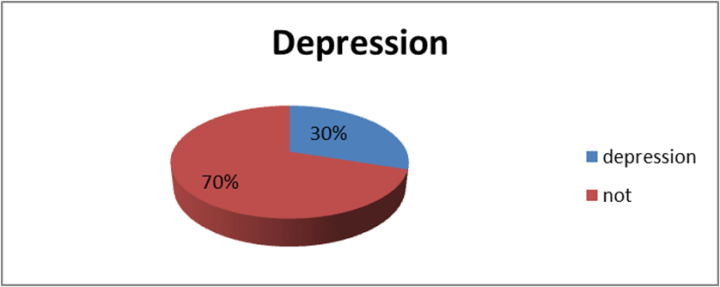
Figure 1 demonstrates that 30 % of the studied group suffering from depression

Table 4 indicates that 81.0% of married mothers were depressed. Also, there was a statistically significant relation between marital status and depression (p=0.02). The table also reveals that 52.4% of working mothers were depressed and there was a highly statistically significant relation between mother work and depression (p=0.00). As regards mother education, the table shows that 66.7% of highly educated mothers were depressed and there was a highly statistically significant relation between mother education and depression (p=0.00).
Table 5 shows that 71.4% of male children were for depressed mothers and 38.1% of mentally retarded children were for depressed mothers. Meanwhile no statistically significant relation was found between presence of depression in mothers and child gender or mental state (p> 0.05).
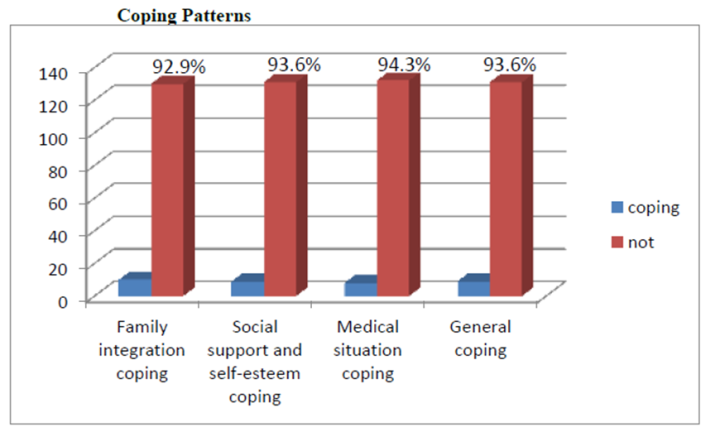
Figure 2 illustrates that 92.9 % of the studied mothers were unable to have Family Integration Coping, 93.6 % of the mothers were unable to have Social Support and Self-esteem Coping, 94.3% of them were unable to have Medical Situation Coping and 93.6 % of the mothers were unable to have Total Coping with child condition.

Table 6 indicates that 86.3% of married mothers were unable to cope with child condition. The table also reveals that 80.9% of not-working mothers were unable to cope with child condition. As regards mother education, the table shows that 48.9% and 29.0%of moderately and highly educated mothers respectively, were unable to cope with child condition and there was a highly statistically significant relation between mother education and their coping ability with child disease. (p=0.00).
Table 7 shows that 62.6% of male children were for unable to cope mothers, and 26.0% mentally retarded children were for unable to cope mothers. Also, there was highly statistically significant relationship between mothers' coping ability with child disease and child' gender or mental state (p=0.00).
Table 8 illustrates that depression was negatively and highly significantly correlated with total coping followed by family integration coping followed by medical situation coping followed by social support coping (p=0.00). Also, family integration coping was positively and highly significantly correlated with total coping followed by social support coping followed by medical situation coping (p=0.00). Social support coping was positively and highly significantly correlated with total coping followed by medical situation coping (p=0.00). Medical situation coping was positively and highly significantly correlated with total coping (p=0.00).
Parents of children with epilepsy, are confronted with a constant feeling of doubt about their child`s condition and the probability of another seizure. This doubt can lead to a reduced ability to cope as evidenced by high stress levels, negative mood conditions, and impaired functioning of the family 21. Thus, this study aimed to assess depression and coping patterns in mothers caring for children with epilepsy.
Regarding children' characteristics, results of present study found that, the mean age of children was about eight years and the highest percentage of children had generalized seizures. This finding is in accordance with the finding of Camfield and Camfield 22 who found that, generalized seizure and epilepsy/syndrome types were more prevalent in children aged 0-6 years of age. Also, El-Marzky et al. 23 revealed that, the mean age of the children suffering from epilepsy was about six years. Moreover, Åndell et al. 24 reported that, the highest incidence of epilepsy is among the youngest children in the first year of life.
The current study findings revealed that, about two thirds of children were males. This result goes on line with the results of El-Marzky et al. 23 and Hamamreh et al. 25 who found that more than half of the children suffering from epilepsy were males. In this respect, Banerjee et al. 26 stated that male prevalence recorded cases of epilepsy to be significantly higher than female because female cases may have been kept secret where women are considered 'unmarriageable' if they had epilepsy. Also, this finding is supported by Russ et al. 3 who found that, epilepsy was more common among males than females due to hyperactivity nature of male than female. As well as, Saleem et al. 27 who illustrated that, males had higher prevalence of epilepsy than females.
As for mothers' characteristics, the current study results showed that, the majority of mothers were married. This may be due to that the existence of a child with chronic illness in the family increases family cohesion. The partners see each other as the most important source of support, which increases their sense of attachment. In this regards, Mua et al. 28 and Metwaly 29 found similar results. On the same line, kroeger 30 stated that, some parents reported improvements in the quality of their relationship and in closeness of the family as a result of having a chronically ill child.
The present study results revealed that majority of mothers were not working. This may be due to that some mothers gave up their jobs to care for their children and to meet the demands of medical treatment such as taking the child to neurology outpatient clinic, giving medication in time and follow up of the child condition. This result is consistent with that of Mua et al. 28 and Metwaly 29 who found that majority of their samples were unemployed. In this regards, Sami 31 mentioned that, the mother's employment status tends to change the most when a child is chronically ill, either by reducing the number of hours worked or by giving up a job altogether.
Results of present study showed that, about half of mothers had moderate education. However, El-Marzky et al. 23 showed that, less than one third of the mothers having children with epilepsy had secondary education. This is similar to study conducted by El Malky et al. 32 who found that, thirty percent of mothers have completed secondary education.
The present study assessed depression level among mothers of epileptic children. Nearly one third of mothers suffered from depression. This result may be due to the unpredictable course of the disease when the child may have died during seizures and social stigma. Another possible explanation is that children's mothers with epilepsy are at higher risk of depression due to a shared genetic tendency for both conditions.
Previous research suggested a bidirectional relationship between epilepsy and depression possibly due to common underlying pathophysiological mechanisms that both lower the seizure threshold and increase the risk for psychiatric disorders 33.
This result was supported by Khajeh et al. 18 who reported that half of mothers of children with epilepsy in their study suffered from different levels of depression. Similarly, Ferro and Speechley 34 found that, nearly fifty percent of mothers of children with epilepsy are at risk for clinical depression. In this respect, Akaya et al. 35 stated that, the mothers of children diagnosed with epilepsy in the study group reported a higher degree of depression compared to control group mothers.
Moreover, Ekinci et al. 36 mentioned that mothers of children with epilepsy had higher Beck scores of depression than the mothers of normal controls.
On the same line, Aronu and Ojinnaka 37 who studied the ''correlation of epilepsy in adolescents with depression of their mothers in Nigeria'' indicated that mothers of children with epilepsy had more depression than mothers of children without epilepsy. Additionally, Reilly et al. 38 found that mothers of children with epilepsy have significantly greater depression difficulties than mothers of children with similar developmental and behavioral difficulties without epilepsy.
Concerning the factors influencing maternal depression, the present study revealed that majority of married mothers were depressed and there was statistically significant relationship between marital status and level of depression. This may be due to the majority of women in the current study were married, that produce family burden in addition to special care for an epileptic child which affect mother and may lead to depression.
The current study result demonstrated that more than half of working mothers were depressed and there was highly statistically significant relationship between working and level of depression. This result may be due to the nature of Arabian environment where woman plays a vital role in housework and child rearing. Many women work outside the home to increase financial income of the family. The burden of a child with epilepsy is an additional stress on the mother and may lead to depression. This result is in agreement with the study of Lv et al. 39 who indicated that there was a relationship between mothers' depression and employment. However, contradictory findings were found in a similar study, carried out by Soltanifar et al. 40 who stated that no significant relationship was found between mothers' employment and depression score.
The present study findings revealed that, mothers of high education had higher percentage of depression compared with illiterate, primary, and moderate education mothers, and there was highly significant relation between mother education and depression. This result may be related to the effect of high education on mother' psychology, when mothers are highly educated this enable them to be more attentive to their ill child condition more than any other mothers. This also enable them to have more knowledge about the disease, its chronic nature, the unpredictable seizures and regimen of medication, frequent hospitalization, a matter which may increase maternal stress, this stress could have a negative impact on mothers leading to depression, anger anxiety and other psychosocial problems. This result disagreed with the result of Sepehrmaneshet al. 41 who found that depression is high among illiterate people. Also, Mua et al. 28 mentioned that mothers with high education had lower depression level compared to mothers with low education. on the other hand, Hamamreh et al. 25 revealed that, no significant relationship was recognized between the depression and the level of mothers' education in both control and study group.
Another objective of the present study was to assess coping patterns used by mothers of epileptic children, the study findings revealed that the majority of mothers were unable to have family integration coping. This result indicates that mothers were unable to maintain family interpersonal relationships, family's positive interaction patterns with the child, also they were unable to create both hope and a positive view of life resulted from presence of chronically ill child within the family.
This result was supported by Rodenburg et al. 42 who reported that, families of children with epilepsy have lower-quality parent-child relationships, fewer parenting skills and more family functioning and adaptation problems. Ferro and Speechley 34 added that parents of children with epilepsy are at risk of lower marital satisfaction and support, quality of parent-child relationships, parenting competence and family adaptation.
In this respect, Mua 43 clarified that, maintaining family integrity, keeping an optimistic outlook, retaining social support and self-esteem, and recognizing the medical condition were effective parental adaptation strategies. Moreover, Baker et al. 44 reported that an optimistic explanatory style might help reduce the effect of having child with chronic illness on one's emotions, cognitions, relationships and immune system.
The present study results demonstrated that the majority of mothers were unable to have social support and self-esteem coping. This result can be interpreted as the deficiency in social support surrounding parents have made mothers unable to develop relationships with others, establish positive social environment, create supportive network, engage in activities that improve individual identity and self-worth feelings, and manage psychological stress.
This finding is in congruent with Saied 45 who reported that the availability of social support may help to stabilize families of children with chronic illness through reducing the impact of the illness' stressors by influencing the family's appraisal of stressor or by assisting with revision of the family's world view. Social support is often viewed as one of the primary resources that enhances family adjustment, and buffers against stress. Social support is essential for parents to successfully cope with and adapt to a chronic disease of a child. Parents experiencing stress as a result of a chronic disease of a child have described the need for all kinds of support- informative, emotional, and instrumental-to be able to cope with the stress of caring for a chronically ill child.
Additionally, Azarand Badr 14 mentioned that, the informal support the parents receive from family members, relatives and friends seems to enable them to cope with the challenges of raising a child with special needs.
The present study results revealed that the majority of mothers were unable to have medical situation coping. This result indicates that mothers suffered from lack of informational support given to them, due to their inability to maintain relationships with healthcare professionals and other parents of chronically ill children, these relationships play an important role in management of health related stress, providing information to understand the health care situation and to cope with stressful situation.
This finding is in accordance with Beresford and Sloper 46 who stated that, knowledge is an important coping resource, and concluded that, by using information obtained about the disease, the mothers are able to understand the situation better, increase the feeling of control and motivate their children to cooperate with treatment. Information seeking is one of the most frequently used coping strategies. Seeking information may be used to identify possible solution and may be followed by other coping strategies. Similarly Saied 45 mentioned that, informational support enables the individuals to help themselves by providing them with information, guidance or advice that they can use to cope and manage a stressful situation.
As regards to total coping, the present study results revealed that, the majority of mothers were generally unable to cope with their child condition. On the other hand, El-Marzky et al. 23 mentioned that, more than half of the mothers have a moderate coping pattern with their children with epilepsy.
Regarding the factors influencing mothers' coping, the present study demonstrated that, the majority of moderately and highly educated mothers were unable to cope with their child condition and there was a highly statistically significant relation between mother education and their coping ability with child disease. This result indicates that a lower level of education was related to better coping behavior. While education is expected to expand a person's knowledge and ability to cope with stressful situations, in this study this did not seem to be the case. It is possible that the more educated mothers in this study were more open about their feelings and expressed their inability to cope with a child condition when compared with the less educated parents who may have feigned healthy coping behaviors.
In relation to the child gender, the current study results displayed that, more than half of male children were for unable to cope mothers, and there was highly statistically significant relation between mothers' coping ability with child disease and child' sex. This can be explained as epilepsy was more common among males than females in this study and nearly two thirds of children were males, so it is normal to find significant percent of male children were for depressed and unable to cope mothers. Another explanation is the hyperactivity nature of male than female make it is more difficult to cope with male child who also suffer from chronic disease.
As regards child mental state, the present study findings revealed that, more than quarter of mentally retarded children were for unable to cope mothers, and there was highly statistically significant relation between mothers' coping ability with child disease and child' mental state. This can be interpreted as children who were mentally retarded and suffered from epilepsy significantly affected their mothers' emotional state and coping ability, due to the potential for additional health problems and the social and psychological pressures which may grow in the future. Special coping strategies and should be developed to help mothers manage family stress when having a child with mental retardation and epilepsy.
Lastly, the present study revealed that family integration coping, social support coping, medical situation coping and total coping were all highly statistically and negatively correlated to mother's depression. This finding indicates that maintaining family cohesion and integrity, psychological strength, and effective patterns of medical communication were important coping strategies for reducing the mother's distress and maintaining her mental health. In this regards, Mua et al. 28 found the same results.
On the same line, Tuncay & Musabak 47 stated that, there was a significant negative correlation between coping strategies and stress as well as depression of mothers of children with epilepsy. Additionally, Carlson and Miller 48 reported that, the direct effect of emotion-focused coping on maternal depression suggested that use of this strategy was related to lower levels of depression. Also, Hooper et al. 49 mentioned that active coping skills such as problem-solving and information seeking have been considered to be the most effective moderators within negative life events and can decrease levels of distress and depression Furthermore, Metwaly 29 revealed that there was a weak negative correlation between coping, depression and anxiety among caregivers of children under haemodialysis therapy.
The study concluded that nearly one third of mothers had depression. Majority of mothers were unable to have family integration coping, social support coping, medical situation coping and total coping. Also, there were statistically significant relationships between depression and maternal characteristics. While, statistically significant relationships were found between total coping and both child characteristics and mother education. Depression in mothers was negatively and highly significantly correlated with their coping ability with child disease.
In the light of the study findings, the following recommendations are suggested:
• Nursing intervention programs for mothers caring for children with epilepsy about effective coping strategies and how to manage stressors.
• A routine examination of depression in mothers of children with epilepsy by health professionals during outpatient visits in the clinic.
• Providing parents of epileptic children with counseling sessions that enhance effective coping and adaptation with chronic diseases.
• Conducting similar studies that examine and explore the feelings and behaviors of parents raising a child with a chronic disease.
• Further researches are needed to assess other variables that might contribute to maternal depression in families having a child with epilepsy.
• Further researches should be conducted to determine the barriers/ challenges that affect negatively coping patterns of the mothers having children with epilepsy.
• Designing Health educational program to enhance mother′s psychological strength and self-esteem to manage the negative social stigma of epilepsy.
| [1] | Murugupillai, R., Wanigasinghe, J., Muniyandi, R. & Arambepola, C. (2016): Parental concerns towards children and adolescents with epilepsy in Sri Lanka-Qualitative study. Seizure, 34, 6-11. | ||
| In article | View Article PubMed | ||
| [2] | Hocaoglu, C., & Koroglu A. (2011): Childhood Age Epilepsy and Family. Journal of Pediatric Psychology, 42(4), 21-25. | ||
| In article | View Article | ||
| [3] | Russ, S.A., Larson, K. & Halfon N. (2012): A national profile of childhood epilepsy and seizure disorder. Pediatrics, 129 (2), 256-64. | ||
| In article | View Article PubMed | ||
| [4] | Farghaly, W., Nagiub, H., Rageh, T., Shehata, G., Badry, N., bdelmonem, M., Abd Al Waneth, A. & Kandi, N. (2012): Epidemiology of epilepsy in Egypt, African child health, 3-4 (39), 1-3. | ||
| In article | |||
| [5] | Scheffer, I.E., Berkovic, S., Capovilla, G., Connolly, M.B., French, J., Guilhoto, L., et al. (2017): ILAE classification of the epilepsies: position paper of the ILAE Commission for Classification and Terminology. Epilepsia, 58(4), 512-21. | ||
| In article | View Article PubMed | ||
| [6] | Reilly, C., Atkinson, P., Das, K.B., Chin, R.F., Aylett, S.E., Burch, V., et al. (2015): Factors associated with quality of life in active childhood epilepsy: a population-based study. Eur J Paediatr Neurol, 19 (3), 308-13. | ||
| In article | View Article PubMed | ||
| [7] | Wo, S. W., Ong, L. C., Low, W. Y. & Lai P. S. (2018): Exploring the needs and challenges of parents and their children in childhood epilepsy care: A qualitative study. Epilepsy & Behavior, (88) 268-276. | ||
| In article | View Article PubMed | ||
| [8] | Quittner, A. (2012): Reexamining Research on Stress and Social Support: The Importance of Contextual Factors. Advances in Pediatric Psychology: Stress and Coping with Pediatric Conditions. New York: Guilford Press. pp. 85-115. | ||
| In article | |||
| [9] | Ellis, N., Upton, D.& Thompson, P. (2012): Epilepsy and the Family: A review of Current Literature. Seizure, 9, 22-30. | ||
| In article | View Article PubMed | ||
| [10] | Hagemann, A., Pfäfflin, M., Nussbeck, F.W. & May TW. (2016): The efficacy of an educational program for parents of children with epilepsy (FAMOSES): results of a controlled multicenter evaluation study. Epilepsy Behav, 64 (Part A), 143-51. | ||
| In article | View Article PubMed | ||
| [11] | Humeniuk, E. & Tarkowski, Z., (2016): Parents’ reactions to children’s stuttering and style of coping with stress. Journal of Fluency Disorders, 49, 51-60. | ||
| In article | View Article PubMed | ||
| [12] | Plexico, L. W., & Burrus, E. (2012). Coping with a child who stutters: a phenomenological analysis. Journal of Fluency Disorders, 37(4), 275-288. | ||
| In article | View Article PubMed | ||
| [13] | McCubbin, H. I., & Patterson, J. M. (1981): Systematic assessment of family stress, resources, and coping. Tools for research, education and clinical intervention. Family stress, coping and health project Madison, WI: University of Wisconsin. | ||
| In article | |||
| [14] | Azar, M. & Badr, L. K. (2010): Predictors of Coping in Parents of Children With an Intellectual Disability: Comparison Between Lebanese Mothers and Fathers. Journal of Pediatric Nursing, 25, 46-56. | ||
| In article | View Article PubMed | ||
| [15] | Duffy, L.V. (2011): Parental Coping and Childhood Epilepsy: The Need for Future Research. Journal Neuroscience Nursin, 43(1), 29-35. | ||
| In article | View Article | ||
| [16] | Crawford, P., & Marshall, F. (2013): Coping with Epilepsy. Pediatric Nursing, 125-132. | ||
| In article | |||
| [17] | Yam, W. K., Ronen, G. M., Cherk, S. W., Rosenbaum, P., Chan, K. Y., Striner, D. L., et al. (2008): Health-Related Quality of Life of Children with Epilepsy in Hong Kong: How does it Compare with that of Youth with Epilepsy in Canada? Epilepsy Behav, 12(3), 419-26. | ||
| In article | View Article PubMed | ||
| [18] | Khajeh, A., Firouzkoohi, M., Miri-Aliabad, Gh., Fayyazi, A. & MiriBonjar, M.( 2015): Prevalence of Anxiety, Stress and Depressive Symptoms Among Mothers of Children With Epilepsy. Health Scope, 4(1), 1-3. | ||
| In article | View Article | ||
| [19] | Beck, A.T., Steer, R.A., Ball, R., & Ranieri, W., (1996): Comparison of Beck Depression Inventories-IA and -II in psychiatric outpatients. Journal of Personality Assessment, 67(3), 588-597. | ||
| In article | View Article PubMed | ||
| [20] | McCubbin, H.I., McCubbin, M. A., Patterson, J. M., Cauble, A. E., Wilson, L. R. & Warren, W. (1983): CHIP: Coping Health Inventory for Parents: An Assessment of Parental Coping Patterns in the Care of the Chronically Ill Child. Journal of Marriage and the Family, 359-370. | ||
| In article | View Article | ||
| [21] | Reilly, C., Atkinson, P & Das, K. (2014): A population-Based Study of Neuro Behavioral Comorbidities in Children with Active Epilepsy. Pediatrics, 133, e1586-e1593. | ||
| In article | View Article PubMed | ||
| [22] | Camfield, P., & Camfield, C. (2015): Incidence, prevalence and aetiology of seizures and epilepsy in children. Epileptic Disorders, 17(2), 117-123. | ||
| In article | View Article PubMed | ||
| [23] | El-Marzky, N.M., El -Sharkawy, S.S, Adly, R.M. & Hassan, S.E. (2019): Stressors and Coping Patterns of Mothers Having Children with Epilepsy. Egyptian Journal of Health Care, 10, (1), 208-222. | ||
| In article | View Article | ||
| [24] | Åndell, E., Tomson, T., Carlsson, S., Hellebro, E., Andersson, T., Adelöw, C., & Åmark, P. (2015): The Incidence of Unprovoked Seizures and Occurrence of Neuro-developmental Comorbidities in Children at the Time of their First Epileptic Seizure and during the Subsequent Six Months. Epilepsy Research, 113(4), 140-150. | ||
| In article | View Article PubMed | ||
| [25] | Hamamreh, N., Russo, S. & Alkaissi, A. (2016): Prevalence and Severity of Depression among Mothers of Disabled Children in Palestine. A descriptive, Analytical, Cross Sectional Study, Journal of Natural Sciences Research, 6(4), 26-46. | ||
| In article | |||
| [26] | Banerjee, P., Nina, L. Filippi, K. David, E. Hauser, W. & Allen, E. (2009):"The descriptive Epidemiology of Epilepsy- A review." Epilepsy Research, 85, 31 - 45. | ||
| In article | View Article PubMed | ||
| [27] | Saleem, S., Mushtaq, M., Saleem, B., Maqbool, W., & Singh, G. (2015): Prevalence and Pattern of Active Epilepsy in School going Childrens in Kashmir Valley. Indian Journal of Public Health Research & Development, 6(1), 89-94. | ||
| In article | View Article | ||
| [28] | Mua, P., Kuo, H., & chang, K. (2004): Boundary Ambiguity, Coping Patterns and Depression in Mothers Caring for Children with Epilepsy in Taiwan; ; 42(3), 273-282. | ||
| In article | View Article PubMed | ||
| [29] | Metwaly, S. M. (2010): Nursing Intervention Protocol for Parents Having Children under Haemodialysis Therapy. Unpublished Doctoral Thesis. Faculty of Nursing, Zagazig University. | ||
| In article | |||
| [30] | Kroeger, L. (2007): Wisconsin among experiences with haemodialysis. A Research Paper Submitted in partial fulfillment of the Education Specialist Degree with a Major in Career and Technical Education. | ||
| In article | |||
| [31] | Sami, N.M. (2006): Effect of psychosocial factors on childhood attention deficit disorder, Unpublished M. D. Thesis, Faculty of Medicine, Ain Shams University. | ||
| In article | |||
| [32] | El Malky, M., Atia, M., & Alam, .F. (2016): The effectiveness of social skill training on depressive symptoms, self-esteem and interpersonal difficulties among Schizophrenic patients. International Journal of Advanced Nursing Studies, 5(1), 43-50. | ||
| In article | View Article | ||
| [33] | Hesdorffer, D.C., Ishihara, L., Mynepalli, L., Webb, D.J., Weil, J. & Hauser, W. A. (2012): Epilepsy, suicidality, and psychiatric disorders: a bidirectional association. Ann Neurol, 72(2), 184-91. | ||
| In article | View Article PubMed | ||
| [34] | Ferro, M.A. & Speechley, K.N. (2009): Depressive symptoms among mothers of children with epilepsy: a review of prevalence, associated factors, and impact on children. Epilepsia, 50(11), 2344-54. | ||
| In article | View Article PubMed | ||
| [35] | Akaya, A. P., Kurulb, S. H., Ozeka, H., Cengizhana, S., Emiroglua, N. & Ellidokuzc, H. (2011): Maternal reactions to a child with epilepsy: Depression, anxiety, parental attitudes and family functions. Epilepsy Research, 95, 213-220. | ||
| In article | View Article PubMed | ||
| [36] | Ekinci, O., Isik, U., Gunes, S., Yildirim, C. Killi, Y. &Guler, G. (2016): Self-concept in children and adolescents with epilepsy: The role of family functioning, mothers’ emotional symptoms and ADHD. Brain & Development, 38, 714-722. | ||
| In article | View Article PubMed | ||
| [37] | Aronu, A.E. & Ojinnaka, N.C. (2009): Psychiatric morbidity among parents of children with epilepsy in Enugu, Nigeria. Neurol Asia, 14(1), 15-20. | ||
| In article | |||
| [38] | Reilly, C., Atkinson, P., Memon, A., Jones, C., Dabydeen, L., Das, K. B., Gillberg, C., Neville, B. G. R. & Scott, R. C. (2018): Symptoms of depression, anxiety, and stress in parents of young children with epilepsy: A case controlled population-based study. Epilepsy & Behavior, 80, 177-183. | ||
| In article | View Article PubMed | ||
| [39] | Lv, R., Wu, L., Jin, L., Lu, Q., Wang, M., Qu, Y., et al. (2009): Depression, Anxiety and Quality of Life in Parents of Children with Epilepsy. ActaNeurol Scand, 120, (5), 335-341. | ||
| In article | View Article PubMed | ||
| [40] | Soltanifar, A., Ashrafzadeh, F., Mohareri, F. & Mokhber N. (2012): Depression and Anxiety in Iranian Mothers of Children with Epilepsy. Iranian Journal of Child Neurology, 6(1), 29-34. | ||
| In article | |||
| [41] | Sepehrmanesh, Zahra and colleagues. (2003): Demographic Study of Depression, Kashan Medical Science University Journal, 7, (27). | ||
| In article | |||
| [42] | Rodenburg, R., Meijer, A.M., Dekovic, M. & Aldenkamp, A.P. (2005): Family factors and psychopathology in children with epilepsy: a literature review. Epilepsy Behav,6, 488-503. | ||
| In article | View Article PubMed | ||
| [43] | Mua, P. (2005): Paternal reactions to a child with epilepsy: Uncertainty, coping strategies, and depression. Journal of Advanced Nursing, 49(4), 367-376. | ||
| In article | View Article PubMed | ||
| [44] | Baker, B. L., Blacher, J. & Olsson, M. B. (2005): Preschool children with and without developmental delay: Behavior problems, parents' optimism and well-being. Journal of Intellectual Disability Research, 49, 575-590. | ||
| In article | View Article PubMed | ||
| [45] | Saied, H. (2006): Effect of psychosocial factors on childhood attention deficit disorder. Unpublished M. D. Thesis, Faculty of Medicine, Ain Shams University. | ||
| In article | |||
| [46] | Beresford, B. & Sloper, T. (2011): The Information Needs of Chronically Ill or Physically Disabled Children and Adolescents. NHS 1639 3.99 BB/TS. Avaliable at www.york.ac.uk/inst/spru/pubs/pdf/ info needs.pdf. | ||
| In article | |||
| [47] | Tuncay, T., & Musabak, I. (2015): Problem-Focused Coping Strategies Predict Posttraumatic Growth in Veterans with Lower-Limb Amputations. Journal of Social Service Research, 41(4), 466-483. | ||
| In article | View Article | ||
| [48] | Carlson, J. M. & Miller, P. A. (2017): Family burden, child disability, and the adjustment of mothers caring for children with epilepsy: Role of social support and coping. Epilepsy & Behavior, 68, 168-173. | ||
| In article | View Article PubMed | ||
| [49] | Hooper, L., Williams, W.H., Wall, S.E. & Chua, K. (2007): Caregiver distress, coping and parenting styles in cases of childhood encephalitis, Nuropsychological Rehabilitation, 17 (4), 621-637. | ||
| In article | View Article PubMed | ||
Published with license by Science and Education Publishing, Copyright © 2020 Rehab Fathy Abdel Hady Ghaith and Shadia Fathy Mahmoud Mohammed
 This work is licensed under a Creative Commons Attribution 4.0 International License. To view a copy of this license, visit
http://creativecommons.org/licenses/by/4.0/
This work is licensed under a Creative Commons Attribution 4.0 International License. To view a copy of this license, visit
http://creativecommons.org/licenses/by/4.0/
| [1] | Murugupillai, R., Wanigasinghe, J., Muniyandi, R. & Arambepola, C. (2016): Parental concerns towards children and adolescents with epilepsy in Sri Lanka-Qualitative study. Seizure, 34, 6-11. | ||
| In article | View Article PubMed | ||
| [2] | Hocaoglu, C., & Koroglu A. (2011): Childhood Age Epilepsy and Family. Journal of Pediatric Psychology, 42(4), 21-25. | ||
| In article | View Article | ||
| [3] | Russ, S.A., Larson, K. & Halfon N. (2012): A national profile of childhood epilepsy and seizure disorder. Pediatrics, 129 (2), 256-64. | ||
| In article | View Article PubMed | ||
| [4] | Farghaly, W., Nagiub, H., Rageh, T., Shehata, G., Badry, N., bdelmonem, M., Abd Al Waneth, A. & Kandi, N. (2012): Epidemiology of epilepsy in Egypt, African child health, 3-4 (39), 1-3. | ||
| In article | |||
| [5] | Scheffer, I.E., Berkovic, S., Capovilla, G., Connolly, M.B., French, J., Guilhoto, L., et al. (2017): ILAE classification of the epilepsies: position paper of the ILAE Commission for Classification and Terminology. Epilepsia, 58(4), 512-21. | ||
| In article | View Article PubMed | ||
| [6] | Reilly, C., Atkinson, P., Das, K.B., Chin, R.F., Aylett, S.E., Burch, V., et al. (2015): Factors associated with quality of life in active childhood epilepsy: a population-based study. Eur J Paediatr Neurol, 19 (3), 308-13. | ||
| In article | View Article PubMed | ||
| [7] | Wo, S. W., Ong, L. C., Low, W. Y. & Lai P. S. (2018): Exploring the needs and challenges of parents and their children in childhood epilepsy care: A qualitative study. Epilepsy & Behavior, (88) 268-276. | ||
| In article | View Article PubMed | ||
| [8] | Quittner, A. (2012): Reexamining Research on Stress and Social Support: The Importance of Contextual Factors. Advances in Pediatric Psychology: Stress and Coping with Pediatric Conditions. New York: Guilford Press. pp. 85-115. | ||
| In article | |||
| [9] | Ellis, N., Upton, D.& Thompson, P. (2012): Epilepsy and the Family: A review of Current Literature. Seizure, 9, 22-30. | ||
| In article | View Article PubMed | ||
| [10] | Hagemann, A., Pfäfflin, M., Nussbeck, F.W. & May TW. (2016): The efficacy of an educational program for parents of children with epilepsy (FAMOSES): results of a controlled multicenter evaluation study. Epilepsy Behav, 64 (Part A), 143-51. | ||
| In article | View Article PubMed | ||
| [11] | Humeniuk, E. & Tarkowski, Z., (2016): Parents’ reactions to children’s stuttering and style of coping with stress. Journal of Fluency Disorders, 49, 51-60. | ||
| In article | View Article PubMed | ||
| [12] | Plexico, L. W., & Burrus, E. (2012). Coping with a child who stutters: a phenomenological analysis. Journal of Fluency Disorders, 37(4), 275-288. | ||
| In article | View Article PubMed | ||
| [13] | McCubbin, H. I., & Patterson, J. M. (1981): Systematic assessment of family stress, resources, and coping. Tools for research, education and clinical intervention. Family stress, coping and health project Madison, WI: University of Wisconsin. | ||
| In article | |||
| [14] | Azar, M. & Badr, L. K. (2010): Predictors of Coping in Parents of Children With an Intellectual Disability: Comparison Between Lebanese Mothers and Fathers. Journal of Pediatric Nursing, 25, 46-56. | ||
| In article | View Article PubMed | ||
| [15] | Duffy, L.V. (2011): Parental Coping and Childhood Epilepsy: The Need for Future Research. Journal Neuroscience Nursin, 43(1), 29-35. | ||
| In article | View Article | ||
| [16] | Crawford, P., & Marshall, F. (2013): Coping with Epilepsy. Pediatric Nursing, 125-132. | ||
| In article | |||
| [17] | Yam, W. K., Ronen, G. M., Cherk, S. W., Rosenbaum, P., Chan, K. Y., Striner, D. L., et al. (2008): Health-Related Quality of Life of Children with Epilepsy in Hong Kong: How does it Compare with that of Youth with Epilepsy in Canada? Epilepsy Behav, 12(3), 419-26. | ||
| In article | View Article PubMed | ||
| [18] | Khajeh, A., Firouzkoohi, M., Miri-Aliabad, Gh., Fayyazi, A. & MiriBonjar, M.( 2015): Prevalence of Anxiety, Stress and Depressive Symptoms Among Mothers of Children With Epilepsy. Health Scope, 4(1), 1-3. | ||
| In article | View Article | ||
| [19] | Beck, A.T., Steer, R.A., Ball, R., & Ranieri, W., (1996): Comparison of Beck Depression Inventories-IA and -II in psychiatric outpatients. Journal of Personality Assessment, 67(3), 588-597. | ||
| In article | View Article PubMed | ||
| [20] | McCubbin, H.I., McCubbin, M. A., Patterson, J. M., Cauble, A. E., Wilson, L. R. & Warren, W. (1983): CHIP: Coping Health Inventory for Parents: An Assessment of Parental Coping Patterns in the Care of the Chronically Ill Child. Journal of Marriage and the Family, 359-370. | ||
| In article | View Article | ||
| [21] | Reilly, C., Atkinson, P & Das, K. (2014): A population-Based Study of Neuro Behavioral Comorbidities in Children with Active Epilepsy. Pediatrics, 133, e1586-e1593. | ||
| In article | View Article PubMed | ||
| [22] | Camfield, P., & Camfield, C. (2015): Incidence, prevalence and aetiology of seizures and epilepsy in children. Epileptic Disorders, 17(2), 117-123. | ||
| In article | View Article PubMed | ||
| [23] | El-Marzky, N.M., El -Sharkawy, S.S, Adly, R.M. & Hassan, S.E. (2019): Stressors and Coping Patterns of Mothers Having Children with Epilepsy. Egyptian Journal of Health Care, 10, (1), 208-222. | ||
| In article | View Article | ||
| [24] | Åndell, E., Tomson, T., Carlsson, S., Hellebro, E., Andersson, T., Adelöw, C., & Åmark, P. (2015): The Incidence of Unprovoked Seizures and Occurrence of Neuro-developmental Comorbidities in Children at the Time of their First Epileptic Seizure and during the Subsequent Six Months. Epilepsy Research, 113(4), 140-150. | ||
| In article | View Article PubMed | ||
| [25] | Hamamreh, N., Russo, S. & Alkaissi, A. (2016): Prevalence and Severity of Depression among Mothers of Disabled Children in Palestine. A descriptive, Analytical, Cross Sectional Study, Journal of Natural Sciences Research, 6(4), 26-46. | ||
| In article | |||
| [26] | Banerjee, P., Nina, L. Filippi, K. David, E. Hauser, W. & Allen, E. (2009):"The descriptive Epidemiology of Epilepsy- A review." Epilepsy Research, 85, 31 - 45. | ||
| In article | View Article PubMed | ||
| [27] | Saleem, S., Mushtaq, M., Saleem, B., Maqbool, W., & Singh, G. (2015): Prevalence and Pattern of Active Epilepsy in School going Childrens in Kashmir Valley. Indian Journal of Public Health Research & Development, 6(1), 89-94. | ||
| In article | View Article | ||
| [28] | Mua, P., Kuo, H., & chang, K. (2004): Boundary Ambiguity, Coping Patterns and Depression in Mothers Caring for Children with Epilepsy in Taiwan; ; 42(3), 273-282. | ||
| In article | View Article PubMed | ||
| [29] | Metwaly, S. M. (2010): Nursing Intervention Protocol for Parents Having Children under Haemodialysis Therapy. Unpublished Doctoral Thesis. Faculty of Nursing, Zagazig University. | ||
| In article | |||
| [30] | Kroeger, L. (2007): Wisconsin among experiences with haemodialysis. A Research Paper Submitted in partial fulfillment of the Education Specialist Degree with a Major in Career and Technical Education. | ||
| In article | |||
| [31] | Sami, N.M. (2006): Effect of psychosocial factors on childhood attention deficit disorder, Unpublished M. D. Thesis, Faculty of Medicine, Ain Shams University. | ||
| In article | |||
| [32] | El Malky, M., Atia, M., & Alam, .F. (2016): The effectiveness of social skill training on depressive symptoms, self-esteem and interpersonal difficulties among Schizophrenic patients. International Journal of Advanced Nursing Studies, 5(1), 43-50. | ||
| In article | View Article | ||
| [33] | Hesdorffer, D.C., Ishihara, L., Mynepalli, L., Webb, D.J., Weil, J. & Hauser, W. A. (2012): Epilepsy, suicidality, and psychiatric disorders: a bidirectional association. Ann Neurol, 72(2), 184-91. | ||
| In article | View Article PubMed | ||
| [34] | Ferro, M.A. & Speechley, K.N. (2009): Depressive symptoms among mothers of children with epilepsy: a review of prevalence, associated factors, and impact on children. Epilepsia, 50(11), 2344-54. | ||
| In article | View Article PubMed | ||
| [35] | Akaya, A. P., Kurulb, S. H., Ozeka, H., Cengizhana, S., Emiroglua, N. & Ellidokuzc, H. (2011): Maternal reactions to a child with epilepsy: Depression, anxiety, parental attitudes and family functions. Epilepsy Research, 95, 213-220. | ||
| In article | View Article PubMed | ||
| [36] | Ekinci, O., Isik, U., Gunes, S., Yildirim, C. Killi, Y. &Guler, G. (2016): Self-concept in children and adolescents with epilepsy: The role of family functioning, mothers’ emotional symptoms and ADHD. Brain & Development, 38, 714-722. | ||
| In article | View Article PubMed | ||
| [37] | Aronu, A.E. & Ojinnaka, N.C. (2009): Psychiatric morbidity among parents of children with epilepsy in Enugu, Nigeria. Neurol Asia, 14(1), 15-20. | ||
| In article | |||
| [38] | Reilly, C., Atkinson, P., Memon, A., Jones, C., Dabydeen, L., Das, K. B., Gillberg, C., Neville, B. G. R. & Scott, R. C. (2018): Symptoms of depression, anxiety, and stress in parents of young children with epilepsy: A case controlled population-based study. Epilepsy & Behavior, 80, 177-183. | ||
| In article | View Article PubMed | ||
| [39] | Lv, R., Wu, L., Jin, L., Lu, Q., Wang, M., Qu, Y., et al. (2009): Depression, Anxiety and Quality of Life in Parents of Children with Epilepsy. ActaNeurol Scand, 120, (5), 335-341. | ||
| In article | View Article PubMed | ||
| [40] | Soltanifar, A., Ashrafzadeh, F., Mohareri, F. & Mokhber N. (2012): Depression and Anxiety in Iranian Mothers of Children with Epilepsy. Iranian Journal of Child Neurology, 6(1), 29-34. | ||
| In article | |||
| [41] | Sepehrmanesh, Zahra and colleagues. (2003): Demographic Study of Depression, Kashan Medical Science University Journal, 7, (27). | ||
| In article | |||
| [42] | Rodenburg, R., Meijer, A.M., Dekovic, M. & Aldenkamp, A.P. (2005): Family factors and psychopathology in children with epilepsy: a literature review. Epilepsy Behav,6, 488-503. | ||
| In article | View Article PubMed | ||
| [43] | Mua, P. (2005): Paternal reactions to a child with epilepsy: Uncertainty, coping strategies, and depression. Journal of Advanced Nursing, 49(4), 367-376. | ||
| In article | View Article PubMed | ||
| [44] | Baker, B. L., Blacher, J. & Olsson, M. B. (2005): Preschool children with and without developmental delay: Behavior problems, parents' optimism and well-being. Journal of Intellectual Disability Research, 49, 575-590. | ||
| In article | View Article PubMed | ||
| [45] | Saied, H. (2006): Effect of psychosocial factors on childhood attention deficit disorder. Unpublished M. D. Thesis, Faculty of Medicine, Ain Shams University. | ||
| In article | |||
| [46] | Beresford, B. & Sloper, T. (2011): The Information Needs of Chronically Ill or Physically Disabled Children and Adolescents. NHS 1639 3.99 BB/TS. Avaliable at www.york.ac.uk/inst/spru/pubs/pdf/ info needs.pdf. | ||
| In article | |||
| [47] | Tuncay, T., & Musabak, I. (2015): Problem-Focused Coping Strategies Predict Posttraumatic Growth in Veterans with Lower-Limb Amputations. Journal of Social Service Research, 41(4), 466-483. | ||
| In article | View Article | ||
| [48] | Carlson, J. M. & Miller, P. A. (2017): Family burden, child disability, and the adjustment of mothers caring for children with epilepsy: Role of social support and coping. Epilepsy & Behavior, 68, 168-173. | ||
| In article | View Article PubMed | ||
| [49] | Hooper, L., Williams, W.H., Wall, S.E. & Chua, K. (2007): Caregiver distress, coping and parenting styles in cases of childhood encephalitis, Nuropsychological Rehabilitation, 17 (4), 621-637. | ||
| In article | View Article PubMed | ||