Background: Effective communication fosters a good therapeutic relationship between the nurses and the patients as well as family and relatives. Regarding this, there is a need to understand both parties' sentiments and psychological capacities. Aim of the study: This study aims to investigate communication barrier issues faced in Saudi Arabia medical facilities. Subjects and Methods: It is cross-sectional descriptive design was used for the study. Two populations were used for the present study and encompassed patients and registered nurses of diverse backgrounds, gender, ages, and professional experience. The sample population comprised of a total of 226 participants. The community encompassed 120 patients and 106 registered nurses working in different capacities in the medical sector. Two types of questionnaires were provided that involve patients and nurses. Each of the questionnaire was adopted with consent from ‘Assessment of Patients and Nurses' Opinions on the Bidirectional Communication during Hospitalization. Results: the result showed that that misunderstandings were experienced based on language difference. Those assigned high number of patients (who were the majority), reported fatigue and lack of enough time. language is reportedly the greatest barrier of communication between the patients and nurses. The ability of the nurse to develop a relationship with the patient was also a barrier that developed from the attitudes of the patients, among other factors. Conclusion: This study concluded that Efficient and interactive communication is necessary to achieve satisfactory nurse-patient relationship. From the research findings, it is the role of the nurse to facilitate the development of this relationship by dealing with the barriers hindering their communication.
Communication is a two-way pathway that involves two parties: the receiver and sender of the message. Effective communication fosters a good therapeutic relationship between the nurses and the patients as well as family and relatives. Regarding this, there is a need to understand both parties' sentiments and psychological capacities 1. Shafipour et all corroborate the statement and emphasize that it is best to understand the problem with communication to come up with a practical solution. Inherently, Shafipour et all through a qualitative study determined the significant issues in barriers within communication such as knowledge of communication mannerisms, culture, and religious background 2. The results of the research indicated that problems with job satisfaction, decreased motivation, routine-centered care and distrust among nurses amplified the increased stress relationship between patient and nurse. However, the study fell short due to lack of a correlational understanding of how such issues affect the two-way communication portal with patients 3.
An in-depth study conducted by Ardalan et al reported that cultural factors play a critical role in barriers to communication. The cultural element can block effective communication regardless of professional experience or gender 4.
Communication could arouse misunderstandings which undermine the basic principles of healthcare based on multicultural indications. Nurses need to develop courtesy, kindness, and sincerity towards patients when handling clients of diverse backgrounds 5. To overcome the barriers in communication there needs the identification of effective strategies. Nurses and doctors are the lifelines of any medical institutions and need to have a translator in ensuring that in cases of cultural barriers, there are people to translate the medical issues 6.
Strategies include an assessment of the environment from which the nurses operate 7. Evaluation of the situation is critical in understanding the communication disabilities affecting the nurses on one end and how it impacts the patients on the other end. This includes an assessment of being unable to produce cognitive communication which directly changes professionalism among nurses. For instance, use of translators in cases where the language barriers increase patient-nurse communication stress. As such, there is the need to assess how and what are the impacts of the non-effective and communication difficulties experienced in the areas. The other strategy is to assess the patient perspective of how discussion is viewed based on the impact of healthcare provided 8.
Indications of how patients are treated by the nurses can impact negatively or positively on the patients. In most cases, the factors can be negative attitudes on both sides, parties' fear of communication towards the quality of care and generally poor communication skills 9. Concurrently, King et al report that poor communication can have detrimental effects on patients and the relationship between the hospital or medical facility and the surrounding society 10.
To understand the impact of communication barriers in quality of health care provided, Michel’s incentive review on World Health Organization report on healthcare, determines that an in-depth cross-sectional descriptive analysis is necessary to pinpoint the problem to provide a solution 11. There is a need to address primary issues that affect a specific region or country such as Saudi Arabia to comprehend the effect of barriers of communication towards providing qualified quality-based healthcare. Factors such as patient attitude, the presence of the difference in language, nursing attitude, and environment as well as a culture should be factored into the studies 12. The hope is that by narrowing down the issue, incentives that include regulation control and improved individualized hospital communication strategies will be adopted to improve the outlook of healthcare provision in the country.
Notwithstanding, there is a current issue witnessed in Saudi Arabia's medical facilities, and this is the recurrent factor on that makes effective nurse-patient communication in hospitals in that country difficult. Communication barriers forthwith affect the competence and impact of quality healthcare provided. Various factors influence this issue and among them is the language barrier, patient attitude, nursing-patient stress, lack of knowledge or proper education, barriers in language (Arabic and non-English speaking) and professional attitude as well as multi-cultural influence. Limited studies have focused on understanding the correlation between communication barrier factors mentioned and effectiveness in healthcare provision in the country. There is need to focus on the mentioned factors that affect communication effectiveness in Saudi Arabia medical facilities.
2.1. Research Aims and ObjectivesThe study aims to demarcate patient, and nurse communication barrier factors with focus on language, culture, nurse-patient relationship, and education limitations. This aim is achieved through:
1. Investigate the communication issues and benefits in a nurse-patient stress relationship.
2. Investigate the communication issues on cultural factors with interest in multicultural and language barriers.
3. Provide a clear correlation on good communication between nurses and patients based on knowledge perception.
A cross-sectional descriptive design was used for the entire study.
3.1. Sample SizeTwo populations were used for the present study and encompassed patients and registered nurses of diverse backgrounds, gender, ages, and professional experience. The sample population comprised of a total of 226 participants. The community encompassed 120 patients and 106 registered nurses working in different capacities in the medical sector.
3.2. Data CollectionThe study utilized questionnaires to engage with the participants.
The study was done in multi hospital in Makkah kamc, Jeddah, riyadh and dammam the questionnaires send to the sample population out of makkah by electronic google forms with consent form then analyze response done for data,
Two types of questionnaires were provided that involve patients and nurses. Each of the questionnaire was adopted with consent from ‘Assessment of Patients and Nurses' Opinions on the Bidirectional Communication during Hospitalization: A Descriptive Study’ an article by Peleki et al 1, which was specifically designed for this type of study. Comparison scales were estimated based on scores ranging from 1 to 10. The analysis was performed separately for each group and retrospectively used for comparison in the study.
3.3. Validity and ReliabilityThe Cronbach alpha under the SPPS software was used to measure levels of internal consistency in the answers provided to include a precise measurement of scale 13.
3.4. Ethical ConsiderationsEthical principles were adhered to throughout the study. Principles of informed consent were regarded with each participant informed of their rights to engage or not engage in the research and comprehend the benefits of undertaking the research. Additionally, principles concerning participants know about the investigation, its impact and influence was explained thoroughly, and volunteers permitted to ask follow-up questions. Nonetheless, guidance on ethical factors in engaging in the study including withdrawal during the questionnaire was provided. In summary, the ethical considerations were followed meticulously, and participants provided with the IRB mandated moral form in KAMC.
3.5. Statistical TechniquesThe researchers used the software Statistical Package for Social Science (SPSS) version (25) for conducting statistical analysis. The categorical variables were expressed as number and percentage.
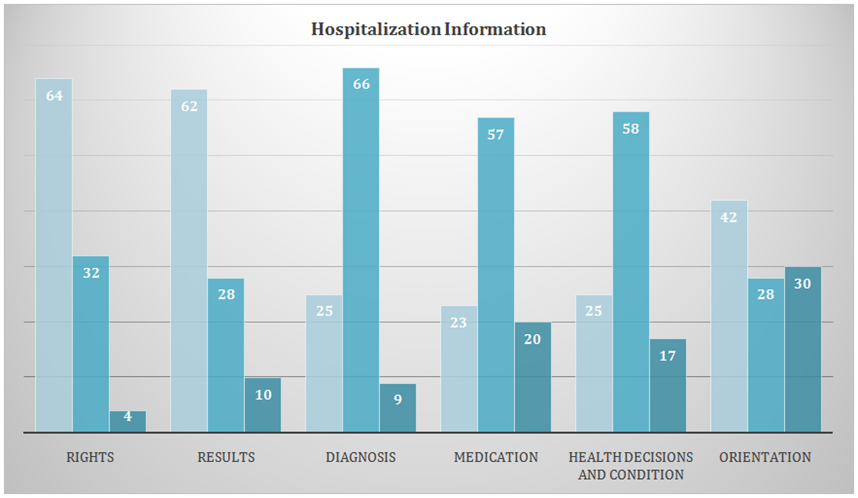
Figure 1 illustrate that 64% agreed that they were informed of their rights. 62% also agreed that results were well communicated. However, the diagnosis and medication were poorly communicated with only 25% and 23% respectively agreeing to proper communication. Therefore, 75 (62.5%) indicated that nurses should communicate effectively during medical check-ups including measurement of heart rate and glucose levels whereas, 9 of the patients noted being on the fence on either agreeing or disagreeing with the information provided. However, communication about the process of medical treatment showed a disagreement advantage where 35% disagreed with nurse’s effectiveness in providing relevant information. From this, 57% disagreed that nurses do not provide information regarding prescription or dosage intake to the patients, while 21 of the patients opposed that nurses do not offer informed decision making when it comes to therapeutic decision-making strategies. 28.3% additionally, indicated that nurses do not provide administrative information pertaining to the environment of work. 58% of the participants noted that nurses do not offer provisional and adequate information while they are in the care of the hospital.

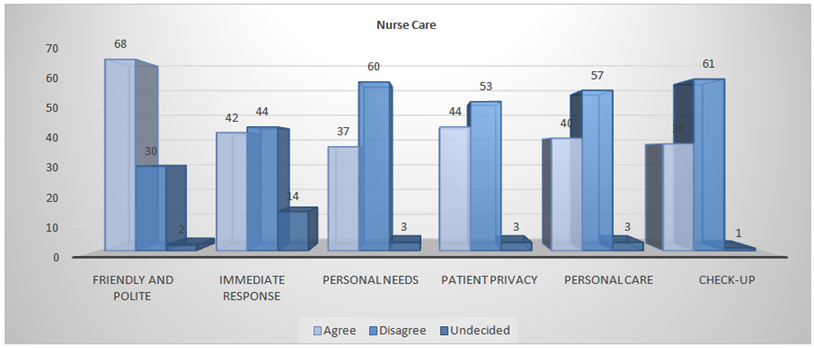
Figure 2 shows that the majority 68% agreed to the friendliness and politeness of the nursing staff. The response of the nurses to the patients recorded higher disagreement levels. Only 42% believed that nurses respond immediately to patients’ calls. 60% indicated that nurses pay no attention to personal needs of the patients. Similarly, 53% noted a disregard for privacy by nurses and so did 57% regarding information about personal care. Only 38% agreed to receiving constant checkups from the nurses.

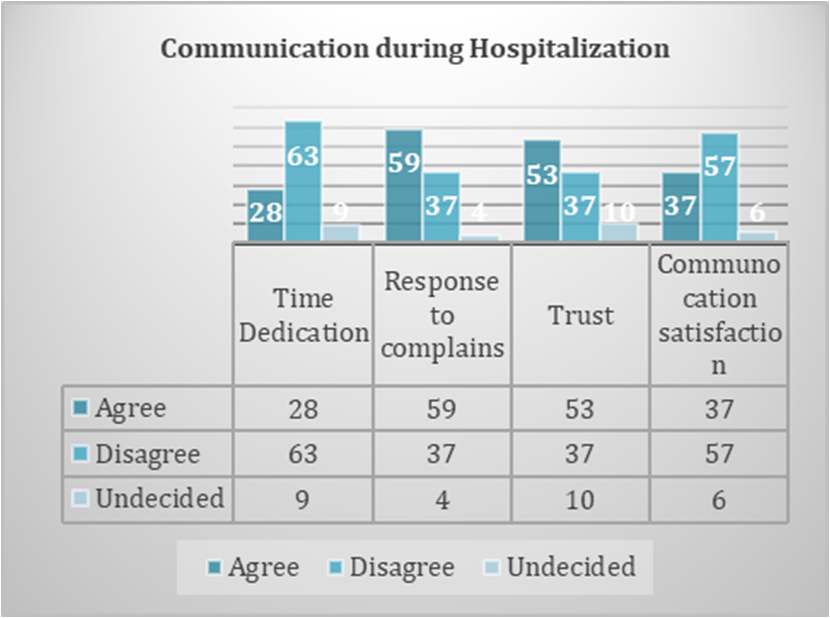
Figure 3 show that the patients felt that the nurses did not dedicate enough time to listen to patients with only 28% agreeing to this. 59% agreed that the response to patients' concern was satisfactory. A majority of 53% trusted the nurses with personal information. However, a majority of 57% were not satisfied with the communication with the nursing staff.

Figure 4 illustrate that 24 of the registered nurses (22%) indicated that they are assigned 2-3 patients, whereas 51.9% are awarded more than three patients per regular shift and 26.1% are assigned one patient or no patient at all. These affected the nurse-patient relationship with those assigned higher numbers of patients reporting stress aggravations. Seventy-six of the nurses (71.6%) admitted to understanding the rights of the patients and providing such information to the clients. Whereas 80 of the nurses indicated that they inform the patients about the undertakings and current situation of the departments and therefore, 95 of the nurses implied having a right attitude towards the patients throughout their relationship in the hospital. 84% of the participants stated that they provided additional or tertiary information regarding hospice and homecare therapy interventions to their patients.

As such, 88% (94) of the registered nurses indicated that they were satisfied with the communication potential they provide to their patients. In summary, nurses rated an average of more than five in the evaluation of the nursing care provided whereas, patients indicated 8% showed a significantly low (less than five rating) satisfaction with the communication provided by the nurses. In patient questionnaire gap responses or missing cases were estimated to 1.4% of total reactions while for nurses was 0.8% in replies. This is attributed to the fact that the population size was cross-sectional, meaning small volume handled in the present study. To summarize, this is an analysis that was done on the information provided by the nurses to identify the barriers to communication faced by the nurses.
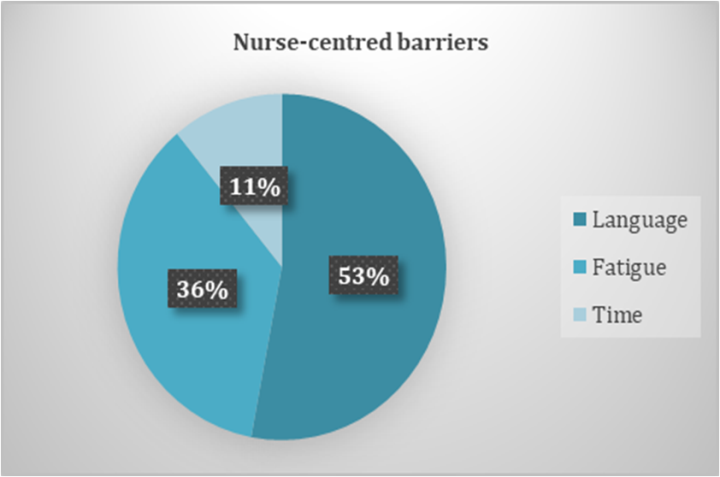
Figure 5 shows that misunderstandings were experienced based on language difference. Those assigned high number of patients (who were the majority), reported fatigue and lack of enough time.

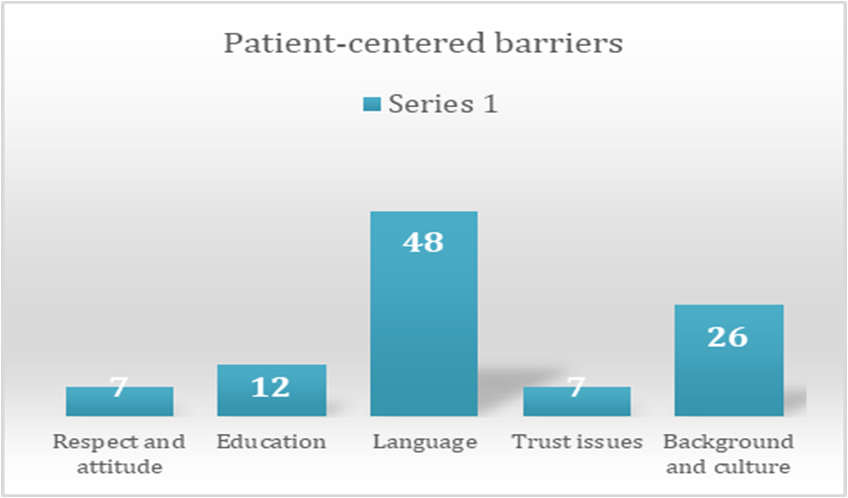
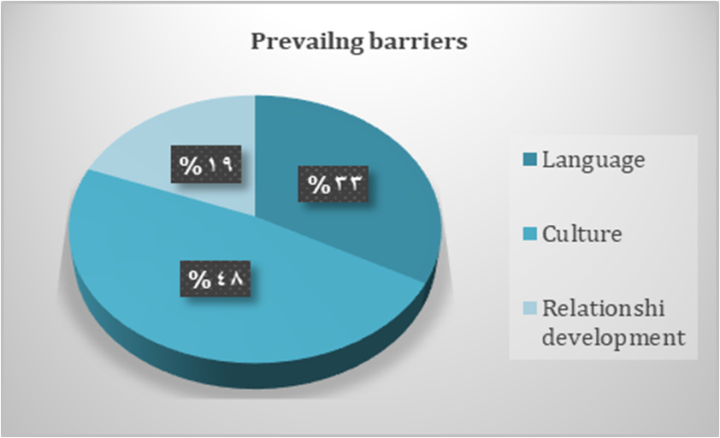
Figure 6 illustrate that language is reportedly the greatest barrier of communication between the patients and nurses. Cultural issues and religious believes and practices equally affected the communication. The ability of the nurse to develop a relationship with the patient was also a barrier that developed from the attitudes of the patients, among other factors.
Poor communication in the care setting could potentially compromise the patient-nurse relationship. The research has determined that communication is an essential factor in any patient-centered care. The exploration highlights the how information and communication is given to the patient. The study finds that care and communication are relevant to understanding how nurses benefit from improving patient care and how patients gain from the experience. The results indicated that the number of patients offered care could affect the rationalization in communication efforts. Patient participants concurred showed a high ranking of agreement that the nurse’s communication strategy is crucial to understanding medical issues. However, although patients expected more information from their caregivers, limited interest is provided when acclimatizing the patients to their surroundings 15. A significant proportion of the patient participants indicated that nurses were not disposed to improving the communication process, especially when acclimatizing patients to the hospitals. These results indicated that 80% of the nurse’s population did not stress on communicating orientation protocols. However, on one end, the majority of the nurses noted acknowledging that there are communication barriers in hospitals 14. Many professionals indicated encountering challenges with language and culture, which make it harder to render their services. Considering the importance linked to the patient-nurse communication, ignoring one aspect of this interaction could compromise the good associated with it, which further portrays the nurse-patient relationship as being in jeopardy. Thus, there exists a need to find a suitable interactive communication that accommodates each parties' needs.
Adequate information provision in the care setting improves patient satisfaction. On the basis of care, patients and nurses ranked equally in care provision in medical facilities. Both parties reported generalized concern such as primary care services in the knowledge of what was happening. Nurses provided information to patients based on their rights which, based on the results, 62% reported being informed of their rights. However, while the patient participants concurred on the provision of care, many indicated a limitation when it comes to language barriers. There was a conundrum in understanding factors of language when nurses were required to present information. Nonetheless, the exploration identified the issue in the problem, whereby both nurses and patients experienced the same problem differently, with each side blaming the other. Nevertheless, cumulatively, the participants indicated an average nursing communication perspective, whereas nurses ranked highest in communication and satisfaction in presenting information to patients, which concurs with the findings of Patak et al. 8. As such, it can be hypothesized that the working environment for the nurses played a crucial role in their idea of job satisfaction, an outcome corroborated by Colaço, Pontífice-Sousa & Marques 16. Directly, this affects the communication skills and tools used by the nurses since in the providing of information there is a lagging in the providing of care, which is quite in accordance with the findings of Cadogan et al 17. Therefore, there should be patient customized information approaches to meet the individual communication needs of the client in the care setting.
Efficient and interactive communication is necessary to achieve satisfactory nurse-patient relationship. From the research findings, it is the role of the nurse to facilitate the development of this relationship by dealing with the barriers hindering their communication. One prevalent barrier is culture which cannot be overlooked as it is what the patients basically believes in. Patient-centered barriers also existed which the nurse can do nothing about such as religious issues and education level, but the nurse must develop a way of reducing them.
To overcome communication barriers, I recommend that an assessment of the barriers to communication should be done on the patient at the time the patient is admitted to the hospital and his profile is prepared, before treatment is started, to help the nurse strategize on how to improve communication with such as those who cannot talk but may be able to write. Another key recommendation is for the nurses in Saudi to improve their attitudes towards the patients. A high level of dissatisfaction was reported by the patients. Health facilities should also provide readily available resources that can be used to diffuse the language barrier such as interpreters who are also conversant with health care to aid in communication. Finally, it is important that all nursing staff be trained in communication skills and strategy by their facility. This should also be assessed to ensure its effectiveness and efficiency. One way to go forward from these would-be hospitals to elect to, besides up-skilling their nursing staff in communication practices and strategies, adopt voice output technology and introduce hearing devices and auditory scanning devices, which may be used when patients cannot readily see. Hospitals could also make hearing aids and patient-to-partner two-way typing systems available, which nurses could use to help their patients communicate with them.
| [1] | Peleki, Theodosia, et al. Assessment of Patients and Nurses' Opinions on the Bidirectional Communication During Hospitalization: A Descriptive Study. Health Science Journal, 2015, 9.3: 1. | ||
| In article | |||
| [2] | Shafipour Vida, MOHAMMAD, Eesa; AHMADI, Fazlollah. Barriers to nurse-patient communication incardiac surgery wards: a qualitative study. Global journal of health science, 2014, 6.6: 234. | ||
| In article | View Article PubMed | ||
| [3] | Anoosheh M, et al. Nurse–patient communication barriers in Iranian nursing. International nursing review, 2009, 56.2: 243-249. | ||
| In article | View Article PubMed | ||
| [4] | Ardalan Farasat, et al. Barriers of nurse-patient communication from the nurses' point of view in educational hospitals affiliated to Kurdistan University of Medical Sciences. Nursing Practice Today, 2018, 5.3: 326-334. | ||
| In article | |||
| [5] | Kourkouta L, Papathanasiou, V. Communication in nursing practice. Materia socio-medica, 2014, 26.1: 65. | ||
| In article | View Article PubMed | ||
| [6] | Wang Y, et al. Interventions to improve communication between nurses and physicians in the intensive care unit: An integrative literature review. International journal of nursing sciences, 2018, 5.1: 81-88. | ||
| In article | View Article PubMed | ||
| [7] | O'halloran R, GROHN, Brooke; WORRALL, Linda. Environmental factors that influence communication for patients with a communication disability in acute hospital stroke units: a qualitative metasynthesis. Archives of physical medicine and rehabilitation, 2012, 93.1: S77-S85. | ||
| In article | View Article PubMed | ||
| [8] | Patak L, et al. Improving patient-provider communication: a call to action. The Journal of nursing administration, 2009, 39.9: 372. | ||
| In article | View Article PubMed | ||
| [9] | Smeltzer, Suzanne C.; AVERY, Colleen; HAYNOR, Patricia. Interactions of people with disabilities and nursing staff during hospitalization. AJN The American Journal of Nursing, 2012, 112.4: 30-37. | ||
| In article | View Article PubMed | ||
| [10] | King, Barbara J, et al. The consequences of poor communication during transitions from hospital to skilled nursing facility: a qualitative study. Journal of the American Geriatrics Society, 2013, 61.7: 1095-1102. | ||
| In article | View Article PubMed | ||
| [11] | Michel, Philippe. Strengths and weaknesses of available methods for assessing the nature and scale of harm caused by the health system: literature review. World Health Organization, 2003. | ||
| In article | |||
| [12] | Dubb, Rolf, et al. Barriers and strategies for early mobilization of patients in intensive care units. Annals of the American Thoracic Society, 2016, 13.5: 724-730. | ||
| In article | View Article PubMed | ||
| [13] | Diedenhofen, Birk; MUSCH, Jochen. cocron: A Web Interface and R Package for the Statistical Comparison of Cronbach's Alpha Coefficients. International Journal of Internet Science, 2016, 11.1. | ||
| In article | |||
| [14] | Park E, SONG, M. Communication barriers perceived by older patients and nurses. International journal of nursing studies, 2005, 42.2: 159-166. | ||
| In article | View Article PubMed | ||
| [15] | Weller, Jennifer; BOYD, Matt; CUMIN, David. Teams, tribes and patient safety: overcoming barriers to effective teamwork in healthcare. Postgraduate medical journal, 2014, 90.1061: 149-154. | ||
| In article | View Article PubMed | ||
| [16] | Colaco, Carla Alexandra Amorim; PONTÍFICE-SOUSA, Patrícia Cruz; MARQUES, Rita. The smile as a promoting instrument of comfort in hospitalized patients: a literature review. International Journal of Nursing, 2016, 3.2: 53-56. | ||
| In article | View Article | ||
| [17] | Cadogan, Mary P, et al. Barriers to effective communication in skilled nursing facilities: differences in perception between nurses and physicians. Journal of the American Geriatrics Society, 1999, 47.1: 71-75. | ||
| In article | View Article PubMed | ||
Published with license by Science and Education Publishing, Copyright © 2023 Sanaa B Barnawi and Amina B Barnawi
 This work is licensed under a Creative Commons Attribution 4.0 International License. To view a copy of this license, visit
http://creativecommons.org/licenses/by/4.0/
This work is licensed under a Creative Commons Attribution 4.0 International License. To view a copy of this license, visit
http://creativecommons.org/licenses/by/4.0/
| [1] | Peleki, Theodosia, et al. Assessment of Patients and Nurses' Opinions on the Bidirectional Communication During Hospitalization: A Descriptive Study. Health Science Journal, 2015, 9.3: 1. | ||
| In article | |||
| [2] | Shafipour Vida, MOHAMMAD, Eesa; AHMADI, Fazlollah. Barriers to nurse-patient communication incardiac surgery wards: a qualitative study. Global journal of health science, 2014, 6.6: 234. | ||
| In article | View Article PubMed | ||
| [3] | Anoosheh M, et al. Nurse–patient communication barriers in Iranian nursing. International nursing review, 2009, 56.2: 243-249. | ||
| In article | View Article PubMed | ||
| [4] | Ardalan Farasat, et al. Barriers of nurse-patient communication from the nurses' point of view in educational hospitals affiliated to Kurdistan University of Medical Sciences. Nursing Practice Today, 2018, 5.3: 326-334. | ||
| In article | |||
| [5] | Kourkouta L, Papathanasiou, V. Communication in nursing practice. Materia socio-medica, 2014, 26.1: 65. | ||
| In article | View Article PubMed | ||
| [6] | Wang Y, et al. Interventions to improve communication between nurses and physicians in the intensive care unit: An integrative literature review. International journal of nursing sciences, 2018, 5.1: 81-88. | ||
| In article | View Article PubMed | ||
| [7] | O'halloran R, GROHN, Brooke; WORRALL, Linda. Environmental factors that influence communication for patients with a communication disability in acute hospital stroke units: a qualitative metasynthesis. Archives of physical medicine and rehabilitation, 2012, 93.1: S77-S85. | ||
| In article | View Article PubMed | ||
| [8] | Patak L, et al. Improving patient-provider communication: a call to action. The Journal of nursing administration, 2009, 39.9: 372. | ||
| In article | View Article PubMed | ||
| [9] | Smeltzer, Suzanne C.; AVERY, Colleen; HAYNOR, Patricia. Interactions of people with disabilities and nursing staff during hospitalization. AJN The American Journal of Nursing, 2012, 112.4: 30-37. | ||
| In article | View Article PubMed | ||
| [10] | King, Barbara J, et al. The consequences of poor communication during transitions from hospital to skilled nursing facility: a qualitative study. Journal of the American Geriatrics Society, 2013, 61.7: 1095-1102. | ||
| In article | View Article PubMed | ||
| [11] | Michel, Philippe. Strengths and weaknesses of available methods for assessing the nature and scale of harm caused by the health system: literature review. World Health Organization, 2003. | ||
| In article | |||
| [12] | Dubb, Rolf, et al. Barriers and strategies for early mobilization of patients in intensive care units. Annals of the American Thoracic Society, 2016, 13.5: 724-730. | ||
| In article | View Article PubMed | ||
| [13] | Diedenhofen, Birk; MUSCH, Jochen. cocron: A Web Interface and R Package for the Statistical Comparison of Cronbach's Alpha Coefficients. International Journal of Internet Science, 2016, 11.1. | ||
| In article | |||
| [14] | Park E, SONG, M. Communication barriers perceived by older patients and nurses. International journal of nursing studies, 2005, 42.2: 159-166. | ||
| In article | View Article PubMed | ||
| [15] | Weller, Jennifer; BOYD, Matt; CUMIN, David. Teams, tribes and patient safety: overcoming barriers to effective teamwork in healthcare. Postgraduate medical journal, 2014, 90.1061: 149-154. | ||
| In article | View Article PubMed | ||
| [16] | Colaco, Carla Alexandra Amorim; PONTÍFICE-SOUSA, Patrícia Cruz; MARQUES, Rita. The smile as a promoting instrument of comfort in hospitalized patients: a literature review. International Journal of Nursing, 2016, 3.2: 53-56. | ||
| In article | View Article | ||
| [17] | Cadogan, Mary P, et al. Barriers to effective communication in skilled nursing facilities: differences in perception between nurses and physicians. Journal of the American Geriatrics Society, 1999, 47.1: 71-75. | ||
| In article | View Article PubMed | ||