In 1954, the Ministry of Health (MOH) established nursing as a profession in Saudi Arabia. Almost three quarters of the nursing workforce in Ministry of Health hospitals are diploma nurses who need to be retained by providing opportunities for both professional development and career progression. This research aims to identify empowerment strategies that may be beneficial in maximising the potential of diploma nurses in this population. Methodology: The study used a qualitative and quantitative design with a grounded theory approach to explore diploma nurses’ views and interpretations of their role and performance. It was conducted in three Health Network facilities within the Eastern Health Cluster (EHC) over a nine months period from June 2022 until the end of December 2022. A purposive sampling technique was used. A total of 15 diploma nurses and 3 Nurse Directors representing three health networks were enrolled in the project, on a voluntary basis. A research questionnaire and focus group interviews were used for data collection after obtaining ethical approval from King Fahad Specialist Hospital Institutional Review Board. Analysis: A descriptive analysis was undertaken to highlight the demographic characteristics. Data was then completed by comparing data entered on the questionnaire in order to provide a better understanding about diploma nurses views and how to enhance their performance. Data were conceptualized through initial coding using a method of constant comparison (conceptual or open coding). Coded data was then compared against other data to create categories before finally emerging into core categories (thematic or axial coding) to support the purpose of the study in enhancing performance. Results: The results were presented as a model that showed three main strategies to empower diploma nurses. They were: perception of diploma nurses’ performance, area for improvement, and education enhancement. Recommendations: Appreciation and recognition are important factors that will empower diploma nurses. Additionally, providing part time bridging programs through universities and opportunities for enrollment in transformation programs (Makken Programs) may also empower diploma nurses by enhancing their level of education. Limitations: small sample size, not including primary healthcare diploma nurses in this research, lack of triangulation methodology - individual interviews besides the focus group and questionnaire could enhance the validity and strength of the study. Furthermore, as the study was conducted in EHC it may not be generalizable. Conclusion: Further studies are needed to identify empowerment strategies and measure their effectiveness in this population.
The healthcare system in Saudi Arabia is rapidly evolving, as services develop to meet the 2030 vision in providing a comprehensive, effective and integrated health system. The national transformation program presents many challenges to the nursing profession. The Ministry of Health (MOH) established nursing as a profession in 1954 1, nurses now constitute the largest percentage of healthcare providers in the Kingdom where they account for 50% of clinicians and provide 80% of healthcare services 2, 3. Reform within the Saudi nursing profession is critical to the success of the transformation 4 given that nurses form the backbone of the health care delivery system.
In Saudi Arabia, diploma nurses constitute three quarters of the nursing workforce in Ministry of Health hospitals 5, 6. As a diploma nurse, they complete either 2.5 or 3.5 years undergraduate training program. On entry to clinical practice as a diploma nurse a mandatory competency assessment program must be completed before they can provide direct patient care. Despite this, it has been suggested that, as they are not educated to baccalaureate level, there is a lack of education and training among them which may be a barrier in providing a high-quality of care to complex patients 7. Saudi Arabia still relies heavily on expatriate nurses 8. The national transformation program identifies a requirement for intensive learning and training to take place with the aim of reducing the reliance on expatriate nurses and also ensuring that future local leaders are ready to lead. However, there are limited opportunities for career advancement amongst diploma nurses as national accreditation standards mandate that all head nurses have a BSN degree 9. Although some nurses are attending programs, bridging from a nursing diploma to a bachelor’s degree spaces are limited and there is an urgent need to expand program capacity 4. The lack of opportunities perceived within the nursing profession 10, may be a demotivating factor which causes reduced productivity in the workplace.
There is a high turnover rate within the Saudi nursing workforce, many leave the profession due to their perception of unfavourable working conditions, low pay and social status 2, 11. The image of nursing must be improved if it is to be seen as an attractive profession within the kingdom 10, 12. Additionally, there is an inadequate supply of new nurses to replenish the workforce. Historically, nursing programs have had poor enrolment rates due to the bad reputation of the nursing profession 13, 14. More recently, nursing shortages have been attributed to an inadequate number of training slots to qualify as nurses 4. If diploma nurses are not retained by providing opportunities for both professional development and career progression, the deficit of Saudi nurses will grow, requiring a reduction in the workforce or more foreign hires 4.
There is a requirement to enhance the performance of diploma nurses in ministry of health facilities in the Eastern Health Cluster (EHC) in Saudi Arabia if the current workforce is to be retained and be capable of providing the gold standard of care required to meet the 2030 vision of excellence in health care delivery.
This research project therefore aims to identify empowerment strategies that may be beneficial in maximising the potential of diploma nurses in this population
The importance of Quality nursing care is emphasized in Saudi Arabia where excellence in health care delivery is identified as a primary goal towards achieving transformation in the healthcare system.
The current number of diploma nurses and high turnover rate within the Saudi nursing workforce means that empowerment strategies may have a critical role to play in enhancing staff performance if excellence in patient care delivery is to be assured.
The concept of empowerment was first described by Kanter 15, 16. Kanter’s empowerment theory suggests that a leader’s competency is mainly influenced by an organization’s behavior in the form of providing formal and informal power. He identifies that it is the importance of formal power in providing recognition and freedom to make choices which keeps the work environment operating at an optimal level. According to his theory, empowerment is promoted in work environments where employees are provided with access to information, resources, support, and the opportunity to learn and develop, which in turn influences job satisfaction 17. Kanter’s theory has been widely applied to organizational settings in nursing where it has been found that access to resources can empower employees to accomplish their work in more meaningful ways 18, 19, 20.
Bradbury-Jones et al., provide a different theoretical perspective where power is "executed rather than held" and empowerment for nurses is linked to knowledge 21. This is in contrast to others who identify that power-sharing, respect for oneself and others, and helping individuals recognize their talents, abilities, and personal power are all part of the process of empowerment 22.
However, Rappaport asserts that it is easier to identify the absence of empowerment, compared to actually defining the concept 23. Empowerment has been seen from a variety of angles, including structural, psychological, and group viewpoints, which has made it difficult to reliably define and quantify this sophisticated idea. Researchers might use the phrase empowerment when, for instance, they really mean structural empowerment as it applies to people inside healthcare organizations due to the various definitions, forms, and levels of empowerment in the literature. This view is extended on by other theorists who identify that this lack of specificity can also lead to research that just contributes to the body of information about empowerment in general rather than advancing specific understanding about empowerment 24.
Numerous studies identify the importance of empowerment in the healthcare sector where it has been found to have a significant impact on the work environment 25, 26, 27. As the core of inter-professional collaboration, empowerment is also linked to higher levels of unit effectiveness, organizational trust, job satisfaction, and positive colleague relations 28.
Multiple interviews with nurses were conducted in one study in Iran 29, which used a grounded theory method to analyze the participants' experiences, their perceptions and the strategies affecting empowerment. The study identified three factors that the participants deemed necessary for personal empowerment: "having authority," "professional self-confidence," and "application of professional knowledge and abilities." It asserts that a powerful nurse is one who is knowledgeable and adept at applying that knowledge and that the power of a nurse depends on knowledge and skills as well as self-confidence in applying that knowledge in the provision of care for customers." It found that the best way for nurses to strengthen their professional authority is through banding together to create unity within nursing organizations. Through this, norms and regulations for the nursing profession can be created which are crucial conditions to assist nurses in their professional development and necessary requirements to establish professional authority. The results of the study identify that empowerment is a dynamic process resulting from mutual interaction between personal and collective traits of nurses as well as the culture and structure of the organization. Power dynamics within the health care system were found to obstruct nurses from demonstrating that they possess the essential elements of empowerment. The study recommended implementing a model to empower the nursing profession which involves restructuring of the nursing system, including its services, education and research subsystems. This should improve the public's perception of nurses and the nursing profession and will strengthen the nurses' sense of professional identity and self-assurance. If this is implemented it will undoubtedly provide nurses with more power to develop and use their professional skills.
Another study conducted in Canada found that staff-nurse empowerment affected satisfaction and commitment in two different ways 30. Firstly, it identified that satisfaction and commitment are directly impacted by views of empowerment. Secondly, that commitment and satisfaction are indirectly affected by their views of fairness, sense of respect, and confidence in management. The results of this study emphasize that it is critical to develop settings that enable nurses to have access to the resources they need to do their jobs. This study is the first to show how organizational fairness, respect, and confidence in management will play roles in the link between empowerment and job satisfaction. The degree to which employees believed they had access to workplace empowerment mechanisms, as well as their level of job satisfaction and commitment, were all substantially correlated with their perceptions of organizational fairness, respect for management, and trust. These findings imply that developing environments that enable nurses to practice in accordance with professional standards and that promote healthy working relationships in an environment of trust and respect can significantly contribute to attracting and keeping a sustainable nursing workforce.
Moreover, access to resources was the most significant empowerment structure for staff nurses in both urban teaching hospitals and rural community hospitals, according to another study 31. There was a significant correlation between magnet hospital characteristics and resource access. This aligned with the assertion that magnet hospitals must have adequate manpower to enable professional nursing care of the highest caliber. It is conceivable to have the time to provide the level of care that nurses demand of themselves when there are adequate personnel. When this is not achievable, nurses frequently feel misled by management and frustrated.
In a further study conducted in Jordan, 24 the results have significant global effects for nurses. For the best patient care, nursing satisfaction, patient wellbeing, low burnout, and achieving organizational goals, structural empowerment must be used in the workplace. Nurse leaders can offer nurses educational opportunities and training programs on empowerment and how to use it in the workplace. The assessment of nurses' knowledge and skill in relation to structural empowerment, as well as the resources and information available, ought to be the main emphasis of programs. In order to encourage nurses and improve their performance on the job, administrators should offer them opportunities for learning and growth as well as a strong recognition system.
There is a large amount of literature which provides theoretical perspectives about empowerment and identifies the importance and benefits of empowering nurses in order to promote positive working environments and health care outcomes. The transformation of the healthcare system to meet the 2030 vision in Saudi Arabia emphasizes the importance of delivering a standard of excellence in health care. This places a heavy burden of responsibility on diploma nurses who are primarily responsible for the delivery of nursing care. There is a lack of research conducted in Saudi Arabia, or which focusses on diploma nurses, to suggest how they can be empowered in the current health care environment This study therefore seeks to generate information on how to enhance nursing performance in this nurse population which is empirically under researched.
The study used a qualitative and quantitative study design with a grounded theory approach to explore diploma nurses’ views and interpretations of their role and performance relating to clinical practice. This type of design was chosen as it is particularly well suited for investigating social processes where there is a lack of previous research 32.
The study took place in three Health Network facilities within the Eastern Health Cluster (EHC) that provide secondary level care to Saudi Nationals and citizens of the Gulf States, which are situated in the Eastern province of Saudi Arabia.
The study was conducted over a nine months period from June 2022 until the end of December 2022. The study used a purposive sampling technique to identify and examine the characteristics of diploma nurses with the aim of enhancing their performance whereby all nurses and midwives working in health network facilities were invited to participate in the study that met the following criteria for eligibility: 2 and a half-year undergraduate diploma nurse training and providing direct patient care. A total of 15 diploma nurses and 3 Nurse Directors representing three health networks were enrolled in the project, on a voluntary basis, as the majority of diploma nurses within EHC are working in these areas.
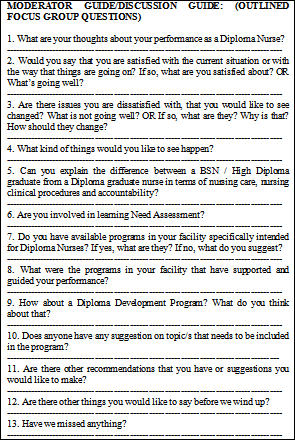
A research instrument (Table 1) was developed by the EHC Director of Professional Development, in English and Arabic language to guide focus group and questionnaire, it is consisted of 13 semi-structured open-ended questions which aimed to examine views and identify strategies amongst diploma nurses that may be beneficial in enhancing performance.
The quality of the questionnaire was evaluated by a panel of expert nurse practitioners who assessed construct validity to ensure that it met its objectives in exploring diploma nurses’ views and interpretations of their role and performance. A pilot study was tested on five study participants to confirm reliability through the clarity of questions amongst Saudi nurse practitioners 33. No variables were identified which it was felt may impact on the study 34. Nonetheless as the pilot size was small, the possibility cannot be excluded that certain problems may not have been detected.
A total of two focus group sessions were conducted amongst health network facility nursing staff to explore knowledge in relation to diploma nurse performance. Each session was conducted over a maximum of 90 minutes. One session was conducted for diploma nurses, a total of 12 participated from a total 15 who were invited; a response rate of 80%. A separate session was held for 3 Nurse Directors, one from each health network, who all attended. The focus group discussions were taped to ensure accurate recording of the discussion and the questionnaire was distributed with a demographic questionnaire by the researcher to participants of both sessions for triangulation of data to increase the credibility and validity of research findings 35.
Approval for the study was obtained from King Fahad Specialist Hospital Institutional Review Board, Dammam. The study was conducted based on the informed consents of participants which provided a full disclosure of information to participants which included the identity of the researcher; the purpose and nature of the study; the right to refuse to participate without loss or penalty; the right to withdraw at any time without fear of reprisal; the possible benefits and the potential risks of the study; and measures to be taken to protect privacy and ensure confidentiality 36.
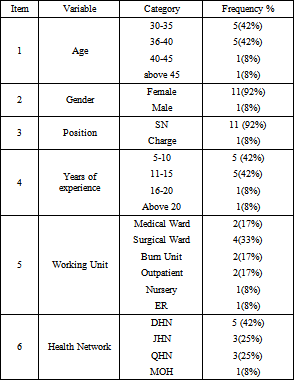
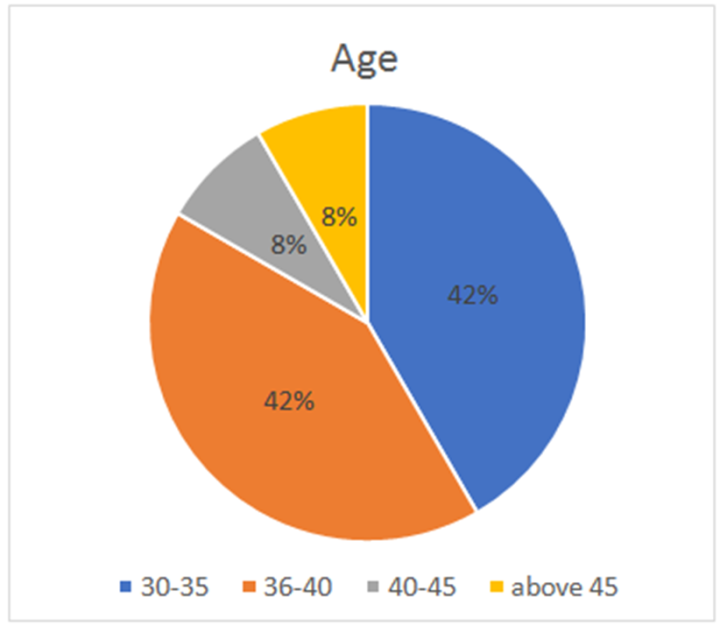
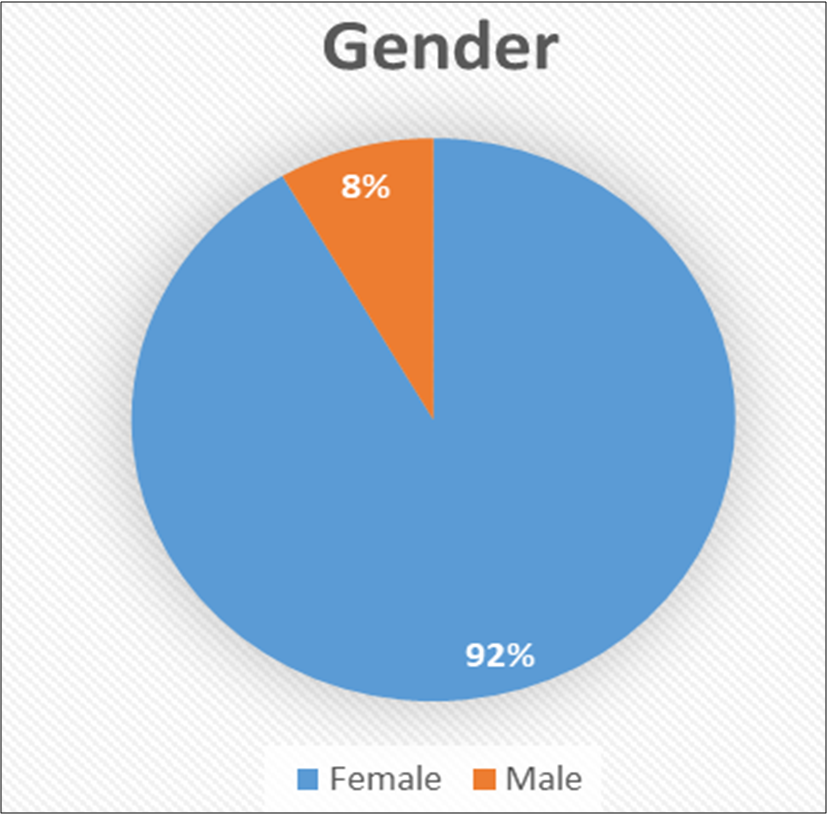
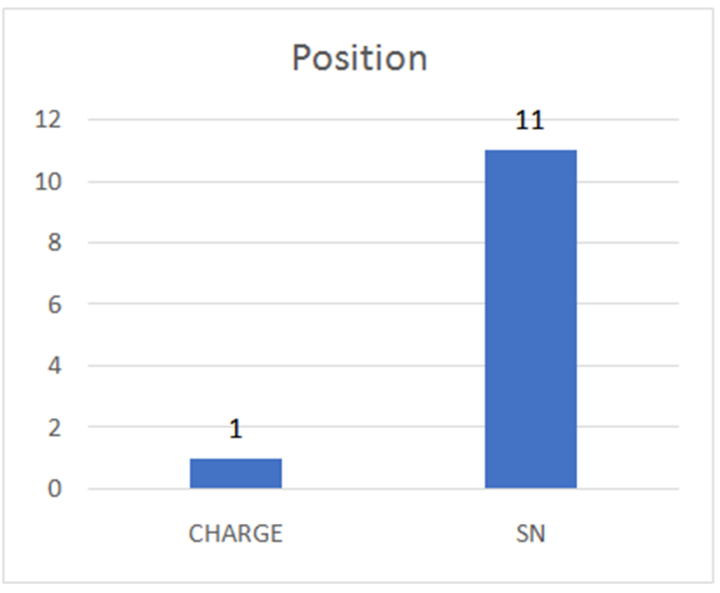
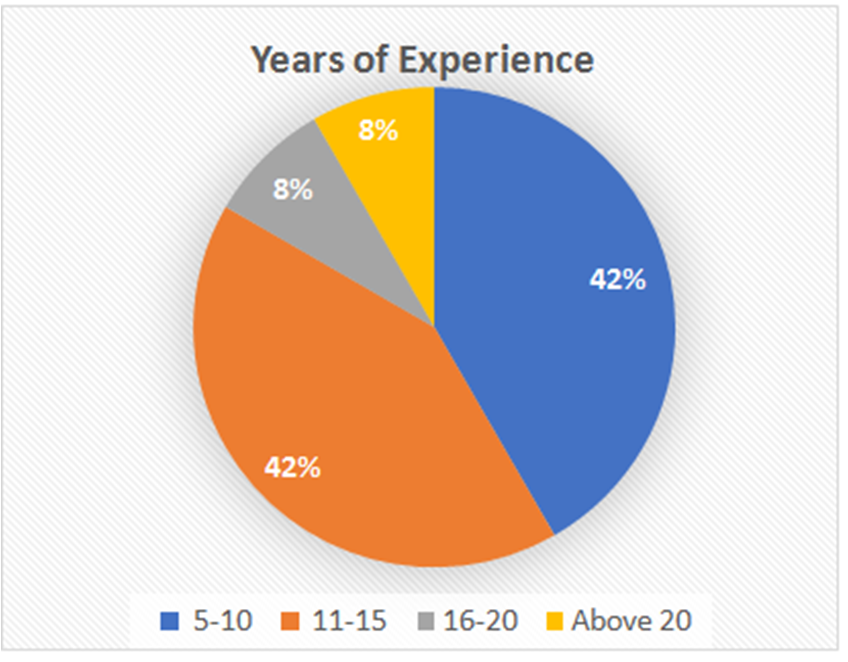
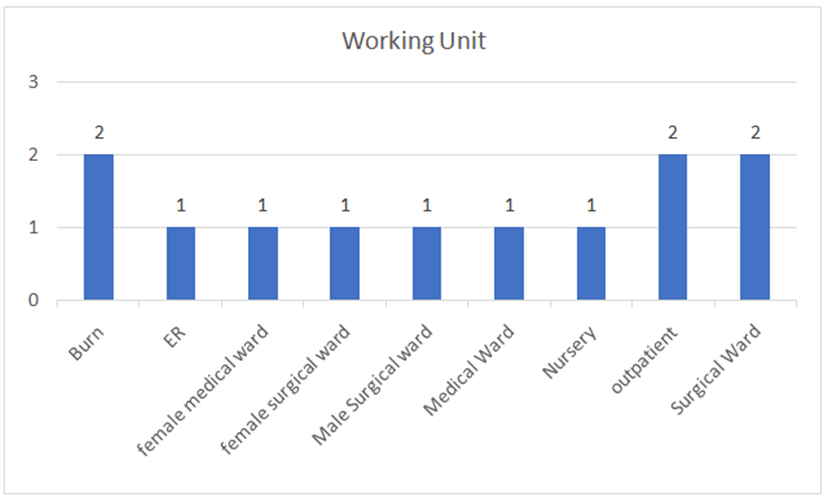
The study was conducted based on the theoretical assumption that diploma nurses’ performance can be enhanced using empowerment strategies. A descriptive analysis was first undertaken to highlight the demographic characteristics of the 12 diploma nurse participants relating to age, gender, position, years of experience, unit and hospital. The demographic data sheet was received completed in all categories with a 100% response rate, shown in Table 2 below.
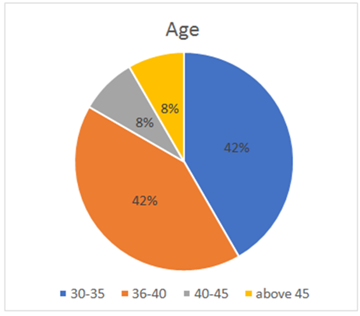
The majority of diploma nurses were between 30-40 years of age (84%).
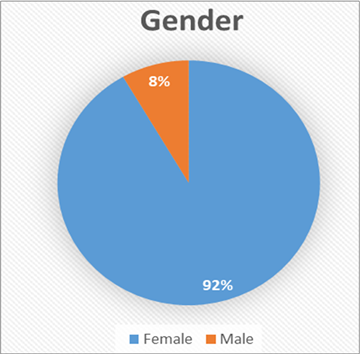
The majority of the participants were female (92%).
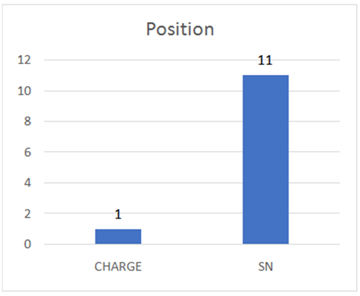
The majority of diploma nurses were employed as staff nurses (91.6%).
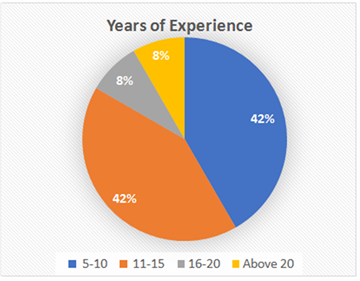
The majority of diploma nurses had between 5-15 years of experience (84%).
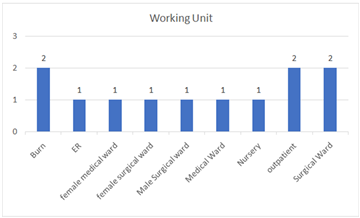
The diploma nurses worked in a variety of departments, 3 nurses (25%) worked in critical care areas compared to 6 nurses that were working in medical or surgical wards (50%).
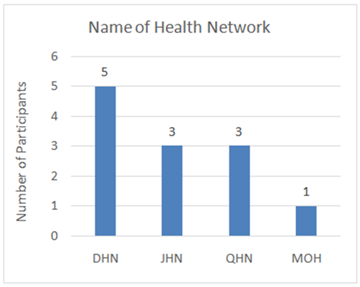
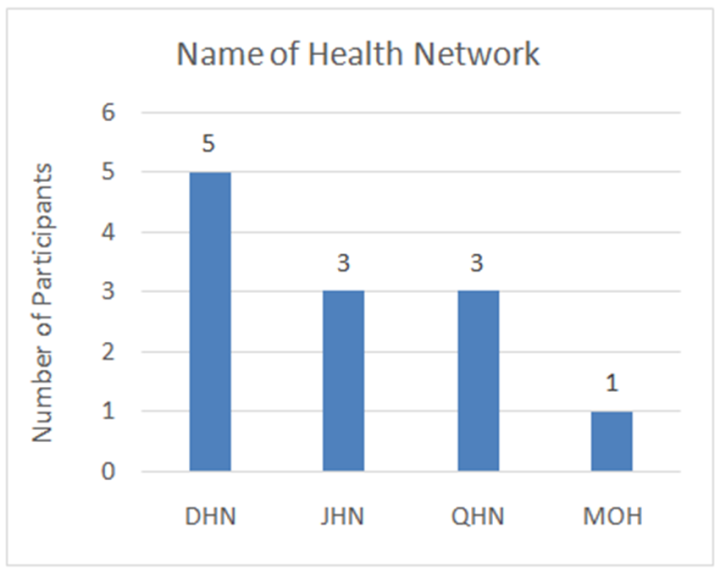
The nurses worked in three different health networks. The majority of nurses worked in Dammam Health Network (DHN) 5 (42%) compared to Jubail Health Network (JHN) or Qatif Health Network where 3 nurses were working in each (25%) health network. Unfortunately, it was not clear where one participant was working as Ministry of Health, rather than the name of the health network, had been entered as a response.
Debriefing sessions were held after both focus group interviews to reflect on the focus group process and the significance of the data. One research member transcribed, reviewed and analyzed the contents of the tape for the first focus group session with the diploma nurses. Data triangulation was then completed by comparing data entered on the questionnaire in order to provide a better understanding about diploma nurses views and how to enhance their performance 37. This process was repeated by a different researcher for the second focus group session with the nursing directors.
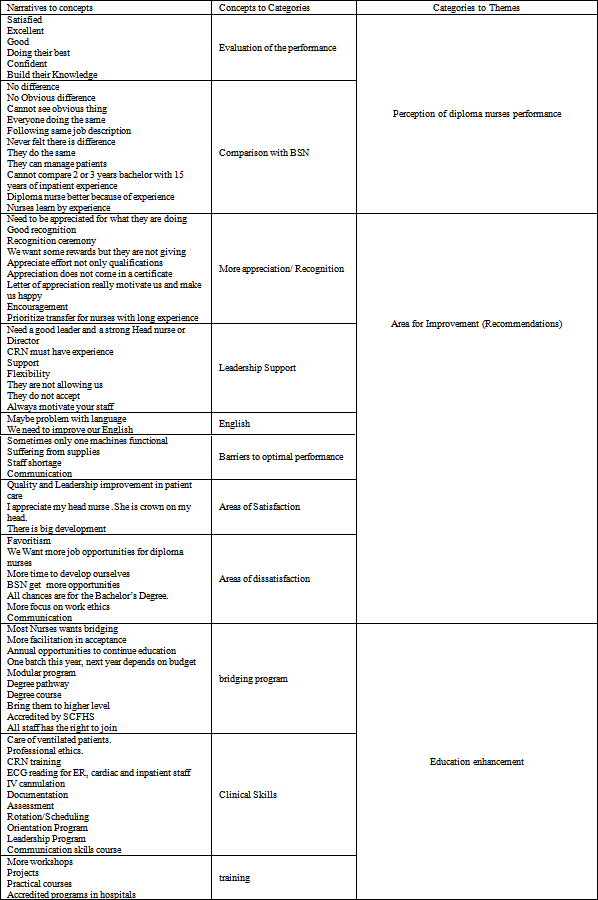
The interview data was coded, linked and grouped into categories and concepts to provide a comprehensive theory to identify how the diploma nurses’ performance can be enhanced. Coding and categorization of data was completed aligned with qualitative research principles 38. Data were conceptualized through initial coding using a method of constant comparison (conceptual or open coding), coded data was then compared against other data to create categories before finally emerging into core categories (thematic or axial coding) to support the purpose of the study in enhancing performance.
The three levels of data coding used to complete the thematic analysis are shown below in Table 3.
The qualitative analysis revealed three main themes which emerged from the focus group data: perception of diploma nurses performance, area for improvement/recommendations, and education enhancement.
The Majority of the participants in the focus group did not see any difference between the performance of diploma nurses and the nurses holding baccalaureate degrees in terms of providing nursing care to the patients, performing nursing procedures or the level of commitment and accountability. They asserted a degree is only a certificate which does not replace experience or necessarily ensure safe practice. Most of the diploma nurses identified that the confidence that they gained through experience enabled them to manage any patients, even critical ones requiring complex care.
The following insights were expressed by the diploma nurse focus group:
“Experience and good spirit make diploma nurses competent in providing nursing care.”
“No, there is no difference because both do the same work.”
“From my point of view and from what I see, experience and hard work, diploma nurses are stronger and better.”
The Nursing directors shared similar perceptions regarding the performance of diploma nurses whereby they agreed that there was no obvious difference in performance as both diploma and baccalaureate degree nurses complete the same competences and training.
The following insights were expressed by the nurse director focus group:
“When it comes to comparing both, based on the feedback from nursing mangers, some of the 2.5 diploma nurses are much better because they have more experience, and nurses learn by experience”.
“I cannot see any obvious differences especially as they are completing the same competencies.”
“Nursing is like the military, you gain experience with time.”
One view that was expressed frequently by diploma nurses during the focus group session was that diploma nurses were not fully appreciated or recognized and they emphasized the importance of this in fostering a positive working environment. In addition to ongoing recognition, there was consensus within the group that nursing leadership should acknowledge and appreciate the contribution of nurses with many years of working experience by transferring them to areas with reduced workloads.
Communication was seen as another area for improvement, diploma nurses identified the need for better communication between nurses, physicians and patients in order to facilitate improved teamwork and health care outcomes. They also felt that the quality of their care delivery could be improved if more medical supplies and equipment were available as they believed that the shortage of resources which reflected negatively on their performance.
Diploma nurses were enthusiastic about improving their performance and identified the need for increased job opportunities and professional development programs in order to strengthen their capabilities. Some members of the group felt that there was disparity between themselves and baccalaureate degree nurses in relation to course availability and accessibility as they often did not meet the criteria for course enrollment. They also added that they would benefit more from the courses they were able to attend if they were conducted in Arabic to promote better understanding of the content. However, they also mentioned the need for English language courses as they felt that improved linguistic skills may lead to better engagement within the both the nursing and multidisciplinary team.
The nursing director’s strongly agreed during their focus group session that diploma nurses must be more involved, engaged, and empowered if their performance is to be enhanced. They provided the following insights which were aligned with the views of the diploma nurses:
“They need to be appreciated for what they are doing.”
“We have to give opportunities for them; these are really excellent at their job.”
Most of the diploma nurses who participated in the focus group were enthusiastic about the possibility of a diploma nurse development program. Several topics were suggested for the program, these included documentation, nurse scheduling, leadership competence, patient assessment and Intravenous therapy. Practical sessions with pre and posttest assessment were also requested.
The diploma nurses expressed positive views about the baccalaureate degree bridging program and there was a willingness to join the program within the group. However, some highlighted that there were challenges in enrolling on the program due to shortages of staff and lack of availability of spaces. Nurses were also concerned about enrolling on the program as it is conducted on a full time basis. The baccalaureate bridging program design was discussed within the group and different opinions were shared about the best schedule timing, duration and teaching methods. Some supported the idea of full time study dedication compared to others that preferred the possibility of being released from work on a part time basis to complete practical training and certification while still continuing their own duties.
The necessity of bridging programs was emphasized in the nursing directors’ focus group session as some EHC facilities in the health network are working towards magnet program accreditation where baccalaureate degrees are a mandatory requirement. They suggested that a practical solution, to promote access for the large number of nurses interested in the bridging program, would be for universities to provide a modular based credit program which nurses could complete while still attending their work responsibilities.
The ongoing reform of health care services in Saudi Arabia poses many challenges to the nursing profession as it strives to achieve excellence in health care delivery. The onus is on nursing leadership in Ministry of health facilities to maximise the potential of diploma nurses through empowerment strategies, given that they constitute a large percentage of the workforce, if they are to meet the 2030 vision in health care transformation.
The analysis of 12 diploma nurses and 3 nursing directors’ views relating to the diploma nurses performance showed that the capabilities of diploma nurses can be strengthened. Three themes emerged from the focus group discussions which encapsulate their beliefs: ‘perceptions of diploma nurses performance’, ‘areas for improvement’, and educational enhancement.
The diploma nurses and nursing directors shared the same opinion that there is no difference overall between the performances of diploma nurses compared to baccalaureate degree nurses. There is a lack of literature which compares the performance of diploma nurses to baccalaureate degree nurses. However, Adib Hajbaghery & Salsali’s study 29 identified that the “application of professional knowledge and abilities” is needed for personal empowerment. This supports the opinions of both the diploma nurses and directors who emphasized the importance of experience in influencing performance rather than qualifications. As the majority of diploma nurses in the study had between 5-15 years of experience, the extensive development of knowledge and skill acquired through the provision of nursing care during this time may explain why no difference was perceived in performance.
Diploma nurses identified areas for improvement in the workplace that should be addressed from their perspective. Core requirements included the need for appreciation and acknowledgement, the provision of skills, equipment, and resources necessary to work to the best of their ability, and increased job opportunities and access to courses to support professional development. These findings are underpinned by the empowerment theory which identifies the importance of access to information, support, resources, and opportunities to learn and grow if there performance is to be enhanced 15.
Previous studies support the need for healthy work environments where there is a strong recognition system, respect and confidence in management and access to necessary resources and training programs if nurses are to be empowered in the workplace and have increased job satisfaction and commitment to their work 24, 30, 31. Staff recognition programs, opportunities for learning and professional growth, and improved access to resources must be provided by senior management in health network facilities in order to further enhance the diploma nurses performance.
Diploma nurses insights received during the focus group session acknowledged the need to develop educational programs to generate new knowledge and reinforce previous learning about specific topics in order to strengthen their performance. The importance of knowledge acquisition in enhancing performance is supported in the literature where it is identified as an empowerment strategy 21, 24, 29. Additionally, the need for baccalaureate degree bridging was emphasized as it is a necessity for career advancement. Diploma nurses are willing and eager to learn. The onus is therefore on nursing leadership to ensure availability and access to educational programs which meet the needs of the diploma nurse and they must be supported and sponsored at organizational level to attend bridging programs in the future if they are to enhance their performance and make further contributions to improve nursing practice and health care outcomes.
This study has highlighted the reliability of diploma nurses in delivering good nursing care which may at times be better than that of their colleagues with baccalaureate degrees who have less experience. Appreciating and rewarding the contributions of both diploma and degree nurses will be influential in improving patient care delivery, staff satisfaction and staff empowerment. Although registration bodies are more in favor of registering nurses in accordance with their certificates, incorporating and recognizing nurse’s experience will benefit both staff and patients and at the same time aid the retention of highly skilled diploma nurses that constitute the majority of the nursing workforce in the MOH of Saudi Arabia. In order to achieve the aims of the current health care transformation, universities should be permitted to conduct part time bridging programs for diploma nurses that will help in enhancing their education without releasing them for full time studies that might have a negative impact on staff numbers and patient care delivery.
Although the study adopted a grounded theory approach where data saturation was reached in both the focus group interviews and in response to the questionnaire, primary health care nurses were not included in the research. It is possible that a larger sample size which includes nurses from primary health care may provide different perspectives. Conversely, a larger sample size may limit the responses from some participants who feel pressured to share time with others. Another limitation of the study is the data triangulation. Individual interviews, in addition to the focus group interviews and questionnaire, may enhance the strength of the study and the use of multiple researchers to complete the data triangulation process could limit the possibility of research bias. Finally, the results of the study are limited to EHC diploma nurses and as such they are not generalizable. It is recommended to replicate the research and conduct it as a multi cluster study at national level.
Participants identified that the confidence they gained through experience is equal to qualifications. However, capabilities of diploma nurses can be strengthened. Core requirements include the need for appreciation and acknowledgement, the provision of skills, equipment, and resources necessary to work to the best of their ability, and increased job opportunities and access to courses to support professional development. Diploma nurses’ insights received during the focus group session acknowledged the need to develop educational programs to generate new knowledge and reinforce previous learning regarding specific topics in order to strengthen their performance. Involving Diploma nurses in transformation programs through Model of Care (Makken Programs) and planning for bridging programs are recommended strategies. Further studies are needed to identify empowerment strategies and measure their effectiveness in this population.
The authors would like to thank the diploma nurses and nursing directors in EHC health network facilities who participated in this study for their support and encouragement. The IRB at King Fahad Specialist Hospital is also appreciated for their approval of this study.
There are no conflicts of interest
| [1] | Harb, A. (2019). Current Challenges facing Nursing Education in Saudi Arabia. Journal of ACTA Scientific Pediatrics, volume 2, issue 4. | ||
| In article | |||
| [2] | Almalki, M., FitzGerald, G., & Clark, M. (2011). The nursing profession in Saudi Arabia: an overview. In International Nursing Review (Vol. 58). | ||
| In article | View Article PubMed | ||
| [3] | Habib, K. (2011). Saudi nursing still away from the development plans. Asharq Al Aswat [online]. [Accessed 20 June 2016], Available from: http://archive.aawsat.com. | ||
| In article | |||
| [4] | Alluhidan, M., Tashkandi, N., Alblowi, F., Omer, T., Alghaith, T., Alghodaier, H., Alazemi, N., Tulenko, K., Herbst, C. H., Hamza, M. M., & Alghamdi, M. G. (2020). Challenges and policy opportunities in nursing in Saudi Arabia. Human Resources for Health, 18(1). | ||
| In article | View Article PubMed | ||
| [5] | Saudi Health Council (SHC): HRH Portal Data. Kingdom of Saudi Arabia; 2019. | ||
| In article | |||
| [6] | Al sufyani, A. M., Alforihidi, M.A., Almalki, K.E., Aljuaid, S.M., Alamri, A.A., Alghamdi, M.S. (2020). Linking the Saudi Arabian 2030 vision with nursing transformation in Saudi Arabia: Roadmap for nursing policies and strategies. International Journal of Africa Nursing Sciences, Volume 13, 2020. | ||
| In article | View Article PubMed | ||
| [7] | Alahmadi, H. (2014). Anticipated nurses’ turnover in public hospitals in Saudi Arabia. The International Journal of Human Resource Management, 25 (3), pp. 412-433. | ||
| In article | View Article | ||
| [8] | Government of Saudi Arabia: Vision 2030 (Office VR ed.). Kingdom of Saudi Arabia; 2016 | ||
| In article | |||
| [9] | Central Board for Accreditation of Healthcare Institution (CBAHI), National Hospital Standards, 3rd Edition, 2015. | ||
| In article | |||
| [10] | Alboliteeh, M., Magarey, J., & Wiechula, R. (2017). The profile of Saudi nursing workforce: A cross-sectional study. Nursing Research and Practice, (4), 1-9. | ||
| In article | View Article PubMed | ||
| [11] | Falatah, R., Salem, O. A. (2018). Nurse turnover in the Kingdom of Saudi Arabia:an integrative review. J Nurs Manag 26: 630-8. 12. | ||
| In article | View Article PubMed | ||
| [12] | Hassan, M. M. (2017). Strategies of improving the nursing practice in Saudi Arabia. Journal of Health Education Research & Development, 5(2). | ||
| In article | View Article | ||
| [13] | AlYami, M. S., & Watson, R. (2014). An overview of nursing in Saudi Arabia. Journal of Health Specialties, 2, 10. | ||
| In article | View Article | ||
| [14] | Saied, H. I., Al Beshi, H., Al Nafaie, J., & Al, Anazi, E. (2016). Saudi community perception of nursing as a profession. Journal of Nursing and Health Science, 5(2), 95-99. | ||
| In article | |||
| [15] | Kanter, R.M. (1977). Men and Women of the Corporation. New York: Basic Books. | ||
| In article | |||
| [16] | Kanter, R.M. (1993). Men and women of the Corporation (2nd ed.), New York: Basic Books. | ||
| In article | |||
| [17] | Gottlieb, L. N., Gottlieb, B., & Bitzas, V. (2021). Creating empowering conditions for nurses with workplace autonomy and agency: How healthcare leaders could be guided by strengths-based nursing and healthcare leadership. (SBNH-l). In Journal of Healthcare Leadership (Vol. 13, pp. 169-181). Dove Medical Press Ltd. | ||
| In article | View Article PubMed | ||
| [18] | Kluska, K.M., Laschinger-Spence, H. K., & Kerr, M. S. (2004). Staff nurse empowerment and effort-reward imbalance. Canadian Journal of Nursing Leadership, 17(1), 112-128. | ||
| In article | View Article PubMed | ||
| [19] | Mangold, K.L., Pearson, K.K., Schmitz, J.R., Scherb, C.A., Specht, J.P., & Loes, J.L. (2006). Perceptions and characteristics of Registered Nurses involvement indecision making. Nursing Administration Quarterly, 30 (3), 266-272. | ||
| In article | View Article PubMed | ||
| [20] | Siu, H.M., Laschinger, H.K.S., & Vingilis, E. (2005). The effect of problem-based learning on nursing students’ perceptions of empowerment. Journal of Nursing Education, 44 (10), 459-469. | ||
| In article | View Article PubMed | ||
| [21] | Bradbury-Jones, C., Sambrook, S., & Irvine, F. (2008). Power and empowerment in nursing: A fourth theoretical approach. Journal of Advanced Nursing, 62(2), 258-266. | ||
| In article | View Article PubMed | ||
| [22] | Mason, D. J., Backer, B. A., & Georges, C. A. (1991). Toward a Feminist Model for the Political Empowerment of Nurses. Image J Nurs Sch. Summer; 23 (2):72-7. | ||
| In article | View Article PubMed | ||
| [23] | Rappaport, J. (1987). Terms of Empowerment/Exemplars of Prevention: Toward a Theory for Community Psychology. American Journal of Community Psychology, 15, 121-148. | ||
| In article | View Article PubMed | ||
| [24] | Ta’An, W. F., Alhurani, J., Alhalal, E., Al-Dwaikat, T. N., & Al-Faouri, I. (2020). Nursing empowerment: How job performance is affected by a structurally empowered work environment. Journal of Nursing Administration, 50(12), 635-641. | ||
| In article | View Article PubMed | ||
| [25] | Haugh, E., & Laschinger, H.K.S. (1996). Power and opportunity in public health nursing work environments. Public Health Nursing 13 (1), 42-49. | ||
| In article | View Article PubMed | ||
| [26] | Laschinger, H.K., Finegan, J., Shamian J., & Wilk, P. (2001) Impact of structural and psychological empowerment on job strain in nursing work settings: expanding Kanters model. Journal of Nursing Administration 31, 260-272. | ||
| In article | View Article PubMed | ||
| [27] | Laschinger, H.K., & Finegan, J. (2005) Empowering nurses for work engagement and health in hospital settings. Journal of Nursing Administration 35, 439-449. | ||
| In article | View Article PubMed | ||
| [28] | Sarmiento, T. P., Laschinger, H. K., Iwasiw, C. (2004). Nurse educators’ workplace empowerment, burnout, and job satisfaction: testing Kanter’s theory. In Journal of Advanced Nursing Apr; 46(2):134-43. | ||
| In article | View Article PubMed | ||
| [29] | Adib Hajbaghery, M., & Salsali, M. (2005). A model for empowerment of nursing In Iran. BMC Health Services Research, 5(1), 24. | ||
| In article | View Article PubMed | ||
| [30] | Laschinger, H.K., & Finegan, J. (2004). Empowerment, interactional justice, trust and respect: a nursing recruitment and retention strategy. Published online: 13. December 2017. | ||
| In article | View Article | ||
| [31] | Laschinger H. K., Almost, J., Tuer-Hodes, D. (2003). Workplace empowerment and magnet hospital characteristics: making the link. J Nurs Adm. Jul-Aug; 33 (7-8): 410-22. | ||
| In article | View Article PubMed | ||
| [32] | Milliken, P. (2010). Grounded Theory. In Neil J. Salkind (Ed.), Encyclopedia of Research Design. (pp. 549-554). Thousand Oaks, CA: SAGE Publications, Inc. | ||
| In article | |||
| [33] | Burns, N., and Grove, S.K. (2017). The Practice of Nursing Research: Appraisal, Synthesis and Generation of Evidence. 8th Ed. Missouri: Elsevier Saunders. | ||
| In article | |||
| [34] | Kermode, S., and Roberts, K. (2007). Quantitative data collection and management. In: B, Taylor et al., eds. Research in nursing and health care: Evidence for practice. 3rd ed. Sydney: Thomson, 2007, pp. 244-267. | ||
| In article | |||
| [35] | Cohen, L., Manion, L., Morrison, K. (2000). Research methods in education. Brit J Educ Stud 2000;48: 446. | ||
| In article | |||
| [36] | Taylor, B., & Roberts, K. (2007). Ethics in nursing and health research. In: B Taylor et al., eds. Research in nursing and health care: Evidence for practice. 3rded. Sydney: Thomson, 2007, pp. 98-130. | ||
| In article | |||
| [37] | Caillaud, S., & Flick, U. (2017). Focus Groups in Triangulation Contexts. | ||
| In article | View Article | ||
| [38] | Singh, S., & Estefan, A. (2018). Selecting a Grounded Theory Approach for Nursing Research. Global Qualitative Nursing Research Volume 5: 1-9. | ||
| In article | View Article PubMed | ||
Published with license by Science and Education Publishing, Copyright © 2023 Adel Harb, Mariam Alkhalaf, Janette Silva, Abdullah Ngala, Aminah Blancaflor and Mohammed Al Bazroun
 This work is licensed under a Creative Commons Attribution 4.0 International License. To view a copy of this license, visit
http://creativecommons.org/licenses/by/4.0/
This work is licensed under a Creative Commons Attribution 4.0 International License. To view a copy of this license, visit
http://creativecommons.org/licenses/by/4.0/
| [1] | Harb, A. (2019). Current Challenges facing Nursing Education in Saudi Arabia. Journal of ACTA Scientific Pediatrics, volume 2, issue 4. | ||
| In article | |||
| [2] | Almalki, M., FitzGerald, G., & Clark, M. (2011). The nursing profession in Saudi Arabia: an overview. In International Nursing Review (Vol. 58). | ||
| In article | View Article PubMed | ||
| [3] | Habib, K. (2011). Saudi nursing still away from the development plans. Asharq Al Aswat [online]. [Accessed 20 June 2016], Available from: http://archive.aawsat.com. | ||
| In article | |||
| [4] | Alluhidan, M., Tashkandi, N., Alblowi, F., Omer, T., Alghaith, T., Alghodaier, H., Alazemi, N., Tulenko, K., Herbst, C. H., Hamza, M. M., & Alghamdi, M. G. (2020). Challenges and policy opportunities in nursing in Saudi Arabia. Human Resources for Health, 18(1). | ||
| In article | View Article PubMed | ||
| [5] | Saudi Health Council (SHC): HRH Portal Data. Kingdom of Saudi Arabia; 2019. | ||
| In article | |||
| [6] | Al sufyani, A. M., Alforihidi, M.A., Almalki, K.E., Aljuaid, S.M., Alamri, A.A., Alghamdi, M.S. (2020). Linking the Saudi Arabian 2030 vision with nursing transformation in Saudi Arabia: Roadmap for nursing policies and strategies. International Journal of Africa Nursing Sciences, Volume 13, 2020. | ||
| In article | View Article PubMed | ||
| [7] | Alahmadi, H. (2014). Anticipated nurses’ turnover in public hospitals in Saudi Arabia. The International Journal of Human Resource Management, 25 (3), pp. 412-433. | ||
| In article | View Article | ||
| [8] | Government of Saudi Arabia: Vision 2030 (Office VR ed.). Kingdom of Saudi Arabia; 2016 | ||
| In article | |||
| [9] | Central Board for Accreditation of Healthcare Institution (CBAHI), National Hospital Standards, 3rd Edition, 2015. | ||
| In article | |||
| [10] | Alboliteeh, M., Magarey, J., & Wiechula, R. (2017). The profile of Saudi nursing workforce: A cross-sectional study. Nursing Research and Practice, (4), 1-9. | ||
| In article | View Article PubMed | ||
| [11] | Falatah, R., Salem, O. A. (2018). Nurse turnover in the Kingdom of Saudi Arabia:an integrative review. J Nurs Manag 26: 630-8. 12. | ||
| In article | View Article PubMed | ||
| [12] | Hassan, M. M. (2017). Strategies of improving the nursing practice in Saudi Arabia. Journal of Health Education Research & Development, 5(2). | ||
| In article | View Article | ||
| [13] | AlYami, M. S., & Watson, R. (2014). An overview of nursing in Saudi Arabia. Journal of Health Specialties, 2, 10. | ||
| In article | View Article | ||
| [14] | Saied, H. I., Al Beshi, H., Al Nafaie, J., & Al, Anazi, E. (2016). Saudi community perception of nursing as a profession. Journal of Nursing and Health Science, 5(2), 95-99. | ||
| In article | |||
| [15] | Kanter, R.M. (1977). Men and Women of the Corporation. New York: Basic Books. | ||
| In article | |||
| [16] | Kanter, R.M. (1993). Men and women of the Corporation (2nd ed.), New York: Basic Books. | ||
| In article | |||
| [17] | Gottlieb, L. N., Gottlieb, B., & Bitzas, V. (2021). Creating empowering conditions for nurses with workplace autonomy and agency: How healthcare leaders could be guided by strengths-based nursing and healthcare leadership. (SBNH-l). In Journal of Healthcare Leadership (Vol. 13, pp. 169-181). Dove Medical Press Ltd. | ||
| In article | View Article PubMed | ||
| [18] | Kluska, K.M., Laschinger-Spence, H. K., & Kerr, M. S. (2004). Staff nurse empowerment and effort-reward imbalance. Canadian Journal of Nursing Leadership, 17(1), 112-128. | ||
| In article | View Article PubMed | ||
| [19] | Mangold, K.L., Pearson, K.K., Schmitz, J.R., Scherb, C.A., Specht, J.P., & Loes, J.L. (2006). Perceptions and characteristics of Registered Nurses involvement indecision making. Nursing Administration Quarterly, 30 (3), 266-272. | ||
| In article | View Article PubMed | ||
| [20] | Siu, H.M., Laschinger, H.K.S., & Vingilis, E. (2005). The effect of problem-based learning on nursing students’ perceptions of empowerment. Journal of Nursing Education, 44 (10), 459-469. | ||
| In article | View Article PubMed | ||
| [21] | Bradbury-Jones, C., Sambrook, S., & Irvine, F. (2008). Power and empowerment in nursing: A fourth theoretical approach. Journal of Advanced Nursing, 62(2), 258-266. | ||
| In article | View Article PubMed | ||
| [22] | Mason, D. J., Backer, B. A., & Georges, C. A. (1991). Toward a Feminist Model for the Political Empowerment of Nurses. Image J Nurs Sch. Summer; 23 (2):72-7. | ||
| In article | View Article PubMed | ||
| [23] | Rappaport, J. (1987). Terms of Empowerment/Exemplars of Prevention: Toward a Theory for Community Psychology. American Journal of Community Psychology, 15, 121-148. | ||
| In article | View Article PubMed | ||
| [24] | Ta’An, W. F., Alhurani, J., Alhalal, E., Al-Dwaikat, T. N., & Al-Faouri, I. (2020). Nursing empowerment: How job performance is affected by a structurally empowered work environment. Journal of Nursing Administration, 50(12), 635-641. | ||
| In article | View Article PubMed | ||
| [25] | Haugh, E., & Laschinger, H.K.S. (1996). Power and opportunity in public health nursing work environments. Public Health Nursing 13 (1), 42-49. | ||
| In article | View Article PubMed | ||
| [26] | Laschinger, H.K., Finegan, J., Shamian J., & Wilk, P. (2001) Impact of structural and psychological empowerment on job strain in nursing work settings: expanding Kanters model. Journal of Nursing Administration 31, 260-272. | ||
| In article | View Article PubMed | ||
| [27] | Laschinger, H.K., & Finegan, J. (2005) Empowering nurses for work engagement and health in hospital settings. Journal of Nursing Administration 35, 439-449. | ||
| In article | View Article PubMed | ||
| [28] | Sarmiento, T. P., Laschinger, H. K., Iwasiw, C. (2004). Nurse educators’ workplace empowerment, burnout, and job satisfaction: testing Kanter’s theory. In Journal of Advanced Nursing Apr; 46(2):134-43. | ||
| In article | View Article PubMed | ||
| [29] | Adib Hajbaghery, M., & Salsali, M. (2005). A model for empowerment of nursing In Iran. BMC Health Services Research, 5(1), 24. | ||
| In article | View Article PubMed | ||
| [30] | Laschinger, H.K., & Finegan, J. (2004). Empowerment, interactional justice, trust and respect: a nursing recruitment and retention strategy. Published online: 13. December 2017. | ||
| In article | View Article | ||
| [31] | Laschinger H. K., Almost, J., Tuer-Hodes, D. (2003). Workplace empowerment and magnet hospital characteristics: making the link. J Nurs Adm. Jul-Aug; 33 (7-8): 410-22. | ||
| In article | View Article PubMed | ||
| [32] | Milliken, P. (2010). Grounded Theory. In Neil J. Salkind (Ed.), Encyclopedia of Research Design. (pp. 549-554). Thousand Oaks, CA: SAGE Publications, Inc. | ||
| In article | |||
| [33] | Burns, N., and Grove, S.K. (2017). The Practice of Nursing Research: Appraisal, Synthesis and Generation of Evidence. 8th Ed. Missouri: Elsevier Saunders. | ||
| In article | |||
| [34] | Kermode, S., and Roberts, K. (2007). Quantitative data collection and management. In: B, Taylor et al., eds. Research in nursing and health care: Evidence for practice. 3rd ed. Sydney: Thomson, 2007, pp. 244-267. | ||
| In article | |||
| [35] | Cohen, L., Manion, L., Morrison, K. (2000). Research methods in education. Brit J Educ Stud 2000;48: 446. | ||
| In article | |||
| [36] | Taylor, B., & Roberts, K. (2007). Ethics in nursing and health research. In: B Taylor et al., eds. Research in nursing and health care: Evidence for practice. 3rded. Sydney: Thomson, 2007, pp. 98-130. | ||
| In article | |||
| [37] | Caillaud, S., & Flick, U. (2017). Focus Groups in Triangulation Contexts. | ||
| In article | View Article | ||
| [38] | Singh, S., & Estefan, A. (2018). Selecting a Grounded Theory Approach for Nursing Research. Global Qualitative Nursing Research Volume 5: 1-9. | ||
| In article | View Article PubMed | ||