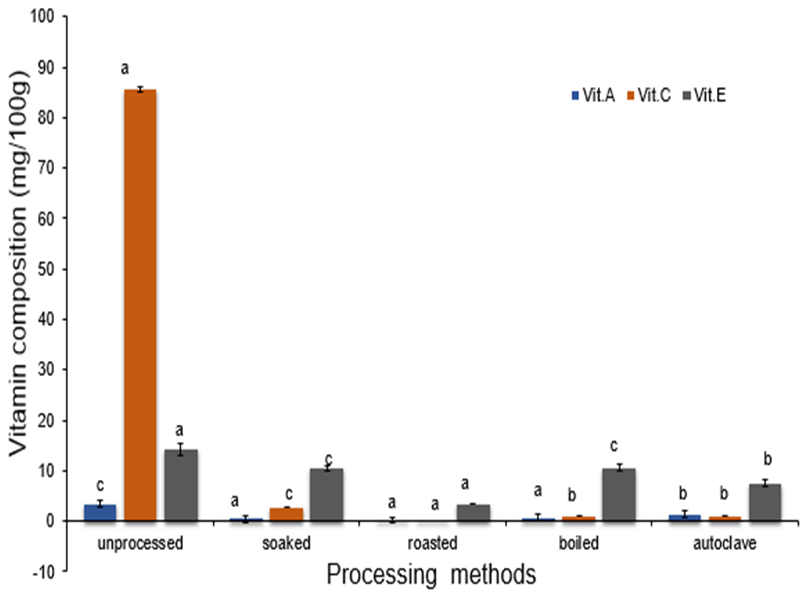
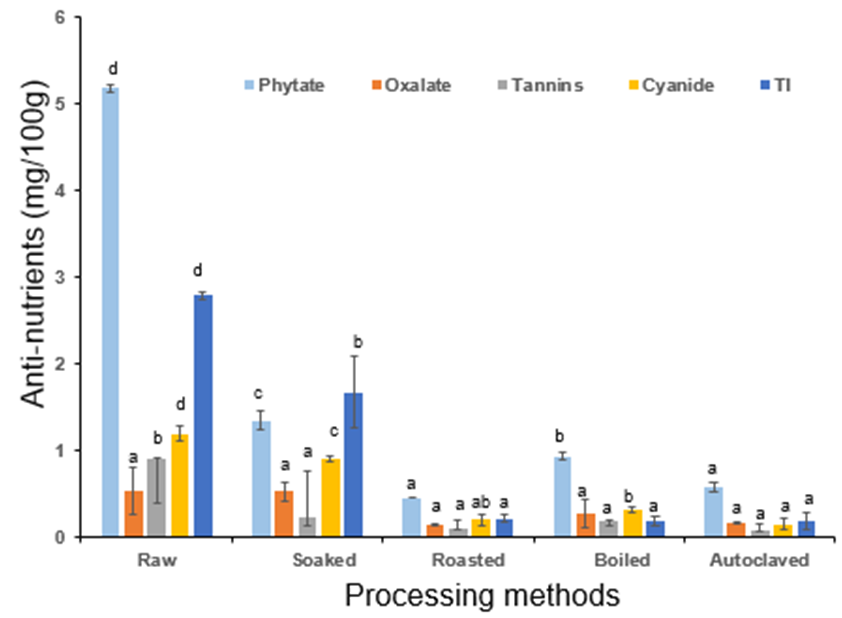
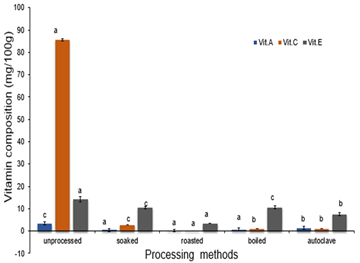
The promotion and consumption of underutilized legumes could help mitigate food insecurity and alleviate malnutrition in developing countries. In this study, the effect of processing on the nutritional, anti-nutritional and functional properties of Mucuna flagellipes seed flour was determined. The proximate composition of the samples showed that the flours had a range of 7.37 to 11.46 % moisture, 18.21 to 28.53% crude protein, 2.93 to 3.97% fat, 8.06 to 12.90% crude fibre, 2.74 to 4.69% ash, 38.45 to 59.09% carbohydrate, and 1446.34 to 1285.43KJ/100g energy. Profile of the amino acid showed that the lysine, leucine, tryptophan and aspartic acid in the unprocessed flour were significantly (P ≤ 0.05) reduced by roasting. The vitamin composition of the samples showed that vitamin A, vitamin C and vitamin E varied between; 0.15 to 3.46 mg/100g, 0.03 to 85.54 mg/100g, 3.41 to 14.24mg/100g respectively. The mineral composition of the flours showed that the calcium, potassium, phosphorus, magnesium, iron and zinc contents of the samples varied between 132.02 to 167.00mg/100g, 85.91 to 145.00mg/100g, 80.95 to 132.87mg/100g; 83.74 to 145.19mg/100g, 19.90 to 33.16mg/100g and 3.96 to 6.26mg/100g, respectively. The following mineral ratios were lower than the reference balance (ideal) and also lower than the minimum in the acceptable ideal range: Ca/Mg, Ca/K, Ca/P and [K ⁄(Ca+Mg)] for all the seed flours except for Ca/P mineral ratio whose value for the roasted seed flour falls within the acceptable ideal range. The mineral safety index showed that Ca, Mg, P and Zn were all lower than the standards for all the seed flours, whereas Fe was higher than the standard in all the seed flour. The anti-nutritional factors of the samples were significantly (P ≤ 0.05) reduced by autoclaving and roasting than by boiling and soaking methods. The calculated molar ratios of phytate:calcium, phytate:iron, phytate:zinc, oxalate:calcium and [Phytate][Calcium]/[Zinc] were below the critical value and this indicate that the bioavailability of calcium, iron, and zinc in the raw and processed seed flour could be high. The nutrient composition of the flour suggests that it has the potential to be used as both nutritional supplements and functional ingredients in the preparation of a number of baked and complementary food products.
The formulation of new food in the food industry requires information about which food is healthy and which is not, the functions of food in the body and the use of scientific resources. Man in his existence is solely dependent on nutrients which could be of plant or animal source 1. The choice of animal as nutrient source for man is affected by some factors which include; cultural and religious belief, health, cost, food choice and food preference 2. Plants play significant role in human nutrition, especially as sources of vitamins, minerals, proteins, dietary fibre, carbohydrates and lipids 3. Legumes and pulses are good sources of protein to man, which makes them protein complements to cereals, vegetables, root and tubers.
Soybean is common protein supplement in feed formulation both for human and animals, due to its excellent protein contents 4. Its protein is easily digested and rich in essential amino acids such as lysine, threonine, and tryptophan 5. Notwithstanding, exploration of unconventional protein supplements is needed to reduce dependency on soybean and other conventional legumes. Unconventional legumes are promising in nutrition, food security, agricultural development and crop rotation 6.
Mucuna is a genus of 100 acknowledged species of climbing vines and shrubs of the family fabacea, found worldwide in the woodlands of tropical areas and are in great demand as food, livestock feed and pharmaceutically valued products 7. Among the species is Mucuna flagellipes, a legume that belong to the subfamily papilonacea that comprises pods covered with brownish dense whisker-like hairs called trichomes, irritating when in contact with the skin or eyes. Each pod may contain 1 to 3 seeds with a hard coating which is whitish when fresh and immature but turns black when mature and dry 8.
It is known to emanate from Asia, introduced into the hemisphere through Mauritius 9. It is the most widely cultivated among the numerous varieties of Mucuna family, it is known as “Ox-eyed bean” or “Hamburger seed” and popularly called “Ukpo” by the Igbos, “Kararra” by the Hausas and “Yerepe” by the Yorubas.
M. flagellipes seed is an underutilized tropical legume with nutritional qualities comparable to soybean as it contains similar proportions of proteins, lipids, minerals, and other nutrients 10. Its utilization as human food is limited by the presence of naturally occurring anti-nutritional factors such as protease inhibitors, saponins, tannins, oxalates, phytates, cyanogenic compounds and haemagglutinins in them which may be poisonous to humans or in some cases interfere with the nutrient availability in the body 1. However, these anti-nutrients can be drastically reduced or eliminated by the use of simple processing techniques such as boiling, roasting, autoclaving, germination, fermentation, microwave, de-hulling and soaking in water, acidic or alkaline solutions respectively 11, 12.
The flour of M. flagellipes seed possesses appreciable good functional properties like water absorption capacity, emulsifying capacity, oil absorption capacity, bulk density, foaming capacity which makes it a useful functional ingredient in the preparation of a good number of food products 13. Hence, this research work was aimed at assessing the effect of processing on nutrient, anti-nutrient and functional properties of M. flagellipes (Ox-eyed bean) seed flour.
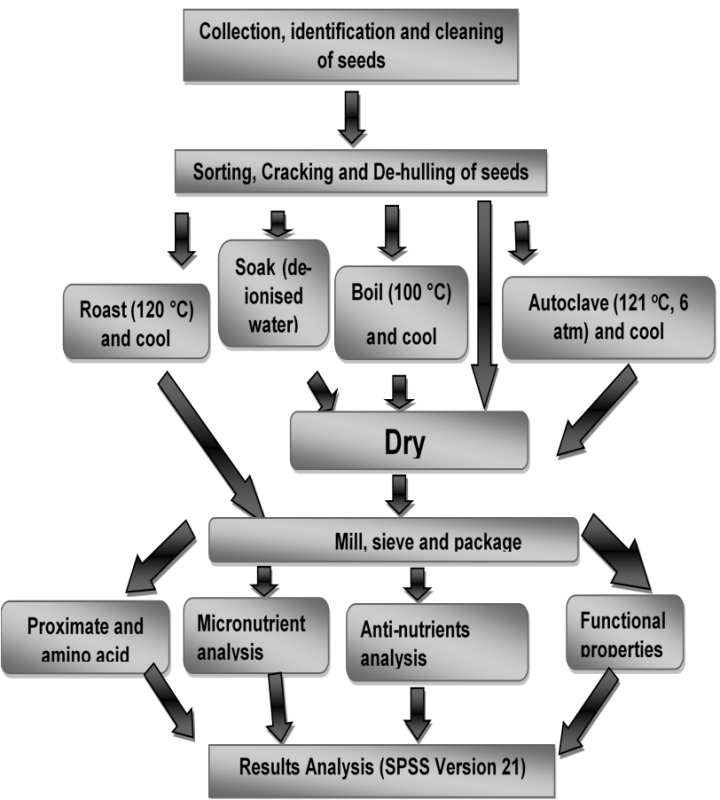
Mature dried M. flagellipes seeds were harvested from a local farm in Inyi Oji-River Local Government Area of Enugu State, Nigeria. The seeds were authenticated at herbarium laboratory of Botany department Ahmadu Bello University Zaria, Kaduna State and were given a voucher number 1391842. The seeds were cleaned, sorted, cracked, dehulled and divided into five aliquots of 500g each. Four aliquots were subjected to different processing treatments (soaking, boiling, roasting and autoclaving) while the fifth aliquot was left unprocessed (control).
2.2. Preparation of Raw M. flagellipes Seed FlourThe raw M. flagellipes seed flour was prepared according to the method of 14. During preparation, 500g of M. flagellipes seeds which were free from extraneous materials were cleaned with 1.5 liters of distilled water and manually dehulled by cracking with stone-like iron followed by winnowing to remove the hulls. The dehulled seeds were spread on trays and dried in a hot air oven (Model DHA 9101 ISA) at 600C for 6 hours with occasional turning of the seeds at intervals of 30 minutes to ensure uniform drying. The dried seeds were milled in an attrition mill and sieved through a 500 micron mesh sieve. The flour produced were packaged in an airtight plastic container, labelled and stored in a freezer (-18°C) until used.

The boiled M. flagellipes seed flour was prepared according to the method of 15. During preparation, 500g of M. flagellipes seeds which were free from extraneous materials were cleaned with 1.5liters of distilled water and manually dehulled by cracking with stones-like metal, followed by winnowing to remove the hulls. The dehulled seeds were boiled with 2 liters of distilled water at 100°C for 30 minutes. The boiled seeds were drained, spread on the trays and dried in hot air oven (Model DHA 9101 ISA) at 60°C for 8 hours with constant turning of the seeds at 20 intervals for 30 min to ensure uniform drying. The dried seeds were milled in an attrition mill and sieved through a 500 micron mesh sieve. The flour produced were packaged in an airtight plastic container, labelled and stored in a freezer (−18°C) until used.
2.4. Preparation of Autoclaved M. flagellipes Seed FlourThe autoclaved M. flagellipes seed flour was prepared according to the method of 14. During preparation, 500g of the seeds which are free from extraneous materials were cleaned with 1.5liters of distilled water and manually dehulled by cracking with stone-like metal, followed by winnowing to remove the hulls. The dehulled seeds were placed in a beaker and autoclaved at a temperature of 121°C and pressure of 6 atmospheres for 40 minutes in an autoclave (Model 75HG, Britain, UK). The autoclaved seeds were dried in a hot air oven (Model DHG 9101 ISA) at 60°C for 6 hours. The dried seeds were milled in attrition mill and sieved through a 500 micron mesh sieve. The flour produced were packaged in air tight plastic container, labelled and stored in freezer (−18°C) until used.
2.5. Preparation of Roasted M. flagellipes Seed FlourThe roasted M. flagellipes seed flour was prepared according to the method of 14. During preparation, 500g of the seeds which were free from extraneous materials were cleaned with 1.5liters of distilled water and manually dehulled by cracking with stone-like metal, followed by winnowing to remove the hulls. The dehulled seeds were placed in a beaker and roasted at a temperature of 120°C for 40 minutes in a hot air oven (Model DHG 9101 ISA). The roasted seeds were milled in an attrition mill and sieved through a 500 micron mesh sieve. The flour produced were packaged in an air tight plastic container, labelled and stored in freezer (−18°C) until used.
2.6. Preparation of Soaked M. flagellipes Seed FlourThe soaked M. flagellipes seed flour was prepared according to the method of 14. During preparation, 500g of the seeds which were free of extraneous materials were cleaned with 1.5liters of distilled water and manually dehulled by cracking with stone-like metal, followed by winnowing to remove the hulls. The dehulled seed were soaked in de-ionized water (1:3) in an aluminum bowl for 48 hours at room temperature. Soaking treatment is to allow the seeds to imbibe water. The water was decanted at 6 hour intervals. The soaked seeds were dried in a hot air oven (Model DHG 9101 ISA) at 60°C for 6 hours. The dried seeds were milled in attrition mill and sieved through a 500micron mesh sieve. The flour produced were packaged in an airtight plastic container, labelled and stored in freezer (−18°C) until used.
2.7. Sample AnalysisThe moisture content, ash content, crude protein, fat content, and crude fibre content were determined by the methods described by 15 and Carbohydrate was calculated by subtracting the difference of moisture, crude protein, ash and fat from 100 percent 16. The calorific values or energy content in kilojoule (kJ) of the flours were calculated by multiplying the crude fat, protein and carbohydrate by Atwater factors of (kJ/kcal) 37, 17 and 17 respectively 12.
The method as described by 17 was followed in the extraction of the samples for the amino acid analysis. Ten grams (10g) of each samples was weighed into the 250ml capacity conical flask respectively; the samples were defatted with 30ml of the petroleum spirit three times with soxhlet extractors.
Hydrolysis of samples
About 30mg of the defatted sample was weighed into glass ampoules. 7ml of 6mol/L HCl was added and oxygen expelled by passing nitrogen gas into the samples. The glass ampoules was sealed with a Bunsen flame and put into an oven at 105±50C for 22h. The ampoule was allowed to cool; the content was filtered to remove humins. The filtrate was evaporated to dryness at 40°C under vacuum in a rotary evaporator. Each residue was dissolved with 5ml of acetate buffer (PH 2.0). The samples were hydrolyzed three times for complete hydrolysis to be achieved before been stored in a plastic specimen bottle and kept in the refrigerator prior to analysis. It should be noted that tryptophan is destroyed by 6N HCL during hydrolysis, hence for tryptophan determination, the sample was hydrolyzed with 4.2 M Sodium hydroxide 18.
Amino acid analysis
Amino acid analysis was done by Amino Acid Analyzer 19 using the model 120a PTH amino acid analyzer. The period of analysis was 76min for each sample. The gas flow rate was 0.50ml/min at 60°C with reproducibility consistent within ±3%. The net height of each peak produced by the chart recorder of the PTH (each representing an amino acid) were measured and calculated. The amino acid values reported were the average of triplicate determinants.
Pro-vitamin A (beta carotene), Vitamin C and Vitamin E in the samples were determined using the official methods of the Association of Official Analytical Chemists 17. Exactly 0.2g of each flour sample was weighed into test-tube. For the fat soluble vitamins (vit A and vit E), 5ml of propanol was added to the sample and for the water soluble vitamin (vit C), separately 5ml of methanol was added to the sample. Allow the solution to stand for 2hrs to extract properly and filter. The filtrate was poured into a cuvette and the absorbance taken at 620nm for Vit A, 520nm for Vit C and 520nm for Vit E against the blank using UV-Vis spectrophotometer (Model-Shimadzu 2550).
According to 20, 1g of each sample was weighed into a 125ml Erlenmeyer flask and 20ml of the acid mixture (containing 325ml concentrated nitric acid, 40ml perchloric acid, and 10ml of sulfuric acid) were added. The contents were mixed and heated gently in a digester (Buchi Digestion unit K-424) at a medium heat under a fume hood and heating continued until dense white fume appeared. Heating continued for 30 seconds and was allowed to cool followed by the addition of 50ml distilled water. The solutions were filtered using filter paper into a 100ml volumetric flask and made up to mark with distilled water. The resultant solutions were read for potassium and iron contents of the samples as determined by the use of a flame photometer (Model 405, Corning, UK) according to the method of 16. The calcium, magnesium and zinc contents of the flours were determined using atomic absorption spectrophotometer (Perkin-Elmer Model 1033, Norwalk, CT, USA) according to the method of 17. Phosphorus and iodine were determined using vanadomolybdate colorimetric method of 9.
Ratios of Ca/Mg, Na/K, Ca/K, Na/Mg, Zn/Cu, Ca/P, Fe/Cu, Ca/Pb, Fe/Pb, Zn/Cd, Fe/Co, K/Co and [K/ (Ca + Mg)] were all calculated according to the method of 21.
The minerals safety index (MSI) were calculated according to the method of 22, for minerals that have relevant standards for such determination. For the present work, MSI for these minerals were calculated: Fe, Ca, P, Mg and Zn using the formula:
 |
Where
MSI = mineral safety index from the Table (standard)
RAI = recommended adult intake.
The tannin, phytate, oxalate, cyanide and protease inhibitor contents in the seed flour were determined as described by 17.
The molar ratios [Phy]:[Ca], [Phy]:[Fe], [Phy]:[Zn], [Oxalate]:[Ca] and [Phy][Ca]:[Zn] milimolar were calculated by the methods of Igwe et al., (2013), using molecular weights: phytate = 660g/mol, oxalate = 128g/mol, Ca = 40g/mol, Fe = 56g/mol and Zn = 65g/mol.
Water absorption capacity, Oil absorption capacity, Gelation capacity, Bulk density were determined by the method described by 16, Swelling index was determined by the method described by 14 and Emulsification capacity (EC) was determined using the method of 23.
2.8. Statistical AnalysisResults are presented as mean ± SD, all data were analyzed using one way ANOVA. The mean, standard deviation and analysis of variance were calculated using statistical package for social science (SPSS version 21). Difference between means were separated using Turkey’s Least Significant Difference (LSD) test. The significant differences were determined at P≤ 0.05.
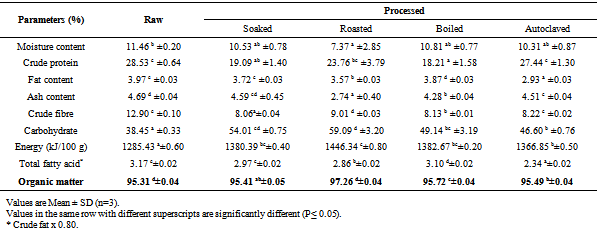
Among the processed M. flagellipes seed flours as shown in Table 1, the boiled sample had the highest mean value of moisture content. This increase could be attributed to the inhibition of large quantity of water by the seeds as a result of boiling during processing. This observation is in line with 24 who reported increased moisture content in boiled flour sample for boiled and roasted Adenanthera pavonina L. (Fabaceae) seeds flours. The result is also in agreement with the report of Udensi et al. 14 for boiled and soaked M. flagellipes seed flours. Moisture is the integral part of the legumes, however, investigations have shown that low moisture content of food samples is a desirable phenomenon, since the microbial activity was reduced 25, this increases the storage periods of the food products while high moisture content in foods encourages microbial growth leading to spoilage of foods 26. Lower moisture content of flour indicates better gelatinization process 27. Hence the roasted seed flour with lowest retention of moisture content is acceptable for the storage of foods for a longer period of time.
The reduction in the protein content of the boiled seed flour could be attributed to progressive solubilisation and leaching out of some soluble nitrogenous substances into boiling water during processing 28. This observation is in agreement with 13 who reported a reduction in the crude protein content of boiled M. flagellipes seed flour. Similar observations were reported by 29 for boiled and roasted Vigna subterranea seeds and 30 when boiling Lima beans (Phaseolus lunatus L.). The autoclaved seed flour had the highest crude protein content compared to the other processed seed flour, an observation which agrees with the report of 1 for boiled and autoclaved M. flagellipes seed flour and thus stated that the high protein content of M. flagellipes seed flour makes it a good complement to cereal and a great substitute to soybean in the formulation of complementary meal.
There is a significant (P≤0.05) reduction in the fat content of the processed seed flour, with the autoclaved seed flour having the lowest fat content and the boiled seed flour having the highest fat content when compared with the other processed seed flour. This observation is in consonance with those earlier reports on certain under-utilized legumes such as Abrus precatorius, Mucuna pruriens var. utilis and Entada scandens which showed a reduction in fat content of the processed samples 31 and 32. The fat content of raw M. flagellipes seed flour with 3.97% indicates that it is not an oil seed when compared to soya bean that has up to 23.1% fat content 33. The high fat content of the boiled and soaked seed samples when compared to other processed seed flour could be due to the fact that fat is insoluble in water as reported by 34 for African yam bean seed.
Ash represents the mineral matter left after food material is burnt in oxygen, it is used as a tool to measure the mineral content in any sample 35. The result showed that processing has effect on the ash content of the seed flour. This observation is in line with the report of 36 for soaked and boiled M. flagellipes, Colocynthis citrullus and Irvingia Gabonesis respectively.
Processing significantly (P≤0.05) reduced the crude fibre contents of the seed flour, which could be as a result of the protein-fibre complexes 37 formed after possible chemical modification induced by boiling, autoclaving, roasting and soaking of the dry seed. This agrees with the report of 38 for processed Lens culinaris.
Boiling significantly (P≤0.05) increased the carbohydrate content of the seed flour than autoclaving, which could be as a result of starch gelatinization 13 caused by the breakdown of complex carbohydrates which were otherwise bound in the raw sample by boiling. Carbohydrates provide heat and energy for all forms of body activity. Deficiency can cause the body to divert proteins and body fat to produce needed energy, thus leading to depletion of body tissues 39.
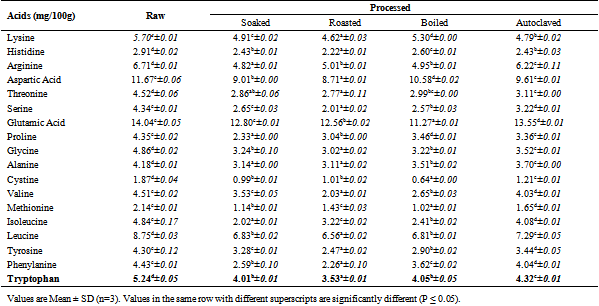
3.2. Amino Acid ProfileThe result obtained for amino acid as shown in Table 2 profiles indicates that M. flagellipes seed flour on raw basis is adequate in lysine and tryptophan, signifying the seed flour a suitable complement to cereal in the formulation of new food products. Processing significantly (P≤0.05) reduced the overall amino acid profile of M. flagellipes seed flour. Autoclaved seed flour graced the cumulative best amino acid content which indicates that proteins are less denatured by autoclaving. An observation in agreement with the report of 40 for different thermally processed soy bean. However, the result indicated that they are limited in the sulphur containing amino acids particularly methionine.
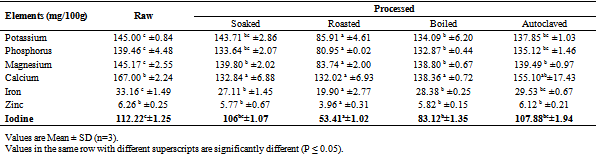
3.3. MicronutrientsThe results obtained from the micronutrient analysis presented in Figure 2 and Table 3 showed that M. flagellipes seed was significantly (P≤0.05) affected by processing as there was reduction in micronutrient of the processed samples.
The iron content of the samples was significantly (P≤0.05) higher in autoclaved sample compared to the samples processed by boiling, soaking and roasting seed flours. This observation is in line with the report of 1 on boiled and autoclaved M. flagellipes seed flour. Iron is an important component of haemoglobin which is an oxygen carrying pigment in the blood. There was significant (P≤0.05) difference in the zinc content of processed seed, though a higher significant (P≤0.05) reduction in the zinc content of boiled, roasted and soaked seed flour than in the autoclaved seed flour. This resulted from zinc leaching into water during processing, a similar observation by 41 on the effect of cooking on the zinc content of cowpea. However, autoclaving, boiling, and soaking processing methods provided a substantial amount of zinc needed in a child's diet, considering the daily recommended intake for children aged 1±3 years is 3 mg 42.
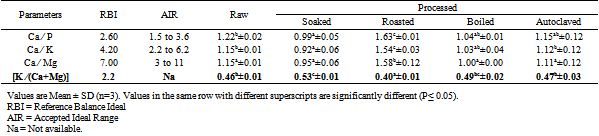
3.4. Mineral RatiosThe results of the mineral ratios are presented in Table 4. Ca:P ratio came about because of the possibility of proteins and phosphorus rich foods may promote the loss of calcium in the urine 43. When Ca:P ratio is low (low calcium, high phosphorus intake), more than the normal amount of calcium will be lost in the urine, which result to decrease in calcium level of the bones. In this study, the Ca:P ratios for the raw, soaked, boiled and autoclaved seed flours were lower than the accepted ideal range of 1.5 to 3.6 well as that of roasted seed flour falls within the range though < 2.6 the reference balance ideal. Roasted seed flour has the Ca:P ratio required for favourable Ca absorption in the intestine for bone formation 44, 45. The levels of Ca:P ratios in the raw, soaked, boiled and autoclaved seed flour will not promote strong bone development to a large extent as expected since absorption under this condition would be low. The Ca:Mg ratio in all the seed flours falls below the accepted ideal range of 3 to 11 and < 7.00 the reference balance ideal. Both Ca and Mg would need adjustment for good health.
The milliequivalent ratios of [K: (Ca + Mg)] of all the seed flours were < 2.2 the reference balance ideal. This indicates that the seed flours may not promote hypomagnesaemia in man 44, contrary to the observations made by 46 in the samples of various parts of bambara groundnut.
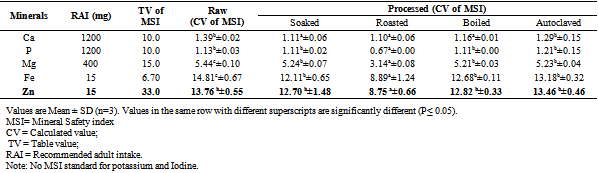
The mineral safety index (MSI) as calculated for the seed flour samples is in Table 5. The standard MSI for the minerals are Mg (15), P (10), Ca (10), Fe (6.7) and Zn (33). The MSI can easily be explained as thus: the recommended adult intake (RAI) of Ca is 1200mg, its minimum toxic dose (MTD) is 12000 mg or 10times the recommended daily average (RDA) which is equivalent to MSI of Ca, same applied to other minerals whose MSI were determined. Only the MSI values for Fe in all seed flour samples had their calculated MSI values greater than the standard (table) value thereby giving negative differences whilst others gave positive differences. This is an indication that there might be Fe overload on the consumers when fed with raw, soaked, roasted, boiled or autoclaved seed flour. The calculated MSI lower than the standard MSI meant that such minerals would not constitute mineral overload or become toxic to the seed flour consumers.
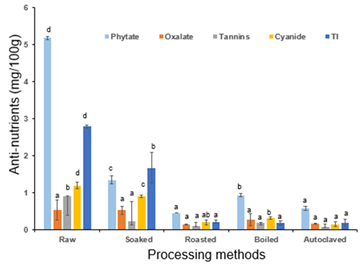
The results obtained for the anti-nutrient is shown in Figure 3. Processing have significant (P≤0.05) reduction on the anti-nutrients evaluated. Well, as the roasted seed flour is significantly (P≤0.05) reduced in its phytate and oxalate contents than obtained in the soaked, boiled and autoclaved seed flour, the autoclaved seed flour is significantly (P≤0.05) reduced in its tannins, cyanide and trypsin inhibitors contents than observed in the soaked, boiled and roasted seed flour. The reductive effectiveness of these anti-nutrients are dependent on the processing methods. Similar decrease in anti-nutrients with different processing methods of Canavalia plagiosperma piper has been reported by 47. 29 also reported that processing methods of Vigna subterranea. The presence of anti-nutrients and toxic substances in most plant foods including M. flagellipes seed flour limits the bioavailability of some essential dietary minerals such as calcium, magnesium, iron and zinc in foods 48. The lower oxalate and phytate contents in the roasted seed flour distinct from the soaked seed flour could lead to better bioavailability of essential elements like calcium, magnesium and zinc that usually form complexes with these elements. Similarly, the effective reduction in the tannin and trypsin inhibitors contents by autoclaving could lead to better bioavailability of amino acids and iron content of the flour 13.
However, some anti-nutrients such as tannins, phytate, etc in M. flagellipes seed flour in variety of ways possess health benefits, anti-oxidant activities (wherein they are 15 – 30 time more efficacious in free radical scavanging activity than Trolox and other simple phenolics), anticarcinogenic activities and hypoglycemic activities 49.
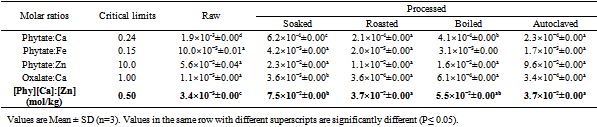
3.7. Molar RatiosThe calcium, magnesium, zinc, oxalate, iron, and phytate molar ratios were calculated for both unprocessed and processed M. flagellipes seed flour, the calculation was to evaluate the effects of elevated levels of oxalate and phytate in the bioavailability of dietary minerals. Bioavailability is the ability of the body to digest and absorb the mineral in the food consumed 50. The calculated values were compared with the reported critical toxicity values for these ratios. The calculated Phy:Ca, Phy: Fe, Phy: Zn, Ox: Ca and [Phy] [Ca]/[Zn] molar ratios of M. flagellipes as shown in Table 6, Phytic acids markedly decrease Ca bioavailability and the Phy: Ca molar ratio has been proposed as an indicator of Ca bioavailability. The critical molar ratio of [phy]:[Ca] of < 0.24 indicating good calcium bioavailability 51. The values in this study were lower in all groups than the reported critical molar ratio of Phytate to Calcium, indicating that absorption of calcium not adversely affected by phytate in all the groups. Phytate begins to lose its inhibitory effect on iron absorption when phytate:iron molar ratios are < 1.0, although even ratios as low as 0.2 exert some negative effect as stated by 52. The phytate:iron molar ratios greater than 0.15 regarded as indicative of poor iron bioavailability 53. This result indicated that, the phytate:iron molar ratios of all the groups are less than the critical value, which implies the absorption of iron in all the groups not inhibited by phytate and as a result the bioavailability of iron is good. The importance of foodstuffs as a source of dietary zinc depends on both the total zinc content and the level of other constituents in the diet that affect zinc bioavailability. Phytate may reduce the bioavailability of dietary zinc by forming insoluble mineral chelates at a physiological pH 54 and the formation of the chelates depends on relative levels of both zinc and phytic acid. Hence, the phytate: Zn molar ratio is considered a better indicator of zinc bioavailability than total dietary phytate levels alone 55. Therefore, the foods with a molar ratio of Phy:Zn less than 10 showed adequate availability of Zn and problems were encountered when the value was >15. Phytate: zinc molar ratios >15, indicative of poor zinc bioavailability 56. The values of groups of M. flagellipes seed flour were lower than the critical molar ratios of Phy:Zn, which indicates the availability of zinc good. Oxalic acid and its salts can have deleterious effects on human nutrition and health, particularly by decreasing calcium absorption and aiding the formation of kidney stones 54. The importance of oxalate contents of an individual plant product in limiting total dietary Ca availability is of significance only when the ratio of Oxalate:Ca is >1 57.
From the result, it was observed that, all groups of M. flagellipes seed flour had Oxalate:Ca values are lower than the reported critical value (1.0), which implies that a low level of oxalate could have no adverse effects on bioavailability of dietary calcium in the groups.
The potentiating effect of calcium on zinc absorption in the presence of high phytate intakes has led to the suggestion that the [Phy][Ca]/[Zn] millimolar ratio may be a better index of zinc bioavailability than the [Phy]/[Zn] molar ratio alone 58. High calcium levels in foods can promote the phytate-induced decrease in zinc bioavailability when the [Ca][phytate]/[Zn] millimolar ratio exceeds 0.5 mol/kg 59. In this study, the values of [Ca][Phy]/[Zn] millimolar ratios of all the groups were found less than the critical level.
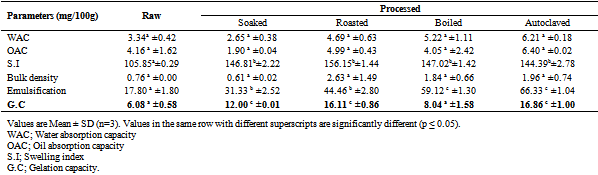
The results for the functional properties shown in Table 7 revealed that soaking, roasting, boiling and autoclaving had varying effects on the functional properties of the seed flour. All the flours exhibited a significant (P≤0.05) increase in the WAC except for soaked seed flour with significant (P≤0.05) reduction. The high WAC of the flours could be attributed to loose structure of starch polymers in the flour 60. The baking quality of flours had been associated with the WAC of the flour 61. The ability of the flour to absorb water improves its potentials in dough making 62. The high WAC obtained in this study is a useful indication that M. flagellipes seed flour can be incorporated into aqueous formulations especially those involving dough handling.
The OAC is a prominent factor in food formulations as it improves flavor and increases the mouth feel of foods. The OAC was observed to be significantly (P≤0.05) increased in the autoclaved seed flour, followed by the roasted seed flour. There was significant (P≤0.05) reduction on the boiled and soaked seed flour with the soaked seed flour being the most significant. Oil binding capacity of food component is important for various applications because it relies mainly on this capacity to physically entrap oil by a complex capillary attraction process and this property of flour leads to better flavor retention, a consistency trait and an increase in mouth-feel 63.
Bulk density is generally affected by the particle size and density of the flour. It is very important in determining the packaging requirement, material handling and application in wet processing in food industry 64. The bulking property of a powder alters according to the preparation methods, different treatments administered and storage. The density of the processed products or the uniqueness of its container determines the amount and strength of packaging material 65. There was significant (P≤0.05) increase in the bulk density of the roasted, boiled and autoclaved seed flour while for the bulk density of the soaked seed flour, there was significant (P≤0.05) reduction. In food systems where low bulk density is required like in the formulation of complementary foods, soaking would be the most appropriate way of processing while in others where high bulk density is needed then roasting and autoclaving could be the best option. The gelation capacity of the samples was significantly (P≤0.05) higher in autoclaved seed flour than in the soaked, boiled and roasted seed flour. The variation may be due to differences in carbohydrate content of the flours 66. Flours with good gelation capacity are desirable for use as soup thickeners.
Though underutilized, the results from the study indicated that Mucuna flagellipes seeds are good sources of protein, amino acids and a number of micronutrients. They are also rich in fibre and deficient in fat, which may account for some of their proposed health benefits and as used as complement to other food groups especially cereal.
Incorporation of this underutilized inexpensive legume, which meets the requirement of essential amino acids into the diet will no doubt improve the nutritional status and help reduce malnutrition. Its low lipid content and high fibre content adds to its nutritional potential and increases the benefits derived on consumption. Autoclaving is the most efficient processing method in that it drastically reduced the anti-nutrients of the seed flour without much significant reduction in the nutrients.
| [1] | Obi, C. D. and Okoye, J. I. (2017). Effects of Boiling and Autoclaving on the Chemical Composition and Functional Properties of Mucuna Flagellipes Seed Flours. International Journal of innovative food, nutrition and sustainable Agriculture, 5(2): 18-24. | ||
| In article | |||
| [2] | Igwenyi, I.O.S and Akubugwo, E.I (2010). Analysis of four seeds used as soup thickeners in the South-Eastern part of Nigeria. International Conference on Chemistry and Chemical Engineering. | ||
| In article | View Article | ||
| [3] | Wargovich, M. J. (2000). Anticancer properties of fruits and vegetables. HortScience, 35(4), 573-575. | ||
| In article | View Article | ||
| [4] | Vollmann, J. (2016) Soybean versus other food grain legumes: A critical appraisal of the United Nations international year of pulses 2016. Bodenkult. J. Land Manag. Food Environ., 67: 17-24. | ||
| In article | View Article | ||
| [5] | Makeri, M.U., Abdulmannan, F., Ilowefah, M.A., Chiemela, C., Bala, S.M. and Muhammad, K. (2017) Comparative physicochemical, functional and structural characteristics of winged bean (Psophocarpus tetragonolobus DC) and soybean (Glycine max) protein isolates. J. Food Meas. Charact., 11: 835-846. | ||
| In article | View Article | ||
| [6] | Janardhanan, K., Gurumoorthi, P. and Pugalenthi, M. (2003). Nutritional potential of five accessions of a South Indian tribal pulse, Mucuna pruriens var utilis I. The effect of processing methods on the content of l-dopa, phytic acid, and oligosaccharides. Tropical and subtropical agroecosystems, 1(2-3). | ||
| In article | |||
| [7] | FAO (2011) Food standard programme. FAO/WHO Bulletin; 12:272-289. | ||
| In article | |||
| [8] | Enwere, N. J. (1998). Foods of plant origin. Afro-Orbis Publications, Limited. Pp 2-20. | ||
| In article | |||
| [9] | Bau, H. M., Villaume, C., Nicolas, J. P. and Méjean, L. (1997). Effect of germination on chemical composition, biochemical constituents and antinutritional factors of soya bean (Glycine max) seeds. Journal of the Science of Food and Agriculture, 73(1), 1-9. | ||
| In article | View Article | ||
| [10] | Ngatchic, M.T.J., Njintang, Y.N., Oben, J.E. and Mbofung, C.M.F. (2013) Protein quality and antigrowth effect of protein isolate of Mucuna (Mucuna pruriens) and Canavalia (Canavalia ensiformis) seeds. Sch Acad J Biosci 1(5):183-191. | ||
| In article | |||
| [11] | Obizoba, I.C (1990). Effects of germination, dehulling and cooking on the nutritional value of cowpea flour. Journal of food science 51(5): 1390-1397. | ||
| In article | View Article | ||
| [12] | Tarek. A.E. (2002). Nutritional composition and antinutritional factors of chickpeas (Cicer arietinum L.) undergoing different cooking methods and germination. Plant Foods for Human Nutrition, 57(1), 83-97 | ||
| In article | |||
| [13] | Obiakor-Okeke, P. N., Chikwendu, J. N. and Anozie, T. (2014). Effect of Different Processing Methods on the Chemical, Functional and Microbial Properties of Mucuna sloanei Seeds (Ukpo). International Journal of Nutrition and Food Sciences 2014; 3 (6): 551, 559. | ||
| In article | View Article | ||
| [14] | Udensi, E. A., Eke, O. and Ukachukwu, S. N. (2001). Effect of traditional processing on the physicochemical properties of Mucuna cochinchinensis and Mucuna Utilis flours. Journal Agriculture, Food Technology and Environment, 1, 133-137. | ||
| In article | |||
| [15] | AOAC (2010) Official methods of analysis of the Association of Official Analytical Chemists (18th Edn). Washington DC. | ||
| In article | |||
| [16] | Onwuka, G. I. (2005). Food analysis and instrumentation: theory and practice. Naphthalic prints, Surulere, Lagos, Nigeria, 219-230. | ||
| In article | |||
| [17] | AOAC (2006). Official method of analysis. Association of Official Analytical Chemists. 18th edition Washington D.C USA Pp. 38-46. | ||
| In article | |||
| [18] | Maria, M.Y., Justo, P., Julio, G., Javier, V., Francisco, M. and Manuel, A. (2004). Determination of tryptophan by high-performance liquid chromatography of alkaline hydrolysates with spectrophotometric detection. Food Chemistry 85(2): 317-320. | ||
| In article | View Article | ||
| [19] | FAO/WHO. (1991). Protein quality evaluation. Report of Joint FAO/WHO Expert Consultation. | ||
| In article | |||
| [20] | Amadi B, Nchekwube O, Amadi C, Ugbogu A. and Duru, M. (2013). Elemental, amino acid and phytochemical constituents of three different species of eggplant. Int. J. Med. Arom. Plants. 3(2): 200-203. | ||
| In article | |||
| [21] | Watts, D.L. (2010). HTMA mineral ratios: A brief discussion of their clinical importance. Trace Elements Newsletter, 21(1): pp. 1-3. | ||
| In article | |||
| [22] | Hatcock, J.N. (1985). Quantitative evaluation of vitamin safety. Pharmay Times: 104-113. | ||
| In article | |||
| [23] | Kaushal, P., Kumar, V. and Sharma, H. K. (2012). Comparative study of physicochemical, functional, antinutritional and pasting properties of taro (Colocasia esculenta), rice (Oryza sativa) flour, pigeonpea (Cajanus cajan) flour and their blends. LWT-Food Science and Technology, 48(1), 59-68. | ||
| In article | View Article | ||
| [24] | Nwafor, F. I., Egonu, S. N., Nweze, N. O., & Ohabuenyi, N. (2017). Effect of processing methods on the nutritional values and anti-nutritive factors of Adenanthera pavonina L.(Fabaceae) seeds. African Journal of Biotechnology, 16(3), 106-112. | ||
| In article | View Article | ||
| [25] | Kumari, P. V. and Sangeetha, N. (2017a). Effect of processing and drying methods on the nutritional characteristic of the multi-cereals and legume flour. Journal of Food Processing and Technology, 8(4). | ||
| In article | |||
| [26] | Alozie, Y. E., Iyam, M. A., Lawal, O., Udofia, U. and Ani, I. F. (2009b). Utilization of Bambara Groundnut Flour blends in bread production. Journal of Food Technology, 7(4), 111-114. | ||
| In article | |||
| [27] | Santosa, B.A.S., Sudaryono, S. and Widowati, S. (2005) Technology evaluation of flour instant popcorn and quality. J Penelitian Pascapanen Pertanian 2: 66-75. | ||
| In article | |||
| [28] | Adebowale, 0.0.Y., Adeyemi, A., and Oshodi, A. A. (2005). Variability in the physicochemical, nutritional and antinutritional attributes of six Mucuna species. Food chemistry, 89(1), 37-48. | ||
| In article | View Article | ||
| [29] | Ndidi, U. S., Ndidi, C. U., Aimola, I. A., Bassa, O. Y., Mankilik, M. and Adamu, Z. (2014). Effects of processing (boiling and roasting) on the nutritional and antinutritional properties of bambara groundnuts (Vigna subterranea [L.] Verdc.) from Southern Kaduna, Nigeria. Journal of Food Processing, 2014. | ||
| In article | View Article | ||
| [30] | Adeparusi, E. O. (2001). Effect of processing on the nutrients and anti‐nutrients of lima bean (Phaseolus lunatus L.) flour. Food/Nahrung, 45(2), 94-96. | ||
| In article | View Article | ||
| [31] | Pugalenthi, M., Vadivel, V. and Janak, P. (2007) Comparative evaluation of protein quality of raw and differentially processed seeds of an underutilized food legumes, (Abrus precatorius L) livestock Research for Rural Development Article No. 168. Available in the online website. http://www.lrrd.Org/lrrd19/11/puga19168.htm. | ||
| In article | |||
| [32] | Vadivel, V. Pugalenthi, M. and Megha, M. (2008) Biological evaluation of protein quality of raw and processed seeds of gila bean (Entada scandens benth.) J. Trop. Sub Strop. Agroecosystems 8: 125-133. | ||
| In article | |||
| [33] | Agume A.S.N., Njintang, N.Y. and Mbofung, C.M. (2017). Effect of soaking and roasting on the physic-chemical and pasting properties of soybean flour. Foods.; 6: 12. | ||
| In article | View Article PubMed | ||
| [34] | Ndidi, U. S., Ndidi, C. U., Olagunju, A., Muhammad, A., Billy, F. G., & Okpe, O. (2014). Proximate, antinutrients and mineral composition of raw and processed (Boiled and Roasted) Sphenostylis stenocarpa seeds from Southern Kaduna, Northwest Nigeria. International Scholarly Research Notices, 2014. | ||
| In article | View Article PubMed | ||
| [35] | Enwereuzoh, R. O., Okafor, D. C., Uzoukwu, A. E., Ukanwoke, M. O., Nwakaudu, A. A. and Uyanwa, C. N. (2015). Flavour extraction from Monodora myristica and Tetrapleura tetraptera and production of flavoured popcorn from the extract. European Journal of Food Science and Technology, 3(2), p1. | ||
| In article | |||
| [36] | Okorie, C. P. and Olasupo, N. A. (2013). Controlled fermentation and preservation of UGBA–an indigenous Nigerian fermented food. SpringerPlus, 2(1), 470. | ||
| In article | View Article PubMed | ||
| [37] | Bressani, R. (1993a). Grain quality of common beans. Food Revision Interntional. 9: 217-179. | ||
| In article | View Article | ||
| [38] | Hefnawy, T. H. (2011). Effect of processing methods on nutritional composition and anti-nutritional factors in lentils (Lens culinaris). Annals of Agricultural Sciences, 56(2), 57-61. | ||
| In article | View Article | ||
| [39] | Stocker, R. and Frei, B.; Endogenous antioxidant defences in human blood plasma. In: Oxidative stress: oxidants and antioxidants, ed. H. Sies, pp. 213-243. London, UK, Academic Press, 1991 | ||
| In article | |||
| [40] | Ari, M.M., Ayanwale, B.A., Adama, T.Z. and Olatunji, E.A. (2012) Effects of Different Fermentation Methods on the Proximate Composition, Amino Acid Profile and Some Antinutritional Factors (ANFs) In Soyabeans (Glycine Max). Fermentation Technology and Bioengineering. 2. 6-13. | ||
| In article | View Article | ||
| [41] | Pereira E. J., Carvalho L. M., Dellamora-Ortiz G. M., Cardoso F. S., Carvalho J. L. and Viana D. S. (2014). Effects of cooking methods on the iron and zinc contents in cowpea (Vigna unguiculata) to combat nutritional deficiencies in Brazil. Food Nutr Res.; 58. | ||
| In article | View Article PubMed | ||
| [42] | Faber, M. and Laubscher, R. (2008). Seasonal availability and dietary intake of β-carotene-rich vegetables and fruit of 2-year-old to 5-year-old children in a rural South African setting growing these crops at household level. International Journal of Food Sciences and Nutrition, 59(1), 46-60. | ||
| In article | View Article PubMed | ||
| [43] | Shils M. E. G and Young V. R (1988). Modern Nutrition in health and disease, Lea and Febiger, Philadelphia USA, In: Nutrition, eds Nieman, D.C, Butterworth, D.E, Nieman, C.N, 1992. WMC Brown Publisher, Dubuque, USA, Pp 276-282. | ||
| In article | |||
| [44] | National Research Council (NRC), (1989). Food and Nutrition Board Recommended Dietary Allowances (10th Edition). National Academy Press Washington D.C. | ||
| In article | |||
| [45] | Nieman D. C., Butterworth D. E., Nieman C. N (1992). Nutrition, Wm. C. Brown Publishers. Dubuque. | ||
| In article | |||
| [46] | Olaleye A. A., Adeyeye E. I. and Adesina A. J. (2013). Chemical composition of bambara groundnut (V. subterranea L. Verdc) seed parts. Bangladesh J. Sci. Ind. Res. 48(3): 167-178. | ||
| In article | View Article | ||
| [47] | Alagbaoso, S. O., Nwosu, J. N., Njoku, N. E., Umelo, M. C., Eluchie, C. and Agunwa, I. M. (2015). Effect of processing on the nutritional and anti-nutritional properties of Canavalia plagiosperma piper seeds. European Journal of Food Science and Technology, 3(3), 45-69. | ||
| In article | |||
| [48] | Inyang Ufot Evanson and Eyo Edima Atanguma (2015). Effect of Soaking African Yam Bean Seeds in Unripe Plantain Peel Ash Solutions on the Nutrients, Anti-nutrients and Functional Properties of the Flour. Journal of Food and Nutrition Sciences. Vol. 3, No.4, pp. 147-151. | ||
| In article | View Article | ||
| [49] | C.U. Igwe, C.O. Ibegbulem, L.A. Nwaogu, C.O. Ujowundu, G.N. Okwu, Calcium, Zinc andPhytate Interrelationships in Four Lesser-Known African Seeds Processed into Food Condiments. J. Adv. Chem. 4(2013) 288-294. | ||
| In article | View Article | ||
| [50] | Fekadu, H., Beyene, F., and Desse, G. (2013). Effect of Traditional Processing Methods on Nutritional Composition and Anti-nutritional Factors of Anchote (Coccinia Abyssinica (Lam.) Cogn.) Tubers Grown in Western Ethiopia. Journal of Food Processing and Technology, 4, 249. | ||
| In article | View Article | ||
| [51] | Woldegiorgis, A. Z., Abate, D., Haki, G. D., Ziegler, G. R., and Harvatine, K. J. (2015). Fatty acid profile of wild and cultivated edible mushrooms collected from Ethiopia. Journal of Nutrition and Food Sciences, 5(3), 1. | ||
| In article | |||
| [52] | Hurrell, R. F., Reddy, M. B., Juillerat, M. A., and Cook, J. D. (2003). Degradation of phytic acid in cereal porridges improves iron absorption by human subjects. The American journal of clinical nutrition, 77(5), 1213-1219. | ||
| In article | View Article PubMed | ||
| [53] | Siegenberg, D., Baynes, R. D., Bothwell, T. H., Macfarlane, B. J., Lamparelli, R. D., Car, N. G., and Mayet, F. (1991). Ascorbic acid prevents the dose-dependent inhibitory effects of polyphenols and phytates on nonheme-iron absorption. The American journal of clinical nutrition, 53(2), 537-541. | ||
| In article | View Article PubMed | ||
| [54] | Bhandari, M. R., and Kawabata, J. (2004). Assessment of anti-nutritional factors and bioavailability of calcium and zinc in wild yam (Dioscorea spp.) tubers of Nepal. Food chemistry, 85(2), 281-287. | ||
| In article | View Article | ||
| [55] | Woldegiorgis, A. Z., Abate, D., Haki, G. D., and Ziegler, G. R. (2014). Antioxidant property of edible mushrooms collected from Ethiopia. Food chemistry, 157, 30-36. | ||
| In article | View Article PubMed | ||
| [56] | Morris, E. R., and Ellis, R. (1989). Usefulness of the dietary phytic acid/zinc molar ratio as an index of zinc bioavailability to rats and humans. Biological Trace Element Research, 19(1-2), 107-117. | ||
| In article | View Article PubMed | ||
| [57] | Frontela, C., Scarino, M. L., Ferruzza, S., Ros, G., and Martínez, C. (2009). Effect of dephytinization on bioavailability of iron, calcium and zinc from infant cereals assessed in the Caco-2 cell model. World Journal of Gastroenterology: WJG, 15(16), 1977. | ||
| In article | View Article PubMed | ||
| [58] | Obah, G., and T. V. Amusan. 2009. Nutritive value and antioxidant properties of cereal gruels produced from fermented maize and sorghum. Food Biotechnology. 23:17–31. | ||
| In article | View Article | ||
| [59] | Adetuyi, F. O., Osagie, A. U., and Adekunle, A. T. (2011). Nutrient, antinutrient, mineral and zinc bioavailability of okra Abelmoschus esculentus (L) Moench Variety. American Journal of Food and Nutrition, 1(2), 49-54. | ||
| In article | View Article | ||
| [60] | Oladipo, F. Y. and Nwokocha, L. M. (2011) Effect of Sida acuta and Carborous olitorius mucilages on the physico-chemcial properties of maize and sorghum starches. Asian J. Appl. Sci.4:514-523. | ||
| In article | View Article | ||
| [61] | T. A. Shittu, A. Dixon, S. O. Awonorin, L. O. Sanni and B. Maziya-Dixon (2008). Bread from composite cassava-wheat flour. 11: Effect of cassava genotype and nitrogen fertilizer on bread quality. Food Res. Inter. 41: 569-578. | ||
| In article | View Article | ||
| [62] | Iwe, M. O. and Onadipe, O. O. (2001). Effect of extruded full fat soy flour into sweet potato flour on functional properties of the mixture. J. Sustain. Agric. Environ. 3(1): 109-117. | ||
| In article | |||
| [63] | Khattab, R. Y. and Arntfield, S. D. (2009). Functional properties of raw and processed canola meal. LWT – Food Science and Technology, 42, 1119-1124. | ||
| In article | View Article | ||
| [64] | Karuna, D., Noel, G. and Dilip, K. (1996). Production and use of raw potato flour in Mauritian traditional foods. Food and nutrition bulletin. United Nation University 17(2). | ||
| In article | View Article | ||
| [65] | Wilhelm, L.R., Dwayna, A.S. and Gerand, H.B. (2004). Introduction to problem solving skills in: Food and Process Engineering Technology. ASAE. | ||
| In article | View Article PubMed | ||
| [66] | Onimawo, I. A. and Asugo, S. (2004). Effects of germination on the nutrient content and functional properties of pigeon pea flour. Journal of Food Science and Technology-Mysore, 41(2), 170-174. | ||
| In article | |||
Published with license by Science and Education Publishing, Copyright © 2021 Nwajagu I.U, Garba A., Nzelibe H.C, Chukwuekezie N.E, Abah C.R, Umar A.T, Anarado C.S, Kahu J.C, Olagunju A., Oladejo A.A and Bashiru I.
 This work is licensed under a Creative Commons Attribution 4.0 International License. To view a copy of this license, visit
http://creativecommons.org/licenses/by/4.0/
This work is licensed under a Creative Commons Attribution 4.0 International License. To view a copy of this license, visit
http://creativecommons.org/licenses/by/4.0/
| [1] | Obi, C. D. and Okoye, J. I. (2017). Effects of Boiling and Autoclaving on the Chemical Composition and Functional Properties of Mucuna Flagellipes Seed Flours. International Journal of innovative food, nutrition and sustainable Agriculture, 5(2): 18-24. | ||
| In article | |||
| [2] | Igwenyi, I.O.S and Akubugwo, E.I (2010). Analysis of four seeds used as soup thickeners in the South-Eastern part of Nigeria. International Conference on Chemistry and Chemical Engineering. | ||
| In article | View Article | ||
| [3] | Wargovich, M. J. (2000). Anticancer properties of fruits and vegetables. HortScience, 35(4), 573-575. | ||
| In article | View Article | ||
| [4] | Vollmann, J. (2016) Soybean versus other food grain legumes: A critical appraisal of the United Nations international year of pulses 2016. Bodenkult. J. Land Manag. Food Environ., 67: 17-24. | ||
| In article | View Article | ||
| [5] | Makeri, M.U., Abdulmannan, F., Ilowefah, M.A., Chiemela, C., Bala, S.M. and Muhammad, K. (2017) Comparative physicochemical, functional and structural characteristics of winged bean (Psophocarpus tetragonolobus DC) and soybean (Glycine max) protein isolates. J. Food Meas. Charact., 11: 835-846. | ||
| In article | View Article | ||
| [6] | Janardhanan, K., Gurumoorthi, P. and Pugalenthi, M. (2003). Nutritional potential of five accessions of a South Indian tribal pulse, Mucuna pruriens var utilis I. The effect of processing methods on the content of l-dopa, phytic acid, and oligosaccharides. Tropical and subtropical agroecosystems, 1(2-3). | ||
| In article | |||
| [7] | FAO (2011) Food standard programme. FAO/WHO Bulletin; 12:272-289. | ||
| In article | |||
| [8] | Enwere, N. J. (1998). Foods of plant origin. Afro-Orbis Publications, Limited. Pp 2-20. | ||
| In article | |||
| [9] | Bau, H. M., Villaume, C., Nicolas, J. P. and Méjean, L. (1997). Effect of germination on chemical composition, biochemical constituents and antinutritional factors of soya bean (Glycine max) seeds. Journal of the Science of Food and Agriculture, 73(1), 1-9. | ||
| In article | View Article | ||
| [10] | Ngatchic, M.T.J., Njintang, Y.N., Oben, J.E. and Mbofung, C.M.F. (2013) Protein quality and antigrowth effect of protein isolate of Mucuna (Mucuna pruriens) and Canavalia (Canavalia ensiformis) seeds. Sch Acad J Biosci 1(5):183-191. | ||
| In article | |||
| [11] | Obizoba, I.C (1990). Effects of germination, dehulling and cooking on the nutritional value of cowpea flour. Journal of food science 51(5): 1390-1397. | ||
| In article | View Article | ||
| [12] | Tarek. A.E. (2002). Nutritional composition and antinutritional factors of chickpeas (Cicer arietinum L.) undergoing different cooking methods and germination. Plant Foods for Human Nutrition, 57(1), 83-97 | ||
| In article | |||
| [13] | Obiakor-Okeke, P. N., Chikwendu, J. N. and Anozie, T. (2014). Effect of Different Processing Methods on the Chemical, Functional and Microbial Properties of Mucuna sloanei Seeds (Ukpo). International Journal of Nutrition and Food Sciences 2014; 3 (6): 551, 559. | ||
| In article | View Article | ||
| [14] | Udensi, E. A., Eke, O. and Ukachukwu, S. N. (2001). Effect of traditional processing on the physicochemical properties of Mucuna cochinchinensis and Mucuna Utilis flours. Journal Agriculture, Food Technology and Environment, 1, 133-137. | ||
| In article | |||
| [15] | AOAC (2010) Official methods of analysis of the Association of Official Analytical Chemists (18th Edn). Washington DC. | ||
| In article | |||
| [16] | Onwuka, G. I. (2005). Food analysis and instrumentation: theory and practice. Naphthalic prints, Surulere, Lagos, Nigeria, 219-230. | ||
| In article | |||
| [17] | AOAC (2006). Official method of analysis. Association of Official Analytical Chemists. 18th edition Washington D.C USA Pp. 38-46. | ||
| In article | |||
| [18] | Maria, M.Y., Justo, P., Julio, G., Javier, V., Francisco, M. and Manuel, A. (2004). Determination of tryptophan by high-performance liquid chromatography of alkaline hydrolysates with spectrophotometric detection. Food Chemistry 85(2): 317-320. | ||
| In article | View Article | ||
| [19] | FAO/WHO. (1991). Protein quality evaluation. Report of Joint FAO/WHO Expert Consultation. | ||
| In article | |||
| [20] | Amadi B, Nchekwube O, Amadi C, Ugbogu A. and Duru, M. (2013). Elemental, amino acid and phytochemical constituents of three different species of eggplant. Int. J. Med. Arom. Plants. 3(2): 200-203. | ||
| In article | |||
| [21] | Watts, D.L. (2010). HTMA mineral ratios: A brief discussion of their clinical importance. Trace Elements Newsletter, 21(1): pp. 1-3. | ||
| In article | |||
| [22] | Hatcock, J.N. (1985). Quantitative evaluation of vitamin safety. Pharmay Times: 104-113. | ||
| In article | |||
| [23] | Kaushal, P., Kumar, V. and Sharma, H. K. (2012). Comparative study of physicochemical, functional, antinutritional and pasting properties of taro (Colocasia esculenta), rice (Oryza sativa) flour, pigeonpea (Cajanus cajan) flour and their blends. LWT-Food Science and Technology, 48(1), 59-68. | ||
| In article | View Article | ||
| [24] | Nwafor, F. I., Egonu, S. N., Nweze, N. O., & Ohabuenyi, N. (2017). Effect of processing methods on the nutritional values and anti-nutritive factors of Adenanthera pavonina L.(Fabaceae) seeds. African Journal of Biotechnology, 16(3), 106-112. | ||
| In article | View Article | ||
| [25] | Kumari, P. V. and Sangeetha, N. (2017a). Effect of processing and drying methods on the nutritional characteristic of the multi-cereals and legume flour. Journal of Food Processing and Technology, 8(4). | ||
| In article | |||
| [26] | Alozie, Y. E., Iyam, M. A., Lawal, O., Udofia, U. and Ani, I. F. (2009b). Utilization of Bambara Groundnut Flour blends in bread production. Journal of Food Technology, 7(4), 111-114. | ||
| In article | |||
| [27] | Santosa, B.A.S., Sudaryono, S. and Widowati, S. (2005) Technology evaluation of flour instant popcorn and quality. J Penelitian Pascapanen Pertanian 2: 66-75. | ||
| In article | |||
| [28] | Adebowale, 0.0.Y., Adeyemi, A., and Oshodi, A. A. (2005). Variability in the physicochemical, nutritional and antinutritional attributes of six Mucuna species. Food chemistry, 89(1), 37-48. | ||
| In article | View Article | ||
| [29] | Ndidi, U. S., Ndidi, C. U., Aimola, I. A., Bassa, O. Y., Mankilik, M. and Adamu, Z. (2014). Effects of processing (boiling and roasting) on the nutritional and antinutritional properties of bambara groundnuts (Vigna subterranea [L.] Verdc.) from Southern Kaduna, Nigeria. Journal of Food Processing, 2014. | ||
| In article | View Article | ||
| [30] | Adeparusi, E. O. (2001). Effect of processing on the nutrients and anti‐nutrients of lima bean (Phaseolus lunatus L.) flour. Food/Nahrung, 45(2), 94-96. | ||
| In article | View Article | ||
| [31] | Pugalenthi, M., Vadivel, V. and Janak, P. (2007) Comparative evaluation of protein quality of raw and differentially processed seeds of an underutilized food legumes, (Abrus precatorius L) livestock Research for Rural Development Article No. 168. Available in the online website. http://www.lrrd.Org/lrrd19/11/puga19168.htm. | ||
| In article | |||
| [32] | Vadivel, V. Pugalenthi, M. and Megha, M. (2008) Biological evaluation of protein quality of raw and processed seeds of gila bean (Entada scandens benth.) J. Trop. Sub Strop. Agroecosystems 8: 125-133. | ||
| In article | |||
| [33] | Agume A.S.N., Njintang, N.Y. and Mbofung, C.M. (2017). Effect of soaking and roasting on the physic-chemical and pasting properties of soybean flour. Foods.; 6: 12. | ||
| In article | View Article PubMed | ||
| [34] | Ndidi, U. S., Ndidi, C. U., Olagunju, A., Muhammad, A., Billy, F. G., & Okpe, O. (2014). Proximate, antinutrients and mineral composition of raw and processed (Boiled and Roasted) Sphenostylis stenocarpa seeds from Southern Kaduna, Northwest Nigeria. International Scholarly Research Notices, 2014. | ||
| In article | View Article PubMed | ||
| [35] | Enwereuzoh, R. O., Okafor, D. C., Uzoukwu, A. E., Ukanwoke, M. O., Nwakaudu, A. A. and Uyanwa, C. N. (2015). Flavour extraction from Monodora myristica and Tetrapleura tetraptera and production of flavoured popcorn from the extract. European Journal of Food Science and Technology, 3(2), p1. | ||
| In article | |||
| [36] | Okorie, C. P. and Olasupo, N. A. (2013). Controlled fermentation and preservation of UGBA–an indigenous Nigerian fermented food. SpringerPlus, 2(1), 470. | ||
| In article | View Article PubMed | ||
| [37] | Bressani, R. (1993a). Grain quality of common beans. Food Revision Interntional. 9: 217-179. | ||
| In article | View Article | ||
| [38] | Hefnawy, T. H. (2011). Effect of processing methods on nutritional composition and anti-nutritional factors in lentils (Lens culinaris). Annals of Agricultural Sciences, 56(2), 57-61. | ||
| In article | View Article | ||
| [39] | Stocker, R. and Frei, B.; Endogenous antioxidant defences in human blood plasma. In: Oxidative stress: oxidants and antioxidants, ed. H. Sies, pp. 213-243. London, UK, Academic Press, 1991 | ||
| In article | |||
| [40] | Ari, M.M., Ayanwale, B.A., Adama, T.Z. and Olatunji, E.A. (2012) Effects of Different Fermentation Methods on the Proximate Composition, Amino Acid Profile and Some Antinutritional Factors (ANFs) In Soyabeans (Glycine Max). Fermentation Technology and Bioengineering. 2. 6-13. | ||
| In article | View Article | ||
| [41] | Pereira E. J., Carvalho L. M., Dellamora-Ortiz G. M., Cardoso F. S., Carvalho J. L. and Viana D. S. (2014). Effects of cooking methods on the iron and zinc contents in cowpea (Vigna unguiculata) to combat nutritional deficiencies in Brazil. Food Nutr Res.; 58. | ||
| In article | View Article PubMed | ||
| [42] | Faber, M. and Laubscher, R. (2008). Seasonal availability and dietary intake of β-carotene-rich vegetables and fruit of 2-year-old to 5-year-old children in a rural South African setting growing these crops at household level. International Journal of Food Sciences and Nutrition, 59(1), 46-60. | ||
| In article | View Article PubMed | ||
| [43] | Shils M. E. G and Young V. R (1988). Modern Nutrition in health and disease, Lea and Febiger, Philadelphia USA, In: Nutrition, eds Nieman, D.C, Butterworth, D.E, Nieman, C.N, 1992. WMC Brown Publisher, Dubuque, USA, Pp 276-282. | ||
| In article | |||
| [44] | National Research Council (NRC), (1989). Food and Nutrition Board Recommended Dietary Allowances (10th Edition). National Academy Press Washington D.C. | ||
| In article | |||
| [45] | Nieman D. C., Butterworth D. E., Nieman C. N (1992). Nutrition, Wm. C. Brown Publishers. Dubuque. | ||
| In article | |||
| [46] | Olaleye A. A., Adeyeye E. I. and Adesina A. J. (2013). Chemical composition of bambara groundnut (V. subterranea L. Verdc) seed parts. Bangladesh J. Sci. Ind. Res. 48(3): 167-178. | ||
| In article | View Article | ||
| [47] | Alagbaoso, S. O., Nwosu, J. N., Njoku, N. E., Umelo, M. C., Eluchie, C. and Agunwa, I. M. (2015). Effect of processing on the nutritional and anti-nutritional properties of Canavalia plagiosperma piper seeds. European Journal of Food Science and Technology, 3(3), 45-69. | ||
| In article | |||
| [48] | Inyang Ufot Evanson and Eyo Edima Atanguma (2015). Effect of Soaking African Yam Bean Seeds in Unripe Plantain Peel Ash Solutions on the Nutrients, Anti-nutrients and Functional Properties of the Flour. Journal of Food and Nutrition Sciences. Vol. 3, No.4, pp. 147-151. | ||
| In article | View Article | ||
| [49] | C.U. Igwe, C.O. Ibegbulem, L.A. Nwaogu, C.O. Ujowundu, G.N. Okwu, Calcium, Zinc andPhytate Interrelationships in Four Lesser-Known African Seeds Processed into Food Condiments. J. Adv. Chem. 4(2013) 288-294. | ||
| In article | View Article | ||
| [50] | Fekadu, H., Beyene, F., and Desse, G. (2013). Effect of Traditional Processing Methods on Nutritional Composition and Anti-nutritional Factors of Anchote (Coccinia Abyssinica (Lam.) Cogn.) Tubers Grown in Western Ethiopia. Journal of Food Processing and Technology, 4, 249. | ||
| In article | View Article | ||
| [51] | Woldegiorgis, A. Z., Abate, D., Haki, G. D., Ziegler, G. R., and Harvatine, K. J. (2015). Fatty acid profile of wild and cultivated edible mushrooms collected from Ethiopia. Journal of Nutrition and Food Sciences, 5(3), 1. | ||
| In article | |||
| [52] | Hurrell, R. F., Reddy, M. B., Juillerat, M. A., and Cook, J. D. (2003). Degradation of phytic acid in cereal porridges improves iron absorption by human subjects. The American journal of clinical nutrition, 77(5), 1213-1219. | ||
| In article | View Article PubMed | ||
| [53] | Siegenberg, D., Baynes, R. D., Bothwell, T. H., Macfarlane, B. J., Lamparelli, R. D., Car, N. G., and Mayet, F. (1991). Ascorbic acid prevents the dose-dependent inhibitory effects of polyphenols and phytates on nonheme-iron absorption. The American journal of clinical nutrition, 53(2), 537-541. | ||
| In article | View Article PubMed | ||
| [54] | Bhandari, M. R., and Kawabata, J. (2004). Assessment of anti-nutritional factors and bioavailability of calcium and zinc in wild yam (Dioscorea spp.) tubers of Nepal. Food chemistry, 85(2), 281-287. | ||
| In article | View Article | ||
| [55] | Woldegiorgis, A. Z., Abate, D., Haki, G. D., and Ziegler, G. R. (2014). Antioxidant property of edible mushrooms collected from Ethiopia. Food chemistry, 157, 30-36. | ||
| In article | View Article PubMed | ||
| [56] | Morris, E. R., and Ellis, R. (1989). Usefulness of the dietary phytic acid/zinc molar ratio as an index of zinc bioavailability to rats and humans. Biological Trace Element Research, 19(1-2), 107-117. | ||
| In article | View Article PubMed | ||
| [57] | Frontela, C., Scarino, M. L., Ferruzza, S., Ros, G., and Martínez, C. (2009). Effect of dephytinization on bioavailability of iron, calcium and zinc from infant cereals assessed in the Caco-2 cell model. World Journal of Gastroenterology: WJG, 15(16), 1977. | ||
| In article | View Article PubMed | ||
| [58] | Obah, G., and T. V. Amusan. 2009. Nutritive value and antioxidant properties of cereal gruels produced from fermented maize and sorghum. Food Biotechnology. 23:17–31. | ||
| In article | View Article | ||
| [59] | Adetuyi, F. O., Osagie, A. U., and Adekunle, A. T. (2011). Nutrient, antinutrient, mineral and zinc bioavailability of okra Abelmoschus esculentus (L) Moench Variety. American Journal of Food and Nutrition, 1(2), 49-54. | ||
| In article | View Article | ||
| [60] | Oladipo, F. Y. and Nwokocha, L. M. (2011) Effect of Sida acuta and Carborous olitorius mucilages on the physico-chemcial properties of maize and sorghum starches. Asian J. Appl. Sci.4:514-523. | ||
| In article | View Article | ||
| [61] | T. A. Shittu, A. Dixon, S. O. Awonorin, L. O. Sanni and B. Maziya-Dixon (2008). Bread from composite cassava-wheat flour. 11: Effect of cassava genotype and nitrogen fertilizer on bread quality. Food Res. Inter. 41: 569-578. | ||
| In article | View Article | ||
| [62] | Iwe, M. O. and Onadipe, O. O. (2001). Effect of extruded full fat soy flour into sweet potato flour on functional properties of the mixture. J. Sustain. Agric. Environ. 3(1): 109-117. | ||
| In article | |||
| [63] | Khattab, R. Y. and Arntfield, S. D. (2009). Functional properties of raw and processed canola meal. LWT – Food Science and Technology, 42, 1119-1124. | ||
| In article | View Article | ||
| [64] | Karuna, D., Noel, G. and Dilip, K. (1996). Production and use of raw potato flour in Mauritian traditional foods. Food and nutrition bulletin. United Nation University 17(2). | ||
| In article | View Article | ||
| [65] | Wilhelm, L.R., Dwayna, A.S. and Gerand, H.B. (2004). Introduction to problem solving skills in: Food and Process Engineering Technology. ASAE. | ||
| In article | View Article PubMed | ||
| [66] | Onimawo, I. A. and Asugo, S. (2004). Effects of germination on the nutrient content and functional properties of pigeon pea flour. Journal of Food Science and Technology-Mysore, 41(2), 170-174. | ||
| In article | |||