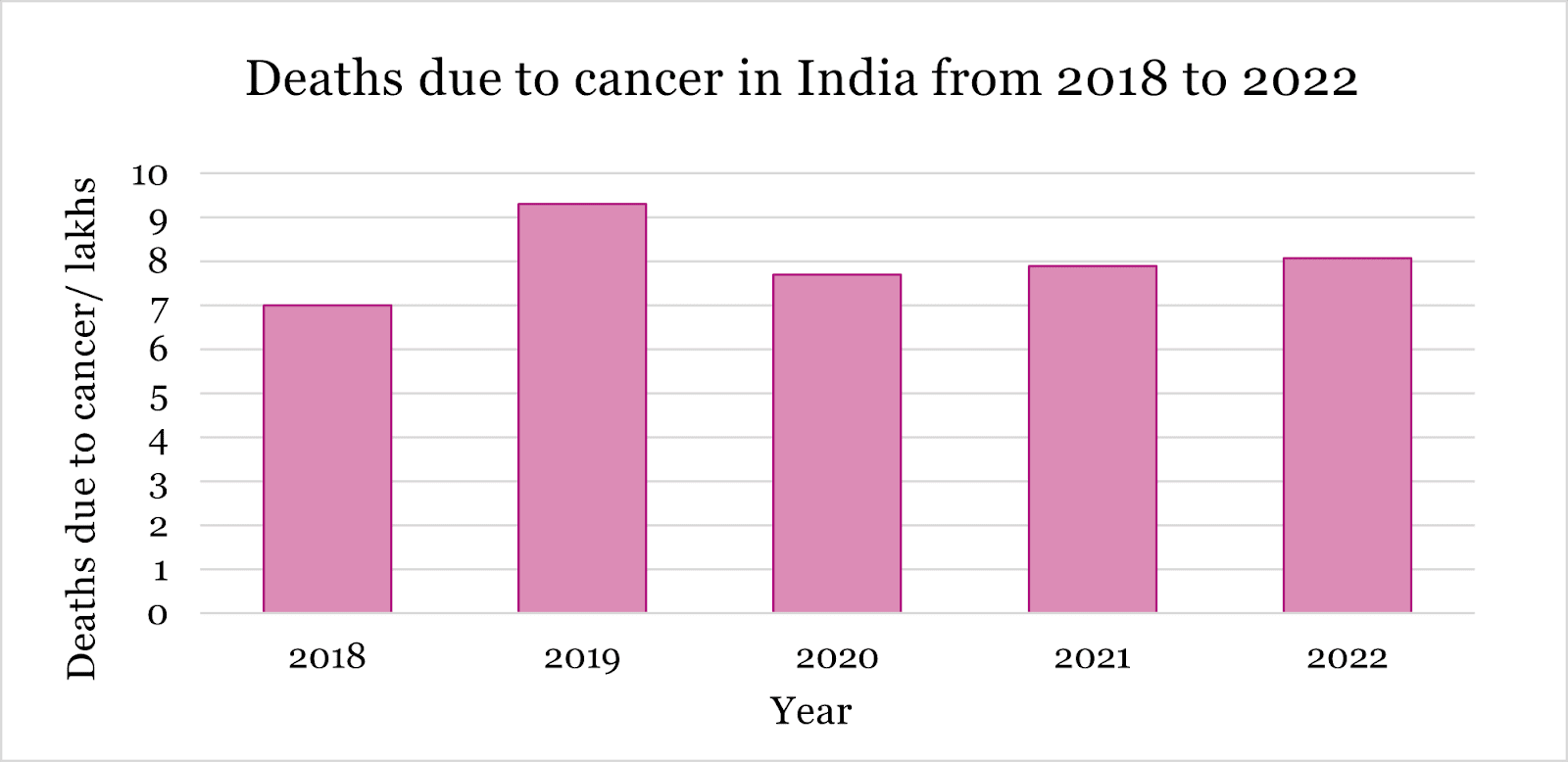
In recent years, there has been a significant rise in cancer mortality rates, prompting heightened concern over the potential links between chemicals in food and cancer. However, there is a noticeable lack of comprehensive studies in this field. While individual chemical additives have undergone scrutiny for their potential carcinogenic effects, a deeper comprehension of the complex interplay between our diets and cancer risk necessitates more extensive, long-term, and independent research. This paper examines genetically modified foods, alcoholic beverages, and red meats, as well as the potentially hazardous chemicals found in our daily dietary intake, such as trans-fatty acids, food additives, and artificial sweeteners. Furthermore, it explores various types of anti-cancer agents and cancer-preventive foods. These protective foods, abundant in fiber and low in calories, encompass items such as flax seeds, fruits, and vegetables, with particular emphasis on cruciferous vegetables. This review aims to shed light on dietary factors contributing to cancer and underscore the importance of a healthy diet as a preventive measure to reduce cancer risk. Lastly, it delves into whole-diet studies, offering a holistic understanding of how these factors collectively act to mitigate cancer risk and discuss the role of protective vitamins and minerals, including Folic Acid, Vitamins B-12, C, and D, as well as antioxidants.
Cancer is characterized by aberrant metabolism and signaling, enabling affected cells to undergo uncontrolled division and survival. The initiation of cancerous growth occurs when a cell disregards the normal constraints of cell division and begins to proliferate independently. Genetic alterations play a significant role in cancer genesis, leading to abnormal cell proliferation.
Among all diseases that impact individuals, cancer incurs the highest clinical, social, and financial costs in terms of cause-specific Disability-Adjusted Life Years (DALYs). No longer confined to age, cancer has an equal likelihood of development in an infant as in a seventy-four-year-old: approximately 20.2%. 1 This shift from infrequent to commonplace can be linked to changing dietary preferences, with various chemicals in our food identified as fundamental contributors to cancer onset and development.
Our food choices influence the risk of developing specific cancers. Diets rich in animal fat sources elevate the risk of obesity-related cancers, while low-fiber diets are associated with malignancies such as gastric, lung, prostate, and uterine cancers. High alcohol consumption may increase breast and liver cancer risks, and the consumption of genetically modified foods, processed red meat, and chemical additives and preservatives can facilitate cancer development.
Adopting a healthy lifestyle can prevent up to 70% of all cancer types. Maintaining a physically active, well-balanced diet, that is rich in fruits, vegetables, fiber, and essential vitamins and minerals offers protection against cancer risks. Conversely, cancer research is essential for enhancing prevention, detection, and treatment. Some research, particularly on animals, has faced criticism for using small sample sizes or animals with less biological similarity to humans, leading to misreporting and ambiguity. Controversies exist in research on breast cancer, ovarian cancer screening, oral cancer causes, and more, highlighting the need for clearer and visionary research.
Cancer results from intricate interactions between genes, the body, and the environment. Ranked among the leading causes of global mortality, it manifests in diverse forms, often lacking a definitive cure, rendering it one of the most lethal diseases. Cancer is intrinsically linked to the body and influenced by extrinsic factors such as diet, lifestyle, stress, nutrition, as well as exposure to UV radiation and smoking.
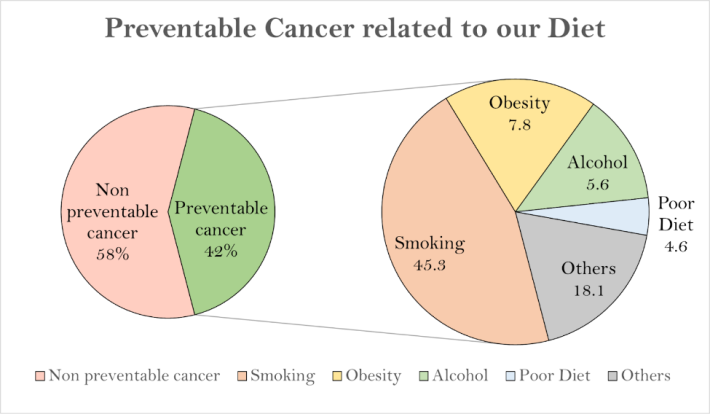
Approximately 30-40% of all cancers can be prevented through simple lifestyle and dietary changes. 4 Elevated consumption of processed foods like refined wheat flour, hydrogenated oils, artificial sweeteners, and red processed meats correlates with a higher incidence of cancer worldwide. Factors like obesity, nutrient-poor foods (e.g., concentrated sugar and refined flours), imbalances in omega-3 and omega-6 fats, and low fiber intake contribute to cancer risk.
The association between cancer, diet and lifestyle was recognized as early as the 1930s, though with limited acknowledgment until the past two decades. Recent research has more precisely examined the role of nutrition, diet, and lifestyle as contributing factors to cancer risk. 4 While many studies focus on specific foods or nutrients and their relationship to tumors or targeted body sites, they often lack a comprehensive perspective on preventing cancer at a nutritional level and guiding dietary changes for individuals already facing the disease. Vegetables, especially allium and cruciferous varieties, fruits, high-fiber foods, moderate fats with necessary fatty acids, and foods rich in antioxidants and phytochemicals contribute to a healthier life and combat cancer.
Studies suggest a substantial decrease in lung cancer risk (40-50%) and significant reductions in breast, colorectal, prostate, and other cancers (60-70%) through strict adherence to cancer-preventive diets. Hence, a comprehensive approach is needed, mapping out various foods contributing to cancer risk and designing a preventive dietary plan, which is what this review attempts to achieve. 4
The common chemicals found in foods, shown to have carcinogenicity are discussed below:
1. Hydrogenated Oils and Trans-Fatty Acids (TFA)
Hydrogenation refers to the addition of a hydrogen atom to the carbon-carbon double bond in an unsaturated fatty acid. In India, the widespread use of hydrogenated oil is attributed to its cost-effectiveness and extended shelf life. This process, facilitated by a catalyst, not only results in hydrogenated oils but also gives rise to partially hydrogenated oils. These partially hydrogenated oils find extensive applications in baking sweetened goods such as pies, cakes, candies, biscuits, and pancakes, as well as in the preparation of deep-fried foods like chips, french fries, and various fast foods. Typically, these foods exhibit high sugar and fat content, while being low in fiber and essential nutrients. Consumption of such items contributes to the production of low-density lipoprotein cholesterol, commonly referred to as bad cholesterol, thereby elevating the risk of chronic heart disease.
Trans fatty acids (TFAs), characterized by a trans configuration in unsaturated fatty acids, are produced through the partial hydrogenation of vegetable oil (PHVO-TFA), fish oil (PHFO-TFA), and ruminant fats. These TFAs exhibit structural differences based on their sources, and research indicates their association with different types of cancers. Some studies provide weak evidence suggesting that a high TFA intake may increase the risk of breast, prostate, and colon cancers, and continuous consumption could promote cancer growth. 6
Among these sources, PHFO-TFA and ruminant fats appear to pose a higher cancer risk compared to PHVO-TFA. PHFO-TFA has been linked to lung cancer (particularly among non-smokers), stomach cancer, and multiple myeloma. PHVO-TFA shows associations with pancreatic and skin cancer in men, while being linked to central nervous system cancer and non-Hodgkin’s lymphoma in women. Ruminant fats exhibit a correlation with various cancers, although no significant association is observed with premenopausal breast cancer and prostate cancer. 7
2. Food Additives
Food additives are chemical substances incorporated into various types of food to enhance their physical and chemical attributes. These additives serve the purpose of preserving food for an extended duration and improving its visual appeal without altering its nutritional content. Whether extracted naturally or synthesized in laboratories, these additives contribute to the overall quality of processed food.
In the ingredient lists of packaged food items, one can often find a variety of additives, including acidifying agents, acidity regulators, emulsifiers, thickeners, stabilizers, raising agents, colorants, and more. In India, both the E number and INS number systems are utilized to categorize these additives.
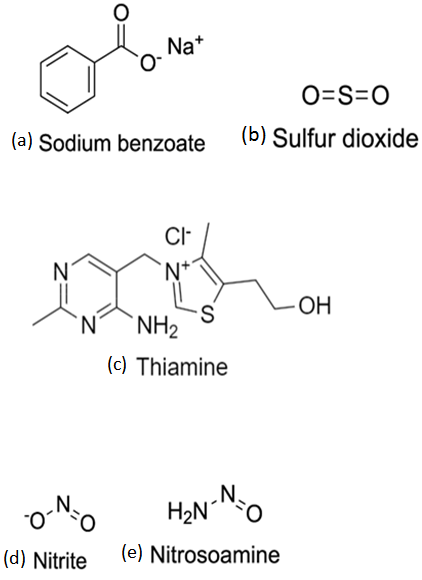
Food additives that contain benzoic acid and its derivatives raise concerns due to their potential neurotoxic and carcinogenic properties. There is a low probability of the formation of benzene, a highly toxic substance. These additives have been shown to trigger allergic reactions and gastric irritations. 8 Codes such as INS211 or E211 are used to represent Sodium benzoate (Figure 3(a)), a common additive frequently listed in the ingredients of agro-food products.
Sulfur dioxide (E220) (Figure 3(b)) diminishes the thiamine (Figure 3(c)) levels in our body, contributing to symptoms like headaches, skin or stomach irritation, nausea, and diarrhea. While its potential carcinogenic properties are still under investigation, the mutagenic effects of sulphites in humans have not been conclusively established but are currently under observation. 8
Nitrites (Figure 3(d)) are extensively employed as preservatives in the agro-food industry, particularly in red meat. When they come into contact with acid (such as Hydrochloric acid, present in the stomach), they undergo a reaction to produce nitrous acid. This nitrous acid can further react with amines (resulting from the hydrolysis of protein) to form nitrosamines (Figure 3(e)). Nitrosamines have a significant potential for inducing the formation of tumors and contributing to cancer in humans. 8

3. Artificial Sweeteners
A significant portion of the population has adopted regular consumption of artificial sweeteners in today’s day and age. The pioneer among artificial sweeteners was Saccharin (Figure 3.6), utilized during World Wars I and II due to its cost-effectiveness. 9 Subsequently, with the rise of obesity rates, artificial sweeteners began replacing sugars to mitigate calorie intake. Notable examples of popular sweeteners include Acesulfame K, aspartame, advantame, cyclamates, neotame, sucralose, stevia, and stevia derivatives.
Being the oldest sweetener, Saccharin has been extensively studied. Numerous rodent studies have indicated a correlation between high concentrations of saccharin and the development of bladder cancer in rats. In the UK, a study conducted two decades after the Second World War noted a significant increase in mortality rates among diabetic patients, potentially linked to the heightened consumption of artificial sweeteners. 9
Cyclamate was introduced into the US markets in 1951, but it was banned by the FDA in 1970. Despite this, it continues to be used, especially in combination with other sweeteners, in many parts of Asia. Cyclamate undergoes conversion into a metabolite called cyclohexylamine, which is recognized as a known toxin. Criticisms have been raised against several studies involving small groups of animals, either due to the limited number of subjects or the absence of significant conclusions regarding its potential carcinogenicity in humans. 9
In 1981, Aspartame was introduced with no known carcinogenicity, but a 1996 publication by Olney, J.W. 10 suggested an association between Aspartame and an increase in brain tumors. This article faced heavy criticism, being labeled an ecological fallacy. 9 Considering the biological differences between humans and animals, it is suggested that regular consumption of artificial sweeteners for two or three decades could lead to toxicity and the development of cancer in specific parts of our body.
Other Carcinogenic Foods:
1. Genetic Modified Foods
Genetic engineering has played a role in meeting our food requirements by allowing the alteration of both the quantity and nutritional content of plants through the introduction of favorable DNA into their genomes. This technology can make crops resistant to biotic and abiotic stresses, but it also comes with certain concerns. DNA mutations caused by genes cannot be controlled, leading to variations in products that may contain toxins and heavy metals, posing potential harm. Increased mutation may have unknown consequences, such as the development of new allergies triggering the immune system. Research on mice, which were fed GM plants (tomatoes, potatoes, and soybeans) revealed toxicity, with abnormal cell growth in their digestive tracts, structural abnormalities in their livers and pancreata, and changes in enzyme secretion, sperm, and embryos. 11
Genetically Modified Animals can also be produced with similar technology, enhancing milk production in mammals and improving meat quality by altering fat percentages and fatty acid composition. The modified genes are resistant to cooking, difficult to digest, and challenging to excrete. 11, 12
Major GM crops in India include BT cotton, Brinjal, Tomato, Potato, Mustard, Chickpea, and Maize.
2. Alcoholic Beverages
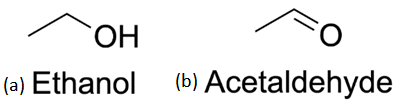
Alcohol is a term commonly encompassing beverages containing ethanol (Figure 4(a)) fermented from sugar sources like grains and fruits, including wines, beers, spirits, ciders, and other alcoholic drinks.
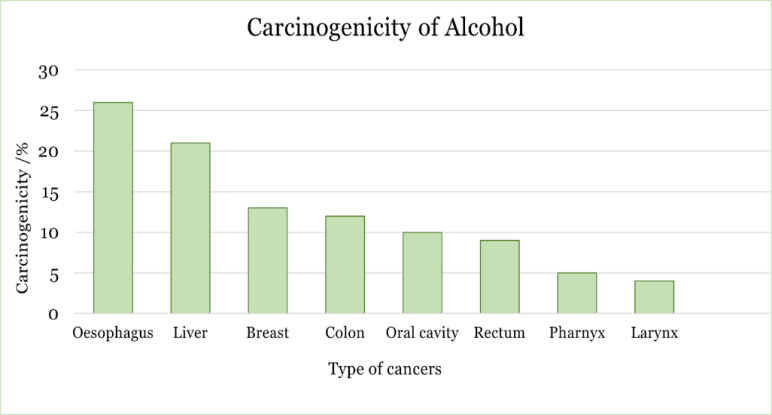
Long-term alcohol consumption may lead to Alcohol Use Disorder (AUD) and an increased risk of various cancers, cardiovascular diseases, and addiction. According to the World Health Organization (WHO), alcohol is the highest-risk group carcinogen, with even low levels of consumption considered unsafe. 13 Alcoholic beverages are linked to cancer in various body sites, including the oral cavity, pharynx, larynx, oesophagus, colorectum, liver, and breasts (Figure 5). The IARC Working Group concludes that ethanol in alcoholic beverages forms carcinogenic acetaldehyde (Figure 4(b)) during metabolism. Polymorphism in genes related to ethanol oxidation during metabolism is associated with various cancer types in their initial phases. Estrogens and androgens, known activators of cellular proliferation, contribute to an elevated risk of breast carcinogenesis. Drinking alcoholic beverages increases endogenous estrogen levels in women, linked to an increased risk of breast cancer. The primary metabolite of ethanol, acetaldehyde, has pro-carcinogenic properties, playing a significant role in alcohol-mediated carcinogenesis. Hormonal status, genetic polymorphism, and nutritional factors interact with ethanol metabolism, influencing breast cancer risk. 14, 15


3. Red Processed Meat
Red meat refers to unprocessed mammalian muscle flesh found in cattle, veal, pork, and lamb. Processed meat, on the other hand, undergoes salting, curing, fermenting, smoking, or other preservation methods to enhance flavor or extend shelf life. Red meat contains high-biological value proteins and essential micronutrients, including B group vitamins, iron (both free and heme iron), and zinc. 16
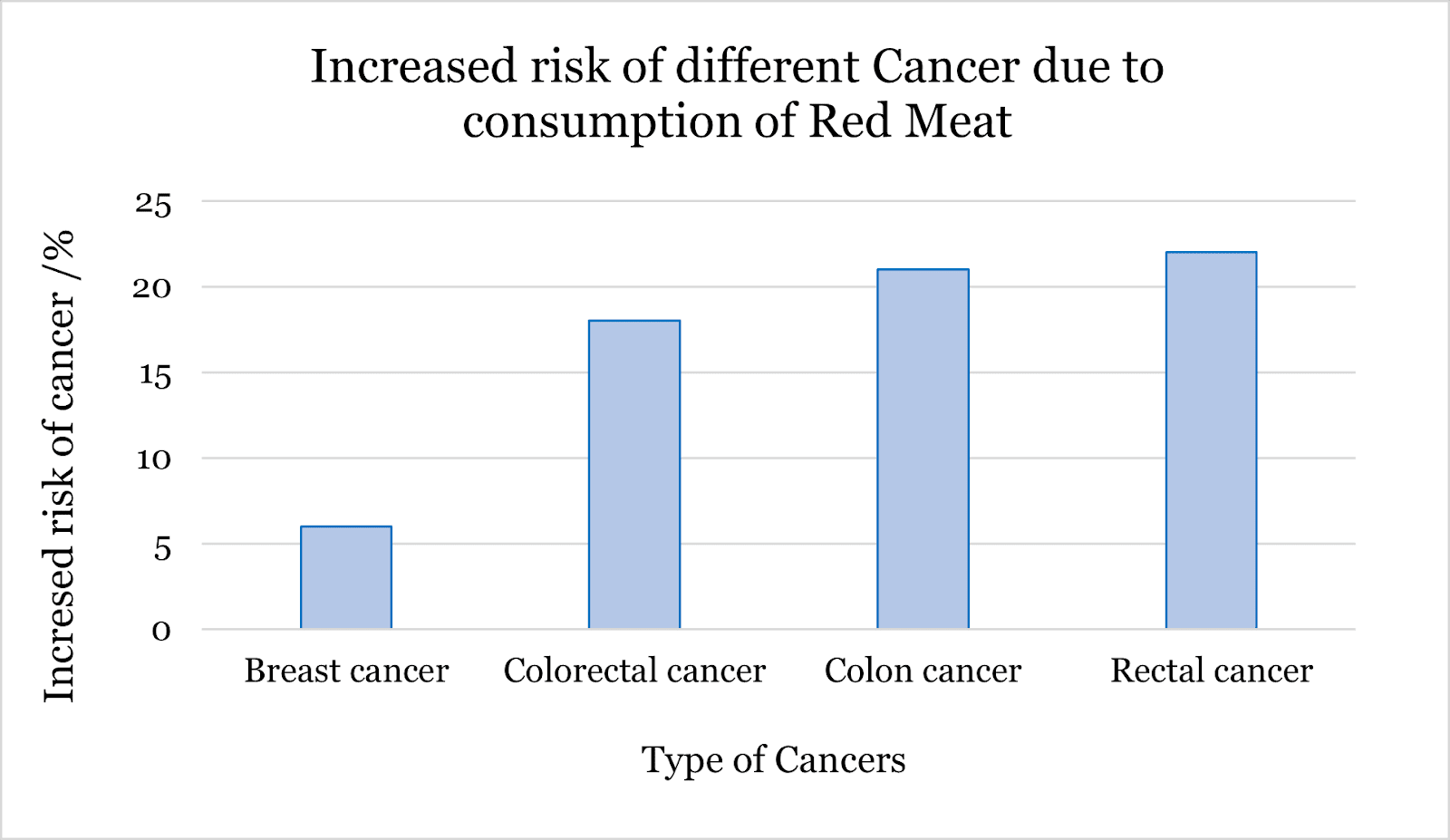
Examples like ham, bacon, salami, and Frankfurts fall under processed meats classified by the World Health Organization as Group 1 carcinogens, indicating substantial evidence linking them to cancer development. Consuming processed beef may elevate the risk of bowel and stomach cancer. In addition, high-temperature cooking can lead to the formation of carcinogenic compounds, including heterocyclic amines and polycyclic aromatic compounds. Heterocyclic Aromatic Amines are likely mutagenic and cancer-causing substances produced when high-protein items are heated to 120°C. Polycyclic aromatic hydrocarbons, formed during incomplete combustion, are considered pollutants and include harmful carcinogenic, mutagenic, and teratogenic components like benzopyrene. Cooking methods such as grilling, roasting, smoking, and barbecuing generate these compounds. 16
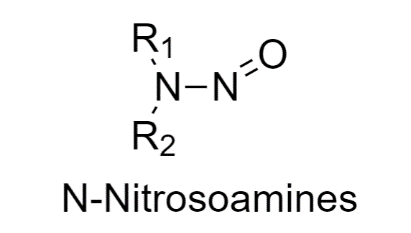
Recent studies suggest that both added and naturally occurring substances in red and processed meats can be carcinogenic. N-nitroso compounds (Figure 6) found in red meat have been identified for damaging the cells lining the colon, potentially leading to bowel cancer. 17 The breakdown of a chemical called heme in red meat, along with the digestion of processed beef, produces N-nitroso compounds. These compounds are also generated by nitrite and nitrate preservatives used in processed meat, contributing to the risk of bowel cancer. Additionally, heme iron has shown to promote the generation of free radicals and oxidative stress, contributing to DNA damage and the progression of cancerous cells. 18, 19, 20, 21


Impact of Vegan Diet in reducing Cancer Risk
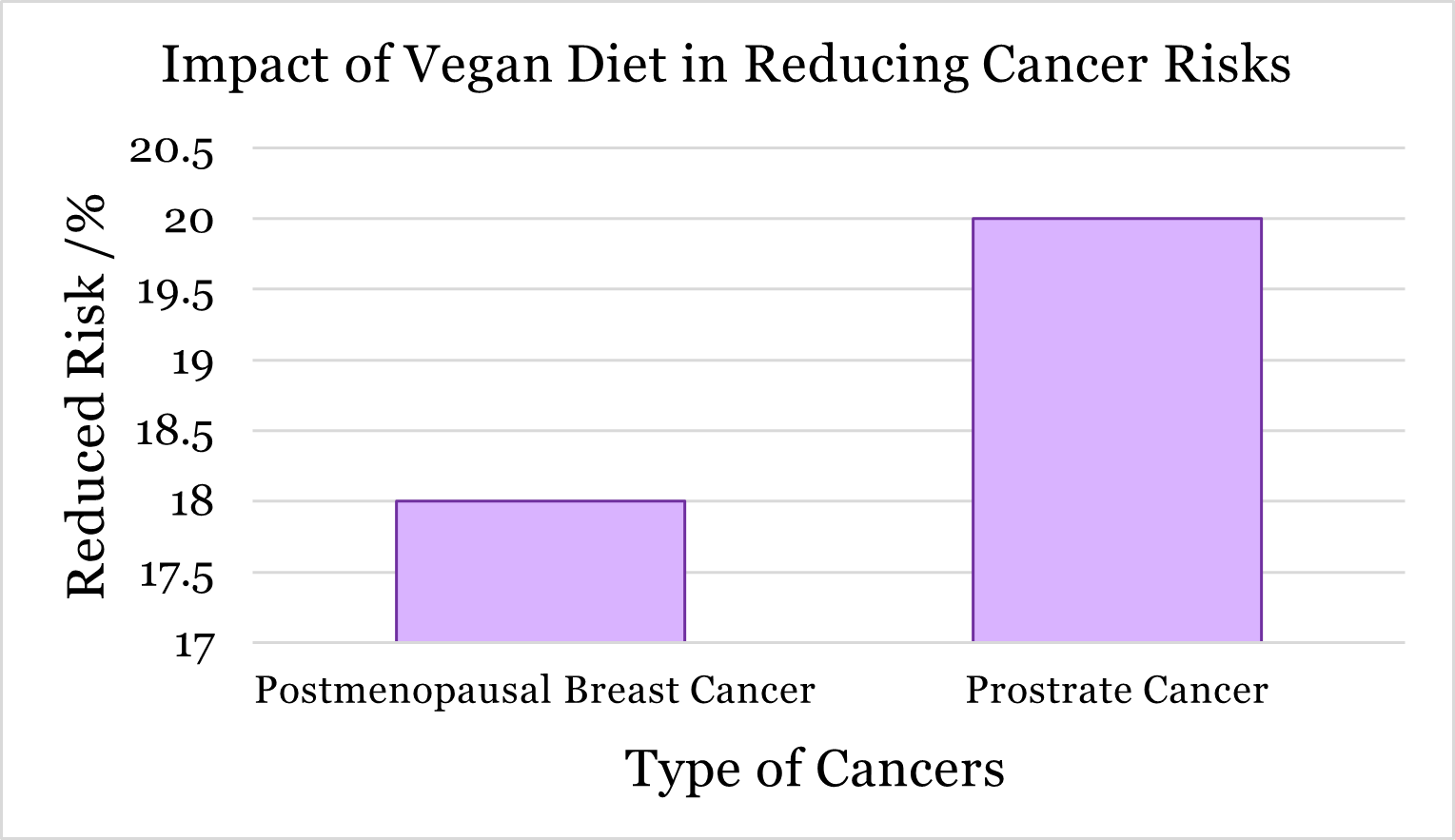
Numerous studies and analyses by the University of Oxford suggest that individuals following vegetarian diets have a 14% decreased risk of certain cancers, such as colorectal cancer, breast cancer, and prostate cancer. A vegan diet, prohibiting all animal-derived goods, has shown health advantages. Oxford University reports that regular meat consumers and pescatarians have more than 10% lower chance of developing cancer (Figure 8). These findings reinforce the benefits of a vegetarian diet, particularly the reduced intake of processed meat, which is linked to a lower risk of colon cancer, according to Dr. Julie Sharp, head of patient services at Cancer Research UK. 23, 24
While it has not been conclusively proven that specific foods can prevent or cure cancer, research has explored various nutritious and dietary measures that can reduce the risk of cancer to some extent and contribute to a healthy, cancer-free life. No single food can eliminate the risk of cancer, given the multifactorial causes of the disease. However, the consistent intake of certain healthy foods over an extended period can significantly reduce the risk of cancer. These foods are often referred to as 'Anti-Cancer' foods or 'Cancer-Fighting' foods. 25
1.Monitored Intake of Calories:
Excessive calorie intake is a recognized risk factor for cancer, and overeating is a significant contributor to obesity, a condition associated with an increased risk of cancer deaths. Careful menu planning, embracing the concept of "CRON-Calorie Restriction with Optimal Nutrition”, involves consuming fewer calories than needed to maintain "normal" body weight while ensuring the intake of necessary vitamins, minerals, and essential nutrients. This approach has shown promise in increasing the lifespan of various species, including humans, by at least 55%, according to studies. 25
2.High Fiber Intake:
Dairy products like eggs and milk, as well as refined grain and plant products, lack fiber. Prospective health studies indicate that low fiber intake is associated with an increased risk of breast cancer. Increasing fiber intake through unrefined plant products, fruits, vegetables, and whole grains can reduce the risk of breast cancer and rectal cancer. Consuming approximately five servings of vegetables daily is recommended to reduce cancer risk, with this effect being more pronounced among older individuals. 25
3.Cruciferous Vegetables:
Cruciferous vegetables, such as broccoli, cabbage, cauliflower, and Brussels sprouts, contain Sulforaphane, known for its anti-cancer properties. A Chinese study revealed an inverse relationship between the intake of these vegetables, measured by the secretion of isothiocyanates in urine samples, and the risk of breast cancer. The study group with the highest intake had only 50% of the risk compared to the lowest intake group. 26
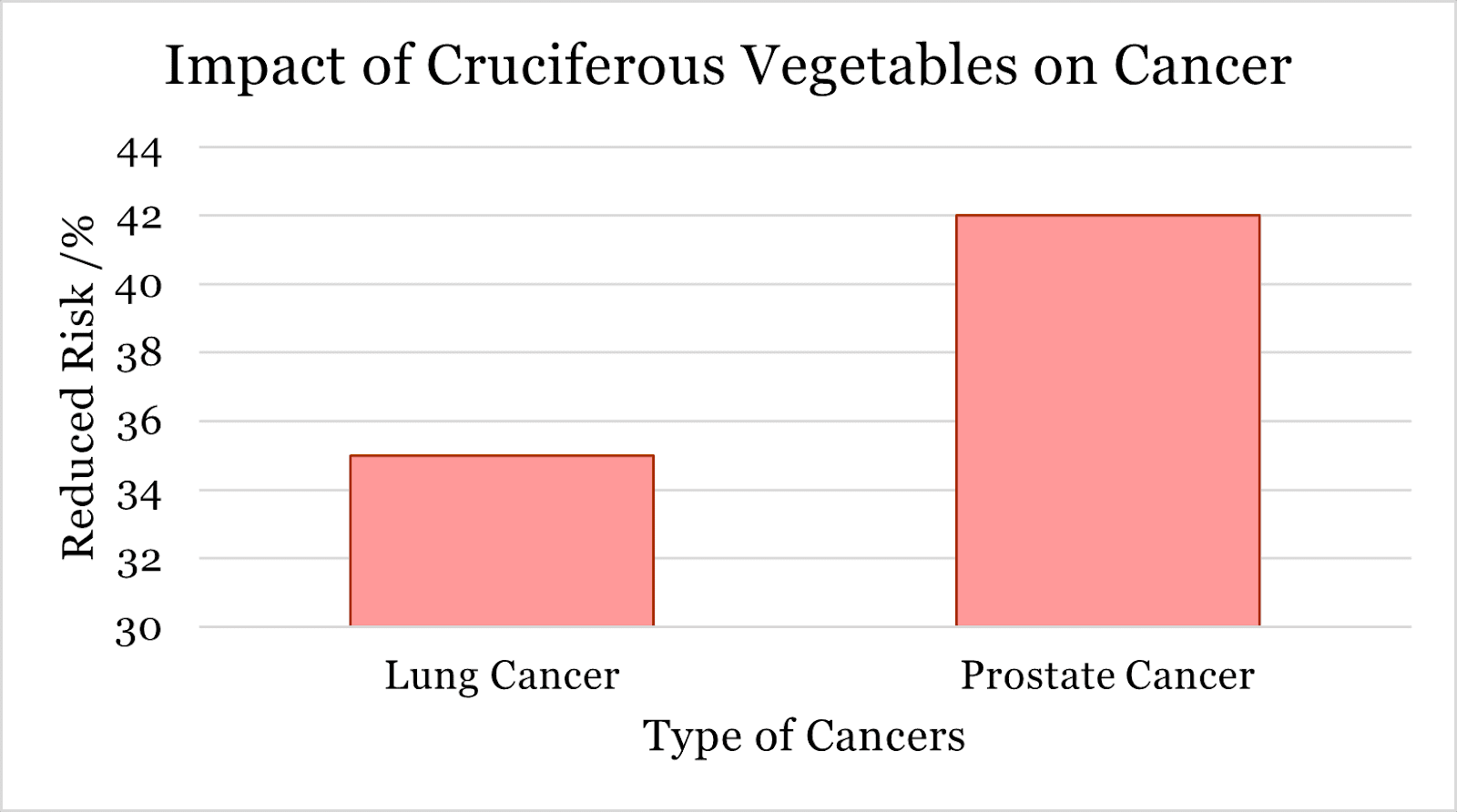
Following this, the consumption of three or more servings of cruciferous vegetables per week has been associated with decrease in cases of prostate cancer and lung cancer (Figure 9) 25. Sulforaphane is the essential element in cruciferous vegetables that imparts their anti-cancer properties. Among these vegetables, broccoli and sprouts, in particular, have a very high concentration of this chemical, originating in the seed itself rather than being produced as the plant grows 25. Hence, including them in an anti-cancer diet, even in small quantities, can be beneficial.
4.Protective Vitamins & Minerals:
a. Folic Acid
Folic acid is a vitamin found in dark green, leafy vegetables. It plays a crucial role in the synthesis and methylation of DNA, working in conjunction with vitamins B-6 and B-12. Numerous studies have indicated a significant reduction in colorectal and breast cancer with a higher dietary intake of folic acid and related nutrients. Alcohol acts as an antagonist of folate, and individuals with a low-folate diet who consume alcoholic beverages face an increased risk of cancer. Folate may be particularly important for rapidly dividing tissues, such as colonic mucosa, making low folate intake more strongly associated with colon cancer than breast cancer. Despite being overlooked due to the presence of various risk factors, folates indeed exhibit a true protective effect. 25 Therefore, an anti-cancer diet should be rich in dark green leafy vegetables.
b. Vitamin D
The primary source of Vitamin D in our bodies is exposure to early morning sunshine. While Vitamin D is well-known for its role in the development and strengthening of bones, its active hormonal form is recognized for possessing anti-cancer properties. Studies have revealed that various types of cancerous tissues, including prostate cells, colon tissue, breast, ovarian, and cervical tissue, pancreatic tissue, and a lung cancer cell line 25, can convert the major circulating form of 1-hydroxycholecalciferol into the active hormonal form, 1,25-dihydroxycholecalciferol. This suggests a local mechanism in many tissues of the body to convert the form of vitamin D elevated by sunshine exposure into a hormone with anticancer activity.

Ecological studies on populations and sunlight exposure (without individual data) have shown that sunlight may have a protective effect against prostate cancer, ovarian cancer, and breast cancer. 25 This protective effect could be attributed to the presence of vitamin D in sunlight.
c. Antioxidants
α- and β-Carotene and other Carotenoids
Numerous ecological studies have explored the cancer-reducing properties of carotenoids, examining the potential benefits of these vibrant compounds. β-carotene, in particular, has been identified as a cancer-protective agent. Controlled, randomized trials of β-carotene have yielded mixed results, with some studies indicating neutrality and others suggesting an increased risk of lung cancer in smokers. 25 It is important to note that β-carotene, while serving as a marker for fruits and vegetable intake, does not exhibit notable protective effects in isolated doses.
On the other hand, dietary carotenoids have demonstrated cancer-preventative properties, as indicated by various studies. α-carotene, a stronger protective agent than its isomer beta-carotene, contributes to the overall protective effect of carotenoids. Research consistently emphasizes that a diverse intake of carotenoids is more effective in reducing cancer risk than a high intake of a single carotenoid. Therefore, the consumption of a variety of fruits and vegetables rich in antioxidants, such as carrots, carrot juice, and pumpkins, is considered more protective and beneficial for cancer prevention.
d. Vitamin C
Ascorbic Acid, more commonly known as Vitamin C, has been extensively studied worldwide about health. Linus Pauling popularized the use of vitamin C in cancer therapy, highlighting its toxicity to cancer cells at high concentrations. Substantial doses of vitamin C have demonstrated beneficial effects in cancer therapy. 25
While Vitamin C is recognized as a therapeutically effective substance, the amounts required for therapeutic effects surpass typical dietary intakes. Intravenous administration of ascorbates may serve as a beneficial adjuvant therapy for cancer, known to have no side effects when administered properly.
After examining the impact of various dietary habits on cancer risk and identifying protective measures, it is essential to explore how to integrate this information into a practical and nutritionally balanced diet for everyday life, minimizing the risk of malnutrition.
Different dietary patterns worldwide reveal diverse effects on cancer risk. An Italian “salad" diet, featuring raw vegetables and olive oil, has shown protective benefits against breast cancer in women. Conversely, the American "Prudent" diet, incorporating cooked vegetables, pulses, and fish, has demonstrated protective effects against colon cancer. On the other hand, the "Western" diet, characterized by potatoes, red meat, eggs, and butter, has proven to be highly detrimental to health, especially due to the carcinogenic properties of red meat attributed to the formation of N-Nitroso compounds. 25
Considering these findings, we propose a dietary plan tailored to the Indian context. With approximately 30-40% of the Indian population following a vegetarian lifestyle, the country boasts a rich variety of creative vegetarian dishes. The substitution of common unsaturated refined oils with a healthier alternative like olive oil, increased consumption of fruits and vegetables—especially cruciferous varieties such as broccoli, cabbage, cauliflower—and the replacement of refined wheat flour (maida) with whole wheat flour (Chakki Atta), rich in fiber, and refined sugar with jaggery (gur) can contribute to a cancer-protective diet.
Table 4 provides a summary of common unhealthy, potentially carcinogenic foods and suggests their healthier alternatives in our regular dietary intake and Table 5 outlines our daily dietary choices, encompassing various carcinogenic substances that collectively elevate the risk of developing cancer and other associated health issues.
This analysis has explored the impact of various foods on the development of cancer within the human body. Artificial chemicals used to enhance the taste and prolong the shelf life of our food can pose serious risks to human health. Ingredients like hydrogenated oils and trans fatty acids (TFAs) have been associated with elevated levels of low-density lipoprotein cholesterol, increasing the likelihood of breast, prostate, and colon cancer. Additionally, food additives containing derivatives of known carcinogens such as benzene, sulfur dioxide, and nitrites can potentially transform into cancer-causing agents within the body. Likewise, artificial sweeteners, when used together, may break down into harmful substances due to their low thermal stability. Genetically modified organisms (GMOs) have also raised concerns due to their potential to trigger uncontrolled DNA mutations, possibly leading to new allergic reactions and toxicity in the immune system. Alcoholic beverages and processed red meat have been classified as Group 1 carcinogens by the World Health Organization (WHO). The metabolites of alcohol, ethanol, and acetaldehyde, have been linked to cancer in various parts of the digestive system. Moreover, cooking red processed meat at high temperatures can produce heterocyclic aromatic amines and polycyclic aromatic hydrocarbons, which are known carcinogens and mutagens. Diets rich in non-vegetarian and animal-based products have been associated with higher cancer risk, leading to a growing interest in adopting a vegan diet. While a vegan diet may not always be cost-effective or easy to implement, modifications to existing diets can still offer protection against cancer. Emphasizing controlled calorie intake to combat obesity, a major contributor to cancer, this anti-cancer diet prioritizes plant-based foods such as fruits, vegetables, and legumes. These foods contain phytochemicals like antioxidants and carotenoids, which help safeguard against DNA damage and inflammation. Antioxidant-rich foods like dark chocolate, apples with peel, avocados, tea, and coffee can neutralize cellular damage and reduce the risk of cancer. Carotenoids such as beta-carotene, lycopene, and lutein, found in fruits, cereals, oils, and vegetables, have also been linked to a decreased incidence of cancer and heart disease, particularly when consumed with a source of fat to enhance absorption.
The authors confirm that their work has not received financial support from any organizations. Upon manuscript submission, no conflicts of interest need to be declared.
| [1] | Mattiuzzi C, Lippi G. Current Cancer Epidemiology. J Epidemiol Glob Health. 2019 Dec;9(4):217-222. | ||
| In article | View Article PubMed | ||
| [2] | https://www.tribuneindia.com/news/nation/8-lakh-died-of-cancer-last-year-cases-rising-527808 | ||
| In article | |||
| [3] | Kulothungan, V., Sathishkumar, K., Leburu, S. et al. Burden of cancers in India - estimates of cancer crude incidence, YLLs, YLDs and DALYs for 2021 and 2025 based on National Cancer Registry Program. BMC Cancer 22, 527 (2022). | ||
| In article | View Article PubMed | ||
| [4] | Ravasco P. Nutrition in Cancer Patients. Journal of Clinical Medicine. 2019; 8(8):1211. | ||
| In article | View Article PubMed | ||
| [5] | https://www.nbcnews.com/health/cancer/fresh-look-cancer-shows-smoking-obesity-top-causes-n822836 | ||
| In article | |||
| [6] | Thompson, A., Shaw, D., Minihane, A., & Williams, C. (2008). Trans-fatty acids and cancer: The evidence reviewed. Nutrition Research Reviews, 21(2), 174-188. | ||
| In article | View Article PubMed | ||
| [7] | Laake, I., Carlsen, M.H., Pedersen, J.I., Weiderpass, E., Selmer, R., Kirkhus, B., Thune, I. and Veierød, M.B. (2013), Intake of trans fatty acids from partially hydrogenated vegetable and fish oils and ruminant fat in relation to cancer risk. Int. J. Cancer, 132: 1389-1403. | ||
| In article | View Article PubMed | ||
| [8] | Maria Manuela Silva, Fernando Cebola Lidon. Food Preservatives- An overview of applications and side effects. Emirates journal of Food and Agriculture. 2016.28(6):366-373 | ||
| In article | View Article | ||
| [9] | M. R. Weihrauch & V. Diehl.Artificial sweeteners- do they bear a carcinogenic risk? Department of Internal Medicine 1 of the University of Cologne, Cologne, Germany. 2004. | ||
| In article | View Article PubMed | ||
| [10] | Olney JW, Farber NB, Spitznagel E, Robins LN. Increasing brain tumor rates: is there a link to aspartame? J Neuropathol Exp Neurol.1996; 55: 1115–1123. | ||
| In article | View Article PubMed | ||
| [11] | The Open Nutraceuticals Journal, 2011, 4: 3-11. Charu Verma, Surabhi Nanda, R. K. Singh, R. B. Singh, Sanjay Mishra. Department of Biotechnology, College of Engineering & Technology IFTM Campus, Delhi Road, Moradabad 244001, U.P., India. Electronic publication date 24/2/2011. | ||
| In article | |||
| [12] | Genetically modified plants and human health.Suzie Key, Julian K-C Ma, and Pascal MW Drake. Journal of the Royal Society of Medicine 2008 101:6, 290-298 | ||
| In article | View Article PubMed | ||
| [13] | Paule Latino-Martel, Vanessa Cottet, Nathalie Druesne-Pecollo, Fabrice H.F. Pierre, Marina Touillaud, Mathilde Touvier, Marie-Paule Vasson, Mélanie Deschasaux, Julie Le Merdy, Emilie Barrandon, Raphaëlle Ancellin, Alcoholic beverages, obesity, physical activity and other nutritional factors, and cancer risk: A review of the evidence, Critical Reviews in Oncology/Hematology, Volume 99, 2016, Pages 308-323, ISSN 1040-8428. | ||
| In article | View Article PubMed | ||
| [14] | Chiara Scoccianti, Béatrice Lauby-Secretan, Pierre-Yves Bello, Véronique Chajes, Isabelle Romieu, Female Breast Cancer and Alcohol Consumption: A Review of the Literature, American Journal of Preventive Medicine, Volume 46, Issue 3, Supplement 1, 2014, Pages S16-S25, ISSN 0749-3797. | ||
| In article | View Article PubMed | ||
| [15] | Rumgay H, Murphy N, Ferrari P, Soerjomataram I. Alcohol and Cancer: Epidemiology and Biological Mechanisms. Nutrients. 2021 Sep 11;13(9):3173. | ||
| In article | View Article PubMed | ||
| [16] | https://www.wcrf-uk.org/preventing-cancer/what-can-increase-your-risk-of-cancer/red-and-processed-meat-and-cancer-risk/ | ||
| In article | |||
| [17] | IARC Working Group on the Evaluation of Carcinogenic Risks to Humans. Red Meat and Processed Meat. Lyon (FR): International Agency for Research on Cancer; 2018. (IARC Monographs on the Evaluation of Carcinogenic Risks to Humans, No. 114.) Available from: https://www.ncbi.nlm.nih.gov/books/NBK507971/ | ||
| In article | |||
| [18] | Perez-Cornago, A, Smith-Byrne, K, Hazelwood, E, et al. Genetic predisposition to metabolically unfavourable adiposity and prostate cancer risk: A Mendelian randomization analysis. Cancer Med. 2023; 12: 16482-16489. | ||
| In article | View Article PubMed | ||
| [19] | Watling CZ, Kelly RK, Dunneram Y, Knuppel A, Piernas C, Schmidt JA, Travis RC, Key TJ, Perez-Cornago A. Associations of intakes of total protein, protein from dairy sources, and dietary calcium with risks of colorectal, breast, and prostate cancer: a prospective analysis in UK Biobank. Br J Cancer. 2023 Sep;129(4):636-647. | ||
| In article | View Article PubMed | ||
| [20] | Cody Z. Watling, Rebecca K. Kelly, Neil Murphy, Marc Gunter, Carmen Piernas, Kathryn E. Bradbury, Julie A. Schmidt, Timothy J. Key, Aurora Perez-Cornago; Prospective Analysis Reveals Associations between Carbohydrate Intakes, Genetic Predictors of Short-Chain Fatty Acid Synthesis, and Colorectal Cancer Risk. Cancer Res 15 June 2023; 83 (12): 2066–2076. | ||
| In article | View Article PubMed | ||
| [21] | Circulating insulin-like growth factors and risks of overall, aggressive and early-onset prostate cancer: a collaborative analysis of 20 prospective studies and Mendelian randomization analysis International Journal of Epidemiology, 21 June 2022 | ||
| In article | |||
| [22] | Sivasubramanian BP, Dave M, Panchal V, Saifa-Bonsu J, Konka S, Noei F, Nagaraj S, Terpari U, Savani P, Vekaria PH, Samala Venkata V, Manjani L. Comprehensive Review of Red Meat Consumption and the Risk of Cancer. Cureus. 2023 Sep 15;15(9):e45324. | ||
| In article | View Article | ||
| [23] | Kliemann N, Rauber F, Bertazzi Levy R, Viallon V, Vamos EP, Cordova R, Freisling H, Casagrande C, Nicolas G, Aune D, Tsilidis KK, Heath A, Schulze MB, Jannasch F, Srour B, Kaaks R, Rodriguez-Barranco M, Tagliabue G, Agudo A, Panico S, Ardanaz E, Chirlaque MD, Vineis P, Tumino R, Perez-Cornago A, Andersen JLM, Tjønneland A, Skeie G, Weiderpass E, Monteiro CA, Gunter MJ, Millett C, Huybrechts I. Food processing and cancer risk in Europe: results from the prospective EPIC cohort study. Lancet Planet Health. 2023 Mar;7(3):e219-e232. | ||
| In article | View Article PubMed | ||
| [24] | Gaesser GA. Whole Grains, Refined Grains, and Cancer Risk: A Systematic Review of Meta-Analyses of Observational Studies. Nutrients. 2020; 12(12):3756. | ||
| In article | View Article PubMed | ||
| [25] | Donaldson, M.S. Nutrition and cancer: A review of the evidence for an anti-cancer diet. Nutr J 3, 19 (2004). | ||
| In article | View Article PubMed | ||
| [26] | Hsing AW, Chokkalingam AP, Gao YT, Madigan MP, Deng J, Gridley G, Fraumeni JF: Allium vegetables and risk of prostate cancer: a population-based study. J Natl Cancer Inst. 2002, 94: 1648-1651. | ||
| In article | View Article PubMed | ||
Published with license by Science and Education Publishing, Copyright © 2024 Deepshikha Singh, Divyashakti Dwivedi, Himanshi and Shivani Singh
 This work is licensed under a Creative Commons Attribution 4.0 International License. To view a copy of this license, visit
http://creativecommons.org/licenses/by/4.0/
This work is licensed under a Creative Commons Attribution 4.0 International License. To view a copy of this license, visit
http://creativecommons.org/licenses/by/4.0/
| [1] | Mattiuzzi C, Lippi G. Current Cancer Epidemiology. J Epidemiol Glob Health. 2019 Dec;9(4):217-222. | ||
| In article | View Article PubMed | ||
| [2] | https://www.tribuneindia.com/news/nation/8-lakh-died-of-cancer-last-year-cases-rising-527808 | ||
| In article | |||
| [3] | Kulothungan, V., Sathishkumar, K., Leburu, S. et al. Burden of cancers in India - estimates of cancer crude incidence, YLLs, YLDs and DALYs for 2021 and 2025 based on National Cancer Registry Program. BMC Cancer 22, 527 (2022). | ||
| In article | View Article PubMed | ||
| [4] | Ravasco P. Nutrition in Cancer Patients. Journal of Clinical Medicine. 2019; 8(8):1211. | ||
| In article | View Article PubMed | ||
| [5] | https://www.nbcnews.com/health/cancer/fresh-look-cancer-shows-smoking-obesity-top-causes-n822836 | ||
| In article | |||
| [6] | Thompson, A., Shaw, D., Minihane, A., & Williams, C. (2008). Trans-fatty acids and cancer: The evidence reviewed. Nutrition Research Reviews, 21(2), 174-188. | ||
| In article | View Article PubMed | ||
| [7] | Laake, I., Carlsen, M.H., Pedersen, J.I., Weiderpass, E., Selmer, R., Kirkhus, B., Thune, I. and Veierød, M.B. (2013), Intake of trans fatty acids from partially hydrogenated vegetable and fish oils and ruminant fat in relation to cancer risk. Int. J. Cancer, 132: 1389-1403. | ||
| In article | View Article PubMed | ||
| [8] | Maria Manuela Silva, Fernando Cebola Lidon. Food Preservatives- An overview of applications and side effects. Emirates journal of Food and Agriculture. 2016.28(6):366-373 | ||
| In article | View Article | ||
| [9] | M. R. Weihrauch & V. Diehl.Artificial sweeteners- do they bear a carcinogenic risk? Department of Internal Medicine 1 of the University of Cologne, Cologne, Germany. 2004. | ||
| In article | View Article PubMed | ||
| [10] | Olney JW, Farber NB, Spitznagel E, Robins LN. Increasing brain tumor rates: is there a link to aspartame? J Neuropathol Exp Neurol.1996; 55: 1115–1123. | ||
| In article | View Article PubMed | ||
| [11] | The Open Nutraceuticals Journal, 2011, 4: 3-11. Charu Verma, Surabhi Nanda, R. K. Singh, R. B. Singh, Sanjay Mishra. Department of Biotechnology, College of Engineering & Technology IFTM Campus, Delhi Road, Moradabad 244001, U.P., India. Electronic publication date 24/2/2011. | ||
| In article | |||
| [12] | Genetically modified plants and human health.Suzie Key, Julian K-C Ma, and Pascal MW Drake. Journal of the Royal Society of Medicine 2008 101:6, 290-298 | ||
| In article | View Article PubMed | ||
| [13] | Paule Latino-Martel, Vanessa Cottet, Nathalie Druesne-Pecollo, Fabrice H.F. Pierre, Marina Touillaud, Mathilde Touvier, Marie-Paule Vasson, Mélanie Deschasaux, Julie Le Merdy, Emilie Barrandon, Raphaëlle Ancellin, Alcoholic beverages, obesity, physical activity and other nutritional factors, and cancer risk: A review of the evidence, Critical Reviews in Oncology/Hematology, Volume 99, 2016, Pages 308-323, ISSN 1040-8428. | ||
| In article | View Article PubMed | ||
| [14] | Chiara Scoccianti, Béatrice Lauby-Secretan, Pierre-Yves Bello, Véronique Chajes, Isabelle Romieu, Female Breast Cancer and Alcohol Consumption: A Review of the Literature, American Journal of Preventive Medicine, Volume 46, Issue 3, Supplement 1, 2014, Pages S16-S25, ISSN 0749-3797. | ||
| In article | View Article PubMed | ||
| [15] | Rumgay H, Murphy N, Ferrari P, Soerjomataram I. Alcohol and Cancer: Epidemiology and Biological Mechanisms. Nutrients. 2021 Sep 11;13(9):3173. | ||
| In article | View Article PubMed | ||
| [16] | https://www.wcrf-uk.org/preventing-cancer/what-can-increase-your-risk-of-cancer/red-and-processed-meat-and-cancer-risk/ | ||
| In article | |||
| [17] | IARC Working Group on the Evaluation of Carcinogenic Risks to Humans. Red Meat and Processed Meat. Lyon (FR): International Agency for Research on Cancer; 2018. (IARC Monographs on the Evaluation of Carcinogenic Risks to Humans, No. 114.) Available from: https://www.ncbi.nlm.nih.gov/books/NBK507971/ | ||
| In article | |||
| [18] | Perez-Cornago, A, Smith-Byrne, K, Hazelwood, E, et al. Genetic predisposition to metabolically unfavourable adiposity and prostate cancer risk: A Mendelian randomization analysis. Cancer Med. 2023; 12: 16482-16489. | ||
| In article | View Article PubMed | ||
| [19] | Watling CZ, Kelly RK, Dunneram Y, Knuppel A, Piernas C, Schmidt JA, Travis RC, Key TJ, Perez-Cornago A. Associations of intakes of total protein, protein from dairy sources, and dietary calcium with risks of colorectal, breast, and prostate cancer: a prospective analysis in UK Biobank. Br J Cancer. 2023 Sep;129(4):636-647. | ||
| In article | View Article PubMed | ||
| [20] | Cody Z. Watling, Rebecca K. Kelly, Neil Murphy, Marc Gunter, Carmen Piernas, Kathryn E. Bradbury, Julie A. Schmidt, Timothy J. Key, Aurora Perez-Cornago; Prospective Analysis Reveals Associations between Carbohydrate Intakes, Genetic Predictors of Short-Chain Fatty Acid Synthesis, and Colorectal Cancer Risk. Cancer Res 15 June 2023; 83 (12): 2066–2076. | ||
| In article | View Article PubMed | ||
| [21] | Circulating insulin-like growth factors and risks of overall, aggressive and early-onset prostate cancer: a collaborative analysis of 20 prospective studies and Mendelian randomization analysis International Journal of Epidemiology, 21 June 2022 | ||
| In article | |||
| [22] | Sivasubramanian BP, Dave M, Panchal V, Saifa-Bonsu J, Konka S, Noei F, Nagaraj S, Terpari U, Savani P, Vekaria PH, Samala Venkata V, Manjani L. Comprehensive Review of Red Meat Consumption and the Risk of Cancer. Cureus. 2023 Sep 15;15(9):e45324. | ||
| In article | View Article | ||
| [23] | Kliemann N, Rauber F, Bertazzi Levy R, Viallon V, Vamos EP, Cordova R, Freisling H, Casagrande C, Nicolas G, Aune D, Tsilidis KK, Heath A, Schulze MB, Jannasch F, Srour B, Kaaks R, Rodriguez-Barranco M, Tagliabue G, Agudo A, Panico S, Ardanaz E, Chirlaque MD, Vineis P, Tumino R, Perez-Cornago A, Andersen JLM, Tjønneland A, Skeie G, Weiderpass E, Monteiro CA, Gunter MJ, Millett C, Huybrechts I. Food processing and cancer risk in Europe: results from the prospective EPIC cohort study. Lancet Planet Health. 2023 Mar;7(3):e219-e232. | ||
| In article | View Article PubMed | ||
| [24] | Gaesser GA. Whole Grains, Refined Grains, and Cancer Risk: A Systematic Review of Meta-Analyses of Observational Studies. Nutrients. 2020; 12(12):3756. | ||
| In article | View Article PubMed | ||
| [25] | Donaldson, M.S. Nutrition and cancer: A review of the evidence for an anti-cancer diet. Nutr J 3, 19 (2004). | ||
| In article | View Article PubMed | ||
| [26] | Hsing AW, Chokkalingam AP, Gao YT, Madigan MP, Deng J, Gridley G, Fraumeni JF: Allium vegetables and risk of prostate cancer: a population-based study. J Natl Cancer Inst. 2002, 94: 1648-1651. | ||
| In article | View Article PubMed | ||