Saudi Arabia intends to promote solar power generation as a discipline in most of the country's universities, as well as large solar projects and renewable energy in general. To achieve solar energy goals, the academic community of engineers and professors is now conducting a variety of facilities, research projects and analytical studies for all regions of the country to provide clean energy in the future. As a result, the country's latest solar improvements are undergoing a period of development for scientific research and analytical studies. This paper is presenting the study of the means to facilitate the work of projects in the field of solar energy in Riyadh and Jubail Regions, which is to complete the calculation of the total cost of both stations based on our previously published study. The PVsyst 7.1 simulation software is used to simulate the installation of photovoltaic cells on Saudi Arabia different regions including as the eastern western coast and the center region. Also, the tracker system may be used to track the sun and create more electricity from PV systems. The paper presents the design of three-dimensional models of two solar power plants, one in Riyadh and the other in Jubail, using Sketchup software. Design two-dimensional layouts for both stations on AutoCAD software. Also Calculating the estimated cost of each power plant.
The need for electricity in Saudi Arabia continues to increase due to the high standard of living and the growing population. The problem, however, lies in harmful emissions from traditional power plants that must be established to cover that extreme energy requirement. The current global trend has therefore become a focus on renewable energy sources to preserve the environment, increase energy production, and increase economic growth. The term "green energy" refers to such energy from clean sources. It contains no environmental damage, preserving human health and living organisms and preserving the environment from the damage it may do if we use conventional energy sources with high carbon emissions 1. Solar power comes on top of renewable energies due to the Saudi Arabia's location and available spaces for constructing solar power plants, which was the greatest motivation to perform this study.
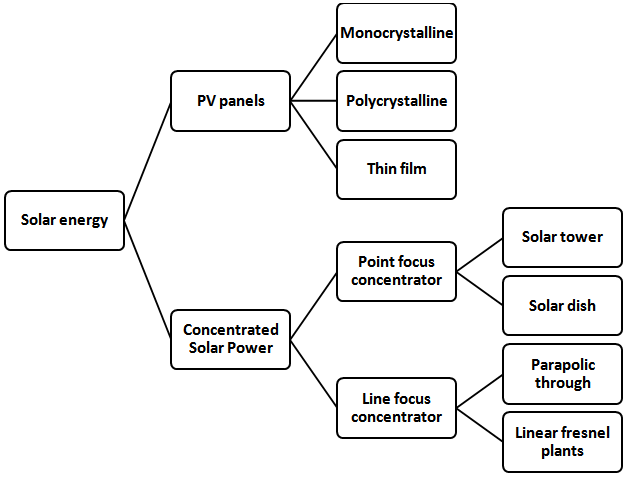
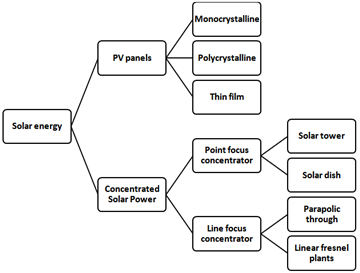
1.1. Solar EnergySolar energy has become an irreplaceable source for the country that lies in the solar radiation belt because it is a suitable and renewable alternative and does not carry any environmental damage. Also, it cannot be forgotten that solar energy has two technical strengths: one has a zero operational cost, and the other is that it can be a good solution for isolated areas that the utility could not reach 2. There are two basic types of solar energy, as shown in figure 1, which could be considered as methods of generation:
a. Photovoltaic (PV) panels.
b. Concentrated Solar Power (CSP).
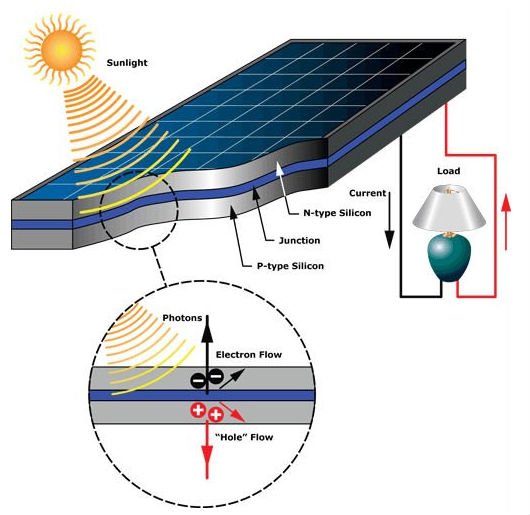
The idea of solar panels is primarily to convert sunlight into electrical energy, where the energy in light (photons) is converted into electrical energy (voltage) and is therefore called the photovoltaic effect 2, 3. As illustrated in figure 2, the notion of action is very similar to that of the optical diode. When light falls on the plates, the energy in the light pushes the electrons in this layer to travel to another layer, and then the electrons flow between the two layers, which transfers the electric current to the load.

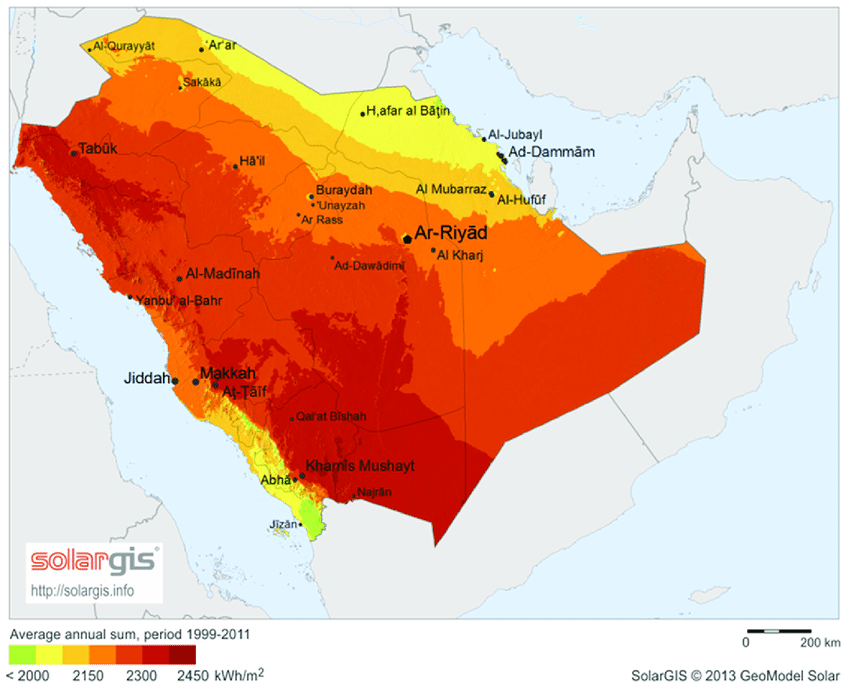
Saudi Arabia's geographical location and enormous spaces have contributed to creating an environment conducive to the establishment of solar energy projects, as the Government of Saudi Arabia immediately turned to and set up some solar power plants in various places and plans to establish many plants by 2030. A review of Solar energy in KSA and the challenges, expectations, and hopes of Saudi Vision 2030 are presented in this section. Saudi Arabia's map of the amount of solar radiation shows the magnitude of the Saudi Arabia's vast wealth of sizeable solar energy available across the country, as shown in figure 3. Saudi Arabia is one of the most important Middle Eastern countries, with the highest annual solar radiation rates available. The average annual solar radiation in the Middle East countries is between 2,100 and 2,200 kWh/m2, as shown in figure 3 4. The average yearly rate of solar radiation is between 100-200 W/m2 in most high-potential solar regions, while it reaches about 250 W/m2 in Middle Eastern countries. In Saudi Arabia, the average sunlight available is about 9 hours per day, and it has non-rainy areas with an average horizontal solar radiation of 5,591 W/m2 5. Despite the Saudi Arabia's wealth of enormous solar power, it relies mainly on fossil fuel-based power plants to meet energy demand. Approximately 56% of the country's oil and 46% of natural gas are now used for domestic consumption. To avoid the environmental and economic damage caused by fossil fuels, Saudi Arabia wants to use renewable and nuclear resources to produce energy to meet a large share of the country's energy demand, which is expected to nearly triple in the next 20 years.
2.1. The Present Situation of Solar Energy in Saudi ArabiaSaudi Arabia is actively pursuing the implementation of medium and large solar energy projects on two grounds, aimed at overcoming the economic and environmental problems that result from using fossil fuels as the primary source of electricity generation. Some of these projects are still under planning and study, and the Saudi Arabia aims to implement them by 2030; others have already been implemented, which we will present in this section.
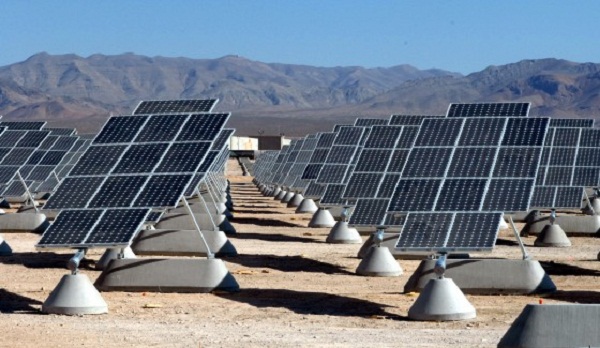
2.2. Layla Solar Power PlantIn 2019, "Taqnia" Energy announced the completion of the first phase of the Laila Solar Power Plant, which represents 10 megawatts of the plant's total capacity and is planned to become approximately 50 megawatts by 2030. The first phase of the Laila plant, as shown in figure 4, is 720 thousand square meters, the world's first solar-powered power plant directly connected to the power grid. Located in Al-Aflaj (300 meters south of Riyadh), this phase can cover approximately 10% of the region's electricity requirements. The Layla plant will contribute to increasing the overall production capacity of the Al-Aflaj zone while reducing carbon emissions from conventional energy sources, which will significantly contribute to environmental protection.
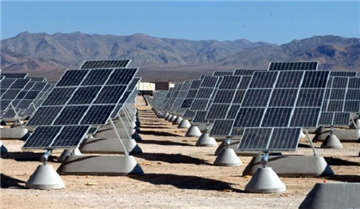
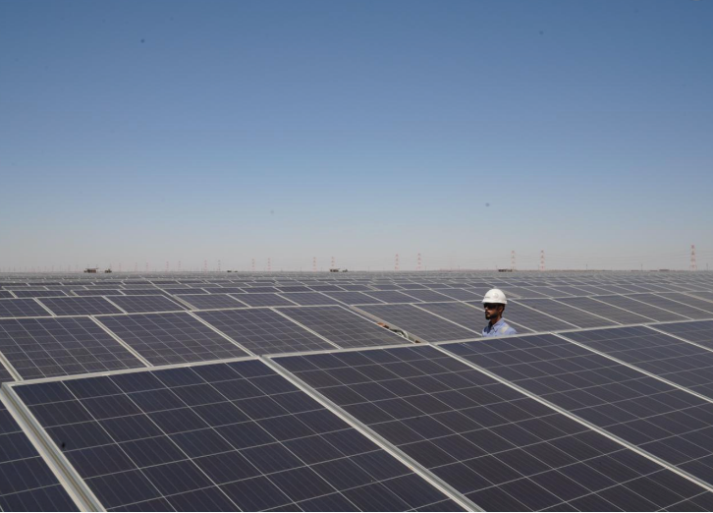
According to Saudi Energy Company Aqua, the Sakaka Solar Project was completed with a total capacity of 300 MW as shown in figure 5. Initially, the terminal was connected to the network for a pilot phase of commercial operation. In addition, the knife station provided substantial employment opportunities for Al-Jawf's youth.
The Renewable Energy Projects Development Office (REPDO) commissioned the Sakaka Plant for Aqua Power establishment after it received the contract for the tenders offered by the Government. The station was set up in an area of six square kilometers in the Al-Jawf area. This project is the first of a series of projects planned by Saudi Arabia under the Saudi National Renewable Energy Program, which aims to produce 9.5 GW of renewable energy by 2023 7.
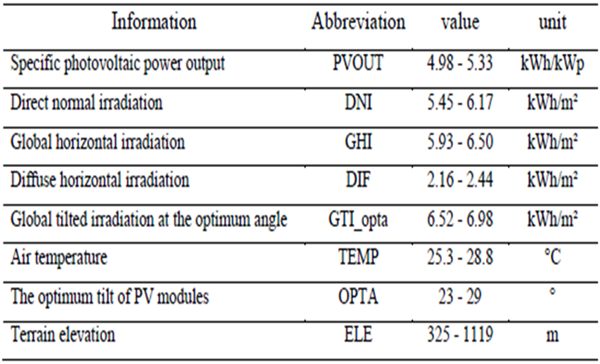
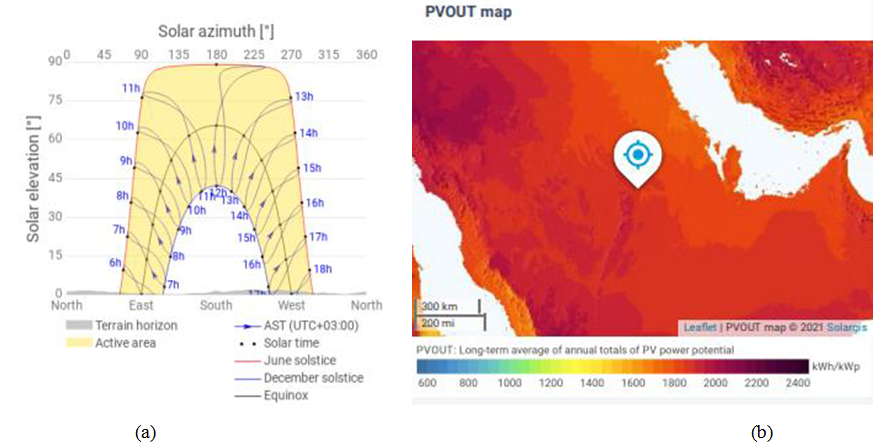
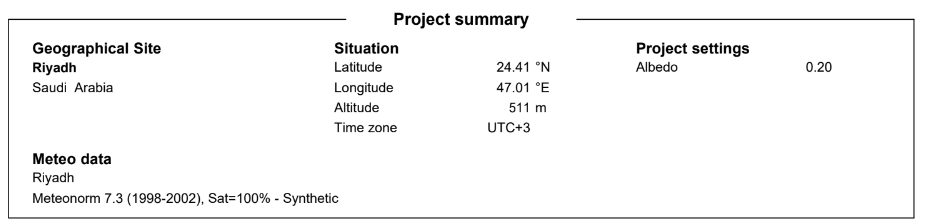
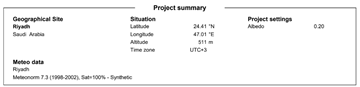
The solar energy calculations in this study were made using PV SYST software besides the Global Solar Atlas. As a result, measures were accurately made for our study case sites in Riyadh and Jubail. As shown in Table 1, there is complete information about Riyadh that could be useful for designing the solar station. Global Solar Atlas provides this information. In addition, each piece of information in this table has detailed information on Global Solar Atlas and can be easily downloaded. Both the azimuth angle of the Sun for Riyadh and its location on the map, which has coordinates of Latitude 24.413684 °N, Longitude 47.008009 °E, and Altitude is 511 m, are shown in Figure 6.
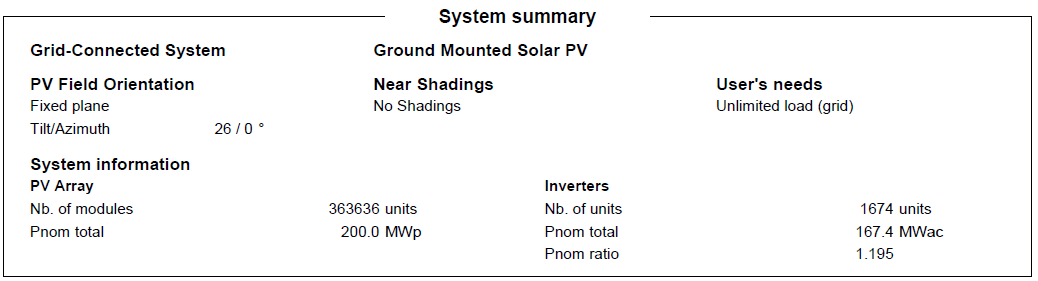
According to the design information on the PV SYST about Riyadh, the project information shown in Figure 7 is the software's output. The estimated power output of the station is 200 MW.
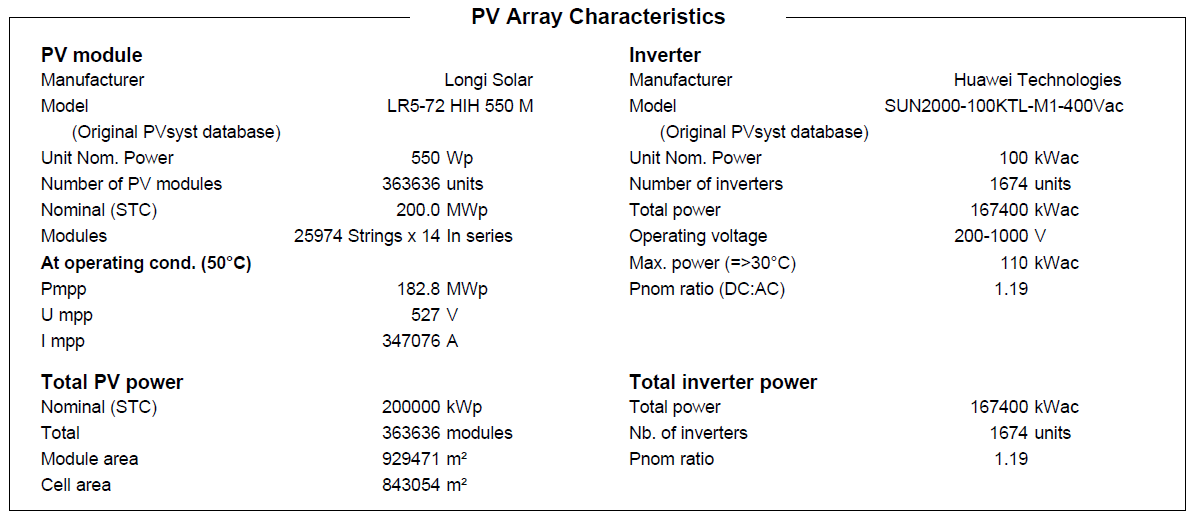
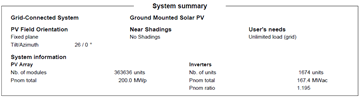
Figure 8 shows the azimuth and tilt angles used in the program, which are 26° and 0° respectively. Also, the number of modules needed is 363636 units with 550 Wp each to cover the 200 MWp required from the station. In addition, the station will need 1674 inverter units with total nominal AC power equal to 167.4 MWac.
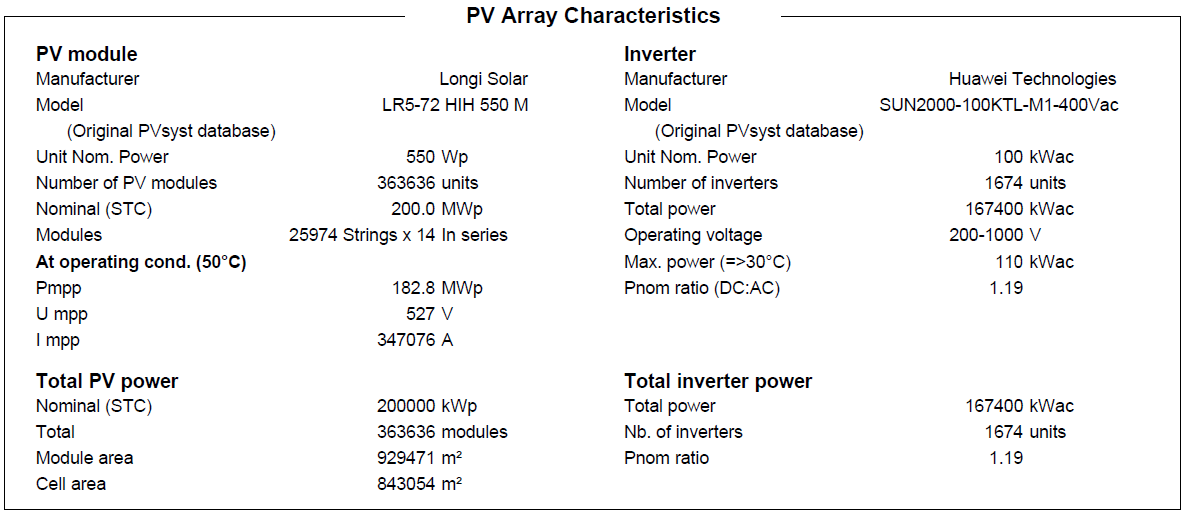
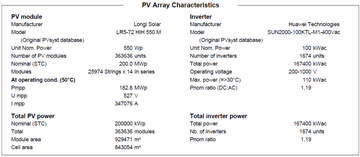
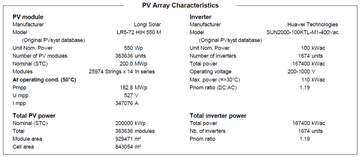
More details about the used inverter and modules are provided in Figure 9, such that each inverter is Huawei technologies type model SUN2000-100KTL-M1-400Vac 9 with nominal power of 100 kW, the number of inverters used is 1674 units. On the other hand, there are 363636 PV modules with little ability of 550 Wp each; these modules are proposed by Longi Solar, model LR5-72 HIH 550 M 10, 11, 12, 13.
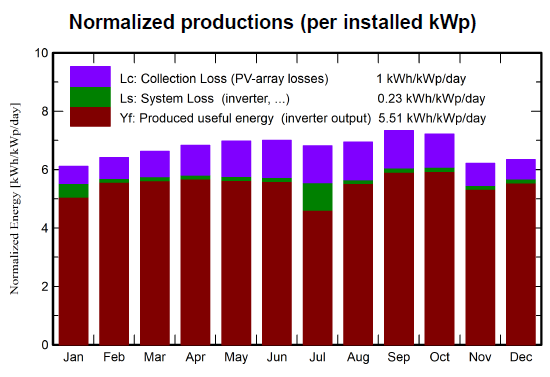
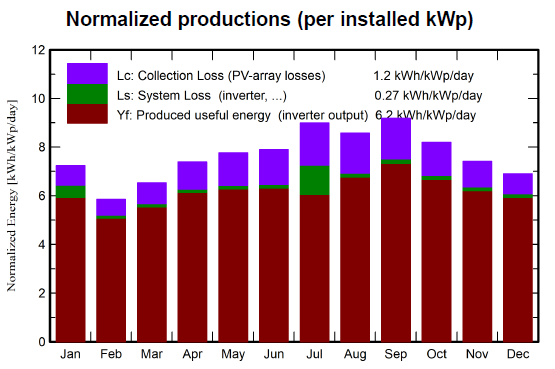
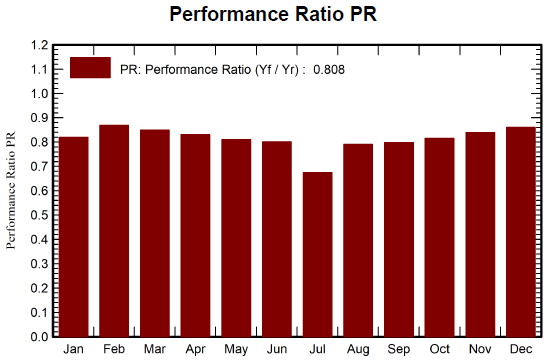
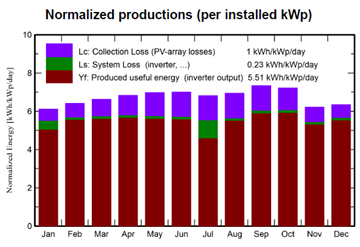
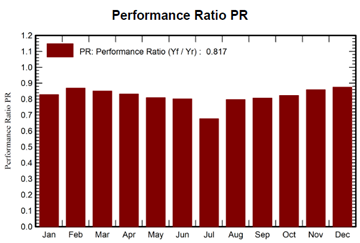
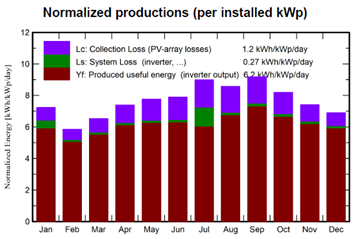
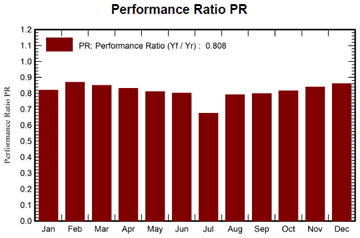
As shown in Figure 10, the normalized production (per installed kWp) for each month is proposed, which clarifies the total useful power produced (Yf), the system losses due to the components (Ls), and PV losses (Lc). Finally, in Figure 11, the Performance Ration (PR) is proposed, representing the performance of modules inside the station. PR is the ratio between useful produced energy and the total produced energy.
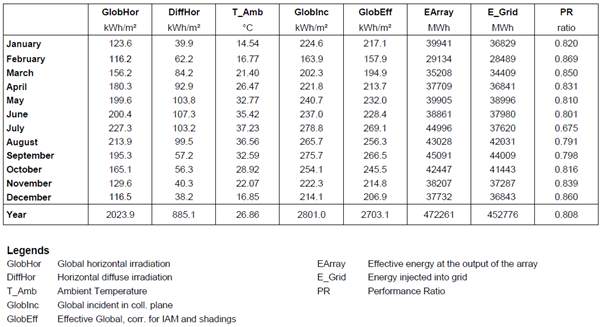
Riyadh station details are proposed in Figure 12 all over the year.
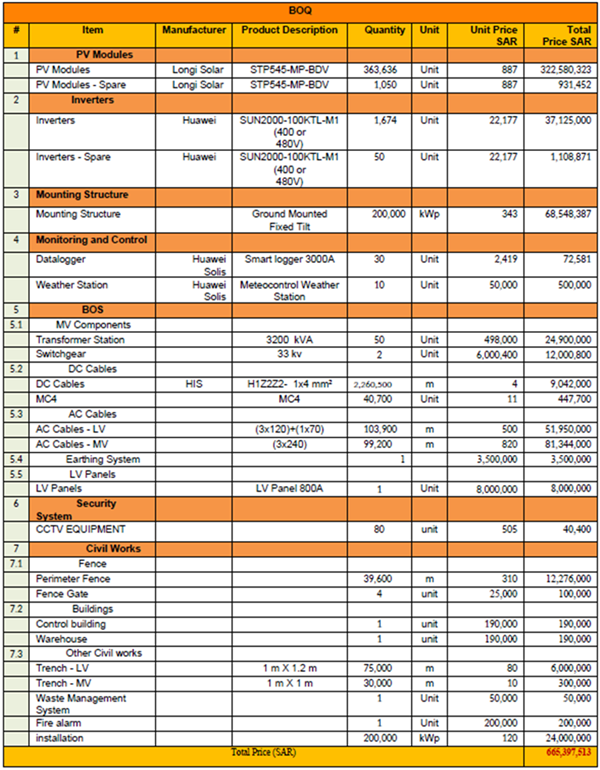
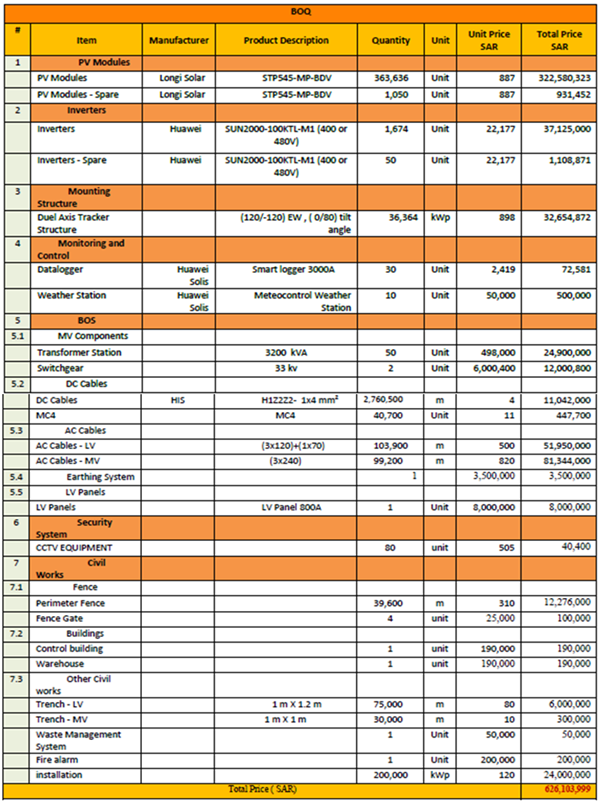
Each unit and quantity used in the Riyadh project is estimated in SR and demonstrated in the bill of quantity in table 2. The total cost of the station is also calculated in Table 2.
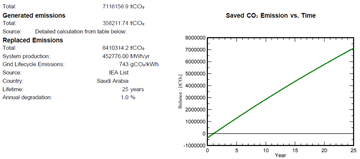
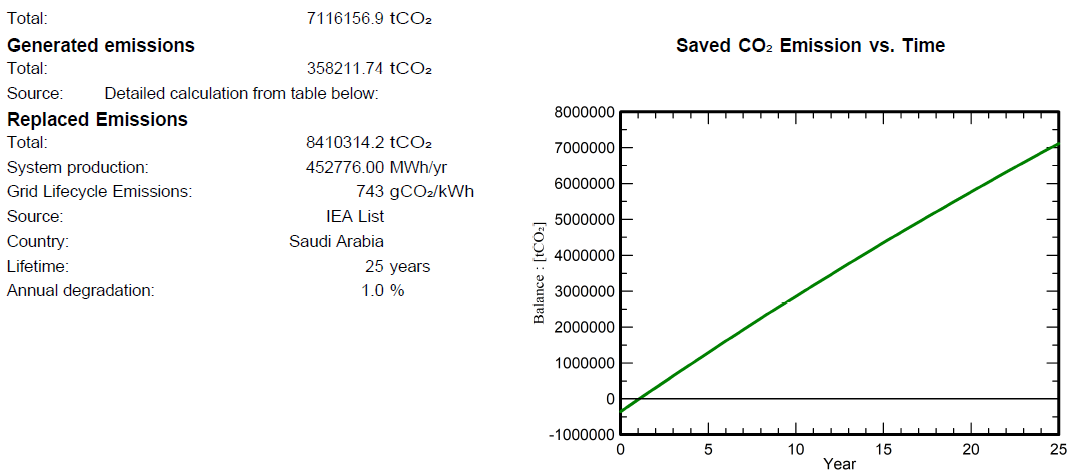
Finally, The CO2 emission balance report is illustrated in Figure 13 to show how many tons of CO2 this station could save and protect the environment from its harmful damage effect.

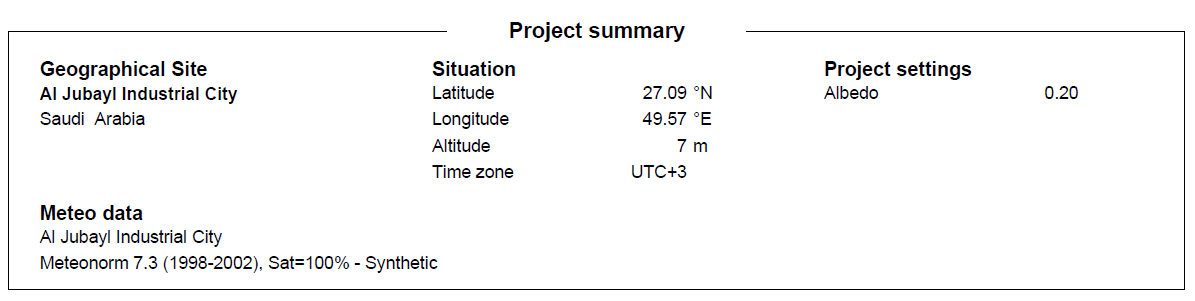
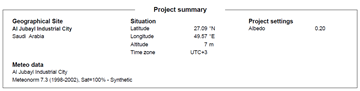
The exact Project details, PV, and inverter specs are used for the same rating station 200 MWp in Al-Jubail. The slight difference will be in the tilt angle and, for sure, the station's location, as shown in Figure 14 and figure 15.
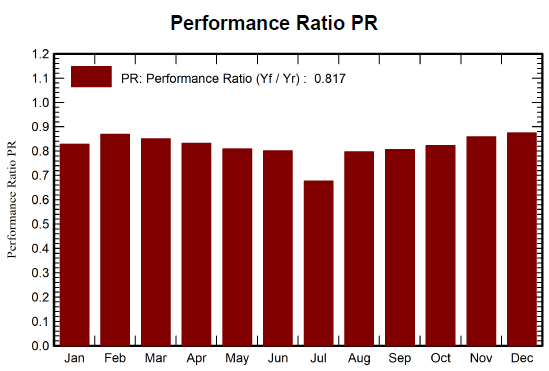
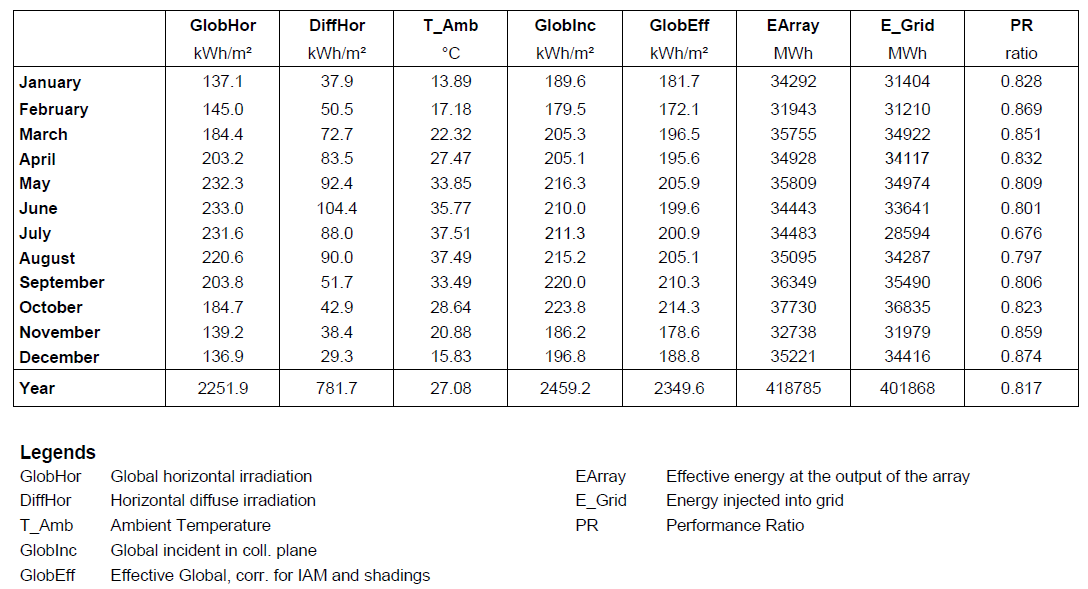
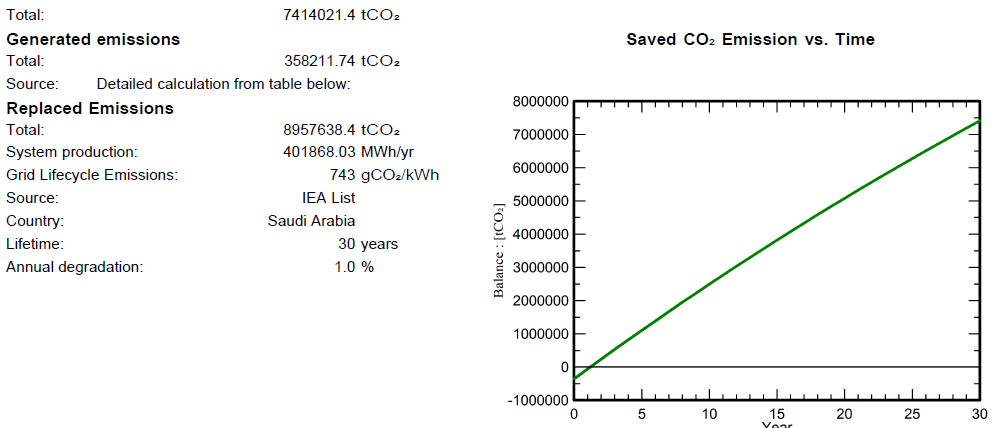
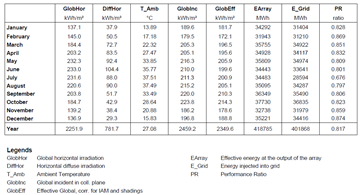
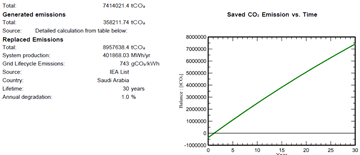
There is a tiny difference between Al-Jubail and Riyadh in monthly energy production as shown in Figure 16, performance ratio as shown in figure 17, main results as shown in Figure 18, and the Co2 emission balance as shown in Table 3. Also, there is a slight difference between the BOQ for Riyadh and Al-Jubail as shown in Table 4.
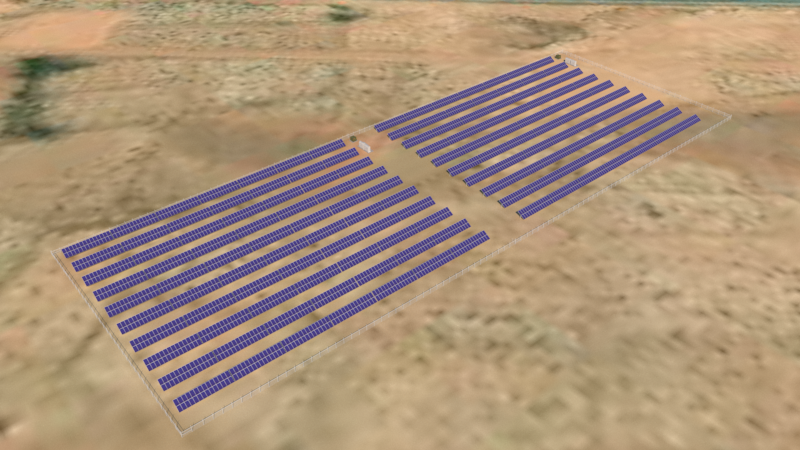
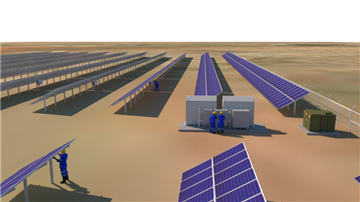
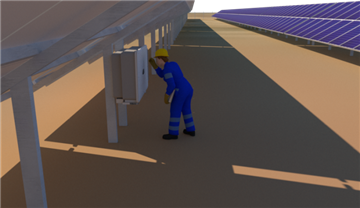
It was vital to design the solar power station on any three-dimensional software like 3D-MAX or SketchUp to imagine the total layout of the station and search for the availability of applying this design in real life. This chapter will show the 3D design of both stations, Riyadh and Al-Jubail. Because of the large number of PV panels for each station, the 3D simulation was hard to execute as many details will be fuzzy and hard to detect. So, in the 3D model, we will represent only 10MW, and a total of 200MW will be represented by a 2D model using AutoCAD software.
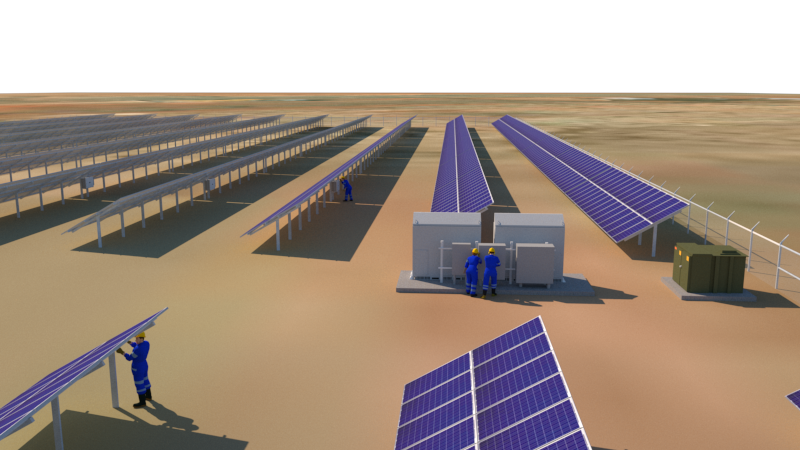
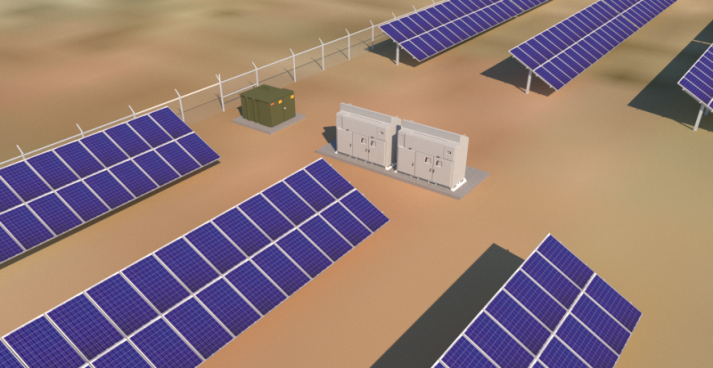
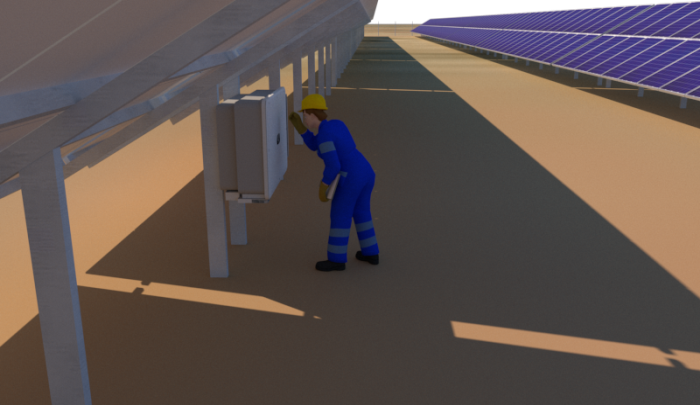
4.1. Riyadh StationAs shown in Figure 19, the panels have a fixed-tilt mounting structure, and the array pitch N-S is 12 meters. In addition, the total number of modules is 363636, with 550 Wp for each module. Each module weighs 27 kg, and its dimensions are 2256×1133×35 mm. The number of transformers used in this station is 50 units with a capacity of 3200 KVA and an energy yield of 401868 MWh, as shown in figure 20. The solar panel manufacturer is Longi Solar, and the model’s name is LR5-72550M with an efficiency of 21.5%. It should be highlighted that the inverter model name is SUN200-100KTL-M1, and its type is Smart String Inverter supplied by Huawei Technologies, shown in Figure 21. The other dimensions are 1035×700×365 mm, it weighs 90 kg, and the nominal power of each inverter is 100 KW shown in Figure 22.

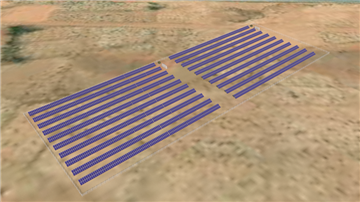
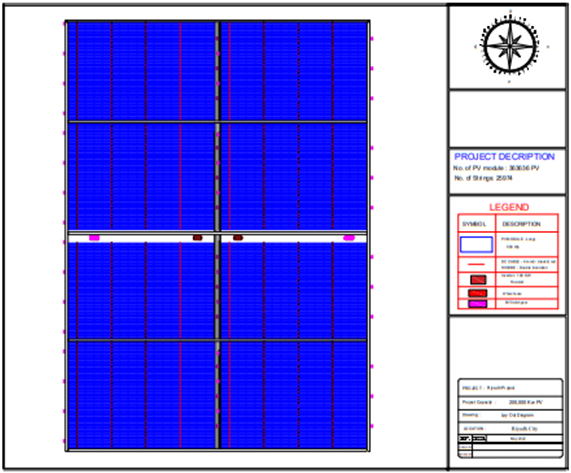
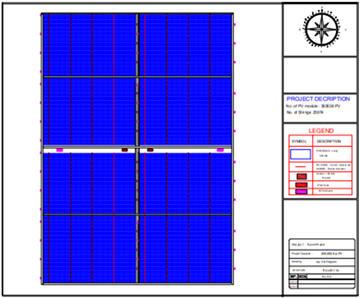
For a complete design, a 2D layout design of the whole station 200 MWp is done on AutoCAD as shown in Figure 23.
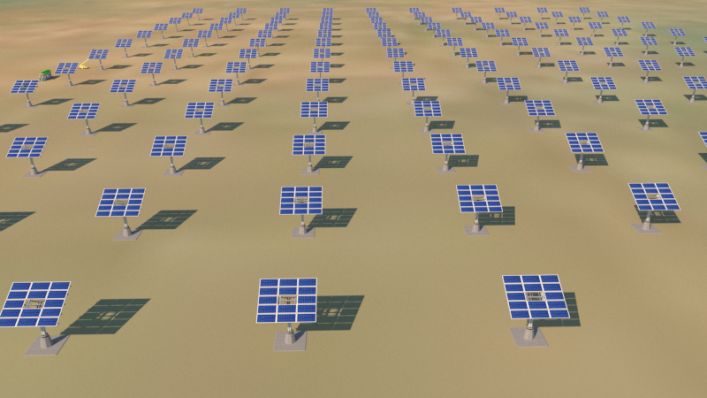
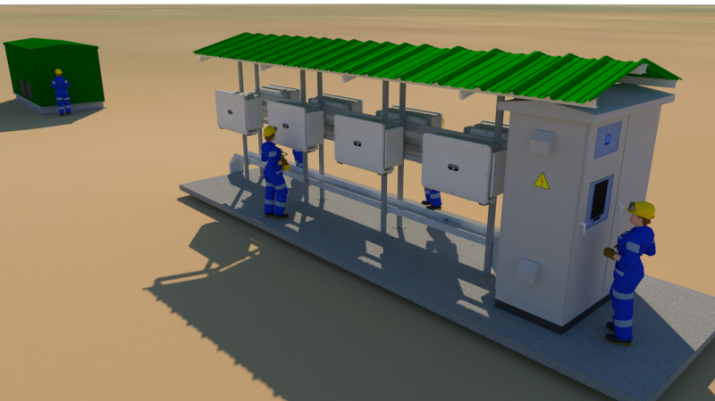
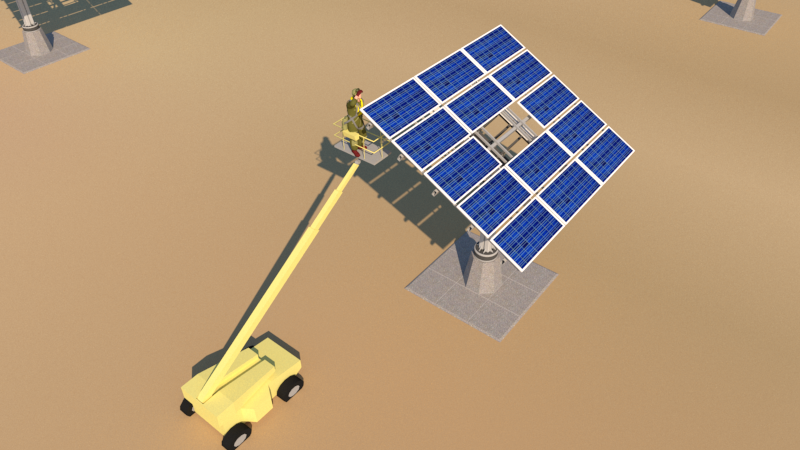
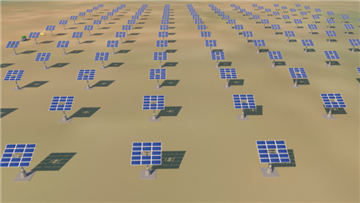
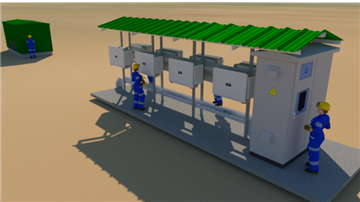
Al-Jubail station maybe is like Riyadh station in many specs, but the main difference between them in 3D simulation is that Al-Jubail station has a dual-axis tracker structure, as shown in Figure 24. The number of tracker units is 25974, the number of PV modules is 363636 with 25974 strings, and the distance between trackers is 30×30 m. Inverter with same specs of Riyadh station is used here as shown in Figure 25. Solar panels with the same specs of Riyadh station are used here as in Figure 26.
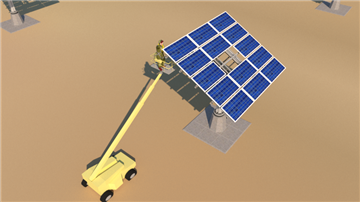
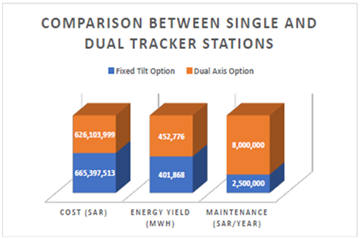
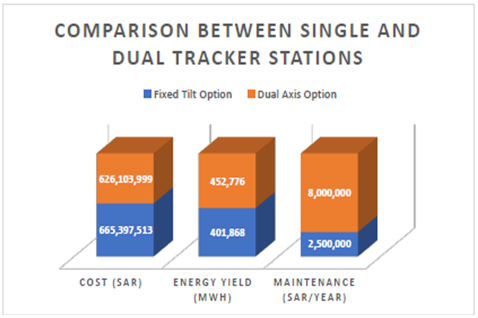
A comparison between the fixed-tilt option and dual tracker is shown in Figure 27. It could be demonstrated from this comparison that using a dual-axis tracker is more expensive by 32% than the single tracker for only a 15% increase in energy output. Although the area of the dual axis is 14 times larger than the single tracker area, the dual tracker's maintenance cost is very high.
There are enormous non-rainy spaces in Saudi Arabia, which with intense solar radiation inside Saudi Arabia that exists all the time, represent a national wealth. In addition, this wealth represents the Saudi Arabia's economic safety in the challenging future. Therefore, Saudi Vision 2030 is a crucial step on the road to renewable energy within Saudi Arabia. The search for the most suitable places to construct solar power plants is a burden for scientific research teams within Saudi Arabia, which must continue to work tirelessly to help the Government implement its plan in 2030. Riyadh and Jubail are vital areas where solar power plants can quickly be built to cover these areas' electricity needs and provide clean energy, reducing environmental and economic damage that can be done with traditional power plants. The establishment of stations elsewhere could contribute to more research enrichment that could result in implementing one of those projects on the ground. In addition, it is possible to study the establishment of medium or small stations and research the feasibility of linking them to the grid or their isolated presence to cover a remote part and provide it with the necessary electrical power. The subject of solar energy is a new topic in Saudi Arabia. However, it can be studied on a broader scale as it contributes to the country's energy supply and job creation for young people.
| [1] | A. Bajawi, Ahmed M. Nahhas, Analytical Study of Power Generation Using PV System for Al-Shuaiba and Al-Shuqiq Regions in Saudi Arabia, American Journal of Energy Research, Vol. 9, No. 1, 21-29, 2021. | ||
| In article | View Article | ||
| [2] | Q. Alabdali, A. Bajawi, Ahmed M. Nahhas, Review of Recent Advances of Shading Effect on PV Solar Cells Generation, Sustainable Energy, Vol. 8, No. 1, 1-5, 2020. | ||
| In article | |||
| [3] | G. Alzahrani, F. Alzahrani, Ahmed M. Nahhas, Study of the Specific Factors Effecting the PV Solar Cell’s Efficiency in Saudi Arabia, Sustainable Energy, Vol. 8, No. 1, 6-11, 2020. | ||
| In article | |||
| [4] | Q. Alabdali, A. Bajawi, A. Fatani, Ahmed M. Nahhas, Review of Recent Advances of Wind Energy Sustainable Energy, Vol. 8, No. 1, 12-19, 2020. | ||
| In article | |||
| [5] | K. Althobiti, Ahmed M. Nahhas, Recent Advances of Hydropower Energy in Saudi Arabia, American Journal of Energy Research, Vol. 8, No. 1, 1-6, 2020. | ||
| In article | |||
| [6] | Q. Alabdali, Ahmed M. Nahhas, Simulation Study of Grid Connected Photovoltaic System Using PVsyst Software: Analytical Study for Yanbu and Rabigh Regions in Saudi Arabia, American Journal of Energy Research, Vol. 9, No. 1, 30-44, 2021. | ||
| In article | View Article | ||
| [7] | G. Alzahrani, Ahmed M. Nahhas, Analytical Study of Power Generation by Photovoltaic System for Al-Riyadh and Al-Jubail Regions in Saudi Arabia, American Journal of Energy Research, Vol. 9, No. 1, 45-55, 2021. | ||
| In article | View Article | ||
| [8] | A. Jee, J. Alsluimani, A. Alqurashi, A. Akkur, Ahmed M. Nahhas, Review of Recent Advances of Supercapacitors Energy Storage Systems, Sustainable Energy, Vol. 10, No. 1, 29-42, 2022. | ||
| In article | View Article | ||
| [9] | A. Albarrak, A. Alshareef, A. Alshareef, Ahmed M. Nahhas, Review of Hydrogen Based Fuel Cells Energy Storage Systems, Sustainable Energy, Vol. 10, No. 1, 1-20, 2022. | ||
| In article | View Article | ||
| [10] | A. Shendi, Ahmad M. Nahha𝑠, Power generation by using Photovoltaic systems for Yanbu and Rabigh regions in Saudi Arabia: a cost-effective study, The Islamic University Journal of Applied Sciences (JESC) Vol. 5, No. 1, 2023. | ||
| In article | |||
| [11] | M. Mohandes, S. Rehman, Estimation of global solar radiation using artificial neural networks. Renewable energy, Vol. 14, No.1, 179-184, 1998. | ||
| In article | View Article | ||
| [12] | A. Salam, A. Khan, Transition towards sustainable energy production–A review of the progress for solar energy in Saudi Arabia. Energy Exploration & Exploitation, Vol. 36, No. 1, 3-27, 2018. | ||
| In article | View Article | ||
| [13] | W. Alnaser, N. Alnaser, The status of renewable energy in the GCC countries. Renew Sustain Energy Rev, Vol. 15, No. 6, 3074-98, 2011. | ||
| In article | View Article | ||
Published with license by Science and Education Publishing, Copyright © 2024 Jehad H. Al-Sulaimani and Ahmed M. Nahhas
 This work is licensed under a Creative Commons Attribution 4.0 International License. To view a copy of this license, visit
http://creativecommons.org/licenses/by/4.0/
This work is licensed under a Creative Commons Attribution 4.0 International License. To view a copy of this license, visit
http://creativecommons.org/licenses/by/4.0/
| [1] | A. Bajawi, Ahmed M. Nahhas, Analytical Study of Power Generation Using PV System for Al-Shuaiba and Al-Shuqiq Regions in Saudi Arabia, American Journal of Energy Research, Vol. 9, No. 1, 21-29, 2021. | ||
| In article | View Article | ||
| [2] | Q. Alabdali, A. Bajawi, Ahmed M. Nahhas, Review of Recent Advances of Shading Effect on PV Solar Cells Generation, Sustainable Energy, Vol. 8, No. 1, 1-5, 2020. | ||
| In article | |||
| [3] | G. Alzahrani, F. Alzahrani, Ahmed M. Nahhas, Study of the Specific Factors Effecting the PV Solar Cell’s Efficiency in Saudi Arabia, Sustainable Energy, Vol. 8, No. 1, 6-11, 2020. | ||
| In article | |||
| [4] | Q. Alabdali, A. Bajawi, A. Fatani, Ahmed M. Nahhas, Review of Recent Advances of Wind Energy Sustainable Energy, Vol. 8, No. 1, 12-19, 2020. | ||
| In article | |||
| [5] | K. Althobiti, Ahmed M. Nahhas, Recent Advances of Hydropower Energy in Saudi Arabia, American Journal of Energy Research, Vol. 8, No. 1, 1-6, 2020. | ||
| In article | |||
| [6] | Q. Alabdali, Ahmed M. Nahhas, Simulation Study of Grid Connected Photovoltaic System Using PVsyst Software: Analytical Study for Yanbu and Rabigh Regions in Saudi Arabia, American Journal of Energy Research, Vol. 9, No. 1, 30-44, 2021. | ||
| In article | View Article | ||
| [7] | G. Alzahrani, Ahmed M. Nahhas, Analytical Study of Power Generation by Photovoltaic System for Al-Riyadh and Al-Jubail Regions in Saudi Arabia, American Journal of Energy Research, Vol. 9, No. 1, 45-55, 2021. | ||
| In article | View Article | ||
| [8] | A. Jee, J. Alsluimani, A. Alqurashi, A. Akkur, Ahmed M. Nahhas, Review of Recent Advances of Supercapacitors Energy Storage Systems, Sustainable Energy, Vol. 10, No. 1, 29-42, 2022. | ||
| In article | View Article | ||
| [9] | A. Albarrak, A. Alshareef, A. Alshareef, Ahmed M. Nahhas, Review of Hydrogen Based Fuel Cells Energy Storage Systems, Sustainable Energy, Vol. 10, No. 1, 1-20, 2022. | ||
| In article | View Article | ||
| [10] | A. Shendi, Ahmad M. Nahha𝑠, Power generation by using Photovoltaic systems for Yanbu and Rabigh regions in Saudi Arabia: a cost-effective study, The Islamic University Journal of Applied Sciences (JESC) Vol. 5, No. 1, 2023. | ||
| In article | |||
| [11] | M. Mohandes, S. Rehman, Estimation of global solar radiation using artificial neural networks. Renewable energy, Vol. 14, No.1, 179-184, 1998. | ||
| In article | View Article | ||
| [12] | A. Salam, A. Khan, Transition towards sustainable energy production–A review of the progress for solar energy in Saudi Arabia. Energy Exploration & Exploitation, Vol. 36, No. 1, 3-27, 2018. | ||
| In article | View Article | ||
| [13] | W. Alnaser, N. Alnaser, The status of renewable energy in the GCC countries. Renew Sustain Energy Rev, Vol. 15, No. 6, 3074-98, 2011. | ||
| In article | View Article | ||