Introduction: Dichapetalum guineense is an underexplored leafy vegetable traditionally used in West Africa for both food and medicinal purposes. Despite its ethnobotanical importance, little is known about its nutritional and phytochemical properties. This study aimed to characterize the phytochemical profile and evaluate the nutritional potential of its leaves. Methods: Leaves of D. guineense were collected in Lomé, Togo, dried, powdered, and subjected to aqueous, ethanolic, and hydroethanolic extractions. Standard qualitative phytochemical tests were performed, while proximate composition, energy value, and mineral contents were determined following AOAC methods. Safety assessment included the analysis of antinutritional factors. Results: Phytochemical screening revealed the presence of flavonoids, tannins, saponins, reducing sugars, and terpenoids in all extracts, whereas alkaloids, coumarins, anthocyanins, and mucilages were absent. Nutritional analysis showed high calcium (763 mg/100 g DM, ≈ 85% RDA), magnesium (162 mg/100 g DM, ≈ 39% RDA), and iron (5.68 mg/100 g DM, up to 21% RDA), with zinc levels (7.63 mg/100 g DM) exceeding those of spinach and moringa. The Na/K ratio was favorable for hypertension prevention. The leaves also contained 11.9 g/100 g DM of protein, 13.2 g/100 g DM of lipids, 25.7 g/100 g DM of dietary fiber, and very low digestible carbohydrates (2.2 g/100 g DM), yielding a moderate energy value of 278 Kcal/100 g DM. Cyanides and nitrites were absent. Conclusion: D. guineense leaves are nutrient-dense, with high protein, mineral, and fiber content, suggesting utility as a functional food for addressing malnutrition, anemia, and hypertension in sub-Saharan Africa. Their complementary composition compared to spinach and moringa further supports their integration into diets and nutraceutical applications.
Plants are an essential resource for sustainable human development due to their richness in dietary nutrients and bioactive compounds with therapeutic properties 1. Beyond their fundamental role in food and traditional medicine, they also contribute to environmental preservation by promoting biodiversity and playing a key role in climate regulation. Their rational and sustainable exploitation is therefore crucial to ensure food and health security for present and future generations. For centuries, medicinal and food plants have represented a valuable source of bioactive substances, particularly in developing countries where access to modern healthcare and nutritional supplements remains limited 2.
The growing interest in plant research is explained by their dual role: they contain secondary metabolites with therapeutic potential (alkaloids, flavonoids, tannins, saponins, etc.), while at the same time constituting a nutritional resource that can contribute to food and nutrition security 3, 4. In sub-Saharan Africa, about a thousand plant species are consumed as leafy vegetables, which occupy a central place in the diet of local populations by meeting both nutritional and medicinal needs 5. Thus, food plants are not limited to their nutritional role but also contain bioactive principles with recognized medicinal properties 6.
However, research on the nutritional characteristics of many plant species remains limited. Few studies have thoroughly investigated their digestibility and nutritive value, although such information is essential for their optimal utilization 7. This is particularly the case for Dichapetalum guineense (DC.) Keay, a species belonging to the family Dichapetalaceae, which has received relatively little attention despite its ethnobotanical importance.
Dichapetalum guineense is a tree or shrub mainly distributed in West Africa and Madagascar. In African traditional medicine, it is widely used for the treatment of several ailments, including gastrointestinal disorders, fever, infections, malaria, hypertension, and diabetes 8, 9. Several studies have isolated and evaluated bioactive compounds, particularly from the roots and bark, among which dichapetalins (belonging to the phenylditerpenoid family) have been identified as molecules of interest 10, 11, 12.
Nevertheless, the leaves of D. guineense remain underexplored, although they may represent a valuable source of secondary metabolites, minerals, and nutrients 11. Characterizing their phytochemical composition would not only provide scientific validation of traditional uses but also identify new perspectives for applications in health and nutrition. In addition, assessing their nutritional potential could help promote their use in combating malnutrition, in a context where micronutrient deficiencies remain a major public health problem in sub-Saharan Africa 13, 14.
This study therefore aims to perform a qualitative phytochemical characterization and an evaluation of the nutritional potential of Dichapetalum guineense (DC.) Keay leaves. The findings will strengthen scientific knowledge on this species, enhance its traditional uses, and propose avenues for its integration into strategies to promote health and nutrition, both for human populations and as animal feed in tropical regions where the plant is abundant.
The extraction method involved macerating 100 g of powdered leaves in 1 L of distilled water (aqueous extract), 1 L of ethanol (ethanolic extract), or 1 L of hydroethanolic solvent (60:40 ethanol/water;hydroethanolic extract) for 72 hours. Each mixture was intermittently stirred. After filtration through Wattman filter paper, the filtrates were evaporated using a rotary evaporator (BUCHI model) at 40 °C to obtain dry extracts.
2.3. Qualitative Phytochemical Screening2.4. Determination of Water Content, Proximate Composition and Energy Value of D. guineense LeavesOne gram of sample was dried in an oven at 105 ± 2°C until constant weight. Water content (Te) was calculated using the following formula:
 |
The determination of these components was carried out according to AOAC methods 17. Dietary fiber was determined using the Weende method (insoluble fiber). Total ash was obtained by incineration in a furnace at 550°C. Crude fat was determined by Soxhlet extraction, while crude protein was calculated from the nitrogen content (N × 6.25) using the Kjeldahl method. Total carbohydrates were estimated by difference, using the formula:
 |
MS = 
P = 
MG = 
The overall energy value was obtained from the sum of metabolizable energies of carbohydrates, lipids, and proteins. These were calculated by multiplying the contents of proteins, fats, and total carbohydrates by the Atwater conversion factors 18. The total energy value (E), expressed in kilocalories (Kcal) per 100 g of dry matter, was calculated using the following formula:
 |
G = carbohydrate content (g/100 g DM);
L = fat content (g/100 g DM);
P = protein content (g/100 g DM).
2.5. Mineral DeterminationMinerals were quantified after mineralization by destruction of the organic matter using the combined action of nitric and sulfuric acids, followed by analysis with a flame atomic absorption spectrophotometer.
2.6. Data ProcessingData analysis was carried out using GraphPad Prism 8 software, which was also used to generate graphs and histograms.
Phytochemical screening revealed the presence of flavonoids, tannins, saponosides, reducing sugars, and terpenoids in all three types of extracts (aqueous, ethanolic, and hydroethanolic). In contrast, alkaloids, coumarins, anthocyanins, and mucilages were absent from all the extracts (Table 1). Moreover, the detection of terpenes was restricted to the ethanolic and hydroethanolic extracts, with no notable presence in the aqueous extract.
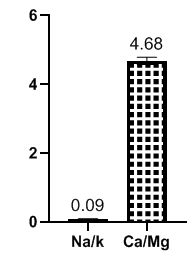
The leaves exhibit a remarkable nutritional profile, positioning them as a promising plant-based food resource. They are particularly distinguished by their exceptionally high calcium content (763 mg per 100 grams of dry matter (DM), which accounts for nearly 85% of the recommended daily allowance (RDA) (see Tables 2 and 4). Magnesium (162 mg/100 g DM), accounting for about 39% of the RDA, contributes to a balanced Ca/Mg ratio (4.68), which is considered favorable for optimal bioavailability (Tables 2 and 4; Figure 1). Iron (5.68 mg/100 g DM) provides up to 21% of daily needs, while zinc, despite a modest contribution to RDA (≈1%), remains higher than the levels reported in reference leafy vegetables such as spinach and moringa (Tables 2, 4, and 5). Moreover, the combination of low sodium and high potassium concentrations results in a favorable Na/K ratio, widely recognized as protective against hypertension (Tables 2 and Figure 1).
Regarding macronutrients, D. guineense leaves display an appreciable protein content (11.9 g/100 g DM), contributing more than 20% of the RDA and positioning them as a notable source of plant proteins. Their lipid content (13.17 g/100 g DM) is relatively high for leafy vegetables and may indicate the presence of beneficial fatty acids. The abundance of total dietary fiber (25.7 g/100 g DM) is a major nutritional advantage, supporting digestive health and metabolic regulation, while the very low amount of digestible carbohydrates (2.17 g/100 g DM) suggests potential benefits for glycemic control in diabetic patients. The metabolizable energy (278 Kcal/100 g DM) reflects a moderate energy density, balanced by high fiber and micronutrient contents (Tables 3 and 4). A portion of 100 g of D. guineense dry matter thus provides over 20% of daily protein requirements, nearly 40% of magnesium needs, up to 21% of iron, and almost 85% of calcium. When compared with Spinacia oleracea, D. guineense leaves are significantly richer in calcium, iron, zinc, and fiber. In comparison with Moringa oleifera, they show lower protein and energy levels but higher calcium, zinc, and fiber contents, which underscores their complementary role in human diets (Table 2 – Table 6). The absence of cyanides and nitrites further confirms their safety and enhances their potential for direct consumption or for use as nutraceutical ingredients (Table 7).
Overall, Dichapetalum guineense leaves stand out as a nutrient-dense food source, rich in proteins, dietary fiber, and essential minerals, with a profile particularly favorable for the prevention of hypertension, iron deficiency anemia, and protein-energy malnutrition.
Phytochemical screening of Dichapetalum guineense leaf extracts (Table 1) revealed the presence of flavonoids, tannins, saponins, reducing sugars, and terpenoids, consistent with previous reports highlighting the richness of this genus in bioactive metabolites 23. These compounds are well known for their antioxidant, anti-inflammatory, antimicrobial, and immunomodulatory activities 24. The exclusive detection of terpenes in the organic extracts (ethanolic and hydroethanolic) suggests better solubility in these solvents, as observed in other plant species 25, 26. Conversely, the absence of alkaloids, coumarins, anthocyanins, and mucilages may reflect low intrinsic levels of these compounds or a physiological specificity of the leaves, since some of these classes are more characteristic of reproductive organs 27, 28. Overall, these findings support the pharmacological potential of the species, in agreement with its traditional medicinal uses.
The nutritional composition of Dichapetalum guineense leaves indicates that this underutilized leafy vegetable could play a crucial role in addressing micronutrient deficiencies and improving dietary diversity in sub-Saharan Africa. The high calcium content (763 mg/100 g DM, ≈85% RDA) exceeds that of many conventional leafy vegetables. This mineral is essential for bone development, muscle contraction, and nerve transmission, and its deficiency remains a major public health concern, particularly in developing countries where dairy consumption is limited 29, 30. Moreover, the calcium-to-magnesium (Ca/Mg) ratio in plants is a critical indicator of mineral balance, with significant implications for the bioavailability and optimal utilization of these two elements in both human and animal nutrition 31.
In the case of Dichapetalum guineense leaves, a Ca/Mg ratio of 4.68 was observed (Figure 1), which is relatively high compared to many other edible plants. This ratio is similar to that reported for Adansonia digitata (baobab), with an average of 4.5 32, but remains lower than that of Manihot esculenta (cassava), which reaches 6.77 33. Such a Ca/Mg ratio may have important consequences on mineral homeostasis in individuals who regularly consume this plant. Indeed, excessive intake of D. guineense leaves could lead to a relatively high magnesium intake compared to calcium, potentially disrupting the metabolic balance of these two minerals. This imbalance may interfere with key physiological functions, particularly bone health, as magnesium can partially act as a calcium antagonist 34, 35. Although the Ca/Mg ratio observed in D. guineense falls within a range comparable to that of other nutrient-rich plants, moderate consumption is recommended to maintain optimal mineral balance necessary for proper cellular and metabolic function.
The iron content (5.68 mg/100 g DM) meets up to 21% of daily requirements, which is particularly relevant in regions where iron-deficiency anemia remains widespread (Tables 2 and 5). Leafy vegetables are recognized as important contributors to dietary iron intake, and the level reported here exceeds that of spinach (Spinacia oleracea) and approaches that of moringa (Moringa oleifera), acknowledged as an important iron source 21, 36. The zinc content (7.63 mg/100 g DM), although covering only about 1% of the RDA, remains higher than that of spinach and moringa, underlining its potential role in supporting immune and enzymatic functions 37.
The mineral profile also reveals a favorable Na/K ratio, associated with antihypertensive properties. High potassium intake is known to counteract the deleterious effects of sodium on blood pressure and reduce the risk of cardiovascular diseases 38. This characteristic supports the relevance of including D. guineense in diets aimed at preventing hypertension and related metabolic disorders.
From a macronutrient perspective, the leaves provide 11.9 g of protein per 100 g DM, covering more than 20% of daily needs and representing a notable source of plant-based proteins (Table 3, Table 4, and Table 6). Protein malnutrition remains a significant concern in many parts of Africa, and the consumption of leafy vegetables such as D. guineense can substantially contribute to protein intake, especially when combined with lysine-deficient cereals 39. The lipid content (13.17 g/100 g DM) is relatively high for a leafy vegetable and may reflect the presence of beneficial fatty acids, contributing to energy intake and metabolic health 40.
The high fiber content (25.7 g/100 g DM) represents a major advantage, as dietary fiber plays a key role in digestive health, glycemic regulation, and the prevention of obesity and cardiovascular diseases 41. The very low proportion of digestible carbohydrates (2.17 g/100 g DM) further suggests potential benefits for diabetes management and low-glycemic diets. The metabolizable energy (278 Kcal/100 g DM) reflects a moderate caloric density, balanced by high micronutrient and fiber levels, consistent with the concept of nutrient-dense foods.
When compared with reference leafy vegetables, D. guineense clearly outperforms spinach in calcium, iron, zinc, and fiber, while presenting complementary nutritional characteristics to moringa. While moringa offers higher protein and energy levels, D. guineense stands out for its higher calcium, zinc, and fiber contents, suggesting that the combined consumption of both vegetables could strengthen nutritional adequacy and dietary diversity.
An especially encouraging finding is the absence of antinutritional factors such as cyanides and nitrites in D. guineense leaves. (Table 7). Furthermore, acute and subchronic toxicity studies conducted over 14 and 28 days, respectively, using the hydroethanolic extract of Dichapetalum guineense showed no signs of toxicity, behavioral alterations, or mortality in treated rats 23. These compounds often limit the use of wild plants despite their nutritional richness 42. The safety profile observed here therefore reinforces the relevance of promoting this plant not only as a common leafy vegetable but also as a nutraceutical ingredient in food fortification and supplementation programs.
Overall, these results show that D. guineense leaves are a nutrient-dense food with a balanced mineral profile, appreciable protein levels, abundant fiber, and a favorable Na/K ratio. Their consumption could contribute significantly to the prevention of protein-energy malnutrition, anemia, and hypertension, while complementing other nutrient-rich leafy vegetables within diversified diets.
The findings of this study highlight the remarkable phytochemical and nutritional profile of Dichapetalum guineense leaves. Phytochemical screening revealed the presence of flavonoids, tannins, saponins, reducing sugars, and terpenoids, compounds widely recognized for their antioxidant, anti-inflammatory, and antimicrobial properties, thus supporting the pharmacological potential of this species and validating its traditional uses.
Nutritionally, the leaves are characterized by high levels of proteins, dietary fiber, and essential minerals, particularly calcium, magnesium, iron, and zinc. Their composition also features a favorable Na/K ratio for hypertension prevention, very low digestible carbohydrates beneficial for glycemic control, and a moderate energy value, making them a nutrient-dense food source. When compared with reference leafy vegetables such as spinach (Spinacia oleracea) and moringa (Moringa oleifera), D. guineense shows superior calcium, zinc, and fiber contents, underscoring its complementary role in improving dietary diversity.
The absence of antinutritional factors such as cyanides and nitrites further confirms its safety and strengthens the case for its promotion. Overall, D. guineense emerges as a promising leafy vegetable that could contribute to the prevention of protein-energy malnutrition, iron-deficiency anemia, and hypertension in sub-Saharan Africa. Its integration into community nutrition programs, school feeding initiatives, and the development of nutraceutical products and dietary supplements could represent a sustainable strategy to enhance food security and public health outcomes.
The authors declare that they have no known competing financial interests or personal relationships that could have appeared to influence the work reported in this study.
We express our deepest gratitude to all those who, directly or idirectly, contributed to the completion of this work.
| [1] | Melila, M; Dossou B.R; Etse, K.D; Firmin, S. 2021. Biochemical study and evaluation of the nutritional value of solanum torvum (swartz) fruits used as fruiting vegetables in Togo. Journal of Food and Nutrition Research. 9(11): 579-584. | ||
| In article | View Article | ||
| [2] | Organization, W.H. 2013. WHO traditional medicine strategy 2014–2023. World Health Organization. | ||
| In article | |||
| [3] | Munialo, S; Gasparatos, A; Ludidi, N; Ali, A.E.E; Keyster, E; Akanbi, M.O; Emmambux, M.N. 2024. Systematic review of the agro-ecological, nutritional, and medicinal properties of the neglected and underutilized plant species Tylosema fassoglense. Sustainability. 16(14): 6046. | ||
| In article | View Article | ||
| [4] | Setyorini, D; Antarlina, S.S. 2022. Secondary metabolites in sorghum and its characteristics. Food Science and Technology. 42: e49822. | ||
| In article | View Article | ||
| [5] | Diarra, S.S; Anand, S. 2020. Impact of commercial feed dilution with copra meal or cassava leaf meal and enzyme supplementation on broiler performance. Poultry Science. 99(11) : 5867–5873. | ||
| In article | View Article PubMed | ||
| [6] | Mélila, M; Ezi, N; Novidzro, K.M; Kanabiya, E; Kolor, K; Abli, G; Dotse, K; Koumaglo, K.H. 2021. Comparative Study of the Nutritional Value of Unripe and Ripe Arils of Blighia sapida (KD KOENIG). Journal of Food and Nutrition Research. 9(11): 585–590. | ||
| In article | |||
| [7] | Amouzou, K.S; Adaké, B; Batawila, K; Wala, K; Akpavi, S; Kanda, M; Odah, K; Kossi-Titrikou, K; Butaré, I; Bouchet, P. 2006. Études biochimiques et évaluation des valeurs nutritionnelles de quelques espèces alimentaires mineures du Togo. Acta Botanica Gallica. 153(2) : 147–152. | ||
| In article | View Article | ||
| [8] | Gbolade, A. 2012. Ethnobotanical study of plants used in treating hypertension in Edo State of Nigeria. Journal of Ethnopharmacology. 144(1) : 1–10. | ||
| In article | View Article PubMed | ||
| [9] | Gbeassor, M; Kossou, Y; Amegbo, K; De Souza, C; Koumaglo, K; Denke, A. 1989. Antimalarial effects of eight African medicinal plants. Journal of Ethnopharmacology. 25(1) : 115–118. | ||
| In article | View Article PubMed | ||
| [10] | Chama, M.A; Modos, D; Mervin, L.H; Owusu, K.B-A; Ayine-Tora, D.M; Egyir, B; Paemka, L; Yankson, G; Ohashi, M; Afzal, A.M. 2021. Towards understanding antimicrobial activity, cytotoxicity and the mode of action of dichapetalins A and M using in silico and in vitro studies. Toxicon. 193 : 28–37. | ||
| In article | View Article PubMed | ||
| [11] | Chama, M; Appiah, A; Gbewonyo, S; Darbah, V; Osei-Safo, D; Waibel, R; Otchere, J; Wilson, M; Addae-Mensah, I. 2017. Evaluation of insecticidal and anti-hookworm activities of crude extracts and isolates from Dichapetalum madagascariense stem bark. Journal of Science and Technology (Ghana). 37(3) : 54–66. | ||
| In article | |||
| [12] | Osei-Safo, D; Chama, M.A; Addae-Mensah, I; Waibel, R; Asomaning, W.A; Oppong, I.V. 2008. Dichapetalin M from Dichapetalum madagascariensis. Phytochemistry Letters. 1(3) : 147–150. | ||
| In article | View Article | ||
| [13] | Commission AU: Africa regional overview of food security and nutrition 2020: Transforming food systems for affordable healthy diets, vol. 1: Food & Agriculture Org.; 2021. | ||
| In article | |||
| [14] | mondiale de la Santé O: L’État de la sécurité alimentaire et de la nutrition dans le monde 2021: Transformer les systèmes alimentaires pour que la sécurité alimentaire, une meilleure nutrition et une alimentation saine et abordable soient une réalité pour tous, vol. 2021: Food & Agriculture Org.; 2021. | ||
| In article | |||
| [15] | El-Haoud, H ; Boufellous, M ; Berrani, A ; Tazougart, H ; Bengueddour, R. 2018. Screening phytochimique d’une plante médicinale : Mentha spicata L. American Journal of Innovative Research and Applied Sciences. 7(4) : 226–233. | ||
| In article | |||
| [16] | Khaldi, A ; Meddah, B ; Moussaoui, A ; Benmehdi, H ; Gouri, S. 2012. Screening phytochimique et effet antifongique de certains extraits de plantes sur le développement in vitro des moisissures. European Journal of Scientific Research. 80(3) : 311–321. | ||
| In article | |||
| [17] | Lee, J; Durst, R; Wrolstad, R. 2005. AOAC official method 2005.02: Total monomeric anthocyanin pigment content of fruit juices, beverages, natural colorants, and wines by the pH differential method. Official Methods of Analysis of AOAC International. 2. | ||
| In article | |||
| [18] | Atwater, W ; Rosa, E. 1899. A new respiration calorimeter and experiments on the conservation of energy in the human body, II. Physical Review (Series I). 9(4): 214. | ||
| In article | View Article | ||
| [19] | Frénot, M ; Vierling, E. 2002. Biochimie des aliments : diététique du sujet bien portant. Wolters Kluwer France. | ||
| In article | |||
| [20] | Oliveira, H; Blocquel, C; Santos, M; Fretigny, M; Correia, T; Goncalves, A; Cabado, A.G; López, L.B; Raaholt, B.W; Ferraris, F. 2021. Semi-industrial development of nutritious and healthy seafood dishes from sustainable species. Food and Chemical Toxicology. 155 : 112431. | ||
| In article | View Article PubMed | ||
| [21] | Tarantul, A; Eliseeva, T. 2020. Spinach (Spinacia oleracea). Journal of Healthy Nutrition and Dietetics. 2(12): 48–60. | ||
| In article | |||
| [22] | Ndong, M; Uehara, M; Katsumata, S-i; Suzuki, K. 2007. Effects of oral administration of Moringa oleifera Lam on glucose tolerance in Goto-Kakizaki and Wistar rats. Journal of Clinical Biochemistry and Nutrition. 40(3): 229–233. | ||
| In article | View Article PubMed | ||
| [23] | Evenamede, K.S; I.doh, K; Adanlemegbe, K.M.F; Potcho, E.B; Kpegba, K; Agbonon, A. 2024. Phytochemical study and toxicological assessment of hydroethanolic extract of Dichapetalum guineense (DC.) Keay leaves. Journal of Pharmacognosy and Phytochemistry. 13(2): 708–714. | ||
| In article | View Article | ||
| [24] | Sparg, S; Light, M; Van Staden, J. 2004. Biological activities and distribution of plant saponins. Journal of Ethnopharmacology. 94(2–3) : 219–243. | ||
| In article | View Article PubMed | ||
| [25] | Mahato, S.B; Sen, S. 1997. Advances in triterpenoid research, 1990–1994. Phytochemistry. 44(7) : 1185–1236. | ||
| In article | View Article PubMed | ||
| [26] | Edeoga, H.O.; Okwu, D.; Mbaebie, B. 2005. Phytochemical constituents of some Nigerian medicinal plants. African Journal of Biotechnology. 4(7) : 685–688. | ||
| In article | View Article | ||
| [27] | Gould, K.; Davies, K.M.; Winefield, C. 2008. Anthocyanins: biosynthesis, functions, and applications. Springer Science & Business Media. | ||
| In article | |||
| [28] | Pojer, E. ; Mattivi, F. ; Johnson, D. ; Stockley, C.S. 2013. The case for anthocyanin consumption to promote human health: a review. Comprehensive Reviews in Food Science and Food Safety. 12(5): 483–508. | ||
| In article | View Article PubMed | ||
| [29] | Weaver, C.M.; Heaney, R.P. 2007. Calcium in human health. Springer Science & Business Media. | ||
| In article | View Article | ||
| [30] | Gharibzahedi, S.M.T.; Jafari, S.M. 2017. The importance of minerals in human nutrition: bioavailability, food fortification, processing effects and nanoencapsulation. Trends in Food Science & Technology. 62: 119–132. | ||
| In article | View Article | ||
| [31] | Mladkova, P.; Mladek, J.; Hejduk, S.; Hejcman, M.; Pakeman, R.J. 2018. Calcium plus magnesium indicates digestibility: the significance of the second major axis of plant chemical variation for ecological processes. Ecology Letters. 21(6) : 885–895. | ||
| In article | View Article PubMed | ||
| [32] | Ahmed, A.E.M.; Mozzon, M.; Dawod, A.B.; Mustafa, E.O.A.; Mukarram, S.A.; ElObeid, T.; Mohammed, E.A.H.; Kovács, B. 2024. Evaluation of the nutritional impact of Baobab leaves (Adansonia digitata L.) as a dietary intervention to combat nutrient deficiencies and poverty-related health problems. Nutrients. 16(24): 4340. | ||
| In article | View Article PubMed | ||
| [33] | Okouango, I. ; Michel, E. ; Moutsamboté, J. ; Vital, M. ; François, M. 2015. Évaluation de la consommation et de la composition nutritionnelle des légumes-feuilles de Phytolacca dodecandra L’Herit consommés par les populations originaires des districts d’Owando et de Makoua. Journal of Animal & Plant Sciences. 27(1) : 4207–4218. | ||
| In article | |||
| [34] | Costello, R.B.; Rosanoff, A.; Dai, Q.; Saldanha, L.G.; Potischman, N.A. 2021. Perspective: characterization of dietary supplements containing calcium and magnesium and their respective ratio—is a rising ratio a cause for concern? Advances in Nutrition. 12(2): 291–297. | ||
| In article | View Article PubMed | ||
| [35] | Dai, Q. ; Cantwell, M.M. ; Murray, L.J. ; Zheng, W. ; Anderson, L.A.;Coleman, H.G. 2016.Dietary magnesium, calcium:magnesium ratio and risk of reflux oesophagitis, Barrett’s oesophagus and oesophageal adenocarcinoma: a population-based case–control study. British Journal of Nutrition. 115(2) : 342–350. | ||
| In article | View Article PubMed | ||
| [36] | Ndong, M. ; Wade, S. ; Dossou, N. ; Guiro, A.T. ; Gning, R.D. 2007. Valeur nutritionnelle du Moringa oleifera, étude de la biodisponibilité du fer, effet de l’enrichissement de divers plats traditionnels sénégalais avec la poudre des feuilles. | ||
| In article | |||
| [37] | Maret, W. ; Sandstead, H.H. 2006. Zinc requirements and the risks and benefits of zinc supplementation. Journal of Trace Elements in Medicine and Biology. 20(1) : 3–18. | ||
| In article | View Article PubMed | ||
| [38] | He, F.J.; MacGregor, G.A. 2008. Beneficial effects of potassium on human health. Physiologia Plantarum. 133(4) : 725–735. | ||
| In article | View Article PubMed | ||
| [39] | Leser, S. 2013. The 2013 FAO report on dietary protein quality evaluation in human nutrition : recommendations and implications. Nutrition Bulletin. 38(4): 421–428. | ||
| In article | View Article | ||
| [40] | Anderson, J.W.; Baird, P.; Davis Jr, R.H.; Ferreri, S.; Knudtson, M.; Koraym, A.; Waters, V.; Williams, C.L. 2009. Health benefits of dietary fiber. Nutrition Reviews. 67(4): 188–205. | ||
| In article | View Article PubMed | ||
| [41] | Anderson JW, Baird P, Davis Jr RH, Ferreri S, Knudtson M, Koraym A, Waters V, Williams CL: Health benefits of dietary fiber. Nutrition reviews 2009, 67(4):188-205. | ||
| In article | View Article PubMed | ||
| [42] | Simopoulos, A.P. 2008. The importance of the omega-6/omega-3 fatty acid ratio in cardiovascular disease and other chronic diseases. Experimental Biology and Medicine. 233(6): 674–688. | ||
| In article | View Article PubMed | ||
| [43] | Gupta, S.; Lakshmi, A.J.; Manjunath, M.; Prakash, J. 2005. Analysis of nutrient and antinutrient content of underutilized green leafy vegetables. LWT – Food Science and Technology. 38(4): 339–345. | ||
| In article | View Article | ||
Published with license by Science and Education Publishing, Copyright © 2025 Kodjo Selom EVENAMEDE, Mamatchi MELILA, Essowè Badanèzi POTCHO, Komi Michael Fulbert ADANLEMEGBE, Mawaté Florance BRUKUM, Kafui KPEGBA and Oudjaniyobi SIMALOU
 This work is licensed under a Creative Commons Attribution 4.0 International License. To view a copy of this license, visit
http://creativecommons.org/licenses/by/4.0/
This work is licensed under a Creative Commons Attribution 4.0 International License. To view a copy of this license, visit
http://creativecommons.org/licenses/by/4.0/
| [1] | Melila, M; Dossou B.R; Etse, K.D; Firmin, S. 2021. Biochemical study and evaluation of the nutritional value of solanum torvum (swartz) fruits used as fruiting vegetables in Togo. Journal of Food and Nutrition Research. 9(11): 579-584. | ||
| In article | View Article | ||
| [2] | Organization, W.H. 2013. WHO traditional medicine strategy 2014–2023. World Health Organization. | ||
| In article | |||
| [3] | Munialo, S; Gasparatos, A; Ludidi, N; Ali, A.E.E; Keyster, E; Akanbi, M.O; Emmambux, M.N. 2024. Systematic review of the agro-ecological, nutritional, and medicinal properties of the neglected and underutilized plant species Tylosema fassoglense. Sustainability. 16(14): 6046. | ||
| In article | View Article | ||
| [4] | Setyorini, D; Antarlina, S.S. 2022. Secondary metabolites in sorghum and its characteristics. Food Science and Technology. 42: e49822. | ||
| In article | View Article | ||
| [5] | Diarra, S.S; Anand, S. 2020. Impact of commercial feed dilution with copra meal or cassava leaf meal and enzyme supplementation on broiler performance. Poultry Science. 99(11) : 5867–5873. | ||
| In article | View Article PubMed | ||
| [6] | Mélila, M; Ezi, N; Novidzro, K.M; Kanabiya, E; Kolor, K; Abli, G; Dotse, K; Koumaglo, K.H. 2021. Comparative Study of the Nutritional Value of Unripe and Ripe Arils of Blighia sapida (KD KOENIG). Journal of Food and Nutrition Research. 9(11): 585–590. | ||
| In article | |||
| [7] | Amouzou, K.S; Adaké, B; Batawila, K; Wala, K; Akpavi, S; Kanda, M; Odah, K; Kossi-Titrikou, K; Butaré, I; Bouchet, P. 2006. Études biochimiques et évaluation des valeurs nutritionnelles de quelques espèces alimentaires mineures du Togo. Acta Botanica Gallica. 153(2) : 147–152. | ||
| In article | View Article | ||
| [8] | Gbolade, A. 2012. Ethnobotanical study of plants used in treating hypertension in Edo State of Nigeria. Journal of Ethnopharmacology. 144(1) : 1–10. | ||
| In article | View Article PubMed | ||
| [9] | Gbeassor, M; Kossou, Y; Amegbo, K; De Souza, C; Koumaglo, K; Denke, A. 1989. Antimalarial effects of eight African medicinal plants. Journal of Ethnopharmacology. 25(1) : 115–118. | ||
| In article | View Article PubMed | ||
| [10] | Chama, M.A; Modos, D; Mervin, L.H; Owusu, K.B-A; Ayine-Tora, D.M; Egyir, B; Paemka, L; Yankson, G; Ohashi, M; Afzal, A.M. 2021. Towards understanding antimicrobial activity, cytotoxicity and the mode of action of dichapetalins A and M using in silico and in vitro studies. Toxicon. 193 : 28–37. | ||
| In article | View Article PubMed | ||
| [11] | Chama, M; Appiah, A; Gbewonyo, S; Darbah, V; Osei-Safo, D; Waibel, R; Otchere, J; Wilson, M; Addae-Mensah, I. 2017. Evaluation of insecticidal and anti-hookworm activities of crude extracts and isolates from Dichapetalum madagascariense stem bark. Journal of Science and Technology (Ghana). 37(3) : 54–66. | ||
| In article | |||
| [12] | Osei-Safo, D; Chama, M.A; Addae-Mensah, I; Waibel, R; Asomaning, W.A; Oppong, I.V. 2008. Dichapetalin M from Dichapetalum madagascariensis. Phytochemistry Letters. 1(3) : 147–150. | ||
| In article | View Article | ||
| [13] | Commission AU: Africa regional overview of food security and nutrition 2020: Transforming food systems for affordable healthy diets, vol. 1: Food & Agriculture Org.; 2021. | ||
| In article | |||
| [14] | mondiale de la Santé O: L’État de la sécurité alimentaire et de la nutrition dans le monde 2021: Transformer les systèmes alimentaires pour que la sécurité alimentaire, une meilleure nutrition et une alimentation saine et abordable soient une réalité pour tous, vol. 2021: Food & Agriculture Org.; 2021. | ||
| In article | |||
| [15] | El-Haoud, H ; Boufellous, M ; Berrani, A ; Tazougart, H ; Bengueddour, R. 2018. Screening phytochimique d’une plante médicinale : Mentha spicata L. American Journal of Innovative Research and Applied Sciences. 7(4) : 226–233. | ||
| In article | |||
| [16] | Khaldi, A ; Meddah, B ; Moussaoui, A ; Benmehdi, H ; Gouri, S. 2012. Screening phytochimique et effet antifongique de certains extraits de plantes sur le développement in vitro des moisissures. European Journal of Scientific Research. 80(3) : 311–321. | ||
| In article | |||
| [17] | Lee, J; Durst, R; Wrolstad, R. 2005. AOAC official method 2005.02: Total monomeric anthocyanin pigment content of fruit juices, beverages, natural colorants, and wines by the pH differential method. Official Methods of Analysis of AOAC International. 2. | ||
| In article | |||
| [18] | Atwater, W ; Rosa, E. 1899. A new respiration calorimeter and experiments on the conservation of energy in the human body, II. Physical Review (Series I). 9(4): 214. | ||
| In article | View Article | ||
| [19] | Frénot, M ; Vierling, E. 2002. Biochimie des aliments : diététique du sujet bien portant. Wolters Kluwer France. | ||
| In article | |||
| [20] | Oliveira, H; Blocquel, C; Santos, M; Fretigny, M; Correia, T; Goncalves, A; Cabado, A.G; López, L.B; Raaholt, B.W; Ferraris, F. 2021. Semi-industrial development of nutritious and healthy seafood dishes from sustainable species. Food and Chemical Toxicology. 155 : 112431. | ||
| In article | View Article PubMed | ||
| [21] | Tarantul, A; Eliseeva, T. 2020. Spinach (Spinacia oleracea). Journal of Healthy Nutrition and Dietetics. 2(12): 48–60. | ||
| In article | |||
| [22] | Ndong, M; Uehara, M; Katsumata, S-i; Suzuki, K. 2007. Effects of oral administration of Moringa oleifera Lam on glucose tolerance in Goto-Kakizaki and Wistar rats. Journal of Clinical Biochemistry and Nutrition. 40(3): 229–233. | ||
| In article | View Article PubMed | ||
| [23] | Evenamede, K.S; I.doh, K; Adanlemegbe, K.M.F; Potcho, E.B; Kpegba, K; Agbonon, A. 2024. Phytochemical study and toxicological assessment of hydroethanolic extract of Dichapetalum guineense (DC.) Keay leaves. Journal of Pharmacognosy and Phytochemistry. 13(2): 708–714. | ||
| In article | View Article | ||
| [24] | Sparg, S; Light, M; Van Staden, J. 2004. Biological activities and distribution of plant saponins. Journal of Ethnopharmacology. 94(2–3) : 219–243. | ||
| In article | View Article PubMed | ||
| [25] | Mahato, S.B; Sen, S. 1997. Advances in triterpenoid research, 1990–1994. Phytochemistry. 44(7) : 1185–1236. | ||
| In article | View Article PubMed | ||
| [26] | Edeoga, H.O.; Okwu, D.; Mbaebie, B. 2005. Phytochemical constituents of some Nigerian medicinal plants. African Journal of Biotechnology. 4(7) : 685–688. | ||
| In article | View Article | ||
| [27] | Gould, K.; Davies, K.M.; Winefield, C. 2008. Anthocyanins: biosynthesis, functions, and applications. Springer Science & Business Media. | ||
| In article | |||
| [28] | Pojer, E. ; Mattivi, F. ; Johnson, D. ; Stockley, C.S. 2013. The case for anthocyanin consumption to promote human health: a review. Comprehensive Reviews in Food Science and Food Safety. 12(5): 483–508. | ||
| In article | View Article PubMed | ||
| [29] | Weaver, C.M.; Heaney, R.P. 2007. Calcium in human health. Springer Science & Business Media. | ||
| In article | View Article | ||
| [30] | Gharibzahedi, S.M.T.; Jafari, S.M. 2017. The importance of minerals in human nutrition: bioavailability, food fortification, processing effects and nanoencapsulation. Trends in Food Science & Technology. 62: 119–132. | ||
| In article | View Article | ||
| [31] | Mladkova, P.; Mladek, J.; Hejduk, S.; Hejcman, M.; Pakeman, R.J. 2018. Calcium plus magnesium indicates digestibility: the significance of the second major axis of plant chemical variation for ecological processes. Ecology Letters. 21(6) : 885–895. | ||
| In article | View Article PubMed | ||
| [32] | Ahmed, A.E.M.; Mozzon, M.; Dawod, A.B.; Mustafa, E.O.A.; Mukarram, S.A.; ElObeid, T.; Mohammed, E.A.H.; Kovács, B. 2024. Evaluation of the nutritional impact of Baobab leaves (Adansonia digitata L.) as a dietary intervention to combat nutrient deficiencies and poverty-related health problems. Nutrients. 16(24): 4340. | ||
| In article | View Article PubMed | ||
| [33] | Okouango, I. ; Michel, E. ; Moutsamboté, J. ; Vital, M. ; François, M. 2015. Évaluation de la consommation et de la composition nutritionnelle des légumes-feuilles de Phytolacca dodecandra L’Herit consommés par les populations originaires des districts d’Owando et de Makoua. Journal of Animal & Plant Sciences. 27(1) : 4207–4218. | ||
| In article | |||
| [34] | Costello, R.B.; Rosanoff, A.; Dai, Q.; Saldanha, L.G.; Potischman, N.A. 2021. Perspective: characterization of dietary supplements containing calcium and magnesium and their respective ratio—is a rising ratio a cause for concern? Advances in Nutrition. 12(2): 291–297. | ||
| In article | View Article PubMed | ||
| [35] | Dai, Q. ; Cantwell, M.M. ; Murray, L.J. ; Zheng, W. ; Anderson, L.A.;Coleman, H.G. 2016.Dietary magnesium, calcium:magnesium ratio and risk of reflux oesophagitis, Barrett’s oesophagus and oesophageal adenocarcinoma: a population-based case–control study. British Journal of Nutrition. 115(2) : 342–350. | ||
| In article | View Article PubMed | ||
| [36] | Ndong, M. ; Wade, S. ; Dossou, N. ; Guiro, A.T. ; Gning, R.D. 2007. Valeur nutritionnelle du Moringa oleifera, étude de la biodisponibilité du fer, effet de l’enrichissement de divers plats traditionnels sénégalais avec la poudre des feuilles. | ||
| In article | |||
| [37] | Maret, W. ; Sandstead, H.H. 2006. Zinc requirements and the risks and benefits of zinc supplementation. Journal of Trace Elements in Medicine and Biology. 20(1) : 3–18. | ||
| In article | View Article PubMed | ||
| [38] | He, F.J.; MacGregor, G.A. 2008. Beneficial effects of potassium on human health. Physiologia Plantarum. 133(4) : 725–735. | ||
| In article | View Article PubMed | ||
| [39] | Leser, S. 2013. The 2013 FAO report on dietary protein quality evaluation in human nutrition : recommendations and implications. Nutrition Bulletin. 38(4): 421–428. | ||
| In article | View Article | ||
| [40] | Anderson, J.W.; Baird, P.; Davis Jr, R.H.; Ferreri, S.; Knudtson, M.; Koraym, A.; Waters, V.; Williams, C.L. 2009. Health benefits of dietary fiber. Nutrition Reviews. 67(4): 188–205. | ||
| In article | View Article PubMed | ||
| [41] | Anderson JW, Baird P, Davis Jr RH, Ferreri S, Knudtson M, Koraym A, Waters V, Williams CL: Health benefits of dietary fiber. Nutrition reviews 2009, 67(4):188-205. | ||
| In article | View Article PubMed | ||
| [42] | Simopoulos, A.P. 2008. The importance of the omega-6/omega-3 fatty acid ratio in cardiovascular disease and other chronic diseases. Experimental Biology and Medicine. 233(6): 674–688. | ||
| In article | View Article PubMed | ||
| [43] | Gupta, S.; Lakshmi, A.J.; Manjunath, M.; Prakash, J. 2005. Analysis of nutrient and antinutrient content of underutilized green leafy vegetables. LWT – Food Science and Technology. 38(4): 339–345. | ||
| In article | View Article | ||