This study focuses on characterizing the biochemical composition of Carapa procera seeds oil harvested in Casamance. The kernel accounts for 71.23% of the seed, constituting the main fraction from which the oil is extracted. Analysis of the lipid profile reveals that the oil is dominated by oleic acid (45.7%), palmitic acid (32.75%), and linoleic acid (13.02%). This oil is composed of 97.22% triglycerides, distributed mainly among T52 (PLS) triglycerides (nearly 46%), T54 (LPO+LSLl) (about 30.5%), and T50 (OPPl+OSM) (nearly 20%), with minor fractions of T56 (OSA+OSG) (2.57%) and T48 (OPM) and T58 (OSB) (less than 1% each). The diglyceride content (C16 and C18) is 2.07%. The oil also has a phytosterol content of 9.09 g/kg, largely dominated by β-sitosterol (78%) and campesterol (16.17%), as well as a tocopherol content of 2.59 mg/kg, consisting mainly of γ-tocotrienol (nearly 49%), followed by α-tocotrienol (17.2%), α-tocopherol (15.73%), and δ-tocotrienol (12.72%). These results highlight an oil with a balanced lipid profile that is rich in minor bioactive compounds, particularly tocotrienols, reinforcing its potential value for cosmetic, nutraceutical, and pharmaceutical applications.
The African crabwood, Carapa procera, is a species of the Meliaceae family, widely distributed in the wooded savannas of Africa and Latin America. It is a medicinal plant extensively used by rural populations, particularly in Mali and Senegal, for cosmetic and medicinal purposes for human and animal health 1 due to its rich and diverse biochemical composition of active compounds. Its oil, commonly known as touloucouna oil in West Africa, is extracted from the seeds (kernels) and is the most widely used part of the plant.
Carapa procera oil is distinguished by a complex and balanced chemical composition, combining unsaturated fatty acids, limonoids, triterpenes, and vitamins, making it a natural resource of great therapeutic, cosmetic, and industrial value that remains underutilized on a global scale. Among other minor compounds, it contains vitamins, alkaloids, and limonoids, which confer various properties such as medicinal, natural antioxidant, antibacterial, and antifungal effects 2. This oil is also used in cosmetics, particularly for hair and skin care.
Although it is used in West Africa for these various purposes, the composition and physicochemical properties of african crabwood, oil which underlie its numerous biological properties are not yet well understood, especially in the specific case of plant oils from Senegal.
The objective of this study is to conduct a physical characterization of the seeds and determine the biochemical composition of Carapa procera oil specifically its composition of fatty acids, glycerides, sterols, tocopherols, and tocotrienols and to establish the link between these components and the oil’s applications. Knowledge of the chemical constituents in relation to the physicochemical properties described in the literature will make it possible to explore ways to utilize this oil.
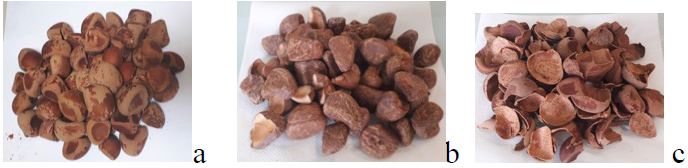
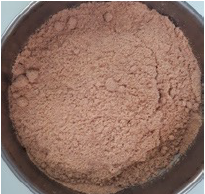
The plant material used in this study consists of dry seeds of Carapa procera (Figure 1 a) from trees in the Ziguinchor region (12° 33’ 40’’ North, 16° 17’ 00’’ West) in southern Senegal. The average mass of the seeds was determined by weighing 50 seeds, and the average masses of the kernels (Figure 1 b) and husks (Figure 1 c) were determined after shelling these 50 seeds. The oil is extracted from the ground kernels (Figure 2).


All chemical reagents, standards and solvents were of the analytical type (HPLC grade), from Sigma-Aldrich, France.
2.3. Seeds GrindingThe plant material is ground using a FRITSCH Pulverisette 19 knife mill equipped with screens having a mesh diameter of 1 mm.
2.4. Dry MatterThe dry matter (DM) content was determined according to French standard NF V 03-103. It corresponds to the mass loss undergone by a sample of about 1 g after drying in an oven at 103°C until a constant mass. The number of replicates analyzed is three (3) and the result is obtained by averaging the three (3) trials.
2.5. Lipids ContentThe lipid contents were determined by using the standardized Soxhlet method (NF ISO 734-1) which consists of extracting the lipids contained in the matter with cyclohexane for minimum 6 hours. An amount of about 30 g of seeds was used. The Soxhlet extractor was equipped at its base with a 250 mL flask in which 200 mL of solvent were introduced. The oil used for the tocopherols analysis was extracted by cold centrifugation using cyclohexane. The number of replicates analyzed is three (3). The result is obtained by averaging the three (3) trials.
2.6. Fatty Acids AnalysisThe fatty acids profile was determined by analysis of Fatty Acids Methyl Esters (FAME) in Gas Chromatography (GC) using Varian 3800 chromatograph according to the French Standard NF ISO 5508 standard. The esterification was carried out in two steps, solubilization of the oil by TBME (tert-butyl methyl ether) and uploading TMSH (trimethyl sulphonium hydroxide 0.5 M in methanol). The analysis was performed in type GC 3800 equipped with a Varian CP-select column for FAME fused silica WCOT (length 50 m, internal diameter 0.25 mm, film thickness 0.25 µm) coupled with a flame-ionization detector (FID) heating the components at 250°C. The carrier gas was helium (flow rate of 1 mL/min). The injection was Split (1: 100 µL 1 250°C for 55 min.). The temperature programming was 185°C for 40 min and then rises from 185°C to 250°C at 15°C/min and finally 250°C for 10.68 min (analysis time 55.01 min). The standard used was the MGFA (SI) and the data was processed with Varian Star software. The number of replicates analyzed is three (3) and the result is obtained by averaging the three (3) trials.
2.7. Glycerides and Triglycerides AnalysisAnalysis of glycerides and triglycerides were carried out after the glycerides silylation by 50 µL of methyl imidazole with 1 mL MSHFBA (N-Methyl-N-trimethyl silyl-Hepta Fluoro butyramide). The analysis was performed by Gas Chromatography with a Perkin Elmer instrument equipped with a CP Sil column 8CB Low Bleed MS Varian, length 15 m, internal diameter 0.32 mm, film thickness 0.25 µm. The injection was on column type 1 µL. The temperature program was 55°C for 0.5 min, then 200°C/min to 340°C, 340°C for 40 min. Helium was the carrier gas (column head pressure 15 psi). The injection into the oven was performed under the following conditions: 55°C for 0.5 min, 45°C/min to 80°C, 10°C/min. up to 360°C and 360°C for 16 min. FID carried out detection at 365°C. The compounds were identified through comparison of the retention time with standards reference and the quantification was carried out by external calibration. The number of replicates analyzed is three (3) and the result is obtained by averaging the three (3) trials.
2.8. Phytosterols AnalysisSterols were analyzed on the unsaponifiable fraction after silylation by MSHFBA (Methyl Trimethyl Silyl Hepta Fluoro ButyrAmide + 50 µL 1-methyl imidazole). The analysis was performed by Gas Chromatography (GC) with a Perkin Elmer instrument coupled to an coupled to an FID (365°C) and equipped with a column CPSil 8 CB (Varian) of length 30 m, diameter 0.25 mm and film thickness 0.25 µm. The injection was on column type (1µL), the carrier gas was helium and the column head pressure was 100 kPa. The injector temperature programming was 55°C for 0.5min, then increase from 55 to 340°C at 200°C/min and stabilization at 340°C for 30 min. The temperature of the oven was 160°C for 0.5 min, then rise from 160 to 260°C at 20°C/min and stabilization at 260°C for 5.5 min then rise from 260 to 300°C at 2°C/min then maintaining the temperature for 10 min at 300°C finally a rise from 300 to 350°C at 45°C/min and stabilization at 350°C for 3 min. The number of replicates analyzed is three (3). The result is obtained by averaging the three (3) trials.
2.9. Tocopherols and Tocotrienols AnalysisThe analysis of the tocopherols of Africain crabwood seeds oil, using the α, β, γ and δ-tocopherols and δ-tocotrienol standards by external calibration was performed according to EN ISO 9936. Exactly 10 mg of oil were diluted with 1 mL of cyclohexane. The sample was analyzed by HPLC Dionex type equipped with a Kromasil 100 column SIL 5 µ (250 × 4 mm) and a fluorescence detector (λex = 290 nm and λem = 317 nm). The eluent was composed of mixture isooctane/isopropanol (99.5%/0.5%) at a flow rate of 1.1 mL/min. The number of replicates analyzed is three (3) and the result is obtained by averaging the three (3) trials.
The physical characteristics of the Carapa procera seed (Table 1) show that its average dry weight is 7.59 g. This seed is more than 27 times heavier than that of the neem (0.28 g) 3 and nearly 4 times heavier than that of the desert date palm (2.04 g) 4. The proportions of the kernel (71.23%) and the shell (28.77%) indicate the kernel’s clear predominance in the seed. This kernel-to-shell ratio is similar to that of seeds such as the desert date palm. This kernel-to-shell ratio allows the seed to be processed without dehulling, even for an extraction process involving pressing, given the high average oil content in the kernel of 56.55%, noting that analysis confirms the shell contains no lipids. Although this content is high, it is slightly lower than that of African crabwood seeds from Benin, which is 61.5% 5. It remains, however, higher than that of desert date kernels (34.5%), neem kernels (49%) 4, sunflower seeds (47.3%) 6, or Nigella seeds (13 to 40%) 7, 8, 9, 10, 11, 12, but lower than that of Brazil nuts (Bertholletia myrtaceae) (72.5%) 13 and hazelnut seeds (62.4%) 14.
This oil is widely used in Senegal for various medicinal purposes. Carapa procera oil is very bitter; as is the case with neem oil 15, this bitterness may be due to molecules belonging to the triperpenoid family.
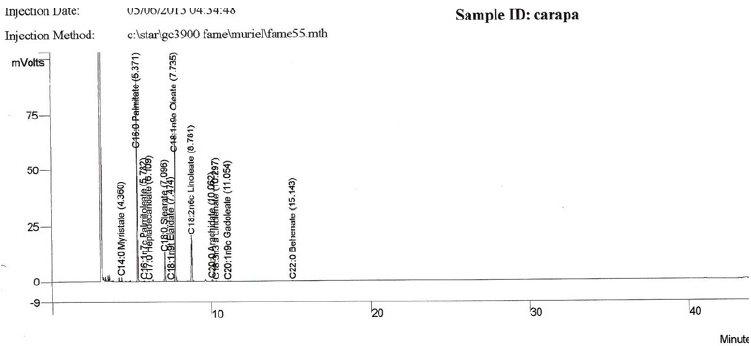
The fatty acids composition of Carapa procera oil, determined by Gas Chromatography analysis (Figure 3), reveals the predominance of two (2) fatty acids: oleic acid C18:1 (45.70%) and palmitic acid C16:0 (32.75%), followed by linoleic acid C18:2 (13.02%) (Table 2). This fatty acid profile is similar to that obtained for seed oil from Togo, in which the predominant fatty acid is oleic acid (59.1%), followed by palmitic acid (21.1%), stearic acid (8.5%), and linoleic acid (8.1%).

This fatty acid composition with the simultaneous presence of saturated palmitic and stearic acids, accounting for more than 39% of total fatty acids and more than 96.5% of saturated and unsaturated fatty acids, oleic and linoleic acids, of nearly 59%which accounts for nearly 99% of the unsaturated fatty acids confirms the unsaturated nature of this oil. The higher proportion of unsaturated fatty acids (59.39%), combined with a significant proportion of saturated fatty acids (40.61%), results in an unsaturated-to-saturated fatty acid ratio of approximately 2:3, indicating a certain balance, with unsaturated fatty acids predominating. This fatty acid profile is unique and not found in other vegetable oils. However, it shares certain similarities with neem oil, which also belongs to the Meliaceae family, particularly in terms of the predominance of the same fatty acids (oleic, linoleic, palmitic, and stearic), which account for 97.88% of the total fatty acids in Carapa oil and 95.8% in neem oil.
The results results obtained using GC (Figure 4) show that triglycerides account for 97.22% of this oil (Table 3). This triglyceride content is slightly lower than that of most seed oils and animal fats, which generally exceed 98%. 16. The amounts of C16 and C18 diglycerides (2.07%) and C16 and C18 monoglycerides (0.23%) can be explained by the release of certain fatty acids resulting from the hydrolysis of the triglycerides in the oil, which could account for the decrease in the amount of triglycerides.. This results in the presence of free fatty acids (FFAs) (0.48%), which are responsible for the acidity of this oil.

Analysis of the triglycerides shows that Carapa procera oil consists primarily of three major triglycerides: Palmitic-Linoleic-Stearic (PLS) (45.95%), followed by linoleic-palmitic-oleic and linoleic-stearic-linolenic (LPO+LSLl) (30.57%) and oleic-palmitic-palmitoleic and oleic-stearic-myristic (OPPl+OSM) (19.76%) (Table 4). This triglyceride profile is consistent with the oil’s fatty acid composition. This result confirms that this oil consists of storage lipids.
Phytosterols, or plant sterols, are essential components of the unsaponifiable fraction of vegetable oils. In the case of Carapa procera oil, the analysis results of GC analysis (Figure 5) reveal a very high phytosterols content (9.09 g/kg of oil) (Table 5). This content is significantly higher than that of Carapa seed oil from Benin (2.49 g/kg) 5. This very high phytosterols content makes Carapa procera oil from Casamance very rich in phytosterols. Its phytosterols content is far higher than that of neem oil (3.34 g/kg) 3 and desert date palm oil (2.11 g/kg) 15, peanut oil (1.6 g/kg), sunflower oil (4.3 g/kg), rapeseed oil (8.2 g/kg), corn germ oil (8.5 g/kg), and soybean oil (3.5 g/kg) 17, 18 or black cumin seeds (1.4 to 2 g/kg) 19 all of which are known to be rich in phytosterols.
The oil from the seeds of African crabwood in southern Senegal is characterized by the presence of three (3) sterols: β-sitosterol, campesterol, and stigmasterol. It should be noted that these three phytosterols are abundant in nature 20. β-sitosterol is by far the most abundant phytosterol, at 7.09 g/kg, accounting for 78% of the sterols in this oil. This β-sitosterol content (78%) is slightly higher than that of seeds from Benin (61.2%) 5. It is followed by campesterol (1.47 g/kg, or 16.17%) and stigmasterol (0.53 g/kg, or 5.83%).

β-sitosterol is the predominant component in many vegetable oils, occurring in varying proportions, such as in neem oil, desert date palm oil (35.54%), olive oil (84.3%), peanut oil (62.3%), sunflower oil (61.9%), canola oil (45–61%), soybean oil (47–59%), and sesame oil (59–62%) 21, 22, 23.
The high β-sitosterol content in Carapa procera oil is an interesting characteristic in that it contributes to the oil’s positive physiological effects on health 24. In fact, numerous clinical studies have shown that consuming approximately 2 g of β-sitosterol per day lowers cholesterol by about 10% 25, and several scientific publications have focused on the antitumor effects of phytosterols, particularly β-sitosterol 26. In fact, β-sitosterol is the most widely studied sterols due to its importance and its physiological effects on health 24.
It should be noted that, in general, phytosterols are of great importance due to their numerous biological properties (antioxidant, anti-polymerizing, and antimicrobial) and therapeutic properties (cholesterol-lowering, anti-inflammatory, anticancer, and anti-atherosclerotic) 19.
In fact, it has been shown that phytosterols can reduce the risk of certain types of cancer, including lung cancer 27, breast cancer 28, esophageal cancer 29, ovarian cancer 30, stomach cancer 31 and colon cancer 32. It may also stimulate immune responses in people infected with HIV 33. It protect Low-Density Lipoproteins (LDL) from free-radical-induced oxidation 34. A growing body of research attributes the beneficial effects of phytosterols to their ability to reduce obesity 35 and has also demonstrated beneficial effects on Parkinson’s and Alzheimer’s diseases 36, 37, 38. Phytosterols also play an important role in the pharmaceutical, nutritional, and cosmetic fields, particularly in the production of therapeutic steroids 20.
It should be noted that this very high content could be significantly reduced in oil obtained through artisanal or traditional methods of crushing Carapa procera seeds. This process involves roasting the kernels before grinding it and extracting the oil by cooking it with water.
The tocopherols content in Carapa procera oil obtained by HPLC analysis (Figure 6) is 25.87 mg/kg (Table 6). This content is lower than that of Benin seed oil (92 mg/kg). This result shows that the tocopherols and tocotrienols content is relatively low compared to that of several vegetable oils, such as desert date palm oil (512.40 mg/kg), neem oil (338.70 mg/kg) 15, sunflower oil (546 mg/kg), and canola oil (1153 mg/kg) 16. This low tocopherols content in African crabwood seeds oil poses a challenge for its preservation, as tocopherols play an important role in stabilizing the oil during storage 39. In fact, they prevent the oxidation of polyunsaturated fatty acids in the bloodstream and protect Low-Density Lipoproteins (LDL) from free-radical-induced oxidation, which leads to the development of atherosclerotic lesions 40, 41.
However, it should be noted, that tocotrienols account for the majority of the tocopherols and tocotrienols in C. procera oil. In fact, with a concentration of 20.41 mg per 100 g of oil, tocotrienols make up 78.9% of the total tocopherols and tocotrienols. Bien que les teneurs en tocotriénols de l’huile palme soit bien plus élevée, leur proportion (70%) par rapport au total tocotriénols-tocophérols sont similaires, contrairement à la plupart des huiles végétales 42.
Gamma-tocotrienol is the predominant compound, at 12.67 mg/kg, accounting for 48.98% of total tocopherols and tocotrienols.

This high proportion of tocotrienols in African crabwood oil is a mark of quality, which increases its value. Indeed, they possess numerous biological properties, particularly their positive effects on health. Tocotrienols are known for their role in bone resorption, diabetes 43, and cardiovascular diseases 43, 44, 45. Tocotrienols also possess neuroprotective 46, 47, anti-inflammatory 45, 48, anticancer 43, 45, 46, 48, 49, dermo-cosmetic 50, 51, cholesterol-lowering 46, lipid-lowering, and blood-sugar-lowering 45, 46 properties. These numerous properties of tocotrienols, combined with those of phytosterols both present in significant amountsmake Carapa procera oil a product with great potential for commercial development.
This study made it possible to determine the composition of Carapa procera seeds oil harvested in Casamance. The kernel, which accounts for 71.23% of the seed, is the main source of oil, confirming the potential for commercial development of this still underutilized oilseed species.
The fatty acids profile, dominated by oleic acid (45.7%), followed by palmitic acid (32.75%) and linoleic acid (13.02%), falls within the ranges reported for this species in West and Central Africa, while exhibiting a relatively high oleic acid content. This balance between monounsaturated (59.39%) and saturated (40.6%) fatty acids gives the oil good oxidative stability while maintaining a significant content of the essential fatty acid (linoleic acid).
Triglycerides analysis reveals an oil composed almost entirely of triglycerides (97.22%), dominated by T52 triglycerides primarily palmitic-linoleic-stearic (nearly 46%) and T54 triglycerides, consisting of linoleic-palmitic-oleic and linoleic-stearic-linolenic (approximately 30.5%), with smaller proportions of T50, composed of oleic-palmitic-palmitoleic and oleic-stearic-myristic (approximately 20%), T56 (2.57%), and T48 and T58 (<1% each). This distribution directly reflects the combination of the major identified fatty acids and indicates an oil with a homogeneous triglyceride composition, consistent with the fatty acid profile.
In terms of minor bioactive compounds, the oil contains a significant amount of phytosterols (9.09 g/kg), dominated overwhelmingly by β-sitosterol (78%) and campesterol (16.17%), compounds known for their cholesterol-lowering and anti-inflammatory properties. The tocopherol fraction (25.87 mg/kg), mean while, is unique in its high content of γ-tocotrienol (approximately 49%), α-tocotrienol (17.2%), δ-tocotrienol (approximately 12.72%) rather than conventional tocopherols, with α-tocopherol accounting for only 15.73% of the total. This predominance of tocotrienols molecules with strong antioxidant and neuroprotective potential distinguishes this oil from common vegetable oils and enhances its nutraceutical and cosmetic value.
Overall, Carapa procera seeds oil from Casamance (southern Senegal) appears to be a fat with a balanced lipid profile, rich in minor bioactive compounds (phytosterols and tocotrienols), which supports its traditional uses (skin care, therapeutic applications) and opens up opportunities for its commercialization in the cosmetic, pharmaceutical, and nutraceutical sectors. Further research on oxidative stability, in vitro antioxidant activity, and the characterization of limonoids would help complete this characterization and better position this oil among unconventional African oils.
| [1] | Sanogo, S., Sacandé, M., Van Damme, P. and Ndiaye I, Caractérisation, germination et conservation des graines de Carapa procera DC. (Meliaceae), une espèce utile en santé humaine et animale, Biotechnol. Agron. Soc. Environ, 17(2), 321-331. Jan.2013. | ||
| In article | |||
| [2] | Gbamelé, K.S., Guillaume, Y.Y., Valerie, B.I., Maurice, A.A., Olivier, C.K and Joseph, D.A, Antifungal and antioxidant activities of Carapa procera oil and its physicochemical characteristics. GSC Biological and Pharmaceutical Sciences, 10(2), 130-137. Feb.2020. | ||
| In article | View Article | ||
| [3] | Diedhiou, D., Faye M., Vilarem G., Mar-Diop C.G., Sock O. And Rigal L, (2015) Physical characteristics, Chemical composition and Distribution of constituents of the Neem seeds (Azadirachta indica A. Juss) collected in Senegal, Research Journal of Chemical Sciences, 5(7), 52-58. Jul.2015. | ||
| In article | |||
| [4] | Diedhiou D., Faye M., Candy L., Vendenbossche V., Vilarem G., Sock O., Rigal L., Composition and balance of the analytical fractionation of desert date (Balanites aegyptiaca L.) seeds harvested in Senegal, African Journal of Biotechnology, 20(4), 150-158. Apr.2021. | ||
| In article | |||
| [5] | Djenontin Tindo S., Amusant N., Dangou J., Wotto D.V., Avlessi F., Dahouénon-Ahoussi E., Lozano P., Pioch D. and Sohounhloué K.C.D., Screening of repellent, termiticidal and preventive activities on wood, of Azadirachta indica and Carapa procera (Meliaceae) seeds oils, ISCA J. Biological Sci., 1(3), 25-29. Jan.2012. | ||
| In article | |||
| [6] | Warner, K., Vick, B.A., Kleingartner, L., Isaak, R. and Doroff, K, Compositions of sunflower, nusun (mid-oleic sunflower) and high oleic sunflower. Feb.2003. | ||
| In article | |||
| [7] | D’Antuono, L.F., Moretti, A. and Lovato, A.F.S, Seed yield, yield components, oil content and essential oil content and composition of Nigella sativa L. and Nigella damascena L. Industrial Crops and Products, 15, 59-69. Jan.2002. | ||
| In article | View Article | ||
| [8] | Sultan, M.T., Butt, M.S., Anjum, F.M., Jamil, A., Akhtar, S. and Nasir, M, Nutritional profile of indigenous cultivar of black cumin seeds and antioxidant potential of its fixed and essential oil. Pak. J. Bot. 41, 1321-1330. Apr.2009. | ||
| In article | |||
| [9] | Al-Naqeeb, G., Ismail, M. and Al-Zuba, A.S, Fatty Acid Profile, α-Tocopherol Content and Total Antioxidant Activity of Oil Extracted from Nigella Sativa Seeds. Int. J. Pharmacol, 5, 244-250. Dec.2009. | ||
| In article | View Article | ||
| [10] | Matthäus, B. and Musa Özcan, M, Fatty Acids, Tocopherol, and Sterol Contents of Some Nigella Species Seed Oil. Czech J. Food Sci, 29, 145-150. 2011. | ||
| In article | View Article | ||
| [11] | Ali, M.A., Sayeed, M.A., Alam, M.S., Yeasmin, M.S., Khan, A.M. and Muhamad, I.I, Characteristics of oils and nutrient contents of Nigella sativa Linn. and Trigonella foenum-graecum seeds. Bull. Chem. Soc. Ethiop, 26, 55-64. Jan.2012. | ||
| In article | View Article | ||
| [12] | Cheikh Rouhou, S., Besbes, S., Hentati, B., Blecker, C., Deroanne, C. and Attia, H, Nigella sativa L. chemical composition and physicochemical characteristics of lipid fraction, Food Chemistry, 101, 673-681. Feb.2007. | ||
| In article | View Article | ||
| [13] | Chunhieng, T., Goli, T., Piombo, G., Pioch, D., Brochier, J. and Montet, D, Recent analysis of the composition of Brazil nut Bertholletia excelsa, Bois et Forêts des Tropiques, 280 (2). 2004. | ||
| In article | View Article | ||
| [14] | Crews, C., Hough, P., Godward, J., Brereton P., Lees, M., Guiet, S. and Winkelmann W, Study of the Main Constituents of Some Authentic Hazelnut Oils, J. Agric. Food Chem, 53, 4843-4852. May.2005. | ||
| In article | View Article PubMed | ||
| [15] | Diedhiou, D, Fractionnement analytique de la graine de neem (Azadirachta indica A. Juss.) et de la graine de dattier du désert (Balanites aegyptiaca L.) – Valorisation des constituants de la graine de neem par bioraffinage, Thèse de Doctorat, INP, Toulouse. Dec.2017. | ||
| In article | |||
| [16] | Gustone, F.D. and Pandley, F.B, Lipid technologies Applications, New York: Marcel Dekker INC, 1997. | ||
| In article | |||
| [17] | Ferrari, R.A., Schulte E., Esteves, W., Bruhl L. and Murkherjee K.D, Minor constituents of vegetable oils during industrial processing, Am. Oil Chem. Soc, 73, 597. May.1996. | ||
| In article | View Article | ||
| [18] | Fernandes, P. and Cabral, J.M.S, Phytosterols: Applications and recovery methods, Bioresource Technology, 98, 2335-2350. Sep.2007. | ||
| In article | View Article PubMed | ||
| [19] | Dabrowski, G., Czaplicki, S. and Konopka, I, Variation in the Composition and Quality of Nigella sativa L. Seed Oils - The Underestimated Impact on Possible Health-Promoting Properties, Molecules, 29, 1360. Mar.2024. | ||
| In article | View Article PubMed | ||
| [20] | Uddin, M.S., Ferdoshc, S., Akandad, J.H., Ghafoore K., Rukshana A.H., Eaqub Ali, E., Kamaruzzamand, B.Y., Fauzi M.B., Hadijah S., Shaaranic, S. and Sarkera Z.I, Techniques for the extraction of phytosterols and their benefits in human health: A review, Separation Science and Technology. Apr.2018. | ||
| In article | |||
| [21] | Besbes, S., Blecker, C., Deroanne, C., Bahloul, N., Lognay, G., Drira, N.E. and Attia, H, Date Seed Oil: Phenolic, Tocopherol and Sterol Profiles, Journal of Food Lipids 11, 251-265. Mar.2004. | ||
| In article | View Article | ||
| [22] | Feinberg, M., Favier, J.C. and Ireland-Ripert, J, Répertoire général des aliments. In Tables de Composition des Corps Gras. Paris: Lavoisier-Tec & Doc, 1987. | ||
| In article | |||
| [23] | Merrien, A., Morice, J., Pouzet, A., Morin, O. and Sultanac, C, Graines oléagineuses des climats tempérés et leurs huiles. In Karlskind A, Ed. Manuel des corps gras, Paris, 116-164. 1992. | ||
| In article | |||
| [24] | Yang, B., Karlsson, R.M., Oksman, P.H. and Kallio, H.P, Phytosterols in Sea Buckthorn (Hippophaë rhamnoides L.) Berries: Identification and Effects of Different Origins and Harvesting Times, Journal of Agricultural and Food Chemistry, 49, 5620-5629. Nov.2001. | ||
| In article | View Article PubMed | ||
| [25] | Lütjohann, D., Björkhem, I., Beil, U.F. and Von Bergmann, K, Sterol absorption and sterol balance in phytosterolemia evaluated by deuterium-labeled sterols: effect of sitostanol treatment, Journal of Lipid Research 36, 1763-1773. Aug.1995. | ||
| In article | View Article PubMed | ||
| [26] | Awad, A.B., Chan, K.C., Downie, A.C. and Fink, C.S, Peanuts as a source of β-sitosterol, a sterol with anticancer properties, Nutr. Cancer,36, 238-241. Nov.2009. | ||
| In article | View Article PubMed | ||
| [27] | Mendilaharsu, M., De Stefani, E., Deneo-Pellegrini, H., Carzoglio, J. and Ronco, A, Phytosterols and risk of lung cancer: a case-control study in Uruguay, Lung Cancer 21, 37-45. Jul.1998. | ||
| In article | View Article PubMed | ||
| [28] | Ronco, A., Stefani, E.D., Boffetta, P., Deneo-Pellegrini, H., Mendilaharsu, M. and Leborgne, F, Vegetables, Fruits, and Related Nutrients and Risk of Breast Cancer: A Case-Control Study in Uruguay, Nutrition and Cancer 35, 111-119. Nov.1999. | ||
| In article | View Article PubMed | ||
| [29] | Stefani, E.D., Brennan, P., Boffetta, P., Ronco, A.L., Mendilaharsu, M. and Deneon Pellegrini, H, Vegetables, Fruits, Related Dietary Antioxidants, and Risk of Squamous Cell Carcinoma of the Esophagus: A Case-Control Study in Uruguay, Nutrition and Cancer, 38, 23-29. Nov.2009. | ||
| In article | View Article PubMed | ||
| [30] | Stefani, E.D., Boffetta, P., Ronco, A., Brennan, P., Deneo-Pellegrini, H., Carzoglio, J.C. and Mendilahrsu, M, Plant sterols and risk of stomach cancerea case control study in Uruguary, Nutr. Cancer, 37, 140-144. Nov.2009. | ||
| In article | View Article PubMed | ||
| [31] | McCann, S.E., Freudenheim, J.L., Marshall, J.R., Brasure, J.R., Swanson, M.K. and Graham, S, Diet in the epidemiology of endometrial cancer in Western New York (United States), Cancer Causes & Control, 11, 965-974. Dec.2000. | ||
| In article | View Article PubMed | ||
| [32] | McCann, S.E., Freudenheim, J.L., Marshall, J.R. and Graham, S, Risk of human ovarian cancer is related to dietary intake of selected nutrients, phytochemicals and food groups, The Journal of Nutrition, 133, 1937-1942. Jun.2003. | ||
| In article | View Article PubMed | ||
| [33] | Breytenbach, U., Clark, A., Lamprecht, J. and Bouic, P, Flow cytometric analysis of the Th1-Th2 balance in healthy individuals and patients infected with the human immunodeficiency virus (HIV) receiving a plant sterol/sterolin mixture, Cell Biology International, 25, 43-49. Jan.2001. | ||
| In article | View Article PubMed | ||
| [34] | Ferretti, G., Bacchetti, T., Masciangelo S. and Bicchiega,V, Effect of phytosterols on copper lipid peroxidation of human low-density lipoproteins, Nutrition, 26, 296-304. Mar.2010. | ||
| In article | View Article PubMed | ||
| [35] | Vezza, T., Canet F., De Marañón A.M., Bañuls C., Rocha M. and Víctor V.M, Phytosterols: Nutritional Health Players in the Management of Obesity and Its Related Disorders, Antioxidants 9, 1266. Dec.2020. | ||
| In article | View Article PubMed | ||
| [36] | Phillips, K.M., Ruggio, D.M., Toivo, J.I., Swank, M.A. and Simpkins, A.H, Free andesterified sterol composition of edible oils and fats, Journal of Food Composition and Analysis, 15, 123-142. Apr.2002. | ||
| In article | View Article | ||
| [37] | Lagarda, M.J., Garcia-Llatas, G. and Farré, R, Analysis of phytosterols in foods, Review Journal Pharmaceutical Biomedical Analysis, 41 (5), 14861496. Apr.2005. | ||
| In article | View Article PubMed | ||
| [38] | Sañé, E., Del Mondo, A., Ambrosino L., Smerilli A., Sansone C. and Brunet, C, The Recent Advanced in Microalgal Phytosterols: Bioactive Ingredients Along With Human-Health Driven Potential Applications, Food Reviews International. Jun.2021. | ||
| In article | View Article | ||
| [39] | Demir, C. and Cetin, M, Determination of tocopherols, fatty acids and oxidative stability of pecan, walnut and sunflower oils, Deutsche Lebensmittel-Rundschau, 95, 278-282. Oct.1999. | ||
| In article | |||
| [40] | Morris, M.C., Evans, D.A., Tangney, C.C., Bienias, J.L., Wilson, R.S., Aggarwal, N.T. and Scherr, P.A, Relation of the tocopherol forms to incident Alzheimer disease and to cognitive change, The American Journal of Clinical Nutrition 81, 508514. Feb.2005. | ||
| In article | View Article PubMed | ||
| [41] | Schneider, C, Chemistry and biology of vitamin, Molecular Nutrition & Food Research, 49, 7-30. Dec.2005. | ||
| In article | View Article PubMed | ||
| [42] | Sundram, K., Ravigadevi Sambanthamurthi, R. and Tan Y.A, Palm fruit chemistry and nutrition, Asia Pacific J. Clin. Nutr, 12(3), 355-362. Feb.2003. | ||
| In article | |||
| [43] | Aggarwal B.B., Sundaram C., Prasad S., Kannappan R, Tocotrienols, the vitamin E of the 21st century: its potential against cancer and other chronic diseases, Biochemical Pharmacology, 80(11), 1613-1631. Dec.2010. | ||
| In article | View Article PubMed | ||
| [44] | Vasanthi, H.R., Parameswari, R.P. and Das D.K, Multifaceted role of tocotrienols in cardioprotection supports their structure: function relation, Genes & Nutrition, 7, 19-28. Jan.2012. | ||
| In article | View Article PubMed | ||
| [45] | Ahsan, H., Ahad, A., Iqbal, J,. and Siddiqui, W.A, Pharmacological potential of tocotrienols: a review, Nutrition & Metabolism, 11, 52. Nov.2014. | ||
| In article | View Article PubMed | ||
| [46] | Sen, C.K., Khanna, S. and Roy, S, Tocotrienols in health and disease: the other half of the natural vitamin E family, Molecular Aspects of Medicine, 28(5-6), 692-728. Dec.2007. | ||
| In article | View Article PubMed | ||
| [47] | Razali, R.A., Ngah, W.Z.W., Makpol, S., Yanagisawa, D., Kato, T. and Tooyama, I, Shifting Perspectives on the Role of Tocotrienol vs. Tocopherol in Brain Health: A Scoping Review, International Journal of Molecular Sciences, 26(13), 6339. Jun.2025. | ||
| In article | View Article PubMed | ||
| [48] | Morgan, N.R., Magalingam, K.B., Radhakrishnan, A.K., Arumugam, M., Jamil, A. and Bhuvanendran S, Explicating the Multifunctional Roles of Tocotrienol and Squalene in Promoting Skin Health, Skin Health and Disease, 4 (5), 448. Oct.2024. | ||
| In article | View Article PubMed | ||
| [49] | Nesaretnam, K., Yew, W.W. and Wahid, M.B, Tocotrienols and cancer: beyond antioxidant activity, European Journal of Lipid Science and Technology, 109(4), 445-452. Apr.2007. | ||
| In article | View Article | ||
| [50] | Pang, K.L., Mai, C.W. and Chin, K.Y, Molecular mechanism of tocotrienol-mediated anticancer properties: a systematic review of the involvement of endoplasmic reticulum stress and unfolded protein response, Nutrients, 15 (8), 1854. Apr.2023. | ||
| In article | View Article PubMed | ||
| [51] | Weber, C., Podda, M., Rallis, M., Thiele, J.J., Traber, M.G. and Packer, L, Efficacy of topically applied tocopherols and tocotrienols in protection of murine skin from oxidative damage induced by UV-irradiation, Free Radical Biology and Medicine, 22(5), 761-769. 1997. | ||
| In article | View Article PubMed | ||
Published with license by Science and Education Publishing, Copyright © 2026 Djibril Diedhiou, Mamadou Faye, Moussa Bagha Diedhiou, Adama Diop, Laure Candy and Virginie Vandenbossche
 This work is licensed under a Creative Commons Attribution 4.0 International License. To view a copy of this license, visit
http://creativecommons.org/licenses/by/4.0/
This work is licensed under a Creative Commons Attribution 4.0 International License. To view a copy of this license, visit
http://creativecommons.org/licenses/by/4.0/
| [1] | Sanogo, S., Sacandé, M., Van Damme, P. and Ndiaye I, Caractérisation, germination et conservation des graines de Carapa procera DC. (Meliaceae), une espèce utile en santé humaine et animale, Biotechnol. Agron. Soc. Environ, 17(2), 321-331. Jan.2013. | ||
| In article | |||
| [2] | Gbamelé, K.S., Guillaume, Y.Y., Valerie, B.I., Maurice, A.A., Olivier, C.K and Joseph, D.A, Antifungal and antioxidant activities of Carapa procera oil and its physicochemical characteristics. GSC Biological and Pharmaceutical Sciences, 10(2), 130-137. Feb.2020. | ||
| In article | View Article | ||
| [3] | Diedhiou, D., Faye M., Vilarem G., Mar-Diop C.G., Sock O. And Rigal L, (2015) Physical characteristics, Chemical composition and Distribution of constituents of the Neem seeds (Azadirachta indica A. Juss) collected in Senegal, Research Journal of Chemical Sciences, 5(7), 52-58. Jul.2015. | ||
| In article | |||
| [4] | Diedhiou D., Faye M., Candy L., Vendenbossche V., Vilarem G., Sock O., Rigal L., Composition and balance of the analytical fractionation of desert date (Balanites aegyptiaca L.) seeds harvested in Senegal, African Journal of Biotechnology, 20(4), 150-158. Apr.2021. | ||
| In article | |||
| [5] | Djenontin Tindo S., Amusant N., Dangou J., Wotto D.V., Avlessi F., Dahouénon-Ahoussi E., Lozano P., Pioch D. and Sohounhloué K.C.D., Screening of repellent, termiticidal and preventive activities on wood, of Azadirachta indica and Carapa procera (Meliaceae) seeds oils, ISCA J. Biological Sci., 1(3), 25-29. Jan.2012. | ||
| In article | |||
| [6] | Warner, K., Vick, B.A., Kleingartner, L., Isaak, R. and Doroff, K, Compositions of sunflower, nusun (mid-oleic sunflower) and high oleic sunflower. Feb.2003. | ||
| In article | |||
| [7] | D’Antuono, L.F., Moretti, A. and Lovato, A.F.S, Seed yield, yield components, oil content and essential oil content and composition of Nigella sativa L. and Nigella damascena L. Industrial Crops and Products, 15, 59-69. Jan.2002. | ||
| In article | View Article | ||
| [8] | Sultan, M.T., Butt, M.S., Anjum, F.M., Jamil, A., Akhtar, S. and Nasir, M, Nutritional profile of indigenous cultivar of black cumin seeds and antioxidant potential of its fixed and essential oil. Pak. J. Bot. 41, 1321-1330. Apr.2009. | ||
| In article | |||
| [9] | Al-Naqeeb, G., Ismail, M. and Al-Zuba, A.S, Fatty Acid Profile, α-Tocopherol Content and Total Antioxidant Activity of Oil Extracted from Nigella Sativa Seeds. Int. J. Pharmacol, 5, 244-250. Dec.2009. | ||
| In article | View Article | ||
| [10] | Matthäus, B. and Musa Özcan, M, Fatty Acids, Tocopherol, and Sterol Contents of Some Nigella Species Seed Oil. Czech J. Food Sci, 29, 145-150. 2011. | ||
| In article | View Article | ||
| [11] | Ali, M.A., Sayeed, M.A., Alam, M.S., Yeasmin, M.S., Khan, A.M. and Muhamad, I.I, Characteristics of oils and nutrient contents of Nigella sativa Linn. and Trigonella foenum-graecum seeds. Bull. Chem. Soc. Ethiop, 26, 55-64. Jan.2012. | ||
| In article | View Article | ||
| [12] | Cheikh Rouhou, S., Besbes, S., Hentati, B., Blecker, C., Deroanne, C. and Attia, H, Nigella sativa L. chemical composition and physicochemical characteristics of lipid fraction, Food Chemistry, 101, 673-681. Feb.2007. | ||
| In article | View Article | ||
| [13] | Chunhieng, T., Goli, T., Piombo, G., Pioch, D., Brochier, J. and Montet, D, Recent analysis of the composition of Brazil nut Bertholletia excelsa, Bois et Forêts des Tropiques, 280 (2). 2004. | ||
| In article | View Article | ||
| [14] | Crews, C., Hough, P., Godward, J., Brereton P., Lees, M., Guiet, S. and Winkelmann W, Study of the Main Constituents of Some Authentic Hazelnut Oils, J. Agric. Food Chem, 53, 4843-4852. May.2005. | ||
| In article | View Article PubMed | ||
| [15] | Diedhiou, D, Fractionnement analytique de la graine de neem (Azadirachta indica A. Juss.) et de la graine de dattier du désert (Balanites aegyptiaca L.) – Valorisation des constituants de la graine de neem par bioraffinage, Thèse de Doctorat, INP, Toulouse. Dec.2017. | ||
| In article | |||
| [16] | Gustone, F.D. and Pandley, F.B, Lipid technologies Applications, New York: Marcel Dekker INC, 1997. | ||
| In article | |||
| [17] | Ferrari, R.A., Schulte E., Esteves, W., Bruhl L. and Murkherjee K.D, Minor constituents of vegetable oils during industrial processing, Am. Oil Chem. Soc, 73, 597. May.1996. | ||
| In article | View Article | ||
| [18] | Fernandes, P. and Cabral, J.M.S, Phytosterols: Applications and recovery methods, Bioresource Technology, 98, 2335-2350. Sep.2007. | ||
| In article | View Article PubMed | ||
| [19] | Dabrowski, G., Czaplicki, S. and Konopka, I, Variation in the Composition and Quality of Nigella sativa L. Seed Oils - The Underestimated Impact on Possible Health-Promoting Properties, Molecules, 29, 1360. Mar.2024. | ||
| In article | View Article PubMed | ||
| [20] | Uddin, M.S., Ferdoshc, S., Akandad, J.H., Ghafoore K., Rukshana A.H., Eaqub Ali, E., Kamaruzzamand, B.Y., Fauzi M.B., Hadijah S., Shaaranic, S. and Sarkera Z.I, Techniques for the extraction of phytosterols and their benefits in human health: A review, Separation Science and Technology. Apr.2018. | ||
| In article | |||
| [21] | Besbes, S., Blecker, C., Deroanne, C., Bahloul, N., Lognay, G., Drira, N.E. and Attia, H, Date Seed Oil: Phenolic, Tocopherol and Sterol Profiles, Journal of Food Lipids 11, 251-265. Mar.2004. | ||
| In article | View Article | ||
| [22] | Feinberg, M., Favier, J.C. and Ireland-Ripert, J, Répertoire général des aliments. In Tables de Composition des Corps Gras. Paris: Lavoisier-Tec & Doc, 1987. | ||
| In article | |||
| [23] | Merrien, A., Morice, J., Pouzet, A., Morin, O. and Sultanac, C, Graines oléagineuses des climats tempérés et leurs huiles. In Karlskind A, Ed. Manuel des corps gras, Paris, 116-164. 1992. | ||
| In article | |||
| [24] | Yang, B., Karlsson, R.M., Oksman, P.H. and Kallio, H.P, Phytosterols in Sea Buckthorn (Hippophaë rhamnoides L.) Berries: Identification and Effects of Different Origins and Harvesting Times, Journal of Agricultural and Food Chemistry, 49, 5620-5629. Nov.2001. | ||
| In article | View Article PubMed | ||
| [25] | Lütjohann, D., Björkhem, I., Beil, U.F. and Von Bergmann, K, Sterol absorption and sterol balance in phytosterolemia evaluated by deuterium-labeled sterols: effect of sitostanol treatment, Journal of Lipid Research 36, 1763-1773. Aug.1995. | ||
| In article | View Article PubMed | ||
| [26] | Awad, A.B., Chan, K.C., Downie, A.C. and Fink, C.S, Peanuts as a source of β-sitosterol, a sterol with anticancer properties, Nutr. Cancer,36, 238-241. Nov.2009. | ||
| In article | View Article PubMed | ||
| [27] | Mendilaharsu, M., De Stefani, E., Deneo-Pellegrini, H., Carzoglio, J. and Ronco, A, Phytosterols and risk of lung cancer: a case-control study in Uruguay, Lung Cancer 21, 37-45. Jul.1998. | ||
| In article | View Article PubMed | ||
| [28] | Ronco, A., Stefani, E.D., Boffetta, P., Deneo-Pellegrini, H., Mendilaharsu, M. and Leborgne, F, Vegetables, Fruits, and Related Nutrients and Risk of Breast Cancer: A Case-Control Study in Uruguay, Nutrition and Cancer 35, 111-119. Nov.1999. | ||
| In article | View Article PubMed | ||
| [29] | Stefani, E.D., Brennan, P., Boffetta, P., Ronco, A.L., Mendilaharsu, M. and Deneon Pellegrini, H, Vegetables, Fruits, Related Dietary Antioxidants, and Risk of Squamous Cell Carcinoma of the Esophagus: A Case-Control Study in Uruguay, Nutrition and Cancer, 38, 23-29. Nov.2009. | ||
| In article | View Article PubMed | ||
| [30] | Stefani, E.D., Boffetta, P., Ronco, A., Brennan, P., Deneo-Pellegrini, H., Carzoglio, J.C. and Mendilahrsu, M, Plant sterols and risk of stomach cancerea case control study in Uruguary, Nutr. Cancer, 37, 140-144. Nov.2009. | ||
| In article | View Article PubMed | ||
| [31] | McCann, S.E., Freudenheim, J.L., Marshall, J.R., Brasure, J.R., Swanson, M.K. and Graham, S, Diet in the epidemiology of endometrial cancer in Western New York (United States), Cancer Causes & Control, 11, 965-974. Dec.2000. | ||
| In article | View Article PubMed | ||
| [32] | McCann, S.E., Freudenheim, J.L., Marshall, J.R. and Graham, S, Risk of human ovarian cancer is related to dietary intake of selected nutrients, phytochemicals and food groups, The Journal of Nutrition, 133, 1937-1942. Jun.2003. | ||
| In article | View Article PubMed | ||
| [33] | Breytenbach, U., Clark, A., Lamprecht, J. and Bouic, P, Flow cytometric analysis of the Th1-Th2 balance in healthy individuals and patients infected with the human immunodeficiency virus (HIV) receiving a plant sterol/sterolin mixture, Cell Biology International, 25, 43-49. Jan.2001. | ||
| In article | View Article PubMed | ||
| [34] | Ferretti, G., Bacchetti, T., Masciangelo S. and Bicchiega,V, Effect of phytosterols on copper lipid peroxidation of human low-density lipoproteins, Nutrition, 26, 296-304. Mar.2010. | ||
| In article | View Article PubMed | ||
| [35] | Vezza, T., Canet F., De Marañón A.M., Bañuls C., Rocha M. and Víctor V.M, Phytosterols: Nutritional Health Players in the Management of Obesity and Its Related Disorders, Antioxidants 9, 1266. Dec.2020. | ||
| In article | View Article PubMed | ||
| [36] | Phillips, K.M., Ruggio, D.M., Toivo, J.I., Swank, M.A. and Simpkins, A.H, Free andesterified sterol composition of edible oils and fats, Journal of Food Composition and Analysis, 15, 123-142. Apr.2002. | ||
| In article | View Article | ||
| [37] | Lagarda, M.J., Garcia-Llatas, G. and Farré, R, Analysis of phytosterols in foods, Review Journal Pharmaceutical Biomedical Analysis, 41 (5), 14861496. Apr.2005. | ||
| In article | View Article PubMed | ||
| [38] | Sañé, E., Del Mondo, A., Ambrosino L., Smerilli A., Sansone C. and Brunet, C, The Recent Advanced in Microalgal Phytosterols: Bioactive Ingredients Along With Human-Health Driven Potential Applications, Food Reviews International. Jun.2021. | ||
| In article | View Article | ||
| [39] | Demir, C. and Cetin, M, Determination of tocopherols, fatty acids and oxidative stability of pecan, walnut and sunflower oils, Deutsche Lebensmittel-Rundschau, 95, 278-282. Oct.1999. | ||
| In article | |||
| [40] | Morris, M.C., Evans, D.A., Tangney, C.C., Bienias, J.L., Wilson, R.S., Aggarwal, N.T. and Scherr, P.A, Relation of the tocopherol forms to incident Alzheimer disease and to cognitive change, The American Journal of Clinical Nutrition 81, 508514. Feb.2005. | ||
| In article | View Article PubMed | ||
| [41] | Schneider, C, Chemistry and biology of vitamin, Molecular Nutrition & Food Research, 49, 7-30. Dec.2005. | ||
| In article | View Article PubMed | ||
| [42] | Sundram, K., Ravigadevi Sambanthamurthi, R. and Tan Y.A, Palm fruit chemistry and nutrition, Asia Pacific J. Clin. Nutr, 12(3), 355-362. Feb.2003. | ||
| In article | |||
| [43] | Aggarwal B.B., Sundaram C., Prasad S., Kannappan R, Tocotrienols, the vitamin E of the 21st century: its potential against cancer and other chronic diseases, Biochemical Pharmacology, 80(11), 1613-1631. Dec.2010. | ||
| In article | View Article PubMed | ||
| [44] | Vasanthi, H.R., Parameswari, R.P. and Das D.K, Multifaceted role of tocotrienols in cardioprotection supports their structure: function relation, Genes & Nutrition, 7, 19-28. Jan.2012. | ||
| In article | View Article PubMed | ||
| [45] | Ahsan, H., Ahad, A., Iqbal, J,. and Siddiqui, W.A, Pharmacological potential of tocotrienols: a review, Nutrition & Metabolism, 11, 52. Nov.2014. | ||
| In article | View Article PubMed | ||
| [46] | Sen, C.K., Khanna, S. and Roy, S, Tocotrienols in health and disease: the other half of the natural vitamin E family, Molecular Aspects of Medicine, 28(5-6), 692-728. Dec.2007. | ||
| In article | View Article PubMed | ||
| [47] | Razali, R.A., Ngah, W.Z.W., Makpol, S., Yanagisawa, D., Kato, T. and Tooyama, I, Shifting Perspectives on the Role of Tocotrienol vs. Tocopherol in Brain Health: A Scoping Review, International Journal of Molecular Sciences, 26(13), 6339. Jun.2025. | ||
| In article | View Article PubMed | ||
| [48] | Morgan, N.R., Magalingam, K.B., Radhakrishnan, A.K., Arumugam, M., Jamil, A. and Bhuvanendran S, Explicating the Multifunctional Roles of Tocotrienol and Squalene in Promoting Skin Health, Skin Health and Disease, 4 (5), 448. Oct.2024. | ||
| In article | View Article PubMed | ||
| [49] | Nesaretnam, K., Yew, W.W. and Wahid, M.B, Tocotrienols and cancer: beyond antioxidant activity, European Journal of Lipid Science and Technology, 109(4), 445-452. Apr.2007. | ||
| In article | View Article | ||
| [50] | Pang, K.L., Mai, C.W. and Chin, K.Y, Molecular mechanism of tocotrienol-mediated anticancer properties: a systematic review of the involvement of endoplasmic reticulum stress and unfolded protein response, Nutrients, 15 (8), 1854. Apr.2023. | ||
| In article | View Article PubMed | ||
| [51] | Weber, C., Podda, M., Rallis, M., Thiele, J.J., Traber, M.G. and Packer, L, Efficacy of topically applied tocopherols and tocotrienols in protection of murine skin from oxidative damage induced by UV-irradiation, Free Radical Biology and Medicine, 22(5), 761-769. 1997. | ||
| In article | View Article PubMed | ||