While established best practices exist for the sizing and positioning of dental implants, there is a notable lack of guidelines tailored to assist clinicians in predicting primary implant stability in fresh extraction sites. [1,2,3] Accurately forecasting an implant’s surgical success is critical for clinicians for two primary reasons: First, it guides treatment decisions. if conditions for successful placement are suboptimal, alternative plans, such as site development, should be considered. Secondly, precise prediction of surgical outcomes fosters a strong doctor-patient relationship, as communicating a no, low, medium, or high likelihood of success is essential for maintaining this rapport. [4] This retrospective cohort study aims to evaluate the predictive value of the Five-Thread Guideline (5-TG), which posits that engaging at least five implant threads in native bone correlates with high primary stability. [5] The study assessed four qualitative levels of stability probability: none, low, moderate, and high. Among the 150 cases analyzed, the 5-TG demonstrated significant predictive accuracy indicated by (p<0.0000207). Consequently, this guideline could be regarded as an essential tool for forecasting implant stability when planning dental procedures in newly extracted sites.
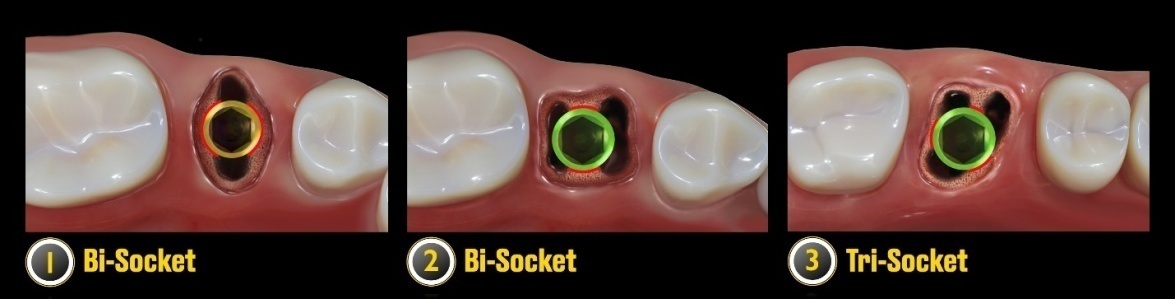
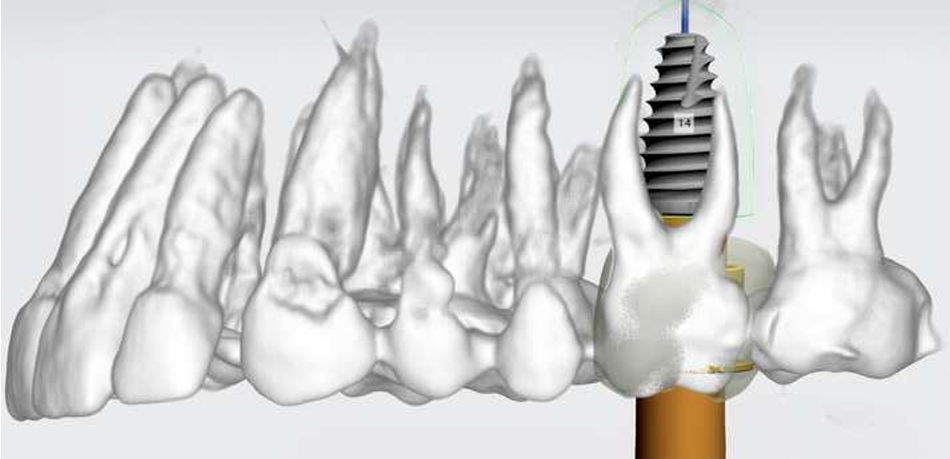
Tarnow et al. argued through a retrospective cohort study that placing implants in anterior flapless post-extraction sockets, with simultaneous bone grafting and a contoured healing abutment or provisional restoration, results in minimal changes to tissue contours. 6 The “Maintain versus regain” strategy for implants in the aesthetic zone respects natural biology, preserving hard and soft tissues. It can reduce the need for extra grafting procedures and tissue grooming, minimizing patient discomfort, delays, and costs. 7, 8 When a doctor opts for the “maintain vs. regain” approach, predicting primary stability accurately is crucial. Both doctors and patients dread unsuccessful outcomes. Adjusting the surgical plan during a procedure requires substantial expertise, mental fortitude, and strong communication skills to manage patient expectations. This adds stress in the already pressured field of dentistry. 9 Thus, during treatment planning, doctors need a reliable tool to predict primary stability—one that is precise, user-friendly, and time-efficient. By the end of planning, the clinical team should have a probability of success metric to guide treatment and patient expectations. With such a tool, the doctor can forecast success, ensuring positive outcomes and patient confidence as they pursue the ideal tooth replacement option. This retrospective cohort study suggests that the five-thread guideline (5-TG) predicts the primary stability of dental implants in fresh extraction sites. Implants achieving full five-thread engagement, or those partially stabilized through bi-socket or tri-socket methods, should show similar stability Figure 1 By categorizing each case into four stability levels, we aim to evaluate the predictive accuracy of the 5-TG. We won't consider factors like surgical site location, tooth morphology, insertion torque, bone type, and quality, focusing instead on the hypothesis that engaging five threads is key for primary stability.
This study adhered to the STARD (Standards for Reporting of Diagnostic Accuracy Studies) guidelines 10, ensuring standardized reporting of diagnostic accuracy research. This retrospective study evaluated the Five Thread Guideline (5TG) for predicting the primary stability of dental implants in fresh extraction sites. From a private practice database of 345 implants, 150 patient records were selected. Institutional Review Board (IRB) approval was not procured as this study was conducted in a private practice setting, where data were retrospectively analyzed without patient identifiers or interventions beyond standard clinical care. All participants provided informed consent before taking part in the study, which was conducted in accordance with the Declaration of Helsinki, as revised in 2013. The cohort selection criteria were:
1. Single implants placed in freshly extracted sites.
2. Use of Biohorizons Tapered or Tapered Pro implants. (Biohorizons Inc)
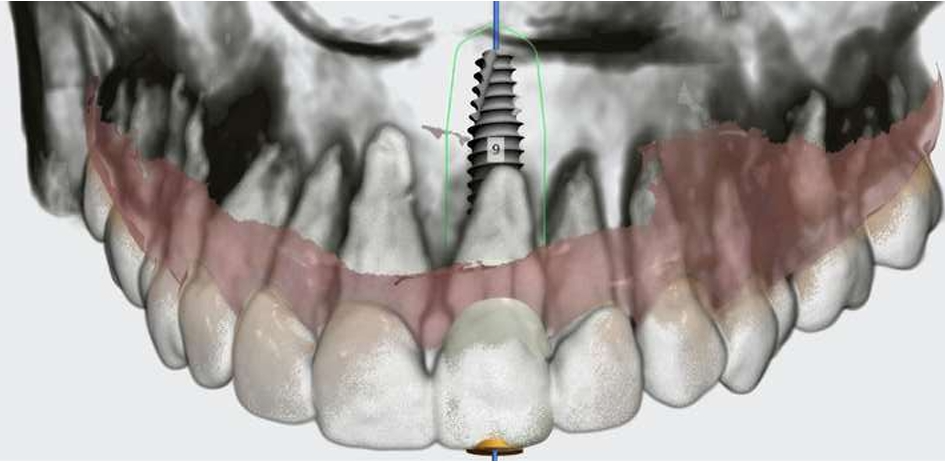
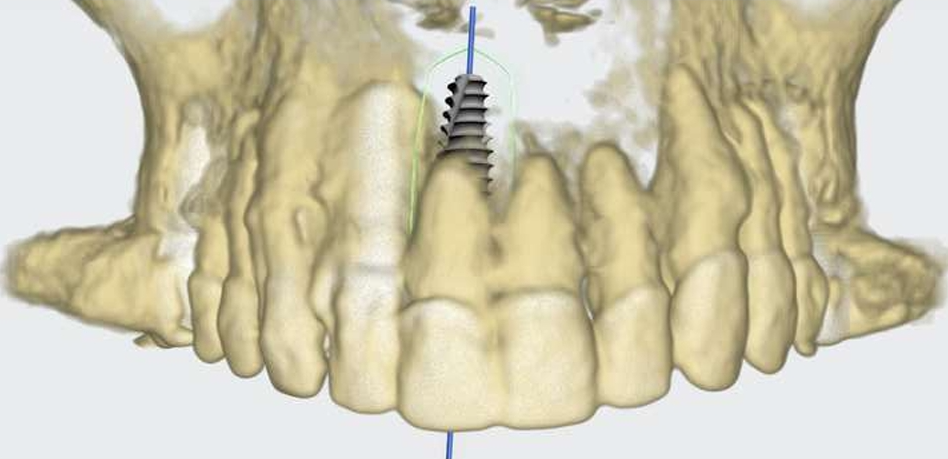
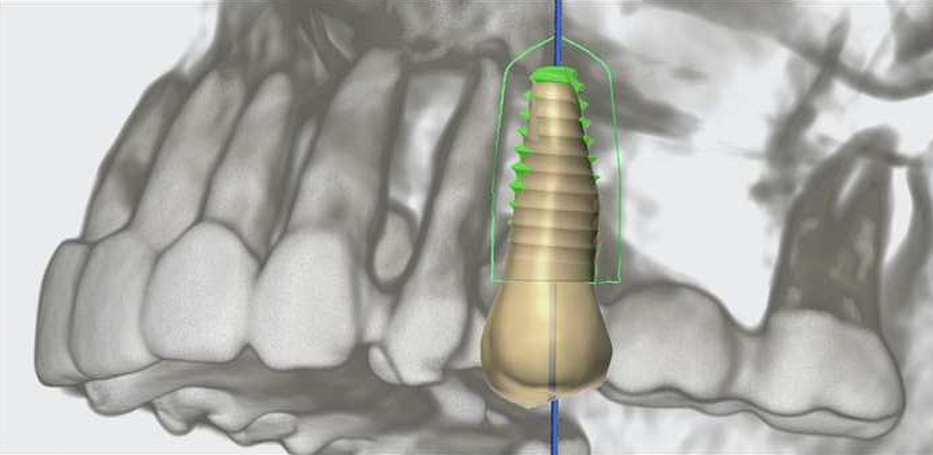
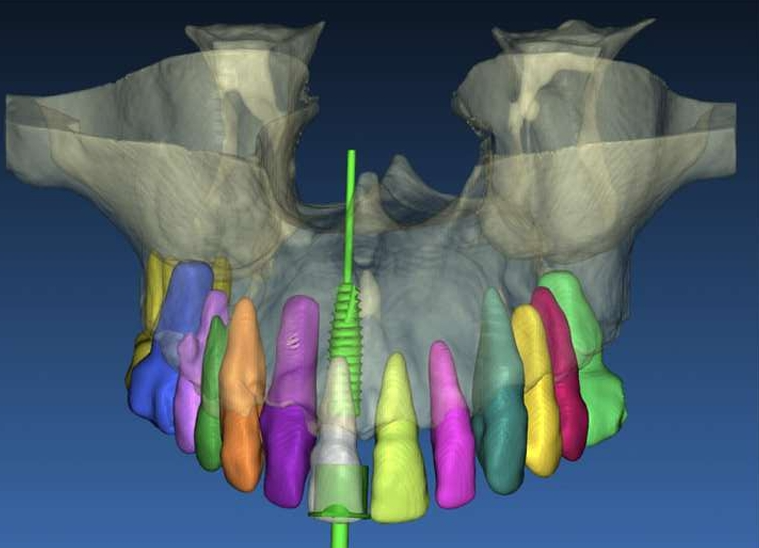
The information database was systematically entered into a Google spreadsheet as it became available. A new employee, unfamiliar with any cases, selected records randomly to ensure impartiality. The main variables were the predicted probability of primary stability, primary stability itself, and successful osseointegration indicated by definitive restorations. Secondary variables included anterior versus posterior placement, maxilla versus mandible, insertion torque, Implant Stability Quotient (ISQ) at restorative impression time, and provisionalization method. All patients were diagnosed with terminal teeth or teeth with poor longevity. Most cases showed signs of demineralization or focal sclerosis in the surrounding alveolar structures. Patients were informed of their risks, benefits, and options. Ultimately, all chose extraction and implant replacement. In every case, a 3-D CBCT scan and an intraoral optical surface (IOS) scan were obtained and aligned within the Implant Studio planning software (3 Shape). In this virtual environment, an optimized implant was positioned according to placement guidelines like Tarnow’s rule and the 3a2b rule for delivering a screw-retained final restoration. 11, 12 During virtual surgery, CBCT data was adjusted using contrast sliders to highlight denser teeth while minimizing bone visibility. Any implant parts visible outside the tooth indicated regions of bone-to-implant contact (BIC) Figure 2 The implant was examined from various angles to check if all five threads engaged the bone or if bi-socket or tri-socket stabilization was present. Each case was given one of four qualitative values for the probability of primary stability: high, moderate, low, or no. These values were not based on factors like implant location, bone type, radiographic demineralization, health issues, age, etc. Instead, they were determined solely by the number of threads engaging bone. A high value was for cases with five threads clearly engaging bone. Moderate value was for cases with three threads, where the fourth and fifth were hard to confirm due to software limits. Low value was for fewer than three threads, and no value was for cases with no threads. While full five-thread engagement suggests good primary stability, it is not a common expectation nor how values were assigned. Figure 3 Cases with five threads engaging bone via bi-socket, tri-socket, or completely circumferentially were considered high predictive value. Figure 4, Figure 5 The virtual plans were finalized, and the surgical guides were designed in-house using Implant Studio and printed on a Sprintray printer (SprintRay Inc.). Each procedure used a printed Type 4D fully-guided, dentition-supported surgical guide. 13 Before surgery, each patient was informed of the chances—high, moderate, or low—immediate implant placement after extraction. Patient expectations were managed by explaining that if extraction conditions weren't suitable for implant placement, the backup plan involved traditional extraction and grafting, followed by a 3–4-month healing period, and then delayed implant placement. The approved treatment plans included atraumatic extraction of compromised teeth, immediate implant placement, gap grafting with cortical cancellous allograft (Mineross,Biohorizons), and socket with a prefabricated non-functional provisional in the esthetic zone, when appropriate. 14 Since missing posterior teeth rarely pose an esthetic issue, no posterior provisionalization was provided to minimize risk. Before procedures, the dental team reviewed and approved each patient's treatment plan. A topical anesthetic was applied, followed by local anesthetic techniques with either 4% Articaine hydrochloride or 2% Lidocaine, both with 1:100,000 epinephrine. All procedures used a flapless technique. Supracrestal fibers were sharply dissected with a periosteal micro blade or 15 blade, and teeth were extracted using 23, 88, or Ashe forceps. In some cases, sectioning with a 702 or Needle bur was needed to preserve critical bone structures. The sockets were thoroughly cleaned with a serrated curette to remove infected tissue and stimulate bleeding, followed by saline irrigation. Atraumatic techniques in the anterior region effectively prevented trauma to the delicate labial plate, ensuring no plates were avulsed with the root. Each anterior site was assessed with a peri probe to verify the midfacial bone crest was within 3mm of the free gingival margin (FGM). In rare cases with a fenestration (type two socket), a crosslinked collagen membrane, cut to match the avulsed root, was placed in the socket on the labial side. This aimed to contain the gap graft and prevent facial soft tissue from migrating into the healing area, using the ice cream cone technique. 15 All surgeries used a Type-4D fully guided surgical guide, anchored to the patient's teeth for precision. “Fully guided” refers to the comprehensive oversight during both osteotomy drilling and implant placement. This approach ensures accurate sequencing, positioning, and depth, significantly reducing “knock out errors.” These errors occur when drills or implants deviate from optimal positions, often due to the uneven intrinsic and extrinsic characteristics of the extraction site, as they tend to follow the path of least resistance. 16 The Type-4D dentition-borne surgical guide was assessed for proper fit, and an efficient osteotomy drilling sequence was performed, averaging approximately 1.5 seconds per drill. Implants were placed through the guide into predetermined positions using a slow-speed handpiece at 30 rpm. Each implant's insertion torque was recorded with the Bien-Air motor using built-in—real-time torque metering. Stability was defined as the absence of noticeable mobility in three-dimensional space, covering three translational and three rotational movements, totaling six degrees of freedom (DOF). The implant was deemed stable if it withstood gap grafting and abutment placements without movement in any of the six DOF, otherwise it was not stable. The BioHorizons 3.0, Tapered Plus, or Tapered Pro implants were used in all cases, with the Pro implant often chosen for its self-tapping tapered body, refined reverse buttress thread design, aggressive thread depth, and a single lead pitch of about 1mm per turn. This makes it versatile for any implant site. Its Laser-Lok microchannels enhance crestal tissue attachment. 17, 18 During gap grafting, the stock cover cap was installed temporarily to keep graft material out of the implant cavity. Mineralized cortical and cancellous bone chips were hydrated in saline and lightly packed into gaps between implants and socket walls using a pocket condenser. Thanks to the Type 4D guide, implant placement and gap grafting were usually done in 2-3 minutes. This allowed normal fibrin clot formation within 10-12 minutes after extraction to secure the gap grafts without needing extra methods like sutures and membranes. Healing caps were carefully removed to avoid forces that might dislodge the implants. In all posterior and some anterior cases, a 3mm regular stock healing abutment was finger-tightened with the 0.05 driver to avoid off-axis loads. Most anterior cases were provisionally restored with prefabricated non-hexed hybrid ti-bases and monolithic printed PMMA crowns. After confirming proper seating via 2-D radiographs, occlusion was adjusted for contact-free and aesthetically acceptable results. Sutures, barrier membranes, or additional hemostatic aids were not needed. After the procedure, patients were advised to gently use the CTX4 (Carifree) oral mouth rinse twice daily to preserve the fibrin clot and continue antibiotics started an hour before surgery for five days. Over-the-counter pain relief, such as ibuprofen and acetaminophen, was suggested, and oral hygiene instructions were provided. At the 3–4-month follow-up, healing abutments or non-functional provisionals were removed, ISQ measurements were taken with the Osstell Beacon system (W&H), and digital impressions were made with 3Shape, noting an average ISQ value of 71, where above 60 is ideal.19 Prosthetic workups for 137 patients were completed, resulting in successful delivery of screw-retained zirconia crowns on hex hybrid ti-bases, without complications. Thanks to the precision of the type 4 surgical guide technique, all final prostheses had screw channel access holes strategically placed in the central groove for posterior teeth and in the cingulum for anterior teeth. This allowed for screw-retained monolithic zirconia restorations on hybrid titanium bases. However, the size constraints of some maxillary laterals and mandibular incisors would have compromised the form and function of the prosthesis. Therefore, a custom abutment and cement-retained final ceramics were used. The Wadhwani’s cementation technique minimized excessive cement expression. 20
High Predicted Stability
Out of 123 anticipated high stability cases, all showed primary stability at placement. Table 1 A total of 119 cases (96.8%) healed successfully, with an average ISQ of 71.4. Table 2 The mean insertion torque in stabile cases was 34.3±17.1 Ncm, with a Coefficient of Variance (CV) of 49.9%, ranging from 8.8 to 70 Ncm. In the high stability category, all 48 anterior cases were stable, with 46 healing successfully. Similarly, all 75 posterior cases were stable, with 73 healing successfully. In the high stability group, all 76 maxilla cases were stable, with 74 healing successfully. Likewise, all 47 mandible cases were stable, with 45 healing successfully.
Moderate Predicted Stability
Of the nine cases predicted to have moderate stability, all showed primary stability, but one failed to integrate over time. The remaining eight cases healed successfully, averaging an ISQ of 71.8. The mean insertion torque was 28.9±14.2 Ncm with a variation of 49.1%, ranging from 6.9 Ncm to 49 Ncm. In the moderate stability group, all 3 anterior cases-maintained stability and healed well. In the posterior cases, all 6 were stable, with five healing. All maxilla cases (8/8) remained stable, with seven healing, and the single mandibular case also showed stability and healed well.
Low Predicted Stability
Among 17 cases predicted to have low stability, 12 initially showed primary stability. Two of these failed to integrate, while the other 10 healed successfully, with an average ISQ of 73.7. The average insertion torque was 19.2±13.2 Ncm, with a CV of 68.2%, ranging from 5.9 to 50.9 Ncm. The low stability group consisted exclusively of posterior cases. Of the 17 posterior cases, 11 out of 14 maxillary cases were stable, with 9 healing successfully. Only 1 of 3 mandibular cases exhibited stable, and it healed successfully.
No Predicted Stability
There was one posterior maxilla case with no expected primary stability, which did not show stability.
Overall Integration Success
Of the 144 cases recorded as stable at the time of surgery 137 integrated. This corresponds to a 95.1% integration rate regardless of the initial predictive value of stability.
Anterior verses Posterior
A total of 51 anterior cases were recorded, all stable, with 49 healing successfully. Table 3 Among these, 43 anterior immediate cases were non-functionally provisionalized, and 42 healed successfully. The other 8 anterior implants used stock or custom healing abutments, with 7 healing. In the posterior cases, 99 were assessed, with 93 stables. Of these, 88 healed completely.
Maxilla verse Mandible Results
The study encompassed 150 cases, with 51 involving the mandible and 99 concerning the maxilla. Table 4 Among the mandible cases, 49 demonstrated stability, and 47 successfully healed. In the maxilla cases, 96 showed stability, with 94 achieving healing.
Statistical analysis
To ensure methodological rigor and data integrity, the study’s methodology, results, and statistical analyses were independently reviewed and validated by an external biostatistician. Statistical analysis of the dataset comprising 150 observations was performed using both the chi-square and Fisher’s exact tests. The chi-square test of independence yielded a substantial chi-square statistic of 58.09, significantly surpassing the critical value of 7.82 at a significance level of 0.05 with 3 degrees of freedom and an extremely small p-value (p < 0.0001). However, because several cells in the contingency table included expected counts less than 5, the assumptions of the chi-square test were not fully met. In such cases, Fisher’s exact test is the preferred method, as it provides a more accurate assessment of statistical significance for small or unevenly distributed sample sizes. The Fisher’s exact test confirmed the association, with an exact p-value of 0.0000207.


The findings from this study reveal a robust statistical relationship between probability assessments and stability outcomes, which holds significant implications for clinical practice. The analysis demonstrated that higher probability classifications are consistently aligned with stable outcomes, highlighting the accuracy with which probability assessments predict stability. Such a strong association suggests that these assessments can be a crucial part of decision-making processes, offering dental professionals a quantitative tool for anticipating patient outcomes more reliably. The statistical analysis revealed a significant link between probability assessments and stability outcomes in the study. Using both chi-square and Fisher’s exact tests, we observed a strong, non-random relationship between the categorical variables: Probability and Stability. The chi-square test produced a statistic of 58.09, which far exceeded the critical value of 7.815 at a 0.05 significance level, allowing us to confidently reject the null hypothesis of independence. This indicates that Probability and Stability are statistically interdependent. Further validation through Fisher’s exact test corroborated these findings, yielding an exact p-value of approximately 0.0000207. This remarkably low p-value (p < 0.01) confirms a significant relationship between the two variables. Notably, categories with high probability were consistently linked to stable outcomes. While low probability cases were less predictable, they still exhibited trends deserving closer scrutiny. These results strongly suggest that higher probability categorizations are reliable indicators of positive stability outcomes, making these statistical associations valuable for clinical decision-making.
Comparison with previous research
The literature notably lacks reliable methods for predicting primary stability in fresh extraction sites, presenting challenges for doctors in planning treatments and managing patient expectations. This gap can result in treatment plans that are more costly, time-consuming, involve unnecessary procedures, and yield suboptimal outcomes in terms of form, function, and longevity. 7, 21
Traditionally, insertion torque has been used as a stand-in for stability during implant placement, with guidelines often based on these measurements.4,22,23 However, the author argues that torque is an inadequate predictor of stability, which is defined as resistance to movement in three-dimensional space. This study measured insertion torque, but it did not dictate treatment paths due to its poor indication of stability. This claim is supported by the finding that among the 144 cases deemed stable, the integration rate was 95.1%, despite torque values ranging from 5.9 to 70 Ncm and a coefficient of variation of nearly 50%, indicating high variability of the distribution. Notably, more than half of the cases fell below the 30 Ncm benchmark considered crucial for implant success.21,24 Additionally, the 5-TG method proved effective in predicting stability and determining whether to provisionalize anterior cases before treatment began. Specifically, in this study, 43 out of 51 anterior immediate cases were non-functionally provisionalized, and 42 out of 43 healed successfully. These findings call into question the reliance on torque as a sole predictor of stability, highlighting the complexity inherent in dental implantology and reminding practitioners of the multifactorial nature of implant success. The predictive accuracy of the 5-TG method suggests that many treatment approaches relying on non-predictive chairside torque measurements could be effectively bypassed.
Optimizing
This paper presents the high predictive value of the 5-TG as part of a comprehensive approach to successful integration, emphasizing that any clinical deviation from the prescribed method may lead to suboptimal outcomes. The process is fundamentally comprised of two crucial tasks: planning and execution. During the planning phase, if the clinical team can visualize five threads within the native bone, there is a significant likelihood of achieving primary stability. In the execution phase, guided placement becomes an invaluable tool to ensure accurate spatial positioning, which is essential for realizing the planned stability, as well as optimal form, function, and longevity of the implant tooth.25 Any approach that fails to plan effectively and ensure optimal stability in the ideal location can result in decreased patient satisfaction, reduced implant longevity, and an increase in biological and mechanical complications.26 Ultimately, this could necessitate additional procedures and incur higher costs. 27
Region
The exceptionally low incidence of failure to achieve stability or healing prevents any conclusions about the jaw region's impact on outcomes. This supports the notion that the 5-TG is predictive throughout the mouth. Table 5 & Table 6.
Challenges
A notable challenge encountered during the study was the 5-TG's variable performance in tooth morphology with three-rooted structures. Here, the limitations of existing planning software became evident, often struggling to distinguish between bone and root due to radiographic scatter. This issue highlights a critical area for future technological advancement, particularly in developing more sophisticated imaging and software tools offering enhanced clarity and reliable segmentation. Such advancements could seamlessly integrate subtractive algorithms, improving precision in preoperative modeling and strategic planning. Integrating these tools could markedly enhance the clinician's ability to predict and achieve primary stability, thereby increasing the overall success rate of implants. Figure 6
Clinical implications
This groundbreaking approach offers a revolutionary means to optimize treatment plans and execute them effectively. By providing a reliable method to anticipate primary stability, it empowers practitioners to design more accurate, efficient, and patient-centered treatment strategies. This advancement has significant implications, potentially transforming clinical practices and enhancing patient outcomes.
While not definitive, the results of this retrospective cohort study indicate a statistically significant association between Five-Thread engagement and observed primary stability, supporting the clinical relevance of the 5-TG model. By focusing on thread engagement rather than torque alone, the study offers a more reliable framework for clinicians to predict stability, optimize treatment planning, and improve patient outcomes. While the findings are statistically significant and clinically compelling, they should be interpreted in the context of this study’s limitations. The investigation was conducted by a single clinician in a private practice setting, without blinding or multicenter validation. Although the sample size was substantial and results consistent, future prospective studies with broader populations and independent observers are necessary to generalize these findings and confirm external validity.
| [1] | Testori T, Weinstein T, Scutellà F, Wang HL, Zucchelli G. Implant placement in the esthetic area: criteria for positioning single and multiple implants. Periodontology 2000. Jun 2018; 77(1): 176-196. | ||
| In article | View Article PubMed | ||
| [2] | Kois JC. Predictable single tooth peri-implant esthetics: five diagnostic keys. Compendium of continuing education in dentistry (Jamesburg, NJ: 1995). Mar 2001; 22(3): 199-206; quiz 208. | ||
| In article | |||
| [3] | Cooper LF. Objective criteria: guiding and evaluating dental implant esthetics. J Esthet Restor Dent. 2008; 20(3): 195-205. | ||
| In article | View Article PubMed | ||
| [4] | Walker LR, Morris GA, Novotny PJ. Implant insertional torque values predict outcomes. J Oral Maxillofac Surg. May 2011; 69(5): 1344-9. | ||
| In article | View Article PubMed | ||
| [5] | Stanley R. The Five Thread Guideline: A New Guideline for Predicting Primary Stability with Dental Implants. J Oral Implantol. Feb 1 2020; 46(1): 81-86. | ||
| In article | View Article PubMed | ||
| [6] | Tarnow D, Chu S, Salama M, et al. Flapless Postextraction Socket Implant Placement in the Esthetic Zone: Part 1. The Effect of Bone Grafting and/or Provisional Restoration on Facial-Palatal Ridge Dimensional Change—A Retrospective Cohort Study. International Journal of Periodontics & Restorative Dentistry. 2014; 34(3): 323- 331. | ||
| In article | View Article | ||
| [7] | Tarnow DP, Chu SJ. The Single-Tooth Implant: a Minimally Invasive Approach for Anterior and Posterior Extraction Sockets. Quintessence Publishing Co; 2019. | ||
| In article | |||
| [8] | Crespi R, Capparé P, Crespi G, Gastaldi G, Romanos GE, Gherlone E. Tissue Remodeling in Immediate Versus Delayed Prosthetic Restoration in Fresh Socket Implants in the Esthetic Zone: Four-Year Follow-up. The International journal of periodontics & restorative dentistry. 2018; 38(Suppl): s97–s103. | ||
| In article | View Article PubMed | ||
| [9] | Afrashtehfar KI, Jurado CA. THE DENTAL PROFESSION EXPERIENCES HIGH PREVALENCE RATES OF BURNOUT AND EMOTIONAL EXHAUSTION. J Evid Based Dent Pract. Sep 2023; 23(3): 101886. | ||
| In article | View Article PubMed | ||
| [10] | Bossuyt PM, Reitsma JB, Bruns DE, et al. STARD 2015: An updated list of essential items for reporting diagnostic accuracy studies. BMJ. 2015; h5527. 345. | ||
| In article | View Article PubMed | ||
| [11] | Tarnow DP, Cho SC, Wallace SS. The effect of inter-implant distance on the height of inter-implant bone crest. Journal of periodontology. Apr 2000; 71(4): 546-9. | ||
| In article | View Article PubMed | ||
| [12] | Rojas-Vizcaya F. Biological aspects as a rule for single implant placement. The 3A-2B rule: a clinical report. J Prosthodont. Oct 2013; 22(7): 575-580. | ||
| In article | View Article PubMed | ||
| [13] | Stanley RJ. A Comprehensive Classification System for Dental Implant Surgical Guides. Dentistry Today. April 12 2022; 41(3). | ||
| In article | |||
| [14] | Trimpou G, Weigl P, Krebs M, Parvini P, Nentwig GH. Rationale for esthetic tissue preservation of a fresh extraction socket by an implant treatment concept simulating a tooth replantation. Dent Traumatol. Feb 2010; 26(1): 105-11. | ||
| In article | View Article PubMed | ||
| [15] | Tan-Chu J, Tuminelli F, Kurtz K, Tarnow D. Analysis of Buccolingual Dimensional Changes of the Extraction Socket Using the “Ice Cream Cone” Flapless Grafting Technique. International Journal of Periodontics & Restorative Dentistry. 2014; 34(3): 399-403. | ||
| In article | View Article | ||
| [16] | Putra RH, Yoda N, Iikubo M, et al. Influence of bone condition on implant placement accuracy with computer-guided surgery. International Journal of Implant Dentistry. 2020/09/20 2020; 6(1): 62. | ||
| In article | View Article PubMed | ||
| [17] | Guarnieri R, Serra M, Bava L, Grande M, Farronato D, Iorio-Siciliano V. The impact of a laser-microtextured collar on crestal bone level and clinical parameters under various placement and loading protocols. Int J Oral Maxillofac Implants. Mar-Apr 2014; 29(2): 354-63 | ||
| In article | View Article PubMed | ||
| [18] | Linkevicius T, Puisys A, Svediene O, Linkevicius R, Linkeviciene L. Radiological comparison of laser-microtextured and platform-switched implants in thin mucosal biotype. Clin Oral Implants Res. May 2015; 26(5): 599-605. | ||
| In article | View Article PubMed | ||
| [19] | Becker W, Sennerby L, Bedrossian E, Becker BE, Lucchini JP. Implant stability measurements for implants placed at the time of extraction: a cohort, prospective clinical trial. Journal of periodontology. Mar 2005; 76(3): 391-7. 375 | ||
| In article | View Article PubMed | ||
| [20] | Wadhwani C, Piñeyro A. Technique for controlling the cement for an implant crown. J Prosthet Dent. Jul 2009; 102(1): 57-8. | ||
| In article | View Article PubMed | ||
| [21] | Lorenzoni M, Pertl C, Zhang K, Wimmer G, Wegscheider WA. Immediate loading of single-tooth implants in the anterior maxilla. Preliminary results after one year. Clin Oral Implants Res. Apr 2003; 14(2): 180-7. | ||
| In article | View Article PubMed | ||
| [22] | Del Giudice R, Piattelli A, Grande NM, Cataneo E, Crispino A, Petrini M. Implant insertion torque value in immediate loading: A retrospective study. Med Oral Patol Oral Cir Bucal. May 1 2019; 24(3):e398-e403. | ||
| In article | View Article PubMed | ||
| [23] | Block MS. Placement of implants into fresh molar sites: results of 35 cases. J Oral Maxillofac Surg. Jan 2011; 69(1): 170-4. | ||
| In article | View Article PubMed | ||
| [24] | Degidi M, Perrotti V, Strocchi R, Piattelli A, Iezzi G. Is insertion torque correlated to bone-implant contact percentage in the early healing period? A histological and histomorphometrical evaluation of 17 human-retrieved dental implants. Clin Oral Implants Res. Aug 2009; 20(8): 778-81. | ||
| In article | View Article PubMed | ||
| [25] | Chrcanovic BR, Kisch J, Albrektsson T, Wennerberg A. Factors influencing the fracture of dental implants. Clin Implant Dent Relat Res. Feb 2018; 20(1): 58-67. | ||
| In article | View Article PubMed | ||
| [26] | Papaspyridakos P, Chen CJ, Singh M, Weber HP, Gallucci GO. Success criteria in implant dentistry: a systematic review. J Dent Res. Mar 2012; 91(3): 242-8. | ||
| In article | View Article PubMed | ||
| [27] | Hsu YT, Fu JH, Al-Hezaimi K, Wang HL. Biomechanical implant treatment complications: a systematic review of clinical studies of implants with at least 1 year of functional loading. Int J Oral Maxillofac Implants. Jul-Aug 2012; 27(4): 894-904. | ||
| In article | |||
Published with license by Science and Education Publishing, Copyright © 2025 Fahad K. Alwthinani and Nouf Al Humayyani
 This work is licensed under a Creative Commons Attribution 4.0 International License. To view a copy of this license, visit
http://creativecommons.org/licenses/by/4.0/
This work is licensed under a Creative Commons Attribution 4.0 International License. To view a copy of this license, visit
http://creativecommons.org/licenses/by/4.0/
| [1] | Testori T, Weinstein T, Scutellà F, Wang HL, Zucchelli G. Implant placement in the esthetic area: criteria for positioning single and multiple implants. Periodontology 2000. Jun 2018; 77(1): 176-196. | ||
| In article | View Article PubMed | ||
| [2] | Kois JC. Predictable single tooth peri-implant esthetics: five diagnostic keys. Compendium of continuing education in dentistry (Jamesburg, NJ: 1995). Mar 2001; 22(3): 199-206; quiz 208. | ||
| In article | |||
| [3] | Cooper LF. Objective criteria: guiding and evaluating dental implant esthetics. J Esthet Restor Dent. 2008; 20(3): 195-205. | ||
| In article | View Article PubMed | ||
| [4] | Walker LR, Morris GA, Novotny PJ. Implant insertional torque values predict outcomes. J Oral Maxillofac Surg. May 2011; 69(5): 1344-9. | ||
| In article | View Article PubMed | ||
| [5] | Stanley R. The Five Thread Guideline: A New Guideline for Predicting Primary Stability with Dental Implants. J Oral Implantol. Feb 1 2020; 46(1): 81-86. | ||
| In article | View Article PubMed | ||
| [6] | Tarnow D, Chu S, Salama M, et al. Flapless Postextraction Socket Implant Placement in the Esthetic Zone: Part 1. The Effect of Bone Grafting and/or Provisional Restoration on Facial-Palatal Ridge Dimensional Change—A Retrospective Cohort Study. International Journal of Periodontics & Restorative Dentistry. 2014; 34(3): 323- 331. | ||
| In article | View Article | ||
| [7] | Tarnow DP, Chu SJ. The Single-Tooth Implant: a Minimally Invasive Approach for Anterior and Posterior Extraction Sockets. Quintessence Publishing Co; 2019. | ||
| In article | |||
| [8] | Crespi R, Capparé P, Crespi G, Gastaldi G, Romanos GE, Gherlone E. Tissue Remodeling in Immediate Versus Delayed Prosthetic Restoration in Fresh Socket Implants in the Esthetic Zone: Four-Year Follow-up. The International journal of periodontics & restorative dentistry. 2018; 38(Suppl): s97–s103. | ||
| In article | View Article PubMed | ||
| [9] | Afrashtehfar KI, Jurado CA. THE DENTAL PROFESSION EXPERIENCES HIGH PREVALENCE RATES OF BURNOUT AND EMOTIONAL EXHAUSTION. J Evid Based Dent Pract. Sep 2023; 23(3): 101886. | ||
| In article | View Article PubMed | ||
| [10] | Bossuyt PM, Reitsma JB, Bruns DE, et al. STARD 2015: An updated list of essential items for reporting diagnostic accuracy studies. BMJ. 2015; h5527. 345. | ||
| In article | View Article PubMed | ||
| [11] | Tarnow DP, Cho SC, Wallace SS. The effect of inter-implant distance on the height of inter-implant bone crest. Journal of periodontology. Apr 2000; 71(4): 546-9. | ||
| In article | View Article PubMed | ||
| [12] | Rojas-Vizcaya F. Biological aspects as a rule for single implant placement. The 3A-2B rule: a clinical report. J Prosthodont. Oct 2013; 22(7): 575-580. | ||
| In article | View Article PubMed | ||
| [13] | Stanley RJ. A Comprehensive Classification System for Dental Implant Surgical Guides. Dentistry Today. April 12 2022; 41(3). | ||
| In article | |||
| [14] | Trimpou G, Weigl P, Krebs M, Parvini P, Nentwig GH. Rationale for esthetic tissue preservation of a fresh extraction socket by an implant treatment concept simulating a tooth replantation. Dent Traumatol. Feb 2010; 26(1): 105-11. | ||
| In article | View Article PubMed | ||
| [15] | Tan-Chu J, Tuminelli F, Kurtz K, Tarnow D. Analysis of Buccolingual Dimensional Changes of the Extraction Socket Using the “Ice Cream Cone” Flapless Grafting Technique. International Journal of Periodontics & Restorative Dentistry. 2014; 34(3): 399-403. | ||
| In article | View Article | ||
| [16] | Putra RH, Yoda N, Iikubo M, et al. Influence of bone condition on implant placement accuracy with computer-guided surgery. International Journal of Implant Dentistry. 2020/09/20 2020; 6(1): 62. | ||
| In article | View Article PubMed | ||
| [17] | Guarnieri R, Serra M, Bava L, Grande M, Farronato D, Iorio-Siciliano V. The impact of a laser-microtextured collar on crestal bone level and clinical parameters under various placement and loading protocols. Int J Oral Maxillofac Implants. Mar-Apr 2014; 29(2): 354-63 | ||
| In article | View Article PubMed | ||
| [18] | Linkevicius T, Puisys A, Svediene O, Linkevicius R, Linkeviciene L. Radiological comparison of laser-microtextured and platform-switched implants in thin mucosal biotype. Clin Oral Implants Res. May 2015; 26(5): 599-605. | ||
| In article | View Article PubMed | ||
| [19] | Becker W, Sennerby L, Bedrossian E, Becker BE, Lucchini JP. Implant stability measurements for implants placed at the time of extraction: a cohort, prospective clinical trial. Journal of periodontology. Mar 2005; 76(3): 391-7. 375 | ||
| In article | View Article PubMed | ||
| [20] | Wadhwani C, Piñeyro A. Technique for controlling the cement for an implant crown. J Prosthet Dent. Jul 2009; 102(1): 57-8. | ||
| In article | View Article PubMed | ||
| [21] | Lorenzoni M, Pertl C, Zhang K, Wimmer G, Wegscheider WA. Immediate loading of single-tooth implants in the anterior maxilla. Preliminary results after one year. Clin Oral Implants Res. Apr 2003; 14(2): 180-7. | ||
| In article | View Article PubMed | ||
| [22] | Del Giudice R, Piattelli A, Grande NM, Cataneo E, Crispino A, Petrini M. Implant insertion torque value in immediate loading: A retrospective study. Med Oral Patol Oral Cir Bucal. May 1 2019; 24(3):e398-e403. | ||
| In article | View Article PubMed | ||
| [23] | Block MS. Placement of implants into fresh molar sites: results of 35 cases. J Oral Maxillofac Surg. Jan 2011; 69(1): 170-4. | ||
| In article | View Article PubMed | ||
| [24] | Degidi M, Perrotti V, Strocchi R, Piattelli A, Iezzi G. Is insertion torque correlated to bone-implant contact percentage in the early healing period? A histological and histomorphometrical evaluation of 17 human-retrieved dental implants. Clin Oral Implants Res. Aug 2009; 20(8): 778-81. | ||
| In article | View Article PubMed | ||
| [25] | Chrcanovic BR, Kisch J, Albrektsson T, Wennerberg A. Factors influencing the fracture of dental implants. Clin Implant Dent Relat Res. Feb 2018; 20(1): 58-67. | ||
| In article | View Article PubMed | ||
| [26] | Papaspyridakos P, Chen CJ, Singh M, Weber HP, Gallucci GO. Success criteria in implant dentistry: a systematic review. J Dent Res. Mar 2012; 91(3): 242-8. | ||
| In article | View Article PubMed | ||
| [27] | Hsu YT, Fu JH, Al-Hezaimi K, Wang HL. Biomechanical implant treatment complications: a systematic review of clinical studies of implants with at least 1 year of functional loading. Int J Oral Maxillofac Implants. Jul-Aug 2012; 27(4): 894-904. | ||
| In article | |||