Alcohol use disorder poses serious dangers to public safety. It causes approximately three million deaths and 132 million Disability-Adjusted Life Years (DALYs), with nearly three-quarters of the global burden affecting men. Alcohol use disorder (AUD) continues to exist and is associated with a range of negative consequences. Adverse alcohol use disorders are becoming more prevalent in low- and middle-income countries, including Tanzania. Drivers of public service vehicles experience recurrent episodes of alcohol use disorder. However, little is known about its burden, socio-demographic and social determinant in Tanzania, which limits the development and implementation of evidence-based interventions. The purpose of this study was to determine the prevalence, socio-demographic and social determinants of alcohol use disorder among public service vehicle drivers in Kilimanjaro, Tanzania in 2023. Analytical cross-sectional survey was carried out in May 2023 among public service drivers in Kilimanjaro, Tanzania. Stratified proportional random sampling was used alongside with mixed approaches to gather the data. Quantitative data were processed and analyzed using descriptive statistics and multivariable log-binomial model, using STATA version 15 software. Qualitative data on determinants of AUD among public services vehicles drivers were analyzed thematically through an iterative process using NVivo software. A total of 292 males who were recruited in the study were analyzed. The majority of respondents, (83.0%) acknowledged alcohol consumption. The study showed that AUD had a prevalence of 63% among drivers of public service vehicles (PSV). After controlling for confounding variables, alcohol use disorders had a positive association with stress (PR=1.56; 95% CI, 1.05 - 2.32; p<0.027), sources of alcoholic beverages used (PR=3.84; 95%CI, 1.37 - 10.72; p<.01), low prices of alcoholic beverages (PR= 2.06; 95%CI, 1.09 - 3.88; p<.025), and employment status (PR=0.52; 95%CI, 0.27 - 0.94; p=0.041). This study revealed a high burden of AUD among PSV drivers and its determinants in Tanzania. This suggests a major public health risk. There is an urgent need to enhance the detection of AUD and to develop additional preventive and protective strategies. These interventions are essential to promote the health and wellbeing of public service vehicle drivers.
More than 283 million individuals worldwide suffer from alcohol use disorder (AUD). Alcohol consumption has resulted in approximately 3 million deaths and 132 million disability adjusted life years (DALYs) globally, with men accounting for 75% of the burden 1. This accounts for 5% of all DALYs and 5.3% of all deaths worldwide. In Sub-Saharan Africa (SSA), alcohol consumption accounts for 4.7% of DALYs and 6.4% of all deaths, compared with 3.3% and 2.4%, respectively, in high-income countries 1. Driving while intoxicated increases the risk of road traffic accidents and fatalities 2, 3.
In Tanzania, road traffic injuries remain a leading cause of death and disability, with national estimates indicating the ninth ranks among countries with the highest road traffic mortality rates globally 4. The prevalence of AUD in Tanzania was around 6.8% in 2016, nearly twice the average for the African region, which stood at 3.7% 5. Among motorcycle tax drivers, the prevalence of AUD was even higher, reaching around 61.5% 6. Additionally, per capita alcohol consumption for people older than 15 years increased by 3.1L to 9.4L annually when compared to that of the Africa region 6.3L 1. Kilimanjaro region has been reported to have among the highest levels of alcohol consumption in Tanzania 7. Alcohol consumption and AUD are associated with a wide range of adverse health and social outcomes. Studies show that harmful alcohol use increases the risk of non-communicable diseases such as cancer and cardiovascular diseases, as well as mental health disorders, including depression and suicide. It is also a major contributor to injuries, particularly road traffic accidents, and is linked to social and economic consequences such as unemployment and reduced work productivity 8, 9, 10, 11. Importantly, no any quantity of alcohol intake can be considered completely safe 12. To address this, Tanzania has adopted World Health Organization (WHO) programs aimed at reducing alcohol availability, increasing taxes on alcoholic beverages, burning alcohol marketing, and limiting operating hours, all in an effort to reduce the risks of AUD 5.
Despite the available interventions, AUD remains prevalent and continues to contribute to number of adverse consequences. The burden of adverse alcohol consumption and AUD is particularly high in low- and middle-income countries including Tanzania. AUD frequently re-occur among driver of public services vehicles (PSV), still there is limited data on its burden and its social determinants in Tanzania, which hinders the development of evidence-based interventions. This gap is further exacerbated by the lack of comprehensive studies combining both qualitative and quantitative data. Therefore, this study aims to determine the prevalence, socio-demographic and social determinants of alcohol use disorder among public service vehicle derivers (PSVD) in Kilimanjaro, Tanzania. The findings are intended to enhance the identification of the disorders, inform the development of preventative safety measures, and improve the health and well-being of drivers.
This study was carried out in Moshi Municipal Council at the regional bus terminal in the Kilimanjaro Region. Moshi Urban is one among the seven districts of the Kilimanjaro Region. The Kilimanjaro Region is located in the northeastern part of Tanzania mainland, bordering Kenya to the north, Tanga Region to the southeast, Arusha Region to the west, and Manyara Region to the southwest. It covers a land area of about 13,250 square kilometers and is administratively divided into six districts and one municipal council, with Moshi town serving as the regional capital and largest urban center. The region had a population of approximately 1.86 million people in 2022, with diverse ethnic groups including the Chagga and Pare communities. Kilimanjaro is part of Tanzania’s Northern Tourism Circuit and is dominated by Mount Kilimanjaro, the highest peak in Africa, which significantly influences local topography, climate, and land use. The region’s landscape ranges from lowland plains and fertile agricultural areas to mountainous zones on the slopes of Mount Kilimanjaro, and it supports a mix of economic activities including agriculture, tourism, and trade 13.
2.2. Study DesignAn analytical cross-sectional survey was conducted in May 2023 among PSV drivers in Kilimanjaro region, Tanzania. The cross-sectional design was chosen because it enables simultaneous measurement of exposures and outcomes within a defined population at a single point in time. This allows investigators to describe the current situation while examining relationships between multiple variables. A mixed-methods approach was employed to strengthen the study by integrating quantitative data, used to estimate prevalence and test statistical associations, with qualitative insights that explored driver’s insights, experiences, and contextual influences related to alcohol use. Stratified proportional random sampling was applied to ensure representative participation across different categories of PSV drivers, thereby reducing sampling bias and improving the generalizability of findings.
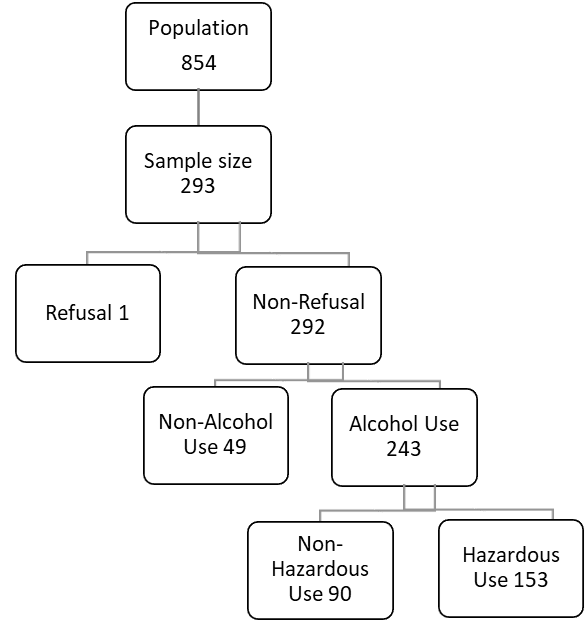
2.3. Study PopulationThe study population comprised PSV drivers operating at the regional bus terminal in Moshi Urban, Kilimanjaro Region. Out of a total of 854 registered PSV drivers working within the terminal during the study period, 292 drivers were recruited and participated in the quantitative component of the study (Figure 1). These drivers represented various categories of public transport services operating from the terminal and were actively engaged in passenger transportation during the period of data gathering. In addition to the quantitative survey participants, twelve (12) key informants were purposively selected for in-depth interviews to provide contextual and experiential insights regarding alcohol use practices. The inclusion of both PSV drivers and key informants allowed the study to capture population level patterns as well as stakeholder perspectives relevant to understanding alcohol use disorder within this occupational group.

Participants were included if they were registered public service vehicle drivers aged 18 years and above, present at the terminal during data collection, and willing to provide informed consent. On the other hand, drivers who were unavailable after repeated visits during the study period or those who declined participation were excluded from the study.
2.5. Sample Size DeterminationThe sample size for the quantitative survey was calculated using the single population proportion formula, assuming a 50% prevalence of alcohol use disorder (to maximize sample size), and a 95% confidence interval with 5% margin of error. The initial calculation yielded 384 participants. Since the total population of registered PSV drivers at Moshi bus terminal was 854, the sample size was adjusted using the finite population correction, resulting in 265 participants. To account for potential non-response, 10% was added, giving a final intended sample size of 293 drivers. During data collection, one driver declined to participate, resulting in a total of 292 respondents included in the study.
For the qualitative component, purposive sampling was employed to select individuals with relevant knowledge and experience regarding alcohol use among drivers. A total of 12 key informants were recruited, including driver leaders, transport association representatives, terminal officials, and traffic or regulatory officers. Selection continued until sufficient depth of information and thematic saturation were achieved.
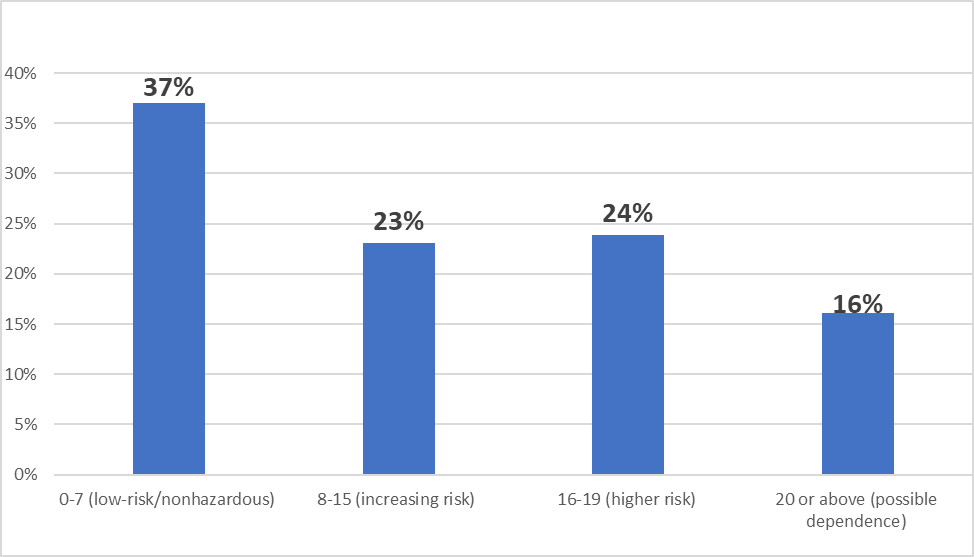
2.6. Study Outcome MeasureThe primary outcome of this study was AUD, assessed using the Alcohol Use Disorders Identification Test (AUDIT). The AUDIT consist of 10-item self-administered alcohol screening tool. The screening tool included questions 1 to 3, 4 to 6, and 7 to 10, which assessed alcohol-related detriments as well as the conceptual domains of risky alcohol consumption 14. A score ranging from 0 to 4 was assigned to each response, and 40 being the highest possible. A question such as “How often have you consumed an alcoholic beverage?” can be used to estimate the prevalence of AUD. How often was binge drinking identified based on consuming six or more drinks on a single occasion. In this study, scores were categorized using the following cut-off values: ≤ 7 indicated low-risk or non-hazardous consumption; 8-15 indicated hazardous consumption; 16-19 indicated harmful consumption; and 20-40 indicated likely dependence (Figure 2). A score of ≥ 8 suggests unsafe alcohol consumption, which may be harmful, hazardous, or indicative of possible dependence 14, 15, 16.

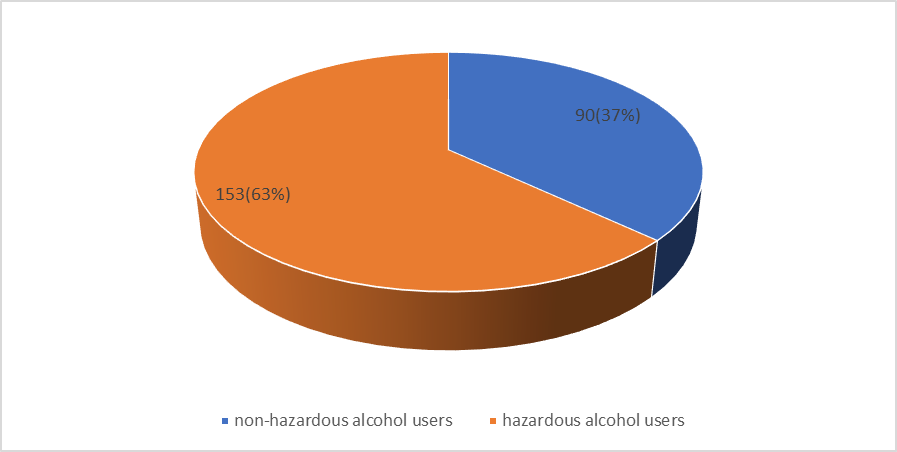
After grouping the non-hazardous, increasing-risk, high-risk, and possible dependence categories, two alcohol use disorder (AUD) groups were identified. These include non-hazardous alcohol users with AUDIT scores of 0–7, and hazardous alcohol users (comprising increasing risk, high risk, and possible dependence) with AUDIT scores of ≥8 (Figure 3).

Quantitative data were collected using a structured interviewer-administered questionnaire. The tool captured information on socio-demographic characteristics, occupational factors, and alcohol consumption behaviors. Alcohol use disorder was assessed using the AUDIT, a standardized screening tool widely used for identifying hazardous and harmful alcohol consumption. Participants were categorized into alcohol consumption groups based on AUDIT scores; non-alcohol users, non-hazardous alcohol users and hazardous alcohol users.
Qualitative data from key informant interviews were collected using a phenomenological approach to explore in-depth experiences and perceptions of alcohol use among public service vehicle drivers. A purposive sample of twelve participants was selected for semi-structured interviews, each lasting approximately 30 minutes and conducted in Swahili in a private room at the Moshi bus terminal, with only the participant and interviewer present to ensure confidentiality. Audio recordings were transcribed verbatim and de-identified prior to analysis.
2.8. Data Management and Statistical AnalysisQuantitative data were first checked for missing values, duplicates, and errors before analysis. Data were then analyzed using STATA version 15 (StataCorp LP, College Station, TX, USA). Descriptive statistics were computed to summarize participant characteristics and patterns of alcohol use. Categorical variables were presented as frequencies and proportions, while continuous variables were summarized using measures of dispersion and central tendency. Associations between categorical variables were initially examined using the Chi-square test. To identify determinants of AUD among PSVD, a log-binomial regression model was employed. Multivariable log-binomial regression was used to adjust for potential confounders and assess interaction effects. The most parsimonious model was selected based on the lowest Akaike Information Criterion (AIC). All statistical tests were two-tailed, and significance was set at p < 0.05.
Audio recordings were transcribed verbatim, de-identified, and analyzed using a combination of thematic and content analysis, integrating both deductive and inductive techniques. An initial codebook was developed from the first set of interviews by a qualitative researcher, and coding was conducted collaboratively by data analysts. The codebook was iteratively refined through ongoing discussions between analysts and interviewers to capture emergent themes and validate interpretations. NVivo software and Google Spreadsheets were used to organize, code, and analyze transcripts, facilitating close team collaboration and real-time review of coding decisions. Findings were reported as overarching themes supported by narrative descriptions and illustrative quotations. The integration of quantitative and qualitative findings allowed for triangulation, providing a comprehensive understanding of the prevalence and determinants of alcohol use disorder among PSV drivers.
A total of 292 public service vehicle drivers participated in the study, yielding a response rate of 98.98%. All participants were male, reflecting the gender composition of drivers in the study area. The mean (± standard deviation) alcohol consumption score was 2.31 ± 0.95, indicating variability in alcohol use patterns among the participants. Among the 292 drivers, 243 (83.22%) reported consuming alcohol, whereas 49 (16.78%) reported no alcohol use. Of those who consumed alcohol, 90 participants (37.04%) were classified as having non-hazardous alcohol use, while 153 participants (62.96%) exhibited harmful alcohol use. The majority of participants were married (63.7%), rural residents (65.4%), and Christian (76.4%). Over half of the participants belonged to the Chagga ethnic group (56.8%), and most had primary or no formal education (69.9%). In terms of income, 55.5% earned between 14,600 and 24,600 Tanzanian shillings (~$6–$10). The largest proportion of participants were aged 30–39 years (50%), and 82.5% were employed, while the rest were self-employed or vehicle owners.
The study examined socio-demographic factors associated with AUD among public service vehicle drivers using both crude and adjusted multiple regression models (Table 2). In the crude analysis, drivers aged 40–49 years had a 28% higher prevalence ratio of AUD compared to drivers aged 20–29 years (PR = 1.33; 95% CI: 0.95–1.84; p = 0.90), although this was not statistically significant. Drivers aged 30–39 years had a slightly increased prevalence ratio (PR = 1.12; 95% CI: 0.80–1.55; p = 0.51), whereas drivers aged 50 years and above showed a reduced prevalence ratio (PR = 0.51; 95% CI: 0.21–1.23; p = 0.135) relative to the reference group. At education level, drivers with secondary education or higher showed a slightly lower prevalence of AUD compared to those with primary or no formal education (PR = 0.82; 95% CI: 0.65–1.03; p = 0.094), though this was not statistically significant. Additionally, income levels appeared to influence alcohol use patterns. Drivers earning 14,600–24,600 Tanzanian shillings (~$6–$10) had a 46% higher crude prevalence of AUD compared to the lowest income group (PR = 1.46; 95% CI: 1.07–2.00; p = 0.015). However, this association was attenuated and not statistically significant after adjustment (adjusted PR = 1.35; 95% CI: 0.82–2.22; p = 0.23).
Marital status, residence, religion, and tribal identity were associated with varying prevalence ratios of AUD, but none reached statistical significance in the adjusted models. For instance, rural residence showed a higher crude prevalence ratio (PR = 1.70; 95% CI: 0.95–1.45; p = 0.134) compared to urban drivers, with the adjusted prevalence ratio (PR = 0.90; 95% CI: 0.67–1.43; p = 0.94). Similarly, Christian drivers had an adjusted PR (PR = 1.40; 95% CI: 0.82–2.38; p = 0.21) relative to Muslim drivers. A notable finding was that self-employed drivers or vehicle owners had a significantly lower prevalence of AUD compared to employed drivers. The crude prevalence ratio was (PR = 0.51; 95% CI: 0.34–0.76; p = 0.001), and this association remained statistically significant after adjustment for potential confounders (adjusted PR = 0.52; 95% CI: 0.27–0.94; p = 0.041). This suggests that occupational autonomy and the responsibility associated with self-employment may serve as protective factors against hazardous alcohol use among drivers in the region.
The study analyzed social and behavioral determinants of hazardous alcohol use among public service vehicle drivers using both crude and adjusted multiple regression models. No statistically significant association was observed between the type of alcoholic beverage consumed and AUD. Compared to drivers who consumed traditional alcohol, those who consumed industrial alcohol had an adjusted prevalence ratio (aPR = 1.0, 95% CI: 0.23–4.15; p = 0.989), while drivers who consumed both traditional and industrial alcohol had an (aPR =1.3, 95% CI: 0.31–5.21; p = 0.734).
Drivers who reported curiosity as a reason for alcohol use had a higher crude prevalence of AUD (PR = 1.88; 95% CI: 1.43–4.46; p = 0.001); however, this association was not statistically significant after adjustment (aPR = 1.1; 95% CI: 0.70–1.59; p = 0.768). Similarly, parental alcohol use was associated with higher crude prevalence of AUD (PR = 1.53; 95% CI: 1.18–1.99; p = 0.001), but the relationship was not significant after adjustment (aPR = 0.92; 95% CI: 0.52–1.61; p = 0.777). Upbringing environment also showed no significant association with AUD in both crude (PR = 0.94; 95% CI: 0.53–1.67; p = 0.841) and adjusted analyses (aPR = 0.75; 95% CI: 0.26–2.18; p = 0.603). Although cultural influence demonstrated a significant crude association (PR = 1.31; 95% CI: 1.06–1.63; p = 0.01), it was not statistically significant in the adjusted model (aPR = 0.78; 95% CI: 0.47–1.31; p = 0.356).
Work or family related stress emerged as a significant determinant of alcohol use disorder. Drivers reporting stress had more than twice the crude prevalence of AUD compared to those without stress (PR = 2.32; 95% CI: 1.85–2.91; p = 0.001). This association remained statistically significant after adjustment (aPR = 1.56; 95% CI: 1.05–2.32; p = 0.027), indicating that stress independently increased the likelihood of hazardous alcohol use. Having a current spouse was associated with increased crude prevalence of AUD (PR = 1.57; 95% CI: 1.34–1.84; p = 0.001), but the association was not statistically significant after adjustment (aPR = 1.07; 95% CI: 0.72–1.58; p = 0.734).
Drivers with a history of other drug use had nearly double the crude prevalence of AUD (PR = 1.97; 95% CI: 1.66–2.34; p = 0.001); however, this association was not statistically significant in the adjusted model (aPR = 0.92; 95% CI: 0.63–1.34; p = 0.68). The source of alcoholic beverages was significantly associated with alcohol use disorder. Compared to drivers who obtained alcohol from shops, those purchasing alcohol from both bars and shops had substantially higher crude prevalence (PR = 7.18; 95% CI: 2.84–18.16; p = 0.001), and this association remained significant after adjustment (aPR = 3.84; 95% CI: 1.37–10.72; p = 0.01). In contrast, obtaining alcohol exclusively from bars was not significantly associated with AUD after adjustment (aPR = 1.93; 95% CI: 0.53–6.86; p = (0.313).
Low price of alcohol was strongly associated with hazardous alcohol use. Drivers who mentioned low price as a motivating factor had nearly four times higher crude prevalence of AUD (PR = 3.85; 95% CI: 2.30–6.42; p = 0.001), and the association remained statistically significant after adjustment (aPR = 2.06; 95% CI: 1.09–3.88; p = 0.025). Sibling alcohol use was associated with higher crude prevalence of AUD (PR = 3.03; 95% CI: 2.10–4.36; p = 0.001), but this relationship did not remain statistically significant in the adjusted model (aPR = 1.66; 95% CI: 0.97–2.85; p = 0.062). Likewise, drivers who reported other reasons for alcohol consumption, including confidence, peace, and concentration, showed higher crude prevalence (PR = 2.08; 95% CI: 1.73–2.51; p = 0.001), but the association was not statistically significant after adjustment (aPR = 1.20; 95% CI: 0.84–1.72; p = 0.302). Generally, after controlling for potential confounders, work or family related stress, low alcohol price, and obtaining alcohol from multiple sources (bars and shops) remained significant determinants of alcohol use disorder among public service vehicle drivers, while other social and behavioral factors lost statistical significance in the adjusted model.
A total of twelve respondents participated in the qualitative component of the study, providing in-depth insights into the factors associated with AUD among PSV drivers. Thematic analysis identified twelve major themes.
Parental influence emerged as a key factor contributing to early alcohol exposure. Several respondents reported that parents often introduced children to alcohol as a socially accepted practice or for perceived medicinal purposes. Early exposure was perceived to normalize drinking behaviors and increase susceptibility to AUD later in life. Respondent 12 explained: “Some parents give alcohol to children as medicine to treat flu and cough.” Such practices may perpetuate intergenerational cycles of alcohol use and associated social consequences, including neglect and domestic violence. Additionally, personal reasons for drinking were frequently cited by respondents. Many drivers reported using alcohol to enhance confidence, improve sociability, achieve relaxation, or cope with the physical and psychological demands of driving. Respondent 2 stated: “Alcohol provided me energy and makes me happy, especially for someone like me who lacks the strength to drive a PSV.” These motivations suggest that alcohol use is often perceived as functional, reinforcing continued consumption despite potential health risks. Stress was also identified as a significant driver of alcohol use. Respondents described how long working hours, difficult passengers, and the overall demands of PSV driving contributed to heightened stress levels. Alcohol was often used as a coping mechanism to manage these pressures. For example, Respondent 3 noted: “I use alcohol as a coping mechanism to manage these pressures.” This finding highlights the role of occupational stress in promoting alcohol use disorder. Similarly, relationship dynamics influenced drinking behavior. Some respondents indicated that they consumed alcohol to cope with interpersonal conflicts, particularly within marital or family relationships. Respondent 4 described: “To avoid arguing or fighting with my quarrelsome wife, I would like to spend my time in bars and go home to sleep.” Alcohol use in this context appears to function as a temporary escape from relational stressors.
A history of other drug use emerged as another theme. Several drivers reported combining different types of alcoholic beverages to intensify their effects, often resulting in hazardous behaviors, including public intoxication. As respondent 5 explained: “Some drivers like to combine alcoholic beverages; you might end up urinating in public, though, if you're not senior.” The upbringing environment and community context were also important. Many areas of the Kilimanjaro region have locally produced alcoholic beverages that are widely consumed, and children are often involved in their sale or production. Early exposure in such settings was linked to initiation and eventual dependence. Respondent 6 noted: “Children are the ones selling to customers, and before the client receives it, he tells the sales person to drink first to assure the buyer's safety.” Furthermore, availability of alcohol in workplaces and nearby areas further contributed to frequent and hazardous consumption. Respondent 7 reported: “Nearly every shop sells alcohol, even around car motor parks. You drink as much as you can, but some get drunk and fail even to drive their vehicle and let the conductor drive.” Easy access appeared to reinforce habitual drinking behaviors. Also, peer influence within the driving community normalized heavy alcohol consumption. Social pressure and occupational norms encouraged drivers to drink regularly. Respondent 8 stated: “Alcohol would not exist in heaven; it is better to drink here on earth.” This shows how peer dynamics can sustain risky drinking practices. Cultural perceptions of alcohol further reinforced its use. Respondents indicated that cultural and religious beliefs were used to justify drinking, with alcohol being considered essential for celebrations or rituals. Respondent 9 explained: “They use the bible as justification for their behavior, emphasizing that one of Jesus' miracles was turning water into wine.” Cultural embeddedness of alcohol makes behavioral change challenging.
Education and income were important socioeconomic determinants. Respondents highlighted that higher income increased access to alcohol, while lower levels of formal education limited understanding of health risks associated with drinking. Respondent 10 noted: “Those with higher incomes drink more frequently due to increased purchasing power, and low education doesn’t know the risk associated with alcohol use.” Economic factors, such as the low cost of alcohol, were also reported to influence drinking frequency. Affordable pricing makes alcohol a preferred option, particularly among drivers with limited financial resources. Respondent 11 stated: “Low prices of alcoholic beverages contribute to increased drinking among drivers, as it becomes a more affordable option compared to other beverages.”
This study revealed a high prevalence of hazardous alcohol use among drivers of public service vehicles at Moshi bus terminal in the Kilimanjaro region, indicating a major public health concern. This prevalence was higher than that reported among motorcycle taxi drivers in Dar es Salaam 6 and exceeded figures observed among undergraduate students in Ethiopia 17 and other populations 18, 19, 20, 21, 22, 23. These differences may reflect environmental, cultural, social, economic, and religious factors influencing alcohol use behaviors in different populations.
Age emerged as an important determinant of hazardous alcohol use. Drivers aged 30 to 39 were more likely to engage in hazardous drinking compared to younger drivers, which aligns with previous studies conducted in Tanzania, the USA, and Nigeria 18, 24, 25, 26, but differs from findings reported in Brazil 27, 28 and Norway 29. The elevated risk in this age group may be linked to increased responsibilities, financial pressures, and occupational stress, which often prompt alcohol use as a coping mechanism 30, 31. Education appeared to be protective, with drivers who had completed secondary education or higher less likely to engage in hazardous drinking compared to those with no formal or primary education. These results are consistent with studies in Tanzania, Nigeria, and France 32, 33, 34, but differ from findings in Tanzania (2015) 35, and Ghana (2014) 36. Religion also influenced alcohol use, with religious followers generally less likely to consume alcohol due to health concerns and teachings against drinking. Moreover, income and marital status were significant factors. Drivers with moderate income levels were more likely to develop alcohol-related problems, reflecting increased purchasing power and regular access to alcohol 37, 38. Married or separated drivers were more prone to hazardous alcohol use, possibly as a means to cope with stress related to family and marital responsibilities 39. Rural drivers showed a higher prevalence of hazardous alcohol use compared to their urban counterparts, likely due to strong local drinking cultures, limited access to medical services, and reduced privacy. Conversely, self-employment or vehicle ownership appeared protective, possibly due to contractual obligations and regular income reporting that limit opportunities for excessive drinking.
Work related stress, including long hours, demanding passengers, and financial pressures, was a major driver of alcohol use. Drivers frequently reported using alcohol to relax, reduce tension, and cope with psychological discomfort, consistent with previous studies in Australia and Ethiopia 40, 41, 42. Cultural norms and social practices in Kilimanjaro also strongly influence drinking behaviors. Alcohol is embedded in social interactions, celebrations, and everyday life, with wine preferred for casual situations and spirits or beer reserved for celebrations 43, 44. Early exposure to alcohol, parental drinking habits, inconsistent parenting, and peer influence were identified as key contributors to alcohol use disorder 45, 46, 47, 48, 49, 50. Traditional alcoholic beverages, often with unknown alcohol content, pose additional risks, while industrial beverages vary in strength and concentration. Curiosity and peer pressure were also linked to increased alcohol consumption 51, 52.
The integration of quantitative and qualitative results highlights a complex interplay between individual, social, and environmental factors. Quantitative findings revealed the influence of age, education, marital status, income, and occupational characteristics on alcohol use, while qualitative narratives explained the motivations behind these patterns, including coping with stress, social pressure, cultural expectations, and early-life exposure. This mixed-methods approach emphasize that hazardous alcohol use among drivers cannot be attributed to a single factor but is shaped by a combination of socio-demographic, cultural, occupational, and environmental influences.
4.2. Implications for Policy and PracticeThese findings highlight the need for multifaceted interventions to address hazardous alcohol use among public service vehicle drivers. Strategies should include stronger regulation of alcohol sales, especially around motor parks, and limitations on advertising and promotion. Public health initiatives should provide education about the risks of alcohol use and promote responsible drinking, while workplace programs could address occupational stress and provide support services for drivers. Regular monitoring and alcohol testing among drivers is recommended to safeguard both their well-being and public safety.
4.1. Strengths and Limitations of the StudyThis study employed a mixed-methods approach, which enhanced the depth and breadth of understanding of the research problem by integrating both quantitative and qualitative data. The use of multiple data collection methods provided comprehensive evidence and allowed for triangulation of findings, thereby improving the validity of the results. However, some participants were initially hesitant to disclose information regarding alcohol use due to fear of potential job-related consequences. This limitation was minimized through the provision of adequate informed consent, assurance of confidentiality, and the use of a carefully designed questionnaire that encouraged honest responses.
This study reveals a high prevalence of hazardous alcohol consumption among PSVD in Kilimanjaro, Tanzania, reflecting a serious public health concern. Alcohol use is influenced by socio-demographic characteristics, occupational stress, cultural norms, and environmental factors such as availability and pricing. Integrated strategies targeting regulation, education, and workplace support are essential to reduce hazardous drinking and its associated health and social
Future studies should expand geographically to include drivers from different regions of Tanzania and other transport sectors to enhance generalizability and allow comparison across diverse cultural, economic, and environmental contexts. Also, future research should examine the role of mental health factors, including stress, anxiety, and depression, as potential mediators of hazardous alcohol use among drivers, to inform integrated public health and occupational health interventions. consequences.
AUD: Alcohol Use Disorder
AUDIT: Alcohol Use Disorder Identification Test
DALY: Disability Adjusted Life Years
HIC: High Income Countries
KII: Key Informant Interviewer
LATRA: Land Transport Regulatory Authority
LMIC: Low- and Middle-Income Countries
MITU: Mwanza Intervention Trial Unit
MKU: Mount Kenya University
MoH: Ministry of Health
PSV: Public Service Vehicle
PSVD: Public Service Vehicle Driver
TBI: Traumatic Brain Injury
WHO: World Health Organization
Special thanks to all study participants for their valuable participation. We also appreciate the support provided by the staff of Mount Kenya University and the ethical oversight from the Mount Kenya University Ethical Review Committee and the KIDH-NMAIST-CEDHA Health Research Ethics Committee (KNCHREC), Tanzania.
Conceptualization, J.B.M., A.O.O., and S.M.K.; Data curation, J.B.M.; Methodology, J.B.M., E.B.M., S.C.L., and E.M.; Formal analysis, J.B.M.; Validation, J.B.M., A.O.O., and S.M.K; Writing - Original Draft Preparation, J.B.M.; Writing - Review & Editing, J.B.M., A.O.O., E.B.M., S.C.L., E.B.M., and S.M.K.; Supervision, A.O.O., and S.M.K.; Funding Acquisition, J.B.M. All authors read and approved the final manuscript.
The data is available from the corresponding author upon reasonable request.
This work is not supported by any external funding.
The authors declare no competing interest.
| [1] | WHO. Global status report on alcohol and health and treatment of substance use disorders. World Health Organization; 2024. | ||
| In article | |||
| [2] | Lin H-A, Chan C-W, Wiratama BS, Chen P-L, Wang M-H, Chao C-J, mfl. Evaluating the effect of drunk driving on fatal injuries among vulnerable road users in Taiwan: A population-based study. BMC Public Health. 2022, 22(1), 2059. | ||
| In article | View Article PubMed | ||
| [3] | Yadav AK, Velaga NR. Alcohol-impaired driving in rural and urban road environments: Effect on speeding behavior and crash probabilities. Accident Analysis & Prevention. 2020, 140, 105512. | ||
| In article | View Article PubMed | ||
| [4] | Sawe HR, Milusheva S, Croke K, Karpe S, Mohammed M, Mfinanga JA. Burden of road traffic injuries in Tanzania: one‐year prospective study of consecutive patients in 13 multilevel health facilities. Emergency Medicine International. 2021, 2021, 4272781. | ||
| In article | View Article PubMed | ||
| [5] | WHO. Global status report on alcohol and health 2018. World Health Organization; 2018. | ||
| In article | |||
| [6] | Kitua DW, Kabalimu TK, Muindi RR. Prevalence and factors associated with hazardous alcohol consumption among motorcycle taxi riders in Kinondoni District, Dar-Es-Salaam, Tanzania: a cross-sectional study. East African Health Research Journal. 2019, 3(2), 158. | ||
| In article | View Article PubMed | ||
| [7] | Staton CA, Zhao D, Ginalis EE, Hirshon JM, Sakita F, Swahn MH, mfl. Alcohol availability, cost, age of first drink, and its association with at‐risk alcohol use in Moshi, Tanzania. Clinical and Experimental Research. 2020, 44(11), 2266-2274. | ||
| In article | View Article PubMed | ||
| [8] | Liu C, Shi T, Li S, Wu S, Chen J, Cai C, mfl. Global, regional, and national liver cancer attributable to smoking and alcohol use burden, 1990-2021: analysis for the global burden of disease 2021 study. BMC Public Health. 2025, 25(1), 2037. | ||
| In article | View Article PubMed | ||
| [9] | Zhang X, Zhang X, Liu M, Zhu L, He Z. Global, regional, and national burden of cirrhosis and other chronic liver diseases due to alcohol use, 1990-2019: a systematic analysis for the Global Burden of Disease study 2019. BMC Gastroenterology. 2022, 22, 484. | ||
| In article | |||
| [10] | Cui X, Liu K, Ji Y, Han S, Cheng Y. Global trends in the burden of alcohol use disorders in the working-age population from 1990 to 2021 and projections for the next 20 years. Frontiers in Public Health. 2025, 13, 1616343. | ||
| In article | View Article PubMed | ||
| [11] | Niu C, Dong J, Zhang P, Yang Q, Xue D, Liu B, mfl. The global burden of cardiovascular disease attributable to high alcohol use from 1990 to 2021: an analysis for the global burden of disease study 2021. Frontiers in Public Health. 2025, 13, 1541641. | ||
| In article | View Article PubMed | ||
| [12] | Valavanidis A. Alcohol can Damage Your Health. Low to moderate level of alcohol consumption. | ||
| In article | |||
| [13] | United Republic of Tanzania. Kilimanjaro Region, Basic Demographic and Socio-Economic Profile, 2024. Tanzania National Bureau of Statistics (NBS) Report. | ||
| In article | |||
| [14] | Babor TF, Higgins-Biddle JC, Saunders JB, Monteiro MG, Organization WH. AUDIT: The alcohol use disorders identification test: Guidelines for use in primary health care. World Health Organization; 2001. | ||
| In article | |||
| [15] | Saunders JB, Aasland OG, Babor TF, De la Fuente JR, Grant M. Development of the alcohol use disorders identification test (AUDIT): WHO collaborative project on early detection of persons with harmful alcohol consumption‐II. Addiction. 1993, 88(6), 791-804. | ||
| In article | View Article PubMed | ||
| [16] | Reinert DF, Allen JP. The alcohol use disorders identification test (AUDIT): A review of recent research. Alcoholism: Clinical and Experimental Research. 2002, 26(2), 272-279. | ||
| In article | |||
| [17] | Deressa W, Azazh A. Substance use and its predictors among undergraduate medical students of Addis Ababa University in Ethiopia. BMC Public Health. 2011, 11, 660. | ||
| In article | View Article PubMed | ||
| [18] | Reisdorfer E, Büchele F, Pires ROM, Boing AF. Prevalence and associated factors with alcohol use disorders among adults: a population-based study in southern Brazil. Revista Brasileira de Epidemiologia. 2012, 15(3), 582-594. | ||
| In article | |||
| [19] | Grant BF, Goldstein RB, Saha TD, Chou SP, Jung J, Zhang H, mfl. Epidemiology of DSM-5 alcohol use disorder: Results from the National Epidemiologic Survey on Alcohol and Related Conditions III. JAMA Psychiatry. 2015, 72(8), 757-766. | ||
| In article | View Article PubMed | ||
| [20] | Ogundipe O, Amoo EO, Adeloye D, Olawole-Isaac A. Substance use among adolescents in sub-Saharan Africa: A systematic review and meta-analysis. South African Journal of Child Health. 2018. | ||
| In article | |||
| [21] | Nalwadda O, Rathod SD, Nakku J, Lund C, Prince M, Kigozi F. Alcohol use in a rural district in Uganda: findings from community-based and facility-based cross-sectional studies. International Journal of Mental Health Systems. 2018, 12, 12. | ||
| In article | View Article PubMed | ||
| [22] | Mwita WC, Keating EM, Philemon RN, Moshi B, Andongolile A, Muro FJ, mfl. A Comparative Study of Alcohol Use, Alcohol Use Disorder and Consequences Among Young People and Adults with Injuries in the Northern Zone of Tanzania. medRxiv. 2025, 2006-25. | ||
| In article | View Article | ||
| [23] | Ayano G, Yohannis K, Abraha M, Duko B. The epidemiology of alcohol consumption in Ethiopia: a systematic review and meta-analysis. Substance Abuse Treatment, Prevention, and Policy. 2019, 14, 26. | ||
| In article | View Article PubMed | ||
| [24] | Ajayi AI, Owolabi EO, Olajire OO. Alcohol use among Nigerian university students: Prevalence, correlates and frequency of use. BMC Public Health. 2019, 19, 752. | ||
| In article | |||
| [25] | Dozois A, Nkondora P, Noste E, Mfinanga JA, Sawe HR, Runyon MS. Drug and alcohol use in Tanzanian road traffic collision drivers. African Journal of Emergency Medicine. 2021, 11(4), 390-395. | ||
| In article | View Article PubMed | ||
| [26] | Mock C, Asiamah G, Amegashie J. Epidemiology of alcohol impaired driving in an African nation. Annual Proceedings of the Association for the Advancement of Automotive Medicine. 1998, 42, 335-348. | ||
| In article | |||
| [27] | Guimarães RA, Morais Neto OL. Prevalence and factors associated with driving under the influence of alcohol in Brazil: An analysis by macroregion. International Journal of Environmental Research and Public Health. 2020, 17(3), 767. | ||
| In article | |||
| [28] | Bazílio GS, Guimarães RA, Nazif-Munoz JI, Ouimet MC, Mamri A, Morais Neto OL. Estimate of the magnitude of risky and protective behaviors associated with road traffic injuries in capitals participating in the Life in Traffic Project of Brazil. PLOS ONE. 2022, 17(10), e0275537. | ||
| In article | View Article PubMed | ||
| [29] | Ponce J de C, Andreuccetti G, Gonçalves REM, Gjerde H, Bogstrand ST, Valen A, mfl. Comparison of traffic data and blood alcohol concentration among fatally injured drivers in Norway and Sao Paulo, Brazil, 2005-2015. Traffic Injury Prevention. 2019, 20(7), 673-678. | ||
| In article | |||
| [30] | Wittgens C, Muehlhan M, Kräplin A, Wolff M, Trautmann S. Underlying mechanisms in the relationship between stress and alcohol consumption in regular and risky drinkers (MESA): Methods and design of a randomized laboratory study. BMC Psychology. 2022, 10, 233. | ||
| In article | View Article PubMed | ||
| [31] | Windle M, Windle RC. A prospective study of stressful events, coping motives for drinking, and alcohol use among middle-aged adults. Journal of Studies on Alcohol and Drugs. 2015, 76(3), 465-473. | ||
| In article | View Article PubMed | ||
| [32] | Kendler KS, Ohlsson H, Sundquist J, Sundquist K. School achievement, IQ, and risk of alcohol use disorder: a prospective, co-relative analysis in a Swedish national cohort. Journal of Studies on Alcohol and Drugs. 2017, 78(2), 186-194. | ||
| In article | View Article PubMed | ||
| [33] | Solmi M, Civardi S, Corti R, Anil J, Demurtas J, Lange S, mfl. Risk and protective factors for alcohol and tobacco related disorders: An umbrella review of observational studies. Neuroscience & Bio behavioral Reviews. 2021, 121, 20-28. | ||
| In article | View Article PubMed | ||
| [34] | Dudok R, Piko BF. Multi-level protective factors of adolescent smoking and drinking. European Journal of Investigation in Health, Psychology and Education. 2023, 13, 932-947. | ||
| In article | View Article PubMed | ||
| [35] | Osaki H, Mshana G, Mbata D, Kapiga S, Changalucha J. Social space and alcohol use initiation among youth in northern Tanzania. PLOS ONE. 2018, 13, e0202200. | ||
| In article | View Article PubMed | ||
| [36] | Asante KO, Kugbey N. Alcohol use by school-going adolescents in Ghana: Prevalence and correlates. Mental Health & Prevention. 2019, 13, 75-81. | ||
| In article | View Article | ||
| [37] | Grittner U, Kuntsche S, Gmel G, Bloomfield K. Alcohol consumption and social inequality at the individual and country levels—results from an international study. European Journal of Public Health. 2013, 23(2), 332-339. | ||
| In article | |||
| [38] | Collins SE. Associations between socioeconomic factors and alcohol outcomes. Alcohol Research: Current Reviews. 2016, 38(1), 83-94. | ||
| In article | View Article PubMed | ||
| [39] | Kulak JA, Heavey SC, Marsack LF, Leonard KE. Alcohol misuse, marital functioning and marital instability: An evidence-based review on intimate partner violence, marital satisfaction and divorce. Substance Abuse and Rehabilitation. 2025, 16, 39-53. | ||
| In article | View Article PubMed | ||
| [40] | Endalew MM, Gibo AA, Belay MM, Zegeye MY, Ango TS, Ketema Astatke S. Road traffic accidents and the contributing factors among drivers of public transportation in Mizan Aman town, Ethiopia: A community-based cross-sectional study. Frontiers in Public Health. 2024, 12, 1307884. | ||
| In article | View Article PubMed | ||
| [41] | Kuntsche S, Kuntsche E. Drinking to cope mediates the link between work-family conflict and alcohol use among mothers but not fathers of preschool children. Addictive Behaviors. 2021, 112, 106665. | ||
| In article | |||
| [42] | Kuntsche E, Knibbe R, Gmel G, Engels R. Why do young people drink? A review of drinking motives. Clinical Psychology Review. 2005, 25(7), 841-861. | ||
| In article | View Article PubMed | ||
| [43] | Room R, Mäkelä K. Typologies of the cultural position of drinking. Journal of Studies on Alcohol. 2000, 61(4), 475-483. | ||
| In article | View Article PubMed | ||
| [44] | Seekles ML, Mwita W, Andongolile A, Kihange A, Owen G, Hudda A, mfl. “Alcohol will never run out”: Socio-ecological drivers of adolescent boys’ alcohol use in Kilimanjaro Region, Tanzania. PLOS Global Public Health. 2024, 4(6), e0002443. . | ||
| In article | View Article PubMed | ||
| [45] | Fairlie AM, Wood MD, Laird RD. Prospective protective effect of parents on peer influences and college alcohol involvement. Psychology of Addictive Behaviors. 2012, 26(1), 30-39. | ||
| In article | |||
| [46] | Hingson RW, Heeren T, Winter MR. Age at drinking onset and alcohol dependence: age at onset, duration, and severity. Archives of Pediatrics & Adolescent Medicine. 2006, 160(7), 739-746. | ||
| In article | View Article PubMed | ||
| [47] | Marshal MP, Chassin L. Peer influence on adolescent alcohol use: The moderating role of parental support and discipline. Applied Developmental Science. 2000, 4(2), 80-88. | ||
| In article | View Article | ||
| [48] | Rusby JC, Light JM, Crowley R, Westling E. Influence of parent-youth relationship, parental monitoring, and parent substance use on adolescent substance use onset. Journal of Family Psychology. 2018, 32(3), 310-320. | ||
| In article | View Article PubMed | ||
| [49] | Donoghue K, Rose H, Boniface S, Deluca P, Coulton S, Alam MF, mfl. Alcohol consumption, early-onset drinking, and health-related consequences in adolescents presenting at emergency departments in England. Journal of Adolescent Health. 2017, 60(4), 438-446. | ||
| In article | View Article PubMed | ||
| [50] | Smit K, Zucker RA, Kuntsche E. Exposure to parental alcohol use is associated with adolescent drinking even when accounting for alcohol exposure of best friend and peers. Alcohol and Alcoholism. 2022, 57(4), 483-489. | ||
| In article | View Article PubMed | ||
| [51] | Janssen MM, Mathijssen JJP, van Bon-Martens MJH, van Oers HAM, Garretsen HFL. A qualitative exploration of attitudes towards alcohol, and the role of parents and peers of two alcohol-attitude-based segments of the adolescent population. Substance Abuse Treatment, Prevention, and Policy. 2014; 9: 10. | ||
| In article | View Article PubMed | ||
| [52] | Bergagna E, Tartaglia S. Drinking Motives, Perceived Norms, and Adolescents’ Drinking. Journal of Drug Issues. 2019, 49(1), 3-14. | ||
| In article | View Article | ||
Published with license by Science and Education Publishing, Copyright © 2026 Joseph Bazil Meela, Alferd Owino Odongo, Elvis Bazil Meela, Sperancia Coelestine Lushasi, Ester Mwenitumba and Samuel Mukiha Karenga
 This work is licensed under a Creative Commons Attribution 4.0 International License. To view a copy of this license, visit
http://creativecommons.org/licenses/by/4.0/
This work is licensed under a Creative Commons Attribution 4.0 International License. To view a copy of this license, visit
http://creativecommons.org/licenses/by/4.0/
| [1] | WHO. Global status report on alcohol and health and treatment of substance use disorders. World Health Organization; 2024. | ||
| In article | |||
| [2] | Lin H-A, Chan C-W, Wiratama BS, Chen P-L, Wang M-H, Chao C-J, mfl. Evaluating the effect of drunk driving on fatal injuries among vulnerable road users in Taiwan: A population-based study. BMC Public Health. 2022, 22(1), 2059. | ||
| In article | View Article PubMed | ||
| [3] | Yadav AK, Velaga NR. Alcohol-impaired driving in rural and urban road environments: Effect on speeding behavior and crash probabilities. Accident Analysis & Prevention. 2020, 140, 105512. | ||
| In article | View Article PubMed | ||
| [4] | Sawe HR, Milusheva S, Croke K, Karpe S, Mohammed M, Mfinanga JA. Burden of road traffic injuries in Tanzania: one‐year prospective study of consecutive patients in 13 multilevel health facilities. Emergency Medicine International. 2021, 2021, 4272781. | ||
| In article | View Article PubMed | ||
| [5] | WHO. Global status report on alcohol and health 2018. World Health Organization; 2018. | ||
| In article | |||
| [6] | Kitua DW, Kabalimu TK, Muindi RR. Prevalence and factors associated with hazardous alcohol consumption among motorcycle taxi riders in Kinondoni District, Dar-Es-Salaam, Tanzania: a cross-sectional study. East African Health Research Journal. 2019, 3(2), 158. | ||
| In article | View Article PubMed | ||
| [7] | Staton CA, Zhao D, Ginalis EE, Hirshon JM, Sakita F, Swahn MH, mfl. Alcohol availability, cost, age of first drink, and its association with at‐risk alcohol use in Moshi, Tanzania. Clinical and Experimental Research. 2020, 44(11), 2266-2274. | ||
| In article | View Article PubMed | ||
| [8] | Liu C, Shi T, Li S, Wu S, Chen J, Cai C, mfl. Global, regional, and national liver cancer attributable to smoking and alcohol use burden, 1990-2021: analysis for the global burden of disease 2021 study. BMC Public Health. 2025, 25(1), 2037. | ||
| In article | View Article PubMed | ||
| [9] | Zhang X, Zhang X, Liu M, Zhu L, He Z. Global, regional, and national burden of cirrhosis and other chronic liver diseases due to alcohol use, 1990-2019: a systematic analysis for the Global Burden of Disease study 2019. BMC Gastroenterology. 2022, 22, 484. | ||
| In article | |||
| [10] | Cui X, Liu K, Ji Y, Han S, Cheng Y. Global trends in the burden of alcohol use disorders in the working-age population from 1990 to 2021 and projections for the next 20 years. Frontiers in Public Health. 2025, 13, 1616343. | ||
| In article | View Article PubMed | ||
| [11] | Niu C, Dong J, Zhang P, Yang Q, Xue D, Liu B, mfl. The global burden of cardiovascular disease attributable to high alcohol use from 1990 to 2021: an analysis for the global burden of disease study 2021. Frontiers in Public Health. 2025, 13, 1541641. | ||
| In article | View Article PubMed | ||
| [12] | Valavanidis A. Alcohol can Damage Your Health. Low to moderate level of alcohol consumption. | ||
| In article | |||
| [13] | United Republic of Tanzania. Kilimanjaro Region, Basic Demographic and Socio-Economic Profile, 2024. Tanzania National Bureau of Statistics (NBS) Report. | ||
| In article | |||
| [14] | Babor TF, Higgins-Biddle JC, Saunders JB, Monteiro MG, Organization WH. AUDIT: The alcohol use disorders identification test: Guidelines for use in primary health care. World Health Organization; 2001. | ||
| In article | |||
| [15] | Saunders JB, Aasland OG, Babor TF, De la Fuente JR, Grant M. Development of the alcohol use disorders identification test (AUDIT): WHO collaborative project on early detection of persons with harmful alcohol consumption‐II. Addiction. 1993, 88(6), 791-804. | ||
| In article | View Article PubMed | ||
| [16] | Reinert DF, Allen JP. The alcohol use disorders identification test (AUDIT): A review of recent research. Alcoholism: Clinical and Experimental Research. 2002, 26(2), 272-279. | ||
| In article | |||
| [17] | Deressa W, Azazh A. Substance use and its predictors among undergraduate medical students of Addis Ababa University in Ethiopia. BMC Public Health. 2011, 11, 660. | ||
| In article | View Article PubMed | ||
| [18] | Reisdorfer E, Büchele F, Pires ROM, Boing AF. Prevalence and associated factors with alcohol use disorders among adults: a population-based study in southern Brazil. Revista Brasileira de Epidemiologia. 2012, 15(3), 582-594. | ||
| In article | |||
| [19] | Grant BF, Goldstein RB, Saha TD, Chou SP, Jung J, Zhang H, mfl. Epidemiology of DSM-5 alcohol use disorder: Results from the National Epidemiologic Survey on Alcohol and Related Conditions III. JAMA Psychiatry. 2015, 72(8), 757-766. | ||
| In article | View Article PubMed | ||
| [20] | Ogundipe O, Amoo EO, Adeloye D, Olawole-Isaac A. Substance use among adolescents in sub-Saharan Africa: A systematic review and meta-analysis. South African Journal of Child Health. 2018. | ||
| In article | |||
| [21] | Nalwadda O, Rathod SD, Nakku J, Lund C, Prince M, Kigozi F. Alcohol use in a rural district in Uganda: findings from community-based and facility-based cross-sectional studies. International Journal of Mental Health Systems. 2018, 12, 12. | ||
| In article | View Article PubMed | ||
| [22] | Mwita WC, Keating EM, Philemon RN, Moshi B, Andongolile A, Muro FJ, mfl. A Comparative Study of Alcohol Use, Alcohol Use Disorder and Consequences Among Young People and Adults with Injuries in the Northern Zone of Tanzania. medRxiv. 2025, 2006-25. | ||
| In article | View Article | ||
| [23] | Ayano G, Yohannis K, Abraha M, Duko B. The epidemiology of alcohol consumption in Ethiopia: a systematic review and meta-analysis. Substance Abuse Treatment, Prevention, and Policy. 2019, 14, 26. | ||
| In article | View Article PubMed | ||
| [24] | Ajayi AI, Owolabi EO, Olajire OO. Alcohol use among Nigerian university students: Prevalence, correlates and frequency of use. BMC Public Health. 2019, 19, 752. | ||
| In article | |||
| [25] | Dozois A, Nkondora P, Noste E, Mfinanga JA, Sawe HR, Runyon MS. Drug and alcohol use in Tanzanian road traffic collision drivers. African Journal of Emergency Medicine. 2021, 11(4), 390-395. | ||
| In article | View Article PubMed | ||
| [26] | Mock C, Asiamah G, Amegashie J. Epidemiology of alcohol impaired driving in an African nation. Annual Proceedings of the Association for the Advancement of Automotive Medicine. 1998, 42, 335-348. | ||
| In article | |||
| [27] | Guimarães RA, Morais Neto OL. Prevalence and factors associated with driving under the influence of alcohol in Brazil: An analysis by macroregion. International Journal of Environmental Research and Public Health. 2020, 17(3), 767. | ||
| In article | |||
| [28] | Bazílio GS, Guimarães RA, Nazif-Munoz JI, Ouimet MC, Mamri A, Morais Neto OL. Estimate of the magnitude of risky and protective behaviors associated with road traffic injuries in capitals participating in the Life in Traffic Project of Brazil. PLOS ONE. 2022, 17(10), e0275537. | ||
| In article | View Article PubMed | ||
| [29] | Ponce J de C, Andreuccetti G, Gonçalves REM, Gjerde H, Bogstrand ST, Valen A, mfl. Comparison of traffic data and blood alcohol concentration among fatally injured drivers in Norway and Sao Paulo, Brazil, 2005-2015. Traffic Injury Prevention. 2019, 20(7), 673-678. | ||
| In article | |||
| [30] | Wittgens C, Muehlhan M, Kräplin A, Wolff M, Trautmann S. Underlying mechanisms in the relationship between stress and alcohol consumption in regular and risky drinkers (MESA): Methods and design of a randomized laboratory study. BMC Psychology. 2022, 10, 233. | ||
| In article | View Article PubMed | ||
| [31] | Windle M, Windle RC. A prospective study of stressful events, coping motives for drinking, and alcohol use among middle-aged adults. Journal of Studies on Alcohol and Drugs. 2015, 76(3), 465-473. | ||
| In article | View Article PubMed | ||
| [32] | Kendler KS, Ohlsson H, Sundquist J, Sundquist K. School achievement, IQ, and risk of alcohol use disorder: a prospective, co-relative analysis in a Swedish national cohort. Journal of Studies on Alcohol and Drugs. 2017, 78(2), 186-194. | ||
| In article | View Article PubMed | ||
| [33] | Solmi M, Civardi S, Corti R, Anil J, Demurtas J, Lange S, mfl. Risk and protective factors for alcohol and tobacco related disorders: An umbrella review of observational studies. Neuroscience & Bio behavioral Reviews. 2021, 121, 20-28. | ||
| In article | View Article PubMed | ||
| [34] | Dudok R, Piko BF. Multi-level protective factors of adolescent smoking and drinking. European Journal of Investigation in Health, Psychology and Education. 2023, 13, 932-947. | ||
| In article | View Article PubMed | ||
| [35] | Osaki H, Mshana G, Mbata D, Kapiga S, Changalucha J. Social space and alcohol use initiation among youth in northern Tanzania. PLOS ONE. 2018, 13, e0202200. | ||
| In article | View Article PubMed | ||
| [36] | Asante KO, Kugbey N. Alcohol use by school-going adolescents in Ghana: Prevalence and correlates. Mental Health & Prevention. 2019, 13, 75-81. | ||
| In article | View Article | ||
| [37] | Grittner U, Kuntsche S, Gmel G, Bloomfield K. Alcohol consumption and social inequality at the individual and country levels—results from an international study. European Journal of Public Health. 2013, 23(2), 332-339. | ||
| In article | |||
| [38] | Collins SE. Associations between socioeconomic factors and alcohol outcomes. Alcohol Research: Current Reviews. 2016, 38(1), 83-94. | ||
| In article | View Article PubMed | ||
| [39] | Kulak JA, Heavey SC, Marsack LF, Leonard KE. Alcohol misuse, marital functioning and marital instability: An evidence-based review on intimate partner violence, marital satisfaction and divorce. Substance Abuse and Rehabilitation. 2025, 16, 39-53. | ||
| In article | View Article PubMed | ||
| [40] | Endalew MM, Gibo AA, Belay MM, Zegeye MY, Ango TS, Ketema Astatke S. Road traffic accidents and the contributing factors among drivers of public transportation in Mizan Aman town, Ethiopia: A community-based cross-sectional study. Frontiers in Public Health. 2024, 12, 1307884. | ||
| In article | View Article PubMed | ||
| [41] | Kuntsche S, Kuntsche E. Drinking to cope mediates the link between work-family conflict and alcohol use among mothers but not fathers of preschool children. Addictive Behaviors. 2021, 112, 106665. | ||
| In article | |||
| [42] | Kuntsche E, Knibbe R, Gmel G, Engels R. Why do young people drink? A review of drinking motives. Clinical Psychology Review. 2005, 25(7), 841-861. | ||
| In article | View Article PubMed | ||
| [43] | Room R, Mäkelä K. Typologies of the cultural position of drinking. Journal of Studies on Alcohol. 2000, 61(4), 475-483. | ||
| In article | View Article PubMed | ||
| [44] | Seekles ML, Mwita W, Andongolile A, Kihange A, Owen G, Hudda A, mfl. “Alcohol will never run out”: Socio-ecological drivers of adolescent boys’ alcohol use in Kilimanjaro Region, Tanzania. PLOS Global Public Health. 2024, 4(6), e0002443. . | ||
| In article | View Article PubMed | ||
| [45] | Fairlie AM, Wood MD, Laird RD. Prospective protective effect of parents on peer influences and college alcohol involvement. Psychology of Addictive Behaviors. 2012, 26(1), 30-39. | ||
| In article | |||
| [46] | Hingson RW, Heeren T, Winter MR. Age at drinking onset and alcohol dependence: age at onset, duration, and severity. Archives of Pediatrics & Adolescent Medicine. 2006, 160(7), 739-746. | ||
| In article | View Article PubMed | ||
| [47] | Marshal MP, Chassin L. Peer influence on adolescent alcohol use: The moderating role of parental support and discipline. Applied Developmental Science. 2000, 4(2), 80-88. | ||
| In article | View Article | ||
| [48] | Rusby JC, Light JM, Crowley R, Westling E. Influence of parent-youth relationship, parental monitoring, and parent substance use on adolescent substance use onset. Journal of Family Psychology. 2018, 32(3), 310-320. | ||
| In article | View Article PubMed | ||
| [49] | Donoghue K, Rose H, Boniface S, Deluca P, Coulton S, Alam MF, mfl. Alcohol consumption, early-onset drinking, and health-related consequences in adolescents presenting at emergency departments in England. Journal of Adolescent Health. 2017, 60(4), 438-446. | ||
| In article | View Article PubMed | ||
| [50] | Smit K, Zucker RA, Kuntsche E. Exposure to parental alcohol use is associated with adolescent drinking even when accounting for alcohol exposure of best friend and peers. Alcohol and Alcoholism. 2022, 57(4), 483-489. | ||
| In article | View Article PubMed | ||
| [51] | Janssen MM, Mathijssen JJP, van Bon-Martens MJH, van Oers HAM, Garretsen HFL. A qualitative exploration of attitudes towards alcohol, and the role of parents and peers of two alcohol-attitude-based segments of the adolescent population. Substance Abuse Treatment, Prevention, and Policy. 2014; 9: 10. | ||
| In article | View Article PubMed | ||
| [52] | Bergagna E, Tartaglia S. Drinking Motives, Perceived Norms, and Adolescents’ Drinking. Journal of Drug Issues. 2019, 49(1), 3-14. | ||
| In article | View Article | ||