Background: Cervical cancer remains the fourth most frequent cancer in women globally and is a leading cause of morbidity and mortality in Zambia, which has the third highest incidence worldwide (71.5 per 100,000 women). Despite free screening services, uptake remains low in underserved urban areas like Kanyama Compound. This study assessed the level of knowledge and attitudes towards cervical cancer screening among women of reproductive age. Methods: A descriptive cross-sectional study was conducted among 385 women aged 18–49 years attending Kanyama First Level Hospital. Participants were recruited using simple random sampling. Data were collected using a semi-structured, researcher-assisted questionnaire. Descriptive statistics and chi-square tests were computed using SPSS version 16.0. Results: The majority of respondents (80.3%) demonstrated adequate knowledge of cervical cancer. Health personnel (32.7%) and media (31.6%) were the primary information sources. Bleeding after sexual intercourse was the most recognized symptom (36.4%). However, 64.6% did not know what cervical cancer screening entails, and 44.9% could not identify any benefits of screening. Negative attitudes towards screening were observed in 58.4% of respondents, and 58.7% had never been screened. Marital status (p = 0.008) and level of education (p = 0.001) were significantly associated with knowledge. Conclusion: Although most women had adequate general knowledge about cervical cancer, significant gaps existed regarding screening procedures and benefits. Negative attitudes and low screening uptake persist. Targeted health promotion through mass media in local languages, training of community health workers, and strengthening of reproductive health services are recommended
Cervical cancer remains the fourth most frequent cancer in women globally 1. In 2022, an estimated 662,000 new cases were diagnosed worldwide, with approximately 350,000 deaths, 90–94% of which occurred in low- and middle-income countries (LMICs) 1. Persistent infection with high-risk strains of human papillomavirus (HPV) is the primary cause 2. Early stages often present no symptoms, while advanced cases may present with abnormal bleeding, foul-smelling discharge, pelvic pain, or dyspareunia 2.
In Zambia, cervical cancer is the most common cancer among women aged 30–50 years 3. Zambia has the third highest cervical cancer incidence globally (71.5 per 100,000 women) and a mortality rate of 49.4 per 100,000 women4. The country’s only public cancer treatment facility, the Cancer Diseases Hospital in Lusaka, is overwhelmed, with chronic delays and equipment shortages contributing to preventable deaths 4. Approximately 70% of cases are diagnosed at Stage III or IV, and lack of knowledge about cervical cancer risks and symptoms is the main factor associated with late-stage presentation 5. The Ministry of Health has adopted WHO’s 90-70-90 elimination targets, making current information on knowledge, attitudes, and practices essential 6, 7.
1.2. Study JustificationWith the vision of reducing cervical cancer cases, this study endeavored to determine the level of knowledge and attitudes towards cervical cancer screening among women of reproductive age at Kanyama First Level Hospital. Findings will inform healthcare providers on how much education is required and highlight gaps for further research.
1.3. ObjectivesGeneral objective: To assess the level of knowledge and attitudes towards cervical cancer screening among women of reproductive age at Kanyama First Level Hospital.
Specific objectives:
To determine the proportion of women who have undergone cervical cancer screening in the last 5 years.
To assess the level of knowledge on cervical cancer screening.
To establish the attitude towards cervical cancer screening.
To identify factors influencing cervical cancer screening.
A descriptive cross-sectional study was conducted at Kanyama First Level Hospital in Lusaka, Zambia, which provides primary healthcare services including cervical cancer screening.
2.2. Population and SampleThe study population comprised women of reproductive age (18–49 years) attending healthcare services at the hospital. Sample size was calculated using the single population proportion formula at a 95% confidence level, assuming a 7% expected proportion of poor knowledge and a 5% margin of error, yielding a target of 385 respondents.
2.3. Sampling and Data CollectionSimple random sampling was used. Data were collected using a semi-structured, researcher-assisted questionnaire divided into four sections: demographic data, knowledge of cervical cancer, attitudes towards screening, and factors influencing screening. A pilot study was conducted at Matero First Level Hospital to test validity and reliability.
2.4. Data AnalysisData were analysed using SPSS version 16.0. Descriptive statistics (frequencies and percentages) were computed. Chi-square tests were used to determine associations between demographic factors and knowledge/attitudes at a significance level of p < 0.05.
2.5. Ethical ConsiderationsApproval was obtained from the University of Lusaka, the National Health Research Authority (NHRA), and Kanyama First Level Hospital management. Written informed consent was obtained from all participants. Confidentiality was maintained, and participants could withdraw at any time.
A total of 385 women participated. The largest age group was 22–28 years (34.3%). Most respondents were single (43.1%), Christian (94.5%), had secondary education (40.8%), and were unemployed (61.3%).
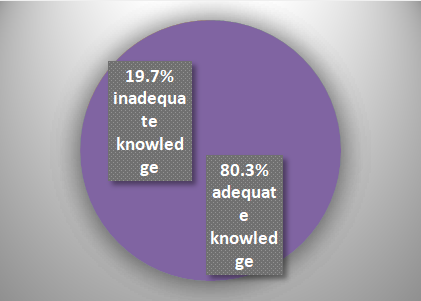
3.2. Knowledge of Cervical CancerOverall, 80.3% of respondents demonstrated adequate knowledge of cervical cancer. The most common sources of information were health personnel (32.7%) and media (31.6%). Regarding signs and symptoms, 36.4% identified bleeding after sexual intercourse. While 63% correctly indicated that all women are at risk, 64.6% did not know what cervical cancer screening entails, and 44.9% could not identify any benefits of screening.

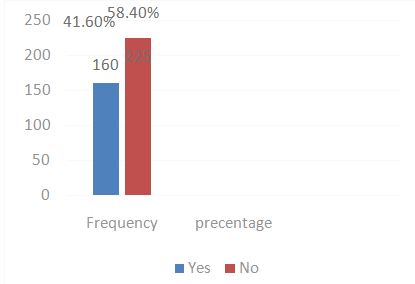
Negative attitudes towards cervical cancer screening were observed in 58.4% of respondents, and 58.7% had never been screened.

Marital status (p = 0.008) and level of education (p = 0.001) were significantly associated with knowledge of cervical cancer. No significant associations were found between age or education level and attitudes towards screening (p > 0.05).
The finding that 80.3% of respondents had adequate knowledge of cervical cancer is higher than previously reported in Zambian urban compounds 8 found only 36.8% had heard of cervical cancer). This improvement may reflect increased health promotion efforts over time and the fact that many respondents had attained secondary or tertiary education. Health personnel as the primary source (32.7%) is encouraging and aligns with 9, who identified healthcare providers as the most trusted source of cervical cancer information.
Despite adequate general knowledge, major gaps persisted: 64.6% did not know what screening entails, and 44.9% could not identify benefits. This knowledge-to-practice gap is consistent with 10 who found that even educated women often lack understanding of screening procedures. The negative attitude rate (58.4%) and low screening uptake (58.7% never screened) mirror findings from 11 Nigeria, where positive attitudes did not translate into practices due to systemic barriers.
The significant associations between knowledge and both marital status (p=0.008) and education level (p=0.001) align with recent evidence that education is the strongest predictor of cervical cancer knowledge across LMICs (Sudha, Kumar and Sumathi, 2024). The lack of association between attitudes and demographic variables suggests that negative attitudes are widespread across all groups, indicating a need for community-wide rather than targeted attitudinal interventions.
Although the majority of women in Kanyama Compound had adequate general knowledge of cervical cancer, significant gaps remained in understanding screening procedures and benefits. Negative attitudes towards screening were prevalent, and screening uptake was low. Marital status and education level were key determinants of knowledge.
5.2. RecommendationsHealth promotion should be intensified through mass media to improve awareness of cervical cancer screening and shift negative attitudes. Information on signs, symptoms, and benefits should be translated into local languages.
Community health workers should be trained to disseminate cervical cancer information at the household level.
The Ministry of Health and stakeholders (Ministry of Education, churches, NGOs) should strengthen reproductive health services for women of reproductive age.
5.3. LimitationsThe sample size target of 424 was not fully achieved (385 reached) due to logistical challenges. Scarcity of local literature limited comparison, and financial/time constraints restricted the scope to a single site.
| [1] | WHO (2022) Cervical cancer fact sheet. | ||
| In article | |||
| [2] | Minn, H. (2019) Obstetrics and Gynaecology, 134(5), pp. 1020-1032. | ||
| In article | |||
| [3] | Access to Health Zambia (2024–2025) Cervical cancer in Zambia: a public health crisis. | ||
| In article | |||
| [4] | Gavi (2025) Zambia cervical cancer elimination programme. | ||
| In article | |||
| [5] | Gonzalez, M., Mwaba, C. and Phiri, S. (2026) Cancer Epidemiology, 85, p. 102456. | ||
| In article | |||
| [6] | Ministry of Health Zambia (2025) *Zambia cervical cancer elimination strategy 2025-2030*. | ||
| In article | |||
| [7] | Zambia Monitor (2025) Zambia’s progress towards WHO cervical cancer elimination targets.netLibrary e-book. | ||
| In article | |||
| [8] | Nyambe, A. et al. (2019) BMC Public Health, 19, p. 508. | ||
| In article | View Article PubMed | ||
| [9] | Gezimu, W. et al. (2025) Frontiers in Oncology, 15, p. 1496513. | ||
| In article | View Article PubMed | ||
| [10] | Sudha, B., Kumar, N.S. and Sumathi, S. (2024) European Journal of Oncology Nursing, 72, p. 102654. | ||
| In article | |||
| [11] | Asogun, D., Alenoghena, I. and Egbefere, H. (2024) the Nigerian Health Journal, 24(3), pp. 1566-1576. | ||
| In article | |||
Published with license by Science and Education Publishing, Copyright © 2026 Oliver Phiri, Abigail Chuma Kalemba, Ireen Kamoto Phiri, Charity Shilengwe, Eurody Kamwendo, Adess Mwale, Remmy Phiri, Chipego Hajamba, Vernancious Chisanga Momba, Euphresia Sibeso, Andrew Tembo, Esther Jere, George Zulu, Harriet Nawila, Moono Choolwe and Jane Mulife
 This work is licensed under a Creative Commons Attribution 4.0 International License. To view a copy of this license, visit
http://creativecommons.org/licenses/by/4.0/
This work is licensed under a Creative Commons Attribution 4.0 International License. To view a copy of this license, visit
http://creativecommons.org/licenses/by/4.0/
| [1] | WHO (2022) Cervical cancer fact sheet. | ||
| In article | |||
| [2] | Minn, H. (2019) Obstetrics and Gynaecology, 134(5), pp. 1020-1032. | ||
| In article | |||
| [3] | Access to Health Zambia (2024–2025) Cervical cancer in Zambia: a public health crisis. | ||
| In article | |||
| [4] | Gavi (2025) Zambia cervical cancer elimination programme. | ||
| In article | |||
| [5] | Gonzalez, M., Mwaba, C. and Phiri, S. (2026) Cancer Epidemiology, 85, p. 102456. | ||
| In article | |||
| [6] | Ministry of Health Zambia (2025) *Zambia cervical cancer elimination strategy 2025-2030*. | ||
| In article | |||
| [7] | Zambia Monitor (2025) Zambia’s progress towards WHO cervical cancer elimination targets.netLibrary e-book. | ||
| In article | |||
| [8] | Nyambe, A. et al. (2019) BMC Public Health, 19, p. 508. | ||
| In article | View Article PubMed | ||
| [9] | Gezimu, W. et al. (2025) Frontiers in Oncology, 15, p. 1496513. | ||
| In article | View Article PubMed | ||
| [10] | Sudha, B., Kumar, N.S. and Sumathi, S. (2024) European Journal of Oncology Nursing, 72, p. 102654. | ||
| In article | |||
| [11] | Asogun, D., Alenoghena, I. and Egbefere, H. (2024) the Nigerian Health Journal, 24(3), pp. 1566-1576. | ||
| In article | |||