Background: Impaired consciousness is one of the most serious complications following Traumatic Brain Injury (TBI). Sensory deprivation may delay neural recovery and worsen patient outcomes. Multimodal sensory stimulation has emerged as a promising non-invasive nursing intervention. Purpose: To evaluate the effectiveness of multimodal coma stimulation on arousal level and physical function in patients with TBI. Design: A quasi-experimental (study/control) design was used. Setting: Neurosurgical Intensive Care Units at a tertiary University Hospital in Egypt. Sample: A convenience sample of 80 adult patients with moderate TBI (Glasgow Coma Scale > 8 for at least 48 hours) was recruited, with 40 patients allocated to each group. Instruments: Data were collected using a demographic and clinical data sheet, Sensory Stimulation Assessment Measure (SSAM), Bispectral Index (BIS), Early Functional Abilities Scale (EFA), and Glasgow Coma Scale (GCS). Results: After two weeks, the study group showed statistically significant improvements in SSAM scores compared to the control group (79.85 ± 5.01 vs. 71.30 ± 2.59, P < 0.001), BIS scores (90.80 ± 2.70 vs. 78.72 ± 2.94, P < 0.001), and EFA scores (89.10 ± 3.56 vs. 79.90 ± 3.04, P < 0.001). Conclusion: Multimodal coma stimulation is safe, feasible, and effective nursing intervention that significantly improves arousal level and physical function in patients with moderate TBI. Recommendation: Multimodal coma stimulation should be integrated into routine nursing care for TBI patients to activate the reticular activating system and improve patient outcomes.
Traumatic Brain Injury (TBI) is one of the leading causes of death and disability among critically ill patients worldwide, particularly in younger adults 1. It is considered the second leading cause of death among individuals under forty and accounts for millions living with long-term disabilities 2. Globally, TBI has become a major public health concern, affecting more than 69 million people annually 3.
In the United States, approximately 2.8 million cases of TBI are reported each year, representing about 1.9% of all injuries 4. More than 235,000 patients require hospitalization in Intensive Care Units (ICUs), and over 52,000 deaths occur annually as a result of TBI 5. The prevalence is higher among males 12%–17% compared with females 8.5% 6.
Traumatic brain injury has been described as a “silent epidemic” due to its high prevalence and long-term consequences 7. It is defined as an alteration in brain function or evidence of brain pathology caused by an external force 8. The most common causes include falls, motor vehicle accidents, direct blows to the head, and assaults 9.
Coma is one of the most severe outcomes of TBI and is characterized by a prolonged state of unconsciousness in which the patient cannot respond to external stimuli such as light or sound 10, 11. Although some patients regain consciousness within a few days, others may progress to a persistent vegetative state or brain death 12. These complications are associated with prolonged ICU stay, increased duration of mechanical ventilation, and higher morbidity and mortality rates among TBI patients 13.
Physical function deterioration affects approximately 50% of TBI survivors, with many unable to return to their pre-injury level of activity 14. This decline may result from neurological damage, reduced muscle strength, impaired coordination, and prolonged immobilization 15. The burden extends beyond patients, placing significant emotional and financial strain on families and healthcare systems 16. Therefore, improving arousal and physical function in patients with TBI is essential for enhancing recovery and overall quality of life 17.
Multimodal sensory stimulation has emerged as a promising, non-invasive, safe, and cost-effective intervention aimed at enhancing arousal and cognitive recovery through stimulation of multiple sensory modalities 1. This approach includes auditory, visual, olfactory, tactile, gustatory, and kinesthetic stimulation to prevent sensory deprivation and activate neural pathways responsible for awareness and motor function 18. This intervention is believed to activate the Reticular Activating System (RAS) and related neural networks, thereby promoting neuroplasticity and accelerating functional recovery 19.
Critical care nurses' continuous presence at the bedside enables them to implement multimodal sensory stimulation, monitor patient responses, and adjust interventions according to clinical progress. Through these actions, ICU nurses bridge the gap between medical stabilization and neurological rehabilitation, ultimately improving patient outcomes and enhancing quality of care. Accordingly, this study aimed to evaluate the effectiveness of multimodal sensory stimulation on arousal and physical function among patients with traumatic brain injury, contributing to the advancement of evidence-based nursing practice 20.
Traumatic Brain Injury -related coma and physical dysfunction represent some of the most devastating consequences of critical illness, with a substantial proportion of survivors failing to return to their pre-injury functional baseline. A structured multimodal sensory stimulation protocol offers a direct, nurse-driven mechanism to interrupt this trajectory: by systematically engaging auditory, tactile, visual, olfactory, gustatory, and kinesthetic pathways, the intervention targets the same neural substrates (the RAS and associated cortical-subcortical networks) implicated in arousal recovery, giving clinicians a non-invasive approach to manage this condition where pharmacological options remain limited.
Critical care nurses are uniquely positioned at the bedside to deliver this intervention, yet in many ICU settings sensory stimulation is applied inconsistently, informally, or not at all, largely due to the absence of standardized, evidence-based protocols. By generating empirical evidence on the effectiveness of a structured program, this study contributes to closing that practice gap. Findings can inform the development of nursing care bundles and clinical guidelines specific to TBI management.
Additionally, Interventions that accelerate the return of arousal and physical function can shorten ICU and hospital length of stay, reduce reliance on mechanical ventilation, and lower the intensity of long-term rehabilitative and supervisory care. This translates into meaningful reductions in emotional and financial strain for families and in resource utilization for healthcare systems. A low-cost, non-invasive intervention that produces even incremental gains in recovery therefore carries huge economic and social value relative to its implementation cost.
To evaluate the effectiveness of multimodal coma stimulation on arousal level and physical function in patients with traumatic brain injury.
Dependent Variables:
Arousal: is theoretically defined as “"a physiological and psychological state reflecting an overall level of responsiveness, including wakefulness or responsiveness to stimuli"” 21. In the present study, arousal is operationally defined as the obtained individual score of the Sensory Stimulation Assessment Measure (SSAM). The minimum score is 15, indicating no response and no change from baseline, while the maximum score is 90, indicating a normal response and the patient's ability to communicate 22.
Physical Function: is theoretically defined as the ability to perform various activities requiring physical capability, ranging from self-care to vigorous activities involving mobility, strength, and endurance 23. In the present study, physical function is operationally defined as obtaining a score greater than 60 out of 100 on the Early Functional Ability Scale (EFAS) 24.
Independent Variable: -
The Multimodal Coma Stimulation: is theoretically defined as an alternative therapeutic approach that stimulates the brain through sensory input received via six modalities: auditory, visual, olfactory, tactile, gustatory, and kinesthetic stimulation 25. In the present study, the multimodal coma stimulation program is operationally defined as a structured intervention delivered to patients with moderate TBI twice daily (morning and afternoon) for five consecutive days per week (10 intervention days). Each sensory modality was stimulated for 10 minutes, with 1-2 minutes of rest between modalities, and the total duration of each session was approximately 50 minutes.
1. There is a statistically significant difference in arousal level between the study group receiving multimodal coma stimulation and the control group who does not receive the intervention.
2. Patients who receive multimodal coma stimulation demonstrate a higher level of physical function compared with the control group who does not receive the intervention.
Research Design
A quasi experimental design (study /control) was used to examine the effect of multimodal coma stimulation on arousal and physical function in patients with moderate TBI.
Setting
The study was conducted in the Neurosurgical Intensive Care Units, at a tertiary university hospital, Egypt.
Sample
A convenient sample of 186 patients was admitted to the neurosurgical ICU. After excluding 94 patients who did not meet the inclusion criteria, 92 patients were screened daily. 45 patients were randomly assigned to the study group and 47 patients to the control group. Eight patients died and four patients were discharged before completing the two-week intervention protocol. The final sample of 80 patients (40 patients in each group) included in the final analysis.
Patients were included if they met the following criteria: a) adult patient aged 19- – 65 years; b) confirmed diagnoses of TBI patients with a Glasgow Coma Scale score above 8 for at least 48 hours; and d) hemodynamically stable (SBP 90-140 mm Hg, DBP 60-90 mm Hg, MAP 70-105 mm Hg). Patients were excluded if they had: a) confirmed brain death verified by Cerebral Angiography; b) blindness or deafness; c) use of sedatives or muscle relaxants; d) history of previous neurological disorders such as penetrating head injury, toxicity, infection, seizures, cervical spinal cord injury because these conditions may cause permanent brain damage and prevent response to the designed multimodal stimuli; e) non-traumatic coma; H) history of cardiac arrest lasting more than 4 minutes because brain function may be affected by prolonged hypoxia; g) brain stem infarction.
Patients who met the study inclusion criteria were alternatively and randomly assigned into two equal groups (40 patients each). The study group received the multimodal coma stimulation program in addition to routine ICU care, while the control group received routine ICU care only.
Sample Size Calculation:
The sample size was calculated using G-Power analysis. A power of 85% at an (α = 0.05) significance level with a medium effect size (0.64), based on previous similar study 25 was used. Although the minimum required sample size was 65 patients, the sample size was increased to 80 patients to account for an anticipated 15% attrition rate 26.
Instruments of Data Collection
Instrument I: A Demographic and Clinical Data Sheet:
A demographic and clinical data sheet was developed by the researcher to collect comprehensive baseline information about the studied patients. This tool included demographic characteristics such as age and gender, in addition to clinical data including medical diagnosis. All relevant information was extracted from the patients'’ medical records upon admission to the unit.
Instrument II: The Sensory Stimulation Assessment Measure (SSAM):-
The Sensory Stimulation Assessment Measure (SSAM), developed by Rader and Ellis 22, was used to assess the level of arousal and responsiveness in patients with impaired consciousness who are unable to communicate or consistently follow commands. The SSAM is a standardized observational tool designed specifically for patients with severe neurological impairment, including traumatic brain injury. It consists of five sensory subscales: auditory, visual, tactile, gustatory, and olfactory stimulation.
Each sensory item is evaluated based on the patient's behavioral responses in three domains: eye opening, motor response, and vocalization. Responses are rated using a 6-point scale ranging from 1 (no response) to 6 (spontaneous communicative response). The total SSAM score ranges from 15 to 90, with higher scores indicating greater levels of arousal, improved responsiveness, and better communication ability. The SSAM has demonstrated acceptable psychometric properties in previous studies involving TBI patients, with evidence of validity (r² = 0.222, p < 0.0001) and high test-retest reliability (α = 0.89), confirming its suitability for use in critical care settings 22.
Instrument III: Bispectral Index (BSI)
The Bispectral Index (BIS) developed by Kearse et al. 27, is an electroencephalogram (EEG)-derived monitoring parameter used to assess the depth of sedation, level of consciousness, and arousal in critically ill patients, particularly those receiving sedative medications or mechanical ventilation. The BIS processes EEG signals and converts them into a single numerical value ranging from 0 to 100.
A score of 0 represents complete electrical silence of the brain (isoelectric EEG), while a score of 100 indicates a fully awake and alert state. Clinically, BIS values are interpreted as follows: values below 40 indicate deep hypnotic or coma-like states, values between 40 and 60 indicate moderate sedation, and values between 60 and 100 indicate light sedation to full consciousness. The BIS has been widely validated in intensive care populations and has shown a significant correlation with clinical sedation scales such as the Richmond Agitation-Sedation Scale (RASS) supporting its reliability in monitoring changes in consciousness level in ICU patients 28, 29.
Instrument IV: The Early Functional Abilities (EFA) Scale:
The Early Functional Abilities (EFA) Scale, developed by Heck et al. 24 was used to assess early recovery of physical and cognitive functions in patients with severe neurological conditions, including traumatic brain injury. The scale is designed to evaluate early rehabilitation potential in critically ill patients who are unable to fully participate in conventional functional assessments.
The EFA consists of 20 items categorized into four functional domains: autonomic function, orofacial abilities, sensorimotor responses, and cognitive abilities. Each item is scored on a 5-point ordinal scale ranging from 1 (no function) to 5 (normal function), reflecting the degree of functional recovery. The total score ranges from 20 to 100, with lower scores indicating severe functional impairment. A score below 60 is considered indicative of significant physical and functional disability. The EFA has demonstrated excellent psychometric properties, with reported reliability ranging from α = 0.88 to 0.94 and strong construct validity in TBI populations, making it a reliable tool for assessing early functional outcomes in ICU settings 30.
Instrument V: Glasgow Coma Scale (GCS)
The Glasgow Coma Scale (GCS), developed by Teasdale and Jennett 31, is a standardized neurological assessment tool widely used to evaluate the level of consciousness in patients with acute brain injury. The scale is based on three behavioral responses: eye opening, verbal response, and motor response. In the present study GCS used as a screening tool.
The total score ranges from 3 to 15, with a score of 3 indicating deep coma and complete unresponsiveness, and a score of 15 indicating full alertness and orientation. Scores between 3 and 8 indicate severe brain injury, scores between 9 and 12 indicate moderate impairment, and scores between 13 and 15 indicate mild impairment. The GCS is one of the most widely used and validated neurological tools in intensive care units worldwide. Previous studies have demonstrated its good validity in patients with traumatic brain injury, with significant correlation values (r² = 0.233, p < 0.0001) and strong reliability, including Cronbach’s alpha values between 0.81 and 0.87 and high inter-rater agreement, confirming its consistency in clinical assessment 32
Ethical Consideration
Ethical approval was obtained from the Research Ethics Committee of the Faculty of Nursing (Approval No. ERCNMA1000/3/7/42/24). Official permissions were granted by hospital administration. Written informed consent was obtained from patients or their legal guardians prior to participation. The study procedures were explained to participants, and confidentiality was guaranteed by coding patient data and storing data sheets in locked cabinets accessible only to the researcher.
Pilot Study
A pilot study was conducted on 10% of the total sample (eight patients) to test the practicality and the applicability of the tools and detect any obstacles as problems that might encountered during data collection and to estimate the time needed to fill in the tools. Subjects participating in the pilot study were excluded from the final analysis.
Procedure
Data was collected from both groups using: 1) the demographic and clinical data sheet; 2) Sensory Stimulation Assessment Measure (SSAM) to evaluate arousal level; 3) Early Function ability scale (EFAS) to assess early physical and cognitive recovery; 4) Bispectral Index (BSI) to evaluate depth of sedation, consciousness and arousal during administration of sedatives or anesthesia; 5) The Glasgow Coma Scale (GCS) used as screening tool to assess the conscious status. Measurements of arousal level, BSI and physical function were obtained twice at admission (baseline) and after two weeks.
Multimodal Coma Stimulation Intervention (Study Group)
Participants in the study group received multimodal coma stimulation twice daily: once in the morning at 9:00 A.M. and once in the afternoon at 2:00 P.M. Each cycle consisted of five sessions, each session lasting 10 minutes over a period of two weeks. Each sensory system was stimulated twice daily for five consecutive days per week as this duration is recommended for effectively enhancing arousal level and improving physical function in ICU patients with TBI 33. The researcher provided stimulation to five senses, Visual, Auditory, Tactile, Olfactory and Gustatory and demonstrated in systematic cycle, target only one modality at a time (no talking while providing stimulation). A total of 45-50 min was allocated for the stimulation program, with each modality given for 10 min and adequate periods of rest (1-2 minutes) between each stimulus.
The researcher initially communicated with the patients' families to identify the patients' preferred family members. The study's objective and importance were explained to the families, who were then asked to assist in preparing the content for auditory stimulation (a ten- minute voice message).
Before starting the intervention, the researcher ensured a calm and quiet environment, drew the curtains for privacy and positioned the patient comfortably in a semi-Fowler's or other appropriate position. The researcher oriented the patient to time, date and place using a calm voice to enhance arousal before each session. Overstimulation was avoided, and patients were monitored for signs such as flushing, sweating, increased muscle tone or changes in respiratory rate.
The Multimodal Coma Stimulation Program
Auditory stimulation (10 minutes): Auditory stimulation was conducted using personalized voice recording for family members. The audio files were prepared as follow; the first part included an introduction with orientation to place and time (30 seconds); and the second part included a description of the accident and hospitalization (30 seconds); and the third part included recollection of pleasant memories and emotional encouragement (9 minutes). Family members recorded the message under the researcher's supervision in the ICU visitors' room. Once the patient's hemodynamic status was stable, the recording was played through earphones for 10 minutes per session.
Visual Stimulation (10 minutes): Visual stimulation was administered using familiar and bright objects such as colored pen lights, family photos, a mirror and personal belongings. The researcher gently opened each eye and applied light stimuli using a torch, flashing on and off for one second at a time, repeated for 10 seconds alternating between eyes. Objects were moved slowly horizontally and vertically within the visual field to elicit tracking responses.
Olfactory Stimulation (10 minutes): Each patient's nostrils were first cleaned with sterile cotton swabs. Pleasants and familiar scents such as coffee, vanilla, perfume or soup were presented 3cm away from one nostril for 10 seconds while the other was occluded. This was alternated between nostrils, repeated every 15 seconds for a total of 10 minutes.
Gustatory Stimulation (10 minutes): The patient was placed in semi-Fowler's position after oral care with chlorhexidine. The researcher applied lemon juice to the tip of the tongue and above the upper lip with a cotton swab to stimulate taste receptors. The procedure was repeated at 5 second intervals between stimuli over 10 minutes.
Tactile Stimulation (10 minutes): Tactile stimulation was performed with 3-seconds breaks between each stimulus. Various textures such as satin, silk, fur, smooth metal, and brush were applied to all four limbs. Peripheral stimulation involved applying pressure to the nail bed of the middle finger for 5 seconds, while central stimulation included gripping the trapezius muscle for 5 seconds.
Arousal level, bispectral index score and physical function were measured twice; firstly, at baseline (ICU admissions) and after two weeks, to determine the effect of the multimodal coma stimulation program on patients with traumatic brain injury.
Statistical Analysis
A statistical analysis was performed on the data using SPSS version 22 on IBM compatible computer. For qualitative data mean and standard deviation (X+SD), number and percentage (n & %) was utilized. Pearson Chi-square test (χ2), Student t- test, and Paired t- test, were employed. Significance was determined based on P values with P > 0.05 considered statistically insignificant, P-value ≤ 0.05 as statistically significant, and P-value ≤ 0.001 as highly statistically significant. Graphics were created using Excel program.
Table 1 shows that there were no statistically significant differences between the study and control groups regarding demographic and clinical characteristics. The mean age of participants was 29.83 ± 6.17 years in the study group and 29.03 ± 6.83 years in the control group. The majority of patients in both groups were males (85.0% and 87.5%, respectively). Regarding diagnosis, the distribution was comparable between both groups, with no statistically significant differences. The mean Glasgow Coma Scale score was similar between the study (9.72 ± 1.03) and control groups (9.62 ± 0.95), confirming the homogeneity of the sample.
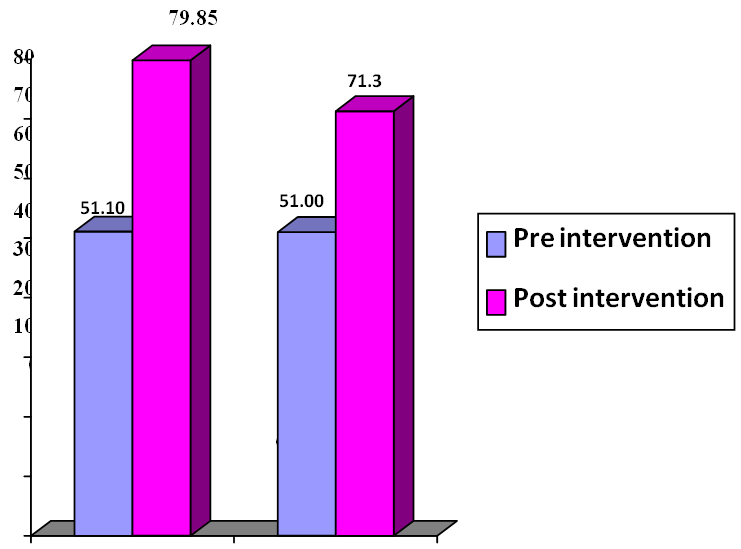
Table 2 shows that there was no statistically significant difference between the two groups at baseline (P = 0.38). After the intervention, a highly statistically significant improvement was observed in the study group compared with the control group. The mean SSAM score increased to 79.85 ± 5.01 in the study group versus 71.30 ± 2.59 in the control group (P < 0.001), indicating that multimodal coma stimulation significantly improved arousal levels.
Figure 1 The Effect of Multimodal Coma Stimulation on the Arousal Level of the Studied Sample (N =80).

Table 3 shows that the mean BSI score were comparable between groups at baseline. After intervention, the study group demonstrated a significant increase in BSI values compared with the control group (90.80 ± 2.70 vs. 78.72 ± 2.94, P < 0.001), indicating improved level of consciousness and arousal following multimodal coma stimulation.
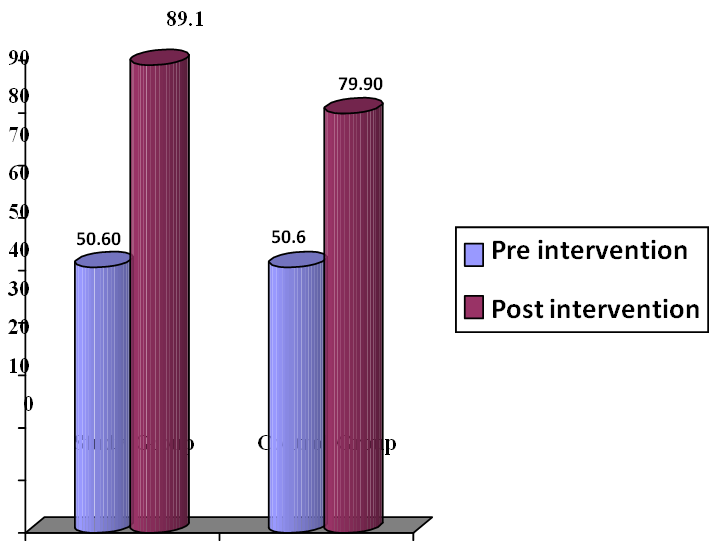
Table 4 demonstrates that both groups were comparable at baseline with no significant differences. After the intervention, the study group showed a highly statistically significant improvement in Early Functional Ability (EFA) scores compared with the control group (P < 0.001), indicating that multimodal coma stimulation significantly enhanced physical function.
Figure 2 Effect of Multimodal Coma Stimulation on the Physical Function of the Studied Sample (N =80).

Patients with traumatic brain injury (TBI) often experience impaired consciousness, which leads to sensory deprivation due to reduced ability to respond to internal and external stimuli 10. Altered levels of consciousness limit the patient's ability to perceive and interact with environmental inputs such as sound, touch, and light. Multimodal sensory stimulation has been shown to enhance arousal, improve consciousness level, reduce coma duration, activate the reticular activating system (RAS), and stimulate neural pathways associated with cognition and emotion in patients with TBI 19.
Effect of Multimodal Coma Stimulation on Arousal Level
Impaired consciousness is among the most serious sequelae of Traumatic Brain Injury (TBI). Patients require adequate, structured sensory stimulation to augment cortical activation and promote recovery of consciousness. Multimodal sensory stimulation plays a critical role in activating the reticular activating system (RAS), which is vital for maintaining wakefulness and awareness 1.
The current study hypothesized a significant difference in arousal level between the study and control groups. This hypothesis was supported, with the study group demonstrating a statistically significant improvement in both Sensory Stimulation Assessment Measure (SSAM) and Bispectral Index (BIS) scores.
These findings congregate with Vaidya et al. 34, Sharma et al. 13, and Jebbeh et al. 35, who reported higher Glasgow Coma Scale (GCS) and Coma Recovery Scale-Revised (CRS-R) scores among patients receiving multimodal sensory stimulation compared with other stimulation methods. Similarly, Mohammed et al. 36 and Li et al. 37 reported improved consciousness and cognitive outcomes following multimodal sensory stimulation.
In addition, Adak et al. 38 found that family-administered sensory stimulation exerted a significant positive effect on arousal and cognitive function. These findings support the evidence that structured sensory stimulation, delivered with appropriate intensity, frequency, and duration, promotes neuroplasticity, enhances neural activation, and improves environmental awareness. Comparable findings were reported by Andrei et al. 39 and Bonanno et al. 5, who demonstrated that multisensory stimulation and gentle tactile input can improve neurophysiological functioning and level of consciousness in patients with TBI.
The present findings also align with several previous studies 40, 41, 43, 44, 45, which reported significant improvement in GCS and Western Neuro-Sensory Stimulation Profile (WNSSP) scores among patients receiving sensory stimulation. Additionally, Bodien et al. 46, Amein et al. 47, Sindhubhai et al. 48, and Sharma et al. 13, confirmed significant improvements in level of consciousness following multisensory stimulation programs.
However, these findings are not consistent with Cheng et al. 49, who reported no significant improvement in consciousness among patients in a vegetative state following sensory stimulation. This discrepancy may be attributable to differences in baseline neurological severity, as patients in a vegetative state may have reduced neural responsiveness, thereby limiting recovery potential. Variability in intervention dosage, timing relative to injury, etiology, and outcome measurement may also contribute to different results. Collectively, this suggests that multimodal coma stimulation may be most effective when initiated before irreversible disruption of cortical and subcortical arousal networks.
Effect of Multimodal Coma Stimulation Intervention on Physical Function
Multimodal sensory stimulation improves physical function in patients with TBI by activating multiple sensory pathways, promoting cortical reorganization, enhancing arousal, and facilitating motor recovery 39.
The current study hypothesized that patients receiving multimodal coma stimulation would demonstrate higher physical function compared with the control group. This hypothesis was supported, with a statistically significant improvement in Early Functional Ability (EFA) scores observed in the study group. This improvement may be attributed to the simultaneous activation of auditory, visual, tactile, gustatory, and olfactory pathways, which enhances sensorimotor integration, supports cortical activation, and reduces complications associated with prolonged immobility, such as muscle stiffness and reduced motor responsiveness. Early structured stimulation may also help prevent secondary complications, including spasticity and joint contractures, thereby improving functional recovery.
These findings are consistent with Bakaraki 50, who reported that sensory integration-based occupational therapy significantly improved functional recovery in TBI patients. Similarly, Di Sarno et al. 51 found that multimodal sensory stimulation improved neurological and functional outcomes in patients with severe TBI. Additionally, Zeng et al. 52, Andrei et al. 39 and Li et al. 53 reported improvements in motor function, cognitive outcomes, and reduction in muscle tone following multimodal sensory stimulation.
Conversely, these findings differ from those of Norwood et al. 54, who examined the efficacy of multimodal sensory therapy in adult acquired brain injury and reported no significant improvements in physical outcomes such as balance, gait, or walking ability compared with control groups. A plausible explanation for this discrepancy is that the relatively short duration of sensory stimulation programs (6 days) may not be sufficient to produce significant improvements in physical outcomes. Moreover, physical recovery may require longer, task-specific neurorehabilitation, and early gains in EFA may precede measurable changes in mobility and gait. This distinction helps resolve the different findings.
Limitations of the Study
The findings of this study should be interpreted in light of several limitations:
1. The use of a convenience sample may limit generalizability because of potential selection bias.
2. The study was conducted in a single setting, which may limit external validity across different healthcare environments.
3. The absence of long-term follow-up prevents assessment of the sustainability of intervention effects over time.
The findings of the present study indicate that multimodal coma stimulation is a safe, feasible, and effective nursing intervention that significantly improves arousal level and physical function in patients with traumatic brain injury.
n Develop standardized clinical guidelines for integrating multimodal coma stimulation into routine ICU nursing care for patients with moderate traumatic brain injury.
n Implement structured protocols to ensure consistency and maximize therapeutic effectiveness across different clinical settings.
n Provide continuous in-service training programs for critical care nurses on the application of multimodal sensory stimulation techniques.
n Incorporate multimodal sensory stimulation as part of routine nursing care for patients with impaired consciousness.
n Utilize auditory, tactile, visual, olfactory, and gustatory stimulation to enhance activation of the reticular activating system (RAS) and improve patient outcomes.
n Conduct multicentre studies with larger probability samples to enhance generalizability.
n Extend follow-up periods to evaluate long-term effects of the intervention on functional outcomes, quality of life, and readmission rates.
n Investigate combined interventions using multimodal stimulation with neurorehabilitation techniques such as transcranial direct current stimulation (tDCS) and repetitive transcranial magnetic stimulation (rTMS).
Explore the integration of advanced technologies such as virtual reality (VR), artificial intelligence (AI)-based monitoring systems, and auditory stimulation devices to enhance the precision and effectiveness of nursing interventions.
| [1] | Liu, S., et al. (2025). Multimodal treatment strategies for disorders of consciousness. International Journal of General Medicine, 771–786. | ||
| In article | View Article PubMed | ||
| [2] | Shah, S., & Kuceyeski, A. (2025). Multimodal neuroimaging after TBI. bioRxiv. | ||
| In article | |||
| [3] | Pozeg, P., et al. (2024). Recovery from coma with multimodal neuroimaging. Journal of Neurology, 271(9), 6274–6288. | ||
| In article | View Article PubMed | ||
| [4] | Barbiellini Amidei, C., Salmaso, L., Fedeli, U., & Saia, M. (2024). Traumatic brain injury incidence and mortality: A large population-based study. Journal of Neurology, 271(7), 4430–4440. | ||
| In article | View Article PubMed | ||
| [5] | Bonanno, M., Gangemi, A., Fabio, R. A., Tramontano, M., Maggio, M. G., Impellizzeri, F., et al. (2025). Impact of gentle touch stimulation combined with advanced sensory stimulation in patients in a minimally conscious state: A quasi-randomized clinical trial. Life, 15(2), 280. | ||
| In article | View Article PubMed | ||
| [6] | Foreman, B. (2025). Disorders of electrophysiology following severe traumatic brain injury. Neurosurgery Clinics. | ||
| In article | View Article PubMed | ||
| [7] | Raichur, P., & Dharwadkar, K. (2025). Traumatic brain injury: A silent epidemic. Journal of Neurological Sciences, 48(2), 112–120. | ||
| In article | |||
| [8] | Casertano, L. (2024). The effect of early rehabilitation and multimodal stimulation on recovery in patients with disorders of consciousness. Columbia University. | ||
| In article | |||
| [9] | Marini, C., et al. (2024). Severe traumatic brain injury review. Recent Strategies in High Risk Surgery, 195–208. | ||
| In article | View Article | ||
| [10] | Feng, T., et al. (2025). Improving patient outcomes in moderate TBI. Therapeutics and Clinical Risk Management, 69–80. | ||
| In article | View Article PubMed | ||
| [11] | Barea-Mendoza, J., et al. (2024). Resuscitation and initial management after moderate-to-severe traumatic brain injury. Journal of Clinical Medicine, 13(23), 7325. | ||
| In article | View Article PubMed | ||
| [12] | Davis, C., et al. (2024). Non-pharmacological interventions for traumatic brain injury. Journal of Cerebral Blood Flow & Metabolism, 44(5), 641–659. | ||
| In article | View Article PubMed | ||
| [13] | Sharma, N., et al. (2025). Non-invasive brain stimulation in TBI. Acta Neurologica Belgica. | ||
| In article | |||
| [14] | Alderson, C. D. (2021). Impact of a nurse-driven early mobility protocol. ProQuest Dissertations and Theses, 163. | ||
| In article | |||
| [15] | Roohollahi, F., et al. (2024). Frailty and traumatic brain injury outcomes. Journal of Neurotrauma, 41(3–4), 331–348. | ||
| In article | View Article PubMed | ||
| [16] | Jarrett, A., et al. (2025). Management of patients suffering acute traumatic brain injuries. Critical Care Nursing Quarterly, 48(1), 66–78. | ||
| In article | View Article PubMed | ||
| [17] | Yan, A., et al. (2024). Clinical management in TBI. Biomedicines, 12(4), 781. | ||
| In article | View Article PubMed | ||
| [18] | Tramontano, M., et al. (2025). Gentle touch stimulation in minimally conscious state. Life, 15(2), 280. | ||
| In article | View Article PubMed | ||
| [19] | Wongsripuemtet, P., et al. (2025). Autonomic dysfunction in TBI. Journal of Clinical Medicine, 14(2), 557. | ||
| In article | View Article PubMed | ||
| [20] | Kang, J., et al. (2025). Nursing role in multimodal sensory stimulation for TBI patients. Journal of Critical Care Nursing, 40(1), 45–53. | ||
| In article | |||
| [21] | Gilbert, C., et al. (2022). Multi-level outcomes for young adults with acquired brain injury. Brain Injury, 36(2), 206–220. | ||
| In article | View Article PubMed | ||
| [22] | Rader, M., & Ellis, D. (1994). Sensory stimulation assessment measure. Brain Injury, 8(4), 309–321. | ||
| In article | View Article PubMed | ||
| [23] | Bruce, B., Fries, J. F., Ambrosini, D., Lingala, B., Gandek, B., & Rose, M. (2009). Better assessment of physical function: Item improvement is neglected but essential. Arthritis Research & Therapy, 11(6), R191. | ||
| In article | View Article PubMed | ||
| [24] | Heck, G., et al. (1999). Early functional abilities scale. Neurologische Rehabilitation, 6, 125–133. | ||
| In article | |||
| [25] | Promlek, K., et al. (2020). Neuroprotective nursing care in TBI. Nursing & Health Sciences, 22(3), 787–794. | ||
| In article | View Article PubMed | ||
| [26] | Kar, S., et al. (2024). Multimodal intervention for neuropsychological symptoms following TBI. Indian Journal of Psychiatry, 66(3), 311–312. | ||
| In article | View Article PubMed | ||
| [27] | Kearse, L. A., Manberg, P., Chamoun, N., deBros, F., & Zaslavsky, A. (1994). Bispectral analysis of the electroencephalogram correlates with patient movement to skin incision during propofol/nitrous oxide anesthesia. Anesthesiology, 81(6), 1365–1370. | ||
| In article | View Article PubMed | ||
| [28] | Rosow, C., & Manberg, P. J. (2001). Bispectral index monitoring. Anesthesiology Clinics, 19(4), 947–966. | ||
| In article | View Article PubMed | ||
| [29] | Zheng, J., et al. (2018). BIS and sedation scale correlation. Journal of Thoracic Disease, 10(1), 190. | ||
| In article | View Article PubMed | ||
| [30] | Alvsåker, K., Walther, S. M., Kleffelgård, I., Mongs, M., Drægebø, R. A., & Keller, A. (2011). Inter-rater reliability of the early functional abilities scale. Journal of Rehabilitation Medicine, 43, 892–899. | ||
| In article | View Article PubMed | ||
| [31] | Teasdale,A., and Jennett ,D. (1974). Glasgow coma scale. The Lancet, 304(7872), 81–84. | ||
| In article | View Article PubMed | ||
| [32] | Vivek, N., et al. (2009). Validity of FOUR score coma scale. Critical Care Neurology, 84(8), 694–701. | ||
| In article | View Article PubMed | ||
| [33] | Miyamoto, A., Takata, Y., Ueda, T., Kubo, T., Mori, K., & Miyamoto, C. (2022). The outcome of neurorehabilitation efficacy and management of traumatic brain injury. Frontiers in Human Neuroscience, 16, Article 927728. | ||
| In article | View Article PubMed | ||
| [34] | Vaidya, T., et al. (2025). Multimodal sensory stimulation in severe head injury. Journal of Health Physiotherapy and Orthopaedics, 2(1), 1–5. | ||
| In article | View Article | ||
| [35] | Jebbeh, R. A., et al. (2025). Effects of integrated sensory stimulation on consciousness. Palestinian Medical and Pharmaceutical Journal. | ||
| In article | |||
| [36] | Mohammed, S., et al. (2025). Multimodal sensory stimulation in stroke patients. Egyptian Journal of Health Care, 16(2), 314–336. | ||
| In article | View Article | ||
| [37] | Li, H. C., et al. (2025). Awakening effect of multisensory stimulation system on comatose patients. Clinical trial protocol. | ||
| In article | View Article | ||
| [38] | Adak, S., Pradhan, R., Jena, S., Pradhan, S., Sahoo, L. K., & Swain, M. (2025). Impact of nurse and beloved family members’ voice stimulus on the level of consciousness and physiological parameters in comatose patients. Journal of Integrative Nursing, 7(1), 33–41. | ||
| In article | View Article | ||
| [39] | Andrei, D., Mederle, A. L., Ghenciu, L. A., Borza, C., & Faur, A. C. (2025). Efficacy of neurorehabilitation approaches in traumatic brain injury patients: A comprehensive review. Life, 15(3), 503. | ||
| In article | View Article PubMed | ||
| [40] | Ahmed, F. R., Attia, A. K., Mansour, H., & Megahed, M. (2023). Outcomes of family-centred auditory and tactile stimulation implementation on traumatic brain injured patients. Nursing Open, 10(3), 1601–1610. | ||
| In article | View Article PubMed | ||
| [41] | Alashram, A. R., Annino, G., Aldajah, S., Bani Hamad, S., Aliswed, B., & Padua, E. (2021). Effects of sensory stimulation on level of consciousness in comatose patients after traumatic brain injury: A systematic review. Physiotherapy Practice and Research, 41(2), 143–153. | ||
| In article | View Article | ||
| [42] | Robinson, K., & Crasta, J. E. (2022). Sensory stimulation in disorders of consciousness: A systematic review. Brain Injury, 36(5), 567–578. | ||
| In article | |||
| [43] | Shah, A., & Rathod, P. (2023). Multisensory stimulation in TBI. Journal for ReAttach Therapy, 6(6s), 530–536. | ||
| In article | |||
| [44] | Faozi, E., et al. (2021). Effects of multimodal sensory stimulation on Glasgow Coma Scale scores in traumatic brain injury patients. Korean Journal of Adult Nursing, 33(6), 649–656. | ||
| In article | View Article | ||
| [45] | Moattari, M., et al. (2020). Sensory stimulation in comatose patients. Trauma Monthly, 21, e23531. | ||
| In article | |||
| [46] | Bodien, Y. G., et al. (2025). Multimodal biomarkers of consciousness in acute severe traumatic brain injury. Journal of Neurotrauma. | ||
| In article | View Article PubMed | ||
| [47] | Amein, M. S. M., Shady, N. A. E. R. A., & Ragab, O. (2024). Effect of early coma arousal therapy on conscious level recovery and cognition in traumatic brain injury. International Journal of Neurorehabilitation, 10(4), 255–264. | ||
| In article | |||
| [48] | Sindhubhai, V., et al. (2023). Coma stimulation technique in TBI. Journal of Postgraduate Medicine, 57(1), 3–7. | ||
| In article | View Article | ||
| [49] | Cheng, L., et al. (2021). Do sensory stimulation programs have an impact on consciousness recovery? Frontiers in Neurology, 9, 826. | ||
| In article | View Article PubMed | ||
| [50] | Bakaraki, M. P. (2025). The effect of sensory integration on neuroplasticity and functional recovery in neurological patients. Neuropsychology Review, 33(4), 693–713. | ||
| In article | |||
| [51] | Di Sarno, L., Curatola, A., Cammisa, I., & Capossela, L. (2022). Non-pharmacologic approaches to neurological stimulation in severe brain injuries: A systematic review. European Review for Medical and Pharmacological Sciences, 26(18). | ||
| In article | |||
| [52] | Zeng, J., et al. (2025). Multimodal alarms and human behavior. Virtual Reality, 29(2), 77. | ||
| In article | View Article | ||
| [53] | Li, J., et al. (2020). Sensory stimulation to improve arousal in comatose patients. Neurological Sciences, 41, 2367–2376. | ||
| In article | View Article PubMed | ||
| [54] | Norwood, M., et al. (2023). Multimodal sensory therapy in acquired brain injury. Neuropsychology Review, 33(4), 693–713. | ||
| In article | View Article PubMed | ||
Published with license by Science and Education Publishing, Copyright © 2026 Aya M. Shaban, Naglaa M. El-Mokadem, Nagwa M. Doha and Shaimaa E. Abdullah
 This work is licensed under a Creative Commons Attribution 4.0 International License. To view a copy of this license, visit
http://creativecommons.org/licenses/by/4.0/
| [1] | Liu, S., et al. (2025). Multimodal treatment strategies for disorders of consciousness. International Journal of General Medicine, 771–786. | ||
| In article | View Article PubMed | ||
| [2] | Shah, S., & Kuceyeski, A. (2025). Multimodal neuroimaging after TBI. bioRxiv. | ||
| In article | |||
| [3] | Pozeg, P., et al. (2024). Recovery from coma with multimodal neuroimaging. Journal of Neurology, 271(9), 6274–6288. | ||
| In article | View Article PubMed | ||
| [4] | Barbiellini Amidei, C., Salmaso, L., Fedeli, U., & Saia, M. (2024). Traumatic brain injury incidence and mortality: A large population-based study. Journal of Neurology, 271(7), 4430–4440. | ||
| In article | View Article PubMed | ||
| [5] | Bonanno, M., Gangemi, A., Fabio, R. A., Tramontano, M., Maggio, M. G., Impellizzeri, F., et al. (2025). Impact of gentle touch stimulation combined with advanced sensory stimulation in patients in a minimally conscious state: A quasi-randomized clinical trial. Life, 15(2), 280. | ||
| In article | View Article PubMed | ||
| [6] | Foreman, B. (2025). Disorders of electrophysiology following severe traumatic brain injury. Neurosurgery Clinics. | ||
| In article | View Article PubMed | ||
| [7] | Raichur, P., & Dharwadkar, K. (2025). Traumatic brain injury: A silent epidemic. Journal of Neurological Sciences, 48(2), 112–120. | ||
| In article | |||
| [8] | Casertano, L. (2024). The effect of early rehabilitation and multimodal stimulation on recovery in patients with disorders of consciousness. Columbia University. | ||
| In article | |||
| [9] | Marini, C., et al. (2024). Severe traumatic brain injury review. Recent Strategies in High Risk Surgery, 195–208. | ||
| In article | View Article | ||
| [10] | Feng, T., et al. (2025). Improving patient outcomes in moderate TBI. Therapeutics and Clinical Risk Management, 69–80. | ||
| In article | View Article PubMed | ||
| [11] | Barea-Mendoza, J., et al. (2024). Resuscitation and initial management after moderate-to-severe traumatic brain injury. Journal of Clinical Medicine, 13(23), 7325. | ||
| In article | View Article PubMed | ||
| [12] | Davis, C., et al. (2024). Non-pharmacological interventions for traumatic brain injury. Journal of Cerebral Blood Flow & Metabolism, 44(5), 641–659. | ||
| In article | View Article PubMed | ||
| [13] | Sharma, N., et al. (2025). Non-invasive brain stimulation in TBI. Acta Neurologica Belgica. | ||
| In article | |||
| [14] | Alderson, C. D. (2021). Impact of a nurse-driven early mobility protocol. ProQuest Dissertations and Theses, 163. | ||
| In article | |||
| [15] | Roohollahi, F., et al. (2024). Frailty and traumatic brain injury outcomes. Journal of Neurotrauma, 41(3–4), 331–348. | ||
| In article | View Article PubMed | ||
| [16] | Jarrett, A., et al. (2025). Management of patients suffering acute traumatic brain injuries. Critical Care Nursing Quarterly, 48(1), 66–78. | ||
| In article | View Article PubMed | ||
| [17] | Yan, A., et al. (2024). Clinical management in TBI. Biomedicines, 12(4), 781. | ||
| In article | View Article PubMed | ||
| [18] | Tramontano, M., et al. (2025). Gentle touch stimulation in minimally conscious state. Life, 15(2), 280. | ||
| In article | View Article PubMed | ||
| [19] | Wongsripuemtet, P., et al. (2025). Autonomic dysfunction in TBI. Journal of Clinical Medicine, 14(2), 557. | ||
| In article | View Article PubMed | ||
| [20] | Kang, J., et al. (2025). Nursing role in multimodal sensory stimulation for TBI patients. Journal of Critical Care Nursing, 40(1), 45–53. | ||
| In article | |||
| [21] | Gilbert, C., et al. (2022). Multi-level outcomes for young adults with acquired brain injury. Brain Injury, 36(2), 206–220. | ||
| In article | View Article PubMed | ||
| [22] | Rader, M., & Ellis, D. (1994). Sensory stimulation assessment measure. Brain Injury, 8(4), 309–321. | ||
| In article | View Article PubMed | ||
| [23] | Bruce, B., Fries, J. F., Ambrosini, D., Lingala, B., Gandek, B., & Rose, M. (2009). Better assessment of physical function: Item improvement is neglected but essential. Arthritis Research & Therapy, 11(6), R191. | ||
| In article | View Article PubMed | ||
| [24] | Heck, G., et al. (1999). Early functional abilities scale. Neurologische Rehabilitation, 6, 125–133. | ||
| In article | |||
| [25] | Promlek, K., et al. (2020). Neuroprotective nursing care in TBI. Nursing & Health Sciences, 22(3), 787–794. | ||
| In article | View Article PubMed | ||
| [26] | Kar, S., et al. (2024). Multimodal intervention for neuropsychological symptoms following TBI. Indian Journal of Psychiatry, 66(3), 311–312. | ||
| In article | View Article PubMed | ||
| [27] | Kearse, L. A., Manberg, P., Chamoun, N., deBros, F., & Zaslavsky, A. (1994). Bispectral analysis of the electroencephalogram correlates with patient movement to skin incision during propofol/nitrous oxide anesthesia. Anesthesiology, 81(6), 1365–1370. | ||
| In article | View Article PubMed | ||
| [28] | Rosow, C., & Manberg, P. J. (2001). Bispectral index monitoring. Anesthesiology Clinics, 19(4), 947–966. | ||
| In article | View Article PubMed | ||
| [29] | Zheng, J., et al. (2018). BIS and sedation scale correlation. Journal of Thoracic Disease, 10(1), 190. | ||
| In article | View Article PubMed | ||
| [30] | Alvsåker, K., Walther, S. M., Kleffelgård, I., Mongs, M., Drægebø, R. A., & Keller, A. (2011). Inter-rater reliability of the early functional abilities scale. Journal of Rehabilitation Medicine, 43, 892–899. | ||
| In article | View Article PubMed | ||
| [31] | Teasdale,A., and Jennett ,D. (1974). Glasgow coma scale. The Lancet, 304(7872), 81–84. | ||
| In article | View Article PubMed | ||
| [32] | Vivek, N., et al. (2009). Validity of FOUR score coma scale. Critical Care Neurology, 84(8), 694–701. | ||
| In article | View Article PubMed | ||
| [33] | Miyamoto, A., Takata, Y., Ueda, T., Kubo, T., Mori, K., & Miyamoto, C. (2022). The outcome of neurorehabilitation efficacy and management of traumatic brain injury. Frontiers in Human Neuroscience, 16, Article 927728. | ||
| In article | View Article PubMed | ||
| [34] | Vaidya, T., et al. (2025). Multimodal sensory stimulation in severe head injury. Journal of Health Physiotherapy and Orthopaedics, 2(1), 1–5. | ||
| In article | View Article | ||
| [35] | Jebbeh, R. A., et al. (2025). Effects of integrated sensory stimulation on consciousness. Palestinian Medical and Pharmaceutical Journal. | ||
| In article | |||
| [36] | Mohammed, S., et al. (2025). Multimodal sensory stimulation in stroke patients. Egyptian Journal of Health Care, 16(2), 314–336. | ||
| In article | View Article | ||
| [37] | Li, H. C., et al. (2025). Awakening effect of multisensory stimulation system on comatose patients. Clinical trial protocol. | ||
| In article | View Article | ||
| [38] | Adak, S., Pradhan, R., Jena, S., Pradhan, S., Sahoo, L. K., & Swain, M. (2025). Impact of nurse and beloved family members’ voice stimulus on the level of consciousness and physiological parameters in comatose patients. Journal of Integrative Nursing, 7(1), 33–41. | ||
| In article | View Article | ||
| [39] | Andrei, D., Mederle, A. L., Ghenciu, L. A., Borza, C., & Faur, A. C. (2025). Efficacy of neurorehabilitation approaches in traumatic brain injury patients: A comprehensive review. Life, 15(3), 503. | ||
| In article | View Article PubMed | ||
| [40] | Ahmed, F. R., Attia, A. K., Mansour, H., & Megahed, M. (2023). Outcomes of family-centred auditory and tactile stimulation implementation on traumatic brain injured patients. Nursing Open, 10(3), 1601–1610. | ||
| In article | View Article PubMed | ||
| [41] | Alashram, A. R., Annino, G., Aldajah, S., Bani Hamad, S., Aliswed, B., & Padua, E. (2021). Effects of sensory stimulation on level of consciousness in comatose patients after traumatic brain injury: A systematic review. Physiotherapy Practice and Research, 41(2), 143–153. | ||
| In article | View Article | ||
| [42] | Robinson, K., & Crasta, J. E. (2022). Sensory stimulation in disorders of consciousness: A systematic review. Brain Injury, 36(5), 567–578. | ||
| In article | |||
| [43] | Shah, A., & Rathod, P. (2023). Multisensory stimulation in TBI. Journal for ReAttach Therapy, 6(6s), 530–536. | ||
| In article | |||
| [44] | Faozi, E., et al. (2021). Effects of multimodal sensory stimulation on Glasgow Coma Scale scores in traumatic brain injury patients. Korean Journal of Adult Nursing, 33(6), 649–656. | ||
| In article | View Article | ||
| [45] | Moattari, M., et al. (2020). Sensory stimulation in comatose patients. Trauma Monthly, 21, e23531. | ||
| In article | |||
| [46] | Bodien, Y. G., et al. (2025). Multimodal biomarkers of consciousness in acute severe traumatic brain injury. Journal of Neurotrauma. | ||
| In article | View Article PubMed | ||
| [47] | Amein, M. S. M., Shady, N. A. E. R. A., & Ragab, O. (2024). Effect of early coma arousal therapy on conscious level recovery and cognition in traumatic brain injury. International Journal of Neurorehabilitation, 10(4), 255–264. | ||
| In article | |||
| [48] | Sindhubhai, V., et al. (2023). Coma stimulation technique in TBI. Journal of Postgraduate Medicine, 57(1), 3–7. | ||
| In article | View Article | ||
| [49] | Cheng, L., et al. (2021). Do sensory stimulation programs have an impact on consciousness recovery? Frontiers in Neurology, 9, 826. | ||
| In article | View Article PubMed | ||
| [50] | Bakaraki, M. P. (2025). The effect of sensory integration on neuroplasticity and functional recovery in neurological patients. Neuropsychology Review, 33(4), 693–713. | ||
| In article | |||
| [51] | Di Sarno, L., Curatola, A., Cammisa, I., & Capossela, L. (2022). Non-pharmacologic approaches to neurological stimulation in severe brain injuries: A systematic review. European Review for Medical and Pharmacological Sciences, 26(18). | ||
| In article | |||
| [52] | Zeng, J., et al. (2025). Multimodal alarms and human behavior. Virtual Reality, 29(2), 77. | ||
| In article | View Article | ||
| [53] | Li, J., et al. (2020). Sensory stimulation to improve arousal in comatose patients. Neurological Sciences, 41, 2367–2376. | ||
| In article | View Article PubMed | ||
| [54] | Norwood, M., et al. (2023). Multimodal sensory therapy in acquired brain injury. Neuropsychology Review, 33(4), 693–713. | ||
| In article | View Article PubMed | ||