Background: Improving patient safety requires fostering a culture that encourages healthcare personnel to report errors or near miss-es without fear of punishment. This study aimed to determine the impact of patient safety culture among nurses on patient safety outcomes. Methods: A descriptive cross-sectional research design was conducted in a tertiary care hospital. An anonymous online survey method was used for data collection. It included three sections as follows: section I included nurses’ demographic and work-related characteristics such as gender, marital status, level of education, section II included patient safety culture survey and section III included patient safety outcomes. The categorical variables were represented as frequency and percentage. Continuous variables were represented as mean, and standard deviation. Independent t-test was used to test the differences between two means of continuous variables. ANOVA test was used to test the differences between more than two means of continuous variables. Linear regression was conducted to test relationship between patient safety culture and various outcomes, including adverse events and self-reporting of events. Statistically significant was considered as (p-value ≤ 0.05 &0.01). Results: The positive response rate of patient safety culture dimensions ranged from 19.9% to 81% positive response and the overall PRR was 53.5%. It was also, observed that the majority of nurses (76.2%) rated the patient safety grade as very good/ excellent. Moreover, more than half of nurses (64.8%) never reported any event in their hospital over the past 12 months and 34.4% of the nurses reported from 1 to 5 events over the past 12 months in their hospital. There are no relationships were found among patient safety culture predictors and adverse events of falls, pressure ulcer, CLABSI and CAUTI. While a statistically significant relationship (p = 0.000) was found between patient safety culture and Self-reporting events. Conclusion: The findings indicated a need for enhancement in patient safety; thus, it is advisable to implement interventions aimed at reducing unnecessary patient harm and associated medical costs.
The World Health Organization (WHO) defines patient safety in its Global Patient Safety Action Plan 2021–2030 as a structured framework of activities that fosters cultures, processes, procedures, behaviors, technologies, and environments in healthcare that consistently and sustainably mitigate risks, diminish the incidence of preventable harm, decrease the likelihood of errors, and lessen their impact when they occur 1.
Ensuring patient safety is a global concern because has an impact on all nations in the world. Regardless of geography or economic standing, modern cultures want access to high-quality, safety-focused healthcare. Therefore, the enormous task of maintaining patient safety falls to health center administrators. The WHO's current goal, which refers to "a world where every patient receives safe health care, without risks and harm, every time, everywhere,” echoes the worldwide problem of assuring health care safety and coordinating actions related to it 2.
Patient outcomes are associated with a culture of patient safety, characterized by a consensus among healthcare professionals regarding the importance of safety, integrity and transparency in communication, and mutual trust in the effectiveness of preventive measures 3. A growing body of research suggests that attributes of an improved Patient Safety Culture (PSC), including attention to workload, organizational priorities, and communication, correlate with a reduction in missed nursing care opportunities by facilitating nurses in executing their essential daily responsibilities 4.
Nurses are essential in safeguarding patient safety by observing clinical deterioration, identifying errors, and comprehending care processes and systemic vulnerabilities to guarantee high- quality patient care. Nurses must be attentive at the bedside to ensure patient safety. Improving the safety culture in healthcare is crucial for preventing and mitigating errors while elevating the overall standard of treatment 5.
Along with the nursing work environment, the patient safety culture of medical institutions has a big impact on missed nursing care. It refers to organizational culture that is associated with staff members' attitudes, conventions, and beliefs regarding patient safety and is recognized as a contributing factor to a variety of safety behaviors. An organization's staff members are more likely to engage in safety behaviors when there is a strong patient safety culture present. The nursing staff can cope with unexpected circumstances or unsolved problems more effectively when they perform routine tasks, contributing to better patient safety and patient outcomes 6, 7.
The need for the Safety culture in the hospital is highly essential to provide quality service. Assessment and maintenance are crucial for the sustainability of the culture. A stronger PSC is associated with improved patient outcomes 8. Consequently, despite their limited quantity, these pioneering research avenues are starting to indicate a causal relationship between PSC and patient safety results. Nonetheless, no research has directly investigated the correlation between PSC and patient safety results. This study aimed to assess the influence of patient safety culture among nurses on patient safety outcomes.
Study Design
This study employed a descriptive cross-sectional research approach. A cross-sectional study aims to delineate generalized correlations among diverse elements and circumstances. The focus is not on the single case and its nuances, but rather on all occurrences and cases. Cross-sectional studies seek to formulate broad models that link diverse elements under particular settings 9.
Study Setting and Participants
This study was conducted in a tertiary care hospital in Western Saudi Arabia which is one of Saudi Arabia's largest medical cities with 390 active beds capacity in Makkah. The sample included 227 nurses who have a minimum of one year’s work experience.
Sample Size Calculation
Sample size was calculated by Epi Info software with population size 440, expected frequency 50%, Confidence coefficient=97%, acceptable margin of error 5%, design effect=1.0, and cluster=1. The required sample was 227. Participants were recruited using a nonprobability convenience sampling strategy, and all nurses participated voluntarily.
Data Collection
After getting official permission from the Institutional Review Board registered at the National BioMedical Ethics Committee, King Abdulaziz City for Science and Technology, scheduled meetings were held with the nurse managers and nurses to explain the aim of the study and the process of data collection. An anonymous online survey method was used for data collection. Then an email was sent to all nurses with the explanation of the study’ purpose, link to access the online survey, instructions on how to complete the survey, detailed confidentiality regulations, and offered contact information of the principal investigator. The email mentioned that the study was voluntary and anonymous, and also explained the process of disseminating the results. The researcher’s contact details were provided in email for those who sought more information on the study, or to address any questions. No explicit consent was taken. Potential participants were advised that returning the questionnaire is an agreement for participation. Three reminders were sent till we finished the data collection. Data was collected from October 1, 2022, to December 30, 2022.
Data collection tool
Data was collected through an online survey that was developed by the researcher based on relevant literature 10, 11. It included three sections as follows:
Section I: It includes nurses’ demographic and work-related characteristics such as gender, marital status, level of education, Professional title, years of experience, age, the department/clinics, and taking an education about patient safety culture
Section II: Patient Safety Culture.
Patient safety culture was measured with the Agency for Healthcare Research and Quality Hospital Survey on Patient Safety Culture (HSOPS). The instrument consists of 44 items and is widely utilized to assess 12 core dimensions of patient safety culture: teamwork across units, staffing adequacy, supervisor and manager expectations and actions supporting safety, non- punitive response to error, handoffs and transitions, feedback and communication about errors, openness of communication, overall perceptions of patient safety, management support for patient safety, organizational learning and continuous improvement, teamwork within units, and frequency of event reporting. The first 12 dimensions used a five-point Likert scale of agreement (ranging from 1, “Strongly disagree”, to 5, “Strongly agree”) or frequency (from 1, “Never”, to 5, “Always’). Moreover, the survey contained two outcome questions that assessed how respondents rated overall patient safety in their hospital and how many events they had reported in the previous 12 months. In the current study, the HSOPS was administered according to the AHRQ user guide. To ensure reliability within the study population, internal consistency reliability was re-evaluated by calculating Cronbach’s alpha coefficients for the overall scale and each dimension, with an overall Cronbach’s alpha of 0.83. It is supported by a comprehensive Survey User’s Guide that provides clear instructions for administration, adaptation, and scoring, including guidance on reverse-coded items. All negatively worded statements were recoded prior to analysis to ensure that higher scores consistently reflected more positive perceptions of patient safety culture.
Based on the user’s manual of the HSOPSC, the frequency count of positive responses in each item was conducted to determine the item’s percentage positive scores. Composite percent- positive scores were calculated by averaging the percentage of positive responses across all items within each dimension [(number of positive responses/total number of respondents on the item) ×100%]. Dimensions achieving positive ratings from 70% or more of respondents were classified as strengths, while those scoring below 70% were considered areas of weakness requiring improvement 12.
Section III: Patient safety outcomes
The researcher included nursing sensitive patient safety outcomes as patient’ fall, pressure ulcer, catheter associated urinary tract infection and central line catheter associated blood stream infection in the current study. These four outcomes were selected due to the feasibility of measuring these outcomes from patients' medical records. Data for 12 months was collected from electronic records of quality and patient safety department.
Ethical Considerations
Ethical approval was obtained from the Research Ethics Committee of the Clinical Center of a tertiary care hospital in Western Saudi Arabia with approval number 22-993. Prior to distribution of the survey, the nurse’s autonomy which mean freedom to determine one’s own actions was respected by the researcher, this performed by ensuring that the information provided understood by participant and that the participants had received enough information about the study. Moreover, Participants was informed that participation in the study was optional and that the withdrawal from the study was possible at any time. In addition, privacy and confidentiality was protected through ensuring anonymity of the study.
Statistical analysis
The collected data were organized, tabulated and statistically analyzed using SPSS software (Statistical Package for the Social Sciences, version 26, SPSS Inc. Chicago, IL, USA). The categorical variables were represented as frequency and percentage. Continuous variables were represented as mean, and standard deviation. Independent t-test was used to test the differences between two means of continuous variables. The ANOVA test was used to test the differences between more than two means of continuous variables. linear regression was conducted to test relationship between patient safety culture and various outcomes, including adverse events and self-reporting of events. Statistically significant was considered as (p-value ≤ 0.05 &0.01).
Sample description
Table 2 shows demographic characteristics of the studied nurses. It is observed that the majority of the studied nurses were female and working 36 to 45 hours per week (73.1% and 74.9 % respectively), 45.4 % of them from inpatient departments and more than half of nurses (63%) aged 30-39 years old. Moreover, 41.0% of nurses had from 4 to 8 years of experience and the majority of them had bachelor degree and participated in patient safety training (78% and 96% respectively).
Table 3 shows that the total mean score of patient safety culture dimensions was 2.28±0.31. The highest mean score was related to teamwork within units’ dimension and Organizational Learning Continuous Improvement (2.75±0.43 and 2.75±0.41respectively). whereas the lowest mean score was related to the staffing’ dimension and nonpunitive response to Error’ dimension (1.63±0.41 and 1.75±0.61respectively). The PRRs of patient safety culture dimensions ranged from 19.9% to 81% positive response and the overall PRR was 53.5%. The PRR of teamwork within units’ dimension (PRR = 81.05%) was the highest followed by Organizational learning continuous improvement’ dimension (PRR = 80.32%). The PRR of staffing’ dimension (PRR = 19.9%) was the lowest.
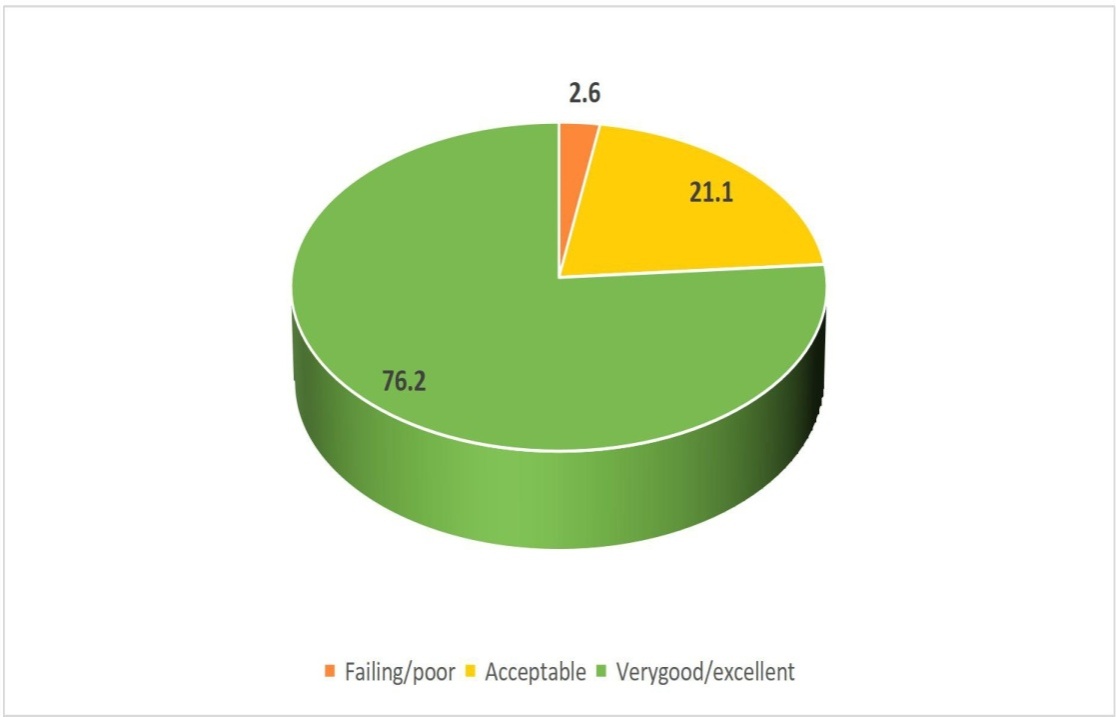
Figure 1 illustrates that the majority of nurses (76.2%) rated the patient safety grade as very good/ excellent and 21.1% of the nurses rated the patient safety grade as acceptable.

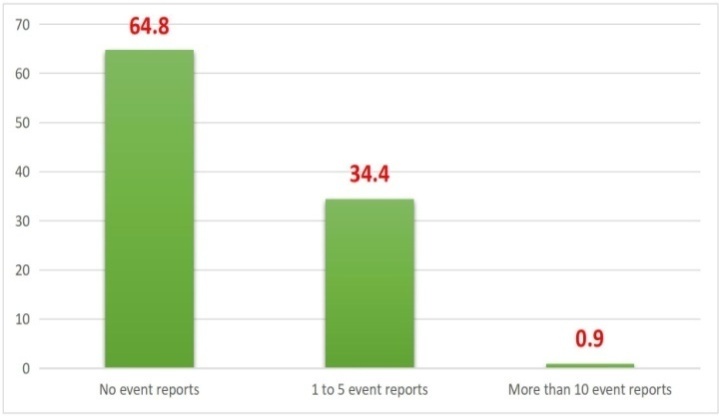
Figure 2 shows that more than half of nurses (64.8%) never reported any event in their hospital over the past 12 months and 34.4% of the nurses reported from 1 to 5 events over the past 12 months in their hospital.
Table 4 shows that no relationships were found among patient safety culture predictors and adverse events of falls, pressure ulcer, CLABSI and CAUTI. While a statistically significant relationship (p = 0.000) was found between patient safety culture and Self-reporting events. This suggests that as safety culture improves, staff may feel more empowered or willing to report events.
The result of this study reveals that the positive response rate was 53.5% for all dimensions of PSC, indicating notable weaknesses that require improvement. This may be due to challenges frequently encountered in healthcare environments, including inadequate staffing, excessive workloads, and elevated patient-to-nurse ratios, which may hinder the execution of safety practices. Barriers to communication, hierarchical frameworks, and punitive reactions to mistakes can inhibit open dialogue regarding safety issues, consequently impacting the overall culture. These factors collectively underscore the necessity for targeted interventions to enhance patient safety culture, including the improvement of staffing levels, the cultivation of a blame-free environment, the provision of continuous safety training, and the encouragement of leadership support for safety initiatives. Enhancing these areas is crucial for establishing a strong safety culture that improves staff engagement and patient outcomes. In the same context Kakemam et al. studied nurses' perspectives on patient safety and found that positive response rates were below 50% for all aspects of patient safety culture, indicating a need for improvement in this area 13. To ensure patient safety, constant educational growth is essential at all organizational levels.
The dimension exhibiting the highest positive response rate was teamwork within units and organizational learning continuous improvement. This may be related to strong interpersonal relationships, trust, and collaboration within teams, enhancing communication and coordination. Frequent interactions and shared goals foster effective teamwork. Additionally, a culture of learning, supported by safety huddles, feedback mechanisms, and leadership encouragement, promotes proactive improvement and staff engagement. Access to continuous training further empowers nurses to adapt to challenges, contributing to a collaborative and resilient work environment. These results agreed with other international studies conducted in Kuwait, China, Tunisia, Ethiopia and Iran 13, 14, 15, 16, 17, 18. In Saudi Arabia, Alrasheeday et al., and Albaalharith addressed areas of strengths were teamwork and organisational learning and continuous improvement 19, 20.
This examination of PSC reveals that certain issues necessitate attention, including staffing, nonpunitive response to error, handoffs & transitions and communication openness. Low safety ratings suggest a lack of confidence among nurses in their organization's commitment to adverse events. This result is in line with Alrasheeday et al., who reported that certain concerns, like communication during handoffs, staffing levels, error handling, teamwork, and supervisor expectations, need to be addressed, according to the PSC investigation 19.
Staffing is a critical factor influencing the quality of healthcare services and patient care outcomes. Poor staffing in a hospital adversely affects the effectiveness of various service delivery areas. Understaffing in healthcare facilities constitutes a global issue, as numerous studies have demonstrated inadequate staffing levels across various countries 21. It was observed that staffing is perceived as the lowest positive response rate dimension. This may be inadequate nurse-to-patient ratios often lead to increased workload, fatigue, and stress, compromising both the quality of care and patient safety. Persistent understaffing can contribute to burnout, reduced morale, and lower job satisfaction among nurses, negatively influencing their perception of the safety culture. The results of similar research conducted in Sweden, Spain, Hungary, and Croatia were consistent with the present study 22.
The nonpunitive response to error represents a significant area that necessitates focused consideration. A prevailing fear of blame or disciplinary action might discourage nurses from reporting errors or near misses. In some organizations, a punitive culture persists, where mistakes are viewed as individual failures rather than opportunities for learning and system improvement. This can create a lack of psychological safety, making staff hesitant to be transparent about errors. Additionally, inadequate support from leadership in fostering a "just culture" may exacerbate these issues, leaving nurses feeling unsupported when errors occur. Such factors undermine open communication and hinder the organization's ability to address safety concerns effectively. This result is in line with previous studies that discovered the non-punitive response to errors as component had the lowest mean score, suggesting that it needs to be improved 23, 24, 25.
Handoffs and transitions among nurses were also found to be one of the lower positive response rate dimensions. This may be due to challenges such as communication gaps, high workloads, and a lack of standardized protocols. Interruptions, distractions, and insufficient training further compromise the quality of transitions, increasing the risk of errors and affecting perceptions of patient safety culture. Similar studies in Northwest Nigeria supported the current study's findings 26.
It is noteworthy that the majority of nurses rated their hospital as very good/ excellent for patient safety grade. These findings supported by another study conducted among hospitals staff showed that 91% of participants evaluated the patient safety in their hospitals as positive 27. while it rated 52.5% in Iran 13, 47.6% in Ethiopia 28. In contrast a cross-sectional study done in Tunisia to assess critical care nurses' perception of PSC reported that only 17% of nurses perceived that patient safety is very good/ excellent 15. In addition, Kumbi et al., revealed that 38% of respondents rated the patient safety grade as excellent/very good 14.
In addition, more than half of nurses 64.8% never reported any event in their hospital over the past 12 months and 34.4% of the nurses reported from 1 to 5 events over the past 12 months in their hospital. Only 0.9 % reported more than 10 event reports over the past 12 months. The low rates identified in this study may be attributed to the relationship between the intention to report, attitudes towards reporting, awareness of reporting, and the availability of support. Multiple factors contribute to underreporting, including fear, humiliation, a punitive reporting culture, and inadequate follow-up after error reporting. These results agreed with Chegini et al., who addressed that the proportion of error reporting amongst nurses was less than 50% 14, 15, 16. This result is contradicted with Segura-García et al., and Abuosi et al., found that more than 70% of the participants reported the events 27, 29. Moreover, In Iran 45.4% of respondents did not report any events in the past year, while 46.1% reported one to five incidents during the same period. Only 8.5% submitted more than five incident reports in the past year 13.
Our study results demonstrated that no relationships were found among patient safety culture and adverse events of falls, pressure ulcer, CLABSI and CAUTI. Adverse events are influenced by a variety of elements beyond PSC, including staffing levels, workload, patient complexity, and adherence to clinical protocols, which may have a stronger direct impact on these outcomes. Additionally, underreporting of adverse events is a well-documented issue in healthcare, often linked to fear of blame or lack of awareness, which could obscure potential associations. The influence of PSC may also be more evident in behaviors such as error reporting and preventive measures rather than in directly reducing the incidence of adverse events.
Moreover, variability in event rates, sample size limitations, or statistical power issues might have contributed to the inability to detect significant relationships. These results are supported by another study addressed that no significant relationship was found between safety culture and CLABSI or patient falls 30. In contrast Lee et al reported an inverse relationship between patient safety culture and pressure ulcer 31.
The result of this study is consistent with other findings that reported a correlation between patient safety culture and frequency of adverse event reporting 32, 34. Kakemam et al. assert that sustained collaboration among team members is crucial for enhancing adverse event reporting 13. Collaboration among the workforce and effective teamwork enhances the probability of reporting adverse events in healthcare environments. Healthcare leadership is essential for facilitating adverse event reporting within the healthcare environment. Open discussions and the implementation of training programs on patient safety led to a reduction in adverse event reporting. Leaders are advised to implement strategies that foster an effective system to mitigate the tendency to blame employees who report errors 35.
Overall patient safety awareness is insufficient, requiring appropriate focus and effective measures, including promoting error reporting, conducting safety huddles and leadership walkarounds, and fostering a culture of patient safety. Healthcare leaders and managers are urged to cultivate safety cultures that foster trust and justice, enabling staff to openly discuss their errors and shortcomings without fear of retribution. Furthermore, this safety culture must encompass the following attributes: a just culture, a learning culture, and a reporting culture.
It is essential to invest in training that enhances patient safety. There is a need to include safety training into hospital educational programs, emphasizing the necessity of cultivating a safety culture. Ongoing training is essential, along with the establishment of policies, governance, and a transparent reporting system. Leaders and managers are urged to foster just culture for healthcare professionals to report incidents, establish structures and processes that prioritize psychological safety in conjunction with physical safety, and employ the just culture algorithm to address crises with respect.
This study's findings offer substantial insight into the challenges encountered by a tertiary care hospital, Saudi Arabia. The results may facilitate legislative amendments aimed at improving hospital safety. To initiate safety enhancements, hospitals must allocate resources to augment staffing, establish regulations that promote non-punitive reporting, and create efficient communication channels to enhance collaboration and streamline the transition process.
All authors equally contributed to the research and provided final approval for the manuscript.
There is no financial support for the research, authorship, and/or publication of this article.
All authors affirm that they possess no conflicts of interest.
| [1] | World Health Organization (2021). Global Patient Safety Action Plan 2021–2030. Geneva: World Health Organization. . | ||
| In article | |||
| [2] | World Health Organization. (2024). Global patient safety report 2024: executive summary. | ||
| In article | |||
| [3] | Mistri, I. U., Badge, A., & Shahu, S. (2023). Enhancing patient safety culture in hospitals. Cureus, 15(12). . | ||
| In article | View Article PubMed | ||
| [4] | Moustafa Abdallah Elpasiony, N., & Gouda Ahmed Abd-Elmoghith, N. (2023). The impact of nursing work environment and patient Safety Culture on missed nursing care at Medical and Surgical Departments. International Egyptian Journal of Nursing Sciences and Research, 3(2), 582-599. . | ||
| In article | View Article | ||
| [5] | Phillips, J., Malliaris, A. P., & Bakerjian, D. (2021). Nursing and patient safety. Nursing and Patient Safety. . | ||
| In article | |||
| [6] | Hessels, A. J., Paliwal, M., Weaver, S. H., Siddiqui, D., & Wurmser, T. A. (2019). Impact of patient safety culture on missed nursing care and adverse patient events. Journal of nursing care quality, 34(4), 287-294. . | ||
| In article | View Article PubMed | ||
| [7] | Lu, L., Ko, Y. M., Chen, H. Y., Chueh, J. W., Chen, P. Y., & Cooper, C. L. (2022). Patient safety and staff well-being: organizational culture as a resource. International Journal of Environmental Research and Public Health, 19(6), 3722. . | ||
| In article | View Article PubMed | ||
| [8] | Azyabi, A., Karwowski, W., & Davahli, M. R. (2021). Assessing patient safety culture in hospital settings. International journal of environmental research and public health, 18(5), 2466. . | ||
| In article | View Article PubMed | ||
| [9] | Hunziker, S., & Blankenagel, M. (2024). Cross-sectional research design. In Research Design in Business and Management: A Practical Guide for Students and Researchers (pp. 187-199). Wiesbaden: Springer Fachmedien Wiesbaden. . | ||
| In article | View Article | ||
| [10] | Pazarcıkcı F, Efe E. (2018). Patient safety in pediatric nursing. SDU Journal of Health Science Institute; 9(2): 169-74. . | ||
| In article | View Article | ||
| [11] | Cho, S. M., & Choi, J. (2018). Patient safety culture associated with patient safety competencies among registered nurses. Journal of Nursing Scholarship, 50(5), 549-557. . | ||
| In article | View Article PubMed | ||
| [12] | Westat, R., Sorra, J., Famolaro, T., Dyer, M. N., Khanna, K., & Nelson, D. (2018). Hospital survey on patient safety culture: 2018 user database report. Agency for Healthcare Research and Quality: Rockville, MD, USA. . | ||
| In article | |||
| [13] | Kakemam, E., Gharaee, H., Rajabi, M. R., Nadernejad, M., Khakdel, Z., Raeissi, P., & Kalhor, R. (2021). Nurses’ perception of patient safety culture and its relationship with adverse events: a national questionnaire survey in Iran. BMC nursing, 20, 1-10. . | ||
| In article | View Article PubMed | ||
| [14] | Kumbi, M., Hussen, A., Lette, A., Nuriye, S., & Morka, G. (2020). Patient safety culture and associated factors among health care providers in bale zone hospitals, southeast ethiopia: An institutional based cross-sectional study. Drug, Healthcare and Patient Safety, 1-14. | ||
| In article | View Article PubMed | ||
| [15] | Tlili, M. A., Aouicha, W., Sahli, J., Zedini, C., Dhiab, M. B., Chelbi, S., & Mallouli, M. (2021). A baseline assessment of patient safety culture and its associated factors from the perspective of critical care nurses: Results from 10 hospitals. Australian Critical Care, 34(4), 363-369. . | ||
| In article | View Article PubMed | ||
| [16] | Chegini, Z., Janati, A., Afkhami, M., Behjat, M., & Shariful Islam, S. M. (2020). A comparative study on patient safety culture among emergency nurses in the public and private hospitals of Tabriz, Iran. Nursing open, 7(3), 768-775. | ||
| In article | View Article PubMed | ||
| [17] | Ramezani, H., Shahbazi, S., Gilani, N., & Shabanloei, R. (2022). Patient safety culture and its relationship with job satisfaction and adverse events among nurses working in emergency departments: A correlational descriptive study. https:// web.archive.org/ web/20221010210353id_/ https:// assets.researchsquare.com/ files/rs- 2108805/ v1/ 7d665494- 0e2a- 43fa-b665-c91c91f70ed6.pdf?c=1665428025. | ||
| In article | |||
| [18] | Moosavi, S., Amerzadeh, M., Azmal, M., & Kalhor, R. (2023). The relationship between patient safety culture and adverse events in Iranian hospitals: a survey among 360 nurses. Patient Safety in Surgery, 17(1), 20. . | ||
| In article | View Article PubMed | ||
| [19] | Alrasheeday, A. M., Alkubati, S. A., Alqalah, T. A. H., Alrubaiee, G. G., Pasay-An, E., Alshammari, B., & Loutfy, A. (2024). Nurses’ perceptions of patient safety culture and adverse events in Hail City, Saudi Arabia: a cross-sectional approach to improving healthcare safety. BMJ open, 14(9), e084741. . | ||
| In article | View Article PubMed | ||
| [20] | Albaalharith, T., & A’aqoulah, A. (2023). Level of patient safety culture awareness among healthcare workers. Journal of Multidisciplinary Healthcare, 321-332. | ||
| In article | View Article PubMed | ||
| [21] | Onuigbo, E. P. O. (2024). The Relationship Between Nurse Staffing Ratio of Hospitals and Patient Satisfaction in Emergency Units (Doctoral dissertation, Walden University). . | ||
| In article | |||
| [22] | Granel-Giménez, N., Palmieri, P. A., Watson-Badia, C. E., Gómez-Ibáñez, R., Leyva-Moral, J. M., & Bernabeu-Tamayo, M. D. (2022). Patient safety culture in European hospitals: A comparative mixed methods study. International journal of environmental research and public health, 19(2), 939. . | ||
| In article | View Article PubMed | ||
| [23] | He, H., Chen, X., Tian, L., Long, Y., Li, L., Yang, N., & Tang, S. (2023). Perceived patient safety culture and its associated factors among clinical managers of tertiary hospitals: a cross- sectional survey. BMC nursing, 22(1), 329. . | ||
| In article | View Article PubMed | ||
| [24] | Hafezi, A., Babaii, A., Aghaie, B., & Abbasinia, M. (2022). The relationship between patient safety culture and patient safety competency with adverse events: a multicenter cross-sectional study. BMC nursing, 21(1), 292. . | ||
| In article | View Article PubMed | ||
| [25] | Han, Y., Kim, J. S., & Seo, Y. (2020). Cross-sectional study on patient safety culture, patient safety competency, and adverse events. Western journal of nursing research, 42(1), 32-40. | ||
| In article | View Article PubMed | ||
| [26] | Kaware, M. S., Ibrahim, M. I., Shafei, M. N., Mohd Hairon, S., & Abdullahi, A. U. (2022). Patient safety culture and its associated factors: A situational analysis among nurses in Katsina Public Hospitals, Northwest Nigeria. International journal of environmental research and public health, 19(6), 3305. . | ||
| In article | View Article PubMed | ||
| [27] | Segura-García, M. T., Castro Vida, M. Á., García-Martin, M., Álvarez-Ossorio-García de Soria, R., Cortés-Rodríguez, A. E., & López-Rodríguez, M. M. (2023). Patient Safety Culture in a Tertiary Hospital: A Cross-Sectional Study. International Journal of Environmental Research and Public Health, 20(3), 2329. . | ||
| In article | View Article PubMed | ||
| [28] | Mekonnen, A. B., McLachlan, A. J., Brien, J. A. E., Mekonnen, D., & Abay, Z. (2017). Hospital survey on patient safety culture in Ethiopian public hospitals: a cross-sectional study. Safety in health, 3, 1-11. . | ||
| In article | View Article PubMed | ||
| [29] | Abuosi, A. A., Poku, C. A., Attafuah, P. Y., Anaba, E. A., Abor, P. A., Setordji, A., & Nketiah-Amponsah, E. (2022). Safety culture and adverse event reporting in Ghanaian healthcare facilities: Implications for patient safety. Plos one, 17(10), e0275606. . | ||
| In article | View Article PubMed | ||
| [30] | Braun, B. I., Chitavi, S. O., Suzuki, H., Soyemi, C. A., & Puig-Asensio, M. (2020). Culture of safety: impact on improvement in infection prevention process and outcomes. Current infectious disease reports, 22(12), 34. . | ||
| In article | View Article PubMed | ||
| [31] | Lee, S. E., Scott, L. D., Dahinten, V. S., Vincent, C., Lopez, K. D., & Park, C. G. (2019). Safety culture, patient safety, and quality of care outcomes: a literature review. Western journal of nursing research, 41(2), 279-304. | ||
| In article | View Article PubMed | ||
| [32] | Hessels, A. J., Paliwal, M., Weaver, S. H., Siddiqui, D., & Wurmser, T. A. (2019). Impact of patient safety culture on missed nursing care and adverse patient events. Journal of nursing care quality, 34(4), 287-294. https:// journals.lww.com/ jncqjournal/abstract/2019/ 10000/ impact_of_ patient_safety_ culture_on_ missed_ nursing.2.aspx . | ||
| In article | View Article PubMed | ||
| [33] | Mansouri, S. F., Mohammadi, T. K., Adib, M., Lili, E. K., & Soodmand, M. (2019). Barriers to nurses reporting errors and adverse events. British Journal of Nursing, 28(11), 690-695. | ||
| In article | View Article PubMed | ||
| [34] | Raeissi, P., Reisi, N., & Nasiripour, A. A. (2018). Assessment of patient safety culture in Iranian academic hospitals: strengths and weaknesses. Journal of patient safety, 14(4), 213-226. . | ||
| In article | View Article PubMed | ||
| [35] | Lee, D., Hong, K. S., & Kim, N. Y. (2016). Effects of hospital leadership, organizational systems, and ESWOS on medical error reduction. Service Business, 10, 159-177. https:// link.springer.com/article/10.1007/s11628-014-0262-x. | ||
| In article | View Article | ||
Published with license by Science and Education Publishing, Copyright © 2026 Alaa M. Halimah, Ebtisam A. Elhih, Nahla A. Alzahrani, Hawazin Y. Alhawsaw, Ashwaq M. Almashi and Reem A. Alhassan
 This work is licensed under a Creative Commons Attribution 4.0 International License. To view a copy of this license, visit
http://creativecommons.org/licenses/by/4.0/
This work is licensed under a Creative Commons Attribution 4.0 International License. To view a copy of this license, visit
http://creativecommons.org/licenses/by/4.0/
| [1] | World Health Organization (2021). Global Patient Safety Action Plan 2021–2030. Geneva: World Health Organization. . | ||
| In article | |||
| [2] | World Health Organization. (2024). Global patient safety report 2024: executive summary. | ||
| In article | |||
| [3] | Mistri, I. U., Badge, A., & Shahu, S. (2023). Enhancing patient safety culture in hospitals. Cureus, 15(12). . | ||
| In article | View Article PubMed | ||
| [4] | Moustafa Abdallah Elpasiony, N., & Gouda Ahmed Abd-Elmoghith, N. (2023). The impact of nursing work environment and patient Safety Culture on missed nursing care at Medical and Surgical Departments. International Egyptian Journal of Nursing Sciences and Research, 3(2), 582-599. . | ||
| In article | View Article | ||
| [5] | Phillips, J., Malliaris, A. P., & Bakerjian, D. (2021). Nursing and patient safety. Nursing and Patient Safety. . | ||
| In article | |||
| [6] | Hessels, A. J., Paliwal, M., Weaver, S. H., Siddiqui, D., & Wurmser, T. A. (2019). Impact of patient safety culture on missed nursing care and adverse patient events. Journal of nursing care quality, 34(4), 287-294. . | ||
| In article | View Article PubMed | ||
| [7] | Lu, L., Ko, Y. M., Chen, H. Y., Chueh, J. W., Chen, P. Y., & Cooper, C. L. (2022). Patient safety and staff well-being: organizational culture as a resource. International Journal of Environmental Research and Public Health, 19(6), 3722. . | ||
| In article | View Article PubMed | ||
| [8] | Azyabi, A., Karwowski, W., & Davahli, M. R. (2021). Assessing patient safety culture in hospital settings. International journal of environmental research and public health, 18(5), 2466. . | ||
| In article | View Article PubMed | ||
| [9] | Hunziker, S., & Blankenagel, M. (2024). Cross-sectional research design. In Research Design in Business and Management: A Practical Guide for Students and Researchers (pp. 187-199). Wiesbaden: Springer Fachmedien Wiesbaden. . | ||
| In article | View Article | ||
| [10] | Pazarcıkcı F, Efe E. (2018). Patient safety in pediatric nursing. SDU Journal of Health Science Institute; 9(2): 169-74. . | ||
| In article | View Article | ||
| [11] | Cho, S. M., & Choi, J. (2018). Patient safety culture associated with patient safety competencies among registered nurses. Journal of Nursing Scholarship, 50(5), 549-557. . | ||
| In article | View Article PubMed | ||
| [12] | Westat, R., Sorra, J., Famolaro, T., Dyer, M. N., Khanna, K., & Nelson, D. (2018). Hospital survey on patient safety culture: 2018 user database report. Agency for Healthcare Research and Quality: Rockville, MD, USA. . | ||
| In article | |||
| [13] | Kakemam, E., Gharaee, H., Rajabi, M. R., Nadernejad, M., Khakdel, Z., Raeissi, P., & Kalhor, R. (2021). Nurses’ perception of patient safety culture and its relationship with adverse events: a national questionnaire survey in Iran. BMC nursing, 20, 1-10. . | ||
| In article | View Article PubMed | ||
| [14] | Kumbi, M., Hussen, A., Lette, A., Nuriye, S., & Morka, G. (2020). Patient safety culture and associated factors among health care providers in bale zone hospitals, southeast ethiopia: An institutional based cross-sectional study. Drug, Healthcare and Patient Safety, 1-14. | ||
| In article | View Article PubMed | ||
| [15] | Tlili, M. A., Aouicha, W., Sahli, J., Zedini, C., Dhiab, M. B., Chelbi, S., & Mallouli, M. (2021). A baseline assessment of patient safety culture and its associated factors from the perspective of critical care nurses: Results from 10 hospitals. Australian Critical Care, 34(4), 363-369. . | ||
| In article | View Article PubMed | ||
| [16] | Chegini, Z., Janati, A., Afkhami, M., Behjat, M., & Shariful Islam, S. M. (2020). A comparative study on patient safety culture among emergency nurses in the public and private hospitals of Tabriz, Iran. Nursing open, 7(3), 768-775. | ||
| In article | View Article PubMed | ||
| [17] | Ramezani, H., Shahbazi, S., Gilani, N., & Shabanloei, R. (2022). Patient safety culture and its relationship with job satisfaction and adverse events among nurses working in emergency departments: A correlational descriptive study. https:// web.archive.org/ web/20221010210353id_/ https:// assets.researchsquare.com/ files/rs- 2108805/ v1/ 7d665494- 0e2a- 43fa-b665-c91c91f70ed6.pdf?c=1665428025. | ||
| In article | |||
| [18] | Moosavi, S., Amerzadeh, M., Azmal, M., & Kalhor, R. (2023). The relationship between patient safety culture and adverse events in Iranian hospitals: a survey among 360 nurses. Patient Safety in Surgery, 17(1), 20. . | ||
| In article | View Article PubMed | ||
| [19] | Alrasheeday, A. M., Alkubati, S. A., Alqalah, T. A. H., Alrubaiee, G. G., Pasay-An, E., Alshammari, B., & Loutfy, A. (2024). Nurses’ perceptions of patient safety culture and adverse events in Hail City, Saudi Arabia: a cross-sectional approach to improving healthcare safety. BMJ open, 14(9), e084741. . | ||
| In article | View Article PubMed | ||
| [20] | Albaalharith, T., & A’aqoulah, A. (2023). Level of patient safety culture awareness among healthcare workers. Journal of Multidisciplinary Healthcare, 321-332. | ||
| In article | View Article PubMed | ||
| [21] | Onuigbo, E. P. O. (2024). The Relationship Between Nurse Staffing Ratio of Hospitals and Patient Satisfaction in Emergency Units (Doctoral dissertation, Walden University). . | ||
| In article | |||
| [22] | Granel-Giménez, N., Palmieri, P. A., Watson-Badia, C. E., Gómez-Ibáñez, R., Leyva-Moral, J. M., & Bernabeu-Tamayo, M. D. (2022). Patient safety culture in European hospitals: A comparative mixed methods study. International journal of environmental research and public health, 19(2), 939. . | ||
| In article | View Article PubMed | ||
| [23] | He, H., Chen, X., Tian, L., Long, Y., Li, L., Yang, N., & Tang, S. (2023). Perceived patient safety culture and its associated factors among clinical managers of tertiary hospitals: a cross- sectional survey. BMC nursing, 22(1), 329. . | ||
| In article | View Article PubMed | ||
| [24] | Hafezi, A., Babaii, A., Aghaie, B., & Abbasinia, M. (2022). The relationship between patient safety culture and patient safety competency with adverse events: a multicenter cross-sectional study. BMC nursing, 21(1), 292. . | ||
| In article | View Article PubMed | ||
| [25] | Han, Y., Kim, J. S., & Seo, Y. (2020). Cross-sectional study on patient safety culture, patient safety competency, and adverse events. Western journal of nursing research, 42(1), 32-40. | ||
| In article | View Article PubMed | ||
| [26] | Kaware, M. S., Ibrahim, M. I., Shafei, M. N., Mohd Hairon, S., & Abdullahi, A. U. (2022). Patient safety culture and its associated factors: A situational analysis among nurses in Katsina Public Hospitals, Northwest Nigeria. International journal of environmental research and public health, 19(6), 3305. . | ||
| In article | View Article PubMed | ||
| [27] | Segura-García, M. T., Castro Vida, M. Á., García-Martin, M., Álvarez-Ossorio-García de Soria, R., Cortés-Rodríguez, A. E., & López-Rodríguez, M. M. (2023). Patient Safety Culture in a Tertiary Hospital: A Cross-Sectional Study. International Journal of Environmental Research and Public Health, 20(3), 2329. . | ||
| In article | View Article PubMed | ||
| [28] | Mekonnen, A. B., McLachlan, A. J., Brien, J. A. E., Mekonnen, D., & Abay, Z. (2017). Hospital survey on patient safety culture in Ethiopian public hospitals: a cross-sectional study. Safety in health, 3, 1-11. . | ||
| In article | View Article PubMed | ||
| [29] | Abuosi, A. A., Poku, C. A., Attafuah, P. Y., Anaba, E. A., Abor, P. A., Setordji, A., & Nketiah-Amponsah, E. (2022). Safety culture and adverse event reporting in Ghanaian healthcare facilities: Implications for patient safety. Plos one, 17(10), e0275606. . | ||
| In article | View Article PubMed | ||
| [30] | Braun, B. I., Chitavi, S. O., Suzuki, H., Soyemi, C. A., & Puig-Asensio, M. (2020). Culture of safety: impact on improvement in infection prevention process and outcomes. Current infectious disease reports, 22(12), 34. . | ||
| In article | View Article PubMed | ||
| [31] | Lee, S. E., Scott, L. D., Dahinten, V. S., Vincent, C., Lopez, K. D., & Park, C. G. (2019). Safety culture, patient safety, and quality of care outcomes: a literature review. Western journal of nursing research, 41(2), 279-304. | ||
| In article | View Article PubMed | ||
| [32] | Hessels, A. J., Paliwal, M., Weaver, S. H., Siddiqui, D., & Wurmser, T. A. (2019). Impact of patient safety culture on missed nursing care and adverse patient events. Journal of nursing care quality, 34(4), 287-294. https:// journals.lww.com/ jncqjournal/abstract/2019/ 10000/ impact_of_ patient_safety_ culture_on_ missed_ nursing.2.aspx . | ||
| In article | View Article PubMed | ||
| [33] | Mansouri, S. F., Mohammadi, T. K., Adib, M., Lili, E. K., & Soodmand, M. (2019). Barriers to nurses reporting errors and adverse events. British Journal of Nursing, 28(11), 690-695. | ||
| In article | View Article PubMed | ||
| [34] | Raeissi, P., Reisi, N., & Nasiripour, A. A. (2018). Assessment of patient safety culture in Iranian academic hospitals: strengths and weaknesses. Journal of patient safety, 14(4), 213-226. . | ||
| In article | View Article PubMed | ||
| [35] | Lee, D., Hong, K. S., & Kim, N. Y. (2016). Effects of hospital leadership, organizational systems, and ESWOS on medical error reduction. Service Business, 10, 159-177. https:// link.springer.com/article/10.1007/s11628-014-0262-x. | ||
| In article | View Article | ||