Introduction: Periodontitis is a complex multifactorial disease resulting from a dysbiosis of the oral microbiota. Familial aggregation of this condition has been demonstrated, making intrafamilial transmission of periodontopathogenic bacteria possible, particularly Aggregatibacter actinomycetemcomitans and Porphyromonas gingivalis. Materials and Methods: A systematic literature search was conducted using three electronic databases (MEDLINE [PubMed], Scopus, and Google Scholar). The search included human studies published in English between January 2012 and September 2025 that investigated the intrafamilial transmission of periodontal pathogens, specifically Aggregatibacter actinomycetemcomitans and Porphyromonas gingivalis. The preparation of this literature review followed the guidelines of the PRISMA (Preferred Reporting Items for Systematic Reviews and Meta-Analyses) statement. Results: Ten studies were included in this systematic review, comprising four observational studies, four case–control studies, one pilot study, and one case report. These studies suggest the existence of both horizontal and vertical transmission of periodontal pathogens (A. actinomycetemcomitans and P. gingivalis). Conclusion: Intra-familial transmission of periodontal pathogens has been discussed mainly in studies focusing on vertical transmission. To better address these issues, larger-scale studies are required. The mere presence of periodontopathogenic bacteria does not appear to be sufficient to trigger periodontal disease. Many questions remain unanswered regarding the exact relationship between this transmission and the development of periodontitis.
Periodontitis is a chronic inflammatory disease that leads to the destruction of the tooth-supporting apparatus, resulting in discomfort, masticatory dysfunction, and a significant reduction in quality of life 1. Beyond its local consequences, periodontitis contributes to systemic inflammation and has been associated with cardiovascular diseases, diabetes, and adverse pregnancy outcomes 2. Its etiology is complex and multifactorial, with the subgingival biofilm playing a central role 3.
Although more than 700 microbial species have been identified in the oral cavity, only a limited subset exhibits high virulence and is strongly implicated in the onset and progression of periodontal destruction. Among these, Aggregatibacter actinomycetemcomitans (Aa) and Porphyromonas gingivalis [Pg] are recognized as major periodontal pathogens 4.
These microorganisms grow within structured biofilms embedded in an extracellular glycocalyx matrix, which provides protection and reduces their susceptibility to antimicrobial agents 5, 6. Recent epidemiological data also indicate that aggressive periodontitis is one of the most prevalent oral diseases worldwide. In Morocco, the situation is particularly concerning: a 2022 study conducted among adolescents aged 12–18 reported a periodontitis prevalence of 12.3%, including 5% presenting with aggressive forms 7.
Although periodontitis is mainly considered the result of a dysbiosis within the subgingival biofilm, certain species show a particularly strong association with the disease. This is the case for Aggregatibacter actinomycetemcomitans (Aa), which is notably involved in aggressive periodontitis in adolescents. Among its genotypes, the JP2 clone is distinguished by enhanced virulence 8. This variant, characterized by a 530-base pair deletion in the promoter region of the leukotoxin gene, results in markedly increased leukotoxin production, enhancing its ability to evade host immune defenses. The JP2 clone is particularly prevalent in North and West Africa, where its presence constitutes a significant risk factor for early attachment loss in adolescents. Identification of this specific Aa subtype is therefore essential for risk assessment in populations where the clone is endemic 8, 9.
Despite the well-established role of these pathogens, the intrafamilial transmission of periodontal bacteria and the familial aggregation of periodontitis remain insufficiently understood 7. Observations suggest that certain families may exhibit a predisposition to periodontal disease, possibly linked to the intergenerational transmission of periodontopathogenic species such as Aa and Pg 6, 12. Understanding these mechanisms is essential for improving prevention strategies.
The aim of this systematic review is to analyze the role of family in periodontitis by investigating the intrafamilial transmission of key pathogens, including Aggregatibacter actinomycetemcomitans and Porphyromonas gingivalis, examining the familial aggregation and predisposition to periodontal disease, and exploring the intergenerational transmission of periodontopathogenic bacteria. By clarifying how familial, genetic, and environmental factors contribute to the development and progression of periodontitis, this review aims to provide insights for early risk assessment and preventive strategies.
The synthesis of knowledge presented in this review aims to update our understanding of these phenomena and underscore the importance of family-related factors in the prevention and management of periodontal diseases.
The present manuscript was written according to the Preferred Reporting Items for Systematic Reviews and Meta-Analyses (PRISMA) checklist.
Information sources and search strategy
Literature search was conducted purely electronically in three main databases: MEDLINE (via PubMed), Scopus, and Google Scholar. The search terms were selected using MeSH (Medical Subject Headings) and equivalent terms to cover three main concepts: Periodontal Pathogens (e.g., Aa., Pg.), Transmission and Familial Aggregation (e.g., "intrafamilial transmission," "parent-child transmission"), and Periodontal Diseases and Colonization. Boolean operators (AND) were used. Examples of search equations included: "Family transmission AND Aggregatibacter actinomycetemcomitans," and "Family aggregation AND periodontitis". A manual search of the reference lists of included articles was also performed.
The Boolean equation used to query PubMed was as follows:
• "Family transmission" [All Fields] AND "Aggregatibacter actinomycetemcomitans" [All Fields].
• "Family transmission" [All Fields] AND "Porphyromonas gingivalis" [All Fields].
• "Family transmission" [All Fields] AND "Periodontitis" [All Fields].
• "Family aggregation" [All Fields] AND "Periodontitis" [All Fields].
The search in Scopus was performed using the following Boolean equations:
• Family transmission AND Aggregatibacter actinomycetemcomitans
• Family transmission AND Porphyromonas gingivalis
• Family transmission AND periodontitis
• Family aggregation AND periodontitis
The search in Google Scholar was carried out using the following Boolean equations:
• Family transmission AND Aggregatibacter actinomycetemcomitans
• Family transmission AND Porphyromonas gingivalis
• Family transmission AND periodontitis
• Family aggregation AND periodontitis
Eligibility criteria
The eligibility criteria were defined using the PICO format:
Inclusion Criteria:
• Study Types: Only observational studies (cross-sectional, case–control, cohort), family or pedigree studies, and microbiological investigations with documented familial relationships were included.
• Language: English.
• Timeframe: from 2012 to now.
Exclusion Criteria:
• Experimental studies on models or animals.
• Articles published prior to 2012.
• Articles that did not meet the objectives of the review.
Study Selection and Data Abstraction
The selection process was conducted in multiple stages (duplicate removal, screening of titles and abstracts, full-text review). Two reviewers independently screened the articles, and any disagreements were resolved through discussion; if consensus was not reached, a third reviewer was consulted.
Data extraction was performed by two individuals independently using a standardized, pilot-tested form. The variables collected included: reference (author, year, country) and study design, population characteristics, microbiological detection method and sample type, family structure (relationship type, cohabitation), reported statistics (prevalence, OR, RR, concordance), confounder adjustments, and risk of bias information.
Assessment of quality and risk of bias
The quality assessment and evaluation of the risk of bias were conducted independently by two reviewers in accordance with the recommendations of the Cochrane Handbook for Systematic Reviews of Interventions. Any discrepancies were resolved through discussion or consultation with a third reviewer.
Risk of Bias Tools Used:
Observational studies (cohort, case–control, and cross-sectional): the Newcastle–Ottawa Scale (NOS) was applied to evaluate methodological quality.
Diagnostic or molecular studies: an adapted STARD checklist or another appropriate methodological appraisal tool was used, depending on the nature of the study.
Domains of Bias Assessed:
- Selection bias: evaluated through the adequacy of participant selection methods, including sequence generation and allocation concealment when applicable
- Performance bias: assessed by determining whether participants and/or caregivers were blinded to the study conditions.
- Detection bias: evaluated based on the blinding of outcome assessors to minimize differential outcome assessment.
- Attrition bias: considered when there were withdrawals, exclusions, or incomplete outcome data that could affect study validity.
- Selective reporting bias: assessed by verifying the availability of study protocols and ensuring that all prespecified outcomes were reported.
Following the quality assessment, each study was classified into one of three categories:
Low risk of bias: when all relevant quality criteria were fulfilled.
High risk of bias: when several criteria were not met, indicating methodological limitations.
Unclear risk of bias: when one or more criteria lacked sufficient information for judgment.
Study selection
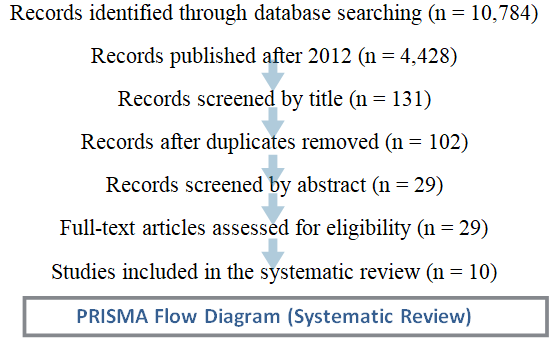
Study selection proceeded as illustrated in the PRISMA flow diagram. Records identified through database searching included Google Scholar (n = 4,031), Scopus (n = 259), and Medline/PubMed (n = 175). After removal of duplicates, 8,503 records remained for screening.
Titles and abstracts of 102 records were screened, leading to the exclusion of 83 articles that did not meet the predefined eligibility criteria. The full texts of the remaining 19 articles were assessed for eligibility, and 9 were excluded with documented reasons. Ultimately, the studies that fulfilled all inclusion criteria were retained and incorporated into the qualitative synthesis.

Study characteristics
A total of 10 studies were included. The types of studies included were: 4 Case-Control studies, 4 Observational studies (including cross-sectional), 1 Pilot study, and 1 Case report. The primary detection methods were DNA probes and the Polymerase Chain Reaction (PCR).
The characteristics of the included studies are detailed in the table below:
Risk of bias in included studies
The quality assessment of included studies showed that 8 studies were judged to be at Low risk of bias. Two studies (Díaz-Faes et al., 2022, and Al Yahfoufi Z., 2017) were judged to be at High risk of bias. The high risk of bias was often attributed to inadequate randomization and/or incomplete follow-up. The assessment focused on selection bias, performance bias, detection bias, attrition bias, and selective reporting bias.
Results of analysis
The synthesis of the 10 included studies established evidence for the intrafamilial transmission of key periodontal pathogens, Aa and Pg. Studies focusing on vertical transmission emphasized that the saliva is the most important vehicle for oral microorganism transfer.
• Vertical Transmission (Parent-Child): The transmission of Aa is significant, with children having a risk 16.3 times higher of being colonized if a parent is positive for Aa. Children in generalized aggressive periodontitis (GAP) families showed a higher detection rate of Aa (90%) compared to healthy families (45%). Studies also showed that P.gingivalis DNA copies in newborns’ saliva were equivalent to those in the mothers’ saliva, providing clear evidence of vertical transmission of Pg.
• Horizontal Transmission (Spousal/Cohabitants): Horizontal transmission of periodontal pathogens was confirmed among spouses. The presence of periodontitis in one partner is considered a strong indicator of colonization risk for the spouse. Estimated horizontal transmission rates range between 14% and 60% for Aa and 30% and 75% for Pg.
Table 2. Articles included, classified according to author name, title, and PICO framework
Summary of Evidence (PRISMA Item 24)
This systematic review aimed to examine the familial aggregation of periodontitis and evaluate the evidence for the intrafamilial transmission of Aa and Pg.
1. Microbiology of Periodontitis: Role of Key Pathogens
The etiology of periodontal disease is complex but is intrinsically linked to the presence of a dysbiotic subgingival biofilm 9. The two major pathogens highlighted in this review are Aggregatibacter actinomycetemcomitans (Aa) and Porphyromonas gingivalis (Pg), whose presence is strongly associated with the onset and progression of periodontitis 10, 11, 15.
A. actinomycetemcomitans: The Role of the JP2 Clone
Aa is a Gram-negative facultative anaerobic bacillus particularly implicated in localized aggressive periodontitis (LAP). One of the most significant findings regarding its virulence is the identification of a specific variant: the JP2 clone 10, 12. This clone, highly prevalent among Moroccan adolescents, is characterized by a 530-base pair deletion in the promoter region of the leukotoxin gene, resulting in markedly increased leukotoxin activity and an enhanced ability to interfere with innate immune defenses 35. Longitudinal studies conducted in Morocco have demonstrated that individuals carrying the JP2 clone alone have a relative risk of clinical attachment loss of 18.0, markedly higher than those carrying non-JP2 clones (RR 3.0). The high pathogenic potential of the JP2 clone makes it a crucial marker for early risk assessment in populations where it is endemic 32.
Porphyromonas gingivalis: Virulence Factors and Host Response
Pg, a Gram-negative obligate anaerobe, is considered a primary etiologic agent of periodontitis. Its virulence factors, including fimbriae and proteases such as gingipains, play key roles in subverting host immune defenses 4. Lipopolysaccharide (Pg-LPS] is another major component contributing to inflammation. The tissue-destructive mechanisms induced by Pg involve programmed cell death (PCD) in gingival epithelial cells, regulated by pathogen recognition receptors (PRRs) such as NLRP6. NLRP6 expression is upregulated in the epithelium of periodontitis patients, leading to pyroptosis 36, 37. Notably, this response requires the whole bacterium: stimulation of epithelial cells with Pg-LPS alone does not activate NLRP6 expression at the mRNA or protein levels, nor does it induce pyroptosis 38. This suggests that the activation of this inflammatory pathway depends on additional virulence factors or the combined action of the intact bacterium rather than on LPS alone 40.
- Intrafamilial Transmission and Biogeographic Interactions
The review included ten studies, primarily using PCR and DNA probes, which confirmed both horizontal and vertical transmission of periodontal pathogens (Aa and Pg) 44.
Ø Vertical Transmission (Parent-to-Child)
Vertical transmission from mother to child is considered the main route of acquisition for these microorganisms 45. Several studies support this concept:
A significant correlation was observed between the amount of Pg in the saliva of mothers with chronic periodontitis and that of their newborns, sampled within 48 hours after birth, excluding other early environmental factors 61, 62.
For Aa, children with a parent carrying the bacterium had a 16.3-fold higher risk of infection. Saliva is identified as the primary vehicle for the transmission of oral microorganisms 63, 64.
Ø Horizontal Transmission (Spouses and Cohabitants)
Horizontal transmission, particularly between spouses, has also been documented. Statistical analyses reveal a high correlation between the microbiological profiles of married couples 65, 70. The same FimA genotype of Pg was detected in 55% of couples studied. FimA, a fimbrial protein, is a virulence factor whose genotype is closely linked to the pathogenic potential and inter-spousal transmission of Pg 66. Additionally, the sharing of food and utensils has been identified as a potential route for horizontal transmission of Aa within families.
Local Microbial Interactions: Spatial Competition
Beyond interpersonal transmission, the survival and pathogenic potential of Aa and Pg also depend on their spatial interactions within subgingival biofilms at the micro- and nanoscale 67. Although Aa and Pg may co-occur at destructive periodontal sites, biochemical competition exists:
In vitro studies suggest that Pg gingipains can promote the detachment of Aa from hard surfaces and inhibit its aggregation within the biofilm, indicating that Pg may actively exclude Aa from specific ecological niches [78,81], .
Conversely, Aa exhibits complex “fight-and-flight” mechanisms in response to other commensals such as Streptococcus gordonii. Aa utilizes lactate produced by S. gordonii for growth while producing dispersin B and catalases to neutralize H2O2 generated by S. gordonii, maintaining a safe distance while maximizing nutritional benefits 70.
4.1. Limitations and Perspectives (PRISMA Item 25)This systematic review, although limited by a final corpus of 10 studies over ten years, confirms the crucial role of familial factors in the etiology and prevention of periodontal diseases. Eight studies presented a low risk of bias, while two (Díaz-Faes et al. and Al Yahfoufi Z.) had a high risk due to inadequate randomization and/or incomplete follow-up 66.
In conclusion, the presence of periodontal pathogens (Aa and Pg) within families appears necessary but not sufficient to trigger periodontal disease. Genetic, environmental, and behavioral factors are essential co-factors. The complex pathogenic roles of Aa and Pg are further illustrated by highly virulent variants such as the JP2 clone and the requirement of host innate immune activation, which is not triggered by Pg-LPS alone 55. Larger studies, particularly in Morocco—given the high prevalence of aggressive periodontitis and the Aa JP2 clone—are needed to better understand transmission mechanisms and to develop effective prevention strategies 54. Studying the complex microbial interactions, including the antagonistic effect of Pg gingipains on Aa, is essential for decoding how these pathogens coexist, compete, or synergize to disrupt microbiota homeostasis and initiate disease 63.
Clinical implication & Future Research (PRISMA Item 26)
Clinical Implications:
• Given the proven vertical and horizontal transmission risks, prevention must target not only patients with periodontitis but also their entourage.
• Children whose parents suffer from periodontitis are considered high risk and must be evaluated and monitored as early as possible. Early diagnosis is key to minimizing attachment loss and ensuring predictable treatment outcomes.
• The dental professional must conduct a detailed anamnesis (history taking) to identify potential risk factors, including family history and habits (e.g., sharing utensils). Measures such as rigorous oral hygiene and the use of individual cutlery should be recommended to minimize bacterial transmission.
• Saliva testing for periodontopathogenic bacteria (Aa and Pg) is particularly important in children, serving as a risk indicator for transmission and subsequent disease development.
Future Research: There remain many unanswered questions regarding the exact relationship between pathogen transmission and the development of periodontitis. It is essential to conduct multiple studies on larger populations to fully understand the transmission mechanisms and develop effective prevention and treatment strategies. Given the high prevalence of aggressive periodontitis and the highly leukotoxic JP2 clone of Aa in populations such as Moroccan adolescents, further large-scale studies should be conducted in these specific areas.
| [1] | Nath S, Poirier B, Ju X, Kapellas K, Haag D, Jamieson L. , Periodontal disease inequities among Indigenous populations: A systematic review and meta-analysis. J Periodontal Res. 2022; 57(1): 11-29. | ||
| In article | View Article PubMed | ||
| [2] | Kissa J, Albandar JM, El Houari B, Khlil N, Amine K, Chemlali S, Mikou S, et al. National survey of periodontal diseases in adolescents and young adults in Morocco. J Clin Periodontol. 2022; 49(5): 439‐47. | ||
| In article | View Article PubMed | ||
| [3] | Kesić L, Petrovic M, Radmila O, Pejcic A., The importance of aggregatibacter actinomycetemcomitans in etiology of periodontal diseasE - MINI REVIEW. Acta Medica Median. 1 Oct 2009; 48. | ||
| In article | |||
| [4] | Gholizadeh P, Pormohammad A, Eslami H, Shokouhi B, Fakhrzadeh V, Kafil HS. Oral pathogenesis of Aggregatibacter actinomycetemcomitans. Microb Pathog. 1 déc 2017; 113: 303‐11. | ||
| In article | View Article PubMed | ||
| [5] | Mysak J, Podzimek S, Sommerova P, Lyuya-Mi Y, Bartova J, Janatova T, et al. Porphyromonas gingivalis: Major Periodontopathic Pathogen Overview. J Immunol Res. 25 mars 2014; 2014: e476068. | ||
| In article | View Article PubMed | ||
| [6] | Dewhirst FE, Chen T, Izard J, Paster BJ, Tanner ACR, Yu WH, et al., The Human Oral Microbiome. J Bacteriol. oct 2010; 192(19): 5002‐17. | ||
| In article | View Article PubMed | ||
| [7] | Sizar O, Leslie SW, Unakal CG., Gram-Positive Bacteria. In: StatPearls. StatPearls Publishing, Treasure Island (FL); 2023. PMID: 29261915. | ||
| In article | |||
| [8] | Costerton WJ, Wilson M., Introducing Biofilms. Biofilms. janv 2004; 1(1): 1‐4. | ||
| In article | View Article | ||
| [9] | Löe H, Theilade E, Jensen SB., Experimental Gingivitis in Man. J Periodontol. 1965; 36(3): 177‐87. | ||
| In article | View Article PubMed | ||
| [10] | Newman MG, Socransky SS, Savitt ED, Propas DA, Crawford A., Studies of the Microbiology of Periodontosis. J Periodontol. 1976; 47(7): 373‐9. | ||
| In article | View Article PubMed | ||
| [11] | Van der Velden U., What exactly distinguishes aggressive from chronic periodontitis: is it mainly a difference in the degree of bacterial invasiveness? Periodontol 2000. 2017; 75(1): 24‐44. | ||
| In article | View Article PubMed | ||
| [12] | Moore WEC, Moore L VH., The bacteria of periodontal diseases. Periodontol 2000. 1994; 5(1): 66‐77. | ||
| In article | View Article PubMed | ||
| [13] | Abdallaoui L, Bouziane A, Ennibi OK., Evolution of concepts in periodontology. Part 1: Evolution of etiopathogenic concepts. Rev Odontostomatol-PARIS-. 2007; 36(2): 87. | ||
| In article | |||
| [14] | Socransky SS, Haffajee AD, Cugini MA, Smith C, Kent RL., Microbial complexes in subgingival plaque. J Clin Periodontol. févr 1998; 25(2): 134‐44. | ||
| In article | View Article PubMed | ||
| [15] | Socransky SS, Haffajee AD., Periodontal microbial ecology. Periodontol 2000. juin 2005; 38(1): 135‐87. | ||
| In article | View Article PubMed | ||
| [16] | Ennibi OK, Benrachadi L, Bouziane A, Haubek D, Poulsen K., The highly leukotoxic JP2 clone of Aggregatibacter actinomycetemcomitans in localized and generalized forms of aggressive periodontitis. Acta Odontol Scand. 1 juill 2012; 70(4): 318‐22. | ||
| In article | View Article PubMed | ||
| [17] | Höglund Åberg C, Kwamin F, Claesson R, Dahlén G, Johansson A, Haubek D. Progression of attachment loss is strongly associated with presence of the JP2 genotype of Aggregatibacter actinomycetemcomitans: a prospective cohort study of a young adolescent population. J Clin Periodontol. 2014; 41(3): 232‐41. | ||
| In article | View Article PubMed | ||
| [18] | Fine DH, Markowitz K, Furgang D, Fairlie K, Ferrandiz J, Nasri C, et al., Aggregatibacter actinomycetemcomitans and Its Relationship to Initiation of Localized Aggressive Periodontitis: Longitudinal Cohort Study of Initially Healthy Adolescents. J Clin Microbiol. déc 2007; 45(12): 3859‐69. | ||
| In article | View Article PubMed | ||
| [19] | Al-Shibani N, Windsor LJ. , Effects of Porphyromonas gingivalis on human gingival fibroblasts from healthy and inflamed tissues. J Periodontal Res. 2008; 43(4): 465‐70. | ||
| In article | View Article PubMed | ||
| [20] | Jain S, Darveau RP. Contribution of Porphyromonas gingivalis lipopolysaccharide to periodontitis. Periodontol 2000. oct 2010; 54(1): 53‐70. | ||
| In article | View Article PubMed | ||
| [21] | How KY, Song KP, Chan KG. Porphyromonas dingivalis: an overview of periodontopathic pathogen below the gum line. Front Microbiol. 2016; 7: 53. | ||
| In article | View Article PubMed | ||
| [22] | Park OJ, Yi H, Jeon JH, Kang SS, Koo KT, Kum KY, et al., Pyrosequencing, Analysis of Subgingival Microbiota in Distinct Periodontal Conditions. J Dent Res. juill 2015; 94(7): 921‐7. | ||
| In article | View Article PubMed | ||
| [23] | Oliveira RRDS, Fermiano D, Feres M, Figueiredo LC, Teles FRF, Soares GMS, et al. , Levels of Candidate Periodontal Pathogens in Subgingival Biofilm. J Dent Res. juin 2016; 95(6): 711‐8. | ||
| In article | View Article PubMed | ||
| [24] | Shi M, Wei Y, Hu W, Nie Y, Wu X, Lu R., The subgingival microbiome of periodontal pockets with different probing depths in chronic and aggressive periodontitis: a pilot study. Front Cell Infect Microbiol. 2018; 8: 124. | ||
| In article | View Article PubMed | ||
| [25] | Xu W, Zhou W, Wang H, Liang S., Roles of Porphyromonas gingivalis and its virulence factors in periodontitis. Adv. Protein Chem. Struct. Biol. 2020, 120, 45–84. | ||
| In article | View Article PubMed | ||
| [26] | Hajishengallis G, Darveau RP, Curtis MA. , The keystone-pathogen hypothesis. Nat Rev Microbiol. oct 2012; 10(10): 717‐25. | ||
| In article | View Article PubMed | ||
| [27] | Armitage GC., Development of a Classification System for Periodontal Diseases and Conditions. Ann Periodontol. 1999; 4(1): 1‐6. | ||
| In article | View Article PubMed | ||
| [28] | Papapanou PN, Sanz M, Buduneli N, Dietrich T, Feres M, Fine DH, et al., Periodontitis: Consensus report of workgroup 2 of the 2017 World Workshop on the Classification of Periodontal and Peri-Implant Diseases and Conditions: Classification and case definitions for periodontitis. J Periodontol. juin 2018; 89: S173‐82. | ||
| In article | |||
| [29] | Teughels W, Feres M, Ganesan SM, Gidley MD, Hernandez-Kapila YL, Jakubovics NS. , Biofilm and periodontal microbiology. In: Newman and Carranza’s Clinical Periodontology and Implantology. Elsevier Inc; 2023. p. 129-162. e16. | ||
| In article | |||
| [30] | Donos N., The periodontal pocket. Periodontol 2000. 2018; 76(1): 7‐15. | ||
| In article | View Article PubMed | ||
| [31] | Szkaradkiewicz AK, Karpinski TM. , Microbiology of chronic periodontitis J Biol Earth Sc, 3 (2013), pp. M14-M20 | ||
| In article | |||
| [32] | Haubek D., The highly leukotoxic JP2 clone of Aggregatibacter actinomycetemcomitans: evolutionary aspects, epidemiology and etiological role in aggressive periodontitis. APMIS Suppl. sept 2010; (130): 1‐53. | ||
| In article | View Article PubMed | ||
| [33] | Darveau RP., Periodontitis: a polymicrobial disruption of host homeostasis. Nat Rev Microbiol. juill 2010; 8(7): 481‐90. | ||
| In article | View Article PubMed | ||
| [34] | Peyyala R, Kirakodu SS, Novak KF, Ebersole JL. Oral microbial biofilm stimulation of epithelial cell responses. Cytokine. 1 avr 2012; 58(1): 65‐72. | ||
| In article | View Article PubMed | ||
| [35] | Fine DH, Markowitz K, Fairlie K, Tischio-Bereski D, Ferrendiz J, Furgang D, et al, A Consortium of Aggregatibacter actinomycetemcomitans, Streptococcus parasanguinis, and Filifactor alocis Is Present in Sites Prior to Bone Loss in a Longitudinal Study of Localized Aggressive Periodontitis. J Clin Microbiol. 21 déc 2020; 51(9): 2850‐61. | ||
| In article | View Article PubMed | ||
| [36] | Tonetti MS, Mombelli A., Early-Onset Periodontitis. Ann Periodontol. 1999; 4(1): 39‐52. | ||
| In article | View Article PubMed | ||
| [37] | Bouchard P., Parodontologie & dentisterie implantaire. Lavoisier-Médecine sciences; 2015. | ||
| In article | |||
| [38] | Harvey JD., Periodontal Microbiology. Dent Clin North Am. avr 2017; 61(2): 253‐69. | ||
| In article | View Article PubMed | ||
| [39] | Tamura K, Nakano K, Hayashibara T, Nomura R, Fujita K, Shintani S, et al., Distribution of 10 periodontal bacteria in saliva samples from Japanese children and their mothers. Arch Oral Biol. 1 mai 2006; 51(5): 371‐7. | ||
| In article | View Article PubMed | ||
| [40] | Vieira AR, Albandar JM., Role of genetic factors in the pathogenesis of aggressive periodontitis. Periodontol 2000. juin 2014; 65(1): 92‐106. | ||
| In article | View Article PubMed | ||
| [41] | Díaz-Faes L, Soriano-Lerma A, Magan-Fernandez A, López M, Gijon J, García-Salcedo JA, et al., Structural and functional microbial patterns in cohabitating family members with history of periodontitis. Oral Dis. 2022; 28(3): 824‐8. | ||
| In article | View Article PubMed | ||
| [42] | Reis AA, Paz HE de S, Monteiro M de F, Casati MZ, Steiner-Oliveira C, Pascon FM, et al., Early Manifestation of Periodontal Disease in Children and Its Association with Familial Aggregation. J Dent Child Chic Ill. 15 mai 2021; 88(2): 140‐3. | ||
| In article | |||
| [43] | Adhikari K, Saimbi CS, Gupta BP., Estimation of Transmission of Porphyromonas Gingivalis from Mother to Child through Saliva. JNMA J Nepal Med Assoc. 2018; 56(212): 781‐6. | ||
| In article | View Article PubMed | ||
| [44] | Al Yahfoufi Z., Prevalence of Periodontal Destruction and Putative Periodontal Pathogens in the Same Lebanese Family. J Contemp Dent Pract. 1 oct 2017; 18(10): 970‐6. | ||
| In article | View Article PubMed | ||
| [45] | Kobayashi N, Ishihara K, Sugihara N, Kusumoto M, Yakushiji M, Okuda K., Colonization pattern of periodontal bacteria in Japanese children and their mothers. J Periodontal Res. 2008; 43(2): 156‐61. | ||
| In article | View Article PubMed | ||
| [46] | Monteiro M de F, Casati MZ, Taiete T, Vale HF do, Nociti FH, Sallum EA, et al., Periodontal clinical and microbiological characteristics in healthy versus generalized aggressive periodontitis families. J Clin Periodontol. oct 2015; 42(10): 914‐21. | ||
| In article | View Article PubMed | ||
| [47] | Feng X, Zhu L, Xu L, Meng H, Zhang L, Ren X, et al., Distribution of 8 periodontal microorganisms in family members of Chinese patients with aggressive periodontitis. Arch Oral Biol. mars 2015; 60(3): 400‐7. | ||
| In article | View Article PubMed | ||
| [48] | Haubek D, Ismaili Z, Poulsen S, Ennibi OK, Benzarti N, Baelum V., Association between sharing of toothbrushes, eating and drinking habits and the presence of Actinobacillus actinomycetemcomitans in Moroccan adolescents. Oral Microbiol Immunol. 2005; 20(4): 195‐8. | ||
| In article | View Article PubMed | ||
| [49] | Balasouli C, Fragkou S, Argyropoulou A, Tsuzukibashi O, Menexes G, Kotsanos N, et al., Aggregatibacter actinomycetemcomitans (Aa) in Dental Pl. Arch Clin Microbiol. 2015; 6(4). | ||
| In article | |||
| [50] | Sakellari D, Katsikari A, Slini T, Ioannidis I, Konstantinidis A, Arsenakis M. , Prevalence and distribution of Aggregatibacter actinomycetemcomitans serotypes and the JP2 clone in a Greek population. J Clin Periodontol. 2011; 38(2): 108‐14. | ||
| In article | View Article PubMed | ||
| [51] | Haubek D, Dirienzo JM, Tinoco EM, Westergaard J, López NJ, Chung CP, et al., Racial tropism of a highly toxic clone of Actinobacillus actinomycetemcomitans associated with juvenile periodontitis. J Clin Microbiol. déc 1997; 35(12): 3037‐42. | ||
| In article | View Article PubMed | ||
| [52] | Monteiro MF, Casati MZ, Taiete T, Sallum EA, Nociti FH, Ruiz KG, et al., Salivary carriage of periodontal pathogens in generalized aggressive periodontitis families. Int J Paediatr Dent. mars 2014; 24(2): 113‐21. | ||
| In article | View Article PubMed | ||
| [53] | Asikainen S, Alaluusua S, Saxén L. , Recovery of A. actinomycetemcomitans from teeth, tongue, and saliva. J Periodontol. mars 1991; 62(3): 203‐6. | ||
| In article | View Article PubMed | ||
| [54] | Rosa OP da S, Silva SMB da, Costa B, Torres SA, Passanezi E. , Periodontopathogens in the saliva and subgingival dental plaque of a group of mothers. Pesqui Odontológica Bras. déc 2002; 16: 313‐8. | ||
| In article | View Article PubMed | ||
| [55] | Asikainen S, Chen C, Alaluusua S, Slots J., CAN One acquire periodontal bacteria and periodontitis from a family member? J Am Dent Assoc. 1 sept 1997; 128(9): 1263‐71. | ||
| In article | View Article PubMed | ||
| [56] | Reddahi S, Bouziane A, Rida S, Tligui H, Ennibi O. , Salivary Biomarkers in Periodontitis Patients: A Pilot Study. Int J Dent. 24 mars 2022; 2022: e3664516. | ||
| In article | View Article PubMed | ||
| [57] | Miller CS, Foley JD, Bailey AL, Campell CL, Humphries RL, Christodoulides N, et al. , Current developments in salivary diagnostics. Biomark Med. févr 2010; 4(1): 171‐89. | ||
| In article | View Article PubMed | ||
| [58] | Belcheva MD, Kiselova-Yaneva A, Krasteva A., Transmission of Porphyromonas gingivalis from caregivers to children. J IMAB – Annu Proceeding Sci Pap. 8 mars 2012; 18(2): 157‐62. | ||
| In article | View Article | ||
| [59] | Lee Y, Tchaou WSS, Welch KB, Loesche WJ. , The transmission of BANA-positive periodontal bacterial species from caregivers to children. J Am Dent Assoc. 1 nov 2006; 137(11): 1539‐46. | ||
| In article | View Article PubMed | ||
| [60] | Umeda M, Miwa Z, Takeuchi Y, Ishizuka M, Huang Y, Noguchi K, et al., The distribution of periodontopathic bacteria among Japanese children and their parents. J Periodontal Res. 2004; 39(6): 398‐404. | ||
| In article | View Article PubMed | ||
| [61] | Van Winkelhoff AJ, Boutaga K., Transmission of periodontal bacteria and models of infection. J Clin Periodontol. 2005; 32(s6): 16‐27. | ||
| In article | View Article PubMed | ||
| [62] | van Steenbergen TJ, Petit MD, Scholte LH, van der Velden U, de Graaff J. , Transmission of Porphyromonas gingivalis between spouses. J Clin Periodontol. mai 1993; 20(5): 340‐5. | ||
| In article | View Article PubMed | ||
| [63] | Petit MDA, Van Steenbergen TJM, De Graaff J, Van der Velden U., Transmission of Actinobacillus actinomycetemcomitans in families of adult periodontitis patients. J Periodontal Res. 1993; 28(5): 335‐45. | ||
| In article | View Article PubMed | ||
| [64] | Martelli FS, Mengoni A, Martelli M, Rosati C, Fanti E. , Comparison of periodontal microbiological patterns in Italian spouses. Ig E Sanita Pubblica. 1 juill 2012; 68(4): 589‐99. | ||
| In article | |||
| [65] | Asano H, Ishihara K, Nakagawa T, Yamada S, Okuda K., Relationship Between Transmission of Porphyromonas gingivalis and fimA Type in Spouses. J Periodontol. 2003; 74(9): 1355‐60. | ||
| In article | View Article PubMed | ||
| [66] | Sakai VT, Oliveira TM, Silva TC, Moretti ABS, Geller-Palti D, Biella VA, et al. , Knowledge and attitude of parents or caretakers regarding transmissibility os caries disease. J Appl Oral Sci. avr 2008; 16: 150‐4. | ||
| In article | View Article PubMed | ||
| [67] | Patini R, Staderini E, Lajolo C, Lopetuso L, Mohammed H, Rimondini L, et al. Relationship between oral microbiota and periodontal disease: a systematic review. Eur Rev Med Pharmacol Sci. 24 sept 2018; 22: 5775‐88. | ||
| In article | |||
| [68] | Macchion Shaddox L, Miller K. Periodontal disease in children and adolescents: A masked reality. Pediatr Dent Care Open Access. 2016; 2(1). | ||
| In article | |||
| [69] | Miller KAFS, Branco-de-Almeida LS, Wolf S, Hovencamp N, Treloar T, Harrison P, et al. Long-term clinical response to treatment and maintenance of localized aggressive periodontitis: a cohort study. J Clin Periodontol. 2017; 44(2): 158‐68. | ||
| In article | View Article PubMed | ||
| [70] | Kulekci G, Leblebicioglu B, Keskin F, Ciftci S, Badur S. Salivary detection of periodontopathic bacteria in periodontally healthy children. Anaerobe. 1 févr 2008; 14(1): 49‐54. | ||
| In article | View Article PubMed | ||
Published with license by Science and Education Publishing, Copyright © 2026 Mikou S., Boudraa I., Boubdir S., Chelhaoui N., Chemlali S., Khlil N. and Kissa J.
 This work is licensed under a Creative Commons Attribution 4.0 International License. To view a copy of this license, visit
http://creativecommons.org/licenses/by/4.0/
This work is licensed under a Creative Commons Attribution 4.0 International License. To view a copy of this license, visit
http://creativecommons.org/licenses/by/4.0/
| [1] | Nath S, Poirier B, Ju X, Kapellas K, Haag D, Jamieson L. , Periodontal disease inequities among Indigenous populations: A systematic review and meta-analysis. J Periodontal Res. 2022; 57(1): 11-29. | ||
| In article | View Article PubMed | ||
| [2] | Kissa J, Albandar JM, El Houari B, Khlil N, Amine K, Chemlali S, Mikou S, et al. National survey of periodontal diseases in adolescents and young adults in Morocco. J Clin Periodontol. 2022; 49(5): 439‐47. | ||
| In article | View Article PubMed | ||
| [3] | Kesić L, Petrovic M, Radmila O, Pejcic A., The importance of aggregatibacter actinomycetemcomitans in etiology of periodontal diseasE - MINI REVIEW. Acta Medica Median. 1 Oct 2009; 48. | ||
| In article | |||
| [4] | Gholizadeh P, Pormohammad A, Eslami H, Shokouhi B, Fakhrzadeh V, Kafil HS. Oral pathogenesis of Aggregatibacter actinomycetemcomitans. Microb Pathog. 1 déc 2017; 113: 303‐11. | ||
| In article | View Article PubMed | ||
| [5] | Mysak J, Podzimek S, Sommerova P, Lyuya-Mi Y, Bartova J, Janatova T, et al. Porphyromonas gingivalis: Major Periodontopathic Pathogen Overview. J Immunol Res. 25 mars 2014; 2014: e476068. | ||
| In article | View Article PubMed | ||
| [6] | Dewhirst FE, Chen T, Izard J, Paster BJ, Tanner ACR, Yu WH, et al., The Human Oral Microbiome. J Bacteriol. oct 2010; 192(19): 5002‐17. | ||
| In article | View Article PubMed | ||
| [7] | Sizar O, Leslie SW, Unakal CG., Gram-Positive Bacteria. In: StatPearls. StatPearls Publishing, Treasure Island (FL); 2023. PMID: 29261915. | ||
| In article | |||
| [8] | Costerton WJ, Wilson M., Introducing Biofilms. Biofilms. janv 2004; 1(1): 1‐4. | ||
| In article | View Article | ||
| [9] | Löe H, Theilade E, Jensen SB., Experimental Gingivitis in Man. J Periodontol. 1965; 36(3): 177‐87. | ||
| In article | View Article PubMed | ||
| [10] | Newman MG, Socransky SS, Savitt ED, Propas DA, Crawford A., Studies of the Microbiology of Periodontosis. J Periodontol. 1976; 47(7): 373‐9. | ||
| In article | View Article PubMed | ||
| [11] | Van der Velden U., What exactly distinguishes aggressive from chronic periodontitis: is it mainly a difference in the degree of bacterial invasiveness? Periodontol 2000. 2017; 75(1): 24‐44. | ||
| In article | View Article PubMed | ||
| [12] | Moore WEC, Moore L VH., The bacteria of periodontal diseases. Periodontol 2000. 1994; 5(1): 66‐77. | ||
| In article | View Article PubMed | ||
| [13] | Abdallaoui L, Bouziane A, Ennibi OK., Evolution of concepts in periodontology. Part 1: Evolution of etiopathogenic concepts. Rev Odontostomatol-PARIS-. 2007; 36(2): 87. | ||
| In article | |||
| [14] | Socransky SS, Haffajee AD, Cugini MA, Smith C, Kent RL., Microbial complexes in subgingival plaque. J Clin Periodontol. févr 1998; 25(2): 134‐44. | ||
| In article | View Article PubMed | ||
| [15] | Socransky SS, Haffajee AD., Periodontal microbial ecology. Periodontol 2000. juin 2005; 38(1): 135‐87. | ||
| In article | View Article PubMed | ||
| [16] | Ennibi OK, Benrachadi L, Bouziane A, Haubek D, Poulsen K., The highly leukotoxic JP2 clone of Aggregatibacter actinomycetemcomitans in localized and generalized forms of aggressive periodontitis. Acta Odontol Scand. 1 juill 2012; 70(4): 318‐22. | ||
| In article | View Article PubMed | ||
| [17] | Höglund Åberg C, Kwamin F, Claesson R, Dahlén G, Johansson A, Haubek D. Progression of attachment loss is strongly associated with presence of the JP2 genotype of Aggregatibacter actinomycetemcomitans: a prospective cohort study of a young adolescent population. J Clin Periodontol. 2014; 41(3): 232‐41. | ||
| In article | View Article PubMed | ||
| [18] | Fine DH, Markowitz K, Furgang D, Fairlie K, Ferrandiz J, Nasri C, et al., Aggregatibacter actinomycetemcomitans and Its Relationship to Initiation of Localized Aggressive Periodontitis: Longitudinal Cohort Study of Initially Healthy Adolescents. J Clin Microbiol. déc 2007; 45(12): 3859‐69. | ||
| In article | View Article PubMed | ||
| [19] | Al-Shibani N, Windsor LJ. , Effects of Porphyromonas gingivalis on human gingival fibroblasts from healthy and inflamed tissues. J Periodontal Res. 2008; 43(4): 465‐70. | ||
| In article | View Article PubMed | ||
| [20] | Jain S, Darveau RP. Contribution of Porphyromonas gingivalis lipopolysaccharide to periodontitis. Periodontol 2000. oct 2010; 54(1): 53‐70. | ||
| In article | View Article PubMed | ||
| [21] | How KY, Song KP, Chan KG. Porphyromonas dingivalis: an overview of periodontopathic pathogen below the gum line. Front Microbiol. 2016; 7: 53. | ||
| In article | View Article PubMed | ||
| [22] | Park OJ, Yi H, Jeon JH, Kang SS, Koo KT, Kum KY, et al., Pyrosequencing, Analysis of Subgingival Microbiota in Distinct Periodontal Conditions. J Dent Res. juill 2015; 94(7): 921‐7. | ||
| In article | View Article PubMed | ||
| [23] | Oliveira RRDS, Fermiano D, Feres M, Figueiredo LC, Teles FRF, Soares GMS, et al. , Levels of Candidate Periodontal Pathogens in Subgingival Biofilm. J Dent Res. juin 2016; 95(6): 711‐8. | ||
| In article | View Article PubMed | ||
| [24] | Shi M, Wei Y, Hu W, Nie Y, Wu X, Lu R., The subgingival microbiome of periodontal pockets with different probing depths in chronic and aggressive periodontitis: a pilot study. Front Cell Infect Microbiol. 2018; 8: 124. | ||
| In article | View Article PubMed | ||
| [25] | Xu W, Zhou W, Wang H, Liang S., Roles of Porphyromonas gingivalis and its virulence factors in periodontitis. Adv. Protein Chem. Struct. Biol. 2020, 120, 45–84. | ||
| In article | View Article PubMed | ||
| [26] | Hajishengallis G, Darveau RP, Curtis MA. , The keystone-pathogen hypothesis. Nat Rev Microbiol. oct 2012; 10(10): 717‐25. | ||
| In article | View Article PubMed | ||
| [27] | Armitage GC., Development of a Classification System for Periodontal Diseases and Conditions. Ann Periodontol. 1999; 4(1): 1‐6. | ||
| In article | View Article PubMed | ||
| [28] | Papapanou PN, Sanz M, Buduneli N, Dietrich T, Feres M, Fine DH, et al., Periodontitis: Consensus report of workgroup 2 of the 2017 World Workshop on the Classification of Periodontal and Peri-Implant Diseases and Conditions: Classification and case definitions for periodontitis. J Periodontol. juin 2018; 89: S173‐82. | ||
| In article | |||
| [29] | Teughels W, Feres M, Ganesan SM, Gidley MD, Hernandez-Kapila YL, Jakubovics NS. , Biofilm and periodontal microbiology. In: Newman and Carranza’s Clinical Periodontology and Implantology. Elsevier Inc; 2023. p. 129-162. e16. | ||
| In article | |||
| [30] | Donos N., The periodontal pocket. Periodontol 2000. 2018; 76(1): 7‐15. | ||
| In article | View Article PubMed | ||
| [31] | Szkaradkiewicz AK, Karpinski TM. , Microbiology of chronic periodontitis J Biol Earth Sc, 3 (2013), pp. M14-M20 | ||
| In article | |||
| [32] | Haubek D., The highly leukotoxic JP2 clone of Aggregatibacter actinomycetemcomitans: evolutionary aspects, epidemiology and etiological role in aggressive periodontitis. APMIS Suppl. sept 2010; (130): 1‐53. | ||
| In article | View Article PubMed | ||
| [33] | Darveau RP., Periodontitis: a polymicrobial disruption of host homeostasis. Nat Rev Microbiol. juill 2010; 8(7): 481‐90. | ||
| In article | View Article PubMed | ||
| [34] | Peyyala R, Kirakodu SS, Novak KF, Ebersole JL. Oral microbial biofilm stimulation of epithelial cell responses. Cytokine. 1 avr 2012; 58(1): 65‐72. | ||
| In article | View Article PubMed | ||
| [35] | Fine DH, Markowitz K, Fairlie K, Tischio-Bereski D, Ferrendiz J, Furgang D, et al, A Consortium of Aggregatibacter actinomycetemcomitans, Streptococcus parasanguinis, and Filifactor alocis Is Present in Sites Prior to Bone Loss in a Longitudinal Study of Localized Aggressive Periodontitis. J Clin Microbiol. 21 déc 2020; 51(9): 2850‐61. | ||
| In article | View Article PubMed | ||
| [36] | Tonetti MS, Mombelli A., Early-Onset Periodontitis. Ann Periodontol. 1999; 4(1): 39‐52. | ||
| In article | View Article PubMed | ||
| [37] | Bouchard P., Parodontologie & dentisterie implantaire. Lavoisier-Médecine sciences; 2015. | ||
| In article | |||
| [38] | Harvey JD., Periodontal Microbiology. Dent Clin North Am. avr 2017; 61(2): 253‐69. | ||
| In article | View Article PubMed | ||
| [39] | Tamura K, Nakano K, Hayashibara T, Nomura R, Fujita K, Shintani S, et al., Distribution of 10 periodontal bacteria in saliva samples from Japanese children and their mothers. Arch Oral Biol. 1 mai 2006; 51(5): 371‐7. | ||
| In article | View Article PubMed | ||
| [40] | Vieira AR, Albandar JM., Role of genetic factors in the pathogenesis of aggressive periodontitis. Periodontol 2000. juin 2014; 65(1): 92‐106. | ||
| In article | View Article PubMed | ||
| [41] | Díaz-Faes L, Soriano-Lerma A, Magan-Fernandez A, López M, Gijon J, García-Salcedo JA, et al., Structural and functional microbial patterns in cohabitating family members with history of periodontitis. Oral Dis. 2022; 28(3): 824‐8. | ||
| In article | View Article PubMed | ||
| [42] | Reis AA, Paz HE de S, Monteiro M de F, Casati MZ, Steiner-Oliveira C, Pascon FM, et al., Early Manifestation of Periodontal Disease in Children and Its Association with Familial Aggregation. J Dent Child Chic Ill. 15 mai 2021; 88(2): 140‐3. | ||
| In article | |||
| [43] | Adhikari K, Saimbi CS, Gupta BP., Estimation of Transmission of Porphyromonas Gingivalis from Mother to Child through Saliva. JNMA J Nepal Med Assoc. 2018; 56(212): 781‐6. | ||
| In article | View Article PubMed | ||
| [44] | Al Yahfoufi Z., Prevalence of Periodontal Destruction and Putative Periodontal Pathogens in the Same Lebanese Family. J Contemp Dent Pract. 1 oct 2017; 18(10): 970‐6. | ||
| In article | View Article PubMed | ||
| [45] | Kobayashi N, Ishihara K, Sugihara N, Kusumoto M, Yakushiji M, Okuda K., Colonization pattern of periodontal bacteria in Japanese children and their mothers. J Periodontal Res. 2008; 43(2): 156‐61. | ||
| In article | View Article PubMed | ||
| [46] | Monteiro M de F, Casati MZ, Taiete T, Vale HF do, Nociti FH, Sallum EA, et al., Periodontal clinical and microbiological characteristics in healthy versus generalized aggressive periodontitis families. J Clin Periodontol. oct 2015; 42(10): 914‐21. | ||
| In article | View Article PubMed | ||
| [47] | Feng X, Zhu L, Xu L, Meng H, Zhang L, Ren X, et al., Distribution of 8 periodontal microorganisms in family members of Chinese patients with aggressive periodontitis. Arch Oral Biol. mars 2015; 60(3): 400‐7. | ||
| In article | View Article PubMed | ||
| [48] | Haubek D, Ismaili Z, Poulsen S, Ennibi OK, Benzarti N, Baelum V., Association between sharing of toothbrushes, eating and drinking habits and the presence of Actinobacillus actinomycetemcomitans in Moroccan adolescents. Oral Microbiol Immunol. 2005; 20(4): 195‐8. | ||
| In article | View Article PubMed | ||
| [49] | Balasouli C, Fragkou S, Argyropoulou A, Tsuzukibashi O, Menexes G, Kotsanos N, et al., Aggregatibacter actinomycetemcomitans (Aa) in Dental Pl. Arch Clin Microbiol. 2015; 6(4). | ||
| In article | |||
| [50] | Sakellari D, Katsikari A, Slini T, Ioannidis I, Konstantinidis A, Arsenakis M. , Prevalence and distribution of Aggregatibacter actinomycetemcomitans serotypes and the JP2 clone in a Greek population. J Clin Periodontol. 2011; 38(2): 108‐14. | ||
| In article | View Article PubMed | ||
| [51] | Haubek D, Dirienzo JM, Tinoco EM, Westergaard J, López NJ, Chung CP, et al., Racial tropism of a highly toxic clone of Actinobacillus actinomycetemcomitans associated with juvenile periodontitis. J Clin Microbiol. déc 1997; 35(12): 3037‐42. | ||
| In article | View Article PubMed | ||
| [52] | Monteiro MF, Casati MZ, Taiete T, Sallum EA, Nociti FH, Ruiz KG, et al., Salivary carriage of periodontal pathogens in generalized aggressive periodontitis families. Int J Paediatr Dent. mars 2014; 24(2): 113‐21. | ||
| In article | View Article PubMed | ||
| [53] | Asikainen S, Alaluusua S, Saxén L. , Recovery of A. actinomycetemcomitans from teeth, tongue, and saliva. J Periodontol. mars 1991; 62(3): 203‐6. | ||
| In article | View Article PubMed | ||
| [54] | Rosa OP da S, Silva SMB da, Costa B, Torres SA, Passanezi E. , Periodontopathogens in the saliva and subgingival dental plaque of a group of mothers. Pesqui Odontológica Bras. déc 2002; 16: 313‐8. | ||
| In article | View Article PubMed | ||
| [55] | Asikainen S, Chen C, Alaluusua S, Slots J., CAN One acquire periodontal bacteria and periodontitis from a family member? J Am Dent Assoc. 1 sept 1997; 128(9): 1263‐71. | ||
| In article | View Article PubMed | ||
| [56] | Reddahi S, Bouziane A, Rida S, Tligui H, Ennibi O. , Salivary Biomarkers in Periodontitis Patients: A Pilot Study. Int J Dent. 24 mars 2022; 2022: e3664516. | ||
| In article | View Article PubMed | ||
| [57] | Miller CS, Foley JD, Bailey AL, Campell CL, Humphries RL, Christodoulides N, et al. , Current developments in salivary diagnostics. Biomark Med. févr 2010; 4(1): 171‐89. | ||
| In article | View Article PubMed | ||
| [58] | Belcheva MD, Kiselova-Yaneva A, Krasteva A., Transmission of Porphyromonas gingivalis from caregivers to children. J IMAB – Annu Proceeding Sci Pap. 8 mars 2012; 18(2): 157‐62. | ||
| In article | View Article | ||
| [59] | Lee Y, Tchaou WSS, Welch KB, Loesche WJ. , The transmission of BANA-positive periodontal bacterial species from caregivers to children. J Am Dent Assoc. 1 nov 2006; 137(11): 1539‐46. | ||
| In article | View Article PubMed | ||
| [60] | Umeda M, Miwa Z, Takeuchi Y, Ishizuka M, Huang Y, Noguchi K, et al., The distribution of periodontopathic bacteria among Japanese children and their parents. J Periodontal Res. 2004; 39(6): 398‐404. | ||
| In article | View Article PubMed | ||
| [61] | Van Winkelhoff AJ, Boutaga K., Transmission of periodontal bacteria and models of infection. J Clin Periodontol. 2005; 32(s6): 16‐27. | ||
| In article | View Article PubMed | ||
| [62] | van Steenbergen TJ, Petit MD, Scholte LH, van der Velden U, de Graaff J. , Transmission of Porphyromonas gingivalis between spouses. J Clin Periodontol. mai 1993; 20(5): 340‐5. | ||
| In article | View Article PubMed | ||
| [63] | Petit MDA, Van Steenbergen TJM, De Graaff J, Van der Velden U., Transmission of Actinobacillus actinomycetemcomitans in families of adult periodontitis patients. J Periodontal Res. 1993; 28(5): 335‐45. | ||
| In article | View Article PubMed | ||
| [64] | Martelli FS, Mengoni A, Martelli M, Rosati C, Fanti E. , Comparison of periodontal microbiological patterns in Italian spouses. Ig E Sanita Pubblica. 1 juill 2012; 68(4): 589‐99. | ||
| In article | |||
| [65] | Asano H, Ishihara K, Nakagawa T, Yamada S, Okuda K., Relationship Between Transmission of Porphyromonas gingivalis and fimA Type in Spouses. J Periodontol. 2003; 74(9): 1355‐60. | ||
| In article | View Article PubMed | ||
| [66] | Sakai VT, Oliveira TM, Silva TC, Moretti ABS, Geller-Palti D, Biella VA, et al. , Knowledge and attitude of parents or caretakers regarding transmissibility os caries disease. J Appl Oral Sci. avr 2008; 16: 150‐4. | ||
| In article | View Article PubMed | ||
| [67] | Patini R, Staderini E, Lajolo C, Lopetuso L, Mohammed H, Rimondini L, et al. Relationship between oral microbiota and periodontal disease: a systematic review. Eur Rev Med Pharmacol Sci. 24 sept 2018; 22: 5775‐88. | ||
| In article | |||
| [68] | Macchion Shaddox L, Miller K. Periodontal disease in children and adolescents: A masked reality. Pediatr Dent Care Open Access. 2016; 2(1). | ||
| In article | |||
| [69] | Miller KAFS, Branco-de-Almeida LS, Wolf S, Hovencamp N, Treloar T, Harrison P, et al. Long-term clinical response to treatment and maintenance of localized aggressive periodontitis: a cohort study. J Clin Periodontol. 2017; 44(2): 158‐68. | ||
| In article | View Article PubMed | ||
| [70] | Kulekci G, Leblebicioglu B, Keskin F, Ciftci S, Badur S. Salivary detection of periodontopathic bacteria in periodontally healthy children. Anaerobe. 1 févr 2008; 14(1): 49‐54. | ||
| In article | View Article PubMed | ||