Rising health concerns and nutritional gaps have spurred interest in innovative food products like vegetable-based jams. This study evaluated beetroot jam's potential by comparing its nutritional composition, antioxidant capacity, and sensory properties with conventional fruit jams (orange and pineapple) and a commercial strawberry jam. Jams were produced using standardized methods with beetroot, orange, and pineapple as primary ingredients, alongside sugar, pectin, and lemon juice. Analyses included vitamin content (ascorbic acid, beta-carotene, and Folate), mineral content (magnesium, potassium, manganese, and iron), total antioxidant capacity (TAC), and sensory evaluations. Analysis of Variance (Least Significant Difference and Duncan Multiple Range Test) was used to compare mean data at p<0.05). Beetroot jam outperformed others with the highest ascorbic acid (0.080 ± 0.009 g/100g), beta-carotene (718.947 ± 5.35 µg/g), Folate (11.513 ± 0.111 µg DFE), and mineral levels, significantly surpassing the commercial control (p < 0.05). The commercial strawberry jam exhibited the highest TAC (51.18 ± 0.17%), followed by pineapple (43.86 ± 0.16%) and beetroot jams (38.30 ± 0.15%), with beetroot still showing notable antioxidant activity. Sensory scores indicated orange jam was most preferred overall (8.15 ± 0.59), but beetroot jam (7.00 ± 1.17) was comparable to the commercial brand (6.90 ± 1.41) and significantly favored for texture (7.15 ± 1.60 vs. 6.35 ± 1.35). These findings highlight beetroot jam as a nutritionally superior alternative to conventional fruit jams, with acceptable sensory qualities, strongly justifying its promotion for commercial and household use to leverage its health benefits and vibrant appeal.
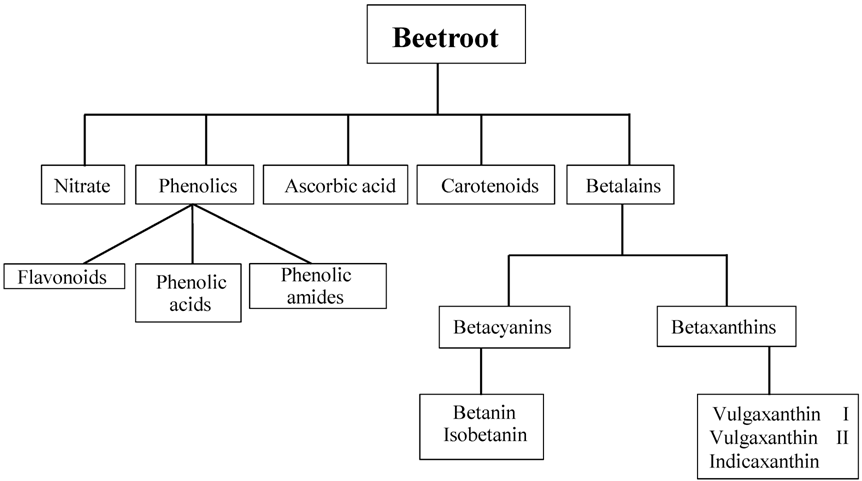
Beetroot (Beta vulgaris), a nutrient-dense root vegetable, offers a complex nutritional profile characterized by a high water content and a mix of macronutrients, micronutrients, and bioactive compounds that contribute to both basic nutrition and functional health benefits. In 100 g of raw beetroot, water comprises about 87–88 %, with roughly 43–45 kcal of energy, approximately 9–10 g of carbohydrates (mostly simple sugars), about 1.6–1.7 g of protein, minimal fat, and 2.8–3.1 g of dietary fiber, which supports digestive health and glycemic control 1. Major micronutrients include potassium (~300–325 mg), folate (~109 µg), vitamin C (~3.6–4.9 mg), and minerals such as magnesium, phosphorus, calcium, iron, and zinc in smaller amounts, making beets a modest source of essential vitamins and minerals 1. Beetroot is also rich in phytochemicals: nitrates, betalains (betacyanins and betaxanthins), phenolic compounds, flavonoids, and saponins, which exhibit antioxidant and anti-inflammatory properties and have been linked to cardiovascular and metabolic benefits beyond basic nutrition 2. Nitrates in beetroot can enhance nitric oxide production, potentially lowering blood pressure and improving exercise performance, while betalains contribute to its potent antioxidant capacity. Recent literature highlights beetroot and its by-products as valuable sources of these bioactive compounds for functional foods and nutraceutical applications, emphasizing their diverse biochemical composition and health-promoting effects. Overall, beetroot’s combination of macronutrients, micronutrients, and phytochemicals underpins its classification as both a nutritious food and a functional ingredient with emerging roles in dietary interventions 2.
The dietary nitrates in beetroot make it to be widely recognized for its beneficial effect on cardiovascular health and endothelial function, largely due to their high nitrate content and rich profile of bioactive compounds. Dietary nitrates in beetroot are converted in the body to nitric oxide, a molecule that promotes vasodilation, improves blood flow, and helps reduce blood pressure. Regular consumption of beetroot or beetroot juice has been associated with improved endothelial function and reduced arterial stiffness 3, which are key factors in cardiovascular disease (such as atherosclerosis, hypertension, etc) prevention. In addition, beetroot contains antioxidants such as betalains and polyphenols that help reduce oxidative stress and inflammation, further supporting overall heart health 4.

Also beetroots have gained attention for their positive effects on athletic performance, mainly due to their high dietary nitrate content 5, 6. Nitrates from beetroot are converted into nitric oxide in the body, which enhances blood flow, improves oxygen delivery to muscles, and increases exercise efficiency. Studies have shown that beetroot juice supplementation can reduce the oxygen cost of exercise, delay fatigue, and improve endurance and high-intensity performance 5, 7. Additionally, beetroot contains antioxidants such as betalains that help combat exercise-induced oxidative stress. Together, these properties make beetroot a popular natural ergogenic aid for athletes seeking to enhance performance and recovery 6.
Beetroots have been studied for their potential role in cancer prevention due to their rich content of bioactive compounds and antioxidants. They are particularly high in betalains, which exhibit strong antioxidant and anti-inflammatory properties that may help protect cells from oxidative damage and DNA mutations linked to cancer development 4. Beetroot also contains phenolic compounds, flavonoids, and vitamin C, which contribute to the neutralization of free radicals. Experimental studies suggest that beetroot extracts may inhibit the growth of certain cancer cells and support detoxification processes. Although more human studies are needed, regular beetroot consumption may contribute to overall cancer-protective dietary patterns 2
A positive influence of beetroot on cognitive function and brain health has also been established. Beetroot supports brain health primarily through its high nitrate content and antioxidant compounds. Dietary nitrates from beetroot are converted into nitric oxide, which improves cerebral blood flow by enhancing blood vessel dilation, especially in regions of the brain associated with cognition and executive function 8, 9. Improved blood flow can support oxygen and nutrient delivery to brain tissues, potentially aiding memory and mental performance. Beetroot also contains antioxidants such as betalains and polyphenols that help reduce oxidative stress and inflammation, factors linked to cognitive decline. Regular inclusion of beetroot in the diet may therefore contribute to maintaining brain health and cognitive function with aging 9, 10.
Beetroot is considered beneficial for liver health due to its rich supply of antioxidants and bioactive compounds. It contains betalains, which possess strong antioxidant and anti-inflammatory properties that help protect liver cells from oxidative damage and toxin-induced stress 11. Beetroot also provides dietary fiber and polyphenols that support lipid metabolism and may reduce fat accumulation in the liver. In addition, compounds such as betalain in beetroot play a role in liver detoxification processes by supporting methylation reactions and preventing fatty liver development. Regular consumption of beetroot may therefore aid liver function and contribute to overall hepatic health when included as part of a balanced diet 3.
Weight management has been a matter of concern in recent times. Beetroots may support fat burning and appetite regulation through their unique nutritional and bioactive profile. They are low in calories and fat, yet rich in dietary fiber, which promotes satiety, slows digestion, and helps regulate appetite. Beetroot also contains nitrates that improve blood flow and exercise efficiency, indirectly supporting fat oxidation during physical activity 12, 13. Additionally, its natural sweetness can help reduce cravings for high-sugar foods. Bioactive compounds such as betalains and polyphenols may aid metabolic health by reducing inflammation and improving insulin sensitivity, thereby supporting healthy weight management and appetite control 14.
Also beetroot exhibits neuro-protective effects mainly due to its high nitrate and antioxidant content. Dietary nitrates from beetroot increase nitric oxide availability, improving cerebral blood flow and oxygen delivery to brain tissues, which supports neuronal function and cognitive performance 15, 16. Additionally, beetroot is rich in betalains and polyphenols that help reduce oxidative stress and neuroinflammation, both of which are associated with neurodegenerative disorders. By protecting neurons from damage and supporting vascular health in the brain, regular beetroot consumption may contribute to maintaining cognitive health and reducing the risk of age-related neurological decline 4.
Beetroot may contribute to longevity through its rich supply of bioactive compounds that support cardiovascular, metabolic, and cellular health. Its high nitrate content enhances nitric oxide production, improving blood flow and reducing blood pressure, which are key factors in healthy aging 4, 15, 17. Beetroot is also rich in antioxidants such as betalains and polyphenols that combat oxidative stress and inflammation, major drivers of aging-related diseases. Additionally, its fiber and micronutrients support gut health and metabolic balance, collectively promoting physiological resilience and long-term health 15, 17.
Having emphasized the health benefits of beetroot it is hereby imperative that its consumption should be encouraged, especially by making it available in convenience forms such as jam. Jam is commonly produced using fruits and its production with vegetable is not common. This study therefore evaluated the nutritional composition, antioxidant activity and sensory properties of beetroot jam and compared these with those of orange, pineapple and strawberry jams.
Raw materials procurement
The beetroot, orange, and pineapple, lemon were purchased from Oje market, Ibadan, Oyo state, Nigeria while pectin, potassium benzoate and sugar were purchased in Orita challenge market, Ibadan. Other equipment such as bowls, spoons, jars, pot were provided by the Department of Human Nutrition and Dietetics, Lead City University, Ibadan, Oyo State Nigeria.
Preparation of Jam samples
The method of Kaur et al., 18 was used with slight modification. Beetroot, orange and pineapple were washed in potable water after which the water on the surface was dried off with a clean kitchen towel. These were peeled, diced and blended to give the slurry. The lemon was washed and the juice was extracted and sieved.
Ingredients
Beetroot jam
Beetroot (peeled, chopped, and blended) 500ml
Lemon juice (50ml)
Sugar (500g, but can be adjusted to taste)
Water (1 cup)
Pectin (1 sachet) 50g
Sodium benzoate (1g)
For orange and pineapple jam samples, 500ml of each fruit juice (for orange) and fruit paste (for pine apple) was used with other ingredients the same as the beetroot jam (above). For orange the juice was sieved to remove the seeds.
The beetroot was boiled for 4 minutes; this was then allowed to cool and grinded it to a smooth paste. The paste was poured into a heavy bottomed nonstick pan. Then sugar and the lemon juice were added. The jam was cooked on low flame, stirred every minute. Pectin was added in between and cooked till the jam thickened. The total cooking time was about 7 minutes. After the jam thickened, it was allowed to cool and it was then transferred into a jar.
Beetroot jam
The purchase of the beetroot was made, then the beetroot was washed and towel dried. It was then sliced on the top and bottom and the skin was peeled gently. Then it was cut into small cubes. The beetroot was boiled for 4 minutes; this was then allowed to cool and grinded it to a smooth paste. The paste was poured into a heavy bottomed nonstick pan. Then sugar and the lemon juice were added. The jam was cooked on low flame, stirred every few minutes. Pectin was added in between and cooked till the jam thickened. It was transferred into a glass jar to allow cooling and stored. It was designated BRJ.
Orange jam
The oranges were washed with potable water, peeled and the juice was squeezed out and filtered to get rid of seed. It was then poured into a nonstick pan and allowed to cook for 2 minutes. Pectin was added and it was cooked for 5 more minutes, after which the sugar and lemon juice were added. Then jam was cooked on low flame, stirred every few minutes till the jam thickened. It was transferred into a glass jar to allow cooling and stored. This was designated ORJ.
Pineapple jam
Pineapple was washed and towel dried. It was then peeled and cut into small cubes. The pineapple was grinded with the addition of a cup of water. The grinded juice was sieved and poured into a heavy bottomed nonstick pan. Then sugar and the lemon juice were added. The jam was cooked on low flame, stirred every few minutes. Pectin was added in between and cooked till the jam thickened. It was transferred into a glass jar to allow cooling and stored. This was designated PAJ.
Laboratory Analyses
Micronutrients Analysis (Minerals): Iron, Potassium, Magnesium and Manganese were determined using the Conventional wet acid digestion method 19. Conventional wet acid digestion method. 0.200g of each sample was accurately weighed into separate beaker (250 ml). About 20 ml of a freshly prepared mixture of concentrated HCl-HNO3 (3:1, v/v) was added to each flask and kept for 10 min at room temperature, and then the content of flasks was heated on an electric hot plate at 800oC, until clear solutions were obtained. The contents of the flasks were evaporated, and the semidried mass was dissolved in 5 ml of distilled water, filtered through Whatman No. 42 filter paper, and made up to final volume of 50 ml in volumetric flasks with distilled water and kept as stock sample solution. The blank was also prepared by digesting the HCl-HNO3 (3:1) reagent mixture. The digest was analyzed for minerals and heavy metals, using Perkin Elmer Analyst 200 atomic absorption spectrometer. All analyses were carried out in triplicates.
Micronutrient analysis (Vitamins): Ascorbic Acid (by Iodimetry), Beta-carotene, Folate and Total Antioxidant Capacity (TAC) were determined using the method of A.O.A.C. 19.
Ascorbic acid determination (by Iodimetry)
About 2g of the sample was weighed using an analytic weighing balance and soaked in 50ml of distilled water (since ascorbic acid is soluble in water) for about 3hrs. The sample was later filtered using Whatman filter paper no 11cm. 25ml of 1M H2SO4 was added to the filtrate followed by the addition of 3ml of starch Mucilage solution. The Solution was titrated against 0.05M iodine solution until a persistent violet-blue color is obtained. The ascorbic acid in milligram per gram of each given sample is calculated. All analyses were carried out in triplicates
β-Carotene Estimation
Fifteen (15) ml of hexane was pipetted into a separating funnel with Teflon stopcock and 10 ml of acetone extract was added. The mixture was then allowed to stand for 20 minutes. The mixture was then washed with 50 ml distilled water and the lower aqueous phase discarded. The washing with water was repeated thrice. The upper layer was then transferred to a 25 ml volumetric flask containing 4.5 ml of acetone and then diluted to volume with hexane. The β-carotene content was determined from the molar absorptivity (β-carotene) E1% = 2590 at λmax 450nm derived from a standard plot. All analyses were carried out in triplicates
Folate determination
The folate composition of the samples was determined using High Performance Liquid Chromatography (HPLC). A representative food sample was first homogenized and extracted with a suitable buffer, commonly phosphate buffer, containing antioxidants such as ascorbic acid and β-mercaptoethanol to prevent folate degradation. The extract was heated to release bound folate and subsequently subjected to enzymatic treatment using α-amylase, protease, and γ-glutamyl hydrolase to hydrolyze folate polyglutamate into monoglutamate forms suitable for chromatographic analysis. After enzymatic digestion, the extract was clarified by centrifugation and filtration through a membrane filter. The prepared sample was then injected into the HPLC system equipped with a reversed-phase C18 column. Separation of folate was achieved using an appropriate mobile phase, often consisting of aqueous buffer and an organic solvent such as acetonitrile or methanol, under gradient or isocratic conditions. Quantification was performed by comparing peak areas or heights with those of external folate standards.
Total Antioxidant Assay (TAC)
An aliquot of 0.1ml of sample solution (1000µg/ml) was treated with 1ml of reagent solution (0.6M sulfuric acid, 28mM sodium phosphate and 4mM ammonium molybdate.) The tubes were incubated in a water bath at 90ºC for 90min. The samples were cooled to room 61 temperature and their absorbance was recorded at 765nm. Ascorbic acid was used as the positive control. Antioxidant capacity was estimated by using following equation: Antioxidant activity % = (Absorbance control – Absorbance sample/Absorbance control) ×100. All analyses were carried out in Triplicates
Sensory Evaluation
Sensory evaluation forms in form of a questionnaire were used to determine the organoleptic properties (taste, color, texture, aroma, appearance and overall acceptability) of the jam samples. The questionnaire was given to 20 taste panelists. The order of presentation of samples to the panelists was randomized. Bottled water was provided to rinse the mouth between evaluations. A 9-point hedonic scale was used to assess the sensory properties of jam samples. Where 9 represents ‘like extremely’, 5 represents ‘neither like nor dislike’ and 1 represents ‘dislike extremely’.
Statistical analysis
Analysis of Variance (ANOVA) was used to compare the mean data at p < 0.05 of the Total antioxidant capacity, vitamins and minerals composition of the jam samples. Duncan Multiple Range Test (DMRT) was used in determining the statistical differences among the product sensory attributes (p<0.05).
Ethical Approval
Ethical approval was obtained from the Research and Ethics Committee of Lead City University with the approval number: LCU-REC/25/0017
Vitamins Composition of the Jam Samples
Only BRJ is significantly higher than the control in the ascorbic acid composition (Table 1). For Beta-carotene, BRJ exhibited a significantly higher beta-carotene content (718.947 µg/g) than SBJ (189.933 µg/g), PAJ (79.42 µg/g), and ORJ (29.353 µg/g). Only BRJ is significantly higher than the control in the Beta-carotene composition (Table 1) For Folate, BRJ had the highest folate content (11.513 µg DFE), followed by SBJ (8.579 µg DFE), PAJ (4.069 µg DFE), and ORJ (1.432 µg DFE). Only BRJ is significantly higher than the control in the Folate composition (Table 1).
SBJ-Strawberry Jam; BRJ-Beetroot Jam; PAJ-Pineapple Jam; ORJ-Orange Jam
BRJ, PAJ, and ORJ are significantly higher than the control in magnesium and potassium composition while BRJ and PAJ are significantly higher than the control in manganese composition (Table 2). BRJ is significantly higher in Iron composition than ORJ, PAJ, and SBJ (control) (Table 2).
All the trial samples (BRJ, PAJ, and ORJ) were significantly lower than the control, SBJ in Total Antioxidant Capacity (Table 3)
Sensory evaluation showed ORJ as the most preferred jam across all attributes (color: 8.05, taste: 7.75, texture: 7.70, aroma: 7.65, appearance: 8.05, overall acceptability: 8.15), followed by BRJ and SBJ, with PAJ least preferred (Table 4).
The higher content of vitamin C in BRJ ( beetroot jam) compared to fruit jams suggests it could serve as an unexpected yet valuable source of this vitamin, complementing the contributions of ORJ (orange jam) and PAJ (pineapple jam), which aligns with the known vitamin C richness of oranges and pineapples. The ascorbic acid content of beetroot was reported to be 49.0mg/100g 20, that of orange was 51.10mg/100g 21 while that of pineapple was 52.90mg/100g 21. This shows that beetroot, orange and pineapple are comparable or similar in ascorbic acid or vitamin C. content. In this study beetroot had the highest ascorbic acid content of 0.080g/100g (80mg/100g). It was significantly higher than the control (commercial strawberry jam)- 0.061g/100g, pineapple jam- 0.063g/100g and orange jam- 0.064g/100g (Table 1) showing that the beetroot variety used in this study was comparatively high in ascorbic acid. In view of this men, women and children may be able to meet their Recommended Dietary Allowance for vitamin C (90mg for men, 75mg for women, 15mg for children, 65-75mg for teens, 85mg for pregnant women and 120mg for lactating mothers) 22 if they include beetroot jam in their diets daily.
Beta-carotene is a pro-vitamin A essential for good vision, immune function, skin health and endothelial functions. It is the form in which vitamin A is mostly present in plants and can be converted to vitamin A in the body. It is an antioxidant that neutralizes free radicals, reducing oxidative stress that can damage cells and contribute to chronic diseases like heart diseases and cancer 23. In this study the beta-carotene in beetroot jam is quite notable and appreciable. Beetroot jam contained the highest beta-carotene (718.947µg/g = 0.718mg/g = 71.8mg/100g) compared with the commercial brand (SBJ) which contained 189.993µg/g while its composition in pineapple and orange jam samples were quite low (Table 1). This denotes that people who consume beetroot jam as part of their daily diet will not find it difficult to meet their Recommended Dietary Allowance (RDA) for vitamin A since RDA for men is 900µgRAE and for women it is 700µgRAE. However, 12µg of dietary beta-carotene is generally considered equivalent to 1µg of Retinol Activity Equivalent (RAE) 24. The results got in this study is in contrast with that of Saleem et al., 25 who reported a beta-carotene content of beetroot concentrate to be 1.05mg/100ml. This may be as a result of variations in analytical procedure and units of expression.
Folate (vitamin B9 or folacin) is the dietary source while folic acid is the synthetic source of the water-soluble vitamin. Folic acid must be converted to active folate for it to be of physiological advantage or use to the body. Folate is needed in the body for the synthesis of amino acids, nucleic acid (DNA) and one-carbon molecules 26, hence, folate deficiency can lead to megaloblastic anemia, neural tube defects, hyperhomocysteinemia and cardiovascular disease, increased cancer risk, cognitive decline, pregnancy complications, immune dysfunction, depression and impaired mental health, osteoporosis and liver disease 26. It is of interest to note that beetroot is exceptionally high in folate; hence, beetroot jam in this study contained the highest folate content (11.513µg/DFE) compared with the commercial brand (SBJ-Control) and the pineapple and orange jam samples (Table 1). The folate content of beetroot was reported to be 109µg/100g 20.
The mineral composition of the jam samples are expressed in Table 2. Beetroot jam contain the highest level of magnesium, potassium, manganese and iron compared with the other three conventional fruit jam samples (Table 2). The magnesium, potassium, manganese and iron content of the beetroot jam were 0.436mg/g (43.6mg/100g), 0.971mg/g (97.1mg/100g), 0.007mg/g (0.7mg/100g) and 0.056mg/g (5.6mg/100g) respectively and these values were significantly higher (p<0.05) than that of the control (strawberry jam) and pineapple and orange jam samples (Table 2). The pineapple jam (PAJ) and orange jam (ORJ) samples were significantly higher than the control in magnesium and potassium content but were comparable with the control in iron content (Table 2). The mineral composition of beetroot jam observed in this study was in disparity with the reports of Kaur et al., 18 who observed the mineral composition of beetroot jam as follows (mg/100g): calcium (10.26); phosphorous (21.39; sodium (44.79); potassium (293.57); magnesium (27.33); iron (0.35) and zinc (0.21). This disparity could be as a result of different varieties of beetroot used or differences in the mineral composition of the soil in which the vegetable was grown or produced.
Total Antioxidant Capacity (TAC) is a biochemical measurement that is used to assess the cumulative ability of all the antioxidants in a biological sample (such as blood, plasma, seminal plasma etc) or food to counteract oxidative stress and free radicals. TAC shows the synergistic interaction between various antioxidant compounds within a sample. A diet high in TAC is strongly linked to a reduced risk of some chronic diseases such as cardiovascular disease, cancer, metabolic syndrome, helps in modulation of oxidative stress an inflammation, indicates diet quality, may lower the risk of infertility and gestational diabetes in women and may reflect longevity 27. Table 3 shows the TAC of the jam samples. The control sample (commercial brand of strawberry jam-SBJ) was highest in TAC followed by pineapple jam (PAJ) , then beetroot jam (BRJ) which was 38.30% inhibition, and the least value was observed in orange jam (ORJ). The TAC of beetroot jam observed in this study is comparable or similar with past scientific reports. Perumpuli et al, 28 reported a TAC of beetroot and beetroot jam to be 50.35% inhibition and 32.97% inhibition respectively while Kaur et al., 18 and Wang et al., 2020 reported a TAC of 35.43 and 35.7% inhibition in beetroot jam respectively. This similarity may be as a result of similar jam processing methods used or similarity of the beetroot varieties used.
The sensory evaluation scores of the jam samples are expressed in Table 4. The orange jam sample was most preferred and acceptable in color, taste, texture, aroma, appearance and overall acceptability followed by the beetroot jam since the sensory evaluation scores of these sensory parameters were >6.0 and were highest in orange jam followed by beetroot jam (Table 4). Beetroot was even more preferred than the commercial brand (control) because the sensory scores for the sensory parameters ranged from 6.30 to 7.45 for BRJ (beetroot jam) but ranged from 6.10 to 6.95 for the control (Table 4). This shows that beetroot jam was more acceptable than the commercial brand (control) in color, taste, texture, aroma, appearance and overall acceptability. This is comparable to the report of Perumpuli et al., 28 and Kaur et al., 18 who reported that beetroot jam samples they produced were acceptable in sensory parameters.
Beetroot jam produced in this study was more nutritious in vitamin and mineral composition than the commercial brand as well as pineapple and orange jam samples. Also the beetroot jam sample was more acceptable in sensory parameters than the commercial brand and pineapple jam. However, the commercial jam sample (control) had the highest Total Antioxidant Capacity followed by pineapple jam, beetroot jam and orange jam, but that of the beetroot jam was still an appreciable value. Production of jam using beetroot is feasible and is more nutritious with already established unrivalled health benefits. Household and commercial production and consumption of beetroot jam is hereby recommended and should be encouraged.
| [1] | Saman F. Zahid M.T.B., Noor V., Raza U., Shashid A., Maheen U. and Talha M. Unlocking the healing power of beetroot: Nutritional profile and evidence-based health benefits. Journal of Health, Wellness and Community Research; 3(17): 2025, e999 https://www.jhwcr.com/index.php/jhwcr/article/review/999. | ||
| In article | View Article | ||
| [2] | Kumar T., Pal S.L. and Saini H. Phyto-nutraceuticals importance of beetroot: A review. International Journal of Research in Agronomy; 8(9): 1624-1630, 2025. | ||
| In article | View Article | ||
| [3] | Clifford T., Howatson G., West D.J. and Stevenson E.J. The potential benefits of red beetroot supplementation in health and disease. Nutrients; 7(4): 2801-2822, 2015 | ||
| In article | View Article PubMed | ||
| [4] | Arpith-Kumar L.M. Clinical significance of beetroot juice: A comprehensive review of the juice health benefits and therapeutic potentials. Nutrition and Food in Health and Disease; 12(3): 11-14, 2025. | ||
| In article | View Article | ||
| [5] | Neteca J., Veseta U., Liepina I., Volgemute K., Dzintare M. and Babarykin D. Effect of beetroot juice supplementation on aerobic capacity in female athletes: A Randomized Controlled study. Nutrients; 17(1): 63, 2025. | ||
| In article | View Article PubMed | ||
| [6] | Glowacz J., Popiel M., Dziekonski K., Rybowski J., Krzyskowska S. and Redner A. Beetroot juice as a natural ergogenic supplement: A literature review of its effects on physical performance and training adaptation. Quality in Sport; 39: 2025, 59096. | ||
| In article | View Article | ||
| [7] | Delleli S., Ouergui I., Messaoudi H., Trabelsi K., Glenn J.M., Ammar A. and Chtourou H. Does beetroot supplementation improve performance in combat sports athletes?: A systematic review of Randomized Controlled Trials. Nutrients; 15(2): 2023, 398. | ||
| In article | View Article PubMed | ||
| [8] | Olasehinde T.A., Oyeleye S.I., Ibeji C.U. and Oboh G. Beetroot supplemented diet exhibits anti-amnesic effect via modulation of cholinesterases, purinergic enzymes, monoamine oxidase and attenuation of redox imbalance in the brain of scopolamine-treated male rats. Nutritional Neuroscience; 25(5): 1011-1025, 2020. | ||
| In article | View Article PubMed | ||
| [9] | Singh N.K., Kumar Y., Chandra M., PadmaPriya G., Sharma Y. and Mishra S. Betanin: A natural phytomolecule for the intervention of neurological disorder. Current Topics in Medicinal Chemistry, 2026. | ||
| In article | View Article PubMed | ||
| [10] | Thong-asa W., Puenpha K., Lairaksa T. and Saengjinda S. Neuro-protective effects of betanin in mice with cerebral ischemia-reperfusion injury. Experimental Animals; 72(3): 336-345, 2023. | ||
| In article | View Article PubMed | ||
| [11] | Fateh H.L., Rashid S.A., Muhammad S.S., Al-Jaf S.H. and Ali A.M. Comparing effects of beetroot juice and Mediterranean diet on liver enzymes and sonographic appearance in patients with non-alcoholic fatty liver disease: A Randomized control trial. Frontiers in Nutrition; 10, 2023 | ||
| In article | View Article PubMed | ||
| [12] | Lee H.S., Choi S.M., Lim S.H. and Choi C.I. Betanin from beetroot (Beta vulgaris L.) regulates lipid metabolism and promotes fat browning in 3T3-L1 adipocytes. Pharmaceuticals: 16(12): 2023, 1727. | ||
| In article | View Article PubMed | ||
| [13] | Nederveen J.P., Mastrolonardo A.J., Xhuti D., Carlo A.D., Manta K., Fuda M.R. and Tarnopolsky M.A. Novel multi-ingredient supplement facilitates weight loss and improves body composition in overweight and obese individuals: A randomized, double-blind, placebo-controlled clinical trial. Nutrients; 15(17): 2023, 3693. | ||
| In article | View Article PubMed | ||
| [14] | Afrisham R., Farrokhi V., Ghanavati M., Asbaghi O., Mohammad S., Mohammadian M., Taghvaei-Yazdeli T. and Jadidi Y. The effects of beetroot and nitrate supplementation on body composition: a GRADE-assessed systematic review and meta-analysis. British Journal of Nutrition; 130(8): 1343-1356, 2023. | ||
| In article | View Article PubMed | ||
| [15] | Nowak A., Szymanska A., Kwasnlewska M., Kochan E. and Lipert A. Beetroot juice supplementation as a healthy ageing strategy through improving physical performance and cognitive functions: A systematic review. Nutrients; 17(4): 2025, 3954. | ||
| In article | View Article PubMed | ||
| [16] | Cordova-Martinez A., Caballero-Garcia A., Bello H.J., Pons-Biescas A., Noriega D.C and Roche E. L-Arginine and beetroot extract supplementation in the prevention of sarcopenia. Pharmaceuticals; 15(3): 290, 2022. | ||
| In article | View Article PubMed | ||
| [17] | Chen L., Zhu Y., Hu Z., Wu S. and Jin C. Beetroot as a functional food with huge health benefits: Antioxidant, antitumor, physical function and chronic metabolomics activity. Food Science and Nutrition; 9(11): 6406-6420, 2021. | ||
| In article | View Article PubMed | ||
| [18] | Kaur S., Kaur N., Aggarwal P. and Grovar K. Sensory attributes, bioactive compound, antioxidant activity and colour values of jam and candy developed from beetroot (Beta vulgaris L.). Journal of Applied and Natural Science Haridwar; 14(2): 459-468, 2022. | ||
| In article | View Article | ||
| [19] | A.O.A.C. (2023). Official Methods of Analysis. 22nd edition. | ||
| In article | |||
| [20] | Mudgal D., Puja S., Singh S., Singh B.R. and Samsher R. Nutritional composition and value added products of beetroot: A review. Journal of Current Research in Food Science; 3(1): 1-9, 2022. | ||
| In article | |||
| [21] | Belete A., Yisak H., Chandravanshi B.S. and Yaya E.E. (2022). Ascorbic acid content and the antioxidant activity of common fruits commercially available in Addis Ababa, Ethiopia. Bulletin of the Chemical Society of Ethiopia; 37(2): 277-288, 2022. | ||
| In article | View Article | ||
| [22] | National Institutes of Health. Vitamin C- Fact sheet for Health Professionals. National Institutes of Health-office of Dietary Supplements fact sheet. 2025. ods.od.nih.gov/factsheets/Vitamin C-HealthProfessional/. | ||
| In article | |||
| [23] | Tufail T., Ain H.B.U., Noreen S., Ikrani A., Arshad M.T. and Abdullahi M.A. Nutritional benefits of lycopene and beta carotene: A comprehensive overview. Food Science and Nutrition; 12(11): 2024, 8715-8741. | ||
| In article | View Article PubMed | ||
| [24] | National Institutes of Health. Vitamin A and carotenoids. National Institutes of Health Fact sheet for Health Professionals, 2025 Ods.od.nih.gov/factsheets/VitaminA-HealthProfessional/. | ||
| In article | |||
| [25] | Saleem M., Ahmad Z., Waseem M., Alsulami T., Javed M.R., Farhan M., Nayik G.A., Manzoor M.F. and Abdi G. Nutritional, physicochemical and antioxidant characterization of pomegranate, beetroot and carrot concentrates supplemented functional whey beverages. Food Chemistry; 25: 2025 102206. | ||
| In article | View Article PubMed | ||
| [26] | Rasheed A., Saeed F., Ikram A., Arshad M.T., Maqsood S, Noveed F., Islam M. and Laryea E. Ameliorative effect of beetroot against folic acid deficiency: A review. Food Science and Nutrition; 14(1): 2026, e71417. | ||
| In article | View Article PubMed | ||
| [27] | Salari-Moghaddam A., Nouri-Majd S., Keshteli A.H., Emami F., Esmaillzadeh A. and Adibi P. Association between dietary Total Antioxidant Capacity and diet quality in adults. Frontiers in Nutrition; 9, 2022. | ||
| In article | View Article PubMed | ||
| [28] | Perumpuli P.A.B.N., Fernando G.S.N., Kaumal M.N., Arandara M. and Silva S.W.M. Development of low sugar vegetable jam from beetroot (Beta Vulgaris L.): Studies on physicochemical, sensory and nutritional properties. International Journal of Theoretical and Applied Sciences; 10(2): 22-27, 2018. | ||
| In article | |||
Published with license by Science and Education Publishing, Copyright © 2026 Paulina O. Adeniyi, Olanike O. Balogun and Gloria P. Taiwo
 This work is licensed under a Creative Commons Attribution 4.0 International License. To view a copy of this license, visit
http://creativecommons.org/licenses/by/4.0/
This work is licensed under a Creative Commons Attribution 4.0 International License. To view a copy of this license, visit
http://creativecommons.org/licenses/by/4.0/
| [1] | Saman F. Zahid M.T.B., Noor V., Raza U., Shashid A., Maheen U. and Talha M. Unlocking the healing power of beetroot: Nutritional profile and evidence-based health benefits. Journal of Health, Wellness and Community Research; 3(17): 2025, e999 https://www.jhwcr.com/index.php/jhwcr/article/review/999. | ||
| In article | View Article | ||
| [2] | Kumar T., Pal S.L. and Saini H. Phyto-nutraceuticals importance of beetroot: A review. International Journal of Research in Agronomy; 8(9): 1624-1630, 2025. | ||
| In article | View Article | ||
| [3] | Clifford T., Howatson G., West D.J. and Stevenson E.J. The potential benefits of red beetroot supplementation in health and disease. Nutrients; 7(4): 2801-2822, 2015 | ||
| In article | View Article PubMed | ||
| [4] | Arpith-Kumar L.M. Clinical significance of beetroot juice: A comprehensive review of the juice health benefits and therapeutic potentials. Nutrition and Food in Health and Disease; 12(3): 11-14, 2025. | ||
| In article | View Article | ||
| [5] | Neteca J., Veseta U., Liepina I., Volgemute K., Dzintare M. and Babarykin D. Effect of beetroot juice supplementation on aerobic capacity in female athletes: A Randomized Controlled study. Nutrients; 17(1): 63, 2025. | ||
| In article | View Article PubMed | ||
| [6] | Glowacz J., Popiel M., Dziekonski K., Rybowski J., Krzyskowska S. and Redner A. Beetroot juice as a natural ergogenic supplement: A literature review of its effects on physical performance and training adaptation. Quality in Sport; 39: 2025, 59096. | ||
| In article | View Article | ||
| [7] | Delleli S., Ouergui I., Messaoudi H., Trabelsi K., Glenn J.M., Ammar A. and Chtourou H. Does beetroot supplementation improve performance in combat sports athletes?: A systematic review of Randomized Controlled Trials. Nutrients; 15(2): 2023, 398. | ||
| In article | View Article PubMed | ||
| [8] | Olasehinde T.A., Oyeleye S.I., Ibeji C.U. and Oboh G. Beetroot supplemented diet exhibits anti-amnesic effect via modulation of cholinesterases, purinergic enzymes, monoamine oxidase and attenuation of redox imbalance in the brain of scopolamine-treated male rats. Nutritional Neuroscience; 25(5): 1011-1025, 2020. | ||
| In article | View Article PubMed | ||
| [9] | Singh N.K., Kumar Y., Chandra M., PadmaPriya G., Sharma Y. and Mishra S. Betanin: A natural phytomolecule for the intervention of neurological disorder. Current Topics in Medicinal Chemistry, 2026. | ||
| In article | View Article PubMed | ||
| [10] | Thong-asa W., Puenpha K., Lairaksa T. and Saengjinda S. Neuro-protective effects of betanin in mice with cerebral ischemia-reperfusion injury. Experimental Animals; 72(3): 336-345, 2023. | ||
| In article | View Article PubMed | ||
| [11] | Fateh H.L., Rashid S.A., Muhammad S.S., Al-Jaf S.H. and Ali A.M. Comparing effects of beetroot juice and Mediterranean diet on liver enzymes and sonographic appearance in patients with non-alcoholic fatty liver disease: A Randomized control trial. Frontiers in Nutrition; 10, 2023 | ||
| In article | View Article PubMed | ||
| [12] | Lee H.S., Choi S.M., Lim S.H. and Choi C.I. Betanin from beetroot (Beta vulgaris L.) regulates lipid metabolism and promotes fat browning in 3T3-L1 adipocytes. Pharmaceuticals: 16(12): 2023, 1727. | ||
| In article | View Article PubMed | ||
| [13] | Nederveen J.P., Mastrolonardo A.J., Xhuti D., Carlo A.D., Manta K., Fuda M.R. and Tarnopolsky M.A. Novel multi-ingredient supplement facilitates weight loss and improves body composition in overweight and obese individuals: A randomized, double-blind, placebo-controlled clinical trial. Nutrients; 15(17): 2023, 3693. | ||
| In article | View Article PubMed | ||
| [14] | Afrisham R., Farrokhi V., Ghanavati M., Asbaghi O., Mohammad S., Mohammadian M., Taghvaei-Yazdeli T. and Jadidi Y. The effects of beetroot and nitrate supplementation on body composition: a GRADE-assessed systematic review and meta-analysis. British Journal of Nutrition; 130(8): 1343-1356, 2023. | ||
| In article | View Article PubMed | ||
| [15] | Nowak A., Szymanska A., Kwasnlewska M., Kochan E. and Lipert A. Beetroot juice supplementation as a healthy ageing strategy through improving physical performance and cognitive functions: A systematic review. Nutrients; 17(4): 2025, 3954. | ||
| In article | View Article PubMed | ||
| [16] | Cordova-Martinez A., Caballero-Garcia A., Bello H.J., Pons-Biescas A., Noriega D.C and Roche E. L-Arginine and beetroot extract supplementation in the prevention of sarcopenia. Pharmaceuticals; 15(3): 290, 2022. | ||
| In article | View Article PubMed | ||
| [17] | Chen L., Zhu Y., Hu Z., Wu S. and Jin C. Beetroot as a functional food with huge health benefits: Antioxidant, antitumor, physical function and chronic metabolomics activity. Food Science and Nutrition; 9(11): 6406-6420, 2021. | ||
| In article | View Article PubMed | ||
| [18] | Kaur S., Kaur N., Aggarwal P. and Grovar K. Sensory attributes, bioactive compound, antioxidant activity and colour values of jam and candy developed from beetroot (Beta vulgaris L.). Journal of Applied and Natural Science Haridwar; 14(2): 459-468, 2022. | ||
| In article | View Article | ||
| [19] | A.O.A.C. (2023). Official Methods of Analysis. 22nd edition. | ||
| In article | |||
| [20] | Mudgal D., Puja S., Singh S., Singh B.R. and Samsher R. Nutritional composition and value added products of beetroot: A review. Journal of Current Research in Food Science; 3(1): 1-9, 2022. | ||
| In article | |||
| [21] | Belete A., Yisak H., Chandravanshi B.S. and Yaya E.E. (2022). Ascorbic acid content and the antioxidant activity of common fruits commercially available in Addis Ababa, Ethiopia. Bulletin of the Chemical Society of Ethiopia; 37(2): 277-288, 2022. | ||
| In article | View Article | ||
| [22] | National Institutes of Health. Vitamin C- Fact sheet for Health Professionals. National Institutes of Health-office of Dietary Supplements fact sheet. 2025. ods.od.nih.gov/factsheets/Vitamin C-HealthProfessional/. | ||
| In article | |||
| [23] | Tufail T., Ain H.B.U., Noreen S., Ikrani A., Arshad M.T. and Abdullahi M.A. Nutritional benefits of lycopene and beta carotene: A comprehensive overview. Food Science and Nutrition; 12(11): 2024, 8715-8741. | ||
| In article | View Article PubMed | ||
| [24] | National Institutes of Health. Vitamin A and carotenoids. National Institutes of Health Fact sheet for Health Professionals, 2025 Ods.od.nih.gov/factsheets/VitaminA-HealthProfessional/. | ||
| In article | |||
| [25] | Saleem M., Ahmad Z., Waseem M., Alsulami T., Javed M.R., Farhan M., Nayik G.A., Manzoor M.F. and Abdi G. Nutritional, physicochemical and antioxidant characterization of pomegranate, beetroot and carrot concentrates supplemented functional whey beverages. Food Chemistry; 25: 2025 102206. | ||
| In article | View Article PubMed | ||
| [26] | Rasheed A., Saeed F., Ikram A., Arshad M.T., Maqsood S, Noveed F., Islam M. and Laryea E. Ameliorative effect of beetroot against folic acid deficiency: A review. Food Science and Nutrition; 14(1): 2026, e71417. | ||
| In article | View Article PubMed | ||
| [27] | Salari-Moghaddam A., Nouri-Majd S., Keshteli A.H., Emami F., Esmaillzadeh A. and Adibi P. Association between dietary Total Antioxidant Capacity and diet quality in adults. Frontiers in Nutrition; 9, 2022. | ||
| In article | View Article PubMed | ||
| [28] | Perumpuli P.A.B.N., Fernando G.S.N., Kaumal M.N., Arandara M. and Silva S.W.M. Development of low sugar vegetable jam from beetroot (Beta Vulgaris L.): Studies on physicochemical, sensory and nutritional properties. International Journal of Theoretical and Applied Sciences; 10(2): 22-27, 2018. | ||
| In article | |||