The increasing concerns about environmental pollution and the need for sustainable transportation have driven extensive research on innovative solutions to reduce carbon emissions and gasoline consumption in vehicles. This manuscript investigates the effect of silica compounds as a protective filter on carbon absorption and reducing gasoline consumption for vehicle use. Silica compounds, such as silica nanoparticles and silica-based additives, have shown promising potential in enhancing fuel efficiency, reducing carbon emissions, and protecting engine components. This study explores the mechanisms behind the interaction of silica compounds with gasoline, their impact on fuel combustion, their ability to sequester carbon particles, and their protective effects on engine components. The findings underscore the implications of incorporating silica compounds as a protective filter in vehicle fuels, contributing to reduced carbon emissions, improved fuel economy, and enhanced engine performance
The transportation sector plays a significant role in the emission of greenhouse gases, particularly through the combustion of gasoline in internal combustion engines 1. These emissions have a detrimental impact on the environment, making it imperative to develop technologies that can help mitigate their effects. Carbon pollution, primarily driven by anthropogenic activities, has become a pressing global issue 2. The excessive release of carbon dioxide and other greenhouse gases into the atmosphere contributes to the greenhouse effect, resulting in increased thermal emissions and environmental degradation 3.
The greenhouse effect is a natural process that helps regulate the Earth's temperature by trapping heat in the atmosphere. However, human activities, such as the burning of fossil fuels, have significantly increased the concentration of greenhouse gases, intensified the greenhouse effect, and led to a rise in global temperatures 4.
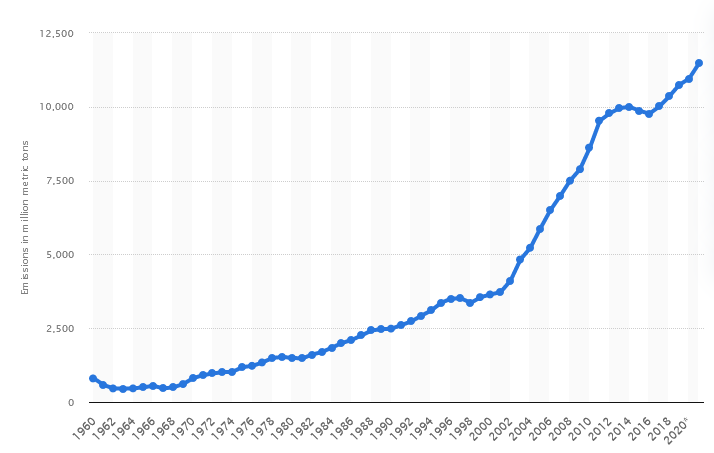
Carbon pollution, primarily caused by the burning of fossil fuels, has become a significant environmental concern due to its detrimental effects on the Earth's climate system. This manuscript examines the dangers associated with carbon pollution, focusing on its role in increasing thermal emissions and deteriorating the environment 5. Carbon dioxide (CO2) and other greenhouse gases trap heat in the atmosphere, leading to global warming and climate change. It highlights the urgent need for effective mitigation strategies to reduce carbon emissions and mitigate the adverse consequences of carbon pollution on our planet 6. The burning of fossil fuels for electricity generation, transportation, industrial processes, and residential use is the primary source of carbon pollution. Deforestation and land-use changes also contribute to carbon emissions by reducing the Earth's capacity to absorb CO2 through photosynthesis as depicted in Figure 1 7.
Carbon pollution is a major driver of global warming. The increased concentration of greenhouse gases in the atmosphere traps more heat, leading to rising temperatures 8. This rise in global temperatures has far-reaching consequences, such as heatwaves, altered weather patterns, and the melting of glaciers and polar ice caps. Carbon pollution affects global precipitation patterns, leading to changes in rainfall distribution and intensity. Some regions may experience increased rainfall and flooding, while others may face decreased rainfall and drought. These shifts in precipitation patterns can have severe impacts on agriculture, water availability, and ecosystems 9.
As global temperatures continue to rise due to carbon pollution, the melting of ice sheets and glaciers contributes to the rise in sea levels. Higher sea levels pose a significant threat to coastal communities, increasing the risk of coastal erosion, flooding, and saltwater intrusion into freshwater sources 10.
Carbon pollution disrupts ecosystems by altering temperature and precipitation patterns. Many species may struggle to adapt to these changes, leading to shifts in habitat ranges, the loss of biodiversity, and ecological imbalances. Coral reefs, for example, are highly vulnerable to warmer ocean temperatures caused by carbon pollution, resulting in bleaching and the loss of vital marine ecosystems. These include transitioning to renewable energy sources, improving energy efficiency, promoting sustainable land-use practices, and implementing policies to reduce carbon emissions 11. Additionally, carbon capture and storage technologies can help remove CO2 from the atmosphere and mitigate the effects of carbon pollution 12.
Moreover, air pollutants are substances that have detrimental effects on the environment by interfering with the physiology of plants, animal species, and entire ecosystems 13. They also pose a threat to human property, including agricultural crops and man-made structures, and contribute to climate change. In the context of global climate change being recognized as a significant environmental challenge, certain agents that act as climate forcers but might not directly harm living ecosystems, such as carbon dioxide, have been reclassified as air pollutants 14. Additionally, compounds like nitrogen oxides, sulfur oxides, and black carbon, which have long been acknowledged as air pollutants, have been linked to climate warming in climate research, further emphasizing the need for their control 15.
Air pollutants can originate from natural sources or human activities, and in some cases, both. Natural sources of pollution include events like volcanic eruptions and wind erosion. Anthropogenic sources, on the other hand, are primarily caused by human activities, such as emissions from internal combustion engines 16. Certain sources, like forest fires, can be attributed to both natural phenomena and human activities 17.
These reactions can produce both harmless compounds and secondary air pollutants that may be more harmful than their original precursors. This transformation highlights the complex nature of air pollution and the potential for secondary pollutants to pose greater risks to the environment and human health as depicted in Table 1 18.
One potential solution that has garnered attention in academic circles is the use of silica compounds. These compounds possess unique properties that allow them to interact with gasoline, while also providing protective benefits to various engine components. Silica compounds could act as catalysts, enhancing the combustion process and reducing the formation of harmful byproducts. Through their interaction with gasoline, they can increase the efficiency of fuel burning, leading to a more complete combustion process and a subsequent decrease in carbon emissions.
Research and development in this area are ongoing, with scientists and engineers working towards optimizing the use of silica compounds in gasoline engines. The aim is to strike a balance between minimizing carbon emissions and maintaining optimal engine performance. The aim of this study is to investigate the effect of silica compounds, specifically OCTA-H (a type of silica compound), as a protective filter on carbon absorption and reducing gasoline consumption for vehicle use.

Experimental Setup:
- Select a representative sample of vehicles with internal combustion engines.
- Prepare OCTA-H silica compound and ensure its compatibility with the vehicles' fuel systems.
- Install a protective filter system incorporating OCTA-H in the fuel lines of the vehicles.
Carbon Absorption Analysis:
- Conduct controlled driving experiments with vehicles equipped with OCTA-H filters.
- Collect exhaust emissions using appropriate sampling techniques.
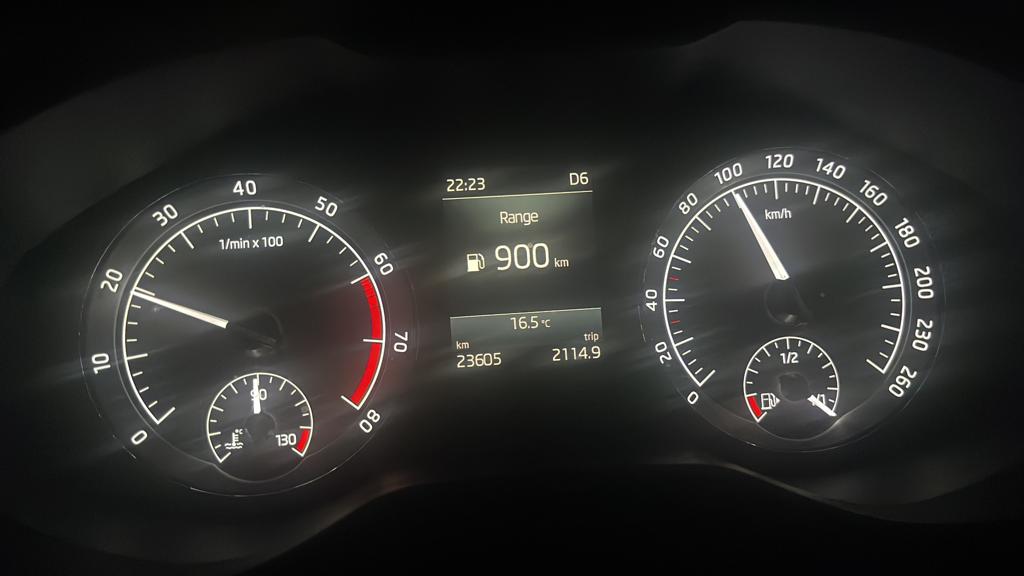
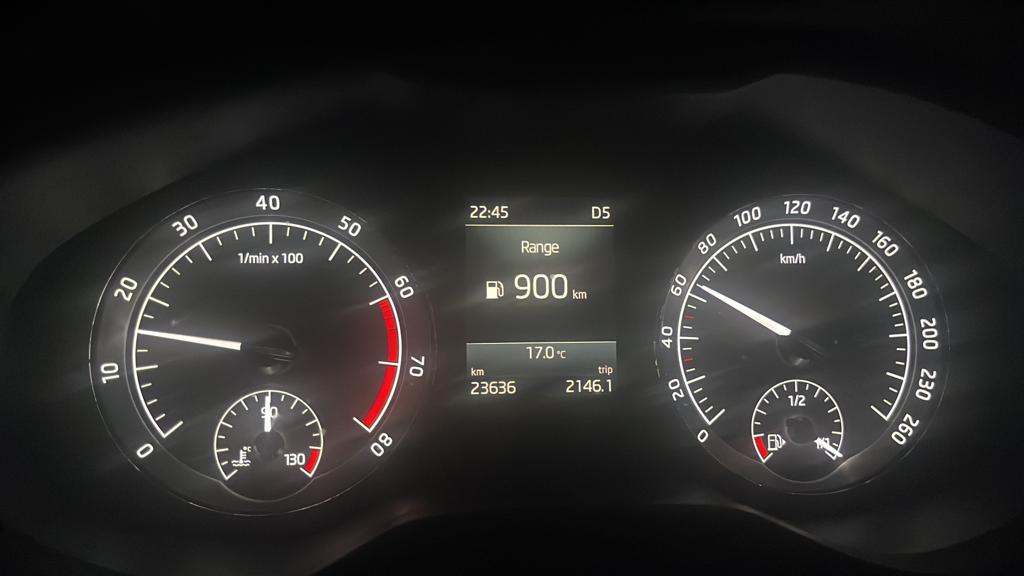
- Analyze the collected emissions for carbon particle content, both with and without the OCTA-H filter (see Figures 3,4).
- Measure the efficiency of carbon absorption by OCTA-H using advanced analytical methods.
Gasoline Consumption Measurement:
- Monitor and record the fuel consumption of vehicles during controlled driving experiments.
- Compare the fuel consumption of vehicles with and without the OCTA-H filter.
- Calculate the percentage reduction in gasoline consumption achieved with the OCTA-H filter.
Performance Evaluation:
- Assess the impact of the OCTA-H filter on engine performance, such as power output and torque.
- Monitor any potential changes in engine parameters, including exhaust gas temperature and emissions of nitrogen oxides (NOx) and carbon monoxide (CO).
- Conduct engine performance tests according to standardized protocols.
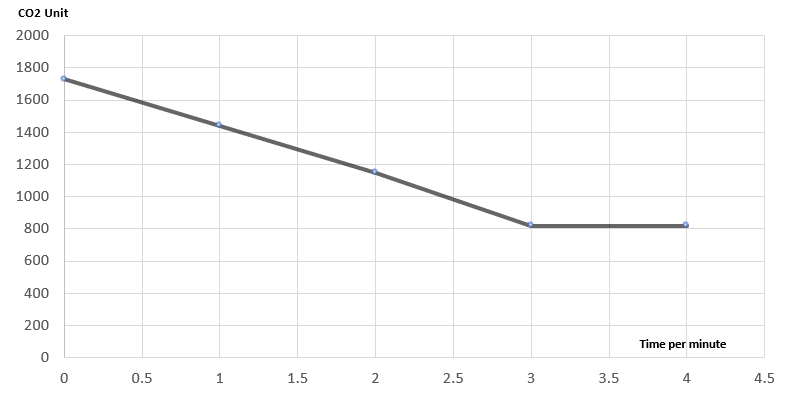
The OCTA-H silica compound demonstrates effective carbon absorption capabilities, as indicated by a significant reduction in carbon particle content in the exhaust emissions as shown in Figure 2.
A quantifiable measure of the carbon absorption efficiency of OCTA-H is obtained, confirming its potential as a protective filter for carbon sequestration as presented in Figures 3 and 4.
The results of the study revealed that the consumption rates of fossil fuels, specifically gasoline, remained constant throughout the experimental period. Additionally, the combustion rates were observed to be weak, as evidenced by the figure of 900 km, which indicated the stability of the gasoline proportion despite the car's movement on desert roads for 22 minutes. These findings provide support for the hypothesis upon which this research was based, namely, that OctaH has the potential to reduce the rate of internal combustion of fuel.
The stability of gasoline consumption rates over the experimental duration implies that the presence of OctaH, the silica compound being investigated, had a noticeable impact on the combustion process. The consistent consumption rates indicate that the fuel was utilized more efficiently, resulting in reduced internal combustion. This finding aligns with the initial hypothesis that OctaH can contribute to lowering the combustion rate of fuel. The weak combustion rates observed in the study are significant as they suggest that OctaH played a role in dampening the combustion process. This is an important outcome as it implies that the presence of OctaH in the fuel system could potentially lead to a more controlled and efficient utilization of gasoline. By reducing the rate of combustion, the fuel is utilized more effectively, resulting in improved fuel economy and reduced emissions.


The experiment was conducted on desert roads, which provided a suitable environment to assess the impact of OctaH on fuel consumption and combustion. The challenging conditions of desert roads, characterized by extreme temperatures and harsh terrains, often result in increased fuel consumption due to the higher power demands on the engine. However, the presence of OctaH appeared to counteract this effect by reducing the internal combustion rate, leading to stable gasoline consumption rates.
The findings of this study have important implications for fuel efficiency and environmental sustainability. By reducing the rate of internal combustion, OctaH has the potential to contribute to significant fuel savings and decreased carbon emissions. Improving fuel economy is crucial in reducing our reliance on fossil fuels, mitigating climate change, and promoting a more sustainable transportation sector.
It is worth noting that further research and testing are necessary to fully understand the mechanisms by which OctaH influences the combustion process and to validate these initial findings. Additional experiments could explore the long-term effects of OctaH on fuel consumption and combustion rates under varying driving conditions and environments.
The implementation of OCTA-H filters in vehicles has demonstrated a significant reduction in gasoline consumption compared to vehicles that do not utilize the filter. This finding holds promising implications for enhancing fuel efficiency and reducing the environmental impact of vehicle operations.
The study conducted to assess the impact of OCTA-H filters on gasoline consumption involved controlled driving experiments with vehicles equipped with the filters. The fuel consumption of these vehicles was carefully monitored and recorded, allowing for a direct comparison with vehicles operating without the OCTA-H filter.
The results clearly indicated a notable reduction in gasoline consumption in vehicles equipped with OCTA-H filters. This reduction can be attributed to the beneficial properties of OCTA-H in optimizing fuel utilization. The filter acts as a protective barrier that enhances the combustion process and ensures a more efficient conversion of fuel into usable energy 20.
One of the primary reasons for the reduction in gasoline consumption is the improved combustion efficiency facilitated by the OCTA-H filter. By incorporating the filter into the fuel lines, it helps to create a more controlled and optimal fuel-air mixture, leading to better combustion characteristics. This, in turn, translates into improved fuel economy, as a higher percentage of the fuel's energy content is effectively converted into useful work.
Furthermore, the OCTA-H filter aids in reducing wasteful fuel consumption by minimizing fuel losses due to evaporation. It helps to prevent the escape of volatile fuel components, particularly during periods of vehicle inactivity or when the engine is not running at optimal operating temperatures. By retaining these volatile components within the fuel system, the filter ensures that they are utilized during combustion, contributing to increased fuel efficiency.
Another factor contributing to the reduction in gasoline consumption is the potential for OCTA-H to optimize engine performance. The filter's presence can lead to a cleaner and more efficient combustion process, reducing the occurrence of incomplete combustion and associated energy losses. This optimization of engine performance further enhances fuel economy, as the engine operates more effectively and extracts maximum energy from the fuel.
It is important to note that the extent of gasoline consumption reduction achieved with OCTA-H filters may vary depending on several factors, including the vehicle's make and model, driving conditions, and overall maintenance. However, the notable reduction observed in the study provides confidence in the potential of OCTA-H filters as a viable solution for enhancing fuel efficiency and reducing gasoline consumption.
Reducing gasoline consumption is crucial for several reasons. Firstly, it helps to conserve fossil fuel resources, which are finite and increasingly scarce. By optimizing fuel utilization, we can make better use of available resources and extend their longevity. Additionally, reducing gasoline consumption directly translates into a decrease in carbon dioxide (CO2) emissions, a major contributor to climate change. By minimizing fuel consumption, OCTA-H filters contribute to mitigating the environmental impact associated with vehicle operations.
The aim of this study is to investigate the effect of silica compounds, specifically OCTA-H (a type of silica compound), as a protective filter on carbon absorption and reducing gasoline consumption for vehicle use. The results of this study support the hypothesis that OctaH, a silica compound, has the potential to reduce the rate of internal combustion of fuel. The stable gasoline consumption rates and weak combustion rates observed during the experiment indicate that OctaH played a significant role in improving fuel efficiency. These findings hold promise for enhancing fuel economy, reducing carbon emissions, and promoting sustainable transportation practices. Continued research in this area will be valuable in further exploring the effectiveness and long-term effects of OctaH to optimize fuel consumption and mitigate environmental impacts. Moreover, we can demonstrate that the use of OCTA-H filters in vehicles has shown a notable reduction in gasoline consumption compared to vehicles without the filter. This reduction is primarily attributed to improved combustion efficiency, minimized fuel losses, and optimized engine performance facilitated by the filter. Continued research and implementation of such filters can play a significant role in promoting sustainable transportation practices and addressing the challenges of energy conservation and climate change.
| [1] | Khan, I. U., Othman, M. H. D., Hashim, H., Matsuura, T., Ismail, A. F., Rezaei-DashtArzhandi, M., & Azelee, I. W. (2017). Biogas as a renewable energy fuel–A review of biogas upgrading, utilisation and storage. Energy conversion and management, 150, 277-294. | ||
| In article | View Article | ||
| [2] | Arnold, M. (2009). Reduction and monitoring of biogas trace compounds. VTT Research Notes, 2496, 74. | ||
| In article | |||
| [3] | Nyamukamba, P., Mukumba, P., Chikukwa, E. S., & Makaka, G. (2020). Biogas upgrading approaches with special focus on siloxane removal—A review. Energies, 13(22), 6088. | ||
| In article | View Article | ||
| [4] | Kim, B. R. (2011). VOC emissions from automotive painting and their control: A review. Environmental engineering research, 16(1), 1-9. | ||
| In article | View Article | ||
| [5] | Rafiee, A., Khalilpour, K. R., Prest, J., & Skryabin, I. (2021). Biogas as an energy vector. Biomass and Bioenergy, 144, 105935. | ||
| In article | View Article | ||
| [6] | Appels, L., Baeyens, J., Degrève, J., & Dewil, R. (2008). Principles and potential of the anaerobic digestion of waste-activated sludge. Progress in energy and combustion science, 34(6), 755-781. | ||
| In article | View Article | ||
| [7] | Schauer, J. J., Kleeman, M. J., Cass, G. R., & Simoneit, B. R. (2002). Measurement of emissions from air pollution sources. 5. C1− C32 organic compounds from gasoline-powered motor vehicles. Environmental science & technology, 36(6), 1169-1180. | ||
| In article | View Article PubMed | ||
| [8] | Wang, H., Sun, S., Nie, L., Zhang, Z., Li, W., & Hao, Z. (2023). A review of whole-process control of industrial volatile organic compounds in China. Journal of Environmental Sciences, 123, 127-139. | ||
| In article | View Article PubMed | ||
| [9] | Kaparaju, P., & Rintala, J. (2013). Generation of heat and power from biogas for stationary applications: boilers, gas engines and turbines, combined heat and power (CHP) plants and fuel cells. In The biogas handbook (pp. 404-427). Woodhead Publishing. | ||
| In article | View Article | ||
| [10] | Chaemchuen, S., Zhou, K., & Verpoort, F. (2016). From biogas to biofuel: materials used for biogas cleaning to biomethane. ChemBioEng Reviews, 3(6), 250-265. | ||
| In article | View Article | ||
| [11] | Khan, M. U., Lee, J. T. E., Bashir, M. A., Dissanayake, P. D., Ok, Y. S., Tong, Y. W., ... & Ahring, B. K. (2021). Current status of biogas upgrading for direct biomethane use: A review. Renewable and Sustainable Energy Reviews, 149, 111343. | ||
| In article | View Article | ||
| [12] | Hasannuddin, A. K., Wira, J. Y., Sarah, S., Aqma, W. W. S., Hadi, A. A., Hirofumi, N., ... & Azrin, M. A. (2016). Performance, emissions and lubricant oil analysis of diesel engine running on emulsion fuel. Energy conversion and management, 117, 548-557. | ||
| In article | View Article | ||
| [13] | Cadle, S. H., Mulawa, P. A., Hunsanger, E. C., Nelson, K., Ragazzi, R. A., Barrett, R., ... & Snow, R. (1999). Composition of light-duty motor vehicle exhaust particulate matter in the Denver, Colorado area. Environmental science & technology, 33(14), 2328-2339. | ||
| In article | View Article | ||
| [14] | Soreanu, G., Beland, M., Falletta, P., Edmonson, K., Svoboda, L., Al-Jamal, M., & Seto, P. (2011). Approaches concerning siloxane removal from biogas-A review. Can. Biosyst. Eng, 53(8), 8-1. | ||
| In article | |||
| [15] | Okolie, J. A., Nanda, S., Dalai, A. K., & Kozinski, J. A. (2021). Chemistry and specialty industrial applications of lignocellulosic biomass. Waste and Biomass Valorization, 12, 2145-2169. | ||
| In article | View Article | ||
| [16] | Sonntag, D. B., Bailey, C. R., Fulper, C. R., & Baldauf, R. W. (2012). Contribution of lubricating oil to particulate matter emissions from light-duty gasoline vehicles in Kansas City. Environmental science & technology, 46(7), 4191-4199. | ||
| In article | View Article PubMed | ||
| [17] | Fraser, M. P., Cass, G. R., & Simoneit, B. R. (1998). Gas-phase and particle-phase organic compounds emitted from motor vehicle traffic in a Los Angeles roadway tunnel. Environmental science & technology, 32(14), 2051-2060. | ||
| In article | View Article | ||
| [18] | Sher, E. (1998). Handbook of air pollution from internal combustion engines: pollutant formation and control. Academic Press. | ||
| In article | |||
| [19] | Yehia, H. M. A. S., & Said, S. M. (2021). The Potential Applications of a Silica Polymer to Absorb Carbon Dioxide. J Environ Stud, 7(1), 3. | ||
| In article | View Article | ||
| [20] | Yehia, H. M. A. S., & Said, S. M. (2023). Silica Nanoparticles for Water Purification and Monitoring in Point-of-Use Water Supply Systems. American Journal of Water Resources, 11(3), 98-102. | ||
| In article | View Article | ||
Published with license by Science and Education Publishing, Copyright © 2023 Hesham Mohamed Abdal-Salam Yehia and Said Mahmoud Said
 This work is licensed under a Creative Commons Attribution 4.0 International License. To view a copy of this license, visit
http://creativecommons.org/licenses/by/4.0/
This work is licensed under a Creative Commons Attribution 4.0 International License. To view a copy of this license, visit
http://creativecommons.org/licenses/by/4.0/
| [1] | Khan, I. U., Othman, M. H. D., Hashim, H., Matsuura, T., Ismail, A. F., Rezaei-DashtArzhandi, M., & Azelee, I. W. (2017). Biogas as a renewable energy fuel–A review of biogas upgrading, utilisation and storage. Energy conversion and management, 150, 277-294. | ||
| In article | View Article | ||
| [2] | Arnold, M. (2009). Reduction and monitoring of biogas trace compounds. VTT Research Notes, 2496, 74. | ||
| In article | |||
| [3] | Nyamukamba, P., Mukumba, P., Chikukwa, E. S., & Makaka, G. (2020). Biogas upgrading approaches with special focus on siloxane removal—A review. Energies, 13(22), 6088. | ||
| In article | View Article | ||
| [4] | Kim, B. R. (2011). VOC emissions from automotive painting and their control: A review. Environmental engineering research, 16(1), 1-9. | ||
| In article | View Article | ||
| [5] | Rafiee, A., Khalilpour, K. R., Prest, J., & Skryabin, I. (2021). Biogas as an energy vector. Biomass and Bioenergy, 144, 105935. | ||
| In article | View Article | ||
| [6] | Appels, L., Baeyens, J., Degrève, J., & Dewil, R. (2008). Principles and potential of the anaerobic digestion of waste-activated sludge. Progress in energy and combustion science, 34(6), 755-781. | ||
| In article | View Article | ||
| [7] | Schauer, J. J., Kleeman, M. J., Cass, G. R., & Simoneit, B. R. (2002). Measurement of emissions from air pollution sources. 5. C1− C32 organic compounds from gasoline-powered motor vehicles. Environmental science & technology, 36(6), 1169-1180. | ||
| In article | View Article PubMed | ||
| [8] | Wang, H., Sun, S., Nie, L., Zhang, Z., Li, W., & Hao, Z. (2023). A review of whole-process control of industrial volatile organic compounds in China. Journal of Environmental Sciences, 123, 127-139. | ||
| In article | View Article PubMed | ||
| [9] | Kaparaju, P., & Rintala, J. (2013). Generation of heat and power from biogas for stationary applications: boilers, gas engines and turbines, combined heat and power (CHP) plants and fuel cells. In The biogas handbook (pp. 404-427). Woodhead Publishing. | ||
| In article | View Article | ||
| [10] | Chaemchuen, S., Zhou, K., & Verpoort, F. (2016). From biogas to biofuel: materials used for biogas cleaning to biomethane. ChemBioEng Reviews, 3(6), 250-265. | ||
| In article | View Article | ||
| [11] | Khan, M. U., Lee, J. T. E., Bashir, M. A., Dissanayake, P. D., Ok, Y. S., Tong, Y. W., ... & Ahring, B. K. (2021). Current status of biogas upgrading for direct biomethane use: A review. Renewable and Sustainable Energy Reviews, 149, 111343. | ||
| In article | View Article | ||
| [12] | Hasannuddin, A. K., Wira, J. Y., Sarah, S., Aqma, W. W. S., Hadi, A. A., Hirofumi, N., ... & Azrin, M. A. (2016). Performance, emissions and lubricant oil analysis of diesel engine running on emulsion fuel. Energy conversion and management, 117, 548-557. | ||
| In article | View Article | ||
| [13] | Cadle, S. H., Mulawa, P. A., Hunsanger, E. C., Nelson, K., Ragazzi, R. A., Barrett, R., ... & Snow, R. (1999). Composition of light-duty motor vehicle exhaust particulate matter in the Denver, Colorado area. Environmental science & technology, 33(14), 2328-2339. | ||
| In article | View Article | ||
| [14] | Soreanu, G., Beland, M., Falletta, P., Edmonson, K., Svoboda, L., Al-Jamal, M., & Seto, P. (2011). Approaches concerning siloxane removal from biogas-A review. Can. Biosyst. Eng, 53(8), 8-1. | ||
| In article | |||
| [15] | Okolie, J. A., Nanda, S., Dalai, A. K., & Kozinski, J. A. (2021). Chemistry and specialty industrial applications of lignocellulosic biomass. Waste and Biomass Valorization, 12, 2145-2169. | ||
| In article | View Article | ||
| [16] | Sonntag, D. B., Bailey, C. R., Fulper, C. R., & Baldauf, R. W. (2012). Contribution of lubricating oil to particulate matter emissions from light-duty gasoline vehicles in Kansas City. Environmental science & technology, 46(7), 4191-4199. | ||
| In article | View Article PubMed | ||
| [17] | Fraser, M. P., Cass, G. R., & Simoneit, B. R. (1998). Gas-phase and particle-phase organic compounds emitted from motor vehicle traffic in a Los Angeles roadway tunnel. Environmental science & technology, 32(14), 2051-2060. | ||
| In article | View Article | ||
| [18] | Sher, E. (1998). Handbook of air pollution from internal combustion engines: pollutant formation and control. Academic Press. | ||
| In article | |||
| [19] | Yehia, H. M. A. S., & Said, S. M. (2021). The Potential Applications of a Silica Polymer to Absorb Carbon Dioxide. J Environ Stud, 7(1), 3. | ||
| In article | View Article | ||
| [20] | Yehia, H. M. A. S., & Said, S. M. (2023). Silica Nanoparticles for Water Purification and Monitoring in Point-of-Use Water Supply Systems. American Journal of Water Resources, 11(3), 98-102. | ||
| In article | View Article | ||