sciepub.com
 Quick Submission

Expression, Down-regulation and Function of CCRL2 on Three Human Cancer Cell Lines
Nadia MatterALMhana1, , Israa Zainal2, Nahi Y. Yaseen3
1AL-Mustansirya University, College of Engineering, Environmental Engineering Department, Baghdad-Iraq
2Kirkuk University, College of Science, Chemistry Department, Kirkuk-Iraq
3Iraqi Center for Cancer and Medical Genetics, Baghdad-Iraq
Abstract
C-C chemokine receptor like 2 (CCRL2) is a member of the atypical chemokine receptor family; it is a hepta helical transmembrane receptor, expression of which has been shown on almost all human hematopoietic cells. CCRL2 were previously considered to be orphan receptor and as a receptor presenting its chemo attractant ligand to functional receptors. The function and expression of CCRL2 in cancer is not understood at present. Here, we investigated the expression of CCRL2 as well as the effects on cellular proliferation resulting from their knockdown in three cancer cell lines include: human cerebral glioblastoma multi form (ANGM, at passages 75-84), human cervical cancer (HeLa, at 70 passages), and human pelvic rhabdomyosarcoma (RD, at 75 passages) cell lines. In addition, all cell lines were screened for mRNA expression of CCRL2 by reverse transcription polymerase chain reaction (RT-PCR). Cell lines with detectable expression were used for knockdown experiments; and the respective influence after transfection with small interfering RNA (siRNA) concentrations (2,3,4,5,6,7 and 8) ρmol for (24 , 48 and 72) hour were determined for both CCRL2 gene and the house keeping gene GAPDH as control. The Knockdown of CCRL2 was highly successful; the expression of CCRL2 was down-regulated by over 76.0%, 89.6% and 80.7% after transfection for 48 hour to (ANGM, HeLa and RD) cell lines respectively. The results also indicated that in the CCRL2 absence there was a significant decrease in the cell proliferation, suggesting a pro-tumoral effect of CCRL2. The potential roles of CCRL2 as a novel therapeutic target and biomarker warrant further investigations.
Keywords: chemokine receptor, CCRL2, gene expression, gene silencing, human cancer cell lines
Copyright © 2017 Science and Education Publishing. All Rights Reserved.Cite this article:
- Nadia MatterALMhana, Israa Zainal, Nahi Y. Yaseen. Expression, Down-regulation and Function of CCRL2 on Three Human Cancer Cell Lines. American Journal of Biomedical Research. Vol. 5, No. 1, 2017, pp 1-7. http://pubs.sciepub.com/ajbr/5/1/1
- MatterALMhana, Nadia, Israa Zainal, and Nahi Y. Yaseen. "Expression, Down-regulation and Function of CCRL2 on Three Human Cancer Cell Lines." American Journal of Biomedical Research 5.1 (2017): 1-7.
- MatterALMhana, N. , Zainal, I. , & Yaseen, N. Y. (2017). Expression, Down-regulation and Function of CCRL2 on Three Human Cancer Cell Lines. American Journal of Biomedical Research, 5(1), 1-7.
- MatterALMhana, Nadia, Israa Zainal, and Nahi Y. Yaseen. "Expression, Down-regulation and Function of CCRL2 on Three Human Cancer Cell Lines." American Journal of Biomedical Research 5, no. 1 (2017): 1-7.
| Import into BibTeX | Import into EndNote | Import into RefMan | Import into RefWorks |
At a glance: Figures
1. Introduction
Chemokines were relatively small cytokines (8 to 40) kDa focused on inducing cell movement, or chemotaxis [1]. Chemokines contains about 70-130 amino acids and were divided into four subfamilies defined by the arrangement of the conserved N-terminal cysteine (C) residues of the mature proteins [2]. The main function of chemokines was in leucocyte chemotaxis or migration, in addition to leucocyte activation; in both physiological and pathological conditions, they control leucocyte circulation, homing, extravasation and recirculation between the blood vessels, lymphatic vessels and lymphoid organs and tissues [3-8][3]. Chemokines and their receptors could provide novel therapeutic targets in the search for new anticancer agents, which may delay or prevent tumor progression and metastases in patients [9]. Studies showed the important roles for some chemokines in hematopoiesis and organ development. It is well clear that the chemokine family plays a critical role in this regulatory system [10]. Angiogenesis occurs rapidly but transiently and is tightly regulated physiologically, but unbalanced production of CXC subgroup of chemokines which act as positive and negative regulators, results pathological angiogenesis that seen during chronic inflammation and tumor growth [7]. The interactions of chemokine receptors with chemokines were enhanced by post-translational sulfation of critical tyrosine residues located in the extracellular amino-terminal regions of the receptors [11]. It has known the key role of chemokines in inflammation event; chemokines participate in and control the process of a number of acute and chronic inflammatory conditions by promoting the infiltration and activation of inflammatory cells into injured or infected tissues and wound repair [12]. CCRL2 (C-C chemokine receptor like 2) is potentially the newest member of the ACKR family. CCRL2 is known also with alternative names, such as L-CCR (Lipopolysaccharide inducible CC chemokine receptor related gene) [13], HCR (human chemokine receptor) and CRAM (chemokine receptor on activated macrophages) [13, 14, 15]. Human CCRL2 has two transcript variants, named CCRL2A and CCRL2B. However the mouse only contains one transcript, more similar to the human CCRL2B [16], however it was not initially detected in B cells [17]. CCRL2 has been described in details as a gene up regulated during inflammation in multiple cell types. Originally, CCRL2 was shown to be up regulated upon lipopolysaccharide (LPS) stimulation of the macrophage cell line RAW264, as well as in mouse macrophages stimulated with LPS [14]. Currently, intense efforts are underway to identify small-molecule antagonists for chemokine receptors and the potential role of chemokines as immunotherapeutic agents is being ardently investigated [18]. Gene silencing has been achieved through specific delivery of a small interfering double-stranded RNA (siRNA) into target cells, and subsequent duplex formation of RNA-induced silencing complex (RISC) that destroys mRNA, thus leading to interference with RNA functions and protein synthesis within the target cells [19]. siRNA therapy can be administered directly into tumors; however, for systemic administration, it is somewhat difficult as a naked siRNA protein is liable for host-mediated clearance by enzymatic degradation, renal filtration, and host cellular phagocytosis. However, limited success has been achieved mainly due to relatively high toxicity and low transfection efficiency [20]. The aim of this work is to investigate the expression of the CCRL2 on three human cancer cell lines (ANGM, HeLa and RD), and the possible modulation of the CCRL2 receptor in the above cell lines.
2. Materials and Methods
2.1. Cell Lines and Culture ConditionsThree cancer cell lines, human cerebral glioblastoma-multiforme (ANGM), human pelvic rhabdomyosarcoma (RD), and human cervical cancer (HeLa) cell lines were kindly provided by ICCMGR (Baghdad, Iraq) and used throughout this study. ANGM was propagated and maintained on Rosswell Park Memorial Institute medium (RPMI-1640, US biological, USA), while HeLa and RD cultured on minimal essential medium (MEM, Sigma) [21]. To these media, 10% fetal bovine serum (Cellgro, USA) and 1% penicillin/streptomycin (Cellgro, USA) were added and incubated in a humidified 5% CO2 incubator (Heracell 150, Thermo Electron Corp.) at 37°C. The cells were sub cultured after they had achieved 80-90% confluency, which can be observed under inverted microscope (Nicon Eclipse TS100). Cell viability was assessed by using trypan blue (Pharma, Sweden) exclusion test and found to be greater than 99% [22].
2.2. RNA Isolation and RT-QPCRTotal RNA was extracted from cells using the total RNA Isolation kit (bio PLUS). The amount and purity of isolated RNA were measured in a spectrophotometer using the 260/280 ratio, the total RNA concentration was measured using the Nano drop spectrophotometer ND-100. RT-QPCR was performed using KAPA SYBR FAST qPCR reagents (KAPABIOSYSTEMS, USA) using a Strata gene Mx3005p thermo cycler (Agilent, Santa Clara, CA, USA). Primers were validated using stringent criteria, by verifying that the dissociation curve showed only one peak, and “no Reverse Transcriptase” controls were used to confirm that QPCR results reflected RNA expression and not genomic DNA contamination. The relative induction value of our genes of interest was calculated using the 2-ΔCT method [23]. All PCR reactions were done in duplicate.
2.3. mRNA Expression AnalysisAnalysis of gene expression was performed using semi-quantitative reverse transcriptase polymerase chain reaction (RT-PCR). Briefly, cDNA was synthesized from 5 μg total RNA using Optimax First Strand cDNA Synthesis Kit, Bio Chain. < 20 ng of first strand cDNA was amplified.
The reaction mixture was incubated in a thermal cycler (DNA engine, PTC200 Peltier) using a program with the following profile: Initial heating (95°C, 3min) was followed by 35 cycles of denaturation (95°C, 1-3sec), annealing (60°C, ≥ 20 sec), and elongation (72°C, 20s), which was followed by a final elongation step (72°C, 10min) before the sample was kept at 4°C until it was removed from the thermal cycler. Thereafter, the amplified products were resolved through a 1% agarose gel containing ethidium bromide and analyzed using an Alpha Imager gel documentation system (Alpha Inno tech, San Leandro, CA, USA).
2.4. Small Interfering RNA Knockdown ExperimentsIn a 96 well tissue culture plate, seed 2 x 10⁴ cells per well in 200 µl antibiotic-free normal growth medium supplemented with FCS. Incubate the cells at 37°C in a CO2 incubator until the cells are 60-80% confluent. This will usually take 18-24 hours. (NOTE: Healthy and sub confluent cells are required for successful transfection experiments). It is recommended to ensure cell viability one day prior to transfection).Then exposing the cells to transfection with several siRNA concentrations (2-8 ρmol), assay the cells using the appropriate protocol (24, 48 and 72) hour. For estimating mRNA down-regulation, total RNA was isolated from cells transfected and non-transfected cells as control. Complementary DNA (cDNA) is double-stranded DNA synthesized from a single stranded RNA template in a reaction catalyzed by the enzyme reverse transcriptase, its concentration and purity was measured by the Nano drop device. Gene silencing was assessed by quantitative RT-PCR (qRT-PCR). The expression level of CCRL2 was determined by real time RT-PCR, quantitative Real Time RT-PCR used in this study to determine the expression levels of CCRL2 mRNA in (ANGM, HeLa and RD) cell lines.
2.5. Cell Proliferation Assay (MTT)Cell proliferation was evaluated in triplicates. Briefly, Cells were seeded in 96 – micro plate at 1×10⁵ cells/well in media either with/without siRNA transfection of CCRL2 for (ANGM; 6 ρmol, HeLa; 7 ρmol and RD; 8 ρmol) for 48 hour. Cell proliferation was determined by MTT (3-(4,5-Dimethylthiazol-2-yl)-2,5-diphenyltetrazolium bromide, a yellow tetrazole) assay [24], and absorbance at 450 nm was recorded using 96well plate ELISA reader. The differences in absorbance were compared in vector control transfected cells and CCRL2 knockdown cells.
2.6. Statistical AnalysisThe Statistical Analysis System- SAS (2012) program was used to determine the effect of difference factors (concentration, cell lines and time) in study parameters (inhibition rate and Knockdown percentage). Least significant difference –LSD test was used to significant compare between means in this study [25]. The IC50 estimated and associated standard errors were determined using a nonlinear one-site competition least squares regression with the computer program Graph pad Prism 5.0 (Graph Pad Software, San Diego, CA).
3. Results
3.1. Primer, Temperature Optimization and Gene Expression of CCRL2Two set of primers were designed, the sequences which designed a primers of CCRL2 and GAPDH by the NCBI site to specifically and efficiently amplify DNA sequences for the three (ANGM, HeLa and RD) cancer cell lines were shown in the Table 1.





The primer set CCRL2 was screened for reaction specificity and melting temperature profiles using a temperature gradient , the temperatures ranging from (55.1 to 61)°C by the PCR technique. The results indicated that there were primer dimer in the first two sequences of CCRL2 primer (Table 1) in all cell lines under study (ANGM, HeLa and RD), as shown in the Figure 1 (A, B & C).

 Download as
The temperature optimization was carried out also for the second sequence of CCRL2 primer (Table 1). The results indicated that the primer was expressed in all three cell lines (ANGM, HeLa and RD) and there were no appearance of dimer in the gels electrophoresis, and the best annealing temperature was 60°C, as shown in the Figure 2 (A, B & C).
 Download as
Amplification was evident from all samples while the negative control (no template) responded appropriately. Individual experiments were repeated a minimum of three times. The reaction with the primer pair made the intended target product and no primer dimers or nonspecific products were found. QRT-PCR was performed to investigate the mRNA expression levels in the all above cancer cell lines. DNA samples from each cell line were assayed in duplex reactions with each set of primer pairs in order to validate the efficiency and specificity. Once the single duplex reaction was optimized, it was validated by assaying each different sample for statistical differences in the results.
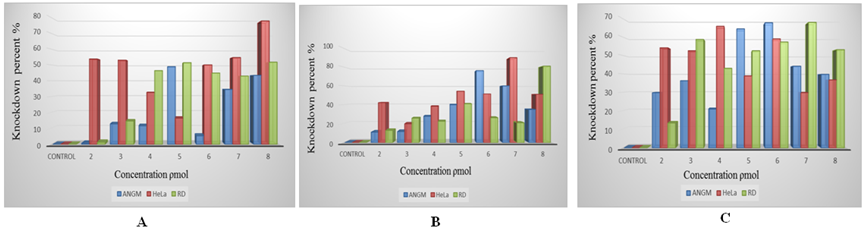
3.2. CCRL2 Transfection with siRNASmall interfering RNA duplexes designed against human CCRL2 were purchased from biosynthesis (Table 2). The tumor cells cultured in 6-well plates were transfected with (2, 3, 4, 5, 6, 7 and 8) ρmol concentrations of small interfering RNA (siRNA) or negative siRNA control using siRNA Transfection Reagent (Santa Cruz Company), following the manufacturer’s instructions. At (24, 48, and 72) hours after treatment, the cells were harvested for RT-PCR analysis. The expression levels of CCRL2 mRNA after transfection were determined for (ANGM, HeLa and RD) cell lines to make sure if the gene was silenced or not. Figure 3 (A, B and C) showed the knockdown % for CCRL2 gene and the house keeping gene GAPDH (as control). The most efficient siRNA concentration after (24, 48 and 72) hour for all studied cell lines were presented in Table 3.





 Download as

 cell lines)


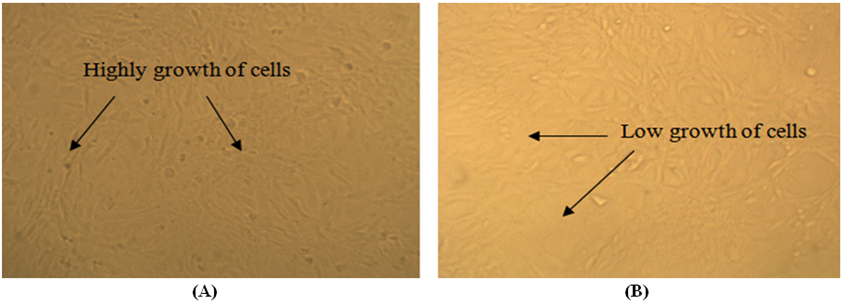
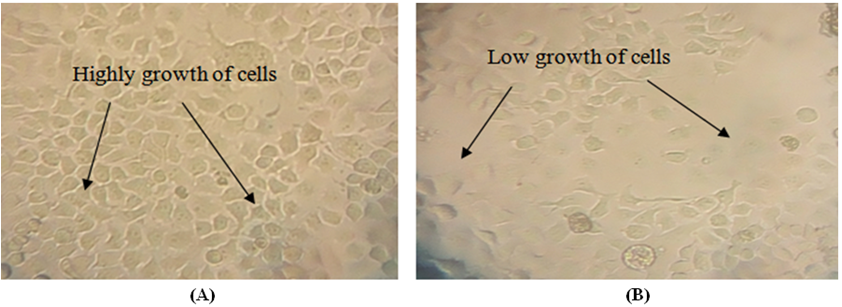
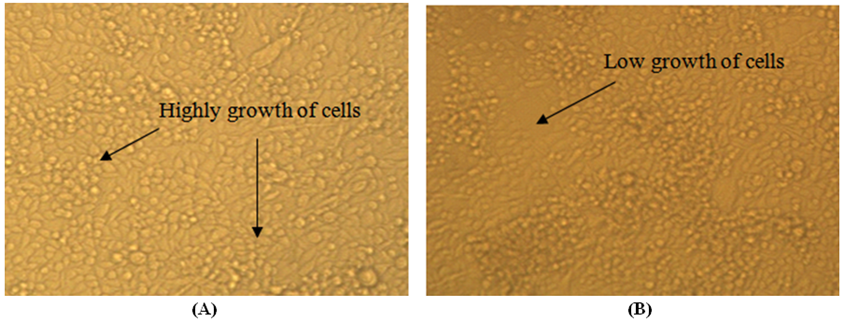
An mRNA knockdown of more than 75% was observed for all the studied cell lines using (8 ρmol for ANGM after 48 hour), (7 ρmol for HeLa after 48 hour) and (8 ρmol for RD after 72 hour) as clear in Table 3. From Figure 3 (A, B and C) for the three above cell lines the results cleared that the growth of the transfected cells were lower than the non-transfected cells. Figure 4, Figure 5, and Figure 6, for the (ANGM, HeLa and RD) cell lines respectively, represented that the growth of the transfected cells were lower than the non-transfected cells. Figure 7 (A, B and C) summarized the comparison between the (ANGM, HeLa and RD) cell lines that transfected with different siRNA concentrations after (24, 48 and 72) hour.
 Download as
 Download as
 Download as
 Download as
The results indicated that after 24 hour the highest gene knockdown % for HeLa cells with 77.6% using 8 ρmol, while after 48 hour it was 89.6% using 7 ρmol also for HeLa cells, but after 72 hour knockdown % for the RD cells was the higher one with 67.7% using 7 ρmol of siRNA concentration. According to the above data, the Knockdown % of CCRL2 was highly successful. Expression of CCRL2 was reduced over 70 % for (ANGM, HeLa and RD) cell lines.
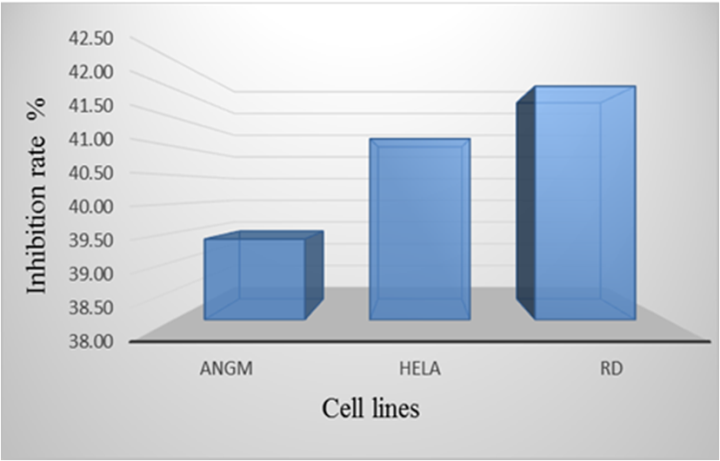
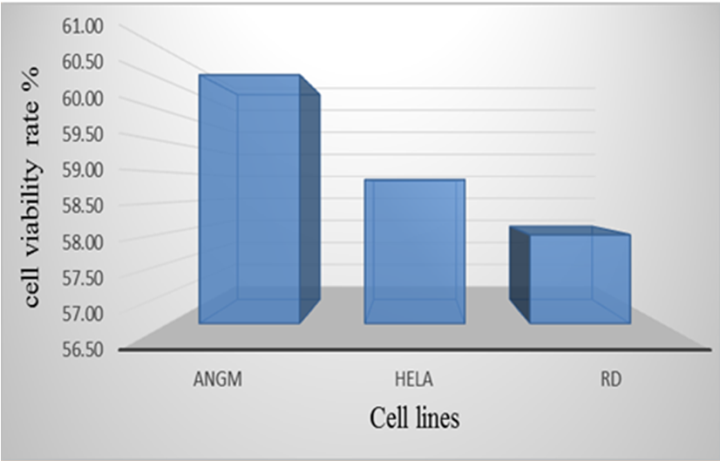
3.3. Effect on Cell ProliferationThe down regulation of CCRL2 was further analyzed regarding a potential effect on the proliferation of the three cancer cell lines mentioned above. The data show that there was reduced proliferation in cells from all cell lines as compared to respective untreated cells (see Figure 8 & Figure 9). Table 4 shows the transfection conditions for the three above cell lines. The inhibition rate of the cell lines after knockdown with CCRL2 gene were shown in the Table 5.
 Download as
 Download as

 cell line)



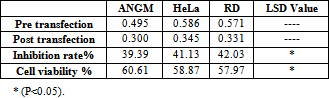

From Table 5 it’s clear that the inhibition rate % of (ANGM, HeLa and RD) cell lines was (39.39, 41.13 and 42.03) % and the cell viability % cells was (60.61, 58.87 and 57.97) % respectively.
The cell proliferation assay for the above studied cell lines with CCRL2 down-regulation showed a significant inhibition effect on the cell proliferation and viability for these cells as shown in Figure 8 and Figure 9.
4. Discussion
This study demonstrated the novel finding that CCRL2 is expressed on (ANGM, HeLa and RD) cell lines. Chemokines have been shown to participate in tumor growth, angiogenesis, lymphatic and hematogenic spread of malignant tumors [26-31][26], and regulate leukocyte traffic [32]. The chemerin, which also binds to the chemokine-like receptor (CMKLR)-1, alternatively known as ChemR23. CCRL2 expression at the mRNA level has been described in murine macrophages [14], glial cells, astrocytes, microglia stimulated with LPS [33, 34], and in mast cells [35]. CCRL2 was also reported to be up regulated in lung macrophages and epithelial cells after in vivo sensitization [36]. Indeed, many chemokines and chemokine receptors initially identified for their ability to control leukocytes trafficking, have been subsequently demonstrated to promote tumor cells migration and invasion. The two most well-studied chemokine/receptor pairs, the CXCL12/CXCR4 and CCL21/CCR7 have been shown to mediate cancer cells metastasis to the lymph nodes in multiple cancers [37]. Emerging evidence has suggested chemokine systems are promising therapeutic targets. For example, CXCR4 has been shown to be an effective target to inhibit breast cancer metastasis [38]. It was demonstrated that CCRL2 could be a new therapeutic target for GBM invasion and dissemination. CCRL2 inhibitors in combination with radiotherapy and chemotherapy drugs are potentially effective therapeutics for GBM. Further in vivo and in vitro studies in preclinical animal models are needed.
Transfection of synthetic siRNA is known to bring about transient but not stable knockdown of the mRNA due to the fact that siRNA molecules are not amplified in mammalian cells as compared to other eukaryotes (e.g. fungi, plants and worms) [39]. Thus, the gene silencing is transient since the introduced siRNA is diluted out at each cell division and also probably due to degradation by cellular enzymes. Therefore, using synthetic siRNA it was not possible to determine if constitutive down-regulation of E6-AP expression gives a phenotype in HPV-negative cell lines. One approach tested to overcome this limitation was to transfect higher concentrations of synthetic siRNA. Transfection of higher concentration (ranging from 100nM to 500nM) of siRNA resulted in more efficient down-regulation of E6-AP protein levels and also had effects on viability in comparison to cells transfected with similar amounts of control siRNA directed against Renilla luciferase [39]. The results of this study WAS in agreement with Yin et al [40], they found that knockdown of CCRL2 by siRNA targeting CCRL2 significantly decreased CCRL2 expression level in U87 cells. Also Akram I.G. et al [41], worked on several colorectal cancer cell lines and found that CCRL2 gene was down regulated in SW620, LS174T and Caco2 cells by (93, 73 and 75)% using (50, 500 and 100) nM of siRNA concentrations respectively. Catusse J. et al [42], found that the down-regulation of CCRL2 gene for MEC-1 cells of approximately 30%.
Cell proliferation is an essential step by which tumor starts growing and increase its size. This study tested the proliferation ability of the three human cancer cell lines (ANGM, HeLa and RD) under the siRNA transfection conditions to understand how CCRL2 can regulate tumor growth. There were a significant proliferation rate was observed when cells treated (for ANGM; 6 ρmol, HeLa; 7 ρmol and RD; 8 ρmol) of siRNA concentrations for 48 hours. After transfection and silencing the CCRL2 gene which responsible for invasion and the migration of the cells, the proliferation of the cells were reduced. Many chemokines and their receptors have been shown to promote tumor malignant progression via promoting cell proliferation [43, 44].
References
| [1] | Jason W. Griffith, Caroline L. Sokol, and Andrew D. Luster. (2014). Chemokines and Chemokine Receptors: Positioning Cells for Host Defense and Immunity. Annual Review of Immunology. 32: 659-702. | ||
 In article In article | View Article PubMed | ||
| [2] | Bajetto A, Barbero S, Bonavia R, et al. (2001). Stromal cell-derived factor-1alpha induces astrocyte proliferation through the activation of extracellular signal-regulated kinases 1/2 pathway. J Neurochem.; 77: 1226-36. | ||
| In article | View Article PubMed | ||
| [3] | Hippe A, Homey B, Mueller-Homey A. (2010). Chemokines. Recent Results Cancer Res.; 180: 35-50. | ||
| In article | View Article PubMed | ||
| [4] | Frederick MJ, Henderson Y, Xu X, et al. (2000). In vivo expression of the novel CXC chemokine BRAK in normal and cancerous human tissue. Am J Pathol. 156: 1937-50. | ||
| In article | View Article | ||
| [5] | Bagggiolini M, Dewald B, Moser B. (1997). Human chemokines: an update. Annu Rev Immunol.; 15: 675-705 | ||
| In article | View Article PubMed | ||
| [6] | Mantovani A. (1999). Chemokines: introduction & overview. Chem Immunol. 72: 1-6. | ||
| In article | View Article | ||
| [7] | Murphy PM, Baggiolini M, Charo IF, et al. International union of pharmacology. XXII. Nomenclature for chemokine receptors. Pharmacol Rev.; (2000): 52: 145-176. | ||
| In article | PubMed | ||
| [8] | Rollins JB. Chemokines. Blood. (1997); 90: 909-28. | ||
| In article | PubMed | ||
| [9] | Fung H, Gersson S: Viral insertion site detection and analysis in cancer gene therapy. Gene Therapy of Cancer. Edited by: Lattime EC, Gerson SL. (2013), San Diego (CA): Elsevier, 35-46. | ||
| In article | PubMed | ||
| [10] | Broxmeyer HE, Kim CH. (1999). Regulation of hematopoiesis in a sea of chemokine family members with a plethora of redundant activities.Exp Hematol. 27: 1113-1123. | ||
| In article | View Article | ||
| [11] | Stone, M.J., Chuang, S., Hou, X., Shoham, M., and Zhu, J.Z. (2009). Tyrosine Sulfation: An Increasingly Recognised Posttranslational Modification of Secreted Proteins. New Biotechnology; 25, 299-317. | ||
| In article | View Article PubMed | ||
| [12] | Standiford TJ, Kunkel SL, Lukacs NW, et al. (1995). Macrophage inflammatory protein-1 alpha mediates lung leukocyte recruitment, lung capillary leak, and early mortality in murine endotoxemia. J Immunol. 155: 1515-1524. | ||
| In article | PubMed | ||
| [13] | Shimada, T., Matsumoto, M., Tatsumi, Y., Kanamaru, A., and Akira, S. A novel lipopolysaccharide inducible C-C chemokine receptor related gene in murine macrophages, FEBS Lett. (1998): 425, 490-494. | ||
| In article | View Article | ||
| [14] | Fan, P., Kyaw, H., Su, K., Zeng, Z., Augustus, M., Carter, K. C., and Li, Y.. Cloning and characterization of a novel human chemokine receptor, Biochem Biophys Res Commun. (1998): 243, 264-268. | ||
| In article | View Article PubMed | ||
| [15] | Galligan, C. L., Matsuyama, W., Matsukawa, A., Mizuta, H., Hodge, D. R., Howard, O. M., and Yoshimura, T. (2004). Up-regulated expression and activation of the orphan chemokine receptor, CCRL2, in rheumatoid arthritis, Arthritis Rheum 50, 1806-1814. | ||
| In article | View Article PubMed | ||
| [16] | Del Prete, A., Bonecchi, R., Vecchi, A., Mantovani, A. & Sozzani, S. CCRL2, a fringe member of the atypical chemo attractant receptor family. Eur J Immunol, (2013): 43, 1418-22. | ||
| In article | View Article PubMed | ||
| [17] | Migeotte, I., Franssen, J. D., Goriely, S., Willems, F., and Parmentier, M. (2002). Distribution and regulation of expression of the putative human chemokine receptor HCR in leukocyte populations, Eur J Immunol 32, 494-501. | ||
| In article | View Article | ||
| [18] | Comins C, Simpson G, Relph K, Harrington K, Melcher A, Pandha H: Reoviral therapy for cancer: strategies for improving antitumor efficacy using radio- and chemotherapy. Gene Therapy of Cancer. Edited by: Lattime EC, Gerson SL. (2013), San Diego (CA): Elsevier, 185-198. 3. | ||
| In article | |||
| [19] | Fung H, Gersson S: Viral insertion site detection and analysis in cancer gene therapy. Gene Therapy of Cancer. Edited by: Lattime EC, Gerson SL. (2013), San Diego (CA): Elsevier, 35-46. | ||
| In article | PubMed | ||
| [20] | Gujrati M, Lu Z: Targeted systemic delivery of therapeutic siRNA. Gene Therapy of Cancer. Edited by: Lattime EC, Gerson SL. (2013), San Diego (CA): Elsevier, 47-65. | ||
| In article | |||
| [21] | Freshney, R. I.. Cell line provenance. Cytotechnology, (2002): 39, 3-15. | ||
| In article | View Article PubMed | ||
| [22] | Phelan, M. (1988). Basic techniques for mammalian cell tissue culture. Current Protocols in Cell Biology, 7, 15-35. | ||
| In article | |||
| [23] | Livak KJ, Schmittgen TD. Analysis of relative gene expression data using real-time quantitative PCR and the 2(−Delta Delta C (T)) Method. Methods. 2001; 25:402-408. | ||
| In article | View Article PubMed | ||
| [24] | Johnston, S. L. G. and Siegel, C. S.. Presumptive Identification of Enteroviruses with RD, HEP-2, and RMK Cell lines. Journal of Clinical Microbiology, (1990): 28(5): 1049-1050. | ||
| In article | PubMed PubMed | ||
| [25] | SAS. 2012. Statistical Analysis System, User's Guide. Statistical. Version 9.1th ed. SAS. Inst. Inc. Cary. N.C. USA. | ||
| In article | |||
| [26] | Muller A, Homey B, Soto H, GeN, CatronD, Buchanan ME. Involvement of chemokine receptors in breast cancer metastasis. Nature. 2001; 410:50-6. | ||
| In article | View Article PubMed | ||
| [27] | Ghadjar P, Coupland SE, Na IK, Noutsias M, Letsch A, Stroux A, et al. Chemokine receptor CCR6 expression level and liver metastases in colorectal cancer. J Clin Oncol Off J Am Soc Clin Oncol. 2006; 24: 1910-6. | ||
| In article | View Article PubMed | ||
| [28] | Ghadjar P, Rubie C, Aebersold DM, Keilholz U. The chemokine CCL20and its receptorCCR6 in human malignancy with focuson colorectal cancer. Int J Cancer J Int Cancer. 2009; 125: 741-5. | ||
| In article | View Article PubMed | ||
| [29] | Rubie C, Frick VO, Pfeil S, Wagner M, Kollmar O, Kopp B, et al. Correlation of IL-8 with induction, progression and metastatic potential of colorectal cancer. World J Gastroenterol WJG. 2007; 13: 4996-5002. | ||
| In article | View Article PubMed | ||
| [30] | Rubie C, Frick VO, Wagner M, SchuldJ, Graber S, Brittner B. ELR+ CXC chemokine expression in benign and malignant colorectal conditions. BMC Cancer. 2008; 8:178. | ||
| In article | View Article PubMed | ||
| [31] | Rubie C, Frick VO, Ghadjar P, Wagner M, Justinger C, Faust SK, et al. Cxc receptor-4 mRNA silencing abrogates cxcl12-induced migration of colorectal cancer cells. J Transl Med. 2011; 9: 22. | ||
| In article | View Article PubMed | ||
| [32] | Zlotnik A, Yoshie O. Chemokines: a new classification system and their role in immunity. Immunity. 2000; 12: 121-7. | ||
| In article | View Article | ||
| [33] | Brouwer N, Zuurman MW, Wei T, Ransohoff RM, Boddeke HW, BiberK. Induction of glial L-CCRmRNA expression in spinalcord and brain in experimental autoimmune encephalomyelitis. Glia. 2004; 46: 84-94. | ||
| In article | View Article PubMed | ||
| [34] | Zuurman MW, Heeroma J, Brouwer N, Boddeke HW, Biber K. LPS-induced expression of a novel chemokine receptor (L-CCR) in mouse glial cells in vitro and in vivo. Glia. 2003; 41:327-36. | ||
| In article | View Article PubMed | ||
| [35] | Zabel BA, Nakae S, Zuniga L, Kim JY, Ohyama T, Alt C, et al. Mastcell-expressed orphanreceptorCCRL2 binds chemerinandis required for optimal induction of IgE-mediated passive cutaneous anaphylaxis. J Exp Med. 2008; 205:2207-20. | ||
| In article | View Article PubMed | ||
| [36] | Oostendorp J, Hylkema MN, Luinge M, Geerlings M, Meurs H, Timens W, et al. Localization and enhanced mRNA expression of the orphan chemokine receptor L-CCR in the lung in a murine model of ovalbumin-induced airway inflammation. J Histochem Cytochem Off J Histochem Soc. 2004; 52: 401-10. | ||
| In article | View Article | ||
| [37] | C.C. Schimanski, S. Schwald, N. Simiantonaki, et al.(. Effect of chemokine receptors CXCR4 and CCR7 on the metastatic behavior of human colorectal cancer, Clin. Cancer Res. (2005): 11: 1743-1750. | ||
| In article | View Article PubMed | ||
| [38] | Z.X. Liang, T. Wu, H. Lou, et al. Inhibition of breast cancer metastasis by selective synthetic polypeptide against CXCR4, Cancer Res. (2004) 64: 4302- 4308. | ||
| In article | View Article PubMed | ||
| [39] | Zamore, P. D.. "Ancient pathways programmed by small RNAs." Science. (2002): 296(5571): 1265-9. | ||
| In article | View Article PubMed | ||
| [40] | Fengqiong Yin a,b, Zhenhua Xu c, Zifeng Wang d, Hong Yao c, Zan Shen e, Fang Yu f, Yiping Tang b,Dengli Fu b, Sheng Lin g, Gang Lu d, Hsiang-fu Kung c, Wai Sang Poon d, Yunchao Huang a,⇑, Marie Chia-mi Lin. Elevated chemokine CC-motif receptor-like 2 (CCRL2) promotes cell migration and invasion in glioblastoma. Biochemical and Biophysical Research Communications 429 (2012) 168-172. | ||
| In article | PubMed | ||
| [41] | Israa G. Akram & Rania Georges & Thomas Hielscher & Hassan Adwan & Martin R. Berger. The chemokines CCR1 and CCRL2 have a role in colorectal cancer liver metastasis. Tumor Biol. | ||
| In article | |||
| [42] | Julie Catusse1, Marion Leick1, Mareike Groch1, David J Clark2, Maike V Buchner1, Katja Zirlik1, Meike Burger. Role of the atypical chemoattractant receptor CRAM in regulating CCL19 induced CCR7 responses in B-cell chronic lymphocytic leukemia. Molecular Cancer 2010, 9:297. | ||
| In article | View Article PubMed | ||
| [43] | Sehgal, C. Keener, A.L. Boynton, et al.. CXCR-4, a chemokine receptor, is overexpressed in and required for proliferation of glioblastoma tumor cells, J. Surg. Oncol. (1998): 69:99-104. | ||
| In article | View Article | ||
| [44] | M. Ehtesham, K.Y. Mapara, C.B. Stevenson, et al. CXCR4 mediates the proliferation of glioblastoma progenitor cells, Cancer Lett. (2009):274:305-312. | ||
| In article | View Article PubMed | ||
 CiteULike
 Mendeley
 StumbleUpon
 Delicious
 Facebook
 Twitter
 LinkedIn

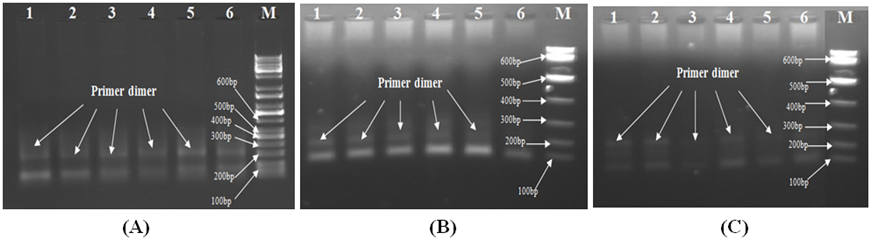
 cancer cell lines. [A: ANGM, B: HeLa and C: RD] Cell line, and [1=55.1, 2=55.8, 3=57.1, 4=58.3, 5=60.1, 6=61, M=DNA ladder)
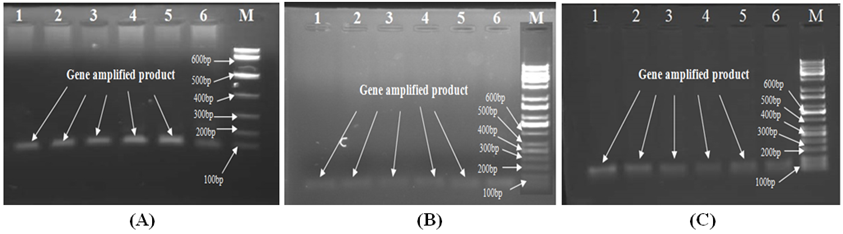
 hours, (A= ANGM, B= HeLa and C= RD) cell lines)
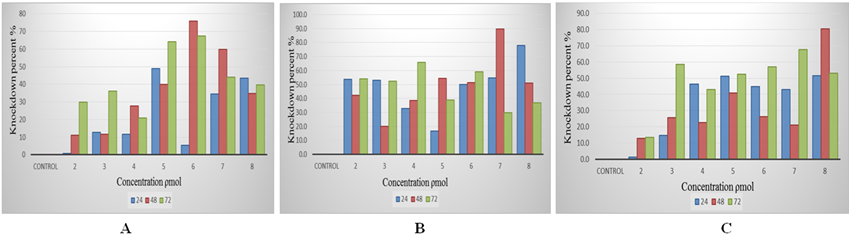



 cell line in Knockdown percent after: (A=24, B=48 and C=72) hrs)